 Skip to content
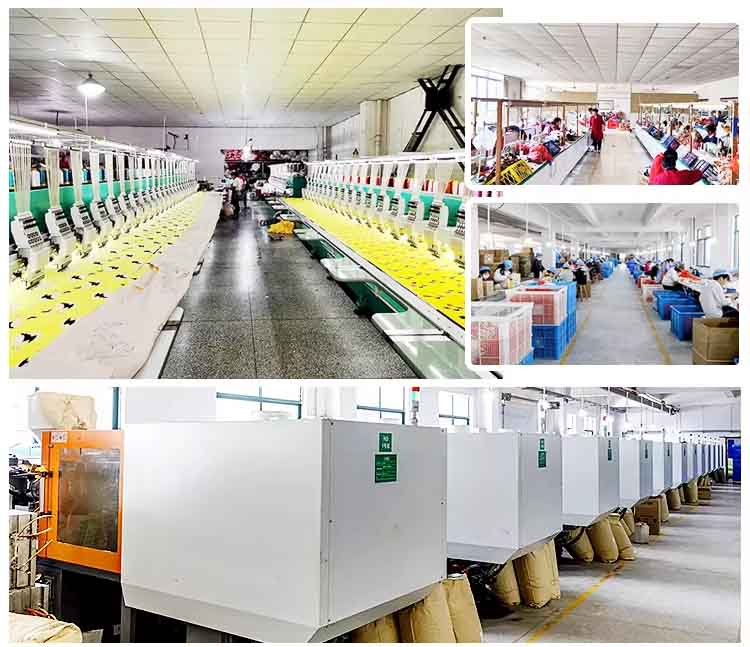
The plush toy industry is a fascinating blend of creativity, engineering, and emotional storytelling. From a child’s bedtime teddy to a collectible mascot for a luxury brand, every soft toy starts as a simple design sketch and evolves through a sophisticated manufacturing process. With the global plush market expected to exceed USD 12 billion by 2030, understanding the production process is critical for brands, retailers, and distributors who want to deliver quality while maintaining efficiency.
Soft toy manufacturing involves the complete process of designing, prototyping, cutting, sewing, stuffing, finishing, and packaging plush toys using safe materials and certified production systems. The process ensures each plush meets design, safety, and market standards before reaching consumers.
At Szoneier, with over 18 years of plush R&D and production expertise, we see every plush not just as a product — but as an emotional bridge between brand and buyer. From fluffy animal toys to premium gift plush, the journey from raw fabric to finished toy reflects precision craftsmanship, compliance discipline, and heartwarming design. Let’s walk through how professional plush manufacturing works — and why choosing the right partner defines your success.
What Is Soft Toy Manufacturing
Soft toy manufacturing is the process of transforming fabrics, fibers, and creative concepts into finished plush products through design, patterning, sewing, stuffing, finishing, and safety testing. It combines craftsmanship with industrial precision to produce toys that meet global standards in comfort, durability, and safety — whether for retail, promotional branding, or collectible use.
1.Concept Development and Product Planning
Every plush toy starts with a concept — sometimes from a client’s sketch, sometimes from a factory designer’s creativity. At this stage, product positioning is clarified:
- Who is it for? (babies, children, collectors, or brands)
- What function will it serve? (comfort toy, decoration, mascot, gift, etc.)
- What price range and compliance level?
Once the idea is approved, the design moves to a 2D drawing and specification sheet, defining shape, fabric type, size, and features. Szoneier’s in-house designers often assist clients in refining proportions to balance aesthetic realism with mass-production efficiency.
2.From Sketch to 3D Prototype
The design becomes reality through pattern making — the process of cutting flat templates that will form a 3D shape when sewn and stuffed. This step is crucial because even a 3mm misalignment can distort the plush’s expression or symmetry.
Modern factories use CAD pattern software and sometimes 3D modeling to visualize the toy before cutting fabric. Once approved, the team produces a prototype sample using the intended fabric and filling.
Why this matters: prototypes allow clients to test tactile comfort, softness level, and detailing before mass production begins. Szoneier typically offers 2–3 prototype iterations to fine-tune design and cost balance.
3. OEM & ODM Cooperation Models
In the global plush industry, production often follows two cooperation models:
- OEM (Original Equipment Manufacturing): The client provides all artwork and specifications, and the factory executes production exactly to spec. Ideal for brands that already have established designs.
- ODM (Original Design Manufacturing): The factory helps conceptualize, design, and develop plush toys based on a theme or target market. This model is preferred by small-to-medium buyers or emerging brands seeking product guidance.
At Szoneier, more than 60% of clients choose ODM because it allows faster development and professional input on materials, safety standards, and packaging presentation.
4.Standard Manufacturing Process Flow
Once the prototype is confirmed, the plush enters mass production — a process that combines creative precision with strict engineering discipline.
| Stage | Process Description | Output |
|---|---|---|
| 1. Design & Sampling | Drawings, CAD patterns, and 3D prototypes | Sample approval |
| 2. Material Procurement | Fabric, fiberfill, trims, packaging materials | Material inventory |
| 3. Cutting & Sewing | Automatic cutting and multi-line stitching | Toy shell |
| 4. Stuffing & Shaping | Fiber filling and manual shaping | Finished form |
| 5. QC & Safety Testing | Metal detection, seam strength, appearance check | Quality-approved toys |
| 6. Packing & Shipment | Labeling, tagging, export carton packing | Ready-to-ship goods |
A single plush toy may pass through 20–30 hands during production — designers, pattern makers, sewers, stuffers, inspectors, and packers — each contributing to the final quality.
5.Production Scale and Output Efficiency
In professional facilities like Szoneier’s, a typical production line includes 60–100 skilled workers supported by automated sewing, cutting, and fiber-filling machines.
- Average daily output: 2,000–3,000 mid-sized plush toys (20–30 cm).
- Lead time: 25–45 days from sample approval to shipment, depending on design complexity.
Automation has reduced fabric waste by 10–15%, while digital pattern grading ensures consistency across different size versions of the same toy.
Types of Plush Toys
Plush toys come in multiple product categories, each requiring different production and safety considerations:
| Type | Description | Typical Fabrics | Safety Focus |
|---|---|---|---|
| Stuffed Animals | Classic bears, rabbits, elephants, etc. | Velboa, faux fur | Stitch durability |
| Character Plush | Licensed or custom mascots | Minky, fleece | Colorfastness |
| Interactive Plush | Includes sound or motion modules | Short pile, electronics pocket | EN62115 compliance |
| Pillow Plush | Soft cushions for comfort | Polar fleece, spandex | Clean seam finish |
| Promotional Plush | Brand mascots or giveaways | Velboa, non-woven | Cost and branding balance |
Materials and Components Of Soft Plush Toys
Soft toy materials include plush fabrics like velboa, minky, fleece, and faux fur, filled with PP cotton or recycled fiber. Additional components such as embroidery, safety eyes, and accessories enhance design and safety. The right combination of fabric texture, filling density, and trims determines a toy’s softness, durability, and compliance with international standards.
Fabrics — The Outer Personality
The outer fabric is what customers see, touch, and emotionally connect with. Its quality affects both aesthetic realism and production performance (e.g., cutting precision, sewing speed, pile shedding, and dye consistency).
Common Fabric Types and Features
| Fabric Type | Touch Feel | Durability | Advantages | Typical Use |
|---|---|---|---|---|
| Velboa | Smooth short pile | High | Easy to sew, affordable | General plush, mascots |
| Minky (Plush Fleece) | Ultra-soft, fine pile | Medium | Baby-safe, delicate hand feel | Baby toys, cushions |
| Faux Fur | Long and fluffy | High | Luxurious texture, realistic look | Animal plush, premium toys |
| Fleece | Warm and flexible | Moderate | Stretchy and lightweight | Character plush, pillows |
| Corduroy | Ribbed surface | Very high | Vintage aesthetic, durable | Decorative toys, apparel plush |
| Spandex/Velvet Blend | Elastic and glossy | Medium | Modern look, adaptable shape | Novelty or fashion plush |
Key insight:
- Short-pile velboa is ideal for mass-production plush because it resists pilling and provides consistent color.
- Minky and faux fur are often chosen for high-end, sensory-focused toys or plush lines targeting infants.
- Corduroy and fleece suit retro-style plush that emphasize texture and nostalgia.
Fabric Quality Standards
All fabrics used by Szoneier meet international textile safety norms such as:
- OEKO-TEX® Standard 100 — ensures fabrics are free of harmful substances.
- EN71-3 — tests for heavy metals and dye safety.
- ISO 105-X12 — checks colorfastness under washing and friction.
Example: A European retailer requested pastel-tone animal plush made from OEKO-TEX-certified minky. After testing multiple lots, Szoneier’s R&D team adjusted the dyeing process to maintain consistent Pantone colors even after 10+ washes — proving that technical precision and sensory quality can coexist.
Fillings — The Inner Structure
If fabric gives a plush its appearance, filling gives it life. The choice of stuffing affects softness, elasticity, and recovery — the “hug” factor that defines product experience.
Common Filling Materials
| Filling Type | Softness | Elasticity | Eco Profile | Common Use |
|---|---|---|---|---|
| PP Cotton (Virgin Polyester Fiber) | High | Medium | Standard | Most plush toys |
| rPET Fiberfill (Recycled Polyester) | High | Medium | Excellent | Sustainable plush |
| Foam Sheets / Chips | Medium | Low | Neutral | Structured toys, cushions |
| Plastic Pellets / Beads | Low | High | Non-biodegradable | Weighted or bean plush |
| Cotton / Wool Blend | Soft | Low | Natural | Limited edition plush |
Technical comparison:
- Standard PP cotton has 0.9–1.2 denier fiber fineness, balancing softness with rebound.
- rPET fiber is made from recycled plastic bottles — offering 30–40% carbon footprint reduction while maintaining similar texture.
- Weighted plush (e.g., therapy or calming toys) uses pellets to increase realism and tactile satisfaction.
Filling Control in Production
During manufacturing, filling consistency is controlled by automatic weigh-fill machines, ensuring each toy meets the target gram weight. Example: A 30 cm bear may require 80–100 grams of PP cotton. Szoneier’s QC teams monitor every batch for:
- Softness uniformity (no lumps or empty pockets)
- Symmetrical shape after stuffing
- Elastic recovery after compression
Trims and Accessories — The Detail That Defines Character
Trims are the defining details that bring plush toys to life — eyes, noses, clothes, and labels. However, they are also the highest-risk components in toy safety compliance.
Safety Trim Options
| Component | Recommended Material | Reason |
|---|---|---|
| Eyes & Noses | Embroidered (for <3 yrs) / Lock-fast Plastic (for 3+ yrs) | Prevent choking risk |
| Thread & Stitching | Polyester high-twist yarn | Strong seam retention |
| Labels & Tags | Heat-cut woven or printed satin | Fray-resistant, soft |
| Zippers / Velcro / Buttons | Hidden or fixed types | Prevent detachment |
| Accessories (Scarves, Hats, Clothes) | Securely stitched or removable under supervision | Avoid small parts hazard |
Szoneier strictly follows EN71-1 and ASTM F963 mechanical safety protocols. Each trim batch undergoes tension and pull testing to verify that small parts cannot detach under 90N force — protecting young users from choking risks.
Finishing Materials
To maintain premium presentation, finishing steps may include:
- Surface brushing: Removes loose fibers and enhances softness.
- Steam setting: Shapes the toy uniformly.
- Lint rolling: Prepares the surface for packaging inspection. These steps ensure a clean, retail-ready look even after long transit periods.
Sustainable and Eco-Friendly Options
With the global shift toward sustainability, buyers increasingly request eco plush toys that reduce environmental impact while maintaining quality.
Eco Material Alternatives
| Material Category | Eco Option | Benefit |
|---|---|---|
| Fabric | rPET polyester / Organic cotton | Reduces plastic waste |
| Filling | 100% rPET fiberfill | Fully recycled content |
| Dyeing | Water-based pigments | Lower VOC emission |
| Packaging | Recyclable kraft boxes / biodegradable polybags | Plastic reduction |
Case Example: Sustainable Success
A Canadian client partnered with Szoneier to launch an eco-animal plush collection using 100% recycled polyester and biodegradable swing tags. The line achieved:
- 35% lower carbon footprint
- Zero plastic packaging
- Fast sell-through rate in eco-conscious retail chains
Design and Prototyping
Design and prototyping are the creative and technical heart of plush toy manufacturing. The process includes developing tech packs, 2D and 3D patterns, selecting fabrics, and producing physical samples. Each stage ensures the final plush is safe, aesthetically consistent, and production-ready — reducing cost, errors, and time-to-market.
Tech Pack — The Blueprint of Production
The tech pack (technical package) is the foundation for accurate and repeatable manufacturing. It serves as the bridge between designers, engineers, and production teams.
Typical Tech Pack Contents
| Component | Description | Purpose |
|---|---|---|
| Product Overview | Sketch or 3D render | Defines character, pose, and key proportions |
| Dimensions & Tolerances | Detailed measurements in cm/in | Guides cutting and sewing accuracy |
| Material List (BOM) | Fabric, filling, trims, and accessories | Ensures correct sourcing |
| Color References | Pantone / swatch photos | Standardizes color matching |
| Embroidery / Printing Files | Vector files or artwork | Guides decoration and logo placement |
| Stuffing Weight | Weight per unit (g) | Maintains consistent softness |
| Packaging Details | Hang tags, polybag type, barcode | Ensures export compliance |
Pattern Making — The Science of Shape
Pattern design determines how a 2D piece of fabric becomes a 3D toy. It’s both geometry and artistry. Every plush, from a round panda to a slim rabbit, starts as flat-cut patterns that will expand into form when sewn and stuffed.
Pattern Development Steps
- Drafting: Designers sketch base shapes and curves.
- Scaling: Each part is resized to align with overall dimensions.
- Allowance Marking: Seam and turn allowances (usually 5–7 mm) are added.
- Cutting: Patterns are digitized or printed for test cutting.
Modern factories like Szoneier Plush use CAD pattern systems (Gerber or Lectra) to ensure precise alignment between parts, symmetrical stitching, and efficient fabric usage. CAD can reduce material waste by up to 10% compared to manual cutting.
Example:
For a 25 cm plush bear, 20–25 unique pattern pieces might be required — body, limbs, ears, muzzle, nose base, and tail — each engineered to form the correct curves once stuffed.
3D Modeling and Prototype Sampling
Digital tools now allow factories to visualize plush toys before physical sampling. Using 3D modeling software, designers can preview proportions, texture mapping, and seam placements, enabling faster approvals.
Once virtual design is approved, the prototype sample — or first physical mock-up — is created.
Sampling Phases
| Phase | Goal | Typical Duration |
|---|---|---|
| Initial Prototype | Check overall shape and proportion | 3–5 days |
| Modified Sample (2nd Round) | Adjust fabric, color, or embroidery | 5–7 days |
| Pre-Production Sample (PP) | Confirm production readiness | 7–10 days |
Decoration Methods
Design detailing determines how “alive” a plush feels. Small differences in embroidery thickness or print clarity can change expression and emotional appeal.
Common Decoration Techniques
| Method | Feature | Best For |
|---|---|---|
| Embroidery (Computerized) | Permanent, safe, textured | Eyes, nose, logo, facial lines |
| Heat Transfer Printing | Vivid color, quick turnaround | Character details, limited editions |
| Sublimation Printing | Photographic precision | Custom artwork plush |
| Appliqué Stitching | Layered fabric detailing | Textured patterns |
| Screen Printing | Simple, bold colors | Low-cost promotional plush |
Szoneier Plush uses high-speed embroidery machines capable of 12+ colors per run, achieving intricate facial details while maintaining baby-safe compliance (no hard eyes for under-3 toys).
Balancing Aesthetics and Manufacturability
A plush toy must look beautiful and also be easy to mass-produce. Overly complex shapes can increase cost, reject rates, and production time. Therefore, designers collaborate with engineers to find balance between visual appeal and production practicality.
For instance:
- Simplifying a character’s hair from layered faux fur to printed fleece can cut sewing time by 20%.
- Replacing plastic noses with embroidered ones eliminates separate safety testing and shortens assembly by 1.5 minutes per unit.
Color Management and Material Coordination
Color is one of the most critical — and challenging — aspects of plush design. Fabrics absorb dyes differently depending on pile direction, thickness, and fiber type.
To ensure consistency:
- Each project uses Pantone TCX or Lab color data for reference.
- Szoneier’s dye labs conduct colorfastness and UV tests before approval.
- All fabrics are labeled by lot number for traceability, ensuring identical hues across production runs.
Example: For a global retailer’s “rainbow animal” series, Szoneier created six custom pastel tones using low-VOC water-based dyes. The collection maintained identical tones across 20,000 units shipped to four countries — a feat only achievable through strict color control.
Prototyping Efficiency and Cost Optimization
Sampling can be a costly bottleneck for startups, but with professional workflow, it becomes a strength.
Typical Sampling Cost Breakdown:
| Item | Approximate Cost (USD) | Purpose |
|---|---|---|
| Initial Sample (Basic Plush) | $80–$150 | Design validation |
| Complex Plush / Licensed | $150–$250 | Multicolor, jointed, or large toys |
| Pre-Production (Final) | $100–$200 | Mass-production alignment |
Production and Quality Control
Soft toy production combines precise cutting, skilled sewing, uniform stuffing, and consistent finishing, supported by rigorous quality control at every step. A professional factory runs in-line inspections, needle/metal management, and final AQL checks, with traceable materials and documented CAPA (Corrective/Preventive Actions). The result is safe, symmetrical, huggable plush toys that meet EN71/ASTM/CPSIA standards and ship retail-ready.
1.Line Setup and Workflow
A high-performing plush line is organized for flow, repeatability, and safety. Szoneier configures lines to minimize back-and-forth movement and balance tack times across stations.
Typical Production Cells & Responsibilities
| Cell/Station | Key Tasks | Typical Takt Time* | Quality Focus |
|---|---|---|---|
| Cutting | CAD nesting, CNC/laser cutting, bundle ID | 20–60 sec/panel | Grain direction, edge accuracy |
| Sub-assembly | Ears, muzzle, appliqués, labels | 60–120 sec/part | Stitch density, symmetry |
| Main sewing | Body join, inside-out closing | 120–240 sec/unit | Seam tolerance, corner strength |
| Turn & pre-shape | Turning, clipping, pre-form | 30–60 sec/unit | No seam stress marks |
| Stuffing | Weigh-fill to spec, balance points | 45–90 sec/unit | Weight tolerance (±3–5 g) |
| Hand-close | Ladder stitch, knot secure | 45–75 sec/unit | Closure strength (≥70N) |
| Finishing | Brushing, de-linting, steaming | 30–60 sec/unit | Surface cleanliness, silhouette |
| In-line QC | AQL sample checks per lot | Rolling | CTQ checklist compliance |
| Metal detect | 1.5–2.5 mm Fe sensitivity | 5–10 sec/unit | Foreign metal zero-tolerance |
- Takt time varies by size/complexity; lines are balanced to prevent bottlenecks.
Good practices we enforce
- One-piece flow for delicate SKUs; mini-batches for standard SKUs.
- Poka-yoke trays so left/right parts (ears, limbs) cannot be swapped.
- Andon (stop-the-line) permission for operators if a systemic defect appears.
2. Fabric Cutting and Identification
Accurate cutting determines how a plush will align and stuff later.
- CAD nesting reduces fabric waste by 10–15% and ensures pile direction consistency.
- Each bundle carries a Barcoded Traveler (SKU, lot, color, roll#), enabling backward traceability if an issue surfaces at QC.
- Edge quality: no frays/pulls; seam allowance marked at 5–7 mm unless otherwise specified.
Cutting QC Checklist (Excerpt)
- Pile direction consistent front/back
- Symmetrical mirrored pieces (limbs/ears)
- Notches/registration marks visible after sewing
- Color lot verified against PP sample swatch
3. Sewing Standards and Seam Integrity
Stitches define strength, shape, and safety.
- Stitch density: 8–10 SPI (stitches per inch) on short-pile; 6–8 SPI on thick faux fur.
- Thread: high-twist polyester 40s/2; colorfast to ISO 105-X12 standards.
- Critical seams (neck, arm joints, body ring): seam strength target ≥70N (tension test).
- Corners & curves: clipped/notched to avoid puckering after turn-out.
- Label placement follows tech pack coordinates with ±3 mm tolerance.
Typical Sewing Defects & Prevention
- Puckering → adjust differential feed; re-notch curves.
- Skipped stitches → new needle, correct needle size (#11–14), re-thread.
- Asymmetric limbs → jig/fixture for left/right matching before join.
4. Stuffing, Balance, and Shape Control
Stuffing is where a toy becomes alive—the “hug factor.”
- Weigh-fill targets (e.g., 25 cm bear: 80–100 g PP cotton) with ±3–5 g tolerance.
- Balance points defined in tech pack (muzzle, tummy, hip) prevent “leaning” or flat spots.
- Hand-forming after machine fill ensures symmetry around nose/cheek zones.
- Weighted SKUs: pellets are enclosed in inner pouches (double-stitched) to prevent migration and small-parts risk.
Stuffing QC Quick-Test
- Press both cheeks: they rebound equally within 2 seconds.
- Sit test: toy sits without side lean for >20 seconds on flat table.
- Hug test: compress at chest; rebound and silhouette recovery >80% within 5 seconds.
5. Finishing: From Good to Shelf-Ready
Finishing maximizes shelf appeal and consumer delight:
- Brushing/de-linting removes loose fibers.
- Steam setting restores silhouette and smooths seam lines.
- Embroidery inspection: no puckers, broken threads, or misregistration.
- Surface clean: wipe test (white cloth) must remain clean; if not, re-finish.
Packaging to Spec
- Hangtag position ±5 mm; barcode scannable (≥80% grade).
- Polybag with suffocation warning (where required); vent holes per destination.
- Carton: edge crush test aligned with logistics SOP; inner poly or tissue to prevent pile crush.
- Amazon FBA-ready options available (labeling, carton limits, ASIN mapping).
6. Safety Systems: Needle & Metal Control
Zero-tolerance policy for broken needles and metal fragments:
- Each line holds a single needle per machine; all changes logged.
- If a needle breaks, the area is quarantined, fragments counted; if any fragment is missing, the work-in-process is rejected and re-screened.
- Metal detection: calibrated to 1.5–2.5 mm Fe, typically 2.0 mm default; all finished units pass through detector with recorded timestamps.
- Audit trail retained for 24+ months with lot/shift IDs.
7. In-Line, Pre-Final, and Final AQL Inspections
We apply AQL (Acceptable Quality Limit) sampling per client contract (ANSI/ASQ Z1.4).
Typical AQL Plan (General Consumer Plush)
| Defect Type | AQL | Examples |
|---|---|---|
| Critical | 0 | Sharp needles/metal, choking hazards, exposed pellets |
| Major | 1.5–2.5 | Open seams, asymmetry, stain >3 mm, wrong label |
| Minor | 4.0 | Slight lint, tiny mis-stitch not visible at 50 cm |
Inspection Layers
- In-line (per 200–300 pcs): find trends early (SPI drift, shape variance).
- Pre-final (80% finished): verify corrections before packing surge.
- Final AQL (≥80–100% packed): accept/reject decision; carton DROPs verified.
CTQ (Critical-to-Quality) Checklist (Excerpt)
- Seam strength (≥70N at neck/arm joins)
- Metal detect pass record attached
- Embroidery alignment within ±2 mm
- Weight within spec (±3–5 g)
- Eyes/nose secure (pull test per EN71/ASTM)
- Labels and warnings per market law
8. CAPA: Corrective & Preventive Actions
When a defect trend appears, Szoneier initiates root-cause analysis and locks in countermeasures.
CAPA Workflow
- Containment: isolate suspect WIP/lots.
- Root cause (5-Why/Fishbone): e.g., seam burst due to thread spec change.
- Action: update thread spec; retrain operator; update SOP.
- Effectiveness check: next two lots monitored; PPM trend charted.
- Closure: document & share with client if required.
Quality KPI Dashboard (Typical Targets)
- Inline reject rate: < 1.5%
- Final AQL pass first-time: > 98%
- Customer claims (PPM): < 500 PPM sustained
- Rework ratio: < 2% of shipped volume
Safety and Compliance
Plush toys must comply with international standards like EN71 (EU), ASTM F963 (US), and CPSIA, covering mechanical, flammability, and chemical safety before export.
Key Safety Standards
| Region | Main Standard | Focus |
|---|---|---|
| EU | EN71-1/2/3 | Physical & chemical safety |
| US | ASTM F963 / CPSIA | Flammability & labeling |
| Canada | SOR/2011-17 | Heavy metals & small parts |
| Japan | ST-2016 | Textile & dye safety |
Factories like Szoneier maintain pre-certified lab partners (SGS, ITS, BV) for batch testing and compliance documentation.
Design Impact of Safety Rules
Design must prevent choking or strangulation hazards. Examples:
- No detachable parts for toys under 3 years.
- Embroidered eyes/noses replace plastic in baby ranges.
- Short pile fabric reduces lint ingestion risk.
Chemical and Flammability Tests
Common tests include:
- EN71-3: Heavy metal migration
- ASTM F963-3: Phthalates restriction
- 16 CFR 1500.44: Flammability resistance
All materials at Szoneier undergo incoming QC and random verification before production approval.
Certifications and Audits
To ensure ethical and consistent production, Szoneier’s facilities operate under:
- ISO 9001 & ISO 14001
- BSCI / Sedex social audit standards
- LWG environmental protocols (for fabric sources)
Cost and Investment
Manufacturing plush toys typically costs $1.50–$8.00 per unit, depending on size, material, and order quantity. Establishing a small-to-medium plush factory requires $150,000–$500,000 in setup investment for machinery, workforce, certification, and materials. Accurate cost control, MOQ strategy, and optimized logistics determine profitability and long-term competitiveness.
What Determines the Cost of Manufacturing a Plush Toy
Every plush project has its own cost profile. Unlike mass textiles, toy production combines manual craftsmanship with mechanized precision, so pricing depends on many variables. Szoneier’s costing process breaks down each component to give buyers full cost transparency.
Primary Cost Drivers
| Category | Typical Share (%) | Cost Variables |
|---|---|---|
| Fabric & Filling Materials | 30–40% | Fabric type (minky vs. faux fur), fiberfill weight, eco-materials |
| Labor & Overhead | 25–35% | Sewing complexity, finishing time, QC steps |
| Packaging & Accessories | 10–15% | Tags, bags, display boxes, labels |
| Testing & Certification | 5–10% | EN71/ASTM testing, lab fees, audit cost |
| Logistics & Freight | 8–12% | Carton size, destination, INCOTERM choice |
Average Per-Unit Production Cost by Size
| Toy Size | Low-Complexity (Simple Plush) | Medium (Standard Animal Plush) | High-Complexity (Character/Interactive) |
|---|---|---|---|
| 10–15 cm | $1.20–$2.00 | $2.50–$3.50 | $3.50–$4.50 |
| 20–30 cm | $2.80–$3.80 | $4.00–$5.50 | $6.00–$7.50 |
| 40+ cm | $4.50–$6.00 | $6.50–$8.00 | $8.00–$12.00 |
Notes:
- Adding embroidery, multi-color printing, or custom accessories can raise cost by 10–20%.
- Switching to GRS-certified recycled fabrics may add 5–8% but improves brand sustainability value.
How Much Does It Cost to Manufacture a Plushie
For a concrete example, here’s how a 25 cm mid-range plush might be costed at Szoneier:
| Item | Unit Cost (USD) | Remarks |
|---|---|---|
| Velboa outer fabric (0.25 m @ $2.40/m) | $0.60 | Color-fast, OEKO-TEX-certified |
| PP cotton filling (80 g @ $2.20/kg) | $0.18 | Soft rebound grade |
| Embroidery & accessories | $0.40 | Eyes, logo, nose |
| Sewing labor | $1.10 | 3–4 min skilled operator time |
| QC & Metal Detection | $0.20 | 100% scan, AQL sampling |
| Packaging (polybag + hangtag) | $0.25 | Retail-ready pack |
| Testing allocation | $0.10 | Amortized over order qty |
| Total Ex-factory Cost | ≈ $2.83 – $3.10 | FOB Shenzhen |
Cost optimization tips:
- Increase order volume: going from 500 pcs → 3000 pcs can reduce per-unit cost by 15–25% due to material batch efficiency.
- Simplify shape or reduce color count: lowers sewing and embroidery time.
- Use shared mold/template structures for a family of toys to amortize sampling and pattern costs.
How Much Does It Cost to Start a Toy Factory
Starting your own plush factory is a serious investment that blends industrial equipment, compliance certification, and human skill. Below is an outline of initial capital needs based on Szoneier’s actual factory benchmarks.
Estimated Setup Investment (USD)
| Category | Low Scale (Small Workshop) | Mid Scale (Professional Factory) | High Scale (Export-Oriented) |
|---|---|---|---|
| Sewing Machines (50–150 sets) | $20,000 | $60,000 | $100,000+ |
| Cutting & CAD System | $10,000 | $25,000 | $40,000 |
| Stuffing & Finishing Equipment | $10,000 | $25,000 | $50,000 |
| QA & Metal Detection Systems | $5,000 | $10,000 | $25,000 |
| Facility Setup (400–1200 sqm) | $25,000 | $60,000 | $100,000 |
| Compliance & Audit (ISO, BSCI, EN71 lab setup) | $5,000 | $15,000 | $25,000 |
| Raw Material Initial Stock | $15,000 | $40,000 | $70,000 |
| Total Estimated Start-up Cost | ≈ $90,000–$150,000 | ≈ $250,000–$350,000 | ≈ $400,000–$600,000 |
Ongoing Monthly Costs:
- Labor & management wages: $15,000–$40,000
- Utilities (power, compressed air, lighting): $2,000–$6,000
- Maintenance & depreciation: $1,000–$3,000
- Material replenishment & packaging: variable
Pricing Models and Order Strategies
Choosing the right pricing model depends on buyer scale, logistics plan, and market.
| Pricing Term | Meaning | Who It’s Best For | Notes |
|---|---|---|---|
| EXW (Ex-Works) | Buyer handles all logistics | Local distributors, consolidators | Lowest base cost |
| FOB (Free On Board) | Szoneier ships to port | Bulk importers, brand owners | Most common for OEM |
| CIF (Cost + Insurance + Freight) | Delivered to destination port | Retailers, regional importers | Simplifies freight planning |
| DDP (Delivered Duty Paid) | All taxes & customs included | Amazon FBA, e-commerce sellers | Easiest turnkey solution |
Example: A U.K. retailer ordering 5000 pcs FOB Shenzhen pays ~$2.85 each; under DDP London, landed cost ≈ $3.60 including sea freight, duties, and inland delivery.
MOQ, Sampling, and Lead-Time Planning
Order quantity and scheduling strongly affect total cost and margin.
| Stage | Typical Timeframe | Cost Impact / Notes |
|---|---|---|
| Design & Sampling | 7–10 days (simple) / 15–20 days (complex) | $100–$250 per style |
| Material Procurement | 5–7 days | Earlier confirmation saves dye-lot fees |
| Mass Production | 25–40 days | Based on 3000–5000 pcs line size |
| QC & Packaging | 5–7 days | Integrated into production flow |
| Shipping (Sea) | 20–35 days | Air express for urgent 300 pcs MOQ orders |
Typical MOQs:
- Standard plush: 500–1000 pcs per design
- Small custom plush keychains: 300 pcs
- Complex or electronic plush: 1000–2000 pcs
Lower MOQs are available at a slightly higher unit cost (10–20%) for new brand testing or Kickstarter campaigns.
Conclusion
Soft toy manufacturing blends imagination with precision. Every successful plush requires the perfect balance of design realism, material softness, and certified safety. The right factory partner doesn’t just produce toys — it builds trust, emotional value, and long-term brand reputation.
Whether you’re launching a new character plush line, creating branded mascots, or scaling private-label toy collections, Szoneier’s dedicated team turns your vision into high-quality, market-ready products.
Contact Szoneier today to discuss your custom plush project. Let’s create something soft, safe, and unforgettable — together.
manufacturer Categories
- Custom Tote Bags Manufacturer
- custom backpacks Manufacturer
- custom travel bags& Duffle bags manufacturer
- custom makeup bags & toiletry bags manufacturer
- custom cooler bags manufacturer
- custom drawstring bags manufacturer
- custom makeup bags & toiletry bags manufacturer
- custom golf bags manufacturer
- custom fireproof bags manufacturer
- custom dry bags manufacturer
- custom ski bags manufacturer
- custom gym & sports bags manufacturer
- custom laptop bags manufacturer
- custom tactical bags manufacturer
- custom beach bags manufacturer
- custom medical bags manufacturer
- custom camera bags manufacturer
- custom wetsuits manufacturer
- custom leather goods manufacturer
- more personalized products
Can't find the answers?
No worries, please contact us and we will answer all the questions you have during the whole process of bag customization.
Make A Sample First?
If you have your own artwork, logo design files, or just an idea,please provide details about your project requirements, including preferred fabric, color, and customization options,we’re excited to assist you in bringing your bespoke bag designs to life through our sample production process.
