
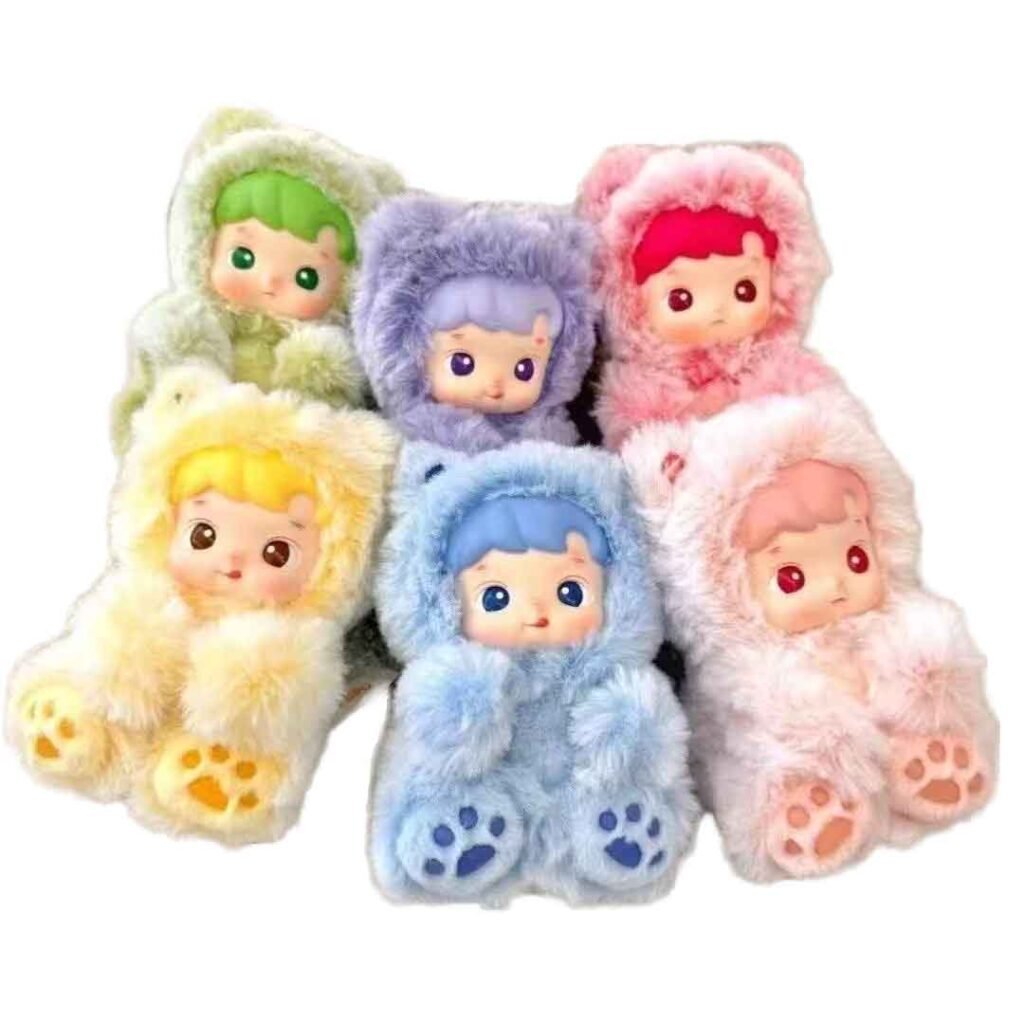
Stuffed animals, or plushies, have grown far beyond childhood companions. Today, they represent powerful branding tools, collector’s items, themed retail merchandise, and even viral TikTok sensations. But one question remains consistent across all business buyers: how much do plushies cost?
Whether you’re an indie creator, a DTC startup, or a major retailer sourcing in bulk, plush pricing depends on multiple factors—from materials to volume to origin. And while it’s easy to find a $1 teddy bear or a $200 limited-edition plush online, these prices tell you nothing about why plushies cost what they do.
Plushies typically cost between $1 and $30 per unit depending on factors like size, material, design complexity, order quantity, and manufacturing location. Custom plush toys from Chinese factories range from $2 to $8 each in bulk. Licensing, branding, and packaging can raise prices significantly.
Let’s unpack the full cost equation of plush toys to help you make smarter sourcing decisions.
What Factors Affect Plushie Prices?
Plushie pricing depends on material, size, complexity, MOQ, and branding.
The cost to make a plush toy is never one-size-fits-all. Below are the primary pricing levers you should understand before launching your project.
Fabric Type & Filling
| Fabric Type | Cost Impact | Description |
|---|---|---|
| Short pile (velboa, fleece) | Low | Soft, affordable, widely used |
| Long pile plush | Medium | Fluffy, premium feel |
| Faux fur or Sherpa | High | Cozy texture, higher cost |
| Specialty fabric (sequins, metallics, glow-in-dark) | Very High | Custom design effect |
Filling Options: Most plushies use PP cotton or polyester stuffing. Memory foam or weighted beads (used for sensory toys) increase unit price.
Size & Dimensions
Larger plushies require more fabric, stuffing, and labor. For example:
- 4 inch keychain plush: $0.80–$1.50
- 8 inch plush: $1.80–$3.00
- 12 inch plush: $2.50–$5.00
- 24 inch jumbo plush: $6.00–$12.00
Design Complexity
The number of panels, stitching types, 3D elements (e.g., tails, wings), embroidery, or printed details affects both mold cost and labor time. For example:
- Simple bear with 5 panels: $1.80
- Custom dinosaur with embroidery, wings, and hat: $4.80–$6.00
Minimum Order Quantity (MOQ)
Higher quantities reduce per-unit costs. Sample production costs can be 3–5x more than bulk pricing.
| Order Quantity | Est. Cost/Unit |
|---|---|
| 100 pcs | $6.00–8.00 |
| 500 pcs | $3.00–4.50 |
| 1000 pcs | $2.00–3.20 |
Manufacturing Location
- China: Most common, lowest costs, excellent quality range
- Vietnam: Slightly higher cost, increasing in popularity
- USA/EU: Higher cost due to labor, niche for sustainable or domestic sourcing
What Types of Plushies Are Available?
Plush toys come in various formats—each serving unique age groups, market purposes, and design considerations.
From budget-friendly giveaways to luxury collectibles, understanding the different types of plushies helps brands align their concept with the right product tier. Below are key segments:
Basic Plush Toys
These include traditional teddy bears and soft animals made from standard velboa or fleece. They typically feature minimal embroidery and stuffing, suitable for bulk orders or promotional giveaways.
Average Cost (Bulk): $2.00–$3.00
Character Plushies
Custom-designed plush representing a specific animal, fantasy creature, mascot, or cartoon character. These often require unique molds, multiple fabrics, and detailed embroidery.
Average Cost: $3.50–$6.50 depending on size and features
Plush Keychains & Mini Plush
Small-sized plush (3–5 inches) designed to attach to backpacks, keys, or as collectables. Popular in K-pop merchandise and event giveaways.
Cost Range: $0.80–$1.80
Weighted & Therapeutic Plushies
Includes plush stuffed with microbeads, weighted pellets, or scented capsules for anxiety relief or sensory needs.
Features: Reinforced stitching, hidden pouches, hypoallergenic fillings Cost Range: $4.00–$9.00
Reversible / Transforming Plush
Reversible toys that flip inside-out to reveal another face, character, or emotion. Popular on social media and as novelty gifts.
Materials: Double-faced plush, internal stitching Cost: $3.00–$5.50
Electronic Plush Toys
Includes sound chips, motion sensors, or light-up features. Requires battery housing, wiring, and compliance testing.
Cost: $5.50–$12.00 Uses: Baby sound toys, interactive pets, licensed merchandise
Limited Edition or Collectible Plush
Luxury plush toys with premium fabrics (like mohair, wool, or satin), branded packaging, and collector certificates.
Price Range: $10–$50+ (retail $30–$300)
Most Expensive Example
The most expensive plushie in the world is the Louis Vuitton x Steiff Teddy Bear, auctioned at $2.1 million. It used LV monogram fabric, gold-thread embroidery, and real sapphires for eyes.
By understanding the category your plush idea falls under, you can better align your design, budget, and expectations.
Different plush types vary in cost, purpose, and appeal.
Understanding plush categories helps you benchmark what price range your design may fall into.
Common Plush Toy Types
| Type | Example | Avg. Cost (Bulk) |
|---|---|---|
| Classic Teddy Bear | Brown bear with bow | $2.00–$3.50 |
| Character Plush | Dinosaur, unicorn, cartoon | $3.00–$6.00 |
| Plush Keychains | Small, 4-5 inch | $0.80–1.50 |
| Weighted Plush | Sensory toys with beads | $4.50–8.00 |
| Sound/Motion Plush | With battery + chip | $5.50–12.00 |
| Reversible Plush | Flip-to-change design | $2.80–4.80 |
What’s the Most Expensive Plush in the World?
The priciest plushie ever sold is the Steiff Louis Vuitton teddy bear, auctioned for over $2.1 million. It featured LV monogram fabric, gold stitching, and sapphire eyes.
How Much Does It Cost to Make a Plushie?
Making a plushie involves more than just fabric and stuffing. A full cost breakdown takes into account raw materials, labor, mold/prototype fees, customization, packaging, quality control, compliance, and shipping. Whether you’re producing in China or elsewhere, understanding these components will help you plan budgets, choose the right factory, and price your product competitively.
1. Materials (Fabric + Filling)
This is the foundation of every plush toy. Material cost varies based on texture, pile length, and custom effect.
| Material Type | Average Cost per Plush | Notes |
|---|---|---|
| Basic Velboa / Fleece | $0.30–$0.60 | Soft, affordable |
| Long Pile Plush | $0.60–$1.20 | Fluffier feel |
| Faux Fur, Sherpa | $0.80–$1.50 | Premium look |
| Specialty (sequins, metallic, UV-reactive, glow) | $1.50–$3.00+ | Custom development |
Filling options:
- PP Cotton / Polyester Fiberfill – Standard stuffing, $0.20–$0.40 per plush
- Weighted beads – $0.40–$0.90, used in sensory plush
- Memory foam – Premium option for comfort, $0.80–$1.50
2. Labor & Sewing
Labor cost depends on sewing complexity, the number of fabric panels, additional elements (ears, limbs, accessories), and embroidery.
| Complexity Level | Estimated Labor Cost |
|---|---|
| Simple (4–6 panels) | $0.60–$0.90 |
| Moderate (8–12 panels, embroidery) | $1.00–$1.80 |
| Complex (multi-layered, accessories, 3D shape) | $2.00–$3.50 |
Factories in China, Vietnam, and Indonesia typically offer the lowest sewing labor rates. Western countries may have 2–5x labor cost.
3. Mold / Pattern Development (One-Time Cost)
Creating a custom plush requires a prototype pattern, which includes:
- 2D drawing → 3D CAD model
- Pattern drafting
- Sample cutting and sewing
- Adjustments based on feedback
Typical cost: $80–$200 per prototype (Complex licensed characters or animation plush can reach $300+)
This cost is amortized over the production run. For 1,000 pcs, a $120 sample cost becomes $0.12/unit.
4. Customization & Add-ons
The more personalized your plushie, the higher the per-unit cost.
| Custom Feature | Extra Cost |
|---|---|
| Embroidery (logo, face) | $0.20–$0.60 |
| Printed label/tag | $0.10–$0.30 |
| Custom clothing (T-shirt, hoodie) | $0.50–$1.50 |
| Voice chip / music box | $1.20–$3.00 |
| Reversible design (2-in-1 plush) | $0.80–$1.80 |
| Magnetic limbs / accessories | $0.50–$1.20 |
Adding 2–3 features can increase your plush cost by $1–$4.
5. Packaging
Packaging ranges from simple polybags to elaborate gift boxes.
| Packaging Type | Unit Cost | Notes |
|---|---|---|
| OPP Polybag | $0.08–$0.12 | Default for mass production |
| Hangtag + Polybag | $0.15–$0.25 | Branding upgrade |
| Window Gift Box | $0.50–$1.20 | Retail-focused |
| Kraft Tube / Collectible Box | $1.00–$2.50 | Premium, for collector plush |
6. Quality Control (QC) & Compliance Testing
For exports to the US/EU (especially toys for children under 3), plush must meet safety standards like:
- ASTM F963 (USA)
- EN71 (Europe)
- CPSIA (lead, phthalate-free)
- CE Certification
QC + compliance cost:
- Factory QC inspection: $0.10–$0.25 per unit
- Third-party testing (SGS/BV): $350–$800 per design
Many reputable plush factories like Szoneier offer pre-certified materials or can handle testing for you.
7. Shipping & Freight
Shipping adds cost depending on volume, destination, and mode:
- Sea Freight (FCL): $0.20–$0.50 per plush (bulk orders, 45–60 days)
- Air Freight: $0.80–$2.50 per plush (faster, small batches)
- Express (DHL, FedEx): $5.00–$10.00 per plush (for samples)
Packaging size affects freight cost—a 4-inch plush costs much less to ship than a 24-inch pillow plush.
Sample Full Cost Breakdown (Example)
Custom 10-inch plush toy, 1000 units, made in China
| Component | Cost/Unit | Total |
|---|---|---|
| Material (short pile + stuffing) | $0.70 | $700 |
| Labor (8-panel, embroidery) | $1.00 | $1000 |
| Custom embroidery (logo) | $0.25 | $250 |
| Packaging (OPP + tag) | $0.12 | $120 |
| QC & packing | $0.18 | $180 |
| Pattern development | $0.15* | $150 |
| Sea shipping (to US) | $0.40 | $400 |
| Total Unit Cost | $2.80 | $2800 |
- Amortized from a one-time $150 pattern/sample fee.
Tips to Reduce Plush Manufacturing Costs
- Simplify design: Fewer panels and simpler shapes save labor.
- Increase volume: Unit price drops drastically at 1,000+ pcs.
- Limit custom packaging: Polybags are cost-effective.
- Use standard fabrics: Avoid specialty materials unless core to your branding.
- Work with experienced factories: Like Szoneier, who can optimize design-to-production efficiency.
How Much Do Branded Plushies Like Disney’s Cost?
Branded plushies featuring characters from The Walt Disney Company typically cost significantly more than generic plush toys due to added expenses such as licensing royalties (often 10–20 % of manufacturing cost), stricter quality and safety standards, and higher packaging/retail expectations. As a result, while generic plush might be produced for $2–$4 USD per unit in bulk, a Disney‑licensed plush often lands at $5–$15+ per unit FOB, with retail prices ranging $15–$30 or higher.
When you consider manufacturing a plush toy under a major brand license like Disney, the cost structure expands significantly beyond the usual material+labor+packaging formula. Below are the key additional cost items and how they influence the unit cost and retail pricing.
1. Licensing and Royalty Fees Brand‑licensed plushies involve an agreement between your manufacturing or brand entity and the IP‐holder (e.g., Disney). These agreements typically require:
- A royalty or fixed fee per unit or per collection (often 5–15 % of net sales or cost)
- Minimum guaranteed payments or advance against royalties
- Strict audit and reporting requirements
For instance, industry sources note that licensing popular characters can drive up cost structures significantly. The royalty burden alone may add US$0.20–$1.00 (or more) per unit depending on volume and tier, which must be absorbed either by the manufacturer, the brand, or the pricing strategy.
2. Higher Quality, Safety & Compliance Standards Licensed plush toys for major brands must meet stricter specifications:
- Use of premium fabrics, higher grade stitching, exact colour matching
- Additional testing (ASTM, EN‑71, CPSIA), especially for children’s products
- Brand‐specific packaging, hang tags, and sometimes collector’s editions
These factors increase the base manufacturing cost. For example, if a generic plush costs $2.80 FOB (see our earlier breakdown), moving to higher spec materials and safety testing might raise that to $3.50–$5.00 or more.
3. Packaging & Branding Added Value Licensed products often come with premium packaging: branded boxes, blister display windows, holographic tags, and sometimes bundled accessories or story cards. Packaging cost may rise from $0.12 (basic polybag) to $0.50–$1.50 per unit. This adds not just cost but perceived value, which supports higher retail pricing.
4. Larger Margin Requirements & Retail Positioning Because the plush is under a major brand, retailers and licensors expect higher margins. The cost chain might go: FOB $5.00 → landed cost $6.50 → wholesale $10.00 → retail $20–30+. Consumer expectations for branded plush are different: they expect premium feel, collectability, perhaps limited editions, so the markup is justified.
5. Minimum Order Quantities (MOQ) and Volume Sensitivity Licensing deals often come with higher MOQs or commitments to inventory. If you’re producing only 300 units, the per‑unit cost may be $6–$8 FOB for a licensed plush, instead of $3–$4 for generic. Thus volume heavily influences cost. The smaller the run, the more cost is loaded into each unit.
6. Cost Guide – Licensed Plush Example
| Cost Component | Generic Plush (~12″) | Licensed Plush (Disney) |
|---|---|---|
| Materials + Filling | $0.70 | $0.90 |
| Labor & Sewing | $1.00 | $1.20 |
| Mold/Pattern (amortised) | $0.15 | $0.15 |
| Embroidery/Brand Features | $0.25 | $0.35 |
| Packaging (premium) | $0.12 | $0.60 |
| Licensing/Royalty Fee | $— | $0.80 |
| QC & Testing Premium | $0.18 | $0.30 |
| Shipping (sea volume) | $0.40 | $0.50 |
| Total FOB Estimate | ~$2.80 | ~$4.80–$6.00 |
Note: Costs vary by size, features, and quantity. These are illustrative averages.
7. Brand Strategy Implications For a brand or manufacturer like Szoneier Plush working in the stuffed animals space:
- If you plan a licensed plush collection, allocate the royalty and packaging costs into your pricing model early.
- Negotiate the licensing terms and MOQ carefully. Sometimes bundling multiple characters or lines helps reduce royalty per unit.
- Consider limited edition or collector variants (e.g., 1000 units only) to justify higher pricing and absorb licensing cost via scarcity and premium packaging.
- Ensure your manufacturing partner understands the extra compliance, revision cycles, and audit needs—as delays or rework will hit costs hard.
If you’re building an IP-based plush brand, factor in licensing, packaging, and copyright design services.
How Much Does It Cost to Make a Plush Toy in China?
Chinese factories like Szoneier offer competitive prices, efficient turnaround, and customization services.
| Quantity | Est. Unit Price | Lead Time |
|---|---|---|
| 100 pcs | $6.00–8.00 | 12–20 days |
| 500 pcs | $3.50–4.50 | 15–25 days |
| 1000+ pcs | $2.20–3.50 | 20–30 days |
China remains the top destination due to experienced plush workers, flexible MOQs, and extensive material access.
What Should You Consider When Planning a Plush Project?
Planning a plush toy project requires strategic decisions around design, prototyping, budget, order quantity, safety compliance, customization, and fulfillment. Brands should assess their target audience, preferred materials, regulatory markets (e.g., US/EU), and partner with a reliable manufacturer experienced in OEM/ODM plush production to avoid costly delays or compliance issues.
Launching a plush toy collection—whether for a kids’ brand, e-commerce business, IP merchandising, or promotional campaign—is a creative but complex endeavor. To bring your plush vision to life cost-effectively and at scale, here are the 6 most critical areas to plan thoroughly:
1. Design Development & Prototyping
Design is the heart of your plush. Poor initial planning here leads to endless sample revisions and extra costs.
Steps to Follow:
- Define character or concept clearly: Include mood boards, sketches, 3-view diagrams (front, side, back), and color references (Pantone preferred).
- Choose fabric textures: Velboa, fleece, sherpa, sequin, minky—each has different cost and tactile appeal.
- Label embroidery or printing: Brand tags, safety labels, QR codes, or logo placements should be considered early.
Sampling Timeline & Cost:
| Step | Description | Lead Time | Cost (USD) |
|---|---|---|---|
| Design to 3D pattern | 2D sketch to plush prototype | 5–7 days | $30–$100 |
| Sample production | Fabric cutting, stuffing, finishing | 7–14 days | $80–$150 |
| Revisions (if any) | Based on feedback | +5–10 days | Varies |
Working with a professional manufacturer like Szoneier Plush, which offers in-house designers and sampling services, can dramatically shorten this timeline and improve first-pass quality.
2. Minimum Order Quantity (MOQ) and Budget Planning
MOQ Considerations:
- Plush factories typically require 100–500 pcs MOQ, depending on complexity.
- Lower quantities result in higher per-unit cost due to fabric waste, setup time, and labor allocation.
Budgeting Strategy:
- Allocate costs across: sampling, unit production, packaging, compliance testing, and shipping.
- Consider crowdfunding or pre-orders to reduce upfront financial pressure.
- Use a tiered approach to manage initial investment while preparing for scalable growth.
3. Customization Options & Value-Added Features
Today’s plush buyers—especially adults and collectors—look for unique selling points (USPs). Custom features drive both brand identity and perceived value.
| Custom Feature | Function | Cost Impact |
|---|---|---|
| Embroidery (eyes, logo) | Permanent branding | Low |
| Clothing & Accessories | Storytelling or seasonal themes | Medium |
| Sound Modules | Add voice, music, effects | High |
| Weighted Beads or Foam | For sensory appeal or therapy | Medium |
| Packaging (box, zip bag) | Shelf appeal, gift readiness | Medium to High |
Work with a full-service supplier who offers these in-house—outsourcing after production often leads to delays or mismatched quality.
4. Compliance, Testing & Safety Regulations
If your plushies are destined for regulated markets like the U.S. or EU, safety isn’t optional.
Key Certifications to Consider:
- EN71 (Europe): Mechanical and physical safety, flammability, chemical testing
- ASTM F963 (USA): Similar to EN71; required for children’s products
- CE Marking: Mandatory in EU for toy categories
- CPSIA Tracking Labels: For toys intended for U.S. children under 12
Testing typically costs $300–$800 per item, depending on design complexity. Plan this into your budget and timeline—especially for holiday season deadlines.
5. Production & Quality Control Process
After sample approval and PO confirmation, production starts. Key elements to manage:
- Lead Time: 15–30 days depending on volume and factory capacity
- Quality Checkpoints: From material sourcing to final packaging
- Defect Rate Management: Request AQL-level inspections or 3rd-party QC reports
Szoneier Plush, for example, provides photos/videos of production stages and supports full QA documentation to ensure your standards are met.
6. Logistics, Warehousing, and Delivery Planning
Shipping Options:
| Mode | Typical Use | Transit Time | Notes |
|---|---|---|---|
| Sea Freight | Bulk orders (500+ pcs) | 20–35 days | Lowest cost |
| Air Freight | Mid-size orders, urgent | 5–10 days | More expensive |
| Express Courier | Samples, small orders | 3–7 days | Highest cost/unit |
Tips:
- Factor in customs, duties, and Incoterms (EXW vs FOB vs DDP).
- If you’re working with Amazon or other 3PLs, ensure packaging follows their guidelines (FNSKU, suffocation warnings, polybag specs).
- Discuss warehousing or drop-shipping options if working internationally.
Ready to Customize Plushies With Szoneier?
Whether you’re an indie designer, global retailer, or launching your first collectible plush campaign, Szoneier Plush is your expert manufacturing partner with 18+ years of experience in premium stuffed toy production. We don’t just make plush toys—we help brands build lasting emotional connections through softness, quality, and custom storytelling.
We’re trusted by hundreds of global buyers for OEM/ODM plush toys, including:
- Toy brands
- IP owners
- DTC founders
- Gift and souvenir retailers
- Education and museum distributors
With 100% quality assurance, responsive service, and clear communication, we make custom plush development easy, fast, and fun.
Let’s bring your plush idea to life—starting today.
manufacturer Categories
- Custom Tote Bags Manufacturer
- custom backpacks Manufacturer
- custom travel bags& Duffle bags manufacturer
- custom makeup bags & toiletry bags manufacturer
- custom cooler bags manufacturer
- custom drawstring bags manufacturer
- custom makeup bags & toiletry bags manufacturer
- custom golf bags manufacturer
- custom fireproof bags manufacturer
- custom dry bags manufacturer
- custom ski bags manufacturer
- custom gym & sports bags manufacturer
- custom laptop bags manufacturer
- custom tactical bags manufacturer
- custom beach bags manufacturer
- custom medical bags manufacturer
- custom camera bags manufacturer
- custom wetsuits manufacturer
- custom leather goods manufacturer
- more personalized products

Can't find the answers?
No worries, please contact us and we will answer all the questions you have during the whole process of bag customization.
Make A Sample First?
If you have your own artwork, logo design files, or just an idea,please provide details about your project requirements, including preferred fabric, color, and customization options,we’re excited to assist you in bringing your bespoke bag designs to life through our sample production process.
