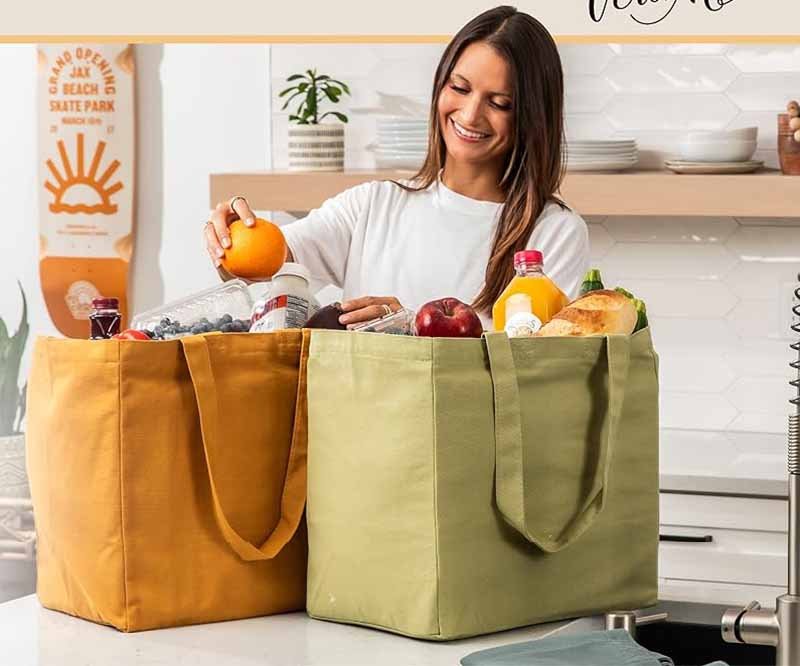
Custom Reusable Bags Manufacturer | OEM Reusable Shopping Bags
OEM/ODM reusable shopping bags, grocery bags, RPET totes, canvas totes, and promotional bags built for retail and branded programs.
- Selected standard reusable bag projects can start from 200 pcs, with exact minimum order confirmed by fabric, color, logo process, and packaging plan.
- Common retail sizes include 12 x 14 in, 13 x 15 in, 15 x 16 in, and 16 x 18 in, with gusset options from 3 to 8 in.
- Sample development usually takes 5-10 days after artwork, fabric, and size confirmation; complex laminated, insulated, or multi-process samples may need 10-15 days.
- Bulk production for standard reusable bags usually needs 20-35 days after pre-production sample approval, depending on quantity, printing, sewing, and packing workload.
Made For Retail, Promotion, And Repeat Use
Different programs need different reusable bags. Szoneier aligns fabric, size, handle strength, logo method, and packing around real selling or distribution channels.
Retail Programs
Retail programs need reusable bags with clean shape, stable color, scannable barcode options, carton marks, and reliable replenishment. Szoneier helps plan bag size, gusset width, handle length, and packaging from the beginning, so each bag can work at checkout counters, pop-up stores, fashion boutiques, beauty counters, and grocery retail shelves.
Grocery Chains
Grocery and supermarket programs need wider gussets, reinforced handles, easy-clean surfaces, and volume-efficient carton packing. Non-woven PP, laminated PP, RPET, and coated polyester can be selected according to target cost, weight, print area, and daily shopping load.
Event Campaigns
Events need clear logo exposure, controlled cost, and delivery before fixed dates. Szoneier supports trade show totes, conference kits, university bags, nonprofit campaign bags, and festival merchandise with artwork proof, size confirmation, bulk packing, and shipment planning aligned with launch schedules.
Gift Companies
Gift and promotional firms often manage many logo files, color versions, and packing instructions. Szoneier can help combine reusable bags with hangtags, inserts, gift kits, polybags, carton labels, and mixed-SKU packing to reduce sorting work after arrival.
Amazon Lines
Amazon and marketplace projects require FNSKU labels, outer carton marks, pack size control, and repeatable replenishment. Szoneier can review product dimensions, material weight, packaging thickness, and carton quantity before production to reduce fulfillment issues.
DTC Brands
DTC and Shopify teams need photo-ready samples, brand color control, neat labels, and packaging suitable for unboxing. Canvas, RPET, laminated fabric, and premium labels can create reusable bags used as both packaging and merchandise.
Reusable Bag Types Szoneier Can Manufacture
Choose the bag structure around load, display, folding behavior, print area, and channel use rather than choosing by name alone.
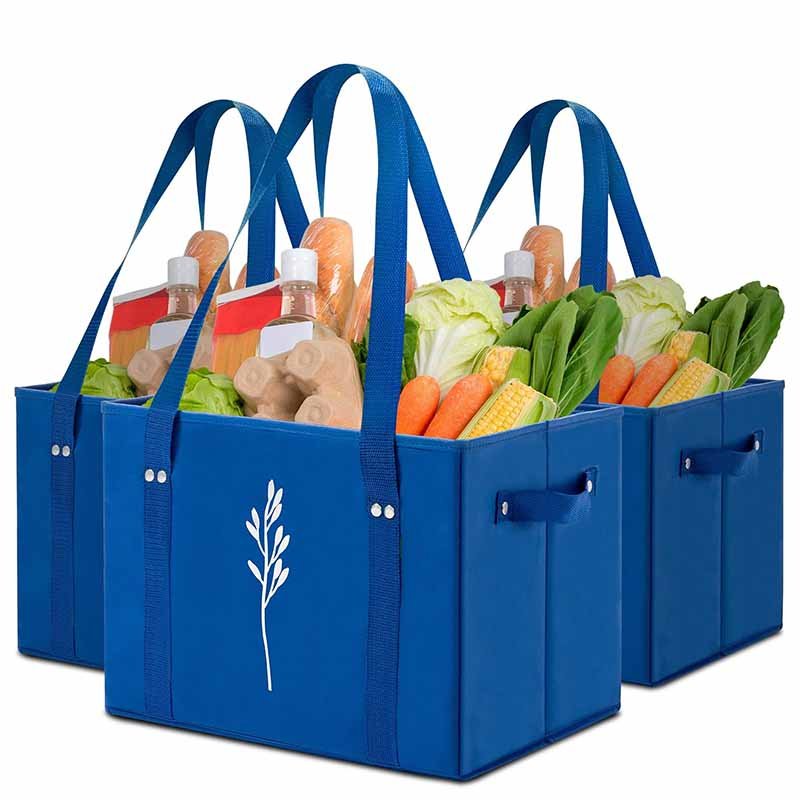
Reusable Shopping Bags
Reusable shopping bags are suitable for grocery stores, retail checkout, community events, and daily merchandise use. Szoneier can adjust width, gusset, handle drop, fabric weight, and logo position so the finished bag feels stable when filled with boxed goods, apparel, books, food items, or mixed retail products.
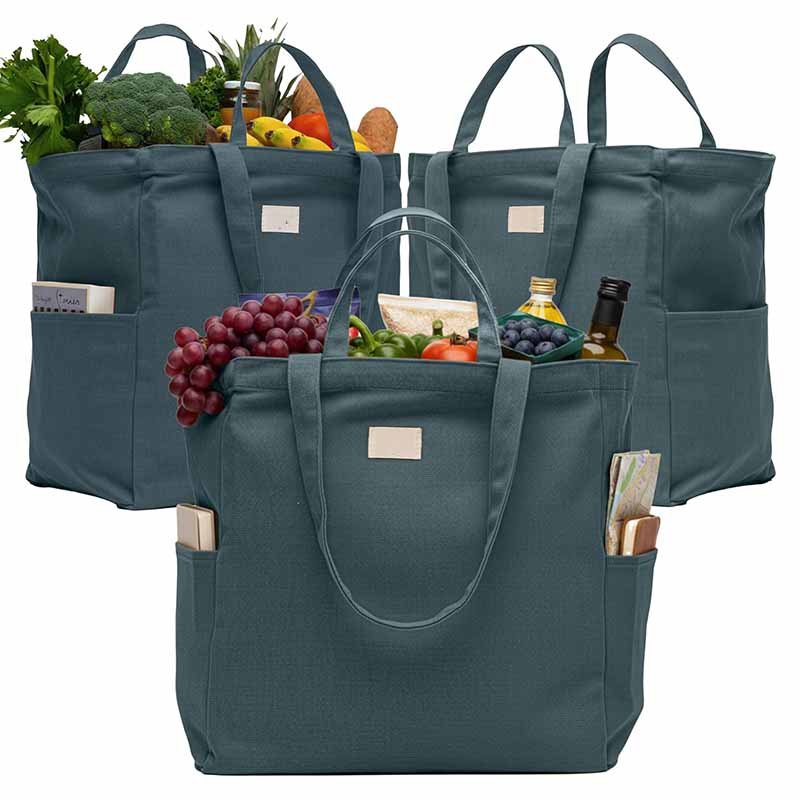
Grocery Tote Bags
Grocery tote bags need a broader base and reinforced handles. Laminated non-woven PP, RPET, and polyester options work well when programs require easy-clean surfaces, bold full-panel artwork, and stronger structure for repeated store visits or supermarket promotions.
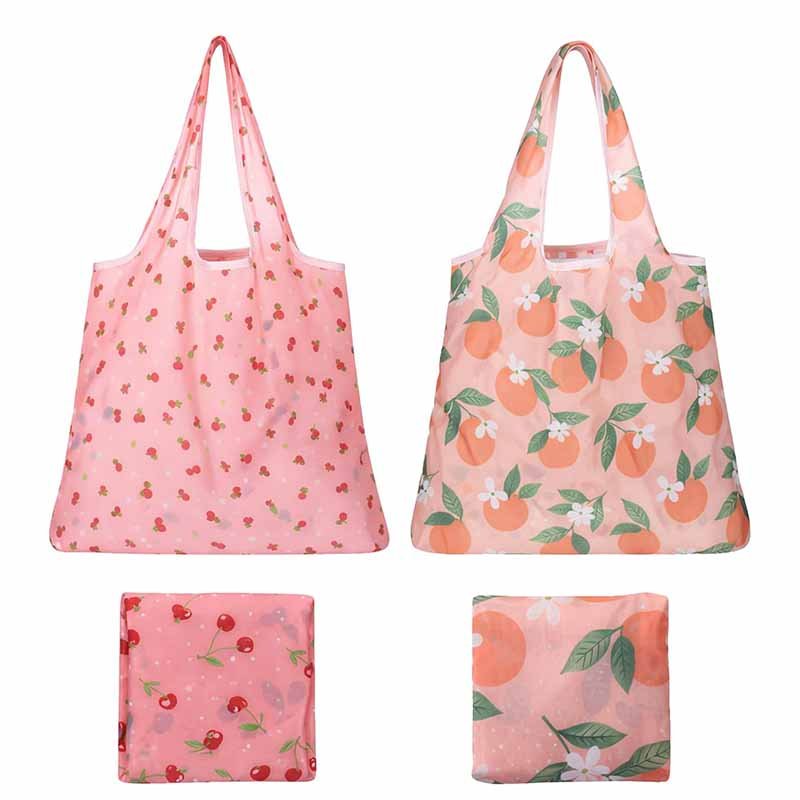
RPET Reusable Bags
RPET reusable bags support recycled-material positioning while keeping a clean commercial appearance. Szoneier can source RPET fabric options, confirm GSM, test print behavior, and prepare labeling or hangtag details for brands aiming to explain material origin with a simple retail-ready presentation.
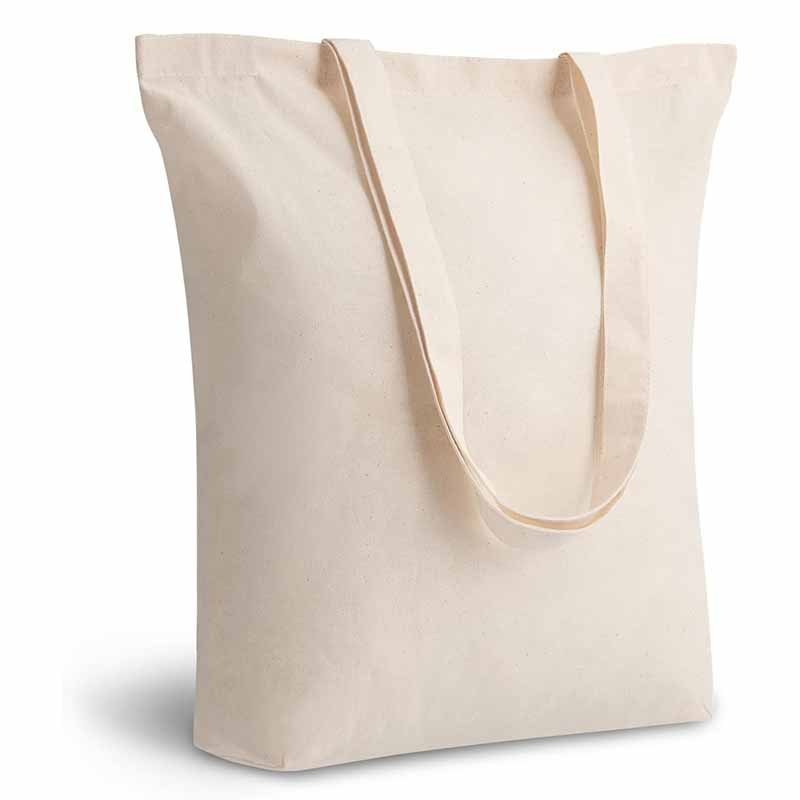
Canvas Reusable Totes
Canvas reusable totes suit fashion, beauty, lifestyle, bookstore, university, and merchandise programs. Cotton canvas and recycled cotton canvas can be matched with screen printing, embroidery, woven labels, or inner care labels to create a more permanent brand item.
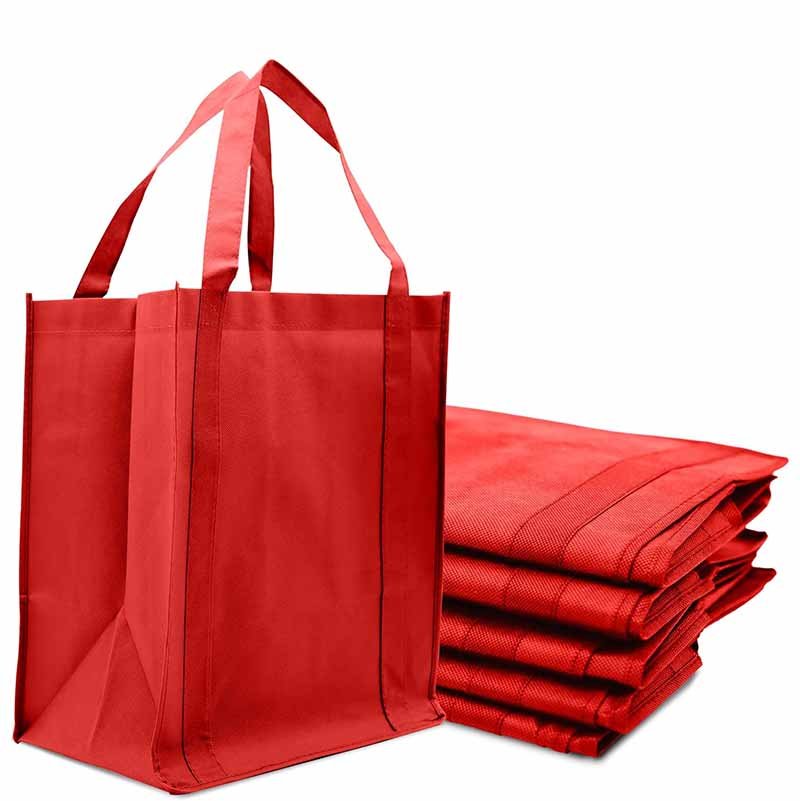
Non-Woven Bags
Non-woven PP reusable bags remain strong for cost-controlled promotion, grocery, and event programs. Szoneier can manage 70-120 GSM options, heat-sealed or sewn construction, short or long handles, laminated finish, and compact carton packing for large distribution plans.
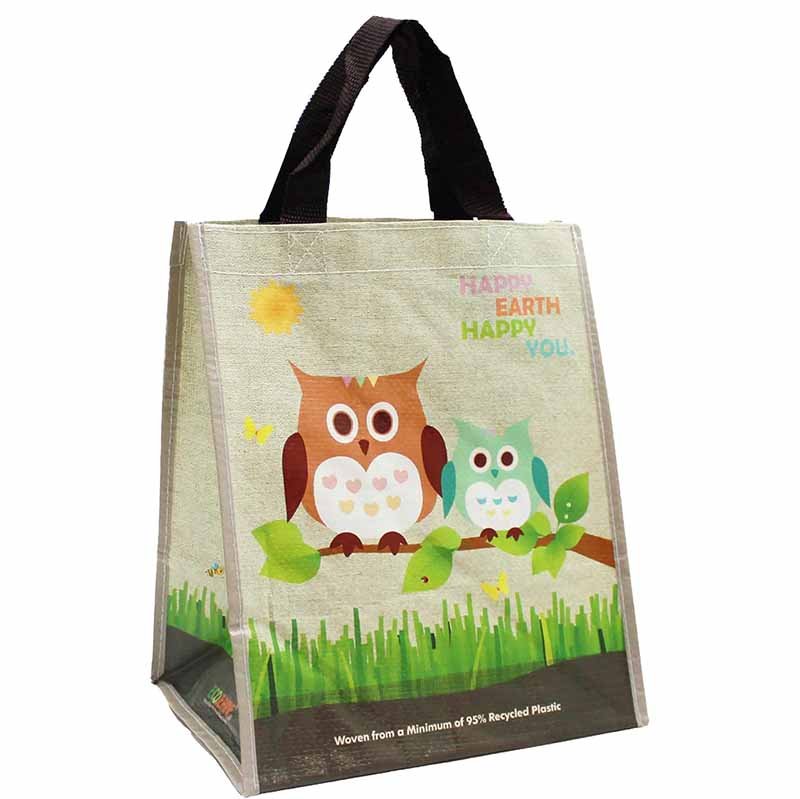
Laminated Bags
Laminated reusable bags offer better shape, smoother surface, and stronger color expression. They are widely used for grocery chains, retail promotions, and large brand campaigns where photography, full-panel print, or gloss/matte surface choice matters.
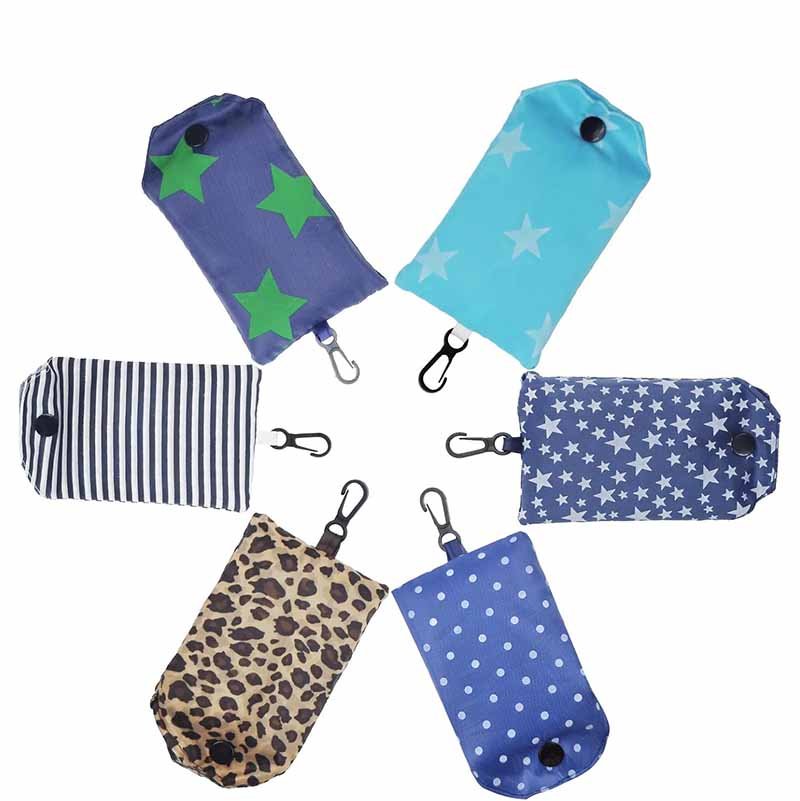
Foldable Bags
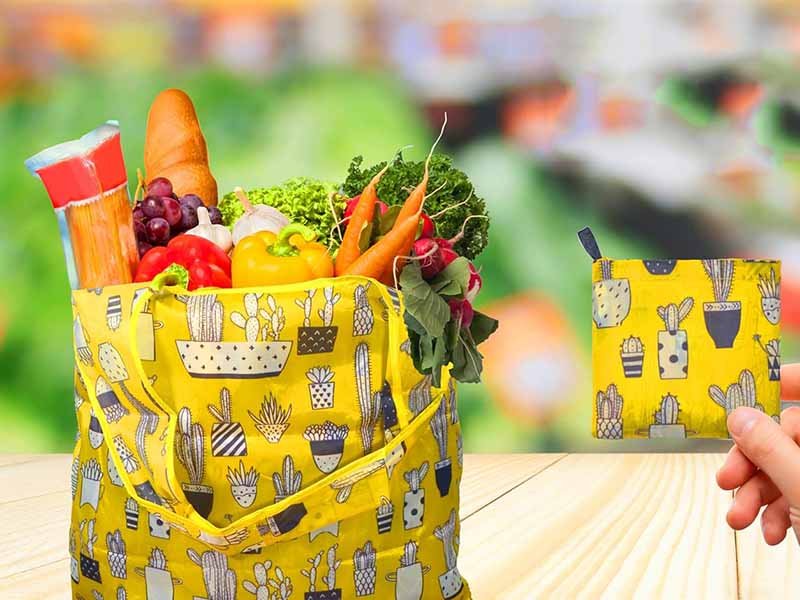
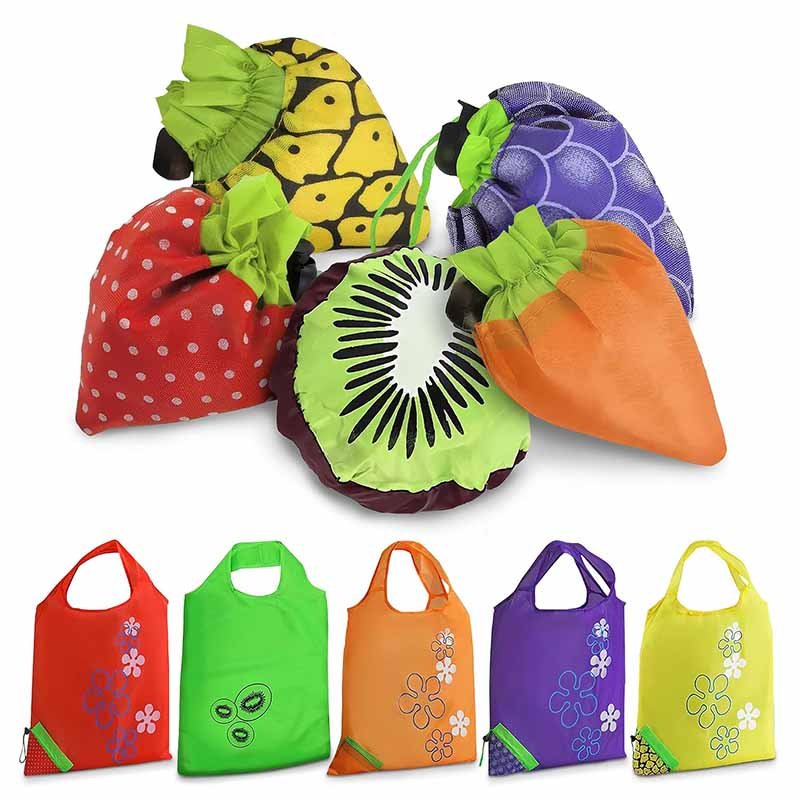
Foldable reusable bags are made for portability. Szoneier can develop pouch-style folding, elastic loop closure, snap closure, or inner-pocket folding structures, with lightweight polyester, nylon, or RPET fabric selected according to print method and final packed size.
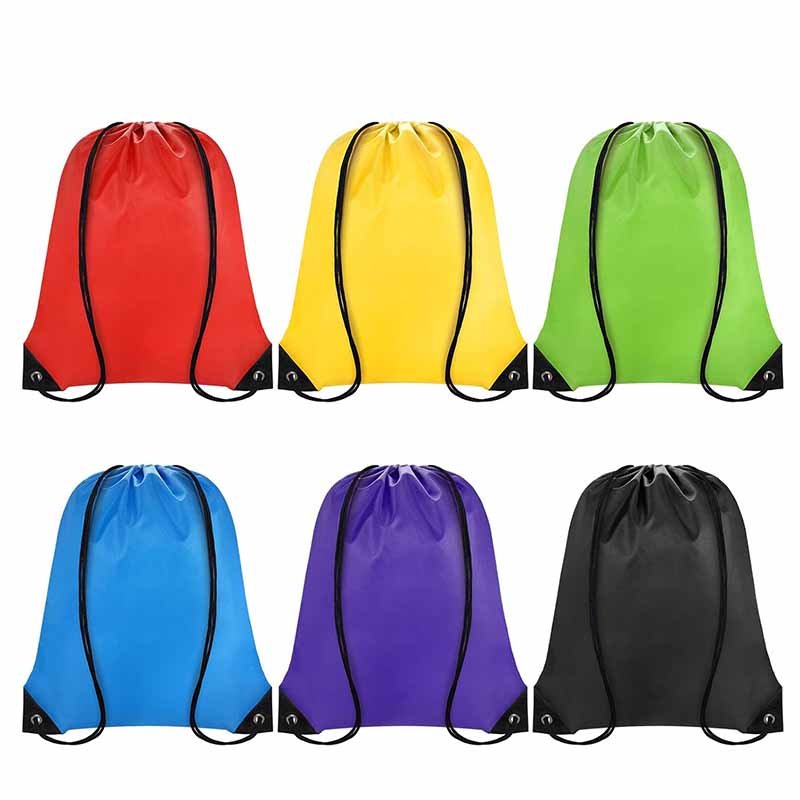
Drawstring Bags
Reusable drawstring bags work for schools, events, sports promotions, and lightweight merchandise kits. Szoneier can adjust cord thickness, bottom corner reinforcement, grommet use, back-panel print, and bulk packing method for fast event distribution.
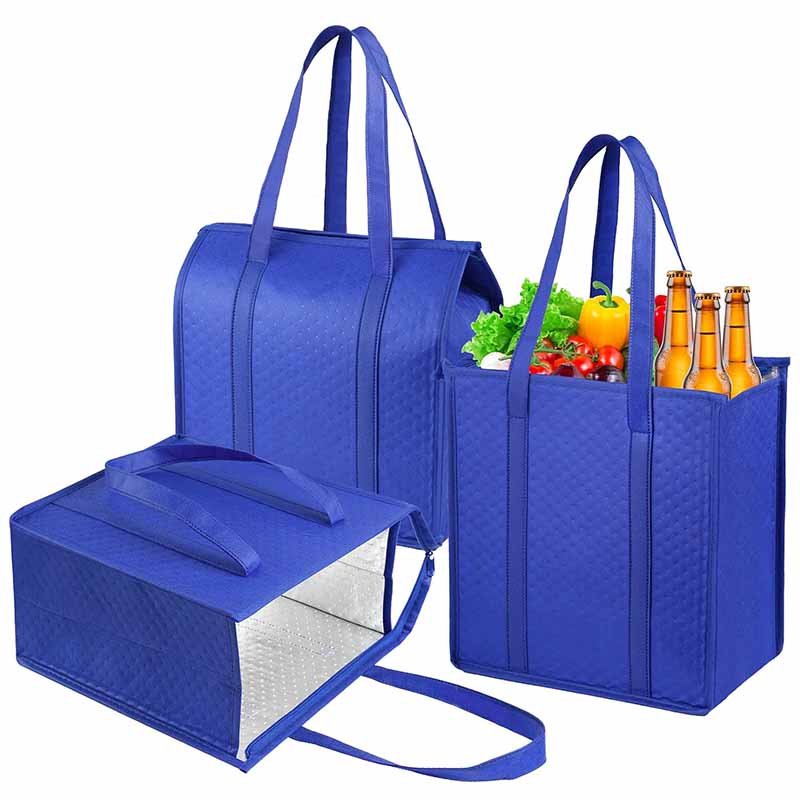
Insulated Bags
Insulated reusable bags are suitable for grocery, meal programs, cold-chain promotions, and retail food delivery. Szoneier can combine outer polyester or non-woven fabric with foam insulation, aluminum foil lining, zipper closure, handle reinforcement, and carton packing plans.
Material Selection For Reusable Bag Programs
Reusable bag material should match weight, surface, handle comfort, printing, packing volume, and brand positioning. Szoneier reviews each factor before sampling.
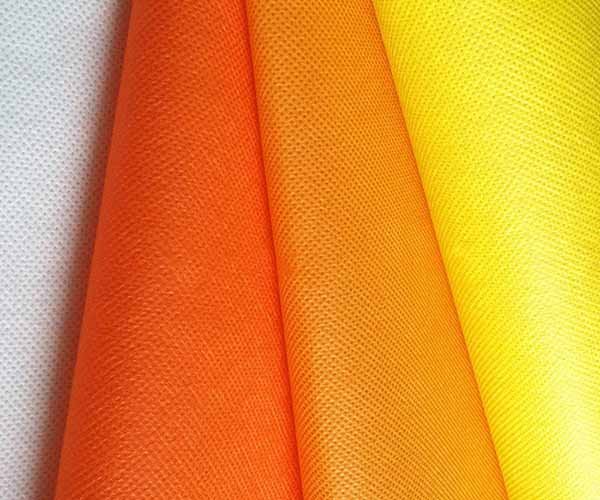
Non-Woven PP For Volume Programs
Non-woven PP is widely used for grocery, retail, event, and promotional reusable bags. Common weights include 70, 80, 90, 100, and 120 GSM. A lower GSM helps control cost and carton volume, while higher GSM improves hand feel, edge stability, and handle strength. Szoneier checks fabric stiffness, color availability, lamination needs, and print behavior before confirming a sample plan. For large logo panels, screen printing or laminated full-panel printing can be selected according to artwork complexity.
RPET For Recycled Positioning
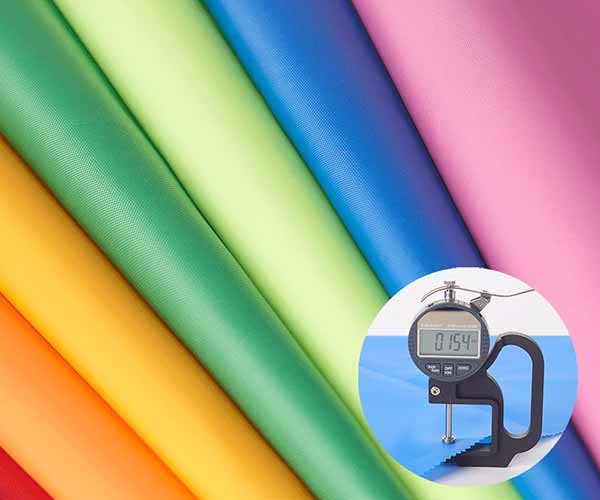
RPET fabric is suitable for brands wanting a recycled-material story without losing commercial appearance. It can be used for lightweight shopping bags, foldable totes, drawstring bags, and retail merchandise bags. During development, Szoneier reviews RPET fabric weight, weave density, color fastness, logo compatibility, label wording, and packaging requirements. For programs with sustainability messaging, hangtag copy and material labeling should be confirmed before bulk cutting.
Cotton And Canvas For Premium Feel
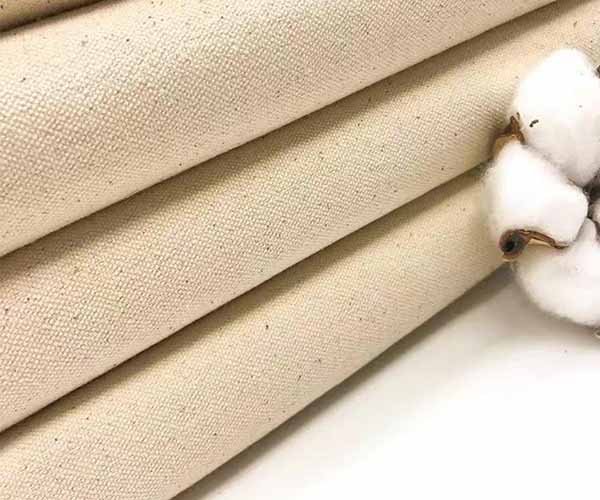
Cotton and canvas provide a natural look for fashion, beauty, bookstore, lifestyle, and merchandise programs. Common canvas options include 8 oz, 10 oz, 12 oz, and heavier structures for stronger bags. Szoneier can combine canvas with inner binding, reinforced handles, embroidery, screen print, woven labels, or metal trims. Shrinkage, color difference, fabric slub, and final washing behavior should be reviewed before sample approval.
Polyester And Nylon For Foldability
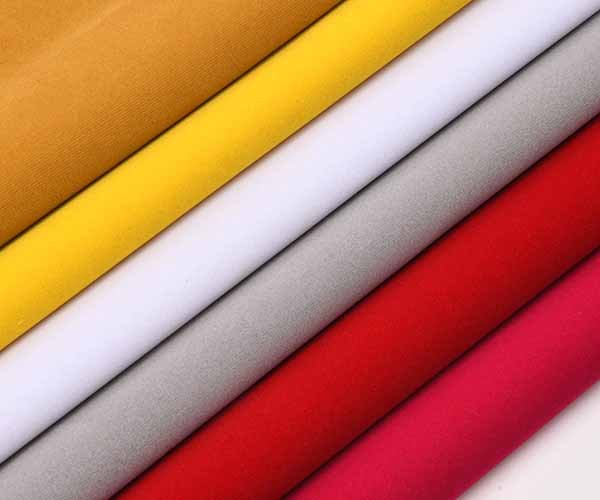
Polyester and nylon are suitable for foldable reusable bags, travel shopping bags, lightweight event bags, and water-resistant daily bags. They pack smaller than canvas and can carry strong printed colors. Szoneier reviews denier, coating, hand feel, tear strength, seam behavior, and folding memory. For compact pouch bags, fabric thickness must be balanced with folding size and elastic or snap closure strength.
Common Specifications Before Reusable Bag Sampling
| Specification | Common Range | Szoneier Review Point |
|---|---|---|
| Bag size | 12 x 14 in, 13 x 15 in, 15 x 16 in, 16 x 18 in, or custom metric sizes | Confirm use scene, item size, shelf display, carton planning, and logo proportion. |
| Gusset | 3-8 in for grocery and retail bags | Check load shape, standing ability, bottom stitching, and packing volume. |
| Fabric weight | 70-120 GSM non-woven PP, 8-12 oz canvas, custom RPET/polyester weights | Match fabric stiffness, cost, print method, and handle comfort. |
| Handle drop | 8-12 in hand carry, 10-14 in shoulder carry | Confirm carry position, handle width, reinforcement, and stitch length. |
| Logo area | Front panel, back panel, side gusset, handle tag, inner label | Review artwork size, color count, edge distance, and final proof. |
| Sample time | 5-10 days standard; 10-15 days for complex structures | Start after material, size, logo, and packing details are confirmed. |
| Bulk lead time | 20-35 days for many standard programs | Final timeline depends on order quantity, print workload, sewing schedule, and packing method. |
Reusable Bags Built For Brand Visibility
A reusable bag works as packaging, merchandise, and moving brand media when material, construction, and artwork are planned together.
Beyond A Single Giveaway
A well-built reusable bag is carried in stores, offices, campuses, grocery trips, gyms, and travel settings. Material choice matters because a bag thrown away after one use cannot support a serious brand program. Szoneier helps select fabric weight, handle comfort, print size, and foldability so the bag feels useful enough to keep. For event campaigns, a durable non-woven or RPET bag can carry brochures, samples, apparel, and gifts. For retail programs, canvas or laminated options create stronger shelf presence and longer service life.
Message, Material, And Usage
Sustainability claims need care. Szoneier focuses on material selection, durability, and clear labeling rather than vague environmental language. RPET, recycled cotton canvas, non-woven PP, and long-life polyester each have different cost, print, and feel. A hangtag can explain material choice, care instructions, or reuse purpose. For regulated retail programs, copy, label placement, and packaging notes should be confirmed before printing so visual messaging and product facts stay aligned.
Structure Details For Better Bag Performance
Small construction decisions can change carrying comfort, loading ability, print placement, carton volume, and long-term use.
Gusset Design
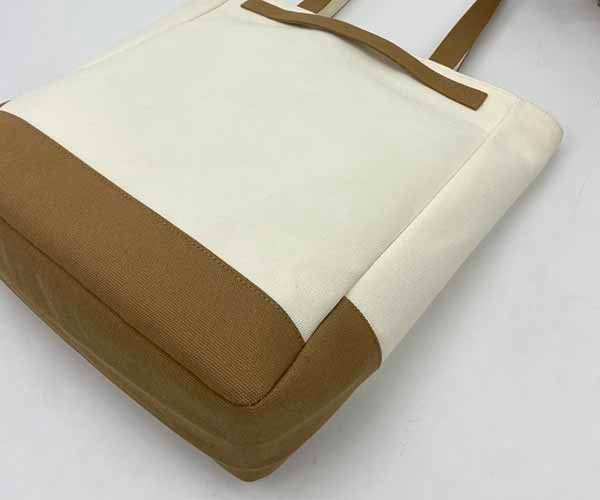
A side or bottom gusset helps reusable grocery bags stand better and hold box-shaped goods. Szoneier checks gusset width, bottom fold, seam direction, and carton packing before sampling, especially for supermarket, retail checkout, and food-related programs.
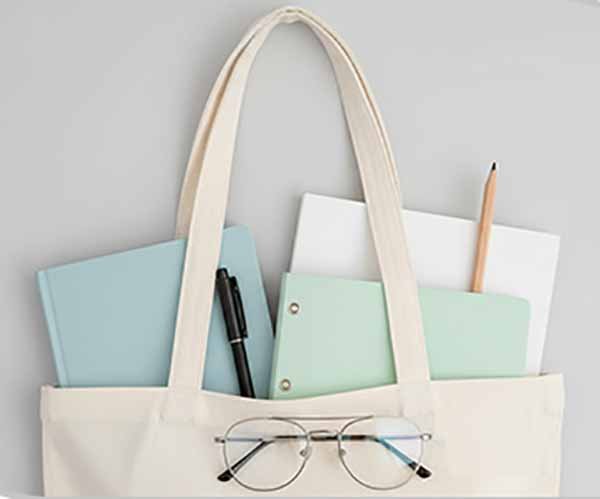
Handle Length
Short handles suit hand carry and lower material cost. Longer handles support shoulder carry for retail, fashion, and daily use. Handle width, webbing type, stitching length, and drop height should match bag size and expected load.
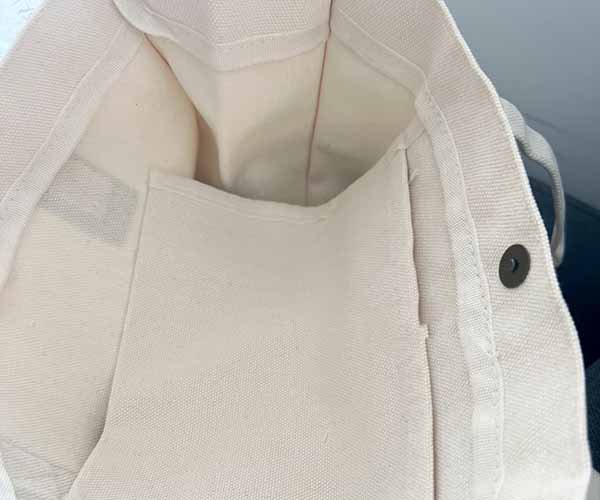
Edge Binding
Binding improves edge neatness and strengthens high-wear areas. Canvas, RPET, and laminated bags can use fabric binding, self-fabric binding, or webbing reinforcement depending on desired look and cost target.
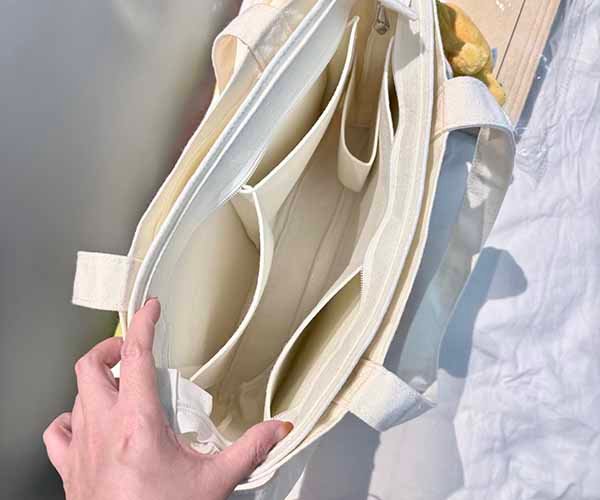
Inner Pocket
An inner pocket adds value for DTC, university, travel, or lifestyle programs. Szoneier can develop open pockets, zipper pockets, folded pouches, or label pockets while keeping sewing sequence and cost under control.
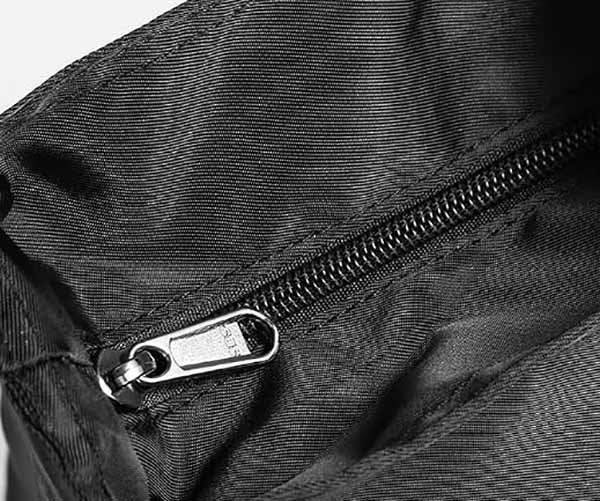
Closure Options
Open-top bags are fast and cost-efficient. Snap, zipper, hook-and-loop, elastic loop, or drawcord closures add security and structure. Closure selection affects sampling time, material sourcing, and final packing thickness.
Folding System
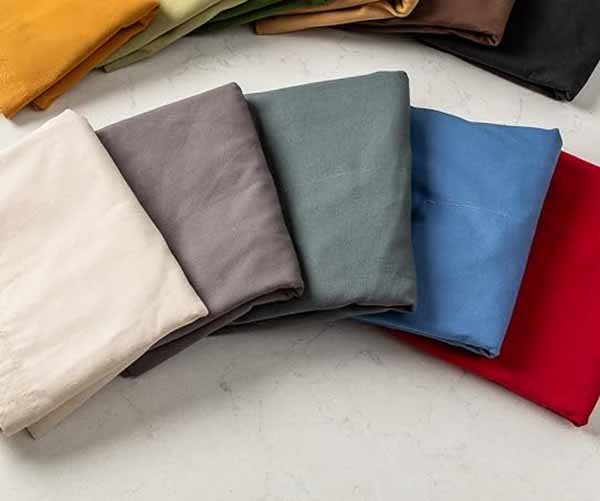
Foldable reusable bags require special attention to fabric memory, pouch size, loop position, and logo visibility after folding. Polyester, nylon, and lightweight RPET often work better than thick canvas for compact carry formats.
Logo Processes For Reusable Bag Branding
Logo method should follow fabric surface, artwork color, target cost, durability needs, and retail presentation level.
Screen Printing
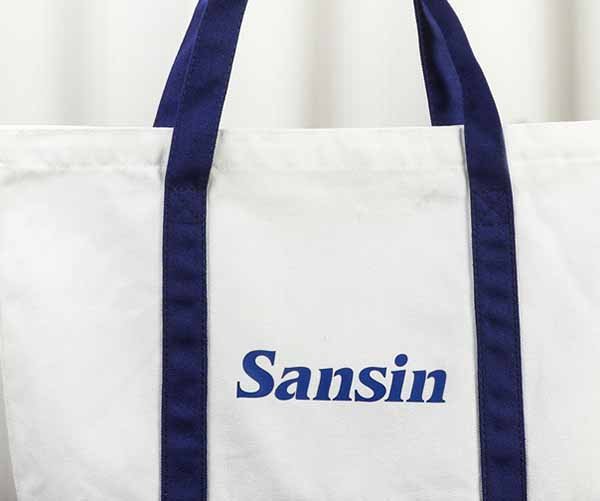
Screen printing is suitable for simple logos, large flat panels, and cost-controlled orders. It works well on non-woven PP, canvas, cotton, and some polyester fabrics. Szoneier checks print size, color count, artwork edge distance, and ink coverage before approval.
Heat Transfer
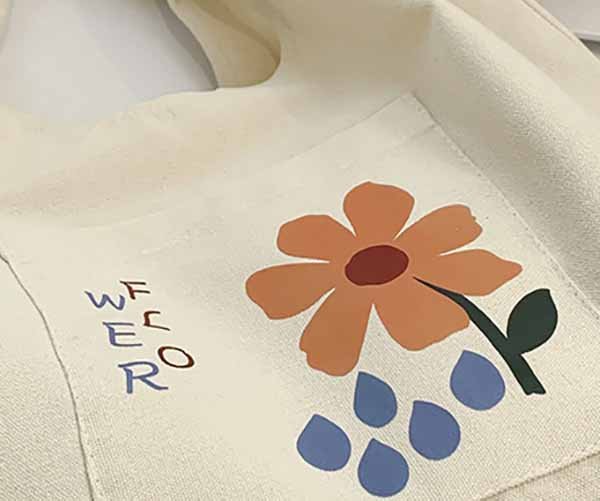
Heat transfer supports finer artwork and multi-color effects on many polyester, RPET, and coated surfaces. It is useful for event bags, foldable bags, and branded merchandise requiring sharper details. Fabric heat tolerance must be tested before bulk work.
Digital Printing
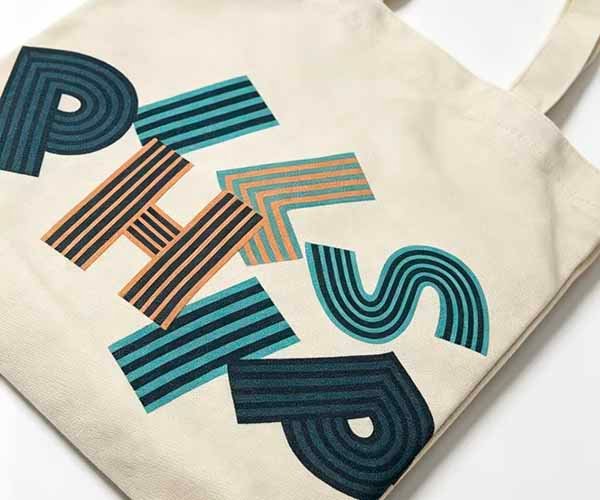
Digital printing is suitable for full-color graphics, campaign artwork, and image-based designs. It gives wider visual freedom but requires checking color saturation, surface compatibility, print area, and cost impact during sample development.
Embroidery
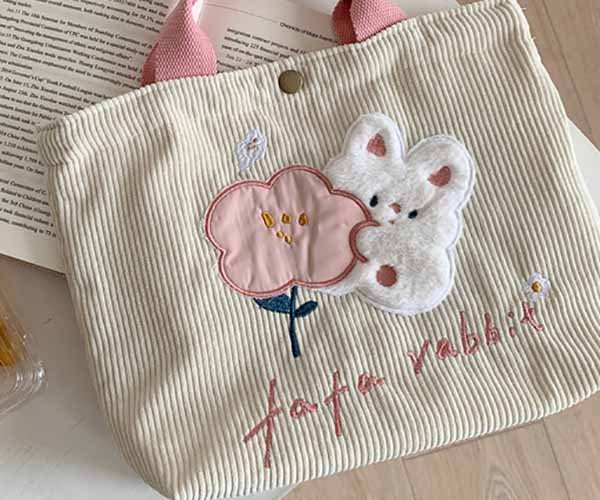
Embroidery gives canvas and cotton bags a premium, textured look. It suits lifestyle, beauty, apparel, university, and merchandise lines. Stitch count, backing, needle marks, and fabric thickness need review to avoid distortion around the logo.
Woven Labels
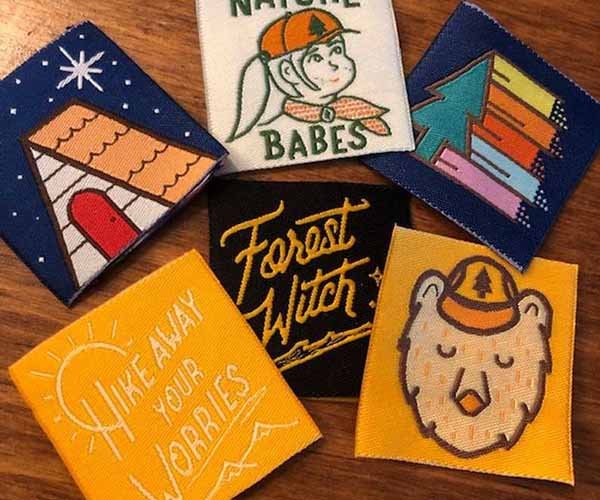
Woven labels work well when a subtle brand detail is preferred. They can be sewn on front panels, side seams, handles, or inner positions. Label size, thread color, placement, and sewing method should be confirmed in sample photos.
Hangtags And Inserts
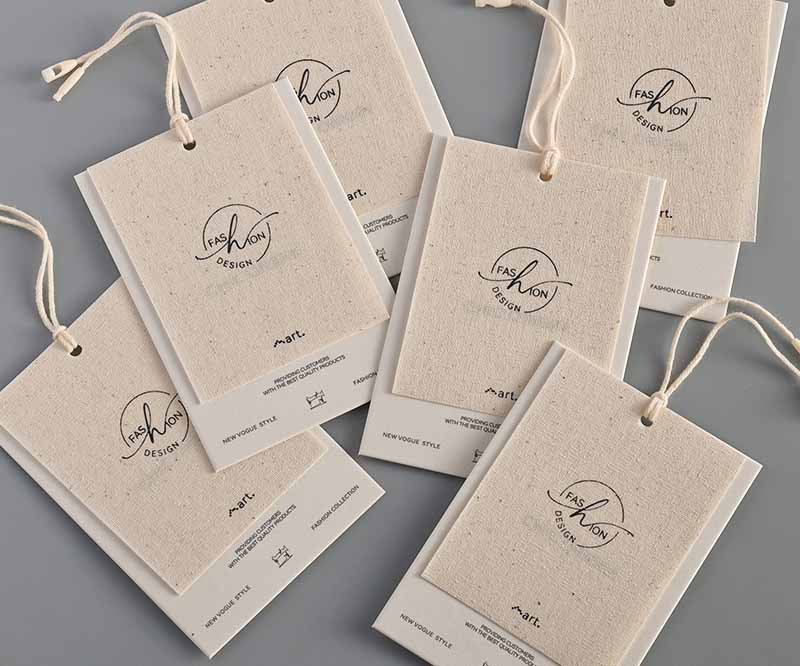
Hangtags, paper inserts, care cards, and retail cards support brand storytelling and material explanation. Szoneier can coordinate bag production with tag string, barcode, care information, and individual packing when retail presentation matters.
Sample Development From Idea To Approval
Szoneier turns sketches, reference bags, photos, or tech packs into controlled samples with material, logo, structure, and packing details reviewed step by step.
Step 1 - Project Review
Send bag photos, target size, quantity, material preference, logo file, packing needs, and delivery country. Nancy and the Szoneier team review feasibility, fabric availability, sewing structure, logo process, and production route. When details are incomplete, a photo or reference link can still start the discussion. The first review focuses on removing uncertainty before sampling: size, gusset, handle, print area, fabric weight, label method, and packing plan.
Step 2 - Sample Making
After material and artwork confirmation, Szoneier prepares paper pattern, cutting plan, logo proof, sewing sample, and internal check. Standard reusable bag samples usually take 5-10 days. Bags with laminated panels, insulated layers, full-color printing, special folding systems, or custom accessories may require 10-15 days. Sample photos and videos can show size, handle, seam, logo position, packing, and carry behavior before shipment.
Step 3 - Revision And Sealing
After sample feedback, Szoneier adjusts size, handle drop, fabric thickness, stitching position, logo color, print size, tag, or packing. Once approved, a sealed sample or pre-production sample becomes the reference for bulk production. Production teams then follow sample photos, material notes, BOM details, and QC checkpoints to reduce difference between approved sample and final goods.
Material Comparison For Custom Reusable Bags
| Material | Best For | Key Strength | Care Point |
|---|---|---|---|
| Non-woven PP | Grocery, events, promotions, retail giveaways | Cost control, bold print area, light weight | Check GSM, handle reinforcement, and lamination need. |
| Laminated PP | Supermarket, retail campaigns, colorful grocery bags | Smoother surface, stronger shape, easier cleaning | Artwork and lamination finish must be approved early. |
| RPET | Recycled-material retail and promotional programs | Brandable recycled story with commercial appearance | Confirm fabric source, label copy, print compatibility, and color. |
| Cotton canvas | Fashion, beauty, bookstores, lifestyle merchandise | Natural hand feel, premium look, long service life | Review oz weight, shrinkage, embroidery, and edge finishing. |
| Polyester | Foldable bags, travel totes, event bags | Lightweight, packable, color friendly | Check denier, coating, heat transfer, and folding size. |
| Nylon | Compact reusable bags and stronger travel styles | Good strength-to-weight balance | Higher cost than basic polyester in many cases. |
What Affects Reusable Bag Pricing
| Pricing Factor | How It Changes Cost | Information To Send |
| Fabric and weight | Higher GSM, canvas oz, RPET, coating, or lamination can change material cost and sewing behavior. | Preferred material, target feel, color, and any sustainability claim. |
| Size and gusset | Larger panels and wider gussets increase fabric use, print area, and carton volume. | Width, height, depth, or reference bag dimensions. |
| Logo process | More colors, larger print area, embroidery, and labels add setup and production work. | Logo file, Pantone color, print size, and placement. |
| Structure | Closures, pockets, binding, folding pouch, insulation, or reinforced bases add labor and sampling time. | Photos, sketches, or tech pack notes. |
| Packing | Individual bags, hangtags, barcode labels, retail packs, and mixed cartons require extra handling. | Packing method, barcode, carton mark, and channel requirements. |
| Delivery plan | Express, air, sea, DDP, or FBA preparation changes lead time and logistics cost. | Destination country, delivery date, shipping terms, and warehouse details. |
Sewing Details For Strong Reusable Bags
Reusable bags fail first at handles, bottom corners, and loaded seams. Szoneier reviews these points before sample approval and bulk sewing.
Handle Reinforcement
Handles take the most stress during grocery, retail, and event use. Szoneier can apply box stitching, X-box stitching, bartack reinforcement, longer stitch lines, wider webbing, or double-layer fabric panels depending on weight target. For canvas bags, handle thickness and needle selection must match fabric density. For non-woven bags, stitch tension should avoid tearing around the handle edge. During sample review, handle drop and grip comfort are checked along with strength.
Bottom And Side Seams
Bottom seams control load shape and standing ability. Szoneier checks seam allowance, fold direction, gusset balance, edge binding, and corner shape. A reusable grocery bag with a wide base needs cleaner bottom geometry than a flat event tote. For laminated bags, seam holes and folded edges should stay neat without peeling. For foldable bags, seam thickness must not block compact packing.
Thread, Needle, And Stitch Length
Thread choice and stitch length influence durability and appearance. Shorter stitches can improve seam density, but overly tight sewing may weaken some non-woven or coated materials. Szoneier matches thread, needle size, stitch length, and seam type with fabric weight and final use. Cutting, sewing, and final trimming are checked together because loose threads, crooked seams, and uneven handles can reduce retail presentation even when the bag is functional.
QC Checkpoints Before Shipment
Szoneier checks reusable bags through material, cutting, printing, sewing, finishing, packing, and carton preparation.
Material Check
Fabric weight, surface, color, coating, lamination, and defects are checked before cutting. RPET, canvas, non-woven PP, and laminated fabric have different inspection points, so material notes are confirmed against sample requirements.
Artwork Check
Logo size, placement, color, print edge, label position, and artwork direction are checked before bulk printing. Pantone reference, print proof, and approved sample photos help reduce mismatch during production.
Cutting Check
Panel size, gusset width, handle length, pocket pieces, lining pieces, and label positions are checked after cutting. Accurate cutting keeps bag shape and logo placement stable across bulk goods.
Sewing Check
Handle stitching, bottom seams, side seams, binding, thread tension, bartacks, and folded edges are checked during production. In-line review catches issues before a large batch reaches final inspection.
Finished Check
Finished bags are checked for size, shape, stains, loose threads, crooked handles, print marks, odor, and packing condition. Sample approval points are compared with final goods before packing.
Carton Check
Carton quantity, carton mark, barcode, FNSKU label, packing list match, export carton strength, and gross weight are checked before shipment. Clear carton control supports retail warehouse, FBA, and event distribution.
Bulk Production With Controlled References
Approved samples, material notes, artwork files, and packing rules become the working reference for bulk reusable bag production.
Before Cutting
Before bulk cutting, Szoneier confirms fabric lot, color, GSM or oz weight, lamination, printing surface, label version, and approved sample details. A BOM and production note help align sourcing, cutting, printing, sewing, finishing, and packing teams. For reusable grocery bags, gusset and handle dimensions are checked carefully because small deviations can affect capacity and carry comfort.
During Sewing
During sewing, production teams follow stitch sequence, seam allowance, handle reinforcement, label position, and trimming requirements. Szoneier can arrange in-line checks to review early units before wider production continues. When a reusable bag includes a pocket, closure, folded pouch, or insulated layer, sewing order and quality control must be planned before mass operation starts.
Before Packing
Before packing, finished bags are reviewed against approved sample and order requirements. Packing teams check individual polybag needs, folding method, hangtag, barcode, carton quantity, carton mark, and shipping documents. A final packing review is especially important for retail launches, event deadlines, and FBA delivery because wrong labels or carton quantities can create warehouse delays.
Packaging Options For Retail And FBA
Reusable bag packaging should protect the product, support the sales channel, and avoid unnecessary shipping volume.
Bulk Packing
Bulk packing suits event distribution, grocery programs, and cost-controlled promotions. Szoneier can plan pieces per carton, folded size, carton strength, and carton marks to support warehouse handling.
Individual Packing
Individual polybags, paper bands, or sleeve packing help protect canvas, RPET, and retail reusable bags. The packing method affects labor, carton volume, and presentation after arrival.
Hangtags
Hangtags can communicate logo story, material, care instructions, barcode, or retail SKU. Tag size, paper thickness, string, and attachment point should be confirmed before bulk packing.
Retail Sets
Reusable bags can be packed with inserts, tissue, mailer boxes, gift kits, or product bundles. Szoneier reviews final packed size because retail-style packing can increase dimensional weight.
FBA Preparation
FBA projects may need FNSKU labels, suffocation warning bags, master carton labels, carton weight control, and shipment plan support. Szoneier can prepare label placement and carton quantity based on instructions.
Export Cartons
Export cartons need suitable board strength, clear marks, stable weight, and clean documentation. For large reusable bag orders, carton size planning can reduce handling problems and logistics cost.
Use Scenes For Custom Reusable Bags
Reusable bags can serve retail, campaign, merchandise, fulfillment, and community programs when structure and packing match the use scene.
Retail Checkout
Reusable shopping bags for fashion, beauty, grocery, bookstore, and lifestyle stores require clean shape, strong handles, and branded presentation suitable for counter display or sale.
Trade Shows
Trade show bags need fast distribution, clear logos, and enough capacity for brochures, samples, catalogs, drink bottles, and attendee gifts without looking overloaded.
Corporate Gifts
Corporate gift bags can use canvas, RPET, laminated PP, or polyester with hangtags, inserts, and premium packaging for staff programs, conferences, and partner gifts.
University Events
Campus reusable bags need durable handles, simple artwork, and space for books, welcome kits, orientation packs, or alumni merchandise. Color control matters for school identity.
Nonprofit Campaigns
Nonprofit and community campaigns often need clear messaging, visible print, and efficient carton packing. Non-woven PP and RPET are common choices for larger distribution.
Beauty Retail
Beauty retail bags need neat stitching, smooth surfaces, and attractive logo details. Canvas totes, laminated bags, and RPET shopping bags can support gift-with-purchase programs.
Grocery Promotions
Grocery promotions need wider bases, easy-clean surfaces, and strong handles. Laminated non-woven PP or RPET structures can balance cost, print area, and repeat shopping use.
Subscription Kits
Subscription and gift kits may use reusable bags as part of the packaging experience. Szoneier can match bag color, insert card, barcode, and mailer packing around the kit plan.
Travel Retail
Foldable reusable bags work well for travel retail, airport promotions, tourism campaigns, and destination merchandise. Lightweight polyester or nylon helps reduce packed size.
Reusable Bag Project Case Studies
Selected examples show how material, logo, sample revision, bulk production, and packing decisions affect final reusable bag programs.
US Grocery Retail Program
Region: United States. Order: 18,000 pcs laminated reusable grocery bags. Material: 120 GSM laminated non-woven PP. Size: 15 x 16 x 6 in. Logo: full-panel four-color print. Challenge: the retail team needed a bag with strong shelf color, wider base, and stable handle position for repeated grocery use. Szoneier adjusted gusset depth, handle reinforcement, carton quantity, and print proof before sampling. Sample lead time was 9 days. Bulk production took 31 days after approval. Final packing used 100 pcs per master carton with carton marks prepared for warehouse sorting.
Australia Event Merchandise Bag
Region: Australia. Order: 5,500 pcs RPET reusable tote bags. Material: 210D RPET polyester. Size: 14 x 16 in. Logo: heat transfer front print plus woven side label. Challenge: the event date was fixed, and the bag needed to carry brochures, apparel, and drink bottles without excessive carton weight. Szoneier recommended lightweight RPET, adjusted handle drop to 11 in, confirmed print proof by photo, and used bulk folding to reduce volume. Sample lead time was 7 days. Bulk production and packing took 24 days.
European Beauty Retail Tote
Region: Germany. Order: 3,200 pcs canvas reusable totes. Material: 10 oz cotton canvas. Size: 13 x 15 x 4 in. Logo: embroidery plus inner woven label. Challenge: the brand needed a cleaner premium feel for a seasonal beauty gift program. Szoneier tested embroidery backing, adjusted handle width, added inner binding, and prepared individual polybag packing with barcode stickers. Sample revision finished in 12 days. Bulk production took 28 days. Finished goods passed final checks for embroidery position, handle symmetry, loose threads, and carton labeling.
Why Brands Choose Szoneier For Reusable Bags
Szoneier is built for reusable bag programs requiring material advice, sample control, sewing know-how, QC, packaging, and export coordination.
Factory-Based Project Control
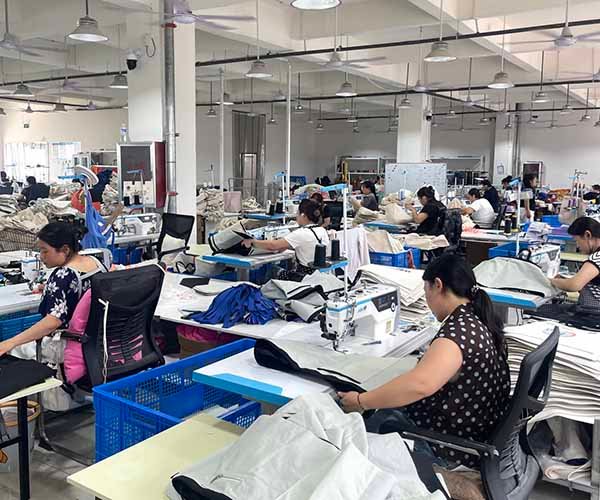
Online promo platforms are convenient for standard logo orders, but many brand programs need deeper control over fabric, structure, sample revision, packaging, and delivery. Szoneier combines in-house sampling, sewing production coordination, material sourcing, QC, packaging, and export support. A project can begin with a photo, sketch, tech pack, or reference bag, then move through material review, proofing, sample production, revision, pre-production sample approval, bulk production, and final shipment.
Reusable Bag Expertise
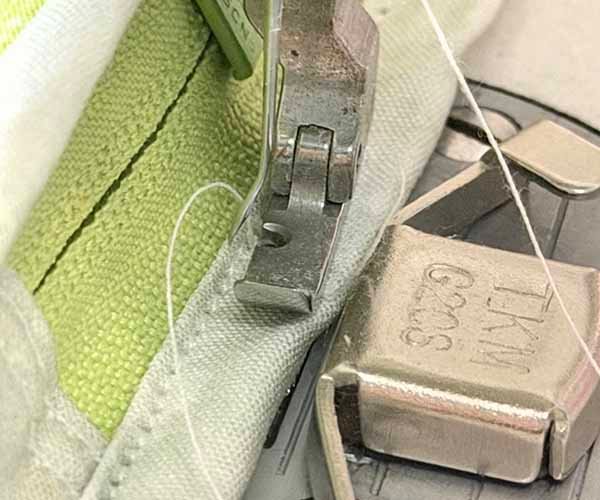
Reusable bags look simple, yet decisions around GSM, oz weight, gusset width, handle reinforcement, print area, lamination, folding behavior, carton volume, and label placement change final performance. Szoneier reviews these details before bulk production instead of treating each reusable bag as a flat printing item. For retail programs, structural stability and visual presentation matter. For event programs, delivery date and pack efficiency matter. For Amazon programs, label and carton accuracy matter.
Long-Term Supply Readiness
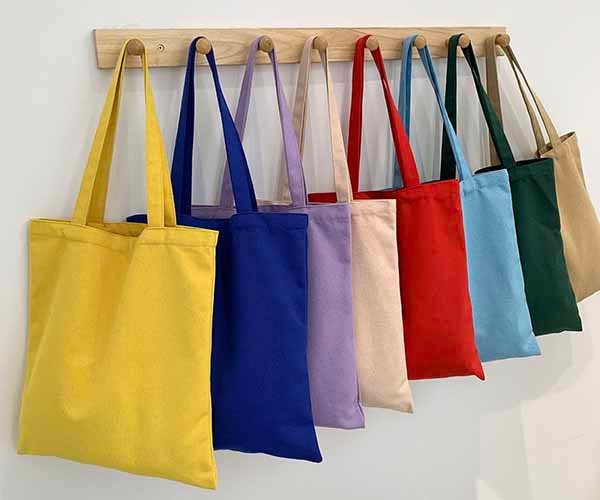
Reusable bag programs often return with new colors, seasonal artwork, repeat orders, or added SKUs. Szoneier keeps project information organized through sample references, artwork records, material notes, packing details, and QC checkpoints. The system supports retail replenishment, promotional calendar planning, new material testing, and product line expansion across tote bags, grocery bags, foldable bags, drawstring bags, insulated bags, and soft goods accessories.
Frequently Asked Questions About Reusable Bags
Selected standard reusable bag projects can start from 200 pcs. Final minimum order depends on fabric availability, color, size, logo process, accessories, packing method, and production schedule. Complex laminated, insulated, custom-dyed, or highly structured bags may require a different starting quantity.
Standard reusable bag samples usually take 5-10 days after material, size, logo file, and packing details are confirmed. Complex structures, laminated artwork, embroidery, insulated layers, or special folding systems can require 10-15 days before final sample photos or shipment.
Yes. Szoneier can develop RPET reusable shopping bags, foldable bags, tote bags, and drawstring bags. Fabric weight, color, weave, print method, labeling, and hangtag copy should be confirmed before bulk production, especially when recycled-material messaging appears on retail materials.
Screen printing works for simple logos and flat panels. Heat transfer suits multi-color artwork on many polyester and RPET fabrics. Embroidery works well on canvas and cotton. Woven labels, hangtags, and inner labels can create a more refined brand finish.
Yes. Send photos, dimensions, material notes, logo artwork, and packing details. A physical sample is even better for checking fabric weight, handle feel, gusset depth, stitching, foldability, and exact construction before sample development begins.
Yes. Szoneier can prepare individual packing, FNSKU label placement, carton marks, carton quantity, and master carton details based on provided FBA instructions. Packaging and label requirements should be confirmed before bulk packing to avoid warehouse issues.
Yes. Szoneier reviews use scene, target cost, print method, expected load, packing volume, and desired hand feel. For example, 70-120 GSM non-woven PP, 8-12 oz canvas, RPET polyester, and laminated PP all serve different programs.
Yes. Width, height, side gusset, bottom gusset, handle drop, pocket size, closure, and folded pouch can be customized. Common retail sizes are often used as a starting point, then adjusted around product load and visual proportion.
Szoneier checks fabric, cutting, artwork placement, print clarity, stitching, handle reinforcement, final size, stains, loose threads, packing method, barcode, carton mark, and shipment preparation. QC points can be adjusted for retail, event, grocery, or FBA programs.
Please send bag type, size, quantity, target fabric, logo file, artwork color, packing method, delivery country, target delivery date, and any reference photo. Szoneier can then review materials, sample plan, pricing factors, and bulk production timeline.
Start Your Custom Reusable Bag Project
Send your reusable bag idea, reference sample, logo file, size, quantity, material preference, packing method, and delivery country to Szoneier. Nancy and the project team will review fabric options, logo process, structure, sample schedule, bulk production route, carton packing, and shipment plan. Clear information helps the team prepare a faster and more accurate quotation. Incomplete information is still workable: a product photo, sketch, or reference link can begin the review, and Szoneier can help confirm size, fabric, handle design, gusset, print position, hangtag, barcode, FBA label, and export carton details before sampling.
- Useful files: logo artwork, Pantone color, tech pack, reference photos, previous sample photos, barcode file, packing guide, or FBA label instruction.
- Useful details: target size, quantity, material, logo position, print colors, handle length, delivery country, target date, and preferred shipping method.