Skip to content
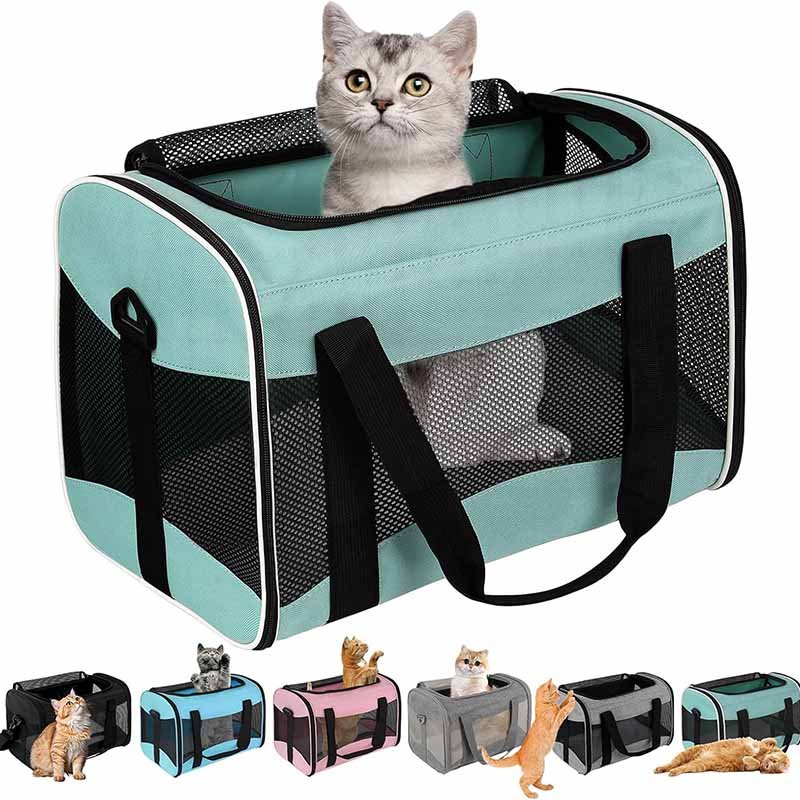
A pet travel bag is one of those products people only truly judge after using it outside the home. In product photos, almost every bag can look neat, soft, and stylish. But during a real trip, small details quickly decide whether the product feels reliable or frustrating. A nervous cat may push against the mesh. A small dog may shift its weight to one side. The owner may need to open the top with one hand while holding a leash, phone, ticket, or car key in the other. A zipper that runs smoothly in the showroom may jam at the corner. A weak base may bend after ten minutes of walking. A beautiful outer fabric may collect hair, dirt, and water stains after only a few uses.
A strong pet travel bag should combine comfort, safety, airflow, stable support, washable surfaces, durable stitching, and easy carrying. For custom manufacturing, brands need to confirm fabric type, pet size range, opening structure, mesh placement, bottom support, handle strength, shoulder strap design, logo method, packaging style, MOQ, sample time, and inspection standards before bulk production.
For Szoneier, pet travel bag development is not only about sewing fabric into a soft carrier. It is about building a mobile comfort space for pets and a dependable travel tool for owners. Many overseas clients start with a simple reference photo, then discover during sampling that structure, material, lining, ventilation, and weight balance matter more than appearance alone. A well-developed bag can move from vet visits to car rides, short flights, hotel stays, camping weekends, and daily errands without losing shape or comfort. The best pet travel bag is not the loudest product on the shelf. It is the one that quietly makes travel easier.
What Is a Pet Travel Bag?
A pet travel bag is a soft or semi-structured bag used to carry small pets during travel, vet visits, car rides, public transport, outdoor trips, and daily outings. A well-made pet travel bag should offer enough space, airflow, stable support, secure closure, washable lining, and comfortable carrying for both pets and owners.
Pet Travel Bag Basics
A pet travel bag is different from an ordinary tote because it must hold a living animal, not a fixed item. Pets move, breathe, scratch, turn around, lie down, and react to noise, smell, heat, and crowd pressure. A bag used for pets needs more engineering than many people expect. The outer shell must resist rubbing and pulling. The mesh must allow air exchange without tearing easily. The bottom board must support weight without folding. The zipper should open smoothly and close securely. The handle and shoulder strap need enough strength to carry moving weight, not only static weight.
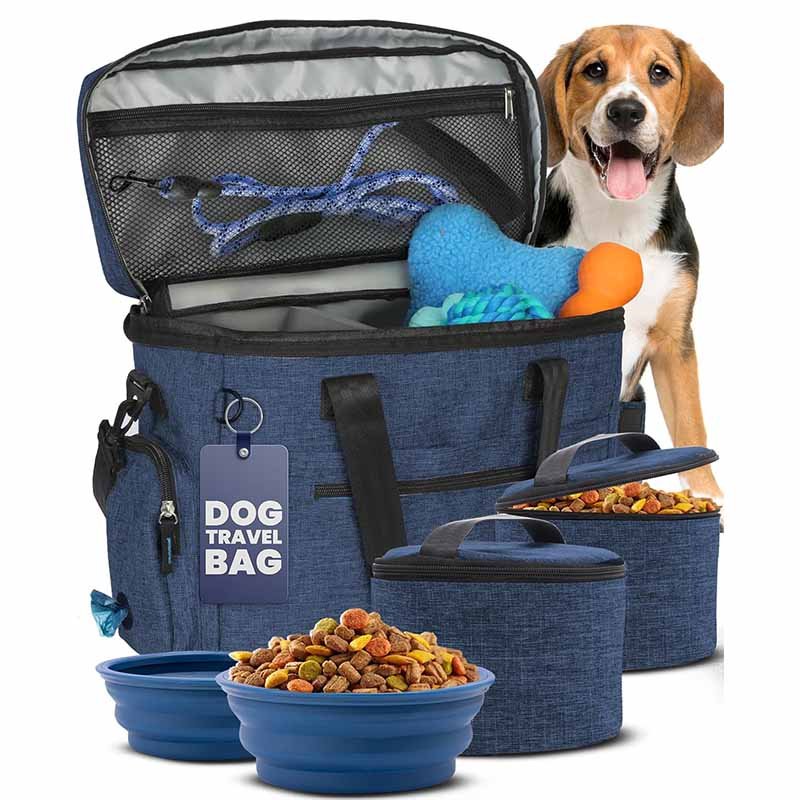
Most soft pet travel bags include several core parts: outer fabric, mesh window, zipper opening, inner lining, removable base pad, handle straps, shoulder strap, inner safety leash, binding tape, bottom support, and logo position. For private label projects, each part can be adjusted according to target market, pet size, price level, and selling channel. A pet bag for Amazon may need stronger visual selling points and cost control. A pet bag for boutique retail may use cleaner shaping, custom lining, upgraded hardware, and refined color matching.
From a factory perspective, the most common early mistake is treating the bag as a simple sewing product. In real production, a pet travel bag needs structural planning. The weight point, pet entry direction, mesh tension, base hardness, handle length, and cleaning method all affect user experience. For Szoneier clients, these details can be reviewed during the first sample stage so problems are solved before mass production.
Pet Travel Bag Uses
A pet travel bag can serve many travel and lifestyle situations. The same product may be used for a quick vet appointment on Monday, a car ride on Friday, and a weekend hotel stay on Saturday. Because of this wide usage range, brands should define the main use case before confirming the final design. A bag made for city commuting does not need the same structure as one made for longer outdoor trips. A cat carrier does not always need the same access design as a small dog travel bag.
Common usage scenarios include:
| Use Scenario | Design Focus | Helpful Details |
|---|---|---|
| Vet Visits | Quick access, stress control, easy cleaning | Top opening, removable mat, smooth lining |
| Car Travel | Stable base, seat safety, anti-slip bottom | Seat belt loop, firm board, reinforced handle |
| City Walks | Light weight, clean look, easy carrying | Padded strap, side pocket, compact shape |
| Short Flights | Flexible body, ventilation, secure closure | Soft side panels, mesh windows, inner leash |
| Hotel Trips | Storage, hygiene, foldability | Food pocket, washable mat, foldable structure |
| Outdoor Use | Water resistance, dirt control, airflow | Coated fabric, breathable mesh, bottom feet |
| Retail Gift Sets | Appearance, logo, packaging | Custom label, color series, printed insert card |
For daily city use, weight and appearance matter a lot. Many customers want a pet travel bag that does not look too bulky or too industrial. It should match casual clothes, fit into cafés or taxis, and still feel strong enough for real use. For car travel, the product should focus more on balance and safety. A flat base, strong handle, and secure inner leash become important because pets often move when the vehicle turns or stops. For outdoor and weekend travel, waterproof or water-resistant fabrics, washable lining, and dirt-resistant panels bring more value.
For brands, usage positioning affects product cost. A basic daily-use pet travel bag can be made with polyester Oxford, mesh, polyester lining, foam padding, and a removable mat. A higher-end model may include neoprene panels, coated fabric, reinforced base, metal hardware, custom zipper puller, printed lining, branded dust bag, and color-matched packaging. Szoneier can adjust the design from simple wholesale models to premium OEM/ODM collections depending on target retail price and order plan.
Pet Travel Bag vs Carrier
“Pet travel bag” and “pet carrier” are often used together, but the product feeling can be different. A pet carrier sounds more functional. It may include hard plastic crates, rolling carriers, backpacks, airline carriers, or heavy-duty transport products. A pet travel bag usually feels softer, more lifestyle-oriented, and easier to match with daily outfits or modern travel accessories. For many pet product brands, using both ideas together can make the product easier to understand and easier to sell.
The difference also affects manufacturing. A hard pet carrier usually needs plastic molds, rigid shells, ventilation holes, screws, and assembly parts. A soft pet travel bag is closer to fabric bag manufacturing. It needs fabric cutting, sewing, binding, zipper installation, mesh panel assembly, padding, logo application, base board insertion, and final inspection. For factories experienced in neoprene, polyester, Oxford, canvas, and other fabric-based products, soft pet travel bags offer more flexibility in color, shape, size, logo, and style development.
From a marketing angle, “pet carrier” works well for people searching for a functional transport product. “Pet travel bag” feels warmer and more connected to lifestyle travel. For example, a product listing may use “soft pet carrier bag” for search visibility, while the collection title may use “pet travel bag” for a more friendly retail feeling.
For custom projects, the name should match the product structure:
| Product Name | Best Fit | Structure Style |
|---|---|---|
| Pet Travel Bag | Daily outings, short trips, lifestyle retail | Soft or semi-structured |
| Pet Carrier Bag | Vet visits, airline-style travel, transport | More functional structure |
| Pet Tote Bag | Fashion-focused small pet carrying | Tote shape with pet-safe details |
| Pet Backpack | Hands-free walking or outdoor use | Back panel, straps, ventilation |
| Collapsible Pet Bag | Storage-friendly travel product | Foldable frame or soft body |
| Neoprene Pet Bag | Soft touch, light cushioning, modern look | Flexible neoprene panels |
A good product can sit between these categories. For example, a neoprene pet travel bag may look like a lifestyle tote but still include a stable base, mesh airflow, zipper access, and inner safety leash. This gives the brand both emotional appeal and practical value.
Why Pet Travel Bag Design Matters
Pet travel bag design matters because the product must protect a moving pet while staying comfortable for the person carrying it. Good design improves airflow, weight balance, safety, cleaning, pet comfort, and product durability. Poor design may lead to escape risk, heat buildup, weak handles, bent bottoms, bad reviews, and higher return rates.
Pet Travel Bag Comfort
Comfort is not one single feature. It comes from space, structure, airflow, touch, and movement control. A pet travel bag that feels comfortable for five minutes may not feel good after thirty minutes. The pet may become restless if the bottom bends, if the air feels stuffy, or if the interior surface is too slippery. The owner may feel tired if the strap is too narrow or if the bag hangs at an awkward angle.
Pet comfort usually starts with size. The bag should allow the pet to sit, lie down, and turn slightly without being squeezed. However, oversized bags are not always better. Too much empty space can make pets slide during walking or driving. For cats and small dogs, a stable base often matters more than extra height. A reinforced base board with foam padding can help keep the pet’s body supported while reducing shaking during movement.
The inside surface also affects comfort. Smooth polyester lining is easy to wipe, but it may feel slippery. Fleece or plush matting feels softer, but it should be removable because pet hair, odor, and dirt can build up quickly. Neoprene can be used in selected areas to add soft cushioning and a flexible touch. For premium styles, a layered structure works well: durable outer fabric, light foam support, breathable mesh, and removable soft mat.
Owner comfort should be developed at the same time. A pet weighing 3–7 kg can feel much heavier after walking through an airport, street, parking lot, or train station. Wider handles, padded shoulder straps, adjustable length, and balanced weight distribution make the product easier to carry. Stress points should be reinforced with bar-tack stitching because the bag carries live weight that shifts from side to side.
Key comfort points to check during sampling:
| Comfort Area | Recommended Check | Manufacturing Note |
|---|---|---|
| Inner Space | Pet can sit and lie naturally | Confirm size by target pet weight range |
| Base Support | Bottom does not bend heavily | Use board + foam + removable cover |
| Airflow | Mesh placed on two or more sides | Avoid blocked airflow when carried |
| Shoulder Feel | Strap does not cut into shoulder | Use wider webbing or padded strap |
| Interior Touch | No rough seams or sharp edges | Check binding and zipper ends |
| Cleaning | Mat can be removed quickly | Add hook-and-loop or zipper cover if needed |
For brands, comfort is also a review driver. Customers may forgive a small color difference, but they rarely forgive a bag that makes their pet look scared or uncomfortable. A well-balanced pet travel bag can lead to better product photos from customers, stronger repeat purchase intent, and fewer negative comments about shape, odor, strap pain, or poor structure.
Pet Travel Bag Safety
Safety is the area where brands should never save a few cents without thinking carefully. A weak zipper, loose mesh, poor stitching, or unstable base can create real trouble during travel. Pets may push against the opening, scratch the mesh, bite the corner, or suddenly jump when the bag is opened. A product used in public places needs reliable control.
The first safety point is escape prevention. The zipper should close smoothly and stay closed under movement. Long zipper openings are convenient, but they need good corner construction. If the zipper turns around a tight curve, poor sewing can cause pulling, jamming, or gaps. For active pets, double zipper pulls, zipper lock options, or an inner safety leash can improve control. The inner leash should be connected to a reinforced seam, not a weak lining point.
The second safety point is load strength. Handles and shoulder straps should be tested with more than the expected pet weight. For example, if the bag is designed for pets up to 7 kg, the handle should be tested with a higher static load during factory review. Live movement creates stress beyond simple weight. Szoneier can reinforce handle roots, shoulder strap anchor points, side seams, and bottom joints to reduce tearing risk.
The third safety point is pet contact. Hardware should not have sharp edges. Mesh should not be too rough. The inner lining should not have exposed thread loops where claws can catch. The bottom board should not slide out during use. Chemical odor should be controlled, especially for enclosed bags, because pets are more sensitive to smell than humans.
Safety details worth adding for higher-value pet travel bags:
| Safety Detail | Function | Good for |
|---|---|---|
| Inner Leash Clip | Prevents sudden escape when opened | Cats, small dogs, nervous pets |
| Reinforced Zipper Ends | Reduces opening failure | Airline-style and car travel bags |
| Strong Mesh Binding | Prevents mesh tearing from scratching | Active pets |
| Bar-Tack Stitching | Strengthens handle and strap points | Bags over 3 kg load |
| Anti-Slip Bottom | Helps stabilize bag on car seats or floors | Car trips, vet visits |
| Smooth Interior Seams | Reduces scratching and claw catching | All pet bags |
| Removable Firm Base | Keeps pet body supported | Small dogs, cats |
For private label brands, safety is also linked to trust. Customers may not know the fabric weight or stitch type, but they can feel whether a bag is solid after picking it up. Better structure creates a more confident first impression, especially for higher-priced pet products.
Pet Travel Bag Ventilation
Ventilation looks simple, but it requires balance. Too little mesh can make the pet feel hot, trapped, and nervous. Too much mesh can weaken structure, reduce privacy, and make the bag look less refined. The right design gives enough airflow while keeping the bag stable, attractive, and safe.
Most pet travel bags use mesh panels on the sides, front, or top. Side mesh helps airflow when the bag is carried close to the owner’s body. Front mesh lets pets see outside and helps owners check their pet quickly. Top mesh can improve air exchange and make feeding or petting easier during short stops. Some designs use roll-up privacy covers over mesh panels, giving the owner more control in crowded or noisy places.
Mesh quality should match the pet type. For cats, scratch resistance matters. For small dogs, nose rubbing and paw pressure are common. A soft but strong mesh is usually better than very stiff mesh. The edge binding around the mesh is just as important as the mesh itself. If the binding is weak, the mesh may tear away from the fabric panel even when the mesh material is strong.
Ventilation should also consider climate. In warmer markets, large breathable panels and light-colored fabrics may be more suitable. In colder markets, partial mesh with warmer lining may feel better. For travel bags sold across multiple regions, a balanced design with side mesh, top opening, and removable soft mat can cover more usage situations.
Recommended ventilation structure by use:
| Travel Use | Mesh Design | Extra Detail |
|---|---|---|
| Vet Visit | Front + top mesh | Easy pet checking and quick access |
| City Carry | Side mesh + privacy cover | Better appearance and calmer pet |
| Car Ride | Side mesh + stable base | Airflow while sitting on seat |
| Short Flight | Multi-side mesh | Better airflow under confined space |
| Outdoor Trip | Strong side mesh + coated fabric | Balance airflow and water resistance |
A common mistake is adding large mesh panels without checking how the bag holds shape. Large mesh areas can collapse if the surrounding fabric and binding are not strong enough. During sampling, the factory should test the bag with real weight inside and check whether the mesh panel pulls, wrinkles, or opens at the seam. For Szoneier OEM/ODM pet travel bag projects, mesh size, panel shape, binding width, and fabric support can all be adjusted before final sample approval.
Pet Travel Bag Real-Use Design Check
A pet travel bag should be tested through movement, not only checked on a table. Product photos show shape, but movement reveals quality. Before bulk production, brands should test the sample the same way customers will use it: lift it, carry it, open it, close it, wipe it, fold it, place it on a car seat, and check how the structure reacts with weight inside.
A basic sample test can include the following steps:
| Test Item | How to Test | What to Watch |
|---|---|---|
| Weight Carrying | Load bag with target pet weight plus extra margin | Handle tearing, strap pressure, side deformation |
| Zipper Use | Open and close 30–50 times around corners | Jamming, uneven sewing, weak zipper ends |
| Base Stability | Place moving weight inside and lift the bag | Bottom bending, pet sliding, board movement |
| Mesh Pressure | Push mesh from inside | Tearing, loose binding, shape collapse |
| Cleaning | Wipe lining and remove bottom mat | Stains, odor, drying speed |
| Shoulder Carry | Carry sample for 10–15 minutes | Strap discomfort, poor balance |
| Opening Control | Open top and side with one hand | Escape risk, zipper smoothness, access angle |
| Packing Recovery | Fold or compress, then restore shape | Creasing, deformation, foam recovery |
For a factory sample, even small adjustments can improve the final product. A strap can be widened from 2.5 cm to 3.8 cm. A base board can be changed from thin PE board to thicker PP board with foam. Mesh can be moved higher to improve airflow. A zipper opening can be shortened slightly to reduce escape risk. A lining can be changed from standard polyester to wipeable coated fabric. These changes are not expensive compared with the cost of poor reviews after launch.
For pet product brands, the best development process is practical and hands-on. Start with the target pet size, expected retail price, sales channel, and main use case. Then develop the bag around real use. A good-looking bag may attract the first click, but a reliable bag earns the second order.
Which Pet Travel Bag Materials Work Best?
The best pet travel bag material depends on the target pet size, travel scene, retail price, cleaning needs, and brand style. Common options include polyester Oxford, nylon, canvas, neoprene, mesh, coated fabric, soft lining, and removable padded mats. A strong material plan should balance durability, airflow, water resistance, comfort, cost, and appearance.
Pet Travel Bag Fabrics
Fabric choice decides the first impression of a pet travel bag. Customers touch the fabric before they check the stitching, zipper, or lining. A stiff, noisy, or cheap-looking fabric can make the whole product feel low value, even when the structure is acceptable. A smooth, dense, and well-supported fabric can make the same design feel more premium.
For most pet travel bags, the outer fabric must handle rubbing, pet hair, light water, hand pressure, and repeated carrying. Polyester Oxford is one of the most common choices because it is durable, stable, cost-friendly, and easy to produce in different colors. Nylon is lighter and smoother, often used for travel-style products. Canvas gives a more natural lifestyle look, but it may absorb more dirt or water if not treated. Neoprene brings a softer hand feel and cushioning effect, suitable for modern pet bags, side panels, padded details, or premium soft carriers.
Fabric weight should match the bag size. A small pet bag for pets under 3 kg may not need very heavy fabric, but a travel bag for 5–8 kg pets needs better tear resistance and stronger seam support. If the fabric is too thin, the bag may lose shape after several uses. If the fabric is too thick, the bag may become heavy, hot, and difficult to fold.
Common fabric choices for custom pet travel bags:
| Fabric Type | Main Advantage | Possible Limitation | Best Use |
|---|---|---|---|
| Polyester Oxford | Durable, cost-friendly, stable | May look basic without good finishing | Daily pet travel bags |
| Nylon | Lightweight, smooth, travel-friendly | Can feel thin if low grade | Compact travel bags |
| Canvas | Natural look, strong retail feeling | Needs coating for water resistance | Lifestyle pet tote bags |
| Neoprene | Soft, flexible, cushioned | Higher cost than basic polyester | Premium soft pet bags |
| TPU/PVC Coated Fabric | Water-resistant, easy to wipe | Can feel less breathable | Outdoor or washable styles |
| Recycled Fabric | Better sustainability story | Requires careful color and MOQ planning | Eco pet product lines |
For Szoneier projects, fabric can be selected based on product positioning. A pet brand selling through Amazon may choose polyester Oxford with strong mesh and a washable mat to control cost. A premium pet lifestyle brand may choose neoprene, custom lining, color-matched webbing, and branded zipper pullers. A travel accessories brand may prefer nylon or coated polyester for lighter weight and easier cleaning.
A good factory should not simply ask what fabric the client wants. It should ask how the bag will be used, what pet weight it should carry, what price range the product should reach, and what kind of customer will buy it. Material decisions become much easier after these points are clear.
Pet Travel Bag Neoprene
Neoprene is a strong option for pet travel bags when brands want a softer, more cushioned, and more modern product feel. It is commonly used in wetsuits, koozies, sports supports, medical supports, laptop sleeves, protective bags, and soft structured products. For pet travel bags, neoprene can help create a more comfortable hand feel while adding light padding and flexibility.
One of the biggest advantages of neoprene is touch. It feels softer than many woven fabrics and has a slightly elastic structure. This makes it useful for side panels, handles, shoulder pads, protective edges, and soft-body pet carriers. A neoprene pet travel bag can feel less rigid than a standard polyester bag while still offering better body shape than very thin fabric.
Neoprene also supports clean branding. Logos can be added through heat transfer, screen printing, woven labels, rubber patches, embroidery patches, or debossed patch designs. For private label projects, this gives brands more space to create a recognizable product style. Color matching can also be developed for full collections, such as black, grey, beige, navy, olive, pink, or seasonal colors.
However, neoprene should be used thoughtfully. It is not always the best material for every part of the bag. Because it is thicker than many fabrics, using too much neoprene may increase weight and reduce airflow. For pet travel bags, neoprene works best when combined with mesh ventilation, lightweight lining, and a stable bottom board. It can improve comfort, but it should not replace proper airflow design.
Neoprene use in pet travel bag development:
| Neoprene Position | Benefit | Development Note |
|---|---|---|
| Side Panels | Soft touch and light cushioning | Add mesh to maintain airflow |
| Handle Wrap | More comfortable grip | Match thickness with webbing |
| Shoulder Pad | Reduces pressure during carrying | Useful for pets over 4 kg |
| Base Mat Cover | Softer pet contact surface | Needs removable cleaning design |
| Front Panel | Premium look and flexible structure | Add support if large panel is used |
| Logo Patch Area | Clean branding surface | Works well with rubber or woven patches |
Szoneier has long experience in neoprene material development and related products, including bags, koozies, sports supports, medical supports, and wetsuit-related items. This background helps when clients want a pet travel bag that is not only sewn correctly, but also has the right softness, thickness, lamination, color, and surface feel. For brands developing mid-to-high-end pet accessories, neoprene can become a strong difference from ordinary fabric carriers.
Pet Travel Bag Linings
The lining inside a pet travel bag has a direct impact on cleaning, odor control, pet comfort, and product reviews. Many customers do not think about lining before purchase, but they notice it after the first real use. Pet hair, paw dirt, drool, small accidents, food crumbs, and outdoor dust can build up quickly. If the lining is difficult to clean, the whole bag may feel old after only a few trips.
A basic polyester lining is common because it is affordable and easy to sew. It works for entry-level bags, especially when paired with a removable mat. A coated lining or wipeable lining is more suitable for travel bags designed for frequent use. It can help owners clean small stains with a damp cloth instead of washing the whole bag. For premium pet bags, soft removable mats are often added to improve comfort, but they should be easy to remove, wash, and dry.
The lining should not be too slippery. If the pet slides during walking or car movement, it may feel unstable. A removable base mat with a soft top layer and firm bottom support can solve this problem. The mat may use polyester fleece, short plush, neoprene cover, quilted fabric, or washable fabric depending on the product level. Some brands use reversible mats: one side soft for comfort, the other side wipeable for summer or messy travel.
Common lining options:
| Lining Type | Advantage | Best For |
|---|---|---|
| Polyester Lining | Cost-friendly, easy production | Basic pet travel bags |
| Coated Polyester | Easier to wipe clean | Travel and outdoor use |
| Short Plush Mat | Soft, warm, comfortable | Cats and small dogs |
| Fleece Mat | Warm and cozy | Cold weather or premium styles |
| Neoprene Mat Cover | Soft and flexible | Modern pet travel bag designs |
| Quilted Lining | Better appearance and cushioning | Boutique pet collections |
| Removable Washable Mat | Easier cleaning and longer use | Most mid-to-high-end bags |
For manufacturing, the lining should be checked for seam smoothness. Rough seam edges, exposed binding, or hard zipper ends can irritate pets. Thread loops should be controlled because claws may catch on loose threads. The bottom mat should fit the base correctly, not curl up at the corners. If hook-and-loop tape is used to hold the mat, the rough side should not touch the pet directly.
For Szoneier clients, lining selection can be matched with the outer fabric and selling price. A cost-controlled pet travel bag may use polyester lining plus a removable mat. A higher-end bag may use coated lining, soft mat, custom printed brand lining, and better edge finishing. Small improvements inside the bag can make the product feel much more thoughtful in daily use.
Pet Travel Bag Waterproofing
Waterproofing is one of the most searched and most misunderstood parts of pet travel bag development. Many customers say they want a waterproof pet travel bag, but they may actually need water-resistant fabric, wipeable lining, or a leak-resistant bottom. Full waterproof construction is more difficult because stitching holes, zippers, mesh panels, and openings can all allow water to pass through.
For most pet travel bags, water resistance is more realistic and more useful than full waterproofing. Owners want the bag to resist light rain, wet ground, paw dirt, water bottle leaks, and small accidents. A coated outer fabric, wipeable lining, water-resistant bottom panel, and removable mat can solve most daily problems without making the bag too heavy or too sealed.
Different levels of water protection:
| Protection Level | What It Means | Suitable Product |
|---|---|---|
| Water-Repellent Surface | Light water rolls off fabric for a short time | Daily pet travel bags |
| Water-Resistant Fabric | Fabric resists light rain and splashes | City and car travel bags |
| Wipeable Lining | Interior can be cleaned with damp cloth | Vet, hotel, and outdoor use |
| Leak-Resistant Bottom | Helps control small spills inside | Longer travel or puppy use |
| Waterproof-Coated Panel | Stronger water blocking on selected areas | Outdoor pet bags |
| Fully Waterproof Build | Requires sealed seams and special construction | Less common for soft pet carriers |
The most practical approach is to protect high-risk areas first. The bottom panel touches floors, car seats, grass, and pavement, so it should resist dirt and moisture. The lining should handle small messes. The outer fabric should resist light rain. The zipper area should have good cover design if the bag is positioned for outdoor use. Mesh panels should be designed carefully because they improve airflow but reduce water protection.
There is also a comfort trade-off. If a bag is too sealed, airflow may suffer. Pets need ventilation more than they need heavy waterproofing in many travel situations. For warm markets, breathability should not be sacrificed just to promote waterproof features. A better message for customers may be “water-resistant outer fabric with washable interior” rather than making unrealistic promises.
Szoneier can support different waterproofing levels through fabric coating, laminated neoprene, TPU/PVC-coated panels, water-resistant bottom materials, and wipeable linings. The right choice depends on target market, product cost, pet comfort, and expected use.
How to Customize a Pet Travel Bag
Customizing a pet travel bag means adjusting size, fabric, structure, comfort features, safety details, color, logo, packaging, and quality standards around a clear product goal. A good custom pet travel bag should not only look different. It should solve real customer problems, match the brand’s price range, and be practical for repeated travel use.
Pet Travel Bag Sizes
Size is one of the most important decisions in pet travel bag manufacturing. If the size is wrong, the whole product fails. A bag that is too small makes pets feel squeezed. A bag that is too large becomes hard to carry and may not feel stable. For many brands, the safest approach is to develop two or three sizes instead of trying to make one bag fit every pet.
Pet travel bags are usually designed for small pets. Common target pet weights may include under 3 kg, 3–5 kg, 5–7 kg, and sometimes 7–9 kg for stronger structures. The bag should allow the pet to sit naturally, lie down, and turn slightly. Height, length, and width all matter. A long-bodied small dog may need more length, while a cat may need a calmer enclosed shape and easier top access.
Useful size planning table:
| Size Range | Suggested Pet Weight | Product Use | Structure Note |
|---|---|---|---|
| Small | Up to 3 kg | Cats, puppies, toy breeds | Lightweight, compact, easy carry |
| Medium | 3–5 kg | Small dogs, adult cats | Stronger base and better straps |
| Large Soft Bag | 5–7 kg | Larger small dogs | Reinforced handles and base |
| Heavy-Duty Soft Bag | 7–9 kg | Stronger pets, limited models | Extra support and load testing needed |
External dimensions and internal dimensions should be handled carefully. Customers often care about external dimensions for travel and storage, but pets experience the internal space. Padding, lining, base board, and side structure reduce usable space. If the product is described online, both dimensions can reduce misunderstanding.
For custom projects, Szoneier can help clients develop size charts based on pet weight, pet body length, and product use. The factory can also adjust height, width, base length, and opening size according to reference samples or drawings. Before mass production, samples should be checked with weighted testing, not only empty measurement.
A good pet travel bag size should feel easy to carry, safe for movement, and comfortable for the pet. Size planning is not glamorous, but it is one of the strongest ways to reduce returns.
Pet Travel Bag Pockets
Pockets are useful, but only when they are designed with real travel habits in mind. Too many pockets can make the bag bulky and messy. Too few pockets can make the owner carry an extra bag. The best pocket layout depends on where and how the pet travel bag will be used.
For short trips, owners may need space for treats, waste bags, keys, vaccination papers, phone, small wallet, collapsible bowl, or a thin leash. For airline-style or hotel travel, they may need storage for documents, pet pads, medicine, snacks, and wipes. For city use, a hidden pocket for phone and keys can make the bag more convenient.
Pocket options for pet travel bags:
| Pocket Type | Best Use | Design Note |
|---|---|---|
| Side Open Pocket | Waste bags, wipes, small items | Easy access but less secure |
| Zipper Pocket | Phone, wallet, documents | Better for travel and city use |
| Mesh Pocket | Water bottle or small bowl | Lightweight and visible |
| Back Pocket | Flat documents, pet records | Good for vet or travel papers |
| Hidden Pocket | Keys or cards | Useful for premium city designs |
| Internal Pocket | Small pet pad or treat pack | Must not reduce pet comfort |
Pocket placement should not block ventilation. A common design mistake is placing a large pocket over a side panel where mesh airflow should be. Another issue is pocket weight. If owners place a heavy bottle on one side, the bag may become unbalanced. For medium and large pet travel bags, pocket position should be balanced with handle placement.
For private label products, pockets can become a selling point when they are described clearly. Instead of simply saying “multi-pocket design,” brands can explain what each pocket holds. This feels more real to customers: one zipper pocket for phone and travel papers, one side pocket for wipes, one mesh pocket for a collapsible bowl. Small descriptions like this help customers imagine daily use.
Szoneier can customize pocket size, position, zipper type, mesh pocket shape, elastic opening, and inner compartments based on brand needs. For cost-controlled products, one side pocket and one zipper pocket may be enough. For premium travel sets, multiple pockets with clean placement can increase perceived value.
Pet Travel Bag Handles
Handles and straps decide how the owner feels after carrying the bag for more than a few minutes. A pet travel bag may look light when empty, but once a 4–7 kg pet is inside, poor handle design becomes obvious. Thin straps can dig into the hand or shoulder. Weak stitching can make the owner worry. Bad strap placement can make the bag tilt forward or backward.
A good handle system should consider three points: strength, comfort, and balance. Strength comes from webbing quality, seam reinforcement, and bar-tack stitching. Comfort comes from strap width, padding, soft wrap, and adjustable length. Balance comes from correct attachment points and matching the strap position to the center of weight.
Common carrying structures:
| Carrying Style | Advantage | Best For |
|---|---|---|
| Short Handles | Easy hand carry, clean look | Vet visits and short trips |
| Long Shoulder Handles | Hands-free casual carry | City use and daily outings |
| Adjustable Shoulder Strap | Better fit for different users | Travel and longer carry time |
| Padded Shoulder Strap | Reduces pressure | Medium and larger pet bags |
| Trolley Sleeve | Attaches to suitcase handle | Airport and hotel travel |
| Backpack Strap Option | Hands-free movement | Outdoor or commuter designs |
For neoprene pet travel bags, handle padding can be a strong detail. Neoprene handle wraps or shoulder pads feel softer and match the product material story. For polyester bags, padded webbing or soft binding can improve comfort without raising cost too much.
Strap testing is important. The handle should be tested with weight above the target pet range, and the seam should be checked after repeated lifting. If the product is designed for pets up to 7 kg, the handle system should not be designed as if it only carries 7 kg static weight. Movement creates extra force. Pets lean, shift, and push, so reinforcement is needed at strap roots.
For Szoneier custom projects, clients can choose webbing width, handle length, shoulder pad material, metal or plastic hardware, detachable strap, logo woven webbing, and reinforced stitch pattern. These details may seem small, but they strongly affect product quality perception.
Pet Travel Bag Branding
Branding on a pet travel bag should feel natural, not forced. Customers usually do not want a large logo that makes the bag look like a promotional item. They want a product that feels clean, trustworthy, and well designed. For private label pet brands, the best logo method depends on fabric type, product price, color style, and retail channel.
Common logo methods include woven labels, rubber patches, leather patches, embroidery patches, heat transfer printing, screen printing, metal logo plates, custom zipper pullers, and printed lining. A simple woven label can work well for cost-controlled products. A rubber patch or leather patch can make the product feel more premium. Heat transfer printing is clean and suitable for some neoprene or coated fabric surfaces. Custom zipper pullers add a stronger brand detail without taking up much space.
Logo options for custom pet travel bags:
| Logo Method | Visual Style | Best Material |
|---|---|---|
| Woven Label | Clean and cost-friendly | Oxford, canvas, nylon |
| Rubber Patch | Modern and durable | Neoprene, polyester, coated fabric |
| Leather Patch | Premium and lifestyle feel | Canvas, nylon, Oxford |
| Embroidery Patch | Soft craft look | Canvas and thicker fabrics |
| Heat Transfer | Smooth and simple | Neoprene and selected coated fabrics |
| Screen Printing | Cost-effective for larger logos | Flat fabric panels |
| Metal Plate | Higher-end retail look | Structured premium bags |
| Custom Zipper Puller | Subtle brand detail | Most pet travel bags |
Branding should be planned with the full product, not added at the end. Logo size, color, and position should work with mesh panels, pockets, zipper direction, and handle placement. A logo placed too close to a seam may look distorted. A printed logo on a curved or flexible area may crack or deform. A thick patch on a soft panel may pull the fabric if the backing is not strong enough.
Packaging is also part of branding. Pet travel bags can use hangtags, care labels, instruction cards, dust bags, polybags, color boxes, or retail display packaging. For online sales, product inserts can explain how to clean the bag, how to secure the inner leash, how to remove the mat, and what pet size range fits the bag. Clear instructions reduce misuse and help customers feel the product is more professional.
Szoneier can support private label and OEM/ODM branding from product logo to packaging. For brands building a full pet accessory line, matching logo style across pet bags, koozies, travel pouches, mats, and related neoprene products can create a more complete product family.
How Pet Travel Bag Manufacturing Works
Pet travel bag manufacturing starts with product planning, then moves through material selection, pattern making, sampling, revision, cost confirmation, bulk cutting, sewing, inspection, packing, and shipment. A reliable factory should help clients control comfort, safety, structure, logo quality, MOQ, sample timing, production lead time, and final product consistency.
Pet Travel Bag Sampling
Sampling is the stage where a pet travel bag changes from an idea into a product that can be touched, tested, carried, opened, cleaned, and improved. Many problems that look small on paper become clear during sampling. The base may feel too soft. The mesh may sit too low. The zipper may not open smoothly around the corner. The shoulder strap may need more padding. The pet opening may be convenient for owners but too easy for pets to push through.
For custom pet travel bags, Szoneier can usually start development from several types of information:
| Client Input | What the Factory Can Do |
|---|---|
| Reference photo | Build a similar structure with adjusted fabric, size, and logo |
| Physical sample | Measure details, improve structure, and remake with new branding |
| Design drawing | Develop pattern, structure, and sample based on specifications |
| Brand idea | Recommend fabric, size, pocket, opening, and logo solution |
| Target price | Adjust material and construction to match cost range |
| Target market | Suggest features for travel, vet use, city carry, or outdoor use |
A first sample should not only be checked for appearance. It should be checked with weight inside. A bag designed for pets up to 5 kg should be tested under real carrying pressure. The handle roots, shoulder strap points, side panels, zipper ends, and bottom structure should be reviewed carefully. If the product will be sold online, the sample should also be photographed from different angles to confirm whether the shape looks attractive in product images.
A practical pet travel bag sample review can include:
| Sample Check | Target Result |
|---|---|
| External size | Matches confirmed design and sales description |
| Internal space | Suitable for target pet size |
| Bottom support | Does not bend heavily under weight |
| Mesh panels | Strong, breathable, and neatly sewn |
| Zipper opening | Smooth, secure, and easy to use |
| Handle strength | Reinforced and comfortable |
| Lining | Clean, smooth, and easy to wipe |
| Removable mat | Fits well and does not slide badly |
| Logo | Clear, centered, and color-matched |
| Overall shape | Looks stable when empty and loaded |
For many projects, one sample is not enough. The first sample confirms structure, size, and overall direction. The second sample often improves material, logo, base support, zipper movement, or pocket placement. This is normal in OEM/ODM product development. A rushed sample may save several days at the beginning, but it can create bigger problems during bulk production.
For pet travel bags, a good sample should answer four questions clearly:
Can the pet stay inside comfortably?
Can the owner carry it without discomfort?
Can the bag survive repeated use?
Can the product be produced consistently in bulk?
If the answer is not clear, the sample still needs work.
Pet Travel Bag MOQ
MOQ depends on fabric, color, logo method, hardware, packaging, and design complexity. A simple pet travel bag using available fabric and standard accessories can usually support a lower MOQ. A fully customized style with special color fabric, custom mesh, molded rubber logo, printed lining, unique zipper puller, and custom packaging will usually need a higher MOQ because each material has its own minimum order requirement.
For overseas clients, MOQ is not only a factory number. It affects inventory pressure, launch budget, unit cost, packaging plan, and risk control. Small brands often want lower MOQ to test the market. Larger brands may care more about stable price, color consistency, and repeat production. The best MOQ plan should match the product stage.
General MOQ planning for custom pet travel bags:
| Project Type | Possible MOQ Direction | Best For |
|---|---|---|
| Stock fabric + simple logo | Lower MOQ | New product testing |
| Stock fabric + custom patch | Low to medium MOQ | Small brand launch |
| Custom color fabric | Medium MOQ | Brand color collection |
| Custom neoprene lamination | Medium to higher MOQ | Premium soft pet bags |
| Printed lining | Medium MOQ | Private label retail |
| Custom hardware | Higher MOQ | Mature product line |
| Full custom packaging | Medium to higher MOQ | Retail and gift channels |
MOQ also changes by logo method. Woven labels and simple patches are usually easier for smaller runs. Custom zipper pullers, molded rubber patches, and special metal logo plates may require separate accessory MOQ. If the client wants three colors in one order, the factory needs to check whether each color can meet cutting efficiency and material MOQ.
A smart approach is to separate “must-have customization” from “nice-to-have customization.” For a first order, the brand may choose custom logo, selected fabric color, strong structure, and simple packaging. After the product proves market demand, the second order can add printed lining, custom zipper pullers, upgraded tags, or more colors.
Example launch plan:
| Stage | Product Strategy | Custom Level |
|---|---|---|
| First Test Order | 1 style, 1–2 colors, standard fabric, custom logo | Controlled risk |
| Second Order | Add color options, improve packaging, refine lining | Stronger branding |
| Mature Product | Custom fabric, full packaging, accessories, series design | Higher brand value |
Szoneier supports low MOQ customization for many fabric and neoprene product projects, which is helpful for new pet product lines, private label sellers, and brands testing a new category. For clients with larger orders, Szoneier can also support more detailed OEM/ODM development, material matching, color series, and production planning.
Pet Travel Bag Quality
Quality control for a pet travel bag should focus on safety, structure, comfort, appearance, and consistency. A bag may look acceptable at first glance, but hidden problems can appear after use. Weak handle stitching, uneven zipper movement, loose mesh, poor base support, rough lining, wrong size, unstable shape, and color difference can all lead to customer complaints.
Szoneier’s quality work should begin before production, not only at the final inspection stage. The confirmed sample becomes the production standard. Fabric, mesh, lining, webbing, zipper, logo, thread color, size tolerance, sewing method, and packaging details should be checked against the approved sample. If the product uses neoprene, thickness, lamination quality, surface smoothness, and color consistency should also be reviewed.
Key quality control points:
| QC Area | Inspection Detail | Why It Matters |
|---|---|---|
| Fabric | Color, weight, coating, surface defects | Affects appearance and durability |
| Mesh | Tear resistance, panel shape, binding | Affects airflow and safety |
| Zipper | Smooth movement, zipper ends, pullers | Affects daily use and escape control |
| Stitching | Straight seams, bar-tack points, thread tension | Affects strength and finish |
| Handle | Load-bearing points, strap length, comfort | Affects carrying safety |
| Base | Board firmness, mat fit, bottom shape | Affects pet stability |
| Lining | Clean surface, smooth seams, easy cleaning | Affects pet comfort and hygiene |
| Logo | Position, color, clarity, durability | Affects brand image |
| Size | External and internal measurement | Affects fit and customer expectations |
| Packing | Shape protection, label, carton strength | Affects delivery and retail presentation |
A good pet travel bag should pass basic function checks before shipment. The zipper should be opened and closed repeatedly. Handles should be pulled and checked. Mesh should be inspected for holes or weak seams. The base mat should be removed and replaced to confirm fit. The inner leash should be firmly attached. The bag should stand or hold shape according to design requirements.
For online brands, visual consistency is also important. If some bags look square and others look collapsed, customer reviews may become inconsistent. For products sold as a collection, color consistency across batches matters. A beige pet travel bag, for example, may look very different under indoor and outdoor light if fabric dyeing is not controlled.
Common problems and factory solutions:
| Common Problem | Possible Cause | Better Solution |
|---|---|---|
| Bag collapses | Weak fabric or poor panel support | Add foam, stronger fabric, or better binding |
| Handle feels unsafe | Thin webbing or weak stitch point | Use wider webbing and bar-tack reinforcement |
| Pet slides inside | Smooth lining or weak base | Add removable padded mat |
| Mesh tears | Low-grade mesh or weak edge sewing | Upgrade mesh and reinforce binding |
| Zipper jams | Poor curve sewing or low-quality zipper | Improve zipper path and use better zipper |
| Logo peels | Wrong logo method for fabric | Match logo process with material |
| Bad odor | Material or glue issue | Improve material selection and airing process |
| Poor shape after packing | Over-compressed packing | Use better folding plan or shape support |
Szoneier can provide 100% quality assurance support through sample confirmation, material checking, in-process inspection, and final product review. For clients ordering custom pet travel bags, clear quality standards should be confirmed before bulk production so both sides judge the product by the same standard.
Pet Travel Bag Delivery
Delivery time depends on sample approval, material availability, order quantity, logo process, packaging complexity, and production schedule. A simple pet travel bag using available materials can move faster than a fully customized product with special fabric, custom accessories, and retail packaging. For brands planning seasonal launches, Amazon inventory, pet expo displays, or retail delivery, timing should be discussed early.
A practical development timeline may look like this:
| Stage | Estimated Time | Main Work |
|---|---|---|
| Design Confirmation | 1–3 days | Confirm size, material, structure, logo, packaging |
| Material Preparation | 2–7 days | Check stock fabric, mesh, zipper, webbing |
| First Sample | 5–10 days | Pattern, cutting, sewing, logo trial |
| Sample Revision | 3–7 days | Adjust size, base, strap, logo, mesh, lining |
| Final Approval | 1–3 days | Confirm production sample and cost |
| Bulk Production | 20–35 days | Cutting, sewing, inspection, packing |
| Shipping | Depends on method | Express, air, sea, DDP, or client forwarder |
These times can change based on project complexity. Custom-dyed fabric, printed lining, molded logo patches, custom zipper pullers, or special packaging may add extra time. A first-time project usually needs more time than a repeat order because the pattern, material list, workmanship details, and quality standard must be built from the beginning.
For urgent orders, the best way to save time is not to rush blindly. It is better to simplify the product intelligently. The client may choose available fabric colors instead of custom dyeing, use standard zipper pullers instead of molded pullers, select simple packaging instead of printed retail boxes, or confirm one size before developing a full size range. These choices can shorten the timeline while keeping the core product strong.
Shipping method also affects planning:
| Shipping Method | Speed | Cost Level | Best For |
|---|---|---|---|
| Express | Fastest | Higher | Samples, small urgent orders |
| Air Freight | Fast | Medium to high | Launch stock, urgent replenishment |
| Sea Freight | Slower | Lower | Bulk orders and stable inventory |
| DDP Shipping | Convenient | Depends on country | Clients wanting easier delivery |
| Client Forwarder | Flexible | Client-controlled | Established importers |
For pet travel bags, packing should protect the product shape. If the bag is overly compressed, mesh panels, foam, and base structure may crease. For foldable models, compression can be acceptable if the product is designed to recover. For more structured models, carton size and folding method should be tested before shipment.
Szoneier can support short lead times, fast sampling, and flexible delivery planning for overseas clients. For custom pet travel bag projects, sharing launch dates, target delivery date, quantity, and shipping country early helps the factory recommend a more realistic production and shipment plan.
How to Start a Pet Travel Bag Project with Szoneier
Starting a custom pet travel bag project with Szoneier is easier when the product goal is clear. Clients can begin with a reference image, existing sample, design file, size idea, fabric preference, target price, or brand concept. Szoneier can help turn those details into a sample plan, material recommendation, logo solution, MOQ proposal, production timeline, and final quotation.
Pet Travel Bag Project Info
Before quoting a custom pet travel bag, the factory needs enough information to avoid guessing. A vague request such as “Please quote a pet bag” is difficult because fabric, size, structure, lining, logo, and packaging can change the cost greatly. A more complete request helps the factory give faster and more accurate feedback.
Clients can prepare the following details:
| Information Needed | Example |
|---|---|
| Product Type | Pet travel bag, pet carrier bag, pet tote, pet backpack |
| Pet Type | Cat, small dog, puppy, toy breed |
| Target Pet Weight | Under 3 kg, 3–5 kg, 5–7 kg |
| Bag Size | External and internal dimensions if available |
| Material Preference | Neoprene, Oxford, nylon, canvas, coated fabric |
| Color | Black, grey, beige, custom Pantone color |
| Logo Method | Woven label, rubber patch, heat transfer, embroidery |
| Structure | Top opening, side opening, mesh panels, base mat |
| Accessories | Shoulder strap, trolley sleeve, inner leash, pockets |
| Packaging | Polybag, hangtag, color box, dust bag, insert card |
| Quantity | Trial order, first bulk order, repeat order |
| Market | Amazon, Shopify, retail store, gift channel, pet brand |
| Delivery Country | United States, Canada, Europe, Australia, Japan, etc. |
If the client does not know all details, that is fine. Szoneier can make recommendations based on the product use and target price. For example, if a client wants a lightweight city pet travel bag, the factory may recommend polyester Oxford, side mesh, removable mat, padded shoulder strap, and simple logo patch. If the client wants a premium neoprene pet travel bag, the factory may recommend thicker neoprene panels, custom rubber patch, coated lining, wide shoulder pad, and branded packaging.
The more clearly the product is described, the better the sample will be. Good communication at the beginning reduces sample revisions and helps the project move faster.
Pet Travel Bag Custom Options
Szoneier can customize pet travel bags across material, shape, function, logo, and packaging. This is useful for pet brands, travel accessory companies, e-commerce sellers, gift companies, and private label clients that want their own product style instead of selling standard market models.
Custom options may include:
| Custom Area | Options |
|---|---|
| Fabric | Neoprene, Oxford, nylon, canvas, polyester, coated fabric |
| Color | Stock colors, custom colors, contrast panels, seasonal colors |
| Size | Small, medium, large, custom dimensions |
| Opening | Top opening, side opening, front opening, dual opening |
| Ventilation | Side mesh, front mesh, top mesh, roll-up cover |
| Base | Firm board, foam pad, removable mat, washable cover |
| Carrying | Hand straps, shoulder strap, padded strap, trolley sleeve |
| Side pocket, zipper pocket, mesh pocket, hidden pocket | |
| Safety | Inner leash, reinforced zipper, anti-slip bottom |
| Logo | Woven label, rubber patch, embroidery, printing, zipper puller |
| Packaging | Hangtag, care card, polybag, color box, dust bag |
| Add-ons | Waste bag pocket, bowl pocket, document pocket, privacy cover |
For brands building a series, Szoneier can also help keep design language consistent across different products. A pet travel bag can be matched with pet food pouches, grooming bags, dog walking bags, water bottle bags, koozies, soft storage pouches, and other neoprene or fabric accessories. This creates a more complete retail collection.
Customization should always serve the user experience. Adding more features is not always better. A clean, strong, comfortable pet travel bag with the right size, good airflow, stable base, and well-placed pockets can sell better than an over-designed bag with too many unnecessary parts. Szoneier can help clients choose which features are worth adding and which ones may only increase cost without improving real use.
Pet Travel Bag Inquiry
A good inquiry does not need to be complicated. Clients can send Szoneier a few product photos, desired size, quantity, logo idea, and target market. The factory team can review the structure, suggest suitable materials, estimate sample direction, and prepare a quotation based on real manufacturing details.
Here is a simple inquiry format:
Product: Custom pet travel bag
Pet Type: Cat / small dog / puppy
Target Pet Weight: 3–5 kg
Size: 42 × 25 × 28 cm or need factory recommendation
Material: Neoprene / Oxford / nylon / canvas / not sure yet
Color: Black / beige / custom color
Logo: Rubber patch / woven label / heat transfer / embroidery
Features: Mesh ventilation, top opening, removable mat, shoulder strap, side pocket
Quantity: 300 / 500 / 1,000 / 3,000 pcs
Packaging: Polybag / hangtag / color box / custom insert card
Market: Amazon / Shopify / retail / pet brand / gift channel
Delivery Country: United States / Europe / Australia / Japan / other
For clients with only a rough idea, Szoneier can still help. Many projects begin with one photo and a short message. The important thing is to start the conversation early, especially if the product is planned for a seasonal launch, crowdfunding campaign, Amazon inventory plan, or retail delivery window.
Szoneier has more than 18 years of experience in neoprene material development and related product manufacturing, including bags, koozies, sports supports, medical supports, wetsuit-related products, and custom soft goods. The company supports OEM/ODM development, private label production, free design support, low MOQ customization, fast sampling, free sample support, short lead times, and quality-focused production for overseas clients.
If you are developing a custom pet travel bag, Szoneier can help you turn a product idea into a sample, then move from sample approval to bulk production with clear material choices, practical structure, and reliable quality control. Send your design, reference photo, size idea, or target price to Szoneier and start your custom pet travel bag project today.