 Skip to content
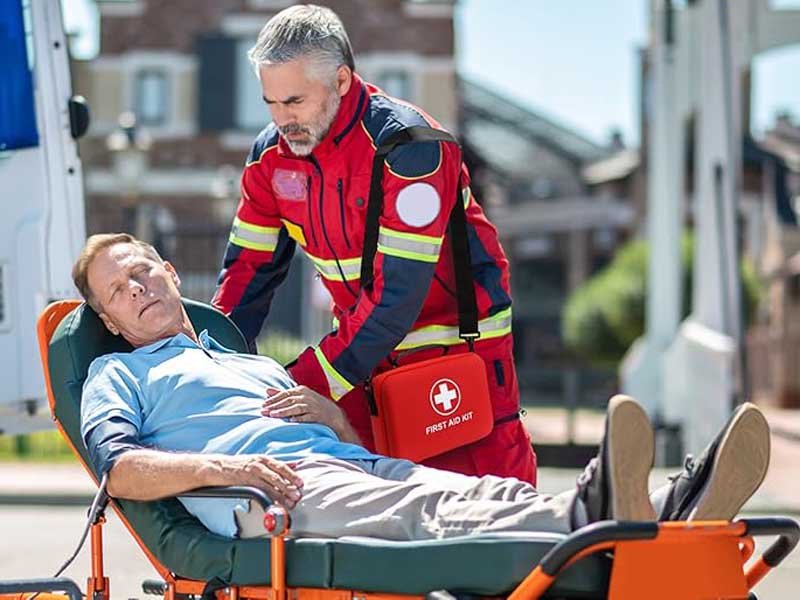
Medical bags are not just containers—they are silent partners in every clinical decision, every emergency call, every home-health visit, and every moment when time is the difference between stability and decline. From the classic doctor’s bag carried into a quiet home at night, to the trauma-packed EMT jump bag thrown into an ambulance at full speed, each type of medical bag is designed with a specific mission, workflow, and user in mind. Yet despite their importance, most people—including many new healthcare workers—don’t realize just how many kinds of medical bags exist or how they differ.
There are 13 main types of medical bags, each designed for a specific medical task—doctor’s bags, nurse bags, trauma jump bags, medical backpacks, first-aid kits, pediatric bags, IV/medication bags, oxygen cylinder bags, ALS/BLS kits, procedure bags, vaccine coolers, and rolling medical cases. The right medical bag improves workflow, safety, and response speed by matching its design to a healthcare worker’s role and environment.
What’s fascinating is how each type evolved from real-world challenges: nurses needing lighter bags for long home visits, paramedics requiring lightning-fast access in chaotic environments, pediatric specialists needing dedicated child-sized tools. Behind every bag is a story of problem-solving, innovation, and the relentless pursuit of safer, faster patient care.
As we explore all 13 types, you’ll see how material choices, compartment design, contamination resistance, and ergonomic engineering are not random—they reflect the lived realities of healthcare professionals everywhere.
What Is a Medical Bag?
A medical bag is a specialized storage and transport bag used by healthcare professionals to organize and carry medical tools, PPE, medications, and emergency supplies. It is considered “medical” when its materials, compartments, hygiene features, and access design support clinical workflows. Doctors, nurses, EMTs, home-health providers, paramedics, and caregivers use medical bags in clinics, field operations, home visits, and emergency response.
A medical bag is more than simply a container for supplies—it is a professional tool designed to improve efficiency, safety, and accessibility in healthcare work. Unlike regular backpacks or tote bags, medical bags follow specific engineering and workflow principles: rapid access, contamination control, structured organization, and durability under demanding conditions. Their design reflects the reality that medical professionals must often work under pressure, carry diverse equipment, and move between environments that vary dramatically in cleanliness, urgency, and patient need.
At its core, a medical bag must support three essential functions:
1. Carrying medical tools safely and systematically
Medical equipment ranges from fragile items (otoscopes, blood pressure monitors, IV components) to sharp objects (scissors, scalpels) and heavy devices (oxygen cylinders). A medical bag protects them with padded compartments, semi-rigid frames, and reinforced stitching.
2. Maintaining hygiene and infection control
Medical bags often include waterproof linings, antimicrobial interiors, and wipe-clean surfaces because they encounter fluids, disinfectants, and contamination risks. This makes them easier to sanitize after each patient visit or emergency operation.
3. Enabling rapid access under stressful conditions
Healthcare workers frequently work in situations where seconds matter. A medical bag must let the user find urgent tools without searching or unpacking the entire bag. That’s why you see:
- Color-coded modules
- Clear mesh windows
- Quick-access front pockets
- Wide-opening clamshell designs
- Tear-open trauma sections
- Labeled compartments
All these features support intuitive use—especially in chaotic environments.
Who Uses Medical Bags?
Medical bags serve a wide range of professionals, each with different workflow requirements. Understanding these differences helps explain why 13 types of bags exist.
Doctors (General Practitioners, Specialists, Concierge Physicians)
Doctors often carry diagnostic instruments, documentation, and basic medications, so they prefer structured bags that present a polished, professional appearance. Common scenarios include:
- Home visits
- Rural community outreach
- Private practice consultations
- On-call hospital movements
Doctors’ bags are usually medium-sized, organized, and elegant, often made of leather or structured nylon.
Nurses & Home-Health Providers
Nurses handle many small items—PPE, wound supplies, forms, syringes, vitals tools. Their bags must be:
- lightweight
- pocket-rich
- easy to disinfect
- comfortable for long shifts
They also need space for patient files and digital devices (tablets, assessment forms), making multi-compartment nurse bags essential.
EMTs & Paramedics (Emergency Responders)
This group faces the most stressful, unpredictable environments. Their bags must support:
- rapid deployment
- rugged outdoor exposure
- trauma management
- airway support
- bleeding control
Trauma bags, BLS/ALS bags, oxygen bags, and paramedic backpacks dominate this category. They often use reflective strips, high-visibility colors, and waterproof materials.
Medical Technicians & Mobile Specialists
These include phlebotomists, medical imaging technicians, mobile lab workers, midwives, and infusion nurses. Their bags typically store:
- specimen kits
- diagnostic devices
- sterile supplies
- portable electronics
These professionals need customizable, modular interiors to keep delicate equipment safe.
Caregivers & Non-clinical First Responders
School nurses, corporate safety officers, coaches, travel staff, and parents of children with chronic illnesses may all use medical bags. Their needs vary from compact first-aid kits to larger pediatric care bags.
Public Health Teams & Humanitarian Workers
These professionals often use:
- vaccine cooler bags
- field medical backpacks
- rolling medical cases
Their bags must support travel, weather exposure, and sometimes rough or remote environments.
Which 13 Types of Medical Bags Are Most Common?
The 13 most common medical bag types include doctor bags, nurse bags, EMT trauma bags, medical backpacks, first-aid bags, ALS/BLS bags, oxygen cylinder bags, IV/medication bags, surgical/procedure bags, pediatric medical bags, vaccine cooler bags, and rolling medical cases. Each type is engineered for a specific clinical task, ensuring safe transport, quick access, and proper organization of medical equipment.
Medical bags are not interchangeable—they are engineered with precise layouts, materials, and safety features that match the demands of different healthcare roles. The following 13 types represent the global standard categories used in clinics, hospitals, EMS systems, home health care, humanitarian missions, public facilities, and mobile healthcare programs.
Below is a fully expanded explanation of each medical bag type, including what it carries, who uses it, why it’s designed that way, and the specific scenarios where it performs best.
1. Doctor’s Bag — Classic, Professional & Diagnostic-Focused
Doctor’s bags are the most iconic medical bags, traditionally made from leather with a hinged top that opens widely. Their purpose is to store diagnostic tools neatly and present a professional image during consultations.
Common contents:
- Stethoscopes
- Otoscopes/ophthalmoscopes
- Blood pressure cuffs
- Thermometers
- Reflex hammers
- Prescription pads & documents
- Tablets & small electronics
Why this bag exists:
Doctors need a structured, stable compartment system that prevents tools from shifting during home visits or clinical rounds. Modern versions include padded compartments for electronics and antimicrobial linings.
2. Nurse Bag / Home-Health Bag — Lightweight & Multi-Pocket
Nurse bags prioritize organization because nurses carry many small, essential items throughout the day. These bags must be lightweight for walking between patient homes and easy to sanitize.
Typical contents:
- PPE (gloves, masks, sanitizers)
- Wound care supplies
- Vitals tools (BP cuff, thermometer, pulse oximeter)
- Sharps container
- Paperwork or charts
Nurse bags often use tote-style or messenger-style construction with numerous external pockets for quick access.
3. EMT / Paramedic Trauma Bag (Jump Bag) — Life-Saving & High-Speed Access
These bags support time-critical emergencies: accidents, cardiac arrest, bleeding, airway obstruction. They open fully in seconds and often use MARCH or ABCDE trauma organization systems.
Key features:
- High-visibility colors
- Rugged waterproof exterior
- Clamshell design for full opening
- Color-coded trauma modules
Carries:
- Tourniquets
- Chest seals
- Pressure dressings
- Splints
- Airway tools
- Suction devices
- Gloves & PPE
This is one of the most important bags in EMS operations.
4. Medical Backpack — Hands-Free & Field-Ready
Medical backpacks distribute weight evenly and allow clinicians to move freely, making them ideal for field medics, school nurses, event medics, and search & rescue teams.
Why backpacks?
- Long distances
- Outdoor or unstable terrain
- Need for hands-free mobility
Carries:
- Trauma modules
- IV fluids
- Basic diagnostic tools
- Splints
- PPE
- Hydration pouch
Many include MOLLE systems for attaching additional pouches.
5. First Aid Bag — Basic, Universal & Multi-Environment
First-aid bags are common in schools, offices, industrial facilities, hotels, sports teams, and homes. They focus on simple interventions rather than advanced medical procedures.
Carries:
- Bandages
- Gauze
- Antiseptic wipes
- CPR mask
- Cold packs
- Tweezers
- OTC medications
These are the most accessible medical bags for non-professionals.
6. ALS (Advanced Life Support) Bag — For High-Level Emergency Care
ALS bags are used by paramedics trained in advanced procedures, including cardiac support, airway management, and medication administration.
Carries:
- Advanced airway tools (laryngoscope, supraglottic devices)
- IV equipment
- Emergency medications
- Cardiac drugs
- Nebulizers
- Blood glucose testing supplies
They usually contain removable modules or pouches labeled by emergency category.
7. BLS (Basic Life Support) Bag — Streamlined for Stabilization
BLS bags are simpler than ALS bags but still critical for emergency response. They focus on stabilization and maintaining vital functions.
Carries:
- Bag-valve masks
- Oropharyngeal airways
- Splints
- Trauma dressings
- PPE
- CPR tools
Commonly used by firefighters, first responders, event staff, and medical volunteers.
8. Oxygen Cylinder Bag — Secure Transport of Pressurized Tanks
Oxygen bags are engineered with heavy padding and reinforced interiors to hold portable oxygen cylinders safely.
Key properties:
- Fire-resistant materials
- Thick foam padding
- Straps for securing the tank
- Quick-access valve opening
Used heavily by EMS professionals and respiratory therapists.
9. IV / Medication Bag — For Sterile Supplies & Temperature-Sensitive Drugs
These bags focus on organization + sterility. They store IV fluids, IV lines, syringes, and small medication vials.
Features:
- Insulated pockets
- Lockable compartments (for controlled drugs)
- Clear identification windows
- EVA or antimicrobial linings
Used by infusion nurses, mobile clinics, and EMTs.
10. Surgical / Procedure Bag — For Field Surgeries & Minor Procedures
These bags transport delicate instruments, sterile kits, sutures, and protective gear.
Carries:
- Surgical tools
- Suturing kits
- Drapes
- Headlamps
- Minor procedure trays
Widely used in humanitarian missions, mobile clinics, and veterinary practice.
11. Pediatric Medical Bag — For Child-Specific Emergencies
Children require smaller equipment, unique medications, and different airway sizes, so dedicated pediatric bags are used by EMS teams, pediatric specialists, and school nurses.
Carries:
- Pediatric masks
- Child-sized airway tools
- Pediatric BP cuffs
- Sweet-ease (comfort solution)
- Child-friendly bandages
- Distraction toys
Often brightly colored to reduce anxiety.
12. Vaccine Cooler / Cold Chain Bag — For Temperature-Controlled Transport
Used by immunization programs and public health teams, these insulated bags maintain 2–8°C for long periods.
Features include:
- Multi-layer insulation
- PCM or ice-pack compartments
- Temperature indicators
- WHO PQS-compliant designs
Essential for transporting vaccines, insulin, and biological specimens.
13. Rolling / Wheeled Medical Case — Heavy-Duty & High-Capacity
This is used when equipment is too heavy or large for handheld bags: disaster response gear, field-clinic equipment, portable monitors, AEDs, or diagnostic tools.
Key benefits:
- Shock-resistant shells
- Telescoping handles
- Large capacity
- Easier long-distance transport
Used by disaster teams, rapid response units, and mobile medical programs.
What Features Matter Most in Medical Bag Design?
The most important features in medical bag design include organized compartments, rapid-access openings, contamination-resistant materials, durable construction, reinforced seams, and ergonomic carry systems. A medical bag must allow healthcare professionals to locate supplies instantly, maintain sterility, protect delicate tools, and perform reliably in clinics, home care, and emergency environments.
1. Compartment Design & Internal Organization
A medical bag’s internal layout is the “brain” of its design. Unlike regular backpacks, medical bags must organize supplies according to clinical logic: items used first must be instantly reachable, tools must not shift during transport, and sterile items must remain isolated.
High-quality medical bags therefore include:
- Multi-layer compartments that separate trauma, airway, vitals, and medication tools
- Elastic tool loops for instruments such as shears, scissors, oropharyngeal airways
- Clear mesh pockets for visibility without opening each section
- Removable color-coded pouches (e.g., red = bleeding, blue = airway)
- Document pockets for charts, prescriptions, or EMS paperwork
- Padded pockets for electronics or diagnostic devices
Healthcare workers often operate in confined spaces—ambulances, patient bedrooms, small clinics—so organized compartments prevent delays, reduce cognitive load, and significantly improve emergency response outcomes.
2. Quick-Access Openings & Rapid Deployment Features
Speed is one of the most important factors in medical bag utility. In emergencies, healthcare providers cannot waste time unzipping multiple layers or searching for supplies.
This is why medical bags often include:
- Full clamshell openings for wide, unobstructed access
- U-shaped zippers that open the entire top panel
- Tear-away trauma sections for rapid bleeding control
- Exterior “high-frequency” pockets for PPE, gloves, sanitizer
- One-hand access zipper pulls
- Reflective tabs to improve visibility in low-light conditions
EMTs and paramedics especially rely on these features. In a trauma call, responders may need a tourniquet within 3 seconds, or an airway tool within 5 seconds. The bag design must support these life-saving time requirements.
3. Contamination Resistance & Cleanability
Medical bags are frequently exposed to:
- bodily fluids
- chemical disinfectants
- dirt and dust
- weather elements (rain, mud)
- infectious environments
To protect users and patients, bags must include:
- Waterproof or water-resistant outer shells (TPU, nylon, tarpaulin)
- Antimicrobial or wipe-clean interior linings (EVA, PU-coated fabrics)
- Smooth surfaces that do not absorb liquids
- Hidden-stitch designs that reduce contamination traps
- Removable liners that can be disinfected separately
Nurses doing home visits often disinfect their bags between every patient, so surfaces must withstand alcohol wipes, chlorine wipes, or hydrogen peroxide disinfectants without degrading.
4. Reinforced Construction for Heavy Daily Use
Medical bags must be both lightweight and extremely durable—a combination not easy to engineer. Healthcare professionals often carry:
- heavy oxygen cylinders
- multiple IV bags
- rigid trauma devices
- diagnostic tools
- full medication kits
This constant weight and friction require:
- Heavy-duty stitching (double or triple stitching)
- Bar-tack reinforcement on stress points (shoulder straps, handle bases)
- High-strength zippers (#10 YKK or heavy coil zippers)
- Reinforced bottom panels to prevent sagging
- Impact-resistant padding to protect delicate equipment
Paramedic bags, especially, must survive being thrown into ambulances, dragged across pavement, or exposed to rain.
5. Ergonomic Comfort & Carrying Options
Healthcare workers often work 8–14 hour shifts, sometimes carrying equipment between dozens of locations. Comfort becomes a safety feature, not a luxury.
A well-designed medical bag includes:
- Ergonomic shoulder straps (wide, padded, breathable)
- Crossbody or backpack options for weight distribution
- Reinforced handles for one-hand carry during rapid response
- Sternum straps or waist straps for field medics
- Balanced weight distribution to prevent tipping or pulling
Comfort directly impacts job performance, especially for nurses, EMTs, and mobile clinicians who carry heavy loads all day.
6. Visibility, Labeling, & Identification
Fast recognition saves time—especially on chaotic scenes.
Common identification features include:
- Reflective strips or panels (EMS safety requirement)
- Clear ID windows for team labels or medical titles
- Color-coded zones for airway, bleeding, medication, PPE
- Printed icons to standardize bag layout across teams
- Bright colors (red, neon yellow, EMS blue) for emergency visibility
In EMS settings, multiple responders may use similar bags; strong labeling prevents confusion and ensures correct tool access.
7. Security & Controlled Medication Storage
Some medical bags must carry sensitive or regulated items.
Therefore, high-end medical bags include:
- Lockable medication pockets
- Tamper-evident zippers
- Rigid compartments to prevent vial breakage
- Foam-lined medication slots
- Insulated sections for temperature-sensitive drugs
This is essential for mobile clinicians, medics, pharmacists, and humanitarian teams.
Which Materials Work Best for Medical Bags?
The best materials for medical bags include high-denier nylon, TPU-coated fabrics, tarpaulin, PVC laminates, polyester, antimicrobial linings, EVA-coated interiors, and heavy-duty zippers. These materials provide water resistance, durability, contamination control, and easy cleaning—critical for healthcare, EMS, and field medical use.
Medical bags must perform under demanding conditions—exposure to bodily fluids, chemicals, rough terrain, heavy loads, and constant disinfection. This makes material selection one of the most important decisions in medical bag design. A poorly chosen material can absorb contaminants, degrade under cleaning, break under load, or compromise sterile supplies.
Below is a comprehensive guide of the materials that perform best in modern medical bag construction, why they are chosen, and which medical roles they are best suited for.
1. High-Denier Nylon (600D, 900D, 1680D)
Nylon remains the most widely used material for medical bags, especially trauma bags, EMS backpacks, nurse bags, and doctor bags. Its high tensile strength and abrasion resistance make it ideal for heavy daily use.
Why high-denier nylon works well:
- Highly durable and tear-resistant
- Lightweight for long shifts
- Easy to clean with alcohol or bleach wipes
- Water-resistant when PU-coated
- Supports heavy loads, sharp tools, and hard edges
- Holds stitching securely
Best for:
EMT bags, ALS/BLS bags, medical backpacks, nurse totes, doctor diagnostic bags.
2. TPU-Coated Fabrics
TPU (Thermoplastic Polyurethane) adds a heavy-duty waterproof layer to nylon or polyester, making the fabric exceptionally resistant to contamination and bodily fluids.
Advantages of TPU:
- 100% waterproof barrier
- Chemical-resistant (bleach, alcohol, peroxide)
- Smooth surface prevents fluid absorption
- Superior resistance to tearing
- More flexible than PVC
- Long-lasting in field conditions
Best for:
Trauma bags, oxygen bags, tactical EMS gear, outdoor medical kits.
3. Tarpaulin (PVC-Coated Polyester)
Tarpaulin is a thick, laminated material that offers unmatched durability and water protection. It is often used in harsh, unpredictable environments.
Tarpaulin is ideal because:
- It withstands heavy rain, mud, and rough surfaces
- Easy to hose down or deep-clean
- Resists abrasion and chemicals
- Very rigid and protective
Best for:
Disaster response kits, coastal or marine EMS, rural rescue, humanitarian missions.
4. Polyester (420D–900D)
Polyester is lighter and slightly more affordable than nylon. It is commonly used for nurse bags, first-aid kits, and everyday medical pouches.
Polyester benefits:
- Lightweight and portable
- More resistant to UV fading than nylon
- Water-resistant when treated
- Suitable for indoor or routine care settings
Best for:
Nurse bags, mobile clinic bags, first-aid bags, pediatric medical bags.
5. PVC Laminates
PVC-coated fabrics provide stiff, structured protection, making them ideal when contents must not shift or get damaged.
Why PVC is effective:
- Fully waterproof
- Rigid structure protects fragile tools
- Easy to disinfect
- Extremely durable
Best for:
IV/medication bags, procedure/surgical bags, oxygen equipment protection.
6. EVA-Coated or Antimicrobial Linings
Inside a medical bag, the lining is one of the most important layers because it comes into direct contact with medical tools and potentially contaminated materials.
Why antimicrobial linings matter:
- Smooth, non-absorbent surface
- Prevents bacterial growth
- Easy to wipe or sterilize
- Resists chemical damage from disinfectants
- Maintains integrity after high-frequency cleaning
Best for:
Nurse bags, doctor bags, pediatric bags, first-aid and wound care kits.
7. Rubberized or Molded Bottom Panels
Medical bags often carry heavy equipment, so the bottom must resist abrasion and maintain shape.
Benefits of reinforced bottom panels:
- Increased stability
- Protection from wet/dusty floors
- Prevents sagging
- Extends bag lifespan
Best for:
Trauma bags, backpacks, rolling medical cases.
8. Metal Hardware & Reinforced Stitching
High-stress components—zippers, buckles, handles—are often failure points. Durable hardware ensures reliability.
High-quality features include:
- #8 or #10 YKK zippers (industry standard)
- Heavy-duty pulls for gloved use
- Bar-tack reinforcement on webbing
- Double or triple stitching
- Rust-resistant D-rings
Best for:
All professional medical bags, especially EMT and paramedic use.
9. Foam Padding & Semi-Rigid Frames
Medical bags sometimes carry delicate instruments, pharmaceutical vials, or diagnostic devices that require shock absorption.
Padding advantages:
- Protects devices in transport
- Maintains bag structure
- Reduces vibration damage
Best for:
Doctor bags, medication bags, oxygen bags, pediatric kits.
How Do You Choose the Right Medical Bag for Your Job?
Choosing the right medical bag is one of the most important decisions healthcare professionals make—because the wrong bag slows down workflow, increases stress, compromises safety, and may even limit your ability to respond quickly. Every medical role has its own pattern of movement, tool requirements, and urgency level, and the right bag must align perfectly with that reality. This section explains how to evaluate your role, environment, workload, and workflow to choose the best possible medical bag.
1. Identify Your Medical Role and Core Responsibilities
Your medical role determines what you carry, how often you use it, and how quickly you must access it. This is the first and most fundamental step.
Doctors
Doctors typically need a medium-structured bag that looks professional while protecting diagnostic equipment. They carry:
- stethoscopes
- otoscopes
- diagnostic tools
- minor medications
- laptops/tablets
A doctor’s bag must emphasize presentation, organization, and tool protection.
Nurses & Home-Health Providers
Nurses carry many small items and often walk long distances between patients or units. They need:
- multiple pockets
- lightweight construction
- easy-clean interiors
- room for PPE and charts
A nurse’s bag must prioritize efficiency, cleanliness, and comfort.
EMTs & Paramedics
The needs here are completely different. Responders require:
- fast-access trauma modules
- rugged materials
- high-visibility panels
- airway & bleeding control tools
They need bags that support life-and-death speed, chaotic environments, and heavy loads.
Mobile Specialists (infusion nurses, phlebotomists, midwives)
These professionals can require specialized bags:
- IV bags
- medication bags
- baby delivery kits
- sample-collection kits
These bags must be modular, protective, and sterile-friendly.
Public health teams / Humanitarian workers
Here, the priorities are:
- vaccine cooler performance
- large-capacity backpacks
- rolling cases for field clinics
2. Choose the Right Capacity Based on Your Daily Load
Medical bags come in different capacities depending on their purpose. Choosing the wrong size leads to clutter, fatigue, and workflow inefficiency.
Mini / Small (5–10L)
Good for:
- basic first aid
- pediatric school nurses
- routine clinic rounds
Medium (12–18L)
Good for:
- doctors
- home-health nurses
- mobile clinicians
Large (20–40L)
Good for:
- EMTs
- paramedics
- disaster responders
- field medics
Extra-Large (40L+)
Good for:
- rolling medical cases
- mobile clinic setups
- mass-casualty response
A general rule: Your medical bag should be 20–30% larger than your current load, to allow for future supply expansion.
3. Consider Your Work Environment
Where you work directly affects the materials and construction needed.
Indoor clinical environments
- Easy-clean materials
- Moderate durability
- Light weight
- Sleek appearance
Ideal bags: Nurse bags, doctor bags, medication bags.
Outdoor / field environments
- Waterproofing
- High-visibility colors
- abrasion resistance
- rugged zippers
Ideal bags: Trauma bags, medical backpacks, oxygen bags.
Mixed environments (home visits + public settings)
- Multi-carry modes
- Medium weight
- modular compartments
Ideal bags: Nurse bags, mobile-health bags, procedure bags.
4. Match the Internal Organization to Your Workflow
Medical bags should support how you work, not force you to adapt. The internal organization determines whether you can function efficiently—especially in emergencies.
If you frequently use small items
→ Choose bags with multiple external pockets.
If you use larger diagnostic devices
→ Structured compartments with padding are necessary.
If your job involves high stress or emergency response
→ Choose a clamshell trauma layout with labeled modules.
If you carry paperwork or tablets
→ A bag with divided compartments is essential.
If medications are sensitive
→ Choose insulated or lockable pockets.
Workflow drives bag selection more than any other factor.
5. Prioritize Comfort: The Overlooked Safety Feature
Medical professionals often ignore comfort—but bags worn for 8–14 hours a day quickly cause shoulder strain, back pain, or reduced speed.
Comfort considerations:
- padded straps
- breathable materials
- balanced weight distribution
- backpack-style for long distances
- reinforced handles for one-hand quick carry
For EMTs, medics, or mobile field workers, comfort becomes a performance requirement, not a preference.
6. Evaluate Durability and Infection Control
A medical bag must endure years of use and thousands of disinfection cycles.
Key durability factors:
- 600D–1680D nylon or tarpaulin
- reinforced seams
- heavy-duty zippers (#10)
- abrasion-resistant bottom panels
Infection control factors:
- antimicrobial linings
- waterproof inner layers
- smooth wipe-clean surfaces
- contamination-resistant pockets
EMTs, nurses, and field medics disinfect their bags multiple times a day—so choosing the wrong materials leads to rapid deterioration.
Conclusion
Choosing the right medical bag isn’t just about picking a style—it’s about supporting the way healthcare professionals work, move, and respond under pressure. A well-designed medical bag improves speed, organization, and safety in every clinical environment, from emergency trauma scenes to routine home-care visits. That’s why partnering with a manufacturer who truly understands the demands of medical work can elevate the performance and reliability of your product line.
Whether you need trauma backpacks, nurse shoulder bags, doctor diagnostic bags, pediatric kits, medication organizers, or fully customized EMS systems, Szoneier can bring your medical bag ideas to life with precision and reliability.
Ready to develop your own line of professional medical bags? Contact Szoneier today and let our expert team support your custom medical bag project from concept to production.
manufacturer Categories
- Custom Tote Bags Manufacturer
- custom backpacks Manufacturer
- custom travel bags& Duffle bags manufacturer
- custom makeup bags & toiletry bags manufacturer
- custom cooler bags manufacturer
- custom drawstring bags manufacturer
- custom makeup bags & toiletry bags manufacturer
- custom golf bags manufacturer
- custom fireproof bags manufacturer
- custom dry bags manufacturer
- custom ski bags manufacturer
- custom gym & sports bags manufacturer
- custom laptop bags manufacturer
- custom tactical bags manufacturer
- custom beach bags manufacturer
- custom medical bags manufacturer
- custom camera bags manufacturer
- custom wetsuits manufacturer
- custom leather goods manufacturer
- more personalized products
Can't find the answers?
No worries, please contact us and we will answer all the questions you have during the whole process of bag customization.
Make A Sample First?
If you have your own artwork, logo design files, or just an idea,please provide details about your project requirements, including preferred fabric, color, and customization options,we’re excited to assist you in bringing your bespoke bag designs to life through our sample production process.
