A Trusted China Manufacturer Since 2007!

Your Trusted Custom Insulated Bags Manufacturer

OEM/ODM insulated cooler bags, lunch bags, grocery totes, and promotional cooler bags for retail, food, outdoor, gifting, and e-commerce programs.
  • 18+ years in custom bags and sewn soft goods manufacturing
  • 200pcs MOQ available for selected insulated bag projects using ready materials
  • 7-12 working days for many standard insulated bag samples after material and logo confirmation
  • 20-35 working days for many bulk orders after approval sample, based on quantity, structure, logo, and packaging
  • Custom outer fabric, foam thickness, PEVA, aluminum foil, TPU lining, logo, carton marks, and export packing
cooler bag (1)

Factory-Based Insulated Bag Manufacturing Partner

Szoneier helps brands turn cooler bag ideas into controlled sample and bulk production plans, with material, structure, logo, QC, packaging, and shipment coordination managed together.

Factory Identity

Szoneier is a Shenzhen-based custom bags and soft goods manufacturer, not a catalog reseller. The team supports product review, material selection, pattern making, sample sewing, logo process confirmation, bulk production coordination, inspection, packaging, and export delivery. For insulated bag programs, factory control matters because foam thickness, lining type, zipper quality, handle reinforcement, and carton packing all affect final use. A clear factory workflow helps reduce sample-to-bulk gaps and gives mature brands a stronger basis for repeat production.

Project Coordination

Insulated bag projects often involve more variables than a standard tote bag: outer material, foam layer, inner lining, food-use expectations, zipper style, carrying structure, logo method, barcode label, and destination packing. Szoneier keeps those items in one project record, including drawings, pattern notes, approved materials, photos, logo files, packaging files, carton data, and QC points. Once a program moves into repeat orders, the team can refer back to existing records instead of rebuilding every detail from zero.

Built for Brands, Retailers, Food and Gift Programs

Different insulated bag programs need different cost, structure, appearance, and packing decisions. Szoneier builds the plan around the channel and use case.

Retail Programs

Retail insulated bags need a stable shape, clean logo position, consistent color, barcode label, carton mark, and repeatable bulk quality. Grocery totes and cooler lunch bags often require clear dimensions, shelf-ready packing, and carton planning for store distribution. Szoneier reviews display needs, handle strength, folded volume, and label placement before sampling so retail teams can evaluate both product appearance and logistics impact before moving into volume orders.

Food Delivery

Food delivery insulated bags require capacity control, easy cleaning, reinforced handles, zipper durability, and lining selection. Szoneier can review delivery box size, meal container size, cleaning expectations, foam thickness, zipper opening, and bottom structure. For reusable delivery bags, the team pays close attention to seam stress, corner wear, lining odor, and carry comfort because delivery use creates more repeated pressure than a one-time event item.

Outdoor Brands

Outdoor cooler bags need stronger fabrics, more comfortable carry options, and better resistance against abrasion, sand, moisture, and frequent opening. Szoneier can develop picnic coolers, beach cooler totes, soft-sided coolers, and cooler backpacks using Oxford, polyester, canvas, coated fabric, neoprene, or TPU-related options when suitable. Structural choices include shoulder straps, front pockets, bottle holders, reinforced bases, and zipper pulls built for repeated field use.

Corporate Gifts

Corporate gift insulated bags balance logo visibility, unit cost, event dates, and packaging efficiency. Szoneier can support heat transfer, screen print, woven label, rubber patch, hangtag, and individual polybag options. For event programs, timeline planning is important: artwork approval, sample proof, bulk production, carton labeling, and air or sea delivery must align with the event date. The team can help simplify specifications when a deadline is fixed.

Common Insulated Bag Risks We Help Control

Cooler bags fail when material, foam, lining, zipper, stitching, logo, or packaging decisions are made separately. Szoneier links those details before sampling.

Weak Insulation

Insulated bag performance depends on more than one silver lining. Bag size, foam thickness, lining material, zipper closure, seam construction, opening frequency, ice pack use, and outside temperature all affect cooling time. Szoneier avoids exaggerated promises and instead helps define a suitable structure for grocery promotion, lunch use, picnic retail, or delivery operations. For stronger cooling needs, thicker foam, tighter closure, improved lining, and reduced opening gaps can be reviewed before sample making.

Lining Failure

Inner lining problems may include cracking, odor, difficult cleaning, water seepage at corners, or poor edge finishing. Szoneier checks lining type, surface quality, flexibility, seam stress, and corner treatment before bulk production. PEVA suits many lunch and promotional items. Aluminum foil works well for budget-controlled cooler totes. TPU lining can be reviewed for higher leak-resistance needs. Each lining option has its own cost, hand feel, MOQ, and processing limits.

Shape Collapse

A cooler bag with poor shape loses retail appeal, photo quality, and packing stability. Shape can be improved through fabric thickness, foam density, bottom construction, side panel proportion, binding, seam allowance, and packing method. Szoneier reviews bag standing performance during sampling, especially for grocery totes, picnic coolers, and boxed gift sets. Better structure also helps protect zipper alignment and handle placement during bulk production.

Branding Issues

Logo mistakes can make an otherwise solid insulated bag feel cheap. Common risks include wrong position, poor color match, peeling transfer, uneven embroidery, oversized artwork, or logo distortion on curved panels. Szoneier reviews logo size, material surface, print area, color file, sample proof, and bulk QC position marks. For retail and gift programs, logo method is selected along with product positioning rather than added as an afterthought.

Custom Insulated Bag Product Range

Szoneier develops insulated bags across lunch, grocery, picnic, outdoor, delivery, beverage, and promotional programs, with custom material, logo, and packaging options.
1. lunch cooler bags

Lunch Cooler Bags

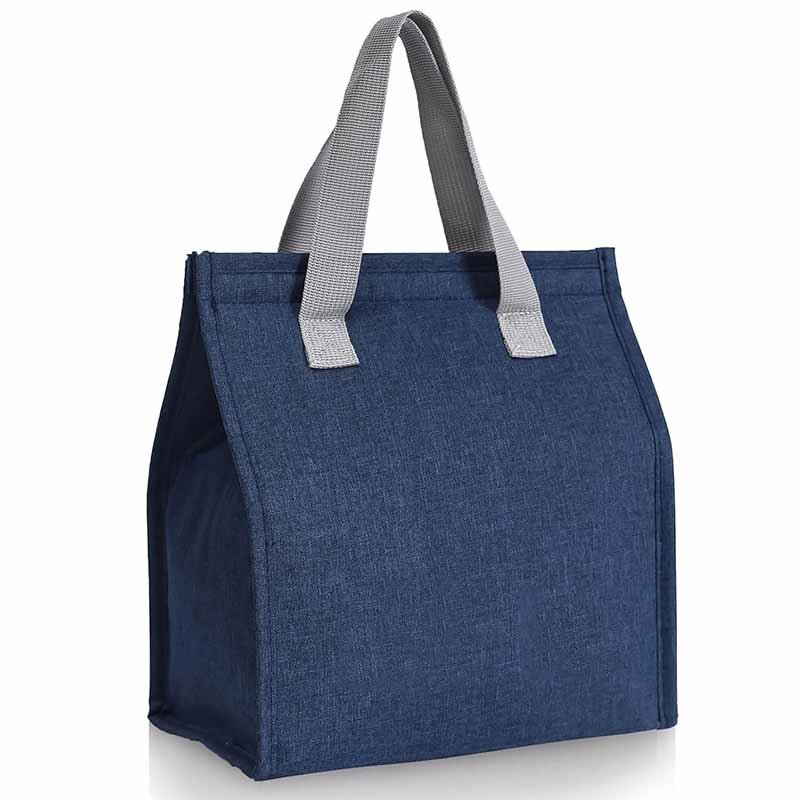
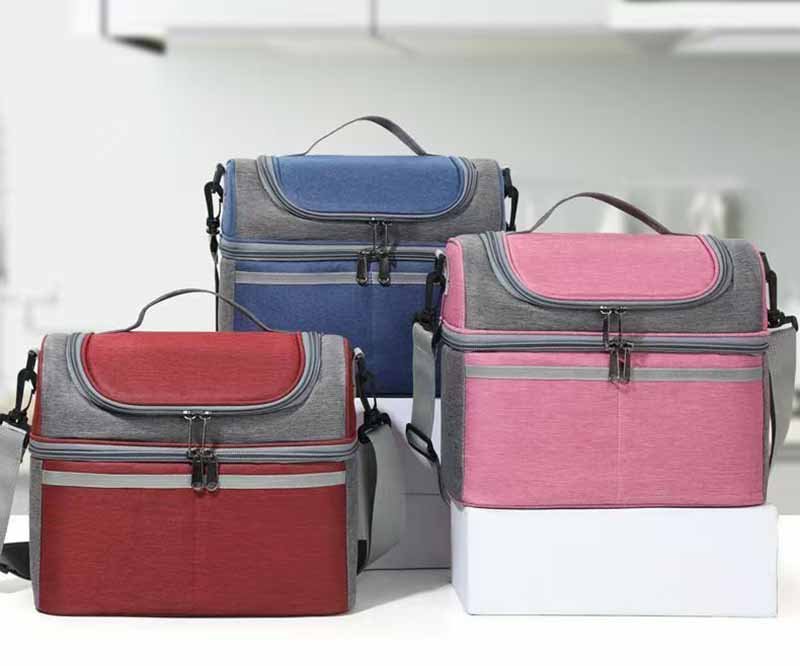
Custom insulated lunch bags work for office meals, school programs, wellness gifts, and retail lunch collections. Common structures include zip-top lunch totes, box-style lunch coolers, foldable lunch bags, and compact handle bags. Szoneier can adjust the size for meal boxes, bottles, ice packs, and snack compartments. PEVA or aluminum foil lining is often selected for cleanability and cost control, while logo options include screen print, heat transfer, woven label, or small patch branding.
2. cooler tote bags

Cooler Tote Bags

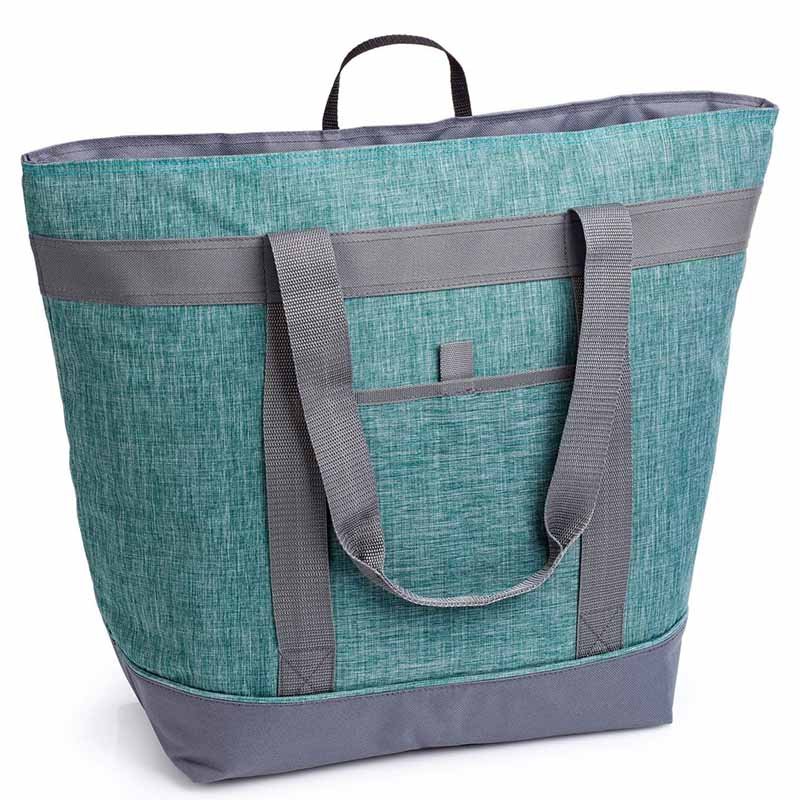
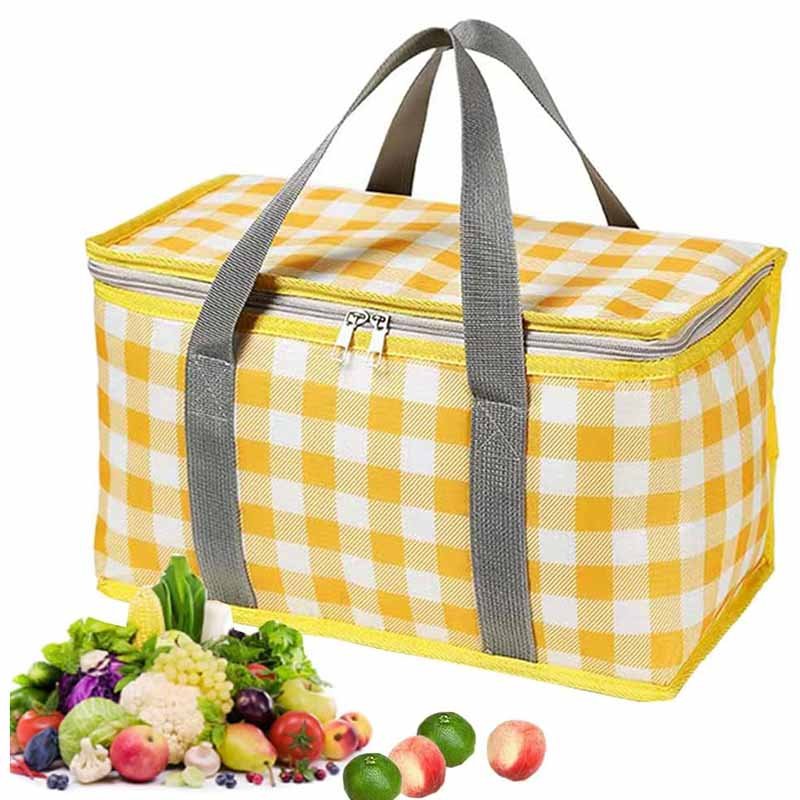
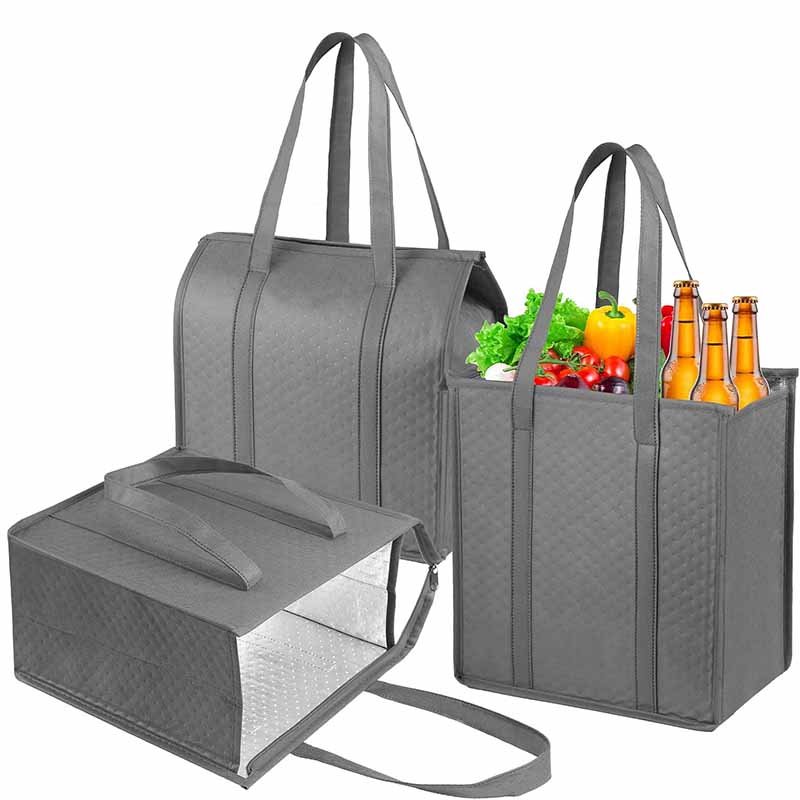
Cooler tote bags combine shopping tote capacity with foam insulation and wipe-clean lining. They are often used for grocery retail, food promotions, farmer market programs, wine events, and outdoor campaigns. Szoneier can develop flat-bottom, gusseted, zip-top, or open-top designs depending on volume, folded size, and budget. Handle reinforcement, edge binding, and carton packing are important because wide cooler totes are often loaded with heavier items.
3. grocery cooler bags 1

Grocery Cooler Bags

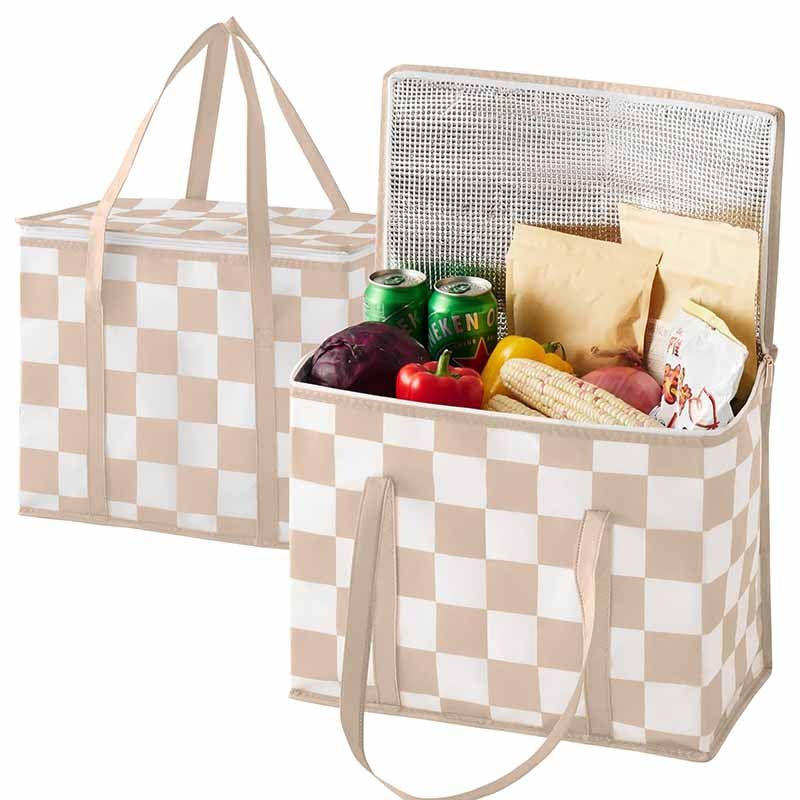
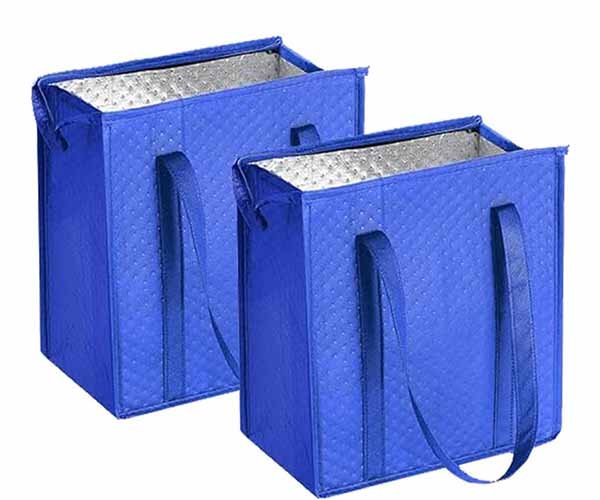
Insulated grocery bags usually require a square base, large opening, stable standing shape, and efficient folded packing. Materials may include laminated non-woven, woven PP, polyester, Oxford, or rPET options. Szoneier can help plan carton quantity, barcode placement, retail labels, and bulk packing. For supermarket or club store programs, size accuracy and seam strength become more important than decorative details because repeated heavy loading affects the final experience.
4. soft sided coolers

Soft Sided Coolers

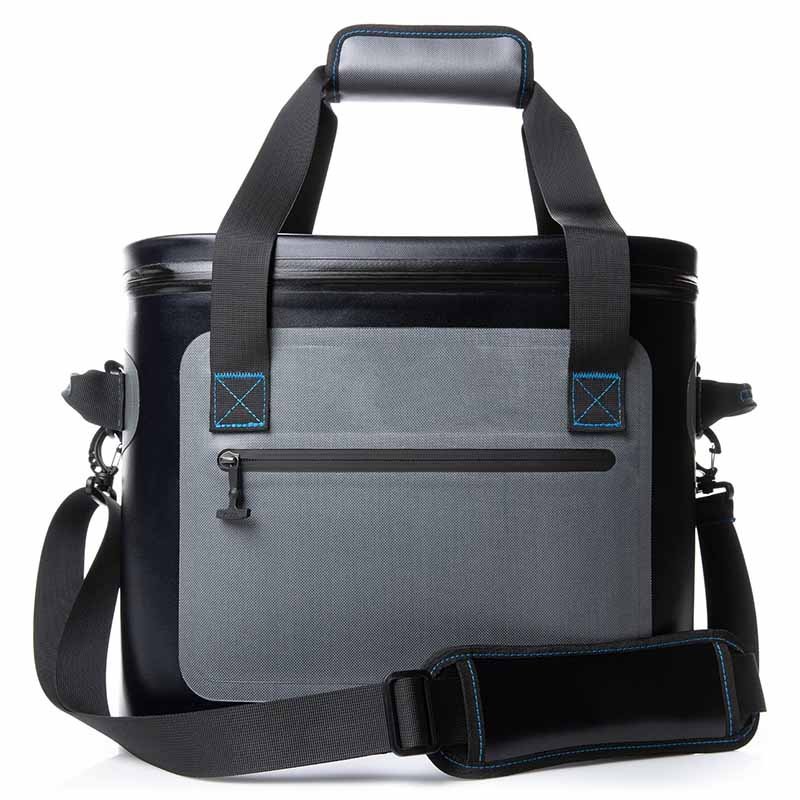
Soft sided cooler bags suit picnic, camping, beach, road trip, sports, and promotional retail programs. They can include thick foam, stronger zipper, front pocket, shoulder strap, carry handle, bottle opener, mesh pocket, or molded bottom support when needed. Szoneier reviews target volume such as 6-can, 12-can, 24-can, or family picnic size, then builds a structure suitable for the use scenario and price level.
5. cooler backpacks

Cooler Backpacks

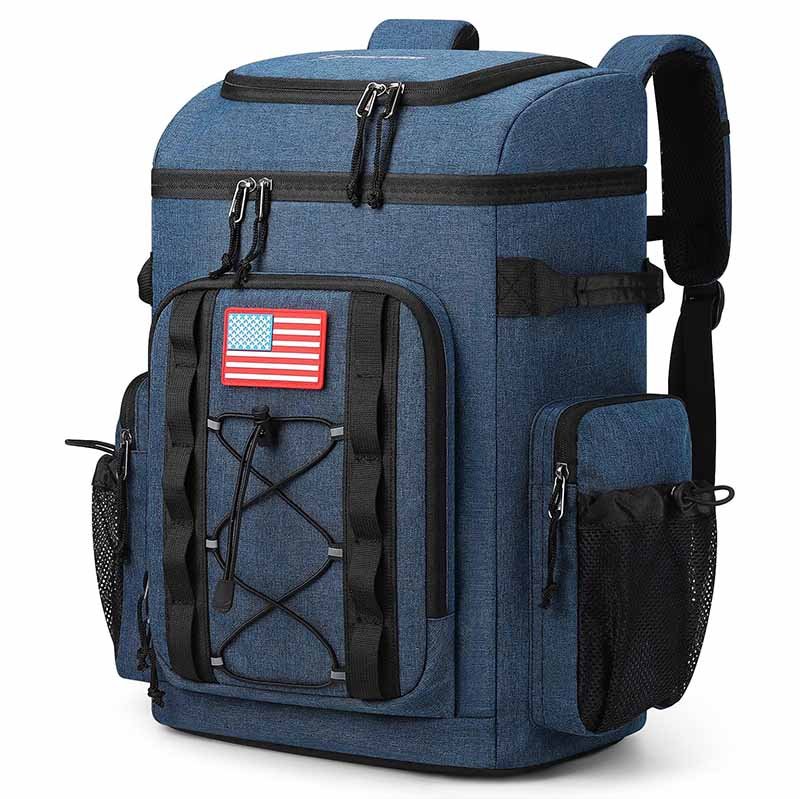
Cooler backpacks bring hands-free carry to outdoor, travel, fishing, beach, and festival use. Key details include back panel comfort, shoulder strap width, zipper opening, foam thickness, leak-resistant lining option, and bottom support. Szoneier can combine insulated main compartments with side pockets, front storage, bottle holders, and brand patches. Backpack cooler projects need stronger sewing control at shoulder strap joints because loaded weight concentrates on fewer stress points.
6. picnic cooler bags

Picnic Cooler Bags

Picnic cooler bags often need a more refined appearance than basic promotional coolers. Canvas, polyester, Oxford, PU trim, leather patch, metal zipper puller, and matching lining can create a premium retail look. Szoneier can adjust shape, handle, divider, bottle pocket, inner mesh, and gift packaging. For DTC-style programs, photo-ready samples, color stories, and packaging consistency are reviewed before bulk production.
7. wine cooler bags

Wine Cooler Bags

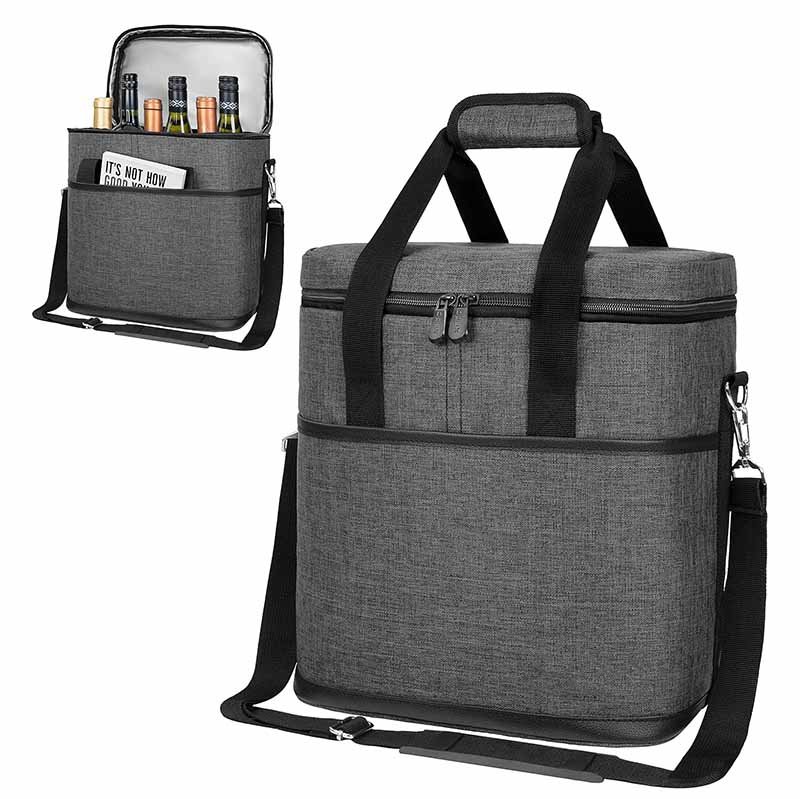
Wine cooler bags can be built for one bottle, two bottles, or multi-bottle gift sets. Structure points include bottle height, inner divider, bottom padding, closure style, carrying handle, and logo placement. Szoneier can use neoprene, polyester, Oxford, canvas, PU, or laminated materials according to cost and positioning. For gift channels, hangtags, insert cards, and protective carton packing are important because bottle packaging must arrive with a clean shape.
8. food delivery bags

Food Delivery Bags

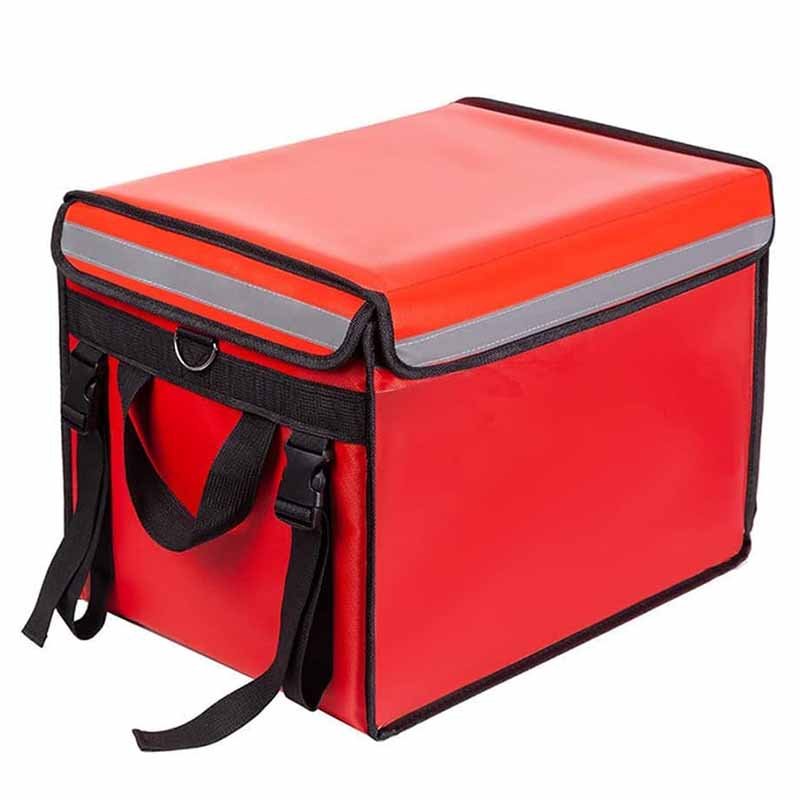
Food delivery insulated bags require higher attention to capacity, repeated opening, inner cleaning, zipper strength, handle reinforcement, and structure support. Szoneier can review pizza boxes, lunch boxes, meal trays, drink carriers, or grocery order sizes before pattern development. TPU lining or thicker foam can be evaluated for stronger reusable programs. Bulk QC should include handle pull checks, seam stress review, lining inspection, and carton packing verification.
9. promotional cooler bags

Promotional Cooler Bags

Promotional cooler bags need controlled cost, logo visibility, fast artwork confirmation, and event-date planning. Common items include 6-can coolers, lunch coolers, cooler totes, foldable insulated bags, and gift cooler bags. Szoneier can help choose ready materials, simple structures, and stable logo methods for efficient production. When artwork, quantity, packaging, and destination are clear, quotation and sampling can move faster.

Real Use Scenarios for Insulated Bag Programs

The best insulated bag structure depends on how people carry, open, clean, store, and reuse the product after purchase or gift delivery.

Employee Gifts

Employee gift cooler bags often need clean branding, durable zippers, easy-carry handles, and individual packaging. Szoneier can help match logo size, material color, and polybag or gift-pack options to internal company programs. Order planning should include sample proof approval, event date, carton count, destination address, and any insert card or welcome kit requirement.

Trade Shows

Trade show cooler bags need quick recognition and easy distribution. Lightweight foam, screen print logo, compact folded volume, and bulk carton packing often matter more than complex compartments. Szoneier can support event-driven timelines by confirming artwork, sample photos, material availability, and shipping method early, allowing teams to manage booth giveaways with fewer last-minute issues.

Grocery Promotions

Grocery promotions need large capacity, stable bases, strong seams, and shelf or checkout counter packaging. Szoneier can develop insulated grocery totes with laminated non-woven, woven PP, Oxford, or polyester shell. Barcode label, carton mark, folded size, and handle strength should be confirmed in the sample stage because retail distribution depends on both product and packing reliability.

Meal Programs

Meal prep and food service programs often need container-based sizing. Szoneier can review meal box dimensions, bottle height, ice pack position, opening direction, lining cleanability, and delivery packaging. The team can also help decide whether a zip-top tote, box-style cooler, or delivery-style carrier fits the operation better.

Outdoor Retail

Outdoor retail cooler bags need stronger visual and functional details: reinforced bases, shoulder straps, heavy zipper pullers, exterior pockets, and abrasion-resistant fabrics. Szoneier can balance brand styling with manufacturing cost by reviewing canvas, Oxford, polyester, PU trims, rubber patch, and carton protection. Sampling should include packed shape and loaded carry evaluation.

E-Commerce Launches

Online product lines need photo-ready samples, clear dimensions, accurate color, branded packaging, and cartons suitable for warehouse or FBA routing. Szoneier can prepare samples with logo, hangtag, insert card, and packaging details so product images match future bulk goods. For repeat orders, saved BOM and pattern records help control consistency across later color or size extensions.

Insulation Structure Built Layer By Layer
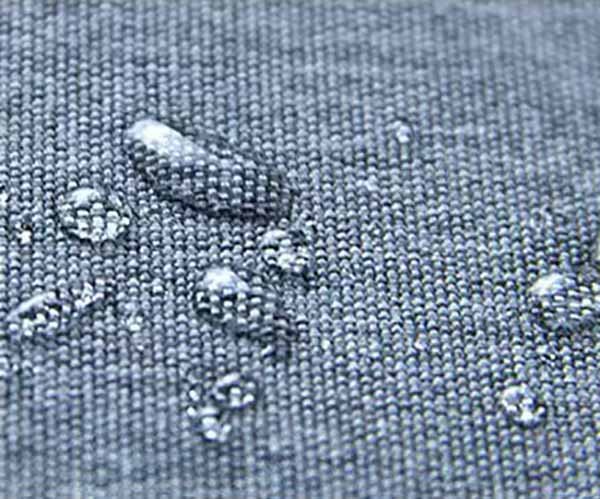
A custom cooler bag is a sewn insulated soft goods product made with outer fabric, foam insulation, inner lining, closure, handles, and optional logo packaging.
1. outer shell

Outer Shell

The outer shell controls appearance, abrasion resistance, print effect, hand feel, and retail positioning. Polyester and Oxford suit many cooler bags because they balance cost, durability, and color options. Canvas gives a more natural and premium look for picnic or gift cooler bags. Laminated non-woven supports budget-controlled grocery programs. Neoprene suits wine bags and flexible lunch bags. Szoneier reviews shell material together with foam and lining, not as an isolated fabric choice.
2. foam layer

Foam Layer

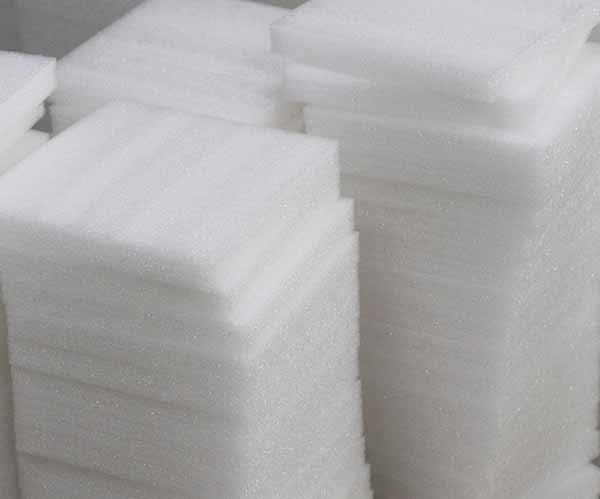
The foam layer affects insulation, body shape, thickness, and carton volume. Common choices include EPE foam, PE foam, and project-specific foam thickness. A thicker layer can improve structure and cooling support, but it also increases folding volume, sewing difficulty, and freight cost. Szoneier helps compare target use, cost level, bag size, and packing method before confirming foam thickness for sampling.
3. inner lining

Inner Lining

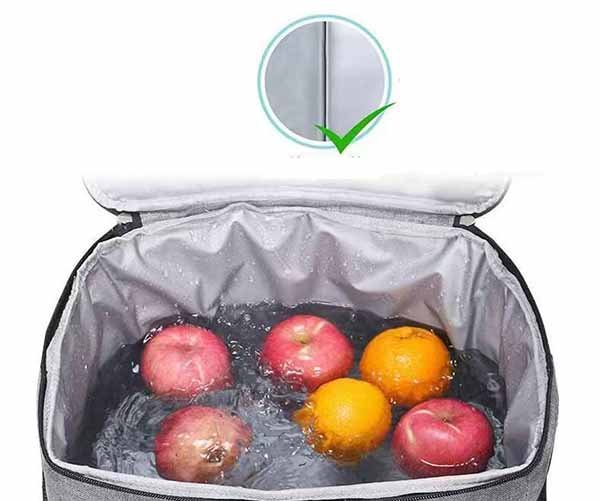
Inner lining selection affects cleaning, odor, water resistance, seam finishing, and perceived quality. PEVA works for many lunch and promotional cooler bags. Aluminum foil supports lighter and budget-controlled insulated totes. TPU lining can be reviewed for higher leak-resistance programs, especially delivery-style use. Lining needs to match structure and sewing method because sharp corners, tight folding, or heavy loading can create stress points.
4. closure system

Closure System

Closure details determine heat exchange and user convenience. Zip-top designs help reduce opening gaps. Fold-over openings work for certain delivery or carton-fit structures. Hook-and-loop closure can reduce cost but may not offer the same sealed feeling as a zipper. Szoneier reviews zipper gauge, slider quality, opening direction, puller size, and top seam construction before sample approval.

Material and Lining Options for Insulated Bags

Material choice influences cost, shape, durability, cooling support, logo appearance, cleaning, carton volume, and final retail value.

Material / LayerBest Used ForStrengthWatch PointSzoneier Suggestion
600D Polyesterlunch coolers, gift coolers, soft coolersbalanced cost, stable color, printable surfacecoating and color batch need reviewsuitable for many regular cooler bag programs
Oxford Fabricoutdoor coolers, delivery bags, stronger totesbetter abrasion resistance and structureheavier grades raise cost and shipping weightrecommended for repeated-use projects
Canvaspicnic coolers, premium gift bagsnatural look, stronger brand feelless wipe-clean than coated fabricpair with PEVA lining and refined patch branding
Laminated Non-Wovengrocery cooler bags, eventscost control, light weight, large print arealower premium feel and limited durabilitysuitable for volume promotion programs
Neoprenewine coolers, bottle bags, flexible lunch bagselastic, soft, protectiveshape and print method need testinggood for simple flexible insulated formats
PEVA Lininglunch bags, cooler toteswipe-clean, common cooler bag liningnot equal to full waterproof constructionsuitable for many daily-use insulated bags
Aluminum Foil Lininggrocery totes, promotional coolerslight, reflective, cost-controlledcrease and seam durability need reviewgood for budget and event-driven orders
TPU Liningdelivery bags, stronger reusable coolershigher leak-resistance potentialhigher cost and processing limitsevaluate when leak control matters more

Size Capacity and Loading Planning

Clear capacity planning helps Szoneier build a cooler bag around cans, meal boxes, grocery packs, bottles, or delivery containers before pattern making.

Product TypeCommon CapacityCommon Size DirectionStructure FocusSample Note
6-Can Coolercompact drinks and giftssmall rectangular coolerzipper, handle, logo areacheck can fit and ice pack space
12-Can Coolerevents and outdoor usemedium soft coolerfoam, shoulder strap, front pocketcheck loaded shape and carry comfort
24-Can Coolerpicnic and sportslarger cooler tote or box bagbottom support, zipper strengthreview carton volume before bulk order
Lunch Cooleroffice and school mealsmeal box plus bottlewipe-clean lining, compact handleconfirm container dimensions first
Grocery Cooler Totesupermarket and club store usewide gusset and flat basehandle strength, folded packingtest loaded standing shape
Wine Cooler1-2 bottlestall narrow structuredivider, bottom pad, gift feelconfirm bottle height and diameter
Delivery Bagmeals, groceries, boxessized by container stacklining, zipper, handle stresscheck loading direction and cleaning

Structure Details Shaping Cooler Bag Performance

Small structural details can change load capacity, carrying comfort, cooling support, packing volume, and sample-to-bulk consistency.

Wide Opening

A wide opening helps people load meal boxes, groceries, or drink packs faster. It also affects zipper length, top panel stability, and foam edge finishing. Szoneier reviews opening direction before pattern making because delivery bags, grocery totes, and picnic coolers all need different access logic. A large opening is useful, but it must still protect shape and reduce edge stress during repeated use.

Flat Bottom

A flat bottom improves standing shape and helps grocery bags, lunch coolers, and picnic bags sit better when loaded. Bottom structure may use foam, PE board, cardboard insert, reinforced fabric, or a shaped panel depending on price and use. Szoneier checks bottom size, seam allowance, folding requirements, and carton compression risk so the finished bag does not arrive collapsed or distorted.

Reinforced Handles

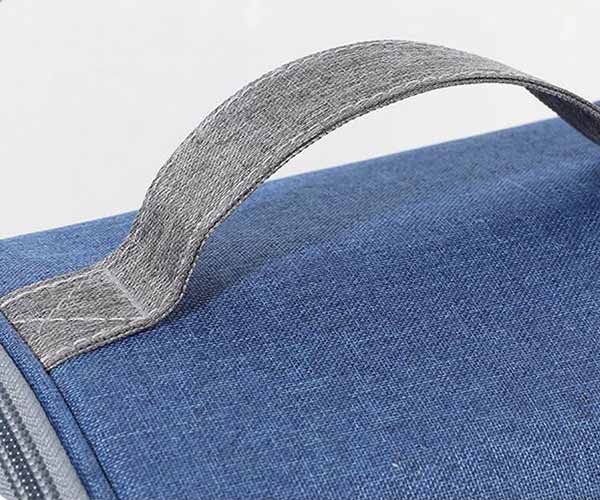
Insulated bags are often loaded with heavier food, drinks, bottles, or groceries than regular totes. Handle reinforcement is critical. Szoneier reviews handle material, stitch pattern, webbing width, box stitching, bartack position, and seam allowance. For larger cooler totes and delivery bags, handle joints need stronger reinforcement because weight concentrates at the top edge and side panels.

Shoulder Strap

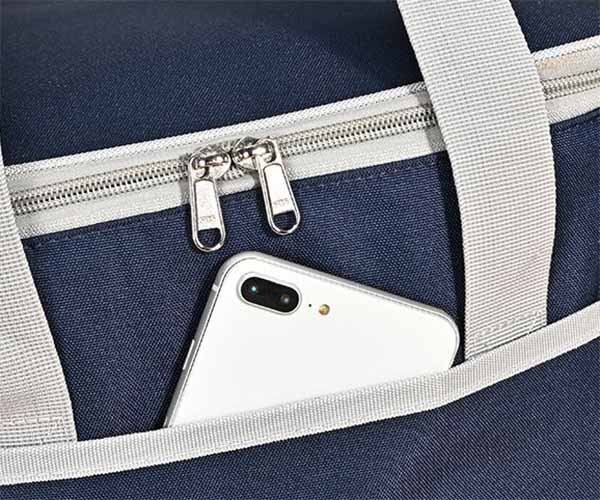
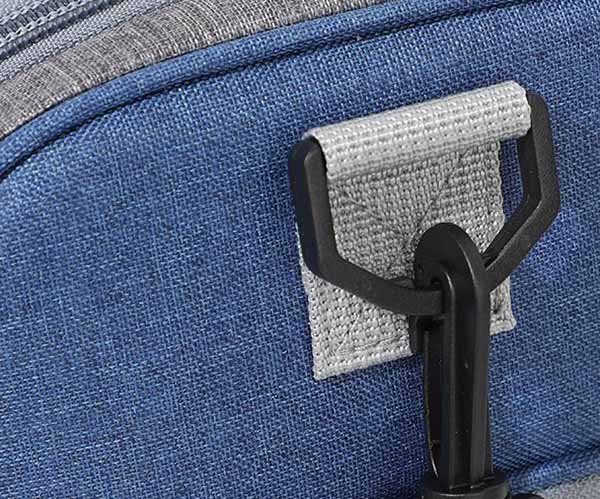
Shoulder straps improve carry comfort for soft coolers, picnic bags, outdoor coolers, and cooler backpacks. Strap width, padding, adjuster quality, hook strength, and attachment points need evaluation in sample development. A strong strap design can increase product value, but it also adds accessory cost, sewing time, and QC points. Szoneier helps decide when a strap adds enough value for the program.

Extra Pockets

Front pockets, mesh pockets, bottle pockets, and inner compartments can improve retail appeal and function. They also change sewing sequence, cost, and inspection needs. Szoneier recommends pockets based on actual use: outdoor coolers may need exterior storage, lunch bags may only need a small front pocket, and grocery totes may perform better with a clean structure and fewer seams.

Folded Volume

Folded volume affects carton count, sea freight cost, warehouse storage, and event distribution. Szoneier reviews foam thickness, bottom insert, zipper, handle, and packaging method before finalizing bulk packing. A cooler bag with excellent shape may cost more to ship if the foam is too thick or the bottom panel cannot fold. Early carton planning avoids total landed cost surprises.

Sewing Details for Durable Insulated Bags
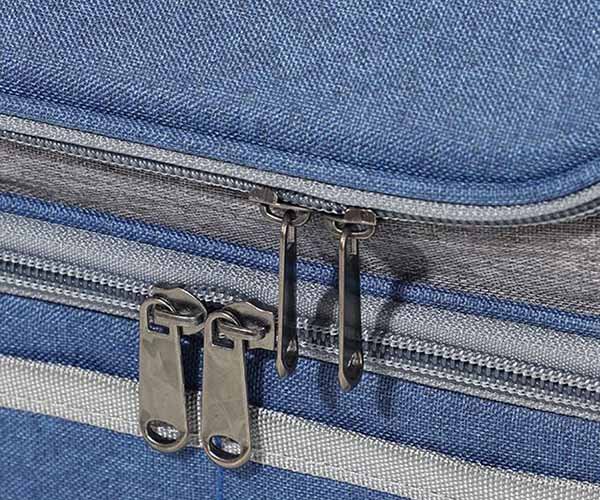
Insulated bags rely on clean sewing control because foam, lining, binding, zipper, and webbing all meet at high-stress points.
1. zipper sewing

Zipper Sewing

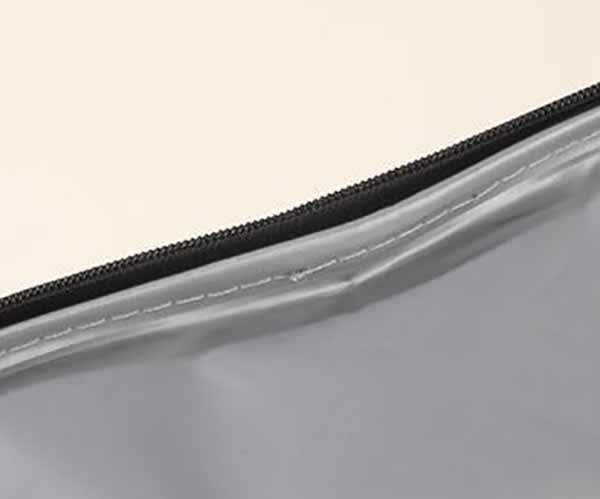
Zipper sewing affects closure smoothness, opening shape, and cooling support. If zipper tape is twisted, pulled too tight, or sewn unevenly, the top opening can wave or jam. Szoneier checks zipper gauge, slider movement, tape alignment, corner turning, and top seam finishing. For larger cooler bags, zipper length and opening radius need enough tolerance so loading remains convenient after foam and lining are assembled.
2. binding control

Binding Control

Binding covers raw edges and protects foam and lining layers from wear. Poor binding creates wrinkles, uneven corners, and weak edge protection. Szoneier reviews binding width, turning radius, seam allowance, color match, and tension control. Cooler bag edges often carry several layers, so binding selection must match material thickness. Clean binding also improves the visual quality of retail and gift cooler bags.
3. handle stitching

Handle Stitching

Handle stitching must hold weight without tearing the outer shell or distorting the side panel. Szoneier can use box stitch, cross stitch, bartack reinforcement, or extended webbing according to load needs. For grocery cooler totes and delivery bags, reinforcement placement matters more than decorative appearance. Handle QC includes stitch density, alignment, webbing end treatment, and pull-stress review during inspection.
4. lining assembly

Lining Assembly

Lining assembly is a common source of problems in insulated bag production. Loose lining reduces appearance quality; tight lining can pull corners and cause cracks. Szoneier checks lining size, seam direction, corner folds, bonding where applicable, and final cleaning. PEVA, aluminum foil, and TPU-related linings need different handling because surface finish, flexibility, and seam behavior are not the same.
5. corner finish

Corner Finish

Corners carry stress when a cooler bag is filled, folded, cleaned, or shipped under pressure. Szoneier reviews corner sewing, foam trimming, lining folding, and edge binding to reduce bulky buildup. For box-style lunch coolers and delivery bags, corner accuracy also affects standing shape and zipper function. Corner photos and sample review help catch issues before bulk production begins.
6. stitch consistency

Stitch Consistency

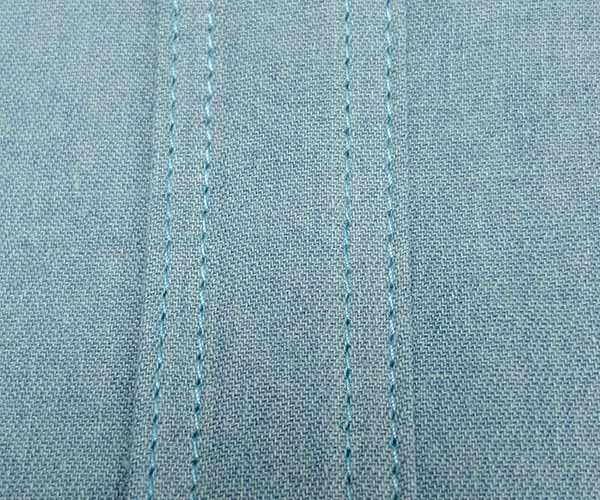
Consistent stitching improves appearance and helps keep sample and bulk goods aligned. Szoneier checks stitch length, thread color, tension, skipped stitches, seam straightness, and reinforcement points. Cooler bags use mixed materials, so needle size and sewing speed must match fabric, foam, lining, webbing, and zipper layers. Production inspection focuses on both visual finish and stress points.

Leak Resistance and Easy Cleaning Design

Leak resistance and cleaning should be designed by use level, not promised as a single universal feature for every insulated bag.

Wipe-Clean Lining

Many lunch coolers and promotional insulated bags use wipe-clean lining because daily food use creates crumbs, condensation, and surface stains. PEVA and aluminum foil linings can support easy cleaning for many regular programs. Szoneier checks surface smoothness, odor, corner finish, and sewing cleanliness. Cleaning instructions can also be added to care labels or insert cards when needed for retail programs.

Heat-Sealed Options

Some reusable delivery or higher leak-resistance programs may need heat-sealed or welded lining structures. Such construction requires compatible materials, equipment suitability, and higher cost planning. Szoneier can evaluate whether the target bag should use regular sewn lining or upgraded lining treatment. Not every cooler bag needs a sealed inner bucket, so the team helps align function with budget and order quantity.

Seam Risk Review

Water seepage often begins at stitched seams, corners, and zipper areas rather than the center of the lining. Szoneier reviews seam placement, corner construction, foam trimming, lining allowance, and binding method during sample development. For bags carrying ice packs or condensation, sample photos, lining checks, and filled-condition review help define the right risk level before bulk orders move forward.

Odor Control

Insulated bags combine fabric, foam, lining, zipper, glue, printing, and packaging materials. Odor control begins with material choice and continues through production and packing. Szoneier can check lining smell, coating smell, printed panel curing, and bulk carton packing condition. For food-related programs, material records and sample approval should be clear before mass production, especially when bags ship in sealed polybags.

Logo Branding and Private Label Options

The right logo method depends on fabric surface, brand position, order quantity, durability need, and target price.

Logo MethodBest ForSuitable SurfaceStrengthWatch Point
Screen Printgrocery totes, event coolerspolyester, non-woven, canvascost-controlled, clear large logolimited color gradients
Heat Transferlunch bags, promotional coolerspolyester, Oxford, selected coated fabricsdetailed artwork and stronger colorneeds heat and peel testing
Embroiderypremium picnic bags, outdoor coolerscanvas, polyester, some Oxfordtextured and durable appearancenot ideal on very thin panels
Woven Labelretail cooler bags, DTC linesseams, pockets, side tabsrefined brand detaillabel MOQ and placement need review
Rubber Patchoutdoor coolers, cooler backpacksfront panels, pocketsstrong raised brand lookmold cost and lead time apply
Leather Patchpremium picnic and wine coolerscanvas, PU, selected fabricshigh-end lookmaterial grain and color need approval
Custom Pullerretail and premium lineszipper sliderssubtle branded detailmold and accessory MOQ may apply

Sample Development From Idea To Approval

A clear sample workflow helps brands confirm structure, material, insulation, logo, packing, and cost before committing to bulk production.

Project Review

Szoneier starts by reviewing product photos, sketches, tech packs, reference samples, target size, capacity, quantity, logo file, packaging plan, delivery country, and desired launch date. For custom insulated bags, extra questions often cover can capacity, meal box size, grocery load, foam thickness, lining type, zipper opening, cleaning needs, and retail or warehouse packing. Better input allows the team to build a more accurate sample and quotation plan.

Material Confirmation

Material confirmation includes outer fabric, foam, lining, zipper, webbing, thread, binding, label, and logo method. Szoneier can share material photos, color cards, and available stock options before sampling. Ready materials help speed up sample development, while custom color, special lining, molded patch, or private accessories need more time. Material decisions are recorded for the approval sample and future bulk QC.

Pattern Making

Pattern making turns the selected structure into real panel shapes, seam allowances, gussets, openings, strap positions, and internal dimensions. For insulated bags, foam thickness and lining behavior must be considered from the start because they reduce internal space and change corner bulk. Szoneier reviews bag shape, capacity, and sewing feasibility before cutting sample panels.

Sample Sewing

Sample sewing combines outer shell, foam, lining, zipper, handles, logo, pockets, and binding into a reviewable product. Many standard insulated bag samples can be completed in 7-12 working days after details are confirmed. Complex cooler backpacks, delivery bags, custom accessories, or special packaging may need a longer cycle. Szoneier can share sample photos or videos before international sample shipment.

Revision Review

Revision may involve size, foam thickness, lining choice, zipper opening, logo position, handle length, pocket layout, or packaging. Szoneier can provide 2 sample revisions for standard development scope when project details are clear. Each revision should be recorded with photos, measurements, and comments so approved changes do not get lost before mass production.

Approval Sample

The approved sample becomes the physical reference for bulk production. Szoneier uses it together with BOM, material records, logo files, pattern notes, packaging files, and QC points. For insulated bags, approval should confirm dimensions, loaded appearance, lining quality, zipper function, handle strength, logo position, and packing method before material purchasing and production scheduling begin.

MOQ and Order Planning for Insulated Bags

Szoneier supports 200pcs MOQ for selected standard insulated bag programs using ready materials, mature structures, regular logo methods, and standard packaging.

200pcs Programs

MOQ from 200pcs can be evaluated for many standard lunch coolers, cooler totes, insulated grocery bags, wine bags, and promotional cooler bags. Suitable configurations usually use ready fabric, regular lining, available zipper and webbing, simple logo methods, and basic packaging. For teams evaluating a new product line, 200pcs can support sample validation, photo shooting, internal review, or a limited market release without forcing an oversized first order.

500-1000pcs Programs

Orders from 500 to 1000pcs offer more room for color planning, improved packaging, and stronger cost control. Many corporate gift, retail test, and online launch programs use such a range. Szoneier can help compare material upgrades, logo method, hangtag, barcode, carton marks, and shipping options. At 500-1000pcs, sample approval and BOM records become important because later replenishment may reuse the same structure.

Volume Programs

Larger retail, grocery, food service, and promotional programs often focus on unit cost, carton efficiency, QC consistency, and shipment planning. Szoneier can coordinate material booking, production schedule, in-line inspection, final inspection, packing records, and export logistics. For high-volume insulated bags, early review of carton size, gross weight, folded volume, and destination requirements helps avoid delivery cost issues after production.

Higher MOQ Cases

MOQ may increase when a program needs custom-dyed fabric, special lining, molded rubber patch, custom zipper puller, metal plate, printed retail box, special webbing, unique hardware, heat-sealed lining, or complex backpack cooler construction. Szoneier explains the reason behind MOQ changes instead of giving one fixed number for all products. Clear specifications help identify the most efficient order plan.

Bulk Production Workflow After Sample Approval

Bulk production starts only after key standards are confirmed: sample, BOM, materials, logo, packaging, carton data, and inspection points.

Approval Standard

The approval standard includes the signed sample, measurements, material notes, foam thickness, lining choice, zipper type, webbing width, logo position, artwork file, thread color, packaging method, and carton requirements. Szoneier keeps those details connected because insulated bags have many hidden layers. A missing lining or foam note can change the final product more than a small external detail.

Material Booking

After approval, Szoneier coordinates outer fabric, foam, lining, zipper, webbing, binding, labels, printing materials, and packaging supplies. Material lead time varies by availability, color, supplier MOQ, and testing needs. For schedule-sensitive programs, ready materials are safer. For custom color or special lining, the production plan needs enough time for supplier confirmation and incoming inspection.

Cutting and Sewing

Cutting must follow pattern direction, size tolerance, material grain, print position, and foam allowance. Sewing then moves through shell assembly, lining assembly, zipper attachment, handle reinforcement, binding, pocket attachment, and final shaping. Cooler bags require attention to layer thickness because fabric, foam, and lining can shift during sewing. Szoneier uses process checks to catch alignment and seam issues before final packing.

Logo Process

Logo work may happen before sewing, during panel preparation, or after assembly depending on method. Screen print and heat transfer usually require panel-level control. Embroidery needs stabilizing and careful position marks. Patches and labels need seam or panel placement. Szoneier confirms logo proof and sample standard before bulk decoration to reduce position errors, color mismatch, and finish problems.

Packing Preparation

Packing preparation includes individual polybag, hangtag, barcode label, insert card, carton mark, FNSKU if needed, carton quantity, gross weight, and carton dimensions. Insulated bags may use foam or folded structures, so carton planning should be confirmed before final packing. Better packing protects shape, reduces warehouse confusion, and supports smoother retail or warehouse receiving.

Shipment Coordination

Shipment coordination may include express sample shipment, air freight for urgent programs, sea freight for bulk volume, DDP service evaluation, or FBA-related routing. Szoneier helps prepare commercial invoice, packing list, carton data, and label information based on destination needs. For split shipments, carton labels and SKU records need extra attention to avoid delivery confusion.

Quality Control for Custom Insulated Bags

Szoneier checks insulated bags through material, accessory, sample, cutting, sewing, semi-finished, final, packing, and shipment-related inspection steps.

Material Inspection

Incoming material inspection covers outer fabric color, thickness, coating, surface defects, odor, hand feel, lining surface, foam thickness, and batch consistency. For cooler bags, lining and foam checks are especially important because they are often hidden after sewing. Szoneier records approved materials so bulk production follows the same material direction as the approved sample.

Accessory Check

Accessory checks include zipper, slider, webbing, binding, hook, buckle, thread, label, patch, hangtag, and packaging materials. For insulated bags, zipper smoothness and webbing strength affect daily use. Szoneier checks accessory color, size, function, and placement before production. Custom pullers, rubber patches, or metal plates need extra review because mold and accessory lead times can affect the whole schedule.

Cutting Check

Cutting inspection checks panel size, fabric direction, lining allowance, foam shape, pocket position, print area, and quantity. Cooler bag panels often include several layers, so small errors can change capacity or zipper fit. Szoneier reviews first-cut pieces before full cutting continues. Pattern notes and approved measurements help keep dimensions consistent across bulk goods.

Sewing Inspection

Sewing inspection focuses on seam straightness, stitch density, thread tension, skipped stitches, zipper alignment, handle reinforcement, lining fit, binding quality, and corner finish. For loaded bags, handle joints and zipper corners carry high stress. Szoneier reviews in-line production rather than waiting until finished goods are fully packed, which helps correct process issues earlier.

Final Inspection

Final inspection reviews measurements, appearance, logo position, lining cleanliness, zipper function, handle strength, pocket placement, standing shape, odor, loose threads, stains, and packing readiness. For insulated bags, inspectors also check internal space and lining finish because appearance alone is not enough. Approved sample photos and QC standards guide the inspection process.

Packing Inspection

Packing inspection covers individual packaging, hangtag, barcode, FNSKU if required, carton mark, carton quantity, carton size, gross weight, polybag warnings, and shipping label accuracy. Many delivery problems come from packing or label errors, not product defects. Szoneier checks packing details before shipment to support smoother receiving for retail, warehouse, event, or FBA programs.

Packaging Carton Marking and Delivery Support

Szoneier can coordinate retail packaging, barcode labels, carton marks, FBA labels, export cartons, and delivery options for global insulated bag programs.

Retail Packaging

Retail packaging may include hangtag, belly band, insert card, individual polybag, barcode label, color sticker, or printed box. Szoneier helps align packaging with product cost, brand position, and retail handling. For insulated bags, packaging must protect shape while keeping carton volume reasonable. Premium picnic coolers may need better presentation, while grocery cooler totes may need simple folded bulk packing.

Event Packing

Event orders need fast identification and easy distribution. Szoneier can support bulk cartons, per-unit polybags, group packing, carton number marks, and delivery date planning. Event teams should provide required arrival date, venue or warehouse address, logo approval deadline, and any packing separation by color or SKU. Early planning protects event dates and reduces repacking work.

FBA Preparation

For Amazon-related programs, Szoneier can coordinate FNSKU label placement, polybag warning, carton label, carton size control, gross weight records, and FBA first-leg shipment evaluation. Insulated bags with foam can create high volume weight, so carton planning matters. Szoneier can also support split replenishment when cartons need to go to different warehouses or forwarders.

DDP Evaluation

DDP service can be evaluated according to destination country, product type, quantity, carton data, and delivery address. Not every country or program should use the same delivery method. Szoneier can compare express, air, sea, FOB, CIF, DAP, and DDP options after carton size and weight are known. Accurate carton data allows better logistics advice.

Carton Planning

Carton planning affects cost, product shape, warehouse handling, and shipment safety. Insulated bags with thicker foam may not compress well, while foldable grocery coolers can reduce volume. Szoneier reviews folded size, individual packing, carton quantity, gross weight, and edge protection. For retail or gift programs, carton marks should match SKU, color, quantity, and destination requirements.

Export Documents

Export documentation may include commercial invoice, packing list, carton data, product description, HS code discussion with forwarder, and shipping marks. Szoneier can coordinate needed documents for export delivery, while import-side rules depend on destination and importer requirements. For programs involving food-related use, material and label requirements should be discussed before sampling and shipment.

Insulated Bag Project Case Studies

The following anonymous project summaries show how Szoneier supports retail, gift, outdoor, and delivery insulated bag programs from sample to shipment.
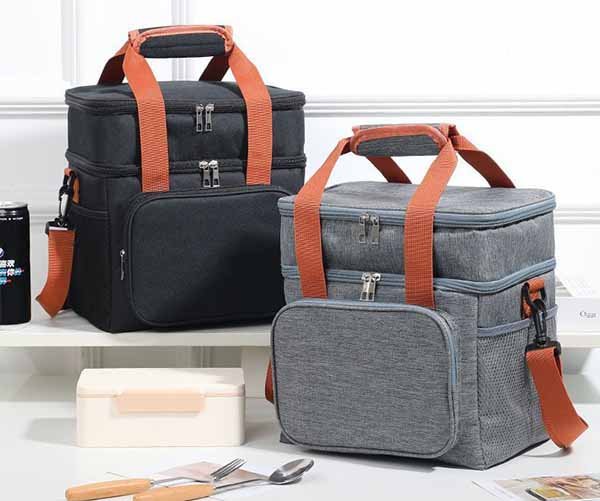
1. insulated grocery cooler tote

Grocery Retail Program

Market: United States.

Product: insulated grocery cooler tote.

Quantity: 18,000pcs.

Material: laminated non-woven outer, EPE foam, aluminum foil lining.

Logo: two-color screen print.

Packaging: folded bulk packing with barcode labels and carton marks.

Challenge: the retail team needed a large bag with stable standing shape, strong handles, and controlled carton volume. Szoneier adjusted the gusset, bottom panel, handle stitching, and folded packing method.

Sample lead time: 9 working days.

Bulk lead time: 28 working days after approval.

Result: carton data, barcode labels, and bulk QC were aligned before shipment.
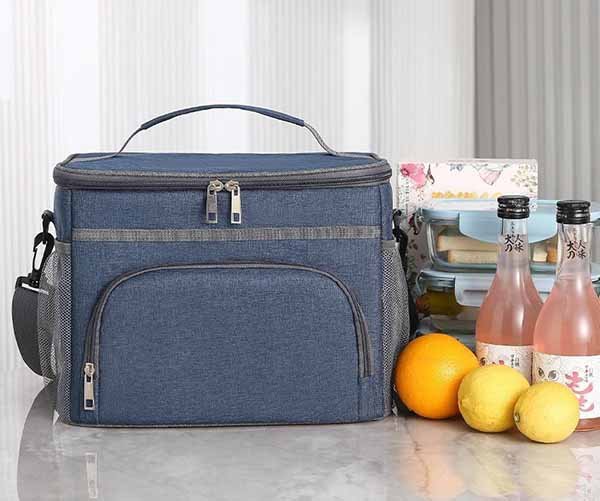
2. picnic cooler brand

Picnic Cooler Brand

Market: Australia.
Product: premium picnic cooler bag.
Quantity: 1,200pcs.
Material: cotton canvas outer, PE foam, PEVA lining, PU trim.
Logo: leather patch plus woven label.
Packaging: individual polybag, hangtag, and reinforced export carton.
Challenge: the brand needed a photo-ready cooler with stronger structure and refined trim details. Szoneier adjusted foam thickness, zipper opening, handle length, and patch size across two sample revisions.
Sample lead time: 12 working days.
Bulk lead time: 32 working days after approval.
Result: approved structure entered repeat-order records for later color expansion.
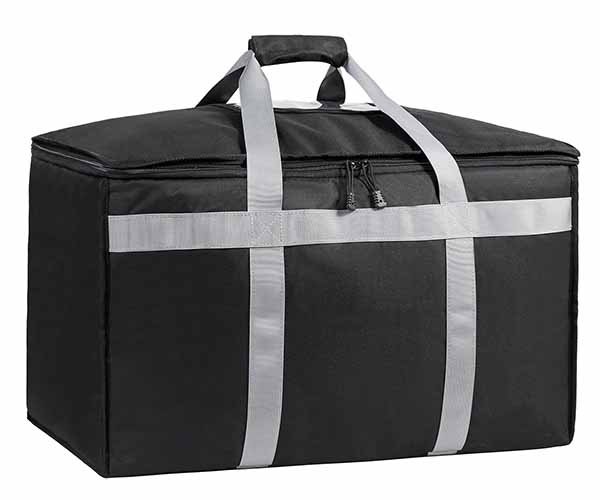
3. corporate gift cooler

Corporate Gift Cooler

Market: Canada.

Product: 12-can promotional cooler bag. Quantity: 6,500pcs.

Material: 600D polyester, EPE foam, PEVA lining.

Logo: heat transfer on front panel.

Packaging: individual polybag, carton marks by department.

Challenge: the gift program had a fixed event date and multiple delivery addresses. Szoneier confirmed ready fabric, simplified zipper puller selection, reviewed artwork proof, and planned carton separation before production.

Sample lead time: 8 working days.

Bulk lead time: 24 working days after approval.

Result: cartons were packed by destination group, reducing event-site sorting work.
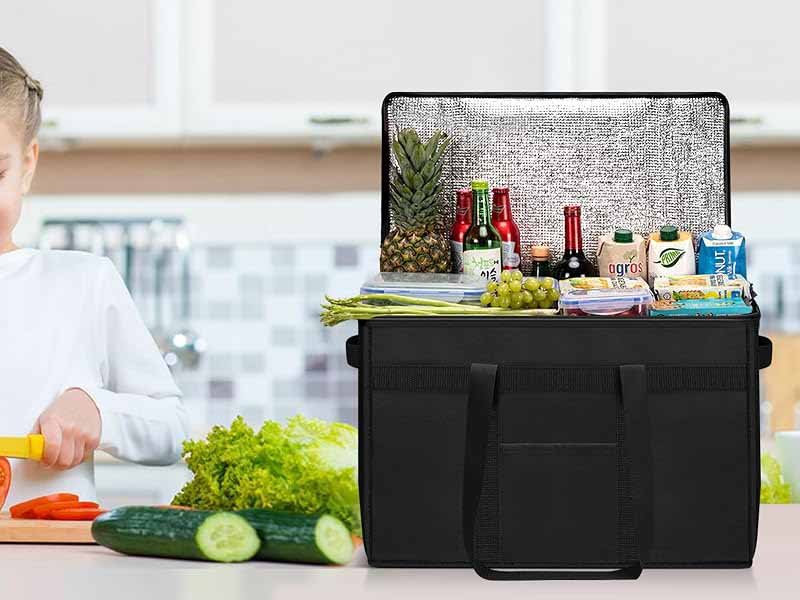
4. food delivery bag

Food Delivery Bag

Market: United Kingdom.

Product: reusable insulated meal delivery bag.

Quantity: 2,400pcs. Material: Oxford fabric, thick PE foam, TPU lining.

Logo: rubber patch. Packaging: bulk carton packing with SKU label.

Challenge: the operation required cleanable lining, reinforced handles, and a wide opening sized for stacked meal containers. Szoneier reviewed container dimensions, strengthened side seams, changed zipper direction, and added bottom support.

Sample lead time: 14 working days.

Bulk lead time: 35 working days after approval.

Result: final inspection focused on lining finish, zipper function, handle stress points, and carton count.

What Affects Custom Insulated Bag Pricing

Insulated bag pricing depends on size, foam, lining, structure, logo, packaging, quantity, carton volume, and shipment method. Accurate details make quotation faster.

Size and Capacity

Larger capacity increases fabric use, lining area, foam volume, zipper length, handle length, carton volume, and shipping weight. A 24-can cooler is not only bigger than a 6-can cooler; it also needs stronger structure and more careful packing. Szoneier asks for can count, meal box size, bottle height, grocery load, or delivery container dimensions before quotation.

Foam and Lining

Foam thickness and lining type can change cost more than exterior styling. A budget grocery cooler may use aluminum foil lining and lighter foam, while a reusable delivery bag may require thicker foam and TPU lining. Szoneier compares use level, cleaning need, leak-resistance expectation, and cost target before recommending a structure.

Logo and Packaging

Logo method, logo size, artwork colors, mold needs, hangtags, barcode labels, insert cards, retail boxes, and carton marks all affect price and lead time. Screen print often suits volume programs. Rubber patch or custom puller can improve brand presence but may involve mold cost and longer setup. Packaging should be selected with total landed cost in mind.

Quantity and Delivery

Quantity affects material purchasing, production setup, unit labor cost, QC arrangement, and shipment planning. Delivery method also changes total cost. Express and air freight suit urgent samples or event schedules; sea freight suits larger bulk programs. Szoneier can provide more accurate advice when destination country, carton data, delivery date, and warehouse type are known.

Frequently Asked Questions About Custom Insulated Bags
Szoneier can evaluate 200pcs MOQ for selected standard insulated bag projects using ready materials, regular colors, mature structures, simple logo processes, and standard packaging. MOQ may increase for custom-dyed fabric, special lining, molded patches, custom zipper pullers, printed boxes, heat-sealed lining, complex cooler backpacks, or delivery bags with higher functional requirements.
Yes. Szoneier supports screen print, heat transfer, embroidery, woven label, rubber patch, leather patch, metal plate, custom zipper puller, hangtag, and packaging branding. Logo selection depends on material surface, artwork detail, color, durability needs, cost level, and order quantity. Artwork files in AI, PDF, EPS, SVG, or high-resolution formats help speed up proof review.
PEVA suits many lunch cooler bags, soft coolers, and promotional insulated bags. Aluminum foil lining works well for budget-controlled cooler totes and grocery bags. TPU lining can be reviewed for higher leak-resistance or reusable delivery-style projects. The best choice depends on use scenario, cleaning needs, leak expectations, cost target, and sewing method.
Most sewn insulated bags are not fully waterproof unless designed with compatible materials and sealed construction. Regular PEVA or aluminum foil lining can support wipe-clean daily use, but stitched seams and zipper areas may still allow seepage. Szoneier can review higher leak-resistance options when the program requires stronger liquid control.
Many standard insulated bag samples take 7-12 working days after size, material, lining, logo, and packaging details are confirmed. More complex projects such as cooler backpacks, delivery bags, special linings, custom patches, or printed packaging may need a longer cycle. Material availability and artwork approval also affect sample timing.
Many bulk insulated bag orders take 20-35 working days after approval sample and material confirmation. Quantity, fabric availability, logo method, packaging complexity, peak season, inspection plan, and shipment schedule may change the timeline. Szoneier recommends confirming launch dates early so material booking and production scheduling can be planned with enough buffer.
Yes. Szoneier can help coordinate FNSKU labels, polybag warning labels, carton labels, carton size control, gross weight records, SKU separation, and FBA first-leg shipment evaluation. For insulated bags, foam thickness and folded volume affect carton dimensions, so FBA planning should be reviewed before final packing.
Szoneier can evaluate DDP shipping based on destination country, quantity, product type, carton size, gross weight, delivery address, and schedule. DDP is not the best route for every program. Express, air, sea, FOB, CIF, DAP, or DDP can be compared after carton data and delivery needs are known.
Please provide product photo or sketch, size, capacity, target quantity, outer material preference, lining preference, foam thickness if known, logo file, logo method, packaging needs, delivery country, target date, and any retail, FBA, or warehouse requirements. A reference sample or competitor link can also help Szoneier understand structure expectations faster.
Yes. Szoneier can support private label insulated bags with custom material, color, size, capacity, logo, zipper puller, patch, hangtag, insert card, barcode label, retail packaging, carton mark, and repeat-order records. For long-term programs, BOM, pattern, material, logo, packaging, carton, and QC files can be saved for later replenishment.

Send Your Custom Insulated Bag Project

Szoneier can review your insulated bag idea, reference sample, current supplier issue, product photo, or tech pack and return a workable direction for material, structure, logo, MOQ, sample, production, packaging, and delivery. A clear request helps the team avoid blind quotation and suggest a structure suitable for the real use case, whether the program is a lunch cooler, grocery cooler tote, soft-sided cooler, delivery bag, wine cooler, or branded gift cooler. Please include:
  • Product type or reference photo
  • Target size, can count, meal box size, or loading requirement
  • Outer material preference and lining requirement
  • Logo file, logo method, and logo position
  • Quantity, color count, and packaging needs
  • Delivery country, warehouse type, and required arrival date
  • Any FBA, barcode, carton mark, retail, or inspection requirement
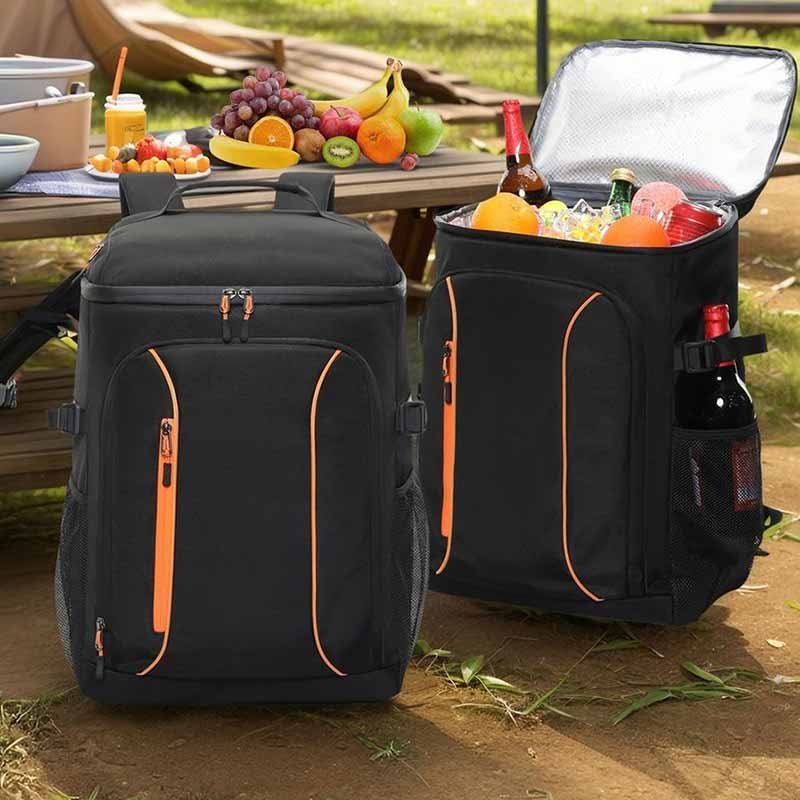
cooler backpack

Ask For A Quick Quote

We will contact you within 24 Hours, please pay attention to the email with the suffix“@szoneier.com”

For all inquiries, please feel free to reach out at:

Ask For A Quick Quote

We will contact you within 24 Hours, please pay attention to the email with the suffix“@szoneier.com”

Contact Us

Send us a message if you have any questions or request a quote. We will be back to you ASAP!

For all inquiries, please feel free to reach out at:

Contact Us

Send us a message if you have any questions or request a quote. We will be back to you ASAP!

Exclusive Offer for First-Time Customers

For first-time customers, we will send you a free color card for you to choose.Once you have confirmed the fabric and color, our factory will make a free sample proofing for you.

For customers who frequently cooperate with us, we will send new color charts free of charge several times a year.

For all inquiries, please feel free to reach out at: