 Skip to content
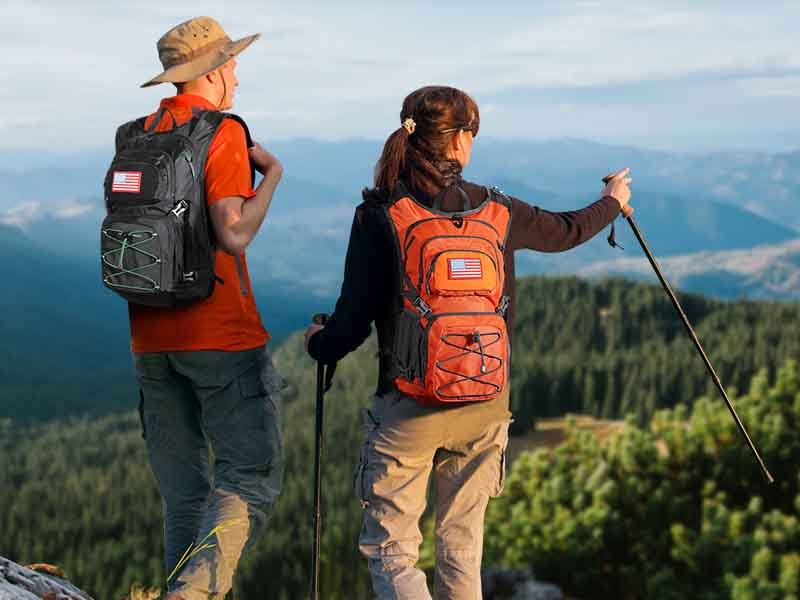
Hiking backpacks are among the most important pieces of outdoor gear you can buy. Yet when people search for one, they often face the same confusing problem: some backpacks cost $30, while others cost $300, and premium alpine models can exceed $500. Why is the price difference so huge? Is an expensive backpack really worth it—or is the market full of overhyped branding? And most importantly: how much should YOU expect to pay for a hiking backpack in 2025?
A hiking backpack typically costs between $40 and $250 depending on materials, capacity, construction quality, suspension system, waterproof features, and brand. Entry-level daypacks cost $30–$60, mid-range hiking backpacks cost $60–$120, and premium technical packs cost $150–$250 or more. OEM/ODM custom backpacks from manufacturers like Szoneier offer significantly cheaper per-unit pricing for bulk buyers and private-label brands.
But price is only the beginning. Behind every number is a story—of materials, craftsmanship, capacity, technology, durability and real-world performance. I once interviewed a trekking guide in Nepal who said, “Two hikers can walk the same trail—one with a $60 pack, one with a $260 pack. You’ll know who bought which by the second day.”
So let’s go deep. Very deep.
What Factors Affect the Price of a Hiking Backpack?
The price of a hiking backpack is primarily affected by materials, durability, capacity, construction quality, suspension system, waterproofing level, brand reputation, and country of manufacture. Higher-priced backpacks use premium high-denier nylon, advanced frames, ergonomic padding, reinforced stitching, and breathable ventilation systems. These features improve comfort, load support, and long-term durability, which significantly increase production costs.
The cost of a hiking backpack is not random—it’s the result of dozens of technical decisions made during design and manufacturing. When comparing a $40 daypack to a $250 premium trekking backpack, you’re really comparing different engineering goals, different materials, different labor requirements, and completely different performance standards.
Below is a complete breakdown of the real factors that influence pricing .
1. Material Type and Denier Rating
Material selection is the single strongest cost driver. The fabric determines durability, abrasion resistance, weight, weather performance, and lifespan.
Common Materials & Their Cost Impact
- Polyester (300D–600D): Lowest cost; used in budget daypacks.
- Nylon (210D–420D): Stronger and more expensive; ideal for mid-range hiking.
- High-tenacity nylon (500D–1000D): Premium-grade; highly abrasion-resistant.
- Cordura-like fabrics: Licensed or proprietary versions cost 2–4× more.
- TPU-laminated nylon: Waterproof and extremely durable; expensive.
- Ripstop patterns: Increase tear resistance by 20–40%.
Material Impact on Cost
| Material | Cost Level | Notes |
|---|---|---|
| Polyester | ★☆☆ | Cheap, good for casual backpacks |
| Standard Nylon | ★★☆ | Higher durability/price |
| High-Tenacity Nylon | ★★★ | Stronger, premium |
| TPU-Laminated | ★★★★ | Waterproof, technical |
| Cordura | ★★★★★ | Elite durability, high cost |
Higher denier = higher strength = higher cost. A 420D nylon can cost 2–2.5× more to produce than a 300D polyester.
2. Backpack Capacity and Size
Every extra liter of capacity requires:
- more base fabric
- more padding
- more stitching
- stronger zippers
- heavier internal support
This is why a 20L daypack can cost $40, while a 70L trekking pack costs $200+.
Typical Capacity-Based Cost Breakdown
| Capacity | Example Use | Retail Price Range |
|---|---|---|
| 15–25L | Day hiking | $30–$60 |
| 30–40L | Weekend trips | $60–$120 |
| 50–70L | Multi-day trekking | $120–$250 |
| 70–90L | Expeditions | $180–$350 |
Larger packs often include frames, which dramatically increases cost.
3. Construction Quality & Reinforced Stitching
High-end backpacks use multi-layer reinforcement in high-stress zones:
- shoulder strap base
- hip belt anchor points
- bottom panel
- zipper ends
- load lifter connection points
Techniques affecting cost:
Higher-Cost Construction Elements
- Bar tacking (10–20× stronger than normal stitching)
- Box-X stitching for load-bearing areas
- Double or triple stitching
- Seam taping for waterproofing
- High-density foam lamination
Premium construction increases sewing time by 40–60%, directly raising labor cost.
4. Suspension System & Back Support Technology
Suspension systems have become a major performance differentiator.
Types of Suspension
- Simple padding (low cost)
- Structured EVA panels (moderate cost)
- Full internal frame (higher cost)
- Adjustable torso-length systems (premium)
- Trampoline-style suspended mesh (most expensive)
A good suspension system improves:
- load distribution
- posture
- long-distance comfort
This is a major reason premium backpacks cost more—they support real trekking, not just day hiking.
5. Waterproofing & Weather Resistance
Waterproofing technologies vary:
Water Resistance Levels
- PU-coated nylon (cheap, water-resistant)
- DWR-treated nylon (moderate cost)
- TPU-laminated nylon (expensive, fully waterproof)
- Roll-top closures (add cost)
- Seam taping (high labor cost)
A pack with true waterproofing costs 20–40% more to produce.
6. Hardware Quality (Zippers, Buckles, Clips)
Hardware affects durability and lifespan.
Hardware Types Affecting Cost
- YKK zippers (industry standard; 2–3× cost of generic zippers)
- Duraflex buckles (premium quality)
- Aluminum frames & poles
- Magnetic chest buckles
- Metal hooks and adjusters
High-end hardware adds $5–$15 to production cost—but improves reliability massively.
7. Brand Reputation, Marketing, and Retail Markup
Brand price inflation is real.
A famous brand might manufacture a backpack for $25–$40 and sell it for $150–$250+ because of:
- marketing teams
- retail distributors
- branding costs
- influencer partnerships
- global advertising
OEM manufacturers like Szoneier skip the markup.
8. Country of Manufacture
Certain countries produce backpacks more cost-effectively because of:
- manufacturing infrastructure
- fabric supply chain
- skilled sewing workforce
- logistics efficiency
Regional Manufacturing Comparison
| Country | Cost Level | Notes |
|---|---|---|
| China | ★☆☆ | Best cost-performance |
| Vietnam | ★★☆ | Higher sewing skill, higher price |
| Cambodia | ★★☆ | Growing industry |
| USA/Japan | ★★★★★ | Very high cost |
Factories like Szoneier operate in China, benefiting from the most complete supply chain.
9. Additional Features That Raise Price
- detachable pouches
- hydration bladder compatibility
- built-in rain cover
- MOLLE systems
- sternum whistle buckle
- adjustable torso length
- detachable hip belt
Each added feature = more labor + more materials = higher price.
How Much Do Hiking Backpacks Cost by Category?
Hiking backpack prices vary by category: budget backpacks cost $30–$50, mid-range hiking backpacks cost $60–$120, and premium technical backpacks range from $120–$250. Ultra-premium mountaineering models exceed $300. Price depends on materials, capacity, suspension system, durability, and specialized features such as waterproofing, frames, or load support.
Backpack pricing is easiest to understand when categorized. Instead of comparing random models, it’s far more useful to divide backpacks by performance class, material level, capacity, weight, and intended use. Below is industry-standard cost breakdown, covering everything from casual daypacks to professional expedition packs.
What Is the Price of Budget Hiking Backpacks (Under $50)?
Typical Retail Price: $30–$50Target User: beginners, casual hikers, students, daily commuters Material: 300D–600D polyester Capacity Range: 15–30L
Budget backpacks represent the entry-level class. They use cost-effective materials like polyester rather than high-tenacity nylon. Features are basic: simple padding, a few external pockets, a basic chest strap, and limited ventilation. They are not designed for long-distance trekking or heavy loads but are perfectly adequate for:
- day hikes
- campus use
- light travel
- short outdoor adventures
Frames are usually absent, straps are relatively thin, and support for hydration bladders or heavy gear is limited. However, for someone buying their first hiking backpack, or hikers who go outdoors only a few times per year, this category offers good value.
Why this category is cheap:
- simple construction
- low-cost fabrics
- minimal hardware
- no advanced suspension system
- mass-market production
What Is the Price of Mid-Range Hiking Backpacks ($50–$120)?
Typical Retail Price: $60–$120Target User: regular hikers, weekend adventurers, travel backpackers Material: 210D–420D ripstop nylon + lightweight EVA foam Capacity Range: 20–50L
This is the sweet spot for most consumers. Mid-range backpacks offer excellent balance between cost and performance. They use better materials (often ripstop nylon), improved ventilation systems, padded hip belts, and higher-quality stitching. Many packs in this segment include:
- hydration bladder sleeves
- reinforced bottom panels
- compression straps
- better back ventilation
- shaped shoulder straps
- modest internal frame support
This price tier is ideal for weekend hiking, travel, or frequent day hikes.
Why this category sells best:
- much better durability than budget packs
- still affordable for most customers
- suitable for most hiking environments
- significant comfort improvement
In the global market, $60–$120 remains the volume leader.
What Is the Price of Premium Hiking Backpacks ($120–$250)?
Typical Retail Price: $120–$250Target User: serious hikers, multi-day trekkers, long-distance backpackers Material: 420D–1000D high-tenacity nylon / Cordura Capacity Range: 40–70L
Premium backpacks are engineered for real performance. They are durable, ergonomic, and optimized for multi-day trips. Common features include:
- adjustable torso length
- strong internal frames (aluminum stays or molded PE frames)
- high-density EVA foam harness
- ventilated back panels
- load lifters + stability straps
- reinforced seams and bar tacking
These packs are designed to carry 15–25 kg loads comfortably and withstand years of rugged use.
Why premium costs more:
- expensive high-tenacity fabrics
- advanced engineering
- ergonomic suspension systems
- higher labor cost
- extensive QC testing
Premium packs are ideal for long, difficult terrain, where comfort and durability matter greatly.
Which Features Push Prices Above $250? (Professional Mountaineering Packs)
Typical Retail Price: $250–$400+Target User: alpine climbers, thru-hikers, professional expedition teams Material: specialist materials like Dyneema, X-Pac, carbon-supported frames Capacity Range: 50–80L
These are the ultra-premium technical backpacks built for high-risk, high-performance environments:
- mountaineering
- glacier travel
- multi-week expeditions
- extreme cold or wet climates
What makes them expensive:
Premium Materials
- Dyneema Composite Fabric (DCF)
- X-Pac VX21/VX42 laminate
- Ultra-high molecular weight polyethylene (UHMWPE)
These materials cost 3–10× more than regular nylon.
High-End Engineering
- carbon or aerospace-grade aluminum stays
- advanced trampoline mesh
- rotational hip belt designs
- laser-cut MOLLE panels
Feature Add-ons
- ice axe loops
- rope straps
- avalanche-tool pockets
- crampon compartments
These backpacks are not for everyday hikers—they’re for people who need gear that can literally save lives.
Category Comparison Table
| Category | Price Range | Materials | Features | Best For |
|---|---|---|---|---|
| Budget | $30–$50 | Polyester | Basic straps, minimal padding | Beginners |
| Mid-range | $60–$120 | Ripstop nylon | Hip belt, ventilation, hydration | Most hikers |
| Premium | $120–$250 | High-tenacity nylon | Frames, reinforced seams | Multi-day hikes |
| Ultra-premium | $250–$400+ | Dyneema/X-Pac | Alpine features | Mountaineering |
OEM/Private Label Comparison
| Category | Typical Retail | OEM/Factory Price (Szoneier) |
|---|---|---|
| Budget | $30–$50 | $6–$9 |
| Mid-range | $60–$120 | $10–$18 |
| Premium | $120–$250 | $18–$30 |
| Ultra-premium | $250–$400+ | $35–$55 |
OEM direct manufacturing saves 55–75% of cost—ideal for brands, wholesalers, and Amazon sellers.
Which Hiking Backpack Features Add the Most Value?
The most valuable hiking backpack features are durable high-denier materials, reinforced stitching, ergonomic suspension systems, breathable back ventilation, waterproof or water-resistant fabrics, hydration compatibility, structured frames, compression straps, accessible pocket layouts, and padded hip belts. These features significantly improve comfort, durability, load stability, and overall hiking experience—making them the top contributors to a backpack’s true value.
Are waterproof or weatherproof materials worth paying for?
Weather protection is one of the most important functional upgrades. But not all waterproofing is equal.
1. Water-Resistant Backpacks (Most Common, Budget-Friendly)
Using PU-coated polyester or nylon, these backpacks resist light rain and spills.
- Affordable
- Lightweight
- Ideal for day hikes
Value Score: ★★★★☆ For most hikers, this level of protection is perfect.
2. Weatherproof Backpacks (Mid-Range, Balanced Performance)
Made with DWR-coated nylon (ripstop) and tighter weave patterns.
- Handles hours of moderate rain
- More durable
- Better overall longevity
Value Score: ★★★★★ Best cost-to-performance ratio for most outdoor users.
3. Fully Waterproof Backpacks (Premium, Technical Use)
Using TPU-laminated nylon, PVC-free waterproof fabrics, and roll-top closures.
- 100% waterproof
- Ideal for river crossing, heavy storms, canyoning
Value Score: ★★★☆☆ Excellent—but only if your activities actually require it.
Conclusion: Don’t pay for full waterproofing unless you hike in very wet climates or do technical adventure sports. For 80% of hikers, water-resistant or weatherproof materials offer the best value.
Do advanced suspension systems justify higher prices?
The suspension system determines whether your backpack feels like part of your body or like a heavy rock bouncing behind you.
Key Elements of a High-Value Suspension System
1. Ergonomic Shoulder Straps
- S-shaped or contoured
- EVA or EPE foam padding
- Pressure-relief cutouts
Improves comfort dramatically, especially with loads >10 kg.
2. Hip Belt Support
This is essential for any backpack over 30L.
- Transfers 50–70% of the weight to your hips
- Prevents shoulder and neck pain
- Provides stability on uneven terrain
A good hip belt is often the difference between an enjoyable trek and a miserable one.
3. Load Lifters & Sternum Straps
- Pull the weight closer to your upper back
- Improve posture
- Reduce sway
- Enhance long-distance stability
These straps add minimal cost but major value.
4. Adjustable Torso Length
Found in high-end backpacks.
- Allows personalized fit
- Critical for multi-day trekking
- Improves weight distribution
Conclusion: Suspension systems provide some of the highest ROI in backpack design. If you’re choosing between premium fabric or premium suspension—always choose suspension.
What accessories and add-ons increase value the most?
Many features look impressive but offer little real benefit. Here are the accessories that truly matter:
1. Hydration Bladder Sleeve & Port
- Eliminates need to stop and reach for water
- Essential for long hikes
- Very low manufacturing cost, high real-world value
2. Trekking Pole Loops / Ice Axe Loops
Help secure poles and tools when not in use.
- Especially valuable for terrain with steep ascents or descents
- Prevents snagging
- Helps balance load
3. Built-In Rain Cover
Cheap to add, extremely useful:
- Protects your gear
- Fits perfectly with the bag’s shape
- Saves you from buying another accessory
4. Compression Straps
Improve:
- load stability
- pack compactness
- weight distribution
Simple but incredibly useful for both small and large loads.
5. Hip Belt Pockets
Allow quick access to:
- snacks
- phone
- GPS
- small tools
- sunscreen
Small feature, massive convenience.
6. Bottom Sleeping Bag Compartment (For 50L+)
Adds practicality for multi-day hikes.
- Keeps gear organized
- Speeds up camp setup
Accessories That Don’t Add Much Value
- decorative lash tabs
- excessive MOLLE webbing
- overly complex internal dividers
- plastic “frame look” decorations
- unnecessary detachable parts
These features increase cost and weight but seldom improve performance.
Which ventilation technologies improve comfort and are worth the price?
Back ventilation matters more than beginners realize—especially on hot or humid trails. The right ventilation system reduces sweat buildup, keeps your back dry, and improves comfort over long distances.
Top High-Value Ventilation Technologies
1. Trampoline Suspension (Premium)
- Mesh panel suspended away from the pack
- Allows full airflow
- Best for warm climates
- Adds cost but greatly boosts comfort
Value Score: ★★★★★
2. Air Channel Back Panels (Mid-Range)
- Channels guide airflow
- Use EVA foam + mesh
- Good for most hikers
Value Score: ★★★★☆
3. Padded Mesh with Cutouts (Budget Option)
- Found on $40–$80 backpacks
- Provides basic airflow
- Better than flat foam panels
Value Score: ★★★☆☆
How Do You Choose the Right Hiking Backpack for Your Budget?
Choosing the right hiking backpack is all about matching budget, trip type, frequency of use, and load requirements. Many buyers make one of two common mistakes:
- overspending on high-end features they’ll never use, or
- buying a cheap pack that becomes uncomfortable or unreliable after a few trips.
A smarter approach is to evaluate your needs step-by-step—your hiking style, expected load, comfort expectations, and how long you want the backpack to last. Once these factors are clear, the right price category becomes obvious.
Let’s break it down through four essential angles.
What size is best for day hikes, weekend trips, or multi-day trekking?
Capacity determines everything—from comfort to weight to price. If you choose a pack that is too small, you will run out of storage; too large, and you’ll be carrying unnecessary weight and spending more money.
Recommended Capacity vs Price Range
| Trip Type | Best Capacity | Retail Price Range |
|---|---|---|
| Short day hikes | 15–25L | $40–$80 |
| Full-day hikes | 20–30L | $50–$100 |
| Weekend trips | 30–45L | $60–$130 |
| 3–5 day treks | 45–60L | $100–$200 |
| Long multi-day | 60–70L | $120–$250 |
Simple rule of thumb:
- Day hikers → 20–30L under $80
- Weekend hikers → 30–45L around $80–$150
- Multi-day trekkers → 50L+ around $120–$200
For brands developing their own lines, the two most commercially successful size segments are:
- 28–32L (daypack best-sellers)
- 45–55L (weekend/multi-day versatility)
These sizes fit most hiking use cases and deliver excellent sales volume.
How do you compare price vs durability?
Durability is often misunderstood. A higher price does not always mean higher durability—some brands inflate prices with marketing, not engineering. A more reliable method is to evaluate three core areas:
1. Fabric Strength
- 300D Polyester → good for casual hikers; low cost
- 210D–420D Nylon → great balance of durability and weight
- 500D+ High-Tenacity Nylon → for heavy users or tough terrain
2. Stitching & Reinforcement
Look for:
- bartack reinforcement
- box-X stitching on shoulder straps
- double layers on the bottom
- reinforced load-bearing points
3. Back Panel & Strap Construction
A durable pack includes:
- thick EVA foam
- strong hip belt
- contoured, ergonomic shoulder straps
A $70 pack built well can outperform a poorly designed $150 “brand name” pack. When evaluating durability vs price, always prioritize material + reinforcement + back structure over branding.
Which backpacks are best for beginners under $80?
Beginners, casual hikers, and occasional outdoor users can get an excellent pack for $50–$80. For this budget, look for:
- Capacity: 20–30L for day use
- Materials: 300D–420D polyester/nylon
- Support: chest strap + small hip belt
- Storage: 1–2 front pockets + side bottle pockets
- Weight: ideally 0.6–1.0 kg (light but supportive)
Even though these models aren’t built for multi-day treks, they deliver:
- comfort for short to medium hikes
- durability for average use
- enough pockets for daily essentials
For brands or private-label companies, a 28L daypack in 300D/420D fabric is a perfect entry-level product with high turnover. Manufacturing cost can range between $8–$12, while retail value ranges between $50–$70, making it ideal for Amazon sellers or outdoor startups.
How do you avoid overpaying for unnecessary features?
Many hikers get lured by “feature stacking”—paying for things they never actually use. Avoiding unnecessary features is essential for staying within your budget.
Key Questions to Filter Out Unnecessary Costs
- Do you truly need full waterproofing?
- Occasional rain → DWR coating + rain cover (cheaper, lighter)
- Heavy rain, river crossings → full waterproofing (more expensive)
- Will you actually use complex attachment systems?
- MOLLE, excess straps, ice axe loops are unnecessary for casual hikers
- They add weight and cost without providing real benefit
- Do you need detachable components?
- Detachable lids or hip belts are great for long expeditions
- For beginners, they are often never used
- Is ultra-premium fabric overkill?
- Dyneema or X-Pac fabrics are amazing but expensive
- Casual hikers won’t notice the benefit
Golden Rule:
Pay only for features you will use frequently. Everything else is “nice to have” but not necessary for your budget.
What Are the Average Hiking Backpack Prices?
Average hiking backpack retail prices typically range from about US$30–$60 for basic daypacks, US$60–$120 for mid-range hiking backpacks, and US$120–$250 for premium trekking packs. High-end or mountaineering backpacks may exceed $300–$400. Prices depend heavily on materials, capacity, suspension system, and features like waterproofing or internal frame support.
Typical Retail Price Ranges Across Categories
| Category (Use Case / Capacity) | Typical Retail Price | Example Sources / Notes |
|---|---|---|
| Basic Daypacks / Light Hikes (15–30 L) | US$30 – US$60 | Entry-level packs for casual hikes, school, city — minimal features |
| Mid-Range Hiking Packs (30–45 L) | US$60 – US$120 | Weekend hikes, overnight trips, moderate load support |
| Standard Trekking Packs (45–65 L) | US$120 – US$200 | Multi-day hikes, camping, heavier loads |
| Premium Trekking / Backpacking (50–70 L) | US$150 – US$250 | Higher-end suspension, durability, versatile features |
| Technical / Mountaineering Packs (60–85 L+) | US$250 – US$400+ | Expedition-ready, waterproof materials, reinforced frames |
| Ultra-premium / Ultralight / Specialty Packs | US$300 – US$500+ | Ultralight materials, advanced ergonomic systems, niche use |
Conclusion
Choosing the right hiking backpack—whether for personal adventure or for your brand’s outdoor product line—ultimately comes down to balancing value, durability, comfort, materials, and price. Customers expect backpacks that are lightweight, well-ventilated, structurally reinforced, ergonomically designed, and built with the right technical features for real-world use. The insights in this guide reveal how the best backpacks achieve that balance, and why smart brands are shifting toward truly customized, purpose-built designs rather than relying on generic factory templates.
Your Next Step: Turn Ideas Into a Real Product Line
Whether you want to launch your first hiking backpack collection or upgrade an existing outdoor line, Szoneier can design, develop, prototype, and manufacture products that match your exact audience, target price, and market positioning.
manufacturer Categories
- Custom Tote Bags Manufacturer
- custom backpacks Manufacturer
- custom travel bags& Duffle bags manufacturer
- custom makeup bags & toiletry bags manufacturer
- custom cooler bags manufacturer
- custom drawstring bags manufacturer
- custom makeup bags & toiletry bags manufacturer
- custom golf bags manufacturer
- custom fireproof bags manufacturer
- custom dry bags manufacturer
- custom ski bags manufacturer
- custom gym & sports bags manufacturer
- custom laptop bags manufacturer
- custom tactical bags manufacturer
- custom beach bags manufacturer
- custom medical bags manufacturer
- custom camera bags manufacturer
- custom wetsuits manufacturer
- custom leather goods manufacturer
- more personalized products
Can't find the answers?
No worries, please contact us and we will answer all the questions you have during the whole process of bag customization.
Make A Sample First?
If you have your own artwork, logo design files, or just an idea,please provide details about your project requirements, including preferred fabric, color, and customization options,we’re excited to assist you in bringing your bespoke bag designs to life through our sample production process.
