 Skip to content
When you walk into a gym, look around—everyone seems to carry a different style of bag. Some people swing classic duffels over their shoulders, others strap on sleek backpacks, while a few prefer lightweight drawstring sacks. Each of these isn’t just a random choice; it reflects a mix of function, personality, and lifestyle. The question is: which type of gym bag fits your routine best?
Gym bags come in many styles, including duffels, backpacks, totes, drawstring bags, and hybrid travel-gym designs. The best type depends on your workout, storage needs, and lifestyle. Duffels are the classic choice for carrying lots of gear, backpacks are ergonomic and versatile, totes appeal to minimalists, and drawstring bags work for quick sessions. Choosing the right one ensures comfort, efficiency, and long-term satisfaction.
And here’s the story most people don’t realize: the term “gym bag” itself covers multiple sub-categories, with subtle differences in shape, features, and purpose. Knowing what sets them apart can save you from sore shoulders, ruined sneakers, or wasted money on a bag that doesn’t fit your life. Let’s dive into the essential styles, materials, and more insights that matter when choosing your next gym bag.
What Are Gym Bags?
Gym bags are specialized bags designed to carry workout essentials like clothes, shoes, towels, and gear. They differ from regular backpacks or handbags by offering features such as ventilated shoe pockets, waterproof linings, and multiple compartments for organization. Essential for fitness and commuting lifestyles, gym bags help users stay organized, protect personal items, and transition smoothly between gym, work, and travel. They’re more than storage—they’re tools that combine function, hygiene, and identity.
1. Definition and Purpose
A gym bag isn’t just a regular bag—it’s purpose-built for active lifestyles. Unlike ordinary backpacks or totes, gym bags are designed with function-first engineering: compartments for sweaty clothes, reinforced bases for heavy loads, and linings that resist water or odor. They are made to withstand daily use while still offering a stylish look, bridging the gap between sports gear and lifestyle accessory.
2. What Are the Gym Bags Called?
The terminology varies by region and culture:
- In the U.S., people typically say “gym bag.”
- In Europe, the term “sports bag” is more common.
- Some brands market them as “training bags,” “athletic totes,” or “fitness backpacks.”
- Travel-friendly versions are often marketed as “weekender duffels.”
3. Why Do Athletes and Professionals Rely on Gym Bags?
Athletes, professionals, and fitness enthusiasts need gym bags for three main reasons:
- Organization: Keep shoes, towels, clothes, toiletries, and accessories in separate compartments.
- Hygiene: Ventilated pockets prevent odor buildup and protect clean items.
- Convenience: A dedicated gym bag eliminates the need to juggle multiple bags for different activities.
For professionals who hit the gym before or after work, a gym bag that also holds a laptop, water bottle, and business items becomes a daily essential.
4. Functional Differences from Regular Bags
What makes gym bags essential compared to backpacks or handbags?
- Specialized compartments: Shoe pockets, wet/dry dividers, mesh organizers.
- Material strength: Nylon and polyester that resist tearing and handle sweat exposure.
- Comfort: Padded straps for carrying heavy items.
- Versatility: Many gym bags double as travel companions or weekend bags.
In contrast, a fashion backpack or tote may look stylish but often lacks the durability and organization for fitness gear.
5. Multi-Use Beyond the Gym
Modern gym bags are multi-purpose. They serve not only athletes but also:
- Travelers who use duffel-style gym bags as carry-ons.
- Students who carry sports gear alongside textbooks.
- Parents who double their gym bags as casual day bags.
6. The Psychological Dimension
Carrying a gym bag is more than practical—it’s symbolic. For many, it signals discipline, lifestyle commitment, and identity. Just like wearing branded sneakers, owning a gym bag shows belonging to the fitness culture. This psychological factor explains why brands like Nike, Adidas, or Lululemon don’t just sell functionality—they sell motivation and community through their bags.
7. Why They’re Essential for Today’s Lifestyle
- Time efficiency: Streamlines transitions from gym to office or travel.
- Health focus: Keeps clean clothes separate from sweaty gear.
- Fashion factor: Modern gym bags are designed to complement outfits, not clash with them.
- Consumer expectation: With fitness now a mainstream lifestyle, many buyers expect a gym bag as part of their daily routine.
Which Main Types of Gym Bags Are Popular Today?
The main types of gym bags include duffels, backpacks, drawstring bags, totes, and hybrid travel-gym designs. Duffels are classic and spacious, backpacks are ergonomic for commuters, drawstrings are compact and affordable, totes are stylish for light use, and hybrids combine sports and travel features. Each style has unique pros and cons. Choosing the right one depends on workout routine, storage needs, and lifestyle preferences.
1. Duffel Gym Bags – The Timeless Classic
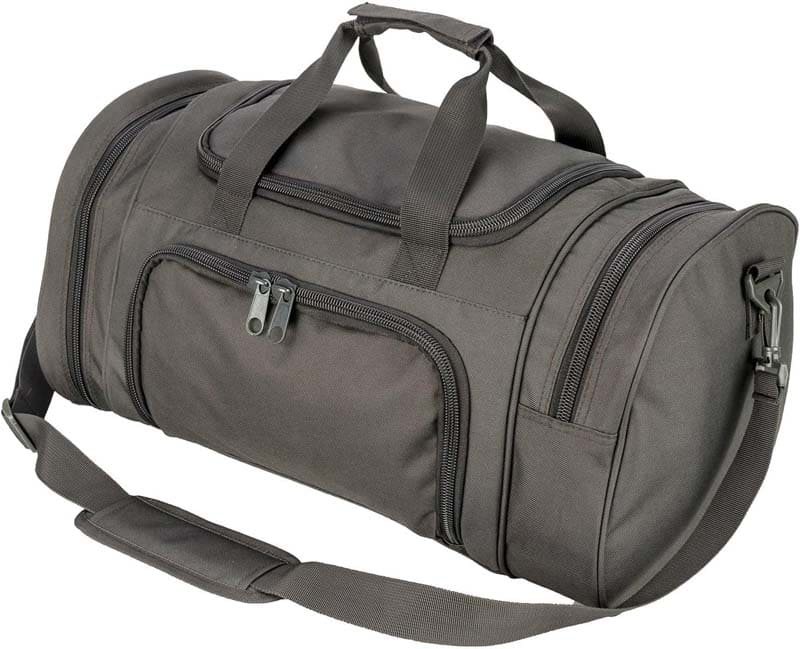
Duffels are what most people picture when they hear “gym bag.” Traditionally cylindrical with side handles and a zippered top, duffels offer generous capacity for clothes, shoes, towels, and gear.
- Pros: Spacious, versatile for gym and travel, usually affordable, easy to pack.
- Cons: Can be bulky to carry, less ergonomic than backpacks.
- Best For: Athletes with lots of equipment, people who use the bag for both gym and weekend trips.
2. What Is the Difference Between a Gym Bag and a Duffel Bag?
While many people use the terms interchangeably, there’s a subtle distinction:
- A duffel bag is defined by its shape—long, cylindrical, with handles and sometimes a shoulder strap.
- A gym bag is a broader category that includes duffels, backpacks, drawstrings, totes, or hybrids. In other words, all duffels can be gym bags, but not all gym bags are duffels. For brands, this matters when marketing to consumers who may expect different features under each name.
3. Gym Backpacks – The Modern Commuter’s Favorite
Backpacks are quickly becoming the go-to option for urban professionals and students. With dual shoulder straps, they distribute weight evenly and often include laptop sleeves alongside gym compartments.
- Pros: Ergonomic, hands-free, commuter-friendly, highly organized.
- Cons: Smaller internal capacity compared to large duffels, not ideal for bulky gear.
- Best For: Office workers who head to the gym before/after work, cyclists, and anyone needing multi-purpose daily use.
4. Drawstring Bags – The Lightweight Minimalist Choice
Drawstring bags are simple sacks with cords that double as shoulder straps. They’re ultra-light and easy to fold, making them popular as promotional items or casual carry.
- Pros: Lightweight, affordable, customizable (logos/branding), folds flat.
- Cons: Limited durability, minimal capacity, uncomfortable for heavy loads.
- Best For: Yoga sessions, quick workouts, giveaways at events, students with light gear.
5. Tote-Style Gym Bags – Fashion Meets Fitness
Tote gym bags combine aesthetics with function, resembling handbags but equipped with sporty fabrics and internal organizers. They appeal to women and fashion-conscious buyers who want a gym-to-street solution.
- Pros: Stylish, easy to access, versatile for daily use.
- Cons: Lower capacity, less comfortable when carrying heavy loads.
- Best For: Yoga enthusiasts, urban professionals, or buyers seeking a gym bag that doubles as a casual tote.
6. Hybrid and Convertible Gym Bags – The All-in-One Solution
Hybrids merge multiple designs—duffel-to-backpack conversions, wheeled duffels for travel, or modular systems with detachable pouches. They are increasingly popular with frequent travelers and multi-sport athletes.
- Pros: Highly versatile, perfect for gym + travel, innovative features like USB ports or wet/dry compartments.
- Cons: Heavier, more expensive due to added hardware.
- Best For: Sports teams, business travelers, or premium buyers who value adaptability.
What Are the Gym Bags Called in Different Styles?
Depending on region and brand positioning, gym bags might be labeled as sports bags, training bags, weekender duffels, athletic totes, or fitness backpacks. The terminology influences customer expectations: “sports bag” implies performance, while “weekender” suggests dual use for leisure and fitness. For OEM/ODM buyers, understanding these naming nuances helps market the right product to the right demographic.
How Do Materials and Features Affect Gym Bag Quality?
Gym bag quality depends on materials and features. Nylon and polyester are lightweight and durable, canvas offers a rugged look, while leather adds premium style. Waterproof and fireproof coatings protect gear, and compartments—like ventilated shoe pockets—improve organization. Zippers, straps, and stitching determine long-term durability. Choosing the right fabric and features ensures a gym bag matches both lifestyle and performance needs, whether for casual workouts or professional use.
1. Fabrics That Define Performance
- Nylon: Known for its lightweight strength and water resistance, nylon is a top choice for high-performance gym bags. It resists tearing and dries quickly, making it ideal for athletes who sweat or swim.
- Polyester: More affordable than nylon, polyester is strong, holds color well, and is widely used in mass-market gym bags. Many polyester bags today are made with recycled fibers, adding an eco-friendly edge.
- Canvas: A heavier cotton-based fabric that delivers rugged aesthetics. Canvas gym bags appeal to buyers who want a casual, vintage look. However, canvas is less water-resistant unless treated.
- Leather: Used in premium or luxury gym bags, leather adds sophistication and durability. It’s heavier and requires more care, but it appeals to buyers who want a bag that doubles as a fashion statement.
2. Do Waterproof or Fireproof Gym Bags Offer Real Benefits? Yes, they do—especially for athletes with demanding routines. Waterproof coatings protect electronics, clothing, and shoes from rain or spilled water bottles. This is essential for commuters or outdoor sports. Fireproof bags are more niche, often chosen by professionals carrying valuable gear or documents. While not essential for everyone, these features give certain buyers peace of mind and elevate brand perception in high-performance markets.
3. Compartments and Organization
- Separate Shoe Compartments: One of the most requested features, allowing shoes to be stored without contaminating clean clothes. Ventilation holes help manage odors.
- Wet/Dry Pockets: Lined with waterproof material to keep wet towels or swimsuits isolated.
- Accessory Pockets: Small zip compartments for keys, wallets, supplements, or hygiene items.
- Laptop Sleeves: Popular in gym backpacks designed for professionals who move between gym and office.
The more a bag can organize, the more value buyers see—especially in urban markets where multi-purpose bags are in demand.
4. Zippers, Straps, and Stitching – Small Details, Big Impact
- Zippers: A weak zipper can ruin an otherwise high-quality gym bag. Premium brands often use YKK or SBS zippers for smoothness and reliability.
- Straps: Adjustable, padded straps improve comfort, especially for duffels or backpacks carrying heavy gear.
- Stitching: Double-stitched seams and reinforced handles are indicators of durability. Cheap bags often cut costs here, leading to premature failure.
These seemingly small elements are decisive in determining whether a customer perceives a bag as cheap throwaway gear or a trusted daily companion.
Do Size and Capacity Matter for Different Workouts?
Yes. Gym bag size and capacity greatly affect usability. Small bags work for yoga or quick workouts, medium-sized bags suit daily training, and large duffels are best for CrossFit or travel. Commuters often prefer compact backpacks, while athletes may need oversized bags with compartments. The right capacity ensures you can carry clothes, shoes, and gear without overpacking or underpacking, aligning the bag’s function with your fitness routine and lifestyle.
1. How Big Should a Gym Bag Be for Daily Training?
For regular gym-goers, a medium-sized bag (20–30 liters) is usually enough. This size accommodates shoes, clothes, a water bottle, and personal items without being bulky. Many buyers prefer gym backpacks in this range because they balance storage and portability. Too small, and you’ll be cramming items in; too large, and it feels like overkill for a simple workout.
2. Which Size Fits Yoga, CrossFit, or Weightlifting Sessions?
- Yoga: A compact tote or drawstring bag works if you only carry clothes, a water bottle, and accessories. However, if you also bring a yoga mat, you may need a tote or hybrid duffel with mat straps.
- CrossFit: Demanding workouts often require lifting belts, wraps, and extra shoes. A 40–50 liter duffel with multiple compartments is more practical.
- Weightlifting: Athletes may carry chalk, straps, lifting shoes, and supplements, so larger duffels or structured gym backpacks with reinforced bases are ideal.
Each workout type changes the gear list—buyers often underestimate capacity until they try to fit everything in.
3. Are Large-Capacity Gym Bags Suitable for Short Trips Too?
Yes. A 50–60 liter duffel doubles as a weekend travel bag. Many hybrid gym-travel bags are designed with TSA-approved compartments and padded laptop sleeves, making them versatile. For people who frequently travel for competitions, tournaments, or business trips, investing in a larger gym bag saves the hassle of packing a separate suitcase.
4. Do Compact Gym Bags Work for Commuters?
Commuters often balance gym time with office work. For them, a 15–20 liter compact backpack is perfect. It fits shoes, lightweight clothing, and work essentials like a laptop or documents. Commuter-friendly gym bags often feature waterproof linings and laptop sleeves. Compact designs also fit under subway seats or in bicycle carriers, making them highly practical in urban settings.
Which Brands and Trends Shape the Gym Bag Market?
Gym bag leaders include Nike, Adidas, Under Armour, and Lululemon, with luxury houses like Gucci and Louis Vuitton entering premium segments. Independent and DTC brands focus on sustainability and customization. Trends include eco-friendly recycled fabrics, plant-based leathers, antibacterial linings, and convertible hybrid designs. The market is evolving from pure functionality to lifestyle fashion, giving OEM/ODM manufacturers opportunities to offer innovation, customization, and sustainable sourcing to brands worldwide.
1. Global Sportswear Giants – Dominating the Mainstream
The largest share of the gym bag market still belongs to established sportswear companies:
- Nike: Sets the tone with iconic swoosh-branded duffels and backpacks. Their designs emphasize affordability and universal appeal.
- Adidas: Known for sleek, minimalist styles and collaborations with influencers. They combine fashion-forward design with athletic credibility.
- Under Armour: Focuses on durability and weather resistance, popular among athletes who value rugged performance.
- Puma & Reebok: Compete with entry-level price points, appealing to students and casual gym-goers.
These brands thrive because of distribution power (global retail stores, e-commerce platforms) and branding strength, making them the default choice for mass-market buyers.
2. Premium Lifestyle Brands – Bridging Fashion and Fitness
Beyond sports, lifestyle brands like Lululemon, Athleta, and Alo Yoga target urban professionals and yoga enthusiasts. Their gym bags are as much about style and identity as function.
- Lululemon: Their totes and backpacks blend minimalist aesthetics with compartments for yoga mats and laptops.
- Alo Yoga: Leans heavily on influencer marketing, targeting fashion-driven buyers.
- Athleta (Gap Inc.): Balances affordability with eco-conscious messaging.
These brands highlight a shift where the gym bag is not just gear, but a lifestyle accessory.
3. Luxury and Designer Labels – Making Gym Bags Status Symbols
High-end fashion houses are redefining gym bags as luxury statements:
- Gucci: Offers monogrammed duffels with premium leather trim, priced at over $1,500.
- Louis Vuitton: Markets hybrid travel-gym bags under their “Keepall” series.
- Prada & Dior: Experiment with nylon and leather blends that cater to both luxury and sport.
While their market share is small, these brands influence trends by normalizing gym bags as fashion items. Their success trickles down, inspiring mid-tier brands to offer more stylish, premium-feel products.
4. Independent, DTC, and E-Commerce Brands
Smaller players and direct-to-consumer brands have carved niches by focusing on sustainability, customization, and value pricing.
- Monos & Away: Known for minimalist hybrid bags that double as travel companions.
- Gymshark: Expands its activewear brand identity with simple, logo-heavy duffels.
- Amazon private labels: Offer budget gym bags with fast delivery, serving price-sensitive buyers.
For these brands, differentiation comes from eco materials (recycled polyester, vegan leather) and customization options (colorways, logo printing).
5. Key Trends Shaping the Market
Sustainability:
- Over 60% of millennial consumers now consider sustainability when buying sports accessories.
- Recycled polyester, nylon from ocean plastics, and plant-based materials are becoming standard.
- “Green credentials” (GRS, OEKO-TEX, REACH certifications) are powerful selling points.
Hybrid Functionality:
- Convertible bags (duffel ↔ backpack) appeal to frequent travelers.
- Large-capacity gym-travel hybrids serve as weekenders, replacing traditional luggage.
Smart Features:
- USB charging ports for commuters.
- Antibacterial linings to combat odor and germs.
- RFID-blocking pockets for travel security.
Design Evolution:
- Minimalist aesthetics (neutral colors, sleek silhouettes) dominate urban markets.
- Gender-neutral designs appeal to diverse audiences.
- Fashion-forward collaborations (e.g., Adidas x Stella McCartney).
How Do You Choose the Right Gym Bag for Your Routine?
Choosing the right gym bag depends on your workout type, storage needs, style preferences, and budget. Consider whether you need compartments for shoes or laptops, waterproof protection, or a compact design for commuting. Balancing price and quality is essential—affordable polyester works for casual use, while nylon or premium materials fit daily athletes. For brands, OEM/ODM customization allows tailored bags with logos, finishes, and packaging that align with customer identity and market positioning.
What Factors Should Buyers Consider—Style, Function, or Brand?
The starting point is defining how the gym bag will be used:
- Workout style: Yoga enthusiasts may prefer totes, while CrossFit athletes need large duffels.
- Storage needs: Shoe compartments, wet/dry pockets, and accessory slots matter for daily use.
- Fashion vs. utility: Professionals often want a bag that doubles as a work or travel bag.
- Brand recognition: Some buyers prioritize logos (Nike, Adidas), while others value function over branding.
A clear checklist helps avoid mismatched purchases and ensures long-term satisfaction.
How Do You Balance Price vs. Quality?
- Budget options ($10–$30): Polyester drawstring bags or basic duffels. Great for giveaways or casual gym-goers.
- Mid-range ($40–$100): Nylon duffels and backpacks with multiple compartments, ideal for commuters and regular trainers.
- Premium ($150+): Leather or hybrid travel-gym bags, appealing to high-end markets.
Price is not only about material but also stitching, zippers, and brand story. Many mid-range buyers are willing to pay more for durability and multifunctionality, so balancing cost against lifespan is critical.
Frequently Asked Questions
1: What are gym bags called?
Gym bags are often also referred to as sports bags, duffels, workout bags, training bags, or athletic backpacks, depending on style and region.
2: What is the difference between a gym bag and a duffle bag?
A duffle is a specific style—cylindrical, large, with side handles. A gym bag is a broader category that may include duffels, backpacks, totes, or drawstring bags.
3: Which gym bag is best for daily workouts?
For most people, a medium-sized backpack or duffel (20–30L) with compartments for shoes and clothes is ideal for daily training.
4: Are waterproof gym bags necessary?
Yes, especially for commuters and outdoor athletes. Waterproof linings protect electronics and prevent wet clothes or towels from soaking through.
5: How big should a gym bag be for CrossFit or weightlifting?
CrossFit and weightlifting athletes often need larger bags (40–50L duffels) to fit shoes, belts, wraps, and gear.
6: Which fabrics are most durable for gym bags?
Nylon and polyester are the most popular. Nylon is lightweight yet strong, while polyester is cost-effective and colorfast. Canvas is rugged, and leather is premium but heavier.
7: Do gym bags with shoe compartments make a difference?
Yes. A separate ventilated shoe pocket prevents odor and dirt from mixing with clean clothes, making it one of the most requested features.
8: Are tote gym bags good for women?
Yes. Tote gym bags are stylish, practical, and can double as work or shopping bags. They appeal to women seeking fashion-forward fitness accessories.
9: Can gym bags be used for travel?
Definitely. Many 50–60L hybrid duffels work perfectly as weekend travel bags, combining gym features with TSA-approved compartments.
10: Does Szoneier offer custom gym bag designs?
Yes. Szoneier specializes in OEM/ODM services, offering custom materials, sizes, colors, logos, and packaging with low MOQs and international certifications.
Conclusion
The gym bag market is evolving rapidly, driven by fitness culture, urban commuting, and lifestyle demands. From classic duffels to convertible hybrids, today’s buyers expect bags that balance function, fashion, and sustainability. Size, material, and features all play critical roles in shaping user satisfaction, while trends such as eco-friendly fabrics and smart compartments are reshaping the industry standard.
For brands and retailers, success lies in aligning product offerings with customer expectations—whether that means affordable drawstring giveaways, premium leather gym totes, or recycled nylon commuter backpacks.
Ready to launch your next gym bag line? Contact Szoneier today for a custom consultation.
manufacturer Categories
- Custom Tote Bags Manufacturer
- custom backpacks Manufacturer
- custom travel bags& Duffle bags manufacturer
- custom makeup bags & toiletry bags manufacturer
- custom cooler bags manufacturer
- custom drawstring bags manufacturer
- custom makeup bags & toiletry bags manufacturer
- custom golf bags manufacturer
- custom fireproof bags manufacturer
- custom dry bags manufacturer
- custom ski bags manufacturer
- custom gym & sports bags manufacturer
- custom laptop bags manufacturer
- custom tactical bags manufacturer
- custom beach bags manufacturer
- custom medical bags manufacturer
- custom camera bags manufacturer
- custom wetsuits manufacturer
- custom leather goods manufacturer
- more personalized products

Can't find the answers?
No worries, please contact us and we will answer all the questions you have during the whole process of bag customization.
Make A Sample First?
If you have your own artwork, logo design files, or just an idea,please provide details about your project requirements, including preferred fabric, color, and customization options,we’re excited to assist you in bringing your bespoke bag designs to life through our sample production process.
