Skip to content
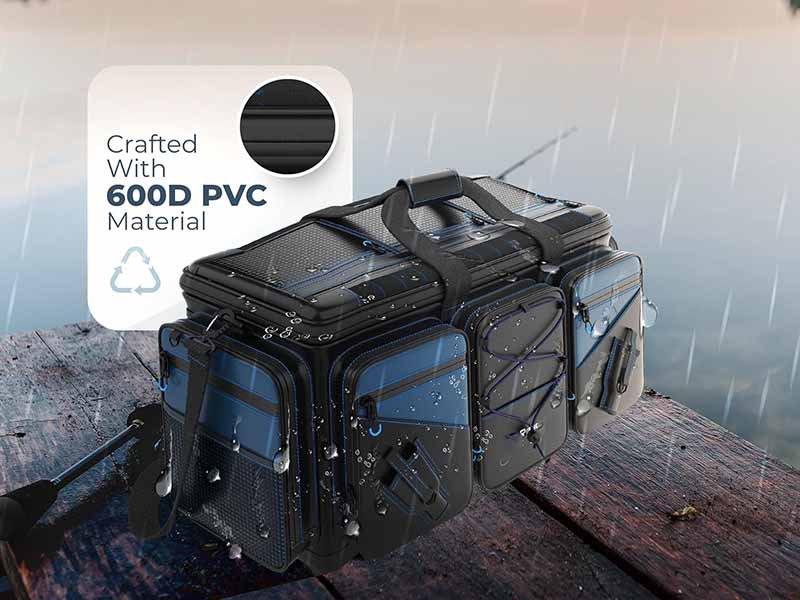
Fishing bags are designed to keep your gear dry and protected, even in the harshest conditions. Whether you’re fishing in rainy weather or wading through water, waterproofing plays a critical role in ensuring the bag’s performance. Without proper waterproof testing, manufacturers cannot guarantee the reliability or quality of their products.
In this article, we’ll walk you through the waterproof testing methods used for fishing bags, the standards that define their pass/fail criteria, and how you, as a customer, can ensure that your fishing bag meets the highest waterproof standards. These testing methods ensure that your fishing gear remains reliable, no matter what challenges you face on the water.
Waterproof testing for fishing bags involves several key tests: water penetration, material testing, and resistance evaluations. Pass/fail standards are based on how well the bags perform under wet conditions, such as splashes, rain, or full submersion. These standards help manufacturers and customers verify the waterproof quality of the products.
As an industry leader, Szoneier applies rigorous waterproof testing to its custom fishing bags, ensuring that each product meets international standards and performs optimally in wet environments. Let’s explore the steps involved in the waterproof testing process.
What Is Waterproof Testing for Fishing Bags?
Waterproof testing for fishing bags is the process of verifying that a bag can withstand exposure to water without leaking, keeping contents dry. It includes multiple evaluation methods to simulate real-world conditions, ensuring that the bag’s materials, seams, zippers, and overall structure hold up in wet environments.
Why Is Waterproof Testing Important?
Waterproof testing ensures that fishing bags provide protection against water, which is a constant exposure for anglers. Inadequate waterproofing can lead to soaked gear, ruining fishing trips and potentially damaging valuable equipment like electronics or bait. Without thorough waterproof testing, there is no guarantee that a bag will perform as expected in heavy rain, splashes, or when submerged.
- Customer-Centric Insight: Waterproofing is a primary concern for customers seeking fishing bags. If a bag fails waterproof tests, the customer might be exposed to unnecessary risks, such as water-damaged equipment.
| Key Factors | Impact |
|---|---|
| Inconsistent Waterproofing | Allows water penetration, potentially damaging contents. |
| Poor Seam Sealing | Common weak points for water ingress. |
| Inadequate Material Coating | Reduces the bag’s ability to resist moisture. |
Which Parts of a Fishing Bag Need Waterproof Performance?
The performance of a fishing bag is determined by several components that must be waterproof to protect gear. The most critical areas include:
- Main Compartments: The primary area where valuable gear is stored, which must be completely water-resistant.
- Zippers: Zippers are common entry points for water and must be sealed tightly with water-resistant materials.
- Seams: Seams, often found at the edges of pockets and compartments, are vulnerable points that need proper sealing to prevent leaks.
- External Pockets: These areas need to be tested separately, especially if they are exposed to splashes or heavy rainfall.
Ensuring that these parts are properly waterproofed can make a significant difference in the overall performance of the fishing bag.
How Are Waterproof Tests Conducted?
Waterproof tests for fishing bags ensure that the bags can endure the challenging conditions they’re meant to face during use. Testing helps determine whether the materials, seams, zippers, and other components can withstand exposure to water without compromising the integrity of the bag. Here’s a breakdown of how these tests are conducted.
What Are the Most Common Testing Methods?
There are several commonly used waterproof testing methods that simulate real-world conditions, ensuring that a fishing bag can protect your equipment in wet environments:
- Water Penetration Test: In this test, fishing bags are subjected to controlled water exposure, either through spray or immersion. The goal is to evaluate whether water seeps into the bag’s interior. Bags are sprayed for a specified time, often under high pressure, and any signs of water penetration are marked as failure.
- IP Rating Test: The Ingress Protection (IP) rating system is a widely accepted method for evaluating waterproofing. This test places the bag in conditions where water can be sprayed at it from different angles or submerged for a set amount of time. An IPX7 rating, for example, means the bag can be submerged underwater up to 1 meter for 30 minutes without water entering.
- Pressure Testing: In this test, bags are exposed to increasing water pressure to evaluate their ability to withstand depths that anglers may encounter during their activities. It simulates the effects of deep-water pressure, ensuring that the bag won’t collapse or let water seep through under such conditions.
| Test Method | Description | Standards for Passing |
|---|---|---|
| Water Penetration Test | The bag is exposed to spray or full submersion. | No water ingress for 30 minutes. |
| IP Rating Test | Bag is tested for water resistance under pressure. | IPX7 rating or higher for submersion. |
| Pressure Testing | The bag is subjected to underwater pressure. | No leakage at 1-meter depth for 30 minutes. |
These tests simulate different weather conditions and water exposures, ensuring that the bag performs as expected during outdoor activities.
How Are Materials Evaluated Before Assembly?
Before a fishing bag enters production, the materials used to construct it are thoroughly tested for waterproofing capabilities. This ensures that only the most durable and effective fabrics are chosen for use. Key evaluations include:
- Fabric Coating: Most fishing bags are made with coated fabrics (nylon, polyester, etc.) that are treated with waterproof coatings to prevent water from penetrating the material. The coating is tested for durability, wear resistance, and overall effectiveness in repelling water.
- Waterproof Zippers and Closures: Zippers, often one of the weakest points in waterproof bags, must be thoroughly tested. Special attention is given to waterproof zippers, ensuring they stay sealed and prevent leakage.
- Seam Sealing: Seams are commonly the areas where water can penetrate if not properly sealed. Seam taping or welding techniques are applied to ensure that seams are sealed tightly and won’t allow water to seep through.
| Material Type | Test Method | Pass/Fail Criteria |
|---|---|---|
| Fabric Coating | Water resistance testing on coated fabrics. | No water penetration after exposure. |
| Waterproof Zippers | Zipper sealing tests under high-pressure conditions. | Must remain sealed during water exposure. |
| Seam Sealing | Test for waterproofness of seams using a water test. | No leakage at seam areas. |
Evaluating these materials helps manufacturers select the best fabric and sealing methods to produce fishing bags that perform well in wet conditions.
What Are International Waterproof Standards?
For fishing bags to be considered reliable and waterproof, they must meet international standards. These standards provide clear guidelines that ensure the product can handle exposure to water without compromising quality or performance.
Which Industry Benchmarks Are Used (e.g., IP Ratings)?
The IP (Ingress Protection) rating system is the most commonly used benchmark for waterproof testing. This rating classifies how resistant the product is to both solids (like dust) and liquids (like water). Here’s a breakdown of the key IP ratings used to measure waterproofing:
- IPX4: The product can withstand water splashes from any direction.
- IPX5: The product can withstand a jet of water from any direction.
- IPX7: The product can be submerged in water up to 1 meter for 30 minutes without water entering.
- IPX8: The product can withstand continuous submersion in water beyond 1 meter depth.
Fishing bags generally need to achieve an IPX7 or higher rating to be considered fully waterproof, especially when used in situations where the bag may be submerged or exposed to heavy rain.
| Rating | Description | Ideal Application |
|---|---|---|
| IPX4 | Splash resistant | Light rain or splashes. |
| IPX5 | Jet stream resistant | Strong rain or water splashes. |
| IPX7 | Submersion resistant (up to 1m for 30 minutes) | Submerged conditions, like fishing in a boat or wading. |
| IPX8 | Submersion resistant (beyond 1m) | Deep water conditions, like diving. |
These standards are essential for guaranteeing the bag’s waterproof performance, especially for fishing bags that are frequently exposed to water.
How Do Fishing Bags Compare to Other Outdoor Gear?
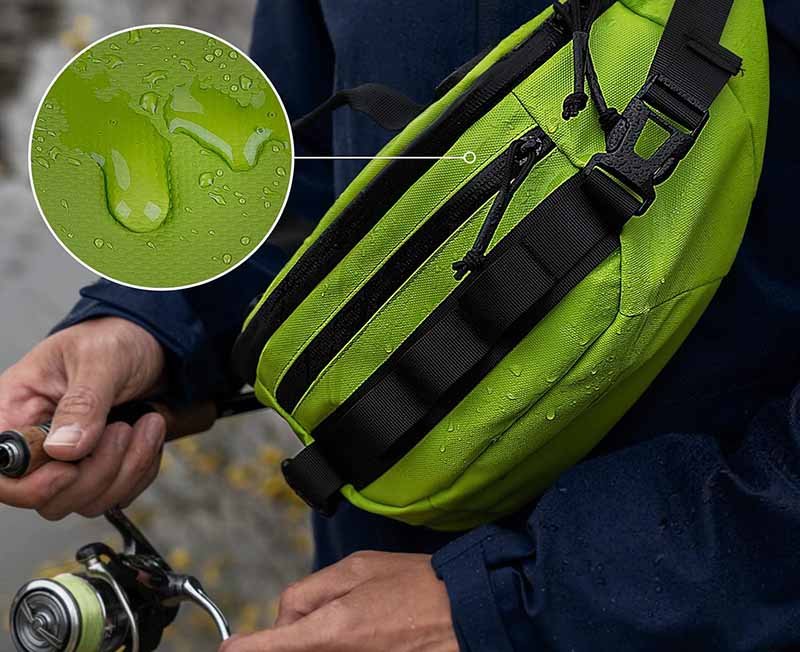
Fishing bags face more demanding waterproof requirements than other types of outdoor gear, such as hiking backpacks or camping bags. While hiking bags may only need resistance to light rain or occasional water exposure, fishing bags must endure prolonged exposure to water, either from splashes, rain, or submersion.
Fishing bags generally require a higher IP rating than other outdoor bags. For example, a typical hiking backpack may only need IPX4, while a fishing bag, especially those designed for deep-water use, needs a much higher IPX7 or even IPX8 to provide full waterproof protection.
How Are Pass/Fail Criteria Defined?
Pass/fail criteria are set based on the intended use of the fishing bag. These criteria determine whether a bag meets waterproof standards and how well it will perform under various environmental conditions.
What Levels of Waterproofing Are Acceptable?
Different fishing bags may have different levels of waterproofing, depending on their intended use:
- Basic Waterproofing (IPX4): Ideal for light rain and splashes. This is typically sufficient for bags used in light fishing conditions or casual outdoor activities.
- Advanced Waterproofing (IPX7): For bags that will be submerged or exposed to heavy rain for extended periods, such as those used for deep-sea fishing or wading.
- Maximum Waterproofing (IPX8): For bags that need to withstand continuous submersion, like those used in very deep or prolonged water exposure, such as during underwater fishing.
Which Tests Determine Failure?
Failure occurs when the fishing bag fails to meet the necessary waterproof standards. Tests that determine failure include:
- Water Leakage: Any water that penetrates the bag’s interior during the water penetration test indicates failure.
- Zipper or Seam Failure: Water leaking through zippers or seams is a clear sign of failure. Even small leaks can cause damage to the contents of the bag.
- Material Failure: If the fabric starts to degrade or lose its waterproof coating under pressure or during immersion, the product is considered to have failed.
Manufacturers that fail to meet these criteria will typically rework or redesign their products to address weaknesses before retesting.
How Are Test Results Reported & Used?
Once a fishing bag undergoes waterproof testing, the results are meticulously recorded and analyzed. These results provide valuable insights into the bag’s performance, allowing manufacturers to make necessary adjustments before final production or shipping. Understanding these results also helps customers assess whether a bag meets their specific requirements.
What Documentation and Certification Are Provided?
When waterproof testing is completed, manufacturers typically provide detailed documentation, including the test methods, results, and certification levels. This documentation is vital for transparency and can be used by customers to verify the quality and reliability of the product. Some of the most common certifications and documentation include:
- Test Reports: These reports detail the specific tests the fishing bag has passed or failed, along with data such as the type of test (e.g., IP rating, water penetration), the conditions applied (e.g., pressure, submersion depth), and the final results (e.g., no leakage, minimal water penetration).
- ISO/IEC Certifications: For internationally recognized standards, such as ISO 811 or IEC 60529, customers can receive certification verifying that the product meets global waterproofing benchmarks.
- IP Rating Certificates: If the fishing bag undergoes IP rating testing, a certificate detailing the bag’s waterproof rating (e.g., IPX7) will be provided to confirm its performance under various conditions.
| Document Type | Description | Purpose |
|---|---|---|
| Test Report | Detailed analysis of waterproof test results. | Verifies product performance and waterproof capabilities. |
| ISO/IEC Certification | Verifies compliance with international waterproof standards. | Ensures global market acceptance and compliance. |
| IP Rating Certificate | Provides official IP rating of the bag. | Confirms the bag’s resistance to water ingress. |
These certifications and reports help customers make informed decisions about their purchase, giving them confidence that the product is designed to meet their specific waterproofing needs.
How Do Results Influence Product Design Improvement?
Test results provide invaluable feedback to manufacturers, allowing them to improve both design and material choice for future product iterations. For example:
- Reinforcing Weak Points: If a bag fails a specific test, such as the seam sealing test, it may prompt manufacturers to improve seam construction methods or use stronger adhesive bonding.
- Material Enhancements: If the test reveals issues with material waterproofing, such as degradation or water penetration, manufacturers may switch to more durable, waterproof fabrics or apply additional waterproof coatings to the fabric.
- Design Adjustments: Based on feedback from waterproof testing, manufacturers can adjust the design to address any structural weaknesses. For example, repositioning seams or reinforcing zipper areas can improve the bag’s overall waterproof performance.
Continuous testing and improvement ensure that fishing bags evolve to meet the increasing demands of outdoor enthusiasts.
How Can Buyers Ensure Waterproof Quality in Custom Orders?
When placing custom orders for fishing bags, buyers should take proactive steps to ensure the bags meet their waterproofing needs. By asking the right questions and requesting specific documentation, buyers can ensure that the products will perform as expected.
What Questions Should Buyers Ask Manufacturers?
When working with manufacturers like Szoneier, there are several questions buyers should ask to ensure their fishing bags meet waterproof standards:
- What waterproof rating does the bag have? Asking for the IP rating or other waterproof certifications will clarify how the product performs in wet conditions.
- Can you provide test reports and certifications? Requesting official documentation for waterproof tests helps verify the bag’s performance.
- What materials are used, and how are they treated for waterproofing? Knowing the fabric and coating used ensures that the product is made with the highest-quality waterproof materials.
- How are seams and zippers sealed to prevent leakage? Understanding the construction of seams and zippers will help ensure that water won’t penetrate through these vulnerable points.
These questions will help clarify whether the bag meets the specific waterproofing needs of the buyer and ensure that the product is up to standard.
How to Interpret Test Reports and Specifications?
When reviewing test reports and specifications, it’s important to understand how the bag was tested and whether the results align with your needs:
- Look for Test Method Details: Ensure that the testing methods align with the conditions the bag will face in actual use. For instance, IPX7-rated bags are tested for submersion, so they should perform well in both light rain and deeper water.
- Pay Attention to Water Resistance Levels: Check if the bag’s water resistance is suitable for your use case. An IPX7 rating is ideal for fishing bags, as it ensures the bag will withstand brief submersion without allowing water inside.
- Understand Pass/Fail Criteria: Review the criteria for passing the tests and compare them with your waterproof requirements. For example, if you’re looking for a bag that can handle deep-sea fishing, an IPX8 rating may be necessary.
Test reports should provide clear, quantifiable data about the bag’s performance, helping you evaluate its waterproofing capabilities before placing an order.
How Can Custom Waterproof Fishing Bags Be Tailored for Your Brand?
Custom waterproof fishing bags can be designed and manufactured to meet the unique needs of your brand. Whether you’re looking for private-label solutions or custom-branded bags, manufacturers like Szoneier can help bring your vision to life.
What Customization Options Are Available?
Szoneier offers a wide range of customization options for waterproof fishing bags, including:
- Custom Logo Printing: Add your brand logo to fishing bags using screen printing, heat transfer, or embroidery.
- Personalized Colors and Design: Choose from a variety of colors and materials to match your brand’s aesthetic.
- Custom Compartments and Features: Design the internal compartments, zippers, and straps to fit the specific needs of your customers. Whether you want additional waterproof pockets or reinforced areas, customization can improve the functionality and appeal of your products.
These options allow businesses to create products that resonate with their target audience while ensuring they meet the waterproofing standards necessary for fishing.
How to Place a Custom Order with Szoneier?
Placing a custom order for waterproof fishing bags is easy with Szoneier. Our team works closely with you to understand your needs, ensure your specifications are met, and provide rapid prototyping for quick product samples.
- Submit Your Design and Specifications: Send us your product concept, including material preferences, design specifications, and any custom features.
- Request Prototypes: We will produce prototypes of the waterproof fishing bag to ensure that it meets your requirements.
- Finalize Production: Once you approve the prototype, we will begin full-scale production, ensuring that all waterproof tests are conducted for each batch.
- Delivery and Support: We offer on-time delivery and after-sales support to ensure you’re satisfied with your order.
Conclusion: Inquire for Custom Waterproof Fishing Bags Today
At Szoneier, we specialize in designing and manufacturing high-performance waterproof fishing bags tailored to meet your specific needs. Whether you’re looking for a custom logo, a specific waterproof rating, or unique features for your brand, our team is ready to deliver. Contact us now for a quote or to discuss your custom waterproof fishing bag needs.