 Skip to content
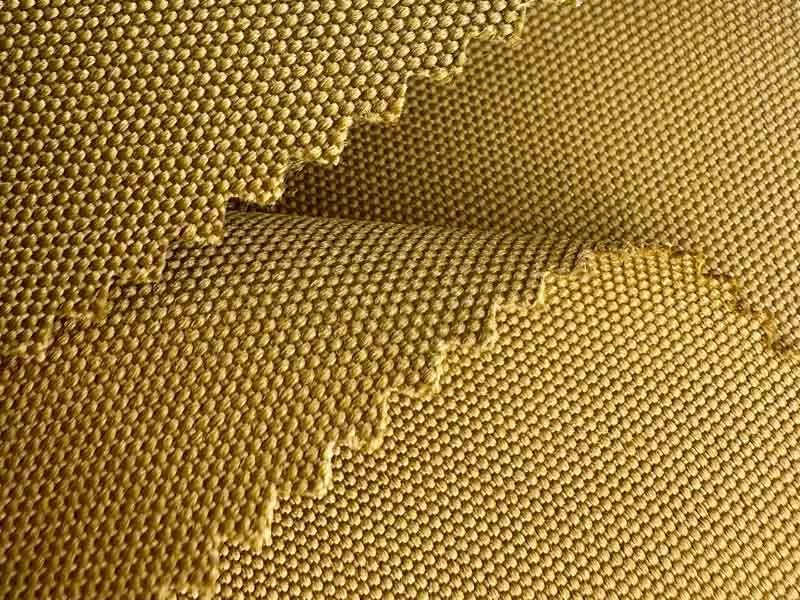
If you’ve ever owned a backpack, sports bag, or outdoor tent, chances are it was made from Oxford cloth—a versatile fabric known for its durability, affordability, and water resistance. But here’s the real question many buyers ask before choosing it for their bags or apparel lines: Is Oxford cloth breathable?
Oxford cloth offers moderate breathability depending on its denier rating (e.g., 210D, 420D, 600D) and whether it has PU/PVC coatings for waterproofing. Lighter versions like 210D Oxford are more breathable and comfortable for summer gear or sports bags, while heavier coated versions focus on durability and weather resistance, sacrificing some airflow.
The short answer is: Oxford fabric can be breathable—but the type, coating, and intended use make all the difference. Let’s break it down step by step.
What Is Oxford Cloth, and How Is It Made?
Oxford cloth is a versatile woven fabric widely used in bags, outdoor gear, shoes, and industrial textiles because it combines strength, affordability, and easy customization. While originally associated with apparel—especially classic button-down shirts—it has become a leading material for modern bag manufacturing due to its balance of durability, water resistance, and printability.
The Origin: Why It’s Called Oxford Cloth
The term “Oxford cloth” dates back to the 19th century when Scottish textile mills developed four new weave styles and named them after prestigious universities: Oxford, Cambridge, Harvard, and Yale. Among these, Oxford fabric stood out for its soft texture, strong weave, and elegant appearance, quickly becoming popular for shirts. Over time, textile engineers adapted the Oxford weave pattern for synthetic fibers like nylon and polyester, giving birth to the modern Oxford fabrics used in bags, tents, and industrial gear today.
Materials Used in Oxford Cloth
Modern Oxford cloth primarily uses synthetic fibers such as:
- Polyester (most common): Affordable, colorfast, and water-resistant.
- Nylon: Stronger, abrasion-resistant, ideal for heavy-duty gear.
- Cotton or blended yarns: Used in apparel-focused Oxford fabrics for breathability and comfort.
For bags and outdoor applications, polyester Oxford cloth dominates because it offers lightweight strength, customization options (printing, dyeing), and cost efficiency for mass production.
Weaving Process
Oxford cloth uses a basketweave pattern, where two or more yarns run parallel in both warp (vertical) and weft (horizontal) directions. This structure gives it:
- High tensile strength for durability.
- A slightly textured surface for aesthetics.
- Tear resistance compared to plain weaves.
Coatings & Finishes for Performance
Raw Oxford fabric often undergoes special finishing treatments to meet product requirements:
- PU (Polyurethane) Coating: Adds water resistance while keeping moderate flexibility.
- PVC (Polyvinyl Chloride) Coating: Provides near-waterproofing but reduces breathability and softness.
- Fire-retardant or UV-resistant finishes: Used in outdoor tents, industrial covers, and protective gear.
Is Oxford Cloth Naturally Breathable or Not?
Uncoated Oxford cloth offers moderate breathability because of its basketweave structure and relatively loose yarn spacing. However, most Oxford fabrics used in bags, tents, and outdoor gear come with PU or PVC waterproof coatings, which significantly reduce airflow to improve water resistance and durability. For applications like summer backpacks or sports bags, lighter Oxford fabrics (e.g., 210D, PU-coated) strike the best balance between ventilation and weather protection.
1. The Role of the Basketweave Structure
Oxford cloth uses a basketweave pattern, where multiple yarns run parallel in warp and weft directions. This structure:
- Creates tiny air pockets within the fabric.
- Allows some air circulation in uncoated fabrics.
- Offers moderate moisture vapor permeability compared to tightly woven materials like canvas.
2. Impact of Fiber Type
- Polyester Oxford: Lightweight, dries quickly, but synthetic fibers don’t absorb moisture as natural fibers do, so ventilation is lower than cotton fabrics.
- Nylon Oxford: Stronger and smoother; tends to be slightly less breathable because of tighter yarn construction.
- Cotton Oxford: Naturally breathable but less common in bags and tents due to low water resistance and higher weight.
3. Coatings & Finishes: Where Breathability Drops
Most Oxford fabrics for bags, tents, and outdoor gear receive coatings to enhance water resistance, UV protection, or fire retardancy.
| Coating Type | Breathability Impact | Water Resistance Level | Common Use Cases |
|---|---|---|---|
| Uncoated Oxford | High (best airflow) | Low | Indoor bags, linings, apparel |
| PU-Coated Oxford | Moderate (some airflow) | Medium–High | Backpacks, sports bags, covers |
| PVC-Coated Oxford | Low (minimal airflow) | High–Very High | Tents, industrial tarps, dry bags |
- PU coatings offer a good balance between weather protection and breathability.
- PVC coatings create near-waterproof barriers but block almost all airflow—ideal for wet conditions but not for ventilation needs.
4. Fabric Weight & Denier Rating
Breathability decreases as denier rating increases:
- 210D Oxford: Light, thin, better airflow, common for summer gear.
- 420D Oxford: Medium-weight, moderate breathability.
- 600D Oxford: Heavy-duty, minimal airflow, used in rugged outdoor equipment.
5. Seasonal & Product Considerations
- For summer backpacks or gym bags, use 210D PU-coated Oxford for comfort and ventilation.
- For tents, travel bags, or industrial covers, choose 420D–600D PVC-coated Oxford for weatherproofing over breathability.
Which Oxford Cloth Types Offer the Best Balance of Strength and Comfort?
Lower-denier Oxford fabrics like 210D or 300D offer lightweight comfort and better breathability for summer bags or apparel, while 420D and 600D Oxford provide superior strength, water resistance, and durability for backpacks, travel gear, and outdoor equipment. The best balance depends on the end-use: lighter fabrics for everyday comfort and heavier fabrics for rugged performance.
1. Understanding Denier Ratings
“Denier (D)” measures fiber thickness in fabrics:
- Lower denier (e.g., 210D): Lighter, thinner, more flexible, better airflow.
- Higher denier (e.g., 600D): Thicker, heavier, stronger, less breathable.
The right denier choice balances user comfort (weight, flexibility) and product durability (tear resistance, water resistance).
2. Comparing Common Oxford Cloth Types
| Oxford Type | Strength & Durability | Breathability | Water Resistance | Weight | Typical Applications |
|---|---|---|---|---|---|
| 210D Oxford | Moderate | High | Low–Medium | Very Lightweight | Summer bags, inner linings, promotional bags |
| 300D Oxford | Moderate–High | Medium–High | Medium | Lightweight | Sports bags, casual backpacks |
| 420D Oxford | High | Medium | Medium–High | Medium | Travel backpacks, outdoor gear |
| 600D Oxford | Very High | Low–Medium | High | Heavy | Heavy-duty backpacks, tents, industrial covers |
3. Strength–Comfort Trade-offs
- 210D/300D: Ideal for everyday carry bags, promotional items, and lightweight backpacks where comfort and cost matter more than ruggedness.
- 420D: A midpoint option for brands wanting balanced strength and moderate weight—great for sports and travel bags.
- 600D: Best for professional outdoor gear, tactical bags, and work equipment requiring maximum durability but less focus on breathability.
4. Effect of Coatings on Comfort & Strength
- PU Coating: Adds water resistance without making the fabric too stiff.
- PVC Coating: Stronger waterproofing but reduces flexibility and breathability—used in tents, industrial tarps, dry bags.
What is the most breathable type of fabric?
For maximum breathability, natural fibers like cotton canvas or mesh fabrics outperform Oxford cloth but lack its water resistance and durability.
How to Improve Breathability When Using Oxford Cloth
To improve Oxford cloth breathability, use lower-denier fabrics (e.g., 210D–300D), PU coatings instead of PVC, and design features like mesh panels, ventilation eyelets, or blended linings. These modifications maintain durability while allowing better airflow and moisture control, making the fabric more comfortable for sports bags, summer backpacks, and casual gear without sacrificing weather resistance entirely.
1. Choose the Right Denier Rating
- Lower-denier Oxford fabrics (210D–300D) are naturally lighter and allow better airflow.
- Mid-denier options (420D) balance strength and breathability, suitable for travel backpacks and sports bags.
- High-denier Oxford (600D and above) sacrifices airflow for maximum ruggedness—best for tents, tarps, or heavy-duty gear where breathability isn’t a priority.
2. Use PU Coatings Instead of PVC
- PU (Polyurethane) coatings add moderate water resistance while allowing limited airflow.
- PVC coatings create near-waterproof barriers but block nearly all ventilation, making them unsuitable for products where breathability is critical.
Recommendation: Use PU-coated Oxford for sports bags or summer backpacks where comfort and ventilation matter.
3. Add Ventilation Features in Bag Design
- Mesh panels or pockets: Improve air circulation and reduce odor in sports bags.
- Ventilation eyelets or grommets: Simple, low-cost features to release heat and moisture.
- Combination fabrics: Use Oxford cloth for main panels and breathable fabrics like mesh or cotton canvas for secondary sections.
4. Choose Lining Materials Wisely
- Pair Oxford cloth with cotton or polyester linings to help wick away moisture and improve overall comfort for users in hot climates.
- Avoid plastic-based inner linings that trap heat and reduce airflow.
Do Breathability Needs Change by Product Application?
Yes. Sports bags, summer backpacks, and apparel need lighter, more breathable Oxford fabrics (e.g., 210D or 300D) for comfort and airflow, while tents, travel bags, and industrial covers require heavier, coated Oxford fabrics (e.g., 420D or 600D) that prioritize waterproofing, abrasion resistance, and durability over ventilation. The right fabric depends on end-use conditions, climate, and product performance goals.
1. Sports Bags & Gym Backpacks
- Fabric Recommendation: 210D–300D PU-coated Oxford
- Reason: Gym bags often carry sweaty clothes, shoes, and gear where airflow helps prevent odors and moisture buildup.
- Design Tip: Adding mesh panels or ventilation eyelets boosts breathability while retaining lightweight strength.
2. Summer Travel Backpacks
- Fabric Recommendation: 300D–420D Oxford, PU-coated
- Reason: Travelers need lightweight comfort with moderate rain protection. Higher breathability prevents heat retention when carrying backpacks in hot climates.
- Design Tip: Use PU coatings instead of PVC for a balance between airflow and water resistance.
3. Heavy-Duty Outdoor Gear
- Fabric Recommendation: 420D–600D PVC-coated Oxford
- Reason: Tents, tarps, and industrial covers prioritize weatherproofing, tear resistance, and UV protection over airflow.
- Trade-off: Heavier coatings block air circulation but provide maximum protection for long-term outdoor use.
4. Casual Everyday Bags
- Fabric Recommendation: 210D Oxford or blended fabrics
- Reason: Office bags, tote bags, and fashion backpacks require lighter fabrics for comfort and aesthetics rather than extreme durability.
5. Waterproof Dry Bags
- Fabric Recommendation: 420D–600D PVC-coated Oxford
- Reason: Used in boating, kayaking, or camping, dry bags need zero air permeability for total waterproofing.
- Result: Breathability is not desired because airflow means potential water leakage.
Breathability Needs by Product Application
| Product Type | Recommended Fabric | Breathability Level | Coating Type | Priority Factor |
|---|---|---|---|---|
| Sports/Gym Bags | 210D–300D Oxford | High | PU Coating | Ventilation + Lightweight |
| Summer Travel Backpacks | 300D–420D Oxford | Medium–High | PU Coating | Comfort + Rain Resistance |
| Heavy-Duty Outdoor Gear | 420D–600D Oxford | Low | PVC Coating | Durability + Waterproofing |
| Casual Everyday Bags | 210D Oxford | Medium–High | None/PU Coating | Lightweight + Aesthetics |
| Waterproof Dry Bags | 420D–600D Oxford | None | PVC Coating | Waterproofing |
Are There Alternatives to Oxford Cloth for Better Breathability?
Yes. Fabrics like cotton canvas, ripstop nylon, and polyester mesh offer better breathability than Oxford cloth but trade off factors like water resistance, weight, or durability. For instance, cotton canvas is highly breathable but absorbs water easily, while polyester mesh offers maximum airflow but minimal strength. The best alternative depends on whether ventilation, durability, or weather protection is the top priority for your application.
Cotton Canvas
- Breathability: Excellent, natural fiber structure allows air circulation.
- Durability: Moderate; strong but heavier than synthetic fabrics.
- Water Resistance: Low unless treated with wax or coatings.
- Typical Uses: Fashion tote bags, casual backpacks, summer gear.
- Pros: Comfortable, eco-friendly, easy to dye or print.
- Cons: Absorbs water, heavier, slower drying.
Ripstop Nylon
- Breathability: Moderate to high depending on denier rating and coatings.
- Durability: Very high; designed with reinforced yarns to resist tears.
- Water Resistance: Can be treated for excellent weatherproofing.
- Typical Uses: Tents, lightweight backpacks, rain covers.
- Pros: Lightweight, strong, packs easily, customizable coatings.
- Cons: Less breathable if fully waterproof-coated.
Polyester Mesh
- Breathability: Very high; open weave allows maximum airflow.
- Durability: Low to moderate; best as a secondary panel material rather than main fabric.
- Water Resistance: Minimal; not suitable for waterproofing.
- Typical Uses: Sports bags, ventilation panels, shoe linings.
- Pros: Ultra-lightweight, fast drying, inexpensive.
- Cons: Limited structure and strength.
Non-Woven Polypropylene (PP Fabric)
- Breathability: High; porous texture allows airflow.
- Durability: Low; designed for low-cost, lightweight applications.
- Water Resistance: Moderate; often used in disposable or promotional bags.
- Typical Uses: Shopping bags, promotional giveaways.
- Pros: Cheap, eco-friendly (recyclable), easy to mass-produce.
- Cons: Short lifespan, low strength.
Oxford vs Alternatives
| Fabric Type | Breathability | Durability | Water Resistance | Typical Applications |
|---|---|---|---|---|
| Oxford Cloth | Moderate | High | Medium–High | Backpacks, travel bags, tents |
| Cotton Canvas | High | Moderate | Low | Casual bags, fashion gear |
| Ripstop Nylon | Medium–High | Very High | Medium–High | Outdoor tents, rain gear |
| Polyester Mesh | Very High | Low–Moderate | Low | Sports bags, ventilation panels |
| Non-Woven Polypropylene | High | Low | Medium | Shopping bags, promo bag |
What are the disadvantages of Oxford fabric?
- Limited breathability in higher deniers
- Heavier weight than ultralight fabrics
- PVC coatings reduce flexibility
Conclusion
Oxford cloth remains a top choice for bags, outdoor gear, and industrial applications because it balances strength, cost, and weather resistance. For buyers seeking breathable yet durable materials, choosing lower-denier Oxford fabrics or blended designs solves ventilation challenges.
Contact us today to develop custom Oxford fabric bags designed for your brand’s needs—whether you need breathable sports backpacks or heavy-duty outdoor gear.
manufacturer Categories
- Custom Tote Bags Manufacturer
- custom backpacks Manufacturer
- custom travel bags& Duffle bags manufacturer
- custom makeup bags & toiletry bags manufacturer
- custom cooler bags manufacturer
- custom drawstring bags manufacturer
- custom makeup bags & toiletry bags manufacturer
- custom golf bags manufacturer
- custom fireproof bags manufacturer
- custom dry bags manufacturer
- custom ski bags manufacturer
- custom gym & sports bags manufacturer
- custom laptop bags manufacturer
- custom tactical bags manufacturer
- custom beach bags manufacturer
- custom medical bags manufacturer
- custom camera bags manufacturer
- custom wetsuits manufacturer
- custom leather goods manufacturer
- more personalized products
Can't find the answers?
No worries, please contact us and we will answer all the questions you have during the whole process of bag customization.
Make A Sample First?
If you have your own artwork, logo design files, or just an idea,please provide details about your project requirements, including preferred fabric, color, and customization options,we’re excited to assist you in bringing your bespoke bag designs to life through our sample production process.
