 Skip to content
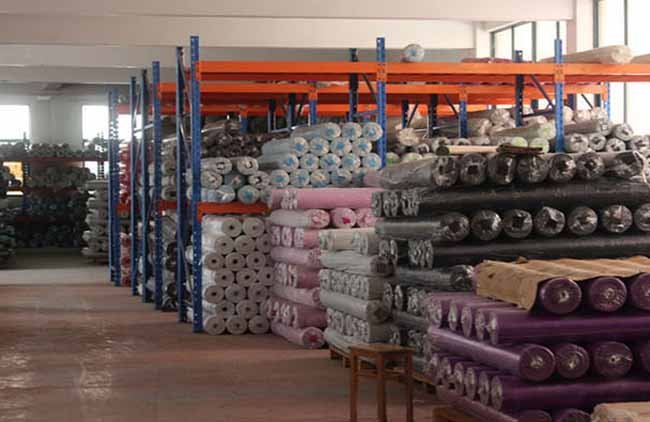
Choosing the right fabric is the foundation of a great bag—after all, it’s what stands between your essentials and the world. Imagine your tote caught in an unexpected rainstorm, or your commuter backpack fraying at the seams before its first anniversary. Picking a material that balances strength, weather resistance, aesthetics, and cost can make the difference between a one-season wonder and a lifelong companion.
The best fabric for bags blends high tensile strength (≥8 MPa), abrasion resistance (>20,000 Martindale cycles), water repellency, and ease of care. Top choices include Cordura® nylon (210–1050D) for rugged durability, waxed cotton canvas for classic weatherproof style, polyester blends for cost-efficiency and printability, and recycled materials (rPET, organic canvas) for eco-friendly lines. Selecting the right fabric also depends on liner needs, luxury finishes, and intended use.
At Szoneier, we’ve spent 18+ years fine-tuning fabric choices for everything from gym bags to high-end travel gear. In this guide, we’ll explore what factors to weigh, which fabrics excel in strength and weatherproofing, how sustainability fits into the picture, what gives the best look and feel, and whether blends ever outperform single materials. Stick around—by the end, you’ll know precisely which textile will elevate your next custom bag project.
What Factors Determine the Best Fabric for a Bag?
Choosing a bag fabric hinges on durability (tensile strength, abrasion resistance), weight, water and weather protection, cost, availability, and manufacturing ease (printability, coating compatibility). For liners, prioritize slip resistance, tear strength, and breathability. Balancing these criteria ensures your bag performs under real-world demands while aligning with budget and brand goals.
Selecting the ideal fabric for a bag is more than just picking your favorite color or texture—it’s a careful balancing act of technical performance, cost considerations, and aesthetic goals. Below, we break down the core factors that should drive your material decision:
1. Durability & Strength
- Tensile Strength: Measures how much pulling force a fabric can withstand before breaking. For load-bearing bags—backpacks, tool bags—you want materials rated at least 8–12 MPa, such as ballistic nylon (12–14 MPa) or Cordura® nylon.
- Abrasion Resistance: Quantified by Martindale or Taber cycles, this metric indicates how many rubs a fabric can endure before visible wear. Heavy-duty canvas achieves 10,000–15,000 cycles; ripstop nylons exceed 20,000–50,000, making them ideal for everyday use.
- Tear Strength & Puncture Resistance: Important when the bag may face sharp edges (tools, outdoor gear). PVC-coated fabrics and waxed canvas fare well in puncture tests, while smoother nylons may require reinforcement in high-stress zones.
2. Weight & Packability
- Denier & Gram per Square Meter (GSM): Denier indicates yarn thickness (e.g., 210D, 420D). Lighter fabrics (210D/40 GSM) pack small and weigh less, perfect for ultralight day packs. Heavier weaves (1050D/300 GSM) provide structure but add bulk—choose based on intended use.
- Hand & Drape: Soft, low-denier materials drape well and conform to payload shape. Stiffer canvases hold silhouettes and are preferable for tote or structured work bags.
3. Water Resistance & Weather Protection
- Fiber vs. Coating: Nylon and polyester fibers resist moisture best when coated (PU, TPU, or PVC). Waxed canvas uses natural wax impregnation for breathable water repellency.
- Hydrostatic Head Rating: Technical metrics (e.g., ≥1,500 mm) gauge a fabric’s waterproofness—crucial for dry bags and cooler bags.
- UV & Mildew Resistance: Outdoor bags benefit from UV stabilizers and mildew-inhibiting finishes, extending both lifespan and appearance.
4. Cost & Supply Chain
- Raw Material Price: Commodity polyester costs $1–$3/m, nylon $2–$6/m, specialty Cordura® $6–$12/m. Organic or recycled variants carry a 15–30% premium.
- MOQ & Lead Time: Standard fabrics (canvas, polyester) require low MOQs and ship in 2–4 weeks. Custom prints or technical weaves may need higher MOQs (100–500 m) and 6–8 week lead times.
5. Manufacturing Ease & Customization
- Printability & Dyeability: Polyester accepts sublimation and digital prints flawlessly; nylon requires carrier chemistry for deep dyeing. Canvas takes screen printing well.
- Coating & Lamination: Consider fabric compatibility with water-based PU, PVC, or TPU lamination—ensuring adhesion without cracking.
- Seaming & Stitching: Fabric thickness and fray properties affect seam strength; woven fabrics often require edge-binding or overlocking.
6. Liner Requirements
- Slip Resistance: Liners should grip contents; textured polyester or nylon linings excel.
- Tear Strength: Heavy usage demands high-GSM linings (>80 GSM) to prevent seam failure.
- Breathability: Moisture-wicking linings reduce condensation in cooler bags or gym bags.
Which Fabrics Offer Superior Durability and Strength?
For peak durability, Cordura® nylon (210–1050D) and ballistic nylon (1050D–1680D) lead with tensile strengths of 10–16 MPa and abrasion ratings over 50,000 Martindale cycles. Heavy-duty canvas (12–18 oz) delivers 6–9 MPa and 10,000–15,000 cycles at a lower cost, while high-tenacity polyester (300–600D ripstop) offers UV stability, chemical resistance, and 15,000–25,000 cycles. These materials form the backbone of backpacks, tool bags, and luggage built to last.
When durability and strength are non-negotiable—like in outdoor gear, tool bags, and heavy-use luggage—textile choice makes all the difference. Below, we analyze the top contenders in performance, trade-offs, and ideal applications.
1. Cordura® Nylon
- Specifications: Denier options from 210D (lightweight) through 1050D and up to 1680D (ultra-heavy).
- Abrasion Resistance: Martindale ratings of 20,000–50,000+ cycles, depending on denier and weave. This exceptional wear tolerance ensures panels stay intact under constant friction (e.g., base of backpacks, seat covers).
- Tensile Strength: 10–14 MPa, allowing it to support significant loads without tearing.
- Stretch & Recovery: Moderate elongation (20–30%) with >85% shape recovery, balancing flexibility and form retention.
- Use Cases:
- Daypacks & Travel Luggage: Light deniers (210–420D) for packability, mid-deniers (500–840D) for everyday carry, and heavyweight 1050D+ for expedition gear.
- Tool Bags & Utility Pouches: High-tenacity variants resist sharp edges and heavy tools.
- Considerations: Premium pricing ($6–$12/m) and requires UV-stable PU topcoats to minimize sun-induced degradation.
2. Ballistic Nylon
- History & Construction: Developed by DuPont for WWII aircraft panels, typically 1050D plain weave with tightly woven filaments.
- Abrasion Resistance: Outperforms most synthetics with ≥50,000 Martindale cycles, thanks to its dense structure.
- Tensile Strength: 12–16 MPa, superior tear resistance compared to standard nylon.
- Rigidity: Heavier hand and low stretch (<15%) give structured bags and wallets a rigid, form-holding profile.
- Use Cases:
- Luggage Corners & Bottoms: Withstands dragging and rough handling.
- Protective Cases: Electronics and camera bags benefit from its puncture resistance.
- Considerations: Bulk and weight make it less suited for ultralight applications; higher cost ($6–$14/m) and limited printability.
3. Heavy-Duty Canvas
- Construction: Natural or blended cotton in 10–18 oz weights, using plain or duck weaves.
- Abrasion Resistance: 10,000–15,000 cycles—less than nylon but still robust for casual to moderate use.
- Tensile Strength: 6–9 MPa; woven fiber structure tolerates everyday wear.
- Environmental Performance:
- Waxing: Infusing with paraffin or beeswax boosts water repellency (hydrostatic head ~800 mm) and abrasion life by up to 25%.
- Breathability: Maintains airflow, reducing internal moisture buildup.
- Use Cases:
- Totes & Market Bags: Casual strength and eco-friendly appeal.
- Outdoor Gear: Waxed canvas jackets, hats, and rucksacks offer classic style with function.
- Considerations: Requires seasonal re-waxing and spot-only cleaning to maintain water resistance; biodegradable underlying fabric.
4. High-Tenacity Polyester
- Specifications: Denier ranges from 300D ripstop to 600D dobby weaves.
- Abrasion Resistance: 15,000–25,000 Martindale cycles; excels in resisting UV-induced weakening.
- Tensile Strength: 8–10 MPa; slightly below nylon but sufficient for moderate loads.
- Chemical & Mildew Resistance: Better than natural fibers and handles sweat and oil without degrading.
- Use Cases:
- Printed Fashion Totes: Substantial print compatibility with digital and sublimation processes.
- Gym & Travel Bags: Durable, colorfast, and cost-effective ( $2–$6/m ).
- Considerations: Lower stretch recovery than nylon; heat can weaken fibers if not properly stabilized.
5. Specialty Composites & Laminates
- Dyneema® Composite Fabrics (DCF): Ultra-high-molecular-weight polyethylene laminates delivering 20–33 MPa tensile strength in sub-1 mm panels; abrasion resistance >100,000 cycles. Ideal for ultralight expedition gear.
- Hypalon®, X-Pac, VX Series: Multi-layer laminates combining nylon scrims, films, and coatings to yield waterproof, tear-resistant textiles for high-end dry bags and technical backpacks.
- Considerations: Performance comes at a premium ( $15–$30/m ), specialized sewing equipment, and limited customization.
| Fabric | Martindale Cycles | Tensile (MPa) | Weight/Bulk | Cost ($/m) | Best For |
|---|---|---|---|---|---|
| Cordura® Nylon | 20,000–50,000 | 10–14 | Moderate | 4–12 | Everyday to expedition backpacks |
| Ballistic Nylon | ≥50,000 | 12–16 | High | 6–14 | Tool bags, protective cases |
| Heavy-Duty Canvas | 10,000–15,000 | 6–9 | High | 2–5 | Totes, casual and waxed outdoor bags |
| High-Tenacity Polyester | 15,000–25,000 | 8–10 | Low–Moderate | 2–6 | Fashion totes, gym and travel bags |
| Dyneema® Composite | 50,000–100,000+ | 20–33 | Very Low | 15–30 | Ultralight expedition gear |
How Do Water Resistance and Weather Protection Compare?
Waxed canvas offers breathable water repellency (hydrostatic head ~800–1,200 mm) and develops a rugged patina but requires periodic re-waxing. TPU-coated polyester delivers fully waterproof protection (≥1,500 mm) with low weight and easy cleaning, while PVC-laminated fabrics (≥2,000 mm) provide industrial-grade barrier at the expense of breathability. Quick-dry mesh and drainage fabrics complement these exteriors by shedding moisture within interior pockets. Each material balances protection, maintenance, and comfort to suit different bag applications.
When designing bags that must withstand rain, splashes, or even submersion, understanding how various fabrics and coatings perform under moisture and weather stress is crucial. Below, we explore the main categories—waxed canvas, TPU-coated polyester, PVC laminates, and drainage meshes—evaluating their protective mechanisms, maintenance requirements, and best-use scenarios.
Waxed Canvas
Composition & Repellency Waxed canvas begins as heavy cotton duck (10–18 oz), infused with paraffin or beeswax under heat and pressure. This treatment fills the weave gaps, creating a semi-permeable barrier that repels water while still allowing internal moisture to escape.
Performance Metrics
- Hydrostatic Head: Approximately 800–1,200 mm when freshly waxed—able to resist moderate rainfall for extended periods.
- Abrasion Boost: Wax adds up to 25% more Martindale cycles (10,000→12,500), extending fabric life in high-wear areas.
Advantages
- Breathability: Unlike fully coated synthetics, waxed canvas allows vapor to pass, reducing interior condensation—ideal for everyday totes and camera bags.
- Patina Development: Scratches and scuffs redistribute wax, “self-healing” the surface and creating a unique vintage look over time.
Maintenance
- Re-Waxing: Recommended annually or after heavy use; heat (hairdryer or warm water) helps new wax penetrate fibers.
- Cleaning: Spot clean with a damp cloth; avoid full immersion or machine washing, which strip the wax layer.
Best Use Cases
- Daily carry bags in temperate climates.
- Casual outdoor gear where character and style matter as much as function.
TPU-Coated Polyester
Structure & Waterproofing TPU (thermoplastic polyurethane) laminations bond a thin, flexible film onto polyester fabrics. The result is a smooth, fully waterproof sheet that can be heat-sealed at seams for complete water integrity.
Performance Metrics
- Hydrostatic Head: 1,500–3,000 mm, suitable for dry bags, liner panels, and flooded environments.
- Abrasion Resistance: 15,000–25,000 Martindale cycles—comparable to uncoated nylon but with added water barrier.
Advantages
- Lightweight & Packable: TPU films add minimal weight (5–10 g/m²) and do not significantly stiffen the base fabric.
- Easy Care: Wipe clean with mild soap; no special treatments required to maintain waterproofing.
Drawbacks
- Breathability: Essentially zero—items stored inside may trap moisture unless ventilated or lined with moisture-wicking fabric.
- Heat Sensitivity: TPU softens above 60 °C; prolonged sun exposure can lead to slight deformation.
Best Use Cases
- Dry sacks, interior liners for water-sensitive gear, and gym bag pockets requiring splash protection.
PVC-Laminated Fabrics
Composition & Barrier Strength PVC laminates sandwich a robust polyvinyl chloride layer over a woven base (polyester or nylon). This yields an almost impervious surface that stands up to chemicals, abrasion, and prolonged submersion.
Performance Metrics
- Hydrostatic Head: 2,000–5,000 mm, favored in cooler bags and industrial totes.
- Abrasion Resistance: Up to 30,000 Martindale cycles with proper topcoat.
Advantages
- Durability: Highly resistant to tears, punctures, and UV degradation when stabilized.
- Cleanability: Surfaces resist staining; simply wipe with a cloth or hose down.
Drawbacks
- Weight & Stiffness: Heavier and less flexible—may require seam reinforcement and specialized sewing equipment.
- Environmental Impact: PVC production is resource-intensive; look for formulations using non-phthalate plasticizers and post-industrial recycled content to mitigate footprint.
Best Use Cases
- Heavy-use cooler bags, industrial tool sacks, and marine applications where absolute waterproofing is non-negotiable.
Quick-Dry Mesh & Drainage Fabrics
Role & Construction High-denier polyester or nylon meshes laminated to wicking backers create pockets or panel inserts that shed water rapidly.
Performance Metrics
- Drainage Time: >90% water passes through mesh within 60 seconds.
- Airflow: Excellent—facilitates rapid drying and inhibits mold in humid conditions.
Advantages
- Moisture Management: Keeps contents dry by allowing internal condensation or spilled liquids to evacuate.
- Lightweight Integration: Adds minimal bulk when used as internal compartments.
Drawbacks
- Limited Protection: Mesh itself is not waterproof; should complement a waterproof exterior layer.
Best Use Cases
- Gym bags, cooler bag interiors, and quick-access exterior pockets where airflow and drainage are critical.
Choosing Based on Use Case
- Urban Commuter: TPU-coated liners + waxed canvas exteriors for lightweight, stylish protection.
- Outdoor Adventure: PVC-laminated base + quick-dry mesh pockets for water safety+ventilation.
- Casual Fashion Tote: Waxed canvas for authenticity; re-wax annually.
- Sports & Gym: Breathable mesh linings + synthetic exteriors for easy cleaning.
Are Eco-Friendly and Sustainable Fabrics Suitable for Bags?
Yes—modern eco‐fabrics like recycled polyester (rPET) and organic cotton canvas deliver durability (15,000–25,000 Martindale cycles) with a 20–40% reduced carbon footprint. Cork fabric offers natural water resistance and a unique aesthetic, while plant‐based leathers (Piñatex®, Mylo™) blend sustainability with emerging performance (20,000–30,000 flex cycles). Success depends on sourcing certified materials (GRS, OEKO-TEX®) and reinforcing high‐stress areas to ensure real‐world longevity.
As consumer demand for sustainable products rises, bag brands are asking: can eco-friendly textiles truly match conventional fabrics? Let’s explore leading sustainable options—recycled synthetics, organic cottons, cork, and novel plant leathers—and assess their suitability for quality bag construction.
Recycled Polyester (rPET)
Source & Processing
- Reclaims post-consumer PET bottles and industrial scrap.
- Bottles are cleaned, shredded, melted, and extruded into new polyester fibers.
Performance Metrics
- Abrasion Resistance: 15,000–25,000 Martindale cycles—on par with virgin polyester.
- Tensile Strength: 8–10 MPa, suitable for moderate to heavy wear.
- UV & Chemical Resistance: Matches or exceeds virgin polyester in sunlight and stain resistance.
Eco Benefits
- Carbon Reduction: 20–40% fewer CO₂ emissions vs. virgin polyester.
- Waste Diversion: Recycles plastic that would otherwise pollute landfills and oceans.
Use Cases
- Everyday totes, travel bags, and printed promotional items, where cost and printability matter.
Manufacturer Tips
- Always verify Global Recycle Standard (GRS) certification to ensure true recycled content.
- Reinforce high-wear areas (base corners, strap anchors) to compensate for slightly lower tear strength.
Organic Cotton Canvas
Farming & Fabrication
- Grown without synthetic pesticides or fertilizers on certified organic farms.
- Woven into heavy-weight (10–18 oz) canvas.
Performance Metrics
- Abrasion Resistance: 8,000–12,000 cycles—improved with wax or Teflon® finishes.
- Tensile Strength: 6–8 MPa, lower than synthetics but adequate for casual use.
Eco Benefits
- Soil Health & Biodiversity: Organic practices support ecosystems.
- Worker Safety: No toxic agrochemicals, improving labor conditions.
Use Cases
- Market totes, casual backpacks, and eco-branded merchandise. Waxed versions balance style and function.
Manufacturer Tips
- Apply eco-friendly wax or PFC-free DWR for water repellency.
- Consider a protective apron layer or TPU laminate for bag bases.
Cork Fabric
Harvesting & Production
- Bark of cork oak is sustainably harvested every 9–12 years without tree damage.
- Bark is ground, bonded with polyurethane backers, and finished.
Performance Metrics
- Water Resistance: Naturally hydrophobic—no additional coatings needed.
- Abrasion Resistance: 8,000–10,000 cycles; best for accent panels or light‐use bags.
- Weight: Ultra-light, 200–300 g/m².
Eco Benefits
- Carbon Sequestration: Cork oak forests capture CO₂.
- Biodegradability: Pure cork is compostable at end of life.
Use Cases
- Luxury wallets, small handbags, and interior pockets offering a distinctive look.
Manufacturer Tips
- Reinforce with fabric backing in high-stress zones.
- Seal cut edges with eco-edge paint to prevent fraying.
Plant-Based Leather Alternatives
Piñatex® (Pineapple Leather)
- Made from pineapple leaf fibers and minimal PU binder.
- Flex Life: 20,000–30,000 cycles; Tensile: 7–9 MPa.
Mylo™ (Mushroom Mycelium Leather)
- Grown from fungal mycelium on agricultural substrates.
- Flex Life: ~20,000 cycles; Breathability: Superior to synthetics.
Eco Benefits
- Waste Valorization: Utilizes agricultural byproducts instead of virgin plastics.
- Lower Chemical Footprint: Minimal agrochemicals and water usage.
Use Cases
- Premium vegan handbags, wallets, and fashion accessories seeking a high-end sustainable story.
Manufacturer Tips
- Bond these materials to sturdy backings (canvas or twill) for additional tear resistance.
- Test for colorfastness and UV stability; apply protective topcoats as needed.
Certification & Verification
To ensure genuine sustainability, always seek these credentials:
- Global Recycle Standard (GRS): Validates recycled content and chain of custody.
- OEKO-TEX® Standard 100: Confirms absence of harmful substances.
- Cradle to Cradle: Assesses full life-cycle impact for circularity.
Which Fabrics Deliver the Best Aesthetic and Tactile Appeal?
For a luxury look, full-grain leather and premium vegan leathers (PU with embossed grain) offer rich texture and depth. Velvet and suede lend soft, plush surfaces perfect for evening styles. Jacquard and brocade weaves showcase intricate patterns and opulent sheen. Coated canvases and specialty prints allow vibrant, photo-real imagery. Selecting the right fabric balances visual impact, hand feel, and maintenance needs to achieve your brand’s desired statement.
A bag’s first impression often comes down to how it looks and feels. Below, we examine top fabrics that delight the senses, exploring their construction, tactile qualities, visual potential, and practical considerations.
1. Full-Grain and Top-Grain Leather
Hand Feel & Aging:
- Full-Grain: The unaltered outer hide preserves natural grain and markings, resulting in a supple yet structured hand that softens over time, developing a “patina” that tells a personal story.
- Top-Grain: Sanded to remove imperfections, it offers a very smooth surface with consistent dye uptake—ideal for bold colors or high-gloss finishes.
Visual Appeal:
- Aniline Leather: Rich, translucent dyes highlight the grain; minimal topcoats maintain pure leather look.
- Semi-Aniline: Adds a thin protective coat, balancing durability with depth of color.
Trade-Offs:
- Maintenance: Requires regular conditioning to prevent drying.
- Cost: Premium pricing ( $10–$30/m ) but unmatched in luxury perception.
2. Premium Vegan Leather Alternatives
Embossed PU Leathers:
- Laser-embossed animal or geometric patterns mimic real grain, offering a cruelty-free luxury option. High-grade PU (≥0.8 mm) delivers a firm hand with slight give.
Mylo™ and Piñatex®:
- Mylo™ (Mushroom Leather): Soft, matte suede-like finish with a gentle nap.
- Piñatex® (Pineapple): Textured surface with irregular “grain” for artisan appeal.
Maintenance & Performance:
- Flex Life: 30,000–50,000 cycles; treat with synthetic leather conditioners.
- Eco-Credentials: Strong storytelling point for conscious brands.
3. Velvet, Suede & Microfiber Suede
Plush Tactility:
- Velvet: Dense pile that catches light; lends depth and color variation with hand movement.
- Suede & Microsuede: Soft napped surface—suede is natural leather, microsuede is polyester with similar feel but enhanced stain resistance.
Visual Impact:
- Rich jewel tones (emerald, sapphire) amplify evening and statement collections.
Trade-Offs:
- Durability: Lower abrasion ratings (5,000–8,000 cycles); best for occasional use or accent panels.
- Cleaning: Requires gentle brushing or special cleaners to maintain nap.
4. Jacquard, Brocade & Specialty Weaves
Complex Weaves:
- Jacquard: Intricate patterns woven into the fabric using multiple colored yarns—no printed design fades.
- Brocade & Damask: Often metallic-thread accents and raised textures for opulence.
Hand & Finish:
- Typically medium-weight (200–350 GSM), with slight stiffness that holds shape.
Use Cases:
- High-fashion clutches, evening totes, and decorative panels on structured bags.
Trade-Offs:
- Edge Fray: Requires tight seam finishes or binding.
- Cost: Higher loom times and yarn costs.
5. Coated Canvases & Specialty Prints
Coatings:
- Silicone or Teflon® Sprays: Add matte or slight sheen without altering hand feel.
- Digital/Sublimation Prints: Photo-real designs on polyester or nylon—vibrant, durable, and water-resistant.
Tactile Qualities:
- The underlying canvas provides a subtle texture; coatings add smoothness and slight resistance.
Applications:
- Fashion collaborations, streetwear collections, and limited-edition capsule drops.
Trade-Offs:
- Print Durability: Must use high-rub tests (>10,000 cycles) to prevent abrasion-induced fading.
- Environmental Impact: Select prints on recycled polyester to offset footprint.
How Do Cost, Customization, and Production Considerations Influence Fabric Choice?
Fabric costs vary widely—from $1–$3/m for basic polyester and cotton canvas to $6–$12/m for Cordura® nylon and premium PU leatherettes. Low MOQs (50–200 m) suit standard canvases and polyesters; specialty weaves, embossing, or custom prints often require 500 m+. Printability, coating compatibility, and seam finish complexity affect lead times (2–8 weeks) and per-piece labor. Balancing budget, brand vision, and production realities ensures you select a fabric that meets cost targets without compromising design or performance.
1. Raw Material Costs & Pricing Tiers
Commodity Fabrics:
- Polyester & Cotton Canvas: $1–$3 per linear meter. Readily stocked, low MOQ (50 m), 2–4 week delivery. Ideal for entry-level and promotional bags.
- Standard Nylon Taffeta (210–420 D): $2–$5/m; low MOQ, quick sampling.
Mid-Tier Fabrics:
- Ripstop Polyester & Nylon (600–840 D): $4–$7/m; MOQ ~100 m, 3–5 weeks lead time. Good balance of cost and durability for mid-range backpacks.
- Heavy-Duty Canvas (12–18 oz): $3–$6/m; MOQ 100 m, 4 weeks including waxing.
Premium Textiles:
- Cordura® & Ballistic Nylon (1050 D+): $6–$12/m; MOQ 200–500 m, 4–6 weeks. Preferred for technical and high‐end travel gear.
- Luxury PU Leathers & Exotic Weaves: $8–$20/m; MOQ 500 m+, 6–8 weeks. Used in designer handbags and statement pieces.
2. Minimum Order Quantities (MOQs) & Inventory Risks
Low-MOQ Fabrics:
- Standard canvases and basic polyesters often available in small runs.
- Great for startups or limited styles—prototype runs of 50 m cover multiple bags.
High-MOQ Fabrics:
- Custom patterns, jacquard weaves, specialty laminates typically require 300–500 m.
- Higher inventory risk but enables exclusive branding and unique textures.
3. Customization & Print Processes
Screen Printing:
- Best on cotton canvas; set-up cost $200–$500 per color; MOQ 200 m.
- Vibrant solid-color logos and simple repeat patterns.
Digital/Sublimation Printing:
- Works on polyester and nylon; no color limits; $1–$2/m additional.
- Ideal for complex, photo-real graphics; MOQ 100 m.
Embossing & Laser Engraving:
- Adds texture to PU leathers and some synthetics; one-time tooling $500–$1,000; MOQ 300 m.
- Elevates tactile appeal without additional color.
4. Coating, Lamination & Finishing
PU/TPU Lamination:
- $1–$3/m extra; waterproofs and adds abrasion resistance.
- Requires heat-bonding equipment and QC testing for adhesion.
Waxing & DWR Treatments:
- $0.50–$1/m; applied in-house or by fabric mill.
- Waxes add character; DWR sprays maintain breathability.
Edge Paint & Bias Binding:
- Per-piece cost of $0.20–$0.50 for clean edges and seam reinforcement.
- Especially important on canvas and woven fabrics to prevent fraying.
5. Lead Times & Supply Chain Reliability
Off-the-Shelf Stocks:
- Fabric mills keep popular colors and weights in stock—guaranteed 2–4 week fulfillment.
Custom Orders:
- Special colors, prints, or weaves require 6–10 week lead times.
- Potential delays from dye-lot matching or mill scheduling.
Certification & Audits:
- Sourcing GRS- or OEKO-TEX®-certified fabrics may add 1–2 weeks for compliance checks but bolsters brand credibility.
6. Labor & Processing Costs
Cut & Sew Complexity:
- Thicker or multi-layered fabrics slow down production; labor adds $1–$3 per piece in handling time.
- Laminates require seam sealing (heat tape) at $0.50–$1 per seam.
Quality Control & Testing:
- Water resistance, abrasion, and colorfastness tests add both time and cost but reduce returns and enhance perceived quality.
Do Fabric Blends Outperform Single-Material Textiles for Specialized Bags?
Cotton-polyester blends combine canvas’s softness with polyester’s strength (Martindale up to 18,000 cycles). Nylon-spandex mixes add stretch for gym and fashion bags (elongation up to 50%). Hybrid laminates (nylon + TPU + mesh) yield lightweight, waterproof, and breathable panels. Engineered composites (e.g., Dyneema® + nylon) achieve extreme tensile strength (20–30 MPa) for technical and expedition gear.
Cotton-Polyester Blends: Strength Meets Softness
Cotton-polyester canvases (typically 60/40 or 50/50 ratios) fuse the natural hand and breathability of cotton with the tensile strength and UV resistance of polyester. These blends achieve abrasion ratings of 15,000–20,000 Martindale cycles—significantly higher than pure cotton—while maintaining a soft drape and vibrant colorfastness. For everyday totes and fashion bags, this balance delivers both the casual comfort users love and the durability brands demand, all at a mid-range cost of $3–$5 per meter.
Nylon-Spandex Mixes: Flexibility and Fit
Integrating 10–15% spandex into high-tenacity nylon weaves gives pockets and panels the stretch (40–50% elongation) needed for ergonomic, form-fitting designs. Despite a slight drop in pure abrasion resistance (10,000–15,000 cycles), these mixes rebound over 90% after repeated use, making them ideal for gym bags, swim pouches, or expandable travel cubes. The result is a sleek silhouette that adapts to varying loads without bulging or losing shape.
Hybrid Laminates: Waterproof Yet Breathable
Advanced composites layer a woven nylon or polyester scrim with a TPU or PU film and a breathable mesh backing. This “sandwich” structure delivers true waterproofing (hydrostatic head of 1,500–3,000 mm) alongside excellent abrasion resistance (20,000–50,000 cycles) and moisture management. Dry bags, technical camera inserts, and high-end adventure packs benefit from this all-in-one performance, though the complex lamination and heat-sealing processes add to both lead times and per-meter costs ($6–$12).
Ultralight High-Strength Composites: Expedition-Ready
Dyneema® Composite Fabrics (DCF) epitomize ultralight strength, combining UHMWPE films with minimal scrims to achieve tensile strengths of 20–30 MPa and over 100,000 abrasion cycles at weights as low as 60 g/m². While premium-priced ($15–$30 per meter) and limited in printability, DCF panels enable expedition backpacks and bombproof duffels that don’t sacrifice packability for load capacity—delivering unmatched performance for the world’s most demanding journeys.
| Blend Type | Key Benefit | Drawback | Typical Uses |
|---|---|---|---|
| Cotton/Polyester | Soft + durable | Moderate water resistance | Casual totes |
| Nylon/Spandex | Stretch + form-fitting | Lower abrasion | Gym & fashion bags |
| Nylon/TPU/Mesh laminate | Waterproof + breathable | Complex production | Dry bags, premium liners |
| Dyneema® Composite | Ultralight + ultra-strong | High cost | Expedition & tactical packs |
Ready to Launch Your Next Bag Line?
At Szoneier, our 18+ years of R&D and manufacturing expertise ensure you get:
- Expert Fabric Consultation: From Cordura® to eco-friendly blends
- Low-MOQ Sampling: Prototype runs starting at 50 m
- Full-Service Production: Custom printing, coatings, lamination, and quality control
- Global Compliance: GRS, OEKO-TEX®, and LWG-certified supply chains
Whether you need durable workbags, stylish totes, or high-performance outdoor packs, we’ll match the perfect fabric to your design and functional requirements.
Contact us today to discuss your custom bag project and request sample swatches.
manufacturer Categories
- Custom Tote Bags Manufacturer
- custom backpacks Manufacturer
- custom travel bags& Duffle bags manufacturer
- custom makeup bags & toiletry bags manufacturer
- custom cooler bags manufacturer
- custom drawstring bags manufacturer
- custom makeup bags & toiletry bags manufacturer
- custom golf bags manufacturer
- custom fireproof bags manufacturer
- custom dry bags manufacturer
- custom ski bags manufacturer
- custom gym & sports bags manufacturer
- custom laptop bags manufacturer
- custom tactical bags manufacturer
- custom beach bags manufacturer
- custom medical bags manufacturer
- custom camera bags manufacturer
- custom wetsuits manufacturer
- custom leather goods manufacturer
- more personalized products

Can't find the answers?
No worries, please contact us and we will answer all the questions you have during the whole process of bag customization.
Make A Sample First?
If you have your own artwork, logo design files, or just an idea,please provide details about your project requirements, including preferred fabric, color, and customization options,we’re excited to assist you in bringing your bespoke bag designs to life through our sample production process.
