Skip to content
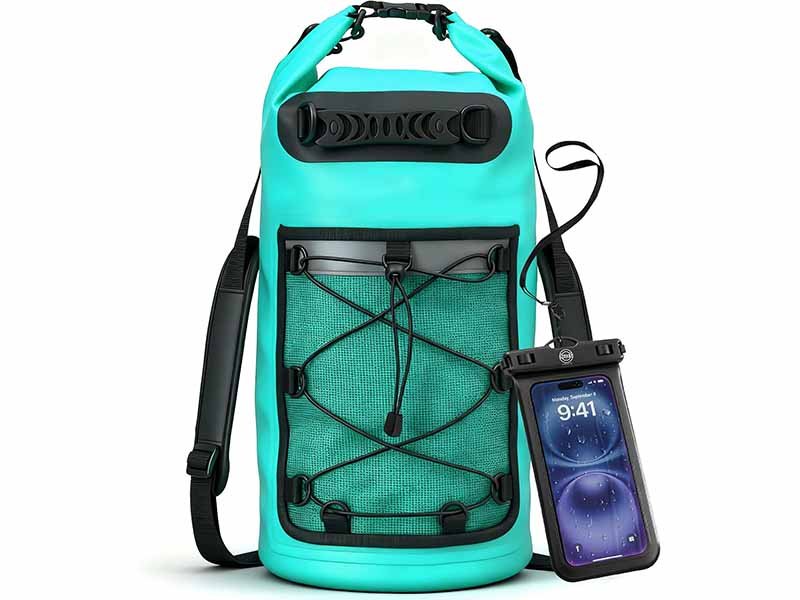
When kayaking or canoeing, ensuring your gear stays dry and protected is vital. Whether you’re facing a river adventure or a weekend trip, your dry bag is the key to keeping your electronics, clothes, and other essentials safe from the elements. But how do you choose the right material, closure system, and design to ensure maximum waterproofing?
Waterproof dry bags are designed to protect your gear in wet conditions. For kayaking and canoeing, the ideal dry bag design focuses on the right materials (like TPU, PVC, and nylon), robust closures, and an appropriate size for the intended trip. Proper measurements and features like welded seams and waterproof coatings ensure the highest performance.
Imagine setting off on a kayak trip and needing to keep your electronics dry or having a canoeing expedition where your clothes must remain waterproof. Choosing a dry bag that suits these needs can be the difference between a successful trip and a disaster. This guide will help you design the perfect dry bag for your adventure.
What Makes a Dry Bag Waterproof for Kayaking?
A waterproof dry bag for kayaking relies on materials like TPU, PVC, and nylon for water resistance, durability, and flexibility. The design features such as welded seams and roll-top closures further ensure that the bag keeps your gear dry.
The design of a dry bag isn’t just about waterproofing the fabric – it also involves seam sealing, closures, and the overall construction. Let’s look at the materials and construction techniques that provide superior waterproofing for kayaking and canoeing.
What Are the Essential Waterproof Materials?
The fabric used in a dry bag plays a critical role in ensuring waterproofing. The most commonly used materials for dry bags are TPU, PVC, and nylon, each offering specific advantages based on performance and durability.
- TPU (Thermoplastic Polyurethane): TPU is known for its environmental friendliness, flexibility, and excellent abrasion resistance. It’s an ideal material for those who need a bag that offers high durability while being lightweight.
- Benefits: Flexible, abrasion-resistant, and environmentally safe.
- Best Use: Ideal for kayaking in rough waters or multi-day trips where flexibility and protection are crucial.
- PVC (Polyvinyl Chloride): PVC is often used for heavier-duty applications, providing excellent waterproofing and strength. This material is perfect for bags that will face abrasion and harsh weather conditions.
- Benefits: Tough, waterproof, and cost-effective.
- Best Use: Great for long trips where you need a strong, reliable bag to carry heavy gear.
- Nylon: Nylon is a lighter alternative, often coated with water-resistant treatments like PU (Polyurethane) or PVC. While not as durable as TPU or PVC, it offers good water resistance and is lightweight.
- Benefits: Lightweight, affordable, and easy to work with for custom designs.
- Best Use: Ideal for short trips or when lightness and portability are the top priorities.
Real-World Example: A TPU dry bag is perfect for kayakers who need to store electronics in wet conditions while traveling down a river. The flexibility of TPU allows for easy packing and offers excellent protection from water and abrasion.
How Do Seams and Welds Impact Waterproofing?
The seams of a dry bag are critical to its waterproof performance. Welded seams, which fuse the fabric together using heat, are more effective than sewn seams for preventing water leakage.
- Welded Seams: These are the best choice for creating a completely water-tight barrier. Unlike sewn seams, which use thread that may absorb water, welded seams create a seamless bond between the fabric, preventing leaks.
- Sewn Seams with Taped Seals: While not as effective as welded seams, taped seams provide an additional layer of water resistance, making them suitable for lighter waterproofing needs.
Real-World Example: A welded-seam dry bag used in kayaking will provide a 100% waterproof seal, even when submerged in water, while a sewn-seam dry bag may allow some moisture to seep in under extreme conditions.
Which Fabrics Work Best for Kayak and Canoe Dry Bags?
The best fabrics for dry bags depend on the level of durability and flexibility you need. TPU and PVC are great for heavy-duty applications, while nylon offers a lightweight option for casual trips.
Choosing the right fabric for a dry bag depends on your use case—whether you need maximum durability and waterproofing for long trips or lightweight flexibility for shorter, more relaxed adventures. Each material offers different benefits, so choosing the correct one will depend on the specific challenges and conditions you’ll face.
Why Is TPU/PVC Popular for Marine Bags?
Both TPU and PVC are popular for dry bags used in marine environments because of their excellent waterproofing and abrasion resistance. These fabrics are strong enough to withstand saltwater exposure and rough conditions, which are common in kayaking or canoeing.
- Advantages of TPU/PVC:
- Waterproof and abrasion-resistant.
- Can be coated for extra water resistance.
- Ideal for long-term exposure to wet conditions.
Real-World Example: A PVC dry bag used for canoeing on a saltwater river will protect your gear from moisture and abrasion, keeping electronics and clothing dry even after being submerged or exposed to rain.
Are Neoprene or Nylon Useful for Dry Bags?
Neoprene and nylon are also used for dry bags, though they don’t offer the same level of waterproofing as TPU or PVC. Neoprene is excellent for shock protection, while nylon offers a lightweight option that works for shorter trips.
- Neoprene: Known for flexibility and shock resistance, it’s great for protecting delicate gear, but it’s less waterproof than TPU or PVC.
- Nylon: Often coated for water resistance, but doesn’t provide the same level of complete waterproofing.
Real-World Example: A nylon dry bag might be sufficient for casual canoeing on a calm lake, but for a kayaking trip where you expect heavy rain or water submersion, a TPU or PVC bag will ensure your gear stays completely dry.
How Should Dry Bags Be Sized and Shaped?
The size and shape of a dry bag are essential factors for its functionality and fit during kayaking or canoeing. The right size ensures you can carry all the necessary gear without overloading or compromising on buoyancy.
The size and shape of a dry bag are crucial in determining whether it meets your storage needs and waterproof protection during water activities. Proper sizing ensures that you can fit your gear comfortably while maintaining optimal buoyancy and ease of access. Let’s explore the best sizes and shapes for different types of trips.
What Sizes Are Ideal for Kayak Trips?
Choosing the right size for your dry bag depends on the length of your trip and the type of gear you’ll need. Whether you’re packing for a day trip or an overnight adventure, understanding the capacity required for your gear will help you avoid carrying an overloaded bag or choosing one that is too small.
- Small Dry Bags (5L-10L): These are perfect for personal items such as phones, keys, and snacks that need to stay dry but don’t require a large amount of space. Ideal for day trips or light activities where you don’t need to store bulky items.
- Medium Dry Bags (15L-20L): Suitable for weekend kayaking trips where you need to store clothing, towels, or small camping gear. These sizes are excellent for those who want a compact bag but still need enough space for their essentials.
- Large Dry Bags (30L-40L): Best for extended trips where you need to carry clothes, sleeping bags, camping gear, and other large items. These sizes ensure that your bag fits everything you need for a multi-day journey while still keeping the gear dry.
Real-World Example:
For a short kayak trip with just personal items like electronics and food, a 10L dry bag is perfect. For a weekend trip, a 20L bag can comfortably hold clothes, shoes, and extra gear. However, for a week-long expedition, you’ll want a 40L dry bag to store camping gear like tents, sleeping bags, and extra supplies.
How Does Shape Affect Storage and Buoyancy?
The shape of a dry bag plays a significant role in storage efficiency and buoyancy. Depending on the shape of the dry bag, you may find it easier to pack your gear efficiently and access items quickly when on the water. The shape can also affect how well your dry bag floats when submerged in water.
- Cylindrical Bags (Roll-Top Style): These are typically round in shape and are easy to compress when filled. They can be stored in the hatch of a kayak or strapped to the canoe with ease. The cylindrical design allows for flexible packing, but it’s best suited for packing lightweight gear like clothing or electronics.
- Advantages: Compact, adjustable in size, and ideal for tight spaces like kayak hatches.
- Best Use: Perfect for day trips and quick packing when you only need a few essentials.
- Rectangular Bags: These are often used in harder cases or larger bags that provide more structure. The rectangular shape provides more storage capacity for larger items, such as sleeping bags or tents. It also helps in better organization of your gear.
- Advantages: Larger storage capacity, allows for better organization of gear.
- Best Use: Ideal for multi-day canoeing or kayaking trips where you need to carry large equipment or camping supplies.
- Square Bags: These offer even more storage capacity than rectangular bags and are typically used for bulkier gear. While square dry bags aren’t as efficient in fitting into tight spaces, they offer an ideal solution for carrying larger, more rigid equipment.
- Advantages: More room for larger gear, easy to stack.
- Best Use: Excellent for extended trips where you need to carry multiple large items such as camping tents and sleeping bags.
Real-World Example:
A cylindrical roll-top dry bag is great for a single day of kayaking when you’re only carrying personal essentials, while a rectangular dry bag offers more space and structure for extended canoe trips with sleeping gear and extra clothing.
How to Ensure Buoyancy and Stability in the Water?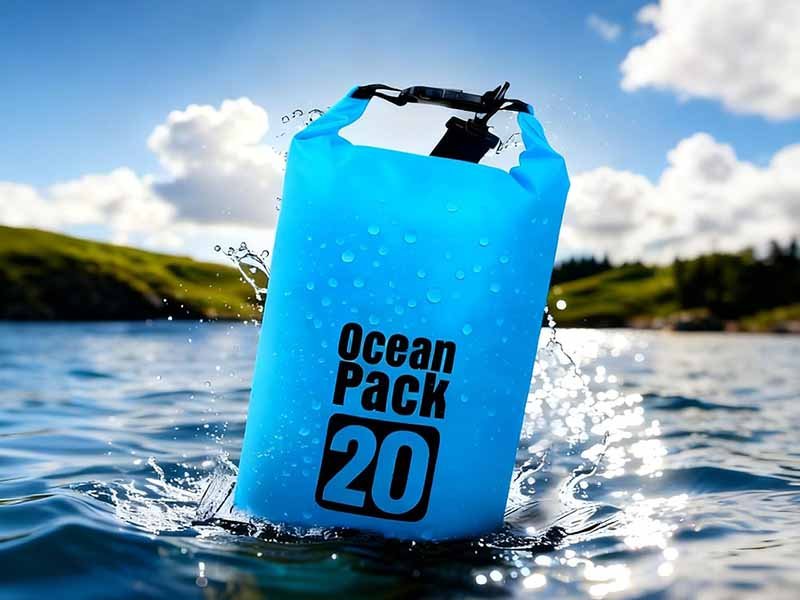
When kayaking or canoeing, buoyancy is essential, especially when the dry bag might get submerged or dipped in water during trips. Choosing the right shape and ensuring the bag’s floating capacity is a key aspect to consider for safety and ease of handling.
- Cylindrical and Roll-Top Bags: These types of bags tend to be more buoyant, particularly when compressed or filled with lightweight gear. Their rounded shape ensures minimal water resistance, and when sealed tightly, they can float on the surface if dropped in water.
- Square or Rectangular Bags: While these may provide more storage space, they tend to be less buoyant than cylindrical bags. When overstuffed, the added weight could make them sink. To increase buoyancy, make sure to pack them with a combination of light gear and ensure they are sealed properly.
Real-World Example:
On a kayak trip in rough waters, a cylindrical dry bag filled with light essentials will float and stay easily accessible. A heavier rectangular bag could be difficult to retrieve if it falls into the water, especially if packed with heavy equipment.
What Closure Systems Secure Dry Bags Best?
The most effective closure systems for dry bags are roll-top closures, waterproof zippers, and buckles, depending on the type of protection needed. Roll-top closures offer the best water resistance, while zippers provide convenient access.
Dry bags need to be completely sealed to prevent water leakage. The right closure system plays a significant role in determining how well a bag protects its contents from water exposure during kayaking or canoeing. Let’s explore each closure system’s strengths.
How Do Roll-Top Closures Work?
Roll-top closures are widely regarded as the best solution for waterproof sealing. These closures work by folding over the top of the bag and sealing it tightly with either a buckle or Velcro, ensuring no water can seep inside.
- Advantages:
- Excellent waterproofing: When properly rolled, it creates an airtight seal that keeps out water.
- Easy to use: Simply roll the top a few times and secure it with the buckle.
- Flexibility: The bag’s size can be adjusted based on the amount of gear packed.
- Best Use: Roll-top closures are perfect for kayaking trips, canoeing, and other outdoor activities where waterproofing and flexibility are essential.
Real-World Example: A TPU roll-top dry bag can easily withstand being dipped into water or exposed to heavy rain while kayaking, keeping your gear completely dry and secure.
Are Zippers or Buckles Better for Water Protection?
Zippers and buckles are also commonly used in dry bags, but they come with different levels of waterproofing.
- Zippers: Zippers are convenient and provide easy access to your gear, but they are generally not as water-resistant as roll-top closures unless they have a waterproof coating or waterproof zipper seals.
- Advantages: Quick access, easy closure, and better organization for small items.
- Drawbacks: Zippers can leak if they aren’t waterproof, especially in heavy rain or submersion.
- Buckles: Buckles are more secure and provide a tight closure for bags that don’t require constant access.
- Advantages: Tighter seal than zippers, robust, and durable.
- Best Use: Often used in large dry bags for camping or extended outdoor trips where frequent access isn’t necessary.
Real-World Example: A zippered dry bag is ideal for carrying small essentials like phones or keys, but a buckle and roll-top dry bag is more suitable for larger gear like clothes or camping equipment, where protection against water is a higher priority.
How to Test Waterproof Performance for Dry Bags
Testing the waterproof performance of your dry bag is essential to ensure it will withstand extreme conditions. Common methods include immersion testing, pressure tests, and real-world scenarios where bags are exposed to water.
Before embarking on any kayaking or canoeing adventure, it’s critical to confirm that your dry bag will indeed keep your gear dry when exposed to wet conditions. Testing the waterproof capabilities of the bag ensures that it lives up to its promises, and the right testing methods can prevent issues while on the water.
What Water Resistance Tests Are Common?
Various methods are used to test the water resistance of a dry bag to ensure it is fit for kayaking or canoeing. Some common tests include immersion tests, seal checks, and pressure tests to simulate the real-world exposure that the bag may face.
- Immersion Testing: One of the most straightforward tests is to submerge the bag in water for a set period. This test determines if the bag material and seams hold up to full immersion and water pressure.
- How It Works: Fill the bag with a small test item (like a piece of cloth or paper) and submerge it in water for several hours. Check for any water penetration after the test.
- Real-World Example: A TPU dry bag that passes this test will keep electronics like cameras and phones safe, even if submerged for short periods.
- Pressure Testing: This method tests how well the bag handles external pressure from submersion or water waves. It ensures that the bag’s closures and seams remain waterproof when subjected to real-world conditions.
- How It Works: The bag is placed under water pressure (either by submerging or using a specialized testing machine). The results indicate whether pressure points cause water to seep inside.
- Seal Check: This test focuses on checking the tightness of the bag’s closures and welded seams. A leak in the closure area could lead to wet gear, so it’s essential to confirm the seal’s effectiveness.
- How It Works: Fill the bag with air and submerge it underwater. Observe any signs of air or water leakage at the seams or zippers.
How Can Users Verify Dry Bag Integrity Before Trips?
To ensure your dry bag is truly waterproof, you can perform a few simple checks and tests before your kayaking or canoeing trip. Pre-trip testing can save you from unfortunate surprises on the water.
- Waterproof Seal Test: Prior to packing your bag, fill it with clothing or paper and submerge it in water for several minutes. If it remains dry inside, you can trust that the seal and materials are up to standard.
- Visual Inspection: Look for any cracks, worn-out seams, or signs of damage. Make sure zippers and buckles are functioning well and remain tight when secured.
- Compression Test: For hard-shell dry bags, check how well the bag can withstand compression without breaking the waterproof seal. Soft bags should be tested for their ability to stay sealed under heavy loading.
Real-World Example: Before a weekend kayaking trip, a PVC dry bag can be tested by submerging it in a tub of water with electronics inside. If the bag keeps your gear dry after several minutes, it’s ready for the trip.
How Do You Maintain Waterproof Dry Bags?
Proper maintenance of your dry bags ensures long-lasting waterproofing. Regular cleaning, careful storage, and avoiding overloading or sharp objects are essential for maintaining the bag’s water-resistant properties.
Maintaining your dry bags helps ensure their effectiveness over time. Careful cleaning, proper storage, and attention to the bag’s structural integrity will keep it functioning at its best for multiple adventures. Below are some tips for maintaining your dry bag so it stays waterproof.
What Cleaning and Care Techniques Should You Use?
To prolong the life of your dry bag, it’s important to keep it clean and free from dirt or saltwater, which could degrade the fabric or seals over time.
- Rinse After Use: Always rinse the bag with fresh water after using it in saltwater or muddy environments. This prevents salt or dirt from corroding the fabric or seals.
- Use Mild Soap: When necessary, clean the bag with mild soap and lukewarm water. Avoid harsh detergents, which can damage the bag’s coating.
- Dry Properly: Hang the bag upside down to allow it to air dry after cleaning. Do not expose the dry bag to direct heat (e.g., sunlight or dryers) as this can affect the material’s integrity.
How Should You Store Waterproof Dry Bags?
When not in use, store your dry bag properly to maintain its waterproof capabilities:
- Avoid Prolonged Sun Exposure: UV rays can weaken the waterproof coatings over time. Store your dry bag in a cool, dry place away from direct sunlight.
- Store in a Cool, Dry Place: When not in use, keep the bag flat or in a loose shape to avoid stressing the seams.
- Check Seals Regularly: Even when not in use, periodically check the seals to make sure there are no cracks or tears that could affect the bag’s performance.
Real-World Example: A PVC dry bag used for kayaking in saltwater should be thoroughly cleaned and dried before being stored in a dark cupboard to avoid exposure to the sun and preserve its waterproof integrity.
Conclusion
Designing the perfect waterproof dry bag for kayaking and canoeing is a process that requires attention to material selection, closure systems, size, and functionality. Whether you choose TPU, PVC, or nylon fabric, ensuring your bag is designed to withstand water exposure is crucial for any outdoor adventure. Understanding the importance of seam sealing, choosing the right closure system, and following maintenance tips will guarantee your gear stays dry on the water.
At Szoneier, we specialize in crafting custom dry bags designed to meet the highest standards of waterproofing, using the most durable materials for kayaking and canoeing needs. Our bags are perfect for protecting your clothes, electronics, and other valuables during even the most challenging outdoor conditions.
Contact us today to discuss your custom dry bag needs, whether for personal use or to create branded bags for your business. Our team is ready to help you design the perfect solution for your next water adventure.