 Skip to content
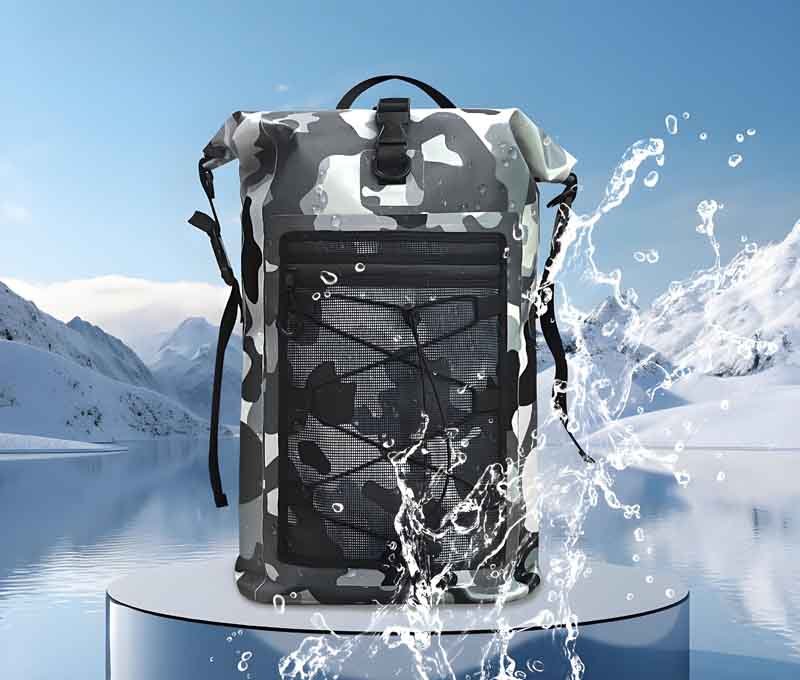
If you’ve ever gone kayaking, hiking in the rain, or commuting during a storm, you’ve probably asked yourself: “Should I buy a dry bag or a waterproof bag?” At first glance, they seem similar—both promise to keep your belongings safe from water—but the truth is that they serve slightly different purposes, and knowing the difference can save you from a soggy disappointment.
A dry bag is designed to keep gear completely dry, usually made with roll-top closures and durable waterproof materials, ideal for outdoor activities like kayaking or rafting. A waterproof bag, by contrast, protects against water exposure but may not guarantee full submersion protection, making it suitable for commuting, gym, or travel. The right choice depends on your activity, materials, and level of water resistance required.
Imagine this: you’re rafting with friends, and your phone survives because it was sealed inside a dry bag. Meanwhile, someone else with a “waterproof” backpack finds their clothes damp after light rain. That’s the difference we’ll unpack in this guide. Let’s dive into definitions, differences, use cases, materials, and even customization options for you.
What Is a Dry Bag and How Does It Work?
A dry bag is a waterproof storage sack made of PVC, TPU, or coated nylon with a roll-top closure. By rolling and clipping the top, it creates a watertight seal that prevents water from entering, even when submerged. Dry bags protect gear like clothes, electronics, and food during outdoor activities such as kayaking, rafting, and hiking, while also adding buoyancy if dropped into water.
Definition and Core Functionality
A dry bag is a specialized waterproof container designed to keep contents completely dry in wet or aquatic environments. Unlike standard backpacks, which may be water-resistant at best, dry bags are constructed to withstand heavy rain, splashes, and even full submersion for limited periods. Their primary purpose is to protect valuables such as electronics, spare clothing, maps, or food supplies in situations where exposure to water is inevitable.
Materials and Structure
Most dry bags are made from PVC tarpaulin, TPU-coated fabrics, or laminated nylon. These materials are not only waterproof but also resistant to abrasion, UV rays, and chemicals. PVC (polyvinyl chloride) is heavier but extremely durable, making it a common choice for rafting and kayaking gear. TPU (thermoplastic polyurethane) offers flexibility, lighter weight, and eco-friendlier properties. Welded seams are critical—rather than stitched seams (which can leak), dry bags use heat-sealed or RF-welded technology to create a completely watertight joint.
The Roll-Top Closure Mechanism
The defining feature of a dry bag is its roll-top closure. Here’s how it works:
- Place items inside.
- Fold the stiffened top edge over 3–4 times.
- Clip the ends together using the buckle.
This process traps air inside and forms a watertight barrier, preventing water intrusion. The trapped air also provides buoyancy—so if the bag falls into a river, it floats rather than sinks, a major safety feature for outdoor users. Some dry bags also incorporate valves to release excess air for easier packing.
Waterproof Ratings (IPX Standards)
Not all dry bags are equal in protection. Some manufacturers use the IP (Ingress Protection) rating system:
- IPX4: Splash-proof (resists rain and splashes).
- IPX6: Heavy rain and water jets.
- IPX7: Protects against immersion up to 1 meter for 30 minutes.
- IPX8: Suitable for continuous immersion at specified depths.
Most outdoor-grade dry bags fall between IPX6 and IPX7, making them safe for rafting, kayaking, or heavy downpours.
Sizes and Capacities
Dry bags come in a wide range of sizes, usually measured in liters:
- 5–10L: Best for wallets, phones, keys, snacks.
- 15–20L: Day trips—holds a change of clothes, small electronics, and personal gear.
- 30–40L: Multi-day trips, camping essentials, bulkier items.
- 60L+: Expedition-grade, storing tents, sleeping bags, or food supplies.
This flexibility allows users to layer multiple dry bags—smaller ones for electronics and larger ones for clothing or camping gear.
Typical Use Cases
Dry bags are indispensable for:
- Water Sports: Kayaking, rafting, paddleboarding, sailing.
- Camping & Hiking: Protecting clothing and electronics during rainy treks.
- Travel: Keeping gear safe in tropical, humid, or unpredictable environments.
- Emergency Kits: Used for first-aid kits or survival gear because of their reliability.
Professional guides often require clients to use dry bags because they reduce liability risks—a wet sleeping bag or ruined phone can ruin a trip.
What Is a Waterproof Bag and How Is It Different?
A waterproof bag is designed to resist water penetration during rain, splashes, or light immersion. Unlike dry bags, which use roll-top closures and welded seams, waterproof bags often rely on coated fabrics, zippers, or storm flaps. They are practical for commuting, gym, and travel but may not guarantee full submersion safety. In short, waterproof bags balance protection, comfort, and style, while dry bags focus on absolute watertight security for outdoor adventures.
Definition and Everyday Purpose
A waterproof bag refers to any backpack, duffel, or pouch designed to protect contents from water exposure. Unlike dry bags, which are engineered for extreme conditions, waterproof bags are built for everyday functionality—commuters biking in the rain, gym-goers carrying sweaty clothes, or travelers navigating airports in unpredictable weather. While some premium waterproof bags approach dry bag standards, most are intended for rain resistance and light splashes rather than total immersion.
Materials and Common Structures
Waterproof bags typically use lighter and more flexible materials than dry bags:
- PU-coated polyester or nylon → lightweight, cost-effective, and stylish.
- Thermoplastic polyurethane (TPU) → higher-end, offering improved durability and eco-friendliness.
- PU leather (synthetic) → fashion-oriented waterproof finishes.
Construction is a key difference: many waterproof bags use stitched seams with seam taping, which resist water but are not as foolproof as welded seams in dry bags. This makes them comfortable and breathable but limits waterproof depth.
Closure Systems
- Zippers: Many waterproof bags use water-resistant zippers, coated with rubber or polyurethane. They block light rain but can fail under high water pressure.
- Storm Flaps: Extra fabric layers covering zippers; effective for splashes, but not for immersion.
- Magnetic or Velcro Closures: Convenient but rarely fully waterproof.
- Hybrid Roll-Tops: Some waterproof backpacks adopt roll-top designs to increase protection, blending dry bag concepts with urban styling.
Compared to dry bags’ simple but secure roll-tops, waterproof bags focus more on ease of access and organization.
Waterproof vs Water-Resistant
This distinction is where many buyers get confused.
- Water-Resistant: Protects against light rain and splashes. Example: a polyester backpack with DWR (Durable Water Repellent) coating.
- Waterproof: Provides a barrier against significant water exposure. Example: a backpack with coated zippers, sealed seams, and TPU fabric.
But even the term “waterproof” in marketing can be misleading, which leads to the common question:
Are Waterproof Bags Really Waterproof?
The short answer: not always. Many so-called waterproof bags protect against everyday rain but cannot survive full submersion. This is because water can eventually penetrate zippers, seams, or openings under pressure. High-end waterproof bags with welded seams and waterproof zippers approach dry bag-level protection but at higher costs.
For buyers, this means understanding realistic use cases:
- A “waterproof” laptop backpack is safe in a storm but not if dropped in a river.
- A waterproof gym duffel resists sweaty clothes and rain, but not full submersion during boating.
So, while waterproof bags are sufficient for urban life and light travel, they should not be confused with dry bags intended for extreme adventure.
Application Scenarios
- Commuting: Waterproof backpacks protect laptops and documents from rain on daily commutes.
- Travel: Waterproof duffels and carry-ons safeguard clothes and gear in airports and rainy destinations.
- Sports & Fitness: Gym bags with waterproof linings prevent odor and damage from wet gear.
- Cycling & Hiking: Lightweight waterproof bags balance comfort and protection for short-distance outdoor use.
Unlike dry bags, waterproof bags emphasize style, ergonomics, and organization—multiple compartments, padded straps, and fashion-forward designs.
Dry Bag vs Waterproof Bag – Which Key Differences Matter Most?
The main differences between dry bags and waterproof bags lie in materials, closure systems, waterproof ratings, weight, and purpose. Dry bags use PVC or TPU with roll-top closures, offering submersion safety for outdoor activities. Waterproof bags use coated fabrics with zippers or flaps, providing rain and splash resistance for daily life. While dry bags prioritize rugged protection, waterproof bags focus on comfort, organization, and style.
1. Materials and Construction
- Dry Bags: Built with PVC tarpaulin, TPU film, or laminated nylon. These are thick, non-breathable, and highly durable against abrasion, UV light, and saltwater. Seams are heat-welded or RF-fused, eliminating stitch holes that could leak.
- Waterproof Bags: Usually PU-coated polyester, PU leather, or TPU blends, lighter and more flexible. Many use stitched seams sealed with tape, which resist rain but aren’t reliable for submersion.
2. Closure Systems
- Dry Bags: Always rely on roll-top closures. Users fold the stiffened opening 3–4 times and secure it with a buckle, forming an airtight seal. This makes them highly reliable under pressure or water submersion.
- Waterproof Bags: Use zippers, storm flaps, Velcro, or magnetic closures. These allow faster access and organization but are less watertight. Some premium waterproof bags adopt hybrid roll-tops with zippers, blending convenience and higher protection.
3. Waterproof Level & IP Ratings
- Dry Bags: Generally tested to IPX6–IPX7, safe for heavy rain and accidental submersion (up to 1 meter, 30 minutes).
- Waterproof Bags: Often IPX4–IPX5, splash- and rain-proof but not safe for long-term submersion. Only high-end models with waterproof zippers and welded seams can approach IPX6.
4. Weight and Portability
- Dry Bags: Heavier, more rigid, less ergonomic. They float due to trapped air but are bulky for daily use.
- Waterproof Bags: Lightweight, comfortable, and designed with padded straps or breathable mesh, suitable for all-day commuting or travel.
Scenario: A kayaker would prefer a 30L dry bag that floats; a college student would prefer a waterproof laptop backpack under 1kg.
5. Functionality and Organization
- Dry Bags: Minimalist by design—usually one large compartment without pockets. Focus is on keeping gear dry, not organized.
- Waterproof Bags: Often include multiple compartments, laptop sleeves, side bottle pockets, padded straps, and ergonomic back panels. They prioritize usability in daily life.
6. Price Range
- Dry Bags: $15–$60 for most consumer models; expedition-grade bags up to $150+.
- Waterproof Bags: Wider range—$30–$120 for functional backpacks, premium fashion waterproof bags up to $300+.
7. Aesthetic and Style Appeal
- Dry Bags: Rugged, sporty, outdoorsy. Often cylindrical or roll-top sacks.
- Waterproof Bags: Sleek, urban, fashion-friendly. Available in multiple silhouettes (backpack, duffel, messenger bag).
8. Customization Potential for Brands
Dry Bags:
- Branding: Large logos via screen printing or heat transfer.
- Customization: Transparent windows, reflective strips, dual-tone colors.
- Market: Outdoor gear companies, adventure travel brands, promotional products.
Waterproof Bags:
- Branding: Embossed PU leather, embroidery, subtle prints.
- Customization: Compartments, ergonomic straps, fashion-oriented finishes.
- Market: Private-label fashion, corporate gifts, student/commuter bags.
Case Scenarios
- Kayaking Expedition: A group of paddlers chooses 40L dry bags to store sleeping bags and electronics, ensuring complete protection during river flips.
- Urban Commuting: A graphic designer cycles to work with a waterproof roll-top backpack that protects her laptop from rain, without the bulk of a dry bag.
- Retail Branding Example:
- Outdoor retailer → adds logo to dry bags for adventure branding.
- Lifestyle fashion brand → sells waterproof backpacks as trendy, functional daily gear.
Comparison Table – Dry Bag vs Waterproof Bag
| Feature | Dry Bag | Waterproof Bag |
|---|---|---|
| Materials | PVC, TPU tarpaulin, welded nylon | PU-coated polyester, PU leather, TPU |
| Seams | Welded / RF fused | Stitched + seam taped |
| Closure | Roll-top only | Zippers, Velcro, storm flap, hybrid |
| Waterproof Rating | IPX6–IPX7 (safe for submersion) | IPX4–IPX5 (rain/splash only) |
| Compartments | Minimal, 1 main compartment | Multiple pockets, sleeves, dividers |
| Weight | Heavier, bulkier | Lighter, ergonomic |
| Style Appeal | Rugged, outdoor, sporty | Sleek, urban, fashion-driven |
| Price Range | $15–$150 | $30–$300 |
| Best For | Kayaking, rafting, camping | Commuting, travel, gym, urban use |
| Branding Potential | Logos, reflective strips, windows | Embossing, fashion colors, compartments |
Which Bag Is Better for Outdoor, Travel, and Sports Use?
Dry bags are better for outdoor sports like kayaking, rafting, and camping, while waterproof bags are better for travel, gym, and commuting. Dry bags guarantee watertight protection, whereas waterproof bags provide lighter, more stylish designs suited for everyday needs. The choice depends on activity and environment.
- Outdoor Adventure: Dry bags excel in kayaking, rafting, paddleboarding, and mountaineering where full waterproofing is essential. A 20–30 liter dry bag can store clothes, electronics in dry pouches, and food, ensuring safety in extreme conditions.
- Travel & Commuting: Waterproof bags shine for travelers needing water resistance without bulk. They often include laptop sleeves, compartments, and ergonomic straps—features absent in most dry bags.
- Sports & Gym: Waterproof duffels or backpacks handle sweaty clothes, wet towels, or rainy commutes, offering practicality without overengineering.
Case Example:
- A kayaker chooses a 40L dry bag for a multi-day river trip.
- A city commuter picks a waterproof roll-top backpack with a laptop sleeve, stylish enough for office use.
The correct choice depends on whether you prioritize absolute protection or daily convenience.
How to Choose Between a Dry Bag and a Waterproof Bag?
Choose a dry bag when submersion, capsizes, or heavy spray are likely; choose a waterproof bag when you mainly face rain, splashes, or daily commuting. Decide by asking: Will it be submerged? How much organization do I need? What capacity, weight, and comfort do I expect? Match closure (roll-top vs zipper), seam construction (welded vs taped), and IP rating to your activity. When in doubt, pair a small dry pouch inside a waterproof backpack for layered protection.
Start with exposure: how wet will things actually get?
- High exposure / submersion possible (kayaking, rafting, SUP, canyoning, coastal RIBs): pick dry bags (roll-top + welded seams), ideally IPX6–IPX7.
- Moderate exposure (cycle commute in storms, boat tender rides, wet train platforms): pick waterproof backpacks/duffels with coated fabrics + storm-flapped zippers (IPX4–IPX6).
- Low exposure (showers, drizzle): water-resistant daypacks (DWR) are fine, or use dry pouches for electronics inside any bag.
Use a simple decision tree
- Will it be submerged or could it go overboard? → Yes → Dry bag (roll-top). → No → Do you need fast access & pockets? → Yes → Waterproof bag (zippers, organizers). → No → Either works; choose by weight, style, and price.
- Carrying comfort for hours? If yes, favor waterproof backpack with padded harness; or choose dry bag with backpack straps.
- Mix & match: Keep phone/camera in a 1–10L dry pouch inside a waterproof backpack. Layering = best of both worlds.
Match features to the job
Closures:
- Roll-top (dry bag): most watertight; trap air for buoyancy; slower access.
- Waterproof zipper (premium waterproof bags): quick access; check zipper stiffness, care needs.
- Standard zipper + storm flap (everyday waterproof): fine for rain, not for dunks.
Seams: Welded/RF-fused (dry bag) > stitched + tape (good rain defense) > stitched only (avoid for true waterproof needs).
Fabrics:
- PVC/TPU tarpaulin, laminated nylon → rugged, submersion-ready.
- PU-coated polyester/nylon, PU “leather” → lighter, urban-friendly, stylish.
Understand IP ratings
- IPX4: splash/rain from any direction.
- IPX6: powerful water jets/heavy rain.
- IPX7: immersion up to 1 m for 30 min. Most dry bags = IPX6–IPX7; many waterproof bags = IPX4–IPX6 (unless stated otherwise).
Right capacity by activity
| Activity / Use case | Recommended Type | Typical Volume | Notes |
|---|---|---|---|
| SUP/kayak day paddle | Dry bag (roll-top) | 10–20L | Phone pouch + spare layer + snacks. |
| Whitewater / multiday river | Dry bag(s) | 20–40L (x2) | Separate sleep kit & clothing. |
| Sailing tender / wet deck commuting | Waterproof backpack/duffel | 20–30L | Add 2–5L dry pouch for electronics. |
| Rainy bike commute with laptop | Waterproof roll-top pack | 20–28L | Padded sleeve + taped seams. |
| Tropical travel / monsoon city breaks | Waterproof duffel | 30–40L | Compartments help at airports. |
| Trail hike with storm risk | Daypack + dry liner | 18–30L | Use 10–20L dry liner for clothes. |
Comfort, access & organization
- All-day carry: prioritize ergonomic straps, ventilated back panel, sternum/hip support → typically waterproof backpacks.
- Frequent in/out access: zippers + front pockets beat roll-tops.
- One big dry chamber vs pockets: dry bags = single cavity; waterproof bags = sleeves, dividers, key leash, etc.
Weight, durability & maintenance
- Dry bags are tougher but heavier; rinse salt, dry fully, avoid sharp abrasion.
- Waterproof bags are lighter; periodically re-tape or re-proof if DWR fades; keep zipper tracks clean and lubricated (for waterproof zips).
Common mistakes to avoid
- Treating “waterproof” as “submersion-proof.”
- Over-stuffing roll-tops (fewer than 3 folds compromises sealing).
- Ignoring seam construction and relying only on fabric spec.
- Skipping secondary dry pouches for electronics.
Do Brands Benefit from Custom OEM/ODM Dry and Waterproof Bags?
Yes, brands and buyers benefit from custom OEM/ODM dry and waterproof bags. Manufacturers like Szoneier offer material customization, Pantone-matched colors, logo embossing, and eco-friendly options. Low MOQs, fast sampling, and scalable production make it easy for brands to launch private-label collections.
Customization Options:
- Materials: PVC tarpaulin, TPU, recycled polyester, PU.
- Design: Roll-top, zippers, Velcro closures, compartments.
- Branding: Embossed logos, screen printing, heat transfer.
- Colors: Pantone matching, dual-tone designs.
- Packaging: Retail-ready boxes, eco bags.
OEM/ODM Benefits:
- Low MOQs (50–100 pcs) ideal for startups.
- Fast prototyping (7–10 days for samples).
- Scalability for mass orders (1000+ pcs).
- Compliance with ISO, REACH, and eco-certifications.
Example:
- An outdoor gear brand orders 500 custom 30L dry bags with reflective logos for kayakers.
- A fashion retailer requests 300 waterproof backpacks with sleek designs for urban commuters.
Conclusion: Beyond Choosing—Designing the Right Waterproof Future
Choosing between a dry bag and a waterproof bag isn’t just about comparing specs—it’s about imagining the real-world moments where your gear will be tested. Picture this: a kayaker tips over mid-river, and their belongings float safely thanks to a roll-top dry bag. Meanwhile, a city commuter rushes through a thunderstorm, confident that their laptop stays dry inside a waterproof backpack with taped seams and compartments. Both scenarios are valid, but each demands a different solution.
The real insight? It’s not an “either-or” choice. Many smart buyers now layer solutions—using a waterproof backpack for comfort and organization, while nesting smaller dry pouches inside for electronics and valuables. This hybrid approach ensures both practicality and peace of mind.
For brands, this is where opportunity shines. Instead of selling just “a bag,” offer tailored ecosystems: bundled dry bags with urban waterproof packs, eco-friendly TPU materials for sustainable collections, or custom-printed roll-tops for outdoor campaigns. By combining rugged performance with lifestyle design, you don’t just meet customer expectations—you redefine them.
At Szoneier, with over 18 years of experience in bag R&D and OEM/ODM customization, we help buyers and brands create not only bags but complete waterproof systems—from kayaking expeditions to daily commutes.
Ready to future-proof your product line? Contact Szoneier for custom dry bags and waterproof bags designed around your market, your style, and your story.
manufacturer Categories
- Custom Tote Bags Manufacturer
- custom backpacks Manufacturer
- custom travel bags& Duffle bags manufacturer
- custom makeup bags & toiletry bags manufacturer
- custom cooler bags manufacturer
- custom drawstring bags manufacturer
- custom makeup bags & toiletry bags manufacturer
- custom golf bags manufacturer
- custom fireproof bags manufacturer
- custom dry bags manufacturer
- custom ski bags manufacturer
- custom gym & sports bags manufacturer
- custom laptop bags manufacturer
- custom tactical bags manufacturer
- custom beach bags manufacturer
- custom medical bags manufacturer
- custom camera bags manufacturer
- custom wetsuits manufacturer
- custom leather goods manufacturer
- more personalized products
Can't find the answers?
No worries, please contact us and we will answer all the questions you have during the whole process of bag customization.
Make A Sample First?
If you have your own artwork, logo design files, or just an idea,please provide details about your project requirements, including preferred fabric, color, and customization options,we’re excited to assist you in bringing your bespoke bag designs to life through our sample production process.
