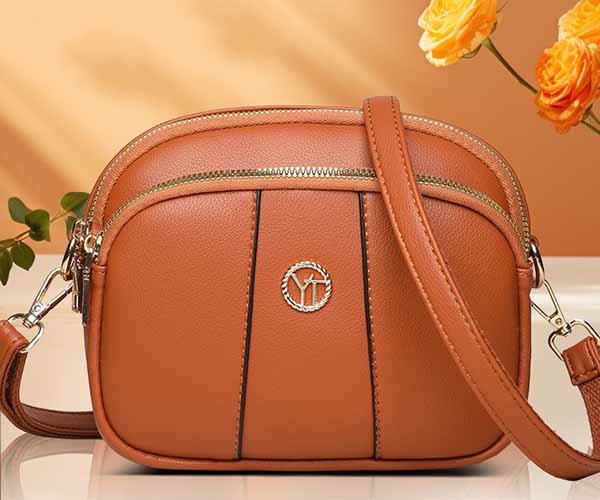
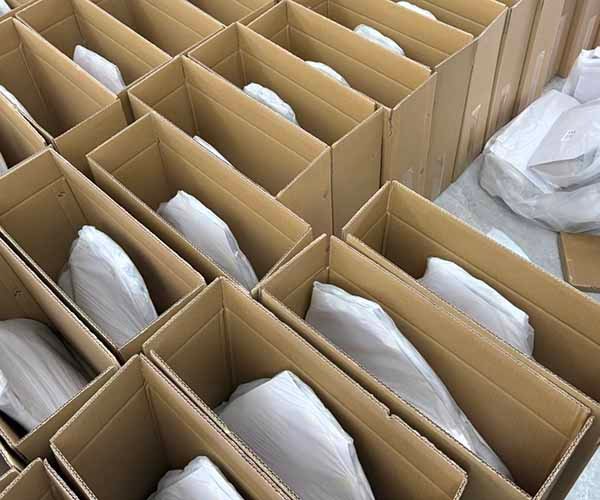
A Trusted China Manufacturer Since 2007!

Custom Designer Bags Manufacturer for Private Label Brands

OEM/ODM designer-style handbags and soft goods developed from your sketch, tech pack, sample, or brand concept.
  • 18+ years in custom bags and soft goods manufacturing.
  • MOQ from 200 pcs for selected standard bag projects with ready materials and mature structures.
  • Standard sampling often takes 7-12 days; complex structure, custom hardware, or special material trials may need 12-20 days.
  • Bulk production commonly takes 20-45 days after sample approval, material readiness, packaging confirmation, and order schedule.
  • Support for totes, crossbody bags, shoulder bags, cosmetic bags, travel pouches, leather goods, neoprene bags, branded packaging, QC, FBA, DDP, and export delivery.
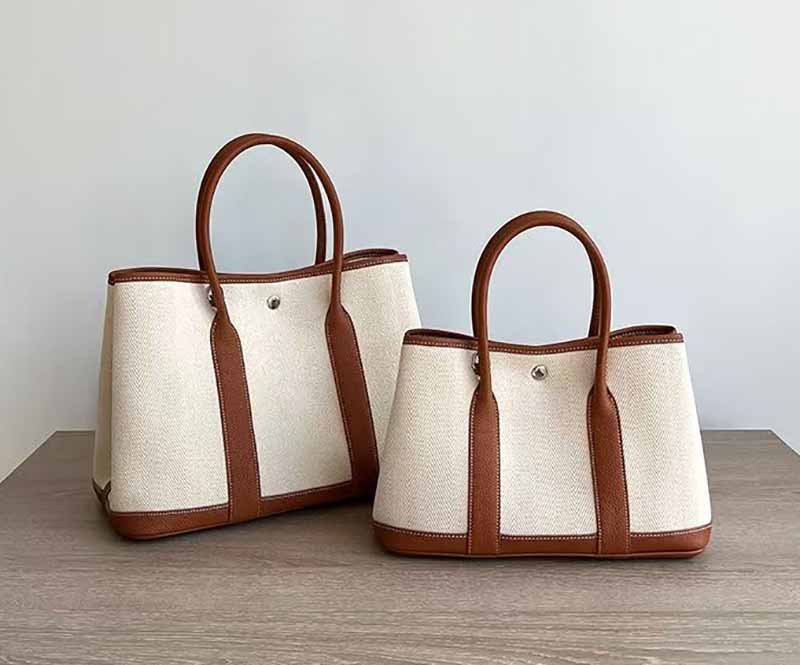
tote bag

Custom Designer Bags for Original Brand Collections

Custom designer bags should express a brand’s own shape, material story, color direction, and logo details. Szoneier helps turn original concepts into manufacturable bags without replica production or unauthorized trademark use.

Original Bag Concepts

Designer-style bag development starts with a visual direction, not a copied luxury logo. Szoneier can review sketches, reference samples, product photos, mood boards, CAD drawings, Pantone colors, hardware ideas, lining concepts, and target retail positioning. Our team then helps translate the concept into workable size, material, pattern, sewing method, logo position, packaging, and production steps. The goal is to keep the brand’s own look while making the bag stable for sampling, repeat production, retail packing, and export delivery.

Manufacturing Boundaries

Szoneier supports private label collections, licensed artwork, brand-owned designs, and original soft goods development. We do not manufacture counterfeit bags, copied luxury trademarks, protected brand shapes, unauthorized logo hardware, or replica packaging. For serious projects, design files, sample photos, tech packs, packaging artwork, and quotation details can be handled under NDA. Clear ownership helps protect both the brand team and the manufacturing process, especially when custom molds, metal plates, unique trims, or new bag silhouettes are involved.

Built for Brands With Real Bag Programs

Szoneier works best when a project needs more than a ready-made bag. The stronger fit is collection development, retail packing, repeat production, and controlled quality across materials, trims, and styles.

Fashion Brands

Fashion brands often need seasonal shapes, color stories, lining details, logo placement, and clean photography samples before ordering bulk production. Szoneier can support tote bags, mini bags, shoulder bags, pouches, and travel pieces with materials selected around the intended retail price, hand feel, structure, and visual direction. Pattern records, approved samples, material notes, and trim files help future color extensions and replenishment stay closer to the original approved standard.

Private Label Teams

Private label programs need a balance between cost, perceived value, and consistent repeat orders. Szoneier can develop bags from existing drawings, internal concepts, old samples, or market references, then build a sample route covering materials, structure, logo, packaging, and carton planning. For multi-SKU collections, shared material, shared hardware, and shared packaging components can reduce sourcing complexity while preserving different shapes, sizes, and price tiers within the same brand family.

Retail Programs

Retail programs need sellable appearance, carton discipline, barcode readiness, hangtags, outer carton marks, and reliable bulk consistency. Szoneier can align product design with shelf display, gift packaging, seasonal launches, or store-level distribution. Before bulk production, the team can confirm dimensions, carton quantity, label position, packaging sequence, and final inspection points, so each shipment is easier to receive, check, display, and replenish across retail channels.

DTC Brands

DTC accessory brands often care about photo-ready samples, unboxing details, color consistency, and repeat replenishment. Szoneier can develop bag sets such as tote plus pouch, cosmetic bag plus brush sleeve, travel organizer plus wash bag, or crossbody plus card holder. Matching materials, hardware colors, packaging inserts, and logo methods helps a brand create a unified product story for photography, social media, product bundles, and repeat purchase campaigns.

Amazon Programs

Amazon programs require more than a good-looking product. Packaging labels, polybag warnings, FNSKU handling, carton size, carton weight, and delivery route can affect listing readiness and warehouse acceptance. Szoneier can support custom bag production with FBA-oriented packing discussion, outer carton labels, master carton planning, and DDP review when the destination and shipment details are clear. Stable bulk quality also helps reduce returns linked to stitching, zipper, odor, size, or packaging complaints.

Gift Collections

Gift collections need a clear balance between visual impact, budget, delivery schedule, and packaging. Szoneier can develop branded pouches, tote sets, cosmetic bag sets, travel sets, event bags, and premium gift-ready accessories. For programs above 500 pcs, material selection, logo method, packing style, carton plan, and delivery route can be reviewed early so the bag looks giftable without pushing cost into unnecessary hardware, complex structures, or oversized retail boxes.

Designer Bag Styles We Can Develop

Szoneier covers designer-style handbags and soft goods across fashion, beauty, travel, retail, and gifting. Each style can be adjusted by size, material, structure, color, logo, packaging, and channel needs.
1. designer tote bags

Designer Tote Bags

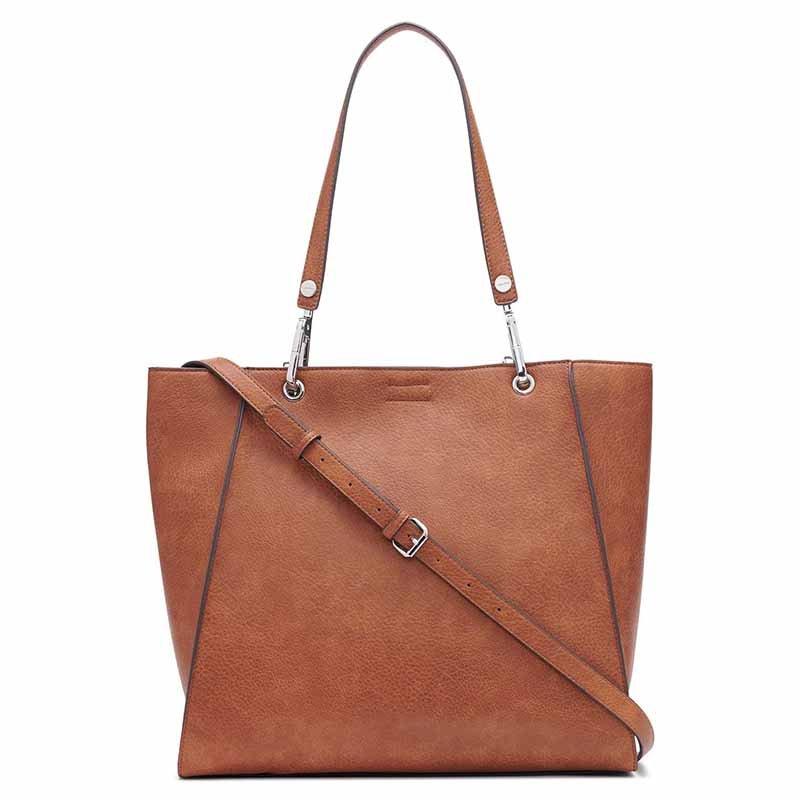
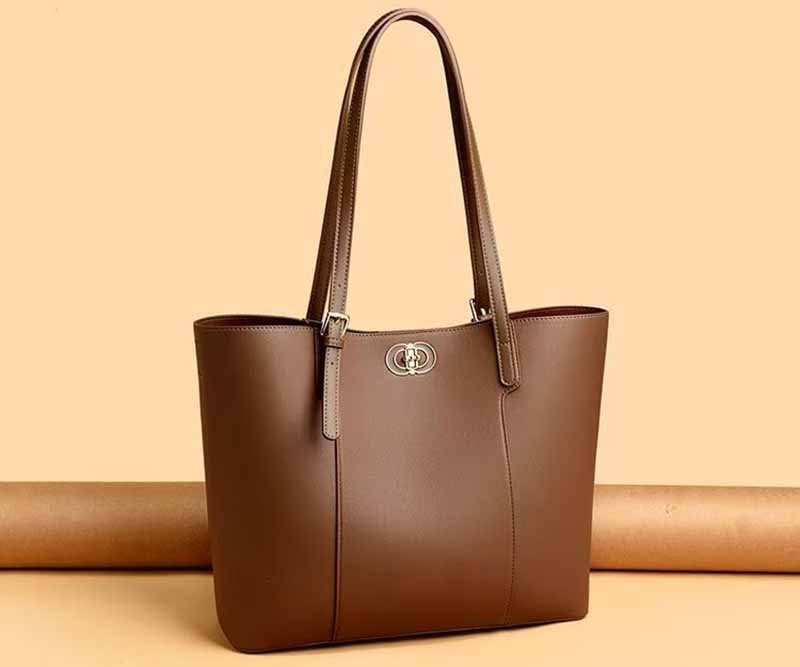
Designer tote programs work well for fashion labels, retail stores, beauty brands, travel brands, and gift campaigns. Szoneier can develop structured, semi-structured, or soft totes with canvas, cotton, PU, vegan leather, nylon, polyester Oxford, neoprene, or mixed materials. Common details include reinforced handles, inside zipper pockets, magnetic closures, bottom panels, lining, metal feet, logo patches, woven labels, hangtags, dust bags, and retail cartons. Size can range from compact daily totes to large weekend carry styles.
2. crossbody bags

Crossbody Bags

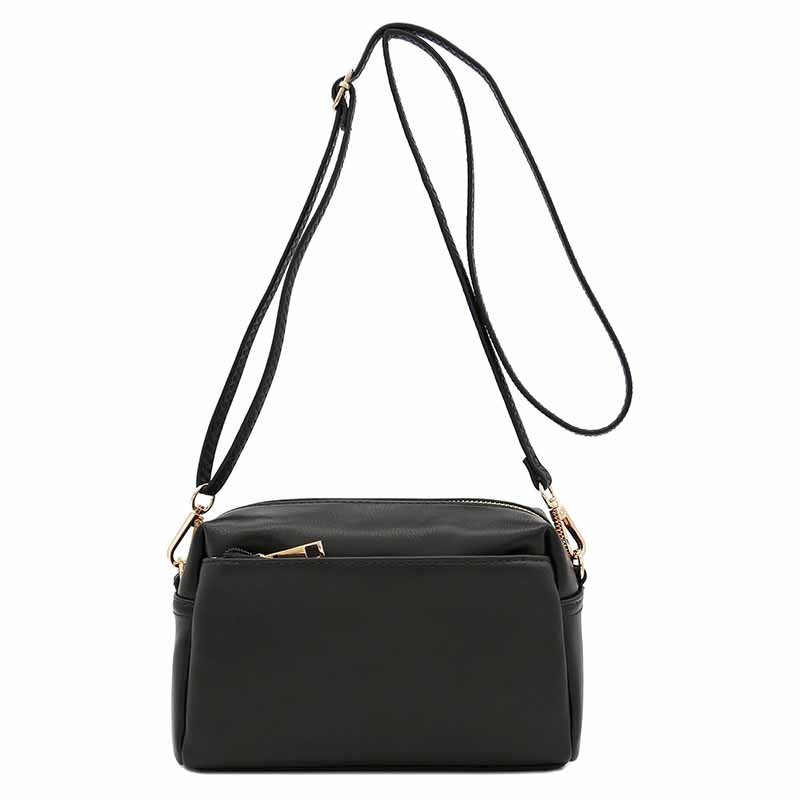
Crossbody bags need clean proportion, strap comfort, secure closure, and organized interior space. Szoneier can support mini, camera-bag, flap, pouch, bucket, and travel crossbody shapes. Development may include adjustable straps, chain straps, webbing straps, zipper pockets, card slots, back slip pockets, magnetic snaps, custom pullers, and branded lining. Material selection can target lightweight daily use, premium leather feel, easy-clean surfaces, travel durability, or gift-ready appearance.
3. shoulder bags

Shoulder Bags

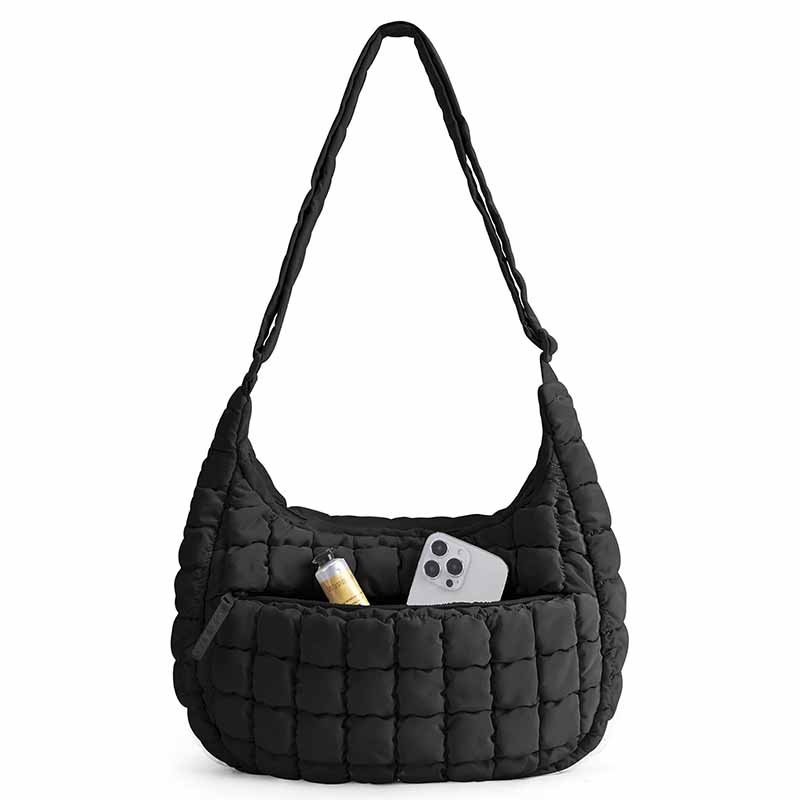
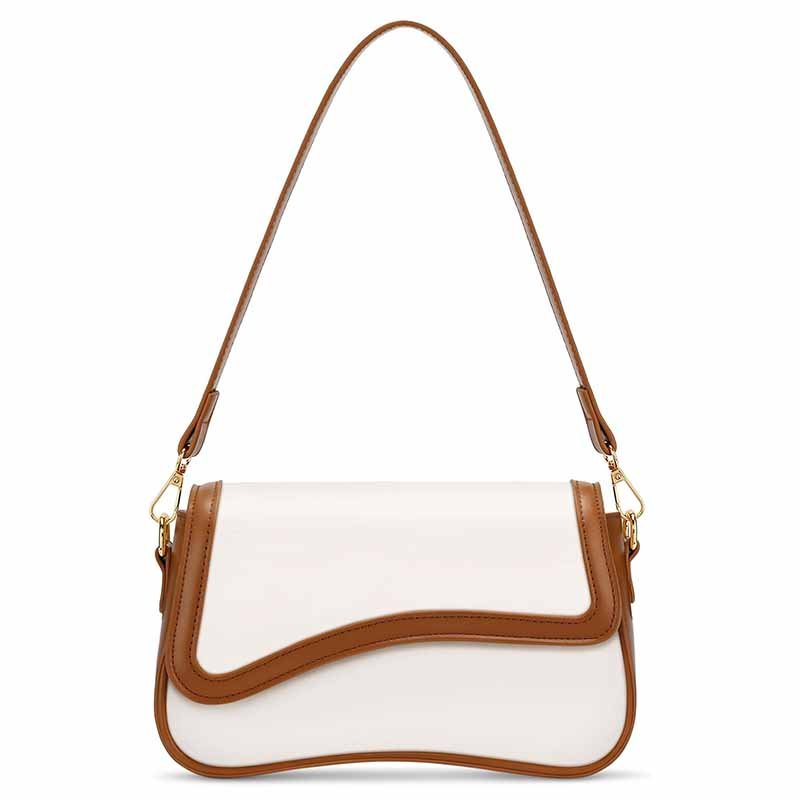
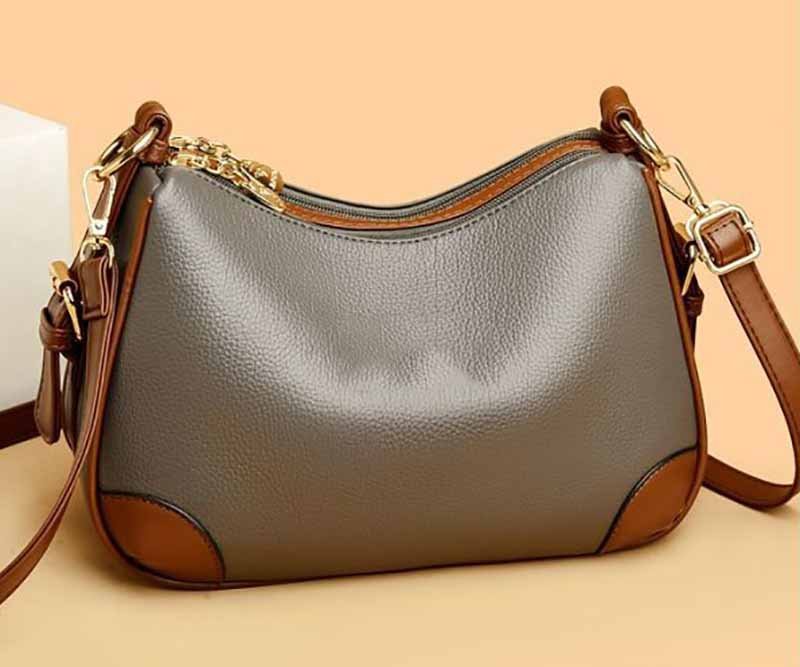
Shoulder bags rely heavily on silhouette, drop length, handle softness, and surface finish. Szoneier can develop crescent bags, hobo styles, structured shoulder bags, quilted bags, pouch-style bags, and slim urban bags. For brand collections, handle drop, body width, zipper curve, lining tension, bottom support, and metal finish should be checked in sample stage. A refined shoulder bag needs stable shape under real loading, not only a clean front photo.
4. mini handbags

Mini Handbags

Mini handbags work for fashion capsules, beauty gifts, event merchandise, and premium accessory sets. Szoneier can develop compact top-handle bags, small crossbody bags, pouch bags, mini totes, and boxy small bags. Mini formats require precise pattern work because small measurement deviations affect shape quickly. Logo scale, hardware weight, zipper length, seam allowance, and packaging size should be reviewed before bulk production, especially when the bag is designed for gift boxes or display shelves.
5. cosmetic bags

Cosmetic Bags

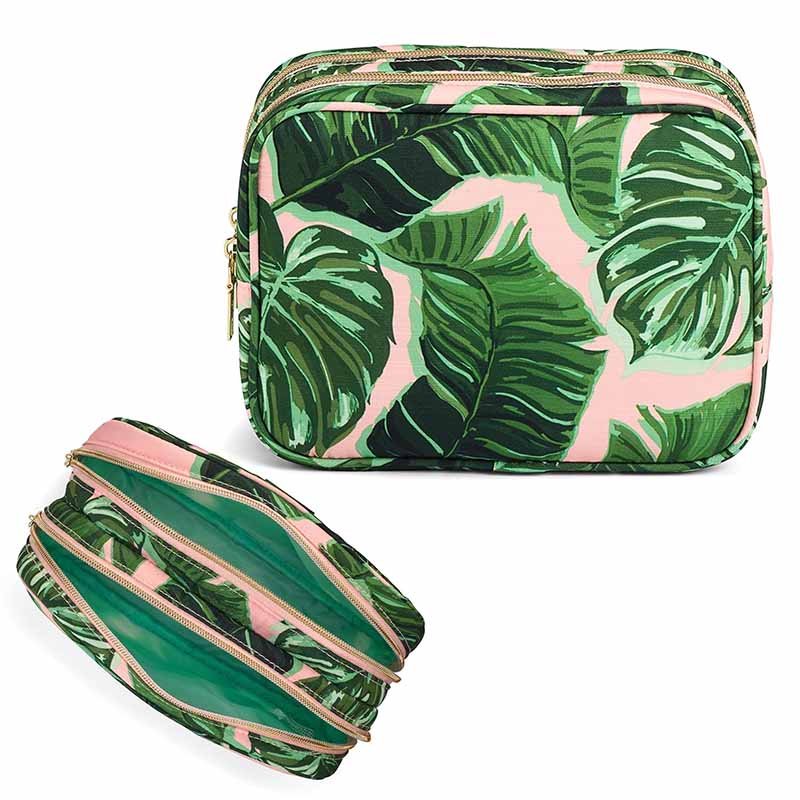
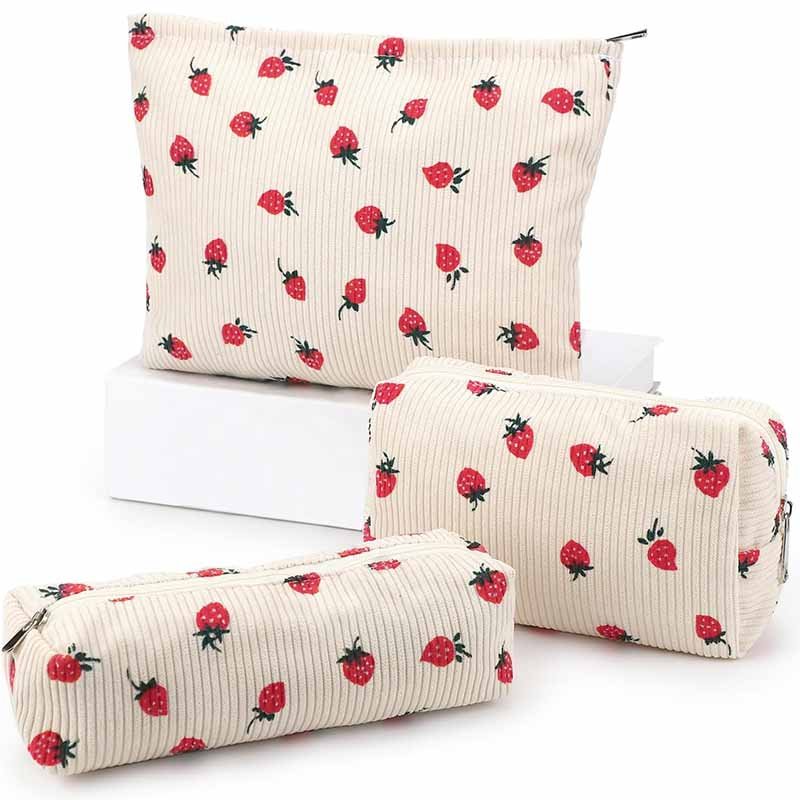
Designer cosmetic bags can serve beauty brands, skincare brands, salons, retail sets, hotels, travel kits, and gift programs. Szoneier can develop PU cosmetic bags, clear PVC pouches, quilted makeup bags, neoprene pouches, toiletry bags, brush bags, and multi-compartment organizer bags. Common choices include waterproof lining, wipe-clean surfaces, reinforced zipper ends, inner elastic loops, separate mesh pockets, branded pullers, foil logo, embroidery, heat transfer, hangtags, and gift-ready packaging.
6. travel pouches

Travel Pouches

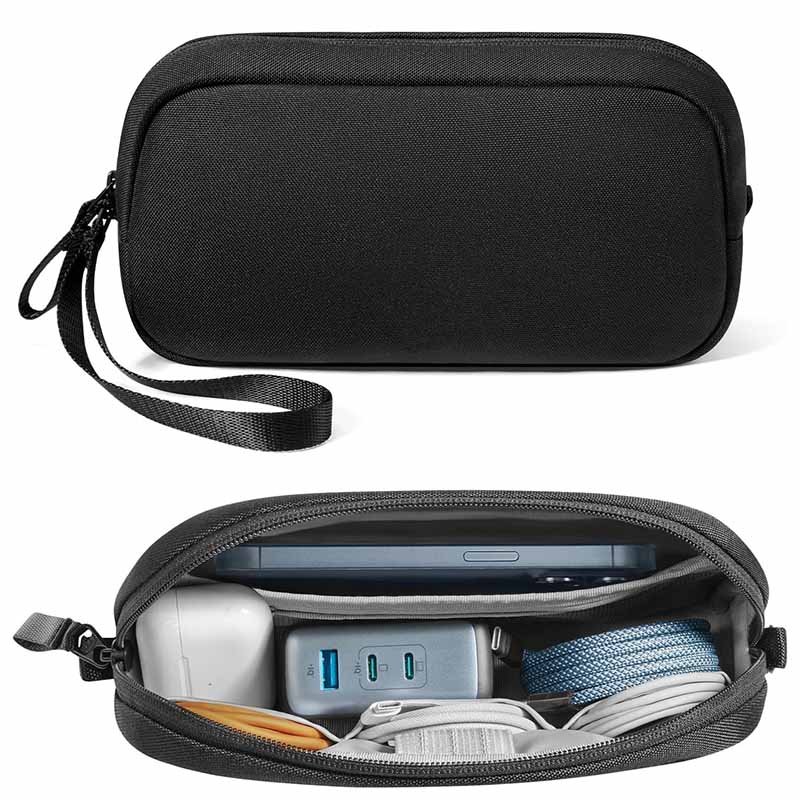
Travel pouch programs fit luggage brands, lifestyle brands, airline gifts, hotels, wellness brands, and organized packing collections. Szoneier can develop wash bags, cable bags, passport pouches, packing cubes, shoe bags, drawstring pouches, and foldable organizers. Structure details may include mesh panels, waterproof lining, handle loops, zipper mesh pockets, label windows, hanger hooks, inner dividers, and flat packing dimensions. Multi-piece sets can share fabric and color for cleaner sourcing.
7. leather goods

Leather Goods

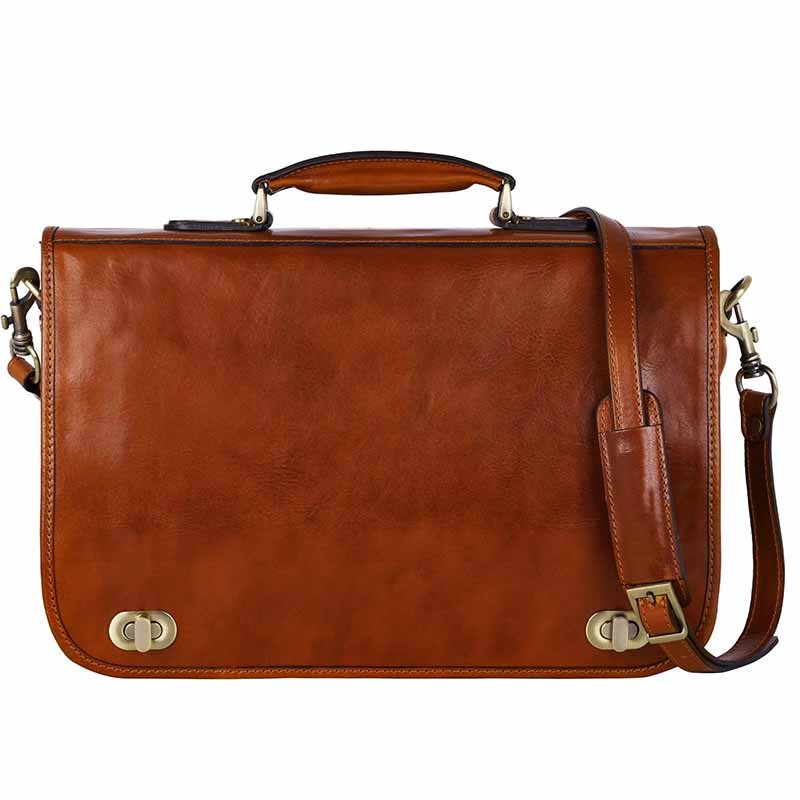
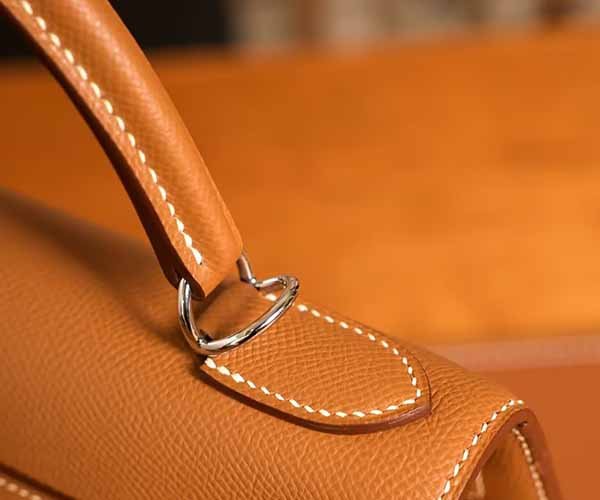
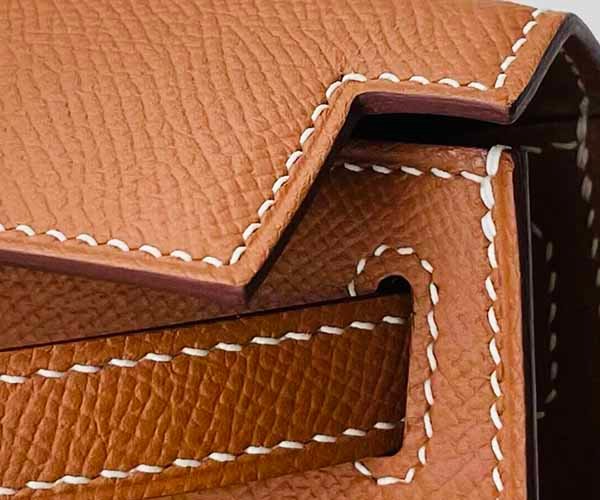
Leather goods need better material grading, edge treatment, hardware selection, and logo execution than basic fabric bags. Szoneier can support leather pouches, card holders, small crossbody bags, tote panels, straps, wallets, belt bags, and small accessories. Projects can use genuine leather, PU, microfiber, or vegan leather based on budget, hand feel, export market, and desired appearance. Logo methods may include embossing, debossing, foil stamping, metal plates, woven labels, or leather patches.
8. neoprene bags

Neoprene Bags

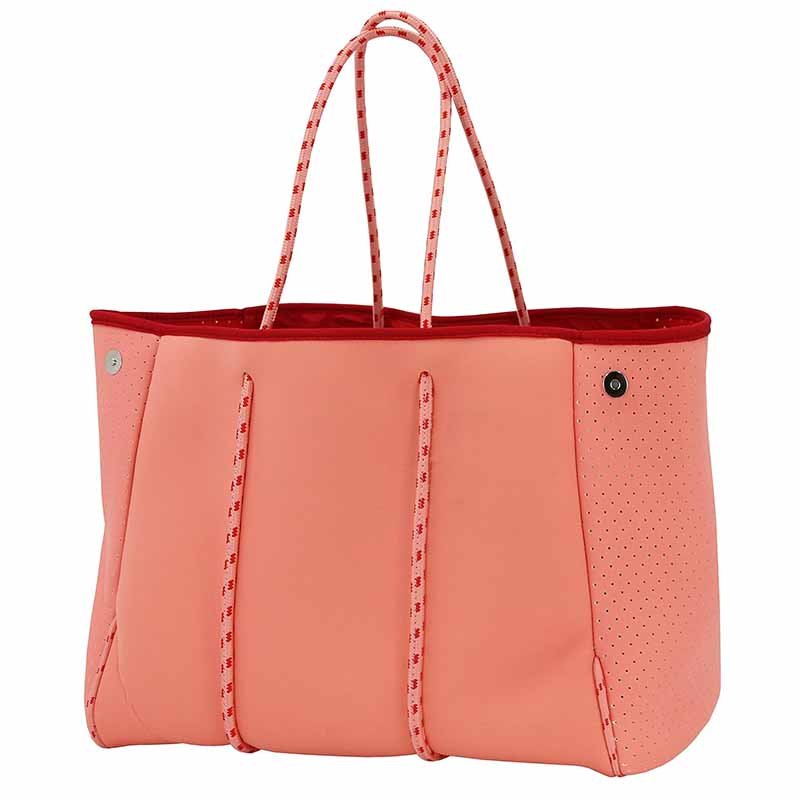
Neoprene designer bags suit sporty, wellness, beauty, beach, travel, and lifestyle collections. Szoneier can develop neoprene totes, lunch bags, bottle bags, cosmetic pouches, laptop sleeves, and soft organizer bags. Neoprene thickness, lamination, binding, zipper type, stitch method, odor control, and edge finishing should be confirmed during sampling. The material offers softness, shape memory, light cushioning, and a modern casual feel for brands seeking a more relaxed product line.
9. gift bag sets

Gift Bag Sets

Gift bag sets combine product, packaging, and brand story. Szoneier can develop pouch sets, cosmetic bag sets, travel sets, tote plus small pouch sets, and seasonal retail gift packs. Set planning should review unit cost, packaging size, color consistency, label rules, carton packing, and final presentation. When several products share the same fabric, zipper color, lining, and logo style, the collection feels more unified and sourcing becomes easier to manage.

From Concept to Sample Approval

A designer bag project moves from idea to real product through controlled steps. Szoneier can help review files, materials, structure, sample risks, logo method, packaging, and production feasibility before bulk order.

Project Review

Szoneier first reviews product type, reference images, target size, material preference, logo direction, target quantity, packaging, delivery country, and required launch schedule. When the concept is incomplete, the team can still begin with photos, a previous sample, a mood board, or a rough drawing. Early review helps identify cost-sensitive details such as bag size, custom hardware, lining, zipper length, special fabric, molded logo parts, retail box size, and shipping volume.

Material Direction

Material choice sets the tone for price, hand feel, structure, durability, and packaging weight. Szoneier can suggest PU, vegan leather, genuine leather, canvas, cotton, nylon, polyester Oxford, neoprene, mesh, RPET, TPU, or mixed-material options based on the bag style. For designer-style bags, the material cannot be selected only by unit cost. Surface texture, stiffness, folding behavior, odor, color fastness, stitching response, and logo compatibility all need review.

Pattern Development

Pattern development turns a visual idea into cut panels, seam allowance, gusset depth, handle position, strap length, pocket size, zipper route, and lining dimensions. Szoneier can create or adjust patterns after material confirmation. For structured handbags, even a few millimeters around corners, side seams, flap length, or zipper openings can affect final shape. Pattern records become useful assets for later colors, revised sizes, and repeat orders.

Sample Making

After material and pattern direction are confirmed, Szoneier makes the first sample to test shape, size, hand feel, stitching, logo placement, pocket function, and packaging fit. Simple fabric or pouch samples may move faster, while structured handbags, custom hardware, or special logo processes need longer development. Photo and video review can be shared before shipping when a project team wants to check visible details early.

Revision Control

A designer bag sample often needs one or more revisions. Common changes include handle drop, zipper route, body stiffness, lining color, pocket depth, logo scale, hardware color, stitch density, edge binding, and packaging fit. Szoneier records revision points so approved updates are not lost before the next sample or pre-production sample. Clear revision control helps avoid confusion between design preference, production feasibility, and cost impact.

Approval Standard

Bulk production should not begin from a vague description. Szoneier works with approved sample photos, sample comments, material notes, logo standard, packaging requirements, and order data. For higher-value programs, a pre-production sample can be confirmed before mass cutting. Approval records help the production team compare bulk units against the agreed standard instead of relying on memory or verbal instructions.

Original Designs, Protected Development Files

Strong brands protect original designs, logo files, material decisions, and sample records. Szoneier supports confidential development while avoiding counterfeit production, unauthorized trademarks, and copied luxury brand assets.

NDA and File Control

Szoneier can handle NDA-based communication for serious designer bag projects. Shared files may include sketches, tech packs, reference samples, CAD drawings, packaging artwork, logo files, material direction, photos, and internal collection notes. Access can be limited to the project team involved in quotation, sampling, sourcing, production, QC, and packaging. File control matters more when a bag includes custom molds, metal plates, unique lining prints, custom jacquard webbing, or unreleased seasonal colorways.

No Replica Production

Szoneier develops original private label bags and licensed projects. The team does not make counterfeit products, unauthorized luxury logos, copied trademark patterns, replica packaging, or protected shapes from other brands. A premium designer-style bag can borrow quality cues such as proportion, material feel, stitching discipline, and refined packaging without copying protected brand identity. Clear boundaries help serious fashion teams build long-term product value instead of creating legal and sales-channel risk.

Materials That Shape Designer Bag Quality

Material selection controls look, structure, unit cost, stitching behavior, packaging weight, and user experience. Szoneier helps match fabric or leather options to bag shape, price tier, sales channel, and logo method.

MaterialCommon Bag UseUsual Weight or Thickness RangeWhat to Check Before Sampling
Genuine leatherPremium pouches, straps, wallets, crossbody panels0.8-1.8 mmGrain, softness, color variation, edge treatment, embossing effect
PU / vegan leatherShoulder bags, mini bags, cosmetic bags, totes0.7-1.5 mmSurface texture, backing, crease behavior, odor, logo compatibility
Canvas / cottonTote bags, gift bags, casual designer styles8-16 ozShrinkage, hand feel, colorfastness, print result, seam strength
NylonTravel bags, crossbody bags, pouches210D-900DTear strength, coating, water resistance, zipper match, lining need
Polyester OxfordRetail totes, organizer bags, promotional collections300D-900DCoating, abrasion, stiffness, color consistency, printing method
NeopreneSporty totes, bottle bags, cosmetic pouches2-5 mmLamination, odor, edge binding, compression, sewing method
PVC / TPUClear bags, waterproof pouches, visual panels0.2-0.8 mmClarity, cold crack risk, seam method, smell, compliance requirement
RPET fabricsEco-positioned totes, pouches, travel organizersProject-basedCertification need, color availability, MOQ, label claim wording

Premium Material Selection for Designer Bags

Szoneier provides professional material selection services for designer bags covering three core aspects.

Premium Surface Feel

Designer bags sell through touch as much as shape. A PU shoulder bag, cotton tote, nylon crossbody, and neoprene pouch can all look premium when thickness, texture, backing, lining, and logo method are chosen together. Szoneier helps compare swatches by hand feel, crease resistance, weight, sewing response, and surface compatibility. A material choice should support the intended retail story, not fight against the bag structure.

Structure and Durability

A bag material must hold shape under normal use. Soft canvas may need lining or bottom support. PU may need reinforcement around handles. Nylon may need coating and binding. Neoprene may need clean edge finishing. Clear PVC may need seam planning and odor control. Szoneier checks where the material will be folded, stitched, pulled, printed, packed, and loaded before recommending a direction for sample development.

Cost and Availability

Material cost is not only the price per yard. Custom color, special texture, coating, certification, minimum dye lot, cutting loss, thickness, and shipping weight all influence total cost. Ready materials usually shorten lead time and reduce risk. Custom-developed materials may improve brand uniqueness but need earlier planning. Szoneier can review fabric options against target quantity, launch timing, logo process, and packaging before sampling. Request Material Advice

Structure Details Behind Premium Bag Shape

Designer bag quality depends on hidden structure: pattern balance, gusset depth, pocket layout, handle position, zipper route, lining tension, base support, and load-bearing points.

Silhouette Control

A bag silhouette needs stable width, height, depth, curve, and corner proportion. Szoneier checks whether the front panel, side panel, bottom panel, gusset, flap, and zipper path can hold the desired shape after sewing. Structured bags may need foam, board, lining, or reinforced seams. Soft bags may need looser material behavior. The sample stage should confirm how the bag sits empty, partly loaded, and fully packed.

Opening Design

The opening decides how easy the bag feels in daily use. Zipper openings, magnetic flaps, drawcord tops, snap closures, hook-and-loop details, and open-top totes each need different construction. For cosmetic and travel bags, opening width affects visibility and packing speed. For handbags, zipper curves and flap lengths influence appearance. Szoneier reviews opening size, zipper length, puller position, and seam allowance before bulk cutting.

Interior Layout

Interior layout can create real product value. Card slots, zipper pockets, elastic loops, mesh pockets, bottle sleeves, laptop sleeves, brush slots, divider panels, and lining pockets all add function. More pockets also add cutting pieces, sewing time, QC points, and cost. Szoneier helps decide which compartments strengthen the product and which ones make the bag complex without improving user experience or retail value.

Handle and Strap

Handle drop, strap width, stitch reinforcement, hardware strength, and load angle affect comfort and durability. Designer bags often need adjustable straps, chain straps, short top handles, removable straps, or wide webbing straps. Szoneier can review strap length from body height, wearing scenario, and bag capacity. Reinforced box stitching, bartacks, rivets, or hidden webbing may be used where the strap carries load.

Bottom Support

Bottom structure influences shape, standing ability, packing efficiency, and perceived quality. Options include foam, PE board, cardboard, leather board, removable bottom inserts, metal feet, and reinforced fabric layers. A cosmetic bag may need a flat base to stand on a vanity. A tote may need a stable floor for retail photos. Szoneier checks bottom support against material, weight, cost, and folding requirements.

Measurement Discipline

Custom designer bags should have measurement tolerances agreed before production. Common controlled points include body width, height, depth, handle drop, strap length, zipper length, pocket size, logo placement, and carton packing dimension. Szoneier can record approved measurements after sample confirmation. Clear measurement points help QC teams inspect bulk units and reduce disputes caused by vague size descriptions.

Hardware and Trim Options for Designer Bags
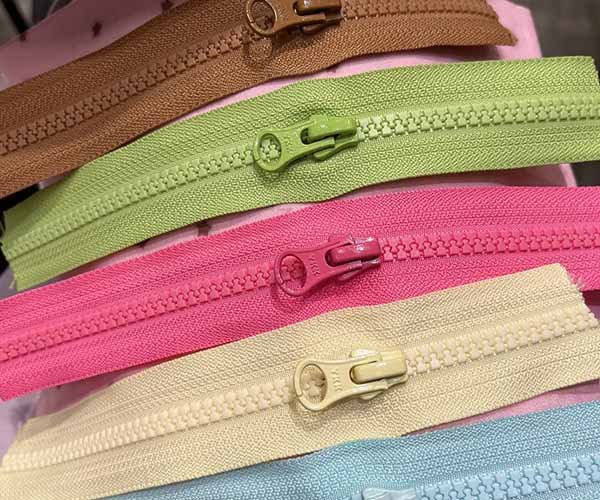
Hardware and trims influence first impression, retail value, durability, and cost. Szoneier helps align zippers, pullers, buckles, chains, labels, lining, and reinforcement parts with the design direction.
1. zippers and pullers

Zippers and Pullers

Zipper choice affects smoothness, strength, appearance, and repair risk. Szoneier can source nylon zippers, metal zippers, waterproof zippers, invisible zippers, resin zippers, and branded pullers based on bag use. A cosmetic bag may need smooth opening and easy-clean zipper tape. A shoulder bag may need a refined puller and strong slider. A travel pouch may need two-way opening, longer zipper runs, or larger pull tabs.
2. buckles and rings

Buckles and Rings

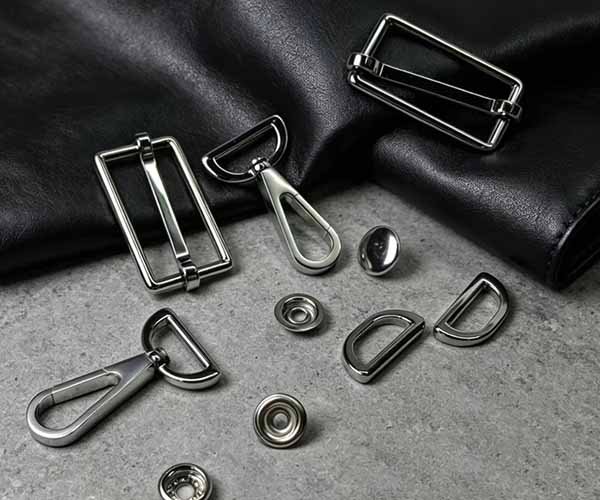
Buckles, D-rings, O-rings, adjusters, snap hooks, and chain connectors must match strap width, plating color, load requirement, and design style. Premium-looking hardware can raise perceived value, but custom plating and molded logo hardware may add lead time, mold cost, and MOQ. Szoneier helps compare standard hardware and custom options before sampling so appearance, budget, and timeline stay aligned.
3. magnetic closures

Magnetic Closures

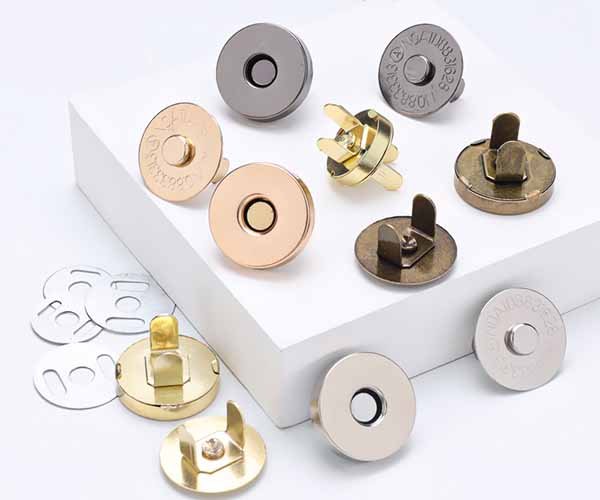
Magnetic snaps work well for flap bags, totes, mini handbags, and cosmetic organizers. Strength must match material thickness and intended use. A weak magnet can feel cheap; an overly strong one can deform soft materials or make opening uncomfortable. Szoneier checks magnet placement, reinforcement backing, flap alignment, and lining coverage during sample development, especially on PU, leather, and structured tote projects.
4. webbing and straps

Webbing and Straps

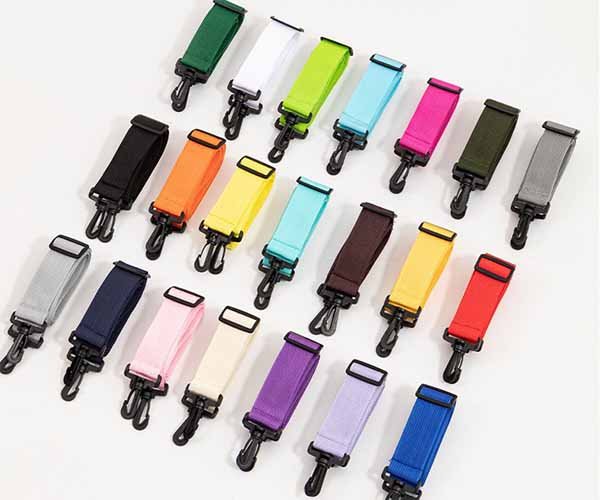
Webbing can be plain, jacquard, printed, striped, padded, or color-matched. Strap width commonly ranges from 20 mm to 50 mm depending on bag size and function. Fashion bags may use narrow PU straps or chains, while travel and sporty lines may use wider webbing. Szoneier reviews strap comfort, edge feel, color matching, logo feasibility, stitching path, and hardware compatibility before production.
5. lining and binding

Lining and Binding

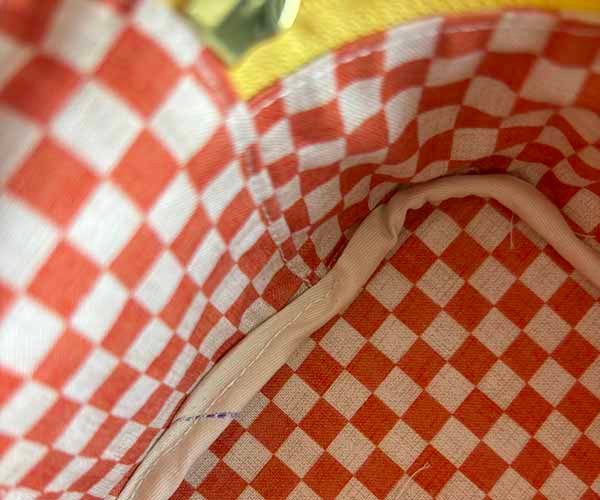
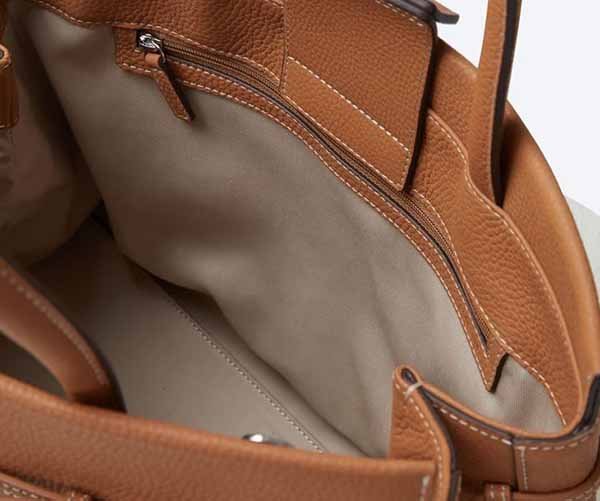
Lining is visible every time the bag opens. Polyester lining, cotton lining, satin lining, mesh lining, waterproof lining, or printed lining can change the product feel. Binding controls edge cleanliness and durability, especially on neoprene, nylon, Oxford, canvas, and travel pouches. Szoneier can help match lining color, pocket construction, binding width, and stitch spacing to the intended quality level.
6. labels and inserts

Labels and Inserts

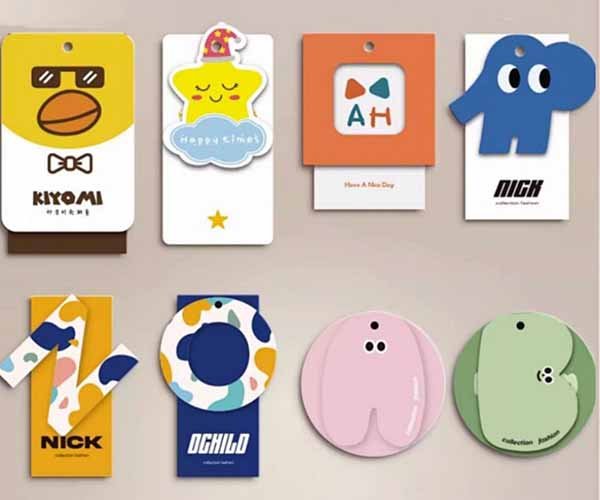
Labels and inserts create brand memory. Woven labels, printed labels, leather patches, care labels, size labels, origin labels, hangtags, insert cards, barcode labels, and dust bags can be integrated into the production plan. Label placement should be set before sample approval. Szoneier helps align label content with product material, packaging method, export needs, retail scan requirements, and brand presentation.

Logo and Branding Methods

A logo method should match material, finish, budget, usage, and packaging. Szoneier can support subtle luxury marks, bold retail marks, gift logos, and complete private label presentation.

Embossed Logo

Embossing creates a pressed mark on leather, PU, microfiber, and selected synthetic materials. It works well for premium handbags, pouches, wallets, and leather patches. The result depends on material thickness, surface texture, heat response, pressure, and logo line width. Szoneier can test embossing on sample material before bulk production, especially when a brand needs a subtle logo rather than a printed mark.

Debossed Logo

Debossing creates a recessed logo effect and can feel refined on leather goods, structured PU bags, and high-end pouches. It is often used on patches, body panels, zipper tabs, card holders, and labels. Tooling may be needed, and final clarity depends on logo size and material behavior. Szoneier helps review whether debossing fits the intended surface or whether a metal plate, woven label, or print would be cleaner.

Metal Logo Plate

Metal plates can raise perceived value on designer-style handbags, cosmetic bags, and retail collections. They require clear placement, plating choice, size, attachment method, and anti-scratch packing. Custom logo plates may require mold fees and higher component MOQ. Szoneier can help compare standard metal plates, custom plates, rivet fixation, stitched patches, or heat-pressed alternatives according to budget and schedule.

Woven Label

Woven labels are versatile for totes, pouches, travel bags, inner labels, and private label collections. They can be placed on the outside seam, inner lining, side tab, handle, pocket, or packaging. The technique works well when a brand wants a durable mark without adding hardware cost. Szoneier helps check label size, edge fold, sewing position, thread color, and how the label looks after washing or repeated handling.

Leather Patch

Leather patches work well on canvas totes, travel pouches, denim-style bags, outdoor bags, and premium soft goods. The patch can be genuine leather, PU, microfiber, or vegan leather depending on cost and brand direction. Logo can be embossed, debossed, foil stamped, printed, or stitched. Patch thickness, edge finishing, stitch line, and placement should be confirmed at sample stage to avoid bulk inconsistency.

Embroidery

Embroidery gives texture and durability for canvas, cotton, polyester, nylon, and selected pouches. It is good for monograms, brand names, icons, and limited capsule collections. The logo file must be converted to an embroidery format, and stitch count affects cost. Szoneier reviews fabric thickness, backing, thread color, logo size, and position so embroidery does not distort the bag panel.

Screen Printing

Screen printing works well for canvas totes, cotton bags, polyester pouches, drawstring bags, gift bags, and flat panels. It is suitable for strong visual marks, slogans, and simple artwork. Ink type, color count, fabric texture, and curing affect the final look. Szoneier can advise whether screen printing, heat transfer, digital printing, embroidery, or woven label fits the product material and budget better.

Heat Transfer

Heat transfer can produce clean graphics, multi-color artwork, and smooth branding on selected fabrics. It works for pouches, travel organizers, gift bags, and some sports-style designs. The material must tolerate heat and pressure. Szoneier checks transfer film, edge durability, washing behavior, and surface feel before recommending it for bulk production. It is useful when artwork has gradients or multiple colors unsuitable for simple screen printing.

Full Packaging Identity

A designer bag program often needs more than a logo on the product. Szoneier can help coordinate hangtags, care labels, barcode stickers, insert cards, tissue paper, dust bags, mailer boxes, gift boxes, and carton marks. Packaging identity should be discussed before final quotation because box size, insert materials, label quantity, and packing labor all affect landed cost and shipment volume.

Sample Development Before Bulk Production

Sampling confirms appearance, structure, hand feel, logo, packaging, and manufacturing risk before bulk cutting. Szoneier uses a clear path from first review to approved sample and production files.

Sample StageMain WorkCommon TimingOutput
File reviewCheck sketch, photo, sample, material, quantity, packaging1-2 working daysFeasibility comments and RFQ points
Material sourcingFind ready swatches or request alternatives2-5 working daysMaterial photos, swatches, or suggestions
Pattern and trialPattern work, cutting plan, structure check2-4 working daysPattern draft and sewing direction
First sampleSewing, logo trial, basic internal check7-12 days for standard workFirst physical sample
Complex sampleSpecial hardware, structure, mold, or material tests12-20 daysDeveloped sample with risk notes
RevisionAdjust size, structure, logo, trim, lining, packagingProject-basedRevised sample or approval comments

Clear Input Saves Time

The strongest sample projects start with product type, rough size, target quantity, material preference, logo file, packaging idea, and delivery country. A tech pack is useful, but Szoneier can also work from photos, rough sketches, an old sample, or a reference link. The more precise the input, the easier it becomes to quote, source material, make patterns, and avoid unnecessary sample rounds.

Photo and Video Review

Before a sample ships, Szoneier can share photos or videos of shape, size, pockets, logo, zipper, lining, hardware, and packaging fit. Remote review helps project teams catch obvious issues early, especially when the team is in the United States, Europe, Australia, or the Middle East. Physical sample shipping remains important for hand feel, weight, stiffness, stitching, zipper smoothness, and actual color review.

Approved Sample Records

Once approved, the sample should become a production standard. Szoneier keeps relevant records such as material name, color, thickness, pattern, logo method, hardware, lining, packaging, and carton plan. For repeat orders or color extensions, these records help reduce repeated discussions and support more stable production. Designer bag programs benefit strongly from controlled sample records because many details are visual and touch-based.

MOQ and Order Planning for Designer Bags

Szoneier supports MOQ from 200 pcs for many selected standard bag projects. Exact MOQ depends on material availability, structure, logo method, custom trims, packaging, and production schedule.

Suitable 200 pcs Projects

Selected standard projects can start from 200 pcs when using ready materials, common colors, mature structures, standard zippers, basic hardware, simple logo methods, and regular packaging. Suitable styles may include canvas totes, cotton totes, simple PU pouches, cosmetic bags, travel pouches, drawstring bags, beach totes, and selected basic backpacks. A 200 pcs starting order works best when the brand wants to confirm material, sample quality, size, packaging, and first sales feedback before larger replenishment.

Higher MOQ Situations

Custom-dyed fabric, custom metal plates, logo zipper pullers, jacquard webbing, molded rubber patches, special leather, certified RPET, complex structured handbags, gift boxes, special hardware plating, or functional material testing can require higher MOQ or separate development cost. Szoneier explains these factors during quotation instead of hiding them inside a vague unit price. Clear MOQ planning helps brand teams compare design ambition, budget, and launch timing early.

Bulk Production Control for Repeat Orders

Bulk consistency comes from records, not promises. Szoneier connects approved samples, BOM files, material notes, accessory records, logo standards, packaging files, and QC checks before shipment.

Approved Sample

The approved sample is the visual and functional reference for production. Szoneier compares bulk output against shape, size, material, lining, zipper, hardware, logo, stitching, and packaging details agreed during sample approval. When a product has several colors or sizes, clear reference samples or photo standards help prevent confusion. A sample cannot remain only in a sales conversation; it must become a production control object.

BOM Records

A BOM record captures the material, lining, zipper, puller, hardware, webbing, label, thread, packaging, and carton details used for the order. For designer bag programs, BOM control matters because small changes in trim color, zipper size, lining type, or backing material can alter the product feel. Szoneier uses these records to support first bulk orders, repeat orders, and multi-SKU development with clearer internal communication.

Pre-Production Sample

A pre-production sample can be used before mass cutting when the bag is complex, the order quantity is important, or a new supplier component is involved. It confirms approved material, pattern, logo, hardware, lining, and packing method after sourcing is finalized. Szoneier can use pre-production confirmation to reduce the risk of bulk mismatch, especially for structured handbags, leather goods, custom trims, or retail gift packaging.

Process Inspection

During production, Szoneier can check cutting, logo work, sewing, lining attachment, zipper alignment, handle reinforcement, pocket construction, and packaging sequence. Process inspection helps catch problems before the entire order is finished. Designer-style bags often involve many visual details, so in-line review is valuable for stitch alignment, panel symmetry, logo position, hardware placement, and corner finishing.

Packaging Control

Packaging can create delays when labels, insert cards, dust bags, barcodes, cartons, or FBA marks are not ready. Szoneier reviews packaging files, label placement, carton quantity, carton marks, polybag requirements, and export packing before shipment. For retail or marketplace channels, packaging control is part of product quality because wrong labels or damaged cartons can interrupt receiving, listing, or warehouse processing.

Reorder Files

Repeat orders move faster when material codes, colors, patterns, hardware, labels, packaging, and carton plans are recorded. Szoneier can keep project files to support future replenishment, color extensions, and updated versions. Reorder files are especially useful for brands managing several sales channels, seasonal colors, or product bundles. Stability in repeat orders often matters more than a one-time low quotation.

Sewing Details That Raise Designer Bag Value
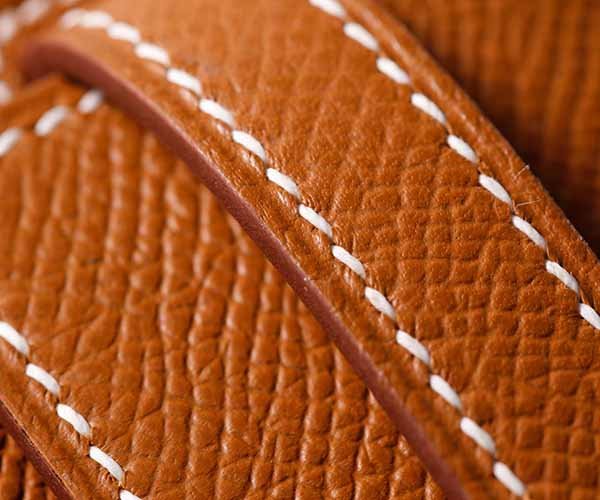
Premium appearance depends on stitching, alignment, reinforcement, edge handling, lining attachment, and corner finishing. Szoneier controls these details from sample stage to bulk inspection.
1. stitch density

Stitch Density

Stitch density affects both strength and appearance. Too few stitches can make the bag look loose; overly dense stitching can damage some materials or slow production. Common stitch settings vary by material, seam type, and bag function. Szoneier checks stitch spacing on PU, leather, canvas, nylon, Oxford, neoprene, and lining panels during sampling, then records the approved look for bulk production.
2. handle reinforcement

Handle Reinforcement

Handles receive the most stress on totes, shoulder bags, travel pouches, and daily carry styles. Reinforcement can include box stitching, bartacks, rivets, hidden webbing, backing patches, or extra layers. The method should match bag size, material, expected load, and design appearance. Szoneier reviews handle drop, handle width, stitch area, and attachment angle so reinforcement supports the bag without looking bulky.
3. edge binding

Edge Binding

Binding creates a clean edge on fabric, neoprene, Oxford, nylon, mesh, and travel pouches. It also protects raw edges from fraying. Binding width, color, material, sewing tension, and corner handling influence the final look. Szoneier checks whether straight binding, bias binding, folded binding, or turned seams fit the design better. Clean binding is especially important for open pockets, handles, and organizer compartments.
4. corner finishing

Corner Finishing

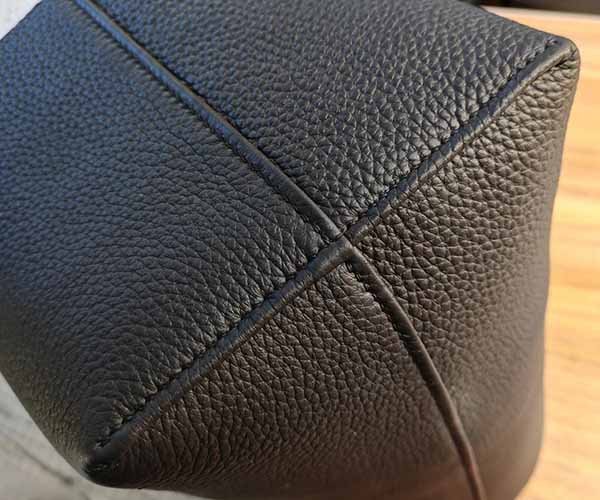
Corners reveal bag quality quickly. Poor corners can look twisted, bulky, wrinkled, or uneven. Szoneier reviews seam allowance, turning method, reinforcement layers, material thickness, and stitch path around bottom corners, flap corners, pocket corners, and zipper ends. Structured handbags and cosmetic bags need careful corner planning because the final shape depends on how panels meet after sewing and turning.
5. zipper alignment

Zipper Alignment

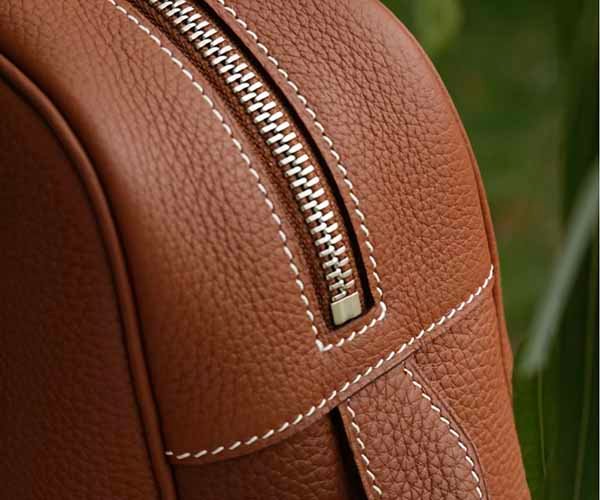
Zipper alignment affects both function and visual quality. A zipper must sit straight, open smoothly, and match the bag curve or panel edge. Szoneier checks zipper length, tape color, end stops, puller direction, seam distance, and pressure points. Cosmetic bags, travel pouches, and crossbody bags often need extra attention around zipper ends because bulk material can cause uneven closure if not handled properly.
6. lining attachment

Lining Attachment

Lining should sit cleanly without sagging, twisting, or pulling at seams. Szoneier can build lining patterns separately from outer panels when needed. Pocket placement, zipper pocket attachment, elastic loops, mesh inserts, and care labels should be planned before sewing. Designer bags often use lining as part of the brand experience, so color, texture, seam cleanliness, and pocket strength should not be treated as afterthoughts.
7. strap stitching

Strap Stitching

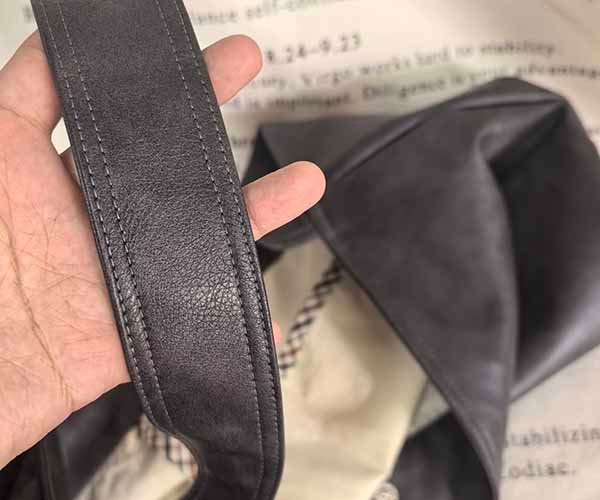
Straps require clean edge stitching, strong fold construction, accurate length, and stable attachment to hardware. PU straps, leather straps, webbing straps, and chain-supported straps each behave differently. Szoneier checks strap width, stitch distance, reinforcement method, edge finish, hardware fit, and adjuster movement. A refined strap can make a simple bag feel more valuable, while a weak strap damages the whole product impression.
8. logo placement

Logo Placement

Logo placement must stay consistent across bulk units. Szoneier checks distance from seams, center alignment, panel flatness, print area, embossing area, patch stitch line, and interaction with pockets or hardware. For metal plates or patches, attachment holes and backing reinforcement should be confirmed early. Consistent logo placement is important for retail photos, e-commerce listings, and brand recognition across repeat orders.
9. final pressing

Final Pressing

Final shaping, trimming, thread cleaning, pressing, stuffing, and packing influence how the bag looks when opened by the end user. Some bags need tissue stuffing to hold shape. Others need flat packing to reduce carton volume. Szoneier reviews packing style according to material, structure, packaging, carton count, and sales channel. The final presentation should protect the bag without creating unnecessary shipping volume.

Quality Inspection for Designer Bag Production

Designer bag QC should cover materials, trims, cutting, sewing, measurements, logo work, appearance, packaging, and shipment preparation. Szoneier builds inspection around product risk and order requirements.

Material Inspection

Material inspection checks color, texture, thickness, coating, smell, defects, backing, and surface consistency before cutting. For leather and PU, grain, scratches, creases, and embossing behavior need review. For canvas and cotton, shrinkage and colorfastness may matter. For nylon, Oxford, PVC, TPU, and neoprene, coating, lamination, odor, and surface marks should be checked. Early material inspection prevents waste after cutting begins.

Accessory Inspection

Zippers, sliders, pullers, buckles, snaps, magnets, chains, labels, webbing, patches, and packaging components should be checked before assembly. Wrong plating color, weak zipper sliders, uneven label size, or mismatched webbing can damage the whole production run. Szoneier reviews accessory quantity, appearance, function, color, attachment method, and compatibility with the approved sample before mass assembly.

Cutting Inspection

Cutting affects shape accuracy and sewing quality. Panel size, grain direction, fabric direction, print placement, matching pieces, notch position, and cutting loss must be controlled. For designer-style bags, uneven cutting can create asymmetry around front panels, flaps, side gussets, handles, and pockets. Szoneier checks cut panels against pattern requirements before the sewing stage moves too far.

Sewing Inspection

Sewing inspection checks stitch length, tension, skipped stitches, broken threads, seam allowance, edge binding, handle reinforcement, pocket attachment, zipper installation, lining fit, and corner finishing. Different materials need different sewing behavior. Szoneier reviews these points during production so issues can be corrected before final packing. Visual bags need especially careful inspection around front panels, logo areas, flaps, and handles.

Measurement Check

Measurement control covers body width, height, depth, handle drop, strap length, zipper length, pocket size, logo location, and packing size. Tolerance should be linked to bag type and material behavior. Soft bags and rigid bags cannot follow the same inspection logic. Szoneier uses approved sample measurements and product requirements to check bulk units so size variation remains within the agreed range.

Logo Inspection

Logo inspection checks clarity, position, color, depth, adhesion, stitching, plating, and alignment. Embossing must be clean. Printing must not crack or bleed. Metal plates must be secure. Woven labels must sit straight. Embroidery must not distort fabric. Szoneier reviews logo performance according to the chosen method and material, because branding errors are highly visible in retail photos and end-user reviews.

Appearance Review

Appearance review checks scratches, stains, wrinkles, loose threads, uneven panels, color shade differences, lining defects, zipper waves, hardware marks, glue residue, and shape deformation. Designer-style bags are judged quickly by visual details. Szoneier can align appearance criteria with the approved sample and sales channel, so the inspection standard matches the expected retail quality level instead of relying on generic bag checks.

Packaging Check

Packaging inspection covers polybags, dust bags, gift boxes, insert cards, hangtags, barcode labels, FNSKU labels, carton marks, carton strength, packing quantity, and carton dimensions. Wrong packaging can delay warehouse receiving or retail distribution. Szoneier checks packing materials and sequence before shipment, especially for DTC, retail, and Amazon programs where labeling and carton data must be accurate.

Pre-Shipment Review

Before shipment, Szoneier can review finished goods quantity, packing list, carton data, visible product condition, export packaging, and shipping requirements. For important orders, third-party inspection can also be arranged when requested. Pre-shipment review helps confirm the order is ready to move through express, air freight, sea freight, DDP, FBA, or freight forwarder delivery without avoidable packing or documentation problems.

Retail, DTC, and FBA Packaging Support

Packaging should match the sales channel before production ends. Szoneier can coordinate product packing, labels, inserts, dust bags, gift boxes, cartons, and warehouse-ready shipping details.

Retail Packaging

Retail programs often need hangtags, barcodes, care labels, branded sleeves, display cartons, carton marks, and receiving-friendly packing. Szoneier can help confirm label placement, carton quantity, unit packing, master carton size, and outer mark content before shipment. For boutique and department-store programs, packaging should protect the bag while keeping presentation clean. Overly large boxes can raise freight cost; overly weak packing can damage the product.

DTC Packaging

DTC packaging often includes dust bags, insert cards, thank-you cards, tissue paper, branded mailer boxes, pouch sets, or gift boxes. The packaging must photograph well and protect the product during direct delivery. Szoneier can coordinate product packing with branding needs, carton planning, and shipping route. For bag sets, shared packaging style can improve unboxing while reducing SKU confusion inside the warehouse.

FBA Preparation

Amazon programs may need FNSKU labels, polybag warnings, carton labels, master carton planning, carton weight control, and DDP discussion. Szoneier can review product size, packing method, carton quantity, and label needs once the brand provides SKU list, shipping plan, destination information, and any forwarder instructions. FBA preparation should be discussed before bulk packing, not after finished goods are already sealed.

Global Delivery for US and Overseas Programs

Szoneier supports export delivery planning from Shenzhen and South China supply chain resources, with sample shipping, express, air freight, sea freight, DDP review, and FBA coordination when project details are clear.

Sample Shipping

Samples can be shipped by express for faster review. Project teams should provide full recipient name, company, phone, delivery address, postal code, and import preference when available. Sample shipping is useful for checking real material, stiffness, zipper function, logo effect, and packaging fit. For urgent launch schedules, Szoneier can share sample photos or videos before dispatch so visible issues can be corrected earlier.

Bulk Freight

Bulk shipment route depends on quantity, carton volume, product weight, target arrival date, budget, and destination. Express is useful for urgent or small shipments. Air freight can support faster launch windows. Sea freight is often better for larger volumes. DDP can be reviewed for selected countries and routes. Szoneier can prepare carton data and shipment information for freight forwarder comparison after packing details are confirmed.

Warehouse Coordination

Retail, DTC, and Amazon programs may have different receiving rules. Szoneier can coordinate carton marks, labels, packing lists, commercial invoices, barcode needs, FBA labels, and multi-address shipment planning when information is provided early. For repeated programs, stable carton data and packaging records make replenishment smoother. Delivery planning should begin before production ends because packaging size and carton quantity affect freight options.

Custom Designer Bag Project Case Studies
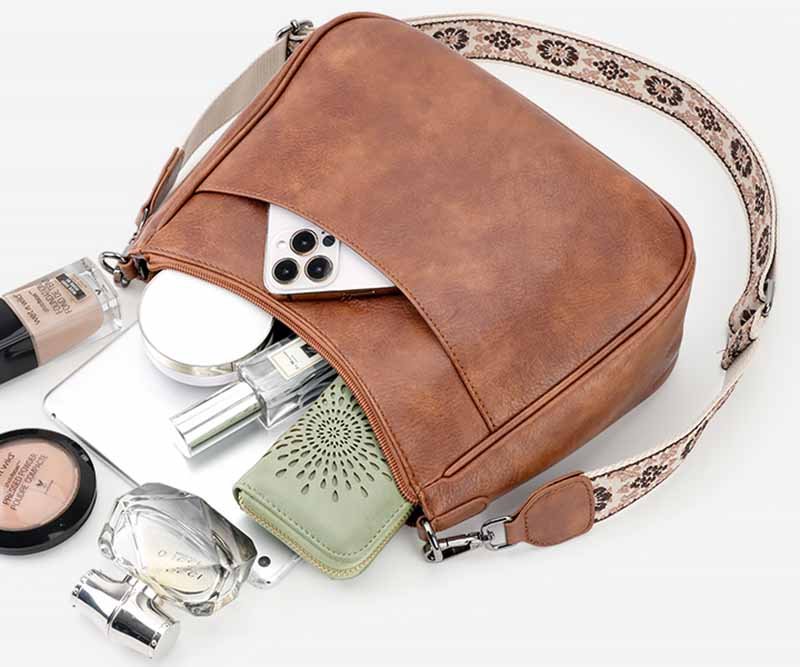
These sample cases show how Szoneier can support design development, material selection, sampling, bulk production, QC, packaging, and delivery for brand-level custom designer bag programs.
1. vegan leather crossbody bag

US Fashion Label

Region: United States.

Product: vegan leather crossbody bag series.

Quantity: 1,200 pcs across 3 colors.

Material: 1.2 mm vegan leather with polyester lining.

Logo: debossed front panel plus woven inner label.

Challenge: the original sketch looked clean, but the first structure risked zipper waves and weak strap attachment. Szoneier adjusted the pattern, added reinforcement under strap ends, reviewed zipper route, and created a pre-production sample before cutting. Bulk production took 32 days after sample approval. Final packing used dust bags and barcoded inner cartons.
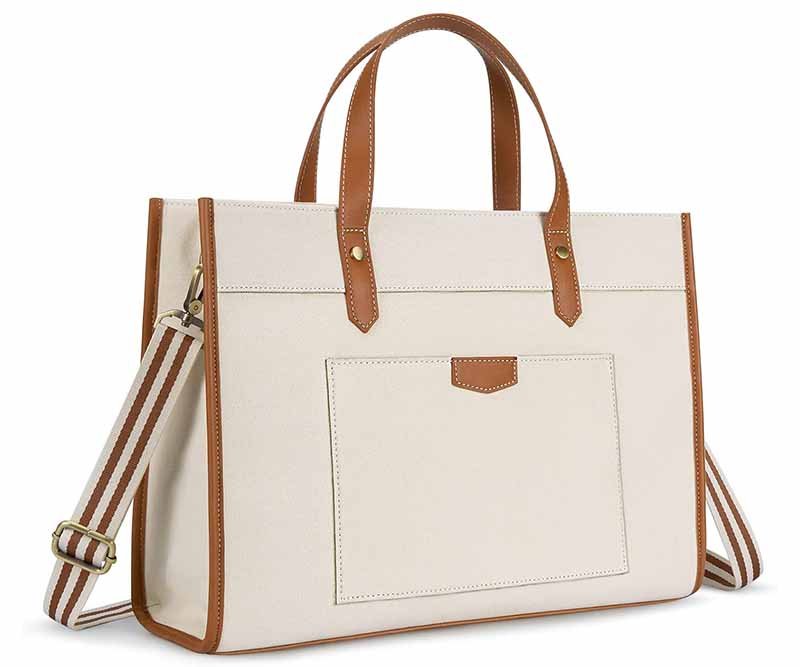
2. canvas and pu designer tote

European Retail Program

Region: Western Europe.

Product: canvas and PU designer tote.

Quantity: 2,500 pcs.

Material: 14 oz canvas with PU handle and bottom panel.

Logo: leather patch with debossed mark.

Packaging: hangtag, care label, individual polybag, retail carton marks.

Challenge: the retail team needed a tote that stood better on shelf without becoming too heavy for sea freight. Szoneier added bottom support, adjusted handle drop to 24 cm, improved inner pocket depth, and confirmed carton packing at 40 pcs per master carton. Final inspection focused on handle strength, patch alignment, and carton marks.
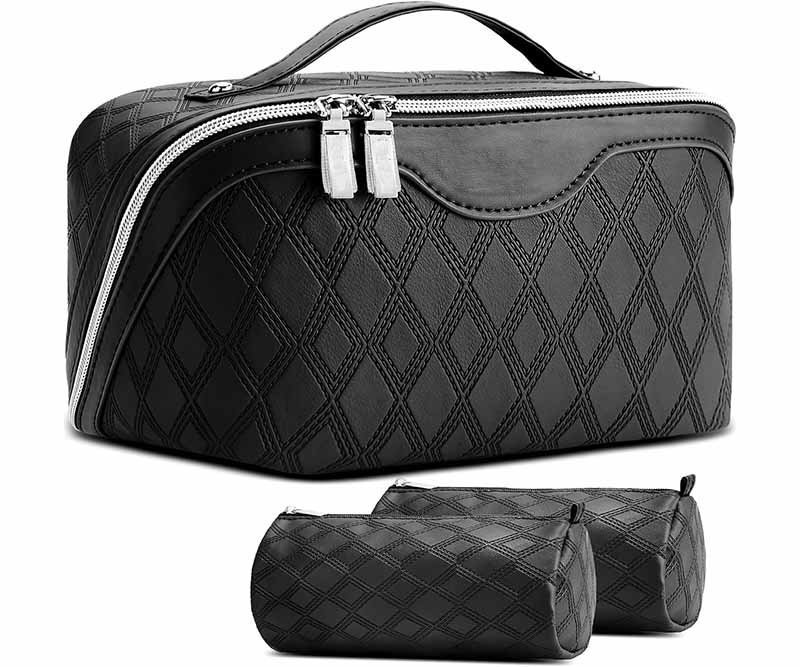
3. cosmetic bag and brush pouch gift set

Australia Beauty Brand

Region: Australia.

Product: cosmetic bag and brush pouch gift set.

Quantity: 3,000 sets. Material: quilted PU outer, wipe-clean lining, nylon zipper.

Logo: gold foil print on PU patch.

Packaging: gift sleeve plus insert card.

Challenge: the brand needed a premium look within a controlled unit cost and a delivery schedule for a seasonal promotion. Szoneier recommended a shared material set, standard zipper colors, simplified inner pocket layout, and carton size optimization. Sampling took 11 days, and bulk production took 28 days after packaging artwork approval. QC focused on foil logo clarity, zipper smoothness, lining cleanliness, and set matching.

Why Brands Choose Szoneier for Designer Bags

Szoneier is not positioned as the cheapest marketplace source or a single-style workshop. The stronger value is coordinated development across material, pattern, sample, sewing, logo, packaging, QC, and delivery.

Compared With Workshops

Italian or local workshops can be strong for luxury image, close design culture, or handmade storytelling. Szoneier is a better fit when a brand needs broader material options, multi-SKU coordination, repeat production, packaging, QC, and export delivery under one managed manufacturing path. The focus is not only a beautiful sample, but also a controlled route from approved sample to bulk shipment and reorder files.

Compared With Traders

A trading company may quote quickly, but project details can be lost when sampling and production are pushed to unknown factories. Szoneier operates as a factory-based custom bags and soft goods manufacturing partner with in-house sampling coordination, sewing production coordination, QC, packaging, and export support. Direct manufacturing knowledge helps during material selection, pattern changes, logo trials, and bulk control.

Compared With Marketplaces

Marketplace suppliers can be useful for stock items, simple promotional bags, or quick price scanning. Designer bag programs need more control over material, structure, trims, approved samples, IP boundaries, packaging, and repeat orders. Szoneier supports project-based development rather than only product listing selection. For serious brand programs, communication, sample files, inspection standards, and packaging records matter more than a product card.

Compared With Single-Category Factories

A single-category factory may perform well within one narrow product type, but many brand programs include totes, pouches, cosmetic bags, travel organizers, neoprene pieces, leather goods, and gift sets. Szoneier combines its own manufacturing system with a controlled network of 10+ satellite partner factories. This allows broader category support while keeping sampling, quality, communication, and delivery managed through Szoneier.

Custom Designer Bags Manufacturing FAQ
Yes. Szoneier can begin with a sketch, photo, old sample, reference link, mood board, or tech pack. The team reviews product type, size, material, structure, logo, packaging, quantity, and delivery country, then suggests a sample path. A complete tech pack is helpful, but not required for the first review.
No. Szoneier supports original private label bags, licensed designs, and brand-owned artwork. We do not produce counterfeit bags, copied luxury logos, unauthorized trademark patterns, replica packaging, or protected brand shapes. Original design development gives a brand stronger long-term product value and lower legal risk.
MOQ starts from 200 pcs for selected standard custom bag projects using ready materials, mature structures, simple logo methods, and regular packaging. Complex structures, custom hardware, custom-dyed materials, special leather, gift boxes, logo molds, or certified fabrics may require higher MOQ based on component supplier requirements.
Standard sample development often takes 7-12 days after key details are confirmed. Complex samples involving special materials, custom hardware, structured patterns, logo molds, or packaging trials may need 12-20 days. Timing depends on file clarity, material availability, logo process, revision level, and sample shipping route.
Yes. Szoneier can source genuine leather, PU, vegan leather, canvas, cotton, nylon, polyester Oxford, neoprene, mesh, PVC, TPU, RPET, and mixed materials. The team can compare options by hand feel, structure, cost, logo compatibility, packing weight, and production feasibility before sample development.
Yes, custom pullers, metal plates, buckles, strap parts, patches, and branded trims can be reviewed. Standard hardware is faster and usually easier for moderate quantities. Custom hardware may require mold fees, plating approval, component MOQ, longer lead time, and pre-production confirmation before bulk assembly.
Yes. Szoneier can support hangtags, care labels, barcode labels, dust bags, gift boxes, insert cards, carton marks, FNSKU labels, polybag warnings, and carton planning. For FBA or warehouse programs, SKU list, label files, carton requirements, shipping plan, and destination details should be provided early.
Szoneier uses approved samples, BOM records, material checks, accessory checks, cutting checks, sewing inspection, logo inspection, measurement control, packaging checks, and pre-shipment review. For important orders, a pre-production sample or third-party inspection can be arranged when requested before bulk shipment.

Send Your Custom Designer Bag Project to Szoneier

Szoneier helps fashion brands, private label teams, retail programs, DTC accessory lines, Amazon programs, and gift collections develop original custom designer bags from concept to sample, from sample to bulk production, and from finished goods to export delivery. Share enough project information at the beginning, and Nancy with the Szoneier team can review materials, structure, sample plan, MOQ, logo work, packaging, QC, and shipping route with clearer direction. Please include:
  • Bag type, target size, and reference images.
  • Design file, sketch, tech pack, or physical sample photos.
  • Material preference such as leather, PU, vegan leather, canvas, nylon, Oxford, neoprene, PVC, TPU, RPET, or mixed materials.
  • Logo method such as embossing, metal plate, woven label, patch, embroidery, screen printing, or heat transfer.
  • Target quantity, expected launch schedule, and delivery country.
  • Packaging needs such as dust bag, hangtag, barcode, gift box, insert card, FBA label, or retail carton mark.
  • Any NDA, compliance, inspection, warehouse, or freight forwarder requirements.
leather bag

Ask For A Quick Quote

We will contact you within 24 Hours, please pay attention to the email with the suffix“@szoneier.com”

For all inquiries, please feel free to reach out at:

Ask For A Quick Quote

We will contact you within 24 Hours, please pay attention to the email with the suffix“@szoneier.com”

Contact Us

Send us a message if you have any questions or request a quote. We will be back to you ASAP!

For all inquiries, please feel free to reach out at:

Contact Us

Send us a message if you have any questions or request a quote. We will be back to you ASAP!

Exclusive Offer for First-Time Customers

For first-time customers, we will send you a free color card for you to choose.Once you have confirmed the fabric and color, our factory will make a free sample proofing for you.

For customers who frequently cooperate with us, we will send new color charts free of charge several times a year.

For all inquiries, please feel free to reach out at: