 Skip to content
Custom Denim Bags Manufacturer — From Concept to Market-Ready Products
Szoneier is a custom denim bags manufacturer with over 18 years of experience in bag development, manufacturing, and export. We specialize in transforming denim into durable, functional, and brand-ready bags—from everyday totes and backpacks to travel, gym, tool, and lifestyle denim bags.
Every denim bag is fully customized to your vision. We support a wide range of denim weights, washes, and finishes, and integrate branding through embroidery, woven labels, leather patches, printing, or private label solutions. Our in-house design team works closely with you to refine structure, stitching, reinforcement points, and usability—ensuring each denim bag balances style, strength, and real-world performance.
With low MOQ options, free design support, fast sampling, and strict quality control, Szoneier helps brands, retailers, and product teams bring custom denim bags to market efficiently—without compromising durability, consistency, or brand identity.
Any denim style. Any structure. Any logo. Built to last.
custom denim Bag made easier at Here
Our team is here to help guide you through every step of the way. We help you imagine, design, and develop, your final product. We evaluate all details, ranging from materials, hardware, to embellishments, and more.
- OEM & ODM Available
Whether you are looking to launch your own denim bags brand or wish to add to existing product line, our skilled craftsmen and scalable contract manufacturing facilities are ready to bring your vision to life.
- Free Design & Samples
Everyone deserves access to exceptional design, no matter their budget. That’s why we’re here,to provide quality design solutions that cater to your needs without compromising affordability.
- Start with No MOQ
For your first order, we support a MOQ of just 50 units.Whether you’re testing the market, launching a new product line, or just exploring customization options, No MOQ ensures a hassle-free and cost-effective way to get started.
- Certified Quality
Compliant with OEKO-TEX®, GOTS,BSCI,SGS,ISO,Leather Working Group and other international standards, ensuring eco-friendly materials and ethical production processes.
Private Label denim Bag styles for your customization
As an experienced personalized denim bags manufacturer and supplier, Szoneier offers an extensive range of private label denim bag styles designed to match different markets, usage scenarios, and brand positions. Our denim bag portfolio covers classic and modern silhouettes, including denim tote bags, backpacks, drawstring bags, travel and weekender bags, gym bags, tool bags, cooler bags, and functional daily carry styles.
Each style can be fully customized in terms of denim fabric weight, wash effect, color tone, stitching details, pocket layout, lining materials, and hardware selection. We support a wide variety of branding methods such as embroidery, woven labels, printed logos, leather patches, metal badges, and custom packaging to ensure strong brand recognition.
With low MOQ flexibility and in-house pattern development, Szoneier enables brands to test multiple denim bag styles efficiently while maintaining consistent quality, durability, and a cohesive private label identity across collections.
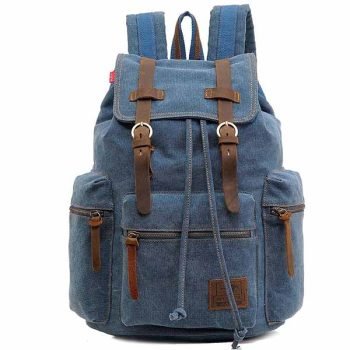
denim backpack
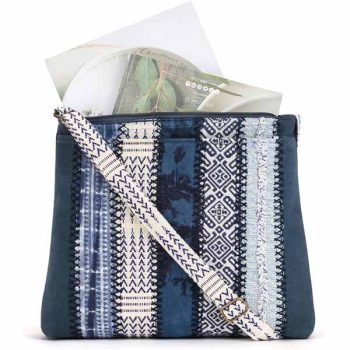
recycled denim bags
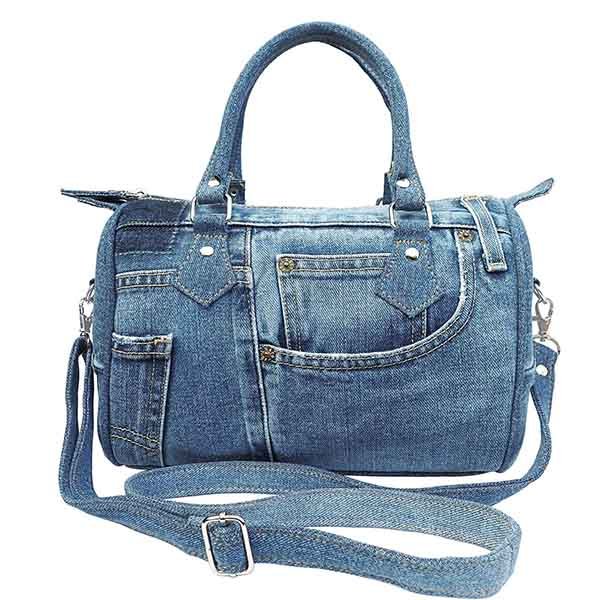
original denim handbag
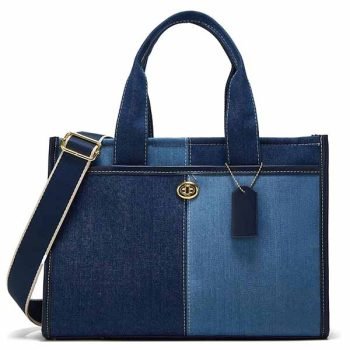
denim women bag
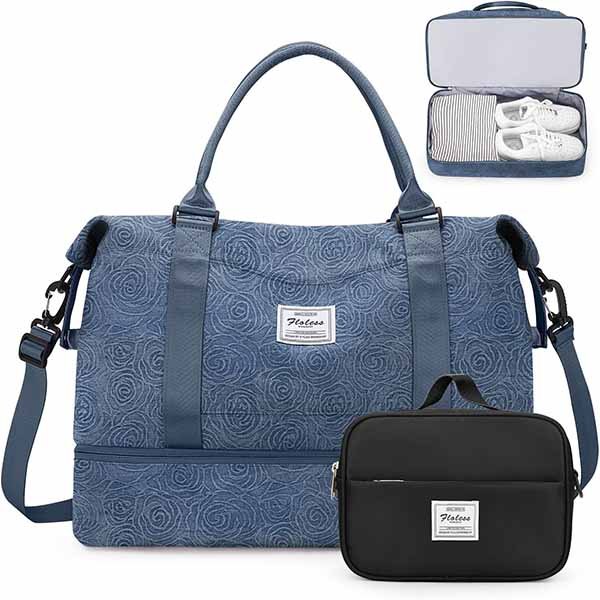
denim weekender bag
denim weekender bag
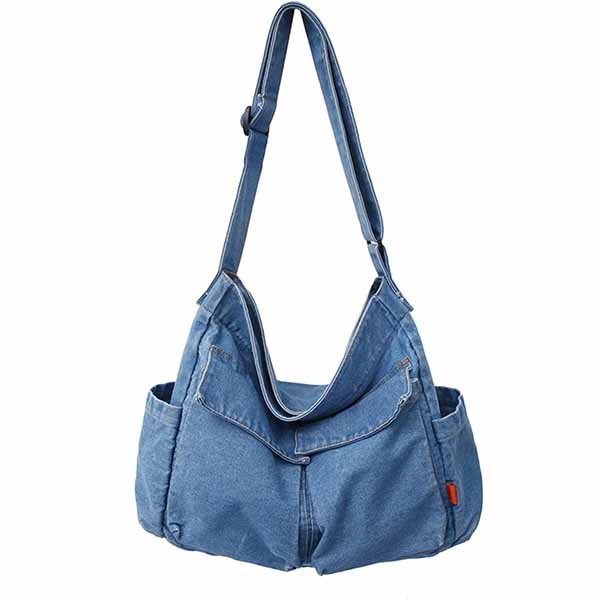
denim travel bag
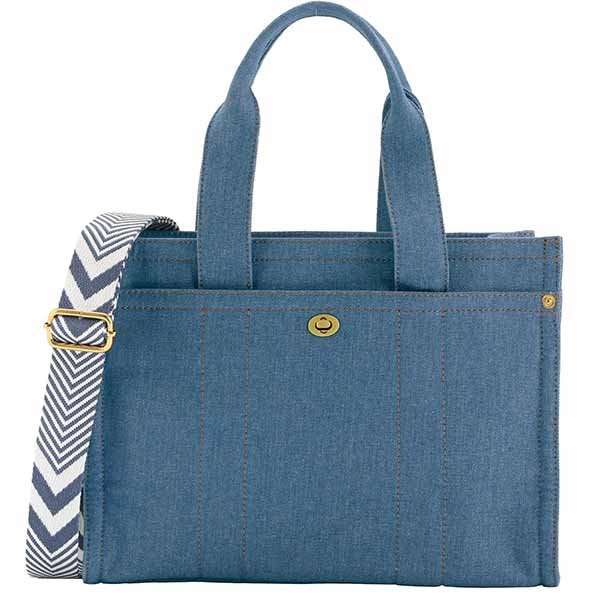
denim tote bag
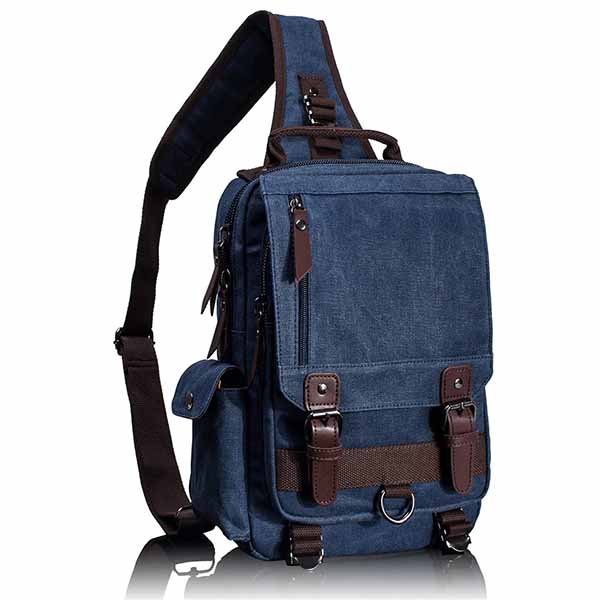
denim sling bag
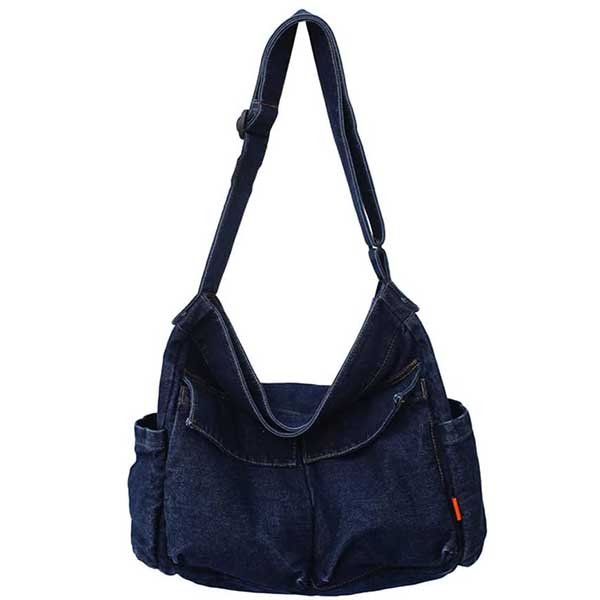
denim shoulder bag

denim saddle bag
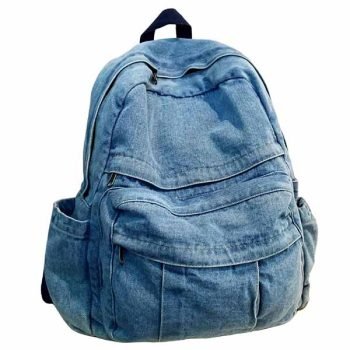
denim rucksack
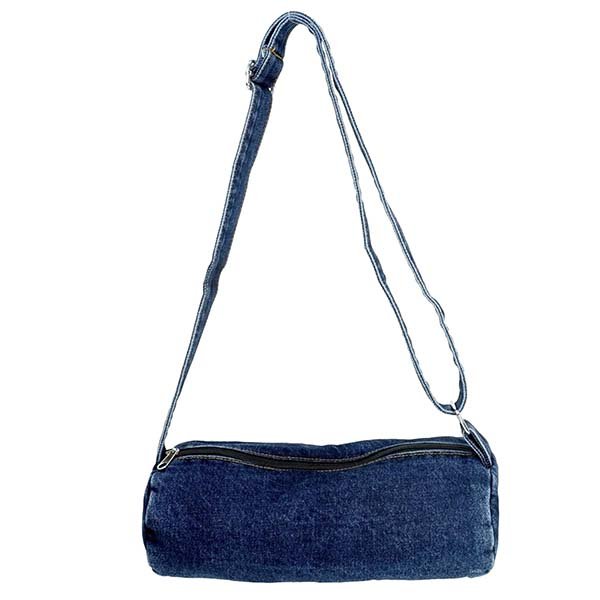
denim pouch bag
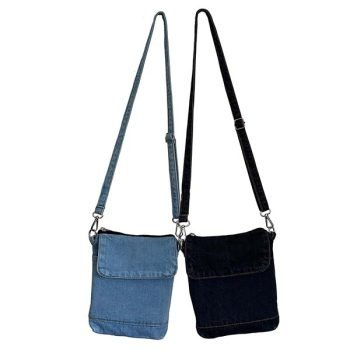
denim phone bag
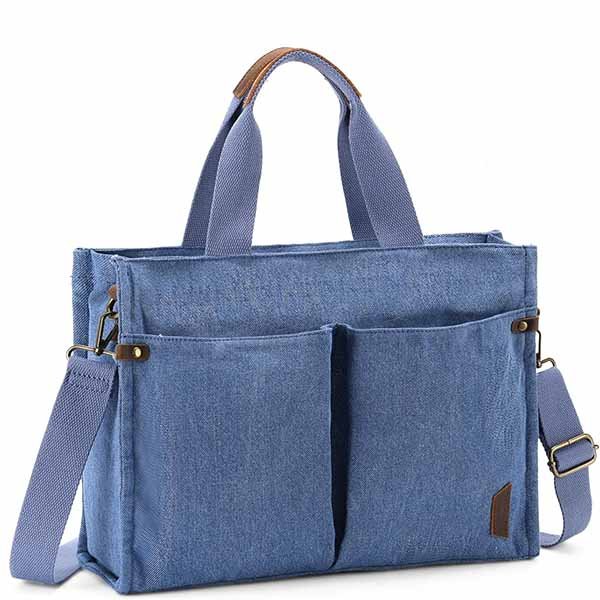
denim nappy bag
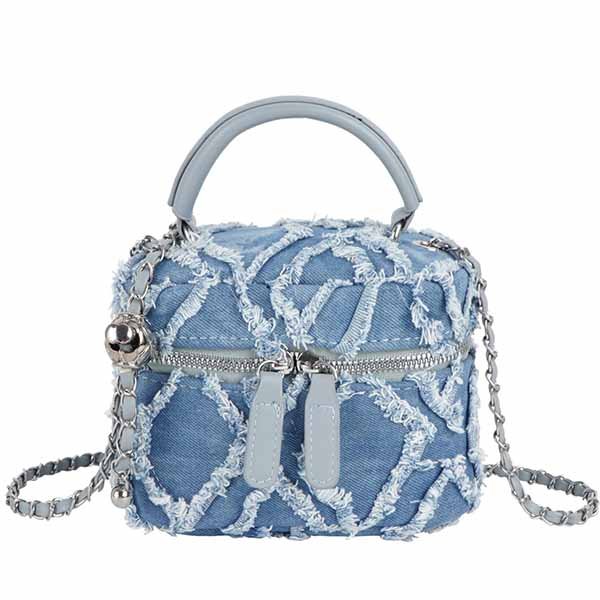
denim mini bag
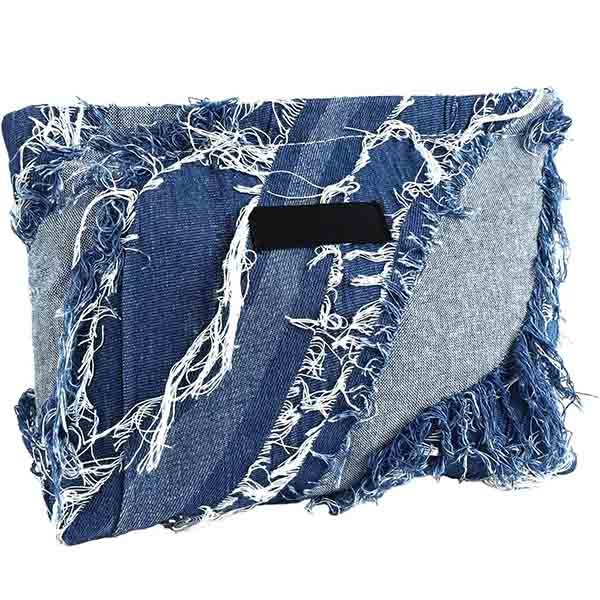
denim makeup bag
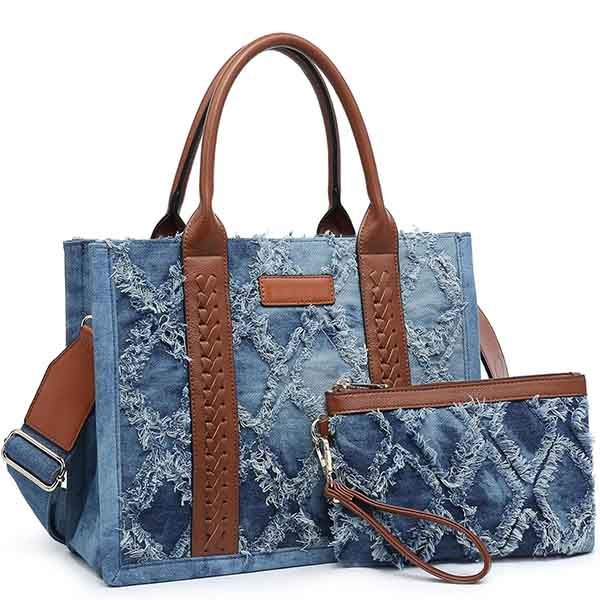
denim leather bag
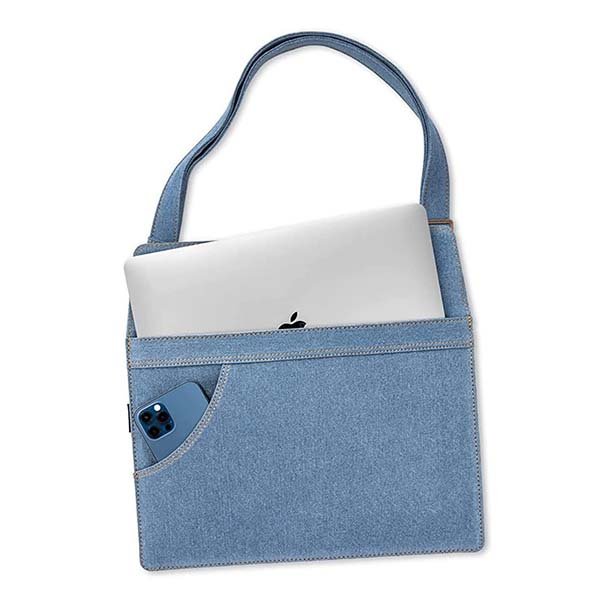
denim laptop bag
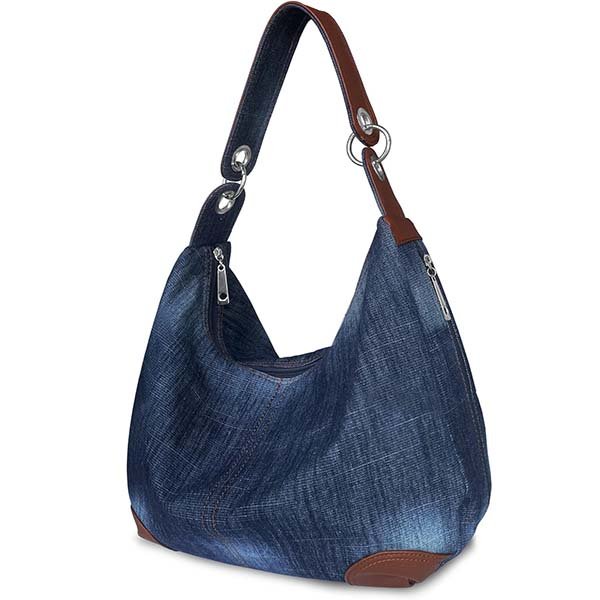
denim hobo bag
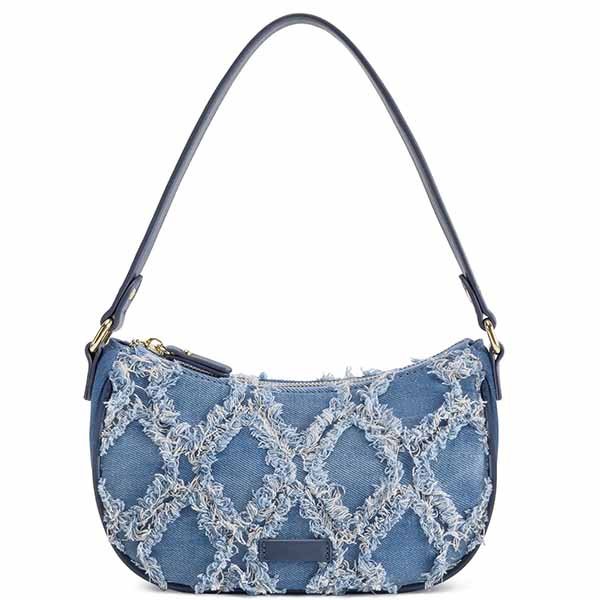
denim handbag

denim grocery bag
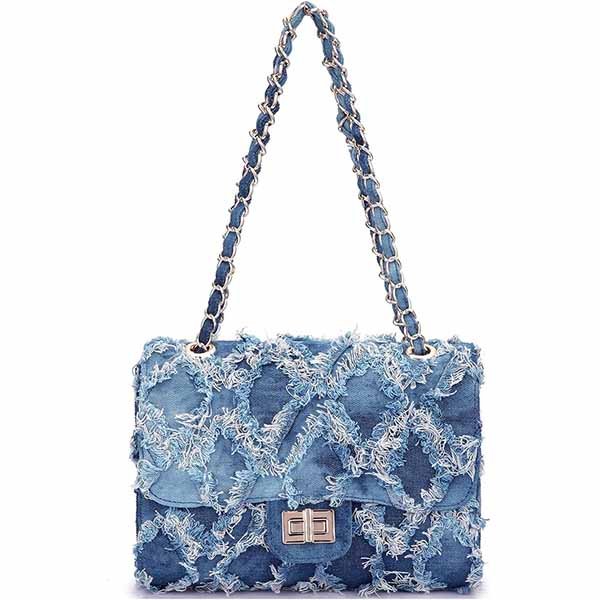
denim fringe bag
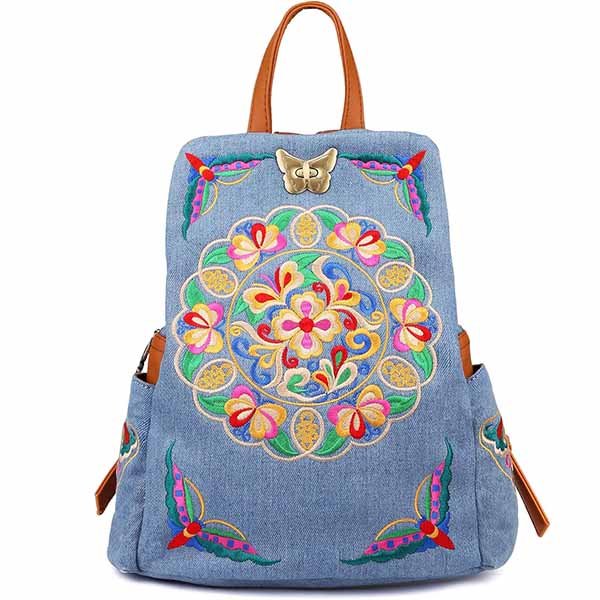
denim embroidered bag
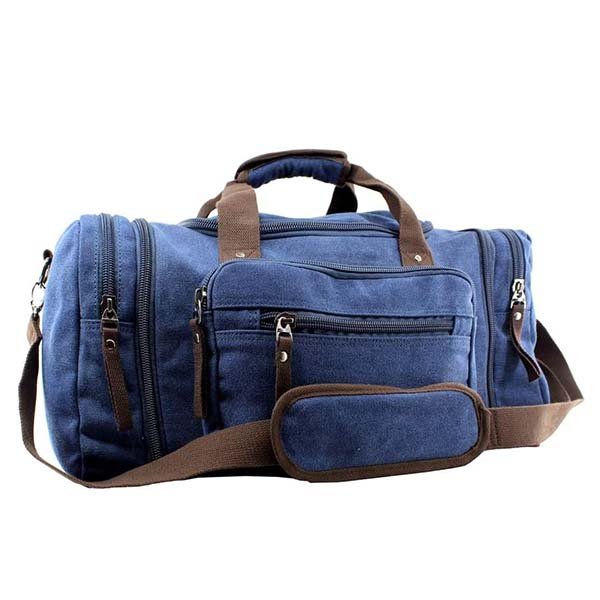
denim duffle bag
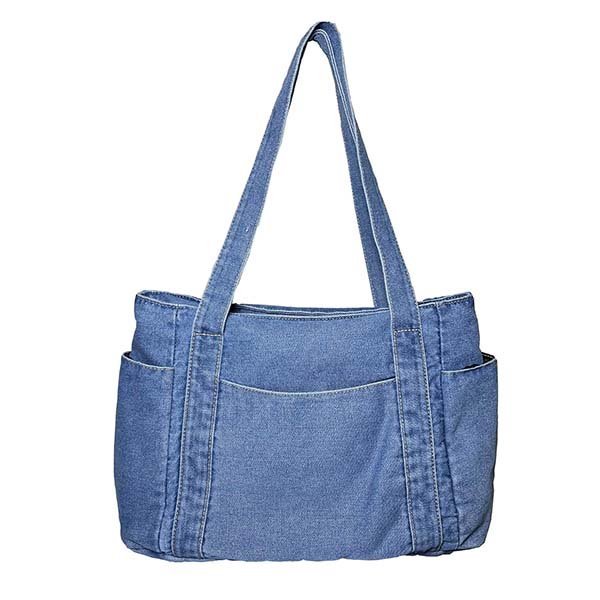
denim diaper bags
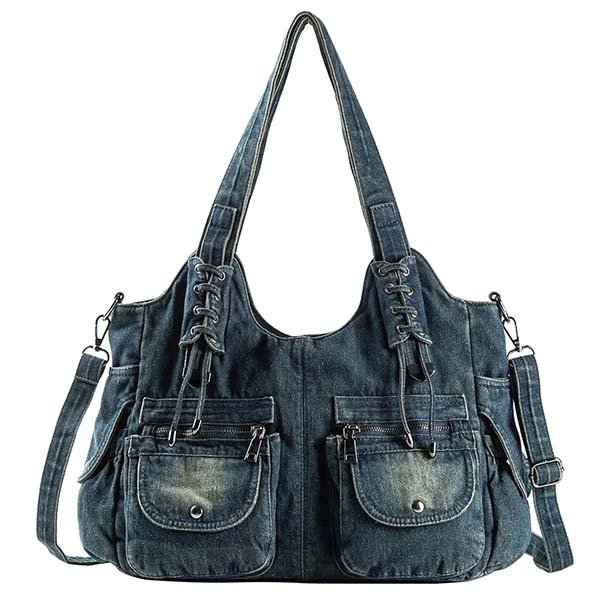
denim designer bag

denim crossbody bag
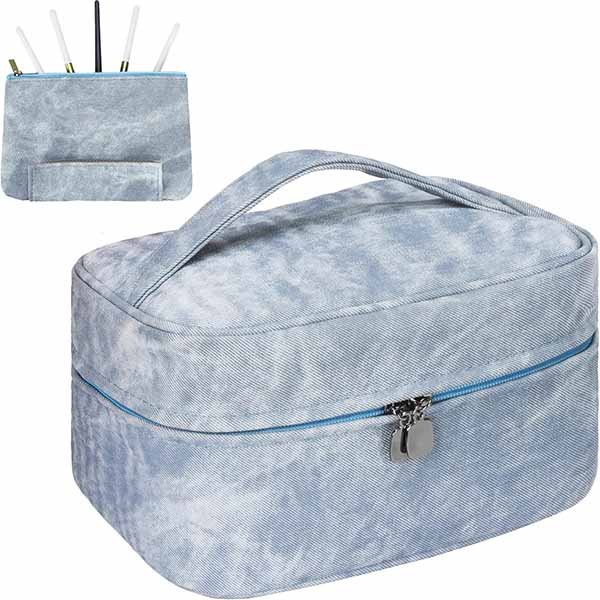
denim cosmetic bag

denim clutch bag
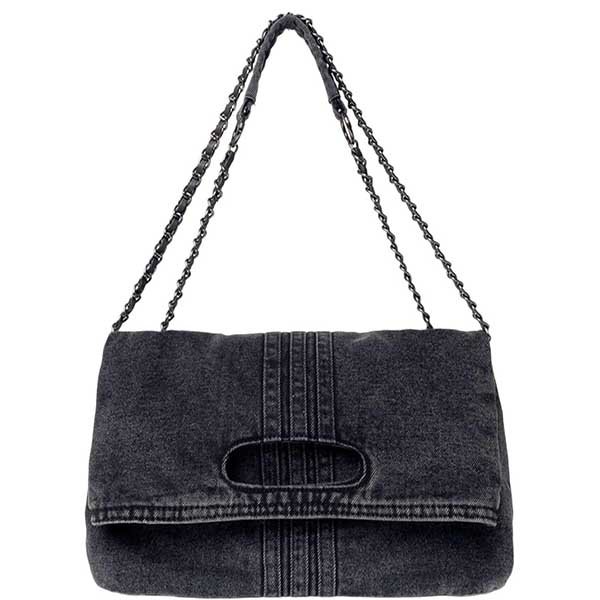
denim chain bag
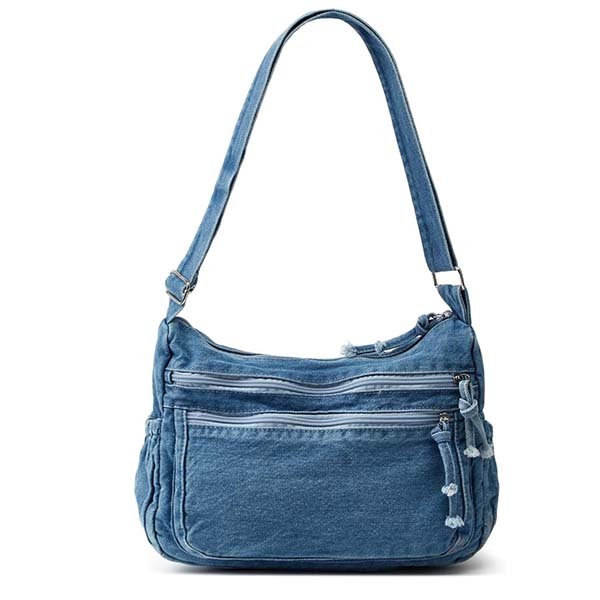
denim canvas bag
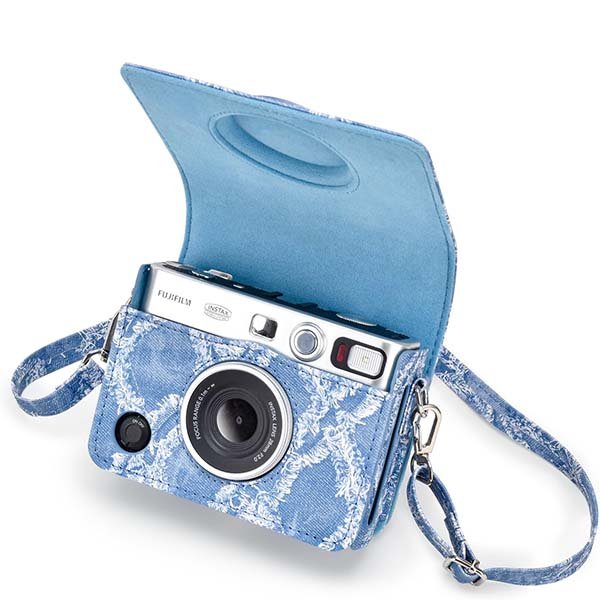
denim camera bag
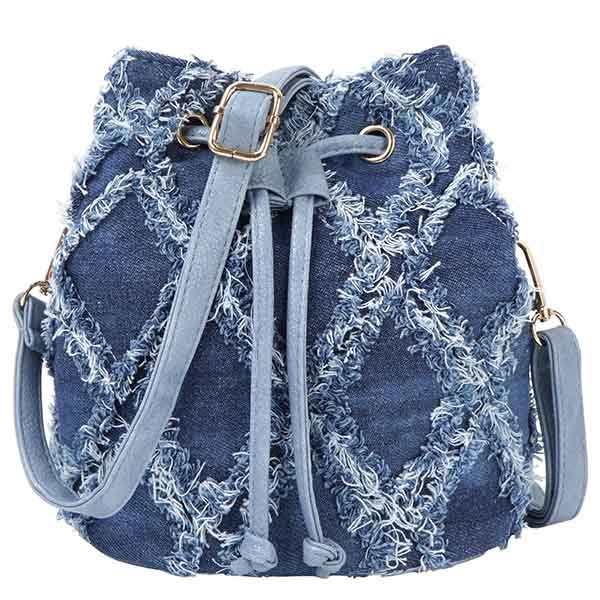
denim bucket bag
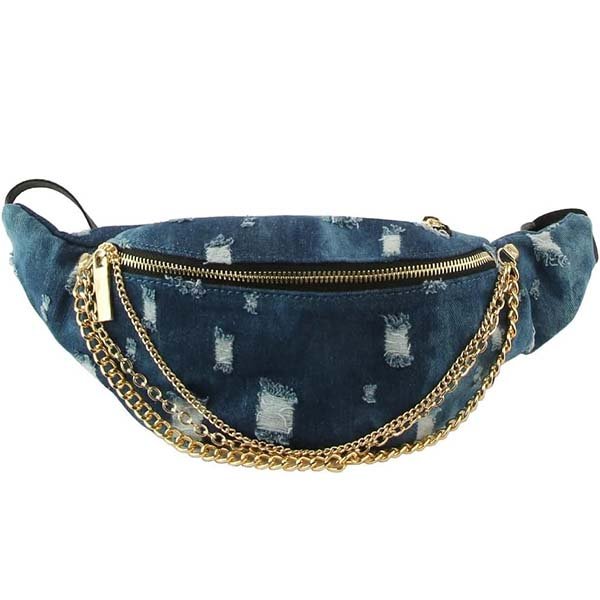
denim belt bag
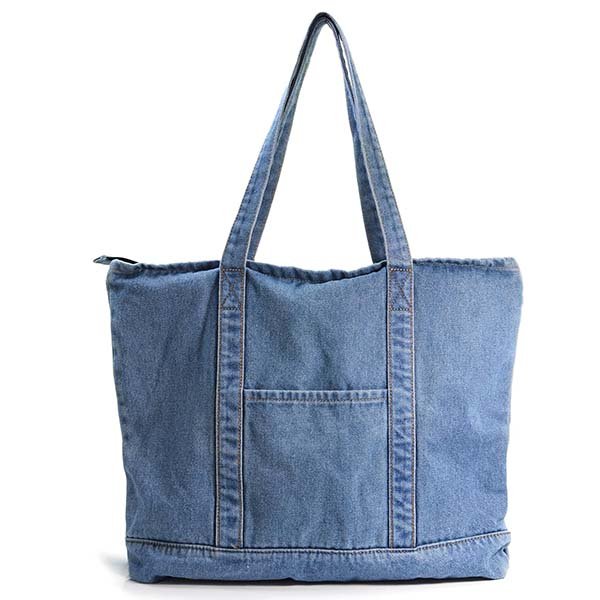
denim beach bag
manufacturer Categories
- Custom Tote Bags Manufacturer
- custom backpacks Manufacturer
- custom travel bags& Duffle bags manufacturer
- custom makeup bags & toiletry bags manufacturer
- custom cooler bags manufacturer
- custom drawstring bags manufacturer
- custom golf bags manufacturer
- custom fireproof bags manufacturer
- custom dry bags manufacturer
- custom ski bags manufacturer
- custom gym & sports bags manufacturer
- custom laptop bags manufacturer
- custom tactical bags manufacturer
- custom beach bags manufacturer
- custom medical bags manufacturer
- custom camera bags manufacturer
- custom pencil pouch manufacturer
- custom crossbody bags manufacturer
- custom cotton bags manufacturer
- custom monogramed bags manufacturer
- custom shoe bags manufacturer
- custom waist bags manufacturer
- custom diaper bags manufacturer
- custom pet bags manufacturer
- custom bike bags manufacturer
- custom mesh bags manufacturer
- custom fishing bags manufacturer
- custom jute bags manufacturer
- custom medical bags manufacturer
- custom neoprene bags manufacturer
- custom wetsuits manufacturer
- custom leather goods manufacturer
- more personalized products
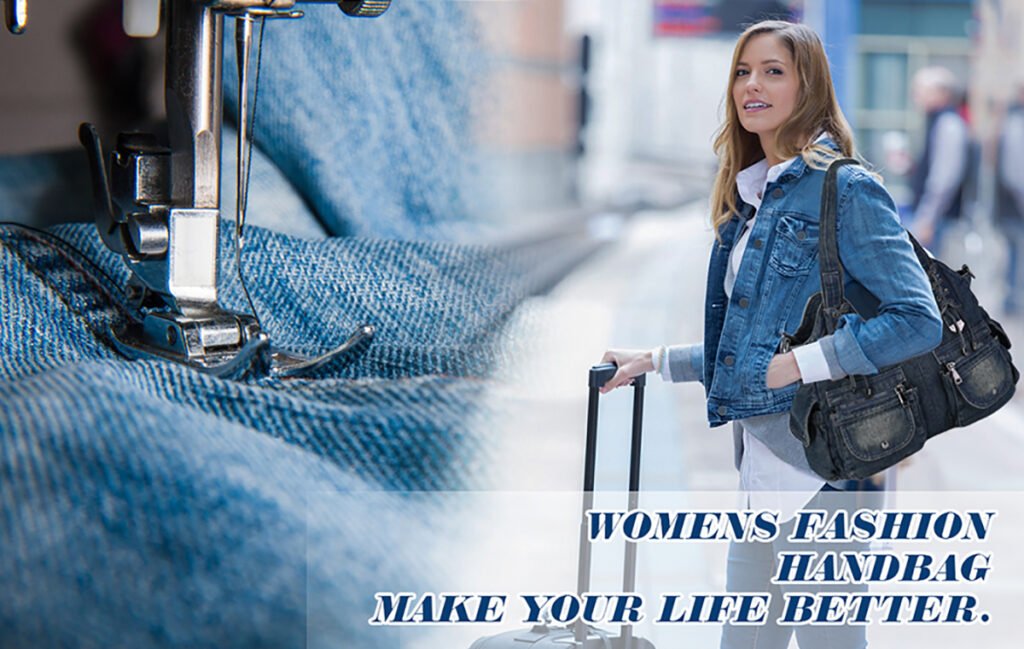
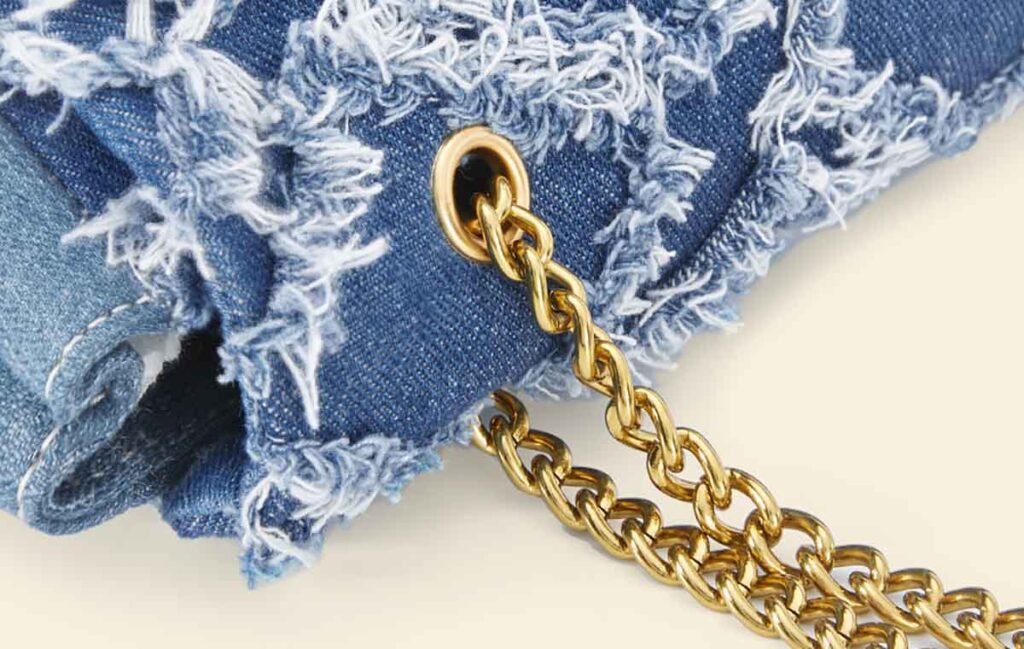
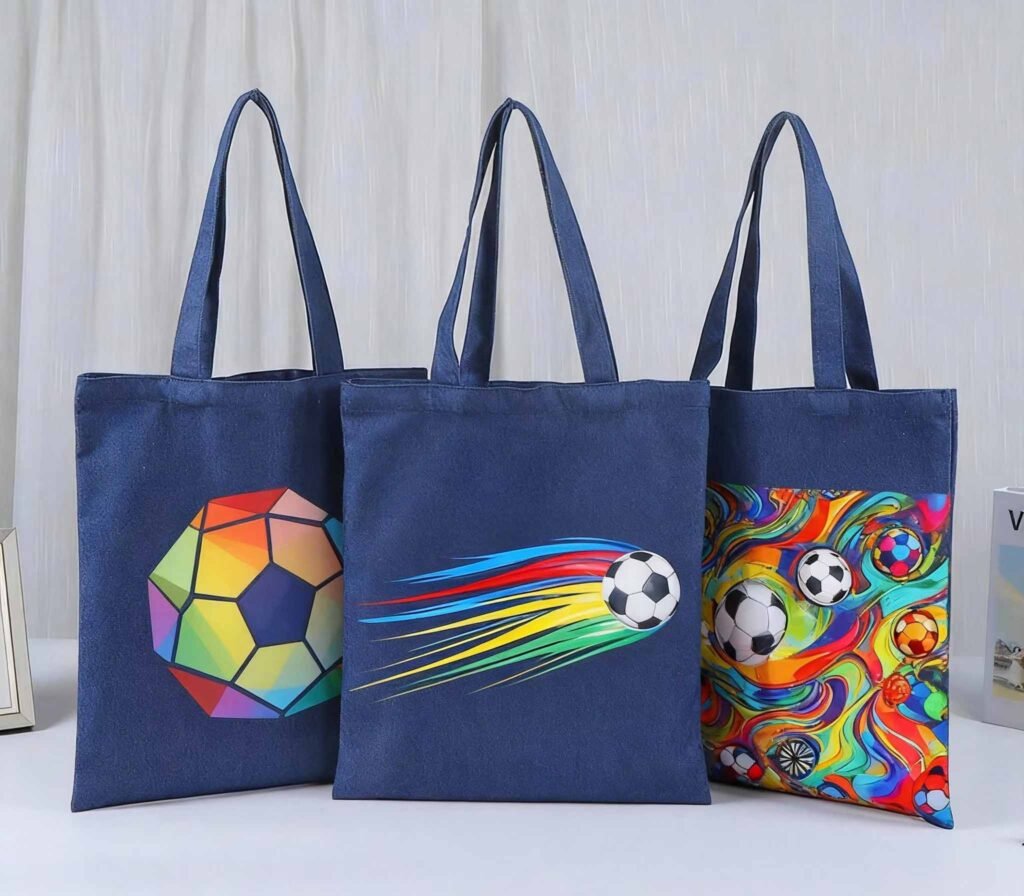
Why Choose denim Bag for business?
From a commercial perspective, custom denim bags combine proven market demand, strong durability metrics, and high branding efficiency—making them a strategic product choice for long-term business growth rather than short-term trends.
Key business advantages of custom denim bags include:
Stable global demand with long product life cycles
According to textile and accessories market reports, denim-based products consistently account for 15–20% of reusable fabric bag demand in North America and Europe. Unlike seasonal fabrics, denim maintains year-round sales stability, reducing inventory risk.Higher perceived value compared to basic fabrics
Market pricing analysis shows that denim bags are typically positioned 20–35% higher than non-woven or basic cotton bags, while production cost increases remain moderate. This gap improves margin potential or perceived brand value in retail and promotional programs.Durability that supports long-term brand exposure
Medium- to heavy-weight denim (10–14 oz) offers 30–40% higher abrasion resistance than standard canvas in repeated-use testing. For businesses, this means longer consumer usage cycles and extended brand visibility without additional marketing spend.Strong branding retention and customization flexibility
Consumer research indicates that products with textured fabrics like denim retain visual branding (embroidery, patches, labels) 25% longer in perceived quality than flat-surface promotional bags. Denim supports embroidery, leather patches, metal logos, and printing without distortion.Multi-channel commercial adaptability
Denim bags perform well across retail, corporate gifting, events, merchandising, and private label collections. One core material can serve multiple sales channels, simplifying sourcing and reducing SKU complexity.Sustainability-driven purchasing behavior
Over 60% of buyers in EU and US markets show preference for reusable bags made from durable or recycled textiles. Denim bags developed with recycled fibers or low-impact washes align naturally with sustainability messaging.Efficient scalability for repeat programs
Denim bag designs are easier to standardize for repeat production, helping brands achieve 10–15% cost optimization on follow-up orders through pattern reuse and material consolidation.
For businesses focused on durability, brand longevity, and measurable return on product investment, custom denim bags deliver a rare combination of market validation, manufacturing stability, and scalable commercial value.
denim Bag Structure & Capacity Design
At Szoneier, denim bag structure and capacity are engineered to match real usage scenarios, load requirements, and long-term durability expectations. Rather than relying on generic patterns, we optimize each denim bag’s internal layout and construction details based on function, carrying comfort, and material behavior.
Load-Bearing Structure Engineering
Bag bodies, base panels, and handle attachments are reinforced according to target weight capacity. Stress zones use double stitching, bartack reinforcement, or cross-stitching to maintain shape and strength under repeated loads.
Capacity Planning by Use Case
Internal volume is defined by intended application—daily carry, shopping, travel, or tools. We adjust depth, gusset width, and base reinforcement to ensure usable space without fabric collapse.
Handle & Strap Configuration
Handle length, width, and attachment angle are engineered for comfort and balance. Options include shoulder-length straps, hand-carry handles, crossbody straps, and padded reinforcements for heavier denim bags.
Internal Compartment Layout
Pocket placement is designed for accessibility and organization. We integrate inner pockets, dividers, zipper compartments, and bottle holders based on real user behavior.
Base & Edge Reinforcement
Structured bottoms, additional denim layers, or internal boards are used to improve stability and prevent sagging when bags are fully loaded.
Scalable Pattern Consistency
All structural designs are developed with mass production in mind, ensuring capacity accuracy, shape consistency, and repeatability across large orders.
Denim Fabric for Custom Bags
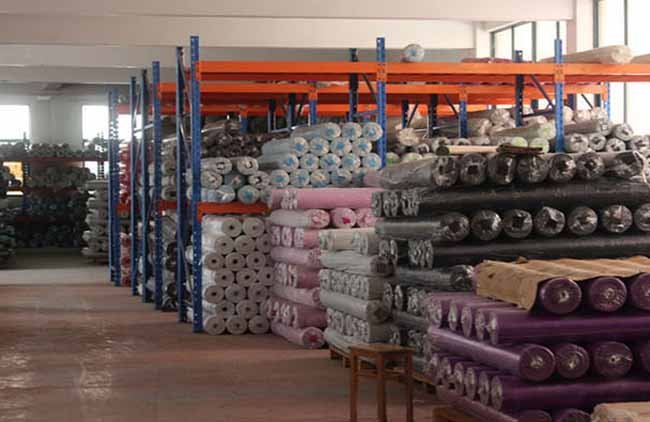
Choosing the right denim fabric is the foundation of a high-quality custom bag. At Szoneier, denim selection is engineered around strength, appearance, and long-term performance rather than aesthetics alone. We work with multiple denim constructions to ensure each bag matches its intended use and market position.
Fabric Weight Options (OZ & GSM Control)
We offer lightweight to heavy-duty denim fabrics, typically ranging from 8 oz to 16 oz. Lighter weights suit promotional and fashion bags, while heavier denim is used for load-bearing totes, backpacks, and tool bags.Weave & Yarn Construction
Our denim fabrics are developed using controlled yarn counts and tight weaving density to improve tear resistance, abrasion strength, and shape retention during daily use.Washed & Unwashed Denim Choices
Clients can select raw denim for a clean, structured look or washed denim for a softer handfeel and vintage appearance, including enzyme wash, stone wash, and garment wash effects.Color & Dye Methods
We support indigo dye, sulfur dye, reactive dye, and over-dye processes to achieve stable, brand-specific colors with controlled fading behavior.Functional Finishing Options
Denim can be treated with water-repellent, anti-stain, anti-mildew, or reinforced backing finishes to enhance performance without sacrificing fabric character.Sustainable Denim Alternatives
Options include recycled cotton blends, low-water dyeing, and reduced-chemical washing processes to support sustainability positioning.
Through careful denim fabric engineering, Szoneier ensures every custom bag delivers durability, consistency, and market-ready quality.
Free Pantone Color Choice For customization
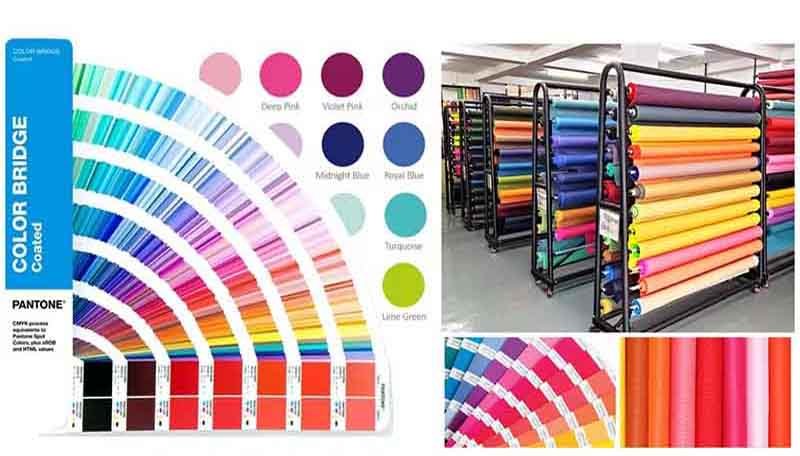
Color consistency plays a critical role in branding, and at Szoneier, we offer free Pantone color matching to ensure every custom denim bag aligns precisely with your brand identity. From classic indigo tones to modern fashion colors, our color customization process is designed to balance visual accuracy, fabric performance, and production stability.
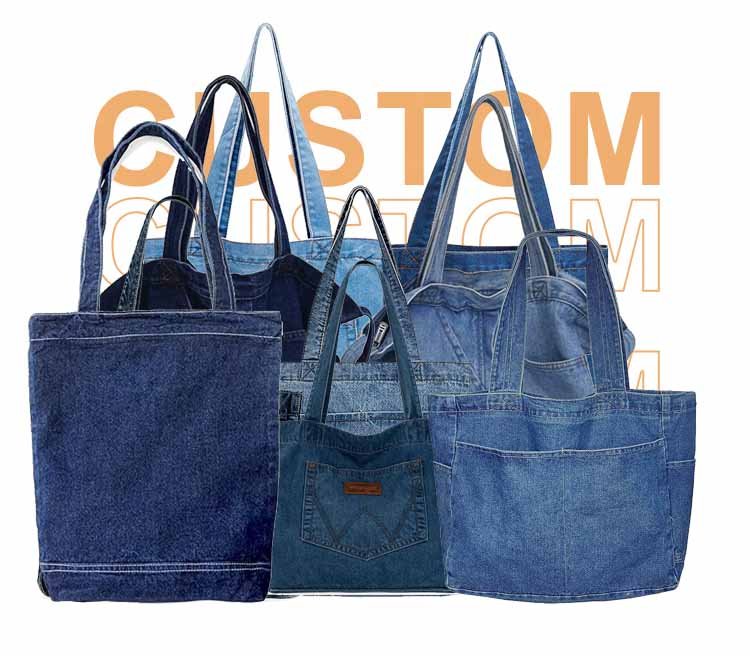
Our Pantone color customization capabilities include:
Full Pantone Matching Support
Clients can provide Pantone codes for denim fabric, stitching threads, webbing, linings, labels, and logo elements. Our team matches colors across all components to maintain a cohesive, professional appearance.Denim-Specific Color Engineering
Denim behaves differently from flat-woven fabrics due to yarn dyeing and washing processes. We adjust dye formulas and washing parameters to achieve accurate Pantone tones while preserving fabric strength and texture.Wide Color Range Options
Beyond traditional blue denim, we support black, grey, white, earth tones, pastels, and fashion-forward seasonal colors. Custom over-dye and garment-wash effects are also available for differentiated looks.Color Stability & Wash Control
All custom colors are tested for colorfastness, ensuring resistance to fading, bleeding, and transfer during daily use and washing.Consistent Repeat Orders
Pantone standards and color recipes are documented to ensure high consistency across repeat production runs, minimizing shade variation between batches.Brand-Ready Sampling Process
Color samples are approved during the sampling stage, allowing brands to validate appearance before mass production.
By offering free Pantone color customization with controlled denim processing, Szoneier helps brands achieve reliable color identity while maintaining durability, scalability, and visual consistency across their denim bag collections.
Product Details Of denim Bag Manufacturing
At Szoneier, denim bag manufacturing is driven by precise control of structure, materials, and craftsmanship. Every denim bag begins with carefully selected fabric weight and weave density, matched to the intended use—whether for lightweight promotional bags or heavy-duty carry solutions. We reinforce stress points such as handles, corners, and load-bearing seams using bartack stitching or double-needle construction to improve long-term durability.
Our production process pays close attention to edge finishing, seam alignment, pocket accuracy, and zipper integration to ensure both functionality and visual consistency. Lining fabrics, interlinings, and padding are selected based on structure requirements, while hardware components are tested for strength and color stability. Through in-process inspections and final quality checks, Szoneier ensures each denim bag meets strict performance, appearance, and consistency standards before delivery.
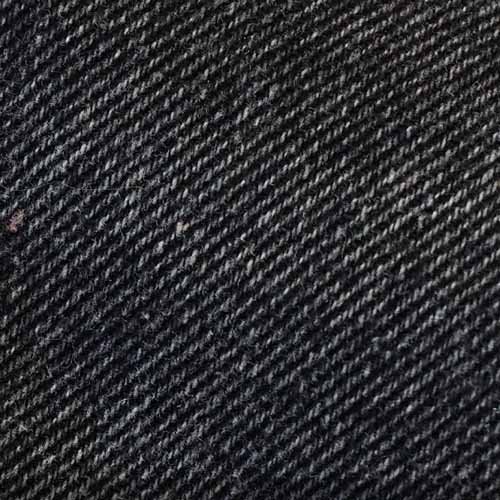
comfortable denim fabric
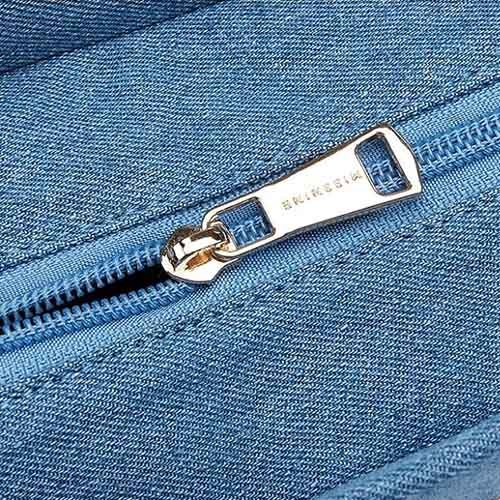
smooth zipper
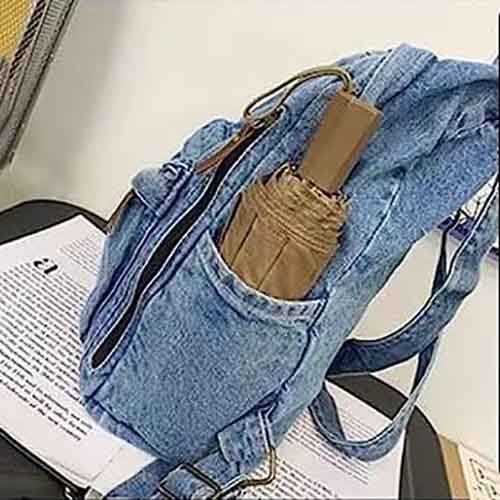
side pocket
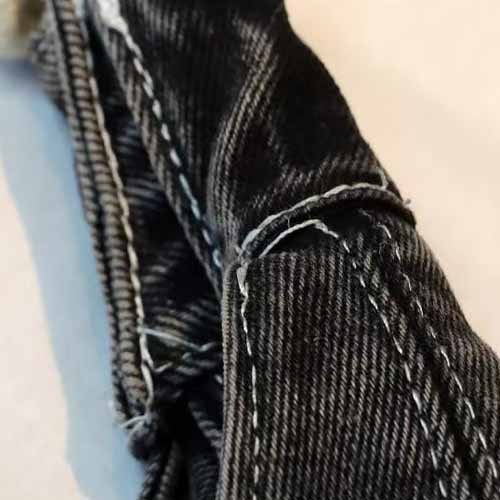
precision sewing thread
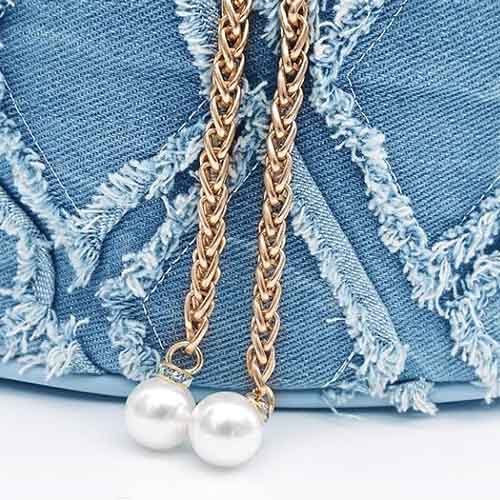
pearl decoration
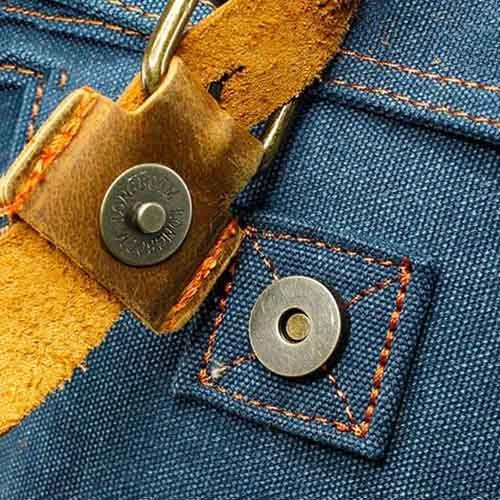
magnetic buttons closure
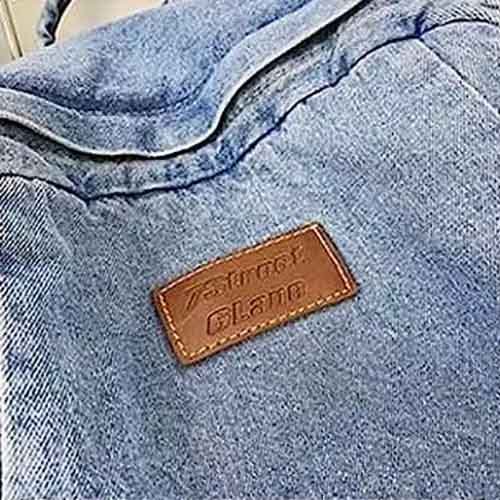
leather label
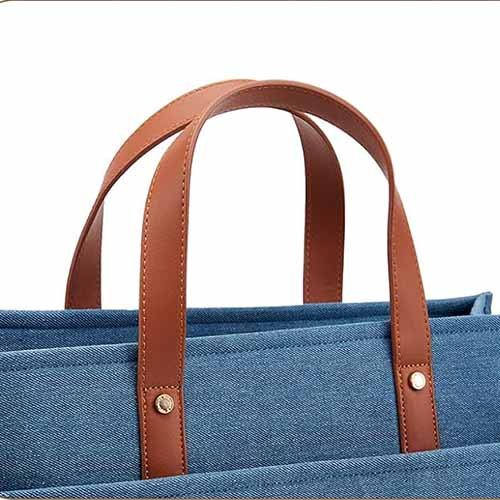
leather handle
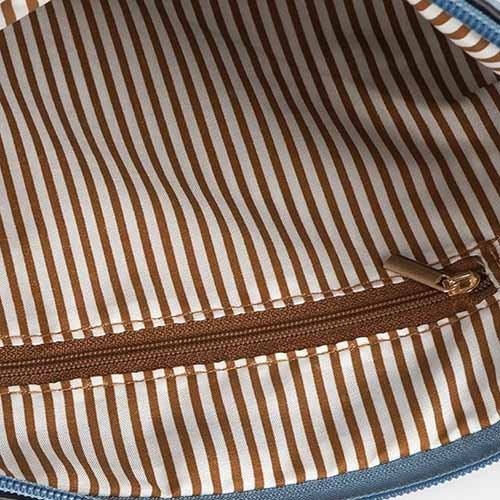
internal pockets

front pocket
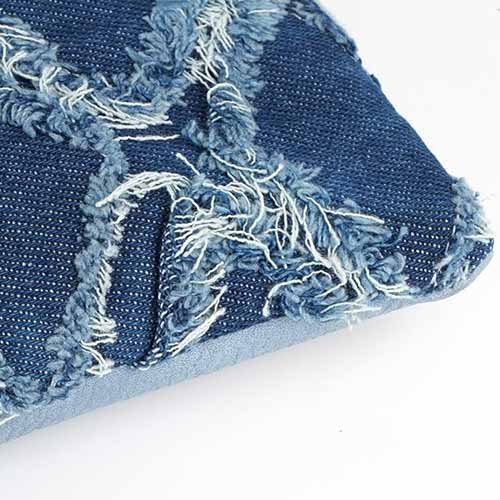
fashion design
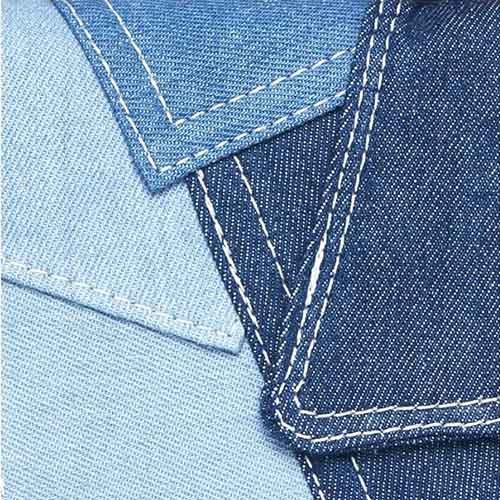
fashion denim patchwork craft
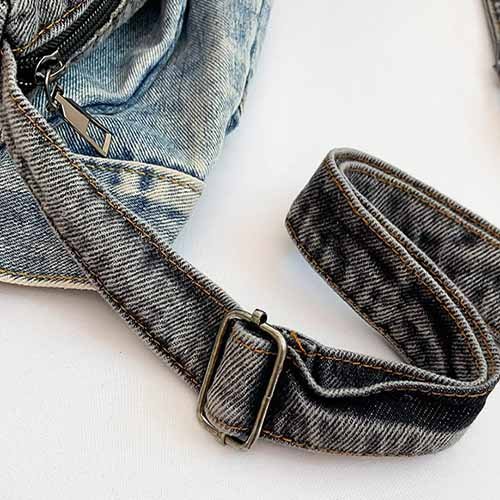
adjustable shoulder strap
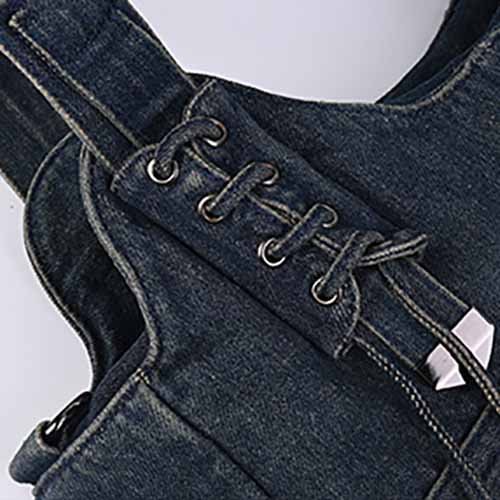
drawstring decoration
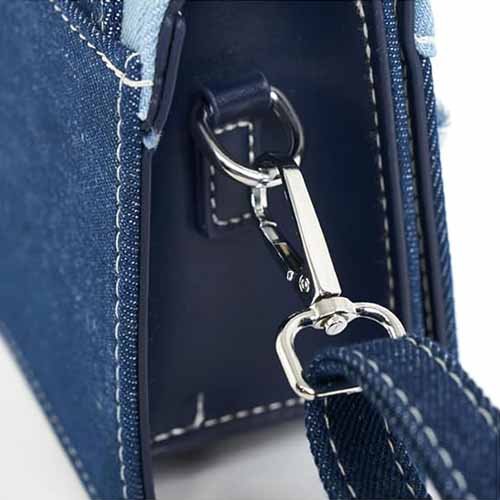
exquisite hardwar
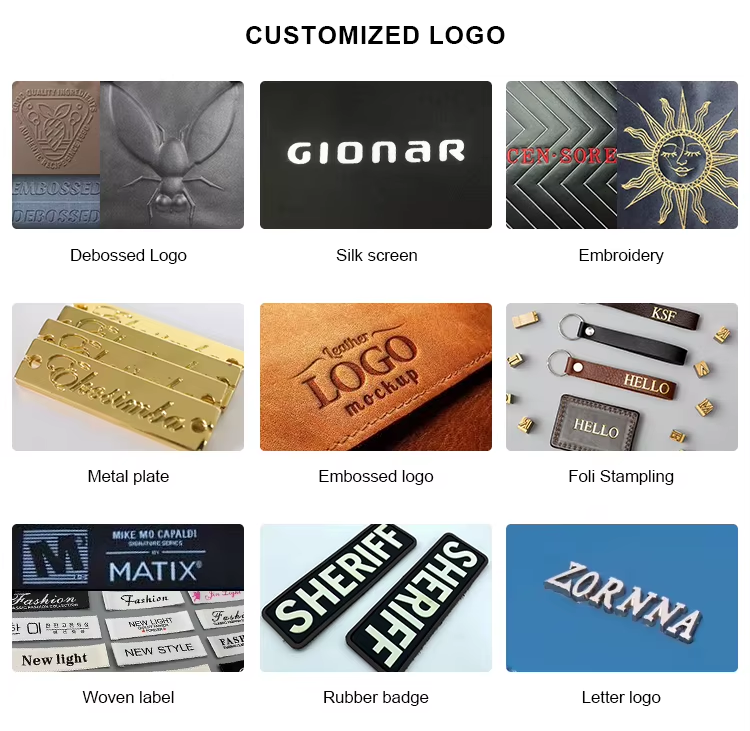
Custom Logo & Branding Craftsmanship
Branding on denim bags is not just visual decoration—it is a functional and durability-driven engineering choice. Because denim has a textured surface, visible twill lines, and high abrasion resistance, logo techniques must be selected and executed differently than on smooth fabrics. At Szoneier, each branding method is chosen based on denim weight, wash process, bag usage frequency, and target market positioning.
Below are the core logo craftsmanship options for denim bags, explained individually with performance-based data and real product considerations.
Embroidery Logo (Most Common for Denim Bags)
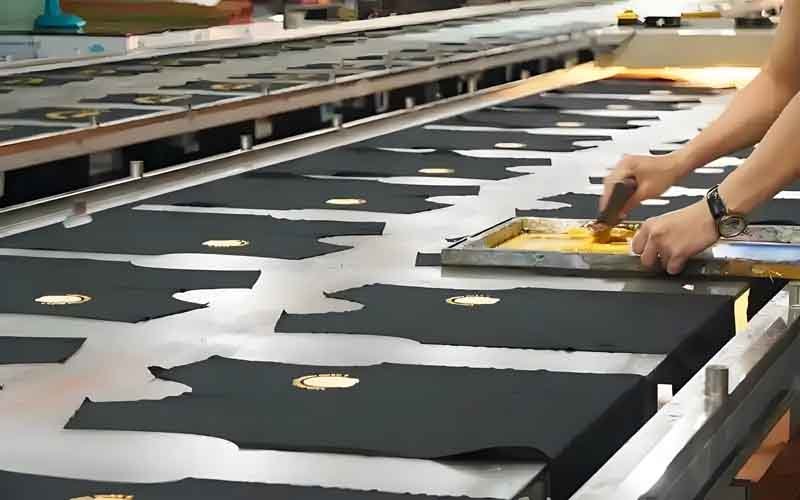
Embroidery is one of the most durable branding methods for denim bags. Medium to heavy denim (10–14 oz) provides excellent needle stability, allowing dense stitch counts without fabric distortion.
Typical stitch density: 5,000–15,000 stitches per logo
Abrasion resistance: 30–40% higher longevity than printed logos in daily-use tests
Best for: tote bags, backpacks, gym bags, work bags
Embroidery remains visually sharp even after washing and heavy use, making it ideal for long-life denim bags intended for retail or premium private label programs.
Woven Label Logo (High Consistency & Cost Control)
Woven labels are produced separately and sewn into denim bags at stress-neutral zones such as side seams, inner pockets, or top edges.
Color accuracy: ±1 Pantone tolerance
Repeat order consistency: >95% match rate
Best for: wholesale denim bags, private label collections, large-volume programs
Woven labels work particularly well on washed denim, where surface texture variation could reduce print clarity.
Leather Patch Logo (Premium Denim Positioning)
Leather patches are widely used in denim products due to their strong visual association with heritage and durability.
Common materials: PU leather, microfiber leather, genuine leather
Patch lifespan: 2–3× longer than surface prints
Best for: fashion denim totes, backpacks, lifestyle bags
Leather patches age naturally with denim washing, reinforcing a premium and authentic brand image.
Screen Printing Logo (Promotional & Cost-Efficient)
Screen printing is suitable for lighter denim (8–10 oz) and promotional denim bags with shorter usage cycles.
Cost efficiency: 20–30% lower than embroidery
Ink adhesion improved by pre-wash denim treatment
Best for: event bags, giveaways, short-term campaigns
For denim bags, we adjust ink flexibility to prevent cracking along twill ridges.
Heat Transfer / Silicone Logo (Modern & Minimalist Look)
Heat transfer and silicone logos provide sharp edges and modern aesthetics but require controlled temperature due to denim thickness.
Recommended logo size: small to medium
Heat resistance tolerance: 160–180°C
Best for: fashion-forward denim bags, limited editions
Best applied on flat panels to avoid texture interference.
Metal Badge & Rivet Logo (Industrial & Tool Bag Style)
Metal logos are mechanically fixed rather than surface-applied, making them extremely durable.
Pull resistance strength: >20kg
No fading or peeling risk
Best for: tool bags, work denim bags, rugged designs
Metal branding pairs especially well with heavy denim and reinforced structures.
At Szoneier, logo craftsmanship is never chosen in isolation. We evaluate denim weight, washing method, bag load capacity, and expected usage frequency before recommending branding solutions. This ensures logos remain intact, aligned, and visually consistent throughout the full lifecycle of the denim bag.

Make A Sample First?
If you have your own artwork, logo design files, or just an idea,please provide details about your project requirements, including preferred fabric, color, and customization options,we’re excited to assist you in bringing your bespoke denim Bag designs to life through our sample production process.
Cooperating Brands Trusted
Your product is produced in reliable factory like our already cooperating international brand partners below:





Why Work With Szoneier factory?
OEM/ODM.development.processing and Mass production
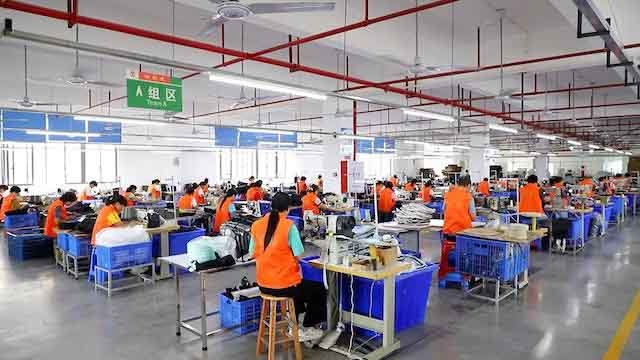
Choosing Szoneier means working with a factory that treats denim bags as a process-controlled product system, not a style-based item. Our advantage is not a single step, but how OEM/ODM development, processing control, and mass production are connected specifically for denim materials.
What makes Szoneier different in denim bag manufacturing:
Process-Driven ODM Capability for Denim Lines
For ODM projects, we don’t start from sketches—we start from manufacturable denim structures. Existing denim platforms (totes, backpacks, duffels, tool bags) are modularized by fabric weight, wash method, and load class. This allows brands to launch denim collections faster while reducing development risk by 30–40% compared with ground-up designs.
Wash-Lot–Oriented Production Planning
Denim bags are scheduled by wash lot rather than by sewing order. This reduces cross-lot shade deviation and improves bulk color stability. In mass production, grouping by wash lot improves usable yield by approximately 5–8%, especially on mid- to dark-tone denim bags.
Sewing Line Configuration for Heavy Denim
Denim bags require different needle systems, stitch density, and feed control than synthetic bags. Sewing lines are configured based on 10–16 oz denim thickness to avoid seam puckering, needle breakage, and stitch skipping—common issues in non-specialized factories.
Capacity-Based BOM Optimization
Hardware, webbing, and lining specifications are selected according to target capacity, not visual preference. For example, increasing handle webbing width by 3–5 mm on heavy denim totes significantly improves load comfort without increasing fabric cost. These micro-adjustments improve end-user experience while keeping BOM costs stable.
OEM Consistency Across Long Programs
Denim bag programs are often repeated seasonally. By locking fabric sources, wash recipes, and stitch parameters, repeat orders typically show ≤2% variance in key performance metrics such as handle strength and seam integrity—critical for long-term retail or wholesale supply.
Scalable Mass Production Without Style Degradation
Many factories can sample denim bags well but struggle at scale. Szoneier’s production system maintains structure, logo alignment, and wash appearance from hundreds to tens of thousands of units, preventing the “bulk downgrade” effect often seen in denim products.
Commercially Predictable Lead Times
Because denim washing and sewing are coordinated internally, production timelines are more reliable. Bulk denim bag orders maintain on-time delivery performance above 98%, even with complex washes or mixed styles.
Working with Szoneier means your denim bags are engineered for repeatability, scale, and commercial stability—not just visual approval. This is the difference between a one-time supplier and a long-term manufacturing partner.
Effective Production Process
We believe quality is always the key to success, which includes a responsible approach to manufacturing, and controlling whole process.

1-Business Contact

2-Sample Creation

3-Material Preparing

4-Material Cutting

5-Bulk Production

6-Quality Inspection

7-Product Packaging

8-Cargo Warehousing
How Szoneier Develops denim Bags from Concept to Bulk
Denim bags are not developed the same way as ordinary polyester or canvas bags. Denim’s fabric weight (oz), twill texture, wash shrinkage, and abrasion behavior affect pattern tolerance, stitching density, logo clarity, and final bag structure. At Szoneier, we use a repeatable 9-step workflow to take a denim bag from concept to stable bulk production—while controlling consistency, durability, and branding accuracy.
Step 1 — Concept Clarification & Real-Use Definition
Every denim bag project starts with a clear definition of how the bag will actually be used. Denim behaves differently under load, friction, and washing, so intended usage directly affects material and structure decisions. We confirm target application (retail, daily carry, travel, tool, promotional), expected load range, usage frequency, and target price positioning. For example, a daily denim tote designed for groceries requires very different reinforcement logic than a fashion denim pouch. This step prevents over-design or under-engineering later in development.
Step 2 — Denim Fabric Selection & Weight Engineering
Denim fabric is selected based on performance, not appearance alone. We evaluate fabric weight (typically 8–16 oz), yarn density, weave tightness, and surface texture. Heavier denim improves abrasion resistance but increases stiffness and sewing complexity. Lighter denim improves drape but limits load capacity. We also account for wash shrinkage, usually 2–6%, and adjust patterns accordingly. Matching fabric weight to bag structure at this stage is critical for controlling deformation, seam stress, and long-term durability.
Step 3 — Color, Dye & Wash Process Development
Color accuracy on denim depends on both dye method and washing process. Indigo, sulfur dye, reactive dye, and over-dye options all produce different depth and fading behavior. We develop color samples together with wash effects such as enzyme wash, stone wash, or vintage fade. Pantone references are evaluated after washing, not before. For bulk stability, we aim for ΔE ≤ 1.5 under standard lighting and lock wash parameters early to maintain consistency across production lots.
Step 4 — Pattern Engineering & Structural Layout
Denim thickness requires specific pattern engineering. Seam allowances are typically increased to 8–12 mm, and stress zones such as handles, gusset joints, and bottom corners are structurally reinforced. We design base panels, internal layers, and gusset depth based on capacity requirements rather than visual proportions alone. Denim bags must hold shape without collapsing while still remaining comfortable to carry. Pattern accuracy at this stage directly affects sewing efficiency and final bag symmetry in bulk production.
Step 5 — Hardware, Thread & Trim Matching
Denim is abrasive, so trims must withstand long-term friction. We select zippers, snaps, rivets, D-rings, and threads based on denim weight and bag load. Polyester core-spun threads are commonly used for higher tensile strength. Zippers are usually tested for 5,000–10,000 cycles, while rivets and strap attachments target pull resistance above 20 kg. Incorrect trim selection often leads to premature wear, even when fabric quality is high, so compatibility testing is essential.
Step 6 — Logo Technique Testing on Actual Denim
Branding performance on denim depends heavily on surface texture and wash treatment. Logos are always tested on the exact denim and wash version used for production. Embroidery stitch density, label placement, patch adhesion, and print flexibility are evaluated after bending and abrasion simulation. Embroidery on denim typically ranges from 5,000–15,000 stitches, while woven labels maintain ±1 Pantone color tolerance. This step ensures logos remain stable throughout the bag’s usable life.
Step 7 — Prototype Assembly & Functional Validation
The prototype stage focuses on function, not appearance alone. Bags are loaded to simulate real use, often 8–15 kg for totes or backpacks. We evaluate strap comfort, balance, pocket accessibility, and seam behavior under stress. Bartack reinforcement is adjusted if stitch slippage or fabric distortion appears. Denim bags must feel stable when fully loaded, not just look correct when empty. Feedback from this stage directly informs final structural adjustments.
Step 8 — Pre-Production Sample & Standard Lock
Once the prototype is approved, a pre-production sample (PPS) is created to define the bulk standard. All details—fabric lot, wash recipe, pattern size, stitch density, logo placement, and hardware specifications—are locked. Dimensional tolerances are usually controlled within ±5–8 mm, depending on bag size. This step eliminates ambiguity before bulk cutting and sewing, reducing variation and rework during mass production.
Step 9 — Bulk Production, In-Process QC & Final Inspection
Denim bag bulk production emphasizes consistency. Cutting accuracy, wash lot separation, and reinforcement placement are monitored throughout production. In-process inspections catch early deviations before full quantities are completed. Final inspection follows AQL standards, commonly AQL 2.5 / 4.0, with special focus on seam strength, bartack placement, logo alignment, and color consistency. This ensures the delivered denim bags match the approved standard—not just visually, but structurally.
promotional Wholesale denim Bag In Stock
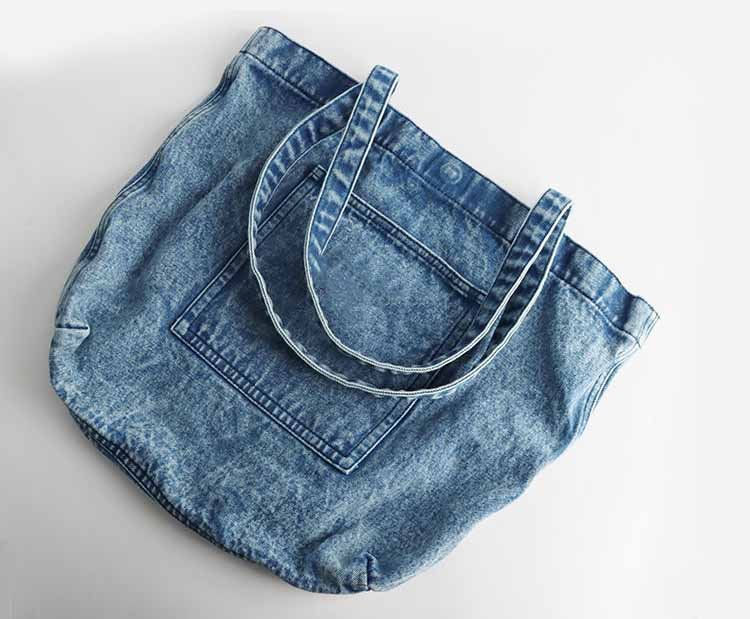
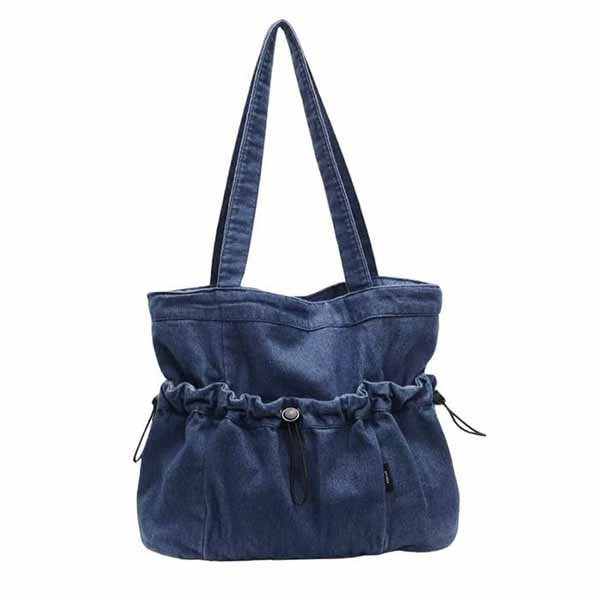
For fast-moving promotions and short lead-time projects, Szoneier offers a wide selection of wholesale denim bags in stock, ready for immediate branding and bulk supply. Our in-stock denim bag range includes popular, market-proven styles such as denim tote bags, shopping bags, drawstring bags, backpacks, wine bags, cosmetic pouches, and lightweight promotional carry bags.
These stock styles are developed using durable denim fabrics and standardized constructions to ensure consistent quality and competitive pricing. Clients can quickly add logos through screen printing, embroidery, heat transfer, woven labels, or hangtags, making them ideal for marketing campaigns, retail giveaways, events, trade shows, and seasonal promotions.
With stable inventory, flexible order quantities, and fast logo application timelines, Szoneier helps brands and distributors reduce development time while still delivering reliable denim bags that align with brand image and promotional goals.
retro denim bag
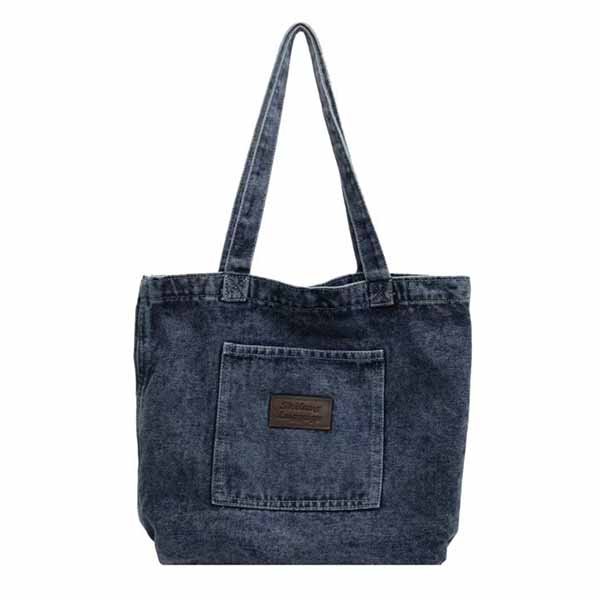
denim tote bag
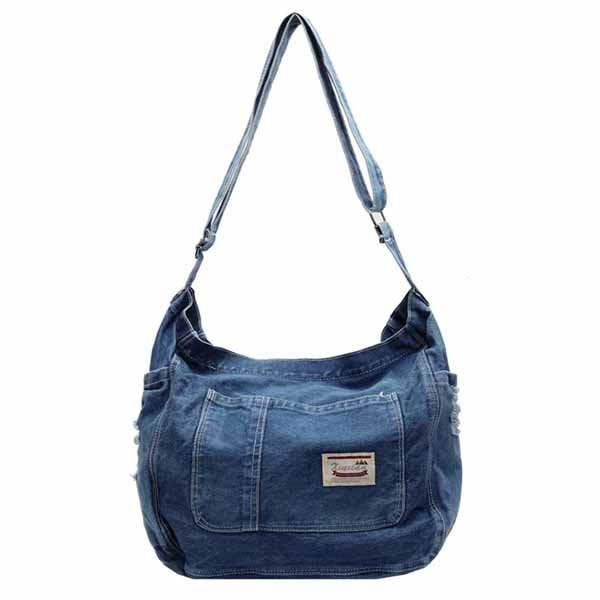
denim shoulder bag
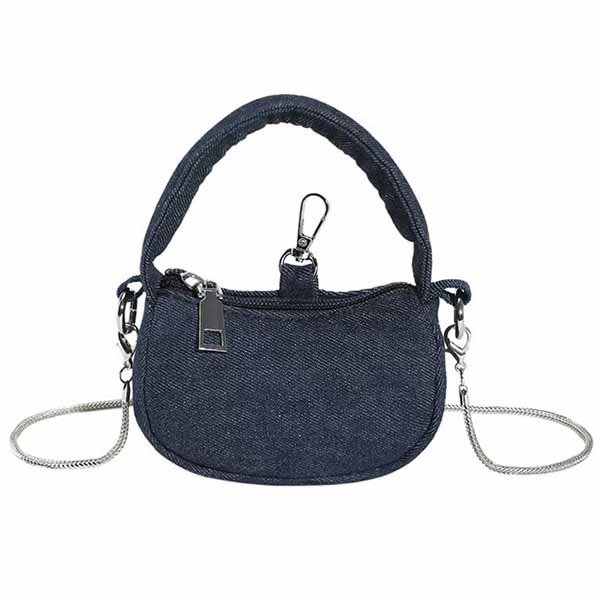
denim purse
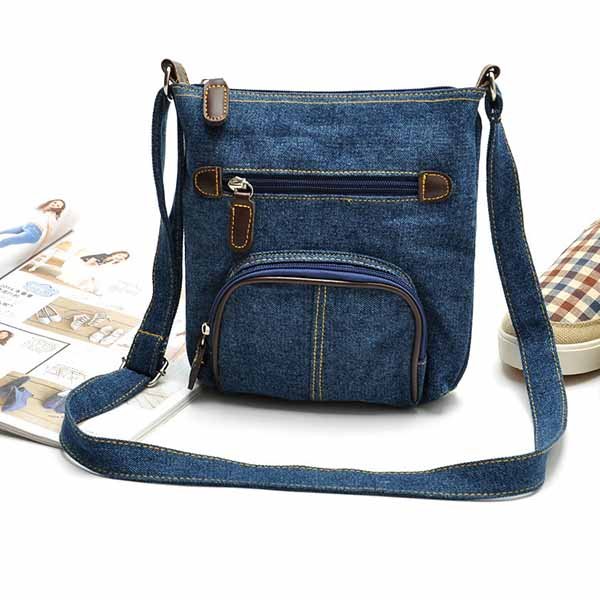
denim mini crossbody bag
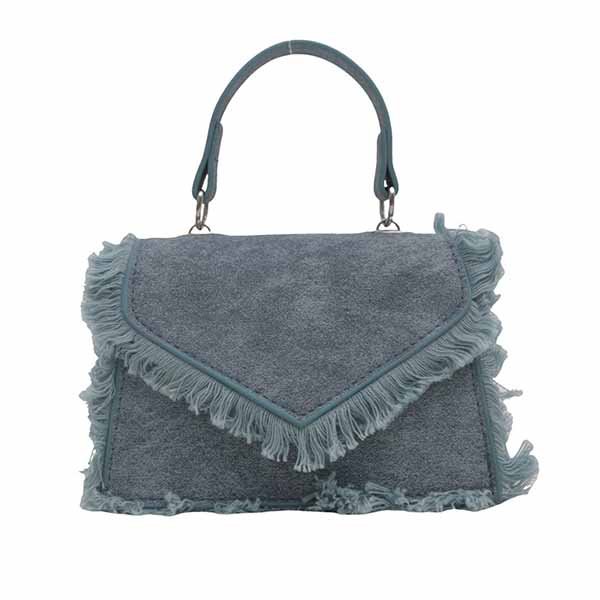
denim handbag
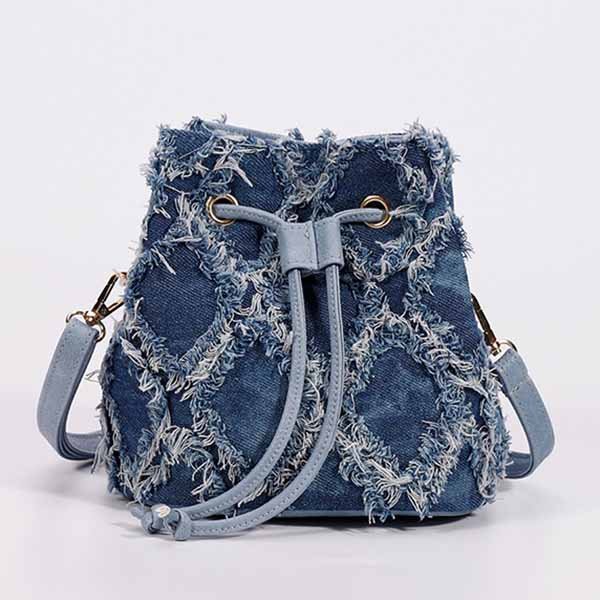
denim drawstring bag
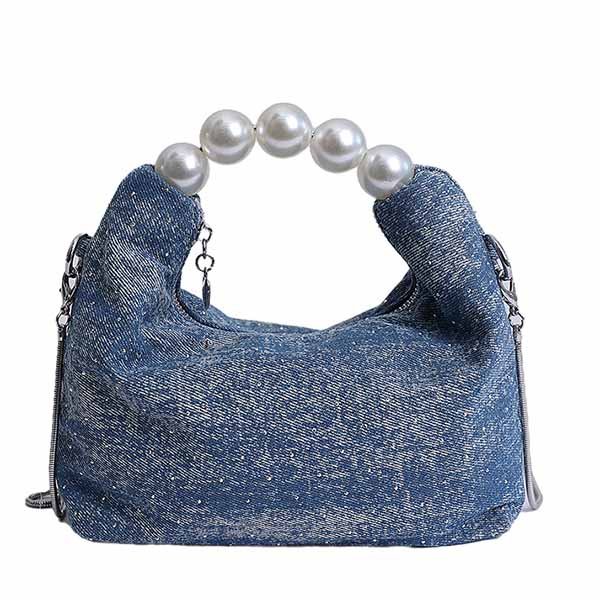
denim designer purse
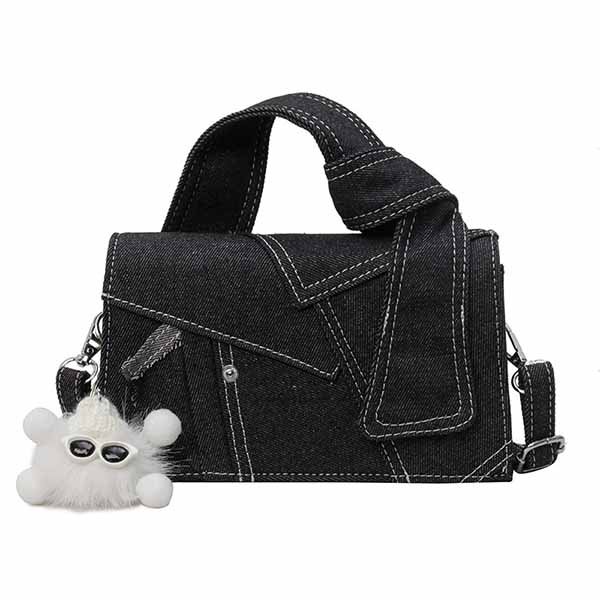
denim designer bag
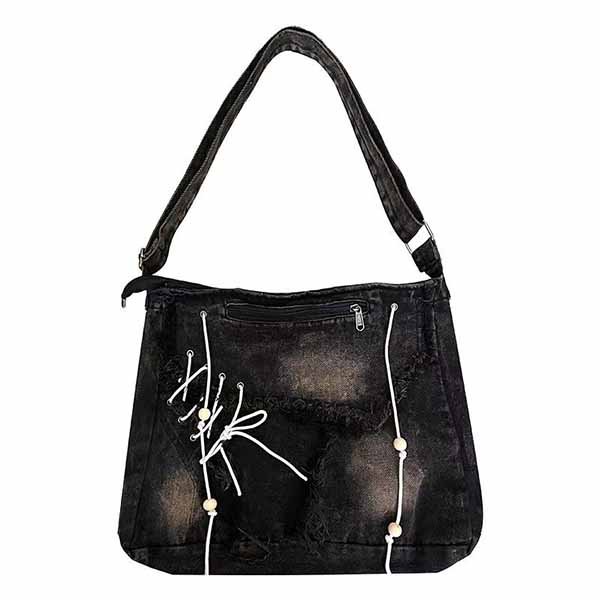
denim crossbody handbags
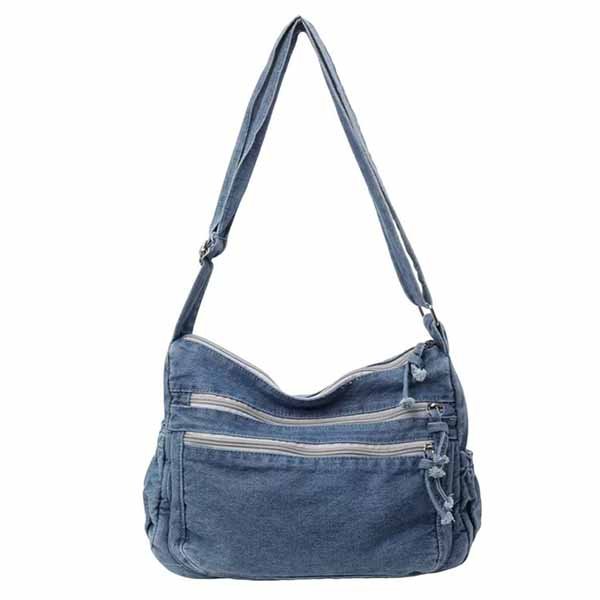
denim crossbody bag
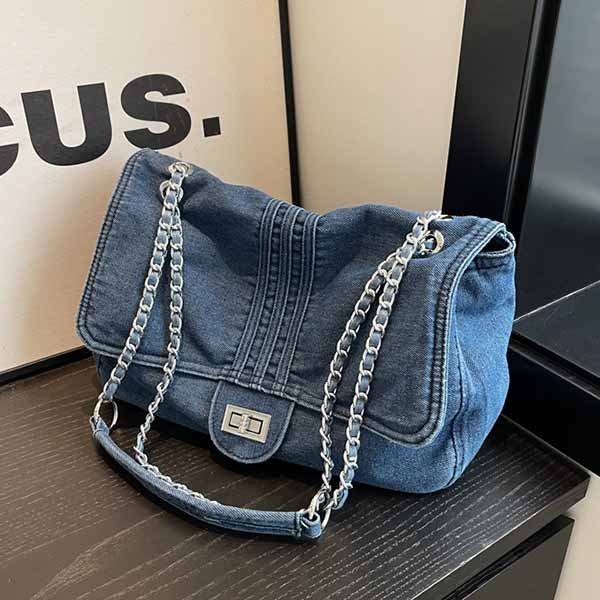
denim chain bag
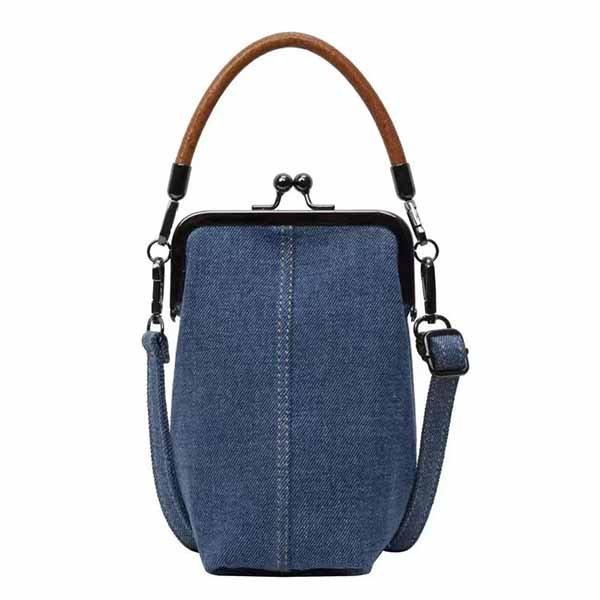
denim bucket bag
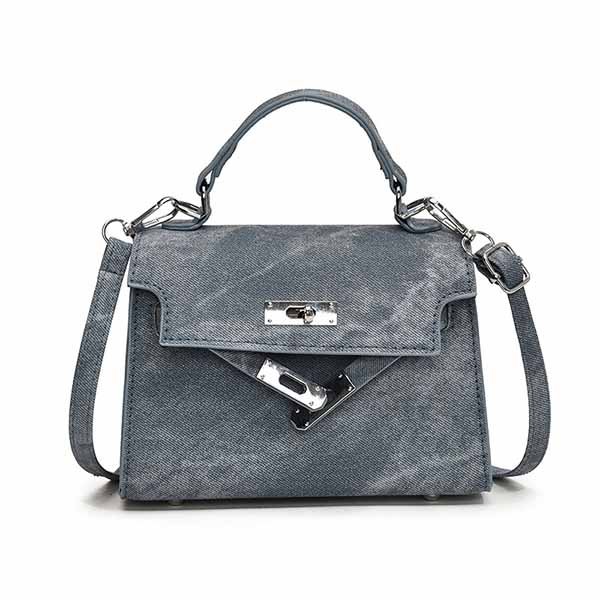
denim blue handbags
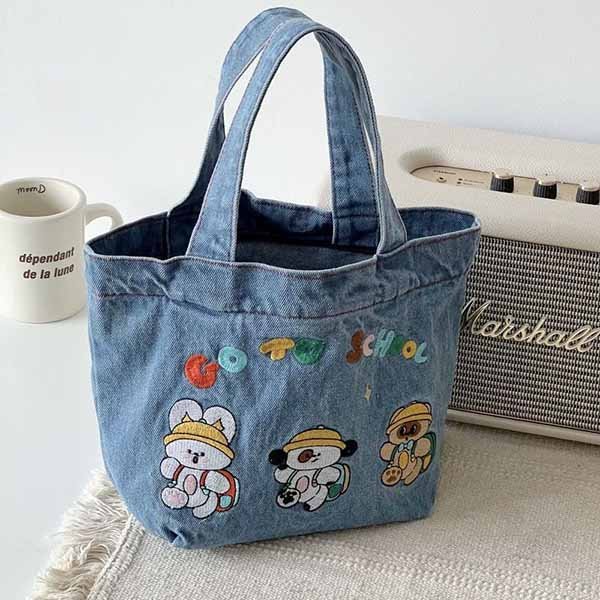
cute denim bag
The ideal denim weight depends on bag function. Light promotional or fashion bags usually use 8–10 oz denim, while daily-use totes and backpacks perform best with 10–12 oz. Heavy-duty or tool-style denim bags often require 12–16 oz to ensure load capacity and abrasion resistance. Choosing the correct weight helps balance durability, structure, and sewing efficiency.
Yes. Denim bags can be fully customized in dimensions, gusset depth, handle length, pocket layout, and internal reinforcement. Because denim thickness affects pattern tolerance and seam behavior, structural customization is engineered at the pattern stage to ensure the bag maintains shape and strength during daily use and bulk production.
Denim washing typically causes 2–6% shrinkage, depending on fabric and wash method. Color tone is also influenced by washing. For this reason, all denim bag patterns and Pantone color matching are developed after wash parameters are finalized to ensure size accuracy and color consistency in mass production.
Embroidery, woven labels, leather patches, and metal badges are the most durable options for denim bags. Embroidery on denim typically lasts 30–40% longer than surface printing under abrasion. The best logo method depends on denim weight, wash texture, and expected usage frequency.
Yes. Denim bags are widely used for promotions, retail giveaways, and wholesale programs due to their high perceived value and reusability. Compared with non-woven bags, denim bags offer longer usage cycles, which increases brand exposure over time without significantly increasing unit cost.
MOQ varies by design complexity, fabric type, and logo method. Many custom denim bag projects can start with low MOQs, especially when using standard denim fabrics and existing structures. Stock denim bag styles allow even lower quantities with fast logo customization.
Sampling usually takes 7–10 days, depending on wash development and logo testing. Bulk production lead time is typically 20–35 days, influenced by order quantity, wash process, and customization level. Denim projects require stable wash scheduling to maintain color consistency.
Quality consistency is controlled through fixed fabric lots, locked wash recipes, standardized patterns, and in-process inspections. Bulk production follows AQL inspection standards, with checks on seam strength, bartack reinforcement, logo placement, and color uniformity to ensure repeatable results across orders.
Yes. Denim bags are often combined with materials such as canvas, PU leather, genuine leather, mesh, webbing, or recycled fabrics. Mixed-material construction improves functionality, reinforces stress areas, and enhances visual contrast. For example, PU leather or leather is commonly used on handles and base panels to increase wear resistance, while mesh or lining fabrics improve internal organization without adding excessive weight.
Absolutely. Denim bags are well suited for repeat retail programs because their designs are easy to standardize and scale. Once fabric weight, wash recipe, pattern, and logo methods are locked, repeat orders typically achieve 10–15% cost optimization through material consolidation and production efficiency, while maintaining consistent appearance and performance across batches.
Batch variation is controlled by fixing fabric sourcing, wash parameters, and production sequencing. Denim bags are produced using the same fabric lots whenever possible, and wash recipes are documented and repeated under controlled conditions. Key elements such as color tone, shrinkage rate, logo placement, and stitch density are monitored during in-process inspections to minimize deviation in bulk orders.
FAQ:Custom denim Bags Manufacturing
Welcome to the FAQs on branded personalized weekend Bag in bulk, where we address your common questions and provide insights on styles, features,and order related matters, ensuring you make informed choices for your business.





Personalized denim Bag Tailored by Szoneier Factory
Personalized denim bags require more than logo changes or size adjustments. Denim’s weight, wash shrinkage, surface texture, and load behavior demand factory-level engineering to achieve real differentiation. At Szoneier, personalization is built into fabric selection, structure design, wash control, and production execution—not added at the final step.
Denim-Specific Fabric Engineering
We tailor denim weight and weave based on function, commonly ranging from 8–16 oz. Heavier denim increases abrasion resistance by 30–40% compared to basic canvas, while lighter denim improves flexibility for fashion-focused designs. Fabric selection is matched directly to bag structure and target load.Wash-Controlled Size & Shape Accuracy
Denim washing typically causes 2–6% shrinkage. As a factory, we pre-calculate shrinkage into patterns, ensuring finished bag dimensions remain within ±5–8 mm tolerance after washing—critical for retail consistency.Structure Customization Based on Load Data
Handle attachment, base panels, and gussets are reinforced according to expected load, often 8–15 kg for daily-use denim totes or backpacks. Bartack and double-needle reinforcement are applied only where needed, reducing unnecessary cost while improving durability.Branding Integrated into Denim Construction
Logos are developed together with denim wash and structure. Embroidery on denim typically lasts 30–40% longer than surface prints under abrasion testing, while leather patches and woven labels maintain >95% consistency across repeat orders.Color Accuracy on Washed Denim
Pantone matching is executed after wash development, not before. We control color deviation to ΔE ≤ 1.5, ensuring stable appearance across bulk production despite denim’s natural variation.Low MOQ with Industrial Consistency
Factory-level pattern libraries and standard denim bases allow low-MOQ customization while maintaining bulk-level stability—something trading companies often cannot achieve.Repeat-Order Optimization
Once a denim bag style is locked, repeat orders typically achieve 10–15% cost optimization through material reuse, wash stability, and production efficiency.
By tailoring denim bags at the factory level—rather than treating denim as a generic fabric—Szoneier delivers personalized products that are structurally sound, visually consistent, and scalable for long-term business growth.
Best Promotional Use Cases for denim Bags
Denim bags are not a single product category but a material-driven system that supports a wide range of structures, capacities, and commercial uses. Because denim offers high abrasion resistance, stable stitching performance, wash compatibility, and strong branding adaptability, it is widely used across promotional, retail, lifestyle, and industrial bag markets.
1. Denim Tote Bags
Flat totes
Gusseted totes
Box-bottom totes
Reinforced base totes
Oversized carryall totes
Typical capacity: 10–25L
Common denim weight: 10–12 oz
Key features: load-bearing handles, reinforced corners
Use cases: shopping, retail merchandise, corporate gifts, daily carry
Why denim fits: handles repeated loads, long reuse cycle, excellent for embroidery and patches.
2. Denim Backpacks
Casual everyday backpacks
School backpacks
Laptop backpacks
Travel backpacks
Roll-top denim backpacks
Typical capacity: 15–35L
Common denim weight: 10–14 oz
Key features: padded straps, internal compartments, bartack reinforcement
Why denim fits: abrasion resistance + structure stability for long-term daily use.
3. Denim Duffel & Travel Bags
Weekend duffel bags
Gym duffel bags
Carry-on travel bags
Barrel-shaped duffels
Typical capacity: 30–60L
Common denim weight: 12–16 oz
Key features: reinforced handles, heavy-duty zippers, structured bases
Why denim fits: carries weight well and develops a premium aged look over time.
4. Denim Drawstring Bags
Promotional drawstring bags
Gym drawstring sacks
Event giveaway bags
Typical capacity: 8–15L
Common denim weight: 8–10 oz
Key features: cord channels, lightweight structure
Why denim fits: higher perceived value than polyester or non-woven alternatives.
5. Denim Crossbody, Sling & Shoulder Bags
Casual crossbody bags
Sling bags
Small shoulder bags
Urban commuter bags
Typical capacity: 3–10L
Common denim weight: 9–12 oz
Key features: adjustable straps, secure closures
Why denim fits: balances flexibility with durability for frequent daily wear.
6. Denim Messenger Bags
Laptop messenger bags
Office work bags
Student messenger bags
Typical capacity: 12–20L
Common denim weight: 12–14 oz
Key features: flap closures, internal padding, strap reinforcement
Why denim fits: professional-casual appearance with strong structure support.
7. Denim Laptop & Tech Bags
Laptop sleeves
Padded laptop bags
Tech organizer bags
Typical capacity: device-based
Common denim weight: 10–12 oz
Key features: padding, lining, zipper precision
Why denim fits: strong outer shell combined with protective inner structure.
8. Denim Tool & Utility Bags
Tool carry bags
Hardware storage totes
Gardening tool bags
Industrial utility bags
Typical capacity: load-based
Common denim weight: 12–16 oz
Key features: reinforced bottoms, rivets, heavy stitching
Why denim fits: superior abrasion resistance and seam holding strength.
9. Denim Gym & Sports Bags
Gym carry bags
Shoe-compartment bags
Yoga mat bags
Typical capacity: 20–40L
Common denim weight: 10–14 oz
Key features: ventilation panels, reinforced straps
Why denim fits: withstands sweat, friction, and repeated use.
10. Denim Cosmetic, Toiletry & Pouch Bags
Makeup pouches
Toiletry bags
Travel organizers
Typical capacity: small-format
Common denim weight: 8–10 oz
Key features: washable surfaces, zipper durability
Why denim fits: easy maintenance and strong seam integrity.
11. Denim Cooler & Insulated Bags
Lunch bags
Beverage cooler bags
Picnic cooler totes
Typical capacity: 5–20L
Common denim weight: 10–12 oz
Key features: insulated lining, moisture resistance
Why denim fits: durable outer shell for insulated constructions.
12. Denim Shopping & Promotional Bags
Trade show bags
Event giveaway bags
Brand promotional totes
Typical capacity: 10–20L
Common denim weight: 8–10 oz
Key features: cost-efficient structures, logo visibility
Why denim fits: reusable, eco-positioned, longer brand exposure lifecycle.
13. Denim Fashion & Lifestyle Bags
Designer handbags
Vintage-wash fashion bags
Limited-edition collections
Typical capacity: design-based
Common denim weight: 9–12 oz
Key features: wash effects, premium branding
Why denim fits: timeless fashion appeal and strong material storytelling.
14. Denim Organizer & Storage Bags
Packing cubes
Drawer organizers
Home storage bags
Typical capacity: modular
Common denim weight: 10–12 oz
Why denim fits: shape retention and long-term durability.
15. Denim Beach & Outdoor Bags
Beach totes
Picnic bags
Camping carry bags
Typical capacity: 20–40L
Common denim weight: 10–14 oz
Why denim fits: sand-tolerant, washable, outdoor-friendly durability.
16. Denim Hybrid Material Bags
Denim + leather handle bags
Denim + PU reinforced base bags
Denim + canvas mixed bags
Why denim fits: combines rugged structure with premium visual contrast.
17. Denim Eco & Sustainable Bags
Recycled denim bags
Organic cotton denim bags
Low-water wash denim bags
Why denim fits: sustainability claims backed by durability and reuse.
18. Denim Small Goods & Accessories
Pencil cases
Coin purses
Cable pouches
Why denim fits: excellent stitch control for small formats.
19. Denim Heavy-Duty Industrial Bags
Equipment transport bags
Warehouse carry bags
Common denim weight: 14–16 oz
Why denim fits: high tensile strength and abrasion resistance.
20. Fully Custom-Engineered Denim Bags
Brand-exclusive structures
Multi-layer technical designs
Why denim fits: predictable behavior for repeat OEM/ODM programs.
Ready To Elevate Your Leather products Line?
Join our global network of partners from 86 countries who have successfully collaborated with Szoneier. We welcome more customers to partner with us and experience our high quality Luggage and bags solutions.
