
What Are Fanny Packs Used For: A Practical & Stylish Essential for Modern Life
- Eric
- November 17, 2025
- 9:51 am
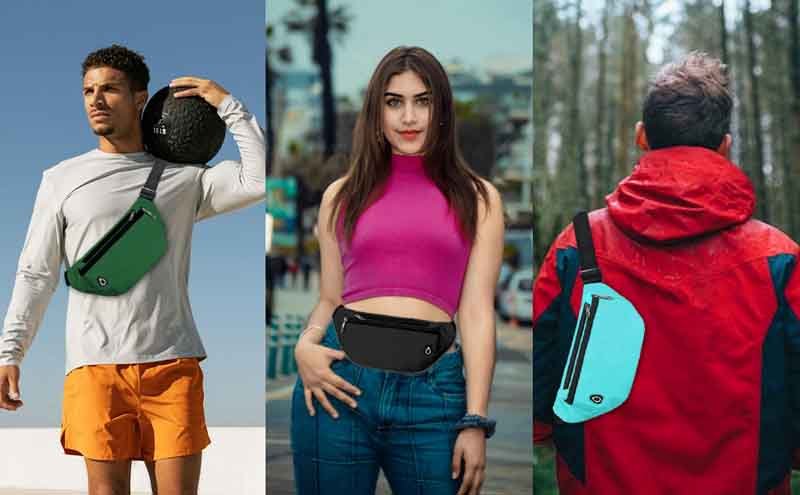
For decades, fanny packs were dismissed as outdated travel gear. But something shifted. From Tokyo streetwear to Coachella fashion and tech startup events, the once-humble waist bag has become a global icon of functional fashion. Its resurgence is no accident. In an era where hands-free convenience meets visual identity, fanny packs check all the boxes: mobility, style, branding, and utility.
Fanny packs are used for hands-free storage of essentials in travel, sports, festivals, work, and everyday life. Modern fanny packs are also popular as fashion accessories and promotional merchandise, especially among Gen Z consumers.
Whether worn around the waist or slung crossbody, today’s fanny pack serves both personal and commercial needs. From tech brands handing out custom-branded waist packs at expos to outdoor retailers offering water-resistant styles for hikers, its versatility explains its comeback. And for manufacturers and private label buyers, the real question is no longer “what is a fanny pack used for?” — it’s “how can I create the right one for my customers?”
What Defines a Fanny Pack?
A fanny pack is a compact, zippered bag worn around the waist or crossbody. It is chosen for hands-free convenience, compact storage, and modern fashion appeal.
What Exactly Is the Purpose of a Fanny Pack?
Fanny packs were originally designed to offer travelers a secure and convenient way to carry passports, money, and small personal items close to the body. But the purpose has significantly evolved. Today, people wear fanny packs to the gym, on hiking trails, at music festivals, and even to the office. They’re a practical solution for those who want essential items within easy reach without the bulk of a backpack or tote.
What Makes It Different from Other Bags?
Unlike traditional bags that hang off one shoulder or require handholding, fanny packs are worn snugly against the body. This provides ergonomic comfort and minimal movement interference. They’re lightweight, distribute weight evenly, and reduce the strain that often comes with traditional bags. This makes them particularly attractive for people constantly on the move — like city commuters, dog walkers, cyclists, and travelers.
What Do Gen Z Call Fanny Packs Today?
While older generations may refer to them as “fanny packs,” Gen Z has embraced more stylish terms like:
- Belt bags — Often used in fashion contexts.
- Crossbody slings — Emphasizing the over-the-shoulder look.
- Hip packs — Popular with outdoor or action-sport brands.
These names strip away any outdated connotations and signal modernity, street style, and gender neutrality.
Why Are Fanny Packs Popular Again?
The revival of fanny packs is powered by a convergence of function, culture, and style:
- Streetwear & Athleisure: They blend seamlessly with sneakers, joggers, and branded hoodies.
- Festival & Travel Culture: Events like Burning Man or Tomorrowland make utility a fashion.
- Digital Nomads & Minimalists: A slim pouch is enough to carry chargers, cards, AirPods, and phone.
Which Styles and Materials Are Best for Fanny Packs?
The best fanny packs combine durable, lightweight materials (such as ripstop nylon, recycled polyester, wax‑canvas or PU leather) with sturdy hardware (YKK zippers, side‑release buckles) and ergonomic design (adjustable strap, curved back panel). Material and style choices directly affect durability, brand positioning and cost.
When your brand (or your sourcing team at Szoneier) is selecting the right style and materials for a custom fanny pack, you’re balancing three major factors: functionality, brand positioning, and cost/manufacturability. Let’s unpack these through the lens of popular styles and material systems, why each works (or doesn’t), and how you can make smart decisions for your target market.
1. Fabric & Material Choices
Fabric selection sets the tone of the product from the first tactile and visual impression.
- Ripstop Nylon / Recycled Polyester: These are current favorites for outdoor, active‑wear or budget‑friendly fanny packs. They offer lightweight strength, water‑resistance, and ease of dyeing/printing. The Strategist’s guide notes: “The material will help determine the functionality of your fanny pack. Water‑resistant ones like nylon… ensure your things stay dry.” For Szoneier clients, choosing 500D or 1000D nylon with PU coating can hit mid‑tier pricing while offering strong durability (see Reddit fabric thread: cordura/1000D, “structure is maintained”).
- Waxed Canvas / Heavy Canvas: A styling choice for heritage brands or streetwear lines. Canvas conveys texture and retro appeal, though it may weigh more and require waterproofing treatment.
- PU Leather / Smooth Leather Panels: These elevate the bag into a fashion accessory. As a bag manufacturing leader, Szoneier can offer PU or genuine leather facades (for luxury lines) while keeping inner body fabric technical. The “Ultimate Guide” shows that belt bags/leather variants lean luxury while basic utilitarian bags stay nylon.
- Sustainable Materials: Recycled nylon, RPET, up‑cycled fabric blends — all rising in demand especially among Gen Z and eco‑conscious buyers.
Here’s a simplified comparison table:
| Material | Strengths | Considerations | Ideal Use |
|---|---|---|---|
| 500D/1000D Nylon | Lightweight, strong, water‑resistant | Can look technical, less “luxury” feel | Active/outdoor, commuter |
| Canvas (12–14 oz) | Rugged texture, fashion appeal | Heavier, less water‑resistant without treatment | Streetwear, retro brand |
| PU or Genuine Leather | Premium look, brand elevation | Higher cost, careful finishing required | Luxury/private label fanny packs |
| RPET/Recycled | Eco‑friendly story, trending | May cost more, depend on supply chain | Sustainable brand collections |
2. Hardware & Structural Style
Style is more than appearance – the strap system, closures, compartment layout all matter to user experience. Some recent reviews highlight that strap length, buckle quality and zipper type are major differentiators.
For Szoneier’s custom manufacturing, key spec points include:
- Zipper: YKK or SBS with coil/metal, optionally waterproof. Dual‑zip for large volume bags.
- Buckle: Side‑release plastic for lightweight models; metal quick‑release or cam‑lock for premium.
- Adjustable Strap: Webbing (25–40mm width depending on pack size), with welded end‑tape and reinforcement stitching for durability.
- Back Panel Comfort: Some high‑end bags use EVA foam backing or mesh back for ventilation, especially for crossbody wear.
- Compartment Layout: Single‑panel vs. multi‑pocket. Utility/outdoor packs may feature bottle loops or daisy‑chains; fashion packs may stay minimalist.
3. Style & Market Positioning
The style of the fanny pack will differ based on user persona and brand channel:
- Fashion/Streetwear: Often small to mid size (1–3 L), materials like PU leather or waxed canvas, bold logo placement, trend colors (pastel, neon) or tonal.
- Outdoor/Active: Larger capacity (3–7 L), technical fabric (nylon/RPET), utility pockets, high‑visibility accents or reflective trim.
- Promotional/Corporate: Low-cost fabrics (600D polyester), single zip, subtle branding, flat‑packable for giveaways or event merch.
Color trends matter. For example:
- Neutral black/charcoal for unisex universal appeal.
- Earth tones (khaki, olive) for outdoor brands.
- Neon or bright accent colours for festival, travel, or youth markets. Matching the right material + hardware + color palette ensures your custom fanny pack meets both functional expectations and brand aesthetics.
4. Manufacturability & Cost Considerations
As a factory partner, Szoneier must balance style/material choices with production feasibility:
- Thicker heavy canvas or leather → higher cost, more complex cutting and edge finishing.
- Technical fabrics (waterproof, laminated) may require special sewing machines, seam sealing or additional QA.
- Custom hardware (die‑cast buckles, laser logo pulls) add cost and tooling. But small MOQ options (e.g., 300–500 pcs) can mitigate risk.
When dealing with private label clients, we recommend providing material swatch libraries (nylon/PU canvas/leather), hardware finish options, and strap width/adjustment specs, plus a cost sheet comparing each variant.
How Are Fanny Packs Used in Everyday Life?
Fanny packs are used daily for commuting, travel, fitness, parenting, and errands, offering hands-free storage for essentials like phones, wallets, keys, and accessories.
Fanny packs have evolved into an essential everyday carry (EDC) item for millions of people worldwide. From Gen Z teens styling them as crossbody slings to busy parents using them as mini diaper kits, their utility spans diverse lifestyles. Let’s explore the various real-life applications where fanny packs shine—and how brands and buyers can design purpose-built styles for each need.
1. Daily Commuting
Urban professionals and students alike use fanny packs to carry essentials during commutes—especially in crowded cities where backpacks may feel bulky or unsafe.
Popular Items Carried: Phone, wireless earbuds, metro card, keys, lip balm, wallet
Design Features to Prioritize:
- Slim profile to wear under or over jackets
- RFID-blocking lining for card safety
- Quick-access front zippers for subway passes or ID cards
2. Fitness and Outdoor Activity
Whether jogging, hiking, or cycling, fitness-focused consumers rely on fanny packs for holding lightweight items during movement.
Design Examples:
- Water-resistant nylon fabric to withstand sweat
- Adjustable elastic waistbands for bounce-free running
- Headphone port holes or mesh pockets for gels/snacks
Outdoor brands often design hiking fanny packs with:
- Hydration loops
- EVA foam back padding
- Bright color blocking for visibility
3. Parenting & On-the-Go Organization
Parents—especially those with toddlers—need fast access to wipes, pacifiers, small toys, or snacks. A fanny pack provides convenient access without needing to lug a large diaper bag.
Typical Configuration:
- Main pouch for small baby essentials
- Back pocket for phone
- Inner compartment for hand sanitizer and napkins
This is a fast-growing niche, with many mom-influencer brands customizing fanny packs with pastel vegan leather and gold-tone zippers.
4. Travel & Tourism
For tourists navigating airports or city tours, fanny packs offer both security and function. They allow travelers to store passports, tickets, currency, and hotel keys close to their body.
Essential Travel Features:
- Lockable zippers
- Slash-resistant strap material (e.g., wire-reinforced webbing)
- Anti-theft pocket on back side
Some premium packs even feature QR codes for ID scanning or contactless tipping.
5. Events & Festivals
Music lovers, organizers, and vendors use fanny packs at festivals or conventions for all-day mobility.
Contents Include:
- Tickets or wristbands
- Compact phone chargers
- Sunglasses, lip balm, earplugs
Popular Fabrics: Neon nylon, glow-in-the-dark prints, reflective trim
Fanny packs can also double as promotional giveaways at branded booths or be sold as event merchandise with custom logos.
6. Streetwear & Fashion Expression
For Gen Z and Millennial consumers, fanny packs are not just practical—they’re style statements. Worn across the chest, styled with oversized fits or activewear, fanny packs function as fashion accessories.
Design Cues:
- Metallic or gradient fabric options
- Removable chain straps
- Bold front embroidery or heat-pressed logos
How to Design a Fanny Pack for Your Brand’s Market?
To design a successful fanny pack for your market, define your target user, select functional materials, consider brand aesthetics, and align features with specific use cases like travel, sports, or fashion.
Designing a fanny pack isn’t just about stitching together a pouch with a strap. It’s about crafting a mobile lifestyle accessory tailored to the needs, preferences, and values of your target audience. Whether you’re an emerging DTC fashion label or a promotional marketing brand, the right fanny pack can boost brand identity and drive repeat sales.
Let’s break down a strategic approach to fanny pack design.
1. Define Your Core Market
Ask yourself: Who are you designing for?
- Fitness lovers or marathon runners?
- Travelers and backpackers?
- Trend-driven Gen Z buyers?
- Working professionals or commuters?
Your market will determine everything—from fabric weight to storage layout.
| Market Segment | Key Traits | Suggested Features |
|---|---|---|
| Gen Z / Fashion | Bold, trend-led | Crossbody fit, logo patches, pastel/metallic colorways |
| Outdoor / Fitness | Practical, performance-led | Waterproof fabric, reflective strips, hydration loops |
| Professional | Minimalist, durable | Matte PU/leather, RFID pocket, sleek zipper pulls |
2. Choose the Right Fabrics
Material choice defines both durability and aesthetic.
- Nylon (210D/420D/600D) – Lightweight, weather-resistant, ideal for sporty or travel bags
- Canvas (12oz/16oz) – Natural, breathable, more urban or vintage look
- PU/Faux Leather – Premium finish for fashion-forward or office use
- RPET or Recycled Nylon – For brands targeting sustainability-conscious users
Add linings (e.g., polyester, EVA foam) for comfort and shape retention.
3. Structure & Storage Layout
How many compartments do your customers need?
- Single-pouch styles are great for promo giveaways or minimalist trends.
- Multi-zipper packs with mesh, elastic organizers are great for travelers, moms, or cyclists.
- Backside hidden pockets offer anti-theft solutions for tourists.
Don’t forget:
- Zipper quality (YKK or SBS recommended)
- Strap width and adjustability
- Clip or buckle type (magnetic, plastic, or metal)
4. Visual Identity and Branding Elements
Incorporate your brand’s identity through:
- Custom zipper pulls with brand logo
- Embossed leather logo patches
- Full-panel sublimation printing for artwork
- Woven brand labels stitched inside
Consider collaborating with influencers or artists to co-create limited edition runs that build buzz.
5. Think Crossbody & Naming Conventions
Remember, Gen Z doesn’t say “fanny pack.” They say:
- Crossbody sling
- Hip pack
- Streetwear pouch
Name your product accordingly to stay current. Optimize your product listing for those terms.
6. Sampling & Testing
Before scaling production:
- Create mockups using software like Clo3D or Adobe Illustrator
- Request physical prototypes with final fabrics and trims
- Test wear under real-life scenarios for durability, comfort, fit, and visual appeal
7. Collaborate with the Right Manufacturer
Sourcing matters. Choose a manufacturer that can:
- Offer material flexibility (nylon, canvas, leather, RPET)
- Handle low MOQs
- Provide custom branding options (embroidery, heat-transfer, sublimation)
- Ship globally with stable lead times
How to Care for Your Fanny Packs?
Caring for your fanny pack properly not only maintains its aesthetic appeal but also ensures it functions well over years of daily use. Whether made of polyester, canvas, leather, or RPET, different materials require different care routines. Here’s how to keep your pack looking and performing like new.
1. Cleaning Based on Material
Nylon / Polyester
- Wipe with a damp cloth and mild soap for surface stains
- For deeper cleaning, hand wash in lukewarm water and air-dry
- Avoid hot water or harsh chemical detergents which can degrade coatings
Canvas
- Spot clean with a soft brush and gentle soap
- For heavy dirt, use a vinegar-water solution
- Avoid machine washing, which may distort shape
PU / Faux Leather
- Wipe gently with a microfiber cloth
- Use leather-safe cleaners or diluted baby shampoo for buildup
- Apply conditioner to prevent cracking if used in dry climates
Genuine Leather
- Use a dry brush to remove dust first
- Spot clean with saddle soap or diluted castile soap
- Condition with leather balm every 3–6 months
- Avoid prolonged exposure to sunlight and water
2. Storage Best Practices
- Always store the fanny pack in a cool, dry place away from direct sunlight
- Fill it with paper or cloth to help maintain shape when not in use
- Hang on a hook or place flat in a dust bag if available
Avoid:
- Hanging heavy bags for long periods (may stretch straps)
- Folding soft leather packs too tightly (can cause creases)
3. Avoid Overstuffing
Fanny packs are made for compact essentials—not your entire backpack load. Overstuffing can:
- Stretch seams and zippers
- Distort the bag’s silhouette
- Cause premature fabric weakening
Educate customers on ideal weight limits:
| Fabric Type | Ideal Load | Notes |
|---|---|---|
| Nylon/Poly | 1–2 kg | Good for light accessories |
| Canvas | 2–3 kg | Holds more, but avoid bulging |
| Leather | 1.5–2.5 kg | Maintain structure & aesthetics |
4. Repair Minor Issues Early
Don’t wait until your zipper fully fails or the strap detaches. Fix small issues as they appear:
- Replace broken zipper pulls or sliders
- Reinforce frayed stitching with hand-sewn thread or patches
- Use waterproofing sprays to revive DWR coating
Many fanny packs (especially custom ones) are worth maintaining rather than discarding.
5. Care Tips for Branded or Custom Fanny Packs
If your brand sells customized or private label fanny packs:
- Include a care label inside with clear washing symbols
- Add a QR code linking to a care instruction video or page
- Offer free repair kits with patches, zipper heads, or buckles as part of a loyalty program
These value-adds not only prolong product life—but also build brand trust.
Szoneier offers fanny packs with care labels, custom insert cards, and optional repair kits for brands. Talk to our product team about how to integrate care experience into your product lifecycle.
Conclusion
Fanny packs have evolved from simple waist pouches to lifestyle icons worn across cities, trails, airports, and music festivals. They’re not just accessories—they’re statements of mobility, intention, and brand personality.
If your brand believes in function with flair, comfort with character, and utility that speaks, then it’s time to reimagine what your ideal fanny pack can be. Whether you’re targeting Gen Z trendsetters, outdoor adventurers, minimalist commuters, or global travelers—Szoneier helps you turn concepts into bestselling carriers.
We offer full-spectrum customization: from waterproof zippers and ergonomic straps to eco-materials and influencer-approved aesthetics. And with rapid prototyping, low MOQs, and a design team that listens—we don’t just make bags; we make them yours. Contact Szoneier now to start your custom fanny pack journey.
manufacturer Categories
- Custom Tote Bags Manufacturer
- custom backpacks Manufacturer
- custom travel bags& Duffle bags manufacturer
- custom makeup bags & toiletry bags manufacturer
- custom cooler bags manufacturer
- custom drawstring bags manufacturer
- custom makeup bags & toiletry bags manufacturer
- custom golf bags manufacturer
- custom fireproof bags manufacturer
- custom dry bags manufacturer
- custom ski bags manufacturer
- custom gym & sports bags manufacturer
- custom laptop bags manufacturer
- custom tactical bags manufacturer
- custom beach bags manufacturer
- custom medical bags manufacturer
- custom camera bags manufacturer
- custom wetsuits manufacturer
- custom leather goods manufacturer
- more personalized products

Can't find the answers?
No worries, please contact us and we will answer all the questions you have during the whole process of bag customization.
Make A Sample First?
If you have your own artwork, logo design files, or just an idea,please provide details about your project requirements, including preferred fabric, color, and customization options,we’re excited to assist you in bringing your bespoke bag designs to life through our sample production process.
