Skip to content
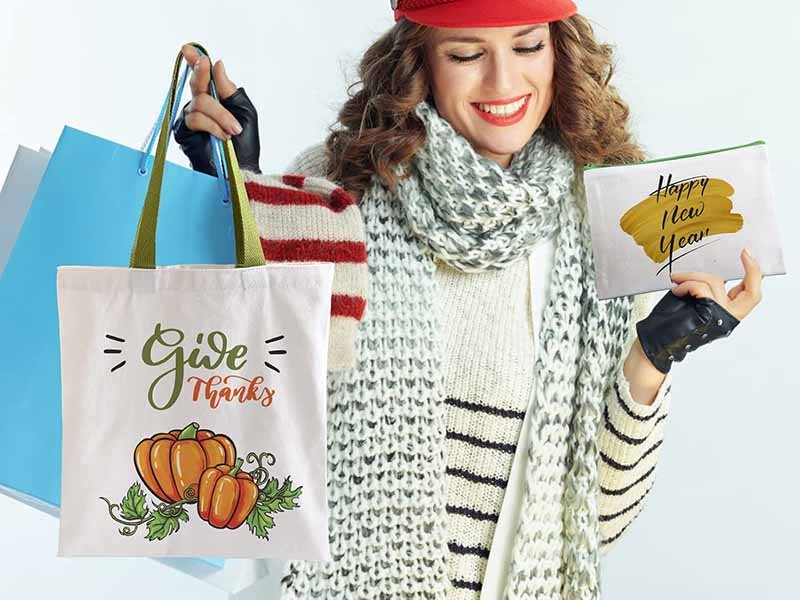
Canvas tote bags look “easy” until you try to mass-produce them. One bag prints crisp; the next one shows fuzzy edges. A logo looks bright in the workshop, then turns chalky after a few washes. Sometimes the print feels like plastic, sometimes it sinks in and looks dull. These aren’t “small” issues—because when you’re producing hundreds or thousands of bags, a 3% defect rate can mean dozens of returns, delayed launches, and wasted shipping costs.
Here’s the practical truth: great screen printing on canvas is not just about choosing an ink. It’s about matching canvas structure (weight + weave + finish) with ink chemistry, then controlling screen mesh, squeegee pressure, flash/curing, and humidity so every piece comes out consistent.
You can think of it like cooking: the same recipe tastes different if your ingredients and temperature change. Many brands only discover this after their “perfect sample” fails in real life. In this guide, we’ll walk through what matters on the factory floor—so your first production run performs like the sample and keeps customers coming back.
What Is Screen Printing on Canvas Bags?
Screen printing on canvas bags is a method where ink is pressed through a mesh screen (with a stencil of your artwork) onto the woven fabric, then heat-cured so the ink bonds into the fibers and stays there through use and washing. It’s popular for canvas totes because it can deliver strong color coverage, good durability, and reliable unit cost at scale—as long as the process is set up correctly.
What makes canvas ideal for screen printing?
Canvas is mostly cotton (or cotton blends), woven with visible texture. That texture can actually help ink “grab” the fibers and lock in—especially compared with slick fabrics that require special coatings or primers.
What customers usually care about (real-world concerns):
- Will the print crack after washing?
- Will the logo fade in sunlight?
- Will ink rub off on clothing?
- Can I match Pantone colors reliably?
- Can the factory keep consistency across 1,000–50,000 pcs?
Canvas works well because it supports a stable ink bond, but it also introduces risk: absorbent fabrics can cause ink bleeding, dullness, and uneven coverage if you don’t control ink viscosity and mesh.
Canvas properties that affect print results
| Canvas Factor | Common Range in Tote Bags | What It Changes on Press | What Brands Notice |
|---|---|---|---|
| Weight (oz/yd²) | 8–16 oz | Absorption + stiffness | Heavier feels premium; prints often look sharper |
| Thickness | ~0.4–1.2 mm | Ink deposit & cure behavior | Too thick can need stronger underbase |
| Weave tightness | loose ↔ tight | Edge clarity | Loose weave = fuzzy edges on fine text |
| Finish | raw, washed, dyed | Ink bonding | Washed/dyed can need stronger adhesion control |
| Cotton content | 100% or blends | Cure stability | Blends can change hand feel & cure window |
Practical tip for brands: If your artwork has fine lines, small text, or sharp geometric shapes, don’t choose loose-weave canvas just because it’s cheaper. The fabric itself can soften edges even with perfect printing.
What are the core screen printing steps?
A reliable canvas printing workflow is a controlled sequence. Skipping “small” steps often causes defects that only show up after shipping.
Production workflow
| Stage | What the Factory Does | Why It Matters | Common Failure If Not Controlled |
|---|---|---|---|
| Fabric incoming check | Check weave, shade, stains, oil marks | Consistent printing surface | Patchy color, random defects |
| Pre-clean / de-dust | Remove lint & dust, press flatten | Cleaner edges and adhesion | Pinholes, specks, weak bonding |
| Screen setup | Choose mesh + stencil thickness | Controls ink deposit | Blurry print or weak opacity |
| Ink prep | Adjust viscosity, add additives if needed | Controls bleed, softness | Ink spreading, dull color |
| Printing | Correct off-contact + squeegee pressure | Sharp edges | Uneven coverage, ghosting |
| Flash (if needed) | Layer stabilization | Better color build | Smearing between passes |
| Final curing | Temperature + time control | Wash durability | Cracking, tackiness, fading |
| QC & testing | Rub test, wash test, color checks | Avoid complaints | Returns, bad reviews |
Realistic curing targets
| Ink System | Cure Target (Surface / Film) | Common Factory Setting Range | Risk If Too Low | Risk If Too High |
|---|---|---|---|---|
| Plastisol | ink film reaches ~160–170°C | 150–180°C, 60–120s | Wash failure, tackiness | Scorching, stiff hand feel |
| Water-based | driven by evaporation + heat | 120–160°C (depends on ink) | Poor bonding, fading | Fabric yellowing, brittle print |
| Discharge | activation depends on chemistry | controlled heat + ventilation | uneven discharge | fabric damage, odor issues |
(Exact numbers can vary by ink brand and line speed; the key is consistency and testing.)
What defects do brands complain about most—and what causes them?
This is the part many articles skip, but it’s what customers actually experience.
| Defect Seen by End Customer | How It Looks | Root Cause on Canvas | How a Good Factory Prevents It |
|---|---|---|---|
| Fading after washing | logo becomes dull | under-cure or weak ink match | cure validation + wash testing |
| Cracking | breaks on folds | thick ink deposit + wrong cure | adjust deposit + controlled cure |
| Ink bleeding | edges spread | low viscosity + absorbent weave | ink control + proper mesh |
| Pinholes | tiny missing dots | dust/lint or underbase issue | pre-clean + screen quality |
| Crooked placement | off-center print | bag alignment inconsistency | jigs + placement guides |
| Rub-off | ink transfers to hands | incomplete cure | rub test + cure check |
A sample can look perfect even with weak curing. Problems show up after real use, so quality testing matters before mass production.
What should you specify when ordering printed canvas bags?
If you want consistent results, give the factory clear specs. Vague requests like “print strong” create misunderstandings.
Useful specs to include on your inquiry sheet
| Spec Item | What to Specify | Why It Reduces Risk |
|---|---|---|
| Canvas weight | 8/10/12/16 oz | predicts absorption and opacity needs |
| Bag color | natural / dyed / black | affects underbase + ink choice |
| Print size & location | width/height + distance from seams | avoids placement errors |
| Artwork detail level | fine lines? small text? | determines mesh & ink system |
| Durability target | e.g., “30 wash cycles no cracking” | sets QC expectations |
| Hand feel preference | soft vs bold | helps choose ink system |
| Compliance needs | eco claims, CPSIA/REACH, etc. | impacts ink selection |
Which Ink Types Are Best for Canvas Bags?
Choosing the right ink is one of the most important technical decisions in canvas bag production. Different ink systems change color brightness, wash durability, surface feel, environmental compliance, and total production cost. A print that looks perfect on the press can still fail in real use if the ink chemistry does not match the canvas structure or curing conditions.
In practical factory work, most canvas bags are printed using three main ink families: water-based, plastisol, and specialty effect inks. Each serves a different commercial purpose—from soft eco-style retail totes to bold promotional graphics designed for maximum visibility.
Which water-based inks work for canvas?
Water-based inks soak into cotton fibers instead of sitting on top of the fabric. This creates a soft, breathable hand feel that many retail brands prefer, especially for eco-positioned tote bags or minimalist fashion products.
However, absorption also introduces risk. If viscosity, pigment load, or curing is not tightly controlled, the print may appear:
- slightly dull instead of vibrant
- uneven on loose-weave canvas
- less opaque on dark fabric
Performance characteristics of water-based ink on canvas
| Property | Real-world behavior | Brand impact |
|---|---|---|
| Hand feel | Very soft, almost part of fabric | Premium retail perception |
| Color brightness | Medium to high on light canvas | Clean natural look |
| Dark fabric opacity | Limited without underbase | May restrict design options |
| Wash durability | Good when fully cured | Suitable for daily use |
| Eco perception | Strong marketing advantage | Helpful for sustainable branding |
| Production speed | Slower drying control needed | Slightly higher cost risk |
Best use cases
- Natural cotton tote bags
- Fashion retail merchandise
- Eco-focused promotional products
- Designs prioritizing softness over bold opacity
For brands targeting premium lifestyle positioning, water-based ink is often the first choice—provided the factory has strong curing control.
Which plastisol inks are suitable and why?
Plastisol ink behaves very differently. Instead of absorbing into fibers, it forms a flexible ink layer sitting on top of the canvas surface. This produces:
- strong opacity
- bright color saturation
- excellent consistency across large runs
Because plastisol is less dependent on fabric absorbency, it is widely used for bulk promotional tote production and dark-color canvas printing.
Plastisol performance on canvas
| Property | Real-world behavior | Brand impact |
|---|---|---|
| Opacity | Very high, even on black canvas | Strong logo visibility |
| Color consistency | Excellent in bulk runs | Reliable branding |
| Hand feel | Thicker, slightly raised | Less “natural” touch |
| Wash resistance | Very strong when cured | Long service life |
| Production tolerance | Forgiving during printing | Lower defect risk |
| Environmental perception | Weaker vs water-based | May affect eco claims |
Best use cases
- Dark canvas tote bags
- High-volume promotional orders
- Logos requiring strong contrast
- Situations where durability matters more than softness
From a cost-control perspective, plastisol often provides the most stable large-scale production results, which is why many global promotional programs rely on it.
Which specialty inks (discharge, puff) add effects?
Specialty inks are not always necessary, but they can dramatically increase visual value and retail pricing potential when used correctly.
Two of the most common options in canvas bag production are discharge ink and puff ink.
Discharge ink on cotton canvas
Discharge ink removes the original dye from dark cotton fabric and replaces it with new pigment. The result feels extremely soft, almost like the fabric was dyed rather than printed.
Advantages
- No heavy ink layer
- Vintage or premium fashion appearance
- Comfortable hand feel
Limitations
- Works mainly on 100% cotton dyed canvas
- Color results can vary by fabric batch
- Requires precise chemical control and ventilation
This makes discharge better suited for retail fashion totes than mass promotional goods.
Puff ink for raised texture
Puff ink expands during curing to create a three-dimensional raised surface. It is commonly used for:
- youth or streetwear branding
- bold logo highlights
- tactile design elements
| Factor | Production reality |
|---|---|
| Visual impact | High shelf appeal |
| Durability | Good if not over-expanded |
| Design limits | Not suitable for fine detail |
| Cost | Higher than standard inks |
Because puff changes thickness, factories must carefully balance ink deposit, mesh, and curing temperature to avoid cracking.
Quick comparison of main ink systems for canvas bags
| Feature | Water-based | Plastisol | Discharge | Puff |
|---|---|---|---|---|
| Hand feel | Softest | Thick | Very soft | Raised |
| Dark fabric printing | Weak | Excellent | Good on cotton | Moderate |
| Wash durability | Good | Very strong | Good | Moderate-good |
| Eco perception | Strong | Lower | Medium | Medium |
| Visual impact | Natural | Bold | Vintage | Textured |
| Production stability | Medium | High | Sensitive | Medium |
| Cost level | Medium | Low-medium | Higher | Higher |
Simple decision logic for brands
- Choose water-based for softness and eco image
- Choose plastisol for durability and strong color
- Choose discharge for vintage retail style
- Choose puff for texture and visual impact
How Do Fabric and Ink Interact on Canvas?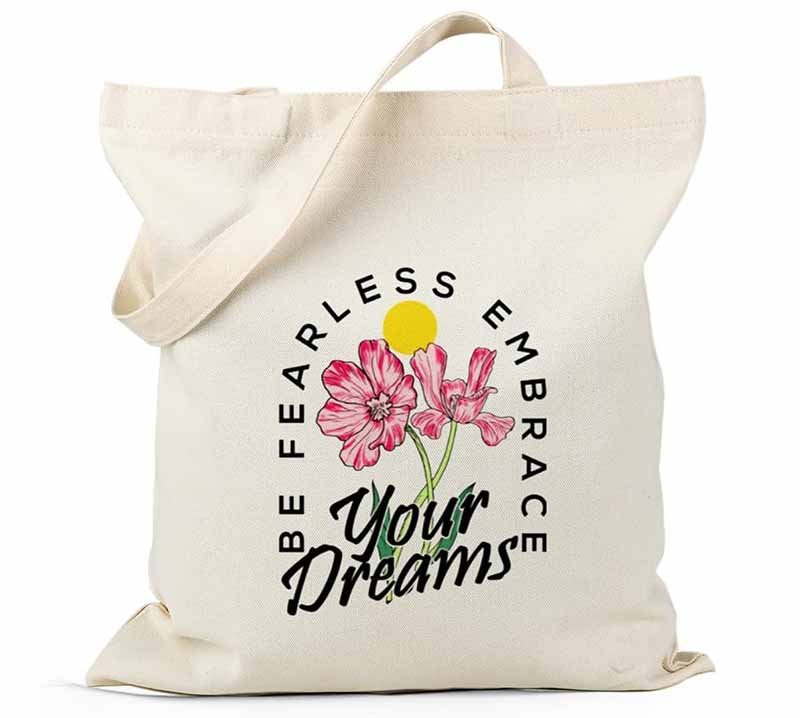
Ink performance cannot be judged alone. The same ink behaves very differently depending on canvas weight, weave density, moisture, and curing environment. Many print defects blamed on ink are actually caused by fabric structure or climate conditions.
Understanding this interaction is essential for preventing:
- blurred edges
- weak color
- cracking after washing
- inconsistent appearance between batches
How does canvas weight affect ink absorption?
Heavier canvas generally absorbs ink more slowly and holds shape better during printing. Lighter canvas absorbs faster but may allow ink spreading along fibers, reducing edge sharpness.
| Canvas Weight | Printing Behavior | Commercial Result |
|---|---|---|
| 6–8 oz | High absorption, softer structure | Lower opacity, more bleed risk |
| 10–12 oz | Balanced absorption | Most common retail choice |
| 14–16 oz | Stable surface, less spread | Sharper graphics, premium feel |
For detailed logos or typography, 10–16 oz canvas usually delivers the most reliable clarity.
How does weave tightness influence print clarity?
Weave density controls how easily ink travels between fibers.
- Loose weave: Ink spreads → edges look fuzzy
- Tight weave: Ink stays controlled → sharper detail
This is why two bags with the same weight can still print very differently.
Factories producing high-detail retail totes typically request:
- tighter yarn packing
- smoother surface finishing
- consistent yarn thickness
These small textile controls significantly improve final print quality.
How do environmental conditions affect ink curing?
Humidity and temperature inside the workshop directly affect drying and curing.
| Condition | Risk Created | Visible Defect |
|---|---|---|
| High humidity | Slower evaporation | Sticky or under-cured print |
| Low temperature | Incomplete curing | Fading after washing |
| Excess heat | Fabric scorching | Yellowing or stiffness |
Professional production lines therefore monitor:
- room humidity
- belt dryer temperature
- ink film temperature (not just air temperature)
Consistent climate control is one of the biggest differences between stable OEM factories and small manual workshops.
What Are Best Practices for Screen Printing Canvas Bags?
Consistent screen printing results do not come from ink choice alone. They depend on controlled preparation, correct screen setup, and stable curing conditions. Factories that treat printing as a repeatable engineering process—rather than a manual craft—achieve lower defect rates, better durability, and more predictable bulk pricing.
In real production environments, most print failures can be traced to three controllable stages:
- surface preparation before printing
- mechanical setup of mesh, screen tension, and squeegee
- curing stability across the full production run
When these three areas are standardized, even large-volume orders can maintain uniform color, edge sharpness, and wash resistance.
What prep steps optimize print adhesion?
Canvas arrives from textile mills with dust, loose fibers, and occasional finishing residues. If these are not removed, ink may fail to bond evenly.
Key preparation controls used in stable OEM production:
| Preparation Step | Purpose | Risk if Ignored |
|---|---|---|
| Fabric dust removal | Prevent pinholes and weak spots | Speckled or missing ink |
| Surface pressing | Flatten weave before printing | Uneven ink deposit |
| Moisture stabilization | Reduce humidity variation | Inconsistent curing |
| Test print sampling | Confirm adhesion before mass run | Hidden durability failure |
Even a simple lint-removal step can noticeably improve edge clarity and reduce defect percentages in bulk production.
What mesh count and squeegee setup works best?
Screen mesh and squeegee hardness determine how much ink reaches the fabric and how sharply artwork edges appear.
General engineering guidelines:
| Parameter | Lower Value Effect | Higher Value Effect | Practical Choice for Canvas |
|---|---|---|---|
| Mesh count | Thick ink deposit | Finer detail, thinner ink | Medium mesh balances both |
| Squeegee hardness | More ink transfer | Sharper control | Medium hardness for totes |
| Print pressure | Strong coverage | Risk of bleeding | Controlled moderate pressure |
| Off-contact distance | Cleaner release | Too high causes blur | Small, consistent gap |
Fine text or thin lines usually require higher mesh precision, while bold logos benefit from slightly heavier ink deposit for visibility.
What drying and curing methods ensure durability?
Curing is the single most important durability factor. A print that looks perfect immediately after production can still fail after washing if the ink film never reached full cure temperature.
Common industrial curing control points:
| Control Factor | Why It Matters | Failure Symptom |
|---|---|---|
| Ink film temperature | Determines chemical bonding | Cracking or fading |
| Conveyor speed | Controls heating time | Sticky or under-cured print |
| Heat distribution | Prevents hot/cold spots | Uneven durability |
| Post-cure cooling | Stabilizes ink layer | Surface tackiness |
Retail-grade canvas bags are typically validated through:
- repeated wash simulation
- dry and wet rub testing
- visual inspection after flexing
Without these checks, durability problems often appear only after the product reaches customers.
How Do You Choose Ink for Different Applications and Verify Quality?
Ink selection is ultimately a business decision, not just a technical one. Different markets—promotional giveaways, fashion retail, eco merchandise—require different balances of:
- softness
- opacity
- durability
- environmental positioning
- unit cost
At the same time, quality verification ensures that whichever ink is chosen will perform reliably in real use.
How should ink differ between promotional and retail canvas bags?
Promotional bags usually prioritize:
- low unit cost
- strong logo visibility
- fast production speed
Retail bags focus more on:
- soft hand feel
- premium appearance
- long-term durability
| Market Type | Preferred Ink Direction | Reason |
|---|---|---|
| Promotional events | Plastisol dominant | Bright, durable, cost-efficient |
| Eco campaigns | Water-based dominant | Soft feel, sustainability message |
| Fashion retail | Water-based or discharge | Premium visual and comfort |
| Youth / street style | Puff or specialty | Texture adds perceived value |
Matching ink to sales channel positioning prevents over-spending on decoration that customers may not value.
How does canvas color influence ink strategy?
Dark canvas requires stronger opacity, often adding:
- underbase layers
- thicker ink deposits
- slower curing control
Light canvas allows:
- softer prints
- fewer layers
- lower decoration cost
| Canvas Shade | Printing Complexity | Cost Impact | Visual Result |
|---|---|---|---|
| Natural / light | Low | Lower | Clean, soft look |
| Medium dyed | Moderate | Medium | Balanced appearance |
| Black / dark | High | Higher | Strong contrast needed |
Understanding this relationship helps brands predict decoration cost early in product planning.
How do you balance cost, durability, and hand feel?
These three factors rarely peak at the same time.
- Softest feel often costs more and may reduce opacity.
- Lowest cost may sacrifice tactile comfort.
- Maximum durability may create thicker prints.
Successful product lines choose a clear priority instead of trying to optimize everything equally.
What quality tests confirm reliable screen printing?
Professional canvas bag programs typically include:
| Test Type | Purpose | What It Prevents |
|---|---|---|
| Wash resistance test | Simulates real cleaning | Early fading complaints |
| Dry/wet rub test | Measures ink transfer | Staining issues |
| Colorfastness check | Confirms shade stability | Mismatched reorders |
| Flex cracking test | Evaluates bending stress | Logo cracking in use |
| Outdoor exposure test | UV durability | Sunlight fading |
Testing before shipment is far less costly than returns, refunds, and reputation damage after launch.
Request Custom Screen Printed Canvas Bags from Szoneier
Choosing the right ink, fabric, and curing method is not just about decoration—it directly shapes product lifespan, brand perception, and reorder potential.
With more than 18 years of manufacturing experience, Szoneier supports brands through:
- canvas material selection guidance
- print method engineering for different markets
- rapid sampling and color validation
- stable bulk production with strict durability testing
- flexible OEM and private-label customization
Whether you are launching a new retail tote line or sourcing large-volume promotional bags, the right technical setup from the beginning can prevent costly revisions later.
Contact Szoneier today to request samples, discuss artwork, or receive a custom quotation for your next screen-printed canvas bag project.