 Skip to content
Custom Bag Tags Manufacturer | OEM & Private Label Tag Production
Szoneier is a professional manufacturer with 18+ years of experience producing custom bag tags, hang tags, woven labels, rubber patches, leather tags, and metal logo plates for backpacks, tote bags, travel bags, cosmetic bags, and promotional products.
We support low MOQ starting from 50 pcs, fast sampling in 5–7 days, and stable production within 25–30 days.
About Szoneier: Tag Manufacturing Expertise
Custom bag tags are small components, but they directly influence brand identity, retail presentation, and product recognition. A poorly produced tag can damage the perceived quality of a bag, while a well-engineered tag strengthens brand value.
Our experience producing backpacks, tote bags, travel bags, cosmetic bags, cooler bags, and promotional bags gives us practical understanding of how tags perform in real usage environments.
Integrated Manufacturing Structure
Szoneier operates within Shenzhen’s mature industrial ecosystem, where fabric suppliers, hardware manufacturers, printing facilities, and mold workshops are located within short transport distance.
Our tag manufacturing capabilities are supported by:
- coordinated fabric supply (polyester, nylon, canvas, PU, neoprene)
- mold development partners for PVC and metal tags
- printing and embossing coordination
- internal sampling workshop
- structured quality inspection system
Because tag production is coordinated alongside bag manufacturing, we avoid common problems such as:
- tag color mismatch with bag fabric
- incorrect seam placement
- hardware plating inconsistency
- weak stitching reinforcement
This integration reduces production errors and improves overall product consistency.
Experience Across Multiple Tag Categories
Over the past 18+ years, Szoneier has manufactured a wide range of tag types, including:
- paper hang tags (250–400gsm)
- PVC rubber patches (2–5mm thickness)
- silicone logo tags
- woven labels (high-density polyester thread)
- PU and genuine leather patches
- metal logo plates (0.8–2.0mm thickness)
- zipper pull tags
Each category requires different technical control points. For example:
- PVC tags require mold precision and color injection control
- metal plates require plating consistency and laser engraving accuracy
- leather tags require pressure-controlled embossing
- woven labels require thread density balance
Our development team evaluates logo artwork before sampling to ensure technical feasibility.
Internal Sampling & Development Control
Sampling is a critical stage in tag manufacturing. At Szoneier, sampling is coordinated through our Shenzhen-based development workflow.
Standard sampling timeline:
- 5–7 days for standard tags
- 7–15 days for custom mold-based tags
During sampling, we verify:
- logo clarity
- edge precision
- emboss depth
- plating finish consistency
- thickness tolerance
- attachment feasibility
Photos and videos are typically shared before physical shipment to reduce revision cycles.

Low MOQ Flexibility
Szoneier supports production starting from:
50 pieces per design
This allows:
- new brand launches
- limited edition collections
- logo updates
- small batch testing
For mold-based tags, tooling is developed once and reused for future production orders, ensuring consistent logo shape across batches.
Structured Production & Timeline Control
After sample approval, tag production follows a structured schedule.
Standard production timeline:
25–30 days
Production stages include:
- material inspection
- printing or injection molding
- die cutting or stamping
- finishing and surface treatment
- final inspection
- packaging
Because we coordinate tag production with bag assembly, we ensure tags are delivered on time to avoid delaying final bag production.
Quality Control System
Although tags are small components, they receive the same inspection discipline as full bag production.
Szoneier performs:
- incoming material inspection
- in-process quality monitoring
- final inspection before shipment
Every order follows a 100% pre-shipment inspection policy to confirm:
- logo alignment
- color accuracy
- surface finish quality
- structural integrity
This reduces the risk of defective tags affecting the final product.
Communication & Project Coordination
Szoneier supports communication via:
- Video meetings
Our team provides updates during sampling and production to ensure alignment throughout the project.
Types of Custom Bags With Logo — Structured Development Across Multiple Categories
Szoneier manufactures custom logo bags across fashion, promotional, outdoor, corporate, and retail sectors. We support soft construction, semi-structured, and reinforced hard-bottom designs depending on the target market and usage frequency.

Paper Hang Tags
Paper hang tags are widely used for retail presentation and product information.
Common specifications:
- 250gsm – 400gsm coated art paper
- 250gsm – 350gsm kraft paper
- 300gsm black core paper
- specialty textured paper
Available finishes:
- matte lamination
- gloss lamination
- spot UV
- foil stamping
- embossing
Paper hang tags are often used for:
- retail backpacks
- tote bags
- cosmetic bags
- promotional travel bags
Szoneier frequently coordinates paper tags with packaging design to ensure brand consistency.

PVC Rubber Patches
PVC rubber patches are one of the most durable tag solutions.
Typical thickness:
- 2mm
- 3mm
- 4mm
- 5mm
Advantages:
- waterproof
- flexible
- resistant to cracking
- long-lasting color retention
PVC tags are commonly used for:
- outdoor backpacks
- gym bags
- travel duffle bags
- sports gear
Custom mold development time: 7–15 days MOQ: 50 pcs
Because Szoneier manufactures backpacks and PVC patches together, placement reinforcement is handled during bag assembly.

Kraft Paper Eco Tags
Kraft tags are commonly used for eco-focused product lines.
Features:
- natural brown texture
- recycled material appearance
- minimalist print style
These are often paired with canvas tote bags or recycled polyester backpacks.

Silicone Logo Tags
Silicone tags provide a softer and more premium touch compared with PVC.
Common uses:
- fashion backpacks
- lifestyle travel bags
- neoprene lunch bags
Silicone performs well under temperature variation and frequent handling.
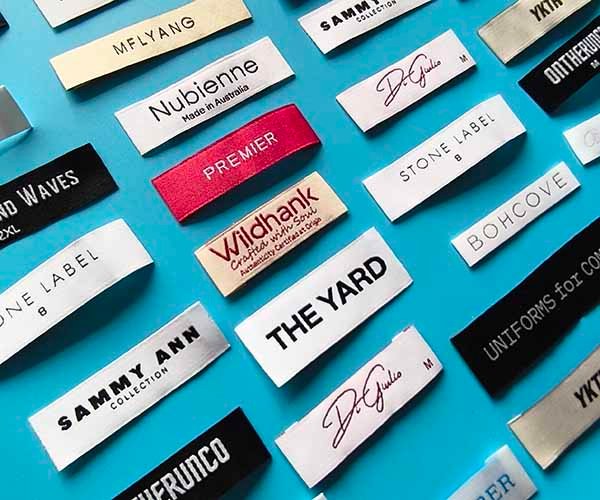
Woven Labels
Woven labels are used for interior or exterior branding.
Specifications:
- high-density polyester thread
- Pantone thread matching
- folded edge or flat label
Applications:
- interior brand labels
- care instruction labels
- seam-integrated branding
Szoneier ensures woven label sizing matches seam width during pattern development.

Embroidered Patches
Embroidered patches provide strong brand visibility and texture.
Features:
- multi-thread color
- merrow border or laser-cut edge
- high stitch density
Often used for:
- school bags
- sports team backpacks
- promotional duffle bags
Thread color is matched before bulk production.

PU Leather Logo Tags
PU leather tags offer a refined appearance with good cost efficiency.
Common features:
- debossed logo
- foil stamping
- stitched border
These are often used on:
- cosmetic bags
- canvas tote bags
- lifestyle backpacks
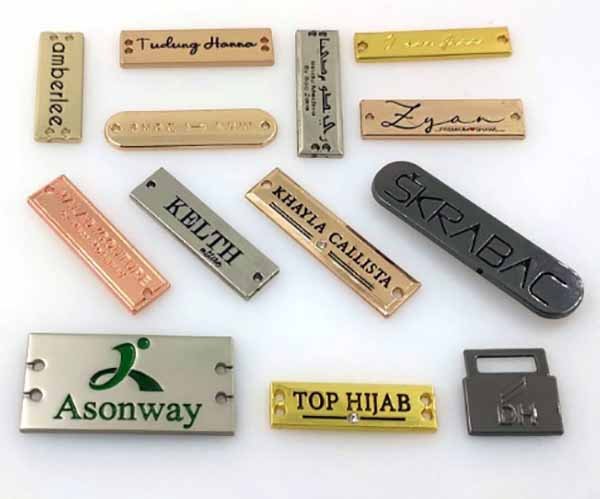
Metal Logo Plates
Metal plates are used for premium branding.
Materials:
- zinc alloy
- stainless steel
- aluminum
Thickness:
- 0.8mm – 2.0mm
Surface finishes:
- brushed
- matte black
- gold plating
- antique finish
Metal plates are attached with screws or rivets during production.
Mold development typically takes 7–15 days.
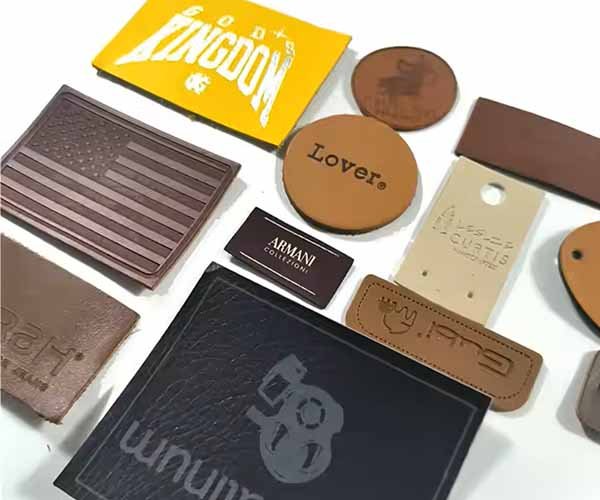
Microfiber Leather Tags
Microfiber leather provides a smooth surface and uniform texture.
Used for:
- travel bags
- corporate gifts
- retail cosmetic pouches
This material offers better consistency in color compared with natural leather.

Engraved Metal Tags
Laser engraving allows fine logo detail on metal surfaces.
Used for:
- minimalist fashion bags
- high-end cosmetic bags
Laser engraving ensures long-term durability without fading.

Genuine Leather Tags
Genuine leather tags are used for premium product collections.
Thickness:
- 1.2mm – 2.0mm
Logo methods:
- debossed
- embossed
- hot stamped
Leather tags are typically stitched or riveted during bag assembly.

Transparent TPU Tags
Transparent TPU tags are flexible and waterproof.
Common for:
- outdoor bags
- waterproof travel bags
- insulated cooler bags
TPU thickness usually ranges from 0.5mm–1.5mm.
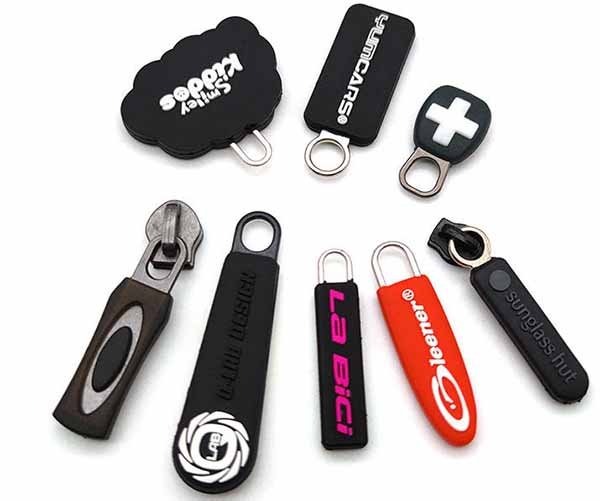
Silicone Injection Zipper Pull Tags
Custom zipper pull tags serve both decorative and functional purposes.
Options include:
- molded silicone pulls
- engraved metal pulls
- woven pull tabs
Szoneier coordinates zipper pull tags with zipper suppliers to ensure compatibility.
Printed Fabric Tags
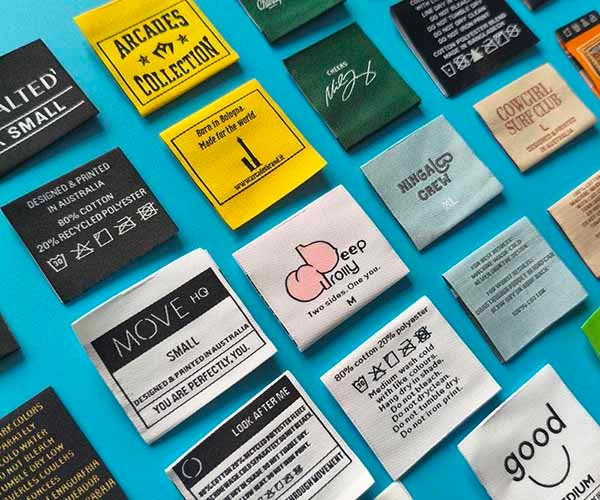
Fabric tags printed with logos or QR codes are often used for marketing integration.
These are commonly attached using stitching or rivets.

Hang Tags with Barcode & QR Code
Retail-ready tags can include:
- barcode printing
- QR codes
- pricing labels
This is common for retail distribution.

RFID Integrated Tags
For advanced retail applications, RFID tags can be embedded inside hang tags.
Used for inventory tracking and logistics management.

Embossed Thick Paper Tags
Thick embossed tags (350–400gsm) provide a premium feel.
Often used for:
- fashion backpacks
- lifestyle product collections

Double-Layer Hang Tags
Multi-layer tags include:
- outer branding layer
- internal product information layer
Used for travel and technical bags.

Die-Cut Shape Tags
Custom-shaped paper or PVC tags designed to match brand identity.
Die-cut precision is verified during sampling.
Reflective Tags
Reflective patches or tags are often used for:
- sports bags
- cycling backpacks
- safety gear.
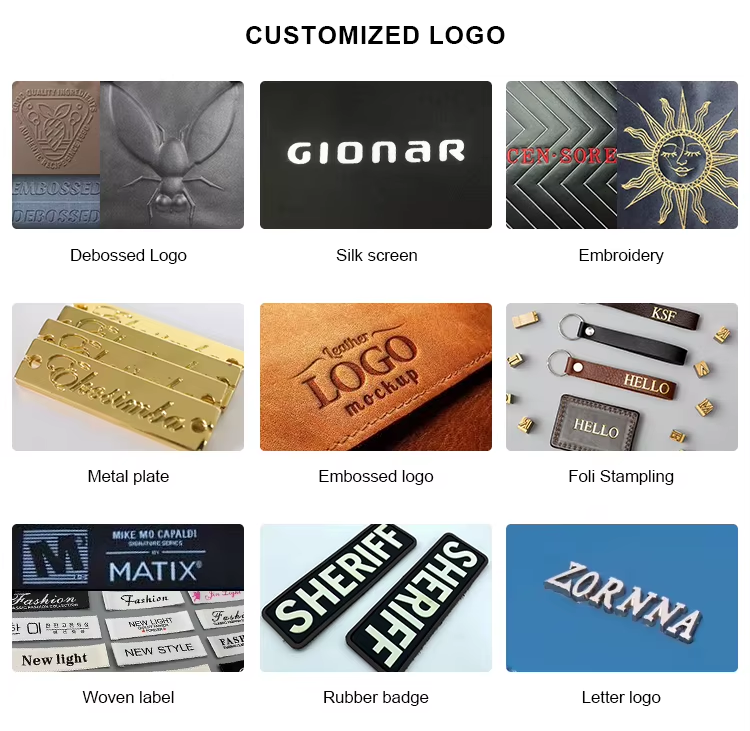
From paper hang tags to PVC patches, leather labels, and metal plates, we match the right tag type with your bag design, usage, and brand positioning.
Material Engineering for Custom Bag Tags
The performance and appearance of a custom bag tag depend heavily on the selected material. Tag materials must be compatible with bag fabric, stitching strength, hardware finish, and brand positioning.
Below are the primary materials used in our custom tag manufacturing system.
Paper Materials (Retail Hang Tags)
Paper is the most commonly used material for retail hang tags attached to backpacks, tote bags, travel bags, and cosmetic bags.
Common Paper Types Used at Szoneier
| Paper Type | Thickness Range | Typical Use |
|---|---|---|
| Coated Art Paper | 250–400 gsm | Retail hang tags |
| Kraft Paper | 250–350 gsm | Eco product lines |
| Black Core Paper | 300–400 gsm | Premium branding |
| Textured Specialty Paper | 280–350 gsm | Fashion collections |
Finishing Options
- Matte lamination (scratch resistance)
- Gloss lamination (color enhancement)
- Spot UV coating (logo highlight)
- Foil stamping (gold / silver / matte black)
- Embossing / debossing
Szoneier typically recommends 300–350gsm art paper for durability during transportation and retail handling.
Paper tags are attached using cotton string, polyester cord, or plastic fasteners. String strength is selected based on tag weight and bag size.


Kraft & Recycled Paper Materials
For brands focusing on sustainability, kraft paper and recycled paper tags are commonly selected.
Advantages:
- natural texture
- lower surface coating
- compatible with water-based ink printing
Szoneier frequently produces kraft tags for:
- canvas tote collections
- recycled polyester backpacks
- eco-friendly product launches
Thickness typically ranges from 250–300gsm to prevent bending during retail display.
PVC Rubber (Soft PVC)
PVC rubber is one of the most durable tag materials used for sports and outdoor bags.
Technical Specifications
- Thickness: 2mm – 5mm
- Shore hardness: adjustable for flexibility
- Multi-layer color injection possible
- 3D raised or recessed logo design
Performance Characteristics
- Waterproof
- Resistant to cracking
- High color stability
- Flexible under bending
PVC tags are often sewn onto:
- backpacks
- gym bags
- tactical bags
- travel duffles
Custom mold development time: 7–15 days
Because Szoneier produces bags and PVC patches together, reinforcement stitching is planned during bag assembly to prevent tearing.


Silicone
Silicone tags provide a softer and more elastic alternative to PVC.
Typical Characteristics
- High flexibility
- Smooth surface finish
- Strong temperature resistance
- High color saturation
Silicone is commonly used for:
- fashion backpacks
- neoprene bags
- gym and sports collections
Thickness generally ranges from 2mm–4mm.
Silicone mold development also requires 7–15 days.
PU Leather
PU leather tags are widely used for fashion and cosmetic products.
Material Characteristics
- Uniform surface texture
- Consistent color across batches
- Compatible with embossing and foil stamping
- Easy to clean
Typical thickness:
- 0.8mm – 1.5mm
PU leather tags are often stitched directly onto canvas or polyester bags.
Szoneier matches PU color with bag fabric during sampling to maintain brand consistency.


Genuine Leather
Genuine leather tags are used in premium collections.
Specifications
- Thickness: 1.2mm – 2.0mm
- Natural grain surface
- Emboss or deboss logo
Leather tags are often used for:
- lifestyle canvas bags
- fashion backpacks
- retail travel bags
Because natural leather can vary slightly in texture, Szoneier inspects leather batches before cutting to maintain consistency.
Microfiber Leather
Microfiber leather offers better surface uniformity than genuine leather.
Advantages:
- consistent texture
- strong tear resistance
- better water resistance
Often used for:
- cosmetic bags
- travel organizers
- promotional gift bags
Microfiber thickness typically ranges from 0.8mm–1.2mm.


Woven Polyester Fabric
Woven labels use high-density polyester thread.
Technical Characteristics
- Thread density: 100–300 denier
- Pantone color matching
- Heat-cut or laser-cut edges
Woven labels are typically folded and sewn into seams.
Szoneier aligns label width with seam allowance during pattern development to ensure proper integration.
Embroidery Fabric Base
Embroidered patches use a polyester or cotton twill base fabric.
Features:
- High stitch density
- Multi-thread color capability
- Merrow border finish
Used for:
- sports team bags
- school programs
- promotional collections
Thread color accuracy is confirmed during sample development.


Metal Materials
Metal logo plates are used for premium branding.
Materials Used
| Metal Type | Characteristics |
|---|---|
| Zinc Alloy | Cost-efficient, mold-friendly |
| Stainless Steel | Strong, corrosion-resistant |
| Aluminum | Lightweight |
Technical Details
- Thickness: 0.8mm – 2.0mm
- Laser engraving or stamped logo
- Plating finishes: gold, matte black, brushed silver
Metal tags are attached with screws or rivets during bag assembly.
Mold development typically takes 7–15 days.
TPU (Thermoplastic Polyurethane)
TPU is used for transparent or waterproof tags.
Features
- Flexible
- Waterproof
- Heat-sealable
Thickness: 0.5mm – 1.5mm
Common in:
- outdoor waterproof bags
- insulated cooler bags
- travel dry bags


Reflective Materials
Reflective tags are used for visibility and safety.
Commonly applied on:
- cycling backpacks
- sports bags
- children’s school bags
Reflective material can be stitched or heat-pressed.
Cord & String Materials
Hang tag attachment cords include:
- cotton rope
- polyester cord
- elastic cord
- plastic fasteners
Cord thickness is selected based on tag weight and bag type.

Logo Application & Surface Finishing for Custom Bag Tags
Logo execution determines how clearly a brand is presented and how long the tag will maintain its appearance under real use conditions. Different materials require different finishing processes, and incorrect method selection can lead to fading, cracking, or surface damage.
Below are the primary logo and finishing techniques used in our custom tag production system.

Screen Printing
Screen printing is commonly used on:
- paper hang tags
- canvas tags
- some PU leather tags
- fabric labels
Technical Details
- Ink type: water-based or oil-based
- Pantone color matching supported
- Multi-layer printing available
- Typical minimum line thickness: 0.3–0.5mm
Best For
- Large logo areas
- Flat surfaces
- Promotional products
At Szoneier, printing alignment is verified before bulk production to prevent off-center logos. Ink adhesion is checked to avoid smudging or flaking.

Offset Printing (For Paper Tags)
Offset printing is used for high-detail retail hang tags.
Capabilities
- Full CMYK color reproduction
- High-resolution image printing
- Gradient and photo-quality graphics
Common paper thickness: 250–400gsm
After printing, lamination or UV coating is often applied for surface protection.

Foil Stamping
Foil stamping adds metallic detail and is often used for premium product lines.
Available Foil Colors
- Gold
- Silver
- Matte black
- Rose gold
- Holographic foil
Technical Requirements
- Metal die production required (3–5 days)
- Heat and pressure controlled during stamping
- Best used on thick paper or leather
Szoneier checks foil adhesion strength during sampling to prevent peeling during transportation.

Embossing & Debossing
Embossing raises the logo above the surface; debossing presses the logo inward.
Suitable Materials
- PU leather
- Genuine leather
- Thick art paper (300gsm+)
Technical Considerations
- Logo depth typically 0.3–0.8mm
- Line thickness must meet mold requirements
- Pressure adjusted to avoid surface cracking
Embossing is widely used for:
- canvas tote leather patches
- fashion backpacks
- cosmetic bag labels
Szoneier tests emboss depth during sampling to ensure clarity without damaging material.

Laser Engraving (Metal Tags)
Laser engraving is commonly used for:
- stainless steel tags
- aluminum plates
- zinc alloy logo plates
Advantages
- Permanent marking
- No ink fading
- Suitable for small fonts
Laser settings are adjusted based on metal thickness (typically 0.8–2.0mm).
After engraving, plating is inspected to ensure surface consistency.
Metal Stamping & Die Casting
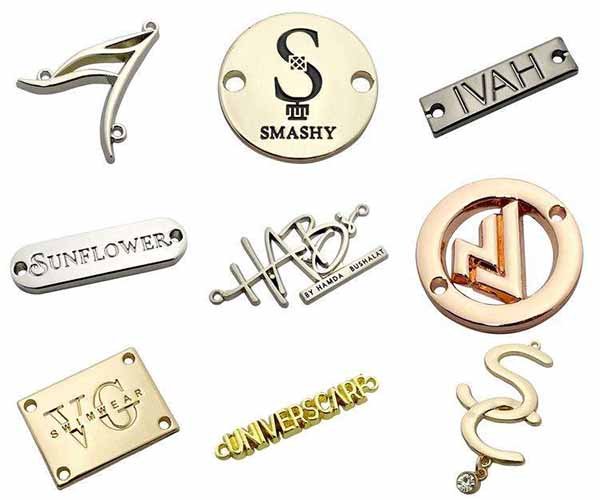
Metal tags can be produced using stamping or die casting.
Stamped Metal
- Thinner profile (0.8–1.2mm)
- Suitable for simple flat logos
Die Cast Metal
- Thicker profile (1.2–2.0mm)
- 3D raised logo possible
Mold development time: 7–15 days
Szoneier confirms logo proportions before mold production to ensure clear edges and accurate dimensions.

PVC & Silicone Molded Logos
PVC and silicone tags are produced using injection molds.
Capabilities
- Multi-layer color injection
- 3D raised or recessed logos
- Matte or gloss surface finish
Technical Parameters
- Thickness: 2–5mm
- Edge bevel control
- Multi-color tolerance alignment
Before mold development, Szoneier reviews vector artwork to optimize:
- line thickness
- corner radius
- letter spacing
This prevents blurred edges in small logos.

UV Printing
UV printing is used for:
- paper tags
- some plastic surfaces
- metal tags
Features
- High color saturation
- Instant curing
- Scratch resistance
UV printing is often selected for tags requiring photographic detail.

Woven Logo Production
Woven labels integrate the logo directly into the fabric.
Technical Factors
- Thread density: 100–300 denier
- Maximum color count depends on width
- Small text must meet weaving tolerance
Szoneier matches thread colors using Pantone references and confirms logo clarity during sampling.
Embroidery
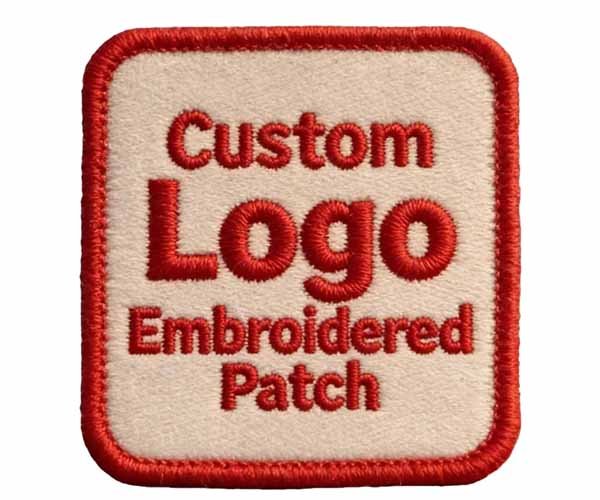
Embroidery is commonly used for fabric-based tags or patches.
Specifications
- Thread density adjustment
- Satin stitch or fill stitch options
- Merrow border or laser-cut edge
Embroidery works best for:
- sports bags
- school bags
- promotional backpacks
Thread durability is checked to prevent fraying.

Hot Stamping on Leather
Hot stamping uses heat to transfer metallic or colored foil onto leather surfaces.
Used For
- PU leather tags
- Genuine leather patches
Hot stamping depth and pressure are tested to prevent uneven imprint.

Matte, Gloss & Surface Coating
Surface finishing protects tags during transportation and use.
Paper Tags
- Matte lamination (scratch resistance)
- Gloss lamination (color enhancement)
- Soft-touch coating (premium feel)
Metal Tags
- Brushed finish
- Electroplating
- Powder coating
Surface quality is inspected before packing.
Production Timeline Reference
Sampling: 5–7 days (standard)
Mold-based sampling: 7–15 days
Production: 25–30 days
100% inspection before shipment
Different materials require different logo methods. We help you match printing, embossing, molding, or engraving with your design and usage before sampling.
How Custom Bag Tags Are Attached to Ensure Durability
Tag attachment is often overlooked but plays a major role in durability and user experience. Because Szoneier manufactures bags and tags together, attachment methods are planned during pattern development.
Stitching
Stitching is commonly used for:
- woven labels
- leather tags
- embroidered patches
Reinforcement stitching is applied to prevent tearing.
Rivets & Screws
Metal tags are often attached using:
- rivets
- screws
These are installed during bag assembly to ensure stability.
Heat Press Bonding
Some TPU and rubber tags can be heat-pressed onto synthetic fabrics.
Heat temperature and pressure are tested during sampling to prevent fabric distortion.
Velcro Attachment
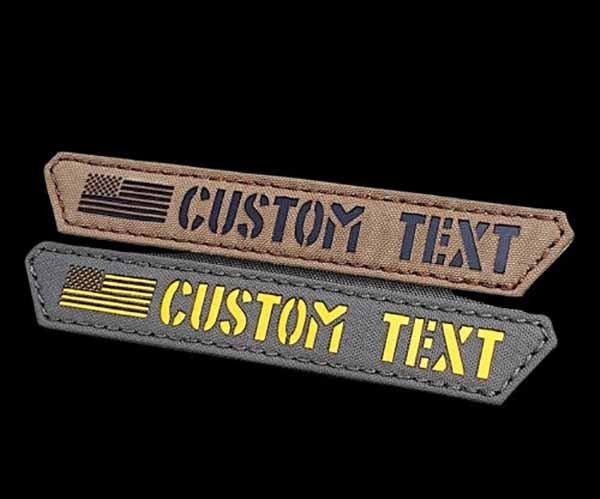
Velcro-backed patches are used for tactical or interchangeable tags.
This allows easy removal and replacement.
String & Fasteners
Paper hang tags are attached using:
- cotton string
- polyester cord
- plastic fasteners
String strength is selected according to tag weight.
Durability Testing
During sampling and pre-production evaluation, Szoneier checks:
- pull resistance
- stitching stability
- hardware firmness
- surface scratch resistance
Because bag tags are exposed to frequent handling, these checks help reduce the risk of detachment during use.
MOQ, Sampling Time & Production Schedule for Custom Bag Tags
Production planning is critical when launching new bag collections or updating brand accessories. Because tags are often required before final bag assembly, their timeline must be coordinated carefully.
With 18+ years of manufacturing experience, Szoneier maintains a stable and predictable production schedule for tag manufacturing.
Minimum Order Quantity
For most custom bag tag projects, Szoneier supports:
MOQ: 50 pcs per design
This applies to:
- paper hang tags
- woven labels
- leather tags
- PVC rubber patches
- silicone patches
- metal logo plates
For custom mold-based products (such as PVC and metal tags), tooling costs may apply, but production quantity can still remain flexible starting from small runs.
This low MOQ allows brands to:
- test new logo updates
- produce limited seasonal designs
- launch small capsule collections
Sampling Timeline
Sampling is essential to verify logo clarity, material texture, color consistency, and attachment method.
Typical sampling timeline:
| Tag Type | Sampling Time |
|---|---|
| Paper tags | 5–7 days |
| Woven labels | 5–7 days |
| Leather tags | 5–7 days |
| PVC / Silicone tags (new mold) | 7–15 days |
| Metal tags (new mold) | 7–15 days |
Sampling includes:
- material confirmation
- logo detail verification
- color matching
- size confirmation
- attachment testing
Photos and short videos are usually provided before the physical sample is shipped.
Production Timeline
Standard production timeline: 25–30 days
Production stages typically include:
- material preparation
- printing or mold production
- surface finishing
- cutting or die punching
- quality inspection
- packaging
For repeat mold orders, production may be slightly faster because tooling is already available.
Shipping & Trade Terms
Szoneier supports multiple logistics options:
- Express delivery (DHL / FedEx / UPS)
- Air freight
- Sea freight
Supported trade terms:
- EXW
- FOB
- DAP
- DDP
Many clients choose DDP for direct warehouse delivery.
Try Before You Order – Free Sample Program
We offer free custom samples for qualified clients. Whether you’re testing a new market or validating design quality, our samples help you move forward with confidence.
Quality Control for Custom Bag Tags
Although bag tags are small components, defects such as color mismatch, incorrect logo positioning, or weak attachment can affect overall brand presentation.
Szoneier applies a structured inspection system to ensure consistent quality.
Incoming Material Inspection
Before production begins, materials are inspected for:
- paper thickness consistency
- leather surface condition
- PVC color accuracy
- metal surface quality
- thread color accuracy for woven labels
Only approved materials proceed to production.
In-Process Inspection
During production, supervisors check:
- logo alignment
- emboss depth consistency
- printing clarity
- mold edge precision
- metal plating quality
This helps detect issues before full production is completed.
Final Inspection
Before packaging, tags are inspected for:
- correct dimensions
- logo accuracy
- color consistency
- surface defects
- attachment strength
For integrated bag production, tag placement is also verified during final bag inspection.
Szoneier follows a 100% inspection policy before shipment, reducing the risk of defective tags reaching customers.
Packaging Inspection
Before shipment, cartons are checked for:
- correct quantity
- protective packaging
- barcode or labeling accuracy
This ensures smooth logistics and warehouse receiving.
Custom Mold Development for PVC, Silicone & Metal Tags
Custom molds are required for:
- PVC rubber patches
- silicone logo tags
- metal logo plates
- custom zipper pull logos
Mold precision directly affects logo clarity and surface finish.
Step 1
Logo File Evaluation
Before mold production begins, Szoneier reviews:
- vector artwork
- logo line thickness
- small text clarity
- 3D effect requirements
If necessary, minor adjustments are recommended to ensure better mold performance.
Step 2
Mold Design & Approval
Mold design drawings are prepared and confirmed.
Factors considered:
- logo depth
- edge sharpness
- surface texture
- plating finish (for metal)
Step 3
Mold Production
Typical mold development timeline:
7–15 days
The timeline depends on:
- design complexity
- number of cavities
- material type
Step 4
Sample Verification
After mold completion, sample pieces are produced to verify:
- logo clarity
- edge smoothness
- plating or color quality
- thickness consistency
Only after confirmation does bulk production begin.
Mold Reusability
Once a mold is developed, it can be reused for future production orders. This reduces future sampling time and ensures consistent logo shape across multiple production batches.
Many long-term Szoneier clients reuse molds for repeat orders to maintain consistent branding.
From Logo Artwork to Production: How Szoneier Develops Custom Bag Tags
Developing a custom bag tag requires more than printing a logo. Tag material, thickness, attachment method, and durability must match the bag structure and product positioning. Because Szoneier manufactures both bags and tags, we coordinate tag development alongside bag production.
Below is the typical workflow used in our Shenzhen production system.
Step 1
Logo & Specification Review
The project begins with:
- logo artwork (vector file preferred)
- required tag size
- material selection
- attachment method
- estimated quantity
If logo lines are too thin for embossing or mold production, our team provides suggestions to improve clarity.
Step 2
Material & Finishing Selection
Based on the product type and branding level, we recommend suitable materials:
- paper (250–400gsm) for retail hang tags
- PVC or silicone for sports and outdoor bags
- leather or PU for fashion collections
- metal plates for premium products
Finishing options such as embossing, foil stamping, plating color, or UV coating are confirmed at this stage.
Step 3
Sampling
Sampling time:
- 5–7 days for standard tags
- 7–15 days for mold-based tags
During sampling, we verify:
- logo alignment
- emboss depth
- mold detail accuracy
- surface finishing
- thickness tolerance
Photos and videos are shared before physical shipment.
Step 4
Sample Approval & Production Planning
After confirmation:
- production cost is finalized
- materials are reserved
- production schedule is arranged
Standard production timeline: 25–30 days
Step 5
Production & Inspection
Production stages include:
- material inspection
- printing or mold injection
- die cutting or stamping
- surface finishing
- quality inspection
- packaging
All finished tags are inspected before shipment.
Step 6
Integration With Bag Manufacturing
When tags are produced together with bags:
- placement is aligned during panel cutting
- stitching reinforcement is added
- metal color matches zipper hardware
- final inspection verifies overall presentation
This integrated workflow reduces mismatched components and improves production efficiency.
Our structured development workflow ensures accurate sampling, stable production, and smooth integration with your bag manufacturing.
Industries That Rely on Custom Bag Tags for Branding
Custom bag tags are used across many industries. Over the past 18+ years, Szoneier has supplied tag components to brands in multiple sectors.
Fashion & Lifestyle Brands
Fashion brands often require:
- embossed leather tags
- metal logo plates
- woven labels
These tags enhance brand identity and perceived value.
Sports & Outdoor Brands
Sports and outdoor bags frequently use:
- PVC rubber patches
- silicone logos
- durable woven labels
These tags must withstand frequent handling and outdoor exposure.
Travel & Luggage Brands
Travel brands commonly use:
- metal logo plates
- reinforced leather tags
- woven internal labels
Durability and long-term wear resistance are critical.
Beauty & Cosmetic Brands
Cosmetic and beauty brands use:
- PU leather tags
- gold foil stamped paper hang tags
- woven labels
Tag appearance must match premium packaging.
Promotional & Corporate Programs
Corporate campaigns often require:
- paper hang tags
- screen printed tags
- simple woven labels
Fast production and cost efficiency are important for these projects.
School & Institutional Programs
School bags and promotional student programs commonly use:
- embroidered patches
- woven labels
- PVC rubber logos
These must resist frequent washing and daily use.
Because Szoneier produces both bags and tags, we often coordinate tag selection during bag development, ensuring material and logo consistency across full product lines.
Custom Bag Tag Projects Manufactured by Szoneier
Below are examples of how Szoneier has developed tag solutions for different product categories.
PVC Logo Patch for Travel Backpack Collection
A travel brand required durable PVC rubber patches for a new backpack line. The patch needed to be waterproof and flexible while maintaining strong logo clarity.
Specifications:
- 3mm PVC thickness
- custom 3D molded logo
- matte finish
- stitched edge attachment
Mold development time: 12 days Sampling time: 7 days Production quantity: 1,000 pieces Production time: 28 days
The patches were installed during backpack assembly, ensuring consistent placement and reinforcement stitching.


Embossed Leather Tag for Canvas Tote Line
A lifestyle brand required a natural leather tag to match a 12oz canvas tote collection.
Specifications:
- PU leather material
- debossed logo
- size 50mm × 30mm
- corner stitch attachment
Sampling completed in 6 days. Production quantity: 800 pieces. Production time: 26 days.
Because Szoneier produced both the canvas tote bags and leather tags, color tone and stitching placement were aligned during production.
Metal Logo Plate for Cosmetic Bag
A cosmetic brand required a gold-finished metal logo plate for a PU leather makeup bag.
Specifications:
- zinc alloy material
- 1.2mm thickness
- brushed gold finish
- screw attachment
Mold development: 10 days Sampling: 8 days Production quantity: 1,500 pieces Production time: 27 days
Metal finish color was matched with the zipper hardware to ensure consistent appearance.
Woven Label for Sports Bag Program
A sports brand required high-density woven labels for gym bags.
Specifications:
- polyester woven label
- 4-color weave
- folded edge
- stitched into internal seam
Sampling completed in 5 days. Production quantity: 3,000 pieces. Production time: 25 days.
Thread color was matched to brand guidelines for consistent identity across multiple bag models.
Ready To Elevate Your business Line?
Begin your journey with Szoneier bag now. We can assist in wholesaling or customizing Luggage and bags at the most competitive prices to enhance your brand.
Custom Bag Tag Projects Manufactured by Szoneier
What is your minimum order quantity for custom bag tags?
For most custom bag tag projects, the minimum order quantity at Szoneier starts from 50 pieces per design. This applies to paper hang tags, woven labels, leather tags, PVC patches, silicone logos, and metal plates. For tags requiring new molds, tooling costs may apply, but the production quantity can still remain flexible. Many clients use this low MOQ to test updated branding before launching larger production runs.
How long does sampling take?
Sampling typically takes 5–7 days for standard tags such as paper hang tags, woven labels, or leather patches. For PVC, silicone, or metal tags that require mold development, sampling usually takes 7–15 days, depending on design complexity. During sampling, Szoneier verifies logo clarity, thickness, color accuracy, and finishing quality before approval.
How long does mass production take?
The standard production timeline for custom bag tags is 25–30 days after sample approval and deposit confirmation. Production includes material preparation, printing or molding, finishing, inspection, and packaging. If the mold already exists from a previous order, production may be slightly faster.
Can you match Pantone colors?
Yes. For printing and woven labels, Szoneier supports Pantone color matching to ensure brand consistency. During sampling, thread color, ink color, or silicone color is checked against Pantone references to minimize variation across production batches.
Do you develop custom molds for PVC or metal tags?
Yes. Szoneier develops custom molds for PVC rubber patches, silicone tags, metal logo plates, and custom zipper pulls. Mold development usually takes 7–15 days, depending on complexity. Once the mold is created, it can be reused for future production orders to maintain logo consistency.
Can tags be attached directly during bag production?
Yes. Because Szoneier manufactures both bags and tags, tag placement can be integrated during bag assembly. This allows reinforcement stitching, correct positioning, and hardware color coordination. This reduces mismatch issues that can occur when tags are sourced separately.
How do you control quality for small components like tags?
Although tags are small, Szoneier follows a structured inspection process. Materials are checked before production, and finished tags are inspected for logo clarity, thickness accuracy, surface defects, and attachment strength. Every order undergoes 100% inspection before shipment.
What shipping methods do you support?
Shipping options include express courier, air freight, and sea freight. Trade terms supported include EXW, FOB, DAP, and DDP. Many e-commerce clients choose DDP for direct warehouse delivery.
What payment methods do you accept?
Szoneier accepts T/T bank transfer, PayPal, credit card, Alibaba Trade Assurance, Alipay, and Western Union. Typically, production begins after deposit payment, with balance paid before shipment.
Start Your Custom Bag Tag Project With Szoneier
If you are developing a new bag collection or updating your brand presentation, custom bag tags are an important component. Szoneier supports custom tag production with flexible quantities and stable manufacturing timelines.
Information to Provide for Quotation
To receive an accurate quotation, you may send:
- logo artwork (vector format preferred)
- tag size
- material preference
- finishing method
- estimated quantity
- target delivery timeline
Even if your design is still under development, our team can suggest suitable materials and attachment methods.
Communication channels include email, WhatsApp, WeChat, and video meetings.
- info@szoneier.com
- (+86)13423847456
Exclusive Offer for You
As a first-time buyer, you’ll receive a Free bags Color Card to help you select the right material and shade. Once confirmed, we’ll also provide a Free Sample made by our factory—no extra cost.
For our regular partners, we send New Color Charts multiple times a year—completely free—to support your latest collections.
