Skip to content
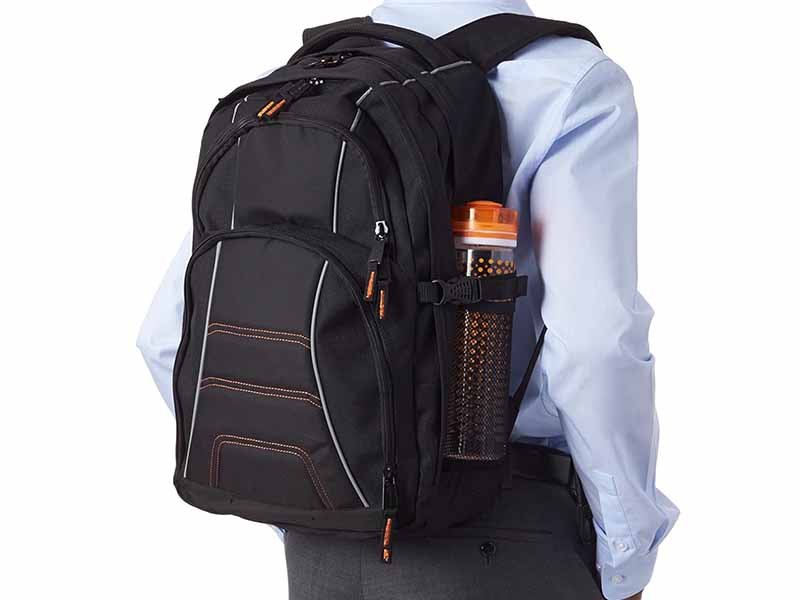
Backpacks have become an essential part of daily life for people of all ages. From students and commuters to travelers and outdoor enthusiasts, everyone relies on backpacks to carry their belongings comfortably. However, despite their widespread use, many backpacks fail to prioritize comfort in their design. Designing a comfortable backpack goes beyond choosing the right style and fabric – it involves understanding the user’s needs and ensuring the backpack is built to enhance comfort during prolonged use.
In this guide, we will break down the core elements of backpack comfort, focusing on design considerations that directly impact the wearer’s experience. From materials to ergonomics, load distribution, and padding choices, we’ll explore how to create a backpack that offers comfort, durability, and functionality.
In this article, we’ll delve into the critical factors that contribute to a comfortable backpack. You’ll learn how different design elements can be combined to provide the ideal fit and support, ensuring the wearer’s comfort is maximized throughout the day.
Designing a comfortable backpack involves selecting the right materials, ensuring proper ergonomic support, and balancing weight distribution. Key factors include padding, adjustable straps, and breathable fabrics.
What Defines Backpack Comfort?
When considering what makes a backpack comfortable, it’s essential to focus on key factors like ergonomic design, weight distribution, breathability, and padding. A comfortable backpack will support the user’s body, reduce pressure points, and offer a personalized fit.
Key Elements of Comfortable Backpack Design
| Design Element | Effect on Comfort |
|---|---|
| Ergonomic Back Panel | Molds to the back, reducing strain on the spine and shoulders. |
| Adjustable Straps | Allows users to customize the fit for shoulder comfort. |
| Padding | Cushions sensitive areas such as the back and shoulders, reducing pressure. |
| Breathable Materials | Prevents sweat buildup, especially on long hikes or commutes. |
| Weight Distribution | Evenly spreads the weight to prevent fatigue and discomfort. |
What Features Do Users Look for in a Comfortable Backpack?
When selecting a comfortable backpack, users often look for these essential features:
- Padding: Memory foam or EVA foam provides superior cushioning for the shoulders and back.
- Adjustable Straps: Straps that can be lengthened or shortened based on the user’s size ensure a custom fit.
- Breathable Back Panel: Mesh panels or perforated foam back panels allow airflow to keep the back cool and dry.
A comfortable backpack should also be light enough to carry without causing strain but robust enough to withstand wear and tear. These features combined ensure that the user can carry their belongings without feeling fatigued.
What Are Common Problems With Uncomfortable Backpacks?
Uncomfortable backpacks can lead to a host of issues, especially when used for long durations. Some common problems include:
- Shoulder and Back Pain: Poor padding, unadjusted straps, or poorly distributed weight can cause discomfort and pain.
- Sweat Buildup: Non-breathable back panels and straps can trap moisture, leading to discomfort and skin irritation.
- Imbalanced Weight Distribution: If the weight isn’t evenly distributed, it can lead to pressure on the shoulders and spine, causing long-term pain and discomfort.
Which Materials Improve Comfort and Durability?
The right selection of materials can dramatically improve the comfort and longevity of a backpack. Comfort is about balancing materials that cushion, support, and remain durable over time.
Choosing the Right Material for the Backpack Body
| Material | Benefits | Usage |
|---|---|---|
| Nylon | Lightweight, durable, and water-resistant | Common for daily backpacks and outdoor gear |
| Polyester | Abrasion-resistant, UV resistant, easy to clean | Used for school bags, office bags, and travel bags |
| Neoprene | Flexible, soft, shock-absorbing | Used for straps, back panels, and compartments that need cushioning |
| Canvas | Sturdy, eco-friendly, and rugged | Popular for casual bags and eco-conscious designs |
Nylon and polyester are the most commonly used materials for the main body of a backpack. These fabrics provide excellent durability while keeping the overall weight of the bag light. For comfort, neoprene is often used for padding, as it offers flexibility and soft cushioning. Canvas, while heavier, is preferred for its natural, rugged appeal and durability, especially for eco-friendly designs.
Which Materials Are Best for Back Panel and Straps?
The back panel and straps are critical areas where comfort is paramount. Materials used here should prioritize cushioning and breathability.
- Mesh: This breathable material is perfect for back panels and straps as it allows air to flow, preventing heat buildup and moisture accumulation.
- Memory Foam: Often used for padding in straps and back panels, memory foam conforms to the body, providing a personalized fit that alleviates pressure points.
- EVA Foam: Lighter than memory foam, EVA foam provides firm but comfortable support, making it ideal for areas that need structure without compromising on comfort.
The use of these materials in combination ensures that the backpack not only provides comfort but also remains durable and functional.
How to Structure Backpack Design for Ergonomics
Ergonomics in backpack design isn’t just about creating something that looks good — it’s about making sure the backpack fits the user’s body in a way that minimizes strain, prevents discomfort, and improves posture. Let’s dive deeper into some ergonomic design principles that can elevate the comfort level of a backpack.
How Should Back Support Be Designed ?
When designing a backpack’s back panel, one of the key ergonomic principles is to align the design with the natural curvature of the human spine. A well-shaped back panel can make a significant difference in user comfort.
- S-Curve Design: One of the most popular ergonomic designs for the back panel is the S-curve. This shape mimics the natural curvature of the spine, offering enhanced support and comfort. It keeps the backpack from pressing into the lower back while ensuring the bag sits evenly against the back, reducing pressure on muscles.
- Molded Foam Panels: Many high-end backpacks feature molded foam or 3D foam panels that conform to the contours of the body. This custom molding adds comfort by reducing pressure points and distributing the load more evenly across the back.
- Lumbar Support: The lumbar region is a critical area for comfort, especially when carrying heavy loads. Integrating a lumbar pad or a contoured foam design into the lower back panel provides added support and promotes better posture.
With these ergonomic design choices, backpacks can prevent strain and enhance comfort, making them easier to carry for longer periods.
How to Balance Load Distribution and Weight Support?
An essential aspect of ergonomic design is ensuring that the weight of the backpack is distributed evenly across the user’s body. Poor weight distribution can lead to significant discomfort, back pain, and muscle fatigue, particularly during extended use.
| Load Distribution Feature | Benefit for Comfort |
|---|---|
| Internal Frame | Provides structure and helps distribute weight more evenly. |
| Compression Straps | Helps stabilize the contents, reducing shifting and preventing uneven weight distribution. |
| Hip Belts | Redistribute weight to the hips, reducing shoulder strain. |
| Adjustable Straps | Allow users to customize the fit, optimizing weight distribution across the back and shoulders. |
By using an internal frame and compression straps, the backpack’s contents are stabilized, and the load is kept evenly balanced. Hip belts help transfer weight to the lower body, which is better equipped to handle heavier loads, significantly reducing the strain on the shoulders.
Do Strap and Belt Decisions Affect Comfort?
Straps and belts play a pivotal role in how a backpack feels when it’s worn. The right straps can drastically reduce strain on the user’s shoulders, back, and hips, making even a heavy load feel lighter.
How Adjustable Straps Improve Fit and Comfort

Adjustable straps are fundamental for ensuring that the backpack fits the user’s body properly. Not everyone has the same body shape, so a one-size-fits-all approach will not work effectively.
| Strap Feature | Impact on Comfort |
|---|---|
| Adjustable Length | Allows for a custom fit, preventing discomfort caused by straps that are too tight or loose. |
| Padded Straps | Provide cushioning that reduces pressure on the shoulders and prevents digging into the skin. |
| S-Shaped Straps | Fit the natural curve of the shoulders, reducing strain and improving the overall fit. |
Adjustable shoulder straps let users tailor the fit of the backpack based on their size. This ensures that the load is evenly distributed, and no part of the shoulder or back is overburdened. Padded straps prevent the straps from cutting into the skin, offering a much more comfortable experience during extended use.
Why Are Chest and Waist Belts Important for Comfort?
Adding chest belts and waist belts to a backpack helps improve comfort by redistributing the weight from the shoulders to the more stable parts of the body, like the chest and hips.
| Belt Type | Purpose and Benefits |
|---|---|
| Chest Straps | Help stabilize the backpack, keeping it centered and preventing it from shifting forward. |
| Waist Belts | Redistribute the weight from the shoulders to the hips, reducing shoulder strain and enhancing overall comfort. |
Waist belts are particularly useful for backpacks carrying heavy loads. By transferring part of the weight to the hips, they reduce the pressure on the shoulders and prevent neck strain. Chest straps further enhance stability by securing the backpack and reducing movement, which can be particularly important during active use like hiking or running.
Are Functional Features Important for Comfort?
A comfortable backpack is not only about ergonomic design and the right materials. Functional features like well-placed pockets, compartments, and external storage can significantly enhance a backpack’s usability and overall comfort.
How Compartments Contribute to Comfort
Backpacks that are designed with thoughtful compartments can help users pack efficiently and distribute weight more evenly. Rather than having all items crammed into one large space, compartments allow for organized packing, keeping heavier items at the bottom and lighter ones at the top.
| Compartment Feature | Benefit for Comfort |
|---|---|
| Laptop Sleeve | Secures valuable electronics, preventing them from shifting during movement and reducing weight on the back. |
| Water Bottle Pocket | Keeps weight balanced by placing bottles on the sides of the bag rather than in the main compartment. |
| Organizer Pockets | Help separate small items, reducing clutter and allowing quick access to essential belongings. |
Well-placed organizer pockets make it easy to store and access smaller items, like pens, notebooks, or phones, without having to dig through the entire bag. This feature eliminates the need for users to constantly adjust the weight and contents of their backpack.
Do Pockets and Accessibility Matter for Comfort?
Easy access to essential items can reduce the time spent adjusting and searching through a packed backpack. Side pockets, top access openings, and front zip compartments can allow users to quickly grab items like water bottles, tickets, or snacks, without disturbing the rest of the bag.
- Side pockets are ideal for storing water bottles, keeping them easily accessible and preventing them from tipping over and shifting weight inside the main compartment.
- Quick-access front pockets are essential for everyday use, allowing users to reach for phones, keys, or wallets without having to open the main compartment.
Why Do Hydration Sleeves Matter for Comfort?
Hydration is important for staying comfortable, especially on longer trips. A backpack with an integrated hydration sleeve allows users to carry a water bladder and drink hands-free, making it convenient during outdoor activities like hiking, biking, or traveling.
- A hydration sleeve can be built into the backpack’s design, with an external opening for easy access to the drinking tube, ensuring hydration without needing to stop or remove the backpack.
How to Test and Improve Backpack Comfort
Even the most carefully designed backpacks need to be tested to ensure they provide the comfort users expect. Testing prototypes with real users provides invaluable feedback and helps pinpoint areas that require adjustment.
How Should Prototypes Be Tested (User Trials)?
Before a backpack design is finalized, it’s essential to conduct user trials. These trials involve giving prototypes to real users and gathering their feedback on comfort, functionality, and fit. User trials should focus on factors such as:
- Strap comfort: Do the straps dig into the shoulders or cause discomfort over time?
- Weight distribution: Does the weight feel evenly distributed, or is there pressure on the back or shoulders?
- Breathability: Does the back panel keep the user cool, or does it trap sweat and heat?
- Storage functionality: Are the compartments and pockets well-organized and easy to access?
How to Collect User Feedback for Design Iteration?
User feedback should be systematically collected via surveys, interviews, or observation. Pay attention to both qualitative (descriptive) and quantitative (measurable) feedback to ensure all aspects of the backpack design are evaluated. For instance, comfort ratings can be recorded to determine which areas require the most attention, whether it’s the straps, back panel, or overall weight.
Request a Custom Backpack Design from Szoneier
Looking to design a comfortable, durable, and ergonomic backpack? Szoneier specializes in custom backpack solutions that prioritize user comfort and high performance. We provide tailored designs that incorporate ergonomic features, high-quality materials, and functional elements.
If you’re a brand or individual looking to create the perfect backpack, contact us today for a custom design consultation.