Skip to content
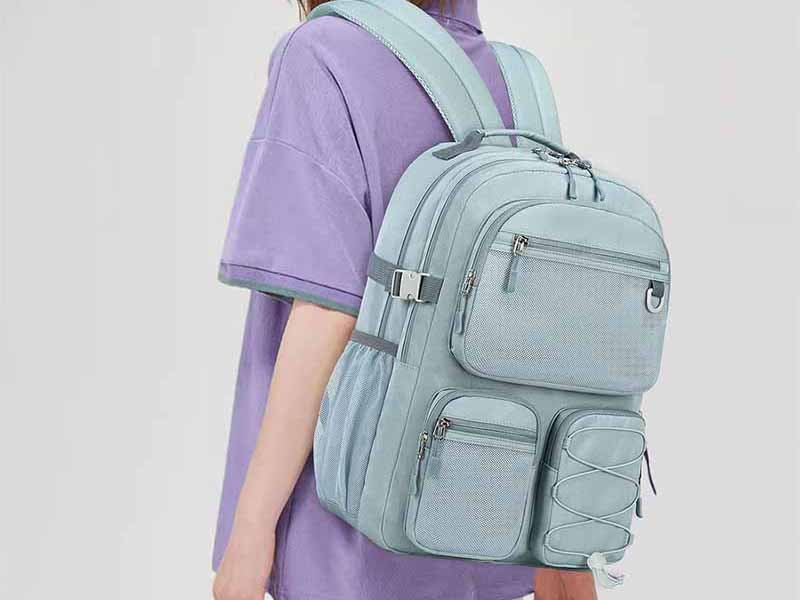
Most backpack projects do not fail because the idea is bad. They fail because the product is not developed in a way that matches the market, the budget, and the production reality. A backpack may look attractive in a rendering, but once it enters sampling, many practical questions appear at the same time: Is the material suitable for daily use? Will the shoulder straps carry weight comfortably? Can the logo method hold up after repeated use? Will the cost still make sense after adding lining, foam, zippers, labels, and packaging?
Custom backpack manufacturing is the process of developing and producing backpacks based on a brand’s own requirements for size, structure, fabric, function, logo application, packaging, and quality level. It gives brands more control over product positioning, cost structure, performance, and long-term differentiation than stock products or lightly modified ready-made styles.
For many global brands, the real value of customization is not only appearance. It is the ability to shape the full product around a target customer, whether that means a school backpack with reinforced bottom panels, a commuter backpack with laptop protection, or a neoprene backpack with soft-touch structure and strong visual identity. That is where product value is built.
A small detail in development can change the outcome of an order. One extra zipper pocket may raise labor time. A thicker foam panel may improve comfort but affect carton quantity. A lower-cost webbing may reduce price on paper but increase return risk after launch. These are the decisions that separate a smooth product launch from a costly lesson, and they begin much earlier than most brands expect.
What Is Custom Backpack Manufacturing?
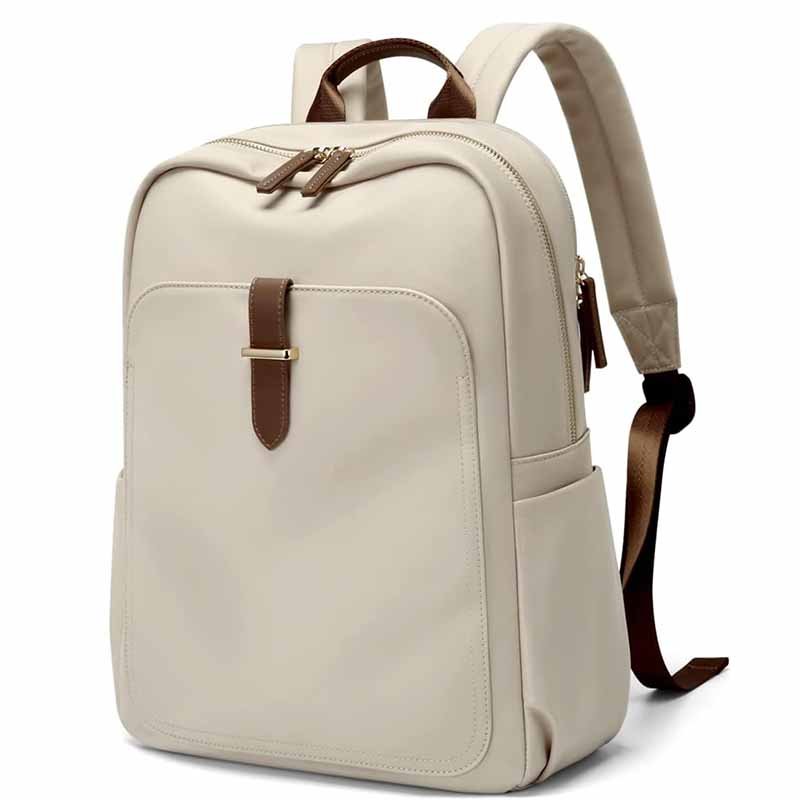
Custom backpack manufacturing means creating backpacks according to a client’s own product requirements instead of choosing a standard existing style. It covers design, structure, material selection, logo treatment, sample development, testing, bulk production, inspection, and packaging, giving brands more control over product quality, selling point, and cost.
What Defines Custom Backpack Manufacturing
Custom backpack manufacturing starts when a brand decides not to rely on open-market stock products. Instead of selecting a ready-made shape and simply printing a logo on it, the brand defines how the backpack should perform, how it should look, how much it should cost, and what kind of customer it should serve. That sounds simple, but in practice it means dozens of decisions have to be made with care.
A custom backpack is usually defined by several layers working together:
Product structure
The structure determines how the backpack feels and functions in real use. This includes body dimensions, gusset depth, number of compartments, pocket positions, laptop sleeves, side bottle pockets, padding thickness, base reinforcement, shoulder strap design, back panel construction, and closure method.
For example:
| Structural Element | Common Options | Effect on Product |
|---|---|---|
| Main compartment | Single cavity, dual compartment | Changes storage use and sewing complexity |
| Back panel | Plain, padded mesh, ergonomic foam | Affects comfort and selling price |
| Bottom panel | Single layer, reinforced, coated | Influences durability and weight capacity |
| Strap design | Straight, curved, padded | Changes comfort and labor cost |
| Closure | Zipper, drawstring, buckle flap | Affects style and ease of use |
A school backpack and a travel backpack may look similar in photos, but their inner structure, weight support, and stress points are often very different. A factory that understands this early can prevent many sampling revisions later.
Material system
Material choice is one of the biggest factors in backpack development. It affects appearance, durability, feel, water resistance, and cost. Szoneier works with multiple materials for custom products, including neoprene, polyester, nylon, canvas, Oxford, TPU, PVC, EVA, and blended fabrics, depending on the project.
Here is a simple reference:
| Material | Common Use | Key Advantage | Watchpoint |
|---|---|---|---|
| Neoprene | Fashion, sports, soft-structure bags | Soft touch, cushion feel, visual appeal | Higher material cost, needs the right sewing method |
| 600D Polyester | School, daily backpacks | Balanced cost and performance | Less premium feel than nylon |
| 1680D Nylon | Travel, work, heavy-duty bags | Strong abrasion resistance | Higher price |
| Canvas | Casual, retail, eco-style products | Natural texture, good print surface | Heavier, absorbs moisture |
| RPET | Sustainable product lines | Recycled material story | Need supply consistency and testing |
Brands often focus only on the outer shell, but the full material system also includes lining, foam, zipper tape, sliders, pullers, mesh, webbing, buckles, labels, threads, and packaging. A backpack is not one material. It is a combination of components, and each component affects the final result.
Brand expression
In custom manufacturing, the product must also carry the brand clearly. This includes logo placement, logo method, color matching, packaging style, hangtags, care labels, woven labels, and retail presentation.
Common logo methods include:
| Logo Method | Suitable For | Notes |
|---|---|---|
| Screen printing | Large flat areas, simple graphics | Good cost efficiency for volume |
| Embroidery | Premium visual feel | Better for thicker panels |
| Rubber patch | Outdoor and sports styles | Strong identity, higher unit cost |
| Woven label | Interior or exterior branding | Useful for subtle brand presentation |
| Heat transfer | Detailed color graphics | Needs surface compatibility |
A custom product should not only carry a logo. It should feel consistent with the brand’s market level. A premium backpack with weak packaging or cheap zipper pulls sends mixed signals to the customer.
Why Custom Backpack Manufacturing Matters
Many brands enter the market thinking price is the most important factor. In reality, price only matters after the product reaches a basic level of trust. If the backpack feels weak, uncomfortable, poorly stitched, or visually generic, a lower price will not solve the problem. Customers compare products fast, especially online. Small details become the reason they choose one listing over another.
Custom backpack manufacturing matters because it helps a brand create differences that can actually be seen and felt. These differences often appear in five places:
Better product positioning
A stock backpack often forces a brand to adapt its market story to the product. A custom backpack allows the product to match the market plan from the beginning. That is a major difference.
For example:
- A school brand may need lightweight construction, bright colors, easy-clean fabric, and a stronger top handle
- A commuter brand may need laptop protection, hidden pockets, cable access, and cleaner silhouette
- A sports brand may need water resistance, ventilated compartments, and quick-dry lining
- A wellness or fashion brand may prefer neoprene, softer edges, and a more modern silhouette
When the product is designed around the real use case, it becomes easier to market and easier to justify at a stronger price.
More stable quality expectations
Custom manufacturing also creates better quality control because the factory is producing toward a clear approved standard. Once the sample is signed off, the factory has a target for materials, measurements, construction, logo placement, and packaging.
This is important because inconsistency is one of the fastest ways to damage a new product launch. Even a small issue can trigger returns:
| Common Quality Issue | Market Impact |
|---|---|
| Uneven stitching | Looks cheap, lowers trust |
| Weak zipper | Functional complaints and returns |
| Wrong dimensions | Poor user experience |
| Inconsistent logo print | Weak retail presentation |
| Thin straps or poor padding | Comfort complaints |
When quality standards are defined clearly, the chance of repeatable production improves.
Healthier margin structure
Many global brands want to control landed cost without making the product look low-grade. Custom manufacturing makes that possible because cost can be managed through smart product engineering, not just cost cutting.
Examples:
- Adjusting panel construction can reduce labor minutes
- Choosing the right zipper grade avoids over-specification
- Improving carton packing can lower shipping cost per unit
- Changing foam thickness by 1–2 mm may keep comfort while lowering total material usage
- Combining decorative details can simplify assembly
In other words, cost control is stronger when the factory is involved in development instead of only quoting a finished idea.
Stronger long-term product identity
A custom backpack gives a brand something more defensible than a generic listing. It becomes easier to build a collection, maintain consistent details across multiple models, and develop a recognizable style.
This matters for:
- Amazon private label sellers who want to move beyond price competition
- DTC brands building repeat purchases
- Retail suppliers working with seasonal collections
- Corporate clients wanting exclusive product appearance
The more crowded the market becomes, the more important this product identity becomes.
Who Needs Custom Backpack Manufacturing
Many people still assume custom manufacturing is mainly for large companies with big annual volume. That is no longer true. Today, custom backpack manufacturing serves a much wider range of clients, especially as low MOQ development becomes more common.
Startups testing a new idea
For new brands, the main challenge is usually not product imagination. It is risk control. They need to test a concept without tying up too much cash in inventory. This is where a factory with lower MOQ support becomes valuable.
A practical startup order structure may look like this:
| Project Stage | Common Quantity | Purpose |
|---|---|---|
| First sample | 1–3 pcs | Confirm design direction |
| Revised sample | 1–2 pcs | Improve fit, materials, function |
| Trial order | 50–100 pcs | Test market and collect feedback |
| Growth order | 300–500 pcs | Expand proven product |
| Repeat bulk order | 1000+ pcs | Improve margin and supply stability |
This step-by-step approach is safer than jumping directly into a large run based only on a drawing.
Growing e-commerce brands
For growing brands, the need usually changes from “Can you make this bag?” to “Can you help me make this product better and more repeatable?” At this stage, factories are expected to support material alternatives, packaging upgrades, faster development, and more stable quality.
These clients often care about:
- Consistent color matching between batches
- Stable logo application quality
- Better carton planning for shipping
- Lower defect rates
- Faster reorder cycle
- Product line extension from one model into several matching styles
That is where a manufacturing partner becomes more valuable than a basic supplier.
Established brands and importers
Larger clients usually focus on supply consistency, compliance, delivery schedules, and capacity planning. Their concerns may include:
- Can the factory handle multiple SKUs at once?
- Can material sourcing remain stable across seasons?
- Can the production schedule support launch deadlines?
- Are inspection standards clear?
- Is communication fast enough when changes happen?
For these clients, a factory’s internal control matters as much as its sample quality.
Niche product brands
Some of the strongest custom manufacturing opportunities come from niche categories such as school bags, sports bags, neoprene backpacks, medical carry bags, promotional bags, travel packs, and technical-use backpacks. These categories often need specialized details, and stock bags rarely meet all those needs well.
Szoneier’s experience with neoprene material development is especially useful for brands exploring softer, more flexible, more distinctive backpack styles. Neoprene can give a product a modern, padded, high-identity look, but it must be handled correctly in lamination, cutting, edge finishing, and stitching to avoid shape instability or seam issues.
How Does Custom Backpack Manufacturing Work?
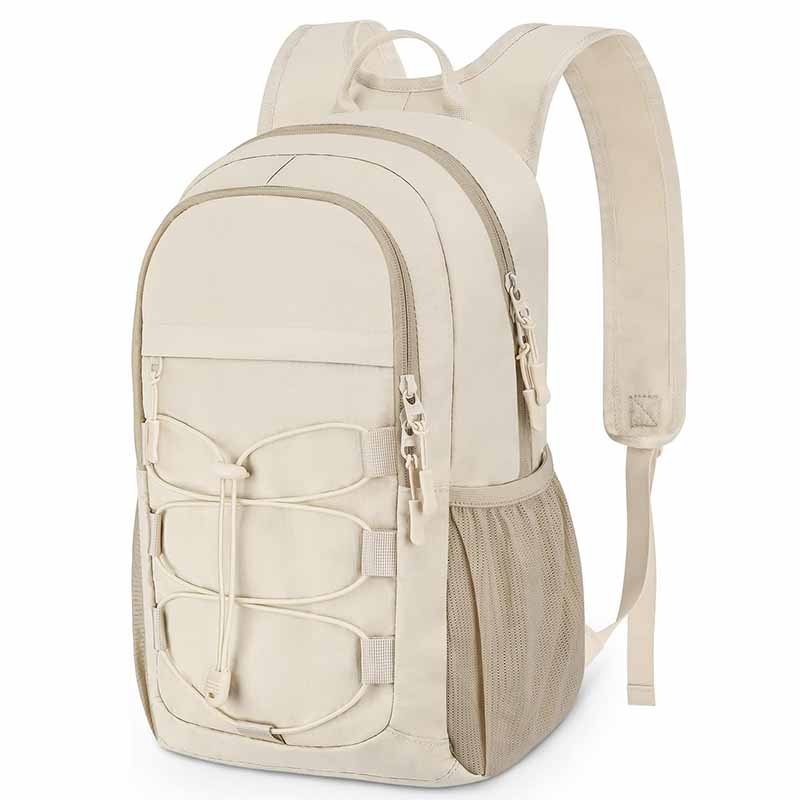
Custom backpack manufacturing usually follows a fixed development path: product briefing, design confirmation, material selection, sample making, revision, pre-production approval, bulk production, inspection, and shipment. Brands that understand each step make better decisions on cost, timing, and quality, and are less likely to face delays or expensive rework.
Custom Backpack Design Process
The design process is where the commercial idea turns into a manufacturable product. This stage is often underestimated. Many delays in production do not begin in the sewing line. They begin in the design phase when key information is missing, unclear, or unrealistic.
A strong design process normally includes the following:
Product brief
Before drawing or sampling starts, the brand should define a few essentials:
- Intended market: school, commuting, travel, sports, retail, promotional
- Target retail price or wholesale range
- Expected material level
- Key functions: laptop compartment, bottle pocket, anti-theft feature, trolley sleeve, waterproofing, insulated pocket
- Target quantity and launch timing
- Preferred branding method
Without this information, the factory can make a sample, but it may not be the right sample for the business goal.
Technical development
A factory then turns the idea into technical details. This may come from a complete tech pack or from a rough sketch plus product discussion. The technical stage includes:
- Product measurements
- Panel breakdown
- Material suggestions
- Hardware list
- Logo placement
- Sewing sequence
- Internal construction notes
- Packaging details
At this point, the factory may also point out possible problems. For example:
- A very sharp corner on neoprene may not hold shape cleanly
- A pocket opening may be too narrow for practical use
- A zipper curve may increase sewing difficulty and rejection rate
- An oversized bag may exceed target shipping cost
Good factories do not just say yes to every drawing. They help shape the product into something that can actually be produced well.
Cost planning during design
Many brands ask for price only after the sample is complete. In practice, cost should be discussed during development because design choices affect the quote directly.
Main cost drivers include:
| Cost Factor | Impact Level | Reason |
|---|---|---|
| Outer fabric | High | Main material usage and quality level |
| Structure complexity | High | More panels and pockets mean more labor |
| Foam and reinforcement | Medium to high | Improves function but adds cost |
| Logo process | Medium | Depends on method and quantity |
| Hardware quality | Medium | Zippers and buckles vary widely |
| Packaging | Medium | Retail-ready packaging costs more |
| Quantity | High | Bulk order spreads setup cost better |
If a brand wants to hit a specific price, it is much better to align design and target cost early than to redesign later.
Custom Backpack Sampling Steps
Sampling is the most revealing stage in the whole project. It is where the real product begins to speak. Materials that looked strong on paper may feel too stiff in hand. Compartments that seemed practical in a drawing may feel narrow in use. A logo size that looked balanced on screen may appear too small or too aggressive on the actual bag.
A serious sample process often includes several rounds:
First development sample
This sample is mainly for structure, proportion, and design review. It may not yet use every final material or exact color, but it should help confirm whether the backpack shape and layout make sense.
Things checked at this stage:
- Overall size
- Pocket usability
- Strap position
- Shape stability
- Visual balance
- Basic comfort
This first sample often reveals more than expected. It is common to revise dimensions, pocket depth, zipper opening, or handle length after the first physical review.
Revised sample
The second round usually gets closer to the final product. Materials may be upgraded, logo methods confirmed, and smaller details corrected. Brands should use this round to look carefully at construction and user experience.
A good review checklist includes:
- Is the product comfortable when worn?
- Is the opening wide enough for easy access?
- Does the backpack stand or collapse as intended?
- Is the shoulder strap padding enough for the target user?
- Are the bottle pockets functional or only decorative?
- Does the logo look premium enough for the selling price?
Pre-production sample
Before mass production, many brands approve one last reference. This sample becomes the working standard for the factory and the inspection team. It should reflect the final approved construction, materials, color, logo, labels, and packaging.
A simple sampling timeline may look like this:
| Stage | Time Estimate |
|---|---|
| Design review | 1–3 days |
| Material preparation | 2–5 days |
| First sample making | 5–7 days |
| Feedback and revision | 3–7 days |
| Final sample | 5–10 days |
For simple styles, the full process may move quickly. For more technical or highly customized backpacks, especially those using neoprene or special trims, more time may be needed. That is normal. Rushing sampling usually costs more later.
Custom Backpack Mass Production
Once the sample is approved, bulk production begins. This is the stage most clients focus on, but good production results depend heavily on how well the earlier stages were handled.
Mass production usually includes:
Material purchasing and checking
All major materials are ordered in bulk according to the approved standard. Before full cutting starts, factories should check:
- Fabric color consistency
- Fabric thickness or weight
- Foam density where relevant
- Zipper and hardware quality
- Logo patch consistency
- Label and packaging accuracy
This step is important because replacing wrong materials after cutting begins can cause major delay.
Cutting and preparation
Panels are cut according to approved patterns. For some products, especially neoprene backpacks, cutting quality matters a lot because soft materials can shift if not handled properly. At this stage, factories also prepare printed panels, webbing, labels, and accessory parts.
Sewing and assembly
This is where labor cost is created. Backpacks with many compartments, curves, hidden pockets, reinforced handles, or special edge construction take more time. A cleaner design with smart construction can often reduce labor without hurting performance.
A rough production comparison:
| Backpack Type | Sewing Complexity | Lead Time Pressure |
|---|---|---|
| Basic school backpack | Moderate | Usually manageable |
| Multi-pocket travel backpack | High | Needs stronger line planning |
| Neoprene fashion backpack | Moderate to high | Needs material control |
| Technical sports backpack | High | More details and testing |
Factories with experienced line planning usually produce more stable output and fewer workmanship issues.
Packaging and shipment preparation
After inspection, products are packed according to shipping requirement. This part affects freight cost more than many clients realize. Carton layout, unit packing method, and bag compression all influence shipping efficiency.
For example:
- Better folding method can improve carton quantity
- Smaller polybag dimensions can reduce wasted space
- Carton strength must match shipping route and stack conditions
- Retail packaging may improve presentation but increase landed cost
For global brands, packaging should be planned as part of the product, not as a last-minute add-on.
Custom Backpack Quality Control
Quality control protects both the factory and the brand. A backpack may pass visual review but still fail in actual use if stress points, zippers, straps, or foam support are not checked properly.
A practical quality system usually includes three stages:
Incoming inspection
Before production starts, key materials are checked. This helps avoid batch-wide defects caused by wrong or unstable components.
Common incoming checks:
- Fabric color and texture
- Material thickness
- Foam consistency
- Webbing width and strength
- Zipper operation
- Logo patch appearance
- Packaging print accuracy
In-line inspection
During sewing, supervisors or QC staff check workmanship before too many units are completed. This is important because stitching issues become much harder to fix at the end.
In-line checks may focus on:
- Seam alignment
- Stitch density
- Pocket placement
- Strap symmetry
- Logo position
- Clean edge finishing
Final inspection
After the goods are finished, the final inspection checks appearance, workmanship, measurement, packing, and random functional performance.
A useful final inspection table:
| Check Point | What to Confirm |
|---|---|
| Measurement | Matches approved tolerance |
| Appearance | Clean, no stain, no thread ends |
| Workmanship | Strong stitching, neat finishing |
| Logo | Correct position and clear execution |
| Function | Zippers, pockets, straps work well |
| Packaging | Correct labels, cartons, quantities |
For backpacks intended for heavier use, extra tests can be helpful:
- Strap pull testing
- Handle lift testing
- Zipper cycle testing
- Abrasion review on high-contact areas
- Color migration or print adhesion checks
- Basic load test with realistic weight
In commercial terms, quality control is not just about avoiding complaints. It protects reorder potential. A client who receives one good shipment may place another order. A client who receives one unstable shipment may never come back, even if the price was attractive.
Which Custom Backpack Manufacturing Model Is Best?
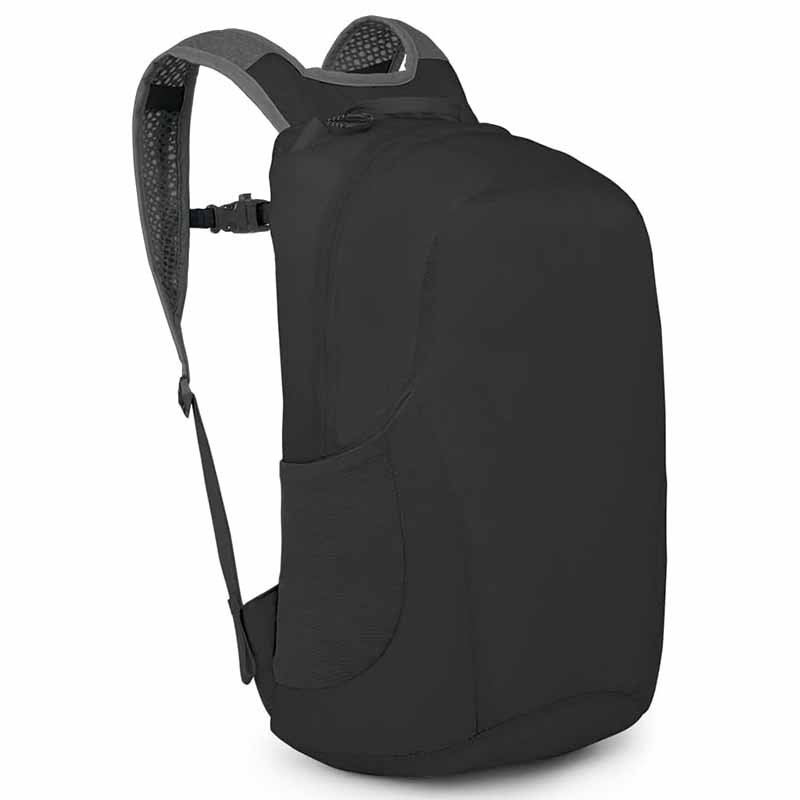
Choosing the right custom backpack manufacturing model is not just a technical decision—it directly affects cost control, product uniqueness, development speed, and long-term brand growth. The two most common models are OEM and ODM, and understanding how they work helps brands avoid unnecessary delays and wasted budget.
Custom Backpack OEM vs ODM
OEM (Original Equipment Manufacturing) means the brand provides its own design and the factory produces it. ODM (Original Design Manufacturing) means the factory provides an existing design that the brand can modify.
The difference is simple on the surface, but in practice, it affects the entire project structure.
| Factor | OEM Custom Backpack | ODM Custom Backpack |
|---|---|---|
| Design Ownership | Brand | Factory |
| Development Time | Longer (2–4 weeks sampling) | Faster (1–2 weeks sampling) |
| Customization Level | High | Medium |
| Product Uniqueness | Strong | Limited |
| MOQ Requirement | Medium | Lower |
| Cost Control | Flexible | Fixed baseline |
| Suitable For | Established brands | Startups or quick launch |
OEM projects usually start from scratch. Brands define every detail: structure, materials, logo, packaging. This gives maximum control but requires more time and clearer communication.
ODM projects start from an existing base design. The factory may adjust color, logo, materials, or small structural details. This is faster and safer for testing new markets.
A practical example:
- A new Amazon seller launching a school backpack may start with ODM to test demand quickly
- A growing brand building a product line will shift to OEM for differentiation
- A premium brand will almost always use OEM to control every detail
Best Custom Backpack Model for Brands
There is no single “best” model. The right choice depends on the stage of the business, the budget, and how important product uniqueness is.
A useful way to think about it is:
| Brand Stage | Recommended Model | Reason |
|---|---|---|
| New brand (0–6 months) | ODM or Semi-OEM | Faster testing, lower risk |
| Growing brand (6–24 months) | OEM | Build product identity |
| Established brand | OEM with custom development | Full control and scalability |
Many successful brands actually combine both models:
- Use ODM to test 2–3 products quickly
- Identify the best-selling design
- Convert that design into a fully customized OEM version
- Improve materials, structure, and branding
This hybrid approach reduces risk while still building long-term competitiveness.
At Szoneier, many clients start with a basic structure and then upgrade step by step—adding reinforced stitching, improving padding, or switching to better materials after initial market validation.
Custom Backpack Cost Differences
Cost is one of the main reasons brands choose between OEM and ODM, but it is important to look beyond the unit price.
A simplified cost comparison:
| Cost Element | OEM | ODM |
|---|---|---|
| Development cost | Higher (sampling + adjustments) | Lower |
| Unit price | Can be optimized | More fixed |
| Mold or setup cost | Sometimes required | Rare |
| Long-term margin | Higher potential | Limited |
| Risk of similarity | Low | Higher |
For example:
- OEM backpack (1680D nylon, custom structure): $6.5–$12 per unit
- ODM backpack (600D polyester, standard design): $3.5–$7 per unit
But here is the key point:
A product that sells at $39 with strong differentiation can outperform a $19 generic product, even if the production cost is higher.
So the decision is not only about cost—it is about what kind of product the brand wants to build.
What to Check in Custom Backpack Manufacturing?
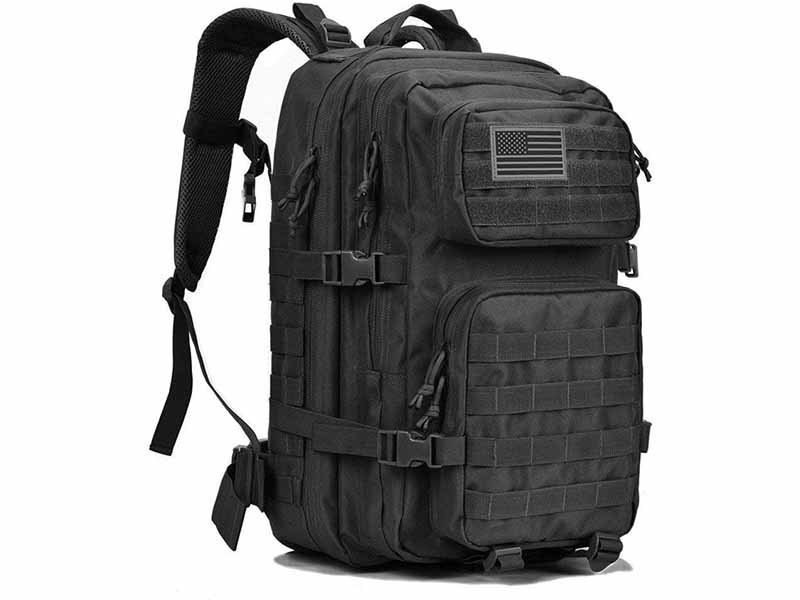
Before placing an order, brands need to evaluate whether a manufacturer can actually deliver what they promise. Many problems—delays, inconsistent quality, communication issues—come from skipping this step or relying only on price.
A good supplier should be evaluated across four main areas: production capability, material control, quality system, and communication efficiency.
Custom Backpack MOQ and Lead Time
MOQ (Minimum Order Quantity) and lead time directly affect cash flow, inventory risk, and launch timing.
Typical ranges in the industry:
| Type of Order | MOQ Range | Lead Time |
|---|---|---|
| Sample order | 1–3 pcs | 5–10 days |
| Trial order | 50–100 pcs | 20–30 days |
| Standard production | 200–500 pcs | 25–35 days |
| Large order | 1000+ pcs | 30–45 days |
Low MOQ is especially important for:
- Amazon sellers testing new SKUs
- Startups with limited budget
- Seasonal product launches
At Szoneier, low MOQ (50 pcs) combined with fast sampling (5–7 days) allows brands to test products without overcommitting inventory.
Lead time should also be discussed clearly:
- Does the timeline include material sourcing?
- Are holidays or peak seasons considered?
- Is there buffer time for inspection and rework?
Many delays happen not because factories are slow, but because timelines were not clearly aligned from the beginning.
Custom Backpack Material Options
Material selection is one of the most underestimated parts of product development. It affects durability, appearance, cost, and even shipping weight.
Brands should ask:
- What fabric options are available?
- What is the difference between them in real use?
- Are there alternatives to reduce cost without losing performance?
A comparison example:
| Material | Weight | Durability | Cost Level | Use Case |
|---|---|---|---|---|
| 600D Polyester | Medium | Medium | Low | School backpacks |
| 1680D Nylon | Medium | High | High | Travel backpacks |
| Neoprene | Heavy | Medium | Medium–High | Fashion / sports |
| Canvas | Heavy | Medium | Medium | Casual / eco |
| RPET | Medium | Medium | Medium | Sustainable products |
Szoneier’s advantage comes from having in-house fabric and neoprene capabilities, which allows better control over consistency and cost.
Brands should also consider:
- Lining thickness
- Foam density
- Water resistance coating
- Color consistency between batches
Material inconsistency is one of the most common hidden risks in production.
Custom Backpack Quality Control
Quality control is not only about checking finished goods. It should be built into the entire production process.
A strong QC system usually includes:
| Stage | Focus |
|---|---|
| Pre-production | Confirm sample, materials, specifications |
| In-line inspection | Check stitching, structure, consistency |
| Final inspection | Check appearance, function, packing |
Brands should also clarify:
- What is the acceptable defect rate?
- Will the factory provide inspection reports?
- Can third-party inspection be arranged?
A common benchmark:
- Major defects: below 2.5%
- Minor defects: below 4.0%
For higher-end products, standards may be stricter.
Without clear QC standards, even a good factory may produce inconsistent results.
Custom Backpack Communication and Support
Communication is often the biggest hidden factor in manufacturing success. A technically capable factory can still cause problems if communication is slow or unclear.
Key points to evaluate:
- Response time (within 12–24 hours is ideal)
- Ability to understand product requirements
- Willingness to suggest improvements
- Transparency about problems
A reliable manufacturer should:
- Confirm details clearly before sampling
- Provide updates during production
- Flag risks early instead of hiding them
- Offer solutions, not just answers
At Szoneier, many clients value the ability to communicate through email, WhatsApp, or video calls, especially during development stages.
Clear communication reduces errors, shortens development cycles, and builds long-term trust.
How to Improve Custom Backpack Manufacturing Results?
Improving results in custom backpack manufacturing is not about adding more features or increasing cost. It is about making better decisions in materials, structure, and branding so the final product matches the target market, performs well in use, and remains competitive in price.
Brands that consistently launch successful backpack products usually focus on three areas: material selection, functional design, and clear brand presentation.
Custom Backpack Material Innovation
Material choice is one of the fastest ways to improve a product without completely redesigning it. Many brands stay at the “standard material” level for too long, which limits both product appeal and pricing power.
Upgrading or adjusting materials can create noticeable differences:
| Upgrade Strategy | Result |
|---|---|
| Switch 600D polyester → 900D/1680D | Stronger durability, more premium feel |
| Add TPU coating | Improved water resistance |
| Use neoprene panels | Softer touch, modern look |
| Introduce RPET fabric | Sustainability positioning |
| Add reinforced bottom layer | Longer product lifespan |
For example, neoprene backpacks have become popular in lifestyle and sports segments because they offer:
- Soft and flexible structure
- Clean and modern visual appearance
- Good shock absorption for electronics
- Strong branding surface
However, neoprene also requires proper lamination and stitching techniques. Without the right factory experience, the product may lose shape or develop seam issues over time.
Material innovation does not always mean higher cost. In many cases, combining materials smartly can balance performance and price. For example:
- Polyester body + neoprene front panel
- Nylon base + canvas upper
- Standard lining + reinforced stress areas
These hybrid solutions are widely used by experienced manufacturers to optimize both cost and performance.
Custom Backpack Functional Design
A backpack is a functional product first. Even a visually attractive design will struggle in the market if it is not practical.
Functional improvements often come from small but meaningful adjustments:
Comfort and usability
- Shoulder strap width and foam thickness affect long-term comfort
- Back panel ventilation reduces heat buildup
- Handle reinforcement improves durability
- Weight distribution affects how the bag feels when fully loaded
Storage and accessibility
- Wide-opening zippers improve usability
- Internal compartments help organization
- Hidden pockets add security
- External quick-access pockets improve convenience
Real-use testing mindset
Instead of asking “Does it look good?”, brands should ask:
- Can a laptop fit easily without forcing it in?
- Can the bag stand upright when placed on the ground?
- Are the zippers smooth after repeated use?
- Is the bag comfortable after carrying 5–10 kg for 30 minutes?
A simple comparison:
| Feature | Weak Design | Improved Design |
|---|---|---|
| Laptop sleeve | Thin, loose | Padded, fixed position |
| Bottle pocket | Too shallow | Elastic, secure fit |
| Zipper | Basic coil | Durable SBS/YKK |
| Strap | Narrow | Ergonomic padded |
Good design does not mean more features. It means the right features are executed well.
Custom Backpack Branding Strategy
Branding is where the product connects with the customer. A well-made backpack with weak branding often feels generic, while a clearly branded product becomes more memorable and easier to sell.
Branding includes more than just the logo:
Visual consistency
- Logo size and placement should match product positioning
- Color combinations should align with brand identity
- Materials should support the brand story (e.g., eco, premium, sport)
Logo application choices
| Method | Positioning |
|---|---|
| Screen print | Cost-effective, large graphics |
| Embroidery | Premium, durable |
| Rubber patch | Strong outdoor/sport identity |
| Metal logo | High-end appearance |
Packaging and presentation
Packaging is often overlooked but plays a key role, especially for e-commerce:
- Individual polybag vs retail box
- Custom hangtags
- Brand story cards
- Barcode and labeling
For Amazon and DTC brands, better packaging can directly improve customer perception and reduce return rates.
At Szoneier, many clients upgrade branding step by step—starting with basic printing and later moving to woven labels, custom zipper pulls, and branded packaging once the product gains traction.
Is Low MOQ Important in Custom Backpack Manufacturing?
Low MOQ is one of the most important factors for new product development. It allows brands to test ideas with lower financial risk, adjust designs based on feedback, and scale gradually instead of committing large budgets upfront.
Custom Backpack Low MOQ Benefits
Low MOQ reduces pressure on inventory and cash flow, which is critical for startups and growing brands.
Key benefits:
- Lower upfront investment
- Faster product testing
- Easier product iteration
- Reduced risk of unsold stock
A comparison:
| Scenario | High MOQ (500+) | Low MOQ (50–100) |
|---|---|---|
| Initial investment | High | Lower |
| Risk level | High | Controlled |
| Flexibility | Limited | High |
| Speed to market | Slower | Faster |
Brands that start with smaller orders can adjust quickly based on real customer feedback.
Custom Backpack Fast Sampling Value
Fast sampling shortens the entire product development cycle. Instead of waiting months, brands can move from idea to testable product within weeks.
Typical timeline comparison:
| Stage | Fast Sampling Factory | Slow Sampling Factory |
|---|---|---|
| Sample time | 5–7 days | 10–20 days |
| Revision cycle | 3–5 days | 7–10 days |
| Time to first order | 3–4 weeks | 6–8 weeks |
Speed matters because:
- Trends change quickly
- Competitors move fast
- Early market entry creates advantage
Factories like Szoneier that offer quick sampling help brands stay ahead, especially in fast-moving markets like Amazon.
Custom Backpack Scaling Strategy
Low MOQ is only the beginning. A successful product needs a clear path to scale.
A practical scaling strategy:
| Stage | Quantity | Focus |
|---|---|---|
| Test | 50–100 pcs | Validate demand |
| Growth | 200–500 pcs | Improve margins |
| Expansion | 1000+ pcs | Optimize supply chain |
At higher volumes, brands can:
- Negotiate better material pricing
- Improve production efficiency
- Upgrade packaging
- Reduce unit cost
Scaling should be planned early so the factory can prepare capacity and material sourcing accordingly.
How to Find Custom Backpack Manufacturing Partners?
Choosing the right manufacturing partner is one of the most important decisions in product development. A reliable factory can improve your product, reduce risk, and support long-term growth. A poor choice can lead to delays, quality issues, and lost opportunities.
Custom Backpack Factory Checklist
Before working with a manufacturer, brands should evaluate:
| Criteria | What to Check |
|---|---|
| Experience | Years in backpack production |
| Product range | Ability to handle different styles |
| Material capability | Access to fabrics, neoprene, etc. |
| MOQ flexibility | Suitable for your stage |
| Sampling speed | Development efficiency |
| Production capacity | Ability to scale |
| Quality control | Clear QC system |
| Communication | Fast and clear responses |
A factory that performs well across these areas is more likely to deliver stable results.
Custom Backpack Supplier Risks
Common risks in manufacturing:
- Overpromising on lead time
- Inconsistent material sourcing
- Poor communication during production
- Weak quality control
- Lack of transparency when problems occur
These risks can be reduced by:
- Confirming details in writing
- Reviewing samples carefully
- Using clear specifications
- Maintaining regular communication
Custom Backpack Long-Term Cooperation
The best manufacturing relationships are long-term partnerships, not one-time transactions.
Benefits of long-term cooperation:
- Faster development cycles
- Better pricing over time
- More consistent quality
- Priority production scheduling
Factories also invest more effort in clients who show long-term potential.
Szoneier works with many clients over multiple years, helping them expand from a single product to a full product line across different materials and categories.
Final Step: Start Your Custom Backpack Project with Szoneier
If you are planning to develop a custom backpack—whether for Amazon, retail, or brand expansion—the most important step is to start with the right manufacturing partner.
Whether you have a complete tech pack or just an idea, the team can help turn it into a market-ready product.
Send your design, sketch, or product idea today and get a quick quotation with professional suggestions to improve your backpack design, cost, and production plan.
Your next best-selling backpack starts with the right manufacturing decision.