A Trusted China Manufacturer Since 2007!

Corporate Gift Bag Manufacturer | OEM Bags Factory

Custom sewn gift bags and branded corporate kits developed for global brands, employee programs, events, conferences and premium client gifting.
  • Custom tote bags, gift pouches, drawstring bags, cooler bags, laptop sleeves, backpacks and premium leather gifts
  • Material, structure, Pantone color, logo, packaging and gift-kit development managed by one factory-based team
  • MOQ from 200 pieces for selected structures, with most branded production programs starting from 500 pieces
  • Sample development, controlled bulk production, multi-stage inspection and international delivery support
  • Suitable for employee onboarding, client appreciation, conferences, product launches, holiday gifting and membership programs
tote bag

Manufacturing Capacity Built for Corporate Gift Programs

Szoneier combines product development, sewing production, quality control, packaging and export coordination for repeatable corporate bag programs.

18+ Years Experience

More than 18 years of custom bag and soft goods manufacturing experience supports material selection, pattern development, sampling, sewing, branding, packaging and global delivery. Experience covers simple promotional totes, multi-compartment organizers, insulated gift bags, premium PU products and branded gift collections.

20,000+ SQM System

The manufacturing system includes dedicated areas for materials, cutting, pattern making, sampling, sewing, inspection, packing, raw-material storage and finished-goods preparation. Separate working areas reduce material mixing, packaging errors and communication loss between development and production.

120,000–200,000 Pieces

Regular monthly capacity reaches approximately 120,000–200,000 pieces, depending on bag structure, fabric, branding method, order quantity, packaging and production schedule. Capacity planning supports corporate events, annual gift programs, seasonal campaigns and repeat purchasing.

20–35 Parallel Orders

Szoneier can coordinate approximately 20–35 production orders in parallel. Each project follows its own material records, approved sample, logo file, packaging instructions, inspection checkpoints and delivery plan, helping multi-SKU programs remain organized. 

What Corporate Gift Bags Include

Corporate gift bags range from simple reusable carriers to engineered soft-goods products and fully assembled presentation kits.

Reusable Sewn Bags With Lasting Brand Exposure

A corporate gift bag is often more than packaging. A well-developed tote, pouch, cooler bag or backpack remains in use after an event, employee welcome or client presentation. Continued use gives the brand repeated visibility and makes construction quality more important than it would be for disposable packaging. Common reusable formats include canvas totes, cotton shopping bags, polyester drawstring bags, RPET event bags, travel organizers, laptop sleeves, insulated lunch bags, bottle carriers and compact backpacks. Materials, dimensions and structure should match the intended contents rather than follow a generic stock specification. Development normally considers:
  • Gift contents: Product dimensions, total weight and intended arrangement determine the internal space.
  • Carrying method: Handle length, shoulder clearance, webbing width and reinforced attachment points affect usability.
  • Brand lifespan: A temporary conference bag may use a simpler structure, while an employee or executive gift should support longer use.
  • Presentation level: Fabric hand feel, lining, zipper quality, hardware and packaging establish the perceived value.
  • Production consistency: The approved construction must remain stable across hundreds or thousands of pieces.
Szoneier develops reusable corporate bags from reference images, samples, sketches, tech packs or defined gift contents. Material, size, handle construction, closure, compartments, branding and packaging are reviewed together before sampling.

Gift Packaging Bags for Organized Presentation

Some projects require a soft bag primarily to present and protect another gift. Drawstring pouches, zippered presentation pouches, bottle bags, dust bags and fabric sleeves can replace disposable wrapping while adding a branded element to the presentation. A packaging-focused bag should be sized around the gift rather than selected from a standard catalog. Excess internal space allows products to move during transportation, while a tight fit can distort the bag, damage the gift or make the opening difficult to use. Important development points include:
  • Internal clearance: Allow room for product insertion, tissue paper, cards or protective material.
  • Closure choice: Drawcords, zippers, magnetic snaps, ribbons and fold-over flaps create different presentation effects.
  • Surface protection: Soft lining or dust-resistant fabric may be needed for leather goods, electronics, glassware or coated products.
  • Shape retention: Bottom inserts, side gussets or light padding can keep a presentation bag upright.
  • Logo placement: Branding should remain visible after the bag is filled and closed.
  • Packing efficiency: Folded dimensions influence carton quantity, freight volume and landed cost.
Szoneier can develop individual gift pouches or coordinated bag-and-box combinations. Material and branding recommendations are based on gift value, distribution method, presentation requirements and expected reuse.

Complete Branded Gift Kits

Corporate programs increasingly combine several elements into one organized kit. An employee welcome kit may contain a tote, tech pouch, notebook, bottle and welcome card. A client appreciation kit may combine a premium travel pouch, product samples, tissue paper and a rigid gift box. Kit development requires more control than producing one empty bag. Every component must be identified, counted, positioned, protected and packed according to a repeatable standard. A complete kit plan may include:

  • Main corporate bag or presentation pouch
  • Smaller internal organizer or accessory sleeve
  • Gift box, mailer box or kraft box
  • Custom tissue paper or protective wrapping
  • Thank-you card, instruction card or brand story card
  • Stickers, QR cards or limited-edition labels
  • Different department, region or recipient versions
  • Multi-address carton labels and delivery instructions

Before assembly, Szoneier can create a kit component list, packing sequence, placement reference and final inspection checklist. Components supplied by the brand can also be coordinated after quantity, dimensions, delivery schedule and handling requirements are confirmed. Kit assembly should be planned early because box dimensions, internal trays, tissue paper and card production may follow different minimum quantities and lead times from the sewn bag. 

Corporate Gift Programs We Manufacture

Different procurement programs require different structures, presentation levels, schedules and delivery controls. Szoneier develops each project around its actual distribution plan.

Global Brand Programs

Established brands often require coordinated colors, approved materials, controlled logo execution and stable repeat production. Szoneier can maintain approved samples, patterns, material specifications and packaging records for seasonal gifting, membership programs and long-term branded merchandise.
  • Multi-product collections
  • Color and material continuity
  • Repeat-order documentation
  • Third-party inspection support

Corporate Procurement Teams

Internal procurement, HR, marketing and administration teams frequently manage employee welcome gifts, annual recognition, holiday sets and client appreciation programs. Project planning can begin with the recipient profile, gift contents, quantity, budget and required arrival date.
  • Employee onboarding kits
  • Staff anniversary gifts
  • Holiday and annual-event programs
  • Multiple office delivery planning

Corporate Gifting Companies

Gifting agencies need a manufacturing partner capable of converting end-client briefs into production-ready specifications. Szoneier supports product selection, material alternatives, logo testing, packing formats and confidential project handling without replacing the agency’s relationship with its account.
  • End-client presentation samples
  • Budget-based material alternatives
  • Unbranded production photography
  • Agency-managed communication structure

Event And Conference Agencies

Conference and event schedules leave little room for production or freight delays. Suitable projects use confirmed quantities, available materials, stable structures, simple logo methods and early packing approval. Production can then be scheduled backward from the required delivery date.
  • Conference totes and drawstring bags
  • Delegate welcome kits
  • Exhibition and seminar bags
  • Event-date production planning

Retail And Membership Programs

Retailers, hospitality groups, clubs and subscription programs may require barcode labels, membership versions, store distribution, branded packaging and repeat orders. Product quality must suit ongoing use rather than one-day promotion.
  • Membership welcome bags
  • Loyalty program gifts
  • Hotel and resort amenities
  • Retail gift-with-purchase programs

Executive And VIP Gifting

High-value recipients require better material hand feel, refined logo execution, controlled hardware, clean stitching and protective packaging. Suitable products include premium travel pouches, leather accessories, laptop sleeves, work bags and bottle carriers.
  • PU, microfiber and leather options
  • Debossed or metal branding
  • Dust bags and rigid boxes
  • Detail-focused final inspection

Bags Designed Around Real Gifting Occasions

Product selection becomes clearer when recipient, contents, brand position, delivery date and expected reuse are defined before development begins.

Employee Onboarding Kits

A structured tote, backpack or tech organizer can hold a notebook, bottle, laptop accessories, uniform items and welcome materials. Internal organization, comfortable carrying and consistent brand colors matter more than decorative complexity. Multiple department or office versions can be packed under separate SKU and carton instructions.

Client Appreciation Gifts

Client gifts should communicate value without feeling like disposable promotion. Premium canvas, coated fabrics, PU, microfiber leather or genuine leather can support a more refined presentation. Travel pouches, bottle bags, cooler gifts and business organizers work well for long-term brand visibility.

Conference Delegate Bags

Conference bags commonly carry documents, notebooks, bottles, chargers and event materials. Capacity, handle comfort and fast access are important. Canvas totes, polyester conference bags and lightweight backpacks can be developed around delegate contents and packed by session, region or attendee group.

Trade Show Giveaways

Trade-show projects usually prioritize visibility, efficient distribution, cost control and delivery reliability. Drawstring bags, lightweight totes and foldable bags are suitable when materials are available and branding remains simple. Bulk packing can reduce packing cost and carton volume for large events.

Holiday Gift Programs

Holiday programs may combine a reusable bag with food, wellness products, clothing or branded accessories. Development should begin early because special colors, embroidered logos, cards, ribbons and gift boxes introduce additional production schedules. Shipping volume also increases when rigid packaging is selected.

Executive VIP Gifts

Executive gifts require controlled material grain, hardware finish, edge finishing, lining and protective packing. PU travel cases, leather document pouches, laptop sleeves and premium work bags can be paired with debossing, metal plates, hot stamping or laser engraving.

Membership Welcome Kits

Membership programs benefit from products that remain useful throughout the membership period. Compact totes, document pouches, bottle carriers and travel organizers can be developed in different membership tiers while keeping common colors, labels and packaging architecture.

Product Launch Kits

Launch kits may contain product samples, branded cards, QR codes, inserts, pouches and mailer boxes. Photo-ready samples are useful before mass production so marketing teams can prepare campaign content while final packing details and production quantities are confirmed.

Control The Risks Behind Corporate Gift Orders

Event dates, brand presentation and kit accuracy create risks beyond ordinary bag production. Each risk requires a defined control point before mass production begins.

Fixed Event Deadline

An event date cannot move because production finishes late. Szoneier reviews the required arrival date, sample approval window, material readiness, production time, packing schedule and freight buffer before confirming feasibility.
  • Build the schedule backward from arrival
  • Separate factory time from transit time
  • Reserve inspection and packing time
  • Avoid unrealistic approval deadlines

Incorrect Gift Capacity

A bag can match the drawing and still fail when actual gifts are inserted. Gift dimensions, total weight, orientation and protective packaging should be measured before pattern development.
  • Review every major component
  • Allow insertion and removal clearance
  • Test filled shape during sampling
  • Reinforce the base when required

Logo Variation

Color, position, scale and surface performance may vary between artwork, sample and bulk production. Logo execution should be confirmed on the final material rather than judged only from a digital mockup.
  • Confirm vector artwork and Pantone reference
  • Approve physical size and placement
  • Test adhesion, embroidery density or pressure
  • Retain an approved production reference

Material Batch Difference

Canvas shade, recycled fabric tone, PU grain, webbing color and metal plating can vary between batches. Approved material records and incoming inspection reduce visible differences.
  • Confirm fabric specification and color
  • Review trim combinations together
  • Avoid mixing uncontrolled production batches
  • Define acceptable natural variation

Kit Packing Errors

Multi-component kits can develop missing parts, incorrect cards, mixed versions or damaged presentation. A kit bill of materials and packing reference should be prepared before assembly.
  • Count components by kit
  • Separate versions by SKU
  • Use a visual packing sequence
  • Inspect completed kits before cartoning

Multiple Delivery Locations

Different offices, event venues or warehouses may require separate quantities, carton marks and delivery documents. Distribution data must be finalized before packing.

  • Confirm quantity by destination
  • Assign carton identification
  • Prepare separate packing lists
  • Review freight method by location

Custom Corporate Gift Bags Across Multiple Categories
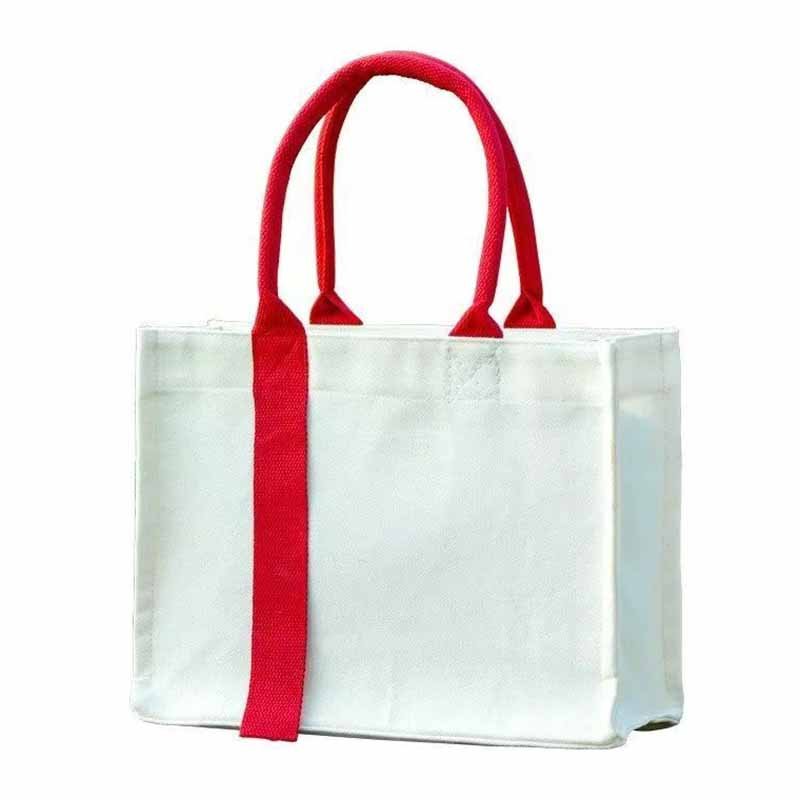
From simple event bags to premium executive gifts, each product can be developed around contents, carrying method, brand position and distribution plan.
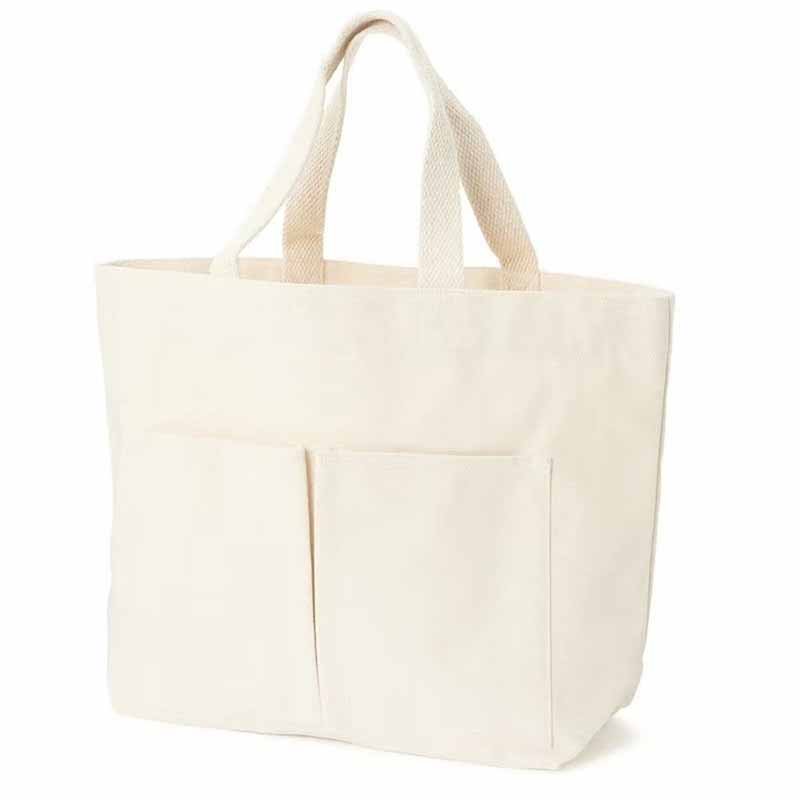
1. canvas gift tote

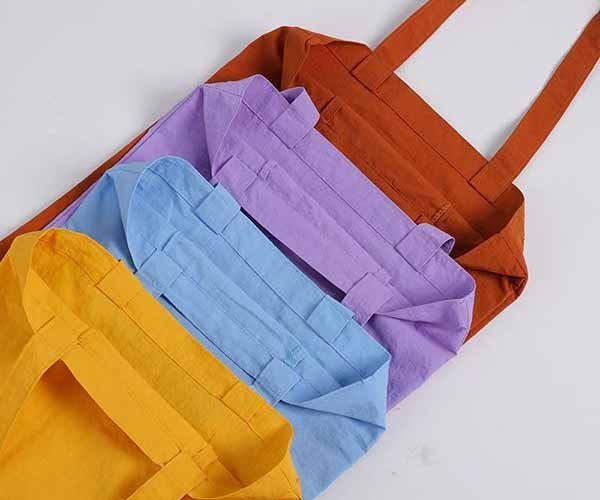
Canvas Gift Tote

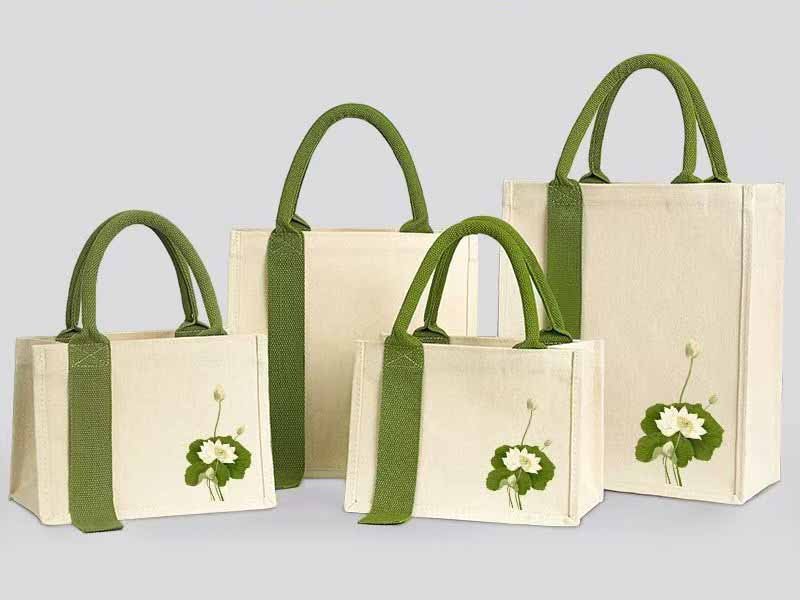
Canvas totes provide natural texture, visible stitching and broad logo space. Common options include 8 oz, 10 oz and 12 oz canvas, reinforced handles, bottom gussets, internal pockets, zippers, woven labels and screen printing or embroidery.
2. cotton event tote1

Cotton Event Tote

Cotton totes suit conferences, wellness programs, cultural events and environmentally focused gifting. Fabric weight, shrinkage, color, handle construction and print coverage should be confirmed before sampling to avoid a thin or unstable final product.
3. rpet corporate bag

RPET Corporate Bag

RPET fabrics support recycled-material positioning for event totes, drawstring bags, organizers and backpacks. Material documentation, coating, color availability, hand feel and order-specific certification requirements should be reviewed before making environmental claims.
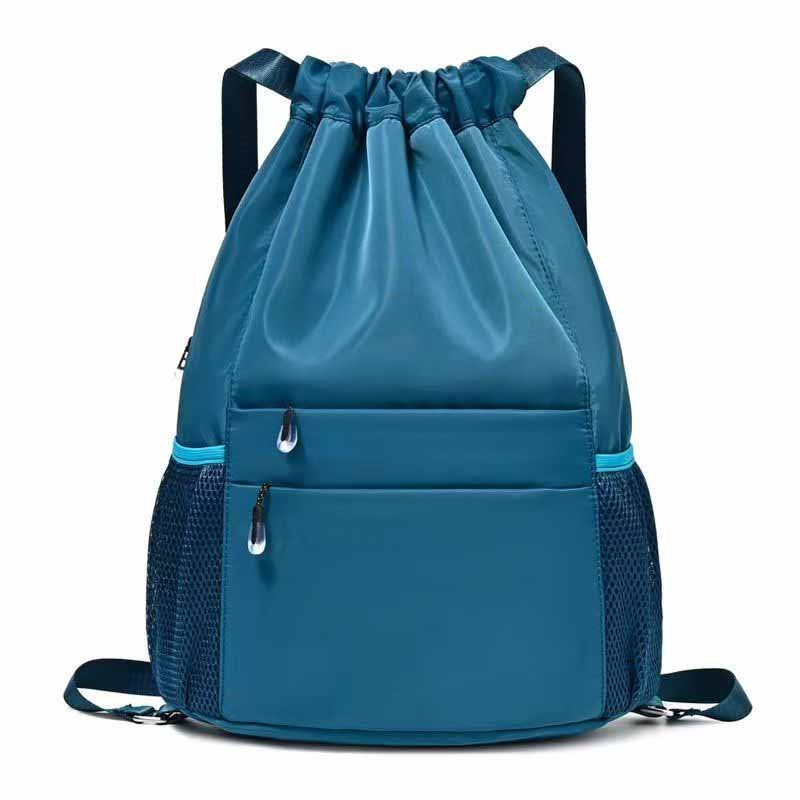
4. drawstring gift bag

Drawstring Gift Bag

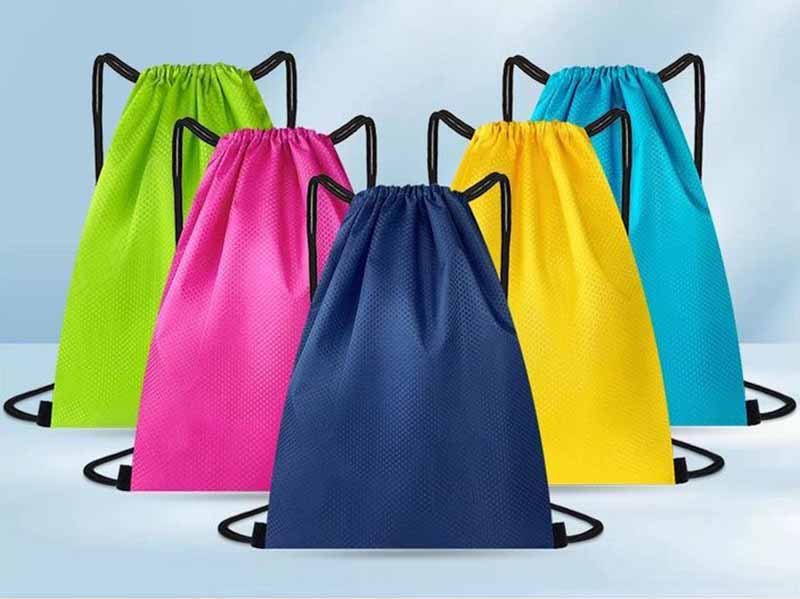
Drawstring bags are efficient for large events, sports programs and promotional distribution. Polyester, nylon, canvas or mesh can be selected according to load and budget. Front pockets, reinforced corners, custom cords and full-color printing are optional.
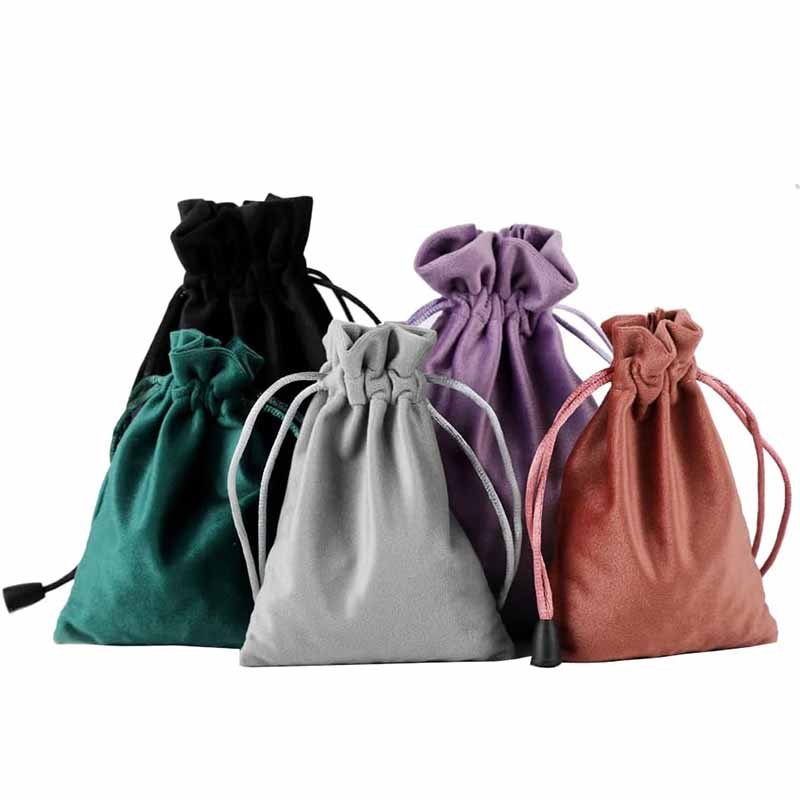
5. premium gift pouch

Premium Gift Pouch

Zippered or drawstring gift pouches suit cosmetics, electronics, travel accessories, jewelry and executive gifts. Lining, padding, zipper quality, opening width and internal fit create a more controlled presentation than a generic fabric sleeve.
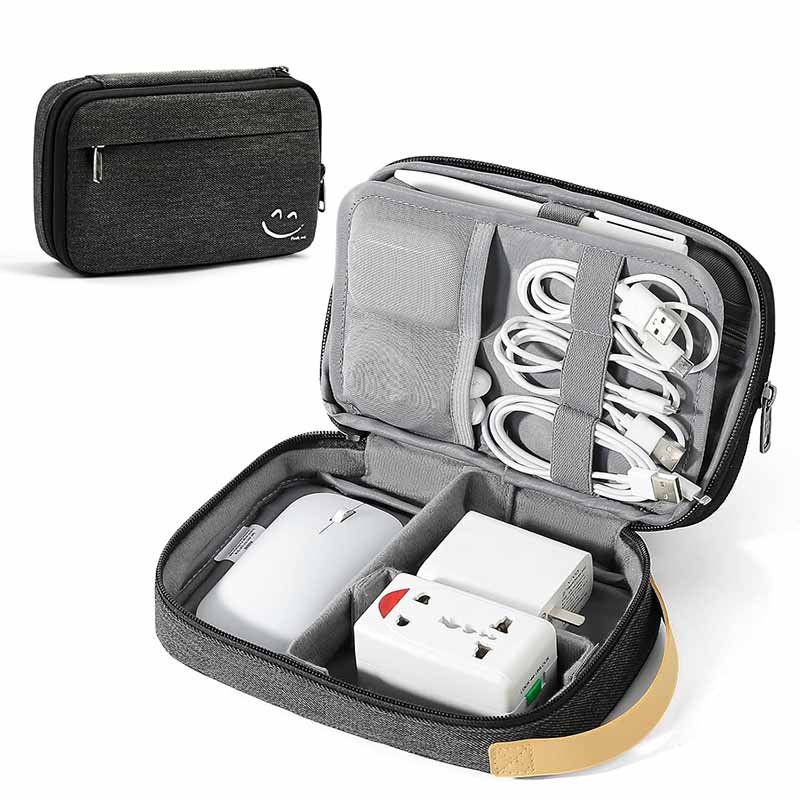
6. tech organizer 1

Tech Organizer

Tech organizers can hold charging cables, adapters, power banks, pens and small devices. Elastic loops, mesh pockets, padded dividers and clamshell openings should be planned around actual accessories to avoid unused space or tight compartments.
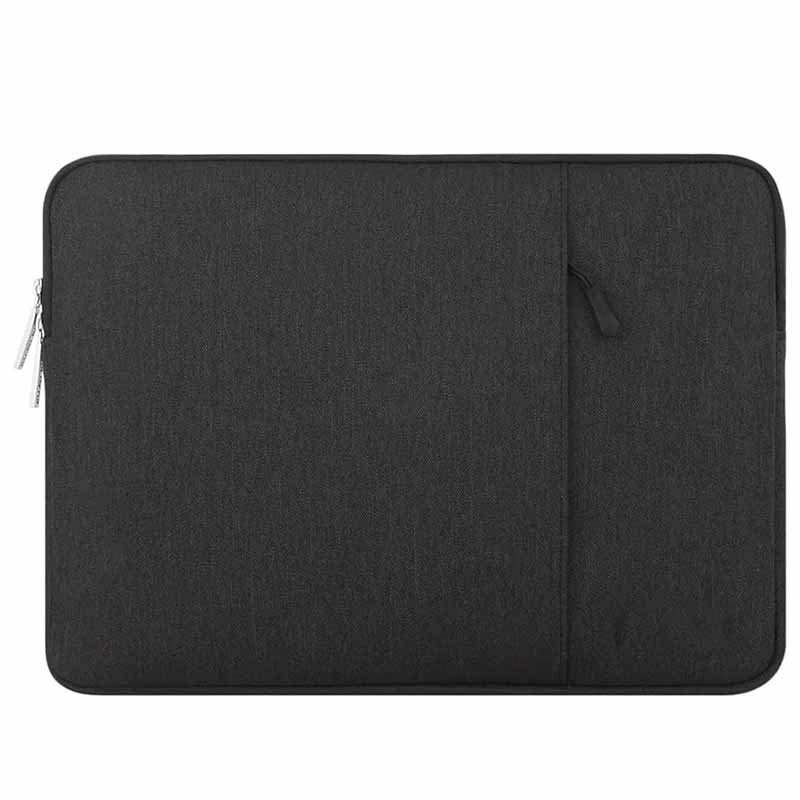
7. laptop sleeve

Laptop Sleeve

Laptop sleeves suit employee onboarding and executive programs. Size must match the intended device, including thickness and charger storage. Foam density, soft lining, zipper protection and handle reinforcement affect both protection and perceived quality.
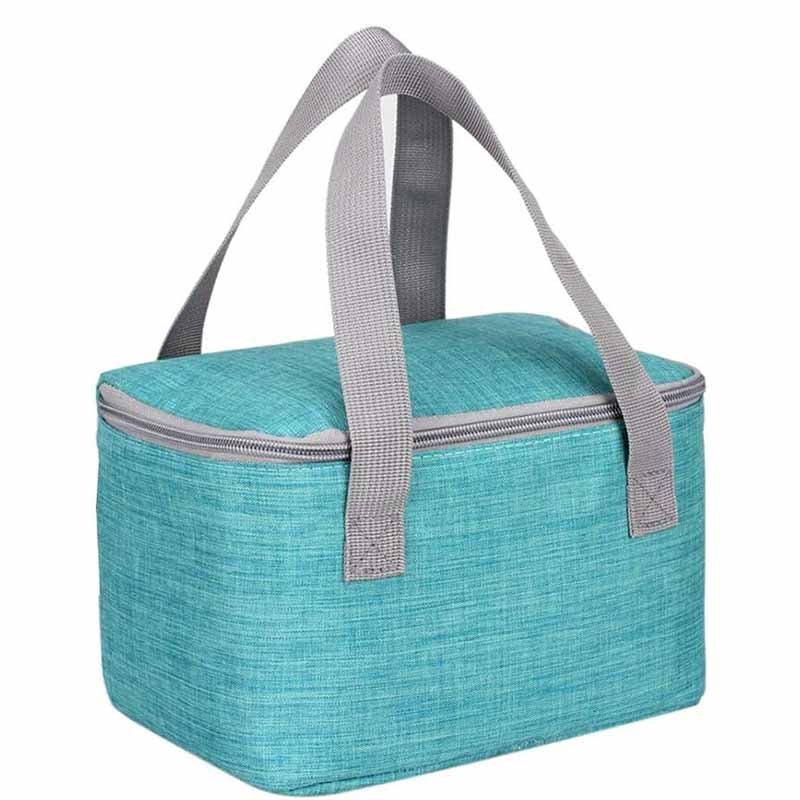
8. cooler gift bag

Cooler Gift Bag

Cooler and lunch bags work well for employee wellness, food brands, beverage brands and outdoor gifts. Outer fabric, foam, lining, zipper, handle strength, odor and cleaning requirements must be reviewed before sampling.
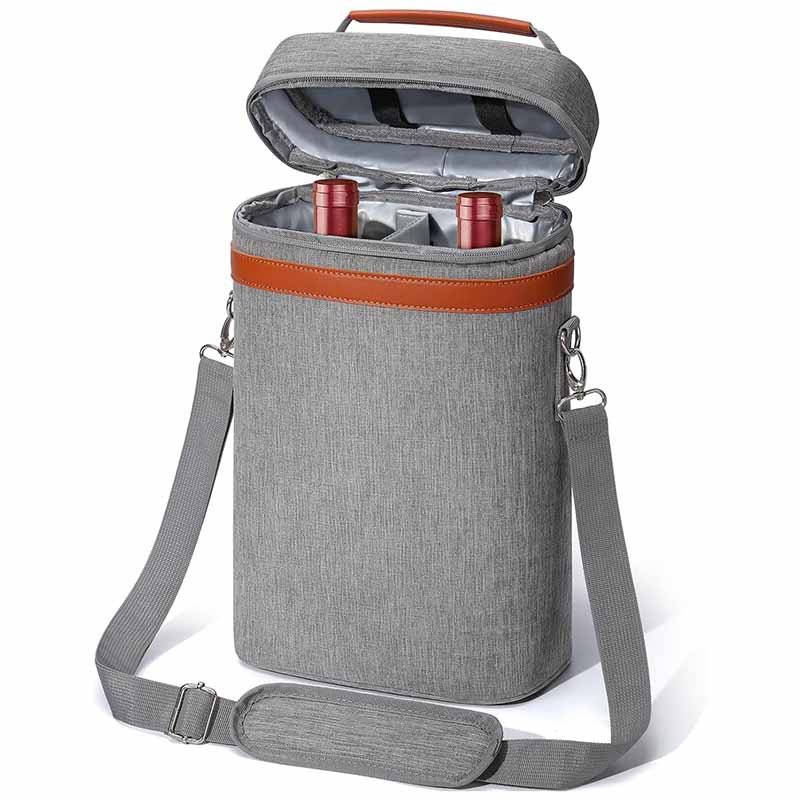
9. bottle carrier

Bottle Carrier

Single or multi-bottle carriers can support beverage, hospitality, event and holiday gifting. Bottle diameter, height, total weight, divider structure and base reinforcement are essential. Neoprene, canvas and insulated constructions create different brand effects.
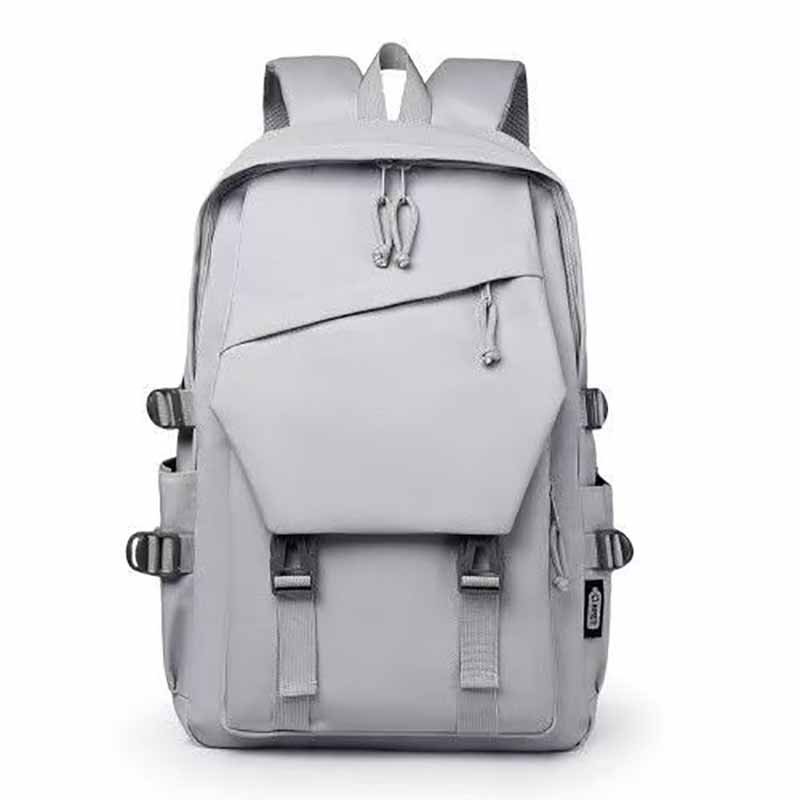
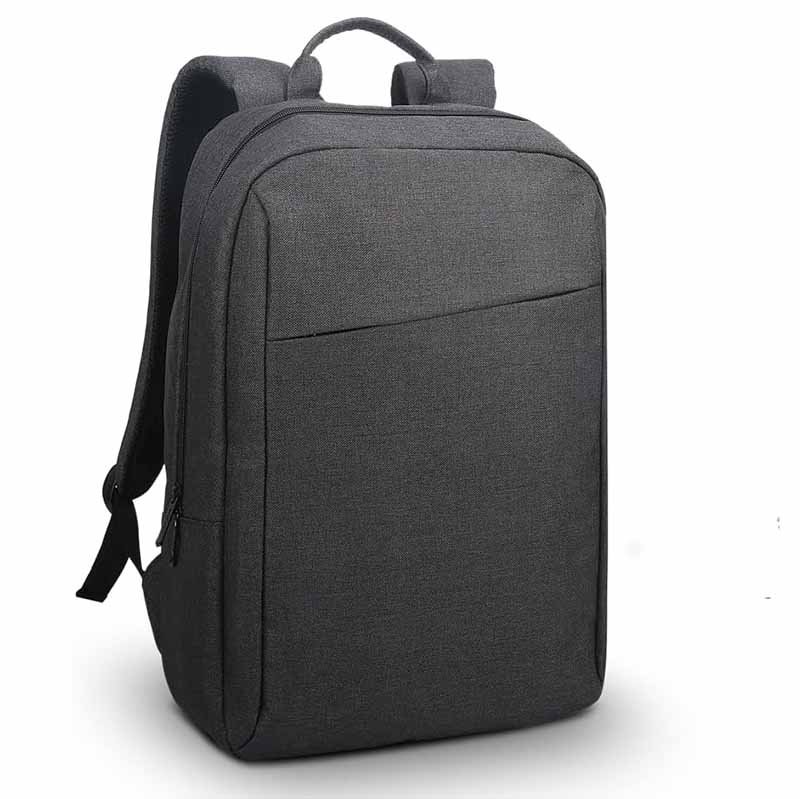
10. corporate backpack

Corporate Backpack

Backpacks offer high reuse value for employee, technology and travel programs. Laptop compartments, shoulder-strap geometry, back padding, organization, zipper quality and load-bearing points require more development than a simple event tote.
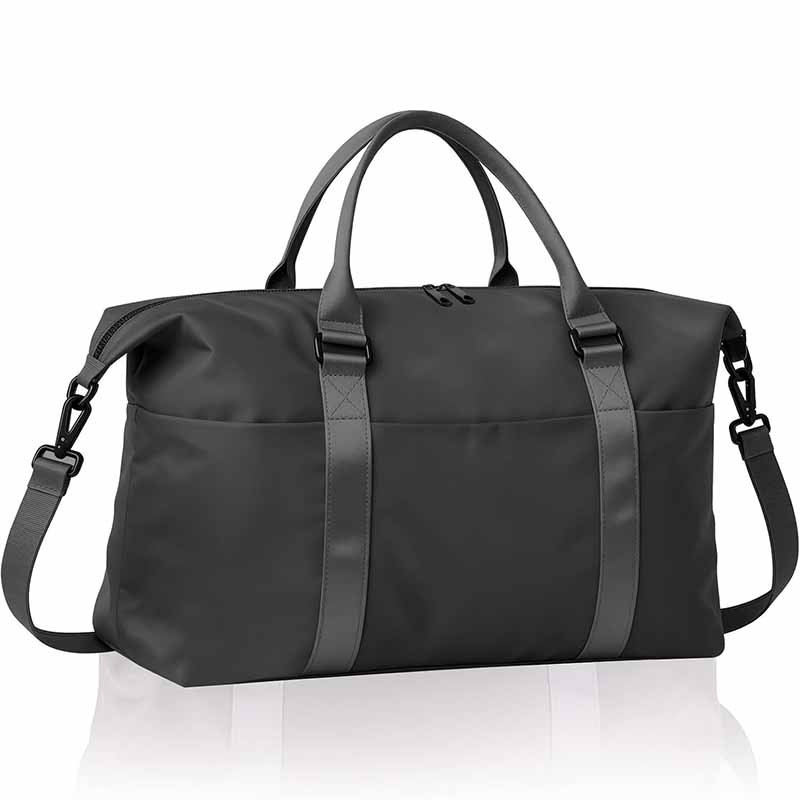
11. travel organizers

Travel Gift Bag

Travel organizers, toiletry bags and compact duffles suit airline, hotel, mobility and executive programs. Wet compartments, lining, hanging hooks, shoe sections, bottle pockets and trolley sleeves can be added according to the intended journey.
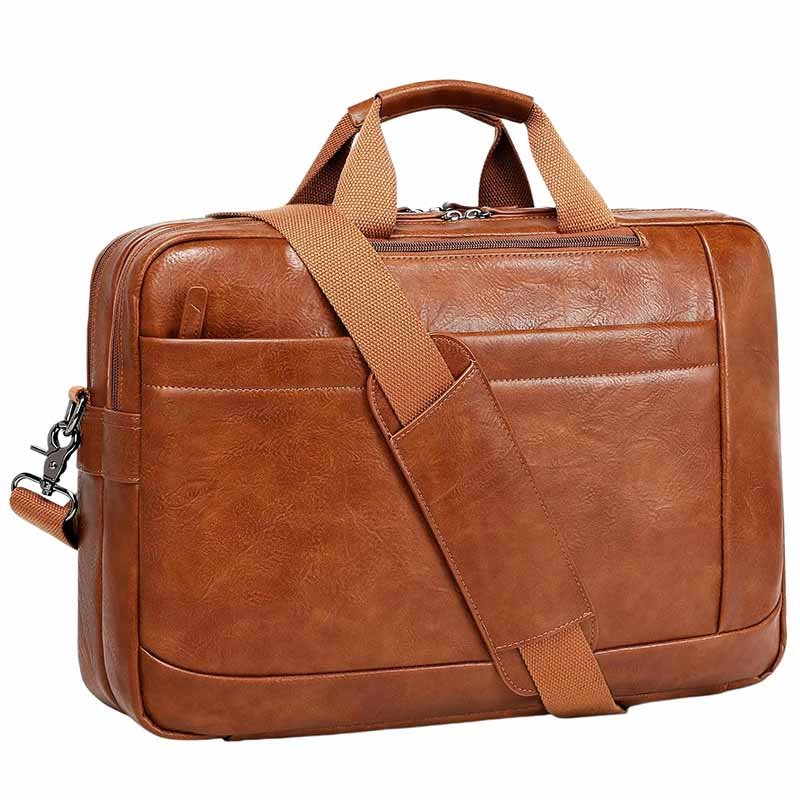
12. pu or leather gift

PU Or Leather Gift

PU, microfiber and genuine leather can create refined document pouches, work bags, travel cases and accessory gifts. Material grain, edge finishing, debossing, hardware plating and individual protection require close inspection during sampling and production.

Common Corporate Gift Bag Sizes And Applications

Dimensions below are common development references, not fixed specifications. Final size should follow actual gift contents, weight, presentation and carrying requirements.

Product TypeCommon Reference SizeApproximate CapacityRecommended ContentsCommon MaterialsTypical Branded Order
Canvas Gift Tote35 × 40 × 10 cm12–18 LNotebook, bottle, clothing, boxed gifts8–12 oz canvas, cotton500–10,000 pcs
Drawstring Event Bag35 × 45 cm8–15 LEvent materials, sportswear, lightweight gifts210D/300D polyester, nylon, canvas500–20,000 pcs
Gift Pouch18 × 25 cm to 25 × 35 cm1–5 LCosmetics, accessories, small electronicsCotton, velvet, polyester, PU500–5,000 pcs
Tech Organizer24 × 16 × 5 cm1–3 LCables, charger, adapter, power bankNylon, polyester, PU, EVA-supported fabric500–5,000 pcs
Laptop SleeveDevice-specific3–8 LLaptop, documents, chargerPolyester, nylon, felt, PU, neoprene500–3,000 pcs
Cooler Gift Bag25 × 18 × 20 cm8–12 LMeals, beverages, wellness giftsOxford, polyester, RPET, PEVA lining500–10,000 pcs
Bottle CarrierBottle-specific1–8 LOne, two or multiple bottlesNeoprene, canvas, polyester, insulated fabric500–5,000 pcs
Corporate Backpack42 × 30 × 14 cm16–24 LLaptop, documents, clothing, travel itemsPolyester, nylon, Oxford, RPET500–5,000 pcs

Development Note:

Measure the largest internal item, total filled weight, desired opening direction and protective packing before approving final dimensions.

Engineering Bags Around The Gifts Inside
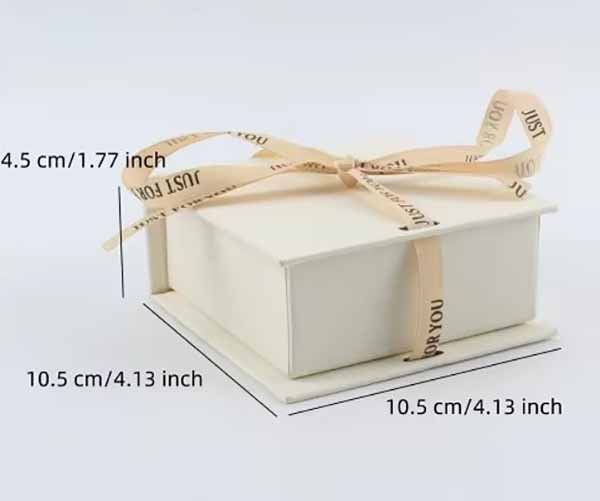
A useful corporate gift bag begins with the contents. Pattern dimensions, openings, reinforcement and internal organization should be developed from actual products rather than appearance alone.
1. measure the complete gift set before pattern making

Measure The Complete Gift Set Before Pattern Making

The outer size of a bag cannot be calculated from one gift dimension alone. Internal clearance, lining, foam, seams, gussets, packaging and the way products are arranged all affect the final pattern. For accurate development, provide:
  • Length, width and height of each major item
  • Total assembled weight
  • Whether products stand upright or lie flat
  • Box, tissue or protective wrap dimensions
  • Required order of presentation
  • Items requiring separation
  • Desired opening and closing method
A bottle and notebook may fit within the same outer measurements but create very different load distribution. A laptop sleeve requires close dimensional control, while a tote carrying folded apparel needs more flexible volume. A gift box placed inside a bag may require additional side and top clearance so the corners do not distort the fabric. During sampling, the bag should be tested both empty and filled. Empty appearance confirms sewing shape and symmetry. Filled testing confirms opening access, handle comfort, base stability and visual presentation. Szoneier can review physical products, dimension drawings or packing diagrams before pattern development. When actual items cannot be shipped, rigid mockups or dimension-confirmed substitute items may be used for fit evaluation.
2. engineer the opening around packing and daily use

Engineer The Opening Around Packing And Daily Use

Opening construction affects both assembly efficiency and recipient experience. A narrow zipper may look clean but make gift insertion slow. An open tote is fast to pack but offers less security. Drawcords create a soft presentation but reduce the usable opening after gathering. Common opening choices include:
  • Open top for fast event distribution
  • Zipper closure for secure long-term use
  • Drawcord closure for pouches and soft presentation
  • Magnetic snap for simple premium access
  • Fold-over flap for controlled presentation
  • Clamshell opening for tech and travel organizers
  • Three-sided zipper for structured sleeves and cases
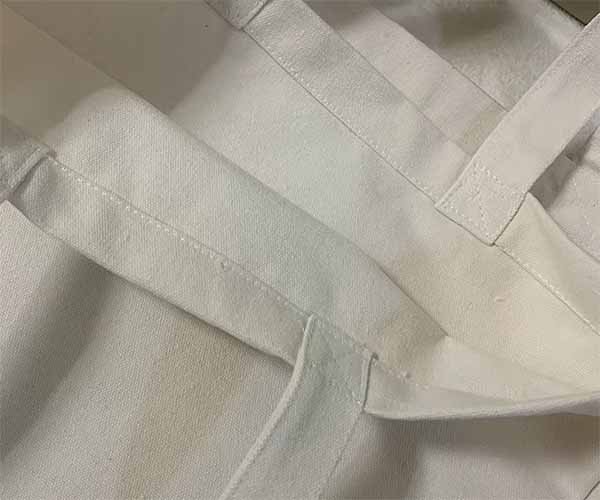
Opening selection should account for the largest item, packing speed and final use. Production teams may need to assemble thousands of kits, so an opening that adds twenty seconds per unit can materially affect packing time. Zipper length, slider quality, seam allowance and end construction also influence access. For padded products, foam and binding reduce internal clearance. Sample evaluation should include repeated opening, filled insertion and closure under normal load.
3. reinforce load points instead of adding excess material

Reinforce Load Points Instead Of Adding Excess Material

Strength depends on how force moves through the structure, not simply on using thicker fabric. Handles, shoulder straps, bottle dividers, base seams and zipper ends commonly carry the highest stress. Reinforcement options include:

  • Box stitching at handle attachments
  • Bartacks at concentrated load points
  • Webbing extended below the upper edge
  • Double-layer fabric behind logo patches or handles
  • Bottom boards or removable inserts
  • Piping or binding along shaped edges
  • Wider shoulder straps for heavier gifts
  • Reinforced seams at gusset corners

An oversized tote with narrow handles may fail even when heavy canvas is used. A correctly engineered lighter fabric can perform better when stress points are properly reinforced. Excess layers also increase sewing difficulty, cost and shipping weight, so reinforcement should be placed where needed. Szoneier reviews intended contents, filled weight, carrying distance and expected reuse before finalizing reinforcement. High-load or function-related claims should be supported by agreed testing rather than marketing assumptions. 

Compare Materials By Feel, Function And Brand Position

Material choice affects appearance, sewing structure, logo performance, durability, packing volume, MOQ and total project cost.

MaterialHand Feel And AppearanceSuitable Corporate GiftsCompatible BrandingMain AdvantagesImportant Limitations
CottonSoft, natural and lightweightEvent totes, wellness gifts, drawstring bagsScreen print, heat transfer, embroidery, woven labelNatural appearance, flexible constructionLight weights may wrinkle or show contents
CanvasStructured, textured and durablePremium totes, bottle bags, document bagsScreen print, embroidery, leather patch, woven labelStrong brand surface, multiple weight optionsHeavy canvas increases sewing and freight cost
PolyesterSmooth, consistent and cost-controlledEvent bags, backpacks, organizers, cooler bagsScreen print, heat transfer, sublimation, rubber patchBroad color range, stable bulk productionLow-grade fabric may appear overly promotional
NylonRefined, lightweight and abrasion-resistantTech organizers, travel pouches, backpacksHeat transfer, woven label, rubber patch, embroideryGood strength-to-weight balanceSurface finish and coating affect cost considerably
RPETSimilar to polyester with recycled content optionsESG programs, event totes, backpacksScreen print, heat transfer, woven labelSupports recycled-material positioningDocumentation and color availability require order review
JuteCoarse, natural and visibly texturedFood gifts, wine bags, rustic holiday programsScreen print, cotton label, leather patchDistinctive natural appearanceFibers vary and fine print detail is limited
PU / MicrofiberSmooth, structured and premiumExecutive pouches, document bags, travel casesDebossing, hot stamping, metal plate, laser engravingRefined visual effect and stable colorSurface scratching, hydrolysis and edge finishing require control
Genuine LeatherNatural grain and high perceived valueExecutive gifts, document cases, premium accessoriesDebossing, laser engraving, metal hardwareLong-term value and individual characterNatural grain variation, higher cost and longer development

Material Approval Note: Confirm color, thickness, weight, coating, grain, hand feel, odor, logo compatibility and available documentation before authorizing bulk material purchase.

Choose Branding Methods That Suit The Material
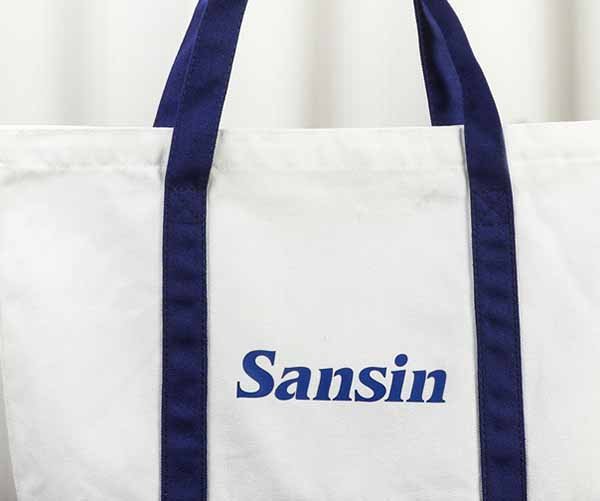
Logo execution should be selected after fabric, surface texture, artwork detail, order quantity, durability requirement and brand position are understood.
1. screen printing

Screen Printing

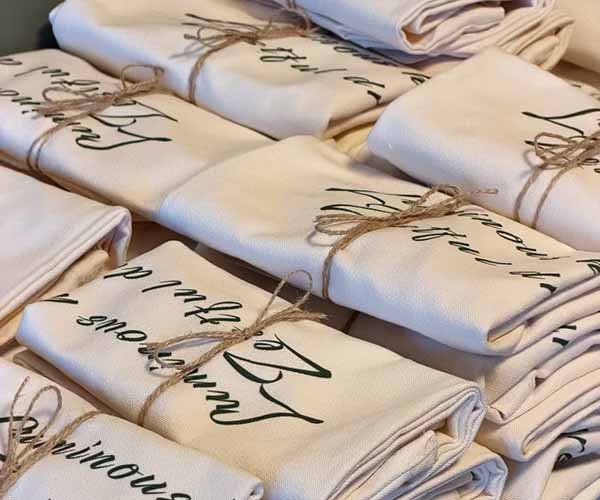
Screen printing is efficient for simple logos, solid colors and medium-to-large quantities on canvas, cotton, polyester and jute.
  • Strong for bold artwork
  • Cost-efficient after screen setup
  • Pantone references can guide ink matching
  • Fine gradients and very small text may be unsuitable
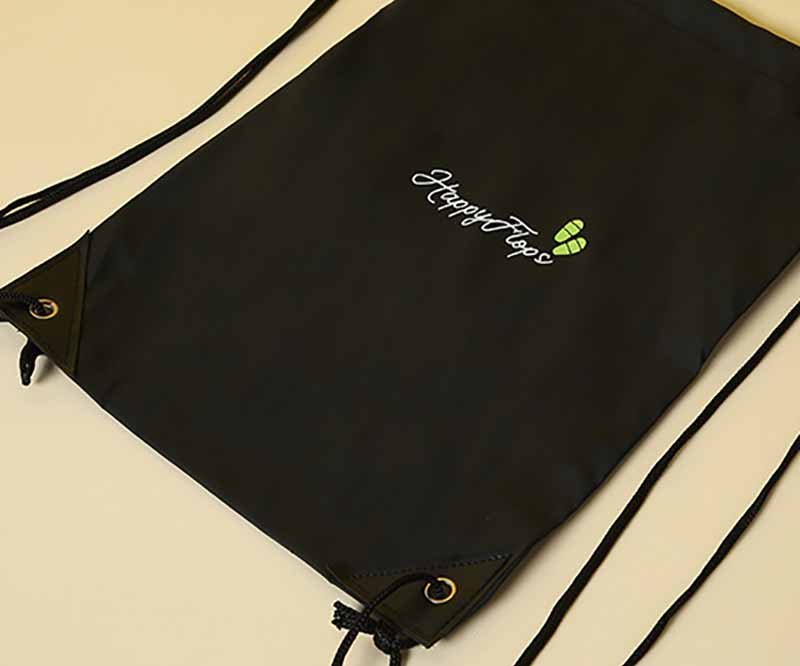
A production sample should confirm ink coverage, edge sharpness and adhesion on the selected material.
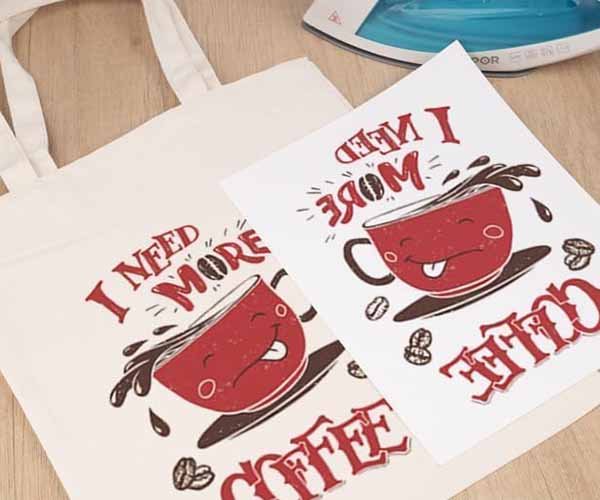
2. heat transfer

Heat Transfer

Heat transfer supports multicolor artwork, gradients and detailed graphics on many polyester, nylon and coated fabrics.
  • Suitable for smaller multicolor runs
  • Clean edges and photographic detail
  • No embroidery backing inside the bag
  • Heat sensitivity differs by material
Temperature, pressure, film quality and surface coating should be tested before bulk application.
3. sublimation printing

Sublimation Printing

Sublimation is suitable for polyester-based light fabrics and all-over graphic designs. Ink becomes part of the fabric surface rather than sitting as a separate layer.
  • Excellent for full-color patterns
  • Suitable for all-over design
  • Soft hand feel
  • Best on light polyester materials
Panel alignment and color variation should be reviewed before cutting large production quantities.
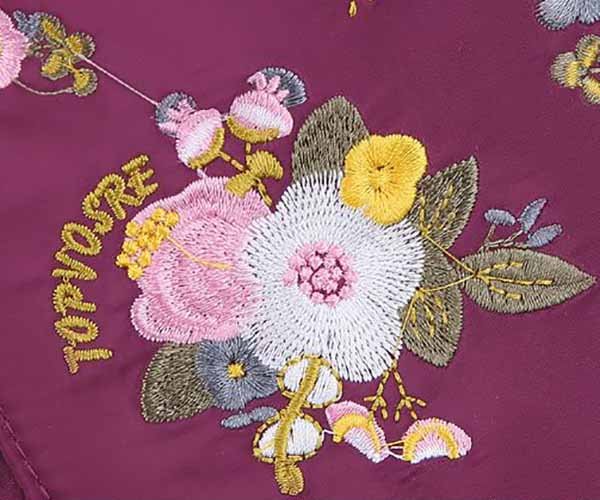
embroidery

Embroidery

Embroidery creates texture and perceived value on canvas, cotton, polyester and selected PU constructions.
  • Suitable for premium corporate programs
  • Durable under normal use
  • Strong on simple symbols and lettering
  • Density affects stiffness and cost
Small text, narrow lines, gradients and very thin fabrics may require artwork adjustment or backing support.
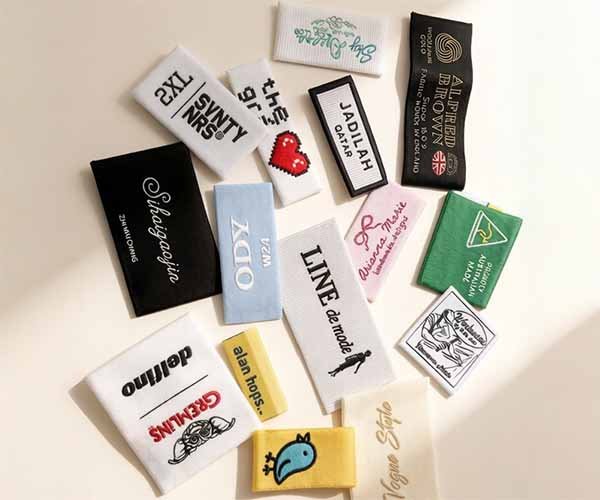
4. woven labels 1

Woven Labels

Woven labels provide consistent branding with fine textile detail. They can be inserted into seams or stitched onto the surface.
  • Suitable across many bag materials
  • Good for subtle long-term branding
  • Supports repeat production
  • Requires separate label production
Label size, edge style, fold type, thread colors and placement should be approved before sewing.
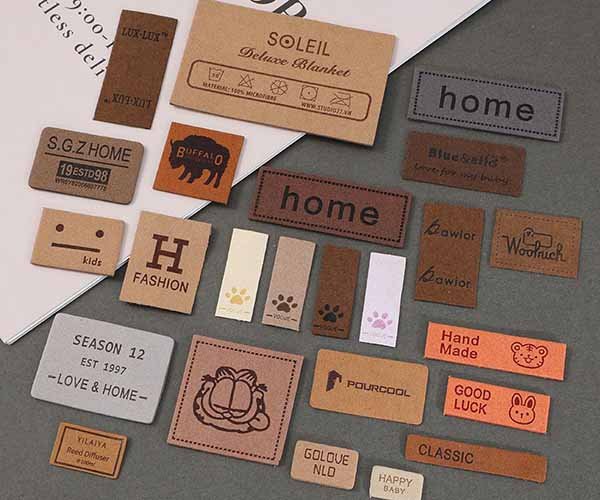
6. leather patches

Leather Patches

Genuine or PU leather patches suit canvas, travel bags, outdoor products and premium gift programs.
  • Creates natural or refined contrast
  • Supports debossing or laser engraving
  • Can be stitched as a visible feature
  • Grain and edge treatment affect appearance
Patch thickness, stitch distance and logo clarity must match the base fabric.
6. rubber silicone patch

Rubber Or TPU Patches

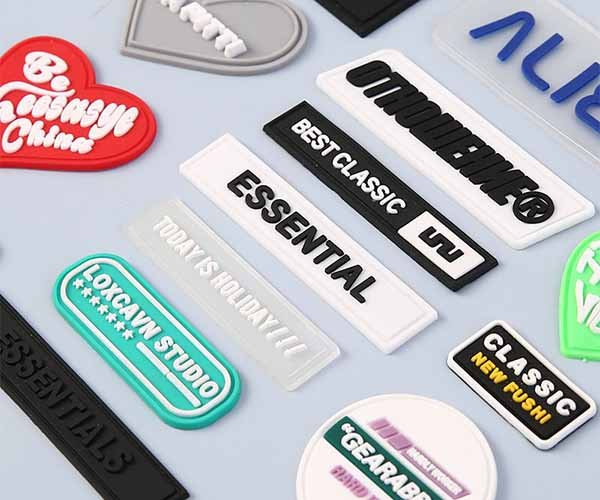
Rubber, silicone and TPU patches create dimensional branding for sport, outdoor and modern technology gifts.
  • Strong three-dimensional effect
  • Suitable for simple graphic marks
  • Available in several attachment methods
  • Mold cost and minimum quantity apply
Color, thickness, edge shape, flexibility and attachment should be validated with a physical sample.
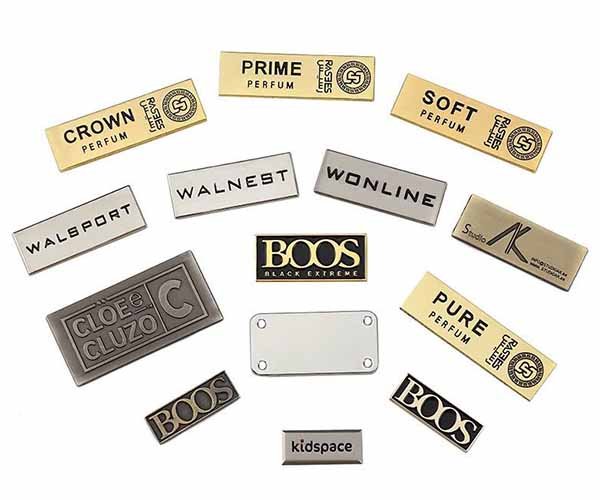
7. metal logo plates

Metal Or Debossed Logos

Metal plates, debossing, hot stamping and laser engraving suit executive gifts, PU pouches and leather accessories.

  • Refined premium appearance
  • Suitable for restrained branding
  • Metal finishes include silver, gold, gunmetal and black
  • Tooling, plating and surface protection require control

Logo pressure, placement, metal finish and protective packing should be confirmed before production.

Packaging That Protects The Product And Presentation

Corporate gift packaging should fit the distribution channel, brand level, freight plan and assembly process rather than add unnecessary cost or volume.

Individual Product Packing

Individual OPP, PE or protective bags keep products clean during storage and distribution. Warning labels, barcode labels or item identification can be added where required.
  • Efficient for event and warehouse handling
  • Helps separate colors or recipient versions
  • Low packing volume
  • Limited premium presentation
Bag thickness, closure style and local packaging requirements should be confirmed.

Branded Dust Bags

Dust bags suit PU, leather, coated products and executive gifts requiring surface protection.
  • Adds a premium unpacking layer
  • Protects against dust and light scratching
  • Supports print, woven label or drawcord branding
  • Adds another material and packing step
Dust-bag dimensions should allow easy insertion without compressing the main product.

Tissue And Stickers

Custom tissue paper and logo stickers provide brand presentation without the volume of a rigid box.
  • Suitable for pouches and soft bags
  • Flexible color and pattern options
  • Useful inside mailer or gift boxes
  • Paper order quantities require planning
Ink transfer, wrapping method and final appearance should be tested during kit sampling.

Cards And Inserts

Welcome cards, thank-you cards, instruction cards, QR cards and brand-story cards can be placed inside each gift.
  • Supports onboarding and campaign messaging
  • Can identify different regions or departments
  • Requires version control during assembly
  • Card size influences bag and box layout
Final print files and quantity by version should be approved before kit packing begins.

Gift And Mailer Boxes

Kraft boxes, mailer boxes, magnetic boxes and rigid gift boxes create stronger presentation for premium programs.
  • Suitable for high-value gifts and launch kits
  • Can include inserts, ribbons and printed interiors
  • Increases packing volume and freight cost
  • Requires crush-protection planning
Box dimensions should follow the approved product sample, not early estimated measurements.

Complete Kit Assembly

Szoneier can coordinate bag, card, tissue, stickers, supplied gift items and outer packaging into a defined set.

  • Component list by kit
  • Visual placement reference
  • Version and destination separation
  • Completed-kit inspection
  • Carton quantity and marks
  • Multi-address delivery coordination

Every supplied item should arrive with confirmed quantity, dimensions, handling requirements and delivery schedule.

Send The Details Needed For Accurate Planning

A clear quotation depends on product, branding, quantity, packaging, timing and destination information. Complete files reduce assumptions and speed up project review.

Product Reference

Send a reference image, sketch, tech pack, physical sample or existing product link. Mark any parts that must remain unchanged and identify areas open to improvement.
  • Front, back and internal views
  • Important pockets or closures
  • Preferred carrying method
  • Existing quality concerns

Gift Contents

Provide dimensions and weight for the main products packed inside the bag. A diagram or photograph of the complete gift arrangement is especially useful.
  • Largest item dimensions
  • Total filled weight
  • Required item orientation
  • Protection or divider needs

Quantity And Versions

Confirm total quantity and quantity by color, logo, office, department, country or recipient group. Multiple versions affect material ordering, labeling, assembly and carton separation.
  • Total production quantity
  • SKU breakdown
  • Color quantities
  • Destination quantities

Logo Artwork

Supply vector artwork in AI, EPS, PDF or SVG format when available. Include Pantone references, final logo width, preferred position and any restrictions from brand guidelines.
  • Vector logo file
  • Pantone or color reference
  • Position and dimensions
  • Branding method preference

Packaging Requirements

Describe individual packing, cards, tissue paper, gift boxes, mailer boxes, barcode labels, carton marks and supplied components. Packaging affects unit cost, MOQ, lead time and freight volume.
  • Individual or bulk packing
  • Card and insert versions
  • Gift box requirements
  • Carton labeling instructions

Delivery Information

Provide required arrival date, destination country, postal code, delivery type and number of locations. Fixed events should include the event date and latest acceptable warehouse arrival date.
  • Required delivery date
  • Destination country and city
  • One or multiple addresses
  • Preferred shipping terms

From Gift Brief To Approved Production Sample

Sampling converts artwork, material ideas and gift dimensions into a measurable standard for bulk production. Each stage should resolve a specific production risk.

Project Review

The project team reviews product type, intended contents, quantity, logo, packaging, required date and delivery location.

  • Identify missing specifications
  • Review timing feasibility
  • Separate essential and optional features
  • Confirm whether a reference sample is needed

A clear development brief prevents unnecessary sample revisions.

Material Selection

Fabric, lining, foam, webbing, zipper, hardware and packaging materials are compared according to appearance, function, budget and available quantity.

  • Confirm color and surface
  • Review thickness and weight
  • Check logo compatibility
  • Evaluate stock or custom production

Special colors and certified materials may require additional lead time.

Structure Planning

Dimensions, opening, gussets, handles, pockets, reinforcement and internal organization are converted into a production concept.

  • Fit the actual gifts
  • Review filled weight
  • Define reinforcement points
  • Consider packing efficiency

A simple drawing or marked sample can resolve structural questions before pattern cutting.

Pattern Development

Pattern makers translate confirmed dimensions and construction into cutting pieces, seam allowances and assembly references.

  • Build the paper pattern
  • Check panel relationships
  • Allow for lining and foam
  • Prepare cutting instructions

Complex products may require an early shape sample before branded materials are used.

Logo Trial

Logo execution is tested on the intended surface. Screen printing, transfer, embroidery, debossing, patches or metal plates can behave differently across materials.

  • Confirm physical size
  • Check color and clarity
  • Review surface adhesion
  • Approve position reference

Logo approval should occur before bulk logo production begins.

Sample Sewing

The sample team cuts, brands and assembles the first complete unit. Construction sequence is reviewed while the product is made.

  • Inspect seam quality
  • Check symmetry and shape
  • Test zipper and closure
  • Measure critical dimensions

Issues discovered during sewing can be corrected before a second sample is requested.

Internal Review

Before shipment, Szoneier checks dimensions, appearance, logo, function, fit, packaging and major construction details.

  • Compare against the brief
  • Photograph key details
  • Test gifts inside the bag
  • Record revision recommendations

Photos or video may be shared for early review before courier shipment.

Revision And Approval

Comments are organized into a revision list. Updated material, dimensions, structure or branding are confirmed before the next sample.

  • Mark every approved change
  • Avoid conflicting comments
  • Retain final sample records
  • Prepare the production standard

Simple samples may require approximately 3–7 working days, standard samples around 7–12 working days, and complex structures around 12–20 working days or more.

Keep Bulk Production Aligned With The Sample

An attractive sample has limited value unless its materials, dimensions, logo, construction and packaging can be repeated across bulk production.

Convert The Approved Sample Into Written Standards

A physical sample shows the finished product, but production teams also need written and digital references. Small details can be overlooked when they remain only inside email conversations.
The bulk-production file should contain:
  • Approved product dimensions and tolerances
  • Pattern reference
  • Bill of materials
  • Main fabric specification
  • Lining, foam and reinforcement details
  • Webbing, zipper, puller and hardware references
  • Logo artwork, size, color and position
  • Stitching and construction notes
  • Packaging materials and sequence
  • SKU and carton-mark requirements
When a project includes several colors or logos, every version should have a separate SKU record. Quantities should be reconciled across the purchase order, material plan, packing list and carton plan.
Szoneier maintains project records to reduce information loss between sales, sampling, purchasing, production, quality control and packing teams. Changes made after sample approval should be recorded and approved before bulk materials are cut.

Confirm A Pre-Production Sample Before Full Sewing

Bulk materials and trims may differ slightly from sample-room materials. A pre-production sample made from intended production components helps verify the final combination before the entire order proceeds.
The pre-production review can confirm:
  • Fabric batch and color
  • Lining and foam thickness
  • Webbing and zipper matching
  • Hardware plating
  • Logo appearance
  • Sewing construction
  • Final measurements
  • Packaging fit
For simple event products, a photo-confirmed pre-production sample may be sufficient when the approved sample and materials are already stable. Complex or premium projects may require physical approval.
Production should not proceed through all units while unresolved issues remain. Stopping after an early sewing quantity is less costly than correcting thousands of finished pieces.

Use The Approved Standard At Every QC Stage

Quality control should not rely on general impressions such as “looks good.” Inspectors need measurable references for dimensions, construction, logo and packing.
During production, the approved sample can be used to compare:

  • Bag shape and panel alignment
  • Handle and strap position
  • Pocket and zipper placement
  • Stitching density and reinforcement
  • Logo size and location
  • Material and trim combination
  • Filled appearance
  • Individual packing method
  • Carton quantity and identification

Inspection findings should be communicated before the same issue spreads through the order. For large or multi-SKU projects, early-stage checks are particularly important because each version may carry different artwork or packing instructions.

Plan Production Backward From The Required Arrival Date

Corporate events need an arrival plan, not only a factory completion date. Approval, production, inspection, packing and freight must fit inside one controlled schedule.

Requirement Confirmation

Finalize product type, quantity, gift contents, logo, packaging, destination and required date before sampling begins.
  • Resolve conflicting specifications
  • Confirm version quantities
  • Identify supplied components
  • Set decision responsibilities

Sample Development

Reserve time for material sourcing, pattern work, logo trials, sample sewing, courier transit and revision.
  • Simple development: around 3–7 working days
  • Standard development: around 7–12 working days
  • Complex development: around 12–20 working days or more
  • Add approval time on the brand side

Material Preparation

Available materials shorten the schedule. Custom colors, woven labels, metal plates, molded patches, boxes and special fabrics require separate production time.
  • Confirm material availability
  • Approve color quickly
  • Place tooling orders early
  • Avoid late component changes

Bulk Production

Production time begins after sample, materials and commercial terms are confirmed. Simple totes and drawstring bags are faster than backpacks, insulated products or premium leather goods.
  • Reserve the sewing line
  • Plan logo processing
  • Schedule in-process checks
  • Track daily progress

Inspection And Packing

Finished products still require inspection, kit assembly, packing, carton labeling and shipment preparation.
  • Leave time for corrections
  • Verify kit components
  • Confirm carton quantities
  • Prepare destination marks

Freight Buffer

Courier, air and sea routes have different transit times, cut-off dates and risk levels. Customs, local delivery and multiple destinations add further variables.

  • Separate transit from production time
  • Include customs and local delivery
  • Review air/sea split options
  • Avoid delivery on the final event day

Production Control From Materials To Packed Cartons

Bulk production combines purchasing, cutting, logo processing, sewing, inspection, kit assembly and shipment preparation under one project schedule.
1. material and component control before cutting

Material And Component Control Before Cutting

Production stability begins before sewing. Main fabric, lining, foam, webbing, zippers, labels, patches, hardware and packaging materials must arrive in the correct specification and quantity. Incoming review may cover:
  • Fabric color, weight, thickness and surface
  • Coating, odor and visible defects
  • Webbing width and shade
  • Zipper size, color and movement
  • Hardware shape and plating
  • Logo components and labels
  • Packaging dimensions and print files
  • Quantity allowance for production loss
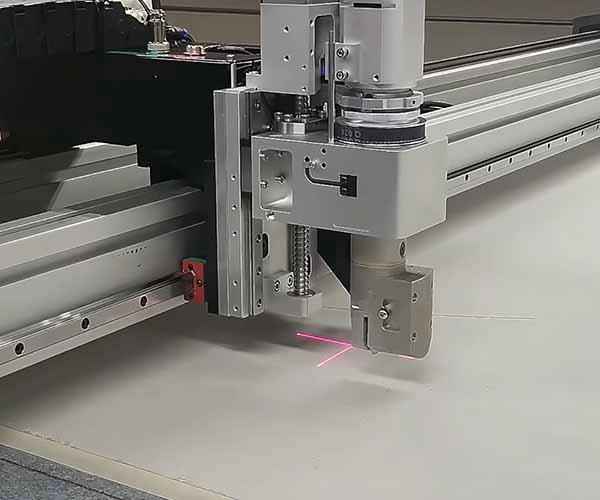
Custom components such as metal plates, jacquard webbing, woven labels, rubber patches, zipper pullers and gift boxes should be ordered early. They often have different minimum quantities and lead times from the bag itself. A material shortage discovered after cutting can interrupt the production line or force uncontrolled substitutions. Szoneier therefore links the purchasing list to the approved BOM and production quantity before mass cutting begins.
2. cutting, branding and sewing follow controlled batches

Cutting, Branding And Sewing Follow Controlled Batches

Cutting determines dimensional consistency. Panels must follow the approved pattern, grain direction, print position and color batch. Logo processes may occur before sewing, during assembly or after completion, depending on the method. Production control includes:
  • Fabric spreading and cutting
  • Panel quantity reconciliation
  • Logo placement templates
  • Embroidery or printing batch approval
  • Sewing operation sequence
  • Reinforcement at stress points
  • Semi-finished product inspection
  • Early finished-unit review
For multiple colors or departments, components are separated and identified before sewing. Production documents should clearly distinguish logo artwork, lining color, zipper, label and packaging for each SKU. Szoneier operates eight sewing production lines supported by cutting, reinforcement, binding, computer sewing, bartack and packaging equipment. Production scheduling is adjusted according to structure complexity, order quantity, material readiness and required delivery date.
3. packing is managed as part of production

Packing Is Managed As Part Of Production

Corporate projects often fail after sewing is complete because cards, versions, labels or destinations are mixed during packing. Packing should follow the same level of control as manufacturing.
Before cartoning, teams verify:

  • Correct product version
  • Correct card or insert
  • Required accessories
  • Individual protection
  • Gift-box orientation
  • Barcode or identification label
  • Inner-pack quantity
  • Master-carton quantity
  • Carton mark and destination
  • Final packing-list quantity

For gift kits, a completed reference kit should remain at the packing station. Different versions should be processed in separated batches. Cartons for multiple destinations should carry clear destination identifiers before entering the finished-goods area.
Production and packing photos can be provided according to project confidentiality and inspection arrangements.

Nine Quality Checkpoints Before Corporate Gift Delivery

Quality control follows materials, construction, branding, function, kit accuracy and shipment preparation rather than relying only on a final visual check.

Material Inspection

Main fabric is reviewed before cutting for color, weight, thickness, surface, coating, odor and visible defects.
  • Compare with approved swatch
  • Separate unacceptable sections
  • Record material batch
  • Confirm special documentation
Material performance should match the intended product and agreed claims.

Accessory Inspection

Zippers, webbing, cords, hardware, labels, foam and lining affect appearance and function.
  • Check color matching
  • Test zipper movement
  • Confirm hardware finish
  • Measure webbing and trim specifications
Custom accessories are compared against approved samples before assembly.

Pre-Production Check

The pre-production sample confirms the combined production materials, logo and sewing construction.
  • Verify critical dimensions
  • Review logo location
  • Confirm trim combination
  • Approve packaging fit
Full production should not continue with unresolved pre-production differences.

Cutting Inspection

Cut panels influence finished size, symmetry and logo alignment.
  • Check pattern use
  • Verify panel quantity
  • Review grain direction
  • Separate color batches
Printed or patterned panels require additional position control before sewing.

Sewing Inspection

In-process inspection identifies issues while corrections remain manageable.
  • Check seam allowance
  • Review stitch consistency
  • Confirm handle placement
  • Inspect reinforcement points
Early correction prevents the same construction error from spreading across the order.

Semi-Finished Check

Partially assembled products reveal shape, pocket, zipper and structural issues before final closure.
  • Compare component alignment
  • Check internal organization
  • Test openings and closures
  • Review filled structure
Complex organizers, backpacks and cooler bags benefit strongly from semi-finished inspection.

Finished Product Check

Completed units are inspected for measurements, appearance, function and workmanship.
  • Measure critical dimensions
  • Test zippers and closures
  • Review shape and symmetry
  • Inspect stains, marks and loose threads
Product-specific checks are added according to use and construction.

Gift Kit Check

Every assembled set must contain the correct bag, card, accessories and presentation materials.
  • Count components
  • Match recipient version
  • Review placement
  • Inspect presentation and protection
A completed reference kit remains available at the packing station.

Carton And Shipment Check

Final checks confirm packing quantity, carton condition, destination marks and shipping preparation.

  • Reconcile packed quantity
  • Confirm carton labels
  • Check gross and net weight where required
  • Photograph shipment status

Third-party inspection can be coordinated when included in the project plan.

Match Materials And Testing To The Target Market

Compliance and sustainability claims should follow the actual material, end use, destination and supporting documents selected for each order.

RPET Material Options

RPET fabrics can be evaluated for totes, drawstring bags, backpacks and organizers.
  • Confirm recycled material source
  • Review available colors and coatings
  • Verify order-specific documentation needs
  • Avoid unsupported recycled-content claims
Certification scope should match the selected material and order.

Organic Cotton Options

Organic cotton can support natural and responsible gifting programs when suitable certified material is available.
  • Review fabric weight
  • Confirm color and finish
  • Check print compatibility
  • Verify documentation and minimum quantity
Organic material selection does not replace construction and durability review.

Reusable Construction

Durability can improve the environmental value of a gift product by extending useful life.
  • Reinforce handles and stress points
  • Select suitable zipper and hardware
  • Avoid unnecessarily weak fabric
  • Design for continued daily use
A reusable product should remain functional beyond the original event.

Material Traceability

Material claims require records linking fabric, supplier documents and production order.
  • Confirm supplier information
  • Retain material references
  • Match certificates to relevant scope
  • Review transaction documentation where required
Documentation availability should be confirmed before marketing claims are printed.

Target-Market Testing

Testing needs depend on product type, material, function, age group and sales market.
  • Identify intended use
  • Review restricted-substance requirements
  • Confirm functional claims
  • Arrange third-party testing when needed
No waterproof, load-bearing or safety claim should be made without appropriate evaluation.

Third-Party Inspection

Independent inspection may be arranged before shipment for corporate, retail and large-volume programs.

  • Confirm inspection standard
  • Agree sampling plan
  • Provide approved sample and specifications
  • Reserve time for corrective action

Inspection should be scheduled before the required shipment date.

Reference Quantities And Lead Times By Product Complexity

MOQ and timing depend on material availability, structure, logo, packaging, color quantity and production schedule. Most established brand programs handled by Szoneier begin from 500 pieces.

Project TypeReference MOQTypical Sample TimeReference Bulk TimeMain Timing Factors
Simple Canvas ToteFrom 200 pcs for selected projects5–7 working days20–30 daysCanvas availability, print colors, handle structure
Drawstring Event BagFrom 200 pcs for selected projects5–7 working days15–30 daysFabric stock, print area, cord and pocket options
Gift Pouch / OrganizerCommonly 300–500 pcs7–12 working days25–35 daysLining, zipper, compartments, branding
Cooler Or Lunch Gift BagCommonly 500 pcs10–15 working days30–40 daysFoam, lining, odor, zipper and fit
Laptop Sleeve / BackpackCommonly 500 pcs10–15 working days35–45 daysDevice fit, padding, straps, organization
Premium PU Gift ProductCommonly 500 pcs10–15 working days30–45 daysGrain, edge finish, debossing, hardware
Genuine Leather Gift ProductEvaluated by material and design12–20 working days35–60 daysLeather grade, natural variation, hardware, finishing
Multi-Component Gift KitBag and packaging MOQs assessed separately12–20 working days35–60 daysBox, cards, supplied items, assembly and destination versions

Planning Note:

Lead times begin after specifications, sample approval, materials, payment terms and production schedule are confirmed. Peak-season and custom-material projects require earlier planning.

Delivery Options For Events, Offices And Warehouses

Shipping plans are evaluated according to quantity, carton size, total weight, arrival date, destination and required trade terms.

Express Sample Shipping

Courier services are commonly used for development samples, packaging samples and urgent approval units.
  • Fast international transit
  • Door-to-door tracking
  • Suitable for small quantities
  • Higher cost per kilogram
Sample value, destination and courier account requirements should be confirmed before dispatch.

Air Freight

Air freight supports urgent event orders, launch schedules and partial deliveries.
  • Faster than sea freight
  • Suitable for controlled quantities
  • Chargeable weight includes volume
  • Local customs and delivery still require planning
Packing dimensions strongly affect air-freight cost.

Sea Freight

Sea freight is usually suitable for larger corporate programs with sufficient planning time.
  • Lower cost for volume orders
  • Suitable for annual and seasonal programs
  • Longer transit and port handling
  • Requires earlier production completion
Carton optimization can reduce total shipping volume.

DDP Delivery

DDP or door-to-door solutions can be evaluated according to destination, product, shipment size and import conditions.
  • Simplifies delivery coordination
  • Useful for offices and warehouses
  • Cost depends on destination details
  • Availability varies by country and shipment
A precise postal code and delivery type are needed for assessment.

Split Shipments

Part of an order can move by air while the balance moves by sea when timing and budget require a mixed solution.
  • Supports urgent first delivery
  • Reduces full-order air cost
  • Requires quantity allocation
  • Packaging and documents must remain clear
The split plan should be approved before final packing.

Multiple Addresses

Corporate programs may require delivery to several offices, event venues or regional warehouses.

  • Confirm quantity per address
  • Assign destination carton marks
  • Prepare separate packing lists
  • Review delivery timing by location

International parcel distribution and bulk freight follow different cost structures.

A Factory-Based Team Behind Every Gift Program

Szoneier connects development, production, inspection, packaging and export delivery within one managed manufacturing system.

Manufacturing Infrastructure For Sewn Soft Goods

Szoneier operates a 20,000+ square meter factory-based manufacturing system in South China. Facilities include material storage, cutting, pattern making, sampling, sewing, quality inspection, packing and finished-goods preparation. Key capacity data includes:
  • 500+ square meter sample room
  • 300+ square meter pattern and sampling workshop
  • 1,500+ square meter cutting area
  • 8,000+ square meter sewing area
  • 1,200+ square meter packing area
  • 3,000+ square meter warehouse system
  • 160+ production and support machines
  • 8 sewing production lines
  • Regular monthly capacity of 120,000–200,000 pieces
Equipment supports cutting, flat sewing, high-post sewing, walking-foot sewing, binding, bartacking, computer-controlled stitching, reinforcement, sampling, packing and inspection. Special processes are selected according to product construction.

Cross-Functional Project Management

Corporate gift production requires decisions across product design, branding, packaging and logistics. One salesperson cannot independently control every technical and operational detail. Szoneier is supported by more than 180 team members across:
  • International sales
  • VIP project coordination
  • Product management
  • Bag design
  • Pattern making
  • Sampling
  • Material sourcing
  • Production management
  • Sewing and cutting
  • Quality inspection
  • Packing and warehouse
  • Logistics coordination
More than 120 team members are directly connected with production activities. Project information moves from initial review to sampling, purchasing, production, inspection and shipment through defined records and responsible teams.

Factory Visibility Before Order Placement

Qualified brands and serious sourcing projects can request an online meeting, scheduled video factory review or on-site visit. Available areas may include:

  • Office and project team
  • Sample room
  • Pattern workshop
  • Material area
  • Cutting area
  • Sewing production
  • Quality inspection
  • Packing area
  • Finished-goods warehouse
  • Relevant non-confidential samples

Video reviews help confirm factory operations before a sample or production order. On-site visits can include product discussion, material review, process explanation and quality planning. Third-party audits or shipment inspections can also be coordinated according to project requirements and scheduling. 

Choose A Supply Model That Fits The Program

Stock suppliers, promotional platforms, paper packaging factories and custom manufacturers serve different requirements. The right model depends on development depth, timing, quantity and expected repeat production.

Ready-Stock Suppliers Suit Simple And Urgent Orders

A ready-stock supplier can be suitable when the main requirement is selecting an existing bag and adding a simple logo. Common advantages include:
  • Immediate product availability
  • Low development effort
  • Fast decoration on standard items
  • Clear catalog pricing
Limitations may include fixed dimensions, standard fabrics, limited colors, restricted internal structures and little control over the original production source. Stock products also make exclusive brand differentiation difficult. Ready-stock sourcing is sensible for small, urgent or low-complexity events. Fully custom manufacturing becomes more useful when gift dimensions, brand materials, exclusive structure or long-term repeat supply matter.

Promotional Platforms Simplify Product Selection

Promotional-product platforms offer broad catalogs, local sales support and convenient decoration services. They are useful for organizations choosing standard products across many merchandise categories. Their operating model may involve products sourced from multiple factories, regions and import channels. For complex bags, sourcing details, material control and long-term repeat consistency may depend on the original manufacturer. A manufacturing partner becomes more relevant when a project requires:
  • New pattern development
  • Custom compartments
  • Special materials
  • Multiple branding methods
  • Gift-kit assembly
  • Controlled repeat orders
  • Factory-level quality planning
Szoneier does not replace the value of a promotional distributor. The company can work as a production partner behind agencies and gifting specialists requiring custom sewn products.

Paper Gift Bag Factories Focus On Printed Packaging

Paper packaging manufacturers are the correct choice for kraft bags, laminated shopping bags, rope-handle bags and luxury printed paper packaging. Paper factories specialize in:
  • Paper weight and board
  • Printing and lamination
  • Foil and surface finishing
  • Handles and folding
  • Packaging efficiency
Szoneier’s core strength is sewn reusable bags and soft goods. Paper gift boxes, mailer boxes, tissue paper and cards can be coordinated as part of a sewn-bag gift program, but the primary manufacturing identity remains custom bags and soft goods. Clear positioning prevents a brand from selecting the wrong production process for its product.

Szoneier Supports Custom Sewn Gift Programs

Szoneier is suited to projects requiring development from gift contents, images, samples, sketches or tech packs through to mass production. The manufacturing model supports:

  • Material and trim selection
  • Custom dimensions and patterns
  • Functional structure development
  • Logo process testing
  • Sample revisions
  • Production BOM and approved standards
  • Multi-stage inspection
  • Gift packaging and kit assembly
  • Export and multi-address coordination
  • Repeat-order record management

The objective is not to offer the lowest generic bag price. The objective is to create a production-ready gift solution that can be approved, repeated, inspected, packed and delivered under one controlled project plan.

Corporate Gift Projects With Measurable Production Details

The following anonymized projects show how material, branding, timing, quality control and delivery planning change according to the gifting program.

Corporate Canvas Event Tote

Market: Australia Program: Corporate event gifting Order Quantity: 2,000 pieces Product: Custom canvas tote bag Material: 10 oz cotton canvas Branding: Single-color screen printing Packing: 50 pieces per inner bundle, standard master cartons A gifting company received an event order with a fixed date after its original source could no longer meet the schedule. The tote needed a clear logo, stable appearance and controlled cost without premium individual packaging. Szoneier recommended available 10 oz canvas, a mature tote structure and one-color screen printing. Removing unnecessary structural changes reduced material and approval risk. Cutting and logo preparation were scheduled early, while bundle packing reduced unit packing time and carton volume.
  • Pre-production sample photographs completed in 3 days
  • Bulk production completed in 15 days
  • QC covered canvas color, print clarity, handle position, measurements, sewing and carton quantity
  • Standard cartons prepared for time-sensitive shipment
  • Project completed for the scheduled corporate event
The project shows how a simple structure, available material and controlled branding can support a genuine rush requirement.

Urgent Drawstring Event Program

Market: Singapore Program: Large event distribution Order Quantity: 5,000 pieces Product: Custom drawstring bag Material: 210D polyester Branding: Single-color screen printing Packing: Bulk packing An event organizer needed 5,000 bags after a previous source failed to meet the required timing. The priorities were production speed, clear branding, accurate quantity, controlled cost and air delivery before the event. Szoneier selected available 210D polyester and retained a straightforward drawstring structure. A one-color print reduced approval and production complexity. Cutting, printing and sewing were planned as parallel operations rather than consecutive isolated stages.
  • Printed approval sample photographs completed in 2 days
  • Bulk production completed in approximately 10–12 days
  • QC covered fabric color, print, drawcord function, dimensions, quantity and outer cartons
  • Completed order shipped by air to Singapore
  • Goods arrived before the event
  • The client continued with later event-bag projects
The order demonstrates that urgent production is most achievable with available fabric, mature construction, simple branding and complete files.

Premium Wine Gift Carrier

Market: International beverage brand program
Program: Client and seasonal gifting
Order Quantity: 2,000 pieces
Product: Double wine cooler bag
Material: Oxford outer, EPE insulation and PEVA lining
Branding: Embroidered logo patch
Packing: Individual protective bag with gift insert card

The brand required a reusable gift carrier designed around two wine bottles. Bottle fit, internal separation, carrying strength and logo presentation were more important than using a standard cooler-bag size.

Szoneier reviewed bottle dimensions and developed an internal divider to prevent contact between bottles. The embroidered patch created a more refined appearance than a large printed logo. Handle attachment and base structure were reviewed according to the filled weight.

  • Sample completed in approximately 10 working days
  • Bulk production completed in approximately 35 days
  • QC covered bottle fit, divider position, lining, insulation, handle reinforcement, embroidery, zipper and packing
  • Insert cards were checked during individual packing
  • Product entered the brand’s gift distribution program

The project illustrates how gift contents should guide size, internal structure and reinforcement before appearance is finalized.


Corporate Gift Bag Frequently Asked Questions
Szoneier manufactures canvas and cotton totes, RPET bags, drawstring bags, gift pouches, tech organizers, laptop sleeves, cooler bags, bottle carriers, backpacks, travel bags and PU or leather gift products. Structures, dimensions, materials, colors, logos and packaging can be developed according to the gift contents and distribution program.
MOQ starts from 200 pieces for selected simple products using available materials, mature construction and straightforward branding. Many corporate and established brand programs begin from 500 pieces. Custom colors, special fabrics, molded logos, exclusive hardware, gift boxes and complex structures may require higher quantities.
Simple samples may require approximately 3–7 working days. Standard custom samples commonly require around 7–12 working days. Complex backpacks, insulated products, leather goods, special hardware or multi-component gift kits may require 12–20 working days or more. Timing starts after specifications and materials are confirmed.
Yes, when the project schedule is feasible. Provide the event date, required arrival date, quantity, destination, product reference, logo and packing requirements. Szoneier will evaluate material availability, sampling, production, inspection, packing and freight. Complex development should not be scheduled as an emergency order.
Yes. Szoneier can coordinate kit assembly using bags, cards, tissue paper, stickers, boxes and approved supplied items. Each kit requires a component list, quantity, placement reference, version information and inspection method. Supplied gift items must arrive according to the agreed packing schedule.
Available methods include screen printing, heat transfer, digital printing, sublimation, embroidery, woven labels, leather patches, rubber or silicone patches, metal plates, debossing, hot stamping, laser engraving, reflective logos and custom zipper pullers. Suitability depends on material, artwork, order quantity, durability and brand position.
Pantone references, physical color samples or approved material swatches can guide color selection. Exact appearance varies by fabric, coating, print process, lighting and material batch. Final color should be approved on the selected material before bulk production, especially for custom-dyed fabric and plated hardware.
Simple totes and drawstring bags commonly require around 20–30 days. Pouches may require 25–35 days, cooler bags 30–40 days, and backpacks or complex products 35–60 days. Quantity, materials, branding, packaging, approval timing, production schedule and peak season all influence final lead time.
Quality control covers incoming materials, accessories, pre-production samples, cutting, logo processing, sewing, semi-finished products, completed products, kit assembly, packaging and shipment preparation. Inspection criteria follow the approved sample, BOM, dimensions, logo files, material records, packaging instructions and product-specific functions.
Yes. Szoneier supports courier, air freight, sea freight, FOB, DAP and assessable DDP solutions for international projects. Shipping recommendations depend on quantity, carton dimensions, total weight, required arrival date, destination country, postal code and delivery type. Split and multi-address shipments can also be evaluated.

Plan Your Corporate Gift Bag Program

Szoneier helps brands, corporate procurement teams, gifting agencies, event organizers and retail programs develop custom sewn gift bags from initial concept through approved sample, bulk production, inspection, packing and international delivery. For an accurate project review, send a product image, sketch, tech pack or reference sample together with the intended gift contents. Include required dimensions, estimated quantity, material preference, logo file, packaging components, event or delivery date and destination country. For multi-location programs, provide quantity by office, region, event venue or warehouse. The project team can review canvas totes, drawstring bags, gift pouches, cooler bags, laptop sleeves, backpacks, travel organizers, bottle carriers and premium PU or leather gifts. Available materials, branding, structure and packaging will be evaluated against the required presentation, budget and schedule. Please Include:
  • Product image, drawing, tech pack or reference link
  • Gift dimensions and total filled weight
  • Quantity and SKU or version breakdown
  • Material and color preference
  • Vector logo file and Pantone references
  • Individual packing and gift-kit components
  • Required arrival or event date
  • Delivery country, postal code and address quantity
  • Testing, inspection or compliance requirements
  • Target price level when available
drawstring bag (1)

Ask For A Quick Quote

We will contact you within 24 Hours, please pay attention to the email with the suffix“@szoneier.com”

For all inquiries, please feel free to reach out at:

Ask For A Quick Quote

We will contact you within 24 Hours, please pay attention to the email with the suffix“@szoneier.com”

Contact Us

Send us a message if you have any questions or request a quote. We will be back to you ASAP!

For all inquiries, please feel free to reach out at:

Contact Us

Send us a message if you have any questions or request a quote. We will be back to you ASAP!

Exclusive Offer for First-Time Customers

For first-time customers, we will send you a free color card for you to choose.Once you have confirmed the fabric and color, our factory will make a free sample proofing for you.

For customers who frequently cooperate with us, we will send new color charts free of charge several times a year.

For all inquiries, please feel free to reach out at: