Skip to content
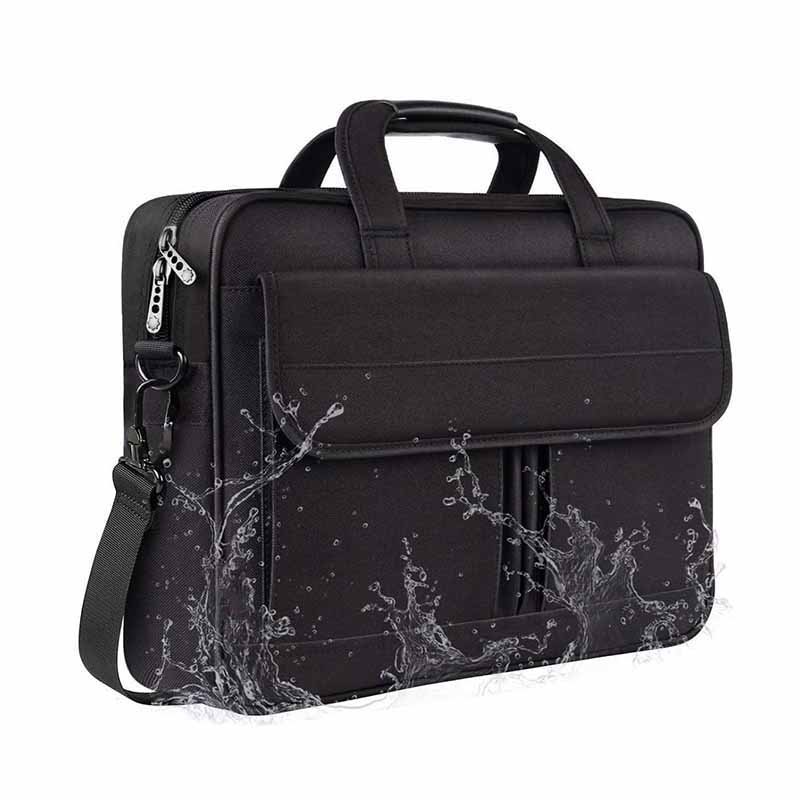
A waterproof briefcase is easy to describe but hard to manufacture well. Most people only see the outside: a clean shape, smooth zipper, firm handle, neat logo, and professional business style. But for brands, importers, retailers, Amazon sellers, and private label teams, the real value sits inside the construction. A waterproof briefcase must protect laptops, contracts, chargers, tablets, documents, and travel items from rain, spills, damp floors, and daily commuting pressure. If the fabric performs well but the zipper leaks, the product fails. If the seams look neat but the needle holes are not controlled, water can enter. If the bottom panel is weak, the bag may deform after several weeks of use.
Waterproof briefcase manufacturing techniques include waterproof fabric selection, neoprene lamination, coated textile bonding, seam sealing, zipper protection, reinforced stitching, padded compartment building, molded base support, logo application, and water-resistance testing. A durable waterproof briefcase should protect contents, keep a business-ready appearance, feel comfortable to carry, and remain consistent from sample to bulk production.
For many custom projects, the challenge is not only making one nice sample. The real challenge is producing 500, 1,000, 5,000, or 20,000 pieces with the same shape, same zipper smoothness, same seam strength, same logo position, and same waterproof performance. One small design mistake can create high return rates, bad reviews, delayed shipments, or extra inspection costs. That is why waterproof briefcase development should start with manufacturing logic, not only appearance. The following sections explain how waterproof briefcases are made from material to structure, so brands can make better decisions before starting OEM or private label production.
What Are Waterproof Briefcase Manufacturing Techniques?
Waterproof briefcase manufacturing techniques are the methods used to stop or reduce water entry while keeping the briefcase durable, professional, and comfortable for daily use. These methods include waterproof or water-resistant materials, laminated fabric layers, sealed seams, protected zippers, reinforced corners, padded laptop compartments, and controlled quality testing before shipment.
A strong waterproof briefcase is built through several connected decisions. The fabric must resist water. The zipper must reduce water entry. The seams must be controlled. The bottom must handle wet surfaces. The handle area must stay strong under weight. The inner structure must protect laptops without making the briefcase too bulky. When these areas work together, the briefcase performs well in real use.
Many custom briefcase projects fail because the product is judged only by the outside look during sampling. A sample may look premium on a desk, but problems appear after rain exposure, zipper pulling, laptop loading, or daily travel. From a factory point of view, waterproof briefcase manufacturing should be planned around five questions:
| Key Question | Why It Matters for Custom Projects |
|---|---|
| Where will the briefcase be used? | Office commute, business travel, outdoor work, school, or daily laptop carry require different waterproof levels. |
| What items will it carry? | Laptop size, charger weight, documents, samples, and tools affect padding and handle strength. |
| How much rain exposure is expected? | Light drizzle, heavy rain, wet floors, and outdoor use need different seam and zipper solutions. |
| What price range is required? | Material, zipper, welding, lining, and hardware choices directly affect unit cost. |
| What brand image is needed? | A corporate briefcase needs cleaner lines, while outdoor styles can accept stronger technical details. |
For Szoneier, waterproof briefcase manufacturing is not treated as one fixed product style. The company develops neoprene bags, koozies, sports supports, medical supports, wetsuits, and related waterproof or water-resistant products. This material background helps clients choose suitable neoprene thickness, coating, lamination, zipper type, seam method, lining, padding, and logo process according to real project needs.
What Makes a Briefcase Waterproof?
A briefcase becomes waterproof or strongly water-resistant when the shell, seams, openings, bottom, and inner protection are designed as one system. The outer material is important, but it is only the first layer. A fabric panel may block water very well before cutting. After cutting, stitching, folding, and zipper installation, many new water-entry points appear.
The most important waterproof areas include:
Outer shell material
Neoprene, TPU-laminated polyester, PU-coated nylon, coated Oxford, and PVC-coated fabric can all be used depending on the target market and cost.
Seam construction
Sewing creates needle holes. Seam taping, heat pressing, glue bonding, binding, or controlled stitching can reduce leakage.
Zipper opening
The zipper is one of the most common leakage points. Water-resistant zipper tape, zipper flaps, zipper garages, and covered zipper ends improve protection.
Bottom structure
A briefcase often touches wet floors, car mats, airport seats, office corners, or outdoor benches. Reinforced bottoms reduce water transfer and shape collapse.
Laptop compartment
Waterproof protection is not enough if the inner section cannot protect electronics from bumps. Foam, EVA, neoprene, and soft lining improve user confidence.
A strong waterproof briefcase usually uses a layered structure:
| Briefcase Area | Common Manufacturing Method | Customer Benefit |
|---|---|---|
| Outer surface | Neoprene, TPU, PU coating, coated Oxford | Blocks rain and splashes |
| Middle layer | Foam, EVA, neoprene, sponge | Adds shock absorption |
| Inner lining | Polyester, soft velvet, brushed lining | Protects laptop surface |
| Seams | Tight stitching, tape, bonding, heat sealing | Reduces water entry |
| Zipper | Water-resistant zipper, flap, garage | Protects the opening area |
| Bottom | Reinforced panel, coated fabric, base support | Handles wet surfaces and weight |
For a business briefcase, appearance also matters. Some waterproof bags look too much like outdoor dry bags. That style may not suit corporate clients, bank staff, office workers, consultants, lawyers, sales teams, or premium gift programs. A good waterproof briefcase needs a better balance: enough protection for rain and commuting, but still clean enough for meetings and business travel.
Is Waterproof the Same as Water-Resistant?
Waterproof and water-resistant are not the same in manufacturing. Water-resistant means the briefcase can handle light rain, small splashes, or short exposure. Waterproof means the product has stronger resistance to water entry, usually through better materials, sealed seams, protected zippers, and reinforced structure. In daily bag marketing, the two terms are often mixed, but factories must define them clearly before production.
For example, a neoprene briefcase with regular stitching and a standard zipper may protect against light rain, but it may not stay dry under long rain exposure. A TPU-laminated briefcase with heat-sealed seams and a water-resistant zipper can perform better. A fully welded structure may offer even stronger water protection, but it may change the appearance, hand feel, flexibility, and cost.
A practical way to choose the right level is to connect waterproof performance with real use:
| Protection Level | Suitable Use | Suggested Construction | Cost Impact |
|---|---|---|---|
| Light water-resistant | Office, short commute, indoor meetings | PU-coated fabric, neoprene shell, regular zipper flap | Lower |
| Daily rain protection | Commuting, business travel, laptop carry | Neoprene or TPU fabric, water-resistant zipper, reinforced seams | Medium |
| Strong waterproof protection | Outdoor sales, motorbike commute, wet city use | TPU fabric, heat sealing, RF welding, sealed zipper ends | Higher |
| Heavy-duty protection | Field work, travel gear, tool-carrying use | Coated fabric, welded seams, reinforced bottom, stronger hardware | Highest |
For brands, using the right wording is important. If the target product is designed for daily commuting, “water-resistant” or “rain-resistant” may be more accurate than claiming full waterproof performance. If the project requires stronger protection, the factory needs to adjust material, seam method, zipper, and testing standards from the beginning.
Szoneier can help clients define the right protection level during sampling. This avoids two common problems: overbuilding the briefcase and making it too expensive, or underbuilding it and causing complaints after launch. A slim laptop briefcase for office users does not need the same structure as a waterproof outdoor tool briefcase. The best solution is the one that matches real customer use.
Which Areas Leak First?
Most leakage problems happen around openings, seams, corners, handle joints, and the bottom panel. The main fabric surface is usually not the first problem. Water often enters where the fabric has been cut, sewn, folded, punched, zipped, or stressed during use.
The zipper area is the highest-risk section. A briefcase normally needs a long zipper so users can place laptops and documents inside easily. The longer the zipper, the more chances water has to enter. Regular zipper teeth have small gaps. Even water-resistant zippers need correct installation, because the zipper ends and puller gaps can still allow water to pass through. This is why zipper garages, end covers, and storm flaps are useful in better waterproof briefcases.
Seams are another major weak point. When fabric is stitched, every needle hole becomes a possible water channel. This does not mean stitching is bad. Many business briefcases still need stitching for shape, strength, and appearance. The key is to control stitch density, seam allowance, edge binding, and post-seam reinforcement. For higher waterproof requirements, seam tape, glue bonding, heat sealing, or RF welding can be added.
The bottom panel is often ignored during design, but it is highly important in real life. Users place briefcases on wet floors, restaurant chairs, taxis, airport ground, office entrances, and outdoor benches. A weak bottom can absorb moisture, collapse under weight, or wear out quickly. A reinforced bottom may include thicker material, EVA support, coated base fabric, rubber feet, or an extra protective layer.
Handle and strap attachment areas also need extra care. A briefcase carrying a 14–16 inch laptop, charger, notebook, tablet, and documents can easily reach 3–6 kg. Pulling pressure concentrates around the handle base. If the reinforcement patch is too small, stitching may loosen and water resistance may weaken.
| Leakage Area | Common Cause | Better Manufacturing Choice |
|---|---|---|
| Zipper line | Regular zipper teeth, exposed ends | Water-resistant zipper, flap, zipper garage |
| Side seams | Needle holes, poor seam allowance | Seam tape, tight stitching, bonding |
| Bottom corners | Folding stress, weak reinforcement | Reinforced corner panels, coated base |
| Handle base | Load pulling, loose stitching | Bar-tack stitching, inner reinforcement patch |
| Logo area | Needle holes or heat damage | Rubber patch, heat transfer, controlled embroidery |
| Inner pocket seams | Unsealed stitching | Better lining layout and seam control |
Good waterproof briefcase manufacturing is often about reducing risk one detail at a time. No single feature solves every problem. The best result comes from matching material, pattern design, seam process, zipper structure, and final inspection.
Are Neoprene Briefcases Waterproof?
Neoprene briefcases can offer strong water resistance, soft protection, and excellent daily usability, but the final waterproof level depends on how the briefcase is built. Neoprene itself has a closed-cell rubber structure, which helps resist water and provide cushioning. This is why neoprene is widely used in wetsuits, laptop sleeves, koozies, sports supports, medical supports, and protective bags.
For briefcases, neoprene offers several advantages that clients often care about:
Soft laptop protection
Neoprene absorbs small bumps and pressure better than many thin woven fabrics.
Smooth modern appearance
It gives a clean lifestyle look suitable for work, school, commuting, and travel.
Flexible structure
It can be used for slim briefcases, laptop cases, soft business bags, or hybrid designs.
Good logo options
It supports printing, heat transfer, rubber patches, woven labels, embossing, and custom color panels.
Comfortable hand feel
Compared with hard coated fabrics, neoprene feels softer and more user-friendly.
However, neoprene briefcases still need smart construction. If regular stitching is used without seam protection, water can enter through needle holes. If the zipper is not water-resistant, rain may still reach the inside. If the briefcase bottom has no support, it may lose shape when loaded with a laptop and charger.
Neoprene thickness should also be selected carefully:
| Neoprene Thickness | Best Use | Main Benefit | Possible Limitation |
|---|---|---|---|
| 2 mm | Slim document bag, light laptop sleeve | Lightweight, flexible | Less impact protection |
| 3 mm | Daily laptop briefcase | Balanced padding and shape | Needs good pattern control |
| 4 mm | Protective business briefcase | Better cushioning | Slightly bulkier |
| 5 mm | High-protection case or special gear bag | Stronger shock absorption | Higher material cost and heavier feel |
For most business briefcase projects, 3 mm to 4 mm neoprene is often a strong starting point. It gives better laptop protection without making the bag feel too heavy. For a slimmer style, 2 mm to 3 mm can work well. For outdoor or travel use, neoprene can also be combined with TPU, Oxford fabric, EVA, or reinforced lining.
Szoneier’s neoprene product background is useful here. Since the company works with neoprene bags, koozies, protective supports, wetsuits, and related products, it understands how neoprene behaves during cutting, sewing, lamination, printing, edge binding, and bulk production. This helps custom briefcase clients avoid common problems such as edge waving, zipper distortion, loose shape, poor logo adhesion, or unstable thickness across batches.
Which Materials Fit Waterproof Briefcase Manufacturing?
Materials for waterproof briefcase manufacturing should be chosen based on protection level, product style, retail price, weight, hand feel, laptop size, target market, and logo method. Common choices include neoprene, TPU-laminated polyester, PU-coated nylon, coated Oxford, PVC-coated fabric, EVA panels, foam padding, and soft lining. The best briefcase often uses more than one material.
A professional waterproof briefcase is rarely made from a single layer. The outer shell blocks water. The middle layer adds protection. The inner lining protects laptops and documents. The bottom layer supports weight. The zipper and seams close weak points. This is why material matching is more important than simply choosing the most expensive fabric.
For custom production, clients usually compare materials by several practical factors:
| Factor | Why Clients Care |
|---|---|
| Waterproof level | Determines product claim and user experience |
| Weight | A heavy briefcase feels tiring during commute |
| Hand feel | Premium products need a better touch |
| Shape stability | Briefcase must not collapse after loading |
| Logo effect | Printing, embossing, embroidery, and patches perform differently |
| MOQ | Special materials may require higher minimum order quantity |
| Color range | Brand colors may need custom dyeing or lamination |
| Bulk consistency | Color, thickness, and coating must remain stable |
| Cost | Material selection strongly affects final unit price |
Szoneier can support custom material selection based on the client’s briefcase style, target price, sample requirement, MOQ plan, and private label needs. For clients who are unsure which material fits their market, the best path is to start with product use first: office commute, laptop protection, outdoor work, travel, promotional gift, retail brand, or e-commerce product line.
Which Fabrics Work Best?
The best waterproof briefcase fabric depends on the product’s position. A premium business briefcase needs a clean and refined surface. A travel briefcase needs stronger abrasion resistance. A laptop briefcase needs padding and shock absorption. A promotional briefcase needs stable cost and easy logo application. A high-end private label briefcase may need a custom material combination.
Neoprene is a strong option for soft waterproof briefcases, especially laptop-focused designs. It gives cushioning, water resistance, flexibility, and a smooth modern feel. TPU-laminated fabric works well when the brand wants a stronger waterproof surface and more technical appearance. PU-coated nylon or polyester is widely used for lighter commuter briefcases because it balances cost, water resistance, and color options. Coated Oxford fabric offers better structure and durability, especially for travel and work bags. PVC-coated fabric can provide strong water blocking, but it may feel heavier or more industrial.
| Fabric Type | Water Protection | Hand Feel | Durability | Best Product Fit |
|---|---|---|---|---|
| Neoprene | Medium to high | Soft and cushioned | Good | Laptop briefcase, soft business bag |
| TPU-laminated polyester | High | Smooth and technical | High | Waterproof travel briefcase |
| PU-coated nylon | Medium | Lightweight | Medium | Daily commuter briefcase |
| Coated Oxford | Medium to high | Structured | High | Work briefcase, travel bag |
| PVC-coated fabric | High | Firm and heavier | High | Heavy-duty waterproof bag |
| Recycled polyester coating | Medium | Fabric-like | Medium | Eco-focused briefcase |
For clients planning an e-commerce launch, fabric choice also affects product photos and reviews. Neoprene looks soft and protective in images. TPU looks more waterproof and technical. Oxford fabric looks durable and practical. A poor match between product appearance and customer expectation can lead to lower conversion. For example, a corporate client may not want a shiny outdoor waterproof bag, even if it performs well. A motorcycle commuter may not trust a slim fabric briefcase if it looks too delicate.
The best approach is to select two or three fabric routes during sampling. Szoneier can help compare hand feel, structure, logo effect, water performance, and estimated cost before bulk production.
Is Neoprene a Good Choice?
Neoprene is a good material for waterproof briefcase manufacturing when the product needs water resistance, laptop cushioning, soft hand feel, and a clean modern look. It is especially suitable for office workers, students, business travelers, remote workers, sales teams, and lifestyle brands that want a protective but not overly technical briefcase.
Compared with ordinary fabric, neoprene has a more protective character. It cushions laptops and tablets during small bumps, while also resisting light rain and splashes. Compared with hard shells, it feels more comfortable and flexible. Compared with thin coated polyester, it gives a higher perceived value when the thickness, stitching, zipper, and logo are handled well.
Clients often choose neoprene briefcases for:
- 13 inch, 14 inch, 15.6 inch, and 16 inch laptop briefcases
- Slim business briefcases with handles
- Soft waterproof document bags
- Promotional corporate laptop bags
- Private label commuter bags
- Travel laptop cases
- Hybrid briefcases with shoulder straps
- Custom logo neoprene work bags
The main challenge is structure. Neoprene is soft, so the briefcase may need extra support in the bottom, handle area, and laptop compartment. If the design needs a sharp rectangular shape, the factory may add EVA, foam, lining, binding, or reinforced panels. If the product needs stronger rain protection, zipper and seam design must be upgraded.
| Neoprene Strength | Manufacturing Attention |
|---|---|
| Soft padding | Choose correct thickness and density |
| Water resistance | Improve seams and zipper structure |
| Flexible shape | Add support if a firm briefcase shape is needed |
| Logo friendly | Test printing or patch adhesion before bulk |
| Comfortable carry | Reinforce handle and strap load points |
| Good retail look | Control edge finish and surface flatness |
For Szoneier, neoprene is a core material category. The company’s experience in neoprene bags, koozies, sports supports, medical supports, and wetsuits gives it a deeper understanding of stretching, thickness tolerance, lamination, surface fabric choice, bonding, and sewing behavior. This matters because neoprene briefcase quality depends heavily on how the material is handled during production, not only on the material name.
What Thickness Is Better?
The best thickness depends on the briefcase size, laptop weight, target price, waterproof level, and shape requirement. Thicker material is not always better. A thick briefcase may protect better, but it may also feel bulky, increase shipping volume, raise material cost, and make zipper installation harder. A thin briefcase may look sleek, but it may not protect the laptop well enough.
For neoprene briefcases, 2 mm to 5 mm is a common working range. Slim document cases may use 2 mm to 3 mm. Daily laptop briefcases often use 3 mm to 4 mm. High-protection laptop cases or special gear bags may use 4 mm to 5 mm. For coated fabrics, thickness is usually judged together with denier, coating weight, backing, and lamination type.
| Product Type | Suggested Material Structure | Reason |
|---|---|---|
| Slim document briefcase | 2–3 mm neoprene or PU-coated fabric | Light, easy to carry, cost-friendly |
| Daily laptop briefcase | 3–4 mm neoprene with soft lining | Better balance of padding and weight |
| Premium business briefcase | Neoprene plus structured panel | Cleaner shape and stronger appearance |
| Travel waterproof briefcase | TPU fabric plus foam or EVA | Better water blocking and durability |
| Outdoor work briefcase | Coated Oxford or TPU with reinforced base | Stronger abrasion and load resistance |
Laptop size also affects thickness choice:
| Laptop Size | Common Briefcase Focus | Suggested Padding Direction |
|---|---|---|
| 13 inch | Slim, light, compact | 2–3 mm neoprene or light foam |
| 14 inch | Office and school use | 3 mm neoprene or foam lining |
| 15.6 inch | Mainstream business laptop | 3–4 mm neoprene plus reinforced corners |
| 16 inch | Larger business or creator laptop | 4 mm padding and stronger handle support |
| 17 inch | Heavy-duty laptop carry | Extra base support and reinforced straps |
For custom projects, clients should also consider packing and shipping. A thick briefcase takes more carton space. If the retail price is limited, extra thickness may not bring enough added value. A smart design may use medium-thickness material plus reinforced high-risk areas instead of making the whole bag thick. For example, the bottom and laptop corners can be strengthened while the front and back panels stay lighter.
Szoneier can help create samples in different thickness options so clients can compare hand feel, weight, shape, laptop fit, and cost before choosing the final specification.
Are Eco Materials Available?
Eco material options are available for waterproof briefcase manufacturing, but they should be selected with both sustainability and performance in mind. A material may sound responsible, but if it wears out quickly, leaks easily, smells bad, or fails bulk inspection, it will not help the brand. A better eco briefcase should be durable, functional, and honestly presented.
Common eco-conscious options may include recycled polyester fabric, recycled nylon, water-based PU coating, TPU alternatives with improved material documentation, recycled packaging paper, reusable dust bags, and reduced-plastic packing methods. Some clients may also request recycled lining, FSC paper hangtags, soy-based ink printing, or recyclable carton packaging.
| Eco Option | Possible Use | Important Check |
|---|---|---|
| Recycled polyester | Outer shell or lining | Color stability and coating quality |
| Water-based PU coating | Water-resistant surface | Hydrolysis resistance and hand feel |
| Recycled lining | Inner laptop compartment | Abrasion and colorfastness |
| FSC paper packaging | Hangtag, box, insert card | Printing quality and MOQ |
| Reduced plastic packing | Bulk shipment | Moisture protection during shipping |
| Recycled neoprene blend | Special neoprene projects | Thickness, density, odor, flexibility |
Eco material selection also affects MOQ and cost. Special recycled fabrics or custom colors may require higher minimum order quantities than standard materials. For small or medium custom orders, clients may start with available eco materials first, then move to custom-developed materials after market validation.
For brands selling in Europe, North America, Japan, Australia, or premium retail channels, documentation may also be needed. Depending on the project, clients may ask for material reports, restricted substance testing, packaging information, or supplier declarations. These details should be discussed early, not after bulk goods are finished.
Szoneier can support clients with standard waterproof materials, neoprene options, coated fabrics, and available eco-conscious alternatives. For a new waterproof briefcase line, the safest approach is to test eco materials during sampling. Clients can compare water performance, hand feel, odor, color, logo effect, and cost before confirming bulk production.
How Do Waterproof Briefcase Manufacturing Seams Work?
Waterproof briefcase manufacturing seams work by reducing water entry at every joined edge. Since cutting and stitching create weak points, factories use controlled sewing, seam taping, adhesive bonding, heat sealing, RF welding, edge binding, and reinforced corner construction to improve protection. The right seam method depends on fabric type, waterproof level, product shape, order quantity, and target cost.
Seams are one of the most important parts of a waterproof briefcase. A large fabric panel may resist water very well, but once it is cut into front panels, back panels, gussets, pockets, zipper openings, handle patches, and lining parts, every connection becomes a possible failure point. In other words, waterproof performance is not decided only by fabric. It is decided by how the fabric is joined.
For business briefcases, seam construction is more complex than outdoor dry bags. A briefcase must look clean, hold shape, open smoothly, protect a laptop, and carry weight. Some strong waterproof techniques may make the bag too stiff or too sporty. Some soft business-style seams may look elegant but provide weaker rain protection. A good manufacturer needs to choose a method that fits the final customer’s use, not just one that sounds technically strong.
A daily commuter waterproof briefcase may use tight stitching, binding, water-resistant zipper flaps, and reinforced seams. A higher-end waterproof laptop briefcase may add bonded seams or hidden seam tape. A technical waterproof work briefcase may use heat sealing or RF welding on key panels. The more waterproof the structure becomes, the more carefully the factory must manage material compatibility, production speed, machine setup, and appearance control.
| Seam Method | Waterproof Level | Appearance | Best Use | Cost Level |
|---|---|---|---|---|
| Regular stitching | Low to medium | Clean, common | Basic business briefcases | Low |
| Tight stitching + binding | Medium | Neat and durable | Daily waterproof briefcases | Low to medium |
| Seam taping | Medium to high | Hidden inside | Laptop and travel briefcases | Medium |
| Glue bonding | Medium to high | Smooth, clean | Neoprene and soft briefcases | Medium |
| Heat sealing | High | Technical, smooth | Coated fabrics and waterproof bags | Medium to high |
| RF welding | High | Strong, professional | TPU/PVC waterproof briefcases | High |
For custom production, clients should not simply ask for the strongest seam. They should ask which seam method best fits the product style, material, price point, and customer use. A slim neoprene laptop briefcase for office users may not need full RF welding. A field-work waterproof briefcase may need it. Good seam planning can prevent leakage, reduce returns, improve product reviews, and make the bag feel more reliable from the first touch.
What Is Heat Sealing?
Heat sealing is a manufacturing method that uses heat and pressure to join coated materials or seal seam areas. In waterproof briefcase manufacturing, heat sealing can reduce water entry through seams by bonding compatible surfaces together. It is often used with TPU-coated, PU-coated, PVC-coated, or certain laminated fabrics.
The basic idea is simple: instead of relying only on thread, the factory uses heat to activate the coating or sealing tape so two surfaces bond together. This creates a cleaner water barrier than normal stitching. In some briefcase designs, heat sealing may be used on inside seams, zipper areas, pocket edges, or bottom panels. It can also be combined with stitching when the bag needs both strength and improved water resistance.
Heat sealing works best when the material is compatible with the process. Not every fabric can be heat sealed well. Some fabrics may melt, deform, shrink, wrinkle, or lose surface texture if heat is too high. Some coatings bond better than others. This is why sample testing is important before bulk production.
Key heat sealing considerations include:
Material coating type
TPU, PU, and PVC coatings react differently to heat and pressure.
Sealing temperature
Too low may create weak bonding; too high may damage the surface.
Pressure control
Uneven pressure can cause weak points or visible marks.
Seam width
Wider sealing areas may improve waterproofing but can change appearance.
Production speed
Heat sealing requires skilled operators and stable machine settings.
| Heat Sealing Factor | Poor Control May Cause | Better Factory Practice |
|---|---|---|
| Temperature | Burn marks, weak bonding, shrinkage | Test temperature before mass work |
| Pressure | Uneven sealing, gaps | Use stable machine pressure |
| Material match | Peeling or surface damage | Confirm material compatibility |
| Seam width | Bulky or weak edges | Balance waterproofing and appearance |
| Operator skill | Inconsistent bulk quality | Use trained workers and QC checks |
For business briefcases, heat sealing must be used carefully because appearance matters. A heavy sealing mark may be acceptable on an outdoor waterproof bag, but not on a premium office briefcase. Szoneier can help clients decide whether heat sealing should be used across the whole bag or only in high-risk areas such as bottom seams, side seams, zipper panels, and inner waterproof layers.
What Is RF Welding?
RF welding, also called high-frequency welding, is a process that uses electromagnetic energy to bond compatible materials. In waterproof briefcase manufacturing, RF welding is mainly used for materials such as TPU or PVC-coated fabrics. It can create strong, clean, and highly water-resistant seams without traditional needle stitching in the welded area.
RF welding is often seen in waterproof bags, outdoor gear, inflatable products, medical items, and technical cases. For briefcases, it can be useful when the product needs stronger waterproof protection, a modern technical look, and clean sealed seams. Unlike sewing, RF welding does not create needle holes, so it can reduce leakage risk at joined panels.
However, RF welding is not suitable for every briefcase design. It requires compatible materials, proper tooling, machine setup, and stable production control. The tooling or die shape may need to match the seam line. If the briefcase has many curved panels, thick padding, soft neoprene layers, or complex inner pockets, RF welding may not be the best method for the whole structure.
RF welding is often suitable for:
- TPU waterproof briefcases
- PVC-coated work briefcases
- Technical laptop bags
- Outdoor business bags
- Waterproof document cases
- Travel briefcases with sealed panels
- Industrial or field-use briefcases
RF welding may be less suitable for:
- Soft full-neoprene briefcases
- Classic stitched business briefcases
- Designs with many small pockets
- Very low MOQ projects with complex tooling
- Designs that need a traditional fabric-hand feel
| RF Welding Advantage | Practical Value |
|---|---|
| No needle holes | Better water resistance at seams |
| Strong bonding | Good for coated technical materials |
| Clean seam line | Modern waterproof appearance |
| Good repeatability | Suitable for larger production after setup |
| Strong edge sealing | Helps with wet-use environments |
The main trade-off is cost and design flexibility. RF welded briefcases may need more development work before production. Tooling, seam layout, material selection, and panel design must be planned carefully. For premium waterproof product lines, this investment can be worthwhile. For a soft business laptop briefcase, a hybrid method may be better: stitching for structure, bonding or taping for protection, and waterproof zipper design for the opening.
Szoneier can help clients compare RF welding, heat sealing, stitching, and bonding based on the target use. This prevents over-engineering and keeps the product aligned with both performance and market price.
Do Stitches Cause Leaks?
Stitches can cause leaks because each needle hole creates a small opening in the fabric. This does not mean stitched briefcases are bad. Many high-quality waterproof briefcases still use stitching because sewing gives structure, strength, shape control, and a clean business look. The problem is not stitching itself. The problem is stitching without proper waterproof planning.
When a needle passes through coated fabric, neoprene, or lining, it opens tiny channels. Under light rain, this may not matter much. Under heavy rain, pressure, or long exposure, water can slowly enter through these holes. The risk becomes higher at seams facing upward, zipper seams, bottom corners, handle joints, and outer pockets.
Factories can reduce stitch-related leakage through several methods:
Use proper stitch density
Too many stitches create more holes; too few stitches reduce seam strength.
Choose suitable thread
Strong polyester or nylon thread improves durability and reduces breakage.
Add binding or seam tape
This covers or protects the seam area.
Use glue or bonding before stitching
This improves seal and keeps panels stable.
Avoid exposed stitch lines in high-water areas
Hidden seams or covered seams reduce direct rain contact.
Reinforce only where needed
Over-stitching can weaken water resistance if not controlled.
| Stitch Problem | Result | Manufacturing Solution |
|---|---|---|
| Too many stitches | More needle holes | Adjust stitch density |
| Poor thread tension | Loose seams, gaps | Calibrate sewing machines |
| Exposed zipper stitching | Water entry around opening | Add zipper flap or seam tape |
| Weak handle stitching | Tearing under load | Add reinforcement patch and bar-tack |
| Rough seam allowance | Bulky and uneven edge | Trim and bind edges properly |
For business waterproof briefcases, sewing is often necessary. A fully sealed structure may look less refined, while a properly stitched and reinforced structure can look more premium. The key is to control where stitching appears and how it is protected. For example, visible stitching can be used for styling on lower-risk panels, while hidden bonding or seam tape can be used near the zipper or bottom.
Szoneier’s production team can adjust stitching plans according to product size, fabric thickness, laptop weight, waterproof requirement, and logo placement. This is especially important for neoprene briefcases because neoprene stretches and compresses during sewing. Poor sewing control can cause wavy edges, uneven zipper lines, or distorted panels.
How Are Corners Sealed?
Corners are difficult to waterproof because they carry both water pressure and structural stress. A briefcase corner may include several layers: outer fabric, foam, lining, piping, zipper tape, binding, and seam allowance. When these layers fold together, small gaps can appear. If the corner is not sealed or reinforced properly, it becomes one of the first places to leak or wear out.
In daily use, corners also receive impact. Users place briefcases on floors, slide them under seats, put them in car trunks, lean them against walls, and carry them through crowded areas. Bottom corners may rub against rough surfaces. Top corners may receive zipper stress. Laptop corners inside the bag also need protection because electronics are most vulnerable at the edges.
Corner sealing can include:
Rounded pattern design
Rounded corners reduce folding stress and help the zipper run smoothly.
Reinforced corner patches
Extra fabric or coated material increases durability.
Binding tape control
Clean binding keeps edges tight and reduces fraying.
Heat sealing or bonding
Suitable for coated fabrics and high-water-risk corners.
Inner foam shaping
Foam or EVA can protect laptop corners from impact.
Bar-tack reinforcement
Used near handle, strap, and stress points.
| Corner Type | Main Risk | Better Solution |
|---|---|---|
| Bottom corner | Wet floor contact, abrasion | Reinforced coated panel or EVA support |
| Zipper corner | Water entry, zipper tension | Zipper garage and rounded pattern |
| Laptop corner | Impact damage | Padded inner sleeve and corner foam |
| Handle-side corner | Load stress | Inner reinforcement patch |
| Side gusset corner | Folding gap | Better pattern alignment and seam control |
The shape of the briefcase also affects corner sealing. A very sharp rectangular shape may look professional, but it can be harder to seal and may create stress at the edges. A slightly rounded corner can improve durability and zipper movement while still looking clean. This is why pattern engineering matters so much in waterproof briefcase manufacturing.
For custom projects, clients should check the sample corners carefully. Press the corners, bend them, place the sample on a wet surface, open and close the zipper several times, and check whether the shape stays stable. If the corners look beautiful only in photos but feel weak by hand, the design needs adjustment before bulk production.
Which Parts Matter in Waterproof Briefcase Manufacturing?
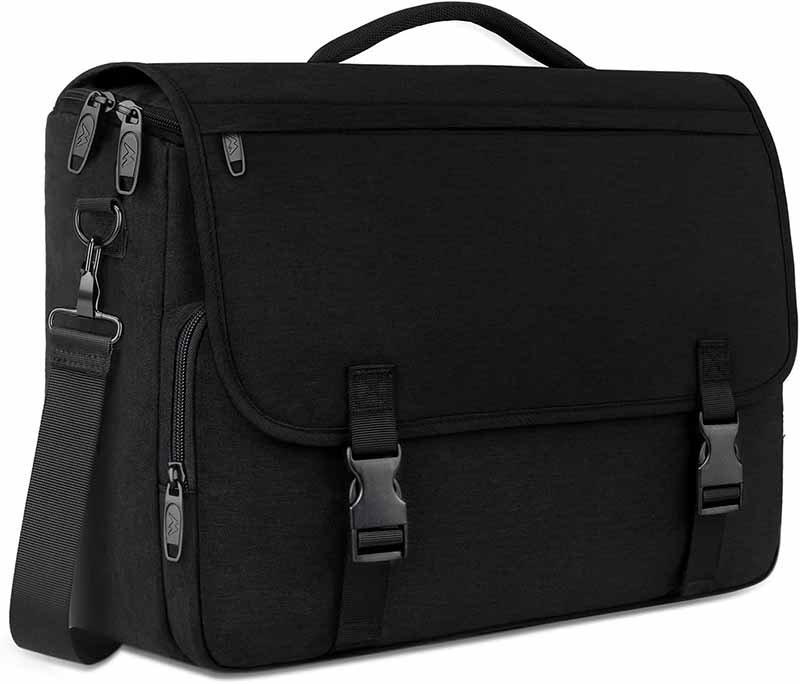
The most important parts in waterproof briefcase manufacturing are zippers, handles, shoulder straps, laptop padding, bottom panels, inner pockets, logo areas, and hardware. These parts decide how the briefcase performs in real use. A good waterproof material cannot save the product if the zipper leaks, the handle tears, or the laptop compartment has weak padding.
A briefcase is used differently from a simple pouch. It carries important items and is opened many times each day. It may be placed on wet floors, carried through rain, pressed inside luggage, pulled by handles, hung on shoulders, and used in professional settings. This means every component must be chosen for both function and appearance.
For custom waterproof briefcases, part selection should match the target user. A business traveler may care about a luggage strap, trolley sleeve, document divider, and 15.6 inch laptop protection. A commuter may care about light weight, water-resistant zipper, easy-access pocket, and comfortable handle. A corporate gift project may care more about logo placement, packaging, and stable cost. A premium brand may care about every touchpoint, including zipper puller, lining texture, hardware finish, and stitching neatness.
| Component | Main Function | Manufacturing Risk | Better Choice |
|---|---|---|---|
| Zipper | Opening and closure | Leakage, jamming, weak ends | Water-resistant zipper and end covers |
| Handle | Carrying load | Tearing, loose stitching | Reinforced base and bar-tack |
| Shoulder strap | Comfort and load sharing | Weak hooks, poor padding | Strong webbing and metal/plastic hardware |
| Laptop padding | Electronics protection | Thin foam, poor fit | Neoprene, EVA, foam, soft lining |
| Bottom panel | Shape and floor protection | Wear, water transfer | Coated base, EVA, rubber feet |
| Inner pockets | Organization | Too many seams | Smart layout and hidden seams |
| Logo area | Brand identity | Needle holes, peeling | Tested printing or patches |
A high-quality waterproof briefcase feels reliable because these parts work together. The zipper slides smoothly. The handle feels firm. The laptop compartment holds shape. The base does not collapse. The logo looks clean. The bag does not feel overbuilt or cheap. This level of product control comes from experience, not guesswork.
Which Zippers Are Better?
Water-resistant zippers are usually better for waterproof briefcases than regular zippers, especially when the bag is designed for laptops, documents, and business travel. The zipper is one of the easiest places for water to enter, so zipper choice has a direct effect on user experience.
There are several zipper options for waterproof briefcases:
| Zipper Type | Water Protection | Appearance | Best Use |
|---|---|---|---|
| Regular nylon zipper | Low | Common and soft | Basic briefcase, low rain exposure |
| Reverse coil zipper | Medium | Cleaner look | Daily commuter briefcase |
| PU-coated zipper | Medium to high | Smooth and modern | Laptop waterproof briefcase |
| Waterproof zipper | High | Technical | Strong waterproof bags |
| Zipper with storm flap | Medium to high | More covered | Business and travel briefcases |
A waterproof zipper does not work well by itself if the installation is poor. The zipper ends must be handled correctly. The puller gap, zipper tape stitching, and corner turns need attention. A long zipper around a briefcase opening may look useful, but it also creates more leakage risk. This is why zipper path design matters.
Good zipper planning includes:
- Choosing the right zipper size for the bag structure
- Adding zipper garages at the end points
- Avoiding sharp zipper corners
- Controlling zipper tape tension during sewing
- Using storm flaps or covered zipper designs when needed
- Testing opening and closing after loading the bag
For premium business briefcases, zipper smoothness also affects perceived quality. Customers may not understand fabric coating or seam methods, but they immediately notice whether a zipper feels smooth or rough. A stuck zipper can make a good-looking product feel cheap. For e-commerce products, zipper complaints often become visible in reviews, so this part deserves serious attention.
Szoneier can help clients choose zipper type according to waterproof level, design style, budget, and order quantity. For some projects, a PU-coated zipper with a hidden flap provides a good balance between waterproof protection and business appearance.
How Are Handles Reinforced?
Handles are reinforced through inner patches, stronger stitching, bar-tack sewing, wider stress distribution, better webbing, and stronger connection points. A waterproof briefcase may look clean on the outside, but the handle area must be strong enough to carry real weight every day.
A loaded business briefcase can become heavier than expected. A laptop may weigh 1.2–2.5 kg. A charger, notebook, tablet, documents, mouse, and power bank can add another 1–3 kg. For larger work briefcases, total carrying weight can reach 5–8 kg. If the handle base is weak, the fabric may stretch, stitching may loosen, or the panel may tear.
Handle reinforcement usually includes:
Inner reinforcement patch
A hidden layer spreads pulling force across a larger area.
Bar-tack stitching
Dense stitches strengthen stress points.
Box stitching
A square or rectangular stitch pattern improves load distribution.
Stronger webbing
Polyester or nylon webbing can handle repeated pulling.
Layered panel support
Neoprene, foam, EVA, or coated fabric may be combined for shape and strength.
Hardware testing
D-rings, buckles, hooks, and adjusters must match the expected load.
| Handle Area | Risk | Reinforcement Method |
|---|---|---|
| Top handle base | Pulling and tearing | Inner patch and bar-tack |
| Side handle | Uneven load | Wider stitch area |
| Shoulder strap D-ring | Hardware failure | Strong ring and reinforced loop |
| Webbing connection | Fraying or slipping | Folded end and dense stitching |
| Padded handle | Weak comfort layer | Foam insert and wrapped cover |
For neoprene briefcases, reinforcement is especially important because neoprene is soft and flexible. Without reinforcement, the handle area may stretch after repeated use. Szoneier can add hidden support layers while keeping the outside appearance clean. This helps the bag remain professional while improving durability.
Clients should always test handle strength during sample review. A simple check is to load the sample with the expected real weight, carry it repeatedly, pull the handle from different angles, and inspect whether the stitching shifts. For bulk orders, handle strength should also be included in QC inspection.
How Is Laptop Padding Added?
Laptop padding is added through neoprene, EVA, foam, sponge, quilted lining, soft velvet lining, or layered protective panels. In waterproof briefcase manufacturing, laptop protection is just as important as water protection. A bag that blocks rain but allows impact damage still fails the user.
A good laptop compartment should protect against three things:
- Water or moisture from outside
- Impact from daily carrying
- Scratches from rough inner surfaces
For laptop briefcases, padding is often built into the main body or added as a separate inner sleeve. The design depends on the product style. A slim neoprene briefcase may use the neoprene shell itself as cushioning. A structured travel briefcase may use EVA panels and foam. A premium business briefcase may add a soft lining to protect laptop surfaces.
| Padding Material | Protection Level | Feel | Best Use |
|---|---|---|---|
| Neoprene | Medium | Soft and flexible | Slim laptop briefcases |
| EVA | High | Firm and structured | Travel and protective briefcases |
| Foam sponge | Medium | Soft and light | Daily commuter bags |
| Velvet lining | Scratch protection | Soft and premium | Premium laptop compartments |
| PE board | Structure support | Firm | Bottom and back panels |
| Air mesh | Breathability | Cushioned | Back panels and shoulder pads |
Laptop fit also matters. A compartment that is too loose allows the laptop to move. A compartment that is too tight makes the bag difficult to use. Standard laptop sizes such as 13 inch, 14 inch, 15.6 inch, and 16 inch should be matched with real internal dimensions, not only screen size. Different laptop brands have different body sizes even with the same screen size.
For custom projects, clients should provide target laptop dimensions, not only “fits 15 inch laptop.” A better specification includes:
| Specification Needed | Example |
|---|---|
| Laptop body size | 358 × 245 × 18 mm |
| Max laptop size | 15.6 inch business laptop |
| Padding thickness | 3 mm neoprene or 5 mm foam |
| Inner lining | Soft polyester or velvet |
| Closure method | Elastic strap, Velcro, zipper, or open sleeve |
| Drop protection need | Light daily use or stronger travel use |
Szoneier can develop laptop compartments according to product size, target laptop model, padding level, and inner layout. For private label projects, the factory can also help create different sizes within one product line, such as 13 inch, 14 inch, 15.6 inch, and 16 inch waterproof briefcases.
Can Logos Stay Waterproof?
Logos can stay waterproof or water-resistant if the logo method is selected correctly and tested with the briefcase material. Poor logo application can damage the waterproof layer, create needle holes, peel after use, or reduce the premium look of the product. For waterproof briefcases, branding should be planned together with material and seam construction.
Common logo methods include:
| Logo Method | Best For | Waterproof Risk | Notes |
|---|---|---|---|
| Heat transfer | Neoprene, coated fabric | Low if tested well | Clean and lightweight |
| Rubber patch | Neoprene and fabric bags | Low to medium | Premium outdoor look |
| Woven label | Fabric briefcases | Medium | Sewing creates holes |
| Embroidery | Neoprene or fabric | Medium to high | Needs backing and placement control |
| Screen printing | Flat panels | Low to medium | Good for simple graphics |
| Silicone logo | Premium waterproof bags | Low | Strong modern look |
| Debossing | Certain synthetic materials | Low | Subtle and premium |
Embroidery looks premium on many bags, but it may not be the best choice for high-water areas because the needle passes through the material many times. If embroidery is required, it should be placed where water exposure is lower or supported with backing treatment. Woven labels also require stitching, so placement matters.
Heat transfer and rubber patches are often better options for neoprene waterproof briefcases. They can create a clean brand look without too many needle holes. However, adhesion must be tested. Some coated materials are harder to bond, and some logo films may peel if the surface is not suitable. Testing should include rubbing, bending, light water exposure, and temperature checks.
For private label and OEM briefcases, logo planning should include:
- Logo size
- Logo position
- Color matching
- Material compatibility
- Adhesion test
- Wash or wipe resistance
- Packing protection
- Bulk production consistency
A logo is not only decoration. It affects the customer’s first impression. A crooked patch, peeling print, or rough embroidery can make the whole briefcase feel low quality even if the material is good. Szoneier offers free design support and custom logo solutions for waterproof briefcase projects, helping clients choose branding methods that match product style, waterproof needs, and target price.
How Is Waterproof Briefcase Manufacturing Tested?
Waterproof briefcase manufacturing is tested through water spray checks, surface resistance checks, seam inspection, zipper testing, load testing, rubbing tests, drop checks, and final QC before shipment. Testing helps confirm whether the briefcase can handle rain, splashes, daily commuting, laptop weight, zipper use, and repeated carrying without early failure.
Testing is where a waterproof briefcase moves from “looks good” to “ready for real customers.” A sample may look clean in photos, but quality problems often appear when water, weight, movement, and repeated use are added. A zipper may look premium but leak at the corners. A handle may look strong but stretch after carrying a laptop for several days. A logo may look clean but peel when the surface bends. A bottom panel may look flat on a table but collapse when the briefcase is loaded.
For custom production, testing should not wait until bulk goods are finished. The smarter approach is to check waterproof performance and structural strength during material selection, sample development, pre-production sample approval, inline inspection, and final shipment inspection. This reduces the risk of large-scale defects.
A good waterproof briefcase inspection plan usually covers four areas:
| Test Area | What It Checks | Why It Matters |
|---|---|---|
| Water protection | Surface, seams, zipper, bottom | Prevents leakage complaints |
| Carrying strength | Handles, straps, hardware, stitching | Prevents tearing and returns |
| Laptop protection | Padding, inner size, corner support | Protects electronics |
| Appearance quality | Logo, color, shape, stitching, zipper line | Protects brand image |
For brands selling through Amazon, Shopify, retail stores, corporate programs, or wholesale channels, testing also protects reviews and repeat orders. A waterproof briefcase is often used to carry expensive items. If the customer’s laptop or documents get wet, dissatisfaction is much higher than with an ordinary fashion bag. This is why clear testing standards are important before mass production.
Szoneier can support waterproof briefcase projects with material checks, sample testing, inline inspection, and final QC. For OEM and private label orders, clients can define their required water-resistance level, loading weight, laptop size, logo durability, packing method, and inspection points before confirming production.
How Is Water Resistance Tested?
Water resistance is tested by exposing the briefcase to controlled water conditions and checking whether water enters the inner compartment. The test method depends on the product claim. A daily commuter briefcase may need light rain simulation. A technical waterproof briefcase may need stronger spray exposure, longer duration, or more detailed seam checks.
For many business briefcase projects, a practical water test may include water spray from different angles, zipper area inspection, seam area inspection, and bottom surface exposure. The goal is not only to see whether the outer fabric repels water, but also whether water reaches the inside through weak points.
Common water-resistance checks include:
Surface spray test
Water is sprayed on the front, back, side, and bottom panels to check fabric resistance.
Zipper exposure test
Water is sprayed or wiped across the zipper line to check if moisture enters.
Seam check
Side seams, bottom seams, zipper seams, and handle seams are inspected after water exposure.
Bottom contact check
The briefcase is placed on a damp surface to check whether water transfers through the base.
Inner tissue check
Dry tissue or paper can be placed inside the briefcase to detect small water entry.
| Test Method | Best For | What to Watch |
|---|---|---|
| Light spray test | Daily business briefcase | Fabric surface and zipper area |
| Angled spray test | Commuter briefcase | Side seams and corners |
| Damp surface test | Bottom panel | Water transfer from wet floors |
| Inner paper check | Laptop compartment | Small leaks inside the bag |
| Longer exposure test | Higher waterproof claims | Seam and zipper performance |
The water test should match the final product claim. If the briefcase will be marketed for daily office commuting, the test should focus on short rain, splashes, and wet surface contact. If the briefcase will be sold as a heavy waterproof travel bag, the test must be stronger. Overstating waterproof performance can create customer complaints, so product copy, test level, and construction must match each other.
Water resistance can also change after repeated use. Zippers wear, coatings bend, seams stretch, and corners receive pressure. For higher-quality projects, the factory may combine water testing with opening cycles, rubbing checks, and load tests. This gives a more realistic view of performance.
Szoneier can help clients set practical testing requirements based on product price, target market, and use environment. This is especially useful for brands developing their first waterproof briefcase line and unsure how much protection is enough.
How Is Seam Strength Checked?
Seam strength is checked by pulling, loading, bending, and visually inspecting the joined areas of the briefcase. Since seams hold the bag together and affect waterproof performance, weak seams can cause both leakage and structural failure. Important areas include side seams, bottom seams, zipper seams, handle attachments, shoulder strap loops, and inner pocket seams.
A strong seam should meet several conditions:
- It should not open under normal pulling force.
- Stitching should be even and tight.
- Thread should not break easily.
- Seam allowance should be consistent.
- The fabric should not tear around the stitch line.
- Waterproof treatment should remain stable after stress.
- The seam should not create ugly bulges or wavy edges.
For waterproof briefcases, seam strength is more complicated than regular bag production. A seam may be strong but not water-resistant. Another seam may be sealed well but too stiff or easy to crack. The factory needs to balance strength, waterproofing, appearance, and flexibility.
| Seam Location | Main Stress | QC Focus |
|---|---|---|
| Side seam | Bag expansion and loading | Even stitch line and no opening |
| Bottom seam | Weight and wet floor contact | Reinforcement and water resistance |
| Zipper seam | Opening force and rain exposure | Zipper tape alignment and sealing |
| Handle seam | Pulling force | Bar-tack, inner patch, thread strength |
| Strap loop | Shoulder load | Hardware and webbing connection |
| Inner pocket seam | Daily organization use | Clean sewing and no loose thread |
Seam strength can be checked during sample review by loading the briefcase with real items. For example, place a laptop, charger, documents, and a water bottle inside. Carry the bag by the handle and shoulder strap. Pull the handle upward and sideways. Open and close the zipper several times. Check whether the seams stretch, wrinkle, open, or show thread tension problems.
For bulk production, inline inspection is important. If seam problems are discovered only after all goods are finished, repair becomes slow and expensive. Szoneier can arrange process checks during cutting, sewing, bonding, zipper installation, handle attachment, and final packing. This helps keep seam quality stable across the whole order.
For private label clients, seam strength should be written into the production standard. Clear requirements reduce misunderstanding between the brand and factory. The more specific the standard is, the easier it is to control quality.
Do Zippers Need Testing?
Zippers need testing because they are used every day and are one of the main leakage points on a waterproof briefcase. A zipper must open smoothly, close fully, resist water entry, keep its shape around corners, and remain stable after repeated use. A weak zipper can damage the whole customer experience even if the fabric and padding are excellent.
Zipper testing should cover both function and waterproof performance. Function testing checks whether the zipper slides smoothly, whether the puller feels strong, whether the teeth align, and whether the zipper tape is sewn evenly. Waterproof testing checks whether water enters through the zipper teeth, zipper ends, or stitching around the zipper tape.
Common zipper checks include:
- Opening and closing cycle check
- Puller strength check
- Zipper tape stitching inspection
- Zipper end sealing inspection
- Corner movement check
- Water spray check
- Zipper alignment check after loading
| Zipper Issue | Customer Complaint | Manufacturing Control |
|---|---|---|
| Rough sliding | “The bag feels cheap” | Better zipper grade and sewing alignment |
| Zipper gap | “Rain entered my laptop bag” | Water-resistant zipper and end protection |
| Wavy zipper line | “The briefcase looks poorly made” | Tension control during sewing |
| Weak puller | “The zipper broke quickly” | Stronger puller and hardware test |
| Tight corners | “Hard to open around the edge” | Rounded pattern and proper zipper path |
| Exposed zipper end | “Water leaks at the top” | Zipper garage or covered end |
For laptop briefcases, zipper opening design also affects convenience. A very waterproof zipper structure may feel tighter. A very smooth standard zipper may provide weaker rain protection. The best choice depends on the product’s real use. For office commuters, a PU-coated zipper with a clean flap may be enough. For outdoor travel briefcases, a stronger waterproof zipper and sealed end structure may be needed.
Zipper color and puller design also matter for brand appearance. A black waterproof zipper may look technical. A matched-color zipper may look more premium. A custom puller can improve brand identity, but it must be tested for strength and smooth use.
Szoneier can help clients compare zipper samples during development. For custom briefcase orders, clients can review zipper type, puller shape, zipper tape color, opening direction, zipper length, and waterproof treatment before production starts.
What QC Checks Matter?
The most important QC checks for waterproof briefcase manufacturing include material inspection, size measurement, seam inspection, zipper testing, handle load checking, water-resistance checking, logo inspection, inner lining inspection, packing check, and final random inspection before shipment. These checks help ensure that the final goods match the approved sample.
For custom briefcases, quality control should cover both function and appearance. A waterproof briefcase is not only a technical product. It is also a business accessory. Customers expect it to look neat, feel reliable, protect contents, and match the brand promise. A crooked logo, loose thread, uneven zipper, bad smell, or wrinkled panel can reduce perceived value.
A practical QC checklist may include:
| QC Item | Inspection Detail | Why It Matters |
|---|---|---|
| Material | Color, thickness, coating, surface defects | Keeps bulk goods consistent |
| Size | Length, width, depth, handle drop | Ensures laptop fit and packing accuracy |
| Sewing | Stitch density, loose thread, seam straightness | Improves durability and appearance |
| Waterproof points | Zipper, seams, bottom, corners | Reduces leakage risk |
| Handle strength | Pulling, bar-tack, reinforcement | Prevents tearing during use |
| Zipper function | Smoothness, alignment, puller | Improves daily user experience |
| Padding | Thickness, position, inner softness | Protects laptop and documents |
| Logo | Position, color, adhesion, stitching | Protects brand image |
| Odor | Material smell and glue smell | Important for retail and e-commerce |
| Packing | Polybag, carton, label, barcode | Reduces shipping and warehouse issues |
For e-commerce sellers, barcode and packing checks are especially important. A strong product can still create warehouse problems if labels are wrong, cartons are weak, or SKUs are mixed. For retail projects, hangtags, inserts, dust bags, and cartons may need extra inspection.
AQL inspection can be used for larger orders. Some clients may request third-party inspection. Others may rely on factory QC reports with photos and measurements. Szoneier can support custom inspection requirements according to order size, destination, and selling channel.
For brands that plan repeat orders, QC data is valuable. If the first batch shows which materials, seams, zippers, and packing methods work best, the second batch can improve faster. Good manufacturing is not only about avoiding mistakes. It is about building a stable product system that can grow with the brand.
How Can Brands Start Waterproof Briefcase Manufacturing?
Brands can start waterproof briefcase manufacturing by preparing the target style, size, laptop fit, material preference, waterproof level, logo method, quantity, packaging needs, and expected price range. The factory can then develop drawings, recommend materials, make samples, test key details, confirm pre-production standards, and move into bulk production after approval.
Starting a custom waterproof briefcase project does not need to be complicated, but the information should be clear. A factory can work from a reference photo, sketch, sample, tech pack, logo file, or product idea. The more precise the information, the faster the development process.
For most custom projects, the development flow includes:
| Step | What Happens | Client Provides |
|---|---|---|
| 1. Product idea | Factory understands the target product | Photo, sketch, reference, or brief |
| 2. Material plan | Fabric, lining, padding, zipper, hardware are selected | Target market and budget |
| 3. Design confirmation | Size, structure, compartments, logo are confirmed | Logo file and preferred dimensions |
| 4. Sampling | Factory makes a physical sample | Feedback after review |
| 5. Sample revision | Details are corrected if needed | Comments on fit, look, function |
| 6. Pre-production sample | Final standard is confirmed | Approval before bulk |
| 7. Bulk production | Cutting, sewing, sealing, QC, packing | Order quantity and packaging details |
| 8. Shipment | Goods are packed and shipped | Shipping method and destination |
Szoneier supports OEM and private label waterproof briefcase projects with free design support, low MOQ customization, fast sampling, free sample options, short lead time, and full product development service. The company can help clients develop neoprene briefcases, waterproof laptop bags, business bags, document cases, travel briefcases, and related custom products.
What Designs Can Be Custom?
Many waterproof briefcase designs can be customized, including slim laptop briefcases, soft neoprene briefcases, travel document bags, business commuter bags, waterproof work briefcases, corporate gift briefcases, and private label laptop bags. Custom options can cover size, material, color, structure, compartments, zipper style, logo, packaging, and accessories.
Common custom design directions include:
Slim laptop briefcase
Clean shape, lightweight carry, suitable for office workers and students.
Neoprene business briefcase
Soft hand feel, good padding, modern appearance, strong for lifestyle brands.
Waterproof travel briefcase
Stronger zipper, trolley sleeve, document pockets, durable outer fabric.
Outdoor work briefcase
Reinforced bottom, stronger handle, coated shell, higher water protection.
Corporate gift briefcase
Clean logo, cost control, stable packaging, suitable for promotional programs.
Premium private label briefcase
Custom color, upgraded hardware, unique lining, refined logo process.
Clients can customize many product details:
| Custom Area | Options |
|---|---|
| Size | 13 inch, 14 inch, 15.6 inch, 16 inch, custom laptop size |
| Material | Neoprene, TPU, PU-coated nylon, Oxford, EVA, lining |
| Color | Standard color, Pantone color, two-tone design |
| Logo | Heat transfer, rubber patch, woven label, embroidery, printing |
| Zipper | Regular, reverse, PU-coated, waterproof, custom puller |
| Handle | Neoprene handle, webbing handle, padded handle |
| Strap | Detachable shoulder strap, adjustable strap, no strap |
| Inner layout | Laptop sleeve, document pocket, charger pocket, pen slots |
| Packaging | Polybag, hangtag, insert card, dust bag, carton label |
For a new brand, it is usually better to start with a clean and practical design instead of adding too many details. Every pocket, zipper, patch, and hardware piece adds cost and production complexity. A simple waterproof briefcase with strong material, good laptop fit, clean logo, and reliable zipper may sell better than an overloaded design.
Szoneier can help turn a reference image or idea into a workable production plan. The factory can suggest which details should stay, which should be simplified, and which should be upgraded for durability.
How Fast Is Sampling?
Sampling speed depends on material availability, design complexity, logo method, pattern development, and the number of revisions needed. For many standard custom briefcase projects, sampling can be completed quickly when materials and components are available. More complex waterproof structures, special colors, molded parts, custom zippers, or new logo processes may require more time.
A practical sampling timeline may look like this:
| Sample Type | Estimated Time | Suitable Project |
|---|---|---|
| Simple neoprene briefcase sample | 5–7 days | Standard shape, available material |
| Custom laptop briefcase sample | 7–10 days | New size, compartments, logo |
| Waterproof zipper structure sample | 7–12 days | Zipper and seam testing needed |
| TPU or welded sample | 10–15 days | Heat sealing or RF welding involved |
| Special material or custom color sample | 12–20 days | Material sourcing or dyeing required |
Fast sampling does not mean skipping important checks. A quick sample should still confirm size, structure, hand feel, zipper, handle, logo, and laptop fit. If waterproof performance is important, water-resistance testing should also be done before bulk order confirmation.
Clients can speed up sampling by preparing:
- Product reference photo or drawing
- Target laptop size
- Preferred material
- Logo file in AI, PDF, or high-resolution format
- Pantone color if custom color is needed
- Expected order quantity
- Target price range
- Packaging requirements
- Destination country or selling channel
Szoneier offers fast sampling and free design support for custom neoprene and waterproof briefcase projects. The factory can also support sample revisions when needed, helping clients adjust thickness, zipper, handle, pocket layout, logo position, or overall shape before production.
For brands planning seasonal launches, Amazon campaigns, corporate programs, or trade show deadlines, sampling should start early. Time should be reserved for testing, revision, packaging confirmation, and logistics.
What MOQ Works Best?
The best MOQ depends on product complexity, material choice, logo method, packaging, and whether the material is standard or custom-made. For many custom briefcase projects, lower MOQ can work when using available materials and standard components. Higher MOQ may be needed for custom colors, special zippers, custom molded parts, exclusive fabrics, or complex packaging.
MOQ is not only a factory rule. It is connected to material purchasing, cutting efficiency, logo setup, packaging printing, labor arrangement, and production line planning. A simple neoprene laptop briefcase may support a lower MOQ than a fully custom TPU welded briefcase with special zipper, custom color, printed box, and molded logo.
| Project Type | MOQ Direction | Reason |
|---|---|---|
| Standard neoprene briefcase | Lower | Available material and simple structure |
| Custom logo laptop briefcase | Low to medium | Logo setup and cutting planning needed |
| Custom color briefcase | Medium | Fabric dyeing or lamination MOQ |
| TPU welded briefcase | Medium to high | Machine setup and process control |
| Retail packaging project | Medium | Printed packaging MOQ |
| Multi-size product line | Medium to high | More patterns and inventory planning |
For new brands, a smart MOQ strategy is to start with one or two core SKUs. For example, launch a 14 inch and 15.6 inch waterproof laptop briefcase in black or dark gray, then add more colors after sales data is available. This reduces inventory pressure and helps test market response.
For established brands, MOQ can be planned around product line structure. A larger order may reduce unit cost, improve material purchasing efficiency, and support custom packaging. However, quantity should still match sales channels and cash flow.
Szoneier supports low MOQ customization for suitable projects and can recommend MOQ based on the client’s design, material, logo, and packaging plan. For clients who want to test the market, the factory can help find a balance between customization depth and order quantity.
How Does OEM Production Start?
OEM production starts after the design, sample, materials, logo, size, packaging, price, and production standard are confirmed. The factory then prepares materials, makes cutting patterns, arranges production, checks inline quality, completes final inspection, packs the goods, and ships according to the agreed method.
A clear OEM production process helps avoid delays and misunderstandings. Before production starts, both sides should confirm the approved sample and written specifications. These specifications should include size tolerance, material, color, zipper, hardware, logo method, packaging, inspection points, and delivery schedule.
A basic OEM waterproof briefcase production flow includes:
| Production Stage | Key Work | Quality Focus |
|---|---|---|
| Material preparation | Fabric, neoprene, lining, zipper, hardware | Color, thickness, coating, quantity |
| Pattern and cutting | Cut panels according to approved pattern | Size accuracy and material direction |
| Logo process | Printing, patch, embroidery, heat transfer | Position, color, adhesion |
| Sewing or sealing | Build body, seams, zipper, handle | Seam strength and waterproof points |
| Inner assembly | Laptop sleeve, lining, pockets | Fit, padding, clean finish |
| Shape correction | Trim, press, adjust structure | Appearance and symmetry |
| QC inspection | Check size, zipper, seams, logo, water points | Match approved sample |
| Packing | Polybag, hangtag, carton, barcode | Retail or warehouse readiness |
| Shipment | Express, air, sea, DDP, FOB, EXW | Delivery schedule and documents |
Clients should provide clear approval before bulk production. Changes after material cutting may increase cost or delay delivery. For example, changing zipper type, logo size, material color, or pocket layout after production starts can affect the whole order. This is why sample confirmation is important.
For overseas clients, shipping terms should also be discussed early. Express shipping is faster for samples and small urgent orders. Air freight can support medium urgent shipments. Sea freight is better for larger volume orders. Some clients may also need DDP service, Amazon FBA labeling, carton marks, or pallet requirements.
Szoneier can support custom waterproof briefcase production for small and medium buyers, high-end brands, private label clients, and OEM/ODM projects. With experience in neoprene materials and related product manufacturing, the company can provide design support, material suggestions, sampling, production, QC, logo customization, and shipment coordination.
Ready to Start a Custom Waterproof Briefcase Project?
A successful waterproof briefcase is not made by one fabric, one zipper, or one attractive sample. It is made through the right combination of material, seam method, zipper protection, padding, reinforcement, logo process, testing, and bulk production control. For brands, this means the factory should understand both product appearance and real manufacturing details.
Szoneier is a Chinese factory with more than 18 years of experience in neoprene material development and manufacturing of related products, including bags, koozies, sports supports, medical supports, wetsuits, and custom waterproof products. The company supports custom, private label, OEM, and ODM production for overseas small and medium buyers as well as high-end brand clients.
Clients can work with Szoneier to develop:
- Waterproof briefcases
- Neoprene laptop briefcases
- Custom business bags
- Waterproof document bags
- Travel laptop bags
- Private label neoprene bags
- Corporate gift briefcases
- OEM waterproof work bags
- Custom logo briefcases
- Multi-size laptop bag collections
Szoneier can provide free design support, low MOQ customization, fast sampling, free sample options, short lead time, and 100% quality assurance. Whether you already have a tech pack, reference sample, sketch, logo file, or only a product idea, the team can help turn your concept into a manufacturable waterproof briefcase.
For a faster quotation, send the following details:
| Information Needed | Example |
|---|---|
| Product type | Waterproof laptop briefcase |
| Size | Fits 14 inch or 15.6 inch laptop |
| Material preference | Neoprene, TPU, PU-coated fabric, Oxford |
| Waterproof level | Daily rain, strong waterproof, outdoor use |
| Logo method | Heat transfer, rubber patch, woven label |
| Quantity | 500 pcs, 1,000 pcs, 5,000 pcs |
| Color | Black, gray, navy, Pantone color |
| Packaging | Polybag, hangtag, insert card, retail box |
| Shipping destination | USA, Canada, UK, Europe, Australia |
If you want to build a waterproof briefcase line with better material, stronger construction, cleaner branding, and reliable bulk quality, contact Szoneier to discuss your custom design, sample request, MOQ, and quotation.