 Skip to content
How Global Brands Successfully Source Bags from China
China is the world’s most complete bag manufacturing base—but success depends on choosing the right manufacturer. A professional China bag manufacturer is not defined by price alone, but by its ability to manage materials, construction, quality systems, and communication across borders. With over 18 years of experience in bag development and OEM/ODM manufacturing, Szoneier works with global brands, e-commerce sellers, and product teams to turn concepts into reliable, scalable bag products—while avoiding the common risks of overseas sourcing.
Why buyers continue choosing China bag manufacturers
- Complete upstream supply chains for fabrics, leather, trims, and hardware
- Mature OEM/ODM production systems
- Flexible MOQs for product testing and brand launches
- Strong cost-to-performance balance
- Scalable capacity from sampling to mass production
Who Works with China Bag Manufacturers
What they need
- A manufacturer who understands design intent and brand positioning
- Guidance on materials, structure, and cost trade-offs
- Stable quality from first sample to mass production
Common concerns
- Sample looks good, bulk quality drops
- Factory follows instructions but does not flag risks
- Design works visually but fails in daily use
How Szoneier supports these brands
- In-house sampling and pattern development
- Engineering feedback during design stage
- BOM locking and defined QC standards to ensure repeatability
What they need
- Faster development cycles
- Low MOQ for testing new SKUs
- Durable construction to reduce returns and negative reviews
Common issues
- Zipper or strap failures after short use
- Packaging damage during shipping
- Inconsistent sizing across batches
How Szoneier addresses these needs
- Low MOQ customization options
- Durability-focused material and structure recommendations
- Experience with e-commerce packaging and logistics requirements
What they need
- Consistent specifications across large volumes
- Reliable lead times and capacity planning
- Long-term supplier stability
Typical challenges
- Color and material variation across reorders
- Capacity pressure during peak seasons
- Poor documentation for repeat orders
Szoneier’s role
- Structured production planning
- Documented specs and QC checkpoints
- Support for repeatable, scalable manufacturing
What they need
- Education on how bag manufacturing works in China
- Clear explanations instead of vague quotations
- A partner who can guide decisions, not just execute instructions
How Szoneier works with startups
- Step-by-step OEM/ODM guidance
- Design optimization to control early-stage risk
- Sampling support to validate concepts before scaling
Why Choosing the Right China Bag Manufacturer Matters
The “Lowest Price” Risk
What often happens
- Extremely low quotations attract first-time buyers
- Materials or construction are quietly downgraded
- Problems appear only after goods reach the market
Impact on brands
- Higher return rates
- Customer complaints and bad reviews
- Loss of trust in the product
How experienced manufacturers avoid this Factories like Szoneier focus on cost transparency, explaining where costs come from and how to balance price with performance.
Sample vs Bulk Inconsistency
Why this is common
- Samples made by senior workers
- Bulk produced by different teams
- No locked BOM or tolerance standards
Professional solution
- One approved reference sample
- Defined measurement tolerances
- QC at material, process, and final stages
Communication Gaps & Misunderstandings
Typical sourcing issues
- Assumptions instead of confirmations
- Missing details in tech packs
- Cultural differences in communication
How Szoneier minimizes risk
- Visual confirmations and measurable specs
- Clear documentation at each approval stage
- Engineering-level discussions instead of sales-only communication
Scaling Risks in China Manufacturing
When problems usually appear
- Small batches go smoothly
- Issues emerge at 1,000+ pcs scale
Key risks
- Capacity overload
- Material substitution
- QC shortcuts under time pressure
Experienced factories plan for
- Production scheduling
- Material reservation
- Defined QC checkpoints during scaling
What Differentiates a Professional China Bag Manufacturer
A professional China bag manufacturer is defined by:
- Product engineering capability
- Material and construction expertise
- Repeatable quality systems
- Long-term partnership mindset
This is the role Szoneier has played for global clients across multiple bag categories for over 18 years.
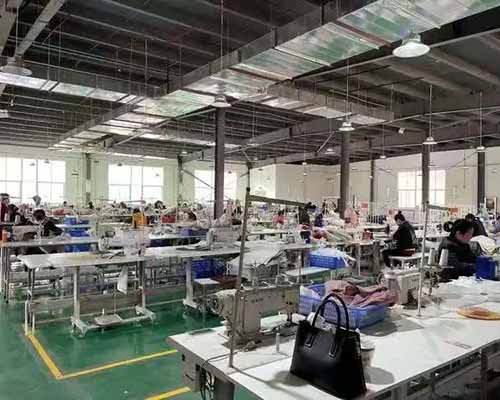
Key Factors When Working with a China Bag Manufacturer
Product Engineering Capability
Why this matters Many factories can copy a sample. Far fewer can engineer a product that survives real use, scaling, and reorders.
What buyers should look for
- Ability to develop from drawings, tech packs, or concepts
- Suggestions on structure reinforcement, material substitution, or cost optimization
- Clear explanation of why a certain construction is recommended
How Szoneier operates Szoneier runs an in-house sampling and pattern-making team, allowing early-stage engineering input instead of waiting until production problems appear.
Material Supply Chain & Control
Why this matters Material inconsistency is one of the most common causes of sample–bulk mismatch in China manufacturing.
Key evaluation points
- Does the factory source materials directly or rely on traders?
- Are fabrics, linings, webbing, zippers, and hardware defined in a locked BOM?
- How are color consistency and substitutions managed?
Szoneier’s approach By working with long-term material partners across fabric, leather, PU, neoprene, and functional textiles, Szoneier maintains stable sourcing and documented material specifications for repeat orders.
MOQ Flexibility & Scaling Strategy
Why this matters Early-stage brands and new SKUs rarely start with large volumes.
What buyers should confirm
- True customization MOQ (not stock products with logo only)
- Whether MOQ changes based on material or structure
- How the factory supports scaling from 100–500 pcs to thousands
In practice at Szoneier Szoneier supports low-MOQ OEM/ODM development, helping brands validate products first, then scale successful SKUs with consistent specs.
Quality Control System (Process vs Promise)
What often goes wrong Factories say “QC included” but rely only on final inspection.
What buyers should require
- Incoming material inspection
- In-process quality checks
- Final inspection against approved samples and tolerances
Professional standard Szoneier implements multi-stage QC, ensuring issues are identified early—before they become shipment-level problems.
Communication & Project Management
Why communication defines outcomes Most failures in overseas sourcing come from misunderstanding, not capability.
Key questions
- Who manages the project—sales only, or engineering + production?
- Are approvals confirmed visually and numerically?
- How often are updates provided?
Szoneier’s working style Clients work with teams that understand both product engineering and international communication, reducing assumptions and rework.
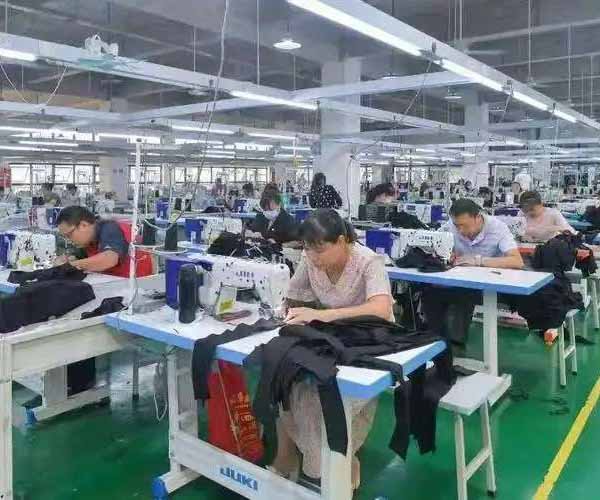
How OEM/ODM Bag Manufacturing Works in China (Step-by-Step)
Step 1
Requirement Definition & Feasibility Assessment
This is where most sourcing problems should be solved—but often are not.
What professional manufacturers do
- Clarify usage scenario, load requirements, and target market
- Identify critical performance risks (durability, waterproofing, deformation)
- Evaluate material availability and cost sensitivity
Common buyer mistake Jumping directly to price before confirming whether the design is manufacturable at scale.
Szoneier’s approach Szoneier begins projects with a feasibility and risk review, helping clients adjust structure or materials early—before time and cost are locked in.
Step 2
Engineering Design & Pattern Development
At this stage, ideas become manufacturable products.
Key engineering tasks
- Pattern making based on drawings, tech packs, or samples
- Load-path and stress-point analysis
- Material–construction compatibility review
Why this step matters Many designs look good visually but fail structurally without reinforcement planning.
How Szoneier adds value In-house pattern makers and sample engineers allow real-time design optimization, not trial-and-error after production starts.
Step 3
Material Selection & Prototype Sampling
Sampling is not just cosmetic—it is engineering validation.
What is validated
- Shape retention
- Stitch behavior
- Comfort and usability
- Branding placement durability
Professional practice Multiple iterations may be required, especially for multi-material or load-bearing designs.
Szoneier standard Samples are reviewed against real-use scenarios, not just appearance.
Step 4
BOM Locking & Cost Structuring
This step separates professional factories from risky ones.
What gets locked
- Fabric type and grade
- Lining, webbing, zippers, hardware
- Stitching specs and tolerances
Why it matters Without a locked BOM, material substitution is common in China manufacturing.
Szoneier process All approved components are documented to ensure sample–bulk consistency.
Step 5
Trial Order / Pilot Production
Before mass production, professional factories validate the process.
Purpose
- Confirm repeatability beyond one sample
- Identify bottlenecks or quality drift
- Train production teams on specifications
Best use case Startups and e-commerce brands testing the market.
Step 6
Mass Production with In-Process QC
Key controls
- Reinforcement checkpoints
- Stitch density and seam accuracy
- Measurement tolerances
Szoneier applies in-process QC, not just final inspection.
Step 7
Final Inspection, Packaging & Export Support
Final checks include
- Visual and functional inspection
- Branding accuracy
- Packaging compliance
Szoneier supports export-ready packaging and documentation, reducing downstream logistics issues.
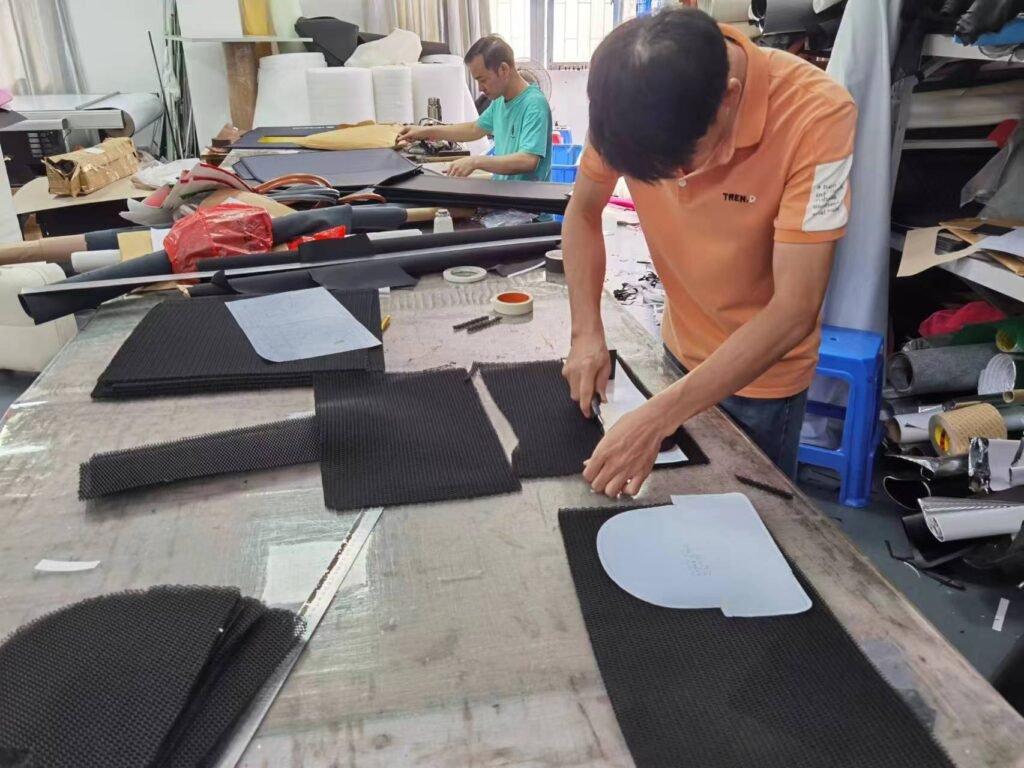
Types of Bags Commonly Manufactured in China
China bag manufacturers produce a wide range of bag types across lifestyle, functional, outdoor, and industrial markets. Each category has distinct material, construction, and quality requirements.
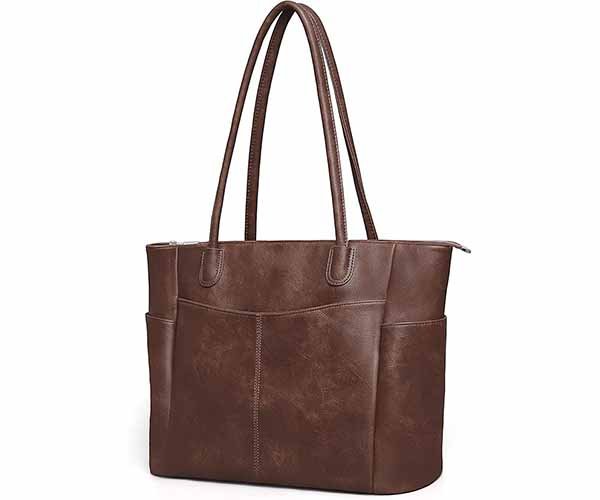
Lifestyle & Fashion Bags
Examples
- Tote bags
- Handbags
- Crossbody & shoulder bags
- Cosmetic & makeup bags
Key manufacturing focus
- Surface finish consistency
- Stitch precision
- Branding aesthetics
Szoneier experience Szoneier supports lifestyle brands with material matching, clean finishing, and branding durability, critical for retail-facing products.
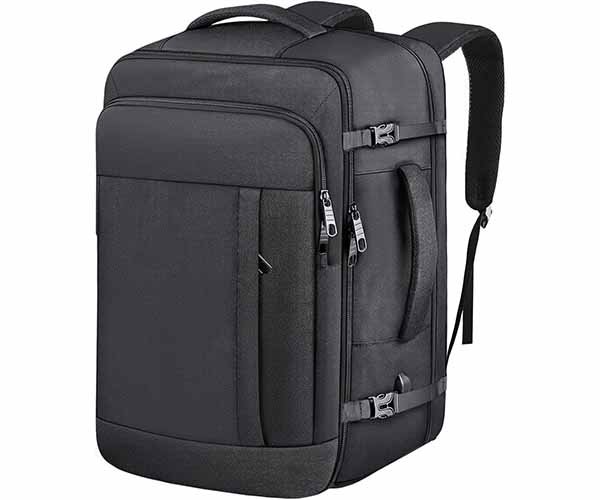
Backpacks & Travel Bags
Examples
- Daily backpacks
- Laptop backpacks
- Duffel & weekender bags
- Carry-on travel bags
Engineering focus
- Load-bearing structure
- Strap comfort and strength
- Zipper and hardware durability
These are among the most structurally demanding bag types.
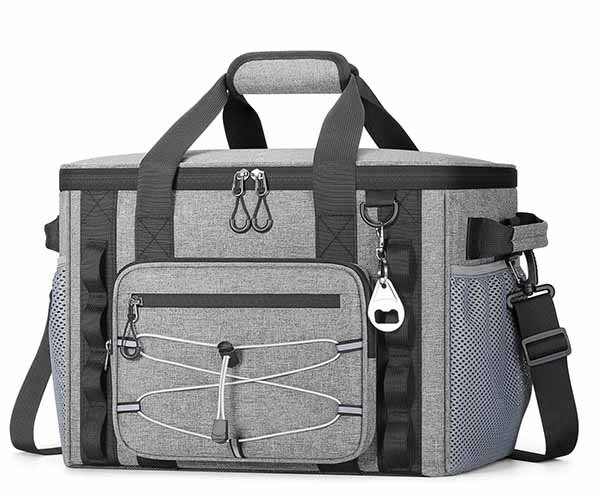
Outdoor, Sports & Functional Bags
Examples
- Cooler bags
- Waterproof bags
- Gym & sports bags
- Tactical or utility-style bags
Key requirements
- Material performance
- Environmental resistance
- Reinforcement strategy
Szoneier advantage Experience with multi-material functional constructions, including TPU, EVA, and insulated structures.
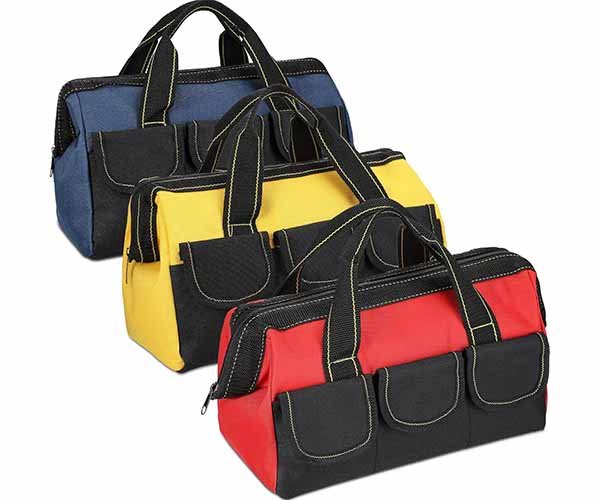
Work, Tool & Industrial Bags
Examples
- Tool bags
- Equipment carry cases
- Protective storage bags
Engineering focus
- High-strength fabrics
- Webbing-based load paths
- Heavy-duty hardware
These products prioritize durability over appearance.

Promotional & Private Label Bags
Examples
- Shopping bags
- Event bags
- Corporate gifting bags
Focus
- Cost efficiency
- Fast turnaround
- Simple branding
China remains the most competitive source for this category.
Materials & Construction in China Bag Manufacturing
China’s manufacturing strength lies in material diversity and speed. Professional bag manufacturers control this flexibility through engineering discipline, documented specs, and construction standards.
China’s Material Ecosystem Advantage
China offers:
- Full-range synthetic fabrics (210D–1680D)
- Canvas (10–24 oz), PU, leather
- EVA, neoprene, insulation foams
- Extensive hardware and zipper options
Szoneier leverages this ecosystem to support complex, hybrid bag designs.
Material Control vs Material Availability
The risk Easy access to materials increases substitution risk.
Professional solution
- Lock materials in BOM
- Archive physical color references
- Require approval for any change
This is standard practice at Szoneier.
Construction Engineering: The Real Quality Differentiator
Critical construction zones
- Handle and strap anchors
- Bottom panels
- Zipper ends
- Stress-bearing seams
Key principle Construction failures cause returns more often than fabric failures.
Stitching, Reinforcement & Load Paths
Engineering focus
- Webbing carries load, fabric carries appearance
- Stitch density matches material thickness
- Bartacks and Box-X stitches define durability
Szoneier standardizes reinforcement logic across bag categories.
Multi-Material Integration (China Strength)
Many China-made bags combine:
- Fabric + PU
- Canvas + leather
- Nylon + EVA
This requires sequence control and material compatibility testing, not just sewing skills.
Why Construction Consistency Matters in Reorders
Brands often reorder months later.
Without:
- Documented construction logic
- QC checkpoints
- Archived specs
Quality drift is inevitable.
Szoneier maintains production records to ensure repeatability.
Customization & Branding with China Bag Manufacturers
China bag manufacturers offer extensive customization options, but not all branding methods suit every material or usage scenario. Understanding durability, placement, and process limits is key to protecting your brand image.
Why Branding Decisions Fail in China Manufacturing
Common mistakes
- Choosing logo methods based only on appearance
- Ignoring fold, abrasion, and daily-use stress
- Placing logos without measurable placement standards
Result
- Cracking prints
- Distorted embroidery
- Inconsistent logo positioning in bulk orders
Logo Methods Commonly Used in China Factories
| Logo Method | Best Use | Durability | Risk Level |
|---|---|---|---|
| Printing | flat fabric / PU panels | medium | cracking on folds |
| Embroidery | fabric bags | high | fabric puckering |
| Emboss / Deboss | leather / PU | high | depth inconsistency |
| Metal plate | premium bags | very high | weight & attachment risk |
| Woven label | inner branding | high | very low |
Branding Placement Strategy
Professional placement rules
- Avoid high-fold and corner zones
- Define distance from seams numerically
- Maintain orientation consistency
Szoneier’s approach Logo placement is confirmed with physical samples + measurable references, not visual guesses.
Color Consistency Across Components
China factories source:
- Fabric
- Webbing
- Zipper tape
- Thread
- Logo materials
Each reflects color differently.
Professional control
- Approve physical color swatches
- Match components as a system
- Archive color standards for reorders
Packaging as Part of Branding
For many buyers, packaging is the first physical brand touchpoint.
Common options
- Polybag + carton (e-commerce)
- Dust bags and hangtags (retail)
- Gift-ready packaging
Szoneier experience Szoneier supports brand-aligned packaging, balancing protection, cost, and presentation.
Try Before You Order – Free Sample Program
We offer free custom samples for qualified clients. Whether you’re testing a new market or validating design quality, our samples help you move forward with confidence.
Quality Control & Testing in China Bag Manufacturing
Typical low-end practice
- Check products only at final stage
- Discover issues when correction is costly or impossible
Professional approach Quality is controlled before, not after, problems appear.
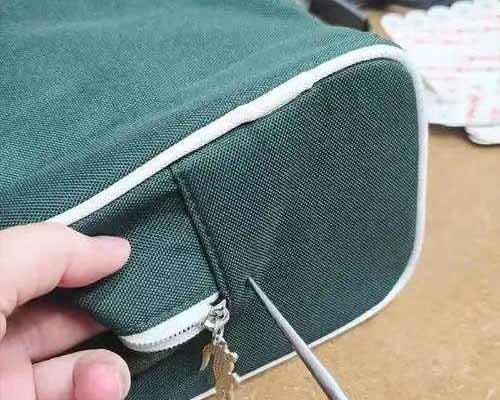
Stage 1 — Incoming Material Inspection
- Fabric defects
- Color accuracy
- Hardware quality
Stage 2 — In-Process QC
- Stitch quality
- Construction accuracy
- Measurement tolerance
Stage 3 — Final Inspection
- Appearance and cleanliness
- Functionality (zippers, straps)
- Packaging accuracy
Szoneier applies this three-stage QC logic to ensure repeatability.
| Test Item | Purpose |
|---|---|
| Zipper cycling | smoothness & longevity |
| Strap load testing | load-bearing safety |
| Abrasion testing | corner & bottom durability |
| Color fastness | color stability |
| Drop / impact testing | protective performance |
Why documentation matters
- Prevents spec drift
- Ensures future orders match previous ones
Professional practice Szoneier keeps records of:
- Approved samples
- BOM versions
- QC checkpoints
This allows brands to reorder months later with confidence.
Buyer Checklist for Choosing a China Bag Manufacturer
Selecting a China bag manufacturer should follow a structured evaluation process. This checklist helps buyers compare factories based on engineering capability, material control, quality systems, and long-term partnership potential.
1. Product Development & Engineering Capability
Why this matters Factories that only “follow instructions” often fail when designs change, materials are substituted, or products scale.
Key questions to ask
- Can you develop from drawings, tech packs, or concepts—not just copy samples?
- Do you provide engineering feedback on structure, durability, or cost optimization?
- Do you have in-house sampling and pattern-making capability?
What to look for Manufacturers like Szoneier, with in-house development teams, can identify risks early—before they become production problems.
2. Material Control & BOM Management
Why this matters Uncontrolled material sourcing leads to sample–bulk inconsistency.
Key questions 4. Do you lock the BOM after sample approval? 5. How do you manage color consistency across fabric, webbing, zippers, and thread? 6. Will you notify us before any material substitution?
3. MOQ Flexibility & Scaling Support
Why this matters Most brands do not start with large volumes.
Key questions 7. What is your true MOQ for custom products? 8. Can you support small trial orders before mass production? 9. How do you handle scaling from hundreds to thousands of units?
4. Quality Control & Testing System
Why this matters Final inspection alone does not prevent defects.
Key questions 10. Do you perform incoming, in-process, and final QC? 11. Are measurement tolerances defined? 12. What functional tests do you perform (zippers, straps, load)?
5. Communication & Project Management
Why this matters Most sourcing failures come from miscommunication.
Key questions 13. Who manages our project—sales only or engineering + production? 14. How often do you provide updates? 15. Do you confirm approvals visually and numerically?
Buyer Evaluation Table
| Evaluation Area | Weak | Acceptable | Strong |
|---|---|---|---|
| Engineering Support | copy-only | partial | full OEM/ODM |
| Material Control | flexible | semi-locked | BOM locked |
| QC System | final only | basic | multi-stage |
| MOQ Flexibility | high MOQ | limited | low MOQ |
| Communication | reactive | responsive | proactive |
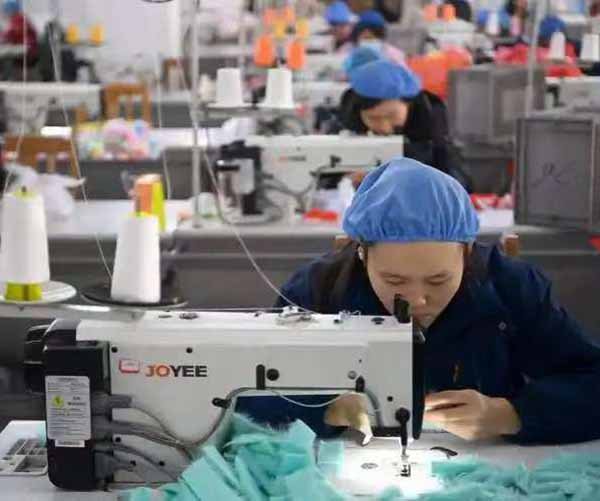
China OEM/ODM Case Studies — How Global Brands Work with a Chinese Bag Manufacturer
These case studies show how international brands successfully worked with a China bag manufacturer to manage product development, material control, quality consistency, and scaling—while avoiding common sourcing risks in China.
Case Study 1 — European Lifestyle Brand
Canvas Tote Bags Manufactured in China for Retail & Online
Client Background
- Region: Western Europe
- Brand Type: Lifestyle & retail brand
- Sales Channels: Brick-and-mortar stores + eCommerce
- Reason for Choosing China: Cost-to-quality balance and flexible customization
Initial Challenge (China-Specific Risk) The brand had previously sourced from China but faced:
- Handle tearing after prolonged use
- Bag body deformation due to canvas stretch
- Inconsistent quality between early and later batches
Engineering & Manufacturing Actions by Szoneier
- Selected 12–14 oz canvas suitable for daily retail use
- Designed internal webbing load paths to carry weight instead of fabric seams
- Added structured bottom panels for shape retention
- Locked material specs and stitching standards before bulk production
Final Outcome
- Improved durability under real-world use
- Stable shape and appearance across batches
- Reduced post-sale complaints and returns
Key Takeaway for Buyers
In China manufacturing, canvas quality alone is not enough—load-path engineering defines long-term performance.


Case Study 2 — U.S. E-commerce Brand
Multi-Compartment Backpack OEM in China
Client Background
- Region: United States
- Business Model: Amazon FBA
- Product Type: Functional backpacks with multiple internal pockets
- Key Goal: Reduce returns and negative reviews
Initial Challenge
- Pocket misalignment in bulk orders
- Size variation between units
- Sample quality not fully replicated at scale
China Manufacturing Risk Identified
- No defined tolerances
- Visual inspection only
- No in-process QC during sewing
Szoneier’s OEM/ODM Solution
- Defined critical dimensions and tolerances
- Introduced in-process QC checkpoints during assembly
- Standardized pocket placement guides for sewing teams
Results
- Improved consistency across bulk production
- Lower return rates on Amazon
- More stable product reviews
Key Takeaway
- In China OEM projects, measurement control is more important than visual approval.
Case Study 3 — Outdoor Brand
Insulated Cooler Bags Manufactured in China
Client Background
- Market: Outdoor recreation & events
- Product Requirement: Thermal performance without bulky appearance
- Distribution: Online sales + promotional events
Initial Challenge
- Insufficient insulation in previous China-made samples
- Thicker foam increased shipping cost and distorted shape
Engineering Optimization by Szoneier
- Adjusted foam density instead of thickness
- Improved seam construction to reduce thermal leakage
- Balanced insulation performance with packaging efficiency
Final Outcome
- Noticeable improvement in temperature retention
- Maintained clean, retail-ready appearance
- Lower shipping volume compared to earlier versions
Key Takeaway
In China bag manufacturing, performance improvements come from material optimization—not simply adding thickness.


Case Study 4 — Beauty & Personal Care Brand
PU Cosmetic Bags OEM in China
Client Background
- Region: North America
- Product Use: Cosmetic storage and gifting
- Brand Positioning: Clean, premium, everyday use
Initial Issues
- Printed logos cracking after short use
- Interior lining stained by cosmetics
- Perceived quality below brand expectations
China Manufacturing Risk
- Logo method not matched to PU folding behavior
- Inadequate lining specification
Szoneier’s Solution
- Changed to a more durable logo technique suitable for PU
- Upgraded to wipe-clean interior lining
- Standardized zipper grade and inspection criteria
Result
- Improved durability and user experience
- Higher perceived value
- Fewer after-sale complaints
Key Takeaway
- Branding durability must be engineered—not assumed—when manufacturing in China.
Case Study 5 — Industrial Tool Brand
Heavy-Duty Tool Bags Manufactured in China
Client Background
- Industry: Industrial tools & equipment
- Usage Scenario: Daily heavy load, job-site conditions
- Priority: Safety and durability
Initial Problem
- Strap and handle failures under heavy weight
- Hardware deformation during use
Engineering Actions by Szoneier
- Designed webbing-based load paths through the bag body
- Added bartack reinforcement at all stress points
- Matched hardware thickness to real load requirements
Final Result
- Significantly improved load-bearing performance
- Reduced field failures
- Increased brand trust among professional users
Key Takeaway
- For heavy-duty bags, webbing and reinforcement—not fabric—define strength.


Case Study 6 — Startup / Brand Incubator
Low-MOQ Multi-SKU Launch in China
Client Background
- Region: North America
- Business Stage: Early-stage brand / incubator
- Launch Plan: 5–6 SKUs with limited initial volume
Key Challenges
- Tight budget
- Short timeline
- High risk of over-customization
Szoneier’s OEM Strategy
- Simplified SKU architecture by sharing materials and hardware
- Ran parallel sampling to save time
- Prioritized hero SKU before expanding variants
Results
- Faster time-to-market
- Better cash-flow control
- Clear scaling roadmap after launch
Key Takeaway
- Smart SKU planning reduces China sourcing risk more effectively than aggressive cost cutting.
FAQ — Working with a China Bag Manufacturer
These are common questions asked by international buyers sourcing bags from China. Clear answers help set realistic expectations and reduce misunderstandings before production begins.
Q1. What is the typical MOQ when working with a China bag manufacturer?
MOQ varies by material, structure, and branding method. Many professional factories, including Szoneier, support low-MOQ OEM/ODM projects to help brands test products before scaling.
Q2. How long does sampling usually take in China?
Sampling timelines depend on complexity and revisions. Professional manufacturers treat sampling as an engineering validation stage, not just a visual approval.
Q3. How do you ensure bulk production matches the sample?
By locking the BOM, defining tolerances, and applying multi-stage QC, manufacturers reduce sample–bulk discrepancies.
Q4. Can China bag manufacturers help optimize designs?
Yes. Experienced OEM/ODM factories often suggest improvements in structure, materials, and cost efficiency based on production experience.
Q5. Are China bag manufacturers suitable for premium brands?
Yes. Many premium brands work with China manufacturers that specialize in finishing quality, material control, and repeatability—not just low cost.
Q6. How are quality issues handled if they arise?
Professional factories identify issues early through in-process QC and address root causes before shipment.
Q7. Can manufacturers support multiple materials in one product?
Yes. Factories like Szoneier regularly handle multi-material constructions, including fabric, PU, leather, EVA, and neoprene combinations.
Q8. How is design confidentiality handled?
Reputable manufacturers restrict access to project-specific teams and manage files carefully.
Q9. What are the biggest risks when sourcing from China?
Lack of documentation, unclear communication, and weak QC systems are bigger risks than geography itself.
Q10. Is China still competitive compared to other countries?
For bags, China remains the most complete ecosystem in terms of materials, engineering depth, and scalability.
Ready To Elevate Your business Line?
Begin your journey with Szoneier bag now. We can assist in wholesaling or customizing Luggage and bags at the most competitive prices to enhance your brand.
Talk to a China Bag Manufacturing Expert
If you are sourcing or developing bags in China, the best first step is not a quotation—it’s clarity. Share your idea, references, or tech pack, and we’ll help assess feasibility and risks.
CTA Buttons
- Get a Quote
- Get Free Design Support
Recommended Inquiry Fields
- Bag type & usage scenario
- Target market & price positioning
- Estimated order quantity
- Material preference
- Branding method
- Reference images or tech pack
- Target timeline
No pressure. We’ll help you evaluate options and avoid common sourcing mistakes before you commit.
If you have any questions or need a quote, please leave us a message. Our experts will respond within 12 hours to assist you in selecting the ideal fashion products tailored to your needs.
Exclusive Offer for You
As a first-time buyer, you’ll receive a Free bags Color Card to help you select the right material and shade. Once confirmed, we’ll also provide a Free Sample made by our factory—no extra cost.
For our regular partners, we send New Color Charts multiple times a year—completely free—to support your latest collections.
