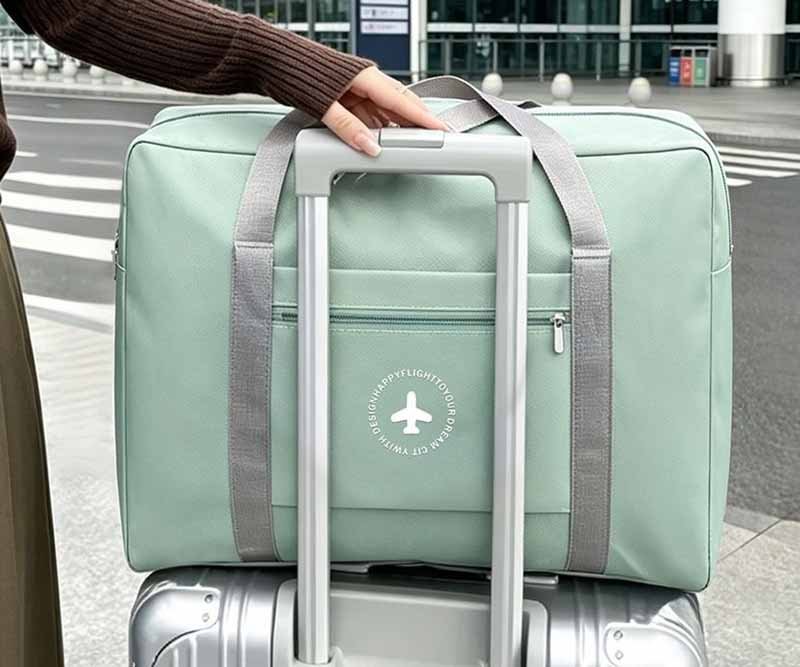
China Bag Factory for Japan | Custom OEM/ODM Bags
- Selected projects start from 200 pcs
- Simple, standard, and complex sample development
- Custom fabrics, structures, colors, logos, and packaging
- Production records for stable sample-to-bulk execution
- Inspection, carton preparation, and delivery coordination for Japan
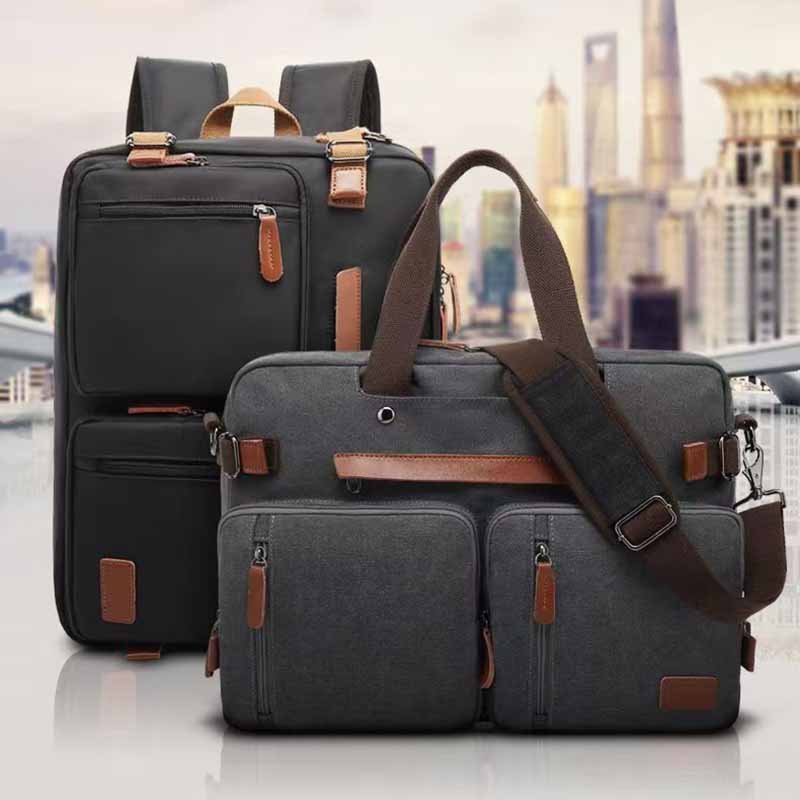
Manufacturing Capacity for Japan-Bound Bag Programs
18+ Years Experience
20,000+㎡ Factory System
160+ Production Machines
120,000–200,000 Monthly Capacity
Regular monthly capacity ranges from approximately 120,000 to 200,000 pieces, depending on bag type, material availability, construction, logo process, packing method, and production schedule. Eight sewing lines and controlled partner factories provide added flexibility during larger programs.
Bag Manufacturing Support for Japan Market Projects
Global Brand Teams
- Multi-SKU development
- Brand guideline control
- Packaging version management
- Repeat production documentation
Japanese Importers
- Clear quotation structure
- Sample approval checkpoints
- Shipping document coordination
- Order and carton records
Retail Chains
- Barcode and hangtag application
- Multi-store or warehouse packing
- Carton quantity control
- Third-party inspection coordination
Trading Companies
- Multiple product categories
- Confidential project handling
- Development and quotation support
- Consolidated shipment planning
E-commerce Brands
- Trial production options
- Photo sample preparation
- Product differentiation
- Replenishment planning
Corporate Programs
- Event-date production planning
- Logo approval
- Individual or kit packing
- Multi-address delivery review
What Japan-Bound Bag Projects Need from a Factory
Accurate Specifications
- Finished dimensions
- Agreed tolerances
- Component positions
- Functional measurements
Stable Material Batches
- Batch identification
- Color reference control
- Material approval samples
- Reorder risk review
Clean Sewing Details
- Stitch-line inspection
- Binding and edge checks
- Reinforcement review
- Thread cleaning
Consistent Brand Elements
- Pantone references
- Approved logo samples
- Position measurements
- Surface-finish checks
Correct Packing Information
- SKU matching
- Barcode placement
- Carton mark checking
- Approved text execution
Controlled Delivery Schedule
- Production milestone planning
- Packing deadline
- Freight booking
- Delivery buffer
How Szoneier Supports Bags Developed for Japan
Specification Translation
- Requirements become measurable specifications
- Missing information is identified early
- Structure risks are discussed before sampling
- Cost-sensitive alternatives can be reviewed
Sample-Based Approval
- Material and trim confirmation
- Logo trials
- Physical approval sample
- Revision records
Production Documentation
- Pattern archive
- Bill of materials
- Packing specification
- Inspection checkpoints
Japan Delivery Planning
Delivery planning starts with quantity, carton dimensions, gross weight, launch schedule, destination, and import arrangement. Express, air, sea, FOB, CIF, DAP, and DDP routes can be evaluated according to project conditions.
- Sample courier service
- Bulk air or sea options
- Split shipment review
- Warehouse delivery coordination
Inside Szoneier’s Bag Manufacturing System
In-House Pattern and Sample Development
A sample begins only after core requirements are reviewed:
- Finished size and capacity
- Main fabric, lining, foam, and reinforcement
- Pocket quantity and location
- Zipper path and opening direction
- Handle, strap, webbing, and buckle selection
- Logo size, location, and process
- Intended packing method
- Target production quantity and launch date
Pattern makers translate the approved structure into cutting patterns. Sample technicians then test the interaction between material thickness, seam allowance, binding, foam, lining, hardware, and reinforcement.
Internal checking covers proportion, finished size, bag shape, sewing feasibility, component alignment, and visible finishing. Photos or short videos can be shared before shipment when early remote review will save time.
A dedicated sampling system is valuable for Japan-bound projects because small differences in size, symmetry, edge finishing, label direction, or hardware position may affect retail acceptance and brand presentation.
Sewing Production and Equipment Allocation
Typical equipment includes:
- Flat sewing machines
- Walking-foot machines
- Double-needle machines
- Binding machines
- Bartacking machines
- Thick-material sewing machines
- Computer-controlled sewing machines
- Webbing and tape cutting equipment
- Heat-cutting equipment
- Pressing and positioning tools
A lightweight polyester drawstring bag does not require the same setup as a structured backpack, insulated cooler, leather tote, EVA case, or reinforced tool bag. Production engineering therefore considers stitch type, needle selection, thread, seam allowance, edge treatment, reinforcement, foam compression, and hardware installation.
Pilot sewing and pre-production samples are used when construction has several layers, molded components, unusual openings, high-load attachment points, or strict appearance requirements.
Material, Inspection, and Packing Areas
Incoming checks can cover:
- Material identity
- Color and surface condition
- Width and usable area
- Coating appearance
- Zipper and hardware finish
- Webbing width and thickness
- Label content
- Packaging print files
Finished units move through inspection before packing. Product-specific checks may include zipper operation, pocket access, handle attachment, strap adjustment, shape, symmetry, surface cleanliness, logo accuracy, and packing configuration.
The packaging area handles individual bags, dust bags, paper sleeves, gift packaging, barcodes, carton labels, packing lists, and export cartons. SKU separation becomes especially important for color collections, multi-style programs, and retailer-specific packing.
Project Management and Factory Verification
A project can involve international sales, product managers, designers, pattern makers, sample technicians, procurement, production coordinators, QC staff, packaging staff, and logistics personnel.
Szoneier can manage approximately 20–35 custom production orders in parallel, depending on complexity, material readiness, SKU quantity, packing requirements, and delivery schedule. A controlled network of more than 10 long-term partner factories adds capacity and category flexibility under Szoneier’s project management.
Qualified companies may arrange:
- Online product meetings
- Video factory reviews
- Sample room presentations
- Material and process discussions
- Production progress updates
- Scheduled factory visits
Custom Bag Categories Manufactured for Japan Programs
Product development covers everyday retail bags, travel goods, promotional products, branded accessories, protective products, and functional sewn equipment.
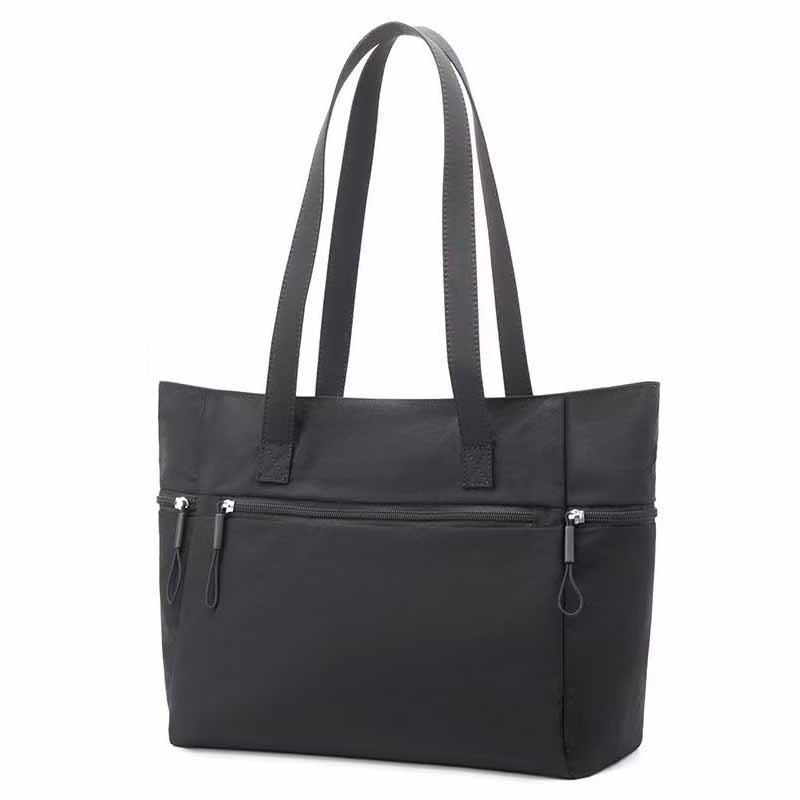
Tote Bags
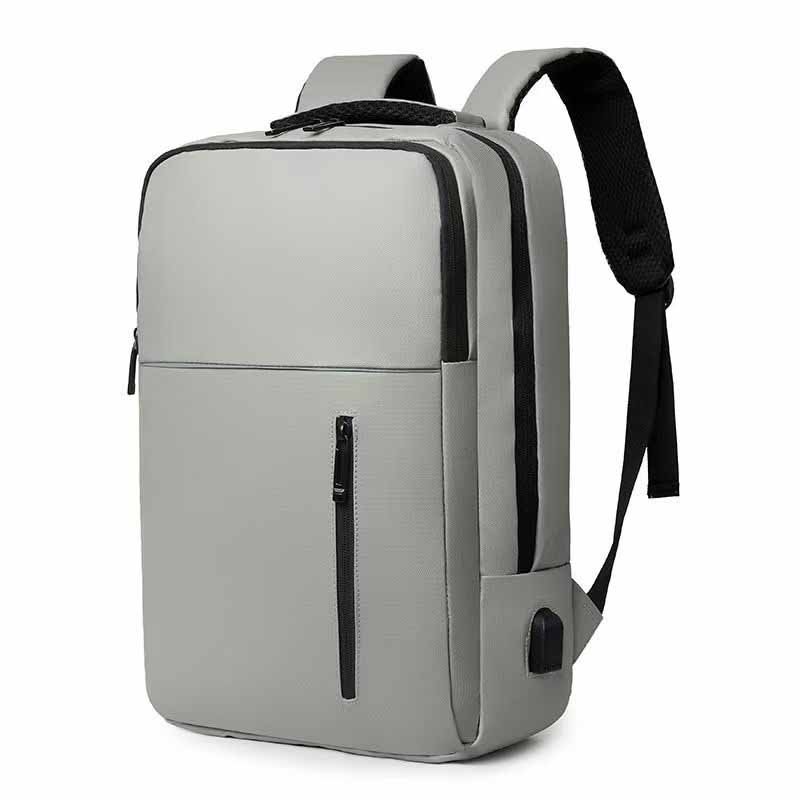
Backpacks
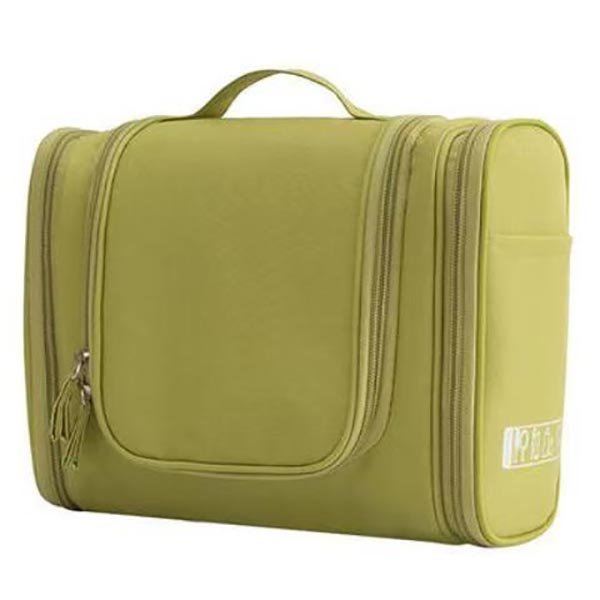
Cosmetic Bags
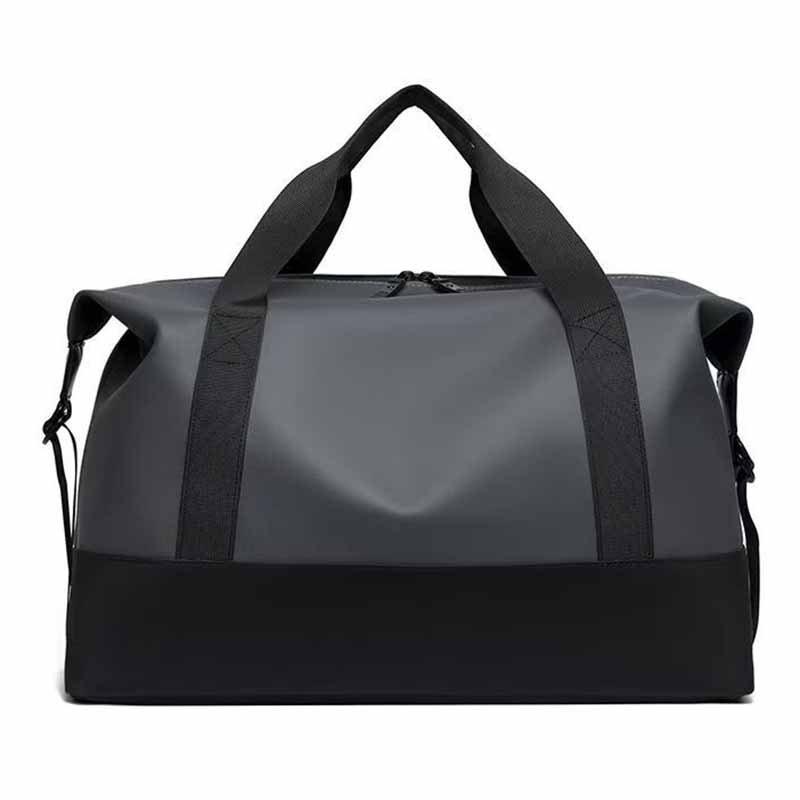
Travel Bags
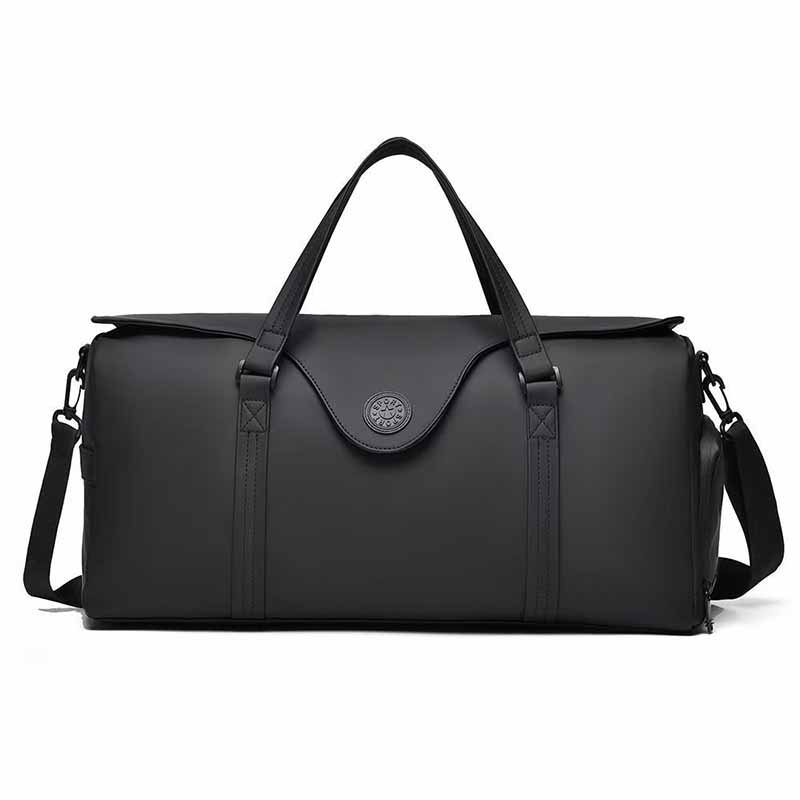
Duffle Bags
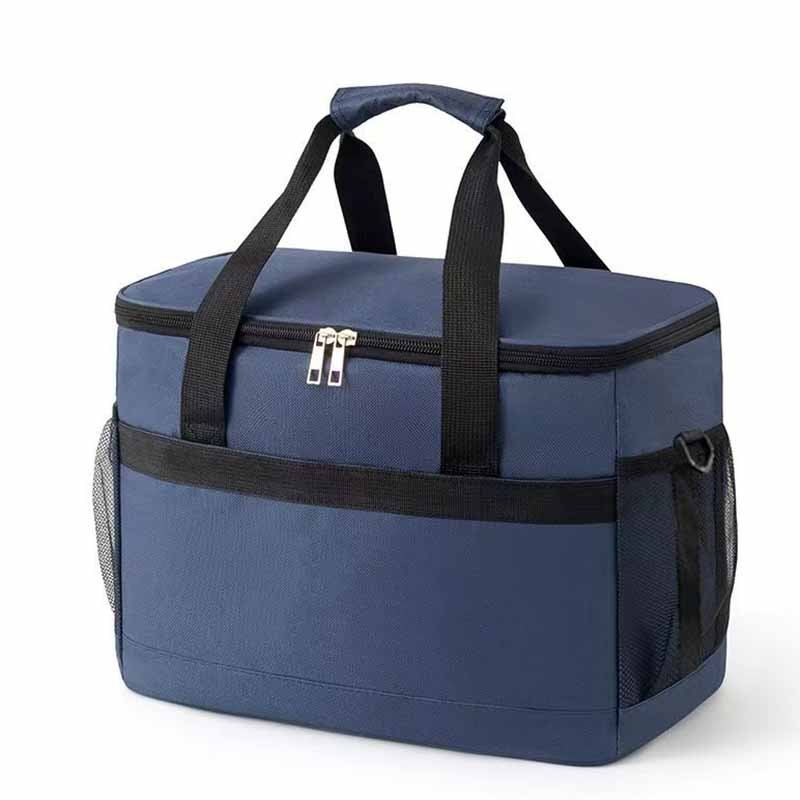
Cooler Bags
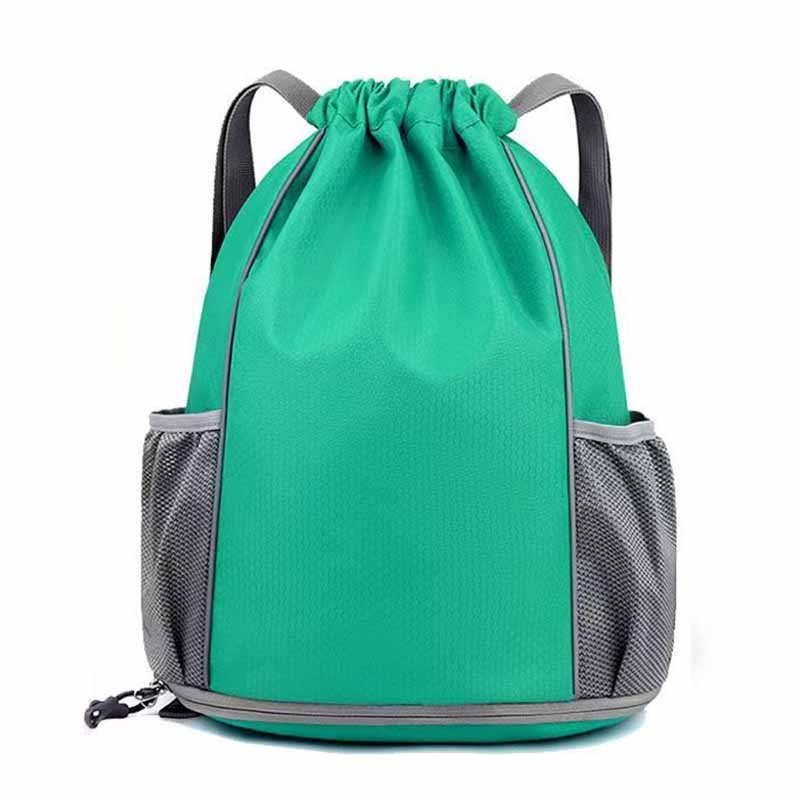
Drawstring Bags
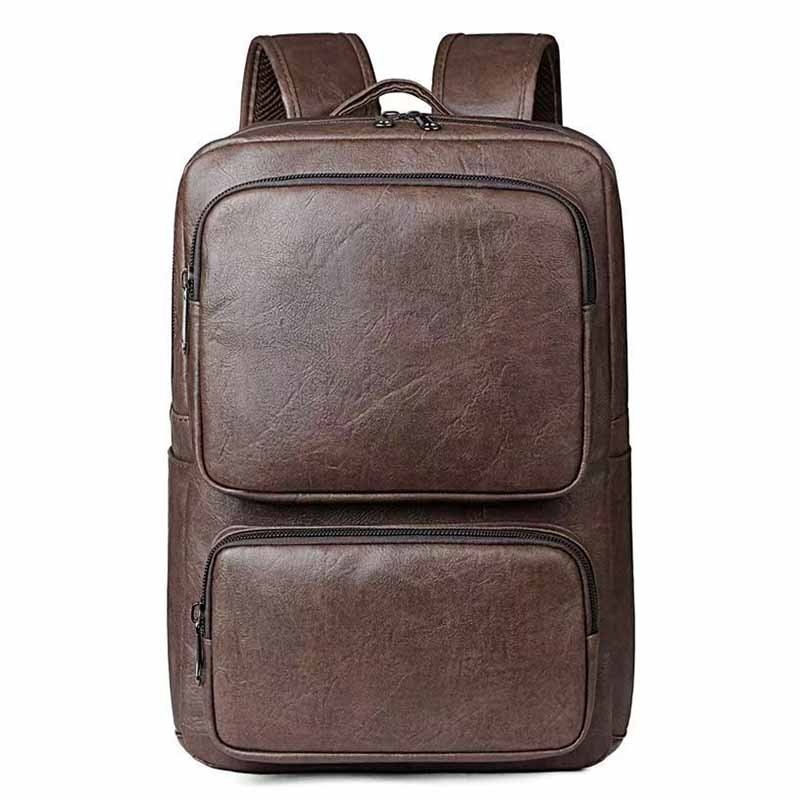
Leather Bags
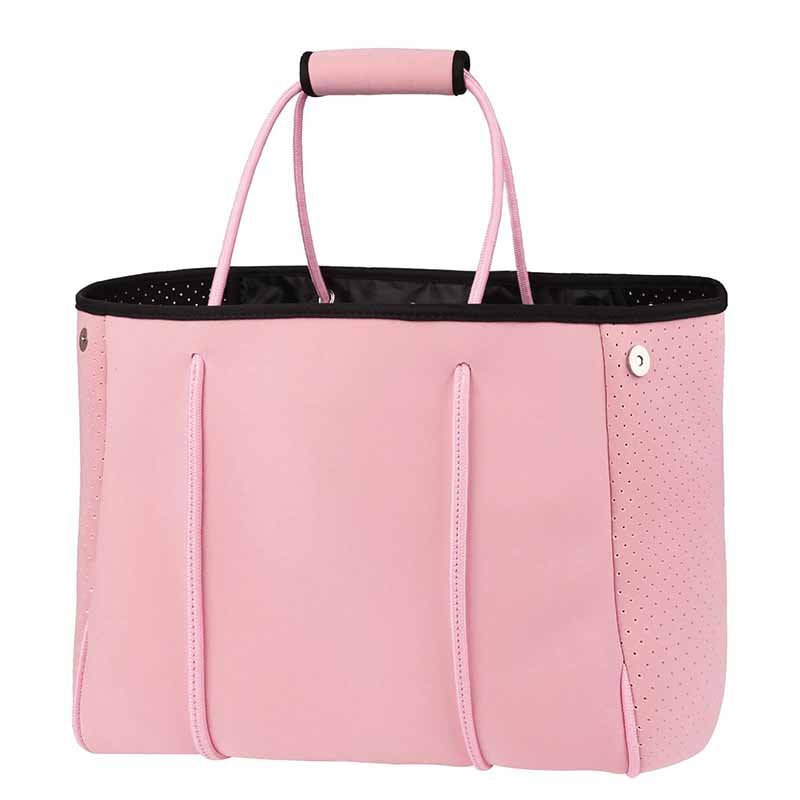
Neoprene Bags
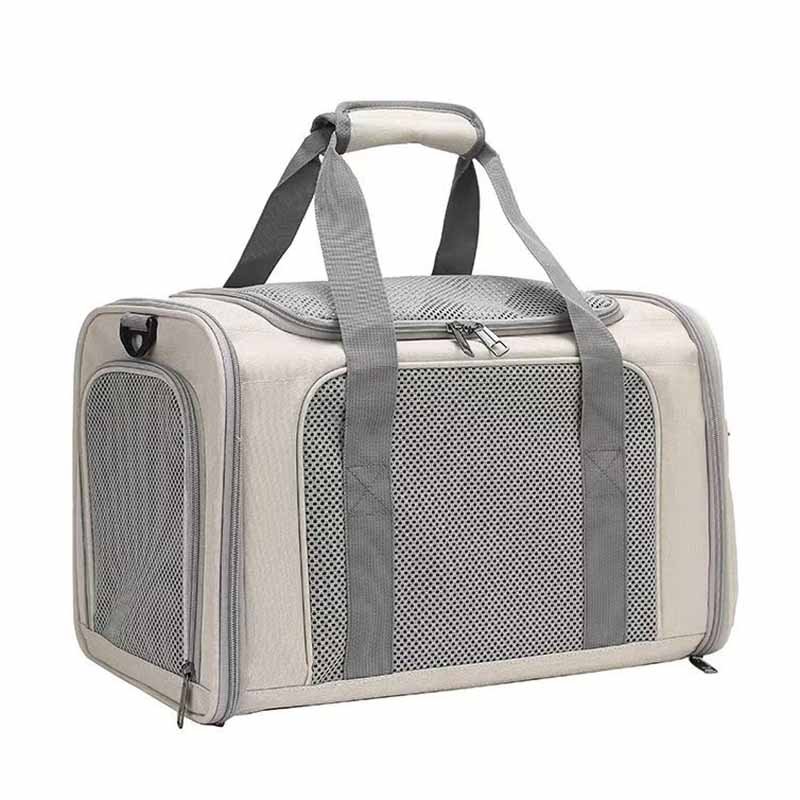
Pet Bags
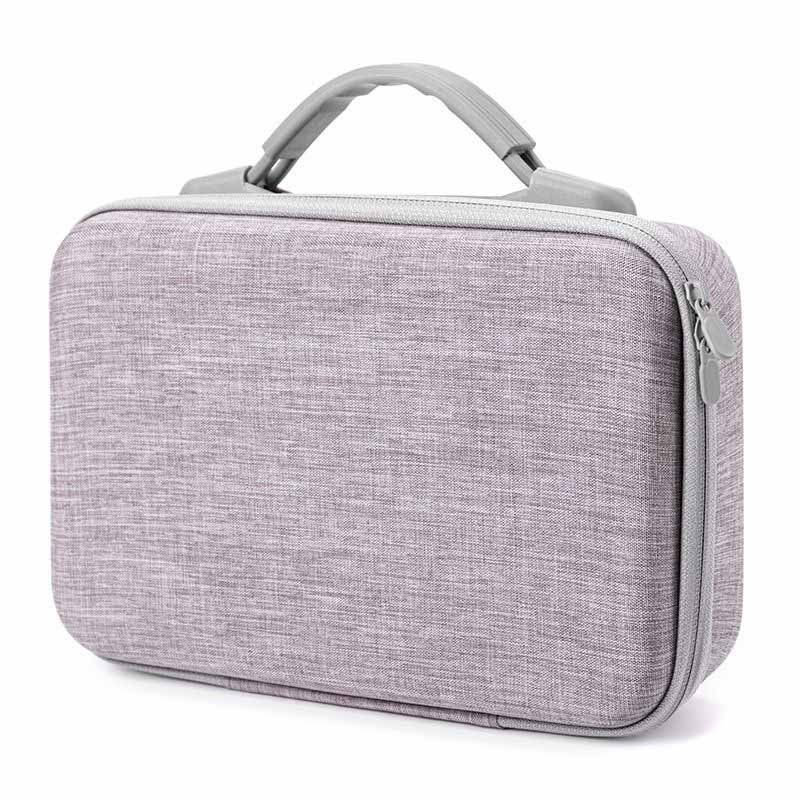
Protective Cases
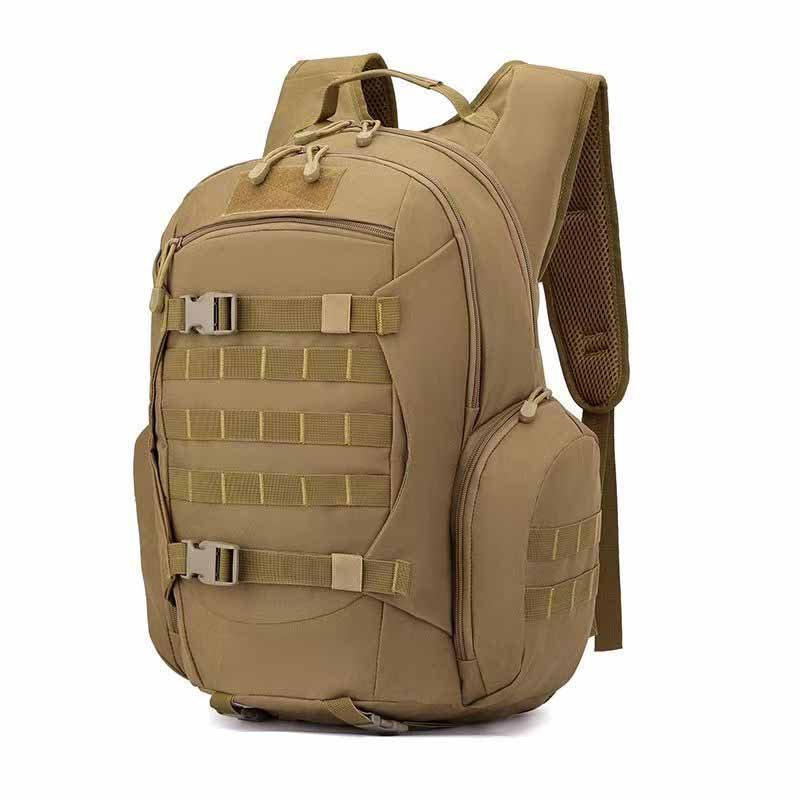
Functional Bags
Materials for Japan Market Bag Collections
Material selection affects appearance, hand feel, shape, durability, unit cost, MOQ, packing volume, transport weight, care instructions, and product positioning.
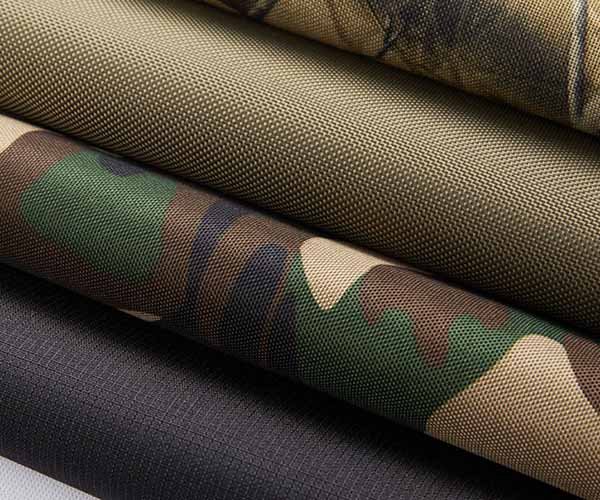
Polyester
- Common options: 210D, 300D, 600D, 900D
- Finish options: plain, ripstop, coated, printed
- Main risk: thin grades may lack structure or abrasion resistance
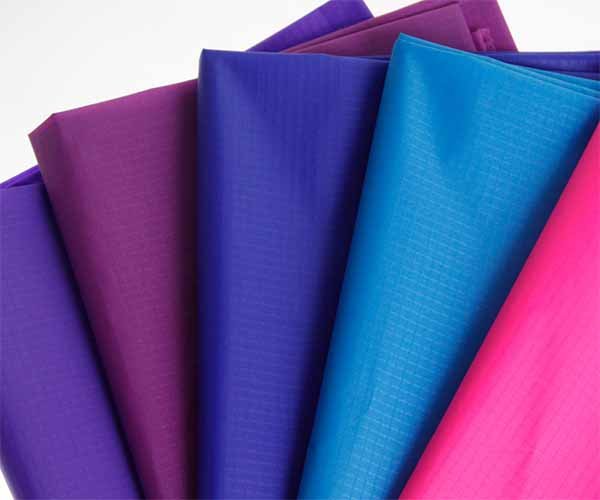
Nylon
- Common options: 210D, 420D, 500D, 1000D
- Finish options: crinkle, ripstop, coated
- Main risk: color and coating may vary by source and batch
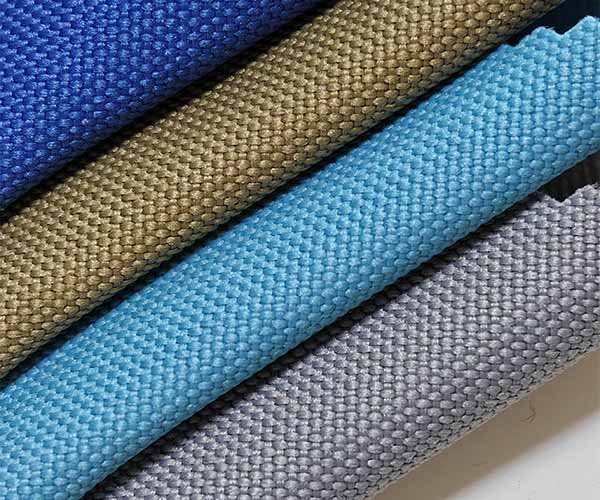
Oxford Fabric
- Common options: polyester or nylon Oxford
- Surface options: PVC, PU, or other coatings
- Main risk: coating thickness and odor require early confirmation
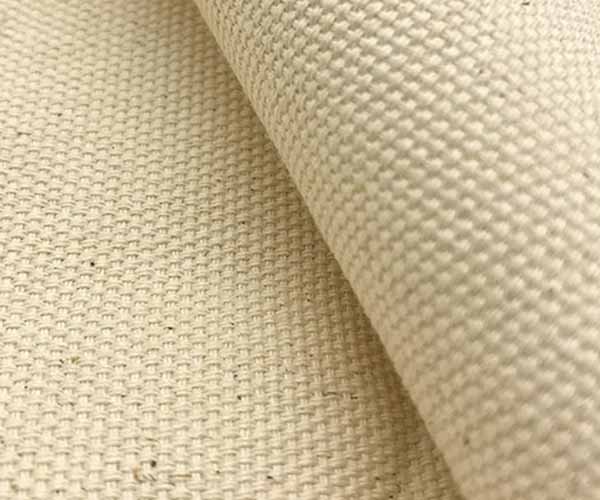
Canvas and Cotton
- Common references: 6 oz to 24 oz ranges
- Options: washed, dyed, printed, laminated
- Main risk: shrinkage, color variation, and natural-fiber marks
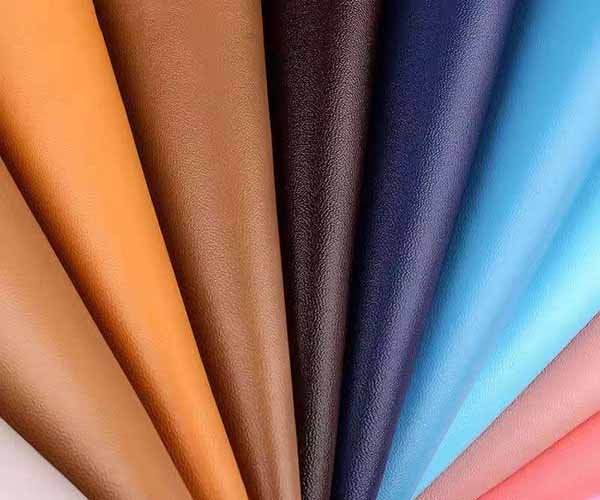
PU Leather
- Options: smooth, pebbled, saffiano, metallic, recycled-content grades
- Suitable logos: embossing, foil, metal plate
- Main risk: hydrolysis, odor, edge cracking, or low-temperature performance
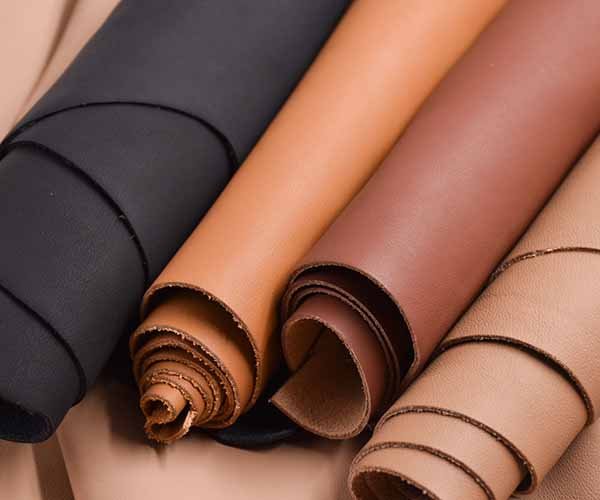
Genuine Leather
- Options: full-grain, top-grain, split, suede
- Important controls: thickness, grain, color, scars
- Main risk: natural variation between hides and batches
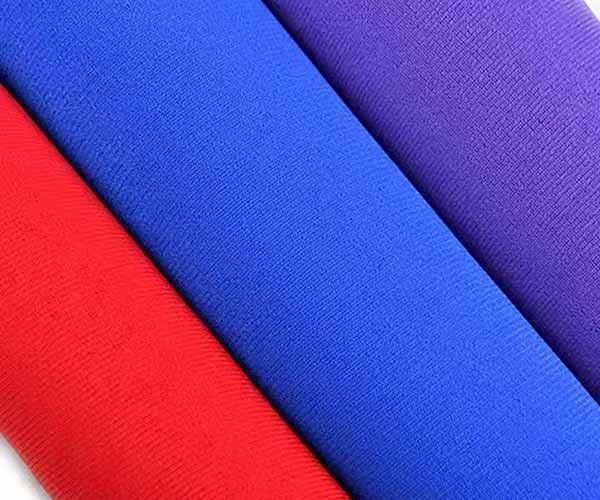
Neoprene
- Common thickness: 2 mm to 5 mm
- Options: nylon-facing, polyester-facing, sublimation
- Main risk: odor, compression, edge finishing, and thickness tolerance
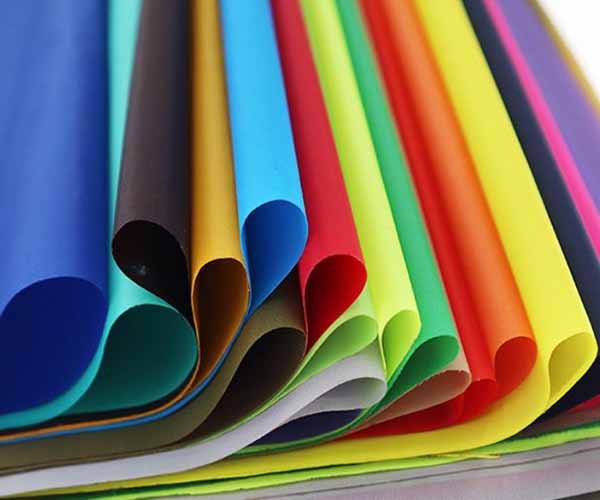
PVC, TPU, and EVA
- Applications: clear bags, waterproof pouches, protective cases
- Important controls: thickness, clarity, welding, molding
- Main risk: scratches, odor, tooling cost, and longer development time
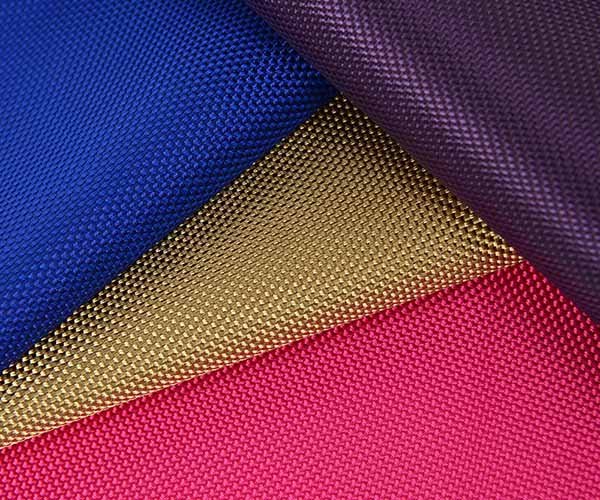
RPET and Recycled Fabrics
- Applications: totes, backpacks, pouches, travel goods
- Documentation: confirm certification scope before claims
- Main risk: availability, color MOQ, and price differences
Bag Details Controlled Before Production Starts
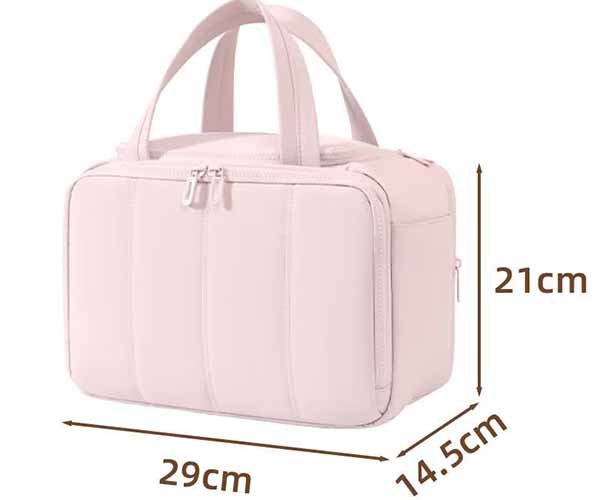
Size and Tolerance
- Record length, height, depth, openings, and strap measurements
- Define acceptable tolerances by product type
- Confirm whether measurements are internal or external
- Check capacity against intended contents
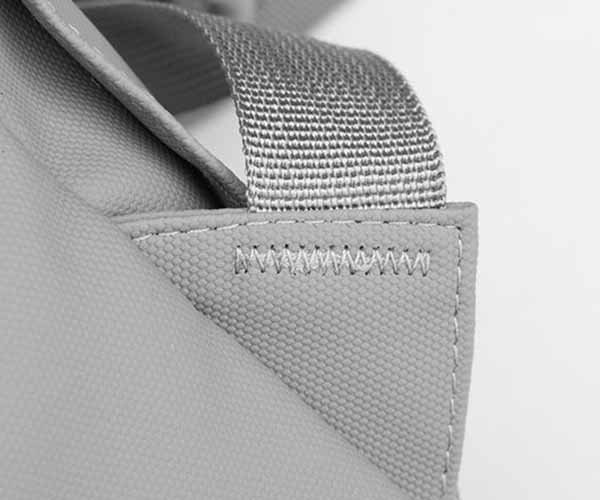
Seams and Reinforcement
- Match reinforcement with expected load
- Avoid excessive bulk at seam intersections
- Check thread and needle selection
- Review visible and hidden construction
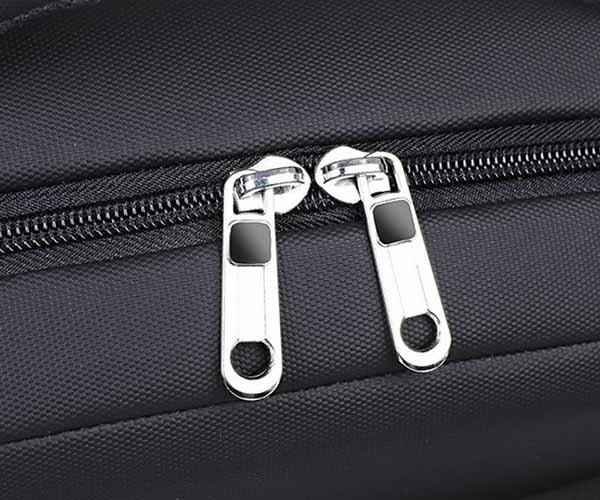
Zippers and Hardware
- Confirm size and supplier grade
- Approve plating or molded color
- Test opening and closing
- Protect metal surfaces during packing
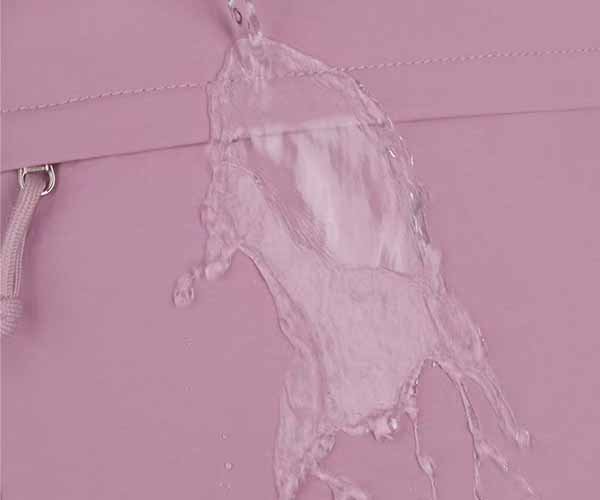
Color and Surface Finish
- Review color under controlled lighting
- Approve material-specific references
- Record acceptable shade variation
- Keep batch samples for repeat orders
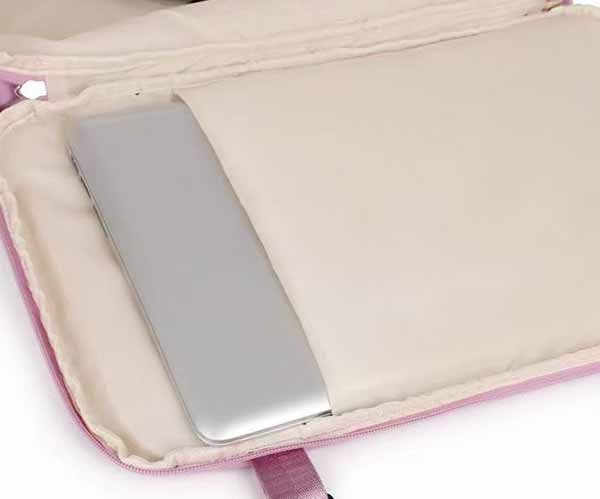
Lining and Binding
- Select lining weight for product use
- Confirm pocket attachment before assembly
- Check exposed raw edges
- Keep binding width consistent
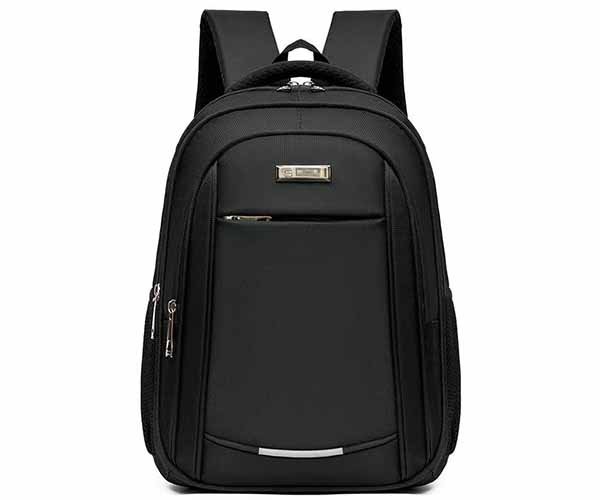
Shape and Symmetry
Bag shape comes from pattern proportion, fabric stiffness, foam, internal boards, seam allowance, and assembly sequence. Structured products need stronger pattern and material control than flat bags.
- Compare left and right sides
- Check zipper and pocket alignment
- Confirm standing shape
- Review logo placement against center lines
From Japan Market Brief to Production-Ready Bag
Project Brief
- Incomplete files can still be reviewed
- Missing specifications will be listed
- Confidential files remain project-controlled
Requirement Review
- Structural feasibility
- Material availability
- MOQ restrictions
- Testing requirements
Material Plan
- Premium option
- Balanced option
- Cost-controlled option
- Available-stock option
Project Quotation
- Unit price
- Sample cost
- Tooling or setup fees
- Estimated schedule
Pattern and Sample
- Pattern preparation
- Logo trial
- Construction check
- Photo or video review
Revision and Approval
- Revision list
- Updated photos
- Final physical sample
- Written approval
Bulk Production
- Material receiving
- Cutting
- Logo processing
- Sewing and assembly
Inspection and Shipment
Finished goods undergo product-specific inspection before packing. Carton quantity, labels, packing lists, and shipping documents are checked before delivery arrangements begin.
- Final inspection
- Packing inspection
- Shipment photos
- Logistics coordination
Sample Development Before Japan Market Production
Starting from a Tech Pack, Sample, Photo, or Concept
The initial review should establish:
- Product use and sales channel
- Finished dimensions
- Capacity or contents
- Main material and lining
- Desired shape and stiffness
- Pocket and compartment layout
- Handle and strap arrangement
- Logo process and artwork
- Packing method
- Order quantity
- Delivery destination
- Target launch date
When only a concept is available, Szoneier can help organize a development brief before paper patterns begin. Clear early decisions reduce unnecessary sample rounds and prevent pricing based on an incomplete structure.
Pattern Making and Material Trials
Material choice changes the pattern result. A thin polyester bag, heavy canvas tote, padded backpack, neoprene sleeve, PU handbag, and molded EVA case behave differently during cutting and sewing.
Material trials may evaluate:
- Fabric stiffness and drape
- Coating and backing
- Lining weight
- Foam thickness
- Board or insert thickness
- Zipper flexibility
- Binding compatibility
- Hardware weight
- Logo surface performance
Sample timing commonly falls into three ranges:
- Simple samples: approximately 3–7 days
- Standard custom bags: approximately 7–12 days
- Complex structures: approximately 12–20 days or longer
Revision, Approval, and Final Sample Records
Revision items may include:
- Finished size
- Gusset width
- Body proportion
- Opening size
- Pocket position
- Strap length
- Handle drop
- Material thickness
- Foam density
- Hardware finish
- Logo size or position
- Lining construction
- Packing method
The approved sample becomes a manufacturing reference together with pattern files, BOM records, material samples, logo files, and packing specifications. Photos alone are not sufficient for complex products because lighting and camera angle may hide differences in texture, thickness, or shape.
Pre-Production Confirmation for Larger Programs
A pre-production sample is valuable when the first order includes several colors, several SKUs, high quantities, custom hardware, special packaging, or strict launch dates.
Pre-production confirmation can verify:
- Bulk material batch
- Final zipper and hardware
- Correct thread color
- Final logo execution
- Approved dimensions
- Production sewing sequence
- Retail packaging
- Barcode and label application
- Carton configuration
Simple products may enter bulk production directly from the approved development sample. Complex products, large retail orders, or newly sourced materials benefit from an additional pre-production checkpoint.
Sampling should end with a clear release decision: approved, approved with written conditions, or revision required. Production should not rely on scattered message history.
MOQ and Lead-Time Planning for Japan Orders
Order quantity and schedule depend on material supply, product structure, color count, logo process, packaging, testing, and seasonal production conditions.
| Project Type | Common Starting Situation | MOQ Guidance | Sample Reference | Bulk Production Reference |
|---|---|---|---|---|
| Simple Tote or Drawstring Bag | Ready fabric, regular color, simple print | From 200 pcs for selected programs | 3–7 days | About 20–35 days |
| Cosmetic or Storage Pouch | Standard zipper, lining, regular logo | From 200 pcs depending on configuration | 7–12 days | About 20–35 days |
| Backpack or Duffle Bag | Multiple panels, pockets, foam, hardware | Evaluated by style and material | 7–15 days | About 30–45 days |
| Cooler or Lunch Bag | Outer fabric, foam, lining, insulated structure | Evaluated by material and lining | 7–15 days | About 30–45 days |
| Leather or Structured Fashion Bag | Leather or PU, edge work, hardware, shape control | Material-dependent | 10–20 days | About 35–60 days |
| EVA or Complex Functional Case | Mold, shell, insert, special construction | Project-based | 15–30 days or longer | About 40–60 days |
| Multi-SKU Retail Program | Several styles, colors, labels, packing formats | Reviewed through material sharing | Based on SKU count | Based on total program plan |
MOQ from 200 pcs applies mainly to selected projects using available materials, regular colors, mature structures, standard hardware, simple branding, and efficient packaging.
Higher MOQ may apply when a program requires:
- Custom-dyed fabric
- Special recycled material
- Custom webbing or zipper tape
- Molded metal, rubber, or silicone parts
- Custom hardware
- Large-area printing
- Special testing
- Complex gift packaging
- Several colors with low quantity per color
Bulk production references begin after final approval and material readiness. Transport time is separate from production time.
Logo Options for Japanese Brand Bag Collections

Screen Printing
- Good for solid colors
- Setup depends on color count
- Best confirmed on actual fabric
- Fine lines require artwork review
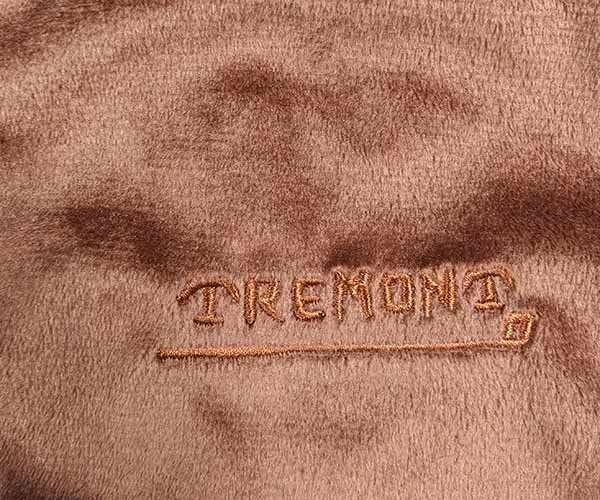
Embroidery
- Premium textile effect
- Suitable for repeated use
- May stiffen thin fabric
- Cost depends on stitch count
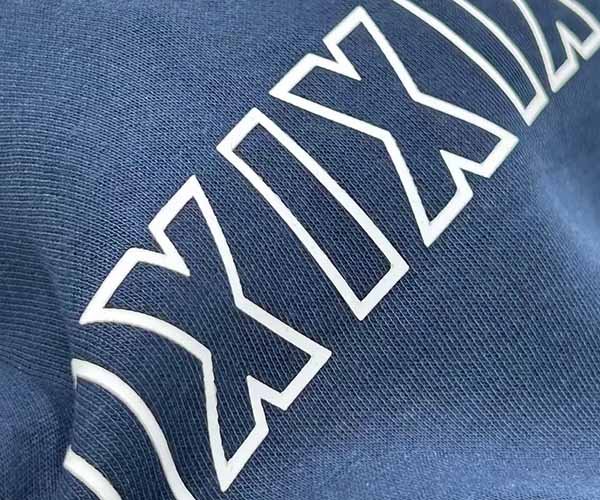
Heat Transfer
- Useful for multicolor graphics
- Good detail reproduction
- Surface compatibility must be tested
- Edge lifting should be checked
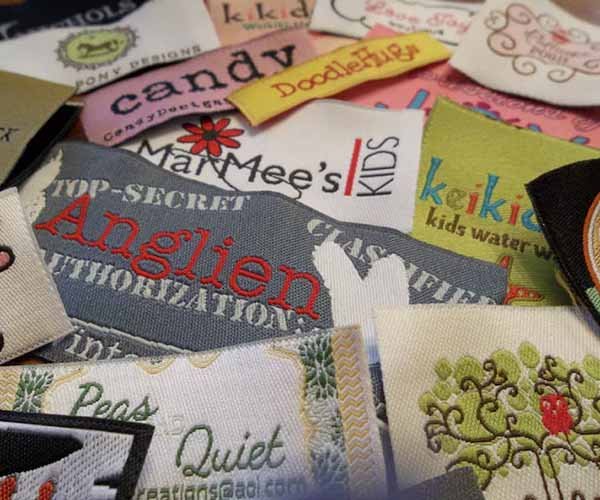
Woven Labels
- Clean brand presentation
- Useful across product families
- Requires label-production MOQ
- Small text needs readability review
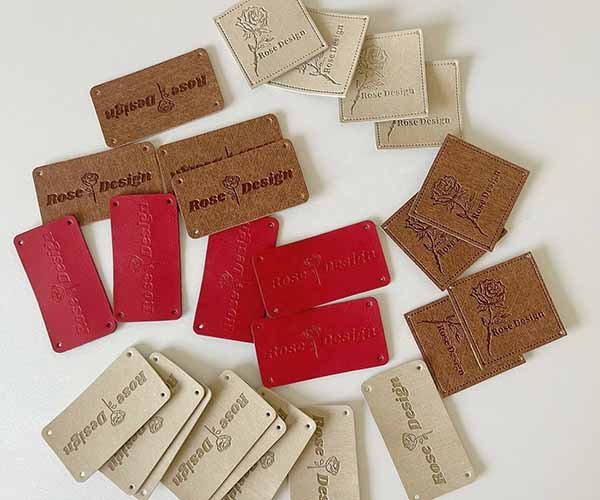
Leather Patches
- Premium tactile finish
- Suitable for canvas and outdoor bags
- Edge and thickness require approval
- Natural leather may show variation
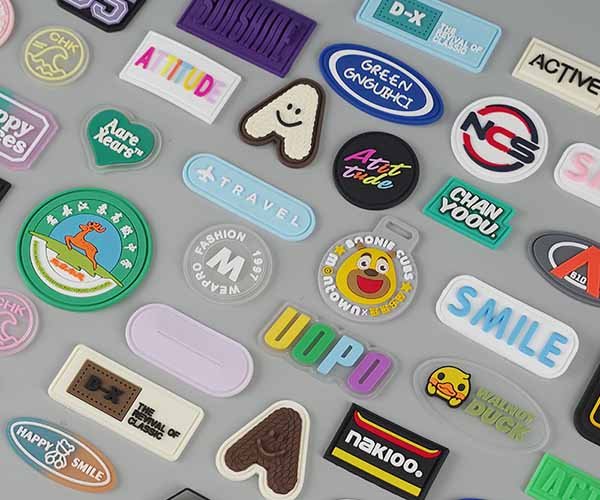
Rubber or Silicone Patches
- Durable and dimensional
- Custom mold usually required
- Small details need mold review
- Color and thickness affect cost
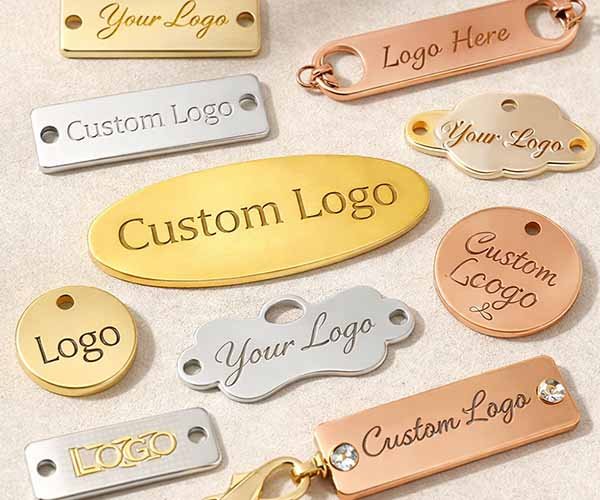
Metal Logo Plates
- Premium visual effect
- Custom tooling may apply
- Plating samples should be approved
- Packing must protect the surface
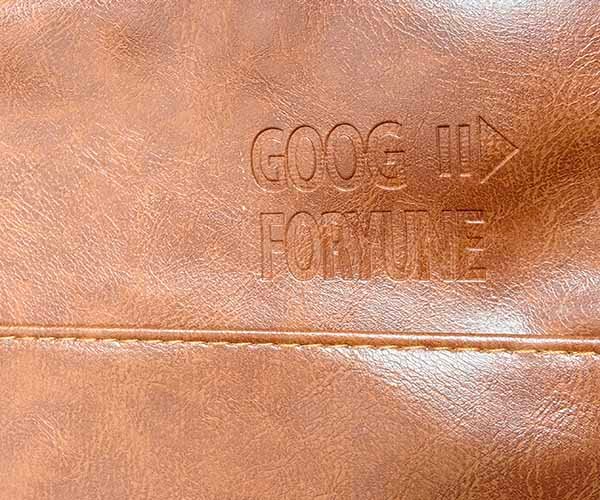
Embossing and Foil
Embossing, debossing, and foil stamping suit leather, PU, paper packaging, patches, and selected coated materials. Heat, pressure, die depth, foil color, and material reaction affect the result.
- Subtle or premium appearance
- Custom die may be needed
- Works best on suitable flat surfaces
- Bulk pressure and position need control
Packaging and Label Support for Japan Delivery
Packaging must protect the product, match the sales channel, carry approved information, and avoid unnecessary carton volume or freight cost. Japanese wording, care statements, importer information, barcode data, and market claims should be supplied or approved by the responsible brand, importer, or Japan-based compliance team. Szoneier executes production according to approved files.
Individual Polybags
- Standard or recycled-content options
- Printed or applied labels
- Folded product dimensions
- Carton-fit review
Dust Bags
- Premium unpacking experience
- Surface protection
- Reusable brand asset
- Added packing volume
Hangtags and Barcodes
- Japanese copy supplied or approved by the brand
- Barcode readability checks
- SKU-to-product matching
- Retailer-specific placement
Paper Sleeves
- Compact retail presentation
- Material and print finish options
- Die-line approval
- Fold and product-fit testing
Retail Boxes
- Strong shelf presentation
- Product protection
- Higher tooling and freight impact
- Carton optimization required
Gift Packaging
- Corporate and seasonal programs
- Multi-product kits
- Personalized inserts
- Split packing by destination
Bulk Production Control for Japan Market Programs
BOM and Material Release Before Cutting
- Outer fabric and color
- Lining
- Foam or padding
- Reinforcement board
- Zippers and sliders
- Webbing
- Buckles, hooks, rings, and rivets
- Thread
- Labels
- Logo components
- Packaging
- Carton requirements
Cutting, Logo Processing, and Pilot Assembly
- Marker or cutting layout review
- Panel quantity checking
- Direction and grain control
- Paired-part identification
- Printed or embroidered panel positioning
- Logo orientation
- Reinforcement placement
- Bundling by color or SKU
Sewing-Line and Work-in-Progress Control
- Stitch-line position
- Thread tension
- Seam allowance
- Binding width
- Zipper alignment
- Pocket position
- Handle and strap reinforcement
- Hardware installation
- Lining attachment
- Foam placement
- Left-right symmetry
- Product measurements
Multi-SKU Packing and Shipment Preparation
Multi-SKU programs create risks beyond sewing. Colors, sizes, labels, hangtags, barcodes, inserts, polybags, carton quantities, and destination marks must correspond. A packing control file may include:
- Product code
- Style name
- Color
- Size
- Barcode
- Individual packing
- Inner carton quantity
- Master carton quantity
- Carton dimensions
- Gross and net weight
- Carton mark
- Destination
Finished products are counted and separated before packing. Barcode and label checks compare physical goods with the SKU file. Carton photos, packed product photos, label photos, or short videos may be shared before shipment. For seasonal launches, a split shipment can send urgent units by air while the balance moves by sea, subject to cost and schedule review.
Quality Control for Japan-Bound Custom Bags
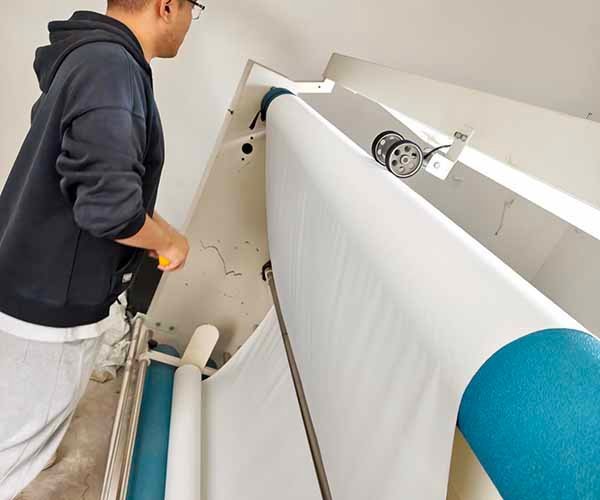
Material Inspection
- Color and surface condition
- Width, thickness, or weight
- Coating appearance
- Odor where relevant
- Batch consistency
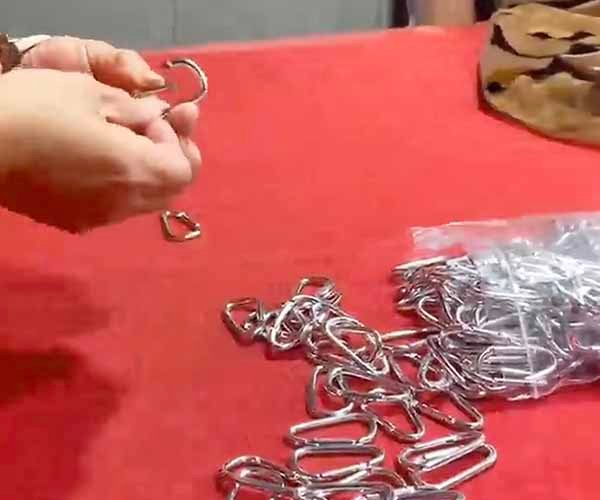
Accessory Inspection
- Size and color
- Surface finish
- Zipper movement
- Hardware defects
- Quantity and model
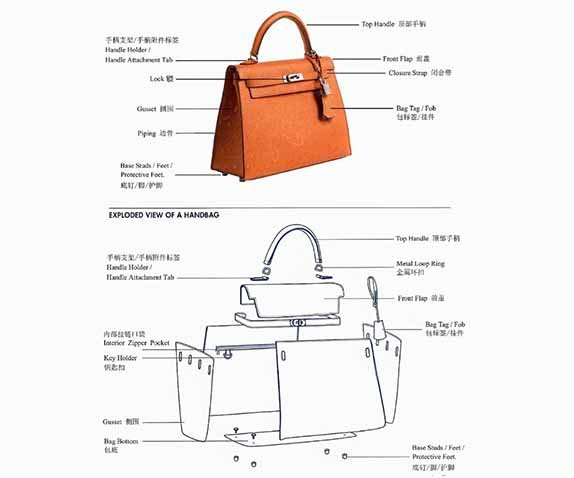
Pre-Production Sample
- Approved components
- Final measurements
- Production sewing sequence
- Packing setup
- QC reference points
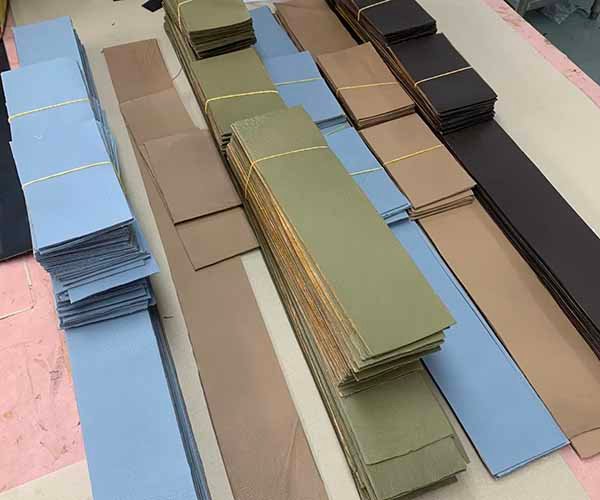
Cutting Inspection
- Pattern matching
- Panel orientation
- Component bundling
- Damage removal
- SKU separation
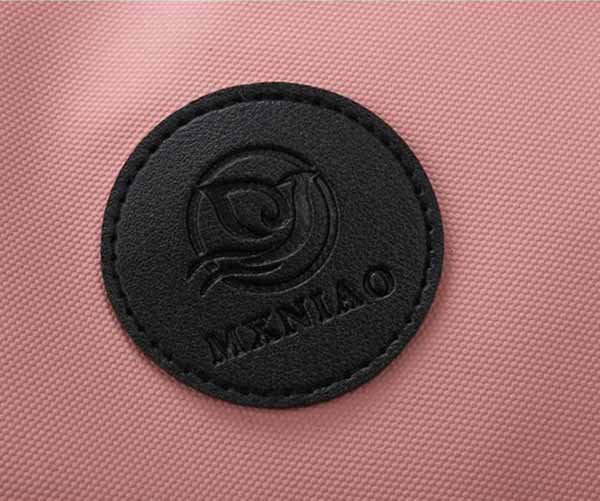
Logo Inspection
- Pantone or approved color
- Center-line measurement
- Small-text clarity
- Patch or plate fixing
- Print or embroidery finish
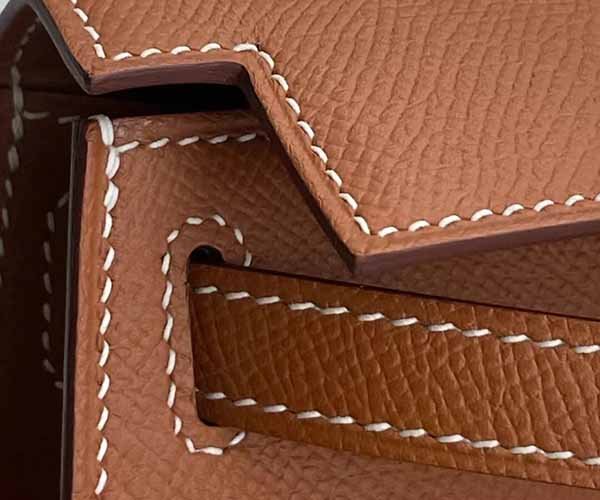
Sewing Inspection
- Stitching and thread tension
- Seam allowance
- Binding
- Zipper alignment
- Reinforcement
- Pocket position
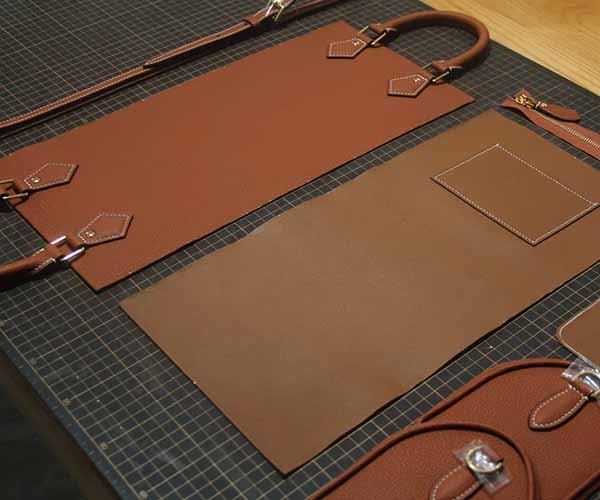
Semi-Finished Check
- Internal reinforcement
- Foam and board placement
- Pocket construction
- Hardware fixing
- Shape development
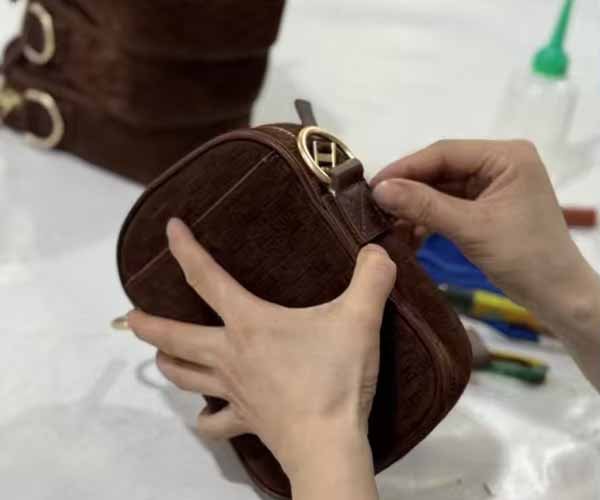
Final Product Check
- Dimensions and appearance
- Shape and symmetry
- Zipper and closure function
- Strap adjustment
- Surface cleanliness
- Product-specific features
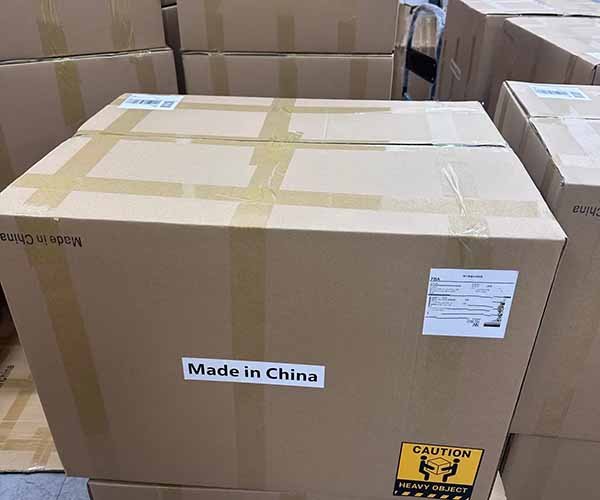
Packing and Outgoing Check
Packing inspection confirms individual packaging, labels, barcode, quantity, carton configuration, carton marks, and shipment readiness.
- SKU and barcode matching
- Carton quantity
- Export carton condition
- Packing list alignment
- Shipment photos
Testing and Inspection Support for Japan Projects
Testing should match product material, intended use, age group, sales channel, marketing claims, and requirements supplied by the responsible importing company. Szoneier does not describe every product as automatically compliant with all Japanese requirements. Testing scope and legal obligations must be confirmed for the exact product and sales channel.
Material Testing
- Restricted substances
- Heavy metals
- Azo dyes
- Colorfastness
- Material composition
Physical Performance
- Test method agreed first
- Sample quantity confirmed
- Pass criteria recorded
- Results linked to exact material and construction
Brand Inspection Protocols
- Protocol review before production
- Golden sample alignment
- Inspection booking support
- Corrective action records
Third-Party Inspection
- Inspection scope agreed in advance
- Cost and timing confirmed
- Goods prepared for inspection
- Reports retained with project records
Shipping Custom Bags from China to Japan
Freight planning should consider launch timing, quantity, carton volume, weight, destination type, customs arrangement, and warehouse receiving conditions.
Sample Express
- Fast international movement
- Tracking available
- Suitable for low shipment weight
- Import charges depend on arrangement
Air Freight
- Suitable for launch stock
- Airport or door options
- Higher cost than sea
- Volumetric weight affects quotation
Sea Freight
- Better cost for larger shipments
- Longer planning period
- Port and customs time required
- Early booking recommended during peak seasons
FOB and CIF
- Commercial invoice
- Packing list
- Export coordination
- Bill of lading support
DAP and DDP
- Full address required
- Product and carton data required
- Import arrangement confirmed
- Availability reviewed by shipment
Split Shipments
- Urgent quantity by air
- Balance quantity by sea
- Separate retailer allocations
- Multiple destination review
Representative Bag Projects for Japan Sales Channels
Lifestyle Retail Tote
Product: Structured canvas tote with internal pocket and zipper closure
Order Quantity: 2,400 pcs across three colors
Material: 16 oz cotton canvas with cotton lining
Logo: Embroidered front logo and woven internal label
Packaging: Individual recycled polybag, hangtag, barcode, 24 pcs per carton
The original design used heavy canvas but lacked enough bottom stability. The first sample also showed puckering around the zipper and slight distortion around the embroidered logo.
Szoneier adjusted the bottom panel, added a lightweight internal board, modified zipper seam allowance, and changed the embroidery backing. The second sample retained the desired natural appearance while standing more evenly.
- Sample development: 11 days
- Revision and approval: 8 additional days
- Bulk production: 34 days
- QC focus: dimensions, zipper alignment, logo position, bag symmetry, barcode matching
- Delivery: sea freight to a Japanese distribution partner
Beauty Pouch Collection
Product: Three-piece cosmetic pouch collection
Order Quantity: 3,600 sets
Material: Water-resistant nylon outer, polyester lining, light foam
Logo: Small metal plate with protective film
Packaging: Paper belly band, barcode sticker, master carton separated by color
The challenge involved three sizes using the same brand proportions. Early artwork positioned the metal plate too close to the zipper seam, creating installation risk and visual imbalance on the smallest pouch.
Szoneier prepared size-specific logo placement drawings and recommended one smaller plate size for the smallest pouch. Zipper tape, lining, and thread colors were matched to approved physical swatches rather than digital screen colors.
- Sample development: 12 days
- Final approval: after two sample rounds
- Bulk production: 38 days
- QC focus: nested sizing, logo plate alignment, zipper operation, surface marks, set completeness
- Delivery: first 600 sets by air, remaining 3,000 sets by sea
Travel Organizer Program
Client Profile: Japanese importer supplying online and specialty travel stores
Product: Compression packing cube and travel pouch set
Order Quantity: 1,800 complete sets
Material: Ripstop nylon, mesh panels, polyester binding
Logo: Heat-transfer logo and woven size labels
Packaging: Five-piece set packed in a branded storage pouch
The initial specification used lightweight mesh around a compression zipper. Szoneier identified a tearing risk at the corner seam during the sample review. A denser mesh and wider reinforcement tape were proposed while keeping the target packed weight close to the original brief.
The storage pouch also required a clearer barcode position because the original location became hidden after folding.
- Sample development: 14 days
- Performance review: zipper cycle and filled compression trial
- Bulk production: 41 days
- QC focus: mesh seams, compression zipper, set quantity, size labels, barcode visibility
- Delivery: FOB China port under the importer’s freight account
Final packing was completed by SKU and carton sequence. The following order increased to 3,200 sets and added a new shoe pouch.
How to Compare China Bag Factories for Japan
A suitable manufacturing partner should be evaluated through development capability, documentation, production control, packaging support, and long-term consistency—not unit price alone.
| Evaluation Point | Trading Company | Small Sewing Workshop | Large Volume Factory | Szoneier Manufacturing Model |
|---|---|---|---|---|
| Product Development | Depends on outsourced factories | Limited technical staff | Strong for established constructions | Product management, design, pattern, sampling, and material support |
| MOQ Flexibility | Varies by hidden factory | Often flexible for simple work | Usually prefers larger orders | From 200 pcs for selected materials and structures |
| Product Range | Depends on supplier network | Usually narrow | Often category-specific | Fabric bags, leather goods, neoprene, EVA, and functional soft goods |
| Sample Revision | Extra communication layers | Limited revision resources | Slower for small programs | Structured feedback, pattern adjustment, material trials, and approval records |
| Material Advice | Often quotation-led | Based on available local stock | Efficient for standard materials | Material comparison by use, cost, MOQ, appearance, and performance |
| Production Records | Varies | Often informal | Usually systematic | Patterns, BOM, material references, logo files, packing files, and QC notes |
| Multi-SKU Programs | Coordination risk | Capacity limitations | Works best at high volume | SKU mapping, packing instructions, carton separation, and parallel order management |
| Packaging Support | Often outsourced | Basic polybag and carton | Standardized high-volume packing | Retail, e-commerce, gift, barcode, hangtag, and multi-address options |
| QC Control | Depends on supplier access | Mainly final visual checks | Strong formal systems | Material, accessory, cutting, sewing, final, and packing inspection |
| Repeat Production | Supplier may change | Records depend on individuals | Strong for stable large orders | Approved samples, material references, packaging files, and QC records retained |
Stable Reorders for Long-Term Japan Market Programs
Repeat production becomes more efficient when approved technical, material, branding, packing, and quality information remains organized after the first shipment. Material batches, supplier availability, regulations, and packaging files may change over time. Every reorder receives a change review before production begins.
Pattern Archive
- Approved pattern version
- Measurement records
- Revision history
- Related sample reference
BOM Records
- Component names
- Supplier references
- Colors and specifications
- Approved alternatives
Packaging Files
- SKU mapping
- Artwork version
- Pack-out method
- Carton quantity
Reorder QC Standards
- Approved sample comparison
- Material batch review
- High-risk inspection points
- Previous order feedback
China Bag Factory for Japan Frequently Asked Questions
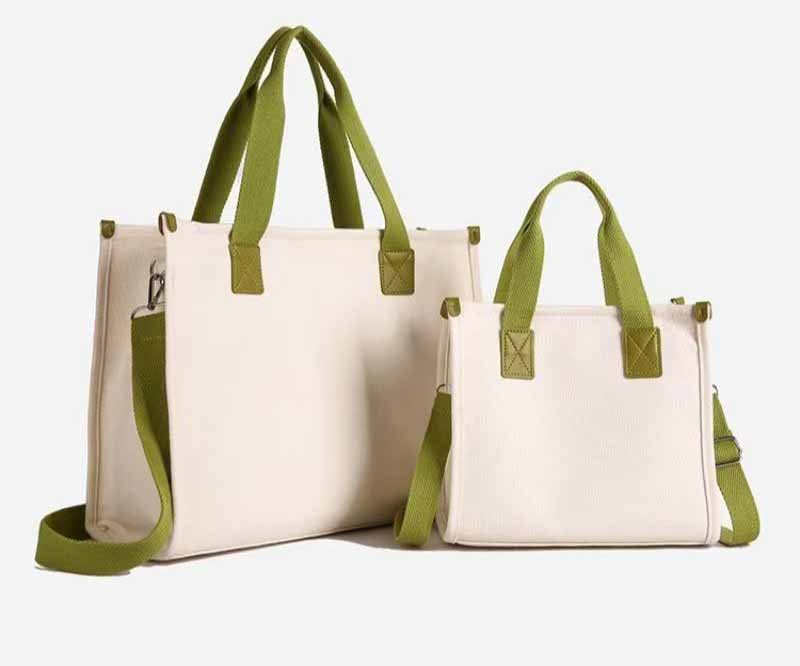
Start Your Japan Market Bag Project
- Product type and intended use
- Target quantity and number of SKUs
- Finished size or capacity
- Preferred material and color
- Logo artwork and desired process
- Packaging and barcode requirements
- Target price or product position
- Required testing or inspection
- Delivery address in Japan
- Target launch or arrival date
- Sample deadline
- Preferred shipping terms