Skip to content
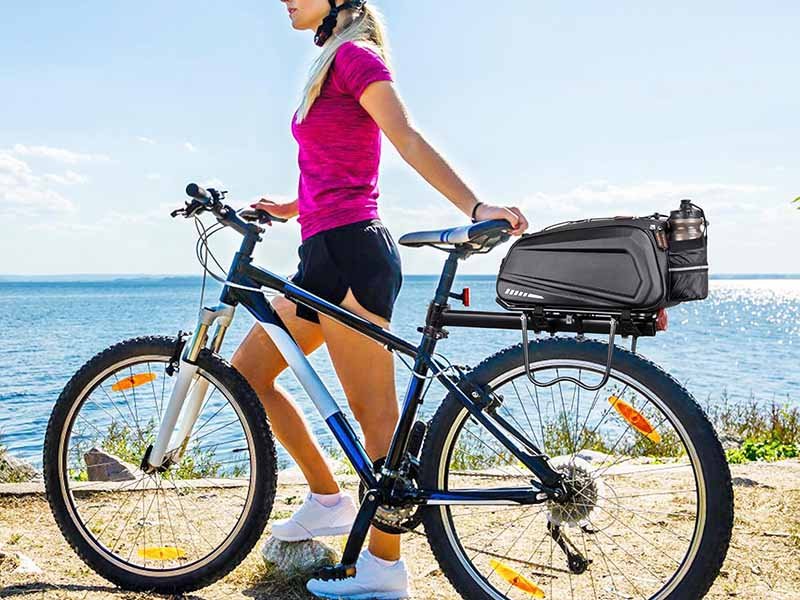
Cycling has evolved far beyond a simple commute or weekend hobby. For many riders today—bikepackers, long-distance tourers, commuters, and gravel cyclists—bike bags are essential gear. They carry tools, food, electronics, repair kits, and sometimes everything needed for days or weeks on the road. That’s why the phrase “bike bags made in USA” carries such weight. It signals durability, craftsmanship, ethical manufacturing, and trust—but it also raises questions about cost, availability, and whether domestic production truly delivers better performance.
Some riders actively seek USA-made bike bags because they ride hard and rely on their gear daily. Others are brand buyers or retailers trying to meet customer demand for domestic sourcing. At the same time, many cyclists notice that USA-made bike bags often cost significantly more than imported options—and wonder if the difference is justified.
Bike bags made in USA are cycling storage products that meet U.S. FTC standards, meaning all or virtually all manufacturing processes—cutting, sewing, assembly, and finishing—occur in the United States. Riders seek them for perceived durability, quality control, and ethical sourcing. However, USA-made bike bags usually cost more due to higher labor costs and smaller production runs, making them best suited for premium, professional, or long-distance cycling use.
Behind every “Made in USA” label is a set of real-world trade-offs: durability versus price, customization versus scale, heritage versus flexibility. Understanding these trade-offs is the key to choosing the right bike bag—or sourcing the right one for your brand. Let’s break it down clearly, starting with what “Made in USA” actually means.
What Does “Bike Bags Made in USA” Really Mean
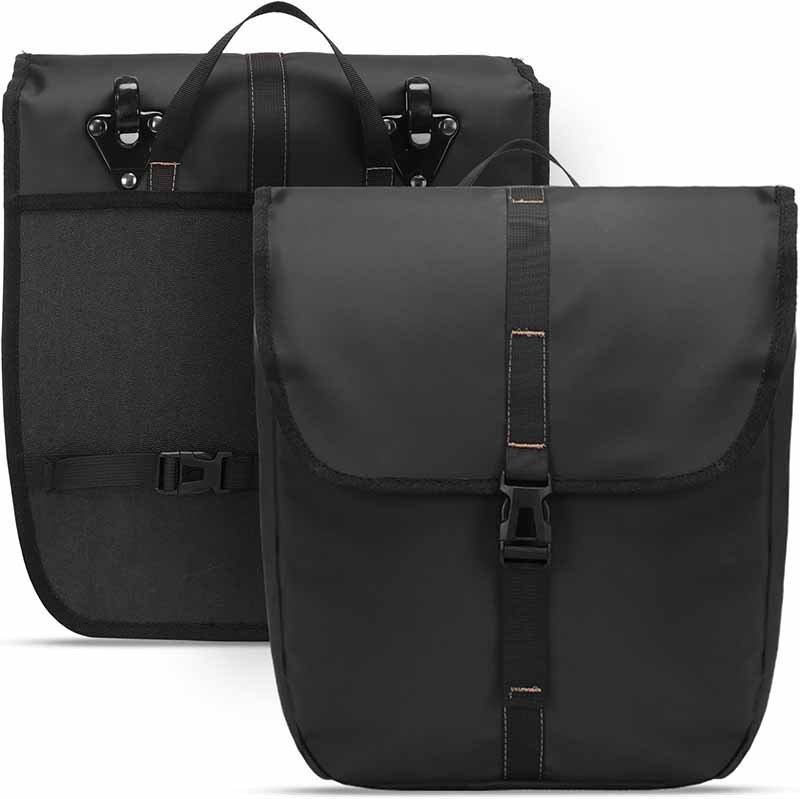
“Bike bags made in USA” refers to bicycle bags that meet U.S. Federal Trade Commission (FTC) standards, meaning all or virtually all manufacturing processes—cutting, sewing, assembly, and finishing—take place in the United States. This label indicates true domestic production, not just design or final assembly. Terms such as “assembled in USA” or “designed in USA” reflect partial domestic involvement and do not meet the same legal definition.
What qualifies a bike bag as “Made in USA” under FTC rules?
Under FTC guidelines, a product can only be labeled “Made in USA” if “all or virtually all” of its manufacturing occurs within the United States. For bike bags, this typically includes:
- Fabric cutting and panel preparation
- Industrial sewing and bartacking
- Structural reinforcement at stress points
- Final assembly, inspection, and packing
If major sewn components or the core fabric body are produced overseas, the bag generally does not qualify, even if finishing steps happen in the U.S. This strict definition is why genuinely USA-made bike bags are relatively rare and often higher priced.
Are materials, labor, and assembly all required to be US-based?
Yes—but with important nuance.
The FTC focuses on where most of the product’s value is created, not just where parts originate. In practice:
- U.S.-based labor and sewing carry the greatest weight
- U.S.-based cutting and construction are critical
- Minor imported components (buckles, snaps, labels) may be acceptable
- Imported main fabrics or overseas sewing usually disqualify the claim
This explains why two bike bags that look similar can legally carry very different origin labels.
How is “assembled in USA” different from “made in USA”?
This distinction matters greatly for buyers.
- Made in USA: Nearly all manufacturing is domestic
- Assembled in USA: Final assembly occurs in the U.S., but many components are imported
- Designed in USA: Only design or product development is domestic
Buyers searching specifically for bike bags made in USA are typically looking for the first category, not partial domestic involvement.
What manufacturing steps must happen in the USA for bike bags?
A bike bag that truly qualifies as USA-made usually completes every critical step domestically, including:
- Pattern cutting and material preparation
- Heavy-duty sewing and seam reinforcement
- Attachment system construction (straps, mounts, buckles)
- Waterproofing details and finishing
- Final quality inspection
If any of these core processes occur overseas, the product may no longer meet FTC standards for a full “Made in USA” claim.
Why is “Made in USA” harder to achieve for bike bags than simple products?
Bike bags are labor-intensive, multi-layer textile products. Unlike molded or automated goods, they require:
- Skilled sewing operators
- Precise reinforcement placement
- Manual quality checks
- Low tolerance for defects (especially for bikepacking use)
Because U.S. labor costs are high and production volumes are usually small, domestic bike bag manufacturing is challenging to scale—contributing to higher prices and limited availability.
How can buyers verify “Bike Bags Made in USA” claims?
Professional buyers should go beyond labels and ask for:
- Written confirmation of FTC compliance
- Transparency on where each manufacturing step occurs
- Clear explanation of material sourcing
- Consistent origin labeling across marketing materials
Vague phrases like “USA quality” or “American standard” without documentation are common red flags.
Why Do Buyers Search for Bike Bags Made in USA
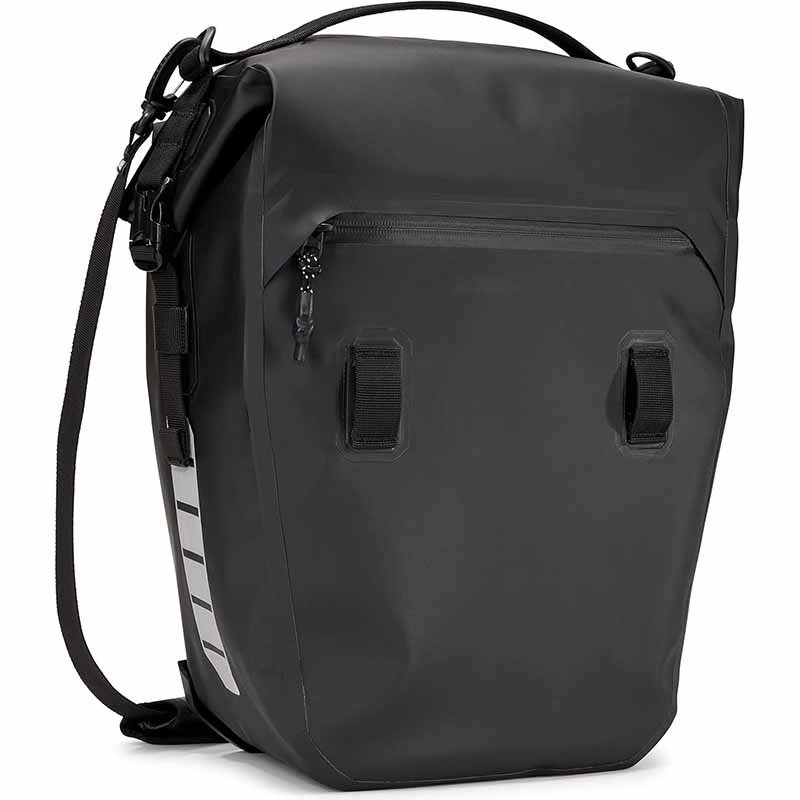
Buyers search for bike bags made in USA because they associate domestic manufacturing with higher durability, better quality control, ethical labor standards, and supply-chain transparency. For bikepackers and long-distance riders, reliability is critical. Brands and retailers also value USA-made bike bags for compliance, premium positioning, and reduced risk related to origin labeling.
Why does origin matter for bike bag durability and reliability?
Bike bags are exposed to constant vibration, abrasion, weather, and uneven load distribution. A failed seam or strap can turn a long ride—or a multi-day bikepacking trip—into a serious problem.
Buyers often believe USA-made bike bags are:
- More conservatively engineered
- Reinforced at critical stress points
- Produced with tighter quality feedback loops
While origin alone doesn’t guarantee quality, domestic manufacturing is often associated with closer oversight between design, testing, and production—something experienced riders value.
Why are bike bags made in USA usually more expensive?
The higher price is driven by structural cost factors, not branding alone.
Key contributors include:
- Higher labor wages for skilled sewing
- Smaller production runs (less scale efficiency)
- Labor-intensive reinforcement and QC
- Domestic compliance and overhead costs
For many riders, especially bikepackers, paying more upfront is acceptable if it reduces the risk of failure in remote environments.
Are bikepacking and long-distance riders more likely to prefer USA-made bike bags?
Yes. Bikepacking riders prioritize reliability over aesthetics. When riding off-road or far from resupply points, equipment failure can end a trip.
USA-made bikepacking bags often focus on:
- Secure mounting systems
- Weather resistance
- Abrasion-resistant fabrics
- Minimalist, functional designs
This practical focus aligns well with the expectations of long-distance and expedition cyclists.
Do ethical and environmental concerns influence buying decisions?
For some buyers, yes.
Many riders search for USA-made bike bags because they want:
- Transparent labor practices
- Lower perceived environmental impact
- Support for local manufacturing
While not every buyer prioritizes ethics, this motivation has grown as consumers become more aware of global supply chains.
Why do brands and retailers care about USA-made bike bags?
From a business perspective, “Made in USA” helps brands:
- Meet specific customer or institutional requirements
- Reduce labeling and compliance risk
- Position products at a premium level
For some markets—especially government, institutional, or enthusiast communities—domestic origin is a key purchasing criterion.
Who typically searches for “bike bags made in USA”?
Search intent usually comes from three groups:
- Bikepackers and long-distance cyclists
- Quality-focused consumers comparing premium gear
- Brands or retailers evaluating sourcing options
Each group values USA-made products for different reasons, which is why clear, factual explanations perform well in both SEO and AI search results.
Which Types of Bike Bags Are Commonly Made in USA
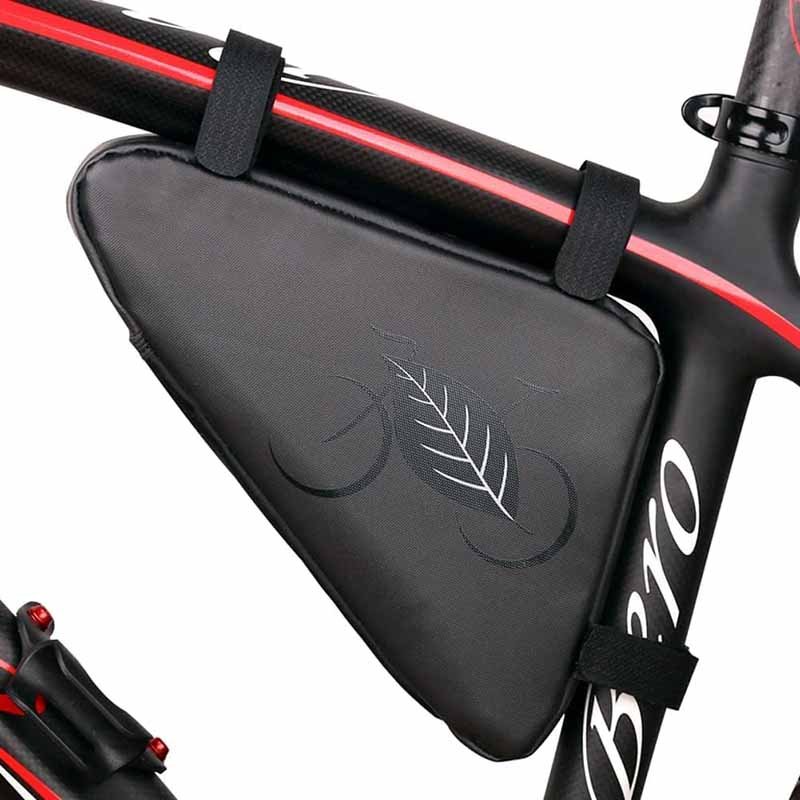
Bike bags commonly made in the USA are usually premium, small-batch products such as bike handlebar bags, bikepacking bags (frame, saddle, and accessory bags), and compact bike stem bags. These categories prioritize durability, precise fit, and reliability over mass production, making them better suited to labor-intensive domestic manufacturing rather than high-volume overseas production.
Which bike bag styles are most often made in USA?
USA-made bike bags are rarely mass-market items. They tend to be function-driven, rider-tested products designed for demanding use cases. The most common USA-made categories include:
- Handlebar bags and handlebar roll systems
- Bikepacking bags (frame bags, saddle bags, top-tube bags)
- Bike stem bags and small-accessory pouches
These styles share key characteristics: stable demand, minimal seasonal design changes, and a strong emphasis on structural integrity. This makes them feasible for domestic workshops that rely on skilled labor rather than automated mass production.
Are bike handlebar bags made in USA more common than other types?
Yes. Bike handlebar bags made in USA are among the most frequently produced domestically.
Reasons include:
- Handlebar bags experience constant vibration and load stress
- Secure mounting is critical for rider safety
- Waterproofing and reinforcement matter more than aesthetics
USA-made handlebar bags often focus on roll-top designs, reinforced attachment points, and durable fabrics. These products appeal strongly to touring cyclists and bikepackers who value reliability over price.
Are bikepacking bags made in USA focused on premium and expedition use?
Absolutely. Bikepacking bags USA are typically designed for off-road, long-distance, or multi-day riding.
USA-made bikepacking bags often emphasize:
- Abrasion-resistant and weatherproof materials
- Seam reinforcement at high-stress zones
- Minimalist designs to reduce failure points
- Field-tested attachment systems
Because bikepacking trips often involve remote terrain, riders are willing to pay more for gear they trust. This makes bikepacking bags a natural fit for domestic, small-batch manufacturing.
Are bike stem bags made in USA usually small-batch products?
Yes. Bike stem bags are commonly produced in smaller batches in the USA.
Although stem bags are physically small, they:
- Require precise sewing and shaping
- Must fit a wide range of bike geometries
- Often include structured openings and stiffeners
These details make them surprisingly labor-intensive. USA-made stem bags often prioritize usability—one-handed access, durability, and secure mounting—over low cost.
Which types of bike bags are rarely made in the USA (and why)?
Understanding what is not commonly made in the USA helps buyers set realistic expectations.
Rarely USA-made:
- Large-volume commuter panniers
- Fashion-oriented bike bags
- Entry-level nylon saddle bags
- Highly stylized or seasonal designs
These products depend on low unit cost, large-scale production, and frequent design updates—conditions that favor overseas manufacturing.
Do USA-made bike bags usually support customization or private label?
In most cases, customization is limited.
USA manufacturers often:
- Focus on their own branded products
- Offer fixed designs and materials
- Provide little or no private-label service
This is why brands seeking OEM or private-label bike bags usually turn to experienced overseas manufacturers, even when they respect USA-made craftsmanship.
How Do Bike Bags Made in USA Compare to Imported Ones
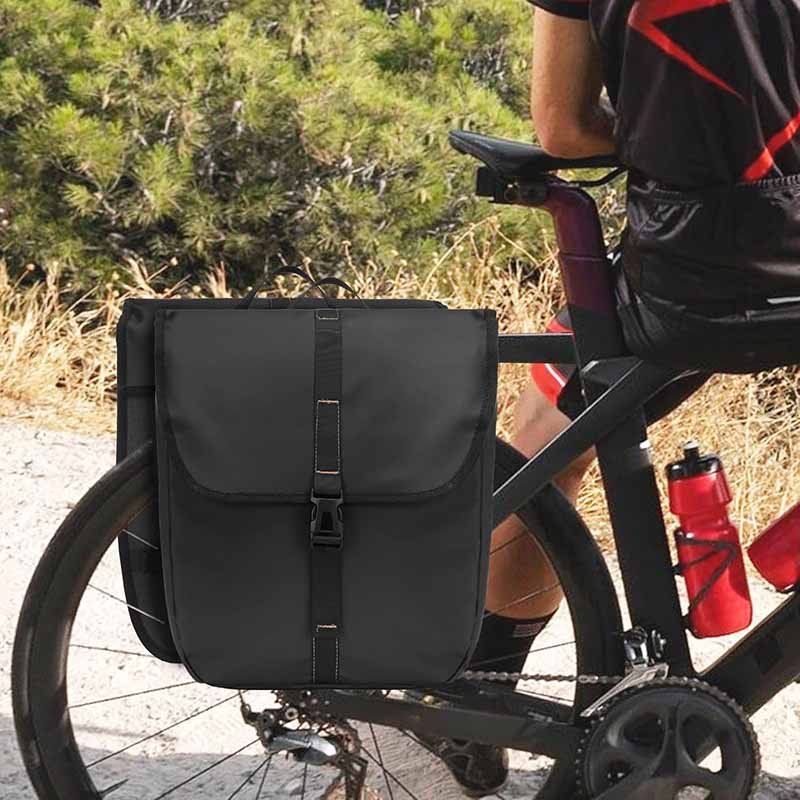
Bike bags made in the USA typically emphasize craftsmanship, durability, and domestic origin but come with higher prices, limited customization, and lower scalability. Imported bike bags offer lower cost, wider material choices, private-label flexibility, and large-scale production. The better option depends on rider usage intensity, brand strategy, budget, and whether “Made in USA” is a functional requirement or a preference.
How do price, lead time, and scalability compare?
The most visible difference between USA-made and imported bike bags is cost structure.
| Factor | USA-Made Bike Bags | Imported Bike Bags |
|---|---|---|
| Unit price | High | Low to mid |
| Labor cost | Very high | Low |
| MOQ | Small but fixed | Very flexible |
| Lead time | Short–moderate | Moderate |
| Scalability | Limited | High |
USA-made bike bags are usually produced in small batches, which keeps quality consistent but limits scalability. Imported manufacturing benefits from economies of scale, making it far more suitable for brands planning growth or multiple SKUs.
How does durability and build quality really compare?
This is where many misconceptions exist.
USA-made bike bags often feature:
- Conservative load ratings
- Reinforced seams and bartacking
- Heavy-duty attachment points
- Slower, craftsmanship-focused production
However, durability is not guaranteed by geography alone. Imported bike bags produced by experienced OEM factories can match or exceed this performance when they use:
- 900D–1680D fabrics
- TPU or PU coatings
- Multi-layer reinforcement
- Strict QC standards
The real differentiator is engineering discipline, not country of origin.
How do USA-made vs imported bike handlebar bags compare?
Bike handlebar bags made in USA typically focus on:
- Roll-top waterproof designs
- Secure, vibration-resistant mounting
- Long-term reliability for touring and bikepacking
Imported handlebar bags often offer:
- More size and style options
- Lower price points
- Easier branding and color customization
For riders, USA-made options appeal emotionally and functionally. For brands, imported handlebar bags provide better flexibility and cost control.
How do bikepacking bags from USA differ from imported bikepacking bags?
USA-made bikepacking bags are usually designed for:
- Expedition and off-road use
- Minimal failure points
- Durability over aesthetics
Imported bikepacking bags, on the other hand, cover a broader spectrum:
- Entry-level to premium
- Lightweight and cost-optimized designs
- Custom layout and branding options
For serious bikepackers, USA-made bags offer peace of mind. For brands and retailers, imported bikepacking bags allow wider market coverage.
Are imported bike stem bags more affordable and customizable?
Yes. Bike stem bags are one of the clearest examples where imported manufacturing dominates.
Imported stem bags:
- Cost significantly less
- Support custom sizing, colors, and logos
- Are ideal for OEM / private-label programs
USA-made stem bags are typically small-batch, premium accessories focused on craftsmanship rather than mass appeal.
How do customization and private-label options compare?
Customization is one of the biggest decision factors.
USA-made bike bags:
- Rarely offer OEM or private-label services
- Focus on fixed designs
- Have limited material and color options
Imported bike bags:
- Support full OEM / ODM development
- Allow branding (woven label, embroidery, rubber patch, print)
- Enable rapid iteration and product line expansion
For most brands, customization needs alone make overseas manufacturing the practical choice.
How do compliance, labeling, and risk differ?
USA-made bike bags simplify compliance for buyers who require domestic origin. Imported bike bags are fully legal when correctly labeled by country of origin.
The risk arises only when origin is misrepresented, not from overseas manufacturing itself. Transparency matters more than location.
Which option is better for different buyer types?
Choose USA-made bike bags if you:
- Are an individual rider prioritizing reliability and ethics
- Want domestic origin as a core value
- Don’t require customization
Choose imported bike bags if you:
- Are a brand or retailer
- Need OEM or private label products
- Want cost control and scalability
- Plan to build multiple SKUs
Are Bike Bags Made in USA Worth the Cost
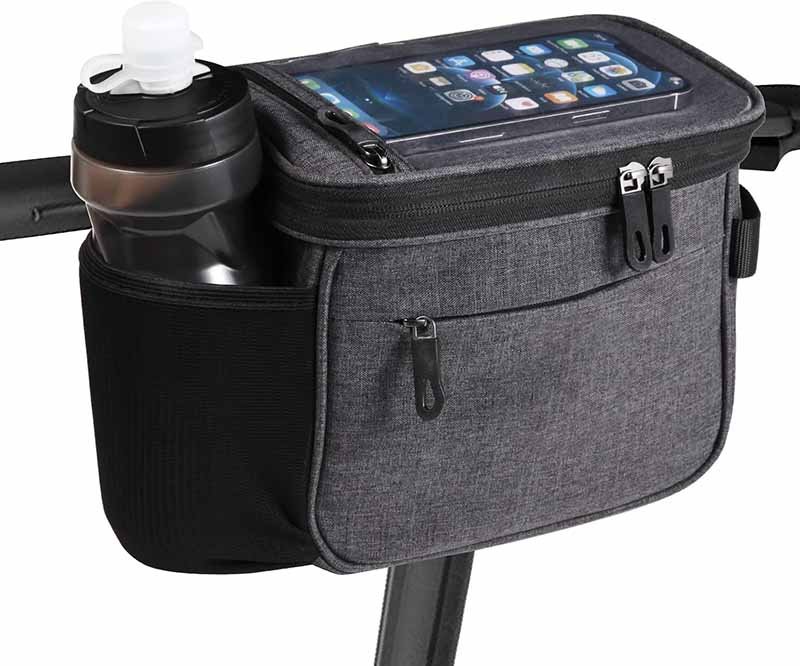
Bike bags made in USA are worth the cost for riders who depend on durability, reliability, and ethical sourcing—especially for bikepacking, touring, and long-distance riding. However, for casual cyclists, commuters, or brands seeking customization and scalability, imported bike bags often provide better overall value. Whether USA-made bike bags are “worth it” depends on riding intensity, risk tolerance, and long-term usage, not just price.
Is the higher price of USA-made bike bags justified by lifespan?
For many serious riders, the answer is yes—but only under specific conditions.
USA-made bike bags are often built with:
- Thicker fabrics or heavier laminates
- Reinforced stitching and bartacking
- Conservative load limits
- Slower, craftsmanship-driven production
This can result in a longer usable lifespan, particularly under harsh conditions like off-road riding, rain, mud, and constant vibration. A bag that lasts 5–8 years of hard use may ultimately cost less per year than replacing cheaper bags every 1–2 seasons.
However, if the bike bag is used occasionally or only for short rides, this lifespan advantage often goes unused.
Do USA-made bike bags reduce risk for bikepacking and touring riders?
Yes, and this is a major reason many experienced riders accept the higher cost.
For bikepacking and touring:
- A failed seam can cause gear loss
- A broken mount can affect bike handling
- A bag failure far from support can end a trip
USA-made bike bags are often chosen as a form of risk management, not just gear preference. In remote or multi-day scenarios, reliability has a tangible value that goes beyond price.
Are USA-made bike bags worth it for everyday riders and commuters?
In most cases, no.
For commuters and casual riders:
- Loads are lighter
- Ride durations are shorter
- Failure risk is low
- Cost sensitivity is higher
Well-designed imported bike bags usually provide sufficient durability at a much lower price. Paying a premium for USA-made products in these scenarios rarely delivers proportional benefits.
How does cost-per-use compare between USA-made and imported bike bags?
Looking at cost-per-use removes emotion from the decision.
Example:
- USA-made bag: $220 lasting 6 years → ~$37/year
- Imported bag: $90 lasting 3 years → ~$30/year
For heavy users, the difference narrows—or disappears entirely. For light users, imported bags almost always win.
This makes riding frequency and load intensity the key decision variables.
Are USA-made bike bags worth it for brands and retailers?
For most brands, no—unless “Made in USA” is central to brand identity.
Challenges include:
- High wholesale costs
- Limited customization
- Fixed designs and materials
- Difficult scalability
This is why many respected cycling brands design in the USA but manufacture overseas, combining engineering control with cost efficiency.
Are there situations where USA-made bike bags are required, not optional?
Yes. USA-made bike bags may be necessary when:
- Selling to government or institutional buyers
- Targeting niche markets with strict domestic sourcing values
- Building a heritage or premium “Made in USA” brand
In these cases, the higher cost is justified by compliance, positioning, or customer expectation.
Can high-quality imported bike bags deliver similar value at lower cost?
Absolutely—when sourced correctly.
Experienced OEM manufacturers can produce bike bags with:
- 900D–1680D fabrics
- TPU-coated or waterproof materials
- Reinforced attachment systems
- Consistent QC and testing
When properly engineered, imported bike bags meet the needs of most riders at a fraction of the cost, especially for branded or private-label programs.
How Should Brands Source Bike Bags If Made in USA Is Required
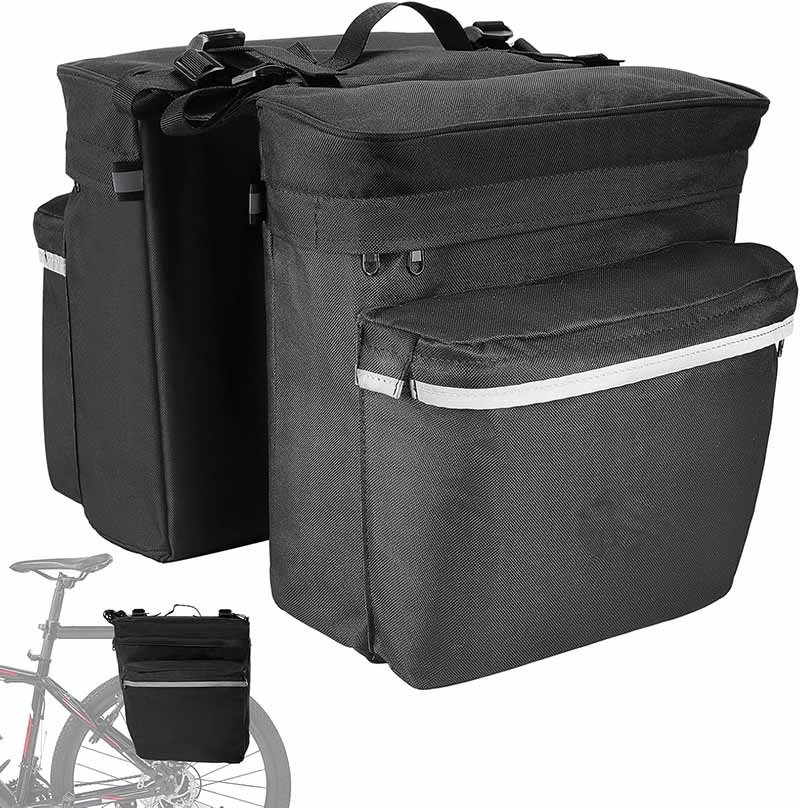
Brands sourcing bike bags labeled “Made in USA” must verify FTC compliance, confirm that all or virtually all manufacturing occurs domestically, and prepare for higher costs and limited customization. This usually means working with small domestic workshops, accepting fixed designs, and planning smaller production runs. When full USA production is not feasible, brands may adopt compliant alternatives such as “assembled in USA” or transparent dual-sourcing strategies.
What does “Made in USA” legally require for brand sourcing?
For brands, “Made in USA” is not a marketing phrase—it is a legal claim regulated by the FTC.
To source compliant bike bags, brands must ensure:
- Core manufacturing steps (cutting, sewing, assembly) occur in the U.S.
- Domestic labor contributes the majority of product value
- Imported components represent only a minimal portion of total cost
If a supplier cannot clearly explain where each step happens, the risk of mislabeling falls on the brand—not the factory. This makes verification essential.
How can brands verify USA-made claims before placing orders?
Before committing to production, brands should request:
- Written confirmation of FTC “Made in USA” compliance
- A step-by-step manufacturing process breakdown
- Transparency on material sourcing and labor location
- Consistent origin wording across marketing, packaging, and website
Vague claims like “USA quality” or “American craftsmanship” without documentation are common red flags.
What types of suppliers typically produce USA-made bike bags?
Most USA-made bike bags come from:
- Small to mid-sized sewing workshops
- Specialty cycling or outdoor gear makers
- Artisan or craft-focused manufacturers
These suppliers excel at durability and attention to detail but usually operate with:
- Limited production capacity
- Narrow product focus
- Fixed designs and materials
Brands must align expectations accordingly.
What limitations should brands expect when sourcing USA-made bike bags?
Brands often underestimate the constraints of domestic sourcing.
Common limitations include:
- Higher unit costs, limiting price flexibility
- Limited customization, especially for private label
- Small batch sizes, restricting scalability
- Longer development cycles when capacity is tight
USA sourcing works best when domestic origin is central to brand positioning—not when rapid expansion or frequent SKU changes are required.
Can brands customize or private-label bike bags made in USA?
In most cases, customization is minimal.
USA manufacturers typically:
- Focus on their own branded products
- Offer fixed SKUs rather than OEM programs
- Allow limited logo placement, if any
If your brand strategy depends on differentiated designs, seasonal updates, or multiple size/color options, full USA manufacturing may not be practical.
What compliant alternatives exist if full USA production is not feasible?
Many brands use legally compliant alternatives, including:
- “Assembled in USA” (final assembly domestic, components imported)
- Dual-line strategy (USA-made flagship + imported main line)
- Transparent overseas manufacturing with clear origin labeling
The key is honesty. Misrepresentation creates far more risk than overseas production.
How does hybrid sourcing work without violating labeling rules?
Hybrid sourcing works when:
- Only compliant products are labeled “Made in USA”
- Imported products clearly state country of origin
- Marketing language avoids implying domestic origin where it doesn’t exist
This allows brands to meet niche USA-origin demand while maintaining scalable product lines.
When does overseas sourcing make more sense for brands?
Overseas manufacturing is often the better option when brands need:
- OEM / private-label bike bags
- Low MOQs for testing new designs
- Flexible materials and attachment systems
- Cost control and scalable capacity
This is why many successful cycling brands design in the USA but manufacture overseas—without sacrificing quality.
FAQ: Bike Bags Made in USA
Bike bags made in USA must meet FTC standards requiring all or virtually all manufacturing to occur domestically. Not all American cycling brands manufacture in the USA, and terms like “assembled in USA” or “designed in USA” indicate partial domestic involvement. USA-made bike bags typically cost more and offer limited customization, while imported bike bags dominate OEM and private-label markets.
What does “Bike Bags Made in USA” legally mean?
Legally, “Bike Bags Made in USA” means that all or virtually all manufacturing steps—including cutting, sewing, assembly, and finishing—take place in the United States, in accordance with FTC regulations. Minor imported components may be allowed only if they represent a small percentage of total value. If major components or sewing are done overseas, the product cannot legally carry the label.
Are “assembled in USA” bike bags the same as “made in USA”?
No. “Assembled in USA” indicates that final assembly happens domestically, but many materials or components are imported. This claim is not equivalent to “Made in USA” and should not be interpreted as full domestic manufacturing. Buyers specifically searching for USA-made bike bags usually expect the stricter FTC definition.
Are all American bike bag brands made in the USA?
No. Many well-known American cycling brands are designed in the USA but manufactured overseas. This approach allows brands to control design and quality while keeping costs manageable and supporting larger production volumes. Being an American brand does not automatically mean domestic manufacturing.
Which types of bike bags are most commonly made in the USA?
Bike bags commonly made in the USA include handlebar bags, bikepacking bags, and stem bags. These products prioritize durability, precise fit, and small-batch craftsmanship, making them more suitable for domestic production than mass-market panniers or commuter bags.
Why are bike bags made in USA more expensive?
USA-made bike bags cost more due to higher labor wages, smaller production runs, labor-intensive sewing and reinforcement, and domestic compliance costs. The higher price reflects structural production realities rather than branding alone.
Do USA-made bike bags last longer than imported ones?
Often—but not always. USA-made bike bags are typically designed for heavy use and conservative load limits. However, imported bike bags produced by experienced OEM manufacturers can match or exceed durability when proper materials, engineering, and quality control are applied.
Are USA-made bike bags worth the cost for everyday riders?
For most commuters and casual riders, imported bike bags offer better value. USA-made bike bags are more suitable for bikepackers, touring cyclists, or riders who prioritize domestic manufacturing and long-term durability over price.
Can brands order custom or private-label bike bags made in USA?
In most cases, customization options are limited. USA manufacturers often focus on their own branded products and fixed designs. OEM or private-label programs are rare and typically expensive. Brands seeking customization usually turn to overseas manufacturers.
How can buyers verify a “Made in USA” claim for bike bags?
Buyers should request written FTC compliance confirmation, transparency on manufacturing steps, and consistent origin labeling across marketing and packaging. Vague claims without documentation are red flags.
Are imported bike bags legal to sell in the USA?
Yes. Imported bike bags are legal as long as country-of-origin labeling is accurate and compliant. Problems arise only when origin is misrepresented, not from overseas manufacturing itself.
What are the best alternatives if full USA manufacturing isn’t feasible?
Common alternatives include “assembled in USA” labeling, dual-line sourcing strategies (USA-made flagship + imported main line), or transparent overseas manufacturing with clear origin labeling. These approaches balance compliance, cost, and scalability.
Do government or institutional buyers require USA-made bike bags?
Sometimes. Certain government, institutional, or contract buyers may require domestic origin. Brands should always confirm sourcing requirements before production.
Conclusion
If you’re sourcing custom bike bags, handlebar bags, bikepacking bags, or bike stem bags, choosing the right manufacturing partner matters.
Szoneier is a professional bag manufacturer with over 18 years of experience in R&D, manufacturing, and global export of custom bags. We work closely with cycling brands, outdoor companies, distributors, and private-label buyers to turn ideas into market-ready products. If you are comparing USA-made bike bags versus overseas manufacturing, Szoneier helps you evaluate trade-offs honestly and choose a solution that fits your market positioning, budget, and growth plan—without compromising quality.
Contact Szoneier today to discuss your custom bike bag project and request a quotation.