Skip to content
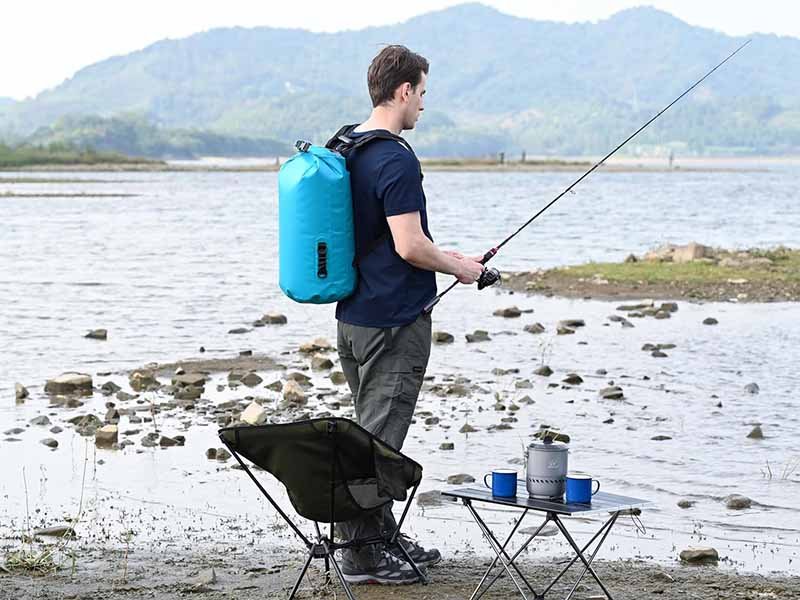
Choosing the right material for your fishing bag can dramatically improve your fishing experience, whether you’re enjoying a day at a freshwater lake or battling the open sea. Selecting the correct material isn’t just about durability but ensuring that your bag withstands water exposure, abrasion, and the elements. The material you choose will make a big difference in terms of performance and longevity. Freshwater fishing bags require materials that are lightweight, water-resistant, and durable for the relatively milder conditions. In contrast, saltwater fishing bags need to be waterproof, corrosion-resistant, and durable enough to handle the harsh effects of saltwater and rough conditions.
Imagine spending the whole day on the water, only to find that your fishing gear was ruined because the bag wasn’t up to the task. With the right materials, you can avoid these frustrations and ensure that your gear stays safe, organized, and dry. Let’s explore the best materials for freshwater and saltwater environments.
What Makes a Great Fishing Bag Material?
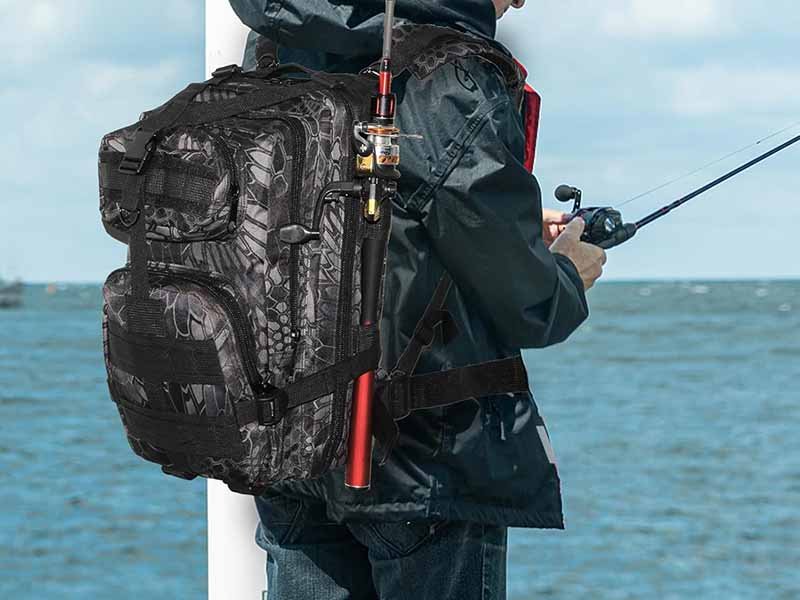
A great fishing bag material should be durable, water-resistant, and abrasion-resistant. Durability ensures the bag can withstand rough use, while water resistance protects your gear from water exposure, and abrasion resistance prevents wear from rough surfaces.
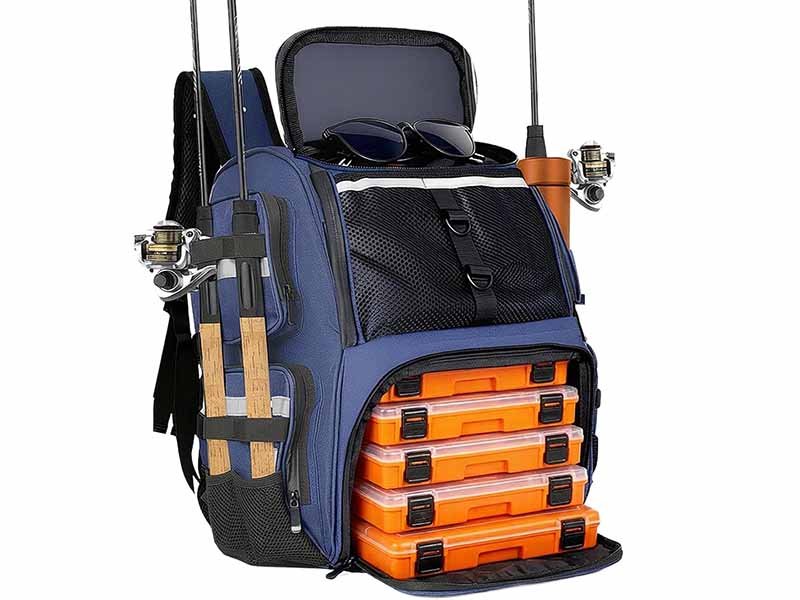
Fishing bags face multiple challenges. They’re often dragged across rocky shores, submerged in water, or exposed to rough terrain. For a material to be deemed suitable, it must excel in the following three categories:
1. Durability
Fishing bags are subjected to constant wear and tear. Whether it’s hauling gear over long distances or enduring rough treatment in a boat or kayak, a durable material ensures that the bag stands up to these conditions. Materials like nylon and polyester offer high tensile strength and excellent resistance to tearing and puncturing.
Material Strength Comparison (Tensile Strength in PSI):
| Material | Tensile Strength (PSI) | Durability Notes |
|---|---|---|
| Nylon | 25,000-50,000 | Highly durable, resistant to abrasion. |
| Polyester | 20,000-40,000 | Strong, lightweight, and resistant to fading. |
| Canvas | 18,000-30,000 | Natural fiber, highly durable with proper treatment. |
2. Water Resistance
Water resistance is critical. Freshwater fishing bags should resist splashes and light rain, while saltwater bags need to be fully waterproof to prevent corrosion from salt. TPU and PVC are popular choices for saltwater bags due to their ability to provide full protection against water.
Waterproof Material Comparison:
| Material | Water Resistance Level | Ideal Application |
|---|---|---|
| Polyester | Water-resistant (Not fully waterproof) | Suitable for freshwater, mild exposure. |
| Nylon | Water-resistant (Not fully waterproof) | Good for light splashes and freshwater. |
| TPU | Fully waterproof | Ideal for saltwater, completely submersible. |
| PVC | Fully waterproof | Perfect for dry bags and high water exposure. |
3. Abrasion Resistance
Fishing environments are rough, and bags often drag over rocky surfaces or rub against abrasive materials. Choosing a material with good abrasion resistance ensures that your bag lasts longer and doesn’t lose integrity over time. Cordura Nylon and waxed canvas are top choices for abrasion resistance.
Abrasion Resistance Test:
| Material | Abrasion Resistance Rating | Durability Notes |
|---|---|---|
| Cordura Nylon | High | Great for rough use; resistant to tears and cuts. |
| Waxed Canvas | Moderate | Naturally water-resistant but can wear over time. |
Which Materials Are Best for Freshwater Fishing Bags?
For freshwater fishing, materials like polyester, nylon, and canvas are ideal. These materials offer water resistance, are lightweight, and provide durability. While they don’t need full waterproofing, they should still handle water splashes and light exposure effectively.
Freshwater fishing usually takes place in calm lakes or rivers, so bags need to resist light exposure to water, but not necessarily submersion. For the best experience, look for materials that are lightweight, water-resistant, and durable.
Polyester
Polyester is one of the most commonly used materials for freshwater fishing bags. It offers a balance of strength, water resistance, and quick-drying properties. It’s lightweight, making it an excellent choice for anglers who need a bag that won’t add unnecessary bulk. While not fully waterproof, its water resistance ensures your gear stays dry during light rain or splash.
Key Benefits of Polyester:
| Feature | Benefit |
|---|---|
| Water resistance | Keeps gear dry in light rain. |
| Quick-drying | Dries faster than natural fibers. |
| UV resistance | Doesn’t fade under sun exposure. |
Nylon
Nylon is another popular choice for freshwater bags. It’s a strong, lightweight material that resists wear, tears, and punctures. Nylon bags are water-resistant, offering adequate protection against water exposure. It also dries quickly, making it perfect for spontaneous trips when you may encounter rain or wet conditions.
Key Benefits of Nylon:
| Feature | Benefit |
|---|---|
| Strength | Highly durable under rough conditions. |
| Quick-drying | Dries faster, preventing mold build-up. |
| Water-resistant | Keeps your gear safe during light exposure. |
Canvas
Canvas, a natural fiber, is highly durable and provides a classic, rustic look. It’s water-resistant but not fully waterproof, which means it works well in freshwater environments with lighter water exposure. Canvas bags can be treated with a waterproof coating for added protection, making them versatile for all seasons.
Key Benefits of Canvas:
| Feature | Benefit |
|---|---|
| Durability | Long-lasting with proper care. |
| Breathability | Ideal for warm-weather conditions. |
| Eco-friendly | A biodegradable natural fiber. |
Disadvantages:
- Requires additional waterproof treatment for best protection.
Which Materials Are Best for Saltwater Fishing Bags?

Saltwater environments demand materials that are fully waterproof, corrosion-resistant, and durable. Materials like TPU, PVC, and neoprene offer excellent protection against the harsh effects of saltwater, ensuring that your gear remains safe in extreme conditions.
Saltwater fishing can be tough on your gear. The salty environment requires bags that won’t just resist water but also stand up to corrosion and rough handling. The following materials are ideal for ensuring your bag performs well in these harsh conditions.
1.TPU (Thermoplastic Polyurethane)
TPU is a popular material for saltwater fishing bags due to its superior waterproofing, flexibility, and resistance to abrasion. TPU-coated fabrics offer excellent protection from saltwater and UV rays, making it ideal for marine environments.
Key Benefits of TPU:
| Feature | Benefit |
|---|---|
| Waterproof | Fully protects your gear from water exposure. |
| Abrasion-resistant | Withstands rough surfaces and harsh conditions. |
| Eco-friendly | A sustainable material choice. |
2.PVC (Polyvinyl Chloride)
PVC is a heavy-duty material that offers high waterproof protection, making it ideal for saltwater environments. It resists corrosion from saltwater and protects your gear from being damaged by moisture. PVC bags are often used for dry bags, ensuring that your equipment stays completely dry.
Key Benefits of PVC:
| Feature | Benefit |
|---|---|
| Highly waterproof | Completely shields your gear from saltwater. |
| Durable | Withstands heavy exposure to saltwater and rough conditions. |
| UV resistant | Prevents material breakdown due to the sun. |
3. Neoprene
Neoprene is a synthetic rubber that’s naturally waterproof, making it an excellent choice for saltwater fishing bags. Neoprene provides cushioning for your gear, making it suitable for protecting electronics or delicate equipment from both water and physical shocks.
Key Benefits of Neoprene:
| Feature | Benefit |
|---|---|
| Waterproof | Keeps your gear safe from water exposure. |
| Shock-resistant | Provides additional protection against impacts. |
| Flexible | Offers comfort and easy handling. |
How to Choose Between Materials for Different Fishing Styles
The material choice for your fishing bag depends on your fishing style. Boat fishing, shore fishing, and kayak fishing each have their own specific needs. The right material should provide comfort, portability, and durability for each fishing scenario.
Fishing isn’t a one-size-fits-all activity. Each style—whether it’s shore fishing, boat fishing, or kayak fishing—presents unique challenges that your fishing bag needs to handle. Let’s explore how different fishing styles affect your choice of bag material:
1. Boat Fishing
Boat fishing typically exposes bags to continuous water splashes, damp environments, and the occasional submersion. For this reason, waterproof materials such as PVC and TPU are ideal. These materials offer full protection against water and help keep your gear dry even in the harshest conditions.
Best Materials for Boat Fishing Bags:
| Material | Benefit | Application |
|---|---|---|
| PVC | Fully waterproof, resistant to corrosion | Ideal for dry bags and extreme water exposure. |
| TPU | Flexible, durable, waterproof | Perfect for bags that need both flexibility and full waterproofing. |
| Neoprene | Shock-resistant, waterproof | Great for gear that needs extra cushioning from impacts. |
Boat fishing requires bags that can endure constant exposure to water without losing performance. Waterproof materials prevent the infiltration of saltwater and offer long-term durability in harsh environments.
2. Shore Fishing
Shore fishing, on the other hand, involves less water exposure compared to boat fishing. While bags still need to resist splashes and light rain, they don’t need to be fully waterproof. Nylon, polyester, and canvas are excellent choices for shore fishing bags as they are water-resistant and provide good durability for lighter water exposure.
Best Materials for Shore Fishing Bags:
| Material | Benefit | Application |
|---|---|---|
| Polyester | Lightweight, fast-drying, water-resistant | Works well for light splashes and rain. |
| Nylon | Strong, abrasion-resistant, water-resistant | Ideal for long walks and moderate water exposure. |
| Canvas | Breathable, durable, naturally water-resistant | Perfect for a classic, natural look, ideal for less intensive water exposure. |
Shore fishing bags are often subjected to less wear and tear than boat fishing bags. While these materials are not fully waterproof, they are still designed to keep your gear safe and dry from light environmental conditions.
3. Kayak Fishing
Kayak fishing combines elements of both boat fishing and shore fishing, so bags must be compact, waterproof, and capable of fitting into tight spaces. For kayak fishing, neoprene and TPU offer the best protection against water while being flexible enough to handle the limited storage space on a kayak.
Best Materials for Kayak Fishing Bags:
| Material | Benefit | Application |
|---|---|---|
| Neoprene | Waterproof, shock-resistant, flexible | Perfect for storing delicate gear on a kayak. |
| TPU | Waterproof, flexible, lightweight | Great for compact bags that need to be water-resistant. |
Kayak fishing requires bags that are both waterproof and compact, as space in the kayak is often limited. Neoprene and TPU offer flexibility, waterproofing, and cushioning, making them ideal for this style of fishing.
Lightweight vs Heavy-Duty Bags
The choice between lightweight and heavy-duty materials depends on the nature of the fishing trip. Lightweight materials like polyester and nylon are perfect for short trips or casual anglers who don’t need to carry as much gear. Heavy-duty materials like Cordura nylon and waxed canvas are better suited for long fishing trips or anglers who need to haul a lot of gear.
Material Comparison:
| Material | Weight | Best For | Durability |
|---|---|---|---|
| Polyester | Lightweight | Casual fishing, day trips | Moderate durability, resistant to sun fading. |
| Nylon | Lightweight | Long walks, light fishing gear | High durability, abrasion-resistant. |
| Cordura Nylon | Heavy-duty | Long trips, carrying heavy gear | Extremely durable, resistant to abrasion. |
| Waxed Canvas | Heavy-duty | Traditional look, heavy-duty fishing trips | High durability, resists water with treatment. |
If you’re looking for something that offers both flexibility and strength, go for nylon or polyester. However, if your trip involves carrying heavy, delicate, or valuable equipment, Cordura nylon or waxed canvas will better protect your gear over long durations.
Are There Eco-Friendly Material Options for Fishing Bags?

Eco-friendly materials like recycled polyester and jute are great sustainable alternatives. These materials offer comparable performance to traditional fabrics but have a smaller environmental footprint, making them perfect for conscious anglers.
As environmental concerns rise, many anglers are looking for eco-friendly alternatives for their fishing gear. Choosing sustainable materials not only benefits the planet but also provides the same durability and performance as traditional materials. Let’s explore some of the eco-friendly materials available for fishing bags.
1. Recycled Polyester
Recycled polyester is made from post-consumer plastic bottles, offering a sustainable alternative to virgin polyester. It retains the same durability and water resistance as regular polyester but has a much smaller environmental impact. Recycled polyester is a great option for anglers looking to reduce their carbon footprint while still enjoying the same bag performance.
Key Benefits of Recycled Polyester:
| Feature | Benefit |
|---|---|
| Eco-friendly | Made from recycled materials. |
| Durability | Same high performance as regular polyester. |
| Water-resistant | Keeps gear dry during light exposure. |
Recycled polyester is durable, water-resistant, and eco-friendly, making it an excellent choice for sustainable fishing bags.
2. Jute
Jute is a biodegradable natural fiber, making it one of the most eco-friendly materials for fishing bags. While jute isn’t naturally waterproof, it’s a great sustainable option for anglers who want to minimize their environmental impact. By applying waterproof coatings, jute bags can offer a functional and green alternative.
Key Benefits of Jute:
| Feature | Benefit |
|---|---|
| Biodegradable | Reduces environmental waste. |
| Natural look | Offers a rustic, eco-conscious style. |
| Sustainable | Great for reducing your carbon footprint. |
While jute bags might require extra waterproofing, they offer a natural, biodegradable solution for eco-conscious anglers.
Care & Maintenance: How to Extend Material Life
Proper care ensures that your fishing bag lasts for many years. Regular cleaning, waterproof treatment, and proper storage can significantly extend the lifespan of your bag, regardless of the material.
Fishing bags are subjected to tough environments, from dirt and saltwater to abrasion and constant use. Regular care and maintenance are essential to ensure they remain in good condition and continue to protect your gear. Let’s go through some best practices for maintaining your fishing bag:
Cleaning Your Fishing Bag
After each fishing trip, it’s important to clean your bag to prevent mold, mildew, and dirt build-up. Use a mild soap and lukewarm water to clean synthetic materials like nylon or polyester. Avoid using harsh chemicals, as they can damage the fabric. For canvas bags, use a soft brush and apply a mild soap solution.
Waterproofing
If your fishing bag is made from a water-resistant material like canvas or polyester, applying a waterproofing agent can enhance its performance. For fully waterproof bags made from PVC or TPU, it’s still important to check the seams and zippers to ensure they remain sealed. Applying a waterproof spray periodically will help maintain its integrity.
Waterproofing Recommendations:
| Material | Waterproofing Treatment | Frequency |
|---|---|---|
| Polyester | Waterproof spray or coating | Every 3-6 months |
| Canvas | Wax or waterproof spray | After each trip, or as needed |
| TPU | Sealant or waterproof spray for seams | Once a year for long-term protection |
Storage
Proper storage is key to maintaining your bag’s shape and performance. Keep your bag in a cool, dry place away from direct sunlight. Avoid storing it in damp areas, as mold and mildew can develop on fabric materials over time. If your bag is made from a flexible material like neoprene, make sure it’s stored in a way that prevents it from getting squished or losing its form.
Contact Szoneier for Custom Fishing Bags
At Szoneier, we specialize in custom fishing bags tailored to meet your specific fishing needs. With over 18 years of experience in manufacturing custom bags, we offer high-quality, durable materials, low MOQ customization, and quick sampling to ensure your bag is ready for your next fishing adventure.
Looking for the perfect fishing bag designed for your unique needs? Whether you fish in freshwater or saltwater, Szoneier offers a wide range of customizable fishing bags that are both durable and reliable. From water-resistant to waterproof options, our bags are made from the highest-quality materials to ensure that your gear stays safe and dry.