Skip to content
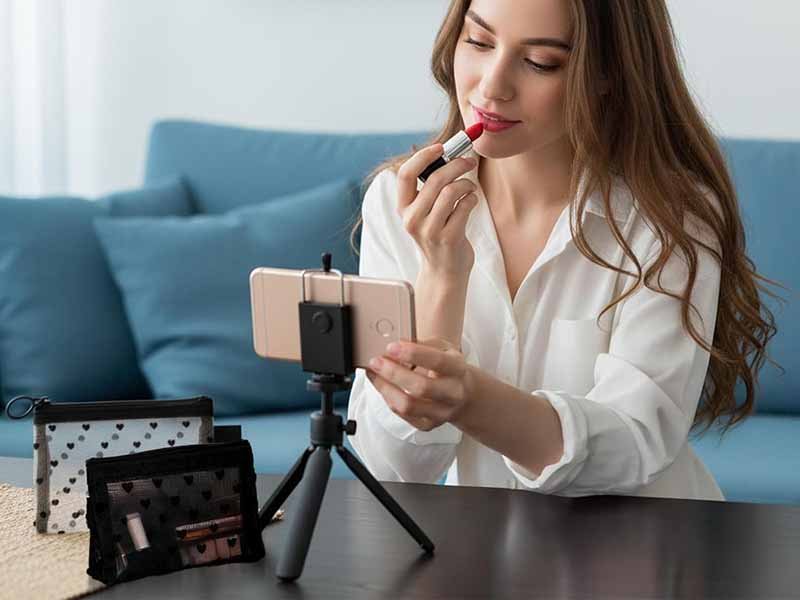
Most people don’t think twice about the makeup bag they toss into their purse—until it leaks, breaks, or turns into a messy black hole of lipstick caps, powder dust, and tangled brushes.
The truth is, a makeup bag designed for purse use is very different from a travel cosmetic case or a vanity organizer. It needs to be compact but structured, protective without being bulky, easy to clean, and organized enough to let you find what you need in seconds—often one-handed, often in a hurry.
Yet when people search for the best makeup bag for purse, they’re usually overwhelmed by generic advice: “choose a small one,” “make it cute,” or “pick waterproof fabric.” That advice barely scratches the surface. The real difference between a frustrating bag and a great one lies in size engineering, internal structure, material behavior, and how the bag interacts with your handbag itself.
From an industry perspective, purse makeup bags fail most often because they’re either:
- Designed like miniature travel cases (too bulky), or
- Designed like simple pouches (no protection, no organization)
The best makeup bag for purse use is compact, structured, and easy to clean, with just enough compartments to keep daily essentials organized without adding bulk. It should fit comfortably inside your handbag, prevent spills, protect cosmetics from damage, and allow quick access. Materials like waterproof nylon, PU leather, or coated fabrics work best for everyday carry.
A great purse makeup bag quietly solves problems you didn’t even realize you had—until you use one that doesn’t. Let’s break down what truly makes a makeup bag work inside a purse, starting with the fundamentals.
What Makes a Good Makeup Bag for Purse
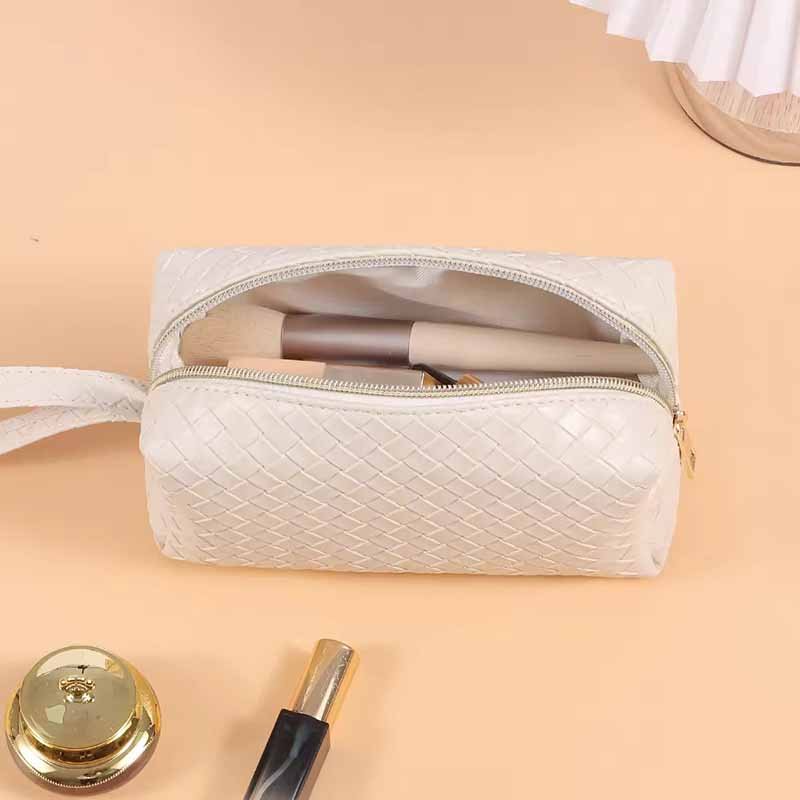
A good makeup bag for purse use should be compact, lightweight, structured, and easy to clean. It must fit naturally inside a handbag, keep makeup secure without excess bulk, prevent leaks or damage, and allow quick access to daily essentials. The best designs balance size, structure, material, and simple organization rather than focusing on appearance alone.
Why Purse Makeup Bags Are Different from Regular Cosmetic Bags
The biggest mistake users make is treating all cosmetic bags as interchangeable.
A purse makeup bag operates under constant constraints:
- Limited space
- Frequent movement
- Pressure from other items (phone, wallet, keys)
Unlike travel cosmetic bags, a purse makeup bag must work while inside another bag, not on a flat surface. This means it needs controlled dimensions, flexible structure, and materials that can handle compression without collapsing or leaking.
Good designs are intentional about what they exclude—they are not meant to carry everything.
What Size and Weight Feel Right for Daily Carry
For most users, a good purse makeup bag:
- Fits comfortably in one hand
- Weighs very little when empty
- Holds only daily essentials
Oversized bags create friction: they take up handbag space, add weight, and encourage overpacking. Undersized bags cause clutter and damage.
From user feedback across many brands, the sweet spot is a bag that forces prioritization—lip product, compact, concealer, maybe one small tool. Nothing more.
Why Light Structure Matters More Than Rigidity
Structure is often misunderstood.
A good makeup bag is:
- Structured enough to protect makeup and keep shape
- Flexible enough to adapt to different purse interiors
Fully soft pouches collapse and allow products to knock into each other. Fully rigid cases waste space and feel bulky. The best purse makeup bags use soft structure—thin padding, reinforced edges, or fabric lamination—to balance protection and flexibility.
This is one of the most important but least visible design elements.
What Materials Work Best for Everyday Purse Use
Material choice directly affects user satisfaction.
The most practical materials share three traits:
- Wipeable (easy cleanup after leaks)
- Stain-resistant (powders and oils don’t set permanently)
- Durable under friction (constant contact with other items)
Materials like PU-coated nylon, laminated polyester, and PU leather consistently outperform untreated fabrics. Natural cotton or canvas may look attractive but often fail in real daily use.
For users, “easy to clean” quickly becomes more important than “nice texture.”
How Organization Should Support Speed, Not Complexity
A good makeup bag for purse use is not a mini drawer system.
Effective organization focuses on:
- Preventing items from rolling freely
- Keeping liquids upright or protected
- Making items visible at a glance
Too many compartments slow access and waste space. Most users perform best with one main compartment + one or two small pockets or elastic loops.
The goal is muscle memory—you should be able to reach for what you need without searching.
Why Secure Closure Is Non-Negotiable
Inside a purse, makeup bags are turned sideways, upside down, and compressed.
A good bag must:
- Zip fully and smoothly
- Stay closed under pressure
- Prevent leaks from spreading
Zippers remain the most reliable closure for purse use. Snap buttons and drawstrings may look convenient but significantly increase spill risk.
For daily carry, reliability beats novelty every time.
How a Good Makeup Bag Protects the Handbag Itself
One overlooked function of a makeup bag is handbag protection.
Without a proper bag:
- Makeup stains handbag linings
- Oils damage leather interiors
- Broken compacts leave residue
A good makeup bag acts as a protective barrier between cosmetics and the purse. This is especially important for high-end handbags, where interior damage is costly or irreversible.
Many users only realize this value after a bad experience.
Common Mistakes That Make Makeup Bags Fail in Purses
- Choosing bags designed for travel, not daily carry
- Prioritizing appearance over material performance
- Overpacking “just in case” items
- Using untreated fabrics that stain easily
- Ignoring structure and closure quality
Avoiding these mistakes matters more than chasing trends.
Which Sizes Fit Best Inside a Purse
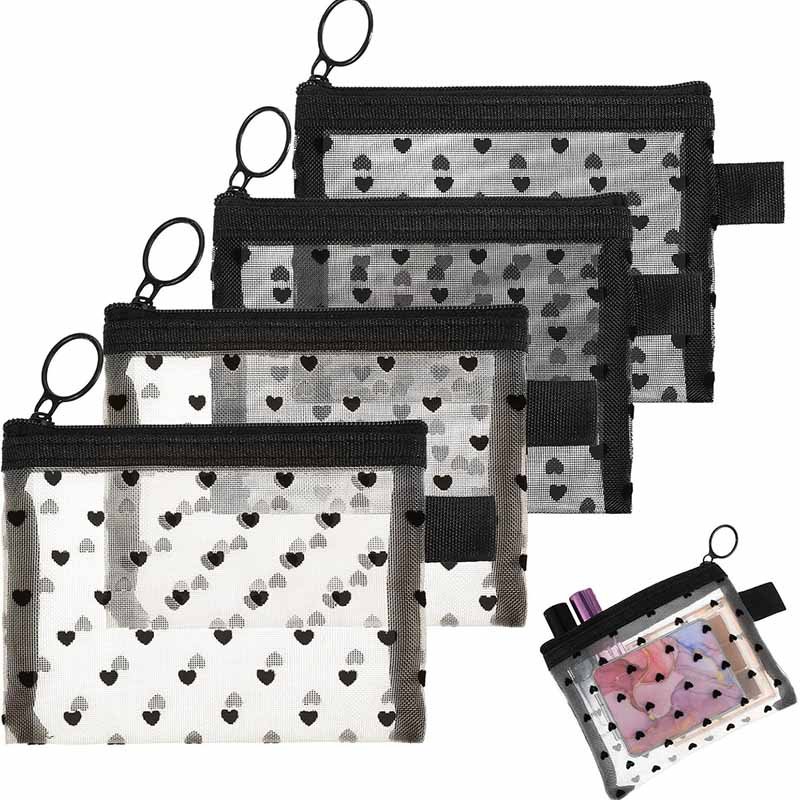
The best makeup bag size for a purse is compact but structured, typically between 18–23 cm (7–9 inches) in length and 5–8 cm (2–3 inches) in depth. This size fits comfortably in most handbags without taking over space, holds daily makeup essentials, and prevents bulging or overpacking. The ideal size depends on purse type and how much makeup is carried daily.
Why Purse Type Determines the Right Makeup Bag Size
Not all purses create the same internal environment.
Inside a purse, makeup bags compete with:
- Phones
- Wallets
- Keys
- Sunglasses
- Chargers
A size that works in a tote will feel oversized in a crossbody bag. That’s why purse type—not makeup quantity—should guide size selection.
Most dissatisfaction happens when a makeup bag is technically small, but wrongly proportioned for the handbag it goes into.
What Makeup Bag Sizes Work Best for Different Purse Types
Here is a practical size reference based on real daily-use handbags:
| Purse Type | Recommended Makeup Bag Size |
|---|---|
| Small purse / clutch | 15–18 cm × ≤5 cm depth |
| Crossbody bag | 18–20 cm × 5–6 cm depth |
| Medium handbag | 20–23 cm × 6–8 cm depth |
| Large tote | 22–26 cm × up to 9 cm depth |
The key metric is depth, not length. Bags that are too deep create bulging and make items harder to find.
Why Depth Matters More Than Length or Height
Many buyers focus on length, but depth is what causes problems inside purses.
Too much depth leads to:
- Rounded, unstable shape
- Difficulty closing zippers
- Pressure on liquid products
An ideal purse makeup bag stays relatively flat, even when full. This allows it to slide alongside wallets or notebooks rather than sitting awkwardly on top.
From a design standpoint, shallow-but-wide layouts outperform tall or boxy shapes for purse use.
Can I Keep Makeup in My Handbag All Day?
Yes—but only if the makeup bag is sized for daily carry, not occasional storage.
For all-day handbag use, size must consider:
- Weight (heavy bags strain straps and shoulders)
- Heat exposure (cars, sunlight, body heat)
- Movement (walking, commuting, bending)
A properly sized makeup bag protects cosmetics without becoming a burden. Oversized bags often get removed from the purse—not because of makeup quantity, but because of discomfort and inconvenience.
How Much Makeup Fits Comfortably in a Purse Makeup Bag?
Most people need far less than they think.
A well-sized purse makeup bag comfortably holds:
- 1–2 lip products
- 1 compact or powder
- 1 concealer or foundation stick
- 1 small brush or sponge
If a bag encourages carrying full palettes or bottles, it’s likely too large for purse use. Good size design sets healthy limits.
Why Oversized Makeup Bags Fail in Purses
Bigger is not better inside a handbag.
Common issues with oversized makeup bags:
- They push other essentials out
- They tip over and spill contents
- They create clutter and slow access
In practice, oversized bags are often left at home or moved to totes—defeating the purpose of a purse makeup bag.
From a product standpoint, the best-selling purse makeup bags are those that feel invisible until needed.
How to Measure the Right Size Before Buying or Customizing
A simple method:
- Empty your purse
- Lay out daily essentials
- Measure remaining usable space
- Subtract 1–2 cm for flexibility
This gives a realistic maximum size. For brands, this step is critical during product development—bags designed without real handbag testing often miss the mark.
Quick Size Comparison: What Works vs What Doesn’t
| Size Choice | Result |
|---|---|
| Slim, shallow pouch | Easy fit, fast access |
| Medium structured bag | Balanced, most popular |
| Tall or boxy case | Awkward, bulky |
| Oversized cosmetic bag | Rarely used daily |
What Materials Are Best for Makeup Bags
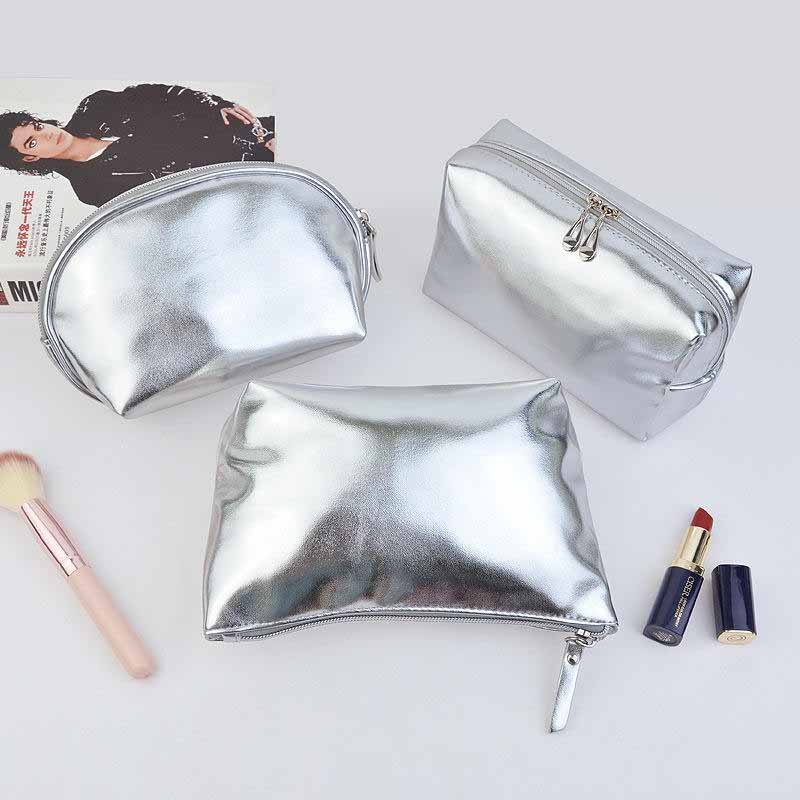
The best materials for makeup bags are water-resistant, wipeable, stain-resistant, and durable. Common top choices include PU-coated nylon or polyester, PU leather, laminated fabrics, and EVA-coated materials. These fabrics protect against liquid leaks, powder stains, and daily friction, making them ideal for purse and travel use. Untreated cotton or canvas is generally less suitable for daily makeup storage.
What Problems Makeup Bag Materials Must Solve in Real Life
Makeup bags face harsher conditions than most people realize.
Everyday challenges include:
- Liquid leaks from lip gloss, foundation, perfume
- Powder residue from blush and eyeshadow
- Oil transfer from creams and skincare
- Constant friction inside handbags
- Frequent opening, closing, and compression
A good makeup bag material must contain messes, clean easily, and hold shape, not just look attractive on a shelf or in photos.
Why PU-Coated Nylon and Polyester Are the Most Practical Choices
PU-coated synthetic fabrics are among the most widely used materials for high-quality makeup bags.
Key advantages:
- Water resistance without excessive stiffness
- Easy wipe-clean interiors
- Lightweight for daily carry
- Good abrasion resistance
These materials perform especially well for purse makeup bags, where flexibility and low weight matter. From a manufacturing perspective, PU-coated fabrics also offer stable quality and consistent color, which is important for private label production.
When PU Leather Makes Sense for Makeup Bags
PU leather is popular for brands aiming for a premium or fashion-focused look.
Benefits:
- Smooth, non-porous surface
- Easy to clean
- Holds structure well
- Supports embossing, debossing, and logo branding
Trade-offs:
- Slightly heavier than fabric
- Less breathable
- Can crack over time if low-quality PU is used
For purse use, PU leather works best in small to medium sizes, where structure is an advantage rather than a burden.
Are Laminated and EVA-Coated Fabrics Better for Spill Protection?
Laminated fabrics and EVA-coated materials offer excellent spill containment.
Strengths:
- High resistance to liquids and oils
- Smooth interior surfaces
- Ideal for users who carry liquid products daily
Considerations:
- Slightly stiffer feel
- Less “fabric-like” texture
These materials are especially popular in functional or travel-oriented makeup bags, where cleanliness and containment are prioritized over softness.
Why Untreated Cotton and Canvas Often Fail for Makeup Bags
Natural fabrics are visually appealing—but risky for makeup storage.
Common issues:
- Absorb liquids and oils
- Permanent staining from pigments
- Difficult or impossible to clean fully
Canvas and cotton makeup bags are better suited for:
- Dry accessories
- Brushes only
- Occasional use
For daily purse use, these materials often lead to dissatisfaction and higher return rates.
How Interior Lining Materials Affect Cleaning and Longevity
The inside material matters as much as the exterior.
Best interior lining traits:
- Smooth surface
- Oil-resistant coating
- Light color for visibility
Poor linings trap powder and oil, leading to odor and discoloration. Many premium makeup bags use double-layer construction: a stylish exterior with a practical, wipeable interior.
How Material Choice Impacts Shape Retention and Protection
Material stiffness affects how well makeup is protected.
- Too soft: bag collapses, compacts crack
- Too rigid: wastes space, feels bulky
The best materials provide soft structure—enough body to protect contents while remaining flexible inside a purse.
This balance is often achieved through fabric lamination, thin foam padding, or reinforced edges rather than thick shells.
Which Materials Are Best for Different Use Scenarios
| Use Scenario | Recommended Materials |
|---|---|
| Daily purse use | PU-coated nylon / polyester |
| Premium branding | PU leather |
| Travel / spill-heavy use | Laminated fabric / EVA |
| Brush-only storage | Canvas (treated preferred) |
| Budget promotions | Lightweight coated polyester |
Common Myths About Makeup Bag Materials
- “Natural fabrics are better” → Not for makeup spills
- “Waterproof means bulky” → Modern coatings are lightweight
- “Thicker material is stronger” → Construction matters more
Understanding these trade-offs helps buyers avoid frustration and helps brands design products that perform well in real use.
How Should a Makeup Bag Be Organized
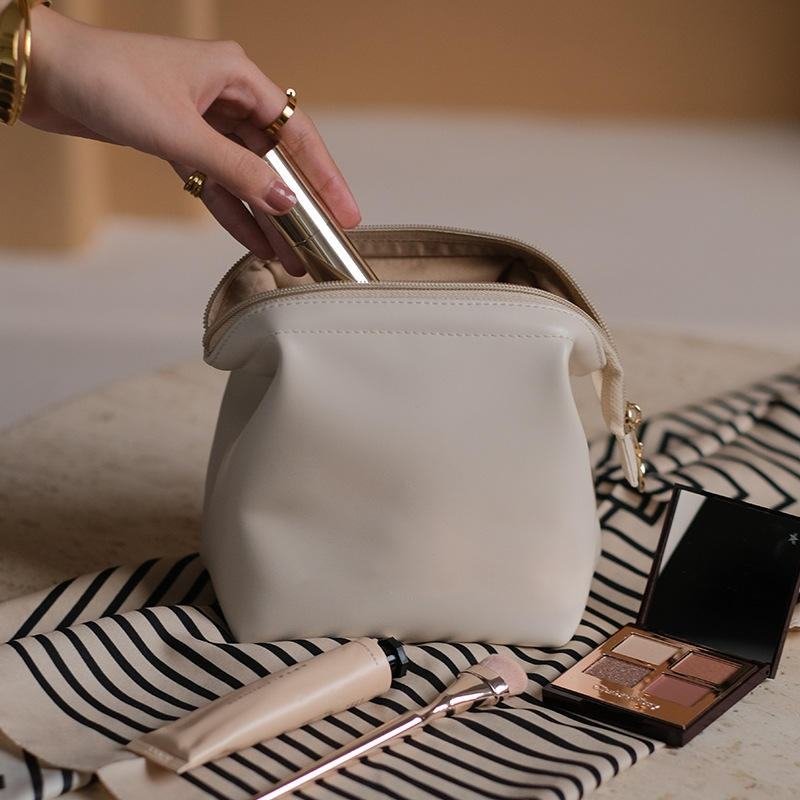
A makeup bag should be organized to keep items secure, easily accessible, and prevent spills. The best organization divides products into categories (lip, face, eyes) and uses compartments, pockets, and elastic loops to keep things in place. A well-organized bag saves time and reduces the risk of damage to fragile cosmetics, while also maximizing space inside the bag.
What Are the Key Principles of Organizing a Makeup Bag?
The best makeup bag organization isn’t about stuffing everything inside—it’s about creating an intuitive system that prevents mess, damage, and time wasted searching for items.
Key principles of organization:
- Categorization: Group items by type (lips, face, eyes, tools)
- Separation: Keep liquids away from powders to prevent leaks and spills
- Visibility: Make sure items are visible at a glance without needing to dig
- Accessibility: Items used frequently should be the easiest to reach
This simple system makes the bag work for you—not the other way around.
How Many Compartments Are Ideal for Makeup Organization?
Over-compartmentalizing often leads to confusion and wasted space. In reality, fewer, well-designed compartments often work better.
Ideal setup:
- One main compartment for bulkier items (foundation, powders)
- One or two small pockets for items that need protection (lipstick, mascara)
- Elastic loops or straps for tools like brushes, applicators, and combs
The goal is not to overcomplicate the layout but to create enough organization to separate key categories.
How Do Elastic Loops and Pockets Help with Organization?
Elastic loops and small internal pockets are critical for securing smaller items.
- Elastic loops hold makeup brushes, eyeliner pencils, and small lipsticks in place, preventing them from rolling around and causing damage.
- Pockets are perfect for delicate items, such as compacts and powder cases, to prevent breakage.
Internal mesh or nylon pockets allow for easy visibility and access, helping avoid frustration while rummaging for a missing item.
Why Should Liquids Be Stored Separately from Powders?
One of the most common makeup bag issues is spills. Liquids like foundation, concealer, and setting sprays can leak, causing significant mess if they come in contact with powders, brushes, and sponges.
To prevent this:
- Separate liquids from powders using zippered sections or compartment dividers
- Choose waterproof linings for liquid-prone areas
- Use leak-proof containers for foundation and other liquids
Not only does this organization reduce mess, but it also protects powders from becoming contaminated or damaged.
How to Maximize Space Without Overstuffing
Makeup bags are compact by design, and overstuffing them defeats the purpose.
Effective packing strategies:
- Prioritize essentials: Carry only the makeup products you need for your routine.
- Compact packaging: Choose smaller, travel-sized versions of your makeup products.
- Streamlined tools: Use multi-functional makeup tools (e.g., a brush with detachable heads) instead of bulky individual brushes.
- Limit duplicates: Don’t carry multiple shades of the same product unless necessary for your routine.
The idea is to pack just enough to stay practical without overloading the bag.
Why Should Fragile Items Be Stored Separately?
Some makeup products, like powder compacts, blushers, or eyeshadow palettes, are fragile and prone to breaking or cracking.
Tips for protecting fragile makeup:
- Place them in a separate compartment with padding or soft material
- Choose a makeup bag with padded dividers to prevent crushing
- Use hard-shell cases for the most delicate items like compact powders and perfume bottles
Properly protecting fragile items prevents unnecessary waste and saves you from having to replace broken products.
How to Adjust Your Makeup Bag Organization for Different Needs?
Different occasions call for different organization systems:
- For travel: Choose bags with additional space for skincare items, small bottles, and brushes. Consider a bag with a removable compartment for quick access.
- For daily use: Stick to a slim profile with only essential items, minimizing bulk.
- For professional use: Larger bags with multiple compartments for various product categories and tools.
For custom makeup bags, you can optimize the compartmentalization layout based on user preferences, activity (e.g., travel, daily use), and product range.
How Often Should You Clean and Reorganize Your Makeup Bag?
A makeup bag that stays organized requires periodic maintenance:
- Clean it regularly: Makeup bags get messy quickly, and buildup can cause stains, smells, and product contamination.
- Reevaluate contents every few months: Remove expired products, replace broken items, and reorganize for efficiency.
- Disinfect bags that store liquids: Particularly in the summer or after travel.
Taking the time to clean and reorganize can extend the lifespan of the bag and its contents.
Are There Different Types for Different Needs
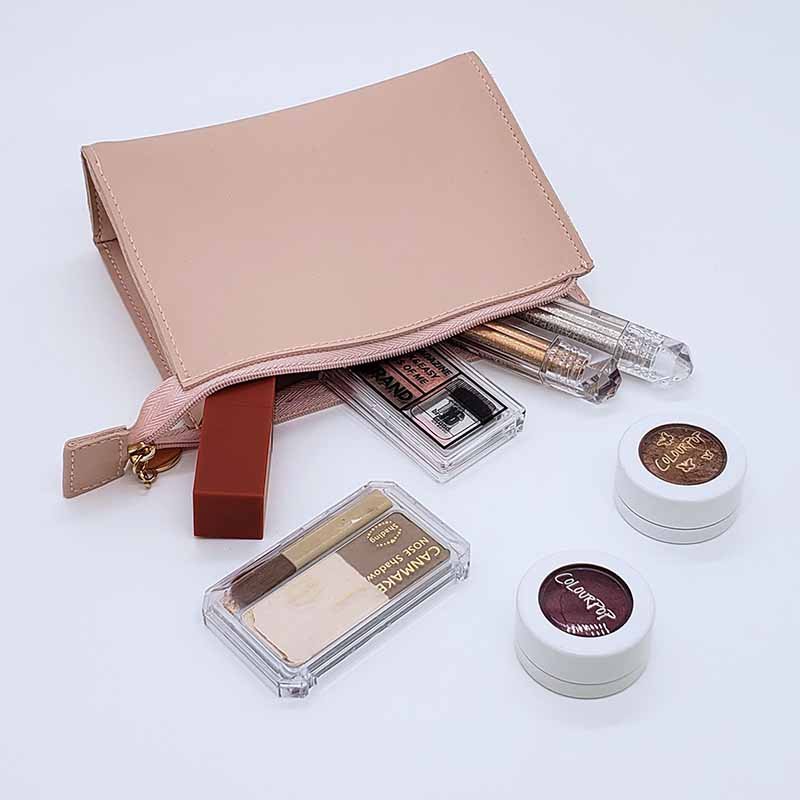
Yes. Makeup bags are designed for different needs such as daily purse carry, minimalist touch-ups, travel storage, professional use, and multi-purpose organization. Each type varies in size, structure, compartment layout, and material. Choosing the right type depends on how often you use makeup, how much you carry, and where the bag will be used—inside a purse, during travel, or at home.
Are Minimalist Makeup Bags Better for Purse Carry?
For most people, yes.
Minimalist makeup bags are specifically designed for:
- Daily touch-ups
- Small to medium handbags
- Fast access on the go
They usually hold:
- Lipstick or lip balm
- Compact or powder
- Small concealer or foundation stick
Because they are slim and lightweight, they fit naturally into purses without adding bulk. From a usability standpoint, minimalist bags reduce overpacking, which lowers spill risk and speeds up daily routines.
This is why minimalist makeup bags are the most popular choice for purse use.
Which Makeup Bags Are Best for Daily Touch-Ups vs Full Routines?
The difference lies in frequency and purpose.
- Daily touch-up makeup bags
- Smaller size
- Simple interior layout
- Designed for repeated opening and closing
- Full routine makeup bags
- Larger capacity
- More compartments
- Often include skincare and tools
Trying to use a full routine bag inside a purse usually leads to frustration—it takes up too much space and slows access. Full routine bags perform better as travel or vanity organizers, not daily purse companions.
Do Travel Makeup Bags Work Well Inside Purses?
In most cases, no.
Travel makeup bags are designed to:
- Open flat or wide
- Hold bottles upright
- Sit on countertops
Inside a purse, these features become disadvantages. They are bulky, unstable, and often waste vertical space. While travel bags are excellent for luggage, they are rarely optimized for handbag environments.
This distinction is important for buyers who assume “bigger means better.”
Are Multi-Compartment Makeup Bags Always Better?
Not necessarily.
Multi-compartment designs can be useful for:
- Professional makeup artists
- Users carrying many product categories
- Travel or stationary setups
However, for purse use:
- Too many compartments reduce flexibility
- Small pockets go unused
- Access becomes slower
Most daily users perform better with simple layouts that guide organization without forcing it.
What Types of Makeup Bags Suit Professional or Business Use?
Professionals need different priorities.
Professional-use makeup bags focus on:
- Clear visibility of products
- Durable materials
- Structured layouts
- Easy cleaning between clients
These bags are usually larger and not intended for purses. They are designed for controlled environments, not constant movement.
Can One Makeup Bag Serve Multiple Purposes?
Some hybrid designs work—but only within limits.
Hybrid makeup bags may:
- Fit inside larger handbags
- Be used for short trips
- Store both makeup and small skincare items
However, truly multi-purpose bags often involve compromises. A bag that works “okay” in many situations rarely works perfectly in any one.
This is why experienced users often own:
- One purse makeup bag
- One travel or vanity cosmetic bag
How Should You Choose Based on Lifestyle and Routine?
Ask yourself:
- How often do I touch up makeup outside?
- How big is my daily handbag?
- Do I carry liquids regularly?
- Do I value speed or storage more?
Your answers will naturally point to the right type. The best makeup bag feels invisible until needed—it supports your routine without demanding attention.
Makeup Bag Types & Best Use
| Makeup Bag Type | Best Use Scenario |
|---|---|
| Minimalist pouch | Daily purse carry |
| Structured daily bag | Regular touch-ups |
| Travel cosmetic bag | Luggage & trips |
| Multi-compartment case | Professional use |
| Hybrid makeup pouch | Short trips / large bags |
What Are the Best Makeup Bag Styles for Different Purse Types
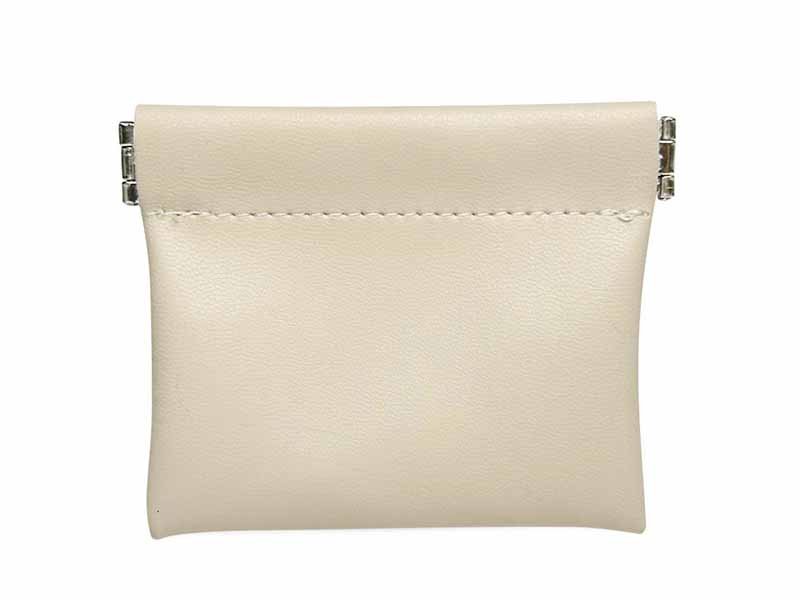
The best makeup bag style depends on the shape, size, and carrying method of the purse. Flat or slim pouches work best for small purses and crossbody bags, structured makeup bags suit medium handbags, while vertical or box-style makeup bags fit large totes. Choosing the right style prevents wasted space, reduces spills, and improves daily access to makeup.
Why Purse Structure Matters More Than Makeup Quantity
Many people choose makeup bags based on how much makeup they carry—but inside a purse, shape matters more than volume.
Handbags differ in:
- Internal height
- Base width
- Opening size
- How they hang on the body
A makeup bag that fits perfectly on a table can perform poorly inside a purse if:
- It tips over
- It blocks access to other items
- It forces the purse to bulge or lose shape
That’s why matching makeup bag style to purse type dramatically improves everyday usability.
What Makeup Bag Styles Work Best for Small Purses and Clutches?
Small purses and clutches offer minimal internal space and narrow openings.
Best makeup bag styles:
- Ultra-slim pouches
- Flat zipper pouches
- Lipstick sleeves or mini cosmetic sleeves
Why they work:
- Slide easily along the purse wall
- Don’t add bulk
- Allow quick access
Avoid:
- Boxy or structured bags
- Deep pouches that push against the purse opening
For small purses, the ideal makeup bag should feel almost invisible until needed.
Which Makeup Bag Styles Suit Crossbody Bags?
Crossbody bags move with the body, so stability matters.
Best styles:
- Flat or semi-structured pouches
- Soft-structured makeup bags with shallow depth
Key design traits:
- Low center of gravity
- Secure zipper closure
- Lightweight materials
Tall or rigid bags shift weight awkwardly and cause discomfort. A crossbody-friendly makeup bag should stay flat against the body and not swing or press outward.
What Makeup Bag Styles Are Best for Medium Handbags?
Medium handbags are the most common daily bags—and the most forgiving.
Ideal makeup bag styles:
- Soft-structured rectangular bags
- Low-profile box-style makeup bags
Why these work:
- Balance between protection and flexibility
- Enough structure to protect compacts
- Still adaptable to different handbag shapes
This category allows the most design freedom, which is why many best-selling makeup bags are sized and shaped specifically for medium handbags.
Which Makeup Bag Styles Fit Best in Tote Bags?
Tote bags have large vertical space but poor internal organization.
Best styles for totes:
- Vertical makeup bags
- Structured box-style cosmetic bags
- Stand-up makeup organizers
Benefits:
- Prevent sinking to the bottom
- Keep makeup visible and accessible
- Act as internal organizers
Flat pouches often get lost in totes. Structure is essential here—not for protection, but for visibility and retrieval.
How Do Closure Types Affect Suitability for Different Purses?
Closure choice changes how safe a makeup bag is inside a purse.
- Zipper closures
- Most secure
- Best for all purse types
- Snap closures
- Faster access
- Higher spill risk
- Drawstring closures
- Flexible
- Least secure for makeup
For daily purse use—especially with liquids—zippered styles consistently perform best, regardless of purse type.
Why Overly Rigid Makeup Bags Often Fail Inside Purses
Rigid or hard-shell makeup bags look protective but create problems:
- Waste space inside soft handbags
- Press against purse walls
- Limit flexibility when the purse is partially full
Unless used in totes or backpacks, rigid bags often feel bulky and inconvenient. Soft structure with shape retention performs better in most handbags.
Can One Makeup Bag Style Work Across Multiple Purse Types?
Some designs are versatile—but only within limits.
Most adaptable styles:
- Slim rectangular pouches
- Soft-structured bags with reinforced edges
These can move between:
- Crossbody bags
- Medium handbags
- Small totes
However, no single style works perfectly across all purse types. This is why brands often develop 2–3 makeup bag styles instead of one universal design.
Which Makeup Bags Fit Best in a Purse
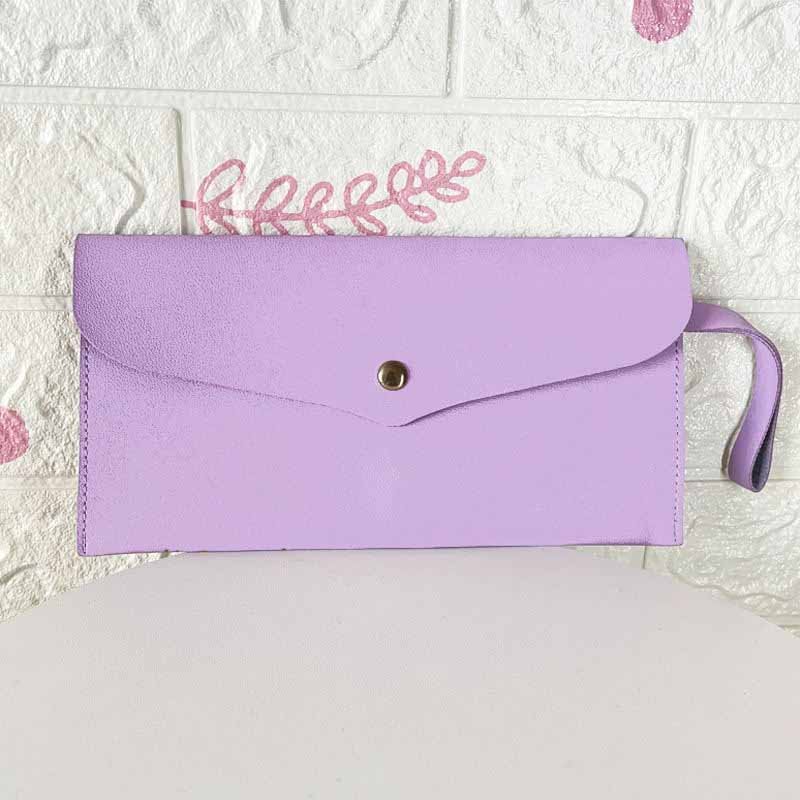
The best makeup bags for purse use are compact, lightweight, and designed to protect cosmetics without wasting space. Ideal options balance slim profiles, smart openings, durable linings, and everyday practicality. Below are 15 purse-friendly makeup bag types, each suited to different handbag sizes and daily routines.
Below are 15 of the most practical makeup bag styles that consistently perform well in daily purse use. Each type solves a specific real-world problem users face.
1. Slim Zip Pouch
This is the most minimal and space-efficient option. Slim zip pouches slide easily into small totes or shoulder bags and hold only true essentials like lipstick, compact powder, or lip balm.
Why it works: takes almost no space
Limitation: limited visibility if the pouch is too narrow
2. Flat Envelope-Style Cosmetic Case
Designed to stay flat, this style works especially well in crossbody bags and compact handbags where depth is limited.
Why it works: prevents bulky corners in purses
Limitation: not suitable for tall or round containers
3. Mini Structured Box Pouch
A small, box-shaped makeup bag with light structure protects pressed powders and cushions fragile items.
Why it works: keeps shape and protects cosmetics
Limitation: may feel bulky in very small purses
4. Wide-Mouth “Doctor Zip” Makeup Pouch
This design opens wide at the top, allowing users to see everything at once—ideal for quick touch-ups.
Why it works: fast access without digging
Limitation: needs internal structure to avoid collapsing
5. Stand-Up Triangular Makeup Bag
Its triangular base allows the pouch to stand upright inside a tote or handbag.
Why it works: easy access and good visibility
Limitation: requires strong base stitching to stay stable
6. Clear or Semi-Clear Window Pouch
Often made with TPU or coated fabric panels, this type lets users instantly identify contents.
Why it works: no searching needed
Limitation: low-quality TPU can scratch or yellow over time
7. Dual-Compartment Zip Makeup Bag
This style separates items such as makeup and personal care tools into two zip sections.
Why it works: keeps items organized and hygienic
Limitation: zipper quality is critical for durability
8. Makeup Pouch with Brush Guard Section
Designed for users who carry brushes daily, this pouch includes a protective sleeve or flap.
Why it works: keeps brushes clean and protected
Limitation: longer shape may not fit small purses
9. Wipe-Clean Lining Makeup Bag
These bags focus on interior materials—PU-coated or laminated linings that resist stains.
Why it works: ideal for liquid cosmetics
Limitation: seams must be well-sealed to prevent leaks
10. Micro Organizer with Elastic Holders
Elastic loops keep items upright and prevent rolling inside the bag.
Why it works: excellent organization in small space
Limitation: overly complex layouts reduce usable volume
11. Soft Quilted Mini Makeup Bag
Popular for fashion-focused users, this style feels light and visually premium.
Why it works: lightweight with a soft protective feel
Limitation: quilting can trap stains without coating
12. Leather Mini Makeup Pouch
Leather versions appeal to users who prefer durability and a premium look.
Why it works: ages well and matches high-end handbags
Limitation: requires protective lining for liquid makeup
13. Water-Resistant Nylon Makeup Pouch
Common in gym or travel routines, nylon pouches are lightweight and durable.
Why it works: strong, flexible, and moisture-resistant
Limitation: cheap nylon quickly looks worn
14. Magnetic Snap Mini Case
Designed for ultra-fast access, often used for lipstick or touch-up essentials.
Why it works: one-hand open and close
Limitation: not secure for loose powders or liquids
15. Convertible Purse-Insert Organizer
This is a structured insert that turns a large tote into compartments.
Why it works: organizes large handbags instantly
Limitation: too large for compact purses
How to Choose a Custom Makeup Bag for Private Label / OEM
To choose a custom makeup bag for private label or OEM, brands should focus on target user needs, correct size and structure, material performance, logo application methods, and factory capabilities. Successful customization balances design, functionality, cost, and scalability. Working with an experienced manufacturer ensures proper material selection, low MOQ flexibility, fast sampling, and consistent quality in mass production.
Why Private Label Makeup Bags Need a Different Mindset Than Retail Buying
Many first-time buyers approach OEM makeup bags as if they were selecting an off-the-shelf product. This is the most common mistake.
In private label development:
- You are designing for your customer, not yourself
- Decisions affect returns, reviews, and repeat orders
- Small design flaws multiply at scale
A zipper choice, lining material, or internal layout that feels “okay” in a sample can become a major complaint when thousands of units reach end users. OEM development requires thinking beyond appearance and into real usage behavior.
How to Define the Right Target User Before Customization
Before choosing materials or logos, define:
- Who will use the makeup bag? (daily purse users, travelers, professionals)
- Where will it be used? (inside handbags, luggage, backpacks)
- How often will it be used? (daily, weekly, occasional)
For example:
- Daily purse users need slim, wipeable, lightweight designs
- Travel users prioritize capacity and spill containment
- Premium buyers expect material quality and refined details
Factories like Szoneier often start projects by clarifying these questions first—because they determine every downstream decision.
How to Customize Size and Structure Correctly
Size is one of the most critical—and most misjudged—customization elements.
Best practices:
- Design around real handbag dimensions, not abstract measurements
- Control depth to avoid bulky profiles
- Use soft structure instead of rigid shells for versatility
In OEM projects, size errors are a leading cause of poor sell-through. A well-sized makeup bag feels invisible inside a purse, while a poorly sized one gets left at home.
How to Choose Materials That Match Your Brand Positioning
Material choice sends a strong brand signal.
Common positioning strategies:
- Mass market / e-commerce: PU-coated polyester or nylon
- Mid-range lifestyle brands: laminated fabrics or soft PU leather
- Premium brands**:** high-grade PU leather with refined linings
Beyond appearance, materials must meet:
- Wipeability
- Leak resistance
- Shape retention
- Durability under daily friction
An experienced OEM factory will recommend materials based on performance and price balance, not just aesthetics.
Which Logo and Branding Methods Work Best on Makeup Bags
Makeup bags support multiple branding techniques, each with trade-offs:
- Silk screen printing: cost-effective, flat logos
- Heat transfer / PU patches: modern look, strong contrast
- Embossed / debossed logos: premium feel on PU leather
- Woven labels**:** subtle branding for minimalist designs
Choosing the wrong logo method can lead to:
- Peeling or cracking
- Poor color fastness
- Inconsistent appearance across batches
OEM factories typically test logo durability during sampling to prevent these issues.
How Low MOQ and Sampling Speed Affect Your Launch Timeline
For small and mid-sized brands, MOQ flexibility is critical.
A good OEM partner should offer:
- Low MOQ options for new designs
- Fast prototype turnaround
- Clear feedback during sampling
At Szoneier, many makeup bag projects start with low-MOQ pilot runs, allowing brands to test the market before scaling. This reduces risk and improves long-term product success.
What to Look for in a Reliable OEM Makeup Bag Factory
Not all factories are equal.
Key indicators of a reliable partner:
- Experience across multiple bag categories
- In-house sampling and material sourcing
- Clear communication and design feedback
- Quality control systems, not just final inspection
A factory that understands handbags, travel bags, and cosmetic bags together will design makeup bags that work better inside real purses, not just on paper.
Common OEM Mistakes Brands Should Avoid
- Copying competitor designs without user testing
- Over-customizing at the cost of usability
- Choosing materials based on price alone
- Ignoring internal structure and lining
- Skipping durability testing during sampling
Avoiding these mistakes often matters more than adding new features.
Final Section
The best makeup bag for purse use isn’t defined by trends—it’s defined by how well it fits real life.
A well-designed makeup bag:
- Protects your cosmetics
- Protects your handbag
- Saves time and frustration
- Feels effortless to use
Szoneier is a China-based bag manufacturer with 18+ years of experience in developing and producing custom bags across materials and styles, including makeup bags, travel bags, totes, backpacks, and more.
If you are planning to develop or upgrade a custom makeup bag line, contact Szoneier today. Our team will help you turn real user needs into products that sell—and last.
Reach out to Szoneier now to start your custom makeup bag project.