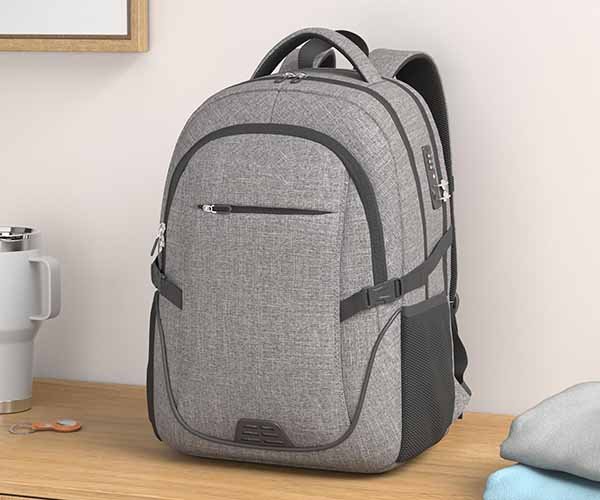
Bag Prototyping for Startups | Samples to Production
- Start with an idea, hand sketch, product photo, reference sample, competitor link, or completed tech pack.
- Develop materials, measurements, compartments, straps, closures, branding, packaging, and production specifications with one factory-based team.
- Review photos and videos before international sample delivery.
- Move from prototype approval into trial production, quality inspection, branded packaging, and global shipping.
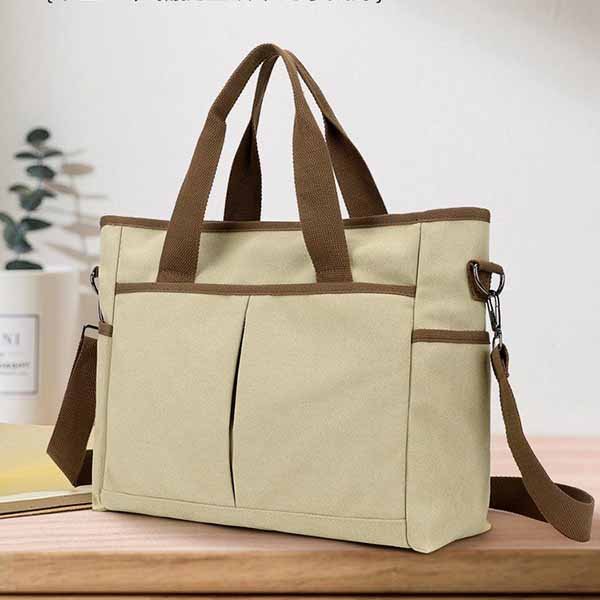
Prototype Development Backed by Manufacturing Capacity
18+ Years Experience
3–20+ Day Sampling
MOQ From 200 Pieces
8 Production Lines
160+ Production Devices
120,000–200,000 Pieces Monthly
Regular monthly capacity ranges from approximately 120,000 to 200,000 pieces across different categories. Capacity changes according to bag complexity, material, logo method, order volume, packing work, and active production schedules.
Who Our Bag Prototyping Service Supports
First-Time Founders
- Early design review
- Material recommendations
- Structure discussion
- Sample cost planning
- Trial-order preparation
Growing Bag Brands
- New SKU development
- Color-series planning
- Existing product upgrades
- Packaging coordination
- Replenishment records
Corporate Innovation Teams
- Technical project review
- Controlled sample versions
- Internal approval support
- Documented material records
- Production-scale evaluation
Crowdfunding Teams
Crowdfunding projects require prototypes suitable for demonstration, photography, video, user testing, costing, and production planning. An attractive display sample alone is insufficient when the final design cannot be sourced or reproduced at scale.
- Functional demonstration
- Photo-ready appearance
- Cost review
- Production feasibility
- Launch quantity planning
Common Risks Before Making Your First Prototype
Early product concepts often fail through missing specifications, unsuitable materials, uncontrolled revisions, or no clear route from sample approval into production.
No Complete Tech Pack
- Product sketch or photo
- Approximate dimensions
- Intended contents
- Main functions
- Target quantity
- Sales market
Unclear Material Choice
- Compare hand feel
- Review thickness
- Check coating
- Assess abrasion needs
- Match target price
Unproven Bag Structure
- Opening accessibility
- Pocket placement
- Load distribution
- Bottom support
- Sewing sequence
- Component installation
Unclear Development Cost
Endless Revisions
- Measurements
- Materials
- Structure
- Hardware
- Branding
- Packaging
No Production Handoff
- Final pattern
- Bill of materials
- Component details
- Logo standard
- Packaging file
- Inspection points
Start With the Information You Already Have
Product Idea
Hand Sketch
Reference Photos
Competitor Link
Technical Pack
Physical Reference
A physical sample allows direct inspection of size, construction, seams, material thickness, hardware, padding, and internal organization. Desired changes should be listed clearly. Reference products are used for development analysis, not unauthorized brand reproduction.
What Your Bag Prototype Should Validate
Form and Size
Capacity and Access
Function and Structure
Material and Hand Feel
Branding and Appearance
Production Feasibility
The prototype should reveal difficult seams, unnecessary layers, high-waste pattern areas, fragile components, and expensive construction steps. Design changes made before bulk production can improve repeatability, cost control, and delivery reliability.
Bag Categories We Can Prototype
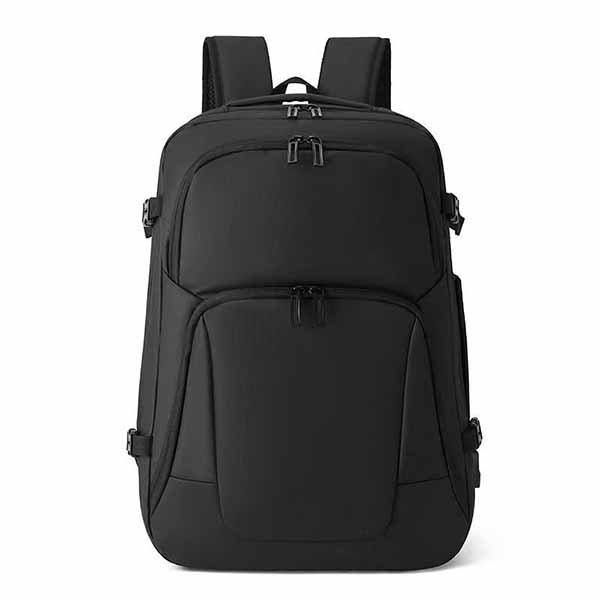
Backpacks
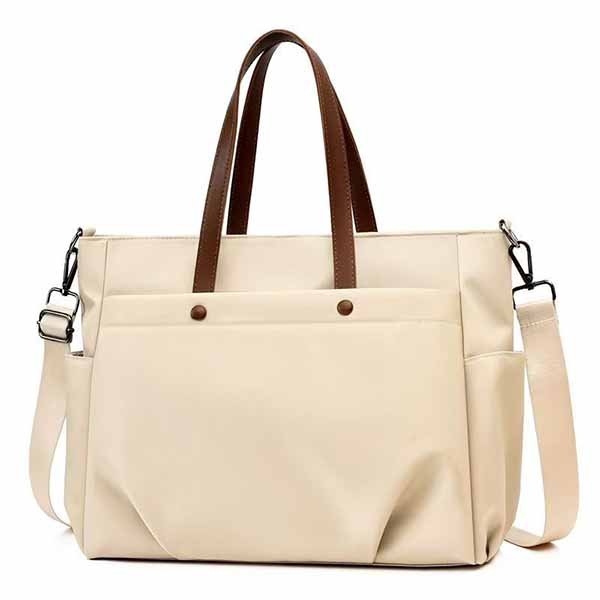
Handbags and Totes
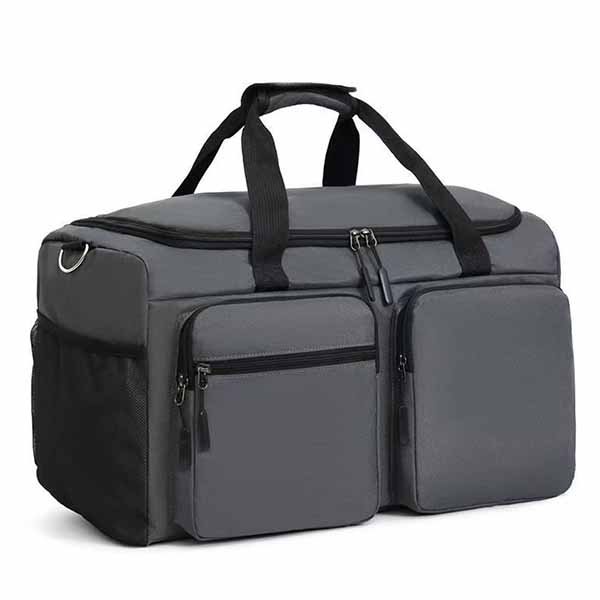
Travel and Duffle Bags
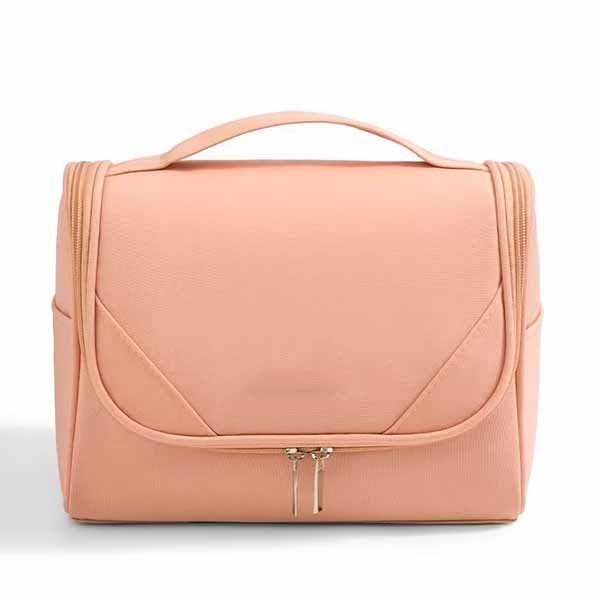
Cosmetic Bags and Pouches
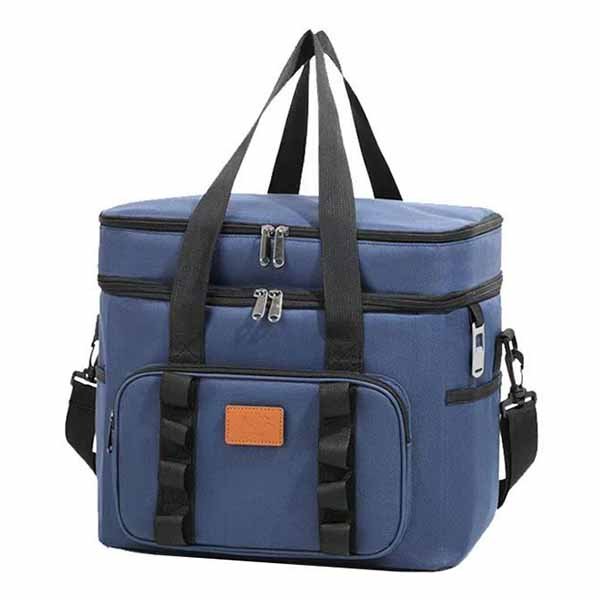
Cooler and Lunch Bags
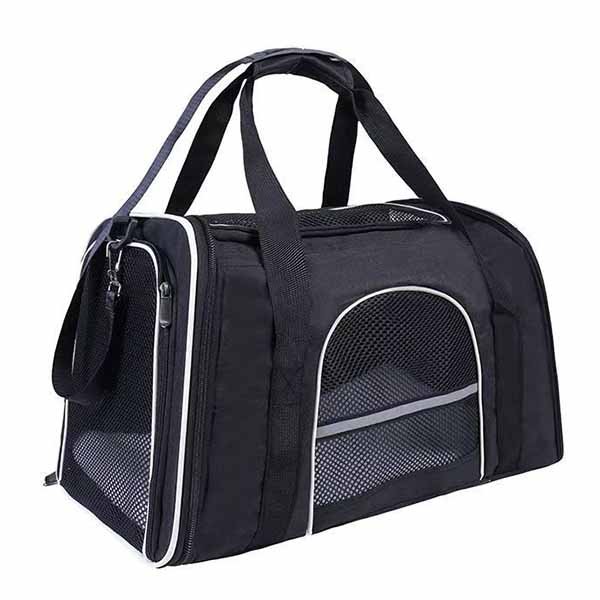
Pet and Baby Bags
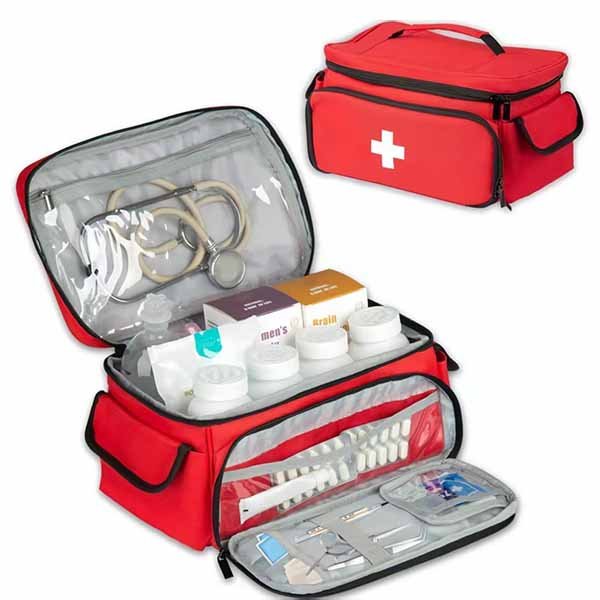
Tool and Medical Bags
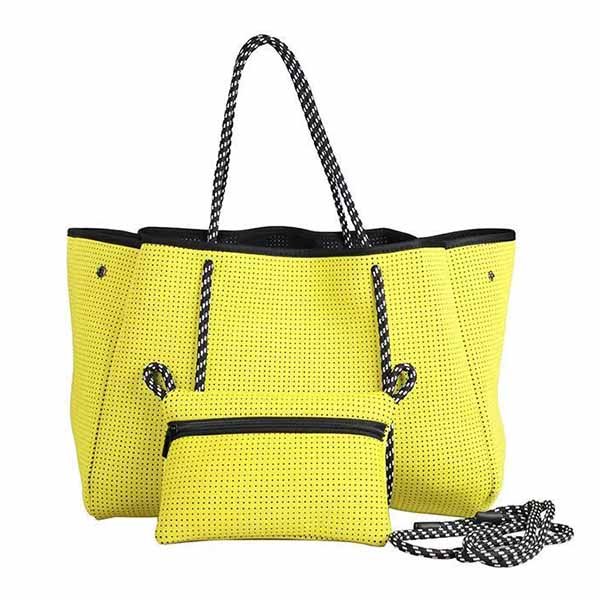
Neoprene and EVA Goods
Choose the Right Prototype Stage
Different samples answer different development questions. Selecting the correct stage avoids paying for excessive detail before the underlying structure has been confirmed.
| Prototype Stage | Main Purpose | Typical Completion Level | Best Use |
|---|---|---|---|
| Concept Mockup | Check general scale, volume, and proportion | Basic construction with simplified materials or details | Internal concept review and early dimensional discussion |
| Appearance Sample | Review color, shape, fabric, logo, and visual presentation | Medium completion with selected exterior details | Photography planning, presentation, design review, and visual approval |
| Functional Prototype | Test openings, compartments, carrying, padding, and intended functions | Medium to high completion with operational components | User testing, product demonstrations, and structure evaluation |
| Approval Sample | Confirm final dimensions, construction, materials, branding, and accessories | High completion using confirmed specifications | Formal product approval before production preparation |
| Pre-Production Sample | Lock production standards using final materials, components, logo, and packaging | Highest completion before bulk cutting | Final production release and quality reference |
From Product Idea to Approved Bag Sample
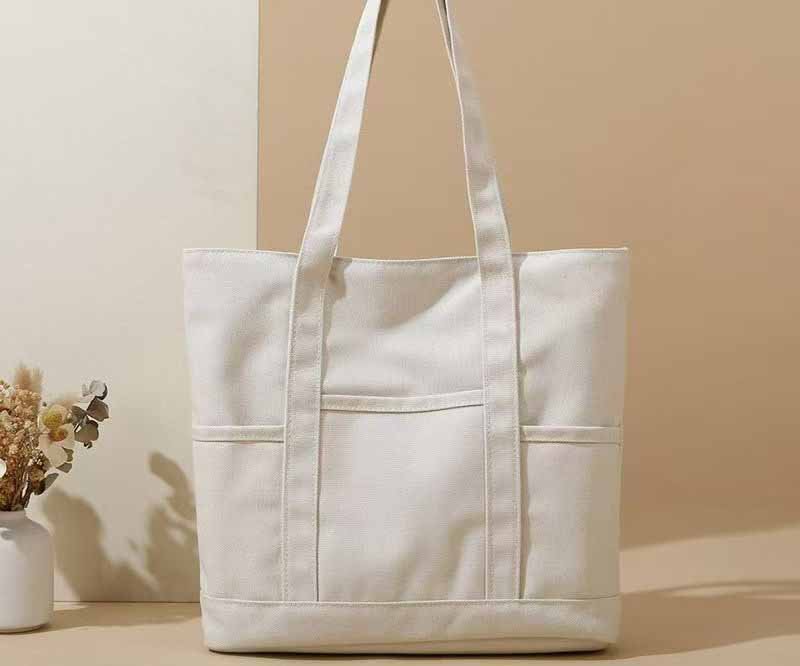
Project Review
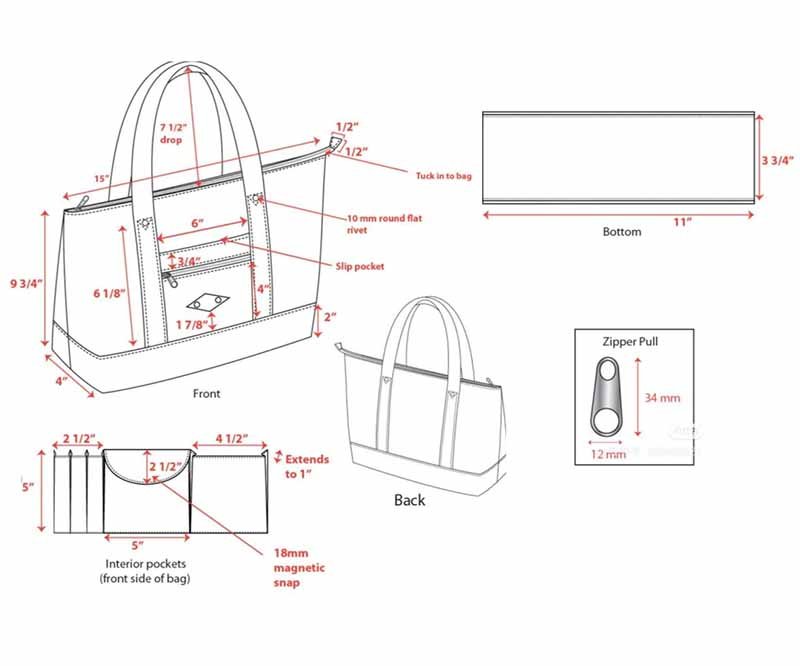
Requirement Confirmation
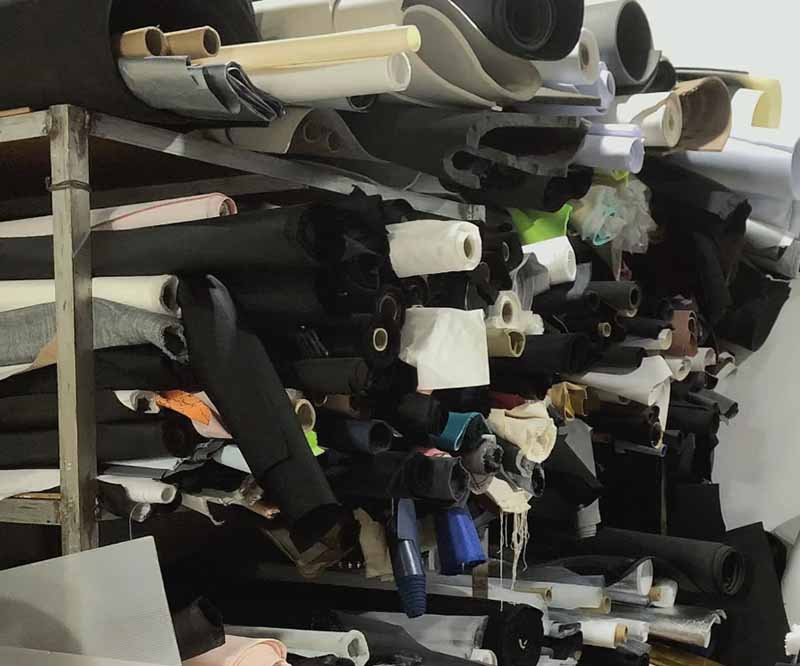
Material Matching
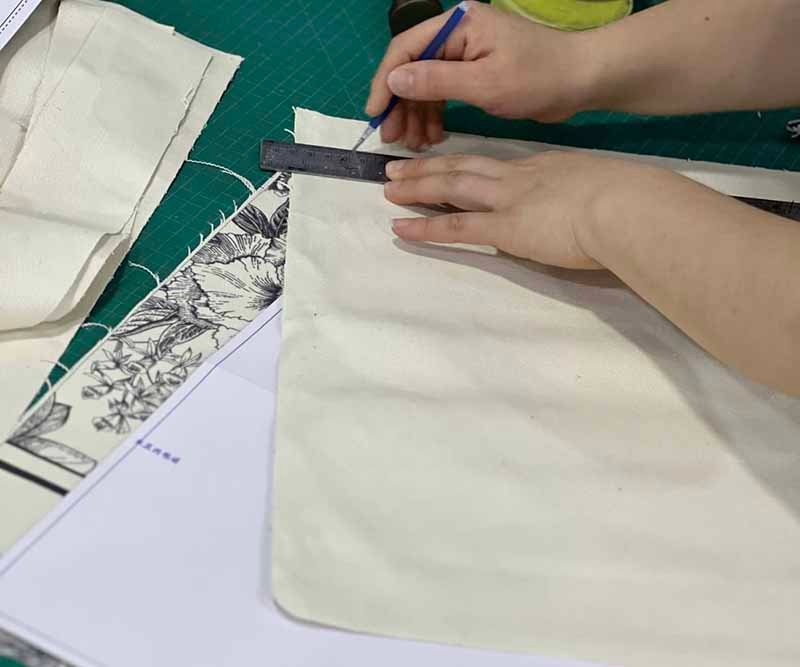
Pattern Development
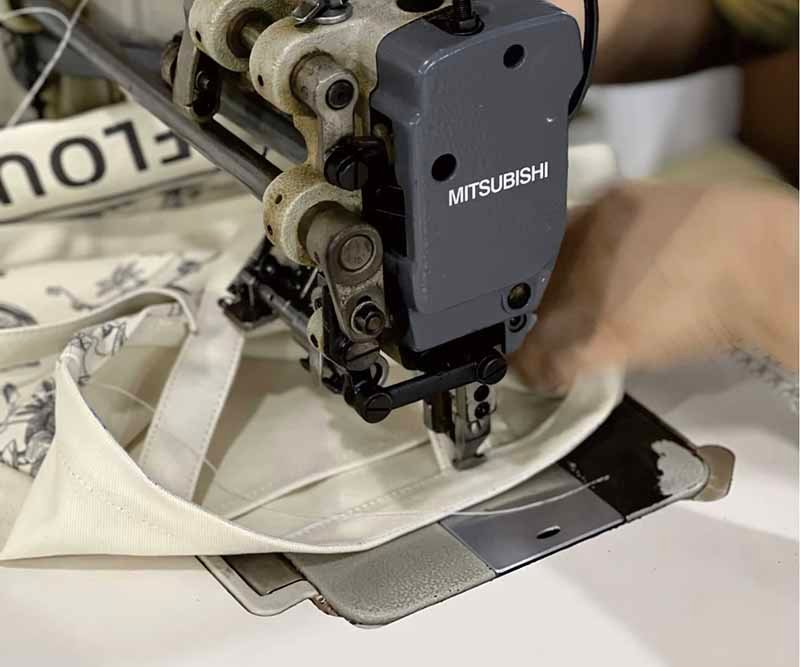
Cutting and Sewing
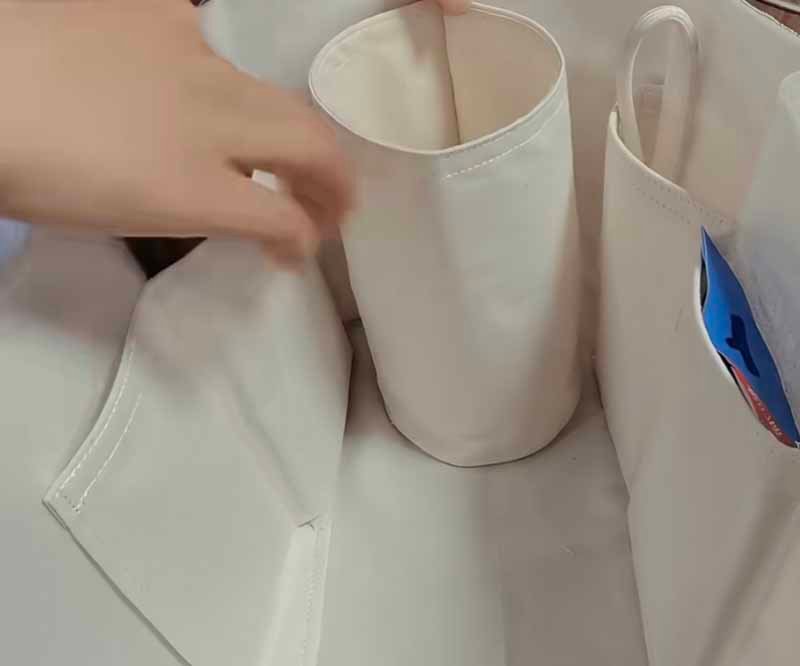
Internal Sample Check
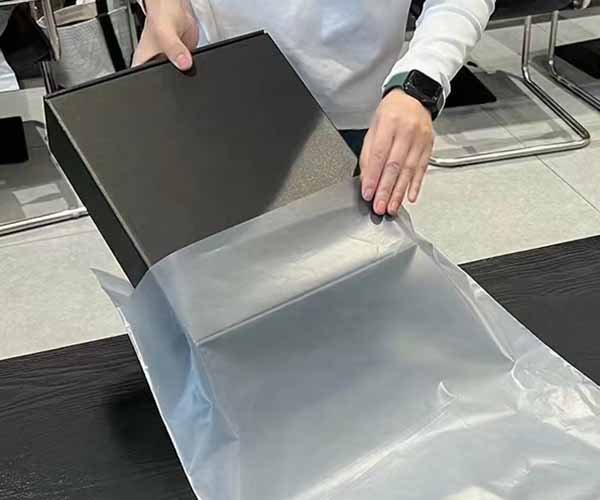
Photo and Video Review
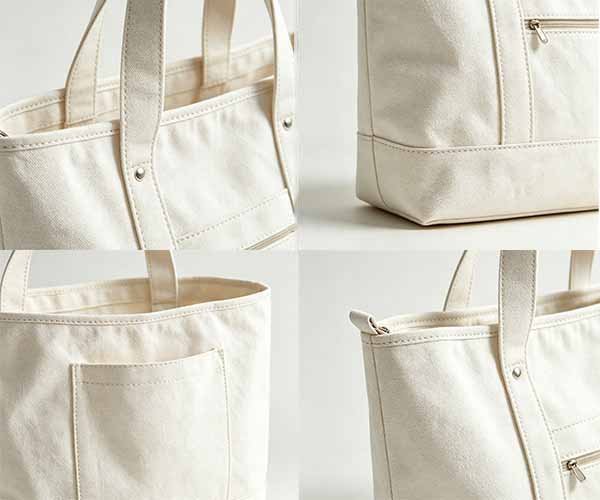
Sample Delivery and Testing
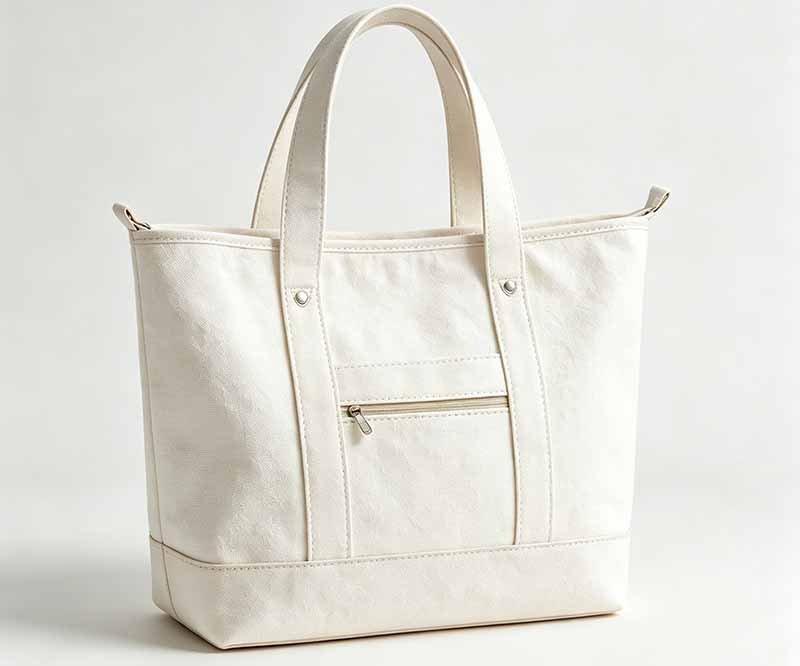
Revision and Approval
Feedback is organized into one revision list. Changes are evaluated for cost, time, and production impact. The approved version can then be recorded through final pattern, material specifications, branding files, and production notes.
Engineering a Prototype That Can Be Manufactured
Capacity Planning
- Identify the largest object
- Confirm item orientation
- Add required clearance
- Account for lining and padding
- Review usable pocket depth
Opening and Access
- Straight zipper
- Curved zipper
- U-shaped opening
- Roll-top closure
- Drawstring closure
- Flap construction
Compartment Layout
- Laptop sleeves need bottom clearance
- Bottle pockets need suitable stretch
- Tool loops require spacing
- Cosmetic sections need cleanable materials
- Medical compartments need clear identification
Load-Bearing Points
- Box stitching
- Cross stitching
- Bar tacks
- Reinforcement patches
- Wider seam allowance
- Internal backing
Comfort and Ergonomics
Manufacturability and Cost
A detail may be technically possible but inefficient for the intended order size.
- Excessive curved seams
- Too many hidden layers
- Difficult hardware installation
- Unstable edge finishing
- High material waste
- Unnecessary custom molds
Szoneier reviews lower-risk alternatives while keeping the product’s main selling points.
Materials for Bag Prototype Development
Material selection affects shape, weight, durability, water resistance, hand feel, printing, sewing, cost, packing volume, and the final brand position.
| Material | Main Characteristics | Suitable Prototype Uses | Cost Level | Low-MOQ Suitability |
|---|---|---|---|---|
| Polyester | Versatile, printable, available in many weights and coatings | Promotional bags, backpacks, pouches, sports bags, travel products | Low to medium | Strong when stock colors are available |
| Nylon | Smooth, lightweight, durable, suitable for higher-performance products | Outdoor bags, travel bags, premium backpacks, technical pouches | Medium to high | Depends on denier, coating, and color availability |
| Oxford Fabric | Structured weave, durable surface, broad range of weights | Backpacks, cooler bags, tool bags, pet products, travel bags | Low to medium | Strong for standard stock specifications |
| Canvas and Cotton | Natural hand feel, strong lifestyle appearance, printable surface | Totes, casual bags, gift bags, organizers, fashion products | Low to medium | Strong for common weights and natural colors |
| Neoprene | Elastic, soft, insulating, shock-absorbing, close-fitting | Bottle sleeves, lunch bags, laptop sleeves, sports accessories | Medium | Often suitable from moderate quantities; thickness and lamination affect MOQ |
| PU and Leather | Premium appearance, structured surface, multiple finishing options | Handbags, cosmetic bags, accessories, gift products, cases | Medium to high | PU is generally easier for smaller runs; leather requires grade and color review |
| PVC and TPU | Transparent or coated appearance, water-resistant constructions available | Clear bags, cosmetic pouches, waterproof-style products, windows | Medium | Material thickness, welding, odor, and compliance requirements require review |
| EVA and Functional Materials | Semi-rigid protection, molded shapes, insulation, fire-resistant or specialist performance | Electronics cases, medical cases, tool cases, protective products | Medium to high | Tooling, molding, testing, and special sourcing may raise MOQ |
Component Selection Notes
- Lining: Polyester, nylon, cotton, PEVA, mesh, microfiber, and wipe-clean materials are selected according to use and appearance.
- Foam: PE foam, EVA foam, sponge, EPE, and other padding materials affect shape, protection, insulation, and packing volume.
- Zippers: Coil, molded, metal, reverse, waterproof-style, and branded puller options vary in cost, appearance, and durability.
- Webbing: Width, thickness, weave, color, strength, edge feel, and custom jacquard requirements affect both comfort and MOQ.
- Hardware: Buckles, hooks, D-rings, rivets, magnetic closures, frames, and metal fittings require finish, load, corrosion, and attachment review.
Prototype Your Logo Before Bulk Production
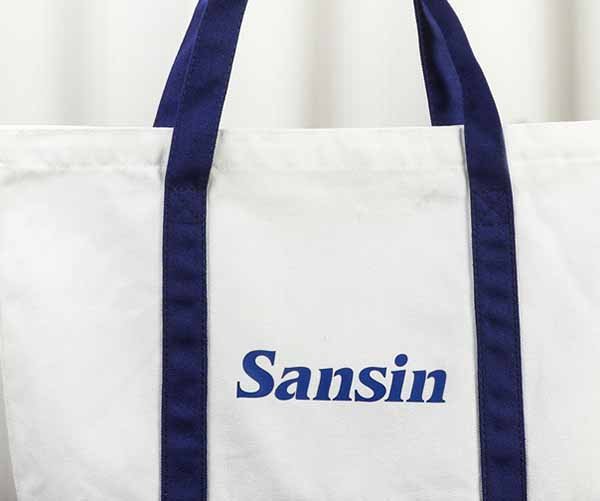
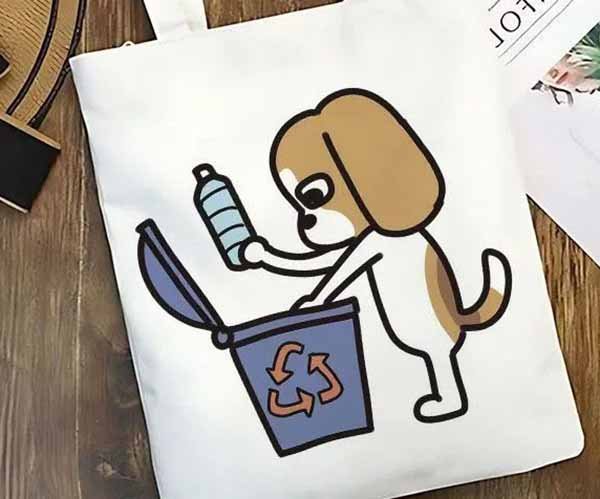
Screen Printing
Heat Transfer
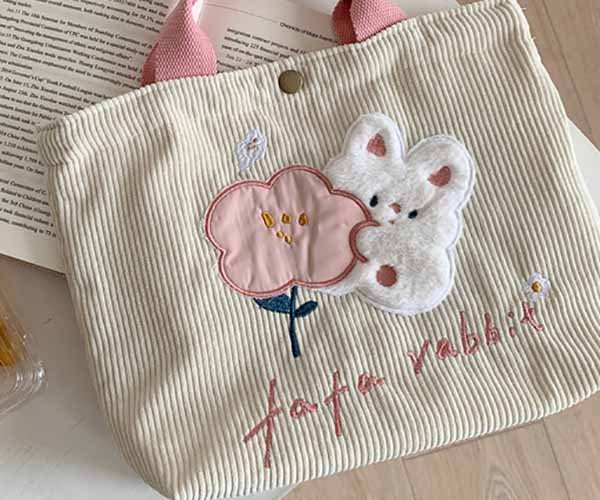
Embroidery
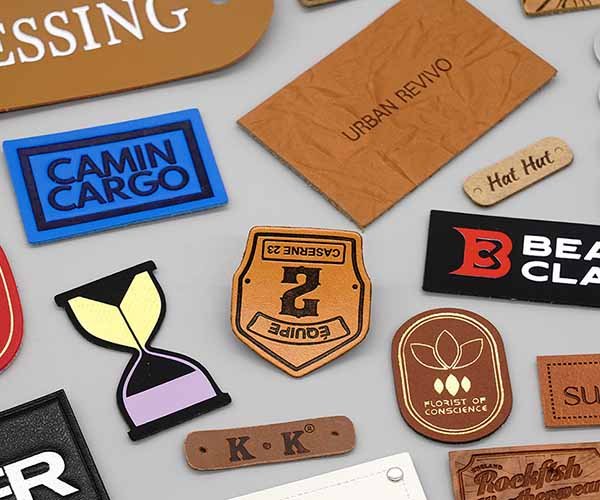
Woven and Leather Labels
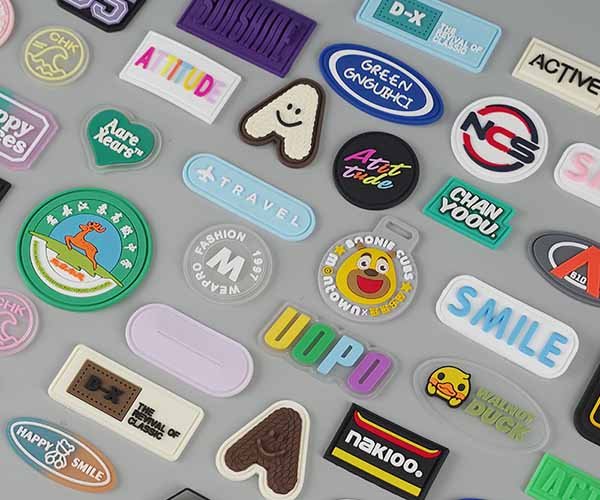
Rubber and Silicone Patches
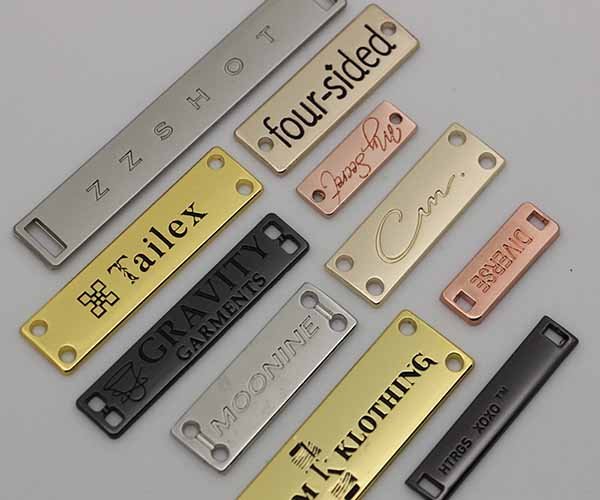
Metal and Embossed Logos
Metal plates, custom pullers, laser engraving, debossing, embossing, foil stamping, and branded hardware support premium collections. Important checks include mold cost, plating color, scratch protection, oxidation risk, attachment security, embossing depth, material grain, and packaging protection.
Lorem ipsum dolor sit amet, consectetur adipiscing elit. Ut elit tellus, luctus nec ullamcorper mattis, pulvinar dapibus leo.
A Controlled Prototype Revision Process
Size and Proportion
- Length, width, height
- Gusset depth
- Opening size
- Handle drop
- Strap length
- Pocket dimensions
Material and Color
Pocket and Layout
Strap and Handle
- Strap width
- Foam thickness
- Attachment angle
- Adjustment range
- Handle length
- Reinforcement size
Logo and Hardware
Packaging and Details
Final revisions may include labels, hangtags, care instructions, polybags, inserts, dust bags, cartons, or retail boxes. Packaging size should be checked against product shape, transport protection, storage, and shipping volume.
Revision Workflow
- Submit one marked revision list.
- Review cost and production impact.
- Confirm updated schedule.
- Assign a new version number.
- Produce or update the sample.
- Freeze the approved specification.
Prototype Timing and Development Cost
Sample cost and lead time depend on structure, material sourcing, component availability, logo method, tooling, packaging, testing, revision scope, and urgency.
| Prototype Type | Reference Lead Time | Typical Sample Cost | Main Cost Drivers |
|---|---|---|---|
| Simple Tote or Drawstring Bag | 3–7 days | USD 50–120 | Basic pattern, stock fabric, straightforward sewing, simple logo |
| Pouch or Cosmetic Bag | 7–12 days | USD 80–180 | Lining, zipper shape, internal pockets, logo finishing |
| Lunch or Cooler Bag | 7–15 days | USD 100–250 | Insulation, lining, binding, reinforcement, leak-risk details |
| Backpack or Duffle Bag | 10–20 days | USD 150–350 | Multiple panels, padding, straps, compartments, hardware |
| Tool, Pet, or Medical Bag | 12–20+ days | USD 180–400 | Load-bearing structure, safety details, special compartments, functional materials |
| Camera Bag or EVA Case | 15–25+ days | USD 250–600+ | Protective foam, molded parts, equipment fit, tooling, complex structure |
| Rolling or Highly Structured Bag | Project Evaluation | USD 400–800+ | Frame, wheels, handle system, molded parts, specialized hardware |
What the Sample Fee Covers
Sample charges may include:
- Requirement review
- Material preparation
- Pattern development
- Cutting
- Prototype sewing
- Logo trial
- Accessory sourcing
- Internal inspection
- Sample version management
- Packing before courier dispatch
Custom molds, branded metal parts, rubber patches, silicone patches, special zipper pullers, custom-dyed material, retail packaging samples, testing, and international courier charges may be quoted separately.
Sample-fee deduction from a confirmed production order is evaluated according to project scope, tooling, material investment, and future order value.
Test the Prototype Before Final Approval
Approval should be based on measurement, function, materials, components, workmanship, branding, packaging, and intended use rather than appearance alone. Third-party testing can be coordinated according to product, material, destination market, and required standard. Testing scope must be confirmed before claims are made.
Dimensions and Capacity
Zippers and Hardware
Straps and Handles
Material and Workmanship
Functional Performance
- Cooler bags: lining, closure, insulation structure, and cleaning access
- Pet carriers: ventilation, base support, safety clips, and secure openings
- Tool bags: load distribution, reinforced bottom, and handle attachment
- Backpacks: comfort, compartments, laptop fit, and strap adjustment
- EVA cases: equipment fit, protection, zipper path, and molded shape
Packaging and Transport
Protecting Your Prototype and Design Files
Project Confidentiality
Controlled File Access
Authorized Branding Only
Development Records
Approved patterns, bills of materials, color references, logo files, packaging documents, inspection points, and revision notes can be archived for repeat production. Ownership, transfer, and permitted use of specialized development files should be agreed before project launch.
Start Small and Scale After Validation
A staged manufacturing plan allows a brand to confirm design, launch with controlled inventory, monitor sales, and expand after reliable market feedback.
Stage 1: Prototype
Stage 2: Trial Production
Stage 3: Market Launch
Stage 4: Repeat Growth
Controlling Production After Prototype Approval
Order Standard Lock
- Final approval sample
- Confirmed quotation
- Product specification
- Color and SKU list
- Packaging files
- Target delivery plan
Pre-Production Review
- Technical risk points
- Quality checkpoints
- Packaging sequence
- Approval responsibilities
- Production schedule
Material Inspection
- Material type
- Color and surface
- Thickness or weight
- Defects and contamination
- Quantity
- Required documentation
Pre-Production Sample
- Dimensions
- Material combination
- Color
- Branding
- Hardware
- Packing method
Cutting Control
- Pattern version
- Grain direction
- Print orientation
- Matching panels
- Defect avoidance
- Bundle identification
Logo and Component Control
- Logo position
- Artwork version
- Color
- Embroidery density
- Patch attachment
- Plating appearance
- Zipper and buckle model
Sewing Process Inspection
- Stitch quality
- Seam allowance
- Reinforcement
- Zipper installation
- Strap attachment
- Lining fit
- Shape symmetry
Finished and Packing Inspection
- Product-specific checks
- Final quantity
- SKU matching
- Barcode or FNSKU
- Polybag or box
- Carton marks
- Packing count
Shipment Preparation
Carton quantity, dimensions, gross weight, labels, packing list, commercial invoice, shipping marks, destination, and selected transport method are confirmed before release.
- Express for samples
- Air freight for urgent launch quantities
- Sea freight for regular larger orders
- DDP or FBA delivery subject to route evaluation
- Split shipment for staged replenishment
Prepare the Product for Its Sales Channel
A prototype should be reviewed together with packaging, identification, fulfillment, presentation, and replenishment requirements for the intended route to market.
Amazon Programs
- Amazon projects may require FNSKU matching, polybag warnings, SKU separation, carton labels, carton-size control, gross-weight review, packing lists, first-leg shipping, and replenishment planning.
- Product structure should also reduce predictable return and review risks.
Shopify and DTC
- Direct-to-consumer launches often require photo-ready samples, branded inserts, dust bags, tissue paper, thank-you cards, mailer boxes, gift packaging, coordinated colors, and unboxing details.
- Packing volume should be balanced against presentation value.
Retail Programs
- Retail preparation may involve barcode labels, hangtags, care labels, retail boxes, master-carton marks, assortment packing, store distribution, inspection requirements, and fixed delivery windows.
- Packaging should protect the bag without creating unnecessary shelf or transport volume.
Crowdfunding Launches
- Crowdfunding samples need strong visual presentation and honest functional demonstration.
- Development should also confirm production materials, cost, MOQ, manufacturing schedule, packaging, freight, and achievable delivery timing before campaign promises are finalized.
Bag Prototype Development Case Studies
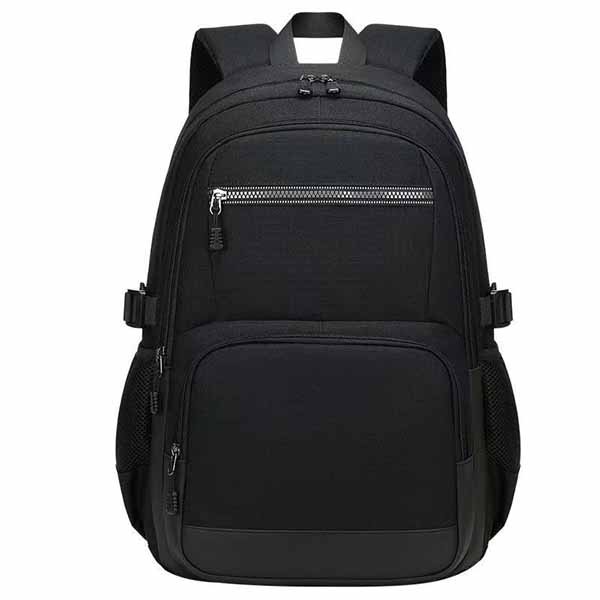
U.S. Commuter Backpack Launch
- Market: United States
- Product: Urban commuter backpack
- Final size: 46 × 30 × 16 cm
- First production order: 1,200 pieces
- Colors: Black and navy, 600 pieces each
- Main material: 600D recycled polyester
- Lining: 210D polyester
- Logo: Molded rubber patch
- Packaging: Individual polybag with branded hangtag
- Delivery: DDP to California
The founder supplied a front sketch, several reference links, laptop dimensions, and a list of functions. No complete technical pack was available. The original concept included eleven pockets, a narrow top opening, an unsupported laptop base, and shoulder straps positioned too close together.
Szoneier Development WorkThe first review reduced unnecessary pockets, widened the top zipper path, added bottom clearance under the laptop sleeve, adjusted strap spacing, and introduced an internal reinforcement panel behind both shoulder-strap attachments.
The first prototype required 12 days. Load testing revealed pressure at the upper strap connection and limited access to the front organizer. A second sample was completed in 8 days after enlarging the organizer opening and extending the internal reinforcement area.
Production Control- Final pattern and BOM frozen after sample approval
- Pre-production sample made with confirmed rubber patch
- First-piece review before regular sewing
- Strap connections checked during production
- Finished bags checked for laptop fit, zipper operation, symmetry, and packaging
Bulk production required 32 days after material readiness. The initial 1,200-piece launch moved into a planned follow-up color review after the first sales period.
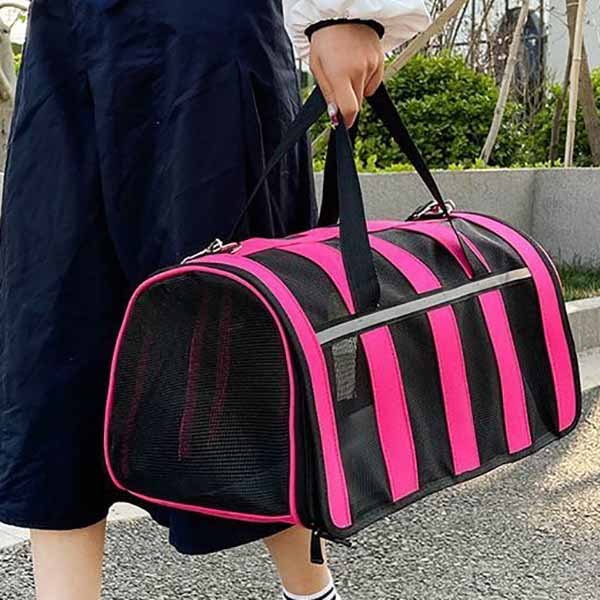
U.K. Pet Carrier Brand
- Market: United Kingdom
- Product: Soft-sided pet carrier
- Final size: 47 × 30 × 31 cm
- First production order: 900 pieces
- Colors: Three colors, 300 pieces each
- Main material: 600D Oxford fabric
- Ventilation: Reinforced mesh panels
- Base: Removable board with washable cover
- Logo: Woven label
- Packaging: Folded polybag and master carton
- Delivery: Sea freight to a U.K. warehouse
The brand provided a basic technical drawing and dimensions but had not resolved mesh strength, top collapse, base stability, safety-clip position, or the opening sequence. The first structure also created difficult sewing around the upper mesh corners.
Szoneier Development WorkPattern engineers adjusted the top frame construction, divided the mesh into sewable sections, changed the base-board pocket, relocated the safety clip, and increased the zipper opening for easier pet access.
The first prototype required 18 days because several mesh, board, and zipper options were evaluated. A 9-day revision followed user testing with weighted contents and a pet model.
Production Control- Mesh and Oxford fabric inspected before cutting
- Zipper and safety clip checked by component lot
- Pre-production sample used as sewing reference
- Base-board fit checked during assembly
- Finished carriers checked for ventilation panels, closure operation, shape, and removable-base insertion
Bulk production required 38 days. Three colors were packed separately with clear carton identification to simplify warehouse receiving.
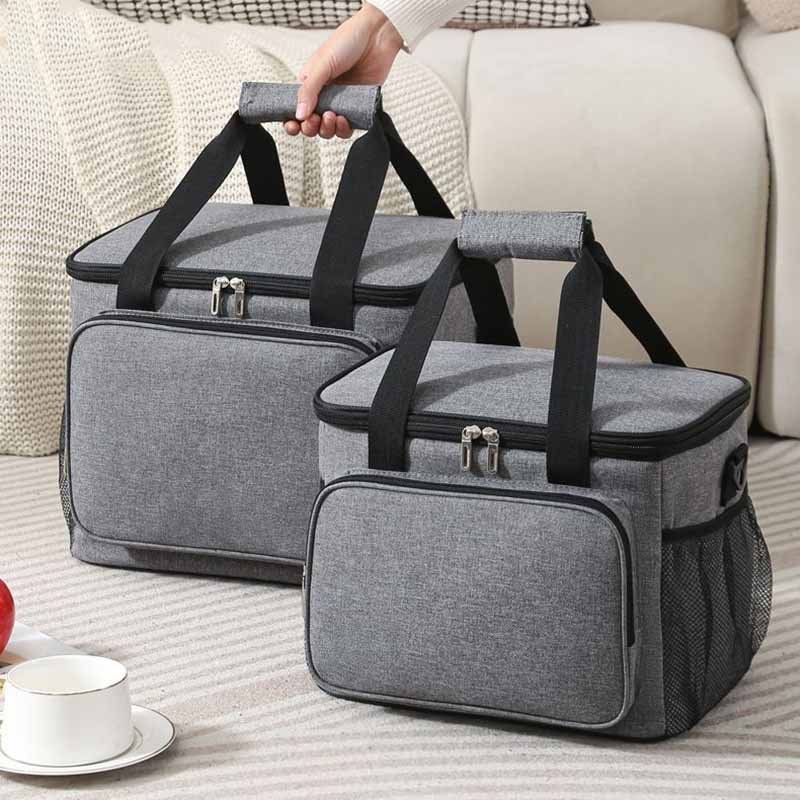
Australian Outdoor Cooler Program
Project Profile
- Market: Australia
- Product: Structured outdoor cooler bag
- Final size: 33 × 22 × 27 cm
- First production order: 2,400 pieces
- Colors: Four colors, 600 pieces each
- Outer material: 600D Oxford
- Insulation: PE foam
- Lining: Heat-cleanable PEVA
- Logo: Screen-printed front panel
- Packaging: Individual polybag, barcode label, export carton
- Delivery: FOB sea shipment
Development Challenge
An established outdoor brand wanted a new cooler model with a wide opening, removable shoulder strap, upright shape, reinforced hand straps, and lower carton volume than an earlier product.
The initial reference bag used thick foam across every panel, creating excessive folded volume and high freight cost.
Szoneier Development Work
The development team redistributed foam thickness according to panel function, changed the side structure, reinforced the handle path, modified the lid zipper, and designed a flatter packing method without permanently deforming the base.
The first prototype required 14 days. A second sample was completed in 7 days after the brand requested a wider shoulder pad and revised front-logo position.
Production Control
- Foam thickness and PEVA lining checked before assembly
- Screen-print color approved before the full logo batch
- Handle reinforcement reviewed during sewing
- Finished bags checked for zipper movement, shape recovery, lining cleanliness, strap attachment, and barcode placement
- Carton packing trial completed before final packing
Bulk production required 30 days after all materials were ready. The revised packing configuration reduced unused carton space and supported a more efficient sea shipment.
Bag Prototyping Frequently Asked Questions
Start Your Bag Prototype With Szoneier
For a faster project review, include:
- Product type and intended use
- Sketches, photos, links, or technical pack
- Approximate length, width, height, and capacity
- Items the bag must carry
- Preferred material, color, and hand feel
- Pocket, strap, closure, and hardware requirements
- Logo artwork and preferred branding method
- Expected first production quantity
- Target price range
- Packaging and sales channel
- Required sample date
- Final delivery country