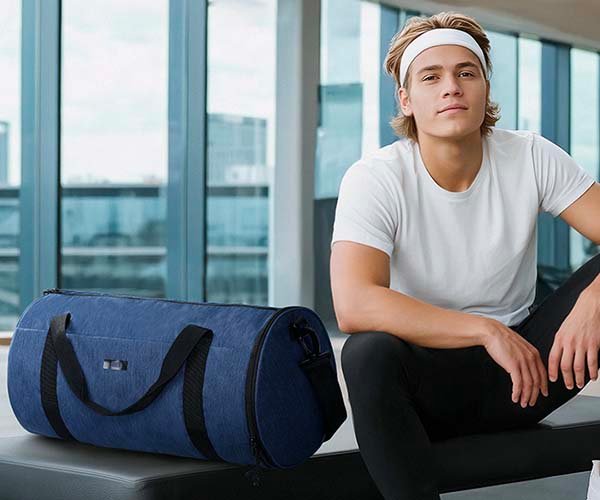
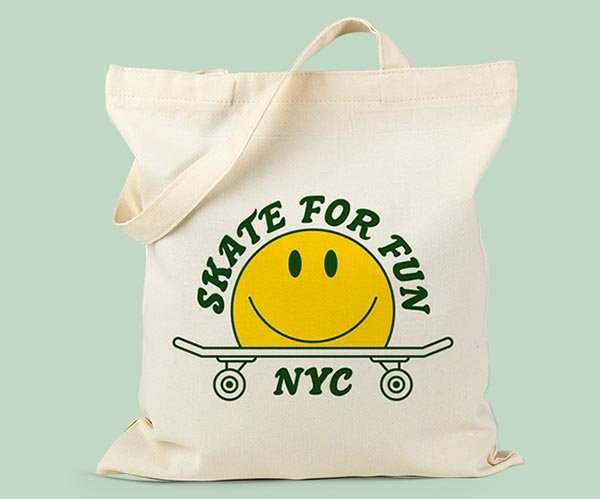
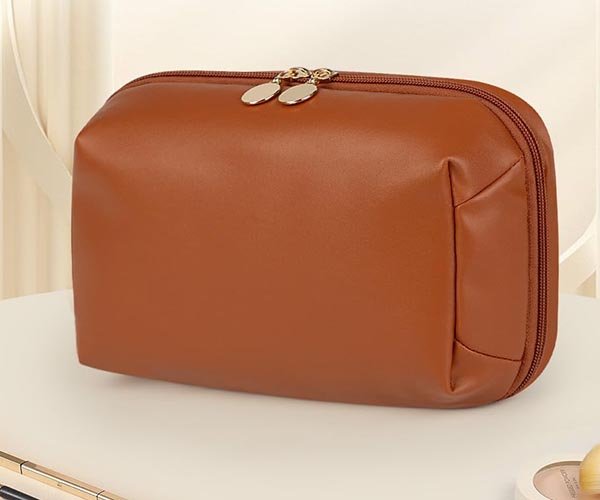
...

A Trusted China Manufacturer Since 2007!

Bag Manufacturer for Startups and Emerging Brands

Launch Your First Bag Product with Low MOQ and Professional Manufacturing Support

Starting a bag brand is exciting, but turning an idea into a reliable physical product requires the right manufacturing partner. Szoneier supports startups, small brands, and early-stage product teams that want to develop high-quality bags without committing to extremely large order quantities. Szoneier has over 18 years of experience in bag design, sampling, and production. The company works with startups launching their first product line as well as established brands expanding their collections.

  • Low MOQ starting from 50 pcs
  • Sampling completed in 5–7 days
  • Production lead time 25–30 days
  • Full product development support
  • Flexible payment options including PayPal and T/T
  • 100% product inspection before shipment
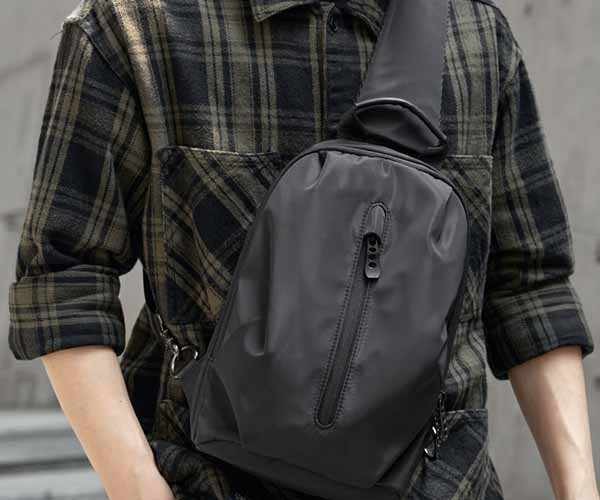
chest bag

Common Mistakes Startup Brands Make When Producing Bags

Launching a bag brand is exciting, but many startups underestimate how complex product development and manufacturing can be. A bag that looks great in a concept sketch still needs to be engineered, sampled, and produced in a way that balances durability, cost, and production efficiency. After working with startups for more than 18 years since 2007, Szoneier has seen many recurring mistakes made by first-time bag founders. Understanding these issues early can help avoid delays, unexpected costs, and product quality problems. Below are several mistakes that appear frequently during early bag manufacturing projects.

Choosing a Factory Only Based on the Lowest Price

Price is important for startups, especially when budgets are limited. However, selecting a manufacturer solely based on the lowest quotation can create serious long-term problems. Extremely low quotes may indicate compromises in:
  • fabric quality
  • zipper durability
  • stitching strength
  • hardware reliability
When these issues appear after the product reaches customers, startups may face negative reviews, product returns, and damaged brand reputation. Szoneier usually works with startups to balance cost and durability, recommending materials and structures that meet the target budget while maintaining reliable product performance.

Designing Products Without Understanding Manufacturing Limitations

Many startup founders focus heavily on design aesthetics, sometimes creating bag concepts that are difficult to manufacture efficiently. Examples include:
  • too many compartments
  • overly complex panel shapes
  • unnecessary decorative elements
  • complicated hardware combinations
These features can significantly increase production cost and delay sampling. During development, Szoneier’s pattern engineers often adjust designs to maintain the intended appearance while simplifying the internal structure. This approach helps startups keep production costs under control without sacrificing product quality.

Selecting Materials Only Based on Appearance

Material choice strongly affects the durability and usability of a bag. Some startups choose fabrics based only on color or texture without considering performance. Common problems include:
  • thin fabrics tearing under load
  • weak lining materials failing after repeated use
  • low-quality coatings losing water resistance
Because Szoneier works with polyester, nylon, canvas, PU leather, neoprene, TPU laminated fabrics, and other materials, the development team often recommends material combinations suited to the product’s intended use. For example, travel bags typically require 420D or 600D fabrics, while cosmetic bags may use PU leather for appearance and easy cleaning.

Ignoring Product Structure and Reinforcement

A bag may look simple, but structural engineering plays a major role in durability. Critical reinforcement areas include:
  • handle attachment points
  • shoulder strap anchors
  • zipper corners
  • bottom panels
Without proper reinforcement, these areas may fail under normal use. Szoneier’s engineering team evaluates these stress points during sampling and adds reinforcement stitching where necessary. This step helps ensure the bag performs well during everyday use.

Launching Large Production Runs Too Early

Some startups assume that larger production quantities automatically reduce costs and increase profit margins. While larger orders do lower unit cost, producing too many units before testing market demand can create inventory risks. Unsold inventory may tie up valuable cash flow. Szoneier’s minimum order quantity starting from 50 pieces allows startups to launch smaller test batches first. Many brands begin with several hundred units and gradually increase production after confirming customer demand.

Underestimating Product Development Time

Developing a bag product requires several steps before production can begin. Typical development timeline:
StageTypical Duration
concept discussion1–2 days
pattern development1–2 days
sampling5–7 days
sample adjustmentsseveral days
production25–30 days
Startups sometimes plan marketing launches before completing these steps, which may create scheduling pressure. Working with an experienced manufacturer helps coordinate development timelines more effectively.

Poor Communication About Technical Details

Clear communication between the startup team and the manufacturer is essential. Misunderstandings about specifications can lead to delays or incorrect samples. Important details that should always be confirmed include:
  • bag dimensions
  • fabric specifications
  • zipper types
  • logo method and placement
  • packaging requirements
Szoneier’s English-speaking sales and development staff communicate with clients through email, WhatsApp, WeChat, and video meetings, helping reduce misunderstandings during product development.

Skipping Thorough Sample Testing

The prototype sample provides an opportunity to evaluate product functionality before committing to mass production. Some startups approve samples quickly without testing them in real use conditions. Testing should include:
  • loading the bag with weight
  • checking zipper durability
  • verifying pocket usability
  • evaluating comfort when carried
Startups that spend time refining their samples often achieve better long-term product performance.

Working With a Manufacturer That Lacks Startup Experience

Not every factory is comfortable working with early-stage companies. Some manufacturers are structured primarily for very large orders and may not provide development support for smaller projects. Szoneier has experience working with startups launching their first product lines. The company supports:
  • low MOQ production starting from 50 pcs
  • fast sampling within 5–7 days
  • flexible payment options including PayPal and T/T
  • development assistance from pattern makers and engineers
This approach allows startup brands to move from concept to finished product with less risk.

Types of Startups That Work with Szoneier

Startup CategoryProduct Focus
Travel accessory startupsTravel bags, toiletry bags
Fashion startupsHandbags, tote bags
Outdoor gear startupsHiking backpacks, dry bags
Fitness startupsGym bags, duffel bags
E-commerce startupsPrivate label bags for online stores
Promotional product startupsCustom branded bags

Customized Solution for E-commerce Entrepreneurs

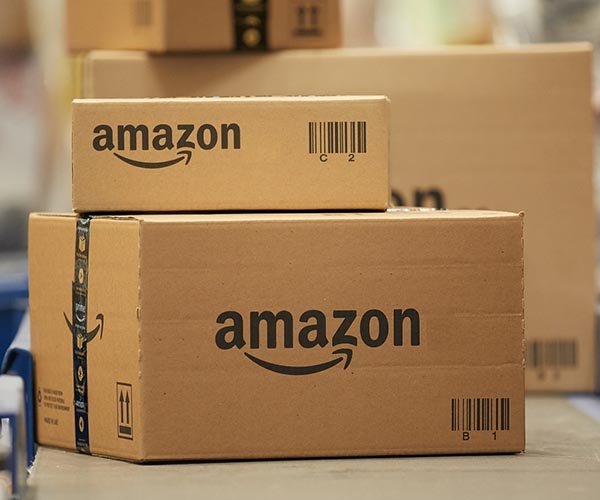
Many startups begin by selling bags through platforms such as Amazon, Shopify, or independent e-commerce stores.

These companies usually need:

  • Low initial production quantities
  • Fast sampling for product testing
  • Flexible product customization

Szoneier’s 50-piece starting MOQ allows these businesses to launch products without large inventory investments.
1. customized solution for e commerce entrepreneurs

New Fashion Brands

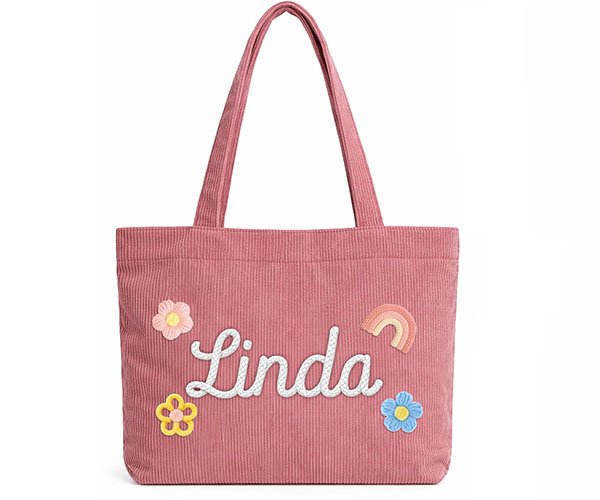
Fashion startups often focus on creating unique designs that reflect their brand identity.

Typical product types include:

  • tote bags
  • crossbody bags
  • cosmetic bags
  • lifestyle travel bags

Szoneier’s development team helps translate design ideas into manufacturable products by refining materials, dimensions, and structural details.
2. new fashion brands

Outdoor and Travel Gear Bags Solutions

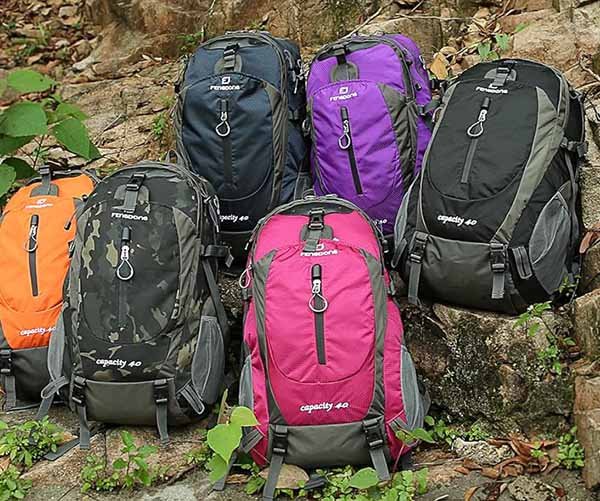
Outdoor startups frequently develop functional bags designed for hiking, travel, or adventure activities.

These products require:

  • durable materials
  • reinforced stitching
  • waterproof fabrics

Because Szoneier works with nylon fabric suppliers and TPU laminated materials, the company can support many types of outdoor bag projects.
3. outdoor and travel gear bags solutions

Key Factors Startups Should Consider When Choosing a Bag Manufacturer

Launching a bag product requires more than a creative idea. Startups must evaluate several practical factors before choosing a manufacturing partner. Early decisions about materials, structure, and production planning directly affect product cost, durability, and delivery schedule. Many early-stage brands face challenges because they are unfamiliar with bag manufacturing processes. Understanding the key factors below can significantly improve product development efficiency.

Material Selection

Material choice determines the bag’s appearance, weight, durability, and cost. Common materials used in startup bag projects include:

MaterialTypical Use
PolyesterTravel bags and backpacks
NylonOutdoor and performance bags
CanvasLifestyle and fashion bags
PU leatherCosmetic and fashion bags
NeopreneProtective pouches

Szoneier cooperates with multiple material suppliers, allowing startups to experiment with different fabric options during sampling.

Bag Structure and Function

The internal structure of a bag determines how practical it will be for daily use. Important structural considerations include:

  • number of compartments

  • zipper opening design

  • strap and handle placement

  • pocket layout

  • reinforcement areas

Szoneier’s product engineers often review these structural details during sampling to ensure the bag performs well when used.

Minimum Order Quantity

Many traditional factories require large production quantities, which can be difficult for startups. Szoneier supports starting production from 50 pieces, allowing brands to:

  • test market demand

  • refine product design

  • launch limited product releases

This lower MOQ reduces financial risk during early product launches.

Production Timeline

Product launch schedules often depend on manufacturing timelines. Typical timeline at Szoneier:

Stage Timeline
Sampling 5–7 days
Complex samples 7–15 days
Mass production 25–30 days

Planning production schedules early helps startups coordinate marketing, sales launches, and distribution.

Quality Control

Product quality strongly influences customer satisfaction and brand reputation. Startups should choose manufacturers that perform consistent quality inspections. Szoneier conducts:
  • material inspection before production
  • in-line production checks
  • final inspection before shipment
Each order is inspected before leaving the factory.

Cost Planning

Startups usually operate with limited budgets, making cost control essential. Bag manufacturing costs are influenced by:
  • material selection
  • number of compartments
  • hardware accessories
  • logo method
  • packaging
During early discussions, Szoneier provides cost estimates to help brands adjust design details to meet target budgets.

Szoneier’s Manufacturing Solutions for Startups

Manufacturing Support Designed for New Brands Szoneier has supported many startups launching their first bag products. Because the company works with both emerging brands and established companies, production systems are designed to accommodate projects at different scales. Several aspects of Szoneier’s manufacturing approach are particularly helpful for startups.

Low MOQ Production

Szoneier offers minimum order quantities starting from 50 pieces, which is significantly lower than many large factories. This allows startups to:
  • launch products with lower financial risk
  • test different color variations
  • evaluate customer feedback before scaling production
Many startup clients begin with small trial orders and later increase quantities as their brands grow.

Integrated Material Supply

Szoneier’s production ecosystem includes access to several material sources:
  • polyester and nylon fabric suppliers
  • canvas and cotton fabric factories
  • PU leather and microfiber leather producers
  • neoprene material factories
  • TPU laminated fabric suppliers
Having multiple material partners allows startups to explore different product directions without needing to change manufacturers.

Product Development Assistance

Startups often need help translating ideas into manufacturable designs. Szoneier’s development team assists with:
  • product structure evaluation
  • material recommendations
  • compartment layout planning
  • logo placement suggestions
This collaboration helps reduce development mistakes that could otherwise appear during production.

Flexible Communication

Clear communication is important when developing a new product. Szoneier supports communication through:
  • email
  • WhatsApp
  • WeChat
  • video meetings
English-speaking sales staff help ensure product details are understood correctly.

Scalable Production Capacity

As startup brands grow, production volume may increase quickly. Szoneier’s cooperating factories in the Shenzhen manufacturing region support production ranging from small batches to tens of thousands of units, allowing startups to expand without changing suppliers.

Types of Bags Startups Commonly Launch
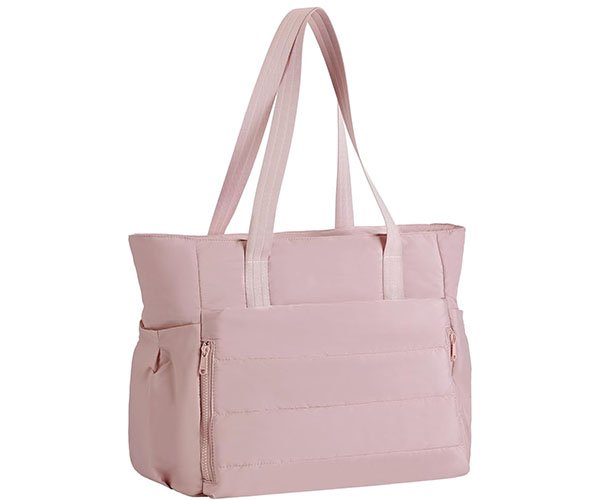
Most startup brands do not begin with a large product collection. Instead, many successful companies start with one or two carefully designed products that represent the brand identity and solve a clear user need. Since 2007, Szoneier has helped startups develop many types of bags, from simple lifestyle totes to more technical outdoor products. The following bag categories are among the most common first products for new brands.
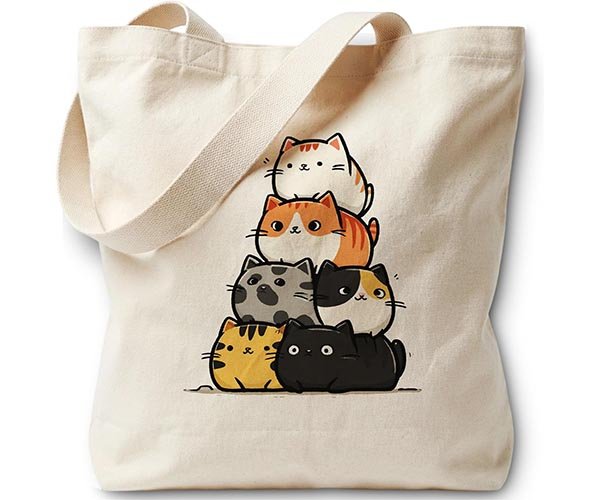
1. tote bag

Tote Bags

Tote bags are often the first product launched by lifestyle and fashion startups because the structure is relatively simple while still allowing strong branding opportunities. Typical characteristics include:
  • large open storage space
  • reinforced handles
  • simple rectangular structure
  • lightweight design
Common materials used:
MaterialTypical Purpose
Cotton canvaslifestyle and retail brands
Polyesterpromotional and travel use
Recycled fabricseco-focused brands
PU leatherfashion-oriented products
Because tote bags require fewer complex components, they are easier to manufacture while still offering good profit margins. Szoneier has produced thousands of canvas and polyester tote bags for startups launching products through e-commerce platforms, retail boutiques, and promotional markets.
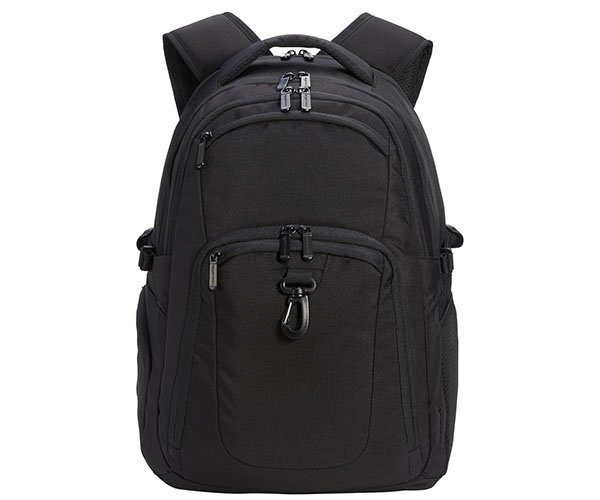
2. backpacks

Backpacks

Backpacks are popular among startups targeting students, travelers, commuters, and outdoor users. Compared with tote bags, backpacks require more detailed structural design but offer strong product value and higher retail prices. Typical features include:
  • laptop compartments
  • multiple storage pockets
  • adjustable shoulder straps
  • reinforced back panels
Common materials used:
MaterialAdvantage
Nylonstrong and durable
Polyesteraffordable and versatile
Waterproof TPU fabricsoutdoor protection
Backpacks require careful engineering to ensure load-bearing strength. Szoneier’s product development team often reinforces shoulder strap attachment points and back panel structures to improve durability.
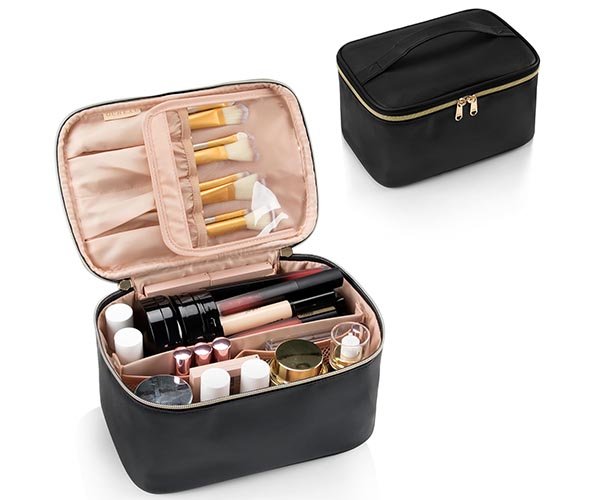
3. cosmetic and toiletry bags

Cosmetic and Toiletry Bags

Cosmetic bags are one of the most common first products for beauty startups and e-commerce brands. These bags are compact, easy to manufacture, and often sold together with beauty or skincare products. Typical design features include:
  • zipper closure
  • wipe-clean interior lining
  • compact rectangular shape
  • internal compartments for organization
Common materials include:
MaterialCharacteristics
PU leatherelegant appearance
Polyesterlightweight and affordable
Neoprenesoft and flexible
Many cosmetic bags produced by Szoneier are used as packaging accessories for beauty brands launching new skincare or makeup collections.
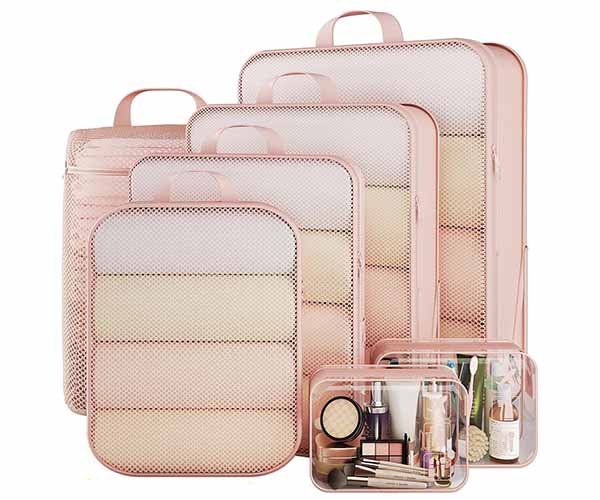
4. travel organizer bags

Travel Organizer Bags

Travel organizer bags are increasingly popular among startups targeting frequent travelers and digital nomads. These products help users organize small items during travel. Examples include:

  • toiletry bags

  • cable organizer pouches

  • packing cubes

  • passport holders

Important design considerations include:

  • lightweight materials

  • multiple compartments

  • easy-access zipper openings

Szoneier frequently manufactures travel organizer sets using polyester or nylon fabrics combined with breathable mesh panels.
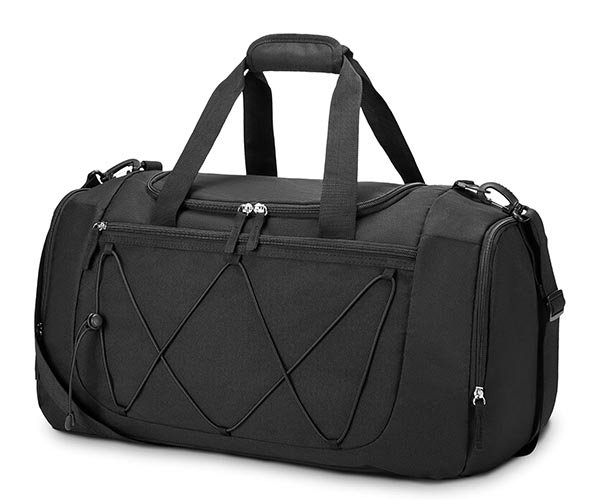
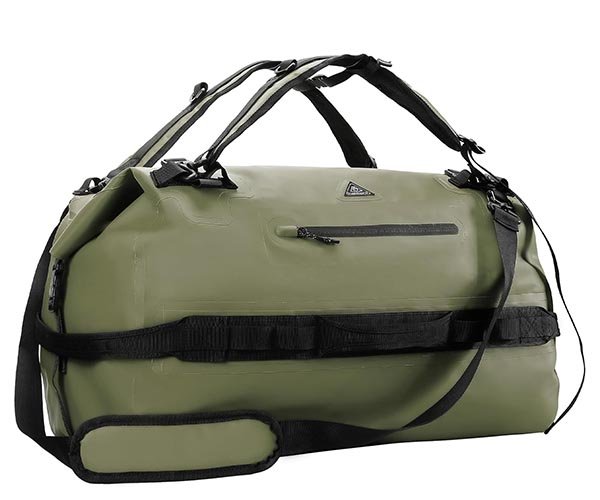
5. gym and duffel bags

Gym and Duffel Bags

Fitness startups often launch gym bags designed for daily workouts and sports activities. These bags typically include:
  • large storage compartments
  • shoe storage sections
  • adjustable shoulder straps
  • ventilation panels
Common materials:
MaterialBenefit
600D polyesterdurable and cost-effective
nylonstronger performance
waterproof fabricsmoisture protection
Because gym bags carry heavier items such as shoes and clothing, Szoneier reinforces webbing straps and base panels to ensure long-term durability.
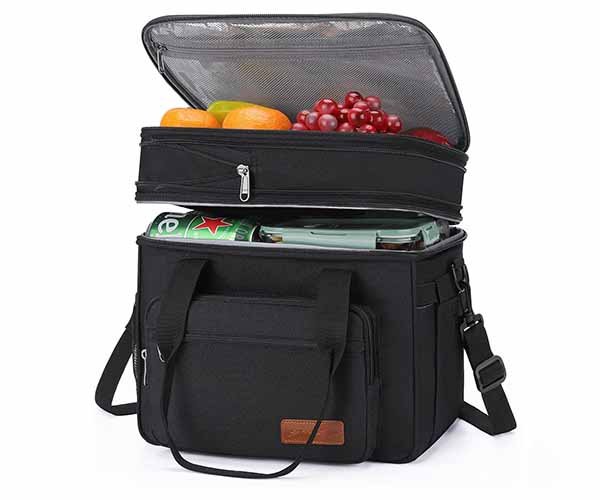
6. cooler bags

Cooler Bags

Cooler bags are frequently launched by startups in food delivery, outdoor lifestyle, and beverage brands. Typical design elements include:
  • insulated lining
  • leak-resistant interior
  • thermal foam layers
Typical material structure:
LayerMaterial
exterior fabricpolyester or nylon
insulationPE foam
interior liningaluminum foil or PEVA
Szoneier’s experience producing cooler bags helps startups design products that maintain temperature for several hours.
7. outdoor adventure bags

Outdoor Adventure Bags

Some startups focus on niche markets such as hiking, cycling, or water sports. These products often require specialized materials and functional features. Examples include:
  • dry bags
  • hiking backpacks
  • hydration packs
  • cycling handlebar bags
Materials commonly used:
MaterialAdvantage
TPU laminated nylonwaterproof
ripstop nylontear resistant
heavy-duty polyesterdurable
Because Szoneier cooperates with several technical fabric suppliers, these specialized outdoor products can be developed efficiently.
8. promotional and corporate bags

Promotional and Corporate Bags

Another category commonly launched by startups includes promotional or corporate gift bags. These bags are used by companies for marketing campaigns, trade shows, and brand promotion. Typical product types:
  • branded tote bags
  • conference bags
  • drawstring bags
  • laptop sleeves
Startups entering the promotional product market often focus on simple structures with strong logo visibility. Szoneier supports various branding methods including:
  • screen printing
  • embroidery
  • woven labels
  • rubber logo patches

Bag Structure and Product Engineering for Startups

Designing a Bag Structure That Works in Real Use A bag may look attractive in concept drawings, but real-world performance depends heavily on structure engineering. Startups launching their first bag product often underestimate how important internal structure, reinforcement points, and zipper placement are to durability and usability. Szoneier’s pattern engineers usually review the bag structure during early development to ensure the product can withstand daily use and large-scale production.

Core Structural Components

Most bags developed for startup brands include several structural elements that must be carefully balanced.
Component Function
Main compartment Primary storage area
Interior pockets Organizes smaller items
Exterior pockets Quick-access storage
Reinforced handles Carrying support
Zipper system Opening and closure
Base panel Structural stability
Each component must be designed with manufacturing efficiency and durability in mind.

Reinforcement Areas

Several areas of a bag experience higher stress during normal use.

Szoneier typically reinforces the following points:

  • handle attachment points

  • shoulder strap anchors

  • zipper corners

  • bottom panel seams

  • high-load pocket areas

Reinforcement often includes double stitching or bartack stitching, which significantly increases durability.

Stitch Density and Sewing Quality

Stitch density influences the strength of seams and overall product lifespan. Typical stitch density used in Szoneier production:
Bag Area Stitch Density
Main seams 8–10 stitches per inch
Handle attachment 10–12 stitches per inch
Edge binding 9–11 stitches per inch
Higher stitch density provides stronger seams while maintaining clean appearance.

Pattern Engineering

Pattern making determines how the bag panels are cut and assembled. Szoneier’s pattern makers create detailed cutting templates that define:
  • panel dimensions
  • seam allowances
  • hardware placement
  • reinforcement areas
Accurate pattern engineering reduces production errors and ensures consistency across thousands of units.

Structural Optimization for Startup Products

Startups often need products that balance durability, cost, and production simplicity. During development, Szoneier’s engineering team may recommend:
  • simplifying pocket structures
  • adjusting panel sizes to reduce fabric waste
  • improving zipper opening angles
  • reinforcing high-stress areas
These adjustments help startups maintain product quality while keeping manufacturing costs manageable.

Choosing the Right Materials for Startup Bag Products
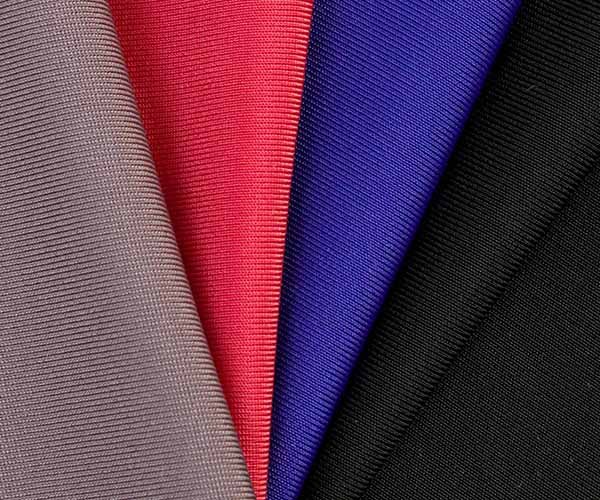
Material selection is one of the most important decisions when developing a bag product. The fabric determines not only the appearance of the bag, but also its durability, weight, production cost, and market positioning. For startups launching their first product, choosing the right material helps balance product quality, brand image, and manufacturing budget. Below are the most commonly used materials for startup bag products.
polyester

Polyester Fabrics

Polyester is one of the most widely used materials in bag manufacturing because it offers a strong balance between durability and affordability. Startups frequently choose polyester fabrics for travel bags, backpacks, gym bags, and promotional products. Typical polyester specifications include:
Polyester TypeWeightCommon Use
210D polyesterlightweightpacking cubes, organizers
300D polyestermediumtravel accessories
420D polyesterdurablebackpacks and daypacks
600D polyesterheavy dutyduffel bags and gym bags
900D polyesterreinforcedequipment bags
Advantages of polyester include:
  • affordable cost for startup production
  • wide color selection
  • strong abrasion resistance
  • compatibility with most logo printing methods
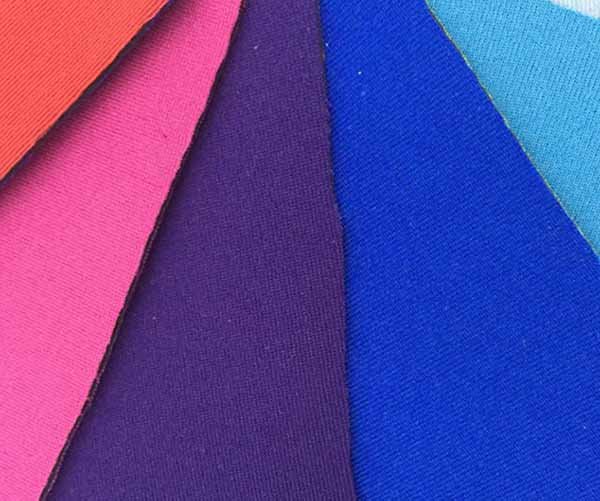
Szoneier frequently uses 600D polyester fabric for startup brands launching backpacks and gym bags because it provides durability while keeping production costs manageable.
2. nylon

Nylon Fabrics

Nylon fabrics are commonly used in higher-performance bags because they provide excellent strength and tear resistance. Many startups targeting outdoor markets or travel gear prefer nylon materials. Typical nylon fabric types include:
Nylon TypeCharacteristicsTypical Use
210D nylonlightweightpacking cubes
420D nylonbalanced strengthtravel bags
840D ballistic nylonstrongtravel backpacks
1680D nylonvery durableheavy-duty gear bags
Advantages of nylon materials include:
  • excellent tear resistance
  • smooth surface texture
  • lightweight structure
  • strong load-bearing capability
Because Szoneier cooperates with technical nylon fabric suppliers, startups developing outdoor or travel bags can access performance materials suitable for more demanding environments.
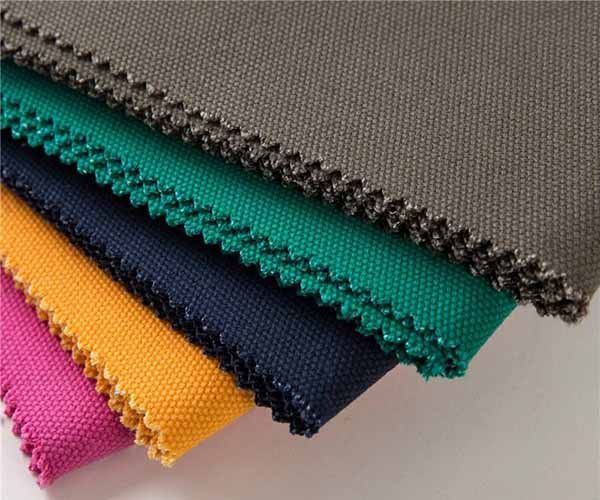
cotton canvas 6

Canvas and Cotton Fabrics

Canvas fabrics are popular among lifestyle and fashion startups because they provide a natural appearance and a strong brand identity. Canvas bags are widely used for:
  • tote bags
  • shopping bags
  • lifestyle carry bags
  • eco-friendly retail packaging
Typical canvas weights include:
Canvas WeightCharacteristics
10 oz canvaslightweight
12 oz canvasstandard durability
16 oz canvasheavy-duty
waxed canvaswater resistant
Canvas bags are especially popular among brands promoting sustainability and reusable products. Szoneier works with several canvas fabric suppliers that produce stable cotton fabrics suitable for consistent production batches.
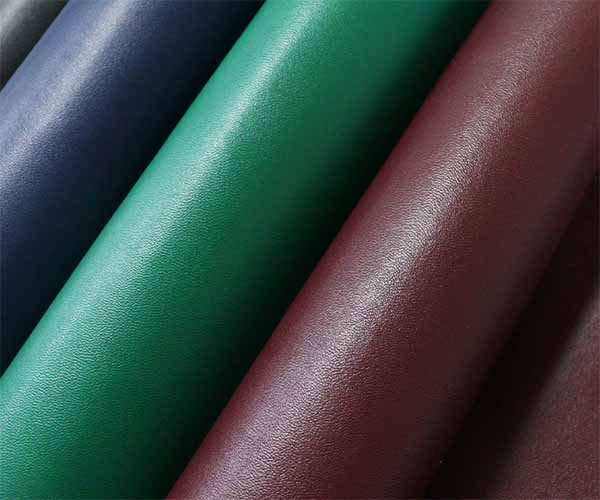
pu & microfiber leather

PU Leather and Microfiber Leather

PU leather is widely used in cosmetic bags, fashion bags, and lifestyle accessories because it creates a premium appearance while remaining cost-efficient. Typical uses include:
  • cosmetic bags
  • makeup bags
  • fashion handbags
  • travel kits
Advantages of PU leather:
  • smooth surface texture
  • easy cleaning and maintenance
  • consistent color production
  • suitable for embossing logos
Microfiber leather is another option that offers improved durability and a more natural feel. Szoneier cooperates with PU leather factories in Guangdong, allowing startups to develop leather-style products without the higher cost of genuine leather.
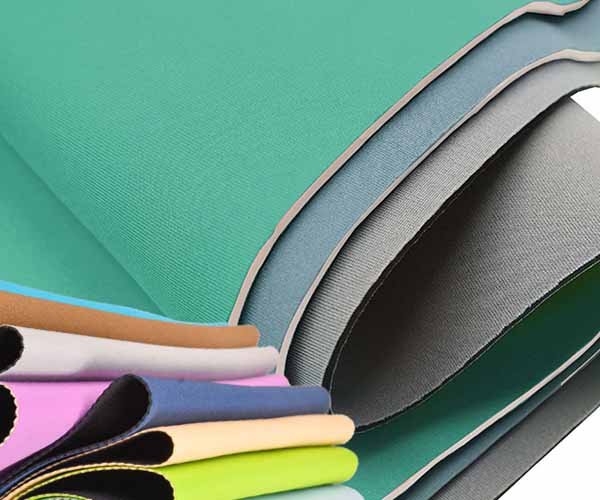
neoprene

Neoprene Materials

Neoprene is a flexible synthetic rubber material commonly used for protective pouches and accessory bags. Typical products include:
  • cosmetic pouches
  • laptop sleeves
  • bottle holders
  • tech accessory cases
Advantages include:
  • shock absorption
  • water resistance
  • soft structure
  • comfortable grip
Because Szoneier also operates within a supply chain that includes neoprene material factories, startups can easily develop neoprene-based products for niche markets.
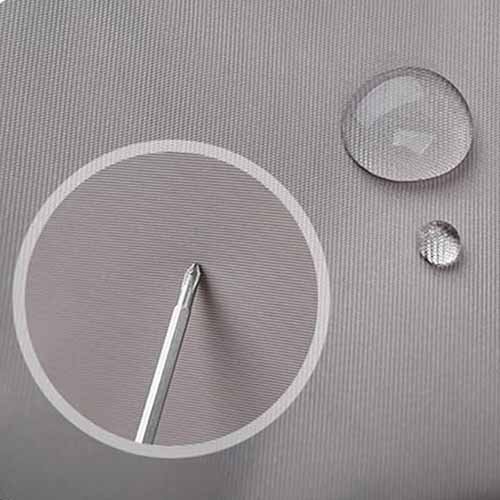
waterproof oxford cloth

Waterproof and Technical Fabrics

Some startup brands develop products designed for outdoor activities or travel environments where water resistance is important. Typical waterproof materials include:
Fabric TypeFeature
TPU laminated nylonstrong waterproof barrier
PVC coated polyesterdurable and economical
PU coated fabricsflexible water resistance
These materials are often used for:
  • dry bags
  • outdoor backpacks
  • cycling bags
  • marine gear
Szoneier works with TPU and EVA material suppliers, allowing technical bag designs to be developed efficiently.

Accessories and Hardware for Startup Bag Projects

Hardware components influence both the durability and appearance of a bag. Choosing appropriate accessories is especially important for startups because small hardware failures can negatively affect customer reviews. Szoneier sources hardware components from long-term suppliers in the Shenzhen and Dongguan manufacturing region.

Zippers

Zippers are among the most frequently used components in bag products.
Common zipper options include:
SBS zipperReliable and cost-efficient
YKK zipperPremium international standard
Nylon coil zipperFlexible and lightweight
Resin zipperStrong teeth structure
Typical zipper sizes:
SizeApplication
#5 zipperStandard compartments
#8 zipperLarger bag openings
#10 zipperHeavy-duty travel bags
Szoneier tests zipper installation during sampling to ensure smooth operation.

Zipper Pullers

Custom zipper pullers provide an opportunity for brand differentiation.
Common puller materials:

  • metal

  • rubber

  • silicone

  • cord

Many startup brands create custom pullers with engraved logos to strengthen brand identity.

Webbing and Straps

Handles and shoulder straps are usually made from webbing materials.
Common webbing types include:
MaterialCharacteristics
Nylon webbinghigh strength
Polyester webbingstable colors
Cotton webbingsofter feel
Typical webbing widths range from 20 mm to 38 mm, depending on bag size.

Buckles and Adjustment Hardware

Some bags require buckles for compression straps or adjustable shoulder straps.
Common hardware includes:

  • plastic side-release buckles

  • ladder lock adjusters

  • snap buttons

  • magnetic closures

Plastic buckles are widely used because they provide durability while remaining lightweight.

Logo Accessories

Hardware components can also support branding.
Common logo accessories include:

TypeApplication
metal logo platespremium bags
rubber patchesoutdoor gear
woven labelsmost bag types
embossed leather patchesleather bags

Szoneier can coordinate with hardware suppliers to produce custom logo accessories when required.

Hardware Quality Considerations

When selecting accessories, Szoneier evaluates several factors:

  • durability

  • corrosion resistance

  • weight

  • compatibility with bag materials

Using reliable hardware ensures the bag remains functional during long-term use.

Logo and Branding Options for Startup Bag Brands
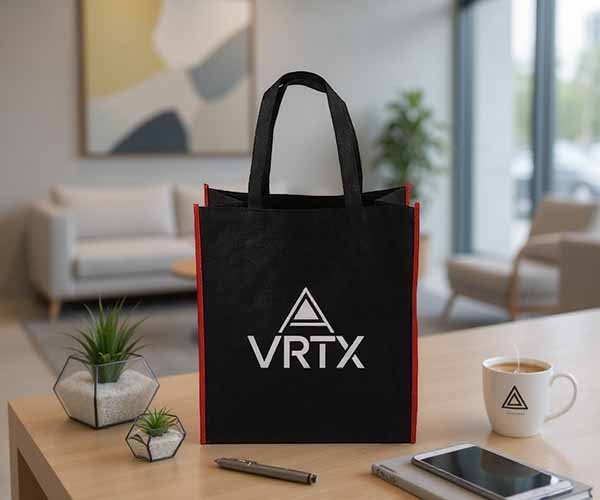
For startups launching their first bag product, branding is one of the most important elements in building market recognition. Even a simple bag design can become memorable when the logo, color scheme, and visual identity are implemented correctly. Below are the most commonly used branding methods for startup bag products.
4. screen printing non woven bags

Screen Printing

Screen printing remains one of the most popular logo techniques for fabric bags due to its affordability and strong visual clarity. This method uses ink pressed through a stencil onto the fabric surface. Typical applications include:
  • canvas tote bags
  • polyester backpacks
  • travel organizer bags
  • promotional bags
Advantages of screen printing include:
  • cost-efficient for small and medium production runs
  • clear and bold logo appearance
  • compatible with many fabric materials
Startups often use screen printing for early product launches because it allows strong branding while keeping production costs manageable. Szoneier regularly produces screen-printed canvas and polyester bags for startup brands selling through online stores and retail channels.
帆布袋详情页

Embroidery Logos

Embroidery is a popular choice for brands that want a more textured and premium appearance. Instead of printing ink on the surface, embroidery stitches the logo directly into the fabric using colored threads. Typical product categories using embroidery:
  • backpacks
  • lifestyle tote bags
  • outdoor gear bags
  • gym bags
Advantages include:
  • strong durability
  • three-dimensional visual effect
  • professional brand appearance
Before production begins, Szoneier converts the logo artwork into a digital embroidery file that defines:
  • thread colors
  • stitch direction
  • stitch density
This ensures the embroidered logo remains consistent across production batches.
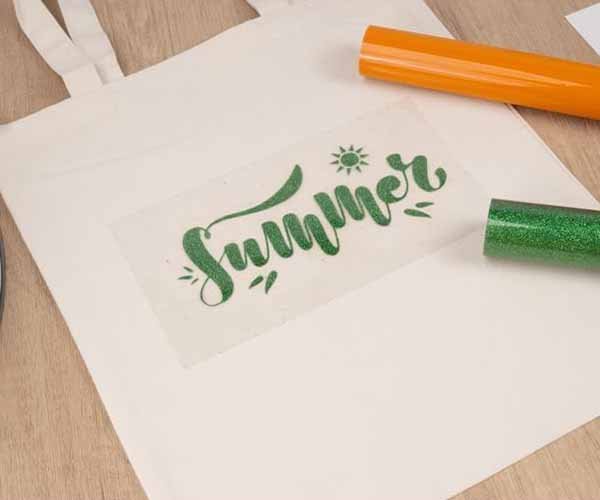
2. heat transfer printing

Heat Transfer Printing

Heat transfer printing allows highly detailed graphics to be applied to bag surfaces. The logo or design is first printed onto a transfer film and then applied to the bag using heat and pressure. This method is often used when the logo contains:
  • multiple colors
  • gradients
  • complex artwork
Typical products include:
  • polyester backpacks
  • sports bags
  • promotional bags
Advantages:
  • high detail accuracy
  • smooth finish
  • suitable for colorful designs
Szoneier frequently uses heat transfer printing for startup brands launching products with graphic-driven brand identities.
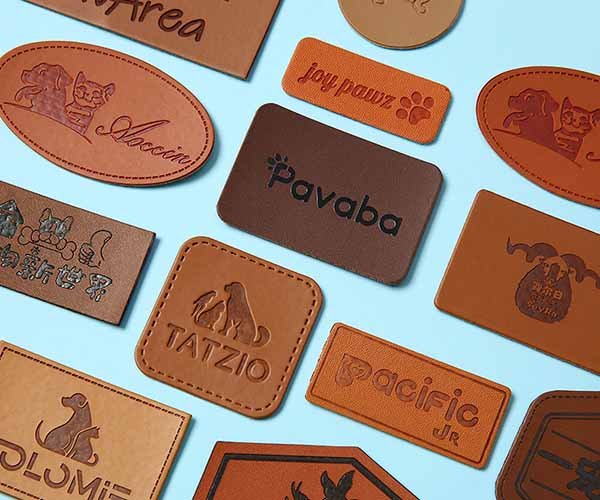
debossed embossed pu patch

Debossed and Embossed Leather Logos

For bags made from PU leather or genuine leather, embossed and debossed logos provide a refined and minimalist branding style. Debossed logos press the design into the material surface, creating a subtle engraved effect. Embossed logos raise the design slightly above the material surface. These techniques are commonly used for:
  • cosmetic bags
  • makeup bags
  • leather travel kits
  • premium lifestyle bags
Advantages:
  • elegant appearance
  • long-lasting durability
  • clean and professional finish
Szoneier works with PU leather suppliers that provide materials suitable for high-quality embossing and debossing.
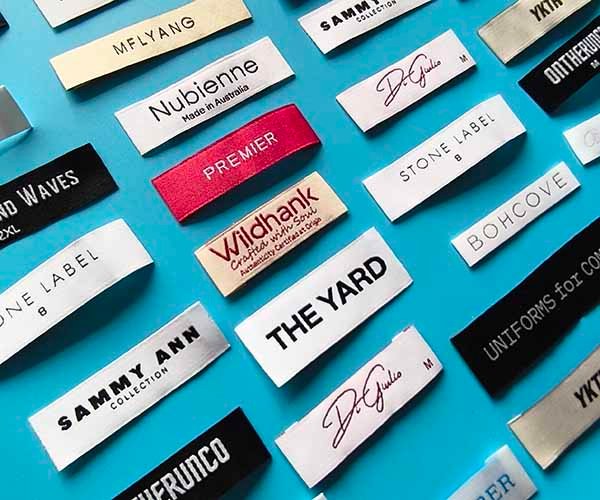
5. woven labels

Woven Labels

Woven labels are widely used in bag manufacturing because they are durable and relatively low-cost. The logo is woven directly into the label fabric using colored threads. Common placement locations include:
  • interior seams
  • side panels
  • inside lining areas
Advantages:
  • subtle brand presentation
  • long-lasting durability
  • low production cost
Many startup brands choose woven labels for their first product launches, especially when they want branding that feels professional but not overly prominent.
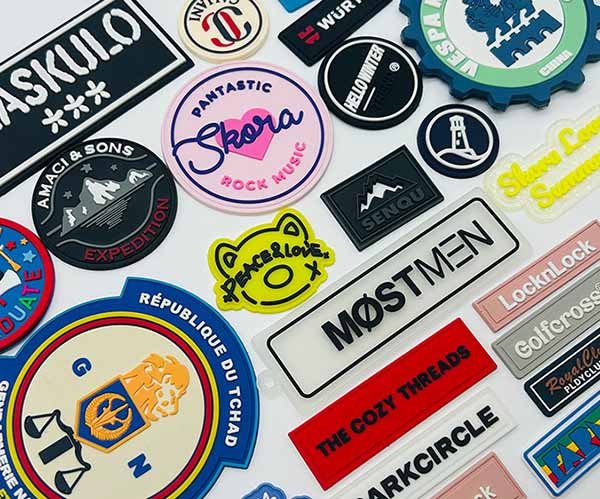
rubber patch

Rubber and Silicone Logo Patches

Rubber or silicone patches are frequently used for outdoor and sport-style bags. These patches are molded using custom tooling to create raised logos and shapes. Typical applications include:
  • hiking backpacks
  • cycling bags
  • travel duffel bags
  • streetwear-style bags
Advantages include:
  • waterproof material
  • high durability
  • modern appearance
Szoneier can coordinate with patch manufacturers to create custom molds when startups require unique logo shapes or textures.
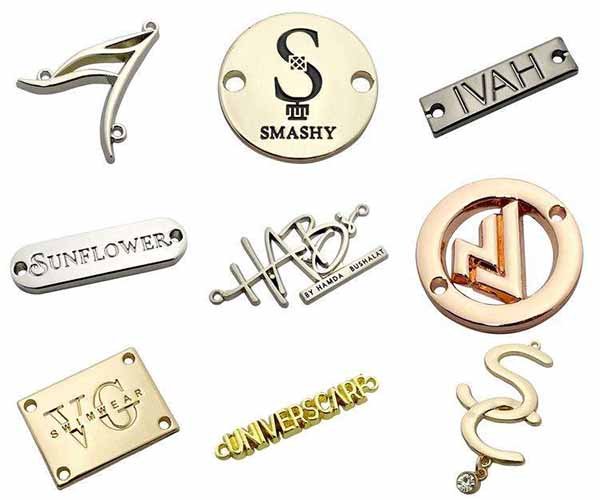
6. metal stamping & die casting

Metal Logo Plates

Metal logo plates are often used on premium fashion bags to create a luxury appearance. These plates are typically attached using rivets or stitching. Common materials include:
  • stainless steel
  • zinc alloy
  • brushed aluminum
Advantages:
  • strong brand visibility
  • premium aesthetic
  • long-term durability
Szoneier sources metal logo plates from hardware suppliers located within the Shenzhen bag manufacturing supply chain, ensuring consistent finishing and quality.
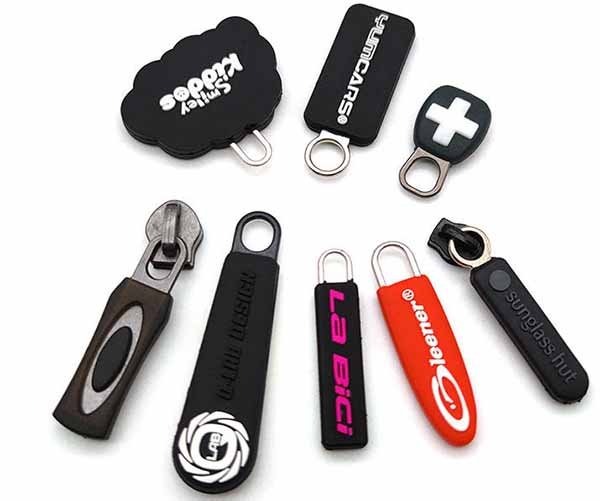
13. silicone injection zipper pull tags

Custom Zipper Pull Logos

Another effective branding element is the zipper pull. Instead of using standard zipper pullers, startups can customize them with brand logos. Common zipper pull materials include:
MaterialCharacteristics
metalpremium appearance
rubberflexible and modern
siliconedurable and colorful
cord pullslightweight outdoor style
Custom zipper pulls help strengthen branding without significantly increasing manufacturing cost.
Logo MethodSuitable MaterialsCost LevelVisual Style
Screen printingpolyester, canvaslowbold and clear
Embroiderycanvas, nylonmediumtextured
Heat transferpolyestermediumdetailed graphics
Debossed leatherPU leathermediumelegant
Woven labelmost materialslowsubtle
Rubber patchnylon, neoprenemediummodern
Metal plateleatherhighluxury

MOQ, Sampling, and Production Timeline for Startups

Production planning is an important step for startup brands because product launches often depend on manufacturing schedules. Szoneier provides flexible production arrangements that allow new brands to start with smaller quantities and scale production later.

Minimum Order Quantity

The standard MOQ for most bag designs at Szoneier begins at: 50 pieces per design This lower quantity allows startups to:

  • test product concepts

  • evaluate customer feedback

  • reduce initial inventory risk

Once a product proves successful, production quantities can be increased in future orders.

Sampling Timeline

Product sampling usually requires 5–7 working days for standard bag designs. For projects involving custom hardware molds or more complex structures, the timeline may extend to 7–15 days. During sampling, Szoneier verifies:

  • structural stability

  • material compatibility

  • zipper performance

  • logo placement

This stage helps ensure the design is ready for mass production.

Production Timeline

Mass production typically requires 25–30 days after sample approval and deposit payment. Production stages usually include:
StageActivity
material preparationfabric and accessories sourced
cuttingfabric panels prepared
sewingbag structure assembled
inspectionquality verification
packagingproducts packed for shipment

Shipping Options

Szoneier supports multiple shipping methods depending on urgency and budget.
Shipping MethodTypical Delivery Time
express courier3–7 days
air freight5–10 days
sea freight20–40 days
Shipping terms available include EXW, FOB, DAP, and DDP.

Payment Methods

Szoneier supports several payment options suitable for international clients:
  • PayPal
  • credit card
  • T/T bank transfer
  • Alibaba Trade Assurance
  • Alipay
  • Western Union
Flexible payment methods simplify transactions for startup companies.

Product Design and Development Support

Many startups begin with only a concept idea rather than a full technical design. Szoneier’s product development team supports early-stage projects by helping translate these ideas into production-ready products.

Concept Discussion

Development usually begins with a conversation about the product concept. Typical information reviewed includes:
  • intended bag size
  • storage capacity
  • material preference
  • number of compartments
  • zipper and strap configuration
Reference images or sketches often help communicate the idea.

Material and Structure Planning

After reviewing the concept, the development team suggests appropriate materials and structural features. Examples include:
Product GoalRecommended Material
lightweight travel bagpolyester
outdoor backpacknylon
lifestyle tote bagcanvas
cosmetic bagPU leather
These recommendations help balance durability, appearance, and cost.

Pattern Development

Pattern making defines how the bag panels are cut and assembled. Szoneier’s pattern makers prepare technical templates that specify:
  • panel dimensions
  • seam allowances
  • accessory placement
Accurate patterns help ensure consistent production quality.

Prototype Development

Once the pattern is ready, the sample workshop produces a prototype. During this stage, technicians evaluate:

  • zipper alignment

  • pocket functionality

  • handle strength

  • structural balance

The prototype allows startups to review the product before committing to full production.

Design Adjustments

After reviewing the sample, adjustments may be made to improve usability or aesthetics. These changes might involve:

  • modifying pocket sizes

  • adjusting handle length

  • refining logo placement

Szoneier works closely with startup teams during this stage to ensure the final product meets brand expectations.

Development Timeline Example

StageTypical Duration
concept discussion1–2 days
pattern development1–2 days
sample production5–7 days
production preparationseveral days
mass production25–30 days
Through this structured process, many startups are able to move from concept to finished product within approximately one month.

Quality Control and Product Testing

For startup brands, product quality is closely connected to customer feedback and brand reputation. A small number of defective products can quickly lead to negative reviews, especially for companies selling through e-commerce platforms.

Raw Material Inspection

Quality control begins before production starts. Incoming materials are inspected to ensure they match the approved specifications. Typical checks include:

  • fabric weight and thickness

  • color consistency between material batches

  • zipper smoothness and durability

  • webbing strength

  • hardware surface quality

For example, polyester fabrics are checked for GSM consistency, while PU leather materials are inspected for surface texture and coating adhesion.

In-Line Production Inspection

During production, supervisors perform inspections at different stages of the sewing process. This helps detect potential issues early and prevents large quantities of defective products. Common inspection points include:
Production StageInspection Focus
fabric cuttingpanel accuracy
sewing assemblystitch consistency
zipper installationopening smoothness
handle attachmentreinforcement strength
pocket constructionalignment and spacing
By identifying issues during production rather than after completion, manufacturing efficiency and product consistency improve.

Final Product Inspection

After assembly is completed, finished bags go through a final inspection before packaging. Typical inspection checks include:

  • overall appearance

  • stitching quality

  • zipper performance

  • pocket functionality

  • logo placement accuracy

Szoneier performs 100% inspection before shipment, ensuring that products meet the agreed quality standards.

Durability Testing

Some projects require additional functional testing to verify durability. Typical tests include:
Test TypePurpose
zipper cycle testingevaluates repeated opening
load testingverifies handle strength
abrasion testingmeasures fabric durability
color fastness testingprevents color transfer
These tests help ensure that the bag performs well during daily use.

Third-Party Testing

For products sold in regulated markets, material testing may be required. Szoneier can assist in arranging testing through independent laboratories for standards such as:

  • REACH compliance

  • CPSIA requirements

  • Prop 65 testing

Providing compliant materials helps startup brands avoid regulatory issues in international markets.

How Much Does It Cost to Start a Bag Brand

The total investment required depends on several factors, including product complexity, materials, logo methods, and production quantity. Some startups begin with relatively small budgets to test market demand, while others invest more heavily in product development and branding. Working with an experienced manufacturer can help startups control costs while still producing reliable, well-designed products.

Product Design and Development Costs

The first stage of launching a bag product involves turning the concept idea into a manufacturable design. Typical development work may include:
  • design discussion and concept refinement
  • material recommendations
  • pattern development
  • sample production
Some startups already have design drawings, while others begin with reference photos or rough sketches. Szoneier’s development team often helps refine these ideas so they can be efficiently manufactured. Typical sample costs depend on:
Factor Influence on Cost
bag complexity more compartments increase cost
materials used leather costs more than polyester
hardware components custom molds increase cost
logo techniques embroidery or embossing may increase cost
For many startup bag projects, sample costs typically range from $50 to $200 per design, depending on complexity.

Material Costs

Material selection is one of the biggest factors influencing bag manufacturing cost. Common materials used in startup projects include:
Material Cost Level Typical Use
Polyester low backpacks, gym bags
Nylon medium travel gear
Canvas medium tote bags
PU leather medium cosmetic bags
TPU laminated fabrics higher outdoor waterproof bags
Szoneier works with several fabric mills and material factories in Guangdong, allowing startup brands to choose materials that match both product positioning and budget.

Logo and Branding Costs

Branding methods also influence product cost. Common logo techniques include:
Logo Method Typical Cost Impact
Screen printing low
Woven labels low
Embroidery medium
Rubber patches medium
Metal logo plates higher
For startups launching early products, simple branding methods such as screen printing or woven labels are often recommended because they keep costs manageable while still creating strong brand visibility.

Production Costs

Manufacturing costs depend largely on production quantity and bag structure.

Factors affecting production cost include:

  • fabric consumption • number of sewing operations • accessories and hardware • packaging requirements

Typical production quantities for startups:

Production StageTypical Quantity
product testing50–200 pcs
early brand launch200–500 pcs
first retail distribution500–1,000 pcs

Szoneier supports minimum order quantities starting from 50 pieces, allowing startups to test their products before committing to larger production runs.

Unit prices vary depending on the bag design, but many startup bag products fall into a general range of $3–$15 per unit for simple bags and $15–$40+ for more complex designs.

Packaging Costs

Packaging is another important cost consideration, especially for brands selling through retail stores or e-commerce.

Common packaging options include:

  • polybags

  • printed hang tags

  • branded packaging boxes

  • instruction cards

Packaging costs usually represent a small percentage of the total product cost but contribute to the overall brand experience.

Shipping and Logistics Costs

Shipping costs depend on order volume and delivery method.

Common shipping methods include:

Shipping MethodDelivery TimeTypical Use
courier (DHL/UPS)3–7 dayssmall orders
air freight5–10 daysurgent shipments
sea freight20–40 dayslarge orders

Szoneier supports international trade terms including EXW, FOB, DAP, and DDP, giving startups flexibility when planning logistics.

Example Budget for a Startup Bag Product

Cost CategoryEstimated Cost
sample development$80–$150
logo setup$30–$100
first production order (300 pcs)$1,200–$3,000
packaging$100–$300
shippingvaries

Step-by-Step Process From Idea to Finished Product

Launching a new bag product requires coordination between design, sampling, manufacturing, and logistics. To make the process easier for startups, Szoneier follows a clear production workflow that helps keep projects organized and predictable.

Step 1 — Product Requirement Discussion

The process begins with a conversation about the product concept.
Information typically discussed includes:
  • bag type and dimensions
  • preferred materials
  • number of compartments
  • branding method
  • estimated order quantity
Many startups share reference photos, sketches, or similar products during this stage.

Step 2 — Material and Structure Confirmation

After reviewing the concept, the development team evaluates suitable materials and structural options.
Decisions may include:
  • fabric type and thickness
  • lining materials
  • zipper style and hardware
  • pocket arrangement
These elements help determine the estimated production cost.

Step 3 — Quotation and Project Planning

Once the structure and materials are confirmed, Szoneier prepares a detailed quotation.
Cost elements typically include:
material costfabrics and accessories
labor costcutting and sewing
logo applicationprinting or embroidery
packagingbags and cartons
Clear pricing helps startups plan their budgets before moving to sampling.

Step 4 — Sample Production

After confirming the quotation, sample development begins.
Typical sampling timeline:
  • standard sample: 5–7 days
  • complex sample: 7–15 days
The sampling workshop produces the first prototype using the agreed materials and structure.

Step 5 — Sample Evaluation

Once the prototype is completed, the startup team reviews the product.
Evaluation usually focuses on:
  • bag dimensions
  • internal layout
  • material appearance
  • zipper and hardware quality
If adjustments are required, the sample can be revised before production.

Step 6 — Production Preparation

After the sample is approved, production planning begins.
Preparation includes:
  • material ordering
  • cutting preparation
  • scheduling the sewing lines
Once the deposit is received, the order enters the production schedule.

Step 7 — Mass Production

Mass production usually takes 25–30 days, depending on the order size and bag structure.
Typical production stages include:
cuttingfabric panels prepared
sewingbag structure assembled
hardware installationzippers and straps attached
inspectionquality checks performed
Production progress can be shared with clients through photos or videos.

Step 8 — Final Inspection and Packaging

After production is completed, finished bags undergo final inspection before packaging.
Products are then packed according to the client’s packaging requirements, which may include:

  • polybags

  • custom hang tags

  • branded packaging

Step 9 — Shipment

After final payment is completed, the goods are shipped using the selected logistics method.
Available options include:

  • express courier

  • air freight

  • sea freight

Szoneier supports international shipping terms such as EXW, FOB, DAP, and DDP, allowing startups to select the most suitable delivery method.

Startup Project Experience and Case Examples
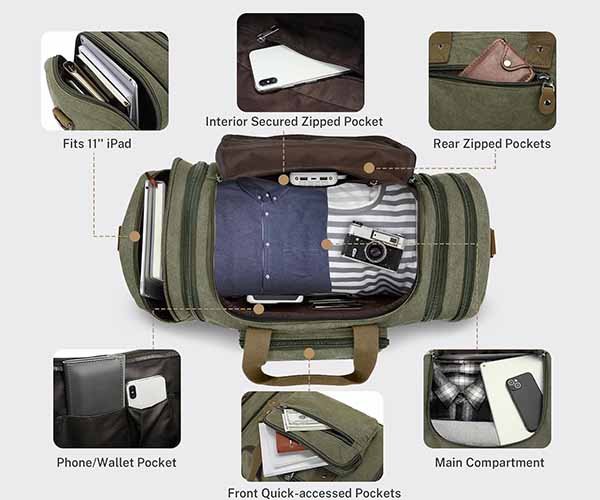
Bag Projects Developed for Startup Brands Over the past 18 years, Szoneier has worked with many startup companies launching new bag products in markets such as travel accessories, fashion, outdoor gear, and e-commerce. Some projects begin with only a concept idea, while others start from sketches or prototype samples. The following examples illustrate the types of startup collaborations Szoneier frequently supports.
1. travel accessories startup

Case Example 1 — Travel Accessories Startup

A travel startup in North America planned to launch its first product line featuring compact travel organizers designed for frequent travelers. The initial concept included:
  • lightweight polyester fabric
  • several internal pockets
  • waterproof lining
  • simple branding using woven labels
The startup wanted to test the product before committing to large inventory quantities. Szoneier developed a prototype within 6 days using 420D polyester fabric and reinforced zipper corners. The first production run was 300 units, allowing the brand to launch its online store and collect customer feedback before scaling production.
2. fitness startup launching gym bags

Case Example 2 — Fitness Startup Launching Gym Bags

A small fitness brand planned to release a gym duffel bag designed for daily training use. Key design requirements included:
  • large main compartment
  • shoe storage pocket
  • reinforced shoulder strap
  • durable nylon fabric
Szoneier recommended 600D polyester with reinforced webbing straps, balancing durability and cost. The initial production quantity was 500 pieces, and the product later became one of the brand’s best-selling items in its e-commerce store.
3. canvas tote bags

Case Example 3 — Fashion Startup Developing Canvas Tote Bags

A fashion startup focused on lifestyle accessories wanted to create a simple canvas tote bag for retail stores. The design emphasized:
  • minimalist appearance
  • natural cotton canvas fabric
  • embroidered logo
  • reinforced handles
Szoneier produced the samples in 5 days using 16 oz cotton canvas, ensuring strong handle reinforcement. The first order consisted of 800 pieces, distributed through online channels and boutique retail stores.
4. cosmetic brand launching makeup bags

Case Example 4 — Cosmetic Brand Launching Makeup Bags

A beauty startup required cosmetic bags to accompany its skincare products. Product specifications included:
  • PU leather exterior
  • wipe-clean interior lining
  • debossed brand logo
Because the bags were used as packaging for cosmetic gift sets, consistent appearance was important. Szoneier coordinated with PU leather suppliers to ensure stable material batches and produced 2,000 units for the initial product launch.

Common Questions About Manufacturing Bags for New Brands
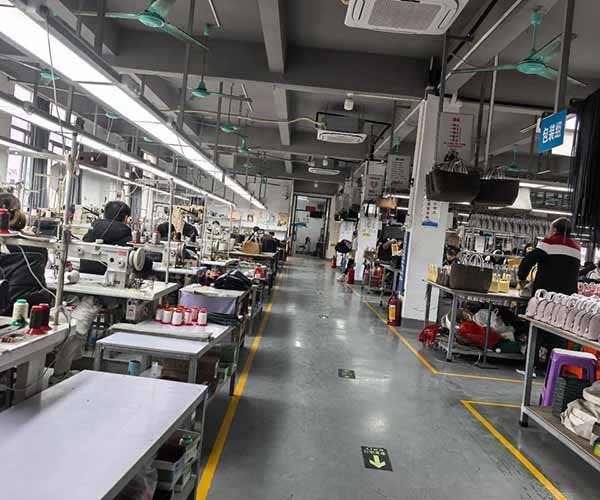
Szoneier supports production starting from 50 pieces per design, allowing startups to test product ideas without committing to large inventory quantities. Many new brands begin with small trial orders and later increase production once market demand becomes clearer.
Standard bag samples usually require 5–7 working days at Szoneier’s sampling workshop. Projects involving complex structures or custom hardware molds may require 7–15 days, depending on accessory development requirements.
After sample approval and deposit confirmation, mass production normally requires 25–30 days. Production scheduling depends on the order quantity, bag structure complexity, and material preparation.
Yes. Szoneier’s development team assists with structure planning, material recommendations, and prototype creation. Many startup projects begin with sketches or reference images and are developed into production-ready designs during the sampling stage.
Startup bag projects often use polyester, nylon, canvas, PU leather, microfiber leather, or neoprene. Because Szoneier works with several material factories, different materials can be tested during sampling to find the most suitable combination.
Yes. Szoneier supports branding methods such as screen printing, embroidery, heat transfer printing, woven labels, and rubber patches even for smaller production quantities, helping startups establish brand identity early.
Each bag undergoes multiple quality inspections during production and a final 100% inspection before shipment. This process helps ensure that products meet agreed specifications before leaving the factory.
Szoneier supports express courier, air freight, and sea freight depending on order size and delivery schedule. Trade terms such as EXW, FOB, DAP, and DDP can be arranged according to the client’s logistics preference.
Yes. Startup founders and product managers can communicate directly with Szoneier’s English-speaking sales and development staff through email, WhatsApp, WeChat, or video meetings, ensuring clear communication throughout the project.
Factory visits in Shenzhen, Guangdong are welcome. For international clients who cannot travel, video calls can be arranged to review samples, materials, and production facilities.

Start Building Your Bag Brand with Szoneier
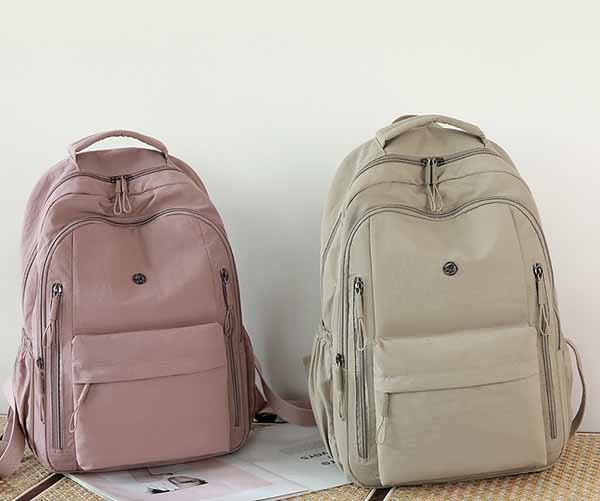
Launching a bag product requires the right combination of design creativity, manufacturing expertise, and reliable production capacity. Szoneier helps startups transform ideas into real products through a structured development process that includes concept evaluation, sampling, production, and quality control. With more than 18 years of experience in bag manufacturing, the company supports startups across many industries including travel accessories, fashion brands, fitness products, and e-commerce businesses.
backpack

Ask For A Quick Quote

We will contact you within 24 Hours, please pay attention to the email with the suffix“@szoneier.com”

For all inquiries, please feel free to reach out at:

Ask For A Quick Quote

We will contact you within 24 Hours, please pay attention to the email with the suffix“@szoneier.com”

Contact Us

Send us a message if you have any questions or request a quote. We will be back to you ASAP!

For all inquiries, please feel free to reach out at:

Contact Us

Send us a message if you have any questions or request a quote. We will be back to you ASAP!

Exclusive Offer for First-Time Customers

For first-time customers, we will send you a free color card for you to choose.Once you have confirmed the fabric and color, our factory will make a free sample proofing for you.

For customers who frequently cooperate with us, we will send new color charts free of charge several times a year.

For all inquiries, please feel free to reach out at: