Skip to content

Custom bag manufacturing is no longer only about finding a factory that can sew a tote, backpack, cosmetic pouch, cooler bag, or travel bag at the lowest price. For global brands, the real question has changed: can the manufacturer help reduce development risk, choose the right material, make samples accurately, keep bulk production consistent, support packaging needs, and deliver products to international markets without creating hidden problems? This shift is important because bags are now more than functional carriers. They are brand touchpoints, retail products, promotional tools, lifestyle accessories, e-commerce SKUs, and sometimes even compliance-sensitive products. A poorly made bag may not only create returns; it can damage brand trust. A well-developed custom bag, on the other hand, can become a repeat-purchase product line.
The biggest trends shaping custom bag manufacturing for global brands are sustainable material adoption, more collaborative OEM/ODM development, higher demand for customization, smarter sampling, stronger quality control, and more reliable global delivery. Brands are moving away from one-time sourcing and toward manufacturing partners that can support material selection, structure development, sampling, production, inspection, packaging, and shipment in one controlled workflow.
Imagine a brand preparing a new travel accessories line. The buyer does not simply ask, “Can you make this bag?” The real conversation becomes: “Which fabric fits our target market? Can the zipper survive repeated use? Can the logo stay clean after shipment? Can we test 300 pieces first, then expand into five colors?” That is where modern custom bag manufacturing begins.
What Is Changing in Custom Bag Manufacturing?
Custom bag manufacturing is shifting from simple order-taking to structured product development. Global brands now expect factories to support material advice, sample engineering, logo execution, packaging coordination, quality inspection, and export delivery. The best manufacturers are no longer judged only by price, but by how well they reduce risk from idea to bulk shipment.
Brand Sourcing
Global brands used to treat many bag projects as straightforward sourcing: send a sample, get a price, approve a counter-sample, and place a bulk order. That model still exists, but it is no longer enough for buyers who manage multiple SKUs, sales channels, and customer expectations. A custom tote bag for retail, a cosmetic pouch for beauty packaging, and a cooler bag for outdoor use may all require different materials, structures, stitching methods, and testing priorities.
The new sourcing mindset is more strategic. Buyers want to know whether the factory understands the product’s final use. A beach bag may need mesh drainage, reinforced handles, and colorfast fabric. A makeup bag may need wipe-clean lining, smooth zippers, and neat edge finishing. A laptop backpack may require foam padding, load-bearing seams, and carefully planned compartments.
This means manufacturers must ask better questions before quoting. Serious buyers do not only want “yes, we can make it.” They want warnings, options, and practical recommendations. A reliable factory should explain what affects cost, MOQ, lead time, sample accuracy, and bulk consistency before the project reaches production.
Collaborative Development
Product development is becoming more collaborative because many brands do not come with a perfect tech pack. Some buyers have a reference photo. Some have a physical sample. Some have a sketch, a Pantone color, a target retail price, and a rough idea of the market. In these cases, the manufacturer’s ODM ability becomes important.
A strong custom bag manufacturer can help translate an idea into a production-ready product. That includes choosing fabric weight, deciding lining type, adjusting size, improving pocket layout, selecting zipper size, recommending logo placement, and checking whether the structure is practical for bulk sewing. This is especially valuable for Amazon sellers, Shopify brands, promotional companies, and retail buyers developing new product lines.
Collaboration also helps prevent expensive mistakes. For example, a buyer may want a thick canvas tote with full embroidery, custom lining, metal zipper, reinforced base, and premium packaging, but still expect a very low price and fast lead time. A professional factory should explain the trade-offs clearly. Good collaboration does not mean saying yes to everything; it means helping the buyer make decisions that can actually be produced, shipped, and sold.
Manufacturing Value
Global buyers now define manufacturing value through the full project chain, not only the unit price. A low price is not useful if the sample looks good but bulk production changes shape, the logo color is inconsistent, the zipper jams, the packaging fails, or shipment documents are incomplete. For B2B buyers, manufacturing value means fewer surprises.
The practical value chain often includes these points:
Material suitabilitySample accuracyBulk consistencyClear MOQ logicCost transparencyQuality control checkpointsPackaging executionExport delivery supportCommunication speedLong-term SKU expansion
This is why factory-based manufacturers have stronger appeal than trading-only suppliers for serious projects. Buyers want the team handling the project to be close to sampling, materials, sewing, inspection, and shipment. When information passes through too many middle layers, errors become easier: wrong fabric, wrong thread color, wrong logo size, wrong carton mark, or wrong packing method.
For global brands, the best manufacturing partner is not always the cheapest. It is the one that helps the buyer protect margin, product reputation, timeline, and customer experience at the same time.
| Old Manufacturing Mindset | New Manufacturing Mindset |
|---|---|
| Find the lowest unit price | Reduce total project risk |
| Copy an existing sample | Improve the product for real use |
| Focus on one order | Build a repeatable product line |
| Inspect only finished goods | Control material, sample, process, and packing |
| Treat packaging as an afterthought | Match packaging to channel needs |
| Use one-size-fits-all production | Adjust materials, MOQ, and structure by product type |
Which Materials Are Becoming Brand Standards?
Sustainable, durable, and channel-appropriate materials are becoming the new standard in custom bag manufacturing. Global brands increasingly look at recycled fabrics, organic cotton, canvas, nylon, Oxford, PU, TPU, neoprene, and functional linings based on product use, price level, compliance needs, and brand positioning.
Sustainable Fabrics
Sustainability has moved from a marketing slogan to a real sourcing filter. Many global brands now ask factories about RPET polyester, recycled nylon, organic cotton, natural canvas, jute, washable kraft materials, vegan leather alternatives, water-based coatings, and lower-impact packaging. This trend is supported by market growth: the sustainable bag market is projected to grow strongly through 2035, showing that brands and consumers are paying more attention to reusable and eco-conscious bag options.
But sustainable material selection is not as simple as replacing one fabric with another. RPET polyester may work well for shopping bags, drawstring bags, travel pouches, and some backpacks. Organic cotton and canvas can be strong choices for lifestyle totes and promotional bags. TPU-coated fabrics may work for waterproof products. Neoprene can support lunch bags, bottle holders, and protective pouches. Each material has its own hand feel, printing performance, MOQ, price, sewing behavior, and durability profile.
The most practical approach is not to ask, “Which material is the most sustainable?” A better question is: “Which sustainable material fits this bag’s use, budget, order quantity, logo method, and target market?” That is where experienced material guidance matters.
Bulk Readiness
Not every attractive material is ready for stable bulk production. Some fabrics look excellent in a sample but become difficult in larger orders because of color variation, coating instability, limited stock, high MOQ, long dyeing lead time, or inconsistent thickness. Global brands need to understand this before approving a material only based on photos.
For example, ready-stock 600D polyester may be easier to control for promotional bags, backpacks, and tool pouches. Cotton canvas may require careful shrinkage and color management. PU leather may vary in grain, thickness, backing, and scratch resistance. Clear PVC or TPU may need attention to smell, flexibility, cold resistance, and transparency. Recycled fabrics may need certification documents if the brand wants to make sustainability claims.
Bulk readiness also affects lead time. A standard black polyester pouch can move faster than a custom-dyed recycled nylon backpack with special coating, custom zipper pullers, custom lining, molded logo, and retail box packaging. A good manufacturer should help buyers separate “nice to have” from “production critical.” The best material is not only beautiful; it must be available, sewable, inspectable, repeatable, and suitable for the final sales channel.
MOQ and Cost
Materials directly affect MOQ and cost. Many buyers believe MOQ is only a factory policy, but in reality MOQ is often driven by material suppliers, dyeing mills, zipper suppliers, hardware suppliers, printing methods, packaging vendors, and production setup time. A 200-piece project may be realistic for standard materials and simple structures, while custom materials, custom colors, molded components, or special testing can require a higher quantity.
This is especially important for brands testing new products. A buyer may want to start with a small batch to reduce inventory risk. That can work well if the product uses ready materials, common accessories, simple logo methods, and regular packaging. If the same buyer requests custom jacquard fabric, custom metal hardware, special lining, embossed logo, and individual gift boxes, the project becomes more complex.
Below is a practical material planning table for global buyers:
| Material Direction | Best For | Key Benefit | Risk to Check |
|---|---|---|---|
| RPET Polyester | Totes, pouches, drawstring bags | Sustainable story, lightweight | Certification, color consistency |
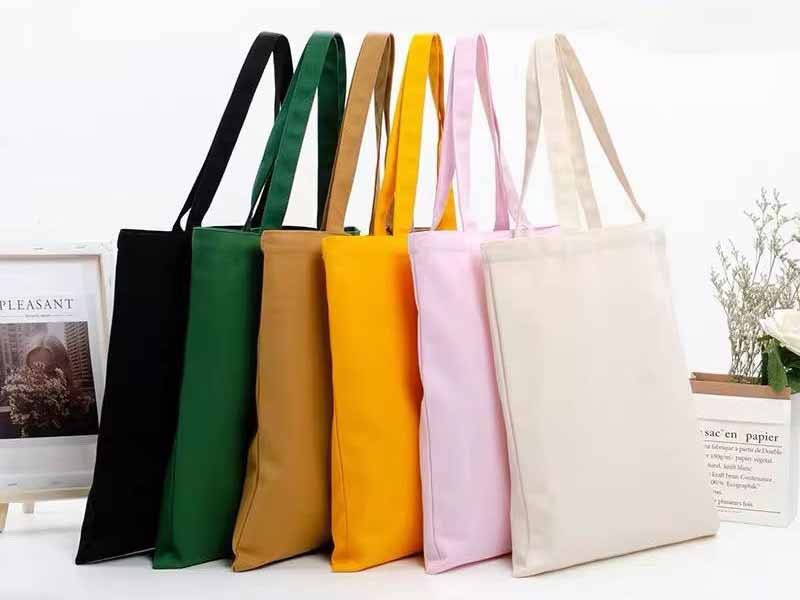
| Cotton Canvas | Lifestyle totes, retail bags | Natural look, strong hand feel | Shrinkage, color variation |
| Nylon | Travel bags, backpacks | Strength, smooth texture | Cost, coating, availability |
| Oxford Fabric | Backpacks, tool bags, outdoor bags | Durable, versatile | Denier, coating, abrasion |
| PU Leather | Fashion bags, cosmetic bags | Premium appearance | Peeling, scratch resistance |
| TPU/PVC | Waterproof or clear bags | Functional transparency or waterproofing | Flexibility, smell, compliance |
| Neoprene | Lunch bags, bottle holders, sleeves | Soft protection, insulation | Thickness, odor, lamination |
For Szoneier-style custom projects, material choice should always be linked to use case, target cost, logo method, and production plan. That is how buyers avoid beautiful samples that become difficult, expensive, or unstable in bulk.
How Are Brands Customizing Bag Designs?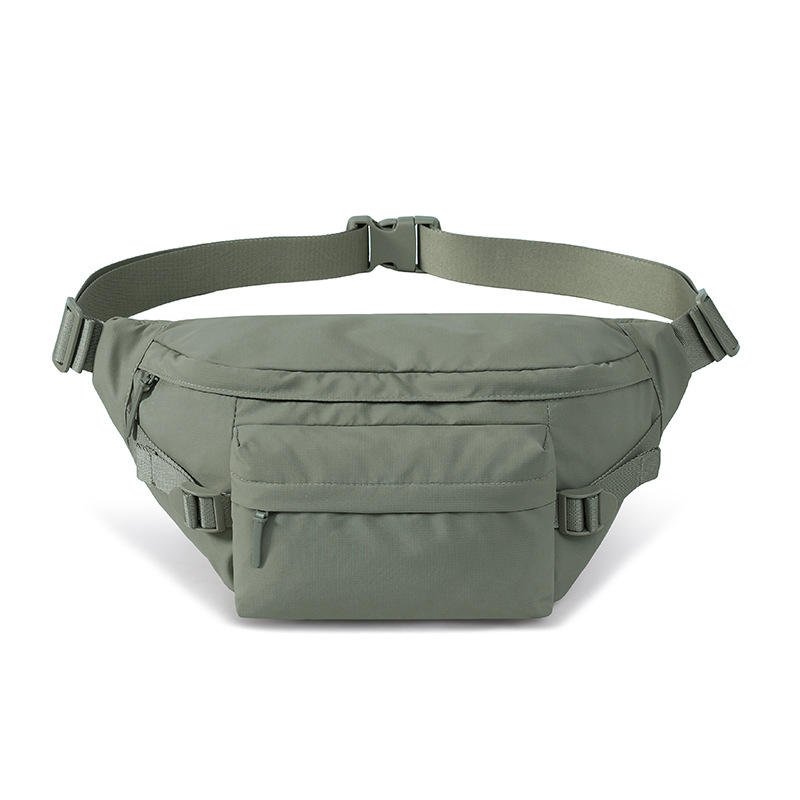
Brands are customizing bag designs through materials, colors, structures, compartments, logo methods, packaging, and multi-SKU product lines. The trend is moving away from simple logo printing and toward product systems that match brand identity, retail channels, and real customer use.
Custom Features
Customization today is much deeper than adding a logo. Global brands often request changes in size, handle length, zipper opening, pocket layout, lining, foam padding, inner dividers, waterproof layers, insulation, mesh panels, reinforced stitching, bottom gussets, detachable straps, and retail packaging. These details decide whether the bag feels like a real branded product or a generic item with a logo attached.
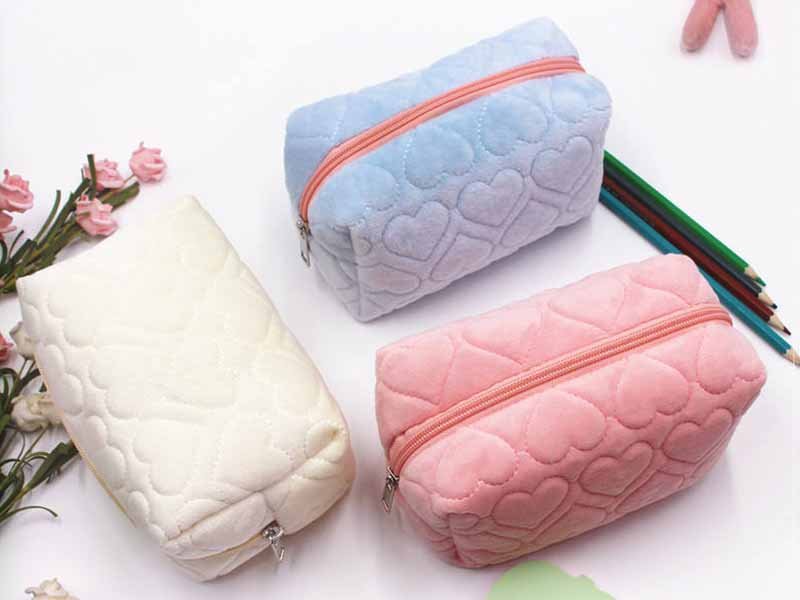
For example, a cosmetic bag brand may care about wipe-clean lining, neat piping, smooth zipper movement, and a shape that stands upright on a bathroom counter. A travel brand may focus on lightweight fabric, packing efficiency, compression, and inner organization. A cooler bag buyer may care about insulation thickness, leak-resistant lining, seam strength, and handle comfort. A promotional tote buyer may want low cost, flat packing, strong printing, and reliable delivery for an event date.
The key trend is functional customization. Buyers want design choices that solve user problems. A professional factory should help connect features to usage. Otherwise, customization becomes decoration without value.
Logo and Packaging
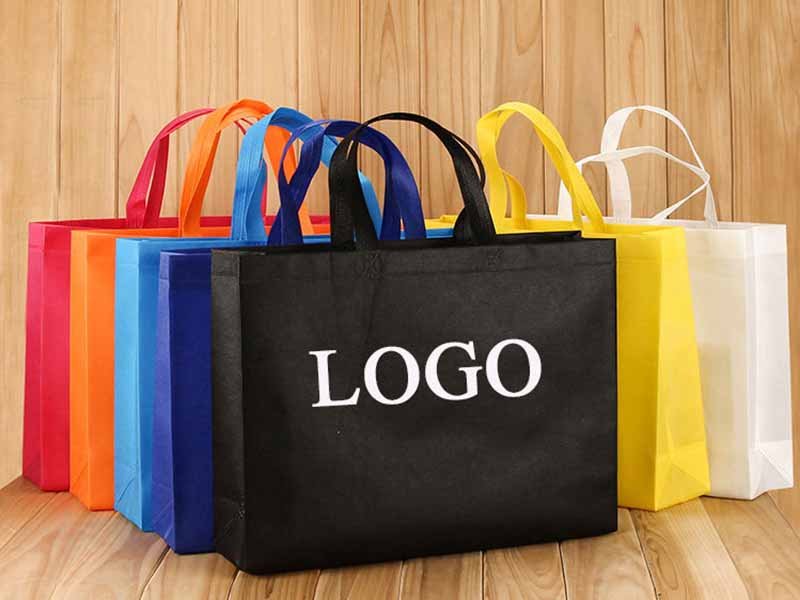
Logo and packaging trends are also changing. For many global brands, the bag is not only a product; it is a brand experience. Logo methods such as screen printing, heat transfer, embroidery, woven labels, rubber patches, leather patches, metal plates, debossing, embossing, and zipper pull branding all create different visual effects and cost structures.
The wrong logo method can damage the whole product. A large embroidery logo on thin fabric may cause puckering. A heat transfer logo may not work well on certain textured fabrics. A debossed PU patch may look premium but increase lead time. A metal logo plate may improve perceived value but add cost, weight, and inspection points. Buyers need a factory that can explain these trade-offs before sampling.
Packaging has become equally important, especially for Amazon, Shopify, retail, and gift channels. A simple OPP bag may be enough for bulk promotional use. But DTC and retail products may need hang tags, barcode labels, FBA labels, cartons, inner packaging, dust bags, insert cards, or gift boxes. Packaging affects not only appearance, but also shipping protection, warehouse handling, review quality, and unboxing experience.
Product Lines
One strong trend among global brands is multi-SKU development. Instead of producing one isolated bag, brands often want a product family: tote bag + pouch, backpack + duffle bag, cooler bag + lunch bag, makeup bag + toiletry pouch, travel bag + packing cubes, or leather tote + card holder + keychain. This approach creates stronger brand recognition and better merchandising opportunities.
Multi-SKU development requires more coordination than single-product manufacturing. The material color should match across items. The logo size and placement should feel consistent. Packaging should follow the same visual system. The product dimensions should support shipping efficiency. If one product uses premium hardware and another uses low-end accessories, the collection may feel inconsistent.
For global brands, product-line thinking can increase average order value and repeat purchase potential. For manufacturers, it requires better material records, sample archives, production communication, and SKU management.
| Customization Area | Basic Level | Brand-Level Customization |
|---|---|---|
| Logo | One-color print | Embroidery, patch, debossing, woven label |
| Material | Stock fabric | Recycled, coated, textured, premium material |
| Structure | Standard shape | Custom pockets, gussets, straps, compartments |
| Packaging | Polybag | Hang tag, barcode, insert card, retail box |
| Color | Stock black or white | Brand color system, seasonal palette |
| SKU Plan | One product | Series with sizes, colors, and related bags |
Customization should not make a bag complicated for no reason. The best custom bag design balances brand identity, user function, production efficiency, and target margin.
How Is Smart Manufacturing Changing Sampling?
Smart manufacturing is changing sampling by improving communication, reducing development mistakes, and making sample-to-bulk production more predictable. Tech packs, digital artwork, structured material records, AI-assisted planning, and better production data help brands and factories make decisions faster and with less risk.
Digital Sampling
Digital sampling does not always mean a fully virtual 3D bag sample. In real custom bag manufacturing, it often means using digital tools to improve the early development process: clear drawings, artwork files, measurement charts, material references, color codes, stitching instructions, packaging files, and revision records. These tools help buyers and factories speak the same language.
A common problem in custom bag development is that buyers and factories may imagine different things from the same description. “Thick canvas,” “premium zipper,” “large front pocket,” or “soft padding” can mean very different specifications. Digital documentation reduces this gap. A simple tech sheet with dimensions, fabric type, lining, zipper size, logo position, stitch notes, and packing method can prevent multiple sample revisions.
Smart sampling also helps teams compare versions. Version 1 may use 12 oz canvas, while Version 2 uses 16 oz canvas. One logo may be screen printed, another embroidered. One pouch may use nylon lining, another wipe-clean PEVA lining. Recording these differences gives buyers a clearer decision path. It also helps the factory repeat the approved version later.
Tech Packs
Tech packs are becoming more important because global bag projects often involve many details. A tech pack does not need to be overly complicated, but it should answer the questions that affect production. This includes size, tolerance, material, color, lining, zipper, hardware, stitching, reinforcement, logo, label, packaging, carton requirements, and testing needs.
For buyers, a tech pack improves quotation accuracy. Without enough information, factories may quote based on assumptions. Later, when the buyer adds thicker material, extra pockets, custom lining, and retail packaging, the price changes. This creates frustration on both sides. A clearer tech pack reduces this problem.
For manufacturers, tech packs make internal communication easier. The sales team, sampling team, material team, sewing team, QC team, and packaging team can follow the same reference. This is especially important for multi-SKU projects or repeat orders. A factory that manages tech packs well is more likely to keep sample-to-bulk consistency.
A practical custom bag tech pack should include:
Product type and target useMain dimensions and toleranceMain fabric and liningZipper size and hardware typeHandle, strap, and reinforcement detailsLogo artwork and placementColor references or Pantone codesPackaging and carton requirementsQuality expectations and testing notesTarget order quantity and delivery country
AI Support
AI is becoming more relevant in manufacturing, but buyers should understand what AI can and cannot do. AI can help organize product requirements, compare material options, forecast risks, improve communication, and support production planning. In broader manufacturing, AI and machine learning are being applied to data analytics, sensing, logistics optimization, digital twins, and sustainable manufacturing. However, AI does not replace hands-on material judgment, sewing experience, sample review, or quality inspection.
In custom bag manufacturing, AI-assisted workflows may help summarize buyer requirements, generate initial product checklists, organize BOM information, or flag missing details before quotation. For example, if a buyer asks for a waterproof travel pouch but does not mention zipper type, seam construction, or testing expectations, a smarter workflow can remind the project team to clarify these points.
Still, the strongest results come when digital tools are combined with factory experience. A sewing product is physical. Fabric stretches, PU scratches, zippers bend, handles bear weight, and packaging compresses during shipping. AI can support decisions, but real manufacturing knowledge confirms whether the decision works.
For global brands, the best partner is not a factory that only says it uses technology. It is a factory that uses better systems to make sampling clearer, revisions faster, and production more controllable.
Do Quality and Compliance Matter More Now?
Yes. Quality and compliance matter more because global brands face higher customer expectations, stricter channel requirements, and greater reputational risk. Buyers now expect material checks, sample confirmation, in-line inspection, final inspection, packaging checks, and documentation support before products reach retail, e-commerce, or promotional channels.
Quality Checks
Quality control in custom bag manufacturing should begin before sewing starts. Many problems come from unclear material standards, wrong accessories, poor cutting, unstable printing, or misunderstood sample details. If QC only happens after finished goods are packed, it may be too late to fix problems without delay and extra cost.
A structured QC process usually includes material inspection, accessory inspection, pre-production sample approval, cutting check, sewing process check, semi-finished check, final product inspection, packaging inspection, and carton verification. Each stage catches different risks. Material inspection checks color, thickness, coating, smell, defects, and hand feel. Sewing inspection checks seam strength, stitch consistency, reinforcement, edge finishing, and shape. Final inspection checks size, logo, appearance, function, cleanliness, quantity, and packing.
For global buyers, QC should be connected to the product’s use. A promotional tote may focus on print accuracy, handle strength, and packing quantity. A backpack may require load-bearing checks, zipper function, pocket alignment, and strap reinforcement. A cooler bag may need insulation, lining, leakage concerns, and seam durability.
Sample Consistency
Sample-to-bulk consistency is one of the biggest concerns in custom bag manufacturing. A beautiful sample does not guarantee a stable bulk order. The approved sample must be translated into production standards. That means the factory should record fabric, color, lining, zipper, hardware, logo method, measurements, stitch details, packaging, and any buyer-approved changes.
Many bulk problems happen because the approved sample is treated as a visual reference only, not as a production standard. For example, the sample may use one zipper brand, but bulk production uses another. The sample may have a stronger interlining, but bulk production changes it to reduce cost. The sample may have hand-cut logo placement, while bulk production needs a positioning guide. These details matter.
Buyers should also understand tolerance. Soft goods are not metal parts. Fabric products naturally have reasonable size tolerances, especially with flexible materials, padding, quilting, curved seams, or bulky structures. A professional factory should define realistic tolerance ranges and inspect against them.
| QC Stage | What It Checks | Why It Matters |
|---|---|---|
| Material Check | Color, thickness, defects, coating | Prevents wrong fabric entering production |
| Accessory Check | Zippers, pulls, buckles, labels | Reduces functional and branding issues |
| Pre-Production Sample | Final approved standard | Aligns buyer and factory before bulk |
| In-Line Inspection | Stitching, shape, process | Catches problems before mass completion |
| Final Inspection | Size, logo, function, appearance | Protects buyer before shipment |
| Packing Check | Labels, cartons, quantity | Avoids warehouse and delivery problems |
Documentation
Documentation is becoming more important, especially for brands selling across different regions. Depending on the product and market, buyers may need material information, packaging details, care labels, barcode labels, FBA labels, carton marks, commercial invoices, packing lists, or testing documents. For some categories, claims such as recycled content, waterproof performance, fire resistance, RFID blocking, or food-contact suitability require extra care.
The compliance direction is becoming more data-driven. In Europe, Digital Product Passport discussions and textile-related sustainability rules are pushing fashion and accessory brands toward better product data, material traceability, and lifecycle information. Even if not every bag project requires full regulatory documentation today, the direction is clear: brands will need better records from suppliers.
For custom bag buyers, this means the factory should not only produce the product. It should also help organize basic production information. What material was used? What is the lining? What logo method was applied? How is the product packed? What carton size and weight are expected? What shipping terms apply? What labels are needed?
Documentation is not paperwork for its own sake. It protects the buyer’s internal team, warehouse team, sales channel, compliance team, and end customer. Good documentation makes repeat orders easier because the buyer does not need to rebuild the product standard from memory.
How Should Brands Choose a Manufacturing Partner?
Brands should choose a custom bag manufacturing partner by evaluating factory control, OEM/ODM capability, material knowledge, sampling process, QC structure, communication quality, MOQ flexibility, packaging support, and export delivery experience. The right partner should help buyers move from idea to shipment with fewer risks and clearer decisions.
Reliable Factory
A reliable factory is not defined by a beautiful website alone. Buyers should look for evidence that the manufacturer can control the project. This includes sampling capability, material coordination, sewing production management, QC workflow, packaging handling, and shipment support. If a supplier cannot explain how it controls these steps, the buyer may face higher risk later.
A good supplier should be willing to discuss practical questions. What materials are realistic for the target MOQ? Which logo method fits the fabric? What can be finished quickly, and what requires longer lead time? How will the approved sample be recorded? Which parts are most likely to affect cost? What happens if the buyer wants to expand into more colors or SKUs?
For global brands, communication is part of reliability. Slow, vague, or overly optimistic communication can create project risk. A factory that responds quickly but gives unclear answers is not enough. Buyers need clear explanations, realistic timelines, and transparent trade-offs.
Szoneier is positioned as a factory-based custom bags and soft goods manufacturing partner in Shenzhen, supporting material sourcing, sample development, sewing production coordination, quality inspection, packaging, and export delivery. This type of integrated capability is especially valuable for buyers who need more than simple price quoting.
OEM and ODM
OEM and ODM capabilities serve different buyer needs. OEM is best when the buyer already has a complete sample, drawing, tech pack, logo file, packaging plan, and quality standard. In this case, the manufacturer’s job is to reproduce the approved design accurately and consistently.
ODM is best when the buyer has an idea but needs development support. This may include choosing a fabric, adjusting the structure, improving pocket layout, selecting a logo method, balancing cost, and making the first sample. ODM is especially useful for brands launching new products, testing new categories, or improving an existing product.
Many global buyers need both. A brand may start with ODM for the first product, then use OEM for repeat production after the design is finalized. Another buyer may bring an existing backpack sample for OEM production but ask the factory to develop matching pouches and accessories through ODM.
| Buyer Situation | Best Service Type | Manufacturer Role |
|---|---|---|
| Buyer has final tech pack | OEM | Produce according to defined standard |
| Buyer has physical sample | OEM + improvement | Match sample and suggest production fixes |
| Buyer has product idea | ODM | Develop material, structure, and sample |
| Buyer wants product series | ODM + OEM | Create first line, then repeat consistently |
| Buyer wants supplier replacement | OEM | Improve reliability and bulk consistency |
The best partner should not force every project into one model. It should guide the buyer toward the right path based on project maturity.
Global Delivery
Global delivery support matters because production is only part of the project. A custom bag order is not complete until the buyer receives goods in the right condition, with the right labels, documents, packaging, and shipping method. This is especially important for buyers shipping to Amazon FBA, retail warehouses, distributors, or multiple addresses.
Delivery planning should start early. Carton size, carton weight, packing quantity, barcode labels, FBA labels, outer carton marks, pallet requirements, and shipping terms can all affect cost and timeline. A bag that looks inexpensive at the unit-price level may become expensive if it packs inefficiently or requires oversized cartons.
Global brands also need options. Small samples may go by express. Urgent replenishment may go by air. Bulk orders may go by sea. Some buyers may need DDP door-to-door support, while others prefer FOB or their own freight forwarder. A manufacturer familiar with these options can help buyers make practical decisions.
For Szoneier customers, the ideal inquiry includes product photos or drawings, target quantity, material preference, logo file, size, packaging needs, destination country, and timeline. This allows the team to review not only whether the bag can be made, but also how it should be sampled, produced, inspected, packed, and delivered.
Final Thoughts: What Should Global Brands Do Next?
The future of custom bag manufacturing belongs to brands that treat the factory as a development partner, not just a price source. Sustainable materials are growing, but they must be chosen carefully. Customization is powerful, but it must support real user needs. AI and digital tools can improve sampling, but they cannot replace production experience. Quality control matters more than ever, but it must begin before final inspection. Global delivery is not a backend detail; it is part of the customer experience.
For global brands, the smartest next step is to review every custom bag project through six questions:
What is the bag’s real use case?Which material fits the target customer and price level?Which structure details affect durability and user experience?Which logo and packaging methods support the brand image?What quality checks are needed before shipment?Can the manufacturer support trial orders, repeat production, and SKU expansion?
Szoneier helps global brands, retailers, importers, e-commerce sellers, promotional companies, and B2B buyers turn ideas, samples, tech packs, and material concepts into production-ready custom bags. With experience across tote bags, backpacks, cosmetic bags, cooler bags, travel bags, leather goods, neoprene products, waterproof bags, functional pouches, and other sewn soft goods, Szoneier supports buyers from material selection and sampling to bulk production, quality inspection, packaging, and export delivery.
If you are planning a new custom bag project, send Szoneier your product photo, sketch, tech pack, logo file, target quantity, material idea, packaging requirements, and delivery country. Our team will help review the best production path, suggest practical improvements, and prepare your project for sampling and bulk manufacturing.
Contact Szoneier today to start your custom bag project.