Choosing a custom bag manufacturer looks simple at first. Many brands start with the same checklist: find a factory, ask for a quote, compare prices, and move forward. But real production does not work that way. A low quote does not always mean a lower total cost. A fast reply does not always mean strong project management. A factory that can make one good sample does not always have the systems to deliver 500 or 5,000 bags with the same finish, stitching quality, shape consistency, and packaging standard.
The right custom bag manufacturer should help you solve real business problems, not just make products. You may need lower trial order quantities, faster sampling, stable material sourcing, better logo execution, or fewer quality complaints after delivery. You may also need help choosing between canvas, polyester, nylon, neoprene, PU, or leather based on your market, price target, and product use. These are the issues that affect whether a product line makes money or creates stress.
A reliable custom bag manufacturer is the one that matches your product category, quality target, customization needs, order volume, and delivery schedule. The best choice is usually a factory with proven material experience, a clear sampling process, stable quality control, transparent pricing, and the ability to support growth from early testing orders to repeat bulk production.
Many brands only realize the importance of this after something goes wrong: the zipper color is inconsistent, the webbing width is off, the print cracks after use, or the second order no longer matches the first. That is why choosing the right manufacturing partner is not just a sourcing decision. It is a brand decision. If you want to build a bag business that lasts, this is where the real work begins.
Why Does the Right Custom Bag Manufacturer Matter?
The right custom bag manufacturer affects much more than production. It shapes your product quality, your delivery reliability, your online reviews, your repeat order rate, and even your cash flow. A strong factory reduces risk at every stage, from development to shipment.
How Does a Custom Bag Manufacturer Affect Quality?
Quality problems usually do not begin at final inspection. They begin much earlier, often at the point where the factory chooses materials, builds the pattern, sets the sewing process, and trains workers for the product structure. That is why two factories can use a similar-looking fabric and still produce bags with very different performance.
A professional custom bag manufacturer controls quality through details that many new brands do not see at first. These details include fabric thickness tolerance, foam density, zipper grade, bartack reinforcement, seam allowance consistency, logo placement accuracy, edge finishing, and hardware matching. When these points are not controlled, the bag may still look acceptable in photos, but problems show up after customers start using it.
For example, a tote bag designed for grocery use may need stronger handle reinforcement than a fashion tote used for lighter daily carry. A cooler bag may need better lining sealing and insulation structure. A neoprene bag may need precise lamination, cutting stability, and clean edge treatment to avoid stretching or shape distortion. A custom bag manufacturer with real category experience can identify these issues before they turn into costly defects.
Below is a practical view of how factory control affects product quality:
| Production Area | What the Factory Controls | What the Brand Sees in the Market |
|---|---|---|
| Fabric sourcing | GSM, thickness, coating, color consistency | Durability, appearance, repeat order consistency |
| Pattern making | Panel size, seam allowance, shape balance | Bag structure, fit, clean silhouette |
| Sewing process | Stitch density, thread tension, reinforcement | Strength, lifespan, fewer returns |
| Printing and branding | Ink adhesion, logo alignment, color match | Brand image, retail presentation |
| Hardware selection | Zipper smoothness, buckle strength, plating | User experience, product reliability |
| Final inspection | Defect removal before packing | Lower complaint rate |
Many brands focus only on whether the first sample looks good. A better question is whether the factory can keep the same quality standard across every production stage. A good sample without stable production control is not enough.
There are several quality questions a serious brand should ask early:
- Does the factory inspect raw materials before cutting?
- Do they approve colors and trims before mass production?
- Do they check the first pieces during sewing?
- Do they perform final inspection by appearance, function, and packing?
- Can they keep records for repeat orders?
When a custom bag manufacturer can answer these questions clearly, it usually means the factory has real process control, not just sales language.
How Can a Custom Bag Manufacturer Impact Your Brand?
Your factory does not appear on your product page, but it shapes what your customers say about your brand. If the bag smells bad after opening, has uneven stitching, arrives late, or looks different from the approved sample, your customer will not blame the factory. They will blame your brand.
That is why the manufacturer is not only a supplier. In practice, the manufacturer becomes part of your brand experience.
This is especially important for businesses selling through Amazon, Shopify, retail stores, subscription boxes, and promotional programs. In these markets, one weak production batch can create a chain reaction:
- customer complaints increase
- return rate rises
- ad efficiency drops
- repeat purchase trust falls
- review scores become harder to recover
A custom bag manufacturer influences these business results in several ways.
First, they affect launch speed. If your sampling takes 20 to 30 days when your competitors can develop in 7 to 12 days, your brand moves slower than the market. This matters for seasonal products, gift campaigns, event bags, back-to-school lines, and trend-based collections.
Second, they affect cost control. A factory that understands your product well can suggest better construction methods, smarter material substitutions, and more efficient packaging. These changes can protect margin without making the product feel cheap.
Third, they affect brand growth. Many smaller brands begin with 100 to 300 pieces per design. If the factory is only interested in large orders, communication becomes weak and flexibility disappears. A good manufacturing partner should support early growth, not just mature volume.
This comparison shows the difference clearly:
| Factory Type | What Usually Happens |
|---|---|
| Price-only factory | Attractive first quote, weak follow-up, unstable quality |
| Trading-style supplier with limited control | Fast communication, but inconsistent production execution |
| Experienced product-category factory | Better technical advice, stronger sample control, more stable repeat orders |
For many growing brands, the real value of a good custom bag manufacturer is not just lower defects. It is fewer surprises. Clear lead times, stable quality, and accurate production communication help a brand plan inventory, promotions, and launches with more confidence.
What Problems Come From the Wrong Custom Bag Manufacturer?
The wrong custom bag manufacturer often looks acceptable at the beginning. Their quote may be fast. Their sample photos may look nice. Their sales team may sound confident. The real problems usually appear later, when the project moves from discussion into production.
One common problem is that the factory understands the design visually but not technically. They may copy the appearance of a bag but miss the details that make it functional. This can lead to weak handle reinforcement, poor zipper opening, bad shoulder strap comfort, unstable lining, or pockets that do not match the intended use.
Another common problem is inconsistency between sample and mass production. Many brands approve a good-looking sample, then receive a bulk order with lower-grade material, less neat stitching, or different accessories. This often happens when the factory has no proper production standard sheet or no clear approval process for materials and trims.
The financial impact can be serious. Below is a simple example based on a 1,000-piece order:
| Issue | Possible Cost Impact |
|---|---|
| 8% defective products | lost sales plus replacement cost |
| 2-week shipping delay | missed campaign window |
| wrong logo print | rework or discounted clearance |
| inconsistent fabric color | damaged product line consistency |
| poor packing | damage during shipment |
The wrong factory can also create hidden communication costs. Your team may spend extra hours checking details, correcting invoices, chasing updates, re-approving colors, and handling complaints that should have been prevented upstream. Even if the initial unit price is lower, the total business cost becomes higher.
This is why experienced brands rarely choose a factory based on price alone. They look at error prevention, communication discipline, and repeat-order stability. The right custom bag manufacturer saves money by reducing mistakes before they happen.
What Types of Custom Bag Manufacturer Can You Choose?
Not every custom bag manufacturer works in the same way. Some factories build products fully around your design and specifications. Others offer existing styles that you can adapt with your logo, color, and packaging. Understanding this difference saves time, avoids misunderstanding, and helps you choose the right development path for your brand stage.
What Is an OEM Custom Bag Manufacturer?
An OEM custom bag manufacturer produces bags based on your own design direction, technical requirements, and branding needs. This is the better model when your brand wants a product that is clearly different in shape, construction, material mix, function, or visual identity.
In an OEM project, the brand usually provides some or all of the following:
- reference photos or sketches
- dimensions
- material preferences
- logo method
- color requirements
- hardware requirements
- packaging requirements
- target price or market level
Then the factory turns that concept into a real product through pattern making, sample development, revisions, and production preparation.
OEM development is often the right choice for brands that care about product identity. This includes fashion brands, outdoor brands, private label sellers that want stronger differentiation, and companies launching signature products rather than generic catalog items.
A simplified OEM workflow often looks like this:
| OEM Stage | What Happens |
|---|---|
| Concept review | Factory reviews design and feasibility |
| Material proposal | Fabrics, trims, logo options, structure suggestions |
| Pattern making | Technical pattern built from design idea |
| Sample production | First prototype made |
| Revision round | Shape, detail, and branding adjusted |
| Pre-production confirmation | Final standard approved before bulk |
| Mass production | Order moves into full manufacturing |
The advantage of an OEM custom bag manufacturer is control. You can shape the product more precisely around your target customer, price point, and sales channel. The trade-off is that OEM projects usually require more communication, more sample revisions, and a stronger development process.
For brands with a clear long-term plan, this extra work is usually worth it. A stronger product identity often supports better pricing power and better market recognition.
What Is an ODM Custom Bag Manufacturer?
An ODM custom bag manufacturer works from designs the factory already has. Instead of building the product from zero, the brand chooses from existing styles and then customizes selected details such as logo, color, zipper puller, lining, label, packaging, or small construction adjustments.
This model is often faster and more practical for brands that want to launch quickly.
ODM is a strong option when:
- you need faster time to market
- you are testing a new category
- your first order quantity is small
- you want lower development cost
- you do not yet have a full design team
Because the base design already exists, the factory can usually move faster on pattern preparation and sample development. In many cases, an ODM project can shorten the early product development cycle compared with a fully custom OEM project.
Here is a simple comparison:
| Item | OEM | ODM |
|---|---|---|
| Product originality | Higher | Medium |
| Development time | Longer | Shorter |
| Design control | Higher | Limited |
| Launch speed | Medium | Faster |
| Development cost | Higher | Lower |
| Exclusivity | Stronger | Weaker |
The risk of ODM is that the product may not feel fully unique. If the factory offers similar structures to multiple customers, your design may look close to other items already in the market. That does not always matter for all businesses. For promotional bags, entry-level travel bags, utility pouches, and fast-launch e-commerce products, speed and practicality can be more important than full uniqueness.
A good custom bag manufacturer should be honest about how much of the product is truly new and how much comes from an existing base style.
Which Custom Bag Manufacturer Model Fits Your Brand?
The best model depends on where your brand is now, how you plan to grow, and what role the product plays in your business.
If you are launching your first collection and need to control risk, an ODM custom bag manufacturer may be the more practical starting point. You can launch faster, test demand, and learn what customers actually want before investing more heavily in original development.
If your brand already has a clear design language, stronger margin expectations, or plans to build a signature product line, an OEM custom bag manufacturer is usually the better fit. It gives you more room to create products that are harder to compare directly with generic alternatives.
Many brands actually use both models at different stages.
A useful planning framework looks like this:
| Brand Situation | Better Starting Model |
|---|---|
| Startup with limited budget | ODM |
| Amazon or Shopify test launch | ODM or light OEM |
| Established brand with custom concept | OEM |
| Premium or design-focused brand | OEM |
| Corporate gift or promotional line | ODM |
| Functional product needing special structure | OEM |
There is also a middle path. Some factories allow a hybrid approach: you start from an existing structure, then change enough details to create a product with a stronger custom identity. This may include changing pocket layout, adding new strap systems, upgrading materials, adjusting dimensions, or combining different branding methods.
For many brands, this hybrid path is smart because it balances speed, cost, and uniqueness.
A factory like Szoneier, with long experience in custom bag development and material-based production, can be especially useful here. When a manufacturer already works across multiple materials such as canvas, polyester, nylon, neoprene, EVA, PVC, and leather-based constructions, they can often recommend whether a project should begin from a proven structure or move directly into full custom development. That kind of advice matters because it helps brands avoid spending too much too early while still building products with real commercial value.
This is the real goal when choosing a custom bag manufacturer: not just finding someone who can make a bag, but finding a partner who understands how to match product development with business growth.
How Do You Evaluate a Custom Bag Manufacturer?
Evaluating a custom bag manufacturer requires more than reviewing product photos or comparing price quotations. A reliable evaluation process focuses on technical capability, production experience, material expertise, and communication transparency. Brands should examine how the factory manages sampling, quality control, lead time stability, and production capacity. A manufacturer that demonstrates clear processes, experienced technicians, and consistent production records is far more likely to deliver reliable long-term results.
How Experienced Is the Custom Bag Manufacturer?
Experience is one of the most important indicators when evaluating a custom bag manufacturer. Factories with many years of production history have already encountered most of the common issues that occur during bag development and manufacturing. These include material shrinkage, stitching deformation, zipper failure, printing defects, shape distortion, and hardware corrosion. When a factory has solved these problems repeatedly over time, they are better prepared to prevent them in new projects.
For example, a factory with more than 10–15 years of bag manufacturing experience often has established systems for pattern making, material testing, and production management. These systems help reduce mistakes during both the sampling stage and mass production.
Experience also shows in product category specialization. Some manufacturers focus mainly on fashion handbags, while others specialize in outdoor gear, promotional bags, or technical products such as neoprene accessories and wetsuits. Working with a factory that understands your product category reduces the learning curve and improves product reliability.
Brands can ask several practical questions to evaluate real experience:
- How many years has the factory been producing bags?
- What product categories do they produce most frequently?
- Can they show examples of previous projects?
- Do they have in-house pattern makers and development technicians?
A factory that answers these questions clearly usually has deeper manufacturing knowledge.
Below is a simplified reference of what experience levels often mean in bag manufacturing:
| Factory Experience | Typical Capability |
|---|---|
| 1–3 years | basic sewing production, limited development ability |
| 3–8 years | moderate customization ability, limited complex design experience |
| 8–15 years | strong development capability, stable supply chain |
| 15+ years | mature systems, high production stability, strong problem solving |
When brands plan to build long-term product lines, choosing a manufacturer with strong experience reduces development risk and improves product consistency over multiple production cycles.
What Materials Does the Custom Bag Manufacturer Use?
Material expertise is another critical factor when evaluating a custom bag manufacturer. Bags can be produced from many different materials, and each material requires different handling during cutting, sewing, and finishing.
Common bag materials include:
- cotton canvas
- polyester
- nylon
- neoprene
- PU leather
- genuine leather
- PVC
- TPU
- EVA foam
- jute fabric
Each of these materials behaves differently in production. For instance, canvas requires heavy-duty stitching and reinforcement points to support weight. Nylon requires precise heat cutting to prevent fraying. Neoprene requires specialized bonding and lamination techniques to maintain elasticity and shape.
A manufacturer that works with multiple materials usually has better technical understanding of construction details. They can recommend appropriate fabric weight, reinforcement methods, and hardware combinations to improve durability.
Material quality also affects product performance and brand perception. Lower-grade fabrics may initially reduce cost, but they often lead to faster wear, fading, or deformation. Professional manufacturers normally offer several material grades so brands can match material selection with target market positioning.
Here is an example of how material choice affects bag performance:
| Material | Typical Weight | Key Characteristics | Common Uses |
|---|---|---|---|
| Canvas | 12–24 oz | strong, durable, structured | tote bags, shopping bags |
| Polyester | 210D–600D | lightweight, cost effective | promotional bags, backpacks |
| Nylon | 420D–1680D | abrasion resistant, strong | outdoor bags, travel bags |
| Neoprene | 3–5 mm | flexible, water resistant | laptop sleeves, koozies |
| PU leather | 0.6–1.2 mm | smooth surface, fashionable | fashion handbags |
| TPU / PVC | 0.3–0.8 mm coating | waterproof, durable | dry bags, waterproof gear |
Brands should also confirm whether the factory can source materials consistently. Reliable manufacturers maintain long-term relationships with fabric mills and trim suppliers. This ensures that repeat orders maintain the same color, thickness, and texture as previous batches.
When a custom bag manufacturer understands materials deeply, they can recommend improvements that enhance product value without dramatically increasing cost.
How Does the Custom Bag Manufacturer Control Quality?
Quality control is one of the most critical systems inside a bag manufacturing factory. Even when design and materials are correct, poor quality management during production can still lead to defects.
Professional factories normally implement several layers of inspection to prevent problems. These inspection stages ensure that mistakes are detected early before large quantities are produced incorrectly.
A common quality control workflow may include the following steps:
| Inspection Stage | Purpose |
|---|---|
| Raw material inspection | verify fabric color, thickness, and defects |
| Cutting inspection | confirm pattern accuracy and panel alignment |
| Sewing line inspection | monitor stitching quality and reinforcement |
| Assembly inspection | check zipper function, straps, hardware |
| Final inspection | evaluate appearance, function, and packaging |
Factories that follow this type of system reduce defect rates significantly. In well-organized factories, the defect rate can often be maintained below 2–3 percent.
Brands should also pay attention to documentation. Reliable manufacturers maintain inspection records and production specifications. These documents ensure that repeat orders follow the same standards as previous production runs.
Another important factor is worker training. Skilled sewing technicians can identify potential issues such as fabric stretching, thread tension imbalance, or misaligned panels. Factories that invest in training usually maintain better production stability.
When evaluating a custom bag manufacturer, brands should look for factories that clearly explain their quality process rather than simply promising “good quality.” Transparent processes demonstrate real operational control.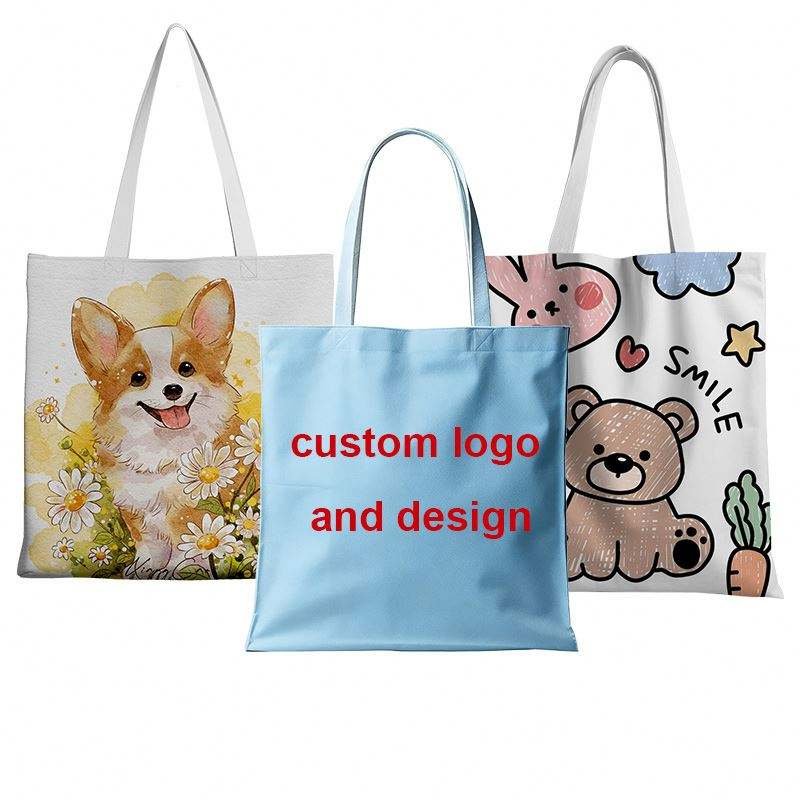
Which Factors Matter When Choosing a Custom Bag Manufacturer?
Several practical factors determine whether a custom bag manufacturer is suitable for your brand. Beyond quality and technical capability, brands must also consider order quantity flexibility, sampling speed, production lead time, and customization support. These elements influence how efficiently a product can move from idea to market.
What MOQ Does the Custom Bag Manufacturer Offer?
MOQ, or minimum order quantity, is often one of the first questions brands ask when contacting a factory. The MOQ represents the smallest production quantity that the manufacturer can produce efficiently.
Large factories typically prefer higher MOQs because their production lines are optimized for bulk manufacturing. However, many growing brands cannot immediately commit to large quantities when launching a new product.
A flexible MOQ policy allows brands to test products before scaling production.
Typical MOQ ranges in bag manufacturing can look like this:
| Product Type | Typical MOQ |
|---|---|
| basic promotional bags | 500–1000 pieces |
| customized canvas bags | 300–500 pieces |
| technical backpacks | 200–500 pieces |
| neoprene accessories | 100–300 pieces |
| high-end leather bags | 50–200 pieces |
Factories that offer moderate MOQs often support small and medium-sized brands more effectively. These manufacturers understand that brands need to test product demand before committing to larger orders.
At the same time, extremely low MOQ promises should be evaluated carefully. Very small quantities sometimes increase unit cost significantly because materials and labor setup still require preparation.
A balanced MOQ structure helps both the brand and the factory maintain sustainable production economics.
How Fast Is the Custom Bag Manufacturer Sampling?
Sampling speed plays a major role in product development timelines. Before bulk production begins, brands usually go through several rounds of sample development to refine the design.
A typical bag sampling process includes:
| Sampling Step | Description |
|---|---|
| concept review | factory reviews design feasibility |
| pattern making | development of cutting patterns |
| prototype sample | first sample produced |
| revision stage | adjustments based on feedback |
| final approval sample | confirmed before mass production |
Sampling timelines vary depending on design complexity. In many professional factories, the first sample can be produced within 5–10 working days once materials are confirmed.
Complex products may require additional revisions. Therefore, total sampling time often ranges from 2 to 4 weeks before production begins.
Fast sampling capability benefits brands in several ways:
- quicker product launches
- faster design improvements
- shorter development cycles
- better response to market trends
Factories with in-house pattern makers and development teams usually produce samples more efficiently than factories that outsource these tasks.
Does the Custom Bag Manufacturer Support Private Label?
Private label production allows brands to sell products under their own brand name. This typically involves adding customized branding elements such as logos, labels, packaging, and color schemes.
A capable custom bag manufacturer should support several branding techniques. These methods allow brands to match their visual identity with the product design.
Common logo methods include:
| Branding Method | Best For |
|---|---|
| screen printing | canvas bags, promotional products |
| embroidery | backpacks, outdoor bags |
| heat transfer printing | polyester and synthetic fabrics |
| debossed leather logo | leather handbags |
| rubber patches | sports bags |
| woven labels | internal brand identification |
Beyond logo application, private label services may include:
- custom hang tags
- barcode labels
- retail packaging
- instruction cards
- protective dust bags
These details influence how the product appears to customers in retail stores or online marketplaces.
Factories that regularly work with international brands usually understand the importance of packaging consistency, labeling accuracy, and brand presentation.
When evaluating a custom bag manufacturer, brands should ask whether the factory has experience supporting private label projects. Manufacturers with this experience are more familiar with brand expectations and international market standards.
A factory that can combine strong production capability, flexible MOQ, efficient sampling, and professional branding support becomes a valuable long-term partner for any growing bag brand.
How Can You Verify a Custom Bag Manufacturer?
Verifying a custom bag manufacturer before placing a bulk order is one of the most important steps in the sourcing process. A professional factory may present impressive photos, catalogs, and quotations, but the real evaluation should focus on measurable indicators such as sample quality, production systems, certifications, and communication reliability. Careful verification helps brands avoid production mistakes, delivery delays, and quality disputes that often occur when manufacturers are chosen too quickly.
How Do You Test a Custom Bag Manufacturer Sample?
The sample stage is the most reliable way to evaluate whether a custom bag manufacturer truly understands your product requirements. A well-produced sample demonstrates the factory’s ability to translate design ideas into functional products.
When reviewing a sample, brands should avoid focusing only on appearance. A bag that looks good at first glance may still have hidden issues that affect durability and customer satisfaction.
A structured sample evaluation should examine several technical areas:
| Evaluation Area | What to Check | Why It Matters |
|---|---|---|
| Stitching quality | stitch density, straight lines, reinforcement points | affects durability and load capacity |
| Material consistency | fabric thickness, color accuracy, texture | ensures product matches brand expectations |
| Logo execution | print clarity, embroidery accuracy, placement | impacts brand image |
| Hardware function | zipper smoothness, buckle strength, metal finishing | determines user experience |
| Structure balance | symmetry, shape stability, pocket alignment | affects usability and aesthetics |
Brands should also perform simple stress tests. For example, lifting the bag with moderate weight can reveal whether handles and seams are reinforced correctly. Opening and closing zippers repeatedly can indicate hardware reliability.
Another useful practice is comparing the sample against a checklist of product specifications. This list may include measurements, material weight, pocket size, and logo dimensions. If the sample matches these details accurately, it indicates the factory has followed the development instructions carefully.
Below is an example of a simple sample evaluation checklist used by many product teams:
| Item | Target Standard | Sample Result |
|---|---|---|
| Bag width | 40 cm | 39.8 cm |
| Fabric weight | 16 oz canvas | within tolerance |
| Stitch density | 8–10 stitches per inch | acceptable |
| Logo alignment | centered | accurate |
| Zipper test | 50 open/close cycles | smooth |
Factories that produce accurate samples typically have better pattern making capability and more organized development teams. If the first sample already meets most requirements, future revisions will usually move quickly toward production readiness.
Do You Need Certifications From the Custom Bag Manufacturer?
Certifications are another important signal of manufacturing reliability. While not every bag factory requires extensive certification, certain documents demonstrate that the manufacturer follows recognized quality and compliance standards.
The most common certifications related to bag manufacturing include:
| Certification | Purpose |
|---|---|
| ISO 9001 | quality management system |
| BSCI | ethical labor practices |
| SEDEX | supply chain responsibility |
| REACH | chemical safety compliance |
| RoHS | restriction of hazardous substances |
For brands selling products in Europe or North America, these certifications can simplify import compliance and reduce legal risk. Retailers and large distributors often request these documents before approving suppliers.
However, certification alone does not guarantee excellent production. Some factories obtain certificates but still lack strong internal process management. Therefore, certifications should be evaluated together with other indicators such as production capacity, sampling quality, and communication clarity.
Brands may also ask manufacturers whether they conduct internal material testing. Many professional factories test color fastness, tensile strength, and abrasion resistance to confirm that fabrics meet performance requirements.
For example:
| Test Type | What It Measures |
|---|---|
| color fastness | resistance to fading during washing or friction |
| tensile strength | fabric resistance to pulling force |
| abrasion resistance | durability against surface wear |
| zipper cycle testing | long-term zipper performance |
When a custom bag manufacturer can provide test reports or explain their testing process, it shows they understand product performance rather than focusing only on visual appearance.
How Do You Communicate With a Custom Bag Manufacturer?
Communication is often underestimated during supplier selection, yet it plays a critical role in successful product development. Even when a factory has strong technical ability, poor communication can cause misunderstandings that delay projects or create incorrect products.
Clear communication usually begins during the inquiry stage. A reliable custom bag manufacturer will ask detailed questions about your design, materials, and intended use. These questions help prevent mistakes later in the development process.
Effective communication from a manufacturer typically includes:
- clear explanations of material options
- realistic lead time estimates
- detailed sample feedback
- transparent pricing breakdown
- proactive updates during production
Brands should also observe response speed. Consistent responses within 12–24 hours indicate that the manufacturer has organized communication systems. Slow or inconsistent replies may signal operational problems.
Another useful indicator is how the factory handles technical drawings or specification sheets. If a manufacturer reviews these documents carefully and provides improvement suggestions, it shows that their development team has strong product understanding.
A comparison between effective and ineffective communication can look like this:
| Communication Behavior | Meaning |
|---|---|
| detailed technical feedback | strong development experience |
| realistic timelines | organized production planning |
| clear cost explanation | transparent business practices |
| vague answers | limited product knowledge |
| inconsistent responses | weak project management |
When communication is structured and professional, product development becomes much smoother. Misunderstandings are resolved quickly, and production decisions can be made with confidence.
What Makes a Great Custom Bag Manufacturer Partner?
A great custom bag manufacturer is not simply a supplier that produces orders. The best manufacturing partners contribute to product development, cost efficiency, and long-term brand growth. They understand market expectations, recommend improvements, and maintain consistent production standards as your business expands.
Does the Custom Bag Manufacturer Offer Low MOQ?
For emerging brands, flexible order quantities are extremely important. Many new products must be tested in smaller batches before larger production runs become viable. A manufacturer that supports lower MOQs allows brands to experiment with different designs without excessive financial risk.
Below is a simplified example showing how MOQ flexibility supports brand development:
| Development Stage | Typical Order Size |
|---|---|
| product testing | 100–200 pieces |
| early sales stage | 300–500 pieces |
| growing demand | 800–1500 pieces |
| established product | 3000+ pieces |
Factories that support these stages help brands scale production gradually rather than forcing large commitments at the beginning.
However, MOQ flexibility should still maintain production efficiency. A good manufacturer balances small trial orders with efficient manufacturing processes.
Can the Custom Bag Manufacturer Support Design?
Design support is another characteristic of a strong manufacturing partner. Many brands begin with rough concepts rather than complete technical drawings. In these situations, the factory’s development team can play an important role in transforming ideas into practical products.
Design support may include:
- pattern development from sketches
- material recommendations based on durability
- structural improvements to increase strength
- cost optimization suggestions
For example, a manufacturer might recommend replacing a complex pocket structure with a more efficient design that reduces sewing time without affecting functionality. This type of improvement can significantly reduce production cost.
Factories that maintain internal development teams usually provide stronger design support. These teams often include pattern makers, sample technicians, and product engineers who specialize in bag construction.
Will the Custom Bag Manufacturer Grow With Your Brand?
The best manufacturing partnerships extend beyond a single order. As a brand grows, its production needs evolve. Order quantities increase, product designs become more complex, and quality expectations rise.
A capable custom bag manufacturer should be able to grow alongside the brand.
Growth support may include:
| Capability | Benefit |
|---|---|
| scalable production lines | support larger orders |
| stable supplier network | consistent material sourcing |
| continuous product development | new designs and improvements |
| quality system upgrades | maintain standards during expansion |
Long-term partnerships also improve efficiency. When a factory already understands your product specifications, branding requirements, and packaging preferences, repeat orders can move much faster through the production cycle.
Many successful brands maintain long-term relationships with their manufacturers because this stability improves both product quality and operational efficiency.
Start Your Custom Bag Project With Szoneier
Choosing the right custom bag manufacturer requires careful evaluation of experience, materials, quality control systems, and communication reliability. Brands that invest time in verifying these factors often avoid costly production problems and build stronger product lines.
Szoneier is a custom bag manufacturer with more than 18 years of experience in bag design, development, and production. The factory specializes in multiple materials including canvas, polyester, nylon, neoprene, EVA, PVC, and leather. This material expertise allows the team to support a wide range of product categories such as tote bags, backpacks, travel bags, cooler bags, neoprene accessories, sports gear, and technical protective products.
Szoneier supports:
- custom bag design and development
- private label production
- low MOQ customization
- fast sampling within a few days
- strict multi-stage quality control
- reliable international production delivery
The factory works with brands, distributors, and e-commerce businesses around the world. Whether you are launching a new product line or expanding an existing collection, Szoneier can help turn your concept into a reliable finished product.
If you are currently searching for a dependable custom bag manufacturer, you are welcome to contact the Szoneier team. Share your product ideas, sketches, or reference images, and the team will help you evaluate materials, structure, and production options.
Start your next custom bag project with a manufacturer that understands both product development and long-term brand growth.