Skip to content
Bag Line for Amazon Aggregators | Custom Bag Manufacturing Partner
Custom bag line development for Amazon portfolio brands that need scalable SKUs, FBA-ready packaging, stable replenishment, and factory-controlled production.
- 18+ years in custom bags and sewn soft goods manufacturing.
- MOQ from 200 pcs for selected bag projects, with 500+ pcs recommended for multi-SKU launch planning.
- Standard sample development often takes 5-7 days; complex structures usually need 7-15 days.
- Bulk production commonly runs 15-30 days after sample approval, material readiness, and packaging confirmation.
- Support for tote bags, cosmetic bags, travel organizers, cooler bags, backpacks, duffel bags, neoprene products, leather goods, EVA cases, and functional soft goods.
Factory Signals Amazon Portfolio Teams Check First
Amazon portfolio teams need more than a catalog. They need a factory-based partner able to manage samples, materials, packaging files, labeling details, QC records, and repeat production without creating channel risk.
Factory-Based Partner
Szoneier works as a factory-based custom bags and soft goods manufacturing partner, not a simple trading contact. The project flow can include material review, pattern making, sample sewing, logo process selection, bulk production coordination, QC inspection, packaging, and export delivery. For Amazon portfolio work, factory control matters because small changes in fabric, stitching, package size, or labels can affect listing quality, warehouse flow, and reorder stability.
18+ Years Experience
Szoneier has built more than 18 years of experience across sewn bags, soft goods, material sourcing, sampling, bulk production, quality inspection, and export delivery. The experience covers everyday carry bags, beauty pouches, travel storage, insulated bags, outdoor items, tool bags, medical bags, leather goods, neoprene products, and EVA cases. Amazon teams can use one project partner for several related bag directions instead of managing disconnected single-category workshops.
Multi-SKU Support
A bag line for an Amazon portfolio rarely means one item. It can include size variations, color runs, premium versions, bundle pouches, refill packaging, or channel-specific packing. Szoneier can help organize SKU-by-SKU material choices, logo positions, carton marks, FNSKU files, package types, and sample revisions so each product remains clear from quotation through shipping.
FBA Packaging Ready
Szoneier can support Amazon-oriented packaging preparation based on label files, carton requirements, barcode rules, and warehouse instructions provided by the brand team. Common work includes poly bags, suffocation warning layout, insert cards, FNSKU placement, carton labels, carton marks, master carton planning, bundle packing, and multi-SKU separation. The goal is fewer packing mistakes before goods leave the factory.
QC Checked
Quality control for Amazon bag lines must cover more than appearance. Szoneier checks materials, accessories, cutting, stitching, logo placement, zipper function, color consistency, size tolerance, packaging, labels, and carton details before shipment. Each product category has different risks: cooler bags need lining checks, tool bags need reinforcement checks, cosmetic bags need surface and zipper checks, and travel organizers need packing-set consistency.
Delivery Coordination
Szoneier can coordinate export delivery options based on product type, carton size, weight, destination, schedule, and warehouse requirement. FOB, air freight, sea freight, express, FBA first-leg shipment, overseas warehouse delivery, and DDP review can be discussed during quotation. More accurate carton data and destination details help the team propose a workable delivery route.
Reorder File Control
Repeat orders become easier when pattern files, BOM records, material references, color standards, logo artwork, packaging layouts, carton data, and label requirements are stored after approval. Szoneier can keep reorder files under project control so the second and third production runs do not depend on memory or scattered email attachments. That helps protect product consistency across seasonal replenishment.
Direct Communication
Nancy and the Szoneier project team can receive product photos, reference samples, tech packs, logo files, packaging layouts, quantity plans, delivery countries, and Amazon warehouse needs through email or WhatsApp. A clear first submission shortens quotation time and reduces misunderstanding before sampling starts. Complex programs can also be reviewed through online meetings or video factory review.
Built for Amazon Aggregators and Portfolio Operators
The strongest fit is a managed bag program where several listings, brand assets, package files, and replenishment plans must stay aligned across different product styles.
Amazon Aggregators
Amazon aggregators often inherit existing products, suppliers, ratings, stock cycles, and cost structures after acquisition. A bag line project may involve improving an old SKU, adding matching accessories, testing a new color range, or replacing an unstable supplier without damaging the existing listing experience. Szoneier can review current samples, target retail price, material quality, packaging files, and reorder risks before creating a development plan.
Portfolio Managers
Portfolio managers need bag products that fit category strategy, not random factory suggestions. A travel brand may need packing cubes, toiletry bags, laundry pouches, and shoe bags under one visual system. A beauty brand may need PU cosmetic bags, brush pouches, velvet gift pouches, and retail-ready kits. Szoneier can help convert a brand direction into related SKUs with shared materials, coordinated colors, and controlled packaging.
Supply Chain Teams
Supply chain teams care about timing, risk, and repeatability. They need clear sample routes, BOM records, confirmed accessories, carton data, label placement, QC steps, and delivery options. Szoneier can support quotation, sample development, pre-production confirmation, production tracking, final inspection, and shipment documentation. The goal is lower communication cost from sample approval to the next replenishment order.
Category Leads
Category leads need product-line logic: entry-level SKU, mid-range SKU, premium SKU, seasonal pack, and bundle version. Szoneier can help map materials, structures, logo methods, and packaging levels to different price points. For example, polyester may work for a cost-controlled organizer, nylon for travel durability, PU for beauty packaging, and EVA for protective accessory cases.
Private Label Teams
Private label teams need more than logo placement. They need brand consistency across woven labels, hangtags, zipper pullers, silicone patches, care labels, insert cards, retail boxes, and Amazon package files. Szoneier can review each branding position against material, durability, cost, and production feasibility before sampling. Proper logo planning helps a series look intentional rather than assembled from unrelated stock items.
Channel Expansion Teams
Many Amazon-first brands later move into Shopify, retail, gift programs, or distributor channels. One bag design may need an Amazon poly bag version, a gift-box version, a retail barcode version, and a wholesale carton version. Szoneier can help separate packaging versions while keeping the same product structure and approved quality standard, making channel expansion easier to manage.
What Bag Line Means for Aggregator Growth
A bag line is a scalable SKU system built from product purpose, material tier, packaging channel, size variation, and replenishment rhythm.
Core SKU
The core SKU is the product carrying the brand position and main listing promise. It may be a travel organizer set, cosmetic pouch, lunch cooler, backpack, tote, tool bag, or pet carrier. Szoneier helps review core dimensions, material choice, structure, logo position, packaging style, and expected production quantity before sampling. A well-planned core SKU gives later variations a stable foundation.
Variation SKU
Variation SKUs can include color, size, fabric, lining, zipper, handle, or compartment differences while keeping one main product logic. Amazon portfolio teams often use variation planning to test demand without rebuilding the full supply chain. Szoneier can help align fabric availability, dye lot risk, logo position, carton labels, and packaging differences so each variation remains traceable.
Add-On SKU
Add-on SKUs are smaller products that increase order value or complete the product story. For a travel line, add-ons may include shoe bags, laundry pouches, passport pouches, or toiletry inserts. For a beauty line, add-ons may include brush rolls, mini pouches, mirror sleeves, or velvet dust bags. Szoneier can develop add-ons using shared material and shared branding for better cost control.
Bundle SKU
Bundle SKUs need strong packing discipline. A bundle may combine one main bag with two pouches, an insert card, a gift sleeve, and a barcode label. Szoneier can help confirm packing order, set composition, carton count, label position, and unit package size. Bundle planning matters because one missing item can create return claims, warehouse delays, or listing complaints.
Premium SKU
A premium SKU may use upgraded materials, improved lining, metal logo plates, reinforced stitching, custom zipper pullers, or gift packaging. Szoneier can help compare which upgrades create visible value and which ones only increase cost. For Amazon brands, premium differentiation works best when the product photo, package, hand feel, and functional details all support the higher price position.
Replenishment SKU
Replenishment SKUs should be easy to repeat. Szoneier can keep pattern files, material notes, approved color references, logo artwork, packaging layout, carton size, and QC standards in the project record. When a brand needs the next run, the team can check old data before confirming current material availability, accessory lead time, and shipment plan.
Procurement Risks Aggregators Usually Need to Remove
After acquisition, product value can be damaged by supplier changes, uncontrolled materials, package errors, delayed replenishment, and inconsistent bulk production.
Supplier Transfer Risk
Many acquired Amazon brands have an old supplier relationship, incomplete files, or sample standards stored only in email. When the supply chain changes, material feel, zipper quality, color, logo position, or package size may shift. Szoneier can review reference samples, product photos, tech packs, and packaging files before creating a controlled development route. The aim is to protect existing listing expectations while improving production control.
Bulk Quality Risk
A sample can look fine while bulk orders fail due to material substitution, unclear sewing standards, weak reinforcement, or poor packing. Szoneier reduces bulk risk through approved sample records, pre-production confirmation, material checks, accessory checks, sewing process inspection, final inspection, and packaging verification. For products with reviews already in place, stable bulk quality helps protect rating and reorder confidence.
FBA Packaging Risk
Amazon-oriented packaging has many small details: FNSKU placement, barcode readability, poly bag size, suffocation warning layout, carton labels, carton marks, bundle composition, and master carton data. One packing error can cause receiving delays or extra handling. Szoneier can follow provided label files and packing instructions, then confirm package samples, carton marks, and SKU separation before shipment.
Reorder Drift Risk
Reorder drift happens when a second run uses a different fabric weight, zipper puller, lining color, logo size, or carton format. It often appears after a long interval or when the old factory cannot repeat original materials. Szoneier can archive BOM, pattern, artwork, packaging, and carton records after approval, then review changes before the next run begins.
Szoneier’s Manufacturing System for Bag Programs
Szoneier connects project review, material selection, pattern work, sampling, sewing production, QC, packaging, and export delivery into one managed soft goods workflow.
Project Review
A strong project starts with clear inputs: reference photos, sample images, tech pack, target size, fabric direction, logo file, quantity range, packaging need, and delivery country. Szoneier reviews these details before quoting so material, structure, workmanship, packaging, and shipment can be considered together. For multi-SKU programs, SKU list and channel plan help the team separate samples, cartons, and labels early.
Material Coordination
Szoneier can compare polyester, nylon, Oxford, canvas, cotton, PU, PVC, TPU, neoprene, leather, RPET, mesh, foam, lining, webbing, zipper, hardware, and packaging materials based on appearance, function, cost, lead time, and shipping weight. Material coordination is important for portfolio programs because several SKUs may share fabric, trim, or color systems to improve consistency.
Sampling Control
Szoneier supports pattern making, sample sewing, internal review, photo/video update, sample shipment, revision, approval sample, and pre-production confirmation. Standard samples often take 5-7 days when materials are available; complex structures, molded components, insulated layers, or special logo parts may need 7-15 days. The sample stage should lock the product direction before bulk fabric and packaging preparation.
Production Management
Bulk production can include cutting, sewing, accessory attachment, logo process, in-line inspection, semi-finished inspection, packing preparation, final inspection, carton labeling, and shipment coordination. Multi-SKU orders need more file control than single-product orders. Szoneier can manage SKU separation, color separation, package version separation, and carton data confirmation before goods move to export.
Factory Network
Szoneier combines in-house sampling and factory-based project control with a managed network of 10+ satellite partner factories. The network supports capacity flexibility, special product categories, multi-SKU coordination, and long-term repeat production. Szoneier remains responsible for communication, sample standards, material requirements, packaging files, QC checks, and delivery coordination.
Export Support
Szoneier serves international markets including North America, Europe, the United Kingdom, Australia, the Middle East, and Asia. Export support can include packing list, commercial invoice, carton data, shipping method review, FBA first-leg delivery discussion, overseas warehouse route discussion, and DDP evaluation based on destination and product details.
Bag Product Lines Szoneier Can Develop
Szoneier supports related bag categories that allow Amazon portfolio teams to build coordinated product lines, bundles, variations, and seasonal replenishment plans.
| Product Line | Common SKU Direction | Common Size Range | Materials Often Used | Suitable Packaging |
|---|---|---|---|---|
| Travel Organizers | packing cubes, toiletry bags, shoe bags | 15-45 cm | polyester, nylon, mesh, TPU | set bag, insert card, poly bag |
| Beauty Storage | cosmetic bags, brush pouches, PU kits | 10-30 cm | PU, canvas, velvet, nylon | tissue wrap, hangtag, color box |
| Daily Carry | tote bags, drawstring bags, lunch bags | 25-55 cm | canvas, cotton, polyester, Oxford | poly bag, barcode, carton mark |
| Cooler & Lunch | insulated totes, lunch coolers, picnic bags | 18-50 cm | Oxford, polyester, PEVA, aluminum film | folded packing, carton label |
| Outdoor & Sports | duffel bags, gym bags, backpack add-ons | 25-65 cm | nylon, polyester, ripstop, webbing | poly bag, hangtag, FBA label |
| Functional Storage | tool bags, medical bags, EVA cases | 15-60 cm | Oxford, EVA, PVC, nylon, foam | unit bag, insert card, master carton |
For many selected projects, MOQ starts from 200 pcs. For a full Amazon bag line with multiple SKUs, 500+ pcs per core SKU often gives more stable material planning, packaging preparation, and freight calculation.
SKU Architecture Planning Before Sampling
Good SKU architecture prevents random product expansion. It connects product purpose, channel packaging, material tier, size range, color story, and replenishment records before sample work begins.
Size Ladder
A size ladder helps one design cover several use cases. A travel pouch may run small, medium, and large. A cooler line may include lunch size, family size, and picnic size. Szoneier can review dimension logic against fabric width, zipper length, carton volume, folded packing, and user function before pattern work. Good size planning also helps photography, listing comparison, and warehouse carton planning.
Color System
Color variation can grow sales, but unmanaged colors create fabric risk. Szoneier can help compare stock colors, Pantone matching, dyed materials, webbing match, zipper match, lining contrast, and logo color. For Amazon variations, color naming and package labels should stay clear. Approved color records help keep future replenishment closer to the first approved run.
Price Tier
Portfolio teams may need entry, standard, and premium SKUs under one category. Szoneier can help match each tier with material weight, lining choice, zipper grade, logo method, reinforcement level, and packaging. A polyester version may serve a value line, nylon may serve travel durability, PU may serve beauty positioning, and leather trim may support a premium variation.
Channel Version
One product can need different presentation for Amazon, retail, gift, and owned-store channels. Szoneier can help separate Amazon poly bag packing, retail hangtag and barcode packing, gift sleeve packing, and wholesale carton packing. Version control should be handled before bulk packing because package change after production usually adds cost, rework, and shipment delay.
Materials That Fit Amazon Bag Lines
Material choice affects cost, shape, hand feel, durability, package size, shipping weight, photo quality, review language, and reorder stability.
| Material | Best Fit | Strength | Watch Point | Szoneier Advice |
| Polyester | organizers, totes, basic pouches | cost control, color range | may feel basic if too thin | choose suitable denier and lining |
| Nylon | travel bags, outdoor bags, backpacks | abrasion resistance, lightweight | higher cost than basic polyester | use for durability-focused listings |
| Oxford | cooler bags, tool bags, lunch bags | stronger structure, coating options | coating must be tested | good for functional soft goods |
| Canvas/Cotton | totes, lifestyle pouches | natural texture, photo appeal | shrinkage and color risk | confirm weight and pre-treatment |
| PU Leather | cosmetic bags, gift kits | smooth surface, premium look | crease and odor must be checked | test surface, logo, and packing |
| Neoprene | sleeves, bottle bags, sports items | stretch, cushioning, soft structure | thickness affects cutting and sewing | match thickness to product use |
| TPU/PVC | waterproof or clear products | visibility, water resistance | cold-crack and smell risks | test sample before bulk decision |
| EVA | protective cases, tool storage | molded protection, shape control | tooling and insert planning | provide product dimensions early |
Structure Engineering for Stronger Bag Products
Many Amazon returns come from structure, not only fabric. Opening design, bottom support, pocket layout, strap strength, folding method, and reinforcement details all affect use.
Opening Design
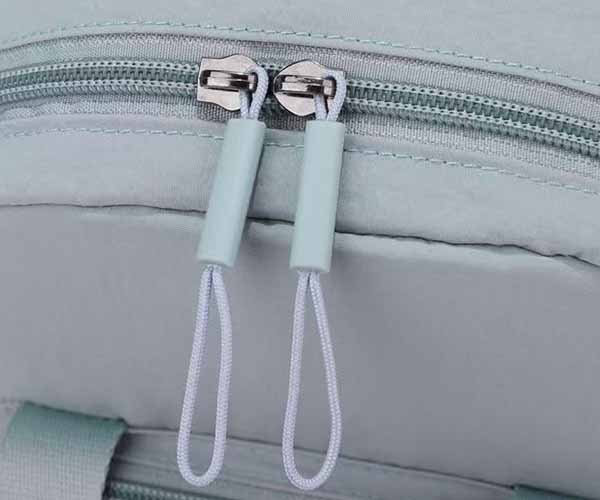
Opening design controls how easily the end user can load, find, and remove items. A cosmetic bag may need a wide-mouth opening; a cooler bag may need easy top access; a tool bag may need a reinforced mouth with shape support. Szoneier can review zipper length, pull direction, binding, gusset depth, and seam allowance before sampling so function and production feasibility remain aligned.
Bottom Support
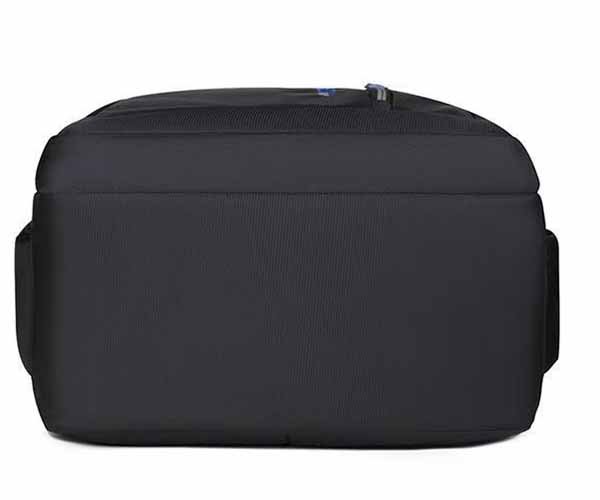
Bottom construction affects standing shape, load capacity, and product photos. A soft tote may need folded bottom seams; a cooler bag may need foam and lining support; a tool bag may need reinforced base material; a pet or medical bag may need removable support board. Szoneier can adjust bottom panel ratio, foam thickness, inner board, stitching, and packing method to improve final shape.
Pocket Layout
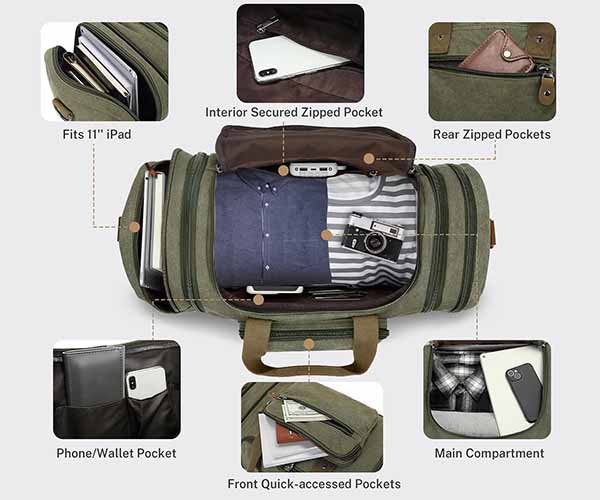
Pocket layout should match real use instead of adding decoration. Travel organizers may need mesh visibility; backpacks need laptop or document zones; cosmetic bags need brush or bottle separation; tool bags need vertical pockets and reinforced edges. Szoneier can review pocket depth, seam position, elastic use, lining material, zipper size, and cleaning access during sample development.
Strap Strength
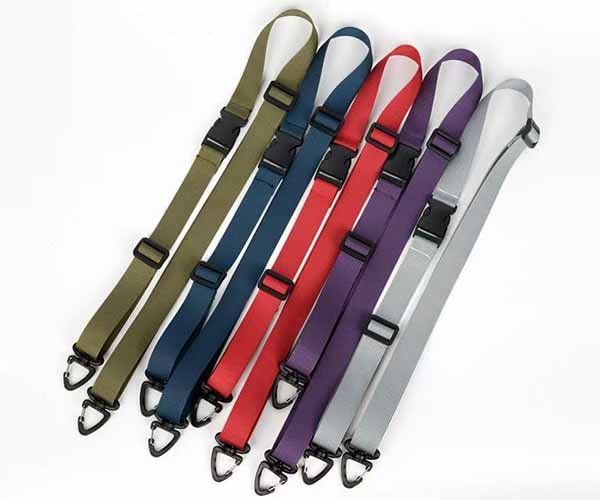
Handles and straps create high stress points. Weak webbing, poor bartacks, thin fabric, or wrong seam position can cause review complaints. Szoneier checks webbing width, stitch type, reinforcement patch, bartack position, D-ring placement, shoulder pad option, and load direction. For travel, gym, tool, and cooler bags, strap review should happen before sample approval.
Sewing and Workmanship Details That Matter
Bag line quality is built through stitch control, seam planning, edge finishing, reinforcement, lining handling, and production repeatability across every SKU.
Stitch Consistency
Stitch consistency affects appearance, strength, and perceived quality. Szoneier reviews stitch density, needle size, thread type, seam direction, corner control, and visible topstitch alignment during sampling and bulk production. For Amazon-ready products, uneven stitching can appear clearly in review photos, especially on PU cosmetic bags, canvas totes, backpack panels, and reinforced handles.
Edge Finishing
Clean edges make soft goods look finished and reduce fraying risk. Edge methods may include binding, folding, turning, overlock, piping, or heat-cut webbing depending on fabric and structure. Szoneier reviews edge choice against material thickness, seam bulk, hand feel, production speed, and durability. For travel organizers and cosmetic bags, edge quality often decides whether the product feels premium or cheap.
Reinforcement Points
Reinforcement should appear where stress actually occurs: handle roots, strap anchors, zipper ends, D-ring tabs, bottom corners, pocket openings, and load-bearing seams. Szoneier can add bartacks, box stitches, back patches, stronger webbing, heavier thread, or extra lining based on product function. Good reinforcement protects returns and helps a product survive repeat use.
Lining Control
Lining affects interior appearance, structure, cleanliness, and durability. Loose lining, twisted seams, visible threads, or poor fit can make a product feel unfinished. Szoneier checks lining material, seam allowance, attachment method, pocket integration, color matching, and turning method. For cosmetic bags, lunch bags, cooler bags, and travel organizers, lining must also support cleaning and product photography.
Zipper Installation
Zipper issues create immediate dissatisfaction. Szoneier reviews zipper type, slider quality, puller direction, zipper end stops, curve handling, opening length, and stitch alignment. Waterproof, PU, EVA, cooler, and organizer products all need different zipper treatment. Smooth zipper movement should be checked during sample review and final inspection.
Production Repeatability
A nice sample is only useful when the sewing method can repeat in bulk. Szoneier checks whether seam order, material thickness, logo position, folding method, and packing method can be reproduced at scale. When a detail is too slow, too fragile, or too hard to inspect, the project team can recommend adjustments before bulk production starts.
Branding Details for Private Label Bag Lines
Logo, trim, label, zipper puller, hangtag, and package design should work as one brand system across every Amazon listing and channel version.
Woven Labels
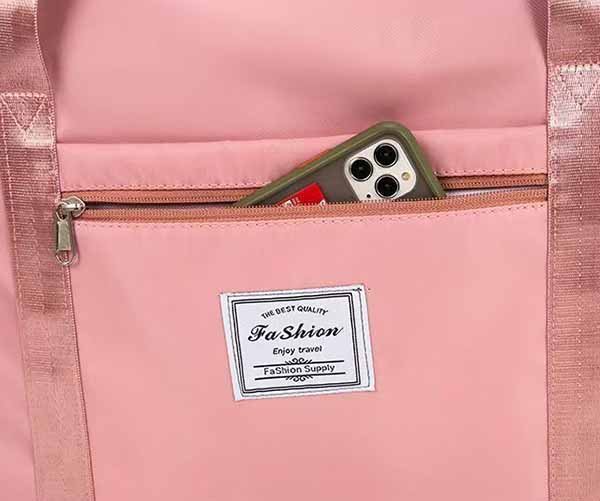
Woven labels work well for fabric bags, organizers, pouches, totes, drawstring bags, and apparel-like soft goods. They create a clean private label look without requiring large surface decoration. Szoneier can place woven labels on front panels, side seams, inner seams, or pocket openings. Label size, background color, stitch position, and wash-care needs should be confirmed before bulk sewing.
Silicone Patches
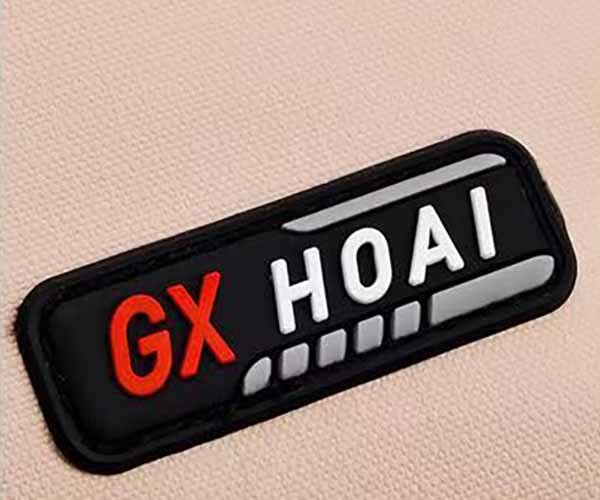
Silicone patches fit sports, outdoor, travel, and functional bag lines. They are durable, flexible, and visually strong in product photos. Szoneier can evaluate patch size, thickness, backing, stitch method, or heat application based on fabric. Patch molding may need more lead time than printing, so artwork and color confirmation should start early in sample development.
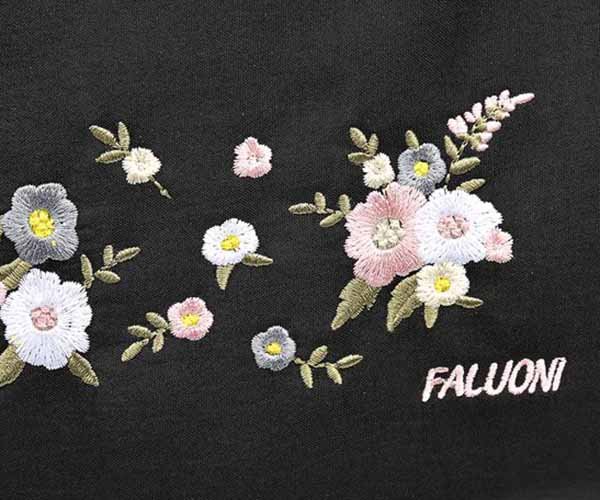
Embroidery
Embroidery gives texture and durability on canvas, cotton, some polyester, and selected soft goods. It is less suitable for very thin, high-stretch, or coated materials unless tested. Szoneier can review stitch count, thread color, logo size, placement, and backing before production. For premium tote or lifestyle pouch lines, embroidery can add brand value without complex packaging.
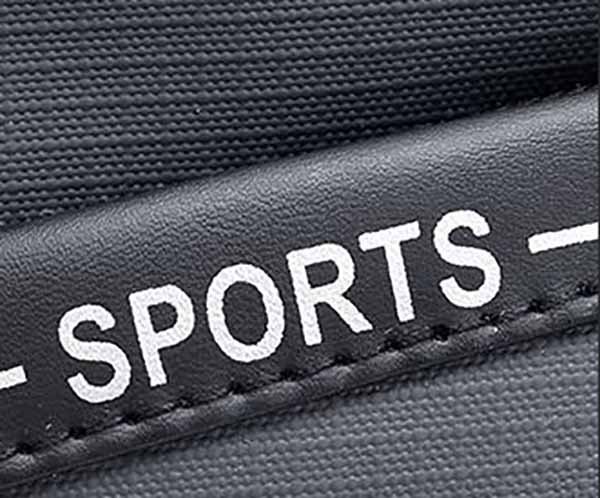
Heat Transfer
Heat transfer can create sharp logo detail on selected synthetic materials. It is useful for lightweight bags, organizer sets, drawstring bags, and promotional soft goods. Szoneier can test adhesion, edge lifting, color, and wash resistance before bulk production. Heat transfer should be matched with fabric coating and product use because poor pairing may reduce durability.
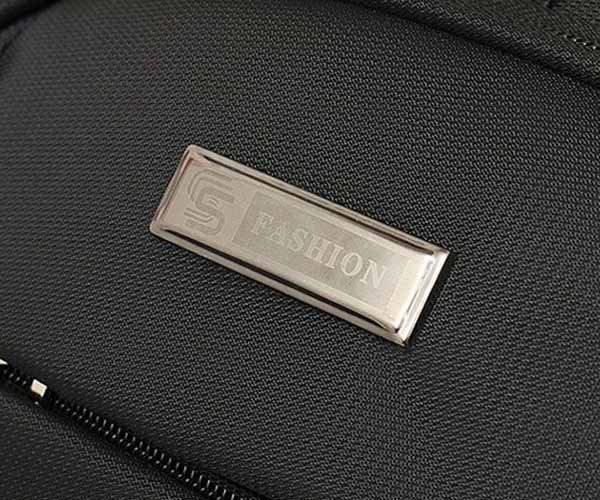
Metal Details
Metal plates, zipper pullers, rivets, D-rings, sliders, and logo tags can upgrade a premium bag line. Szoneier can help review finish, plating color, attachment method, edge safety, and packing protection. Metal details are useful for PU beauty bags, travel accessories, leather goods, and gift-ready products, but they need careful cost and lead-time planning.
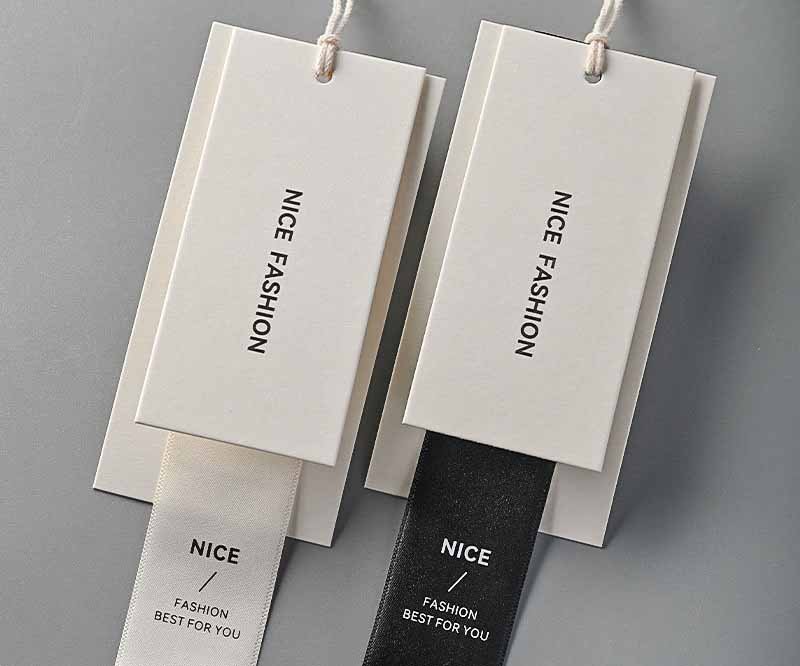
Hangtags and Inserts
Hangtags and insert cards help explain material, care, bundle content, warranty message, or brand story. For Amazon, inserts must avoid risky claims and should match brand tone. Szoneier can prepare the physical placement, folding method, package inclusion, and carton separation after artwork approval. These details help a product feel more complete when opened.
Amazon FBA Packaging Preparation
Packaging should protect the product, identify the SKU, fit carton planning, and support Amazon warehouse handling without confusing brand presentation.
Unit Packaging
Unit packaging may include poly bag, kraft sleeve, dust bag, color box, pouch set bag, insert card, or retail-ready package. Szoneier can prepare packing samples after product size and folding method are confirmed. For bags with shape, such as cooler bags or PU cosmetic bags, packing must prevent crushing, creasing, and deformation during carton transport.
FNSKU Placement
FNSKU labels must be readable, placed correctly, and matched to the right SKU. Szoneier can apply brand-provided FNSKU files to unit packages and separate SKUs during packing. Label mistakes are especially risky when several color or size variations are produced in one order. Clear file naming and packing instructions help reduce receiving issues.
Carton Marks
Carton marks help warehouse teams identify SKU, quantity, destination, and handling details. Szoneier can support outer carton labels, carton marks, master carton numbering, carton dimension records, gross weight, net weight, and packing list preparation. For multi-SKU shipments, carton separation should be confirmed before final packing begins.
Bundle Packing
Bundle packing requires exact composition control. A travel organizer bundle may include multiple pouches; a beauty kit may include a cosmetic bag, brush pouch, insert card, and box; a cooler set may include a main bag and small accessory. Szoneier can prepare a packing checklist so each unit receives correct components before cartons close.
Retail Versions
Some Amazon portfolio products later move into retail or brand-owned stores. Szoneier can separate Amazon package versions from retail barcode, hangtag, gift sleeve, or box versions. Version control should be set in the packaging file before production so the packing team does not mix sales channels.
Packing Test
Packing can change product shape. Szoneier can review folded size, carton quantity, compression risk, zipper stress, handle bending, insert position, and product deformation after packing. Cooler bags, EVA cases, PU pouches, and structured totes often need packing adjustment before bulk shipment. Good packing keeps product photos and delivered goods closer in appearance.
Sample Development From Idea to Approval
A clear sample route helps Amazon teams move from reference product or tech pack to an approval sample ready for production planning.
Input Review
Send photos, reference samples, sketches, product dimensions, target material, logo artwork, quantity range, packaging requirement, and destination country. Szoneier reviews the product direction before quoting so key details are not missed. For multi-SKU work, a simple SKU sheet with size, color, package, and label needs helps the team prepare a more accurate sample plan.
Material Confirmation
Material choice should be confirmed before pattern work when possible. Szoneier can provide suggestions based on hand feel, durability, cost, structure, surface finish, coating, lining, and package requirements. For existing Amazon products, matching or improving current material requires a reference sample, fabric weight notes, or close-up photos under natural light.
Pattern and Sewing
After material direction is accepted, Szoneier develops pattern, cutting pieces, lining plan, reinforcement details, zipper length, and sewing order. The first sample checks size, appearance, function, logo method, and packing feasibility. If the design includes molded EVA, special hardware, insulation, or complex compartments, sample time may extend to 7-15 days.
Review and Revision
Szoneier can send photo and video updates before sample shipment so the brand team can review shape, logo, zipper, structure, and packaging direction. Revisions may involve size correction, material change, color change, logo adjustment, pocket update, strap improvement, or packing change. A final approved sample becomes the reference for bulk planning.
Sample-to-Bulk Consistency Control
Bulk quality depends on records fixed before production: approved sample, BOM, pattern, material, color, logo, packaging, carton, and inspection standard.
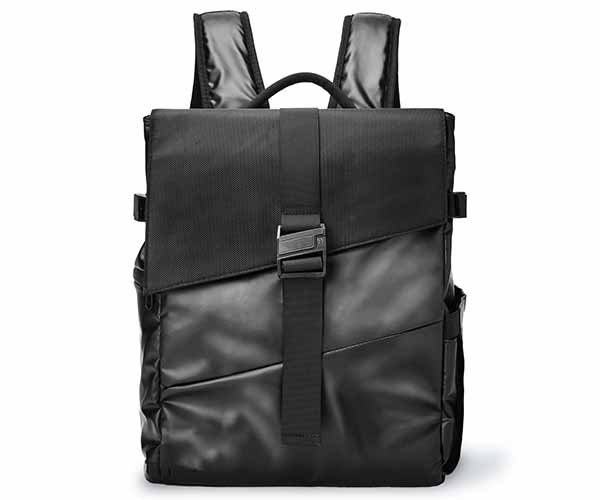
Approved Sample
The approved sample is the physical reference for size, shape, material, lining, logo, zipper, hardware, pocket layout, stitching, and packaging. Szoneier can use the approved sample as the production reference before bulk work begins. If the sample is changed after approval, the change should be recorded and confirmed to avoid mismatch during production.
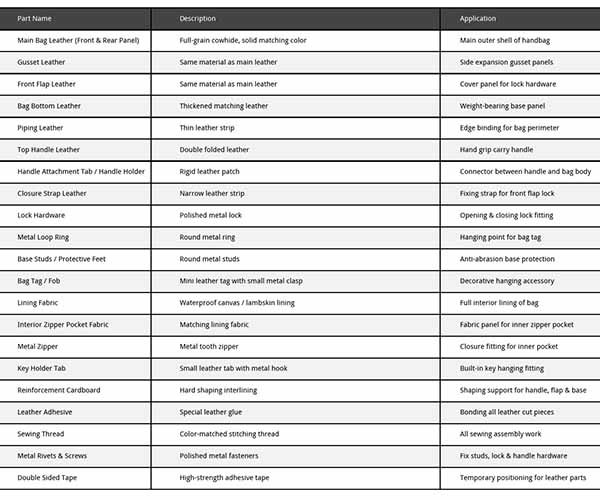
BOM Record
A BOM record lists main fabric, lining, zipper, webbing, thread, foam, hardware, labels, patches, insert cards, package type, and carton needs. Szoneier can build a project record so purchasing, sampling, sewing, QC, and packing teams refer to the same material and accessory list. BOM clarity helps reduce substitution risk.
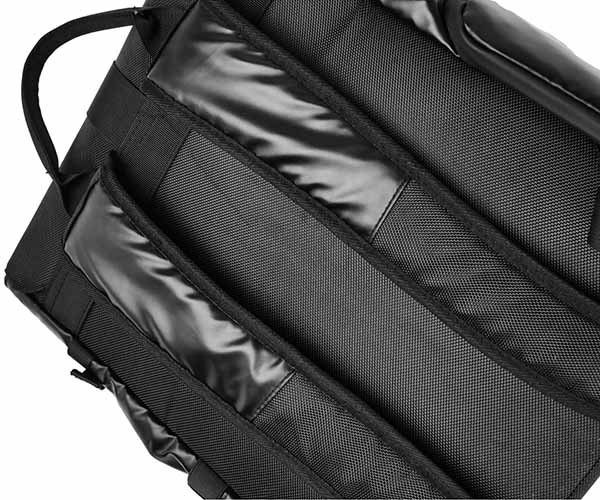
Pre-Production Sample
For complex or high-value programs, a pre-production sample can be made with bulk materials before mass sewing starts. It verifies material batch, color, logo process, sewing route, packaging method, and final appearance. Szoneier can use pre-production confirmation to catch issues before full cutting, especially for PU goods, insulated bags, EVA products, and multi-SKU orders.
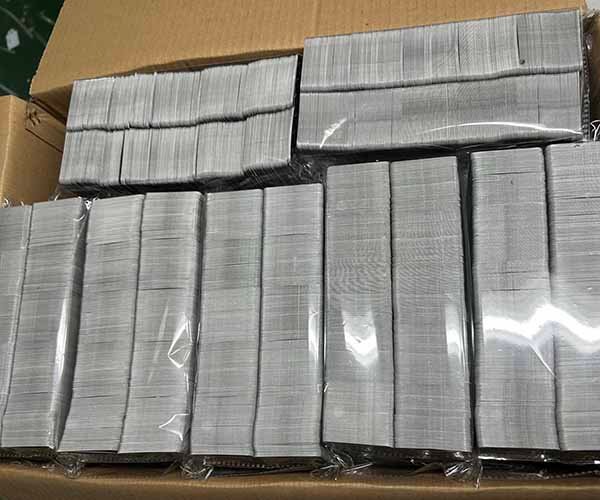
Packaging File
Packaging files should include unit packing, FNSKU, barcode, insert card, hangtag, carton label, carton mark, carton size, and SKU separation rules. Szoneier can follow brand-provided files and prepare packing confirmation before shipment. Packaging consistency matters because even a good product can face warehouse or end-user issues if labels or bundle contents are wrong.
Multi-SKU Bulk Production Management
Amazon bag programs need organized production flow across materials, colors, accessories, sewing lines, packing files, carton labels, and shipment schedules.
Material Scheduling
Multi-SKU orders may share the same fabric or require separate material batches. Szoneier can review material availability, stock colors, dye needs, lining colors, zipper colors, webbing match, foam thickness, hardware finish, and packaging lead time before bulk production. Clear material scheduling helps avoid waiting for one accessory while finished goods occupy packing space.
Sewing Coordination
Different SKUs may require different sewing difficulty, line setup, reinforcement, or inspection points. Szoneier can arrange production by product structure, material thickness, and packaging plan. For example, packing cubes, PU cosmetic bags, and cooler totes should not be managed with the same sewing assumptions. Each product line needs suitable sewing order and process inspection.
SKU Separation
SKU separation starts before packing. Szoneier can separate cutting bundles, semi-finished goods, finished goods, unit packages, labels, and cartons by SKU. Clear SKU separation reduces wrong-color packing, wrong-label packing, and mixed carton risk. For Amazon shipments, SKU naming, carton numbering, and FNSKU file control are especially important.
Timeline Control
Bulk lead time commonly runs 15-30 days after sample approval, material readiness, and packaging confirmation. Large, complex, or multi-SKU orders may need more schedule review. Szoneier can provide timeline checkpoints for material arrival, cutting, sewing, logo process, packing, inspection, carton data, and shipment booking so the brand team can plan replenishment with fewer surprises.
QC Built Around Amazon Review Risk
QC for Amazon bag lines should protect product function, appearance, packaging accuracy, and repeat-order stability before goods reach the warehouse.
Material Inspection
Szoneier checks fabric surface, thickness, color, coating, odor, stretch, texture, and visible defects before cutting. For canvas, nylon, Oxford, PU, neoprene, TPU, PVC, and leather goods, material behavior can affect shape, sewing difficulty, and review quality. Early material checks reduce the chance of discovering defects after the product has already been sewn.
Cutting Inspection
Cutting accuracy affects size, shape, symmetry, seam allowance, pocket position, and final structure. Szoneier checks main panels, side panels, bottom panels, lining pieces, foam pieces, pocket pieces, webbing lengths, and binding lengths before sewing. A wrong cut piece is hard to repair later, especially for shaped bags, EVA-related goods, cooler bags, and structured pouches.
Sewing Inspection
Sewing inspection covers stitch density, thread color, seam strength, edge finishing, zipper setting, bartacks, reinforcement patches, lining smoothness, pocket placement, and overall shape. Szoneier reviews process risks while products are still being sewn. Early correction is faster than repairing finished bags after packing.
Function Check
Function checks depend on the product type. Cosmetic bags need zipper smoothness and surface cleanliness. Cooler bags need lining and seam review. Tool bags need reinforcement and load-related details. Travel organizers need set consistency and mesh condition. Backpacks need strap and compartment checks. Szoneier aligns QC points with the real use of each product.
Branding Check
Logo mistakes can damage a full production run. Szoneier checks logo file, size, color, location, clarity, patch attachment, embroidery quality, heat transfer adhesion, metal plate placement, woven label position, hangtag, and care label. For private label Amazon programs, branding should match the approved sample and package files before products are closed in cartons.
Packaging Check
Packaging inspection covers unit bag, FNSKU label, barcode, insert card, hangtag, folding method, bundle components, carton mark, carton label, carton quantity, and carton condition. Szoneier reviews packing accuracy before shipment so warehouse receiving, product unboxing, and listing consistency are better protected.
Replenishment Files for Repeat Bag Orders
Repeat production stays stable when key files remain organized after approval, instead of being rebuilt from memory before every reorder.
Pattern Archive
Szoneier can keep pattern files and sample notes for approved products. Pattern records help protect size, panel shape, pocket placement, seam allowance, and foldable structure across future production. When an Amazon team wants to add a new color or related size, existing pattern files provide a faster starting point while still allowing controlled updates.
Material Record
Material records can include fabric name, weight, color reference, supplier note, coating, lining, foam, zipper, webbing, hardware, and alternative material options. Replenishment risk often comes from material changes, especially when the original material is discontinued or out of stock. Szoneier can review approved references before suggesting substitutes.
Packaging Record
Packaging records can include unit packing, insert card, FNSKU file, barcode position, suffocation warning layout, carton mark, carton size, carton quantity, and destination requirement. These records are important when the same product is sent to Amazon, overseas warehouse, retail distributor, or multiple addresses. Clear packaging files reduce repeat-order confusion.
Revision History
Revision history helps track what changed after each sample or bulk order. A product may receive a stronger strap, different zipper, new logo color, thicker foam, smaller carton, or updated insert card. Szoneier can record agreed changes so future production follows the latest approved version instead of an old reference.
Shipping Support for FBA and Warehouses
Szoneier can review export delivery options based on quantity, carton data, product type, delivery country, warehouse destination, timing, and budget.
FBA First-Leg
For Amazon inventory, the shipment plan may involve delivery from the factory to a forwarder, FBA warehouse, or overseas warehouse. Szoneier can coordinate carton labels, packing list, commercial invoice, carton data, and pickup timing based on provided requirements. Accurate carton dimensions, weights, SKU quantities, and destination details help avoid delivery planning errors.
Sea Freight
Sea freight is often suitable for larger replenishment orders, especially bulky bags, cooler bags, EVA cases, duffel bags, and multi-carton programs. Szoneier can help prepare carton data and shipment documents for forwarder review. Sea freight planning should start early because production lead time, packing schedule, vessel timing, customs process, and warehouse appointment may all affect replenishment dates.
Air and Express
Air or express options can support urgent samples, pilot runs, launch deadlines, or stock-risk situations. They are faster than sea freight but more sensitive to chargeable weight and package volume. Szoneier can review folded packing, carton quantity, and unit package size before recommending whether faster delivery is reasonable for a specific SKU.
DDP Review
DDP can be evaluated based on destination country, product type, carton size, gross weight, shipping route, customs documents, and delivery schedule. It should not be treated as automatic for every product or market. Szoneier can discuss DDP, FOB, air freight, sea freight, express, and overseas warehouse delivery so the brand team can choose a route matching launch or replenishment goals.
Case Studies for Amazon Bag Programs
These anonymized project examples show how Szoneier supports product-line expansion, sample control, FBA packaging, QC, and repeat production for Amazon-oriented bag programs.
| Program | Order Data | Main Challenge | Szoneier Solution | Result |
|---|---|---|---|---|
| Travel Organizer Line, United States | 4 SKUs, 3 colors, 3,600 pcs total, 7-day sample route, 24-day bulk run | Existing supplier had mixed carton labels and inconsistent mesh quality | Szoneier rebuilt material records, adjusted mesh density, separated SKU cartons, applied provided FNSKU labels, and confirmed packing photos before shipment | SKU packing became clearer, reorder files were archived, and a second run of 5,200 pcs was prepared after launch review |
| Beauty Cosmetic Bag Line, Canada | 3 PU pouch styles, 2,400 pcs total, metal logo plate, gift sleeve, 9-day sample route | Brand needed premium photo appeal without heavy packaging volume | Szoneier tested PU surface, changed lining color, adjusted bottom shape, protected metal logo plates during packing, and reduced carton compression | Product shape improved for photography, gift packing stayed clean, and the team added a brush pouch SKU for the next order |
| Cooler and Lunch Bag Program, Australia | 2 insulated bags, 1 bottle sleeve, 4,800 pcs total, 28-day bulk run | Inner lining, insulation thickness, and folding method affected carton volume | Szoneier reviewed PEVA lining, foam thickness, zipper opening, folding method, carton quantity, and final package deformation | Carton volume became easier to manage, lining inspection points were added, and replenishment files were saved for seasonal restock |
Factory and Project Proof You Can Verify
Serious bag programs need visible proof: sample room, material shelves, pattern work, sewing production, QC checks, packing area, carton labels, and project communication.
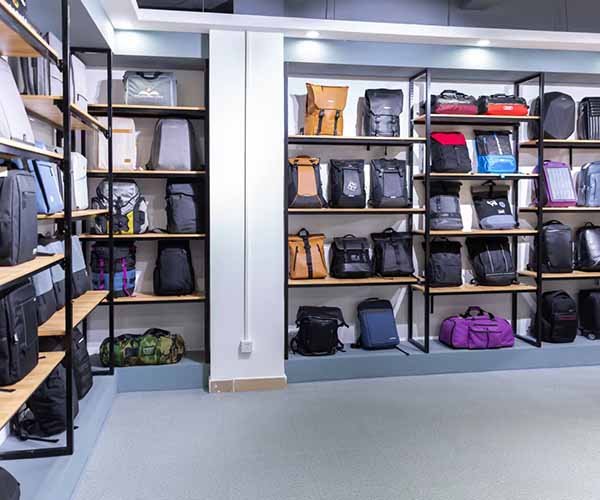
Sample Room
The sample room shows whether a factory can turn product ideas into real approval samples. Szoneier can review photos, samples, sketches, or tech packs, then organize material selection, pattern making, sewing, logo testing, and sample revision. For Amazon portfolio work, sample-room capability matters because many projects begin with incomplete inherited files.
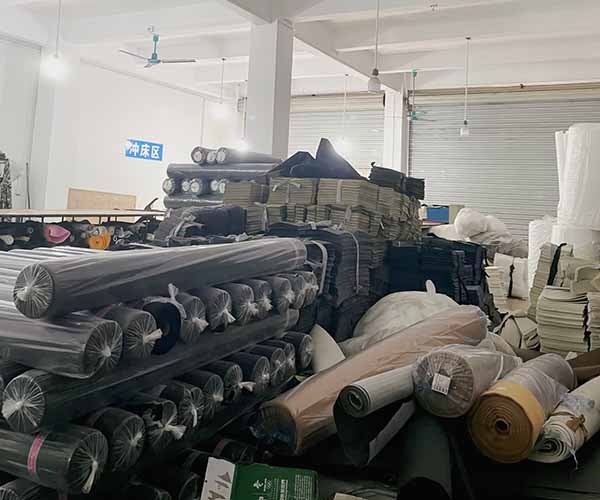
Material Area
Material shelves and sourcing records help demonstrate fabric options beyond one catalog. Szoneier can review polyester, nylon, Oxford, canvas, PU, PVC, TPU, neoprene, leather, foam, mesh, lining, webbing, zipper, and hardware options. Material review should connect with cost, function, appearance, weight, and production schedule instead of only showing swatches.
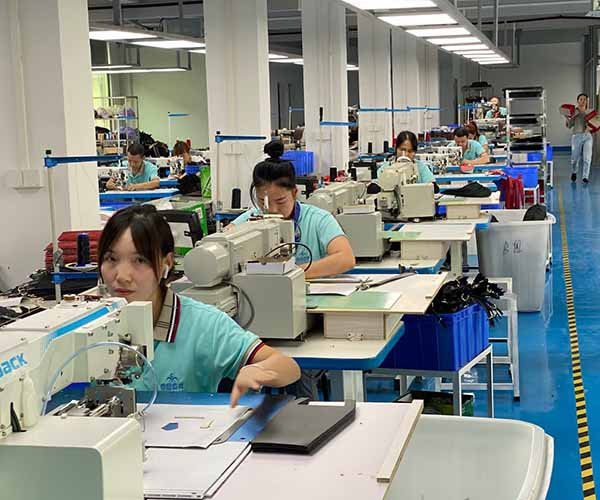
Sewing Workshop
The sewing workshop gives proof of production control. Szoneier can manage cutting, stitching, binding, reinforcement, zipper installation, lining work, handle attachment, and semi-finished review for different bag styles. Real workshop images, sewing details, and process updates help procurement teams feel more confident before approving samples or bulk orders.
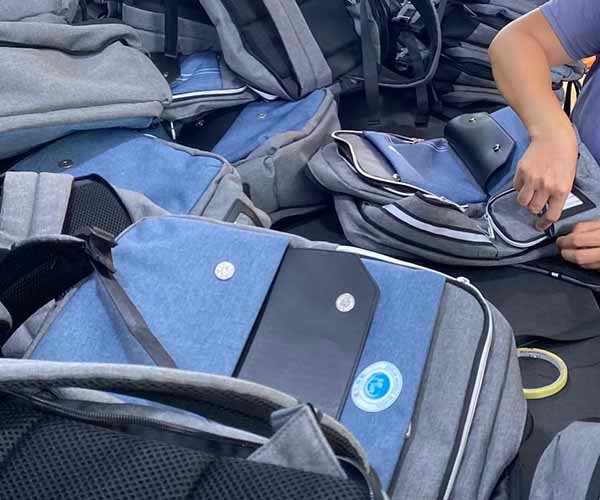
QC and Packing
QC and packing areas matter for Amazon-oriented projects because final product and package accuracy must match approved records. Szoneier can check finished bags, logo position, zipper function, unit packing, insert card, FNSKU, carton mark, carton label, and carton quantity. Video or photo confirmation can be shared for serious programs before goods ship.
Frequently Asked Questions About Amazon Bag Lines
Yes. Szoneier can support related bag SKUs such as travel organizers, cosmetic bags, totes, cooler bags, lunch bags, duffel bags, backpacks, neoprene items, leather goods, EVA cases, and functional soft goods. The process can include material selection, structure review, sampling, branding, packaging, QC, shipment planning, and reorder files.
Please send product photos, tech pack, reference sample images, target size, material preference, logo file, quantity, SKU list, packaging requirements, FNSKU or barcode instructions, delivery country, and target launch date. If files are incomplete, send the clearest available photos and notes.
Yes. Szoneier can organize multi-SKU programs by material, color, size, package version, logo method, carton mark, and shipping plan. A SKU sheet helps the team separate samples, labels, cartons, and production records.
MOQ starts from 200 pcs for selected custom bag projects. Exact MOQ depends on product type, material availability, color count, structure, logo method, accessory needs, packaging, and testing requirements. For multi-SKU Amazon programs, 500+ pcs per core SKU often gives better production and freight planning.
Standard samples often take 5-7 days when materials are available and structure is not complex. Complex bags, special hardware, insulated construction, molded EVA, custom logo parts, or unusual packaging may need 7-15 days.
Yes, Szoneier can apply brand-provided FNSKU labels, barcode labels, carton labels, and carton marks according to confirmed files and packing instructions. The brand team should provide accurate label files and SKU mapping before packing begins.
Szoneier uses approved samples, BOM records, pattern files, material references, logo artwork, packaging files, pre-production confirmation, QC checklists, and final inspection. Changes after sample approval should be recorded before bulk production starts.
Yes. Szoneier can review folding method, product shape, carton quantity, insert support, unit packing, and carton dimensions. The goal is to reduce unnecessary volume without damaging bag shape, zipper function, or product presentation.
Szoneier can coordinate FBA first-leg shipment, overseas warehouse delivery, air freight, sea freight, express, FOB, and DDP review based on destination, carton data, product type, and schedule. Shipping method should be confirmed after carton dimensions and weights are available.
Yes. For serious projects, Szoneier can arrange online meetings or video factory review covering sample room, material area, sewing workshop, QC process, packing area, and similar product samples. This helps teams verify factory capability before sample or bulk approval.
Start Your Bag Line Project
Send your bag line plan to Szoneier for a project-based review. Share product photos, reference samples, tech packs, SKU list, target sizes, material ideas, logo files, package requirements, FNSKU or barcode files, quantity plan, delivery country, warehouse route, and launch schedule. Nancy and the Szoneier team will review material feasibility, structure details, sample timing, MOQ, packaging route, QC points, carton data, and shipment options before preparing a quotation or sample plan.
For a faster response, include:
For a faster response, include:
- Product type and SKU list
- Size, material, color, and logo requirement
- Quantity per SKU and expected replenishment rhythm
- Amazon packaging, FNSKU, carton label, or barcode files
- Destination country, warehouse type, and target delivery date
- Photos, sketches, reference samples, or tech packs