Skip to content

Many buyers think the real cost of custom bag manufacturing starts when bulk production begins. In reality, the most expensive mistakes often start much earlier: before the first fabric is cut, before the first logo is printed, and before the first carton is packed. A bag may look simple in a product sketch, but once it enters production, every material choice, seam position, zipper size, handle length, logo method, lining structure, and packaging requirement becomes a real manufacturing decision. If those decisions are not tested through sampling, they become hidden risks inside the bulk order.
Sampling matters before custom bag bulk production because it turns an idea, drawing, reference photo, or tech pack into a physical product that buyers and factories can evaluate together. It helps confirm material, size, structure, logo effect, sewing quality, packaging, cost, and production feasibility before hundreds or thousands of units are made.
A serious custom bag project should not treat sampling as a delay. It should treat sampling as a controlled checkpoint. One buyer once approved a tote bag design only from a digital mockup. The size looked perfect on screen, but the real handle drop was too short for shoulder carrying, the fabric collapsed after loading, and the logo cracked on textured canvas. The cost of fixing one sample would have been small. The cost of fixing 3,000 finished bags was not.
What Is Bag Sampling?
Bag sampling is the process of making a physical test version of a custom bag before bulk production. It confirms whether the design, materials, dimensions, structure, logo, sewing, hardware, lining, and packaging can work in real manufacturing. A sample is not only a preview; it is the first practical checkpoint between product idea and repeatable production.
What a Sample Really Proves
A bag sample proves whether a design can survive the move from screen to sewing line. A flat sketch, product photo, or tech pack can describe shape and size, but it cannot fully show fabric behavior, handle comfort, zipper movement, logo effect, or how the bag feels when loaded. Sampling gives the buyer and factory a physical product to review together.
For example, a tote bag may look correct in a mockup, but the handle drop may be too short for shoulder carrying. A cosmetic pouch may look clean in a drawing, but the zipper opening may be too narrow for real use. A cooler bag may look strong from the outside, but the lining may wrinkle or tear if the insulation and sewing method are not tested first.
This is why experienced buyers treat the sample as evidence, not decoration. It answers practical questions: Is the fabric stiff enough? Is the logo readable? Is the structure balanced? Is the sewing method suitable for bulk production? Can the product be packed without damaging its shape?
Sample, Prototype, and PP Sample
In custom bag manufacturing, buyers often hear several sample-related terms. A prototype is usually an early version used to test the concept. A sales sample may be used for photos, customer presentations, or internal approval. A pre-production sample, often called a PP sample, is the final approved version made before bulk production starts.
These stages do not always need to be complicated. For a simple canvas tote, one or two samples may be enough. For a backpack, cooler bag, waterproof pouch, leather bag, or multi-compartment travel bag, more sample review may be needed because the structure, materials, and sewing sequence are more complex.
The key point is that the final approved sample should be close enough to bulk production conditions. If the sample uses substitute fabric, temporary hardware, or a different logo method, those differences must be clearly recorded. Otherwise, the buyer may approve one thing and receive another in bulk.
Why It Is More Than Appearance
A custom bag is not a flat product. It is touched, carried, filled, opened, closed, folded, packed, shipped, displayed, and used repeatedly. A sample that only looks good in photos may still fail when the buyer tests function. The zipper may jam around corners. The shoulder strap may twist. The lining may pull out. The printed logo may crack on coated fabric. The base may collapse after loading.
A useful sample review should include visual checks and functional checks. Buyers should measure key dimensions, inspect sewing lines, test zipper movement, check logo placement, load the bag with realistic weight, review pocket access, and confirm packaging. This type of hands-on review often finds small issues that would become expensive if repeated across hundreds or thousands of units.
| Sample Area | Practical Check | Common Range or Data Point | Why It Matters |
|---|---|---|---|
| Main size | Measure width, height, depth | Often ±0.5–1.5 cm tolerance for many soft bags | Controls usability and packing fit |
| Stitching | Check stitch density and straightness | Often 6–10 stitches per inch, depending on material | Affects strength and appearance |
| Strap strength | Pull handle and strap joints | Reinforcement, bartack, or X-stitch often needed | Prevents carrying failure |
| Logo | Check size, position, color, edge clarity | Position tolerance often within a few millimeters for premium items | Protects brand presentation |
| Zipper | Open and close repeatedly | No.3, No.5, No.8, No.10 are common choices by bag type | Affects daily function |
| Packaging | Review folding, polybag, carton count | Carton loading should avoid crushing shape | Reduces shipping damage |
Why Is Sampling Needed?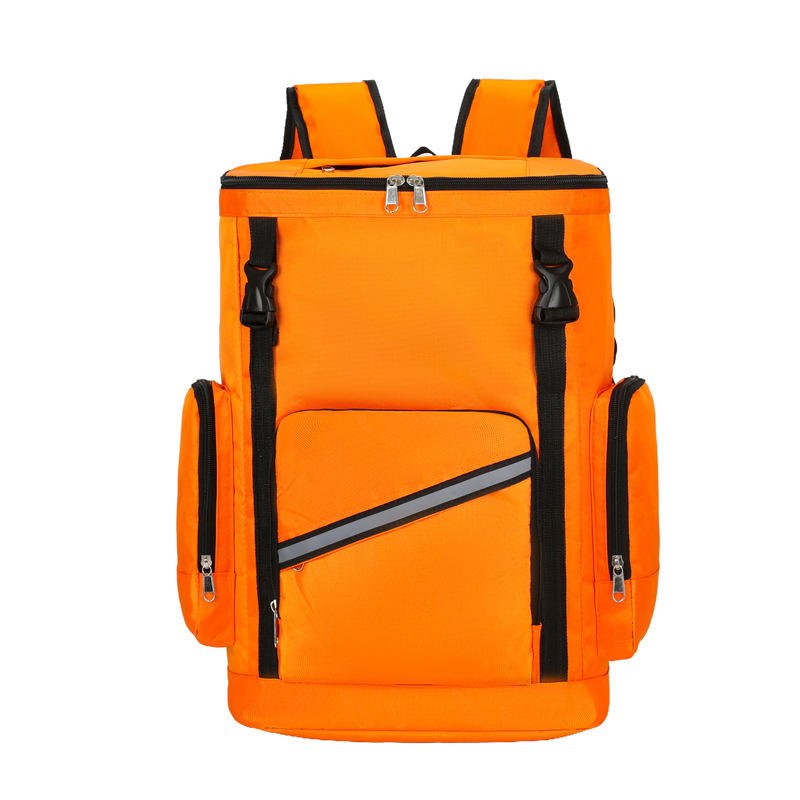
Sampling is needed because bulk production multiplies every unconfirmed decision. A small mistake on one sample is easy to correct, but the same mistake across 500, 2,000, or 10,000 bags can cause delays, rework, quality disputes, retailer complaints, or customer returns. Sampling helps buyers approve the product before production risk becomes expensive.
Preventing Expensive Mistakes
Most custom bag problems are not caused by one huge error. They usually come from small details that were not confirmed early enough. A buyer may approve a material name without checking the actual hand feel. A factory may estimate a logo method without testing it on the real fabric. A designer may specify a pocket size without checking whether users can easily reach inside. These details look minor before production, but they become serious once bulk materials are cut.
Sampling gives everyone a chance to stop and correct the product before commitment increases. If the fabric feels too thin, it can be upgraded. If the logo does not bond well, the method can be changed. If the zipper opening feels tight, the pattern can be adjusted. If the bag collapses when loaded, reinforcement can be added.
The earlier these decisions are made, the lower the cost of correction. Changing one sample may require a few days. Changing finished bulk goods can affect material loss, labor, packaging, shipment, and sales timing.
Aligning Buyer and Factory Expectations
Sampling is also needed because words are not always precise enough. “Premium canvas,” “heavy-duty zipper,” “soft lining,” “strong handle,” and “clean logo” can mean different things to different teams. A buyer in the United States, a designer in Europe, and a factory in China may all imagine slightly different results.
A physical sample reduces this gap. Instead of discussing abstract expectations, the buyer and factory can review the same object. The buyer can say, “The handle should be 3 cm longer,” or “The logo should move 1.5 cm upward,” or “The fabric should be stiffer.” These comments are much easier to execute than vague feedback such as “make it better.”
For larger B2B projects, the sample also helps internal teams align. Product development, purchasing, marketing, quality control, e-commerce, and logistics teams can all review the same sample before bulk approval. This avoids late changes after the purchase order is already moving.
Protecting Launch Timelines
Some buyers think skipping sampling saves time. In reality, skipping sampling often moves the problem to a later stage, where it is harder to fix. A delayed sample revision is usually easier to manage than a delayed bulk shipment. When production has already started, changes may require stopping the line, re-cutting material, reprinting logos, repacking finished goods, or renegotiating delivery.
Sampling protects launch timelines because it confirms the production path before the factory scales up. This matters for seasonal collections, retail launch dates, Amazon inventory planning, promotional events, trade shows, holiday campaigns, and corporate gift programs. If the product must arrive by a fixed date, uncertainty becomes dangerous.
A good sample process does not need to be slow. Simple bag samples may often be completed in several working days after materials and artwork are confirmed. Complex bags may take longer because pattern making, special materials, logo testing, or structural changes require more review. The goal is not to rush the sample; the goal is to avoid preventable delays in bulk.
| Issue Found During Sampling | Typical Fix Before Bulk | Possible Impact If Found After Bulk |
|---|---|---|
| Fabric too soft or too thin | Change GSM, coating, or backing | Product feels cheap, weak structure, complaints |
| Logo cracks or bleeds | Change logo method or artwork | Reprint, remake panels, brand damage |
| Handle too short | Adjust pattern and strap length | Poor user experience across full order |
| Zipper too small | Upgrade zipper size or slider | Function complaints and returns |
| Carton too weak | Improve carton grade or packing | Shipping damage and warehouse issues |
| Cost too high | Simplify structure or material choice | Margin pressure after order confirmation |
How Does Sampling Reduce Risk?
Sampling reduces risk by testing the bag’s material, structure, logo, sewing, cost, and packaging before bulk production begins. It helps buyers find weak points while changes are still manageable. A strong sample process does not remove all risk, but it turns many hidden risks into visible decisions before money, time, and materials are fully committed.
Material Risk
Material selection is one of the biggest reasons sampling matters. Two materials may share the same general name but perform very differently. For example, polyester, nylon, Oxford fabric, canvas, cotton, neoprene, PU, PVC, TPU, leather, EVA, and mesh all behave differently during cutting, sewing, printing, folding, packing, and use.
Even within one material category, there are differences in weight, coating, texture, colorfastness, stiffness, surface finish, odor, and durability. A 210D polyester pouch, a 600D Oxford tool bag, and a 16 oz canvas tote have very different manufacturing requirements. Sampling lets the buyer feel the material, check whether it fits the price level, and test whether it works with the intended structure.
This is especially important when the product has a functional purpose. Cooler bags need lining and insulation checks. Waterproof bags need seam and closure review. Backpacks need abrasion and load-bearing consideration. Cosmetic bags need wipeability and zipper smoothness. Leather goods need edge finishing, grain consistency, and hardware matching.
Structure Risk
A bag is a soft product, but it still has engineering behind it. Shape, opening, gusset, base, side panels, pocket layout, strap angle, zipper path, lining, foam, binding, and reinforcement all affect how the product performs. A structure that looks simple on paper may be difficult to sew consistently.
Sampling reveals whether the structure is practical. Does the bag stand upright? Does the opening allow easy access? Does the base support the intended load? Does the lining pull smoothly? Does the zipper curve without tension? Are the pockets useful or only decorative? These are questions that a drawing cannot fully answer.
Structure also affects defect risk. Thick seams, tight corners, layered materials, curved zippers, and small openings require more sewing skill. If the sample shows that a design is too difficult to reproduce, the factory can suggest practical changes before bulk production. Sometimes a small structural adjustment can reduce labor difficulty, improve consistency, and lower defect rates without changing the product’s overall look.
Cost Risk
Sampling also reduces cost risk because it shows the real production effort behind the product. A quotation based on a reference image is often an estimate. After sampling, the factory can better judge actual fabric consumption, cutting loss, sewing time, logo cost, hardware cost, packaging volume, and QC difficulty.
This matters because buyers often work with target margins. A product may look profitable during early quotation, then become difficult after real materials and construction are tested. Sampling helps identify where cost is coming from. The buyer can then decide whether to upgrade quality, simplify structure, change logo method, adjust packaging, or revise the target price.
A professional sampling process should not only answer “Can we make it?” It should also answer “Can we make it repeatedly at the expected cost and quality level?” That is the real question before bulk production.
| Risk Type | What Sampling Tests | Practical Buyer Decision |
|---|---|---|
| Material risk | Weight, texture, stiffness, coating, color | Keep, upgrade, or replace material |
| Structure risk | Shape, access, pocket layout, reinforcement | Adjust pattern before bulk cutting |
| Logo risk | Adhesion, clarity, color, position | Choose better logo process |
| Sewing risk | Stitching, seam bulk, corner control | Simplify or reinforce construction |
| Cost risk | Labor time, material usage, packaging | Balance price and quality |
| Delivery risk | Material availability, process difficulty | Confirm realistic lead time |
Which Details Should Buyers Check?
Buyers should check materials, dimensions, structure, stitching, logo, hardware, lining, function, packaging, and bulk feasibility before approving a custom bag sample. The sample should be reviewed as a production standard, not just as a nice-looking prototype. Every approved detail should be clear enough for the factory to repeat during bulk production.
Materials and Color
The first thing buyers should check is material accuracy. This includes the main fabric, lining, webbing, binding tape, padding, interlining, thread, zipper tape, hardware finish, labels, and packaging material. A bag is rarely made from one material only. Even a simple tote bag may involve fabric, thread, webbing, label, logo ink, hangtag, polybag, and carton.
Color should also be reviewed carefully. Screen color and real fabric color are never exactly the same. Pantone references, fabric swatches, or approved color cards can reduce misunderstanding, but the sample is where color becomes real. Buyers should review color under natural light and indoor light because some fabrics look different depending on lighting.
For custom-dyed fabrics, buyers should understand that color variation may occur between sample yardage and bulk fabric lots. This does not mean the factory is careless; it is a common textile production issue. The key is to define acceptable color range before bulk production starts.
Logo and Branding
Logo details deserve careful attention because they are often the most visible part of a custom bag. Buyers should check logo size, color, position, edge sharpness, alignment, texture, durability, and how the logo looks when the bag is filled or folded. A logo that looks centered on a flat panel may appear slightly different on a curved or padded surface.
Different logo methods suit different materials. Screen printing is common for canvas and polyester. Heat transfer can work well for some smooth surfaces. Embroidery gives texture but may not suit very thin fabrics. Woven labels are stable and cost-effective for many pouches. Rubber patches, leather patches, embossing, debossing, and metal plates can create a more premium look, but they may affect cost, MOQ, and lead time.
Buyers should not choose a logo method based only on photos from other products. The same method may perform differently on nylon, PU, canvas, neoprene, PVC, or leather. Sampling is the safest way to test the real effect.
Sewing and Function
Sewing quality is one of the strongest signs of whether a bag is made professionally. Buyers should inspect stitch straightness, stitch density, seam allowance, thread color, bartack reinforcement, loose threads, skipped stitches, puckering, zipper ends, strap joints, pocket openings, binding, and corner finishing.
Functional testing should be simple but realistic. Open and close the zipper several times. Load the bag with expected weight. Pull the handles gently but firmly. Check whether the shoulder strap twists. Put real items into the pockets. Fold and unfold the bag if it is designed to be foldable. For cosmetic bags, test whether bottles or brushes fit. For cooler bags, check lining and insulation. For backpacks, check strap comfort and back panel structure.
A bag sample should be handled like a real product. If it feels weak during sample review, the bulk order will not magically become stronger unless the issue is corrected.
Packaging and Channel Fit
Packaging is often reviewed too late, but it should be checked before bulk production. Buyers should confirm folding method, polybag size, warning text, barcode position, hangtag, insert card, carton quantity, carton size, carton strength, shipping marks, FBA labels, retail display needs, and whether the bag keeps its shape after packing.
Packaging affects cost and customer experience. A structured bag may be damaged if folded too tightly. A PU bag may scratch if packed without protection. A light-colored canvas bag may get dirty if the polybag is too loose. An Amazon shipment may face receiving issues if carton labels are wrong. A retail program may reject goods if hangtags or barcodes are inconsistent.
Good packaging approval connects the product to the sales channel. A bag for e-commerce may need compact packing. A bag for retail display may need better shape protection. A corporate gift may need branded packaging. The sample stage is the right time to confirm these details.
| Check Item | What to Review | Useful Data or Standard |
|---|---|---|
| Main dimensions | Width, height, depth, handle drop | Define tolerance, often around ±0.5–1.5 cm for many soft bags |
| Fabric | Weight, coating, texture, stiffness | Commonly reviewed by GSM, denier, ounce, or thickness |
| Zipper | Size, smoothness, puller, end finish | No.3 for small pouches, No.5 for many bags, No.8/No.10 for heavy-duty bags |
| Sewing | Stitch density, reinforcement, seam allowance | Many sewn bags use about 6–10 stitches per inch depending on material |
| Logo | Method, position, color, adhesion | Compare with artwork and approved placement measurement |
| Packaging | Folding, polybag, carton, label | Confirm carton quantity, gross weight, and channel label needs |
How Does a Sample Guide Bulk Production?
A sample guides bulk production by becoming the approved physical standard for materials, size, color, structure, sewing, logo, packaging, and workmanship. Once approved, the sample helps the factory align material sourcing, pattern making, cutting, sewing, QC, packing, and shipment around one clear reference.
Approved Sample
An approved sample is the final sample accepted by the buyer before bulk production. It is the physical version of the agreed product. It should show the final or confirmed material, size, logo, color, hardware, lining, construction, packaging, and workmanship standard as closely as possible.
Approval should be clear, not casual. A buyer should avoid saying “almost okay” unless all remaining differences are recorded. If the sample uses substitute hardware, available stock fabric, or temporary packaging, those differences must be written down. Otherwise, both sides may later disagree about what was actually approved.
The approved sample should normally be supported by comments, photos, measurement records, material references, logo artwork, and packaging instructions. For complex orders, a final pre-production sample may be useful before bulk production starts. This gives the buyer one last chance to confirm that the factory is using the correct materials and production method.
Production Standard
Once the sample is approved, the factory should convert it into production instructions. This includes final pattern, material specification, fabric color, hardware model, zipper size, thread color, logo artwork, logo position, sewing method, reinforcement points, packaging method, carton quantity, and inspection criteria.
This step is important because the people who make the sample are not always the same people who produce the full order. Bulk production may involve purchasing staff, cutting workers, sewing teams, logo processing workers, QC inspectors, packing workers, and logistics staff. The approved sample helps all teams follow the same result.
A good production standard should combine physical sample and measurable information. The sample shows the look and feel. The measurement chart shows size. The material record shows specification. The logo file shows artwork. The QC checklist shows inspection points. When these records work together, bulk production becomes easier to control.
Bulk Consistency
Sample-to-bulk consistency is one of the biggest concerns in custom bag manufacturing. Buyers often worry that the sample will look good, but the bulk goods will look different. This can happen when bulk fabric differs from sample fabric, workers interpret construction differently, logo placement shifts, or QC standards are unclear.
Consistency starts with material control. Bulk fabric, lining, webbing, zipper, hardware, and labels should match the approved sample as closely as possible. If there is a difference, the buyer should be informed before cutting begins. Once material is cut, changes become much harder.
During production, in-line inspection helps catch problems early. Inspectors can check whether dimensions, stitching, logo position, zipper function, pocket layout, and reinforcement match the approved sample. Final inspection then confirms appearance, workmanship, function, packaging, quantity, and carton information before shipment.
Quality Reference
The approved sample is also a quality reference. It helps define what is acceptable and what is not. Without a sample, QC staff may only inspect general defects. With a sample, they can compare real bulk goods against the approved product standard.
This matters for details such as fabric texture, logo sharpness, stitch density, handle length, zipper smoothness, pocket placement, and overall shape. A product may pass basic inspection but still fail the buyer’s expectation if there is no approved reference. The sample gives QC teams a practical standard that is easier to follow than long written descriptions alone.
For buyers, keeping one approved sample and ensuring the factory keeps one approved sample is a good habit. When questions arise during production, both sides can refer back to the same standard. This reduces argument and keeps decisions practical.
| Bulk Stage | How the Approved Sample Helps | What Should Be Controlled |
|---|---|---|
| Material sourcing | Matches bulk material to approved sample | Fabric, lining, webbing, zipper, hardware |
| Pattern making | Keeps shape and size consistent | Pattern version, seam allowance, dimensions |
| Cutting | Reduces size and shape variation | Cutting accuracy and material direction |
| Sewing | Guides construction and reinforcement | Stitching, bartack, binding, strap joints |
| Logo process | Controls brand presentation | Position, color, method, adhesion |
| QC inspection | Gives inspectors a physical reference | Workmanship, function, appearance, packaging |
| Packing | Protects final product condition | Folding, polybag, carton count, labels |
Is Sampling Worth the Time?
Sampling is worth the time for most custom bag projects because it protects quality, budget, timeline, and brand reputation. A sample may add several days to development, but it can prevent much larger delays, rework, rejected goods, poor customer reviews, and expensive corrections after bulk production begins.
Time Versus Risk
Sampling takes time, but so does fixing mistakes. The difference is that sample-stage mistakes are controlled, while bulk-stage mistakes are expensive. If a sample needs a zipper change, pattern adjustment, or logo revision, the project may lose a few days. If the same issue is found after bulk production, the buyer may face weeks of delay.
Buyers should think of sampling as part of production planning, not separate from it. A sample helps confirm the path before the factory buys bulk materials, books production capacity, cuts fabric, applies logos, and packs cartons. This is especially important when launch dates, retail delivery windows, seasonal campaigns, or Amazon inventory plans are involved.
The best way to keep sampling efficient is to prepare clear information at the start. Product photos, dimensions, material preferences, logo files, target quantity, packaging requirements, and delivery country all help the factory make faster and better decisions.
Simple Bags Still Need Checks
Even simple bags often need sampling when they involve custom materials, custom colors, custom logos, custom size, or custom packaging. A basic tote bag may still need confirmation of fabric weight, handle drop, logo placement, stitch density, inner label, and folding method.
For very standard products, a buyer may use an existing factory sample and request only a logo test. This can shorten the process. However, if the buyer is building a brand product, even small details matter. A tote with a weak handle, thin fabric, or poor logo print can damage customer trust.
Simple does not mean unimportant. In fact, simple products often expose quality more clearly because there are fewer design features to hide behind. The fabric, stitching, logo, and finishing become the whole product experience.
Repeat Orders
For exact repeat orders, a new full sample may not always be necessary. If the same material, color, logo, size, packaging, and factory production method are used, the previous approved sample can remain the production standard. This is one advantage of working with the same manufacturer over time.
However, repeat orders still need confirmation when something changes. A new fabric lot may have a slightly different shade. A new colorway may need logo retesting. A larger quantity may require more careful production planning. New packaging, new barcode labels, or new shipping requirements may also affect the order.
For repeat production, buyers can request pre-production photos, material swatches, logo tests, or a PP sample depending on the level of change. The goal is to avoid unnecessary sample work while still controlling real risk.
Starting the Right Way
A smooth sampling project starts with clear input. Buyers should send product photos, sketches, tech packs, target dimensions, material preferences, logo artwork, Pantone colors, expected quantity, packaging requirements, target market, and delivery country. If there is a reference sample, photos from multiple angles and close-ups of important details are very useful.
Buyers should also explain how the bag will be used. A cosmetic bag for retail beauty sets has different needs from a tool bag, cooler bag, beach tote, backpack, medical pouch, or leather travel accessory. Use case affects fabric, lining, sewing reinforcement, zipper choice, packaging, and cost.
The most productive sampling conversations are not only about appearance. They cover function, market positioning, target cost, quality expectation, sales channel, and delivery plan. When the buyer and manufacturer understand these points early, the sample is more likely to become a production-ready standard.
Final Thoughts: Start With a Sample, Scale With Confidence
Sampling is not a small technical step before custom bag bulk production. It is the stage where buyer expectations, factory capability, product details, cost reality, quality standards, and delivery planning meet for the first time. A strong sample can prevent weak bulk production. A clear approved sample can reduce confusion. A professional sampling process can help buyers move from product idea to repeat order with far more confidence.
For brands, retailers, importers, Amazon sellers, Shopify brands, promotional companies, and B2B buyers, the sample is often the first serious test of a manufacturer. It shows whether the factory understands materials, structure, logo application, sewing, packaging, communication, and bulk production risk. If the sample stage feels unclear, the bulk stage will rarely become easier.
Szoneier is a Shenzhen-based custom bags and soft goods OEM/ODM manufacturer supporting global buyers with material selection, sample development, sewing production coordination, quality inspection, packaging, and export delivery. We help buyers turn reference photos, physical samples, tech packs, logo files, and product ideas into production-ready custom bags with more controlled sampling and more stable bulk delivery.
If you are planning a custom tote bag, backpack, cosmetic bag, cooler bag, travel bag, leather goods project, neoprene product, waterproof bag, or other sewn soft goods project, start with the right sample. Send your product photo, sketch, tech pack, logo file, target quantity, material preference, packaging requirement, and delivery country to Szoneier. Our team will help review your project, suggest practical manufacturing options, and prepare a clear sampling path before bulk production.
Custom bag projects become much safer when the first real product is tested before the full order begins. Ask Szoneier for a custom bag sampling quote and move your next product from idea to approved sample with confidence.