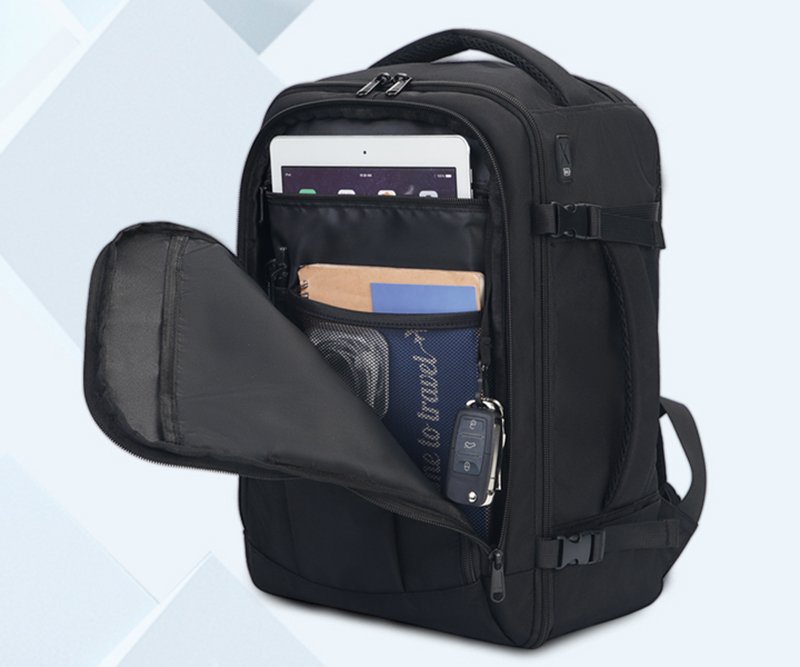
Airline Carry-On Bag Manufacturer | Custom OEM Travel Bags
- Soft-sided carry-ons, underseat bags, cabin backpacks, weekender bags, and rolling travel bags
- Material, structure, compartment, hardware, logo, and packaging development
- MOQ from 200 pieces for selected designs and available materials
- Standard samples commonly completed within 5–7 working days
- Quality control from incoming materials through final packing
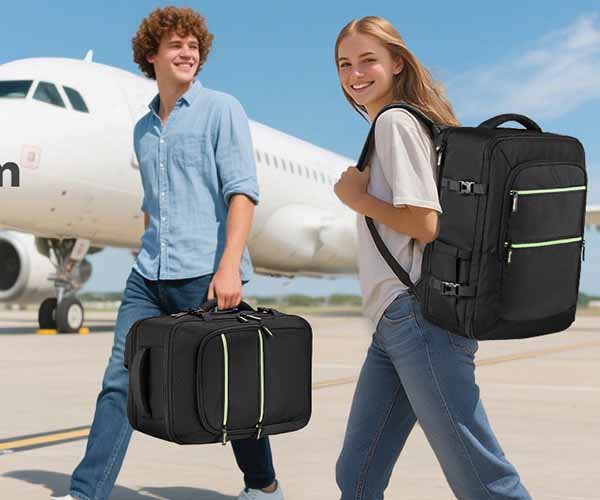
Manufacturing Capacity Behind Every Carry-On Program
18+ Years Experience
20,000+㎡ Factory System
180+ Team Members
Eight Sewing Lines
Twelve QC Specialists
Flexible Capacity Network
Three Cabin Bag Formats Brands Should Distinguish
Overhead Carry-On
- Finished outside dimensions
- Handles, wheels, and external pockets
- Loaded depth and fabric expansion
- Structural support and product weight
- Main-compartment access
- Compression and carrying systems
Personal Item Bag
- Base width and loaded height
- Laptop protection
- Quick-access travel pockets
- Trolley sleeve placement
- Soft compression without severe deformation
- Seat-space limits for the target airline
Cabin Travel Backpack
- Torso comfort
- Shoulder-strap angle
- Back-panel thickness
- Packed depth
- Zipper path
- Weight distribution
- External attachment limits
- Conversion between backpack and hand-carry modes
Carry-On Manufacturing for Different Travel Markets
Travel Bag Brands
- Product-series consistency
- Exclusive structure details
- Higher-grade fabrics and trim
- Controlled bulk workmanship
- Repeat-order material records
- Retail-ready packaging
Outdoor Lifestyle Brands
- Nylon or ripstop fabric
- Reinforced base panels
- Removable shoulder straps
- Backpack conversion
- Wet or shoe compartments
- External compression systems
Retailers and Importers
- Assortment ratios
- Retail hangtags
- Barcode labels
- Shipping marks
- Carton-number control
- Third-party inspection
- Split delivery schedules
Amazon Product Teams
- MOQ from 200 pieces for selected designs
- Photo-ready approval samples
- FNSKU labeling
- Polybag warnings
- FBA carton labels
- DDP or appointed-forwarder delivery
DTC Travel Brands
- Small launch collections
- Multiple colorways
- Personalized zipper pullers
- Branded dust bags
- Mailer or gift packaging
- Replenishment planning
Corporate Travel Programs
- Business cabin bags
- Laptop travel backpacks
- Compact weekender bags
- Embroidered company logos
- Departmental color coding
- Individual or bulk packing
Custom Soft-Sided Airline Carry-On Bag Range
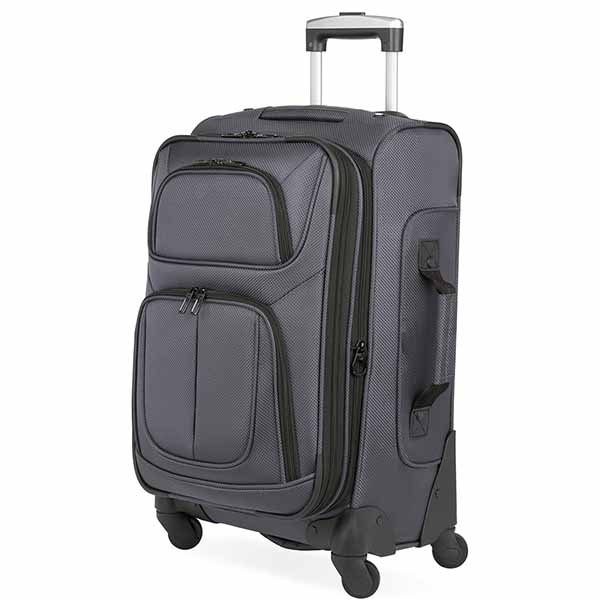
Soft-Sided Carry-On
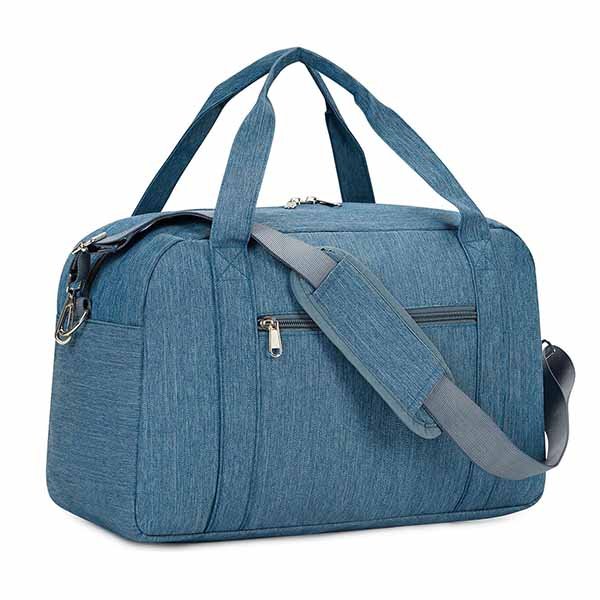
Underseat Travel Bag
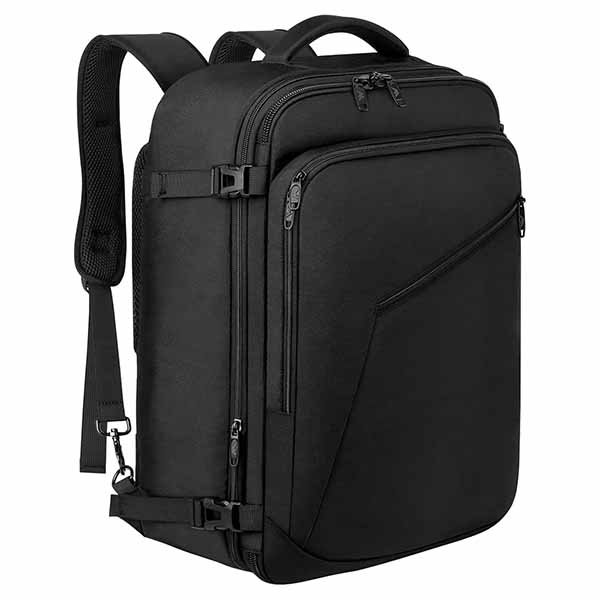
Cabin Travel Backpack
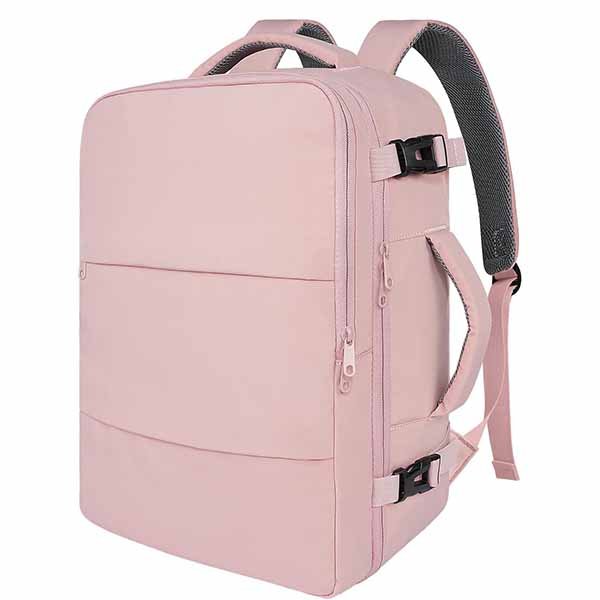
Backpack Duffel
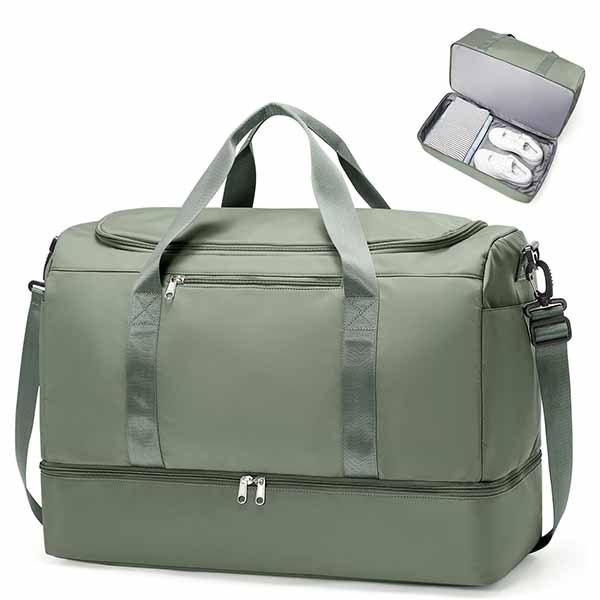
Weekender Carry-On
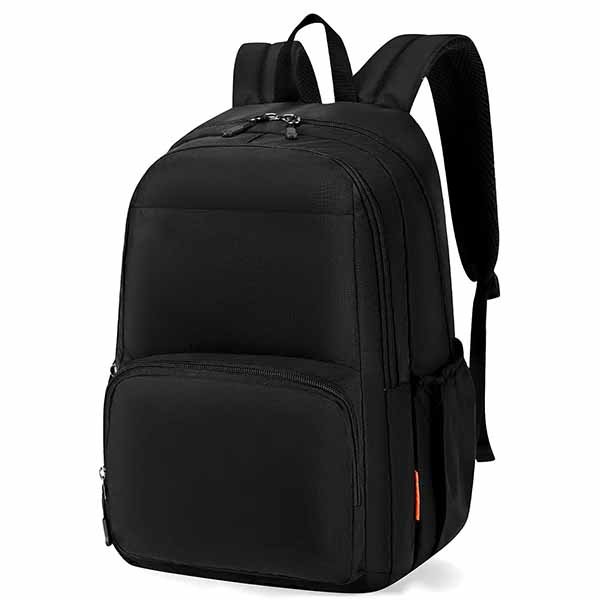
Business Cabin Bag
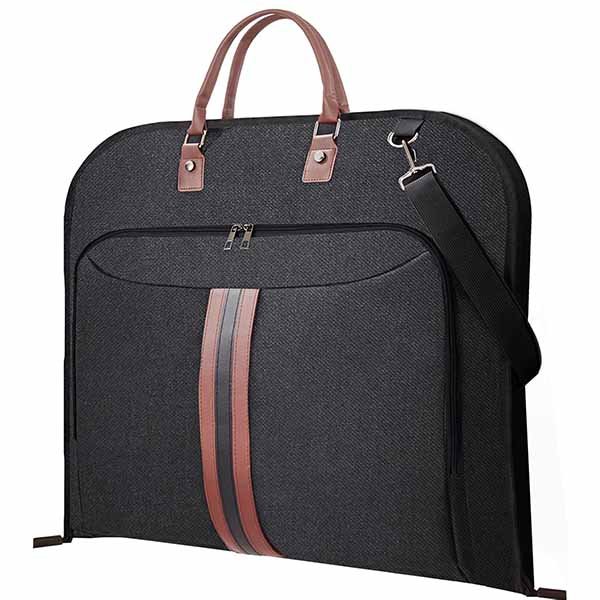
Garment Carry-On
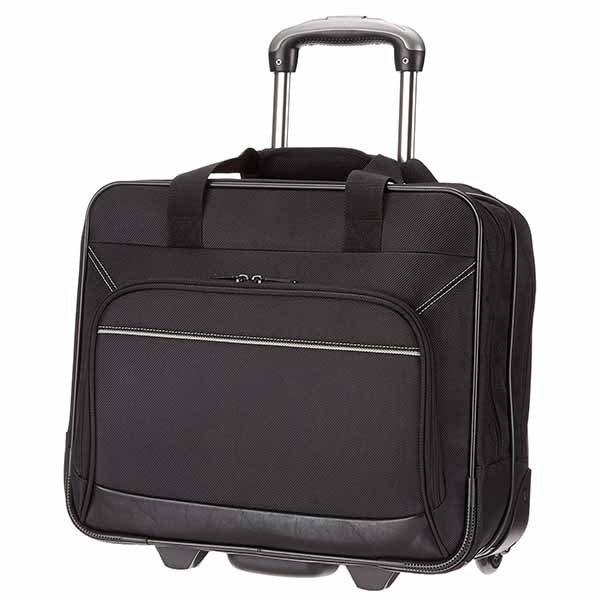
Soft Rolling Travel Bag
Airline Cabin Size Planning Before Product Development
Cabin-bag dimensions must be planned around selected airlines, final packed shape, handles, wheels, outer pockets, fabric expansion, and measurement method.
| Product Format | Storage Position | Common U.S. Development Reference | Engineering Focus | Recommended Product Claim |
|---|---|---|---|---|
| Overhead Carry-On | Overhead cabin bin | Up to 22 × 14 × 9 in / approximately 56 × 35 × 23 cm | Include handles, wheels, base feet, piping, and filled outer pockets in the finished measurement | Developed around selected airline carry-on limits |
| Personal Item Bag | Beneath the seat | 18 × 14 × 8 in is a useful reference for selected U.S. airline programs | Control base width, loaded height, front-pocket expansion, and soft compression | Designed for the selected personal-item dimensions |
| Cabin Backpack | Overhead bin or under-seat area | Confirm according to target airlines and carrying position | Measure the filled backpack rather than an empty, flattened shell | Finished size confirmed from the approved sample |
| Regional Cabin Bag | Aircraft-dependent cabin storage | No single reliable universal size | Smaller aircraft may require gate checking or tighter storage dimensions | Airline and aircraft rules require final review |
| International Cabin Bag | Airline and route dependent | Confirm each priority airline before pattern development | Metric dimensions, weight limits, handles, and wheel projections require review | Developed for the listed airline program |
American Airlines, Delta Air Lines, and United Airlines publish 22 × 14 × 9 inches as a main carry-on reference for many U.S. routes. Airline rules, fare conditions, partner carriers, aircraft, and airport operations may change. Szoneier therefore develops around a brand-supplied airline list rather than promising universal acceptance.
Dimension review should follow four rules:
- Measure the completed product at the widest external points.
- Include handles, wheels, feet, piping, frame components, and filled pockets.
- Check both empty and representative loaded conditions.
- Reconfirm published airline rules before product launch and marketing approval.
Engineering for Efficient Cabin Travel
Plan Usable Volume Before Cutting Patterns
- Internal volume against external size
- Opening width and packing access
- Pocket depth under loaded conditions
- Laptop-compartment space
- Compression-strap position
- Garment and shoe storage
- Zipper movement around corners
- Finished shape after representative loading
Control Shape, Stress, and Expansion
Soft-sided carry-on bags need controlled flexibility. Excessively soft construction collapses during packing, produces an uneven retail appearance, and places higher stress on zippers. Excessively rigid construction increases weight, reduces compressibility, and may create uncomfortable contact points during backpack use. Shape control can use PE board, PP board, EVA, EPE foam, high-density foam, woven reinforcement, edge piping, binding, or laminated fabric. Material placement should follow the product’s load path rather than covering every panel with heavy support. A bottom panel may need stronger board and abrasion-resistant fabric, while an upper side panel may need only thin foam to retain shape. Stress analysis covers handles, shoulder straps, D-rings, trolley sleeves, compression straps, backpack-harness roots, zipper ends, wheel chassis, and telescopic-handle mounting points. Reinforcement can include extended webbing, box stitching, bar-tack stitching, internal patches, folded fabric layers, rivets, or load-spreading panels. Expansion control deserves special attention. Soft luggage can grow beyond its pattern dimensions when overpacked. Side-panel width, pocket gussets, compression straps, zipper placement, lining fullness, and fabric stretch influence final size. Sample measurement should use a defined loading method rather than hand pressure alone. For rolling designs, the bottom chassis and telescopic system must work as one structural unit. Wheel loads travel through the base and into the sewn body. Weak connection areas can produce bottom deformation, loose wheels, torn fabric, or handle movement. Szoneier reviews component dimensions, mounting points, inner reinforcement, lining access, repair considerations, and packing protection before bulk production.
Compare Fabrics for Soft Carry-On Bags
Fabric selection changes product weight, appearance, abrasion resistance, water performance, structure, sewing behavior, unit cost, packaging volume, and retail positioning.
| Material | Main Characteristics | Suitable Carry-On Products | Cost Direction | Development Notes |
|---|---|---|---|---|
| 600D Polyester | Stable sourcing, broad color selection, balanced cost, easy branding | Entry and mid-range underseat bags, duffels, rolling bags | Economy to medium | Confirm coating, yarn density, abrasion performance, and colorfastness |
| 900D–1680D Polyester Oxford | Stronger hand feel, higher abrasion resistance, firmer structure | Rolling travel bags, heavy-use duffels, reinforced cabin bags | Medium | Higher fabric weight may increase finished weight and freight cost |
| 210D–420D Nylon | Lightweight, flexible, smooth appearance | Packable bags, lightweight cabin backpacks, internal components | Medium | Lower denier requires suitable reinforcement at stress points |
| 500D–1000D Nylon | Strong abrasion performance, premium technical appearance | Outdoor cabin backpacks and premium travel bags | Medium to high | Review coating, yarn specification, tear strength, and supply MOQ |
| Ripstop Nylon | Tear-control grid, lightweight technical appearance | Outdoor, adventure, and lightweight travel collections | Medium to high | Grid size, coating, and color consistency influence the final appearance |
| RPET Polyester | Recycled-material positioning with familiar sewing performance | Retail travel collections and sustainability-led programs | Medium | Certification scope, transaction documents, color MOQ, and traceability require early confirmation |
| Cotton Canvas | Natural texture, lifestyle appearance, strong print compatibility | Weekender bags and casual travel collections | Medium | Finished weight, shrinkage, staining, and water resistance need review |
| TPU Laminated Fabric | Smooth surface and stronger water barrier | Technical travel bags and weather-focused products | High | Sewn seams create needle holes; full waterproof claims require suitable seam construction and testing |
| PU or Microfiber Trim | Refined visual contrast and structured brand details | Business travel bags and premium weekender products | Medium to high | Hydrolysis resistance, abrasion, edge finishing, and color migration need evaluation |
| Polyester Lining | Stable, economical, broad color choice | Main lining, pockets, organizer sections | Economy to medium | Density, hand feel, coating, seam strength, and colorfastness influence quality perception |
Water-resistant fabric does not automatically create a waterproof bag. Seams, zipper construction, closure method, needle holes, binding, lining, and testing protocol determine the final performance level.
Comfort, Load, and Shape Control Details
Handle Reinforcement
- Webbing extension beneath outer panels
- Internal load-spreading patches
- Box stitching and bar tacks
- Balanced front and rear handle position
- Comfortable grip thickness
- Reinforcement around metal hardware
Shoulder Comfort
- Shoulder angle and root position
- Foam recovery after compression
- Ventilation-mesh durability
- Hardware location away from pressure areas
- Strap storage for hand-carry mode
- Balanced carrying under representative load
Bottom Stability
- Standing stability
- Board thickness
- Wheel or foot attachment
- Abrasion exposure
- Water contact risk
- Folding and carton-volume requirements
Shape Retention
- EPE foam
- EVA sheets
- PE board
- PP board
- High-density foam
- Reinforced piping
- Laminated fabric
- Internal frame panels
Zippers, Hardware, and Rolling Bag Components
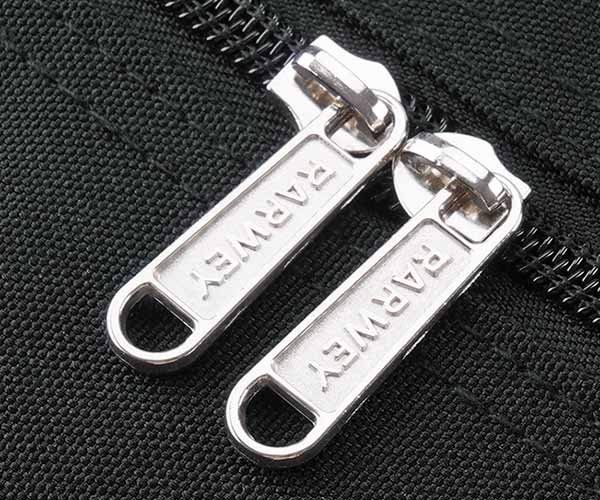
Main Compartment Zippers
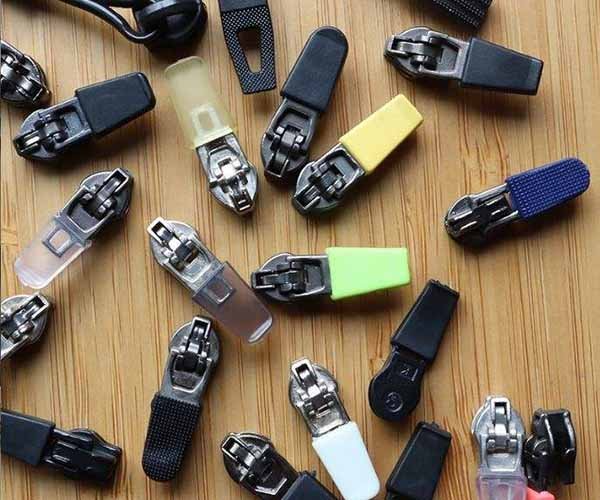
Custom Zipper Pullers
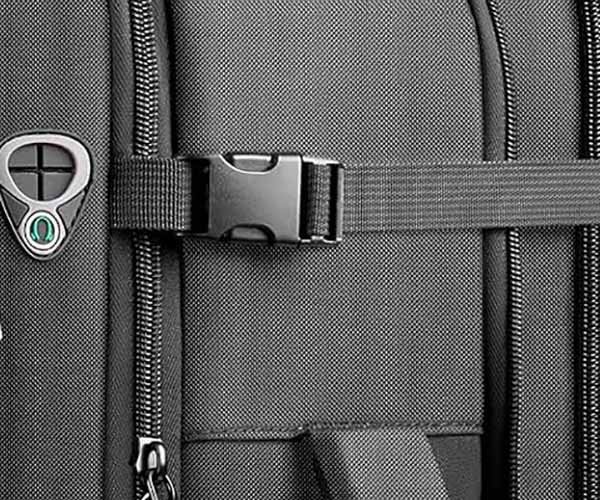
Compression Buckles
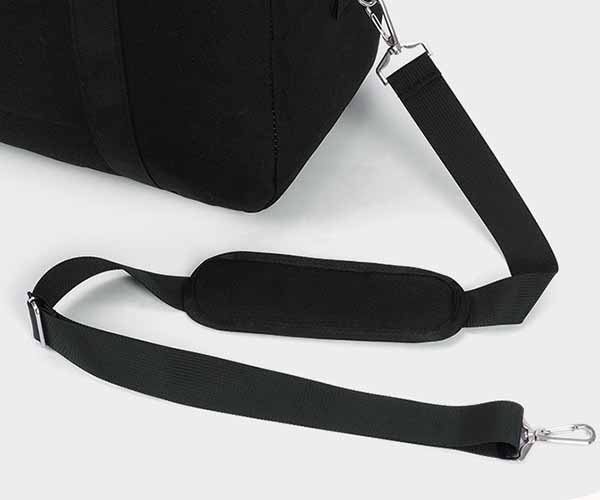
Webbing Systems
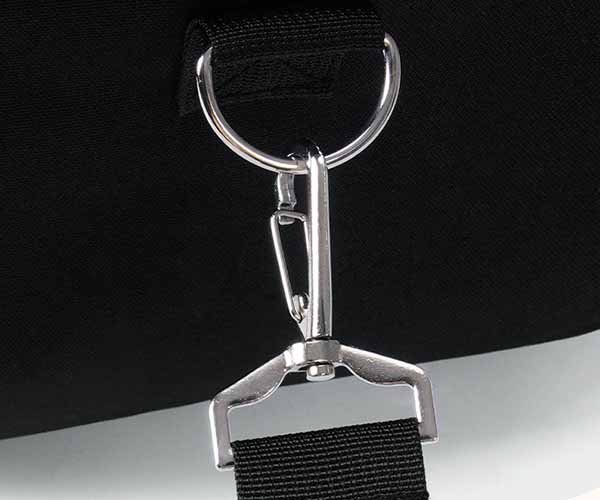
D-Rings and Hooks
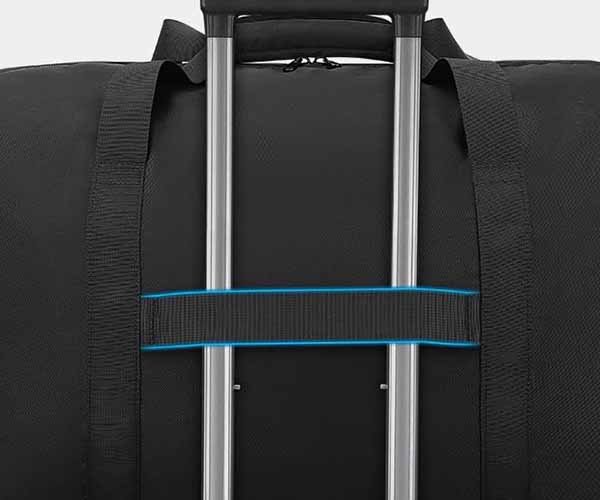
Trolley Sleeves
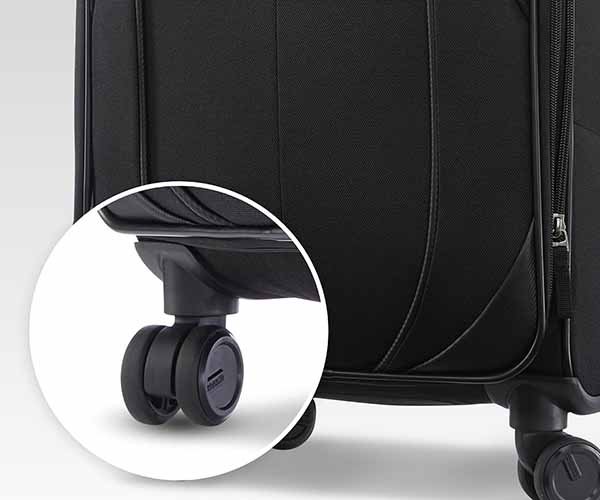
Wheel Assemblies
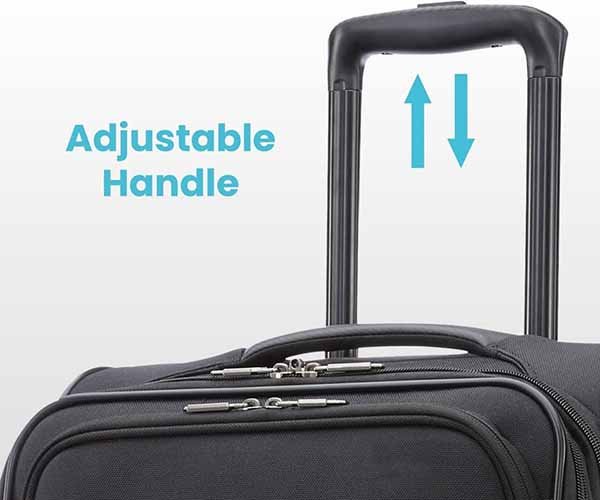
Telescopic Handles
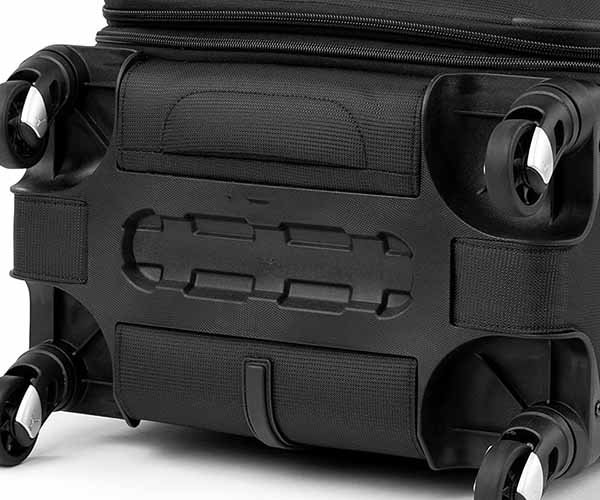
Base Protection Parts
Private Label Logo Solutions for Travel Brands
Embroidered Logo
Screen Printing
Heat Transfer
Woven Label
Rubber Patch
Silicone Patch
Metal Logo Plate
Custom Zipper Puller
From Product Concept to Approved Carry-On Sample
A controlled sample process confirms dimensions, material, structure, comfort, branding, production feasibility, cost, and packaging before bulk materials are ordered.
Requirement Review
- Product category
- Outside dimensions
- Target quantity
- Delivery country
- Reference images or drawings
Airline Target Review
- Published airline dimensions
- Handles and wheel projections
- Loaded product depth
- Expansion features
- Marketing claim boundaries
Material Selection
- Premium option
- Balanced-cost option
- Economy option
- Stock-color option
- Custom-color option
Pattern Development
- Finished dimensions
- Seam construction
- Panel balance
- Opening access
- Stress points
- Production efficiency
Sample Sewing
Internal Evaluation
- Photo measurement
- Representative loading
- Handle pull checks
- Shoulder-strap review
- Wheel and handle operation
Photo and Video Review
- Front, back, sides, and base
- Internal compartments
- Logo and hardware
- Loaded shape
- Measurement method
Revision and Approval
- Confirmed specifications
- Final material selections
- Pantone references
- Logo files
- Packaging instructions
- Approved physical sample
Keep Bulk Production Consistent With Approved Samples
Lock Materials, Patterns, and Components
Control Pre-Production and First Output
A pre-production meeting aligns sales, product development, procurement, production, QC, and packing personnel before cutting begins. The team reviews the approved sample, production files, critical operations, risk areas, delivery date, inspection plan, and packaging instructions. A pre-production sample or first-piece unit can verify whether bulk materials and line methods match the approved direction. Early checks are especially valuable for:
- Finished external dimensions
- Side-panel depth
- Zipper alignment
- Handle reinforcement
- Shoulder-strap attachment
- Lining fullness
- Logo placement
- Wheel and telescopic-handle installation
- Product standing and loaded shape
- Retail packaging
The first completed units should be inspected before a large quantity moves through the same operation. Correcting a pocket position after 20 units involves manageable rework; correcting it after 2,000 units creates major cost and schedule pressure. Production records support repeat orders. Material references, approved colors, patterns, component sources, inspection findings, and packing files allow later replenishment to begin from a controlled baseline. Some materials and colors can change between production seasons, so repeat-order confirmation should still include a new material review rather than assuming unlimited historical availability.
Production Control From Materials to Packed Cartons
Manage Every Production Stage
Plan Capacity Around Product Complexity
Szoneier operates eight sewing production lines with more than 120 production personnel and over 160 production and supporting machines. A controlled network of more than 10 partner factories supports specialized categories, peak demand, multi-SKU programs, and long-term replenishment. Common monthly capacity across the wider manufacturing system ranges from 120,000 to 200,000 pieces, although carry-on output must be evaluated by design. A simple weekender and a rolling cabin bag cannot share the same daily-output assumption. Sewing operations, padding, internal compartments, component installation, inspection intensity, packaging, and material readiness all affect capacity. Szoneier can coordinate approximately 20–35 active orders in parallel through project allocation, procurement tracking, sample records, production scheduling, QC checkpoints, and logistics coordination. Capacity planning considers:
- Order quantity
- Number of colors
- SKU count
- Material lead time
- Logo processing
- Structural complexity
- Wheel and handle components
- Testing requirements
- Packaging preparation
- Required shipment date
Common bulk lead time for custom bags ranges from 20–45 days after final approval and material readiness. Complex rolling products, custom hardware, special materials, intensive testing, or multi-SKU packaging may require 35–60 days. Production timing should be connected to launch plans, freight method, customs clearance, warehouse appointments, and seasonal congestion.
Carry-On Bag Quality Control and Testing
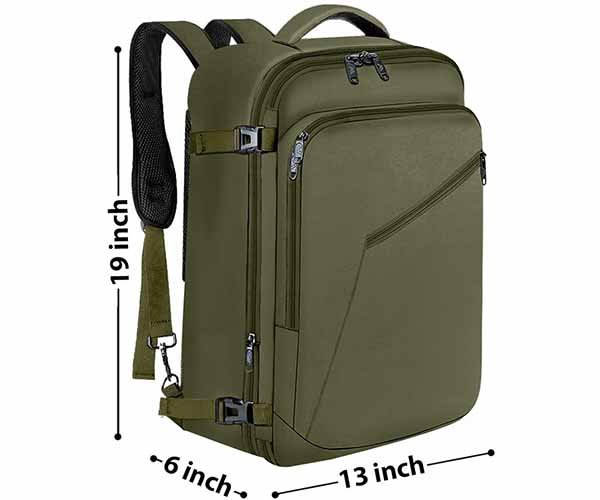
Finished Dimension Check
Inspection focuses on:
- Height, width, and depth
- Pocket projection
- Left-right balance
- Wheel and handle extension
- Measurement tolerance
- Comparison with the approved sample
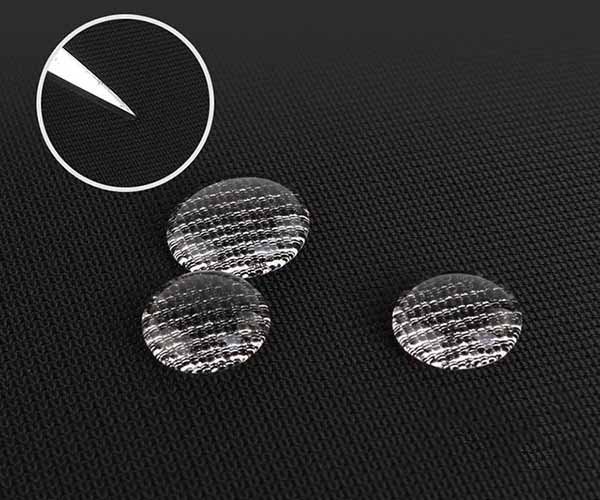
Material and Color Check
Review records may include:
- Material reference
- Pantone direction
- Lot separation
- Hand-feel comparison
- Surface-defect review
- Component-finish approval
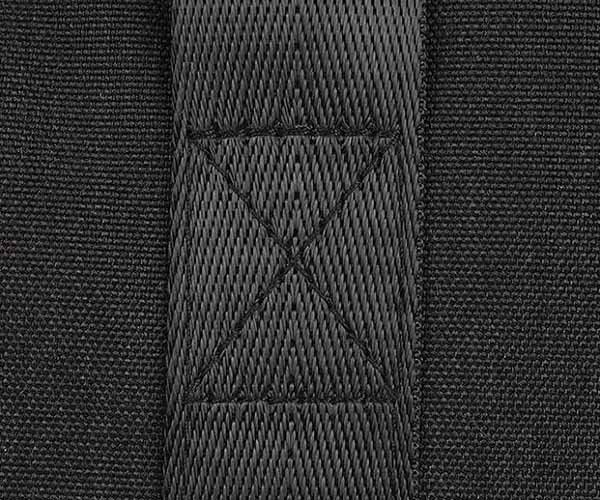
Stitching Inspection
Special attention is given to:
- Handle roots
- Shoulder-strap roots
- Zipper ends
- Base corners
- D-ring attachments
- Trolley sleeves
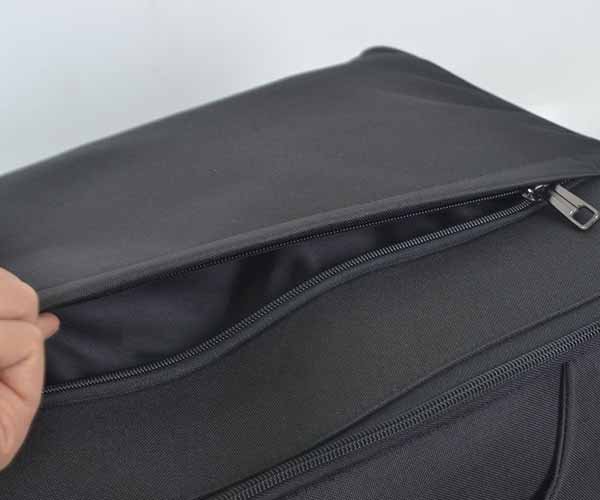
Zipper Function Check
Checks can include:
- Full opening cycles
- Dual-slider alignment
- Lockable-puller position
- Corner movement
- Zipper-end reinforcement
- Lining entanglement risk
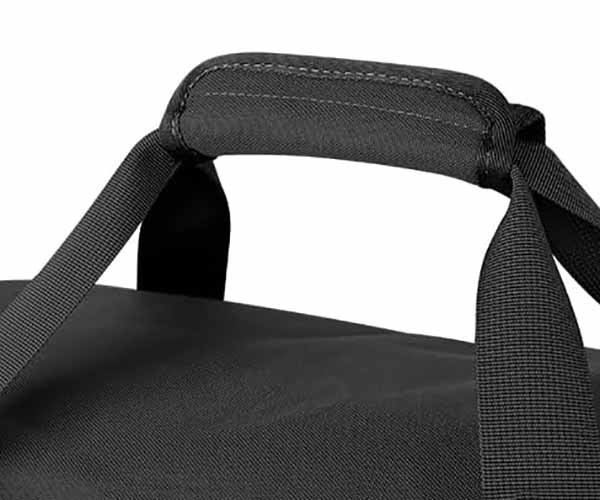
Handle Pull Check
Brand-defined or third-party tensile testing can be coordinated for:
- Top handles
- Side handles
- Shoulder straps
- D-rings
- Snap hooks
- Webbing anchors

Load-Bearing Check
Review areas include:
- Bottom structure
- Handle stitching
- Shoulder attachments
- Compression straps
- Buckles and hooks
- Product deformation
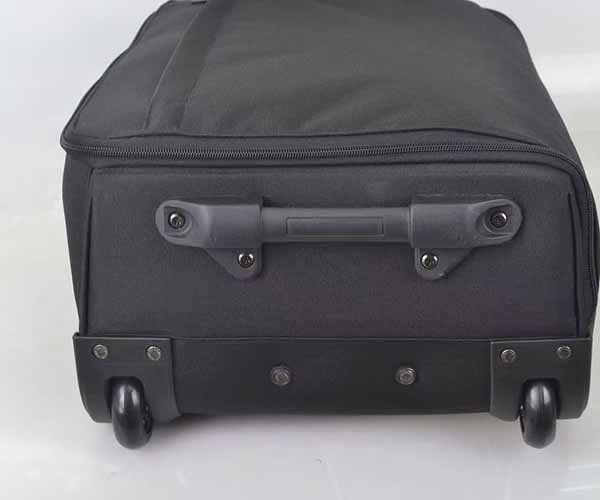
Abrasion and Surface Review
Material performance depends on:
- Yarn and weave
- Fabric coating
- Laminated layers
- Edge construction
- Test method
- Acceptance standard
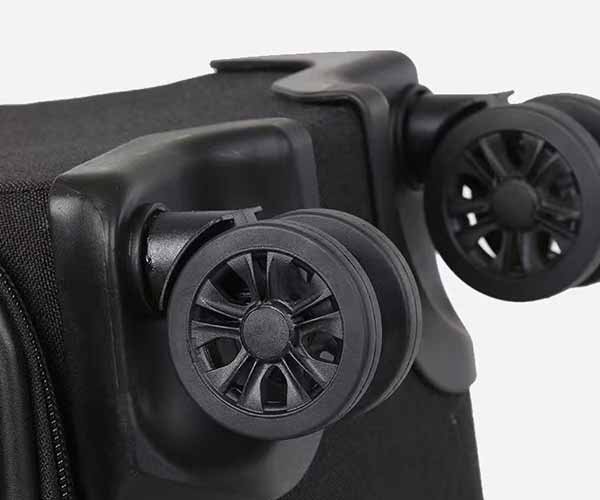
Wheel and Handle Check
Evaluation may include:
- Loaded rolling
- Directional stability
- Wheel clearance
- Handle locking
- Lateral movement
- Base fastener review
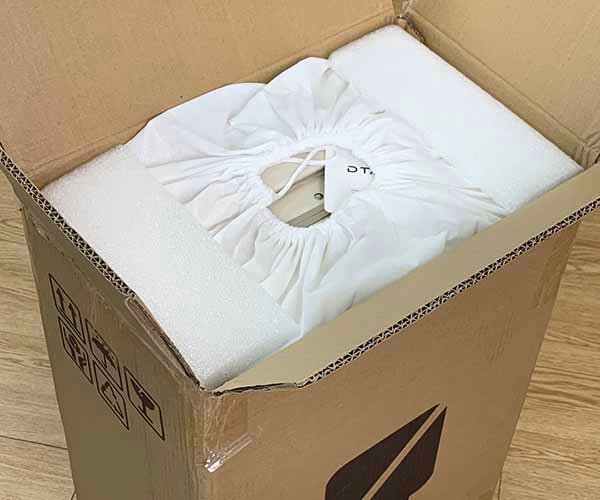
Packing Inspection
Final inspection continues after the bag itself is approved. Packaging errors can cause crushed structure, incorrect barcodes, mixed colors, missing accessories, wrong carton quantities, warehouse rejection, or transportation damage.
Packing control covers:
- Product cleaning
- Shape protection
- Hangtags and labels
- Barcode and FNSKU
- Carton quantity
- Shipping marks
- Carton weight
- Photo records
Compliance Support Without Unsupported Product Claims
Material Documentation
- Material composition
- Recycled-content documents
- Restricted-substance testing
- Colorfastness testing
- Hardware declarations
- Packaging-material information
Chemical Testing
- Lead in accessible components
- Phthalates in relevant plastics
- Restricted azo dyes
- Formaldehyde
- Nickel release
- REACH substances
- California Proposition 65 requirements
Airline Size Claims
- Developed around selected airline limits
- Finished size confirmed from the approved sample
- Designed for the listed cabin dimensions
- Airline policies require final review before travel
Performance Claims
- Water-resistant fabric does not make sewn seams waterproof.
- A waterproof zipper does not seal every panel connection.
- Strong webbing does not guarantee a strong handle attachment.
- Recycled fabric requires suitable traceability documents.
- Anti-theft design should describe real structural features.
Packaging, FBA Preparation, and Global Delivery
Flat Packing
- Folding method
- Internal straps
- Tissue or protective sheets
- Recovery after unpacking
- Units per carton
- Freight-volume savings
Shape-Protected Packing
- Front-panel appearance
- Base-board position
- Wheel assemblies
- Telescopic handles
- Metal logos
- Zipper curves
- PU or leather trim
Retail Labels
- SKU accuracy
- Barcode readability
- Material wording
- Logo color
- Attachment position
- Retailer specifications
Amazon Preparation
- Final FNSKU files
- Shipment plan
- Carton labels
- Warehouse address
- SKU quantities
- Packaging instructions
Export Cartons
- Product name
- SKU and quantity
- Carton number
- Gross and net weight
- Carton dimensions
- Shipping mark
- Purchase-order number
- Destination
Delivery Options
Samples commonly ship by DHL, UPS, FedEx, or an appointed courier. Bulk orders can move by express, air freight, sea freight, FOB, CIF, DAP, DDP, overseas-warehouse delivery, FBA first-leg service, split shipment, or multi-address delivery. Freight planning depends on:
- Destination
- Carton volume
- Gross weight
- Required arrival date
- Import arrangement
- Warehouse appointment
- Seasonal capacity
MOQ, Sample Time, Production Time, and Cost
Accurate planning requires product dimensions, material, structure, logo, hardware, quantity, packaging, destination, and required delivery date rather than a generic unit price.
| Project Direction | MOQ Guidance | Sample Planning | Bulk Production Planning | Main Cost Drivers |
|---|---|---|---|---|
| Underseat Travel Bag | From 200 pcs for selected structures and available materials | Commonly 5–7 working days | Commonly 20–35 days | Fabric, laptop padding, pocket count, zipper quantity, logo, packaging |
| Weekender Carry-On | From 200 pcs for selected materials and branding | Commonly 5–7 working days | Commonly 20–40 days | Size, handles, shoulder strap, bottom support, shoe compartment, trim |
| Cabin Travel Backpack | Often 300–500 pcs according to structure | Commonly 7–12 working days | Commonly 25–45 days | Back panel, shoulder straps, foam, clamshell opening, internal organization |
| Custom Rolling Travel Bag | Often 500 pcs or more after component review | Commonly 10–15 working days | Commonly 35–60 days | Wheels, telescopic handle, base chassis, reinforcement, assembly, testing |
| Custom Hardware Program | Based on component mold and supplier MOQ | Add tooling and component preparation time | Confirm after all parts are ready | Mold fee, plating, logo hardware, zipper pullers, buckles, exclusive components |
| Urgent Soft-Bag Sample | Evaluated by material and structure | 3–5 working days when materials are ready and details are complete | Not automatically linked to urgent bulk production | Material availability, logo method, revision speed, overtime, courier service |
Choosing the Right Carry-On Manufacturing Partner
Trading-Only Supplier
- Long communication chains
- Unknown production location
- Limited process visibility
- Weak sample-to-bulk control
- Changing subcontractors
- Delayed problem resolution
Hard-Shell Specialist
- Molded shells
- Injection tooling
- Aluminum frames
- Exclusive shell textures
- Large suitcase sets
Small Sewing Workshop
- Narrow material selection
- Slower revisions
- Limited production records
- Inconsistent inspection
- Weak multi-SKU management
- Restricted peak-season capacity
Szoneier System
Szoneier focuses on custom sewn bags and soft goods, including soft carry-ons, underseat bags, cabin backpacks, weekender bags, duffels, and selected rolling products. Product managers, designers, pattern makers, sample sewers, procurement, production, QC, packaging, and logistics teams work within one coordinated project structure. The model supports:
- Low-volume development for selected projects
- Material and structure advice
- Fast sampling
- Controlled bulk records
- Private-label details
- FBA and global delivery
- Repeat-order support
See the People and Processes Behind Production
Follow the Bag Through the Factory
A factory-review section should use real Szoneier images rather than stock photography. Recommended visual coverage begins with the material and sample areas before following the product through cutting, sewing, inspection, packing, and warehouse preparation.
The sample room should display relevant travel bags, cabin backpacks, underseat products, duffels, and rolling structures. Images can show fabric swatches, lining, foam, webbing, zippers, hardware, logo trials, paper patterns, and sample workstations. Close-up photos should reveal stitching, binding, reinforcement, zipper installation, internal organization, and structural materials.
Production photography should cover:
- Incoming material area
- Fabric inspection
- Cutting tables
- Numbered bundles
- Logo processing
- Sewing lines
- Bar-tack operations
- Binding and piping
- Semi-finished inspection
- Rolling-component installation
- Thread cleaning and shaping
- Finished-product inspection
- Individual packing
- Carton sealing
- Warehouse preparation
A short video can follow one carry-on sample from measurement through loading, handle checks, shoulder-strap review, zipper operation, wheel movement, internal organization, and final packing. Visual evidence should match the product scope presented in the written content.
Qualified sourcing teams can request a live video review covering offices, sample room, material displays, cutting, production, QC, packing, and relevant products.
Meet the Project Team
The international sales team receives project information, organizes communication, prepares quotations, and coordinates approval records. Four product managers help evaluate use, structure, material, cost, and production feasibility. Six bag designers can support appearance, color, details, and product-series development.
Five paper-pattern makers convert specifications into production-ready panels and construction relationships. Their work controls dimensions, openings, pockets, seam allowances, lining, reinforcement, and assembly. An eight-person sampling team operating 12 sample positions produces prototypes, logo trials, and revised samples.
Six procurement specialists coordinate fabrics, lining, foam, board, zippers, webbing, hardware, logo parts, and packaging. Production personnel manage cutting, sewing, component installation, shaping, and packing. Twelve QC specialists monitor material, production, finished goods, and shipment preparation. Five logistics coordinators support courier, air, sea, DDP, FBA, overseas warehouse, and appointed-forwarder arrangements.
Nancy serves as a core international project coordinator. Brand teams can send product images, tech packs, dimensions, quantities, logos, packaging requirements, and destination details through WhatsApp at (+86) 13423847456 or email info@szoneier.com.
Airline Carry-On Development Cases
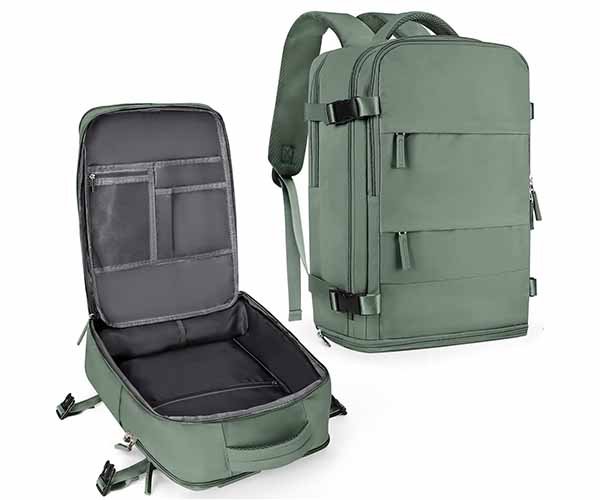
US Cabin Backpack
Project details:
- Order quantity: 2,400 pcs
- Colors: Black, olive, and navy
- Outer material: 900D polyester with PU coating
- Lining: 210D polyester
- Main features: Clamshell opening, 17-inch laptop section, internal compression, concealed shoulder straps, side handles, trolley sleeve
- Logo: Silicone patch and woven inside label
- Packaging: FNSKU label, polybag warning, six pieces per carton
QC focused on loaded dimensions, shoulder-strap roots, zipper corners, laptop padding, silicone-patch placement, barcode accuracy, and carton weight. The first order shipped to a U.S. FBA warehouse and a third-party logistics center through separate delivery arrangements.
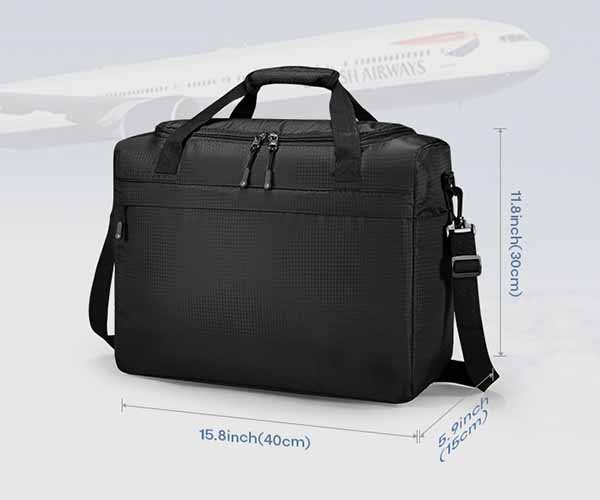
European Underseat Bag
Project details:
- Order quantity: 1,800 pcs
- Colors: Black and dark blue
- Finished size: 40 × 30 × 20 cm
- Outer material: 600D RPET polyester
- Structure: Wide top opening, padded laptop sleeve, removable shoulder strap, front organizer, trolley sleeve
- Logo: Embroidered front logo
- Packaging: Recycled polybag, hangtag, EAN barcode, eight pieces per carton
The approval sample required seven working days, followed by one revision completed in five working days. Bulk production required 32 days. Inspection covered finished dimensions, RPET fabric documentation, embroidery, zipper operation, shoulder hardware, base stability, label accuracy, and carton assortment.
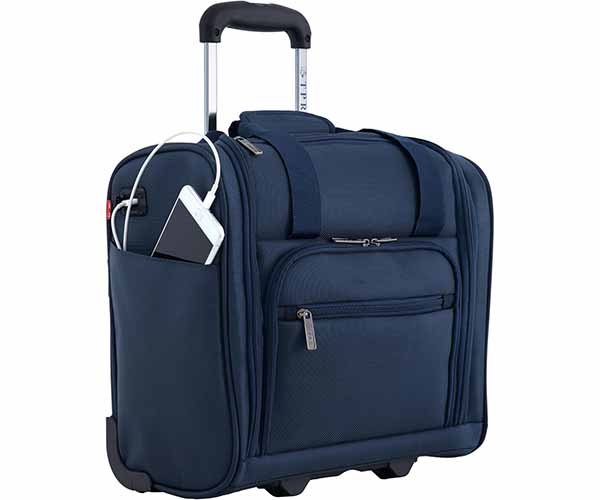
Soft Rolling Carry-On
Project details:
- Order quantity: 3,600 pcs
- Finished size: 21 × 13.5 × 8.5 inches
- Outer material: 1680D polyester lower panels with 900D main panels
- Rolling system: Two wheels with two-stage telescopic handle
- Main features: U-shaped opening, internal garment straps, front document pocket, padded top handle
- Logo: Two-color embroidery
- Packaging: Protective wheel covers, internal paper support, individual polybag, four pieces per carton
Sample development required 15 working days. Bulk production and packing required 46 days after component approval. QC included wheel rotation, loaded rolling, telescopic-handle locking, chassis fasteners, top-handle pull checks, external dimensions, embroidery position, carton protection, and shipping-mark verification.
Carry-On Bag Frequently Asked Questions
Start Your Custom Carry-On Bag Project
- Product photo, sketch, or tech pack
- External dimensions
- Target quantity and colors
- Fabric preference
- Logo artwork
- Packaging requirements
- Delivery country
- Required shipment date
- Target airlines
- Testing requirements