Skip to content
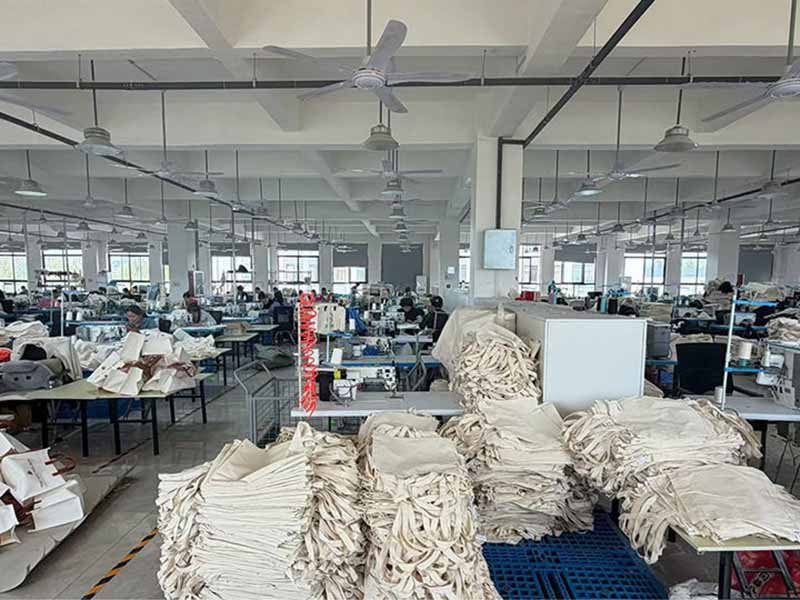
A new bag supplier can look excellent during the first few conversations. The quotation may be competitive, replies may arrive quickly, the sample may look clean, and the company presentation may show rows of sewing machines, material racks, and finished products. The difficulty is that none of those things, by itself, proves that the same supplier can reproduce the approved product across 1,000 or 10,000 units, maintain the same fabric and hardware standards six months later, manage several SKUs without mixing specifications, keep a launch schedule during peak season, or solve a quality problem without creating new ones.
To qualify a new bag supplier for long-term cooperation, verify the company’s real manufacturing setup, confirm that its development capability matches your product, lock the approved production standard, test its QC and delivery systems through real production, review compliance and commercial risks, and measure actual performance before granting repeat-order status. Long-term approval should come from evidence gathered across sampling, production, inspection, packing, shipment, and corrective action, rather than from price, certificates, or one attractive sample.
That distinction matters because supplier qualification is really an exercise in predicting future reliability. You are trying to answer a difficult question before enough time has passed to reveal the answer naturally: can this company still deliver the right product after several reorders, new colors, increased quantities, staff changes, material substitutions, and tighter deadlines? The smartest sourcing teams therefore do not spend all their energy searching for a “perfect factory.” They build a qualification process that makes weaknesses visible early, while changing direction is still relatively inexpensive.
What Should You Verify First?
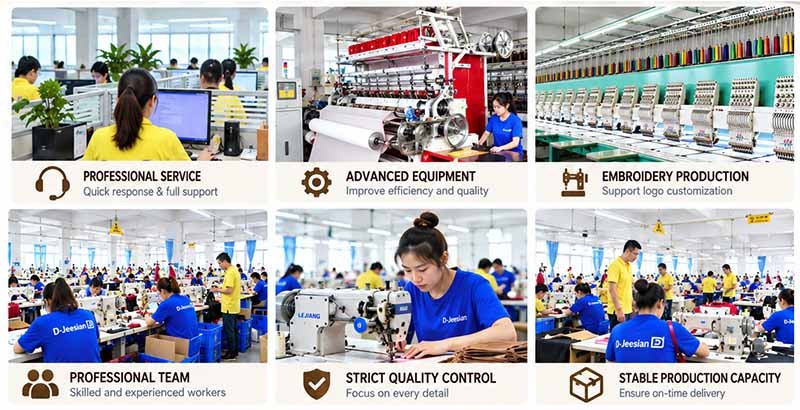
Before discussing long-term cooperation, verify whether the supplier is a real operating manufacturer, whether it understands your specific bag category, whether its development and production capabilities match your project, and whether its claims can be supported by observable evidence. Business licenses, attractive sample rooms, low prices, and polished presentations are useful starting points, but they should not replace direct verification of the processes, people, production locations, and control systems that will actually handle your order.
Verify the Real Manufacturing Setup
The first question is not simply whether the company describes itself as a manufacturer. You need to understand what happens after your purchase order is confirmed. Some suppliers develop samples internally but send most bulk production to partner workshops. Others control cutting, sewing, finishing, and quality internally while outsourcing printing, embroidery, lamination, metal hardware, or packaging. Either model can work successfully, but the structure should be transparent and responsibility should remain clearly defined.
Ask where sampling takes place, where your production will be cut and sewn, who purchases the major materials, who controls external processes, and where final inspection and packing are completed. For an important project, a live video review or an on-site visit is more useful than a prepared company presentation because you can follow the production flow from materials through cutting, sewing, finishing, QC, packing, and finished-goods storage.
During a factory review, pay attention to ordinary production rather than only the products prepared for visitors. Ask about items already on the sewing floor, the materials waiting beside workstations, production cards, unfinished units, and finished cartons. One of the most useful questions is also one of the simplest: if we confirm this order today, which team and which facility will actually manufacture it? A reliable supplier should be able to answer without hesitation or vague explanations.
| Qualification Area | What to Verify | Practical Evidence | Common Warning Sign |
| Business role | Manufacturer, trading company, or managed factory network | Factory address, live review, production explanation | Production location remains unclear |
| Product experience | Familiarity with similar construction | Comparable samples, active production | Only unrelated products are shown |
| Sampling | Where prototypes and patterns are developed | Sample room, pattern team, revision records | Samples handled by unknown external party |
| Production | Cutting, sewing, finishing, packing capability | Live workshop, equipment, production flow | Claims do not match visible resources |
| Quality | When and how products are inspected | QC records, inspection stations, defect reports | Only final visual inspection |
| Outsourcing | External processes and partner control | Approved vendors, incoming checks | Outsourcing is hidden or denied |
| Delivery | Production and shipment planning | Milestone schedule, packing process | Only one final ship date is quoted |
Check Product-Category Fit
Bag manufacturing is not one universal skill. A supplier that performs very well on simple cotton totes may struggle with technical backpacks, insulated cooler bags, waterproof constructions, structured cosmetic cases, leather goods, medical bags, tactical products, or equipment cases. These products can require very different fabrics, machinery, pattern knowledge, reinforcement methods, tolerances, assembly sequences, and inspection standards, even when they look broadly similar in product photos.
Instead of asking whether the supplier “can make backpacks,” ask to see products that share meaningful construction features with yours. If your design uses laminated foam, molded EVA, load-bearing webbing, curved zipper openings, waterproof coated fabric, multiple compartments, reinforced attachment points, custom hardware, or unusual internal organization, the most useful evidence is experience with those features rather than experience with bags in general.
Order structure matters as much as product type. A factory built around one 50,000-piece promotional program may not be efficient at managing 15 styles in four colors, while a highly flexible development factory may be excellent at programs between several hundred and several thousand pieces but less competitive for very large commodity orders. The most suitable supplier is therefore not automatically the largest one. It is the one whose product knowledge, production model, capacity, and management style fit the way your business actually buys.
Validate Claims With Evidence
Supplier qualification becomes much more reliable when every important statement is connected to something that can be checked. If a factory says it has strong quality control, ask when inspections occur and what records are created. If it claims rapid product development, review how a real sample moves through materials, pattern making, sewing, revision, and approval. If it claims stable capacity, ask how your planned quantity fits into the current production schedule rather than accepting a generic monthly output figure.
Documents are useful, but context is equally important. A certificate confirms only the scope written on the certificate. A previous test report does not automatically prove that your new bag, new fabric, or new construction will meet the same requirement. A factory audit completed years ago may no longer describe the current staffing or production setup. Strong qualification therefore combines documentation with physical samples, live factory observation, technical discussion, manufacturing records, and eventually trial-order performance.
This creates a practical rule that can guide the entire sourcing process: important claims should be observable, traceable, or testable. The more important the claim is to your product quality, compliance, or delivery schedule, the more evidence should sit behind it. This approach is far more dependable than trying to judge whether a supplier simply “looks professional.”
How Do You Test Development Capability?
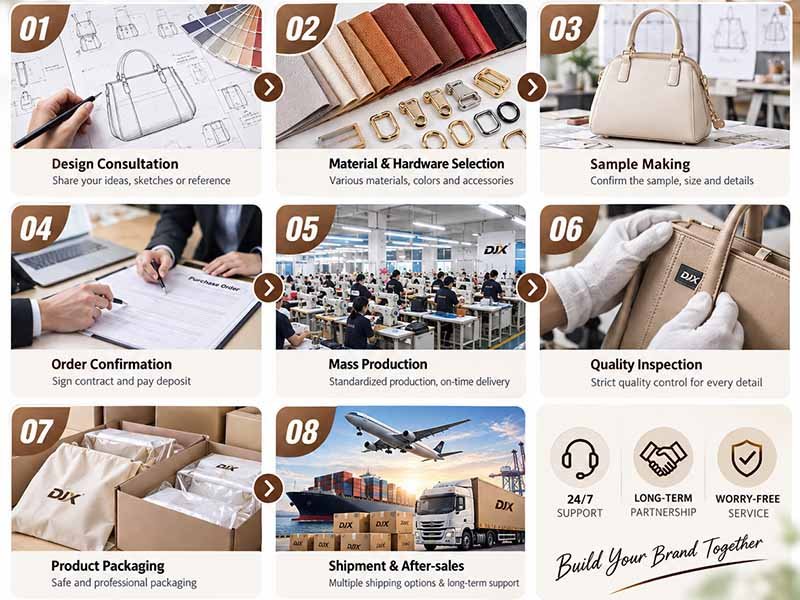
Development capability is tested by observing how a supplier converts drawings, reference samples, photos, tech packs, materials, or product ideas into a controlled manufacturing specification. A strong supplier does more than produce an attractive prototype. It questions missing details, identifies construction risks, recommends workable alternatives, manages revisions, and eventually creates an approved standard that production teams can reproduce consistently without depending on the memory of one sample maker.
Review How They Handle Specifications
One of the quickest ways to evaluate a new manufacturer is to send a real tech pack or detailed RFQ and study the questions that come back. Experienced development teams often ask about fabric construction, coating, finished measurements, tolerance, zipper size, puller type, webbing width, foam thickness, reinforcement, logo position, printing method, lining, hardware finish, label location, packing method, and intended market before giving a final production quotation.
A technically complex product that receives an immediate price with no questions is not always a sign of efficiency. It may simply mean that assumptions have been made silently. Those assumptions often return later as sample revisions, MOQ changes, unexpected charges, material substitutions, or disagreements about what was originally included. Early technical questions may slow the first quotation slightly, but they can reduce much larger delays later.
A practical development system keeps an open-issue list until major uncertainties are resolved. Every unclear point should eventually become a confirmed requirement, approved alternative, defined tolerance, or removed feature before bulk material purchasing begins. The purpose is not to create bureaucracy. It is to make sure the brand team, factory developer, pattern maker, production department, and QC staff are all building the same product rather than carrying different assumptions into production.
Test Material and Construction Knowledge
Experienced bag developers understand that materials influence far more than appearance. Two fabrics both described as 600D polyester can differ in weave density, backing, coating, hand feel, stiffness, weight, tear behavior, color consistency, and sewing performance. Similar differences can appear in nylon, Oxford, canvas, cotton, neoprene, PU, leather, PVC, TPU, mesh, RPET, foam, webbing, zipper tape, lining, and coated functional fabrics.
Ask the supplier to explain why a proposed material is appropriate rather than simply giving you a fabric name and price. Real product development usually involves balancing appearance, durability, weight, structure, cost, MOQ, availability, and production difficulty at the same time. A heavier textile may improve shape retention but make a travel product too heavy. A custom buckle can create useful visual differentiation but introduce tooling cost and a component MOQ well above the finished bag quantity.
A particularly useful test is to ask the supplier to identify the three most difficult production points in your design. An experienced development team will often point to specific seams, reinforcement areas, component combinations, tolerances, assembly steps, or materials and explain what needs to be controlled. A supplier that says every feature is simple and every request is “no problem” may be trying to win the quotation before fully understanding the manufacturing risk.
Control Sample Revisions
Sampling becomes confusing quickly when decisions are spread across email, chat, marked screenshots, voice messages, spreadsheets, and video meetings. Simple version control dramatically reduces that risk. Meaningful sample rounds can be labeled V1, V2, V3, PPS-01, or another consistent format, and each new version should record what changed in dimensions, materials, hardware, zipper construction, logo position, color, straps, reinforcement, internal pockets, labeling, and packaging.
The physical sample should not be the only source of information. Three months after development begins, the salesperson, product manager, factory supervisor, and sample maker may remember different details about what was finally approved. A clear revision record converts those memories into documented instructions that can be checked before the next sample or production run begins.
Temporary components also need to remain visible in the record. If a sample uses a substitute zipper because the custom puller is still being developed, or a provisional lining because the final color is unavailable, that difference should not disappear simply because the overall prototype has been approved visually. The final question is practical: could another production team reproduce the approved bag without repeatedly asking the original sample maker what was intended? If not, the project has not yet reached a stable production standard.
How Do You Control Bulk Quality?
Bulk quality is controlled by locking the approved product standard, checking critical materials before production, inspecting manufacturing while defects are still inexpensive to correct, reviewing finished goods, and documenting corrective action when problems occur. Final inspection alone is not enough because cutting, printing, embroidery, reinforcement, stitching, or material errors may already have been repeated across hundreds or thousands of pieces by the time finished bags reach the inspection table.
Lock the Production Standard
The approved physical sample is important, but it should form part of a wider manufacturing reference. Depending on the product, the controlled standard can include the final sample, BOM, measurement table, current pattern version, fabric references, accessory codes, approved colors, logo artwork, packing instructions, barcode information, and agreed tolerances. These records answer the questions that cannot be judged reliably from the sample alone.
Version control needs to reach production rather than stopping with the sales team. If the brand approves sample V4 but cutting still uses a V3 pattern, while the print supplier has artwork from V2, every department may believe it is following instructions while the final product becomes a combination of several outdated versions. Once production starts, only current approved files should remain active for the project.
The physical sample and written records perform different jobs. The sample demonstrates appearance, hand feel, proportion, and construction. Specifications preserve details such as measurements, material references, tolerance ranges, barcode data, and packing quantities. Together they create a much stronger reference than either one on its own and allow disagreements to move from subjective statements such as “this looks different” toward measurable comparisons with the approved standard.
Inspect Quality at Multiple Stages
The best time to find a defect is before it has been repeated. Incoming material checks can identify wrong fabrics, shade differences, incorrect hardware, damaged zippers, wrong labels, or packaging errors before cutting begins. Pre-production confirmation verifies that the current sample, BOM, pattern, and artwork are aligned. Early-production inspection shows whether a design that worked well in the sample room can be repeated correctly under normal line conditions.
In-line QC becomes particularly valuable when defects repeat. If a shoulder strap is being reinforced incorrectly on every twentieth unit, finding the pattern after 150 bags is much safer than discovering it when 3,000 finished units are waiting for inspection. Final QC still matters, but it should confirm the effectiveness of the earlier controls rather than becoming the first moment anyone seriously examines production quality.
Inspection intensity should also reflect product complexity and risk. A simple promotional drawstring bag and a technical medical carrying case should not automatically use identical QC plans. Measurements, functional requirements, load-bearing areas, hardware, printing, water resistance, component traceability, and packaging can all affect the appropriate inspection approach.
| Production Stage | Typical Control Point | Useful Production Practice |
| Incoming materials | Fabric, hardware, zipper, color | Match approved reference before release |
| Pre-production | PPS, BOM, pattern, artwork | Confirm critical files before line start |
| Early production | Construction and line setup | Review first production units |
| In-line QC | Sewing, reinforcement, dimensions | Track recurring defect types |
| Final QC | Appearance, function, measurement | Inspect against agreed criteria |
| Packaging | Labels, SKU, barcode, quantity | Reconcile product and packaging data |
| Shipment release | Inspection and documentation | Close critical issues before dispatch |
The controls above illustrate a practical structure rather than one universal inspection standard. Actual inspection levels, tolerances, sampling methods, and functional checks should match the product, destination, retailer requirements, and risk profile.
Control Material Changes
Many sample-to-bulk differences begin before sewing starts. Fabric can move slightly in shade, coating, thickness, stiffness, surface texture, or hand feel between batches. Hardware finishes can change. Webbing may differ in weave or color. Zipper performance can vary between suppliers, and foam or lining can behave differently even when the general product description remains the same.
For important materials, avoid vague descriptions such as “black polyester” or “standard buckle.” Use supplier references, internal material codes, approved swatches, technical descriptions, photographs, color references, drawings, or retained physical samples where they add useful control. The objective is to give the factory enough information to identify the intended component again rather than relying on memory.
A change-control rule should also be agreed before production. If the original zipper becomes unavailable, the replacement may be completely acceptable, but it should not be introduced silently. The supplier should identify the issue, present the alternative, explain possible effects on appearance, price, or delivery, and request approval when the proposed change affects the accepted specification. Repeat orders deserve the same discipline because “same as last time” is not a sufficiently precise manufacturing instruction.
Measure Corrective Action
Every factory will eventually encounter a defect. What matters for a long-term relationship is whether the organization learns from it. If inspection finds a shoulder-strap reinforcement positioned incorrectly, removing several defective bags is only the first step. The factory should determine whether the cause came from a wrong pattern marking, outdated instruction, worker misunderstanding, fixture problem, measurement method, or another production issue.
A useful corrective-action process records the defect, affected production, immediate containment, root cause, correction, responsible person, and verification that the solution worked. That history becomes increasingly valuable on repeat orders because the factory can pay greater attention to known failure points rather than treating every production run as if it were the first.
Recurring defects are especially revealing. If the same problem appeared in an early sample, returned in the pre-production sample, appeared again during sewing, and remained visible during final inspection, the organization is recording information without learning from it. Long-term quality performance therefore depends not only on the number of defects found but also on whether previously solved problems stay solved.
Can the Supplier Scale With You?
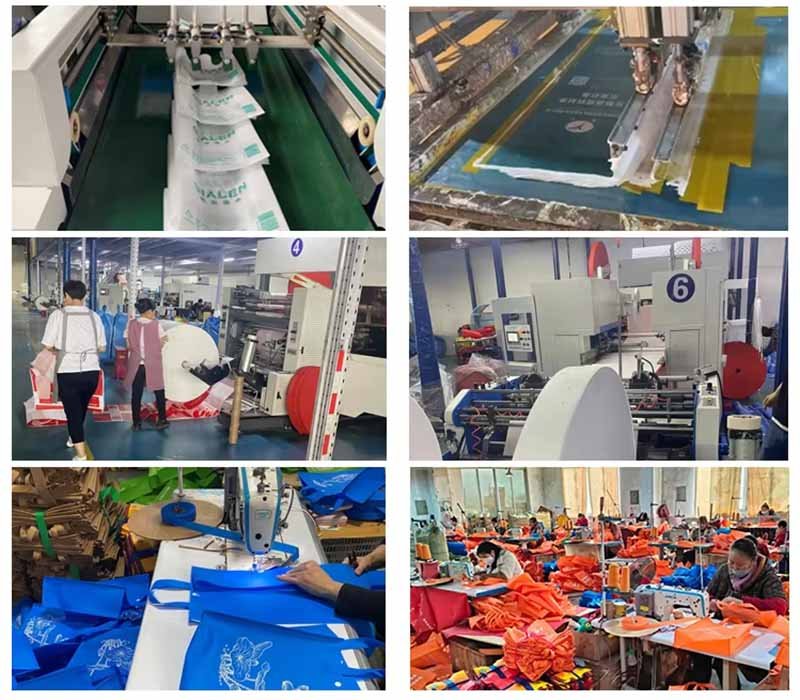
A supplier can perform well on one small order and still become unreliable when volume, SKU count, seasonal demand, or reorder frequency increases. Scaling should be evaluated through order-specific capacity, production planning, material readiness, multi-SKU control, and repeat-order consistency rather than a single headline capacity figure. Different bag constructions consume very different amounts of labor, equipment time, materials, inspection resources, and production coordination.
Check Order-Specific Capacity
The question “What is your monthly capacity?” often produces an impressive number with limited practical value. A factory may produce a very large quantity of basic drawstring bags in one month but only a fraction of that quantity in multi-pocket technical backpacks. One complex bag may require several times more sewing minutes, more preparation, more hardware, additional finishing, and more inspection work than a simple promotional tote.
Ask instead how much capacity the factory can realistically allocate to your specific product during your intended production window. The answer should consider material preparation, cutting, printing or embroidery, sewing time, specialist equipment, current production loading, finishing, inspection, packing, and shipment preparation rather than focusing only on the final sewing stage.
A believable production schedule can usually be explained through milestones such as material approval, material arrival, pre-production sample approval, cutting, sewing start, in-line inspection, packing, final inspection, and shipment readiness. If one supplier promises a dramatically shorter lead time than several similarly qualified factories, investigate the reason. The faster timeline may reflect genuine available capacity, but it may also exclude custom component lead times, packaging preparation, approval time, or external processes.
Plan for Peak Seasons
Peak-season performance is one of the clearest tests of supplier stability. During busy periods, factories may face labor shortages, long queues at printing or embroidery suppliers, slower material deliveries, overloaded hardware vendors, tighter sewing capacity, holiday shutdowns, and heavier QC workloads. A supplier that looks highly responsive during a quiet month may behave very differently when several major customers need production at the same time.
Ask how capacity is allocated when confirmed demand exceeds normal resources. If partner factories or additional sewing lines are used, understand how patterns, approved samples, BOMs, materials, QC standards, and packing instructions are transferred. External resources are common throughout the soft-goods supply chain, but they become risky when they are invisible or poorly controlled.
Forecasting can make long-term cooperation significantly more stable. A company may provide an approximate longer-range demand view for planning, a more reliable three-month outlook for materials and capacity preparation, and firm purchase orders for actual production. Exact forecasting periods will vary, but the principle remains the same: capacity becomes easier to reserve when demand becomes visible before it turns into an urgent order.
Test Multi-SKU Control
Growing product lines rarely remain limited to one bag. A program may begin with two backpacks and later expand into several colorways, matching pouches, travel accessories, cooler bags, cosmetic products, or seasonal variations. Operational complexity can therefore increase much faster than total unit volume.
A purchase order with 12 styles and three colorways already creates 36 product combinations before different barcodes, care labels, packaging designs, carton marks, or shipping destinations are considered. At this point, the main risk is no longer whether the factory can sew each product. The real risk is whether information crosses between SKUs and creates the wrong color, wrong artwork, wrong label, or wrong packaging configuration.
Each SKU should be connected clearly to its approved sample, specification, BOM, artwork, color, quantity, packaging, barcode, and carton instructions. Barcode mistakes provide a useful example because the bag itself can be perfectly manufactured while the finished unit becomes commercially unusable if the wrong EAN, UPC, FNSKU, color sticker, or retailer label is applied. Multi-SKU management is therefore a useful indicator of whether a supplier can support a growing product line rather than only individual orders.
Evaluate Repeat-Order Consistency
The second and third orders often reveal more about long-term suitability than the first. The original production run usually receives extra attention because everything is new. A reorder tests whether the factory has retained the pattern, BOM, approved sample, material references, artwork, packaging files, and previous QC lessons correctly.
A mature reorder process should begin by identifying what remains unchanged and what needs to be reconfirmed. Materials deserve particular attention because the same nominal fabric specification may still produce visible differences between lots. A custom hardware supplier may have changed. Packaging artwork may have been updated. A new barcode may have been issued even though the product itself has not changed.
Long-term suppliers should become faster without becoming careless. Useful trends include milestone accuracy, recurring quality problems, material consistency, documentation accuracy, unauthorized substitutions, and the number of technical questions required to reconstruct a previous order. A supplier that becomes more predictable with each production run is building project knowledge. A supplier that repeatedly starts from zero is not yet creating the operational memory required for stable long-term cooperation.
What Risks Should You Check?
Supplier qualification should uncover problems that may remain invisible during sampling, including irrelevant compliance documents, unclear commercial terms, uncontrolled subcontracting, unapproved material changes, intellectual-property exposure, weak documentation, and unclear responsibility for delays or defects. The goal is not to eliminate every possible sourcing risk. It is to identify the risks that matter to your product and establish how they will be controlled before order value and operational dependence increase.
Verify Compliance Relevance
Certificates can create false confidence when purchasing teams focus on the number of documents rather than what those documents actually prove. Factory-management certifications, social audits, recycled-material certificates, chemical documentation, and product test reports answer different questions. One should not automatically be treated as evidence for another.
Start with the product, destination market, retail channel, intended customer, and any performance claims. Determine which requirements are relevant and then connect each requirement to suitable evidence. If the bag is sold in a regulated product category, the applicable rules may be different from those affecting ordinary fashion accessories. If the product is marketed with claims such as waterproof, fire resistant, insulated, load bearing, or RFID blocking, decide how those claims will be validated.
When reviewing documentation, check the legal company name, production address, document scope, issuing organization, issue date, validity period, and product or material description. Previous test reports deserve special attention because a result from another construction or customer does not automatically apply to your new product. A simple internal compliance matrix listing requirement, evidence, and current status is often more useful than keeping a folder full of certificates that nobody has evaluated.
Clarify Commercial Risk
Many supplier problems begin with incomplete pricing rather than poor sewing. Confirm what a quotation actually includes: outer fabric, lining, foam, webbing, hardware, zipper, logo application, labels, standard packaging, customized packaging, tooling, molds, testing, third-party inspection, carton requirements, and export handling where relevant.
MOQ should also be understood at component level. A finished bag may be commercially feasible at 500 pieces, while one custom buckle, woven label, molded puller, dedicated Pantone fabric, or printed lining requires a higher minimum. Discovering those constraints after sample approval can force an unwanted redesign, increase inventory, or change the expected cost structure.
Payment terms, quotation validity, Incoterms, sample fees, tooling ownership, testing responsibilities, and conditions that could trigger a price change should also be clear before significant production begins. Long-term pricing does not mean every cost must remain unchanged forever. Textile, hardware, labor, freight, and currency conditions can move. The important difference is whether commercial changes appear suddenly or are explained early enough for the purchasing team to plan around them.
Control Subcontracting and Production Changes
Custom bag manufacturing usually involves a broader supply chain than the main sewing factory. Fabric mills, coating facilities, dye houses, printing companies, embroidery workshops, zipper suppliers, hardware manufacturers, packaging printers, lamination factories, and specialist production partners may all contribute to the final product.
The presence of external resources should not automatically disqualify a supplier. The important questions are which processes are external, who approves those vendors, how external work is inspected, whether critical production locations can change without notice, and who remains responsible if a subcontractor creates a quality or delivery problem.
The same discipline should apply to material and process changes after approval. Fabric, coating, zipper, hardware, foam, lining, labels, logo methods, construction, or packaging should not be changed casually because even small changes can affect appearance, durability, compliance, price, or delivery. A practical change record identifies what is changing, the reason, affected orders, possible impacts, approval status, and implementation date. Long-term sourcing will always involve some changes. The real risk comes from changes that become visible only after production is complete.
Protect Product Knowledge
Intellectual-property risk includes much more than unauthorized logo use. A custom bag project may contain proprietary patterns, technical drawings, prints, custom hardware, molds, packaging files, construction ideas, product-launch plans, and commercial information. The supplier should have a sensible method for controlling who receives these files internally and which outside vendors need access to them.
Obsolete artwork and superseded specifications should not continue circulating after revisions, particularly when branding or packaging is involved. Physical reference samples can also contain commercially sensitive product details and should be treated as controlled project assets rather than general showroom pieces.
Product continuity deserves similar attention. For important materials and components, maintain enough information to reconstruct the product if the original source later disappears. Supplier reference, material construction, finish, color, approved swatch, physical sample, technical drawing, and performance requirement may all become useful on future orders. If a supplier loses one salesperson and nobody else can determine which zipper, fabric, pattern, or packaging file belongs to your product, the relationship was never as well controlled as it appeared.
How Do You Approve Long-Term Cooperation?
A supplier should earn long-term approval through a controlled production cycle rather than through a successful prototype alone. Evaluate how the organization performs from specification review and material purchasing through production, inspection, packing, shipment, and corrective action. Long-term cooperation becomes more reasonable when quality, communication, change control, delivery, documentation, and problem solving remain reliable under real operating conditions rather than only during the sales and sampling stages.
Start With a Real Trial Order
Sampling mainly tests development capability. A real production order tests the organization behind the sample. This is when you discover whether approved materials are purchased, BOM versions remain under control, production begins according to plan, external processes are managed, quality checks happen when expected, packing instructions reach the correct team, and shipment documentation is prepared accurately.
A trial order should normally be large enough to enter the supplier’s ordinary production system rather than being treated like an oversized sample. At the same time, there is little benefit in immediately committing the largest planned annual volume before the supplier has demonstrated that its production and management systems can support the project.
Define success criteria before the trial begins. Depending on the product, these might include confirmation of critical specifications before line release, no unauthorized material changes, acceptable inspection results, correct SKU and packaging reconciliation, timely production milestones, and closure of significant corrective actions before shipment. The exact thresholds should reflect your own product and risk level, but the principle is consistent: decide what success means before you see the final result.
Track the Right KPIs
Supplier measurement works best when the metrics are simple enough to review consistently. Dashboards with dozens of indicators often become administrative work that nobody uses. A smaller group of meaningful measures can provide a much clearer picture of whether the supplier is improving or becoming more difficult to manage.
Quality can be followed through inspection results, recurring defect types, complaint trends, and the effectiveness of corrective action. Delivery can be reviewed against confirmed production milestones rather than only the final shipping date. Development performance can include sample accuracy and revision efficiency. Communication can be judged by whether risks are reported early enough for decisions to be made rather than only by the speed of routine replies.
Reorder consistency deserves particular attention because it shows whether previous project knowledge has been retained. First-pass inspection results, repeat defects, milestone performance, unauthorized substitutions, documentation accuracy, corrective-action closure, and repeat-order consistency can create a useful operational picture over several orders. No single number should decide the relationship. The value comes from trends that show whether the supplier is becoming more predictable.
Score the Supplier Objectively
A structured scorecard reduces the risk that one attractive feature, usually price or a good sample, dominates the final supplier decision. Different companies will weight factors differently, but development capability, quality, delivery, transparency, compliance, and commercial performance normally deserve separate consideration.
| Qualification Area | Example Weight | What to Evaluate |
| Product and development capability | 20% | Technical review, samples, material knowledge |
| Quality system and consistency | 25% | Process QC, final inspection, corrective action |
| Capacity and delivery control | 15% | Planning, milestones, seasonal resilience |
| Factory transparency | 15% | Production visibility, outsourcing control |
| Compliance and risk management | 10% | Relevant documents, traceability, change control |
| Commercial and communication | 15% | Pricing clarity, response quality, issue management |
| Total | 100% | Overall supplier qualification |
The weights above are an example rather than a universal industry standard. Some companies use an internal approval level such as 80 points out of 100, while others use category-specific thresholds or mandatory gates. A technical medical-bag project may place more weight on traceability and compliance, while a fashion program with frequent launches may give more weight to development speed and SKU management.
A total score should never hide a critical failure. Excellent pricing should not mathematically compensate for unresolved compliance issues, uncontrolled production locations, repeated unapproved substitutions, or serious quality problems. A useful qualification system therefore combines a score with a small number of non-negotiable requirements.
Look for Long-Term Behavior
A good supplier does not need to be perfect. What matters is whether the organization behaves predictably when circumstances are imperfect. Manufacturing involves people, materials, machines, outside vendors, logistics, and changing production schedules, so occasional problems are inevitable. Long-term suitability becomes visible in the way those problems are handled.
Watch for early warning. Does the supplier tell you about a material delay while there is still time to choose an alternative, or only after the planned sewing date has passed? If a component becomes unavailable, does the team ask for approval before substitution? When inspection finds a recurring defect, does production investigate the cause or simply sort bad pieces at the end? When the next order begins, are previous problems remembered and actively prevented?
Strong long-term behavior usually includes transparent communication, realistic commitments, disciplined revision control, visible production processes, careful material approval, useful corrective action, and steadily improving repeat-order execution. Warning signs include unexplained production-location changes, recurring defects, missing records, repeated last-minute schedule surprises, pressure to skip approval stages, unreported component changes, or constantly changing explanations for the same problem.
Final Thoughts
Qualifying a new bag supplier is not about collecting the largest number of quotations, visiting the biggest factory, or finding a company willing to promise that every request is possible. It is about reducing uncertainty until you understand how the supplier develops products, controls materials, manages production, handles defects, protects specifications, communicates changes, and performs after the excitement of the first order has passed.
For companies developing custom bags and soft goods, the strongest manufacturing relationships usually grow in stages. A technical discussion leads to sampling, sampling creates an approved production standard, a controlled first order tests the manufacturing system, and repeat orders reveal whether the supplier has retained what it learned. Suppliers that perform well across those stages become easier to plan with because their decisions, limitations, and production behavior become increasingly predictable.
That is also the point where the relationship begins to create more value than a simple price comparison. Experienced manufacturing partners can help identify material risks before sampling, recognize difficult construction details before production, preserve previous specifications, plan around recurring demand, and prevent old quality problems from reappearing. If your next bag program involves a new construction, multiple SKUs, specialized materials, or a planned transition from trial volume to repeat production, evaluating the supplier through this full qualification process can make the eventual sourcing decision much safer.
Frequently Asked Questions
How do you evaluate a new bag manufacturer?
A new bag manufacturer should be evaluated across manufacturing identity, product experience, development capability, material control, sampling, QC, capacity, compliance, delivery, communication, and trial-order performance. Do not rely on a quotation or factory presentation alone. Ask to see comparable products, observe relevant manufacturing processes, review how specifications are controlled, verify external production activities, and measure actual production performance before moving significant repeat volume to the supplier.
What should I check during a bag factory audit?
A useful bag factory audit should follow the actual manufacturing flow rather than staying in the showroom. Review material storage, cutting, printing or embroidery where relevant, sample development, sewing, in-process inspection, finishing, final QC, packaging, warehouse management, and production documentation. Ask how your specific product would move through these areas and which processes are handled externally. The audit should help you understand how the factory controls your order, not simply confirm that machinery exists.
How can I make sure bulk bags match the approved sample?
Sample-to-bulk consistency improves when the approved sample is supported by a controlled BOM, measurement table, pattern version, material references, color standards, artwork, accessory specifications, packaging files, and defined tolerances. Critical materials should be checked before production, and important changes should require approval. Pre-production confirmation, early-line checks, in-process inspection, and final QC can then verify whether production continues to match the approved standard rather than waiting until all units are finished.
Should I place a trial order with a new bag supplier?
A controlled trial order is one of the most useful steps in supplier qualification because it tests capabilities that samples cannot reveal. Sampling shows whether a factory can develop the product, while production shows whether it can purchase the correct materials, manage versions, schedule work, control quality, package correctly, communicate delays, and prepare shipment documentation. The trial should be large enough to enter normal manufacturing processes while keeping your commercial exposure manageable.
What are the biggest red flags when choosing a bag supplier?
Common warning signs include unclear production locations, reluctance to show manufacturing processes, quotations that ignore technical details, repeated material substitutions, poor revision control, unclear responsibility for outsourced work, recurring defects without meaningful corrective action, last-minute delivery surprises, and inconsistent explanations from different team members. One issue alone may not disqualify a supplier, but several of these behaviors together often indicate that future orders will become increasingly difficult to control.
How should I compare two bag suppliers with similar prices?
When prices are close, compare what happens beyond the quotation. Evaluate product-development knowledge, sample accuracy, material sourcing, quality systems, capacity planning, multi-SKU management, production transparency, compliance support, packaging, export experience, communication quality, and repeat-order stability. A slightly lower unit cost can become expensive if the supplier requires more revisions, creates quality claims, misses a launch date, or cannot reproduce approved materials. The better comparison is total sourcing risk and operational reliability, not only unit price.
What makes a bag supplier suitable for long-term cooperation?
A supplier becomes suitable for long-term cooperation when it can repeatedly convert approved specifications into stable production while keeping materials, workmanship, delivery, documentation, and communication under control. Strong long-term partners also remember previous orders, report risks early, manage changes transparently, close corrective actions, and become easier to work with as the relationship develops. The most valuable sign is not that no problem ever occurs, but that problems become visible sooner, are solved more systematically, and are less likely to return on later orders.