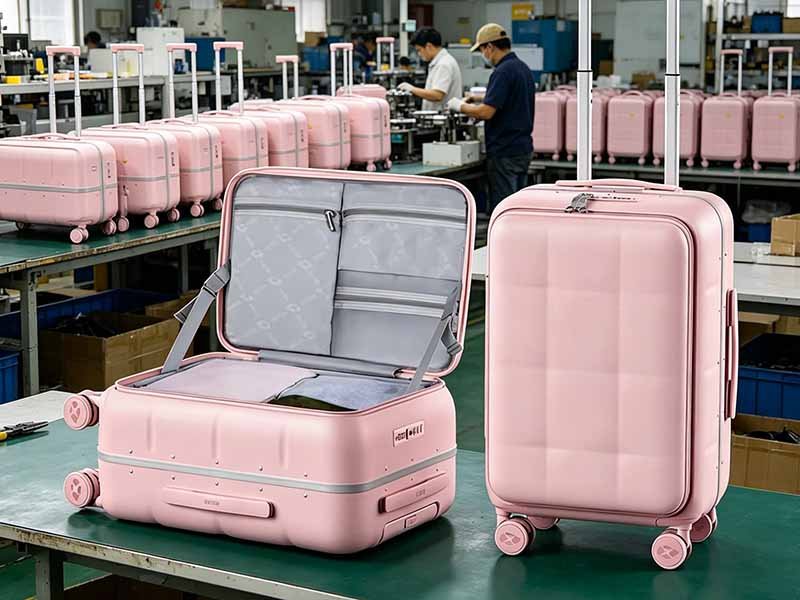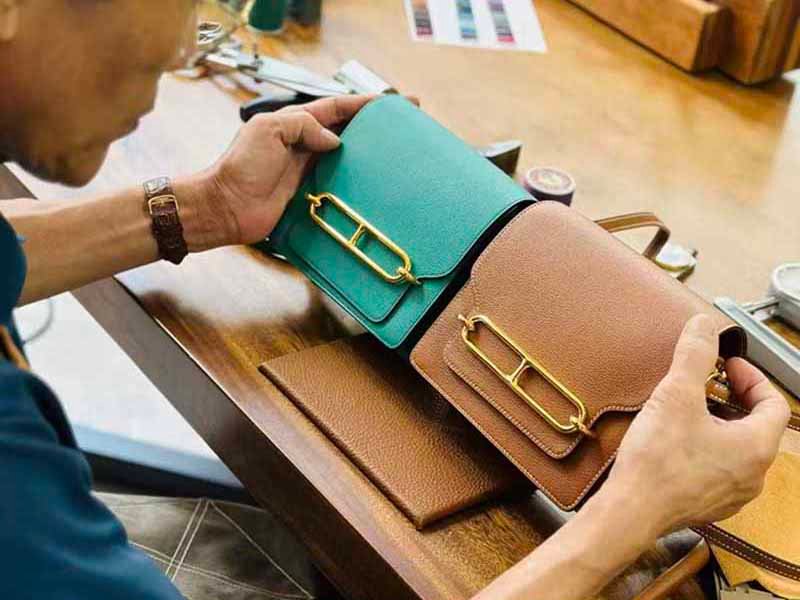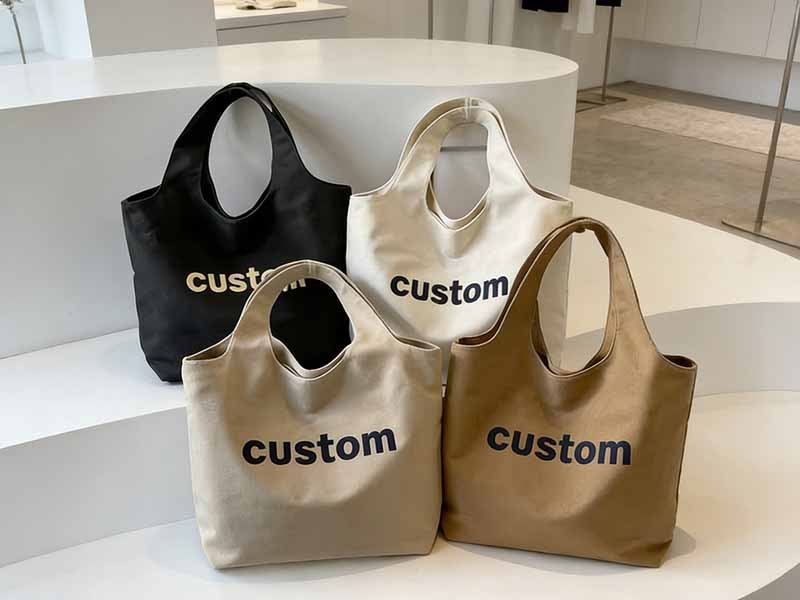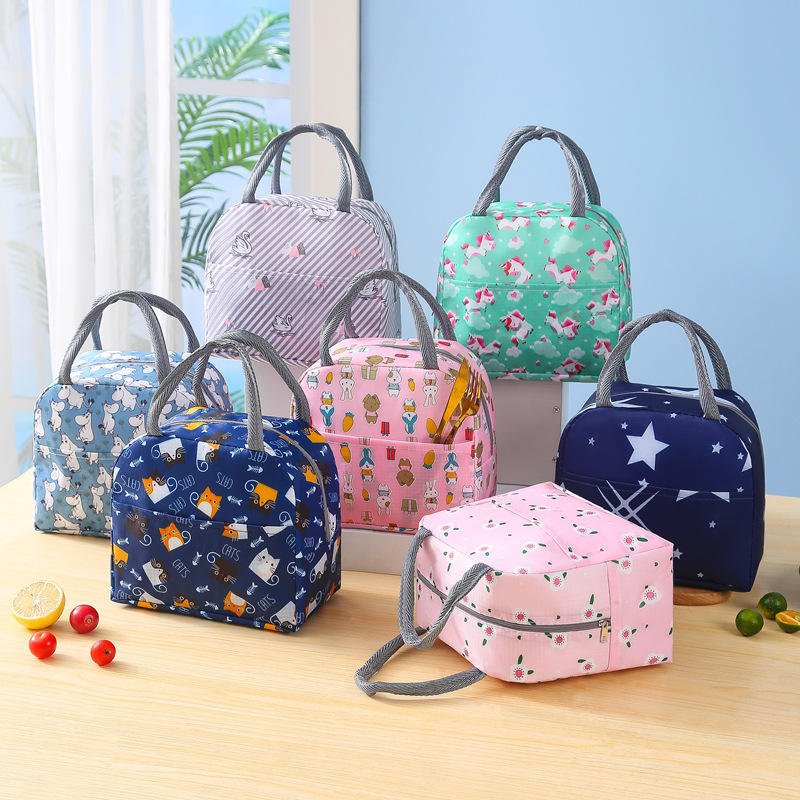
A custom bag can look excellent during sample approval and still develop costly problems when the design moves into production at scale. That happens because a finished bag combines many variables at once: fabric, lining, foam, zippers, webbing, hardware, thread, reinforcement, printing, embroidery, labels, measurements, packaging, and dozens of sewing operations. A small variation in one of those areas may remain invisible in a single sample but become a repeated defect across hundreds or thousands of units.
The most common defects in custom bag manufacturing include uneven or skipped stitching, open seams, zipper failures, loose or scratched hardware, material damage, color variation, incorrect dimensions, distorted shapes, misplaced logos, lining defects, weak load-bearing attachments, missing accessories, contamination, and packaging or labeling errors. The most serious defects are those that affect safety, function, durability, retail acceptance, or compliance with the approved product specification.
The important lesson is that most quality failures do not begin during final inspection. They often start much earlier, when a material lot changes, an outdated pattern reaches the cutting table, a zipper is installed under excessive tension, or an unclear instruction is interpreted differently by two operators. Consider a 3,000-piece backpack order in which only 3% of the units have a weak shoulder-strap attachment. Ninety defective bags may seem statistically small, but once they reach customers, those ninety units can create returns, replacement costs, negative reviews, and questions about the entire production lot.
What Are the Most Common Bag Defects?
The most common bag defects involve stitching, seams, zippers, hardware, materials, dimensions, logos, lining, shape, cleanliness, and packaging. Some only affect appearance, while others reduce durability or make the product unusable. A useful quality review therefore considers where the defect appears, whether normal use is affected, and whether the finished product still matches the approved sample, specifications, tolerances, and intended selling channel.
Stitching and Seam Defects
Stitching problems are among the easiest defects to notice, but their seriousness depends heavily on location. A small loose thread inside a promotional tote is very different from an open seam where a backpack shoulder strap joins the main body. Both may be called sewing defects, yet one is mainly cosmetic while the other can directly reduce load-bearing strength and shorten product life.
Common issues include skipped stitches, broken thread, inconsistent stitch density, seam puckering, crooked topstitching, incomplete binding, exposed raw edges, poor backstitching, inaccurate seam allowance, needle marks, and reinforcement that does not fully cover a stress point. Handles, shoulder straps, zipper ends, bottom seams, pocket corners, D-ring tabs, and side compression straps deserve particular attention because they experience repeated force during normal use.
For many sewn bag constructions, stitch density may commonly fall somewhere around 6–10 stitches per inch, although the correct value depends on material, thread, needle, seam type, machine, and appearance requirements. More stitches are not automatically better. On PU, leather, coated fabrics, and certain laminated materials, excessive needle perforations placed too closely together can weaken the seam line instead of strengthening it.
A useful production standard therefore describes more than “good stitching.” It may define stitch density, seam position, seam allowance, bartack length, reinforcement location, thread color, acceptable waviness, and the relationship between the seam and an approved reference sample. The more important the load-bearing area, the less useful vague workmanship language becomes.
Zipper and Hardware Defects
Zippers create a high number of real-world complaints because they are repeatedly operated throughout the life of a bag. Common defects include rough slider movement, zipper jamming, coil or tooth separation, wavy zipper tape, weak end stops, damaged pullers, incorrect opening direction, slider mismatch, and lining fabric that becomes trapped during opening and closing.
Not every zipper failure means the zipper itself is poor quality. A reliable zipper can still perform badly when installed into a curved opening with excessive sewing tension, when surrounding panels are cut inaccurately, or when foam, binding, or loose lining interferes with the zipper path. Inspecting the component without considering the construction around it can therefore lead to the wrong diagnosis.
Hardware presents similar challenges. Buckles, snap hooks, D-rings, adjusters, magnetic closures, rivets, eyelets, and metal plates may show scratches, inconsistent plating, sharp edges, cracks, poor fit, looseness, corrosion, or color differences. Load-bearing hardware should always be evaluated together with the webbing, fabric tab, reinforcement, and seam holding the component. A strong metal D-ring does little good if its attachment point tears away from the bag body.
Repeated operation provides more useful information than a single movement. Zippers, buckles, snaps, hooks, and adjusters should operate smoothly across the inspection sample without unusual resistance, visible damage, or gradual loosening. Where a component carries meaningful weight, the agreed quality requirement should define how its attachment is evaluated rather than relying on an informal hand pull.
Material, Logo, and Dimension Defects
Material defects can include scratches, stains, weaving faults, coating marks, holes, wrinkles, shade differences, surface contamination, delamination, peeling, inconsistent thickness, or changes in hand feel between production lots. These problems are especially visible on pale colors, large uninterrupted panels, smooth PU surfaces, and products whose appearance depends on simple, clean construction.
Color management can be more complicated than it first appears. A Pantone reference helps communicate color direction, but polyester fabric, nylon webbing, embroidery thread, zipper tape, printed ink, painted metal hardware, PU coating, and woven labels may reproduce that color differently. When appearance is commercially important, an approved physical swatch or production sample usually provides a more practical comparison standard than a screen image alone.
Logo defects commonly include incorrect dimensions, wrong color, poor embroidery coverage, blurred print edges, incomplete ink transfer, weak embossing, crooked patches, inconsistent location, and visible differences between units. Logo placement should be measured from defined reference points rather than judged only by eye, especially when the graphic sits on a minimalist front panel where even a small offset becomes noticeable.
Dimension defects can affect width, height, depth, gusset size, pocket opening, handle drop, strap length, zipper opening, laptop compartment size, or panel alignment. Because soft sewn products naturally move during measurement, tolerances should reflect the actual construction. A structured cosmetic case and a large flexible duffle should not automatically use the same dimensional tolerance.
| Defect Area | Common Examples | Practical Inspection Focus | Potential Impact |
|---|---|---|---|
| Stitching | Skipped stitches, open seams, puckering | Seam formation, reinforcement, stress areas | Medium to high |
| Zipper | Jamming, separation, lining catch | Smooth operation, alignment, end stops | High |
| Hardware | Scratches, loose rivets, broken buckles | Finish, attachment, repeated operation | Medium to high |
| Material | Shade variation, stains, coating damage | Approved swatch, surface condition | Medium |
| Logo | Wrong position, size, color, poor print | Artwork and approved placement | Medium to high |
| Dimensions | Incorrect body or strap measurements | Measurement table and tolerance | Medium to high |
| Packaging | Wrong barcode, SKU, carton marking | Packing specification and order data | High |
Why Do Custom Bag Defects Happen?
Custom bag defects usually develop through a chain of process variations rather than one isolated mistake. Material differences, inaccurate patterns, cutting errors, unsuitable machine settings, inconsistent sewing methods, weak assembly control, outdated specifications, and poorly managed design changes can all contribute. The most effective corrective approach identifies the earliest point where the defect became possible instead of simply removing imperfect finished products at the end.
Material and Cutting Problems
Many finished defects actually begin before a sewing machine touches the product. Two fabric rolls sold under the same material description can differ in shade, coating thickness, stretch, backing, texture, dimensional stability, or hand feel. A commercial description such as “600D polyester,” “canvas,” or “PU leather” identifies a category, but it is rarely detailed enough to function as a complete production specification.
Depending on the product, the material requirement may need to include weight, thickness, coating, finish, backing, color reference, water-resistance requirement, recycled content, width, surface treatment, or other performance characteristics. Incoming inspection is the most economical place to isolate unacceptable material because the cost of correction rises rapidly after cutting, printing, embroidery, lamination, and sewing have already added value.
Cutting then translates pattern accuracy into physical parts. Incorrect panel dimensions, inconsistent seam allowance, wrong grain or fabric direction, inaccurate notches, asymmetric left and right pieces, or mixed pattern revisions can all create a finished bag that looks distorted even when the sewing operators work carefully. Once incorrect panels enter assembly, workers may begin manually compensating for the error, which introduces even more variation.
Pattern revision control becomes especially important on complex products. Changing a zipper opening, gusset depth, pocket position, or strap location may affect several connected pattern pieces. Checking first-cut components against the approved version before bulk cutting starts is far cheaper than discovering the same dimensional error after hundreds of bags have been sewn and finished.
Sewing and Assembly Variation
Sewing quality is influenced by machine tension, thread selection, needle condition, presser-foot pressure, feed settings, material thickness, operator handling, seam construction, and assembly sequence. A method that performs perfectly on two fabric layers may behave very differently when the seam suddenly passes through shell fabric, lining, foam, reinforcement, zipper tape, binding, and folded webbing at the same location.
These thick transition areas frequently produce skipped stitches, needle breakage, inconsistent feeding, seam distortion, bulky corners, and irregular topstitching. The problem is not necessarily poor operator skill; the construction itself may need a different needle, machine setting, seam sequence, presser foot, or reinforcement design. This is one reason manufacturability should be reviewed before full production begins.
Operator variation can create another source of inconsistency. Two experienced workers may stretch zipper tape differently, feed binding with different tension, or interpret seam allowance slightly differently unless a reference method is established. First-piece approval and in-line inspection help turn a sample-maker’s technique into a repeatable production method that can be used by a larger team.
Assembly sequence also matters. Installing a component too early or closing a lining before internal reinforcement is checked can make correction difficult later. Experienced production planning is not only about sewing faster; it is about arranging the work so important quality points remain controllable and inspectable before they are permanently hidden inside the finished product.
Specifications and Production Changes
Some defects that appear to be manufacturing problems actually begin as communication problems. Instructions such as “use a strong zipper,” “place the logo in the center,” “make the strap durable,” or “match the sample color” sound understandable during development, but they do not establish objective acceptance criteria for production or inspection.
A production-ready specification normally identifies important measurements, materials, colors, hardware finishes, zipper direction, pocket layout, logo dimensions, logo position, packaging, labels, and functional requirements. Where variation matters, tolerances should also be defined. The objective is not to create unnecessary paperwork, but to make sure different departments are building and inspecting the same product.
Change control becomes increasingly important when a custom project moves through several sample rounds. A zipper may change after the second sample, the logo may move during the third, the strap may shorten after the fourth, and packaging may be revised immediately before production. If those decisions remain scattered across emails and chat messages, different teams may unintentionally follow different versions.
Even a seemingly small change can create secondary effects. Increasing foam thickness can alter seam bulk, finished dimensions, zipper installation, folding behavior, sewing difficulty, carton size, and shipping volume. Preventing defects therefore depends on understanding how product decisions interact, rather than treating every material, structure, and accessory change as an isolated adjustment.
Which Defects Are Critical, Major, or Minor?
Critical, major, and minor classifications describe the consequence of a defect rather than simply how visible it looks. Critical defects involve unacceptable safety or serious compliance risks. Major defects can affect normal use, durability, saleability, or an important specification. Minor defects mainly affect workmanship or appearance while normal function remains intact. The exact classification should reflect the product, market, intended use, and agreed inspection criteria.
Critical Defects
A critical defect generally involves a condition that presents an unacceptable safety, regulatory, or severe-use risk. Possible examples include exposed sharp hardware, dangerous contamination, an absent safety component, or another failure that could create foreseeable injury or serious non-compliance. The exact critical-defect list should always be developed around the actual product rather than copied unchanged from a generic bag checklist.
A simple promotional tote, pet carrier, medical bag, child-related product, dry bag, and technical load-bearing backpack do not share identical risks. A defect that is only cosmetic on one product may be far more significant on another. The classification should therefore begin with intended use, foreseeable misuse, sales market, construction, and any performance claims made about the product.
It is equally important not to use “critical” merely as another word for “very bad.” A severely crooked logo may make a branded retail item commercially unacceptable, but it normally does not create a direct safety hazard. A small sharp burr on hidden metal hardware may look less serious, yet it can create a much more meaningful risk during use.
For high-risk characteristics, final random inspection alone may not provide sufficient control. Certain features may require process verification, component documentation, laboratory testing, or 100% inspection. The more serious the possible consequence, the more control should move upstream into materials, production methods, and defined verification rather than depending only on a visual check at shipment.
Major and Minor Defects
Major defects are usually the category that receives the most attention in everyday commercial bag inspection because they can affect function, durability, customer satisfaction, or saleability. Typical examples may include a broken zipper, insecure handle, incorrect important dimension, missing component, wrong pocket arrangement, severe logo error, damaged main panel, incorrect SKU identification, or a seam that opens during normal handling.
Minor defects generally involve appearance or workmanship while the product remains usable. Examples may include an untrimmed thread, slight stitch waviness, minor lining wrinkle, small non-prominent surface mark, or limited cosmetic inconsistency that remains within the agreed quality expectation. Minor does not mean irrelevant, because a large number of minor defects can still make an entire shipment look poorly controlled.
Product positioning changes the classification. A small scratch that may be tolerated on a heavy-duty industrial tool bag could be unacceptable on a smooth white PU handbag. Similarly, a minor logo offset on a promotional duffle may be much more noticeable on a minimalist retail pouch where the logo is the primary visual feature.
This is why defect standards should be agreed before final inspection. Classification should consider price point, brand positioning, intended use, retail presentation, customer expectations, and product specification. A written defect list with examples or photographs often prevents disagreements because both sides are working from the same interpretation of acceptable quality.
AQL and Tolerances
AQL sampling is designed to evaluate production lots through statistically structured sample inspection instead of opening every unit. The current ISO 2859-1:2026 standard defines AQL-indexed acceptance sampling schemes for lot-by-lot inspection by attributes and includes normal, tightened, reduced, and other sampling approaches. ANSI/ASQ Z1.4 is another widely used acceptance-sampling system for attributes inspection.
Commercial inspections often refer to different AQL levels for major and minor defects, with 2.5 for major defects and 4.0 for minor defects frequently encountered in consumer-goods sourcing. Those values should be treated as commonly used examples rather than universal requirements. Retailers, brands, regulated projects, or higher-risk products may define tighter levels, while the final standard should be agreed before inspection begins.
An AQL value also does not simply mean that a purchaser agrees to receive exactly that percentage of defective products. The sampling plan uses lot size, inspection level, sample size, and acceptance or rejection numbers to determine whether the inspected production lot meets the selected acceptance criteria. AQL is therefore part of a sampling decision system rather than a direct warranty of the defect percentage in every carton.
Dimensional tolerances require the same product-specific thinking. Soft goods deform when laid flat, filled, compressed, or measured under different tension. The specification should define measurement points and acceptable variation according to the construction. A tight tolerance suitable for a molded EVA case may be unrealistic for a large flexible duffle made from soft fabric.
| Defect Class | Practical Meaning | Possible Bag Example | Typical Response |
|---|---|---|---|
| Critical | Safety or severe compliance concern | Sharp exposed component | Isolate and investigate immediately |
| Major | Function, durability, or saleability affected | Failed zipper or insecure handle | Count against major acceptance criteria |
| Minor | Cosmetic/workmanship issue, function intact | Small loose thread | Count against minor acceptance criteria |
| Measurement | Dimension outside agreed tolerance | Incorrect strap or body size | Compare with measurement specification |

How Are Bag Defects Found During Production?
Bag defects are most effectively found through several inspection stages rather than one final check. Incoming materials and accessories are reviewed first, followed by pre-production confirmation, cutting inspection, first-piece approval, in-line sewing checks, semi-finished inspection, final inspection, functional testing, measurement, and packaging verification. Each stage targets different risks and makes correction possible before additional labor and materials increase the cost of the problem.
Before Production
Pre-production control establishes the reference that the manufacturing team will follow. Before bulk cutting begins, everyone involved should know which sample is approved, which specification revision is current, what material and color have been accepted, which logo artwork is correct, and what packaging, measurement, testing, and labeling requirements apply to the order.
An approved sample is particularly valuable because it translates drawings and written instructions into a physical reference. It shows proportions, structure, seam appearance, material combination, hand feel, pocket layout, zipper installation, hardware finish, padding, logo scale, and other details that can be difficult to describe perfectly in a tech pack alone.
The sample only works, however, when its revision status is controlled. If the customer approves sample version five while the cutting department receives pattern files from version four, the physical reference cannot prevent the error by itself. Materials, drawings, patterns, artwork, measurement tables, and packaging files need to point toward the same final product configuration.
The first production pieces are another important checkpoint. They reveal whether normal production machinery and line operators can reproduce the approved design consistently. Zipper waviness, dimension drift, reinforcement errors, excessive seam bulk, and difficult assembly details often become visible at this stage, when correcting the method is still practical.
In-Line Inspection
In-line inspection reviews the product while cutting, printing, embroidery, sewing, assembly, and finishing are still in progress. Its greatest advantage is timing. If a pocket is being sewn 8 millimeters too low, discovering the mistake after twenty units usually allows a manageable correction. Discovering the same repeated error after 1,500 completed bags creates a very different problem.
Inspectors should look for patterns rather than focusing only on isolated imperfect pieces. Several similar zipper waves, seam failures, or positioning errors may indicate a problem with machine settings, pattern dimensions, work instructions, or the production method. One random loose thread may require finishing, but a repeated defect usually deserves a deeper process investigation.
Measurements can also be monitored before the bag is fully assembled. Strap length, handle drop, pocket position, zipper opening, key body dimensions, and panel alignment can be checked at stages where the source of variation remains visible. Reinforcement is another important in-line checkpoint because internal backing, webbing insertion, bartacks, and hidden patches may become impossible to evaluate after lining or binding covers them.
The best in-line inspection is not designed to blame operators or simply remove rejected pieces. It is designed to stop variation from spreading. The useful questions are where the defect began, how many units could be affected, what change is required, and whether production returns to the approved standard after corrective action.
Final and Functional Inspection
Final inspection determines whether completed production is sufficiently consistent with the approved product and agreed acceptance criteria to be released. Workmanship, dimensions, appearance, function, logo, cleanliness, accessories, quantity, labels, packaging, assortment, carton information, and product-specific requirements are commonly reviewed at this stage.
Functional inspection should reflect how customers actually interact with the product. Zippers should move without unusual resistance, buckles should engage securely, strap adjusters should move and hold position, magnetic snaps should align, and hook-and-loop closures should engage properly. Components that operate perfectly once but fail after repeated movement present a different risk from components that remain stable through normal use.
Where load-bearing performance matters, the requirement should define what is being tested. A practical strength check is more meaningful when the load, direction, duration, fixture, and acceptance result are agreed rather than when someone simply pulls on the handle and decides that it “feels strong.” The same principle applies to leakage, abrasion, dimensional, or repeated-operation tests.
Packaging is part of final quality, not a separate administrative detail. An otherwise excellent bag can still fail commercially if it carries the wrong FNSKU, UPC, EAN, SKU label, hangtag, warning, carton quantity, or carton marking. These errors can create warehouse rejection, incorrect inventory, relabeling work, delayed launch dates, or additional fulfillment costs.
Szoneier’s documented quality workflow follows this multi-stage approach, covering material inspection, accessory inspection, pre-production sample confirmation, cutting inspection, sewing-process checks, semi-finished inspection, final inspection, and packaging inspection before shipment. This type of staged control is more effective than waiting until all products are packed before looking for recurring production problems.
| QC Stage | Main Items Checked | Typical Problems Found | Relative Correction Difficulty |
|---|---|---|---|
| Incoming | Fabric, lining, zipper, hardware, color | Wrong material, shade difference, scratches | Low |
| Cutting | Pattern, direction, dimensions | Wrong panel size, asymmetry | Low to moderate |
| First Piece | Construction, setup, measurements | Assembly or machine-setting errors | Moderate |
| In-Line | Sewing, reinforcement, placement | Repeated workmanship defects | Moderate |
| Final | Function, dimensions, appearance | Completed-product failures | High |
| Packing | Labels, SKU, quantity, carton marks | Warehouse and shipment errors | High |
Do Defects Differ by Bag Type?
Yes. Different bag categories fail in different ways because their construction, materials, loads, and end uses are different. Backpacks place more emphasis on shoulder straps and zippers, totes on handles and printing, cooler bags on insulation and lining, PU products on surface quality, and functional bags on specialized performance. A useful quality plan therefore follows the actual failure risks of each product instead of applying one universal checklist.
Backpacks and Travel Bags
Backpacks contain more structural and load-bearing components than many simple bags, which creates more opportunities for variation. Shoulder-strap symmetry, strap attachment, top-handle strength, zipper movement, padding, lining, buckle installation, compartment dimensions, pocket position, reinforcement, and overall shape can all affect whether a backpack performs well in real use.
Strap attachment deserves particular attention because a visible exterior seam can look clean even when the reinforcement hidden inside is too small, incorrectly positioned, or not fully captured by stitching. The weakness may remain invisible until the backpack is filled and repeatedly lifted. Inspectors therefore need to understand the complete load path from the user’s shoulder through webbing, reinforcement, shell fabric, and seam construction.
Travel bags and duffles introduce similar risks around long zipper openings, top handles, detachable shoulder straps, D-ring tabs, end panels, and bottom seams. Because these products are larger, small construction weaknesses can experience higher forces once the bag is loaded. Large products can also create additional packaging pressure because carton weight, compression, and dimensional shipping volume become more significant.
Laptop backpacks add another measurable requirement: the compartment must actually fit the intended device. A sleeve that is 15 millimeters narrower than the approved specification may look perfectly normal during visual inspection while creating a poor user experience. Complex backpacks therefore require a combination of visual, dimensional, functional, and load-related checks.
Tote and Cooler Bags
Tote bags are structurally simple, but simplicity can make defects more visible. Crooked top edges, twisted handles, unequal handle drop, inconsistent gussets, stains, distorted prints, loose seams, and dimensional differences are easy to notice because there are fewer design elements to distract the eye.
Handle construction is usually the main functional concern. Fabric or webbing handles should be positioned consistently and reinforced according to the intended load. In a lightweight promotional tote, basic attachment may be sufficient, while a grocery, retail, or heavy-duty canvas tote may require longer attachment areas, additional stitching, bartacks, or another reinforcement method.
Logo quality also has an outsized influence on simple totes because printing or embroidery often forms the main visual feature. Size, position, edge quality, opacity, curing, registration, embroidery density, and color can determine whether the final product looks polished even when the underlying sewing construction is uncomplicated.
Cooler bags introduce a different set of risks. In addition to exterior stitching and zippers, inspectors may need to review insulation placement, liner integrity, internal cleanliness, seam construction, foam consistency, leakage-sensitive areas, and damage caused during assembly. A cooler bag with perfect embroidery but a punctured inner liner is still a defective product because the detail that matters most is inside the bag rather than on the front panel.
Leather, PU, and Functional Bags
Leather and PU products place greater emphasis on surface consistency because the material itself contributes heavily to perceived value. Scratches, dents, adhesive marks, wrinkles, coating damage, uneven edge paint, poor embossing, visible needle marks, peeling, scratched hardware, and inconsistent topstitching can be far more noticeable than they would be on a textured woven fabric.
Genuine leather requires particularly clear acceptance standards because natural grain, wrinkles, scars, and tonal variation are not always manufacturing defects. A practical quality specification can define which natural characteristics are acceptable on front panels, side panels, bottoms, handles, and less visible areas. Without this agreement, inspectors may reject acceptable natural variation or accept marks that conflict with the brand’s appearance standard.
PU materials present a different risk profile. Coating adhesion, backing quality, repeated bending, folding, temperature, storage, thickness, and edge construction can influence long-term appearance. A low-grade or unsuitable PU may look attractive during sampling and early production but perform poorly after packaging, shipping, repeated flexing, or extended storage.
Functional bags need even more product-specific inspection. Tool bags may prioritize abrasion, handle strength, pocket reinforcement, and hardware. Medical bags may require accurate compartment layouts, labels, cleanliness, and organization. Waterproof products may need sealing or leakage-related verification, while pet carriers may place more attention on mesh strength, zipper security, ventilation openings, structural stability, and attachment points.
Szoneier’s own quality documentation distinguishes product-specific inspection for backpacks, cooler bags, cosmetic bags, pet bags, tool bags, medical bags, and other functional products instead of treating every sewn bag as the same quality-control problem. That approach reflects the practical reality that quality should be defined according to how a product can actually fail.
How Can Manufacturers Prevent Defects Before Shipment?
The most effective defect-prevention system controls quality before and during production rather than relying on final inspection alone. Approved samples, clear specifications, controlled materials, first-piece verification, in-line inspection, agreed tolerances, functional testing, root-cause correction, packaging checks, and final sampling work together. The earlier a defect is identified, the fewer finished units require rework and the lower the risk of shipping a repeated problem.
Approved Samples and Standards
An approved sample gives the production team and customer a shared physical reference for structure, materials, workmanship, proportions, logo, hardware, padding, pockets, and overall appearance. It is particularly useful for details that drawings cannot communicate perfectly, such as hand feel, stiffness, seam appearance, edge shape, or how several materials look when combined.
A sample only functions as a reliable standard when it is connected to controlled production documents. Finished measurements, material codes, approved colors, zipper models, hardware finishes, artwork, packaging, and labeling should all correspond to the same final revision. If the physical sample says one thing while the tech pack or artwork file says another, production teams are forced to guess which reference controls acceptance.
Manufacturability should also be reviewed before mass production. A highly experienced sample maker may spend several hours carefully producing one difficult corner or seam, but a method that depends on exceptional manual skill may not remain stable across thousands of pieces. The production team may need a construction adjustment, sewing fixture, machine change, clearer operation standard, or additional in-line checkpoint.
The best approval sample is therefore not simply the most attractive sample produced during development. It is a realistic production reference that combines the intended appearance with repeatable construction. The purpose is to make sure that the hundredth, thousandth, and later reorder units remain recognizably consistent with the product that was originally approved.
Root-Cause Control
Inspection creates value only when identified defects lead to corrective action. Removing ten defective bags does not solve a production problem if the next hundred pieces continue to be made with the same incorrect pattern, machine setting, material, or sewing method.
Root-cause analysis starts by determining whether the failure began in material, pattern making, cutting, machine setup, construction, component quality, operator method, or specification. A wavy zipper, for example, may not be corrected simply by replacing the zipper. The real cause could be uneven zipper-tape tension, panel shape, seam allowance, fabric stiffness, curved opening geometry, or the sequence used during installation.
After a correction is introduced, production should be checked again to confirm that the change actually worked. This distinction separates corrective action from simple rework. Rework repairs existing defective units, while corrective action changes the process so future units are less likely to develop the same defect.
Repeated defects are particularly useful signals. If the same issue appears across different operators, production periods, or cartons, the problem may be systemic rather than random. A practical control chain connects material approval, cutting verification, first-piece approval, in-line inspection, semi-finished review, final inspection, and packaging verification so that incorrect work is less likely to move unnoticed into the next production stage.
Verification Before Shipment
A company evaluating a custom bag manufacturer can learn more by asking specific quality questions than by requesting a general promise of “strict QC.” Useful questions include how incoming materials are checked, which approved sample controls production, how pattern revisions are managed, when the first production pieces are measured, whether inspectors work during sewing, and what happens when the same defect begins repeating.
Before shipment, important checks should remain aligned with the purchase order and approved sample. Finished dimensions, workmanship, zipper movement, hardware, color, logo, quantities, labels, barcodes, packaging, assortment, carton markings, and any product-specific performance requirements should be reviewed against the agreed standard rather than against memory or subjective impressions.
For first orders, complex technical products, high-value programs, or retailer-sensitive shipments, independent pre-shipment inspection can provide an additional layer of verification. Third-party inspection does not replace factory quality control because inspectors arriving at the end cannot efficiently correct problems that have already been reproduced across an entire production lot. Its value is verifying the final lot before the financial and logistical cost of international shipment is incurred.
Szoneier documents more than 18 years of experience across custom bags, soft goods, sampling, bulk production, process quality inspection, finished-product checking, packaging, and export delivery. The more useful point for a custom project, however, is not the number of years alone. It is whether accumulated manufacturing experience has been translated into practical checkpoints that control the parts of a product most likely to create problems.
Quality control in custom bag manufacturing is not about promising that variation will never occur. It is about defining what matters, making standards measurable, detecting abnormal variation early, understanding the real cause when something goes wrong, and preventing a small production mistake from becoming thousands of identical finished defects. A material problem found before cutting may require replacing a roll. The same problem discovered after printing, sewing, packing, and international delivery can become a much larger commercial problem involving rework, returns, relabeling, delayed launches, or damaged customer confidence.
The strongest manufacturing relationships are therefore built around transparency and control rather than perfection claims. When the product specification, approved sample, materials, production methods, inspection criteria, packaging requirements, and corrective actions all point toward the same standard, a brand has much better visibility over what it will receive. For custom projects that require stable repeat production, discussing these quality checkpoints with Szoneier before sampling or bulk manufacturing can help identify risks while design and process changes are still practical.
Frequently Asked Questions
What are the most common quality problems in custom bags?
The most common problems include uneven stitching, skipped stitches, open seams, weak handle or shoulder-strap attachment, zipper jamming, damaged hardware, material stains, color variation, incorrect dimensions, poor logo placement, lining defects, distorted shape, missing accessories, and incorrect packaging or labeling. The importance of each defect depends on where it appears and whether it affects appearance, normal use, durability, safety, or the approved product specification.
What is the difference between a major and minor bag defect?
A major defect usually affects function, durability, saleability, or an important specification, such as a zipper that does not operate, an insecure handle, or a major dimension outside tolerance. A minor defect generally affects appearance without preventing normal use, such as a small loose thread or limited stitch waviness. The exact classification should be agreed according to the product, price level, retail environment, and customer expectations.
What AQL level is commonly used for bag inspection?
Consumer-goods inspections frequently refer to AQL 2.5 for major defects and AQL 4.0 for minor defects, although these are common commercial examples rather than universal requirements. The selected AQL should reflect the product risk and customer standard. ISO 2859-1:2026 provides internationally recognized AQL-indexed sampling schemes for lot-by-lot inspection, while the actual sample size and acceptance numbers depend on the selected inspection plan.
Can a good approval sample still lead to poor bulk production?
Yes. A well-made approval sample does not automatically guarantee consistent bulk production because mass manufacturing introduces more workers, machines, material lots, cutting quantities, and repeated operations. Problems can also occur when an outdated pattern, incorrect material, old artwork, or unrecorded sample revision enters production. Maintaining consistency requires controlled specifications, current patterns, material approval, first-piece checking, in-line QC, and final verification in addition to the physical approval sample.
How can stitching defects be reduced during mass production?
Stitching defects are reduced by combining suitable thread and needle selection, correct machine settings, controlled seam allowance, clear reinforcement requirements, first-piece approval, and regular in-line inspection. Difficult areas with several material layers may require different machine settings or construction methods. Repeated defects should trigger a process review rather than simply trimming, repairing, or removing defective pieces, because correcting the underlying cause prevents the same problem from spreading across the remaining production lot.
Should custom bags be inspected only after production is finished?
No. Final inspection is important, but relying on it alone means many defects are discovered after the highest amount of labor and material cost has already been added. A stronger system checks materials and accessories before production, verifies cutting and first pieces, monitors sewing and semi-finished products, and then performs finished-product and packaging checks. Earlier inspection allows incorrect work to be stopped before hundreds or thousands of pieces repeat the same issue.