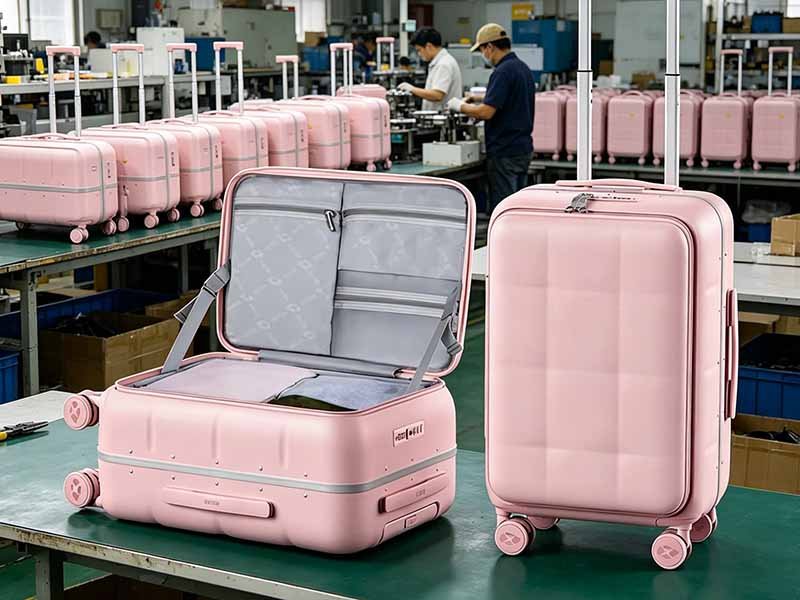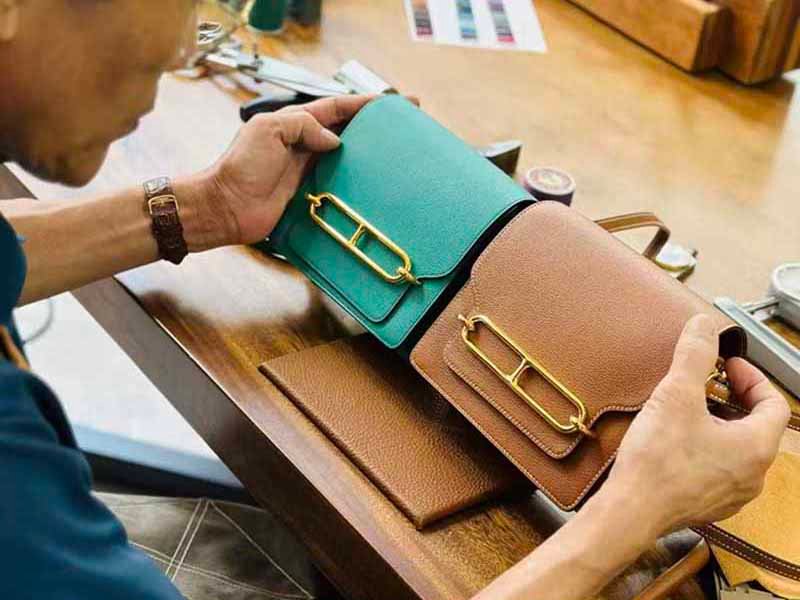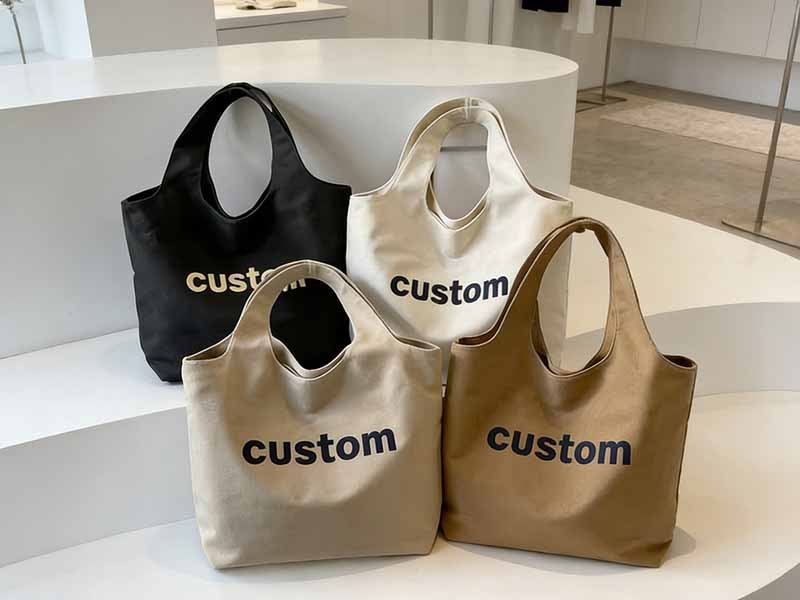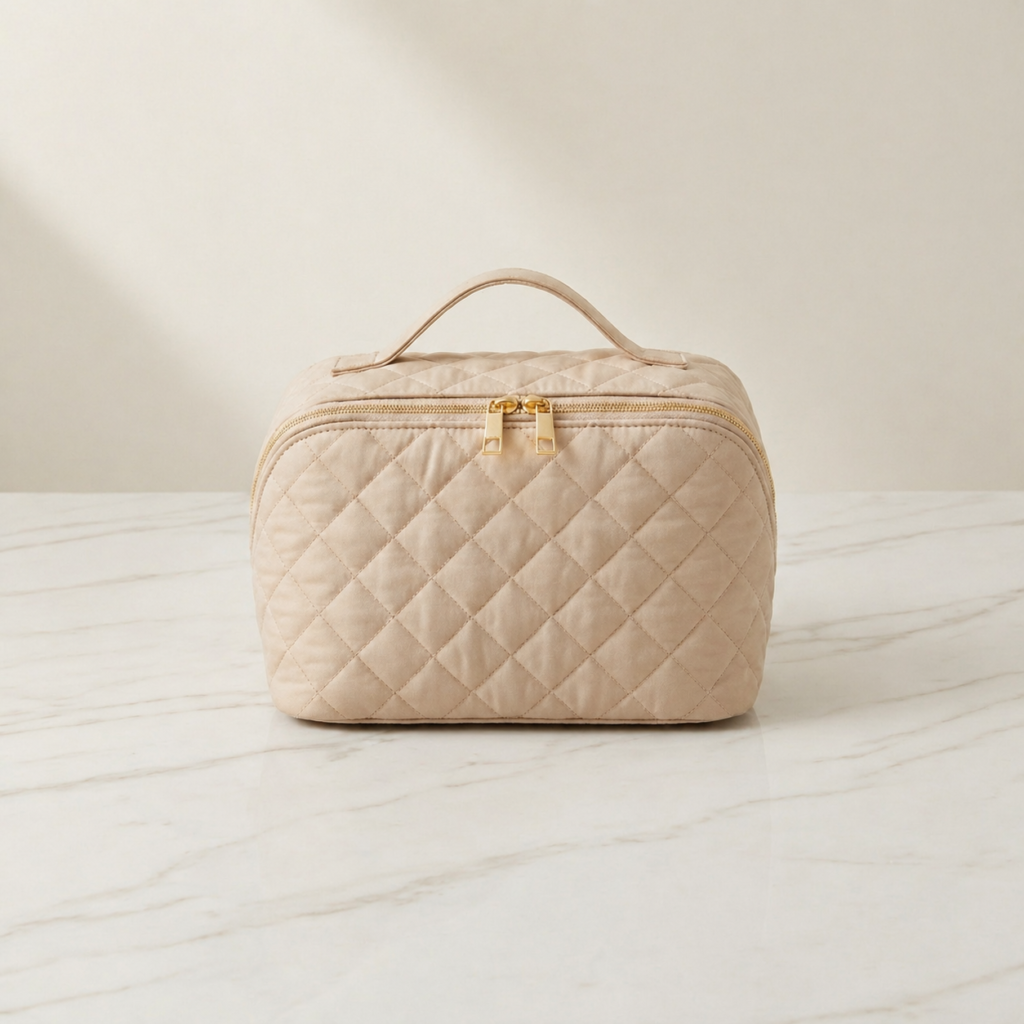
A cheaper bag is easy to make. A cost-optimized bag that still looks premium is much harder. Many brands only realize this after the first sample arrives: the fabric feels too thin, the zipper looks weak, the logo looks flat, the shape collapses, and the packaging no longer supports the price point. The factory may have reduced the unit cost, but the customer has lost the reason to buy. That is the real danger. In custom bag manufacturing, the goal is not to remove cost everywhere. The goal is to remove invisible waste while protecting the parts buyers can see, touch, use, photograph, review, and remember.
The best way to reduce bag cost without reducing perceived quality is to optimize materials, structure, logo process, trims, packaging, MOQ, and production planning while protecting the visible and functional quality points: hand feel, shape, stitching, zipper movement, logo finish, color consistency, and packaging presentation. Cost should be engineered, not randomly cut.
For brand buyers, this is where a professional manufacturing partner matters. A good factory should not simply ask, “What is your target price?” It should ask where the bag will be sold, who will use it, what quality level customers expect, which details matter most, and which cost items can be adjusted without damaging brand trust. A tote bag for retail, a cosmetic pouch for a beauty brand, a cooler bag for outdoor use, and a backpack for daily carry all have different “must-protect” quality signals. The smart move is to reduce cost where customers do not notice, and invest where they do.
What Affects Bag Cost Most?
cA professional factory desk scene showing custom bag cost breakdown, fabric swatches, zippers, hardware, logo samples, measurement tools, and a sample tote bag, realistic B2B manufacturing style, clean lighting, suitable for a WordPress blog hero image.
Bag cost is mainly shaped by material, size, construction, trims, logo process, packaging, order quantity, and production planning. A lower unit price is not always a better cost. Buyers should review what is included in the quote, which parts affect customer perception, and which details can be simplified without weakening appearance, function, or durability.
Material and Fabric Use
Material is usually one of the first cost drivers because it affects fabric price, cutting loss, sewing difficulty, product weight, and freight cost. In custom bags, a change from 900D Oxford to 600D polyester, or from cotton canvas to polyester canvas, can change both unit cost and perceived value. The buyer should not only ask, “Which material is cheaper?” The better question is, “Which material gives the right look, hand feel, durability, and price for this sales channel?”
For example, a promotional tote does not need the same fabric strength as a tool bag. A cosmetic pouch does not need the same abrasion resistance as an outdoor backpack. A cooler bag cannot reduce insulation too much because function is part of the value. The real cost-saving opportunity is matching material to actual use, not blindly choosing the lowest-grade fabric.
Fabric consumption also matters. A small size adjustment, smarter panel layout, or reduced seam allowance waste can lower material use across hundreds or thousands of pieces. If a product uses wide panels, irregular shapes, or many small parts, the cutting yield may be poor. This waste is often invisible to buyers but very real in production cost.
Cost Factor | Typical Cost Impact | Practical Buyer Check | Cost-Saving Risk |
Outer fabric | High | Check GSM, denier, coating, hand feel, color stability | Bag may look thin, weak, or off-brand |
Lining | Medium | Confirm whether full lining is necessary | Interior may feel unfinished |
Zipper | Medium | Match zipper size to usage frequency | Poor zipper causes complaints |
Hardware | Medium to high | Use custom hardware only where visible value is clear | Cheap hardware lowers perceived quality |
Logo process | Low to high | Compare screen print, embroidery, patch, heat transfer | Wrong method may peel, blur, or look cheap |
Structure | High | Count panels, pockets, reinforcements, curves | Over-simplification may hurt function |
Packaging | Medium | Match packing to sales channel | Poor packaging weakens first impression |
Color splits | Medium | Reduce too many low-volume colorways | Higher MOQ and more material waste |
Size and Pattern Efficiency
Size influences more than how big the bag feels. It affects fabric consumption, cutting layout, carton volume, shipping cost, and storage efficiency. A bag that is only 2–3 cm larger in width or height may seem like a small difference, but across 1,000 pieces, that extra material can become a meaningful cost. If the bag also needs lining, foam, or insulation, the effect becomes even larger.
A professional cost review should check whether the size supports the product’s real use. For example, a tote bag made for documents may need to fit A4 folders comfortably, but it does not need excessive side gusset depth if the customer rarely carries bulky items. A cosmetic pouch may need enough height for bottles, but too much empty height can make it collapse and look less refined. A lunch bag should match common lunch box sizes rather than simply be “large.”
Pattern efficiency is also important. Some dimensions work better with standard fabric widths. If the cutting layout creates too much leftover fabric, the buyer pays for waste. Good pattern adjustment can reduce cost without changing the customer’s visible experience.
Structure and Labor Time
Sewn bag cost depends heavily on labor steps. Every pocket, zipper, divider, gusset, binding edge, curved seam, padded panel, and reinforcement patch adds operation time. A simple tote may have a short sewing sequence. A structured travel bag with lining, zipper closure, inner pockets, padded handles, shoulder strap, binding, and hardware needs more skilled labor and more inspection.
This is why two bags with similar outside dimensions can have very different costs. The more complex bag may be worth it if those features drive sales. But if a feature is hidden, rarely used, or not important to the buyer’s customer, it may be a good place to optimize.
Cost reduction should never remove critical stress-point construction. Handle joints, shoulder strap ends, zipper ends, bottom corners, and load-bearing seams must stay secure. It is safer to remove decorative stitching or unnecessary pocket layers than to weaken functional construction. A clean, simple structure often looks more premium than a complicated bag with poor sewing.
Quantity and Order Setup
Order quantity affects how fixed costs are spread. Sampling, material sourcing, logo setup, cutting preparation, production line setup, packaging preparation, and inspection all take time. When the order quantity is very small, these fixed efforts are spread across fewer pieces, so the unit cost becomes higher.
However, quantity alone does not guarantee low cost. A 1,000-piece order split into five colors, three logo versions, and two packaging styles may be less efficient than a 500-piece order in one color with one logo method and one packaging format. Buyers often focus on total quantity but forget that factories calculate production by material, color, process, and setup complexity.
A smarter approach is to start with fewer colorways, shared trims, and a stable first production version. Once sales data confirms demand, the next order can expand colors, materials, and packaging. This protects both cash flow and manufacturing efficiency.
Which Parts Shape Perceived Quality?
Perceived quality comes from what customers see, touch, open, carry, photograph, and use repeatedly. Fabric hand feel, bag shape, stitching, zipper smoothness, logo finish, color consistency, odor control, and packaging all shape the first impression. These details should be protected even when the buyer is trying to reduce cost.
First-Touch Details
Customers judge a bag quickly. Before they check specifications, they touch the fabric, look at the shape, open the zipper, notice the logo, and feel the handle. If these details feel right, the product feels trustworthy. If one of them feels weak, the whole bag may seem cheaper than it really is.
Fabric hand feel is especially important for lifestyle bags, cosmetic bags, tote bags, baby bags, travel pouches, and private label products. A fabric does not have to be the most expensive option, but it should match the product’s selling point. A casual canvas tote can feel natural and sturdy. A makeup pouch can feel smooth, clean, and giftable. A cooler bag can feel structured and functional. A backpack can feel durable without being too heavy.
Handles are another first-touch detail. Webbing that is too narrow, too rough, or poorly stitched can make a bag feel low grade. For many daily-use bags, handle comfort is part of perceived quality. Reducing handle quality often saves little but damages the user experience quickly.
Quality Signal | Customer Reaction | Practical Standard to Check | Safe Cost-Control Method |
Fabric hand feel | “Does it feel cheap or solid?” | Compare approved swatch, GSM/denier, coating feel | Use alternative fabric only after sample review |
Bag shape | “Does it look structured?” | Check empty and filled shape | Keep key support panels |
Stitching | “Does it look well made?” | Check stitch consistency and loose threads | Simplify decoration, not stress seams |
Zipper | “Does it open smoothly?” | Test repeated opening and closing | Use correct size, simplify puller if needed |
Logo | “Does the brand look professional?” | Check alignment, clarity, color, durability | Reduce logo size, not execution quality |
Color | “Does it match the brand?” | Check fabric, zipper, webbing, thread color | Use stock colors with good matching |
Packaging | “Does it feel ready to sell?” | Check folding, cleanliness, barcode, label | Right-size packaging |
Shape and Proportion
Shape is one of the strongest visual quality signals. A bag that twists, collapses, bulges unevenly, or loses proportion after packing will look less valuable. This is especially true for product photography, retail display, and online listings. Customers may not know why the bag looks wrong, but they will feel that it lacks quality.
Shape comes from pattern design, fabric stiffness, lining, seam placement, bottom construction, gusset width, foam, binding, and reinforcement. Reducing cost by removing all support can make the product cheaper, but it can also make it harder to photograph and less attractive to buy. For many bags, keeping the right silhouette is worth more than adding extra decorative details.
A cost-smart design protects the visible shape while simplifying hidden construction. For example, a tote may keep a clean bottom structure but remove an unnecessary inner divider. A cosmetic pouch may keep foam or lining where it supports the shape but simplify small internal pockets. A cooler bag may keep insulation thickness but simplify exterior decoration.
Stitching and Finish
Stitching is one of the easiest signs of manufacturing quality. Uneven stitches, skipped stitches, loose threads, poor corner turning, messy binding, and weak reinforcement can make even good material look cheap. Buyers often notice fabric first, but stitching is what confirms whether the bag is well made.
Common visible sewing areas include top edges, zipper openings, handle joints, pocket edges, bottom corners, and logo attachment areas. For many medium-weight fabric bags, stitch density commonly falls around 7–10 stitches per inch, depending on material, seam type, and product purpose. The exact standard should be confirmed during sampling because too many stitches can damage some materials, while too few can look rough or reduce strength.
Cost reduction should focus on reducing unnecessary sewing steps, not accepting poor workmanship. A bag with fewer pockets and clean stitching will usually feel better than a complicated bag with uneven seams. Simplicity can look premium when the lines are clean and the finish is controlled.
Logo and Color Control
Logo appearance has a direct impact on brand trust. A crooked label, blurry print, peeling heat transfer, uneven embroidery, or poorly placed patch can make the product look unprofessional. The logo does not need to be large or expensive, but it must look intentional.
Color consistency is also important. Fabric, zipper tape, webbing, thread, binding, lining, and logo color should work together. If the zipper tape is slightly off, the product may still be acceptable for some promotional bags. But for retail-facing private label products, obvious color mismatch can reduce perceived quality. Buyers should confirm whether they need exact Pantone matching or practical commercial matching. Exact custom color often increases MOQ and lead time, while well-selected stock colors can be more cost-efficient.
A smart cost plan may use stock fabric colors but invest in clean logo execution and coordinated trims. This keeps the product looking branded without forcing every material to be custom-developed.
How Can Materials Lower Cost?
Materials lower cost when buyers choose the right specification for the real use case, not when they choose the cheapest available fabric. Smart alternatives, suitable fabric weight, stock colors, shared materials, and controlled functional requirements can reduce cost while keeping the product attractive, durable, and suitable for its sales channel.
Use Suitable Alternatives
A suitable material alternative should keep the customer’s experience stable while improving cost efficiency. For example, a 600D polyester may be enough for many promotional totes, travel organizers, and casual pouches, while a heavier Oxford fabric may be more suitable for tool bags, outdoor bags, and structured backpacks. A PU leather cosmetic pouch may not need the same grade of PU as a premium leather-look tote, but it still needs a clean surface, stable backing, and acceptable odor control.
Material alternatives should be tested through samples, not approved only from a price list. Buyers should touch the material, fold it, check color under normal light, test zipper sewing compatibility, and review how the finished bag holds shape. Some cheaper materials create hidden problems such as wrinkles, coating marks, sewing puckering, odor, or poor edge finish.
The best alternative is not always lower grade. Sometimes a more stable stock material can be better than a custom low-cost material because it has shorter lead time, lower MOQ, and more predictable bulk quality.
Product Type | Common Material Options | Cost-Saving Material Move | Detail to Protect |
Tote bag | Cotton canvas, polyester canvas, Oxford, non-woven | Use stock canvas color or polyester canvas | Handle strength and print clarity |
Drawstring bag | 210D/300D polyester, nylon, cotton | Use standard polyester with simple cord | Seam strength and cord smoothness |
Cosmetic pouch | PU, polyester, nylon, PVC, canvas | Use premium outer material with simpler lining | Surface finish and zipper feel |
Cooler bag | Oxford, polyester, PEVA lining, foam | Optimize outer fabric, keep insulation suitable | Thermal function and zipper closure |
Backpack | Polyester, nylon, Oxford, mesh, foam | Share fabric and webbing across SKUs | Strap strength and comfort |
Travel pouch | Polyester, nylon, mesh, RPET | Use lighter fabric where load is low | Shape and zipper quality |
Beach bag | Mesh, canvas, polyester, PVC | Use mesh or lightweight body panels | Bottom strength and handle comfort |
Control Weight Carefully
Fabric weight is a major cost lever, but it must be handled carefully. Heavier fabric often feels stronger, but it may also increase material cost, sewing difficulty, carton weight, and shipping cost. Lighter fabric can lower cost, but if it is too light, the bag may lose shape, wrinkle easily, or fail at stress points.
The right fabric weight depends on how the product will be used. A foldable shopping bag should be light and easy to store. A daily tote should have enough body to carry normal items without looking weak. A tool bag needs higher strength. A cosmetic pouch may need surface quality more than heavy fabric. A backpack may need balanced material weight, foam support, and reinforcement rather than just a heavier shell fabric.
A useful method is to separate load-bearing zones from non-load-bearing zones. Keep stronger material or reinforcement at handles, straps, bottom panels, and stress points. Use lighter or simpler materials in panels that do not carry much load. This reduces cost without making the bag feel weak.
Choose Stock Colors
Stock colors can reduce cost, shorten lead time, and lower material MOQ. Custom dyeing or custom color production may be useful for established brands with larger orders, but it can create unnecessary pressure for first orders or test batches. If a buyer wants 300 pieces in six custom colors, the material MOQ may become more difficult than the bag MOQ.
Using stock colors does not mean the product must look generic. A black, beige, navy, gray, olive, or natural canvas base can look professional when paired with the right logo, label, zipper, webbing, or packaging. Many successful product lines start with strong core colors before expanding into seasonal colors.
For brands testing new products, one or two stock colors are often enough. After the first sales cycle, the buyer can use customer data to decide which custom colors deserve investment. This avoids tying cash into slow-moving colors and helps the factory keep production more stable.
Share Materials Across SKUs
Shared material planning is one of the easiest ways to reduce cost across a product line. If a brand develops a tote bag, cosmetic pouch, travel organizer, and drawstring bag using the same outer fabric, lining, zipper tape, or label system, purchasing becomes more efficient. The products also look more connected as a collection.
This is useful for beauty brands, lifestyle brands, travel brands, outdoor brands, and gift programs. Instead of developing every SKU separately, the brand can build a material library. One fabric color, one lining color, one webbing type, one zipper direction, and one logo method can support multiple products. This reduces waste and makes repeat orders easier.
Shared materials also improve consistency. When customers buy more than one item from the same brand, matching texture and color help the collection feel intentional. Cost savings and brand consistency can work together when material planning starts early.
How Can Structure Reduce Cost?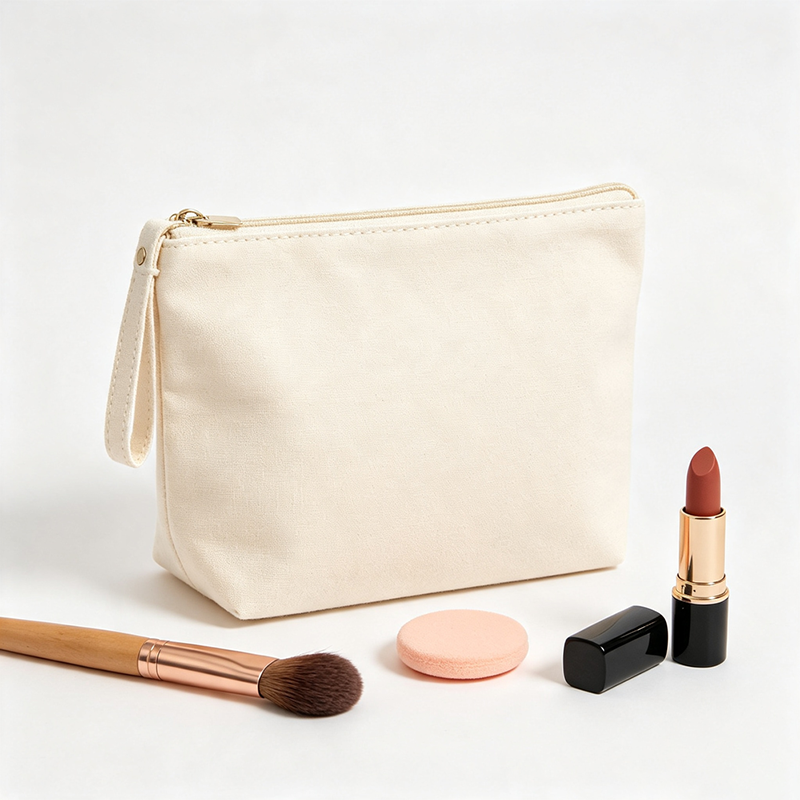
Structure reduces cost when unnecessary panels, difficult curves, excessive pockets, complicated reinforcements, and inefficient sizes are simplified. The goal is not to make the bag plain. The goal is to keep the features that customers use and notice while removing construction details that add labor, waste, or defect risk without adding real value.
Simplify Panels
Every panel adds pattern work, cutting time, sewing steps, alignment risk, and inspection effort. A bag with many panels may look technical, but if those panels do not improve function or appearance, they may only add cost. Combining panels or using a cleaner body construction can reduce labor and make the bag look more modern.
For example, a tote bag with decorative side panels may be redesigned with a simpler body and better logo placement. A pouch with several front pieces may become cleaner with one main front panel and a well-positioned label. A travel bag may still need structured panels, but decorative overlays that do not improve strength can be reviewed.
Panel simplification also helps consistency. Fewer seams mean fewer chances for misalignment, puckering, twisting, and shape distortion. For many brands, the result is not only lower cost but also a cleaner product appearance. A simple structure with good proportions often looks more expensive than a complicated structure with weak sewing.
Reduce Difficult Curves
Curved seams, round corners, shaped openings, and complex gussets can increase sewing time and defect risk. This is especially true on thick fabric, PU leather, neoprene, foam-padded panels, laminated fabric, or bound edges. Tight curves may cause wrinkles, uneven binding, zipper waves, or inconsistent shape.
Curves should not be removed if they are part of the product identity. Cosmetic bags, fashion pouches, and premium soft goods often need curved lines to feel friendly and attractive. But curves should be used where customers notice them. Hidden curves, overly tight corners, and decorative shapes that do not affect sales can often be simplified.
Small engineering changes can make production easier without changing the overall look. A slightly larger corner radius, a straighter zipper opening, or a simpler gusset shape may improve sewing quality and reduce labor time. These adjustments are often invisible to end customers but important for stable bulk production.
Optimize Pockets
Pockets are useful, but too many pockets can increase cost, weight, and production complexity. Each pocket may need extra fabric, zipper, mesh, elastic, binding, stitching, label placement, and inspection. A buyer should ask whether each pocket solves a real user problem or simply makes the specification look richer.
Pocket planning should follow actual use. A gym bag may need a shoe compartment and bottle pocket. A cosmetic bag may need wipeable lining and one inner pocket more than five small dividers. A travel pouch may need mesh visibility but not multiple hidden layers. A tote bag may need one secure inner pocket for phone and keys, not several complicated compartments.
Removing unnecessary pockets can make the product easier to use. Customers often prefer clear organization over too many small spaces. A simpler pocket layout can also improve product photos, reduce defect points, and make production more consistent.
Keep Key Reinforcement
Structure optimization should never remove important reinforcement. Handle joints, shoulder strap anchors, zipper ends, bottom corners, side seams, and load-bearing areas need protection. These are the points most likely to fail during real use.
Reinforcement can be done through bar tacks, box stitching, extra fabric patches, binding, webbing extensions, rivets, or stronger thread depending on the product type. The correct method depends on load, material, and appearance. A cotton tote may use reinforced cross-stitching at the handles. A backpack may require bar tacks and internal support. A cooler bag may need stronger zipper-end finishing because users often pull hard when the bag is full.
The smart move is to reduce decoration before reducing strength. Customers may not notice a hidden reinforcement when the product is new, but they will notice immediately if a handle tears, a strap loosens, or a zipper end breaks.
Do Logo and Packaging Increase Cost?
Yes, logo and packaging can increase cost through setup fees, process time, material, printing colors, mold charges, labels, hangtags, bags, boxes, barcode stickers, and packing labor. But they also strongly affect brand presentation. Buyers should simplify logo and packaging intelligently, not remove the details that make the product look professional.
Choose the Right Logo Method
Logo method should match the product material, order quantity, brand level, and use environment. Screen printing is often practical for simple graphics and larger flat areas. Heat transfer can work well for detailed or colorful logos on suitable surfaces. Embroidery adds texture but may increase cost by stitch count. Woven labels are stable and clean for many soft goods. Rubber patches, leather patches, metal plates, embossing, and debossing can look premium but may require higher setup cost or MOQ.
The wrong logo method can waste money. A large embroidery logo on thin fabric may distort the panel. A heat transfer logo on the wrong surface may peel. A metal plate on a low-cost promotional pouch may feel unnecessary. A large print on a premium cosmetic bag may look too promotional.
A cost-smart logo is clear, durable, well-positioned, and suitable for the material. Often, a smaller logo with better placement looks more premium than a large logo with poor execution.
Logo Method | Typical Best Use | Cost Level | Key Risk | Cost-Smart Tip |
Screen print | Canvas totes, drawstring bags, promo bags | Low to medium | Cracking or poor registration | Keep colors limited |
Heat transfer | Pouches, sports bags, smooth fabrics | Medium | Peeling if surface is unsuitable | Test adhesion on real material |
Embroidery | Canvas, cotton, caps, premium textile bags | Medium to high | High stitch count raises cost | Simplify small details |
Woven label | Pouches, totes, backpacks, soft goods | Low to medium | Looks weak if label is too generic | Use clean size and placement |
Rubber patch | Outdoor, sports, travel bags | Medium | Mold cost and MOQ | Use for hero SKUs |
Leather patch | Canvas, lifestyle, premium casual bags | Medium | Color variation and edge finish | Keep shape simple |
Metal plate | Premium cosmetic bags, handbags | High | MOQ, plating, attachment labor | Use only when brand value supports it |
Control Logo Size and Placement
Logo size affects both cost and perceived quality. A large logo may increase printing area, process time, defect visibility, and brand risk. It may also make the product feel like a giveaway rather than a retail item. A smaller logo can reduce cost and create a cleaner, more premium appearance when placed well.
Placement is just as important as size. A logo should sit where the bag naturally catches attention: front center, upper corner, zipper area, side tab, handle base, or label seam, depending on the design. Poor placement can make even an expensive logo method look careless.
Before bulk production, buyers should check logo position on a real sample, not only a digital mockup. Fabric movement, seam curves, pocket placement, and bag shape can affect how the logo looks. A logo that looks centered on artwork may appear too low, too high, or distorted on the finished bag.
Simplify Packaging
Packaging cost depends on material, printing, size, packing labor, carton volume, barcode requirements, and retail presentation. A custom box, printed sleeve, tissue paper, dust bag, hangtag, insert card, and barcode label can all make sense for the right product. But using all of them on a low-margin item can destroy cost efficiency.
Packaging should match the sales channel. Amazon and e-commerce products need clean individual packing, barcode labels, and protection during transit. Retail products may need hangtags, display-friendly folding, and scannable labels. Promotional bags may need efficient bulk packing or simple individual polybags. Premium gift items may need a stronger unboxing experience.
Right-sizing packaging is one of the safest cost moves. Oversized packaging increases material cost and freight volume. Under-sized packaging can crush the bag and damage shape. A clean polybag with a branded sticker, hangtag, or belly band can sometimes deliver enough brand feel without the cost of a full custom box.
Avoid Unnecessary Custom Hardware
Custom hardware can make a bag look distinctive, but it can also raise cost through mold fees, plating requirements, MOQ, sampling time, and attachment labor. Custom zipper pullers, branded buckles, metal plates, rivets, and decorative charms should be used when they clearly support the product’s price point.
For many early-stage products, standard hardware with good quality is more practical. A smooth zipper, clean puller, consistent plating, and strong buckle often matter more than a custom logo on every metal part. The brand can still be shown through woven labels, patches, zipper pull tabs, hangtags, or packaging.
A good rule is to reserve custom hardware for hero products, premium collections, or repeat-order items with stable sales. For first production runs, standard trims can reduce risk and help the buyer test demand before investing in tooling.
How Can MOQ and Production Planning Help?
MOQ and production planning reduce cost by improving material purchasing, spreading setup work, reducing color splits, sharing components, preventing urgent changes, and making production easier to control. A planned order with fewer variations can be more cost-efficient than a larger order with too many materials, colors, logos, and packaging versions.
Reduce Color Splits
Color splits are a common hidden cost problem. A buyer may think 600 pieces is a reasonable order, but if it is split into six colors of 100 pieces each, the factory may need to prepare six fabric lots, six thread matches, six zipper or webbing combinations, and more production handling. The order becomes less efficient.
For a new product, one or two colors are usually easier to manage. Core colors such as black, natural, navy, gray, beige, olive, or white can cover many markets, depending on the product type. Seasonal or custom colors can come later after sales data shows demand.
Reducing color splits also lowers inventory risk. If a buyer launches too many colors at once, some colors may sell slowly. A focused first order helps the brand learn what customers actually want before expanding the range. This is cost control on both the manufacturing side and the business side.
Share Components
Shared components help reduce cost and improve product consistency. A brand can use the same zipper type, webbing, lining, label, puller, thread color, packaging sticker, or hangtag across multiple SKUs. This makes purchasing easier and helps production stay stable.
For example, a travel collection may include a tote bag, cosmetic pouch, packing cube, and shoe bag. If they share the same outer fabric, lining, logo label, and packaging style, the collection looks more professional. The factory can also reduce material waste and avoid sourcing too many small-batch components.
Shared components are especially useful for private label brands and repeat buyers. Once the material system is approved, future products can be developed faster. The buyer does not need to restart every decision from zero, and the factory can maintain better consistency across orders.
Confirm Samples Early
Late changes are expensive. Changing material, size, logo, color, zipper, lining, or packaging after sample approval can create rework, delay, wasted materials, and confusion in production. Even a small change can affect pattern, cutting, sewing, packing, and inspection.
The approved sample should become the production reference. Buyers should confirm size tolerance, fabric, color, logo method, zipper, hardware, lining, packaging, carton marks, and any special tests before bulk production starts. If a cost-saving change is needed, it should be reviewed and confirmed before production materials are ordered.
Early sample confirmation does not mean rushing approval. It means reviewing carefully before giving approval. A clear approval process saves time later and reduces the risk of receiving bulk goods that do not match expectations.
Plan Repeat Orders
Repeat order planning helps both buyer and factory make better decisions. If the first order is only 300 or 500 pieces but the buyer expects future repeat orders, the material and trim choices should be scalable. Choosing a rare leftover fabric may reduce the first order cost, but it may create color and supply problems on the second order.
Stable materials, standard trims, and repeatable packaging are valuable for long-term products. They allow the buyer to build customer trust because each batch feels consistent. They also allow the factory to prepare better pricing, lead time, and production planning.
A first order should be treated as the beginning of a product system, not a one-time purchase. If the product performs well, the next order can increase quantity, add colors, expand SKUs, or upgrade packaging. Planning for this path early keeps cost and quality more controlled.
Is Quality Control Still Necessary?
Yes, quality control becomes even more important when reducing cost. Material changes, simplified structures, adjusted logo methods, and packaging changes can create hidden risks. QC protects the approved sample standard, checks materials before production, monitors sewing, tests functional parts, and prevents small savings from becoming returns, complaints, or rejected shipments.
Check the Approved Sample
The approved sample is the clearest reference for bulk production. It shows the final material, size, shape, color, zipper, logo, stitching, lining, packaging, and overall finish. Without a clear approved sample, cost-saving changes can easily create misunderstandings.
Buyers should record key specifications, including measurements, tolerance, fabric type, fabric weight if relevant, color reference, logo size, logo position, zipper size, hardware finish, lining, packaging method, and carton requirements. The factory should keep one approved sample, and the buyer should keep one if possible.
If a lower-cost material or simplified structure is approved, that change should be shown in a revised sample or confirmed swatch. Verbal approval is risky. A small material difference can affect hand feel, shape, sewing, and color appearance. The approved sample protects both buyer and factory from unclear expectations.
Inspect Materials Before Sewing
Material inspection should happen before cutting and sewing. If the fabric, lining, zipper, webbing, foam, hardware, or packaging material is wrong, the final bag cannot be correct. Common problems include color variation, stains, coating marks, odor, incorrect thickness, weak backing, zipper roughness, webbing shade difference, or hardware scratches.
This step is especially important when using alternative materials to reduce cost. A cheaper fabric may look acceptable in a swatch but behave differently in bulk. It may fray more during cutting, wrinkle after folding, create sewing puckering, or fail to hold shape. A lower-cost zipper may pass a quick check but feel rough after repeated opening.
Material inspection does not need to be complicated for every simple product, but the critical materials should be checked. Outer fabric, zipper, handle webbing, lining, and logo materials usually deserve attention because they directly affect perceived quality and user experience.
Monitor Sewing and Function
Sewing inspection should focus on both appearance and strength. Important checkpoints include stitch consistency, seam allowance, loose threads, skipped stitches, handle attachment, zipper alignment, pocket position, binding, corner finish, label placement, and reinforcement. For load-bearing bags, stress points should receive extra attention.
Functional parts should also be tested. Zippers should open and close smoothly. Handles should feel secure. Buckles should hold properly. Drawstrings should slide well. Cooler bags should close correctly. Pockets should fit intended items. These simple checks can prevent many customer complaints.
In-line inspection is better than waiting until all goods are finished. If a sewing issue appears early, the factory can correct it before the whole batch is affected. This saves rework cost and protects delivery time.
Protect Final Presentation
Final inspection should include appearance, cleanliness, folding, packaging, labels, barcode placement, carton marks, and quantity. A bag may be well sewn, but if it arrives wrinkled, dirty, poorly folded, or incorrectly packed, the customer’s first impression drops.
Packaging should match the approved method. Individual polybags, hangtags, stickers, inserts, retail boxes, FBA labels, carton labels, and packing quantities should be checked before shipment. For e-commerce sellers, incorrect barcode or carton labeling can create receiving problems. For retail buyers, poor presentation can affect shelf readiness.
Cost reduction should not stop at the factory floor. The product still needs to arrive in sellable condition. Good final presentation protects the buyer’s brand, reduces complaints, and makes the product feel worth its price.
Conclusion: How Can Brands Cut Bag Cost Without Looking Cheap?
Reducing bag cost without reducing perceived quality is not about asking the factory to make everything cheaper. It is about knowing which details customers truly notice, which technical parts protect function, and which hidden cost items can be optimized safely. The strongest savings usually come from smarter material selection, cleaner structure, practical logo methods, efficient packaging, fewer color splits, shared components, early sample confirmation, and consistent quality control.
A good cost reduction plan protects the product’s first impression. The outer fabric should still feel right. The shape should still look intentional. The zipper should still move smoothly. The stitching should still look clean. The logo should still represent the brand professionally. The packaging should still make the product feel ready to sell.
For buyers developing custom tote bags, cosmetic bags, backpacks, cooler bags, travel bags, drawstring bags, leather goods, neoprene bags, EVA cases, or other soft goods, the best time to control cost is before final sampling and before bulk production. Once the design, materials, logo, trims, and packaging are locked, every late change becomes more expensive.
Szoneier works with global brands, retailers, importers, e-commerce sellers, and B2B buyers on OEM/ODM custom bags and soft goods projects. If your current bag quote is higher than expected, send your product photo, target size, material preference, logo file, quantity, packaging needs, and destination country. The team can help review which details can be optimized and which quality signals should stay protected.
Contact Szoneier to start your custom bag cost review and build a product that looks right, works well, and supports your target price.