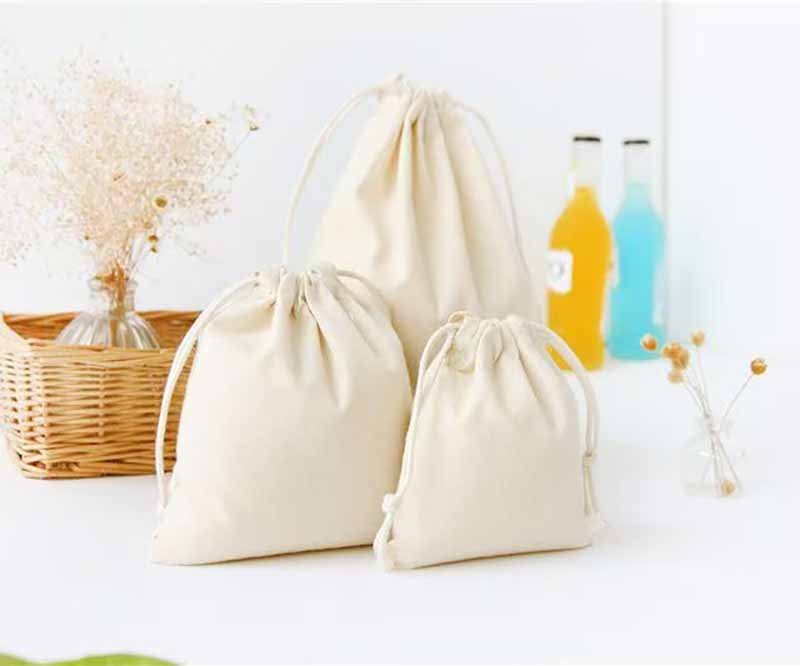
...

A Trusted China Manufacturer Since 2007!

Eco Bag Line Development | Custom Eco Bag Manufacturer for Brands

Develop a complete eco bag product line with material planning, sample development, logo customization, bulk production, QC, packaging, and global delivery. Szoneier helps established brands, retail programs, Amazon stores, Shopify labels, grocery projects, lifestyle collections, and corporate gift programs turn eco bag concepts into production-ready product lines.
  • 18+ years in custom bags and sewn soft goods manufacturing.
  • MOQ from 200 pcs for selected standard eco bag projects using ready materials, mature structures, simple logo methods, and regular packaging.
  • Common first-line programs include 2-8 SKUs across tote bags, drawstring bags, mesh bags, foldable bags, pouches, and reusable shopping bags.
  • Many standard samples can be developed in 5-10 working days after material, size, artwork, and structure are confirmed.
  • Bulk production planning often runs 20-35 days after final sample approval, depending on quantity, material readiness, logo process, and packaging.
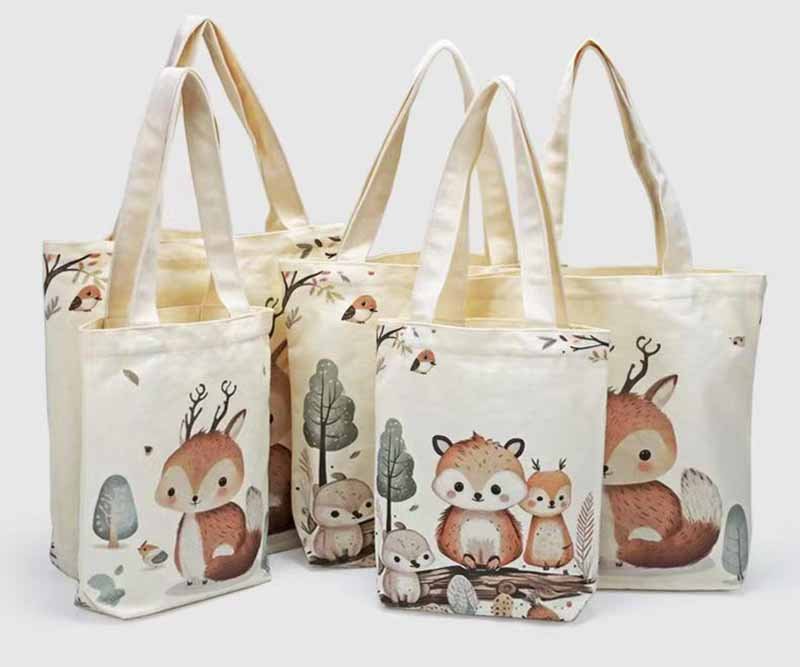
tote bag (2)

Eco Bag Lines Built for Real Sales Channels

An eco bag line must work inside a real sales channel, not only look good in a catalog. Szoneier reviews use scenario, material, construction, logo, packaging, carton planning, and shipment route before sampling.

Retail Programs

Retail teams need stable fabric color, clear barcode placement, reliable carton marks, and consistent bulk quality across repeat orders. Szoneier can develop reusable shopping bags, canvas totes, rPET bags, gift pouches, and retail packaging bags with size records, material records, approved logo files, and carton packing instructions. A line can begin with a core tote and extend into produce bags, insulated reusable bags, or seasonal gift packaging.

Amazon Stores

Marketplace teams need product differentiation, FBA-ready packaging, label accuracy, carton separation, and replenishment control. Szoneier can plan eco bag SKUs by color, size, material, and packaging method, then prepare samples for photo review before bulk production. FNSKU labels, suffocation warnings, carton marks, and multi-SKU packing rules can be reviewed before shipment to reduce repacking and receiving issues.

Shopify Labels

DTC-style labels need product lines with visual consistency. Szoneier supports branded packaging, matching drawstring pouches, cotton totes, gift set bags, care labels, hangtags, and color series planning. Sample photos and videos can be shared before shipment, helping teams review proportion, fabric texture, logo size, and packaging presentation before moving into production.

Grocery Chains

Grocery and food retail programs require durability, wash-friendly surfaces, wider handles, reinforced stress points, and clean storage. Szoneier can develop reusable shopping bags, mesh produce bags, foldable grocery bags, and insulated reusable bags while checking gusset width, handle drop, load points, and carton packing. Store operations also need easy barcode positioning and shelf-ready carton planning.

Corporate Gifts

Corporate gift programs often focus on logo effect, delivery schedule, target budget, and packaging. Szoneier can match canvas, cotton, rPET, non-woven, or foldable polyester with screen print, heat transfer, woven label, or hangtag options. For event use, the line can combine one main tote with a matching pouch, gift sleeve, or document bag.

Lifestyle Collections

Lifestyle brands need a product line with shared material language and useful everyday function. Szoneier can combine organic cotton totes, recycled cotton pouches, mesh produce bags, yoga bags, cosmetic pouches, and travel pouches into one eco-focused collection. Patterns, material cards, logo files, and packaging details are archived for repeat orders and later SKU expansion.

Problems Szoneier Solves Before Production Starts

Eco bag projects often look simple until sampling begins. Material claims, structure, sewing strength, logo position, packaging, and carton rules all affect final cost and bulk stability.

Unclear Material Claims

Many eco programs fail early because material language is vague. Cotton, organic cotton, recycled cotton, rPET, jute-style fabric, woven PP, non-woven PP, and mesh each carry different cost, touch, durability, and supply conditions. Szoneier reviews the intended sales channel, price range, hand feel, print method, and repeat order plan before recommending a material route. Certified or special recycled materials are confirmed before quotation whenever required.

Weak Line Consistency

A mixed eco bag line can look disjointed when every SKU uses a different fabric tone, logo size, label format, or trim direction. Szoneier keeps material cards, Pantone references, logo proportions, label placements, handle width, webbing options, and packaging rules in the project file. A tote, pouch, drawstring bag, and produce bag can share the same brand language while keeping separate functions.

Sample-to-Bulk Gaps

A beautiful first sample is not enough. Bulk production needs sealed samples, BOM records, pattern files, material confirmation, logo process approval, and pre-production sample control. Szoneier uses sample review, revision notes, internal inspection, photo and video confirmation, and production document archiving to reduce differences between approved sample and bulk goods.

Handle and Seam Failure

Eco bags are often reused many times, so handle stitching, bottom seams, side gussets, and stress points matter. Szoneier checks handle attachment, bartack positions, seam type, fabric weight, stitching density, binding quality, and load-bearing areas according to bag use. A grocery bag, book tote, and foldable shopping bag need different reinforcement rules.

Packaging Mistakes

Packaging mistakes create costs after production. Wrong polybag size, missing barcode, mixed SKUs, incorrect carton mark, or unclear FBA label can delay receiving. Szoneier reviews retail pack, individual polybag, hangtag, carton separation, FNSKU, barcode, outer carton mark, and split shipment instructions before packing.

Cost Without Control

Eco bag costs depend on fabric weight, size, gusset, handle length, logo process, label choice, packaging, carton loading, and shipping volume. Szoneier helps compare options before sampling, so a product line can meet target function and visual standard without unnecessary overbuilding. Cost review happens before final sample approval, not after bulk cutting begins.

Eco Bag Product Line Options

Szoneier can develop one hero bag or a complete eco bag line across daily use, retail packaging, grocery use, gift programs, travel, beauty, and lifestyle scenarios.

Product TypeCommon Size RangeMaterial DirectionBest Use in a Product Line
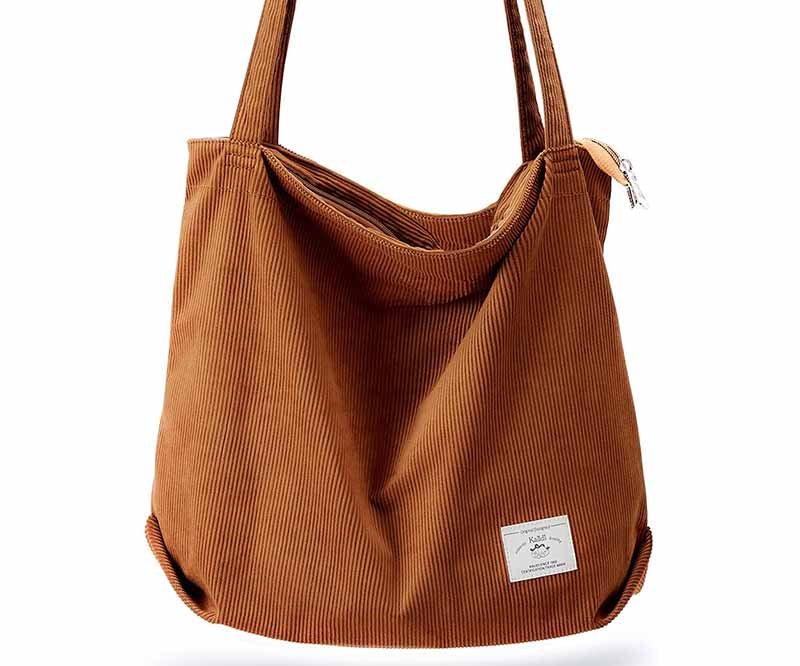
Cotton Tote Bag35 x 40 cm, 38 x 42 cm, 40 x 45 cmCotton, organic cotton, recycled cottonMain retail tote, book bag, gift bag, lifestyle merch
Canvas Shopping Bag30 x 35 x 10 cm, 38 x 42 x 12 cm10 oz, 12 oz, 14 oz canvasPremium reusable shopping, retail programs, museum shops
rPET Reusable Bag32 x 40 cm, 40 x 45 cm, foldable sizesrPET polyester, coated rPETCampaign bags, lightweight shopping, travel-friendly reuse
Mesh Produce Bag20 x 30 cm, 25 x 35 cm, 30 x 40 cmCotton mesh, rPET mesh, polyester meshGrocery produce, bulk goods, zero-waste kits
Drawstring Eco Bag15 x 20 cm to 40 x 50 cmCotton, recycled cotton, canvas, rPETGift sets, packaging, shoe bags, product bundles
Foldable Shopping Bag38 x 55 cm, pouch-packed stylesrPET, polyester, nylonCompact shopping, travel, events, repeat-use giveaways
Jute-Style Bag30 x 35 x 12 cm, 40 x 35 x 15 cmJute, cotton-jute blend, jute-look fabricNatural retail look, grocery, wine, gourmet gifts
Insulated Reusable Bag23 x 15 x 20 cm, 35 x 25 x 30 cmOxford, rPET, EPE foam, PEVA liningGrocery, lunch, food delivery, reusable cold-chain shopping
Eco Cosmetic Pouch18 x 12 cm, 20 x 14 cm, 25 x 18 cmCotton, canvas, recycled fabric, rPETBeauty sets, travel kits, gift packaging
Retail Packaging BagCustom per productCotton, canvas, drawstring fabric, rPETProduct packaging, unboxing, gift-ready presentation

Product Line Strategy by Sales Channel

A stronger eco bag line starts with channel use. Szoneier helps decide which bag type deserves the first sample, which SKU should share material, and which design details must stay consistent across future orders.

Retail Shelf and Store Checkout

For retail shelf and checkout programs, the line needs barcode-ready packaging, stable carton quantity, clean hanging or folded presentation, and consistent sizing. Cotton totes, rPET shopping bags, foldable reusable bags, and insulated grocery bags work well when handle drop, gusset width, and carton packing are tested together. Szoneier can help prepare packaging files, carton marks, and repeat-order records.

Online Product Launches

Online launches need photo-ready samples and clear product variation control. A line may include one main tote, one drawstring pouch, and one matching accessory bag, all using the same logo system and color family. Szoneier reviews photo sample finish, fabric wrinkles, seam visibility, logo contrast, packaging look, and shipping weight before production approval.

Grocery and Food Retail

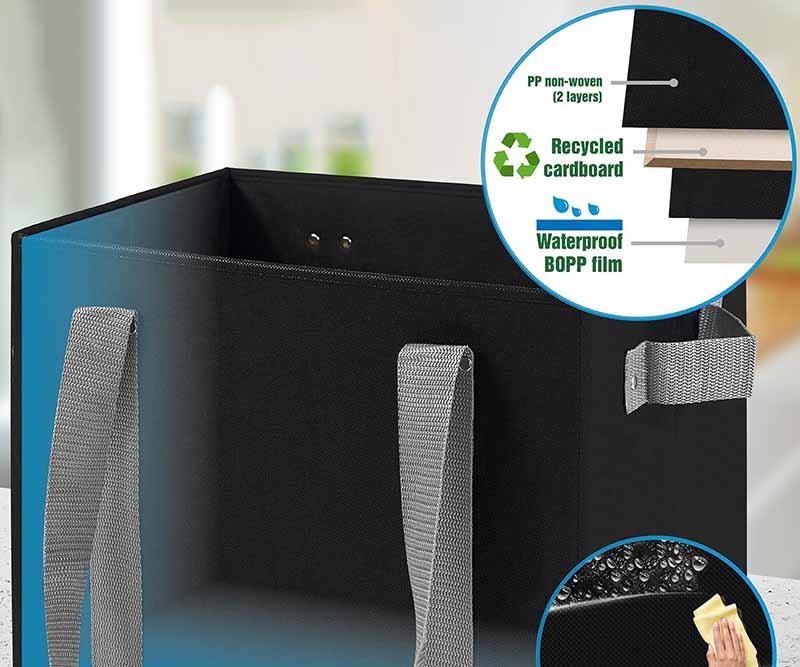
Grocery programs need a durable and easy-carry structure. Reusable shopping bags, produce mesh bags, and insulated reusable bags should share a clear environmental story but use different construction. Szoneier checks handle reinforcement, bottom gusset, lining, seam strength, and carton loading to support daily reuse and store replenishment.

Promotional Campaigns

Promotional eco bag projects need visible logo impact, controlled unit cost, and on-time delivery. Szoneier can match non-woven, rPET, cotton, canvas, or foldable polyester to budget and use scenario. Logo placement, print size, event packing, inner bundle quantity, and shipping schedule can be set before bulk production.

Eco Materials Selection Without Guesswork

Material choice affects cost, hand feel, strength, print result, packaging volume, shipping weight, and brand positioning. Szoneier reviews material route before sample cutting.

MaterialCommon Weight or FormBest ForLogo OptionsNotes for Bulk Production
Cotton4 oz to 8 ozLight totes, drawstring bags, produce bagsScreen print, woven label, embroiderySoft hand feel; color and shrinkage need confirmation
Organic Cotton4 oz to 12 ozPremium eco totes, gift packaging, lifestyle linesScreen print, embroidery, care labelCertification and material availability should be checked early
Recycled Cotton6 oz to 12 ozNatural-look totes, pouches, gift bagsScreen print, woven label, hangtagBatch shade and surface texture need sample approval
Canvas10 oz to 16 ozHeavy totes, retail bags, book bagsScreen print, embroidery, leather patchStronger body; heavier fabric increases carton weight
rPET Polyester190T to 600D, woven or coatedFoldable bags, reusable shopping, campaign bagsHeat transfer, screen print, woven labelGood for lightweight reuse; coating and print test needed
Jute / Jute-LookWoven natural textureGrocery, wine, gourmet gifts, natural retail lookScreen print, label, patchEdge finishing and odor check matter before bulk
MeshCotton mesh, rPET mesh, polyester meshProduce bags, laundry bags, zero-waste kitsLabel, small print panel, tagLogo area may need added woven label or fabric panel
Non-Woven / Woven PP70-120 gsmRetail campaigns, grocery bags, event totesScreen print, heat transferGood for cost control; confirm local market preference

Brand System Consistency Across Every Bag
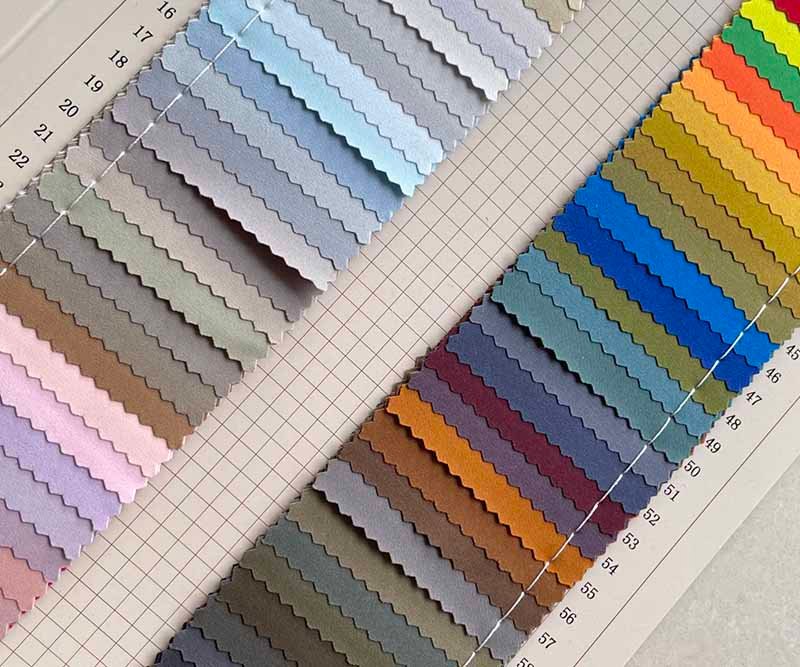
A complete eco bag line should look intentional across every SKU. Szoneier helps keep visual, material, and packaging standards aligned from the first tote to later accessories.
1. material language

Material Language

A product line can use one hero material or a coordinated material family. For example, a lifestyle program may use organic cotton for the main tote, recycled cotton for pouches, and cotton mesh for produce bags. Szoneier keeps fabric swatches, weight records, shade notes, and supplier references in the project file, so later replenishment or SKU extension can follow the approved direction.
2. color and trim rules

Color and Trim Rules

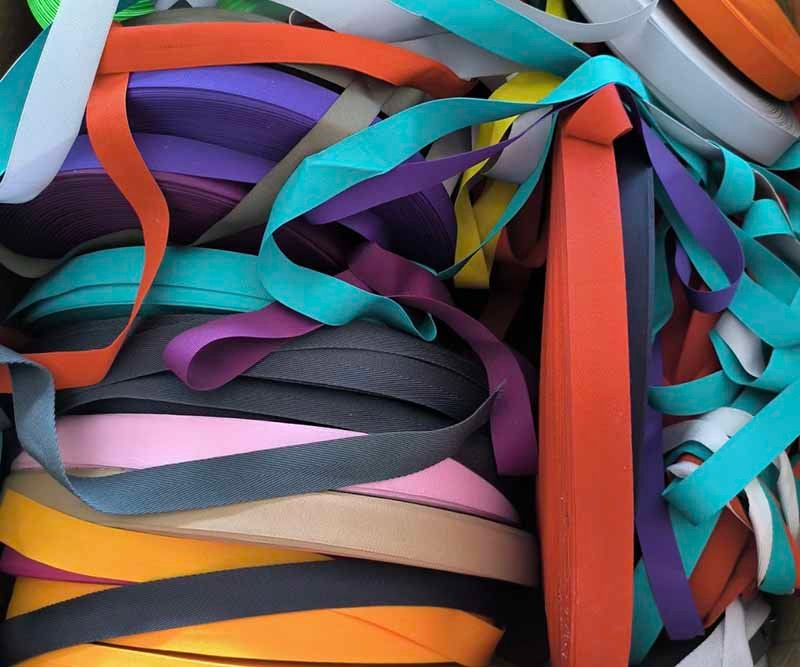
A line can become messy when trims change without control. Szoneier reviews handle color, webbing width, label base color, zipper tape, drawcord, metal finish, and edge binding before sampling. When a line includes 3-5 colors, shared trim rules help avoid extra material cost and keep the collection visually unified.
3. logo placement

Logo Placement

Logo scale should change by bag size, not by random placement. A 38 x 42 cm tote, 20 x 14 cm pouch, and 25 x 35 cm produce bag need different logo positions. Szoneier can set a logo placement guide with measurement from top edge, side seam, or center line, then keep the same rule for repeat orders.
4. packaging style 2

Packaging Style

Eco bag packaging can be simple, but it still needs control. Options include folded belly band, recycled paper hangtag, cotton drawstring sleeve, polybag with warning print, carton-only bulk pack, or retail-ready paper card. Szoneier helps match packaging to channel, cost, product protection, and shipping volume.

Structure Details for Reusable Eco Bags
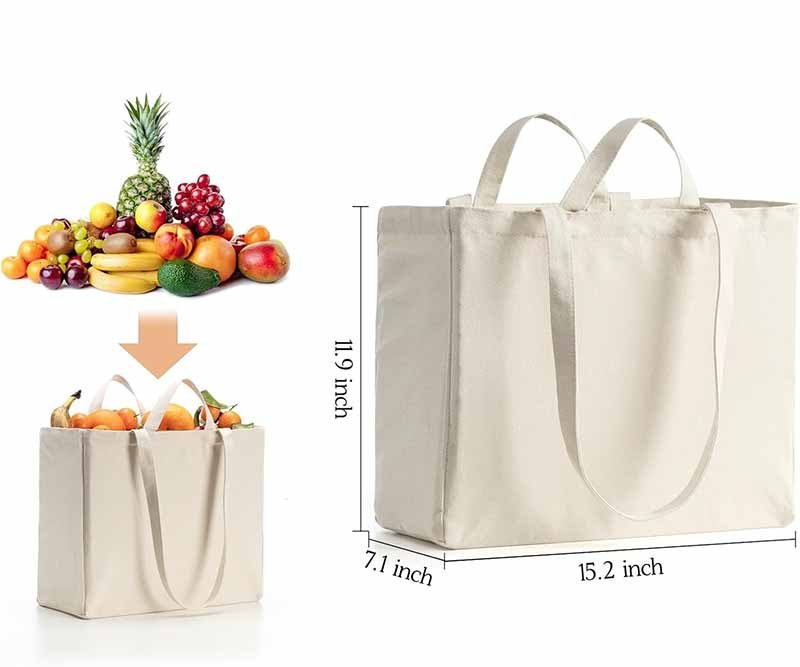
Good eco bags depend on proportion, capacity, handle comfort, folding behavior, and load-bearing structure. Szoneier reviews structure before pattern making and again before bulk cutting.
1. size and capacity

Size and Capacity

A tote for books, a grocery bag for produce, and a foldable shopping bag require different proportions. Common tote sizes include 35 x 40 cm, 38 x 42 cm, and 40 x 45 cm. Grocery styles often need 10-18 cm gussets. Szoneier can adjust width, height, bottom depth, handle drop, and opening shape according to use scenario, carton packing, and target retail price.
2. handle and carry comfort

Handle and Carry Comfort

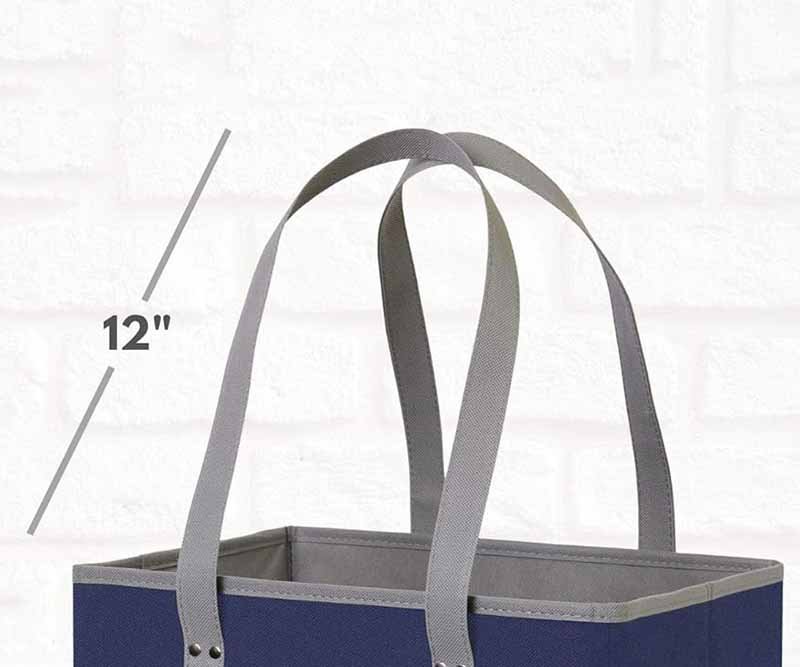
Handle drop affects daily use more than many teams expect. Short handles around 12-18 cm suit hand carry. Shoulder carry often needs 25-30 cm handle drop. Wider webbing feels stronger but adds cost and packing volume. Szoneier reviews handle width, attachment length, stitching shape, and reinforcement points before sample approval.
3. bottom and side gussets

Bottom and Side Gussets

Gussets decide capacity and standing shape. A flat tote works for books and giveaways, while a 10-15 cm gusset supports groceries, boxes, apparel, or gift sets. Szoneier checks bottom panel width, folded edge direction, side seam treatment, and corner finish. For heavier contents, bottom seam and side seam positions must support repeated loading.
4. pockets and closures

Pockets and Closures

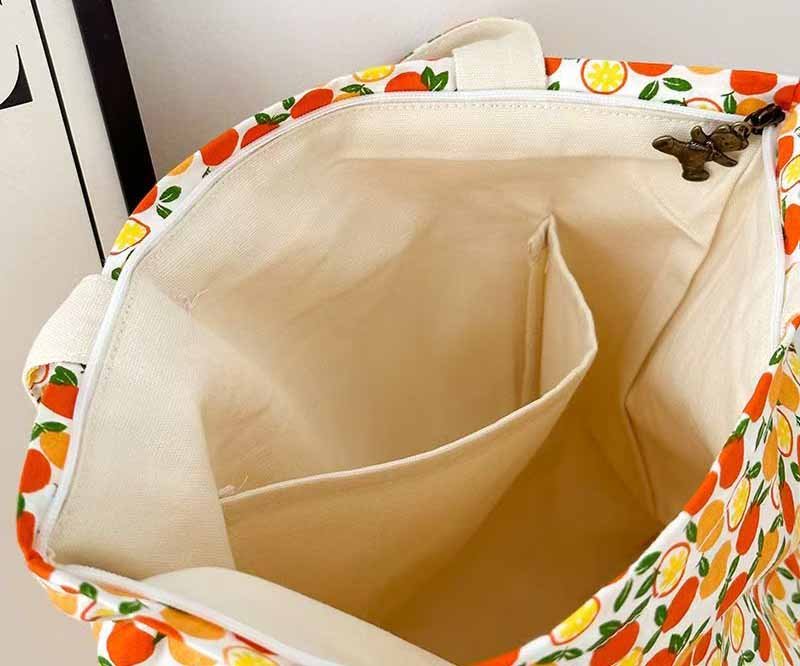
Eco bags can include inner pockets, snap buttons, zippers, drawstrings, hook-and-loop straps, or fold-into-pouch structures. Every added function affects sampling time, labor cost, and MOQ. Szoneier helps decide which feature creates value and which feature only increases cost without improving daily use.

Sewing Craftsmanship and Reinforcement Details

Eco bags are often judged after repeated use. Clean stitching, reinforced stress points, and controlled seam finish make a visible difference in real daily carry.

Bartack Reinforcement

Handles, drawcord exits, zipper ends, and stress corners often need bartack reinforcement. A standard tote may use bartacks at the upper handle joints, while a grocery bag may need longer reinforcement stitching or cross-box stitching. Szoneier checks stress points according to load and fabric weight, then confirms the reinforcement pattern before bulk production.

Seam Finishing

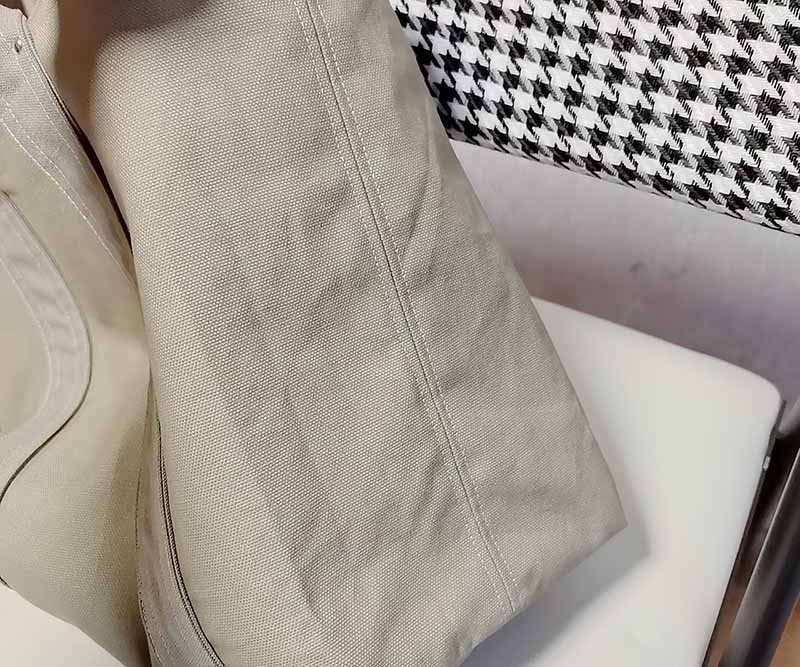
Seam choice affects strength and appearance. Overlock seams suit many lightweight fabrics. Bound seams give a cleaner inside finish for premium canvas, cotton, and packaging bags. French seams can be used for select cotton styles when a cleaner interior is desired. Szoneier reviews seam type based on fabric fray, product grade, cost, and expected use.

Stitch Density

Thin cotton, heavy canvas, mesh, and rPET require different needle, thread, and stitch settings. Szoneier checks stitch density, thread tension, needle marks, edge distance, and seam straightness during sampling. Bulk production standards are clearer when approved samples include close-up sewing references, not only full-bag photos.

Folding and Shape Control

Foldable reusable bags need sewing to support repeated folding. Pouch connection, snap strap, fold line, zipper pouch, and inner binding should be checked before bulk. Szoneier can sample fold-in-pocket, separate pouch, elastic loop, or simple flat-fold designs and compare packing volume before production.

Logo, Label, and Branding Craft Options
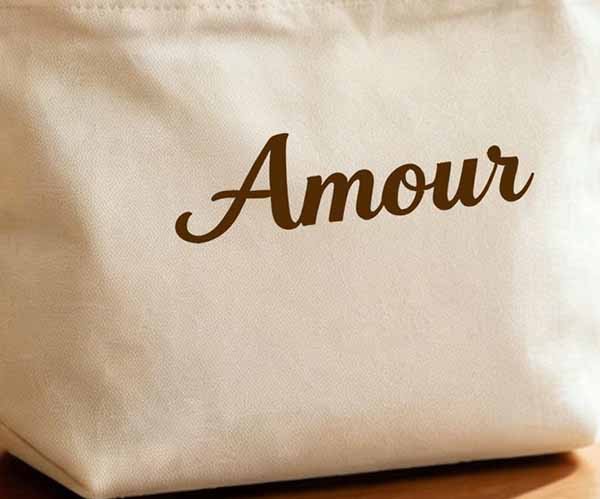
Eco bag lines are often carried in public, used in stores, gifted at events, or shipped as product packaging. Logo method should match fabric, use frequency, and brand positioning.
1. screen printing

Screen Printing

Screen printing works well on cotton, canvas, recycled cotton, non-woven, and many flat woven fabrics. It is suitable for clean logos, slogans, and campaign graphics. Szoneier reviews print size, ink coverage, color count, fabric absorption, and edge sharpness during sample development. Large solid prints may change hand feel, so print tests are recommended for premium bags.
2. heat transfer

Heat Transfer

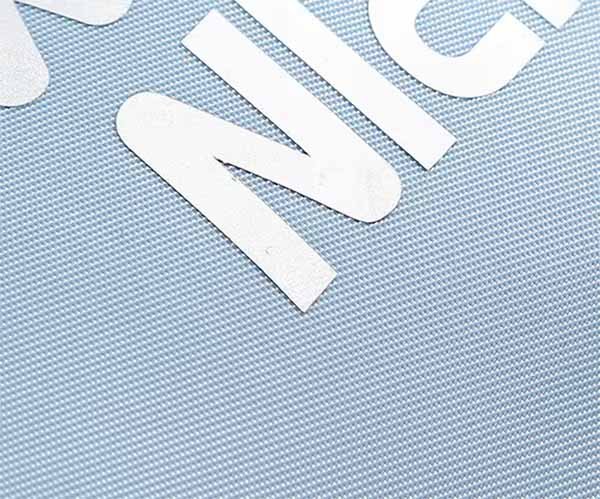
Heat transfer is useful for rPET, polyester, foldable shopping bags, and artwork with gradients or higher color detail. It can create crisp graphics on smoother surfaces. Szoneier checks pressing temperature, film edge, stretch behavior, surface adhesion, and bulk consistency before approval. Heat transfer may not suit every rough cotton or open mesh surface.
3. embroidery (1)

Embroidery

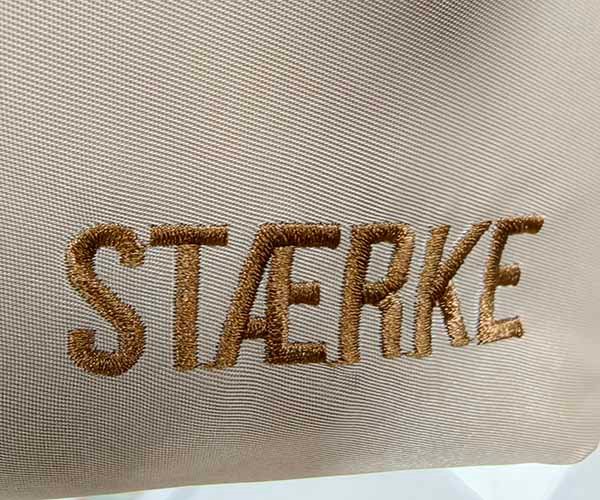
Embroidery gives a higher-value look for canvas totes, cotton pouches, lifestyle bags, and gift sets. It works best for simple logos, initials, badges, and small graphic details. Szoneier reviews stitch count, backing, fabric thickness, thread color, and logo size before sampling because dense embroidery can pull thin fabric or change bag shape.
6. woven labels 1

Labels and Patches

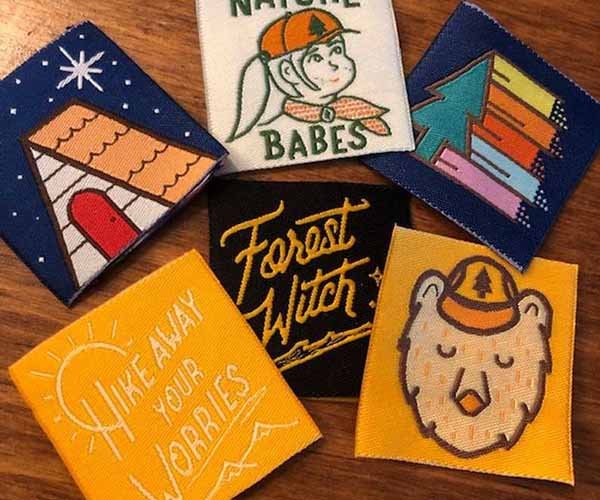
Woven labels, printed labels, care labels, hangtags, leather patches, PU patches, silicone patches, and paper cards can create a stronger brand system. Szoneier helps decide label size, placement, stitch method, label base color, and packaging relation. For eco programs, recycled paper hangtags and woven care labels are often used to explain material and care details.

Sample Development From Idea to Approved Line

Sampling turns a concept into a controlled manufacturing file. Szoneier can start from a tech pack, reference sample, photo, sketch, product link, or size target.

Step 1 - Project Review

Send product idea, reference photo, target size, material preference, logo file, quantity per SKU, packaging request, and destination country. Nancy and the Szoneier project team review missing details before quotation. For eco bag lines, the team also checks whether SKUs can share materials, trims, labels, and carton packing to improve production control.

Step 2 - Material and Pattern

Szoneier reviews fabric options, weight, color, handle material, thread, labels, printing method, and packaging. Pattern making begins after size, structure, gusset, pocket, closure, and logo placement are confirmed. A simple cotton tote moves faster than a multi-SKU line with special recycled fabric, custom labels, and retail packaging.

Step 3 - First Sample

First sample development usually includes cutting, sewing, logo trial, internal check, photos, and video confirmation before shipping. Many standard samples can be completed in 5-10 working days after details and materials are ready. Special materials, custom-dyed fabric, complex packaging, or multiple logo trials may need more time.

Step 4 - Revision and Approval

Sample feedback is converted into a clear revision list: size, handle drop, stitching, logo size, label placement, fabric feel, closure, packing fold, or cost adjustment. After approval, Szoneier records the final sample, pattern, BOM, logo file, packaging file, and inspection points for pre-production and bulk order control.

MOQ, Sample Time, and Production Planning

Eco bag line planning should balance SKU range, material sharing, logo process, and delivery schedule. Szoneier confirms MOQ and timeline according to actual configuration.

Planning ItemStandard RangeBest FitNotes Before Order
Selected Standard MOQFrom 200 pcsRegular cotton totes, drawstring bags, simple pouches, mesh bagsDepends on material availability, logo process, color count, and packaging
Multi-SKU First Program2-8 SKUsBrands building a full eco lineShared fabric, labels, and packaging can improve planning efficiency
Standard Sample Time5-10 working daysReady materials, simple structure, simple logoTimeline begins after size, artwork, material, and sample fee confirmation
Complex Sample Time10-18 working daysSpecial fabric, multi-logo trials, insulated bags, custom packagingMaterial sourcing and trial production may extend timeline
Bulk Lead Time20-35 daysApproved sample, ready materials, regular packagingLarger orders or custom materials require separate scheduling
Sample ShipmentDHL, UPS, FedEx, appointed courierWorldwide sample deliveryTransit time depends on destination, courier service, customs, and local delivery
Split ShipmentAvailable by planFBA, overseas warehouse, retail DC, urgent replenishmentConfirm SKU, quantity, label, address, invoice, and carton mark for each batch

Factory-Based Production and Capacity Support

Szoneier is a Shenzhen-based custom bags and soft goods OEM/ODM manufacturer with factory-based sampling, material sourcing, sewing production coordination, QC, packaging, and export delivery support.

In-House Sampling Control

Eco bag line projects need fast feedback between design, material, pattern, and sewing. Szoneier supports in-house sampling coordination for material matching, paper pattern, cutting, sewing, logo trial, internal check, photo and video confirmation, and sample revision. Faster internal communication helps a line move from concept to approved sample with fewer repeated explanations.

Sewing Production Coordination

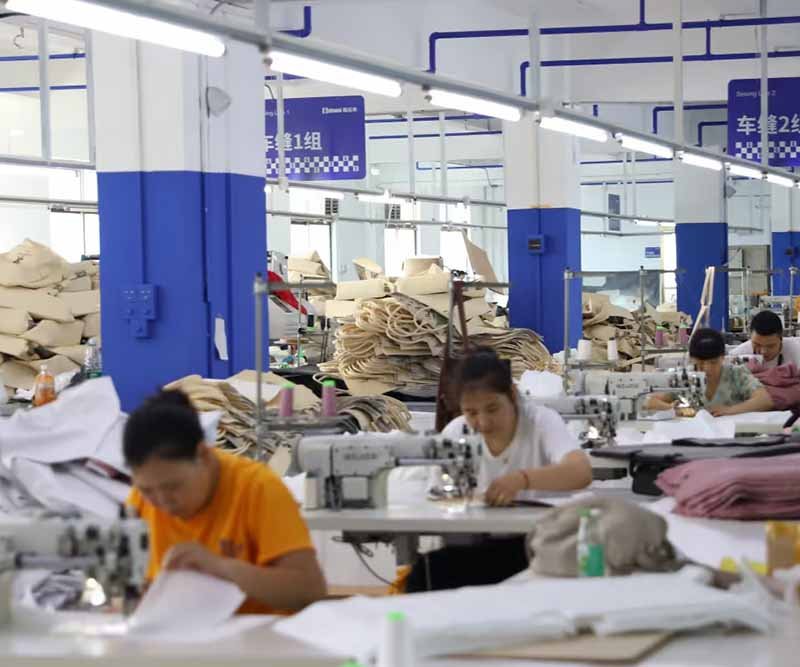
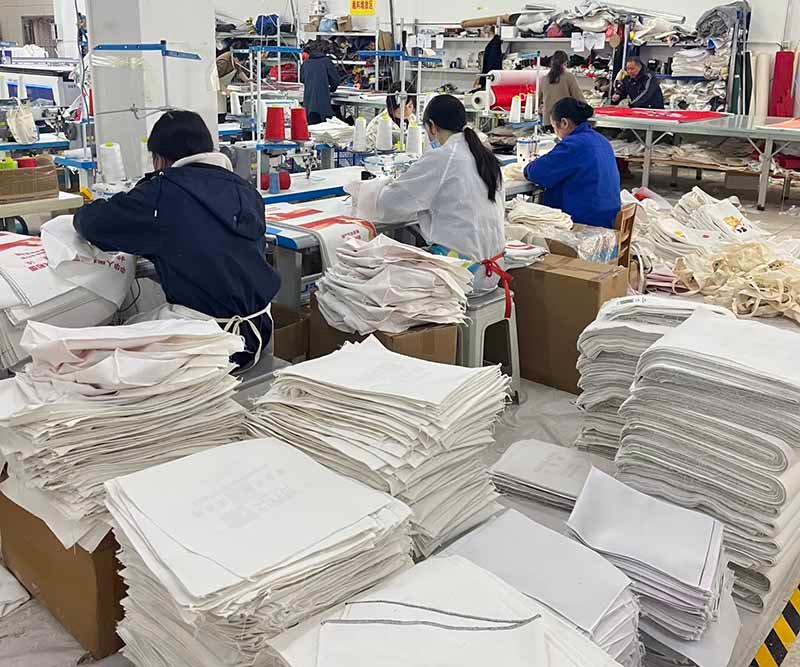
Szoneier works with custom sewn bags and soft goods across tote bags, drawstring bags, cooler bags, cosmetic bags, backpacks, pouches, neoprene products, leather goods, and functional bags. Eco bag line production can use flatbed sewing, binding, bartack, cutting, inspection tools, and packaging equipment according to material and structure.

10+ Satellite Factory Network

Szoneier combines its own production system with 10+ long-term satellite partner factories for capacity flexibility, special product categories, and multi-SKU projects. Project communication, sample standard, material requirement, QC standard, packaging rule, and shipment responsibility remain managed by Szoneier, helping larger programs avoid fragmented communication.

Export Delivery Support

Shenzhen gives Szoneier access to mature fabric, accessory, printing, packaging, hardware, and logistics resources. Export options can include courier, air, sea, DDP, FBA delivery, door-to-door service, carton labels, packing list, commercial invoice, and split shipment planning. The route is reviewed according to deadline, volume, destination, and product packing.

Quality Control for Eco Bag Programs

Quality control for eco bags should begin before cutting, not only after goods are packed. Szoneier checks materials, sewing, logo, dimensions, packaging, carton labels, and shipment documents by stage.

Material Inspection

Fabric weight, color, surface texture, coating, mesh openness, fabric defects, odor, shrinkage risk, and batch shade are checked before cutting whenever needed. For recycled cotton, organic cotton, rPET, and jute-style materials, Szoneier confirms material availability and sample appearance before production approval. Material records help repeat orders stay closer to approved samples.

Pre-Production Sample

A pre-production sample gives the production line a clear reference before bulk work begins. It confirms final size, handle drop, seam type, logo position, label placement, folding method, packaging, and carton rule. Szoneier uses the approved sample and project file to reduce interpretation gaps during production.

In-Process Checks

Eco bags with handles, gussets, pockets, closures, labels, and logo prints need in-process checks. Szoneier reviews cutting accuracy, sewing alignment, handle reinforcement, stitch density, logo position, trim color, pocket placement, and quantity progress. Early checks are more useful than finding all issues after packing.

Final Inspection and Packing Check

Before shipment, Szoneier checks overall appearance, dimensions, function, seams, stains, loose threads, logo quality, label accuracy, folded size, polybag, hangtag, barcode, FNSKU, carton mark, and packing quantity. For split shipment, each batch requires quantity, SKU, address, carton mark, invoice, and packing list confirmation.

Packaging, Retail, FBA, and Global Delivery

Packaging has a direct impact on receiving, retail display, storage, freight cost, and unboxing. Szoneier can match packaging to channel before bulk packing begins.

Retail-Ready Packaging

Retail eco bags may need belly bands, hangtags, barcode stickers, shelf-ready cartons, inner bundle packs, or retail hang cards. Szoneier reviews folded size, display orientation, label position, barcode readability, carton quantity, and outer mark before shipment. For chain store programs, carton marks and item labels should match receiving documents exactly.

Amazon and Marketplace Packing

Marketplace programs may require FNSKU labels, suffocation warnings, single-SKU cartons, bundle packs, and carton separation. Szoneier can prepare individual polybags, label placement, carton marks, and packing lists based on FBA or overseas warehouse requirements. Multi-SKU packing rules are confirmed before production handover.

DTC and Gift Packaging

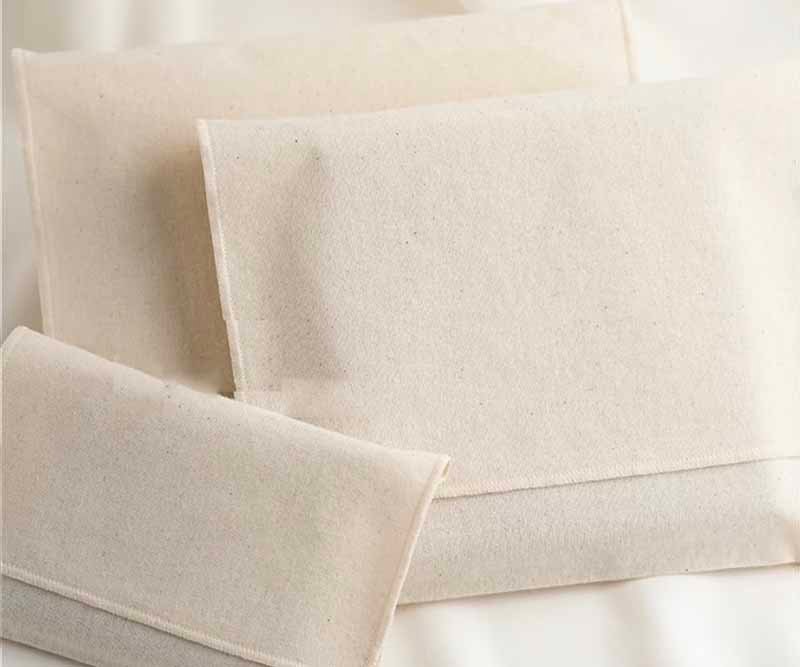
DTC and gift projects need a better opening experience. Options include cotton dust bags, recycled paper cards, tissue paper, mailer boxes, drawstring sleeves, printed thank-you cards, gift boxes, or carton-only bulk packs. Szoneier helps decide which packaging supports brand value without creating excessive shipping volume or unnecessary assembly cost.

Shipment Planning

Delivery can be arranged by sample courier, express, air, sea, DDP, door-to-door, FBA, or appointed freight forwarder. Shipment planning should confirm quantity, SKU split, carton size, gross weight, destination, deadline, invoice, packing list, and delivery terms. For large programs, split shipment can support urgent replenishment and warehouse scheduling.

Material Records and Compliance Support

Eco bag programs often need clearer material language, care instructions, packaging labels, and documentation. Szoneier helps organize product information before the line moves into production.

Material and BOM Records

Every eco bag SKU should have a basic project record: fabric type, fabric weight, color, lining if any, handle material, thread, label, logo process, accessory, packaging, carton packing, and approved sample reference. Szoneier archives BOM and pattern information for repeat production, material review, and future SKU extension.

Label and Care Information

Cotton, canvas, recycled fabric, rPET, jute-style fabric, mesh, and coated fabrics need different care wording. Szoneier can place woven labels, printed labels, care labels, hangtags, barcode stickers, and packaging warnings according to project requirements. Final label wording and legal claims should be approved by the brand side before production.

Certification and Material Claims

Organic cotton, recycled cotton, rPET, and other special materials may require documentation from material suppliers. Szoneier can help review available documents and material routes before quotation. Claims printed on hangtags, packaging, or websites should match real material sourcing and approved records to avoid inaccurate messaging.

Repeat Order Files

Repeat orders move faster when pattern, BOM, logo file, material reference, packaging file, carton detail, and QC standard are stored. Szoneier keeps project records so a later replenishment or new SKU does not begin from zero. For annual programs, the same file system supports seasonal colors and new product extensions.

Eco Bag Line Development Cases

Szoneier supports eco bag programs for retail, marketplace, lifestyle, and promotional use. The examples below show how product mix, material choice, and project control can work together.

US Lifestyle Brand Eco Launch

A US lifestyle label planned a 4-SKU eco line: 38 x 42 cm organic cotton tote, 25 x 35 cm cotton mesh produce bag, 20 x 14 cm recycled cotton pouch, and 15 x 20 cm drawstring gift bag. First order quantity was 2,400 pcs across four SKUs. The main challenge was keeping natural fabric texture, logo position, and packaging tone consistent. Szoneier created fabric cards, logo placement guides, hangtag references, and sample videos before approval. Standard samples were completed in 9 working days after artwork confirmation; bulk production took 28 days after final approval. The line shipped as carton-separated SKUs for online and gift use.

Grocery Chain Reusable Bag Program

A grocery project needed reusable shopping bags, mesh produce bags, and insulated reusable bags for store operations. Total order quantity was 8,000 pcs across three SKUs. Main concerns included handle comfort, bottom gusset capacity, carton marks, and barcode placement. Szoneier adjusted handle drop, reinforced stress points, reviewed bottom gusset width, and confirmed retail labels before bulk cutting. The insulated SKU used Oxford fabric, EPE foam, and PEVA lining, while reusable shopping bags used rPET fabric. Bulk goods were packed by SKU with store-ready carton marks and split shipment instructions.

Corporate Sustainability Campaign

A corporate gift program needed 5,500 pcs across a canvas tote, rPET foldable bag, and small drawstring pouch. The delivery deadline was tied to an internal sustainability event. Szoneier reviewed target budget, logo color, folding size, gift packing, and courier schedule before sampling. The rPET foldable bag used heat transfer logo, while canvas totes used screen printing. Sample confirmation took 7 working days for standard items. Bulk production and packing were completed in 24 days after approval, with cartons separated for two delivery addresses.

From First Project to Repeat Orders

Eco bag lines often grow after the first approved program. Szoneier helps preserve product records so replenishment, color expansion, and new SKU development can move with less repeated work.

Project File Archive

After sample approval, Szoneier can keep pattern files, material records, logo files, printing notes, label files, packaging files, carton details, and QC points. A repeat order should not require the brand team to resend every measurement or explain every logo placement again. Better file control reduces communication time and supports more stable bulk results.

Replenishment Planning

Repeat orders often need faster material checking and production scheduling. Szoneier reviews previous BOM, current material availability, supplier lead time, packaging inventory, and desired delivery window. If a material has changed batch shade or supply condition, sample confirmation or fabric swatch review may be arranged before cutting.

New SKU Extension

A successful tote can expand into a pouch, mesh bag, lunch bag, foldable shopping bag, or gift set bag. Szoneier can reuse visual rules, label systems, trim colors, logo placement logic, and packaging standards while adjusting structure for each product. A controlled extension saves time and keeps the line recognizable.

Annual Program Support

For annual retail, corporate, grocery, or lifestyle programs, Szoneier can help plan seasonal colors, replenishment timing, split shipment, packaging updates, and product refreshes. The goal is not only one shipment, but a manageable eco bag line with stable records, stable quality, and clear next-step development.

Why Work With a Line Development Manufacturer
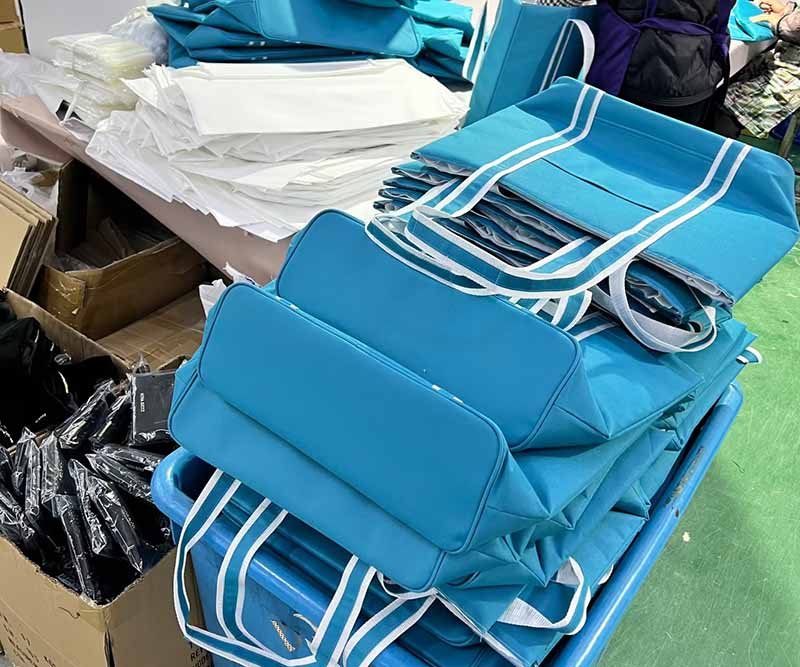
An eco bag line needs more than product sourcing. Material planning, structure control, sample revision, packaging, QC, and repeat-order records need one accountable manufacturing system.
1. beyond standard wholesale bags

Beyond Standard Wholesale Bags

Wholesale eco bags are suitable when a team only needs existing shapes with a simple logo. A line development project needs more control: material selection, SKU planning, size adjustment, brand labels, packaging, carton rules, and repeat records. Szoneier fits projects where one tote may become a broader product family.
2. beyond one time promotion

Beyond One-Time Promotion

One-time promotional bags often focus on the lowest cost and fastest print. Eco bag lines for brands and retail programs need longer thinking. Handle strength, material story, logo craft, packaging, and replenishment all affect product value. Szoneier helps plan for first production and later expansion instead of treating every order as an isolated job.
3. factory based project management

Factory-Based Project Management

Szoneier supports project communication through Nancy and the internal project team, covering inquiry review, material selection, quotation, sampling, revision, production, QC, packing, and shipment. Factory-based control helps reduce information loss between sales, sampling, production, and inspection. For complex lines, clearer communication protects timeline and quality.
4. flexible program growth

Flexible Program Growth

A line may begin with one tote and one pouch, then grow into more colors, more sizes, grocery bags, cosmetic pouches, or gift packaging. Szoneier can review MOQ, material sharing, accessory choices, and packaging planning for each stage. Growth is easier when the first project is documented correctly.

Frequently Asked Questions

Eco bag line development means building a coordinated group of reusable or eco-positioned bags rather than ordering one standard bag. A line may include cotton totes, canvas shopping bags, recycled cotton pouches, rPET foldable bags, mesh produce bags, drawstring bags, retail packaging bags, or insulated reusable bags. Szoneier supports material planning, sample development, logo craft, packaging, QC, and bulk production coordination.
Yes. Szoneier can review several styles in one program, such as a tote, pouch, mesh bag, and drawstring gift bag. The team checks whether styles can share fabric, trims, labels, logo files, packaging, and carton planning. Shared materials and records can make sampling and bulk production easier to control.
Common options include cotton, organic cotton, recycled cotton, canvas, rPET polyester, mesh, jute-style fabric, woven PP, non-woven PP, and selected recycled or coated fabrics. Each material has different cost, hand feel, durability, print effect, packaging volume, and supply condition. Szoneier recommends materials based on use scenario, brand positioning, logo method, and target cost.
MOQ starts from 200 pcs for selected standard custom bag projects using ready materials, mature structures, simple logo methods, and regular packaging. Eco bag lines with custom-dyed fabric, certified materials, complex packaging, molded patches, jacquard webbing, special accessories, or many colorways may require higher MOQ. Szoneier confirms MOQ after reviewing product mix and material route.
Yes. A full tech pack is helpful, but Szoneier can also begin with product photos, sketches, reference samples, product links, target sizes, logo files, quantity per SKU, packaging ideas, and destination country. The project team will help organize missing details before quotation and sample development.
Many standard eco bag samples can be developed in 5-10 working days after fabric, size, structure, artwork, and sample fee are confirmed. Complex projects with special recycled fabric, custom colors, insulated construction, multi-logo trials, or retail packaging may need 10-18 working days. Sample shipment time depends on courier route and destination.
Szoneier can help set logo size, print position, woven label placement, care label position, hangtag connection, patch location, and packaging relation. Final artwork and claim wording should come from the brand side, while Szoneier checks production feasibility, material suitability, and bulk consistency.
Szoneier uses material checking, approved sample records, pre-production sample confirmation, in-process inspection, sewing checks, logo position checks, dimension review, packaging checks, and final inspection before shipment. Key points include handle reinforcement, seam finish, fabric defects, label accuracy, folded packing, carton quantity, and outer carton marks.
Yes. Szoneier can support FNSKU labels, barcode stickers, suffocation warnings, single-SKU cartons, retail hangtags, folded belly bands, carton marks, packing lists, commercial invoices, and split shipment planning. Requirements should be confirmed before packing to avoid repacking or receiving delays.
Yes. Szoneier can keep pattern files, BOM, material records, logo files, packaging files, carton details, and QC standards after approval. Repeat orders can be reviewed against previous records, helping replenish stable SKUs, add new colors, or extend the eco bag line with less repeated communication.

Start Your Eco Bag Line With Szoneier

Szoneier helps brands and procurement teams develop eco bag lines from first idea to approved sample, bulk production, packaging, and international delivery. Share your product direction and our team will review material route, structure, logo craft, MOQ, sample schedule, packing method, and shipment options. To receive a clearer quote and development plan, send:
  • Product idea, reference photo, sketch, or existing sample.
  • Bag types needed, such as tote, pouch, mesh bag, foldable bag, drawstring bag, or insulated reusable bag.
  • Target size, fabric preference, color direction, and logo artwork.
  • Quantity per SKU and expected reorder plan if available.
  • Packaging requirements, barcode or FBA needs, and destination country.
  • Target launch date or delivery window.
tote bag (4)

Ask For A Quick Quote

We will contact you within 24 Hours, please pay attention to the email with the suffix“@szoneier.com”

For all inquiries, please feel free to reach out at:

Ask For A Quick Quote

We will contact you within 24 Hours, please pay attention to the email with the suffix“@szoneier.com”

Contact Us

Send us a message if you have any questions or request a quote. We will be back to you ASAP!

For all inquiries, please feel free to reach out at:

Contact Us

Send us a message if you have any questions or request a quote. We will be back to you ASAP!

Exclusive Offer for First-Time Customers

For first-time customers, we will send you a free color card for you to choose.Once you have confirmed the fabric and color, our factory will make a free sample proofing for you.

For customers who frequently cooperate with us, we will send new color charts free of charge several times a year.

For all inquiries, please feel free to reach out at: