Your Trusted Custom Tennis Bag Manufacturer
Szoneier develops tennis racket bags, backpacks, totes, duffle bags, and team bags for sports labels, clubs, academies, retail programs, and ecommerce product lines.
- Tennis racket capacity planning for 1, 2, 3, 6, or tournament-use racket layouts.
- Common racket pocket length review around 68-75 cm, depending on racket size and opening design.
- Selected standard sewn tennis bag projects can start from 200 pcs, with exact MOQ based on material, structure, color, logo method, and packaging.
- Standard sample development often takes 7-12 days after details are confirmed; complex structures, special patches, or packaging samples may need 12-20 days or more.
- Szoneier supports fabric selection, pattern development, sample revision, logo work, packaging, QC, FBA preparation, DDP review, and export delivery.
Custom Tennis Bag Programs for Serious Sports Brands
Szoneier helps sports labels, retail teams, academies, clubs, and event programs develop tennis bags with clear structure, brand details, and controlled production.
Sports Bag Labels
Sports bag labels often need more than a logo placed on a ready pattern. Tennis backpacks, racket bags, and tournament carriers require pocket planning, fabric matching, zipper choice, strap comfort, and a repeatable production file. Szoneier helps translate design direction into a workable sample, then stores patterns, BOM details, logo files, packaging notes, and QC points for future replenishment.
Tennis Academies
Academies need bags suitable for coaches, junior players, and training groups. Typical requests include team colors, embroidered academy marks, name areas, shoe pockets, wet towel space, and easy-carry strap systems. Szoneier can adjust size, fabric weight, pocket layout, and logo placement so training bags feel consistent across a season while staying manageable for group distribution.
Club Programs
Tennis clubs often want products with a more polished look for member gifts, shop sales, tournaments, and annual events. A club bag may need a clean tote shape, a racket sleeve, premium embroidery, branded zipper pulls, and dust-free packing. Szoneier helps balance appearance, function, unit cost, and packing volume before sample approval.
Retail Launches
Retail tennis bags need repeatable sizing, color control, readable hangtags, clean barcodes, carton labels, and stable visual details across replenishment orders. Szoneier supports sample confirmation, material batch notes, approved logo references, product photos before shipment, and final carton checks so retail teams can receive goods with fewer surprises at warehouse intake.
Ecommerce Lines
Ecommerce tennis products depend on clear photo features and reliable user experience. A tennis backpack may need a shaped racket sleeve, shoe pocket, water bottle pocket, key hook, anti-slip shoulder pads, and compact packing. Szoneier helps brand teams review features at sample stage before stock planning, photo shooting, and repeat orders.
Event Projects
Tournament, corporate sport, and school competition programs need bags delivered around fixed dates. Logo method, color, packing, carton quantity, and shipping route must be confirmed early. Szoneier can review event schedules, sample timing, bulk lead time, and shipment choices before production, reducing risk when event dates cannot move.
Tennis Bag Styles We Can Develop
From daily training backpacks to tournament racket carriers, Szoneier develops tennis bag styles around capacity, use scene, and brand positioning.
Tennis Racket Bag
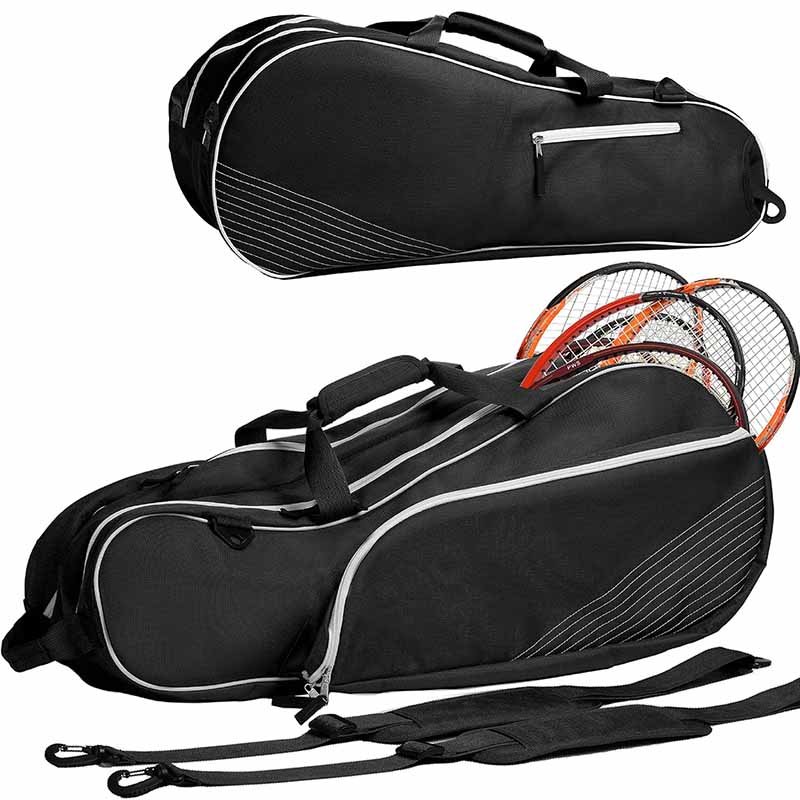
A racket bag usually starts with capacity planning: single racket, two rackets, three rackets, or multi-racket tournament use. Szoneier reviews racket length, head width, pocket opening, padding, edge binding, zipper route, and handle position before sampling. Material choices can include polyester Oxford, nylon, coated fabric, PU panels, mesh details, and padded lining, depending on durability goals and retail price level.
Tennis Backpack
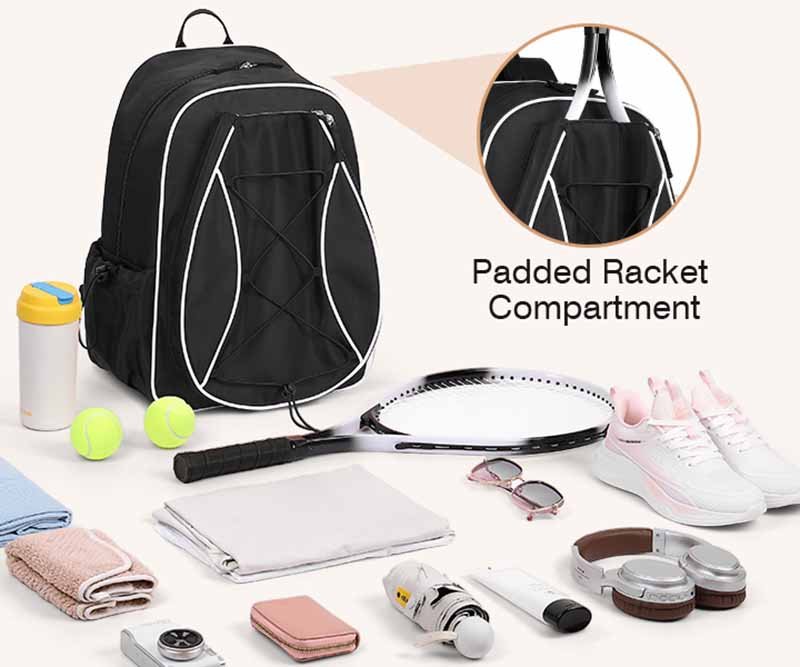
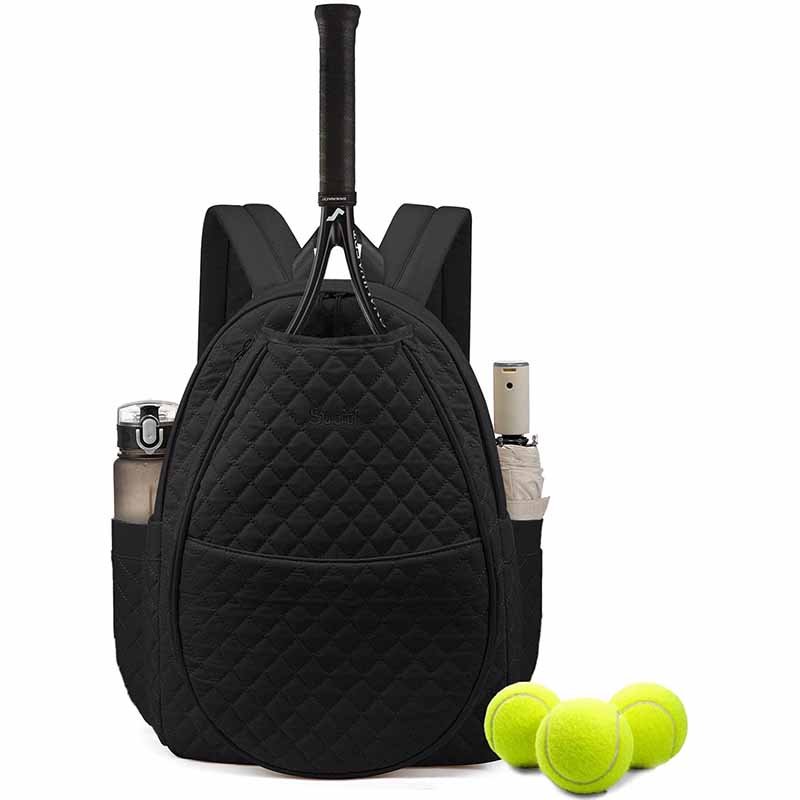
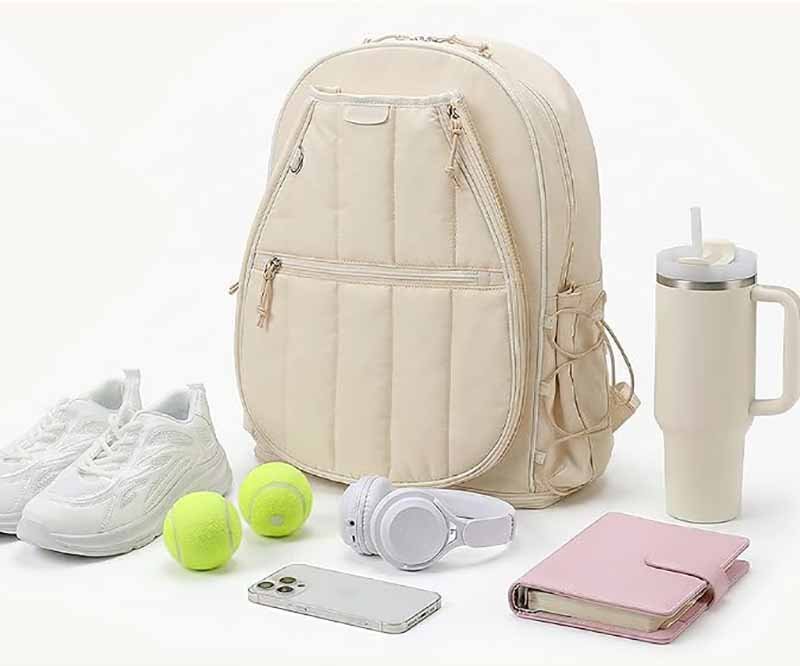
A tennis backpack fits players who carry rackets, shoes, towel, water bottle, phone, keys, and light clothing in one compact format. Development work focuses on racket sleeve angle, shoulder strap shape, back padding, shoe tunnel, side pockets, front accessory storage, and bottom support. Szoneier can build samples from sketches, references, or an existing backpack needing tennis-specific improvements.
Tennis Tote Bag
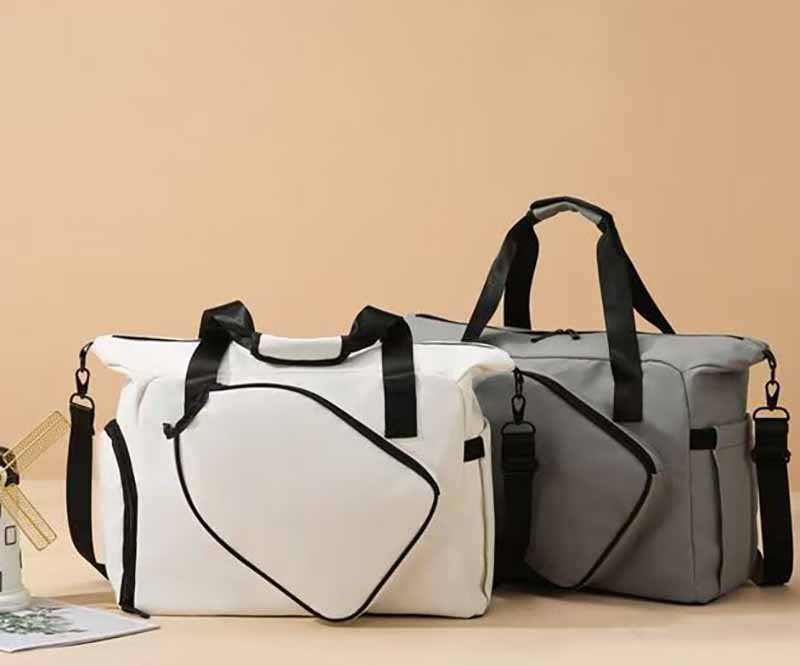
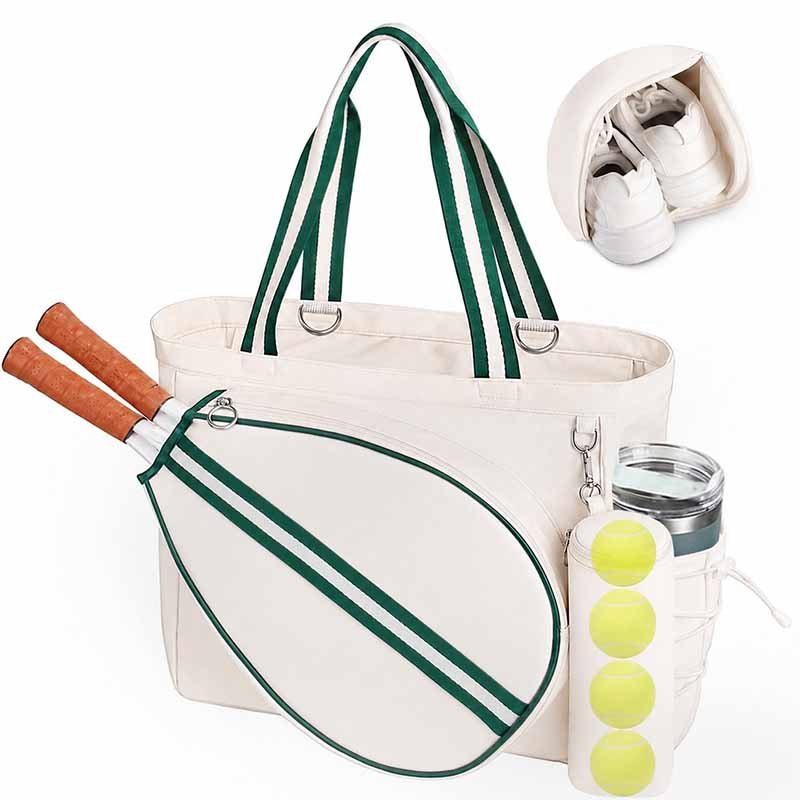
A tennis tote combines lifestyle appearance with court function. Brand teams often request canvas, nylon, PU trim, leather-like handles, internal racket sleeve, magnetic closure, zipper pocket, and clean embroidery or patch logo. Szoneier helps decide whether the tote should stand upright, fold flat, carry one racket, or work as a club shop product.
Tennis Duffle Bag
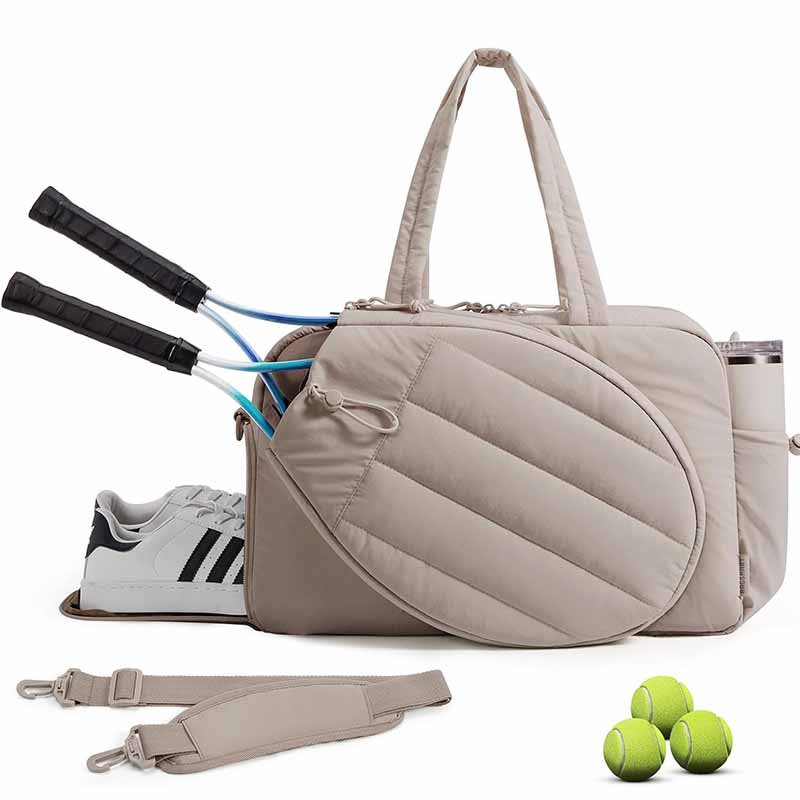
A tennis duffle works well for training days, academies, and tournament travel. Key details include shoe compartment, wet pocket, side racket sleeve, reinforced handles, adjustable shoulder strap, and a wide main opening. Szoneier can adjust dimensions for 40L, 50L, or larger gear capacity while controlling seam stress, zipper length, and carton packing volume.
Tournament Carrier
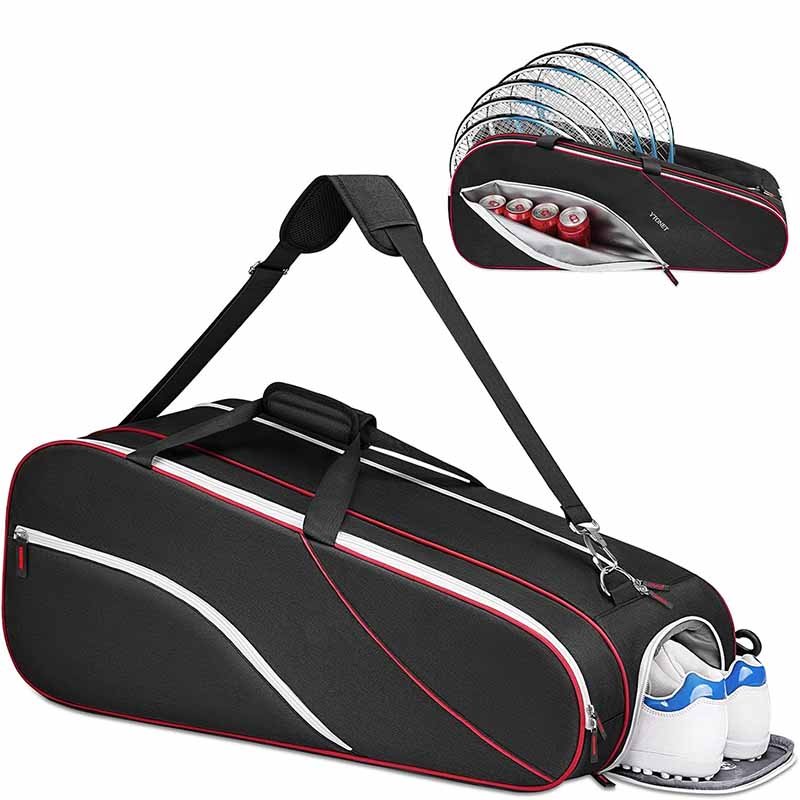
A tournament carrier needs room for several rackets, apparel, towels, accessories, water bottles, and sometimes insulated or padded sections. Development must control panel stiffness, zipper durability, strap load, and balance when fully packed. Szoneier can build stronger structures using higher-denier fabrics, reinforced seams, thicker webbing, and carefully placed bar-tack stitching.
Tennis Sling Bag
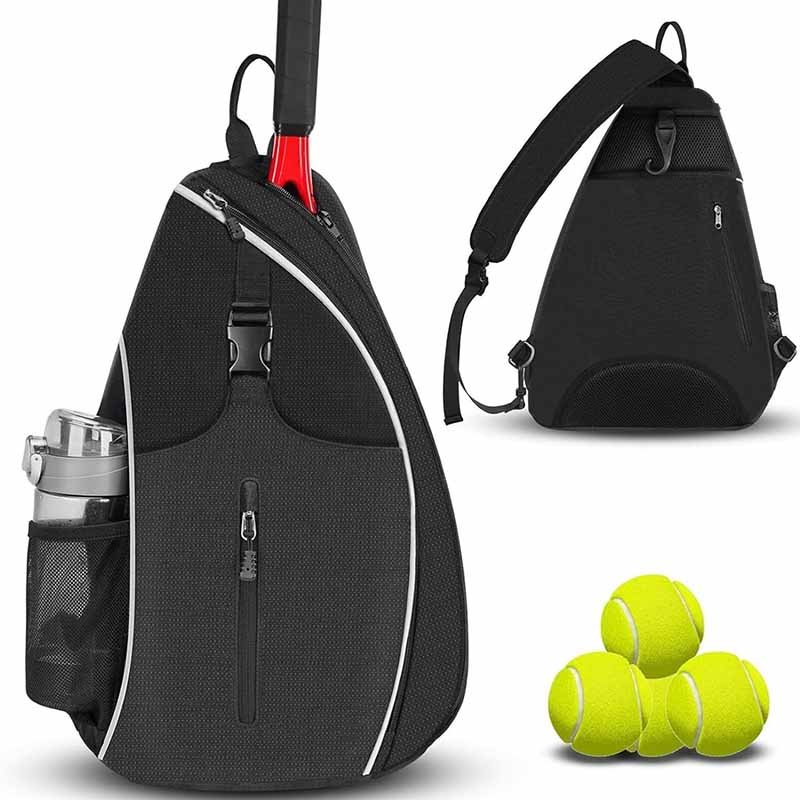
A sling bag is useful for light play, youth training, or urban court use. It usually carries one racket plus small essentials. Important design points include diagonal comfort, strap adjustment range, racket neck support, and front storage access. Szoneier can tune body curve, zipper direction, and padding thickness so the bag stays comfortable during walking or cycling.
Shoe Bag
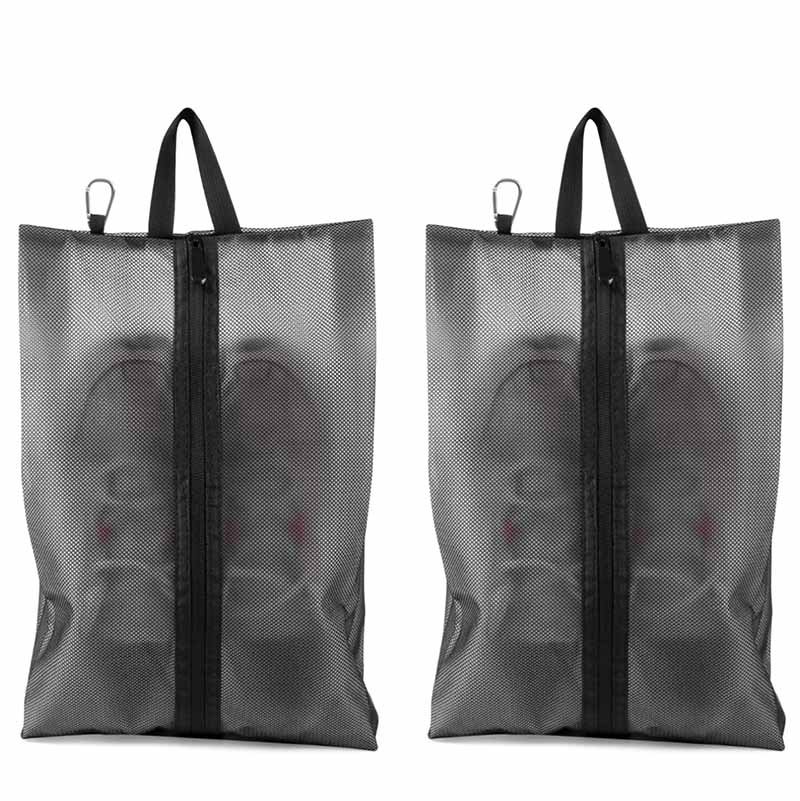
A shoe bag can be sold alone, packed with a larger tennis bag, or used as a team accessory. It needs airflow, washable lining, a durable handle, and enough depth for common tennis shoes. Szoneier can add mesh vents, waterproof lining, printed team logos, woven labels, or matching color trims for a complete set.
Accessory Pouch
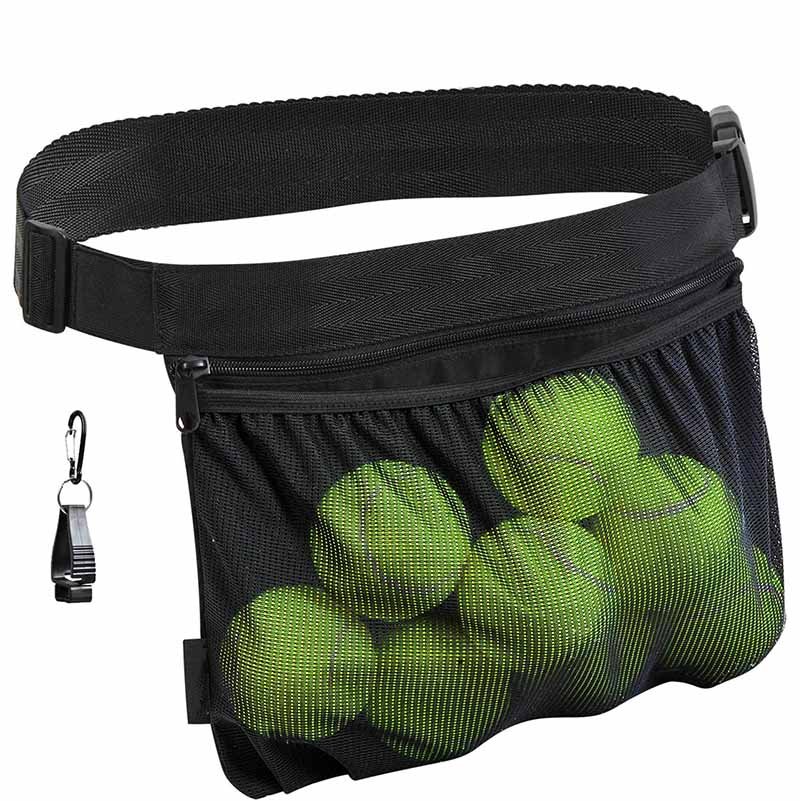
An accessory pouch supports balls, wristbands, grips, sunscreen, phone, keys, or repair tools. It can become a small add-on SKU for tennis collections. Szoneier can produce pouch shapes with zipper closure, mesh panels, inner dividers, label placement, and matching fabric from the main bag series, helping collections feel coordinated without heavy development cost.
Team Tennis Bag
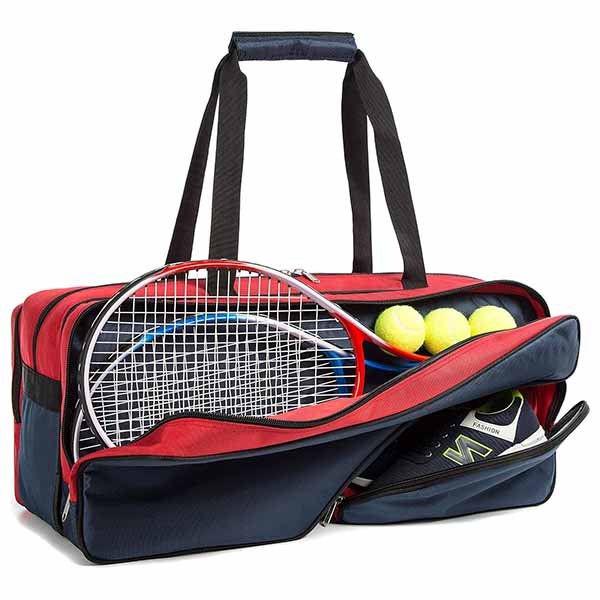
Team tennis bags are designed for schools, clubs, academies, and tournament groups. They often need unified colors, embroidered marks, name tag windows, durable polyester, simple packing, and bulk delivery scheduling. Szoneier can prepare shared specifications across different sizes or styles so team backpacks, duffles, and shoe bags match visually.
Racket Capacity and Size Planning
Racket fit affects daily usability more than decoration. Szoneier reviews racket length, pocket angle, padding, and opening before sample sewing.
One-Racket Carry
One-racket layouts work well for tennis totes, sling bags, youth bags, and casual club products. A pocket length around 68-75 cm may be reviewed based on racket size, fabric thickness, zipper placement, and whether the handle remains outside. Szoneier checks opening comfort, sleeve depth, edge binding, and racket neck support before confirming pattern dimensions.
Two-to-Three Rackets
Two-to-three racket designs suit training backpacks and compact racket bags. Pocket width, panel stiffness, and zipper arc become more important because rackets can rub or shift during walking. Szoneier can add foam padding, divider panels, internal straps, or reinforced binding, depending on target price and retail appearance.
Tournament Capacity
Tournament carriers often need space for 6 rackets plus shoes, apparel, towel, water bottle, and accessories. Structure needs stronger webbing, wider zipper tape, reinforced side panels, and stable load distribution. Szoneier reviews how the full bag sits on the shoulder, how rackets are protected, and how bulk packing affects freight volume.
Materials Built for Court Use
Material selection affects weight, shape, abrasion resistance, water resistance, print effect, hand feel, retail price, and freight cost.
Polyester Oxford
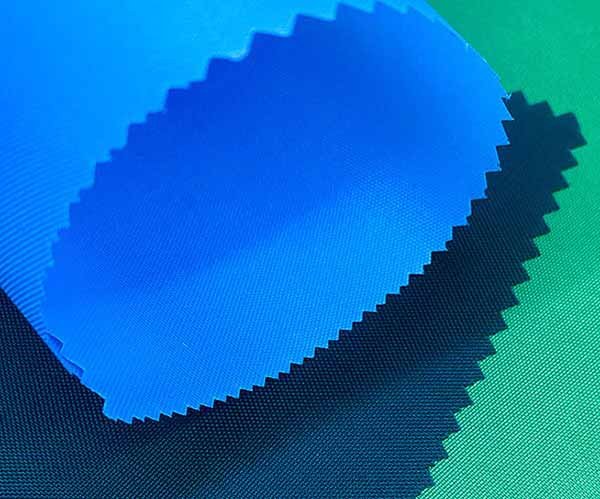
Polyester Oxford is a stable choice for many tennis backpacks, team bags, and event programs. Common options such as 300D, 600D, or 900D can be reviewed based on expected use, target cost, color availability, coating, and structure. Szoneier checks hand feel, surface texture, crease behavior, print compatibility, and lining match before sampling.
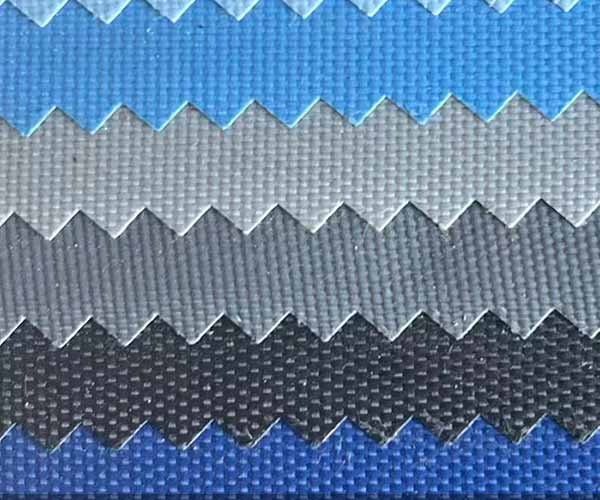
Nylon Fabric
Nylon helps create lighter, smoother, and more premium sport bags. It can be useful for tennis backpacks, sling bags, and compact racket carriers where weight and touch matter. Szoneier reviews denier, coating, tear resistance, color consistency, and logo suitability because nylon can behave differently during cutting, sewing, and heat-transfer work.
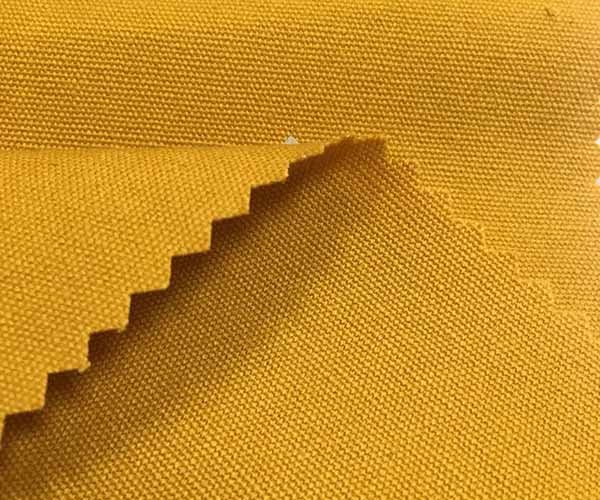
Canvas Cotton
Canvas and cotton fabrics suit lifestyle tennis totes, club shop bags, and gift programs with a softer look. They can pair with embroidery, woven labels, PU handles, or leather-like patches. Szoneier reviews fabric weight, shrinkage risk, color fastness, handle strength, and whether a lining or inner racket sleeve is needed for better shape retention.
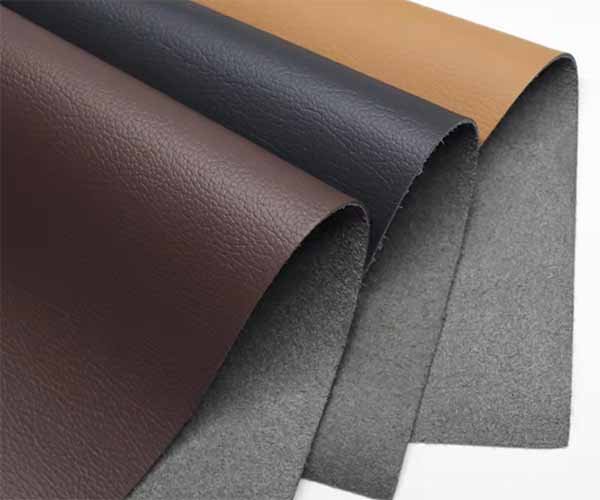
PU Trim Panels
PU trim can lift perceived value on handles, zipper ends, logo patches, bottom panels, and side reinforcements. It works especially well on tennis totes and premium backpacks. Szoneier checks thickness, surface grain, color match, sewing perforation, folding area, and edge finishing so PU details support the design instead of becoming a weak point.
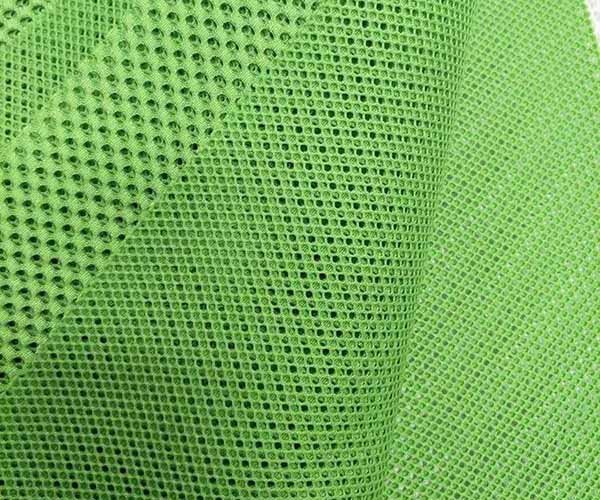
Mesh Components
Mesh supports ventilation and quick visibility for shoe pockets, ball pockets, bottle sleeves, and side panels. Mesh type matters because very soft mesh may stretch, while stiff mesh may feel rough. Szoneier reviews mesh hole size, elasticity, edge binding, abrasion risk, and color matching with main fabric during sample development.
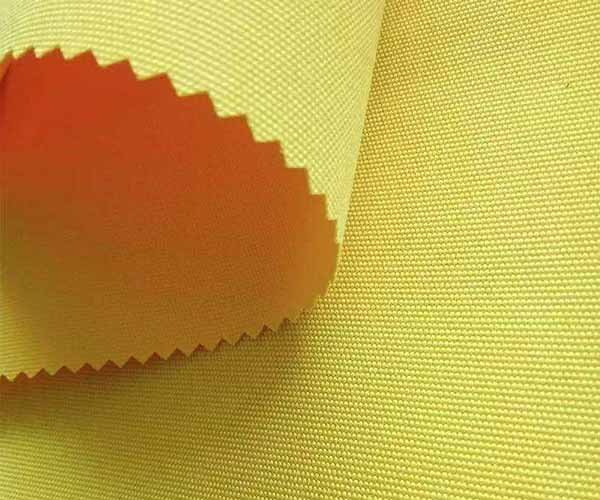
Lining Materials
Lining protects rackets, improves interior finish, and supports pocket organization. Options can include polyester lining, brushed lining, coated lining, or padded lining depending on product level. Szoneier checks color, seam cleanliness, pocket reinforcement, friction against racket frames, and whether inner panels need foam or PE board for structure.
Tennis Bag Structure Details
A strong tennis bag depends on pocket logic, opening design, load points, and court-use habits, not only fabric selection.
Racket Compartment
The racket compartment must fit the intended racket count without squeezing frames or making zipper closure difficult. Szoneier reviews pocket length, opening angle, padding, divider needs, zipper route, and whether racket handles stay exposed or fully covered. Foam thickness, lining choice, and edge binding are adjusted based on product level and target use.
Shoe Compartment
A shoe compartment needs enough depth, clean separation, and airflow. For backpacks and duffles, Szoneier reviews shoe tunnel placement, lining material, zipper access, ventilation mesh, and how the pocket affects main compartment volume. A poorly placed shoe pocket can distort the full bag, so sample testing with real shoe sizes is valuable.
Wet-Dry Storage
Tennis products often carry towels, sweatbands, used shirts, or damp accessories. Wet-dry separation can be built with coated lining, inner pouch, zipper pocket, or removable pouch. Szoneier reviews seam sealing needs, lining selection, pocket size, and cleaning expectations before adding water-resistant details to avoid overbuilding cost.
Bottle Pocket
A bottle pocket needs stretch control, opening security, and access while moving. Szoneier can use mesh, elastic binding, fabric gussets, or strap loops depending on bottle size and bag style. Placement should avoid racket interference and keep bag balance stable when one side holds a full bottle.
Accessory Layout
Keys, phone, wallet, grips, balls, sunscreen, and headphones need small storage zones. Szoneier can add inner zip pockets, mesh pockets, key hooks, front organizers, and hidden pockets. Good accessory planning reduces clutter and improves product reviews, especially for ecommerce tennis backpacks and club retail bags.
Strap System
Shoulder comfort depends on webbing width, foam padding, strap curve, stitch strength, and adjustment range. Szoneier reviews player height range, carry angle, handle location, and loaded weight. For backpacks, padded shoulder straps and breathable back panels can improve long-wear comfort during travel between courts.
Bottom Support
Bottom structure affects whether the bag stands, collapses, or wears out quickly. Options include thicker fabric, PU bottom panels, PE board, foam lamination, and extra binding. Szoneier reviews abrasion areas, carton folding, standing shape, and cost impact before recommending bottom reinforcement.
Main Opening
Opening design controls how quickly players access rackets, shoes, and apparel. A wide zipper opening helps large duffles and tournament bags, while cleaner top openings work for totes. Szoneier checks zipper length, puller direction, fabric tension, and whether the opening keeps its shape after repeated use.
Stitching and Reinforcement Details
Strong stitching keeps tennis bags stable under racket weight, shoe load, daily carrying, and repeated zipper movement.
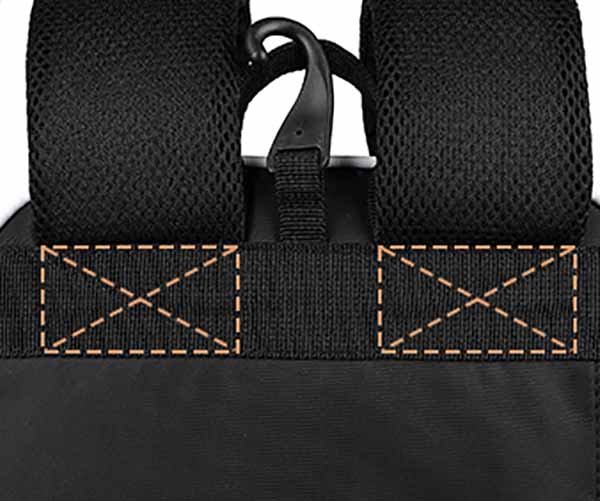
Strap Bar-Tacks
Shoulder straps and handle joints carry high stress when a bag holds rackets, shoes, water, and clothing. Szoneier places bar-tack stitching at key webbing points and reviews stitch density, thread choice, and sewing alignment. During sample review, loaded carry tests help confirm whether reinforcement feels enough for daily court use.
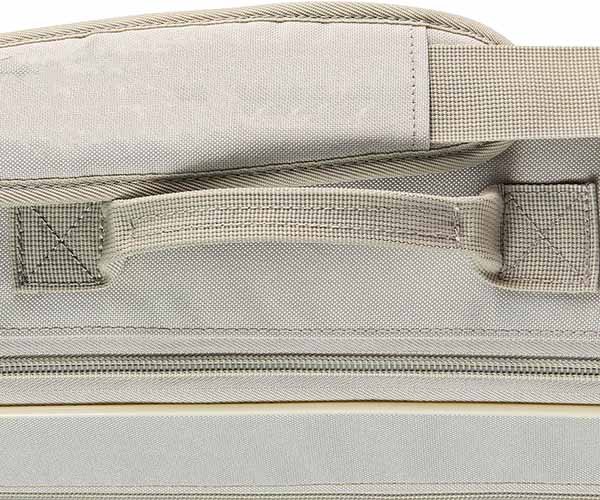
Handle Joint Sewing
Handles must feel clean in hand and strong under repeated lifting. Szoneier reviews handle width, padding, stitching box size, webbing end fold, PU cover position, and seam overlap. For duffles and tournament carriers, handle placement must balance the loaded bag rather than pulling from a single weak panel.
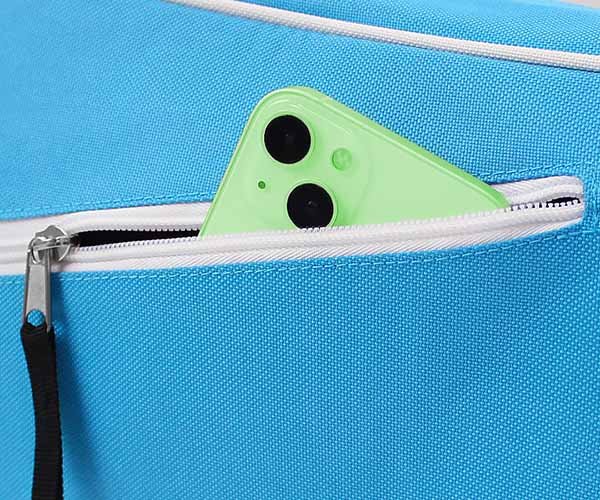
Zipper End Control
Zipper ends are common failure points on curved racket pockets and large main openings. Szoneier reinforces zipper stops with fabric tabs, binding, or back stitching based on structure. Smooth zipper movement is checked before shipment because zipper drag can quickly become a return reason for tennis bags.
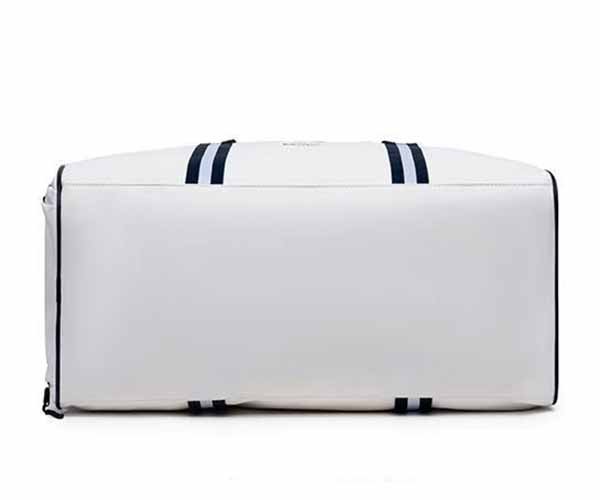
Bottom Stress Points
Bottom corners face abrasion and pressure when bags are placed on hard courts, benches, locker rooms, or car trunks. Szoneier can add bottom panels, binding, corner reinforcement, or protective fabric layers. Stitching must stay flat and neat so reinforcement improves durability without making the product look heavy.
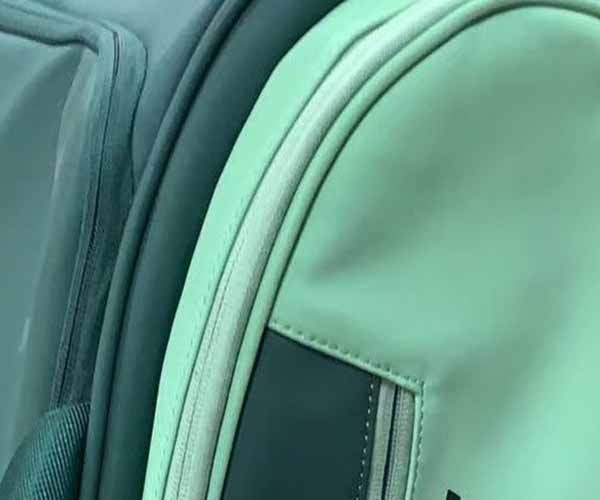
Racket Edge Binding
Racket pockets need clean edge finishing to protect fabric layers and maintain shape. Binding can use polyester, nylon, PU, or fabric tape depending on look and cost. Szoneier checks curve smoothness, seam allowance, lining catch, and binding color so the pocket looks refined when open.
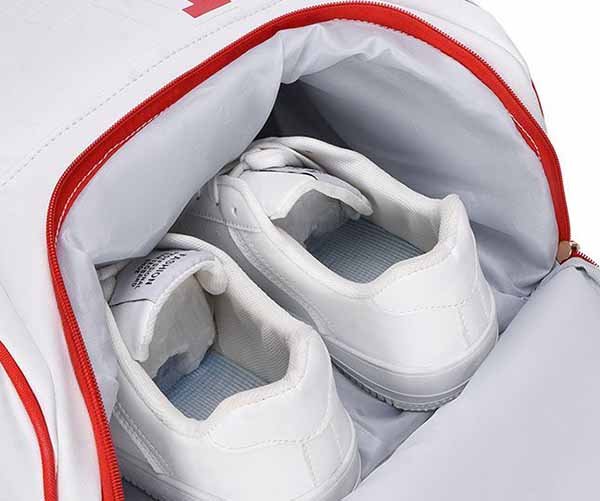
Shoe Pocket Seams
Shoe pockets create stress because they occupy internal space and often carry bulky items. Szoneier reviews side seam strength, zipper opening, lining attachment, ventilation mesh edge, and pocket depth. A shoe compartment should be easy to use without weakening the main bag panels.
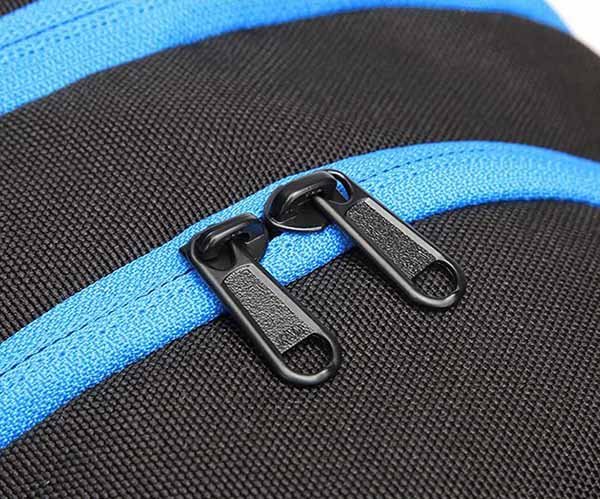
Pocket Opening Strength
Side bottle pockets, front organizer pockets, and ball pockets need stronger openings because they are pulled often. Szoneier can use elastic binding, folded fabric edge, bartack points, or reinforced tape. Opening strength is checked in sample stage to avoid stretching, fraying, or loose pocket edges.
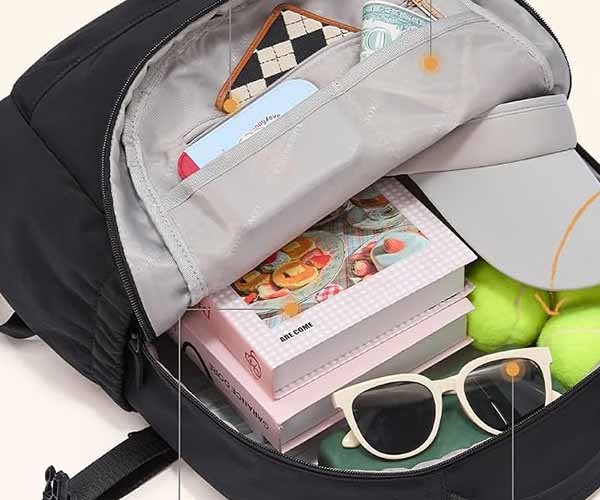
Lining Seam Neatness
Interior seams affect perceived quality when players open the bag. Szoneier reviews lining stitching, pocket alignment, thread trimming, divider attachment, and inner binding. Clean lining matters for premium tennis totes, club products, and ecommerce items where unboxing and interior photos influence purchase confidence.
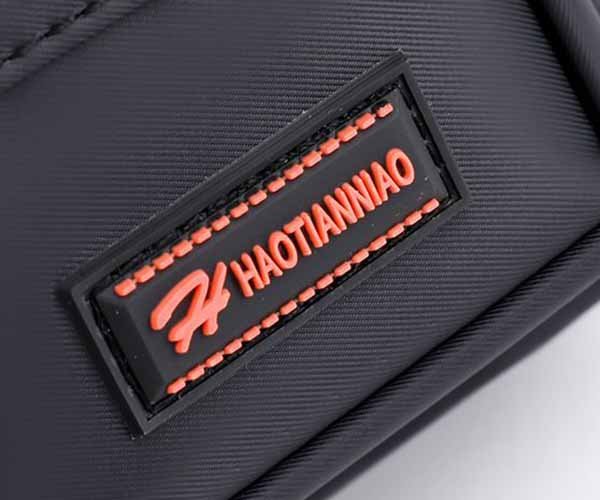
Logo Area Stitching
Embroidery, woven labels, rubber patches, and PU patches all need stable backing. Szoneier checks fabric stretch, logo placement, thread tension, patch edge sewing, and heat sensitivity before production. Logo areas must stay flat after packing, shipping, and repeated use because branding defects stand out immediately.
Logo and Team Branding Options
Logo method should match fabric, order quantity, wear level, target channel, and desired brand feeling.
Screen Printing
Screen printing works well for flat panels, event logos, team names, and larger artwork. It can offer a clean cost-performance balance on polyester, canvas, and selected coated materials. Szoneier reviews print size, ink type, color layers, fabric surface, and rubbing areas before confirming a printing solution for tennis bags.
Embroidery
Embroidery gives club marks, academy badges, and premium tennis totes a strong tactile look. It works best on stable fabric areas with enough backing support. Szoneier checks stitch count, thread color, backing, placement, and fabric thickness because embroidery can pucker soft panels if preparation is weak.
Woven Label
Woven labels support repeatable private label branding across tennis backpacks, pouches, shoe bags, and accessories. They look clean, cost stable, and easy to place on seams or pockets. Szoneier helps review label size, edge fold, color, sewing position, and whether the label should face front, side, or interior.
Rubber Patch
Rubber patches suit sportier tennis backpacks and tournament bags. They can add dimension and durability, especially on nylon or polyester panels. Szoneier reviews mold cost, patch size, color layers, sewing or heat attachment, lead time, and minimum patch quantity before placing rubber patches into development schedules.
PU Patch
PU patches work well for lifestyle tennis totes, canvas bags, and premium club programs. They can be debossed, printed, or stitched onto panels. Szoneier checks PU thickness, edge finish, needle marks, logo sharpness, and color match with handles or trims so the patch feels integrated rather than added at the end.
Zipper Pull Logo
A custom zipper pull adds brand detail without taking up panel space. It can use rubber, metal, woven tape, PU, or molded plastic. Szoneier reviews size, pull comfort, weight, color, opening direction, and tooling needs. For premium orders, zipper pull details can make a tennis bag feel more complete.
Color, Trim, and Collection Planning
A tennis bag collection feels stronger when fabric, lining, webbing, zipper, logo, and packing details follow one visual system.
Team Color Matching
School teams, academies, and clubs often need base colors, contrast panels, and logo colors aligned with identity guidelines. Szoneier can review Pantone references, available stock fabric colors, dyed fabric options, zipper tape colors, webbing colors, and embroidery thread cards before sample sewing. Color planning early helps avoid mismatch between bag body, trim, and logo.
Retail Series Colors
Retail tennis collections may need two to four core colors plus seasonal updates. Szoneier can help keep common materials and patterns while adjusting color panels, lining, zipper tape, labels, or pullers. Series planning improves SKU consistency and can reduce repeated development work when the same bag shape returns in new colorways.
Trim Coordination
Trim details include webbing, piping, binding, zipper tape, zipper pullers, patches, snaps, buckles, and interior labels. Szoneier reviews trim color, material finish, strength, and availability before pricing. Small trim choices affect both appearance and repeatability, especially for tennis backpacks with several pockets and strap components.
From Idea to Approval Sample
Szoneier turns sketches, reference bags, photos, tech packs, or existing samples into approval samples through a controlled development flow.
Project Review
The process starts with product type, racket capacity, target size, materials, logo method, quantity, market, and delivery country. Szoneier reviews whether the request fits available materials, standard sewing methods, and realistic timing before sample cost and lead time are confirmed. Early review prevents unclear quoting and repeated sample changes.
Material Matching
Material matching covers main fabric, lining, mesh, padding, webbing, zipper, buckle, patch, and packaging material. Szoneier can compare hand feel, thickness, coating, color, abrasion behavior, and cost level. For tennis bags, material review also considers racket protection, shoulder comfort, shoe pocket cleaning, and carton packing impact.
Pattern Making
Pattern development defines panel shape, pocket depth, seam allowance, lining structure, gusset width, and strap position. Szoneier’s pattern work converts visual ideas into cuttable and sewable parts. For racket bags, even small changes to zipper curve or pocket angle can affect racket fit and bag balance.
Logo Trial
Logo trial may include embroidery test, print test, patch sample, woven label, heat transfer, or zipper pull review. Szoneier checks logo size, color, location, durability risk, and material compatibility. Logo approval before full sample sewing helps avoid replacing panels after structure is already built.
Sample Sewing
During sample sewing, panels, pockets, lining, zippers, straps, handles, binding, and logo parts are assembled into a physical bag. Szoneier checks sewing order, stress points, appearance, and fit during construction. A tennis sample should be tested with actual rackets and common gear before final review.
Internal Check
Before sample photos or shipment, Szoneier reviews dimensions, pocket function, zipper movement, strap comfort, logo position, fabric cleanliness, thread trimming, and packing condition. Issues found internally are easier to correct before a sample reaches a brand team. Clear internal notes also help future revision work.
Photo Review
Photo or video review can show front, back, side, bottom, inside pockets, racket fit, shoe pocket, shoulder carry, and logo detail. For remote teams, visual review helps confirm direction before express shipment. Szoneier can highlight areas needing approval instead of only sending beauty photos.
Revision Round
Revision may involve size adjustment, material change, pocket position, zipper length, strap padding, logo placement, or packaging update. Szoneier helps separate necessary technical changes from optional style changes. Clear revision notes reduce extra sample cycles and keep the project moving toward production approval.
Final Approval
Final approval locks the approved sample, BOM, material notes, logo files, packaging notes, and QC checkpoints. For bulk orders, a pre-production sample can be used when structure or materials need one final confirmation. Szoneier stores core files to support consistency in repeat orders.
Sample Confirmation Points Before Bulk
A well-checked sample reduces bulk risk. Szoneier helps brand teams confirm function, dimensions, materials, logo, and packing before production.
Racket Fit
Racket fit should be checked with real rackets, not only dimensions on paper. The pocket should close without pressure on the frame, and the handle position should feel natural. Szoneier reviews pocket length, opening angle, padding, lining, and zipper movement before bulk production plans move forward.
Shoe Space
Shoe compartments need enough height, airflow, and clean separation from apparel or rackets. Szoneier checks whether common shoe sizes fit without pushing against the main compartment. Ventilation mesh, lining, zipper direction, and pocket depth are reviewed so the shoe area works during daily training.
Carry Comfort
A tennis bag may be carried from home to court, locker room, car, and tournament site. Shoulder straps, back panel, top handles, and side handles should feel balanced when loaded. Szoneier reviews strap angle, padding thickness, adjustment range, handle grip, and bar-tack strength during sample approval.
Logo Accuracy
Logo review covers artwork size, position, color, thread, print sharpness, patch flatness, and brand spacing. Szoneier recommends checking logo under normal light and product-photo conditions. A small logo error can become costly in bulk, so artwork confirmation should happen before material cutting.
Packing Shape
Packing method affects product appearance after shipping. Folded tennis bags can save freight but may create creases on PU panels, padding, or structured pockets. Szoneier reviews polybag size, stuffing need, folding line, carton quantity, and whether retail display appearance needs stronger packing protection.
Carton Data
Carton size, quantity per carton, gross weight, net weight, and labeling should be reviewed before bulk packing. Szoneier helps prepare packing details based on product size and order quantity. Accurate carton data supports freight quotes, warehouse planning, FBA preparation, and retail receiving.
Production Workflow for Tennis Bags
Szoneier controls tennis bag production through confirmed files, material checks, cutting, sewing, inspection, packing, and shipment coordination.
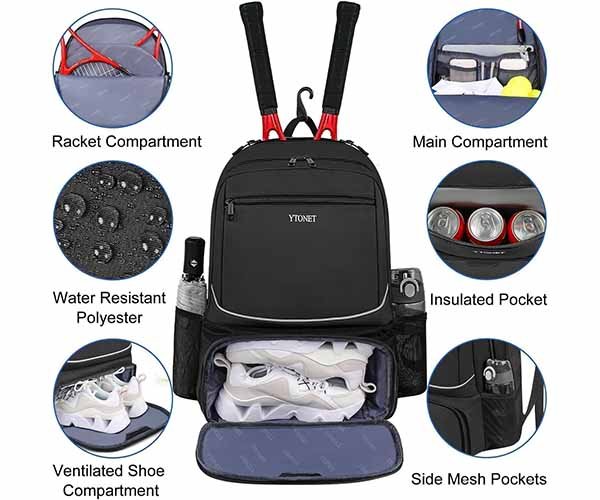
File Locking
Before production starts, the approved sample, dimensions, BOM, logo method, packaging notes, carton marks, and delivery plan should be locked. Szoneier keeps project files clear so production teams know which version to follow. File control is especially important for multi-SKU tennis collections with similar shapes and different colors.
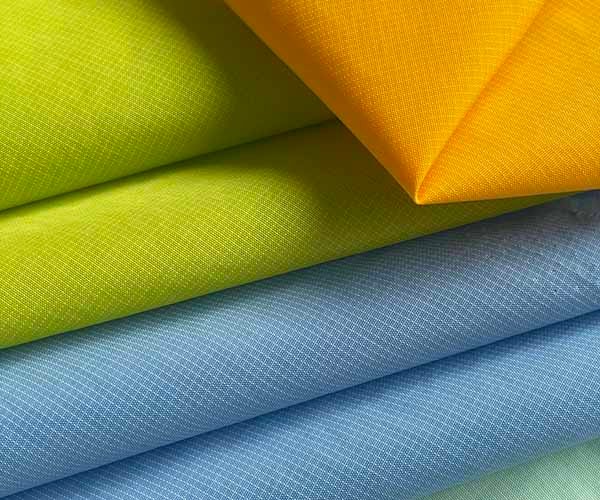
Material Preparation
Fabric, lining, mesh, webbing, zippers, patches, labels, buckles, and packing material are prepared according to approved specifications. Szoneier checks color, surface, coating, thickness, and accessory match before cutting. Material batch confirmation helps reduce mismatch between approval sample and production goods.
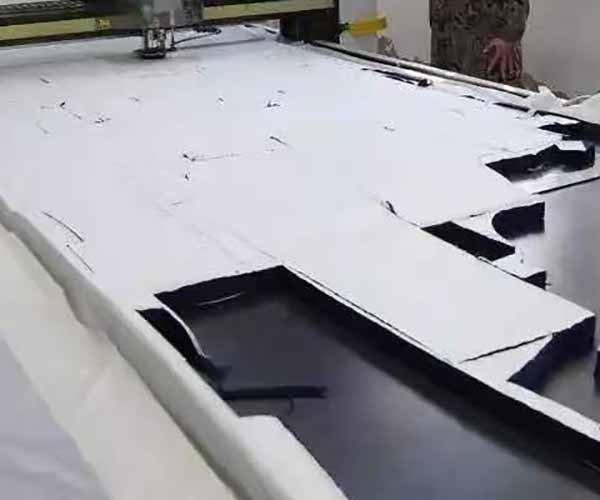
Cutting Control
Cutting accuracy affects pocket size, racket fit, strap position, and final shape. Szoneier reviews panel orientation, fabric direction, cutting marks, and tolerance before sewing. For tennis bags with curved racket pockets or structured panels, accurate cutting is essential for a clean finished outline.
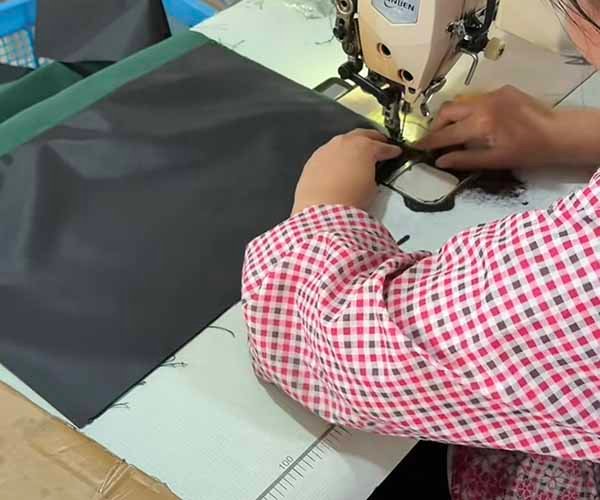
Sewing Assembly
Sewing assembly covers body panels, lining, pockets, zipper insertion, handles, straps, binding, and reinforcement. Szoneier guides production with sample references and critical point checks. Operators pay special attention to racket pockets, shoe compartments, bottom panels, logo areas, and strap connections.
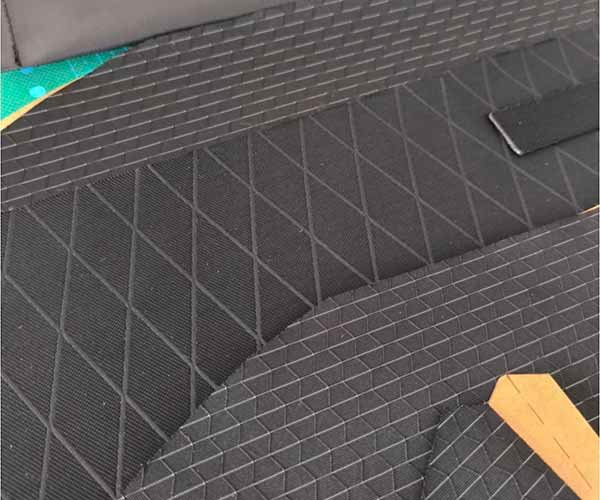
Process Inspection
Process inspection catches defects before full assembly is finished. Szoneier reviews semi-finished pieces, zipper alignment, pocket function, seam strength, logo position, and thread trimming during production. Early correction is more efficient than discovering defects only at final inspection.
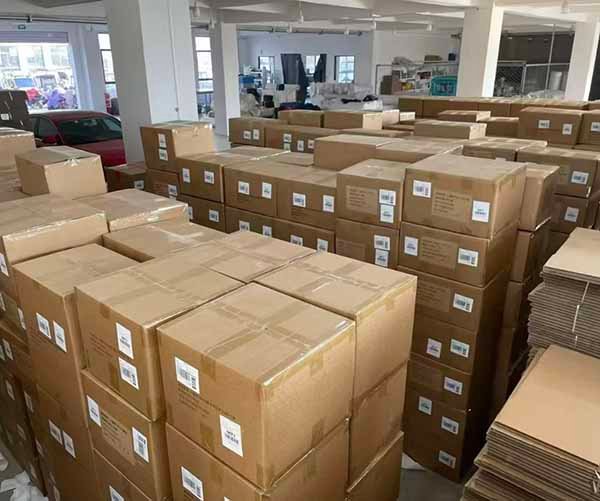
Packing Release
After final inspection, approved goods are packed according to polybag, hangtag, barcode, carton label, and delivery requirements. Szoneier checks carton marks, quantity per carton, packing list details, and product protection before shipment release. Final packing photos can be shared before goods leave the factory.
Quality Control Before Shipment
QC covers material, accessories, sewing, racket fit, logo, packing, and carton data before goods move to warehouse or freight handover.
Fabric Inspection
Fabric inspection covers color, surface defects, coating condition, thickness, hand feel, and visible stain risk. Szoneier checks main materials before cutting so obvious material problems do not enter production. For coated fabric or PU panels, folding areas and surface marks need extra attention during review.
Accessory Check
Zippers, pullers, buckles, webbing, labels, patches, mesh, and packaging parts must match approved specifications. Szoneier checks color, size, function, and attachment method before assembly. Accessory mismatch can change both appearance and durability, especially on tennis backpacks with several hardware and strap components.
Cutting Review
Cut panel review helps maintain bag shape and pocket accuracy. Szoneier checks panel size, cutting direction, pair matching, notch marks, and fabric flaws. Racket pockets, shoe tunnels, and curved front panels need careful review because small cutting deviations can affect final fit.
Sewing Inspection
Sewing inspection covers seam straightness, stitch density, skipped stitches, thread trimming, binding quality, and panel alignment. For tennis bags, strap joints, handle bases, zipper ends, bottom corners, and pocket openings receive closer review because those areas face repeated pulling and loading.
Racket Fit Check
Selected samples can be checked with racket references to review pocket fit, zipper closing, and frame protection. Szoneier checks whether rackets slide smoothly, whether lining rubs, and whether padding sits in the correct area. Fit check is valuable for tennis-specific structures, not only general bag appearance.
Logo Inspection
Logo inspection covers print sharpness, embroidery tension, patch position, label sewing, zipper puller appearance, and color match. Szoneier compares production pieces with approved artwork and sample references. Logo defects are highly visible on brand products, so logo QC is handled before packing.
Strap Load Review
Strap and handle areas are reviewed for sewing strength, bar-tack placement, and attachment security. Szoneier can perform pull checks based on product structure and project requirements. Tennis bags carrying rackets, shoes, and apparel need stronger load-point control than simple daily pouches.
Appearance Check
Appearance check covers shape, wrinkles, stains, loose threads, panel symmetry, pocket placement, and overall finish. Szoneier reviews goods under normal lighting before packing. Clean appearance helps retail programs, club shop products, and ecommerce product photography feel more consistent after delivery.
Packing Inspection
Packing inspection confirms polybag, hangtag, barcode, carton label, quantity per carton, gross weight, and outer carton condition. Szoneier checks packing before shipment to reduce warehouse receiving problems. For FBA or retail programs, label accuracy and carton consistency are especially important.
Packaging for Retail and Club Programs
Packaging should protect the bag, support channel requirements, control freight volume, and present the brand cleanly at receiving.
Polybag Packing
Polybag packing suits many tennis backpacks, duffles, totes, and shoe bags. Szoneier reviews bag folding, crease areas, warning text, size, thickness, and barcode sticker position. For structured products, light stuffing or adjusted folding may be recommended to protect front panels, handles, and logo patches.
Hangtag Setup
Hangtags support retail display, club shop sales, and product information. Szoneier can attach hangtags with strings, plastic fasteners, or brand-specified methods. Hangtag files should include product name, material, barcode, care notes, and market-specific text when needed, with final artwork confirmed before mass printing.
Barcode Labels
Barcode labels and SKU stickers help warehouse intake and retail scanning. Szoneier can place labels on polybags, hangtags, cartons, or designated areas based on channel instructions. Label size, file format, scannability, and placement should be confirmed before bulk packing starts.
Insert Cards
Insert cards can include brand story, care tips, warranty steps, or club program notes. For ecommerce tennis bags, insert cards improve unboxing and reduce support questions. Szoneier can coordinate size, paper material, printing, folding, and packing position during packaging development.
Carton Marks
Carton marks help identify style, color, quantity, destination, PO number, and handling notes. Szoneier prepares carton labels according to approved packing instructions. Clear carton marks reduce warehouse confusion, especially when several tennis bag colors or styles ship together.
FBA Preparation
For Amazon-related shipments, FNSKU labels, carton labels, product packing, and carton quantity need early confirmation. Szoneier can support FBA preparation based on provided instructions. Final requirements should come from the selling account or logistics partner because rules can vary by product and destination.
Shipping to Warehouse, FBA, and Retail
Szoneier helps coordinate sample shipping, air freight, sea freight, DDP review, FBA first-leg shipping, and carton documentation.
Express Samples
Samples are commonly sent by DHL, UPS, FedEx, or similar express routes. Szoneier can share sample photos or videos before dispatch, then prepare waybill details after address confirmation. Express sample delivery is useful for approval samples, photo samples, material swatches, logo trials, and urgent development reviews.
Bulk Freight
Bulk orders can be reviewed for sea freight, air freight, courier, FOB, CIF, DAP, or DDP options depending on destination, timeline, carton volume, and budget. Szoneier helps provide carton data, packing list, commercial invoice, and shipment coordination. DDP availability needs destination and product details before confirmation.
Multi-Destination Delivery
Some programs need goods sent to FBA, a 3PL warehouse, retail distribution center, club address, or multiple regional warehouses. Szoneier can help split cartons by SKU, prepare carton marks, and coordinate with freight partners. Delivery planning should start before final packing, not after production is finished.
Why Szoneier Fits Tennis Bag Projects
Szoneier combines material knowledge, sample development, sewing control, QC, packaging, logistics, and repeat-order records for custom tennis bags.
Factory-Based Control
Szoneier is a custom bag and soft goods manufacturer with factory-based project capability, not a simple catalog reseller. The team supports material selection, pattern development, sample sewing, logo work, production coordination, QC, packaging, and shipment preparation. Direct project control helps reduce information loss between sample approval and bulk production.
Material Guidance
Tennis bags can use polyester, nylon, Oxford, canvas, PU, mesh, lining, foam, webbing, and functional fabrics. Szoneier helps review material choices against use scene, product level, weight, logo method, and price target. Better material decisions early reduce sample revisions and bulk production risk.
Structure Experience
A tennis bag needs more structure planning than a general tote or pouch. Racket sleeves, shoe pockets, strap systems, bottom support, zipper curves, and accessory pockets must work together. Szoneier reviews structure before sampling so brand teams can correct function before bulk cutting and sewing begin.
Sample Revision
A first sample often needs adjustment. Szoneier can revise size, pocket layout, strap comfort, fabric, logo position, or packing method based on review notes. Clear sample revision support helps teams move from design idea to approved production sample without losing control over details.
Sewing Detail Control
Szoneier pays attention to bar-tacks, handle joints, zipper ends, binding, lining seams, and logo area stitching. Those details directly affect product durability and retail appearance. Tennis bags carrying rackets and shoes need stronger sewing discipline than lightweight promotional pouches.
Packaging Support
Szoneier can support polybags, hangtags, barcode labels, insert cards, carton marks, FNSKU labels, and retail packing. Packaging planning includes protection, warehouse intake, freight volume, and channel requirements. Correct packing decisions reduce receiving issues after production is complete.
Export Delivery
Szoneier supports export delivery coordination for North America, Europe, Australia, the Middle East, and Asia. Shipping options can include express samples, air freight, sea freight, DDP review, FBA first-leg delivery, and overseas warehouse delivery. Accurate carton data helps freight planning before shipment.
Repeat Records
Szoneier can store pattern files, BOM records, material notes, logo files, packaging instructions, QC points, and revision history. Repeat orders no longer need to restart from zero. Consistent records support color updates, SKU expansion, and replenishment planning for tennis bag collections.
Custom Tennis Bag Case Studies
Selected anonymized projects show how Szoneier supports tennis bag development from sample review to bulk production, QC, packing, and delivery.
US Sports Label
A US sports label developed 800 pcs tennis backpacks for an ecommerce launch. The project used 600D polyester Oxford, padded racket sleeve, side bottle pocket, shoe tunnel, rubber patch, and branded polybag. The key challenge was keeping racket fit stable while the shoe pocket stayed usable. Szoneier adjusted the pocket angle, reinforced strap joints, confirmed sample photos in 9 days, completed bulk production in 28 days after approval, and prepared carton labels for warehouse delivery. The label later requested a second color discussion.
Australia Tennis Academy
An Australia tennis academy ordered 650 pcs team duffle bags for training groups and tournament travel. The design included embroidered academy logo, navy body fabric, contrast webbing, shoe compartment, wet towel pocket, and adjustable shoulder strap. The challenge was aligning team colors with durable fabric availability before event scheduling. Szoneier matched available polyester fabric, refined embroidery size, completed a sample in 10 days, finished bulk production in 30 days, and supported sea-air delivery review for event timing.
European Retail Program
A European retail program ordered 1,200 pcs tennis totes with matching accessory pouches. The project used canvas body fabric, PU handle trim, inner racket sleeve, woven label, hangtag, barcode label, and outer carton marks by SKU. The challenge was maintaining a lifestyle look while keeping racket storage functional. Szoneier adjusted sleeve depth, strengthened handle seams, prepared pre-production confirmation, completed bulk in 35 days, and shared final packing photos before shipment. The program kept pattern files for seasonal color updates.
Information Needed for an Accurate Quotation
Accurate quotations depend on product details, material direction, logo files, quantity, packaging, and delivery destination.
Product Details
Please send product type, target dimensions, racket capacity, pocket layout, reference photos, sketches, tech pack, or existing sample photos. Helpful details include racket count, shoe pocket need, bottle pocket size, strap type, lining preference, and whether the bag must stand upright or fold flat. Clear structure details help Szoneier evaluate pattern work, material use, sample cost, and bulk production timing.
Branding Details
Please share logo artwork in AI, PDF, EPS, SVG, or high-resolution file format when available. Also share Pantone colors, preferred logo method, label design, hangtag artwork, barcode needs, patch reference, and packaging artwork if ready. Szoneier can review whether embroidery, printing, woven label, rubber patch, PU patch, or zipper pull branding fits the selected fabric and order quantity.
Order Details
Please provide target quantity, color count, target price range, delivery country, selling channel, packing requirement, and expected launch schedule. For larger programs, SKU list, carton marking instructions, warehouse guide, FBA instructions, or inspection requirements are helpful. With clear order details, Szoneier can review MOQ, sample time, bulk lead time, packing plan, and freight route more accurately.
Frequently Asked Questions About Custom Tennis Bags
Szoneier can develop tennis racket bags, tennis backpacks, tennis totes, duffle bags, sling bags, tournament carriers, shoe bags, accessory pouches, and team tennis bags. Product shape can start from a sketch, tech pack, reference sample, competitor sample, product photo, or written specification.
Selected standard custom bag projects can start from 200 pcs. Final MOQ depends on material availability, structure complexity, logo method, color count, accessory selection, packaging, and supplier requirements. Complex racket carriers, custom patches, special trims, or custom packaging may require a higher MOQ.
Standard tennis bag samples often take 7-12 days after details are confirmed. Complex structures, custom molded patches, special lining, unusual accessories, or packaging samples may need 12-20 days or more. Szoneier confirms sample timing after reviewing product type, material, logo, and reference files.
Yes. Szoneier can review an existing tennis bag sample, product photo, or competitor reference, then develop a modified version with adjusted dimensions, materials, pocket layout, logo, trim, or packaging. Brand-owned design requirements and intellectual property boundaries should be respected during development.
Polyester Oxford works well for many team and sport programs. Nylon fits lighter and more premium bags. Canvas suits lifestyle tennis totes. PU trims improve handle and patch details. Mesh supports ventilation. Szoneier recommends materials after reviewing use scene, target cost, product level, and structure.
Yes. Logo options include embroidery, screen printing, heat transfer, woven label, rubber patch, silicone patch, PU patch, metal plate, and custom zipper pullers. The best method depends on fabric, order quantity, artwork size, durability expectations, and desired product feeling.
Yes. Szoneier can develop tennis bags with shoe compartments, wet-dry pockets, ventilation mesh, coated lining, side access, or inner separation. Shoe pocket position is reviewed carefully because it affects main compartment space, bag shape, and carrying comfort.
Yes. Szoneier can support polybags, hangtags, barcode labels, insert cards, carton marks, FNSKU labels, and channel-specific packing instructions. Packaging requirements should be confirmed before bulk packing so labels, carton sizes, and warehouse needs can be reviewed early.
Bulk production timing depends on order quantity, material readiness, logo process, packaging, and factory schedule. Many sewn bag orders can require around 20-35 days after approval and material readiness. Complex tennis bags or peak-season schedules need earlier planning.
Yes. Szoneier can coordinate sample express delivery, sea freight, air freight, FOB, CIF, DAP, DDP review, FBA first-leg shipping, and delivery to warehouses or retail distribution centers. Exact shipping plan depends on carton data, destination, timeline, and logistics requirements.
Start Your Tennis Bag Project
Send Szoneier your tennis bag idea, sample photos, dimensions, racket capacity, material direction, logo artwork, color references, quantity, packaging needs, and delivery destination. Nancy and the project team will review product structure, material choices, logo method, sample cost, sample timing, bulk production schedule, packing method, and shipping route. A strong RFQ should include the intended bag type, such as tennis backpack, racket bag, tote, duffle, tournament carrier, shoe bag, or accessory pouch. Please also share whether the product is for retail shelves, club teams, academy programs, ecommerce sales, events, or seasonal replenishment. For faster evaluation, upload tech packs, sketches, reference links, logo files, barcode files, and packaging artwork when available. Szoneier will help turn those details into a clearer sample plan and quotation path.
Please include:
- Bag style and target size
- Racket capacity and pocket layout
- Main fabric, lining, mesh, and trim preferences
- Logo artwork and preferred branding method
- Quantity, color count, and SKU plan
- Packaging, carton label, barcode, or FBA needs
- Delivery country and expected schedule