Skip to content
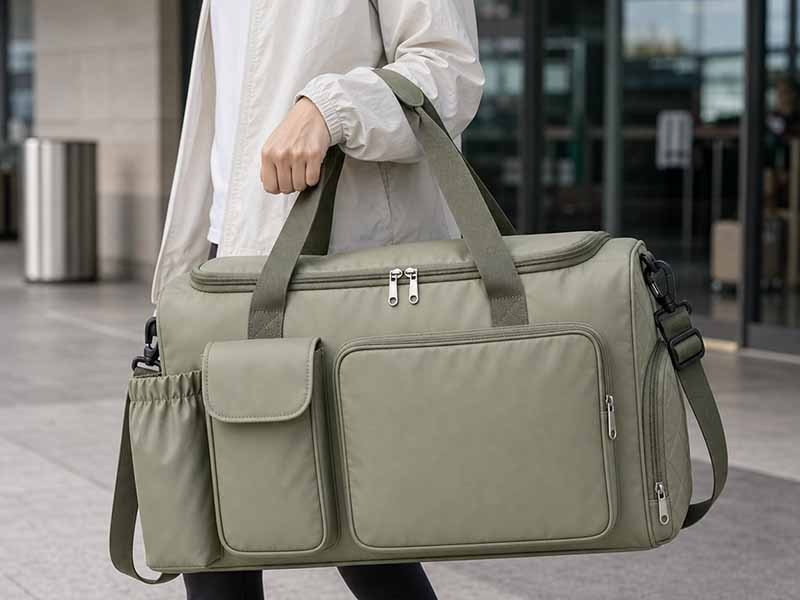
Many buyers think “bag manufacturer” and “bag supplier” mean almost the same thing. On a website, both may show polished product photos, talk about OEM service, and promise competitive pricing. But once a project moves from idea to sample, and from sample to bulk order, the difference becomes very practical. It affects who controls materials, who develops the pattern, who manages sewing quality, who solves structure problems, who owns production responsibility, and who answers when the final shipment does not match the approved sample.
A bag manufacturer directly develops and produces bags, while a bag supplier may only source or resell bags from other factories. For custom bag buyers, the real difference is control: manufacturers usually offer stronger sampling, material selection, production management, QC, and long-term consistency, while suppliers may offer convenience, wider product access, or stock-based options.
Here is the practical question: when your brand needs 500, 5,000, or 50,000 custom tote bags, backpacks, cosmetic bags, cooler bags, leather goods, neoprene bags, or functional soft goods, do you want someone who can simply find a similar bag, or someone who can help build the right bag? That one decision can decide whether your launch feels smooth—or turns into a chain of delayed samples, unclear pricing, and quality surprises.
What Is a Bag Manufacturer?
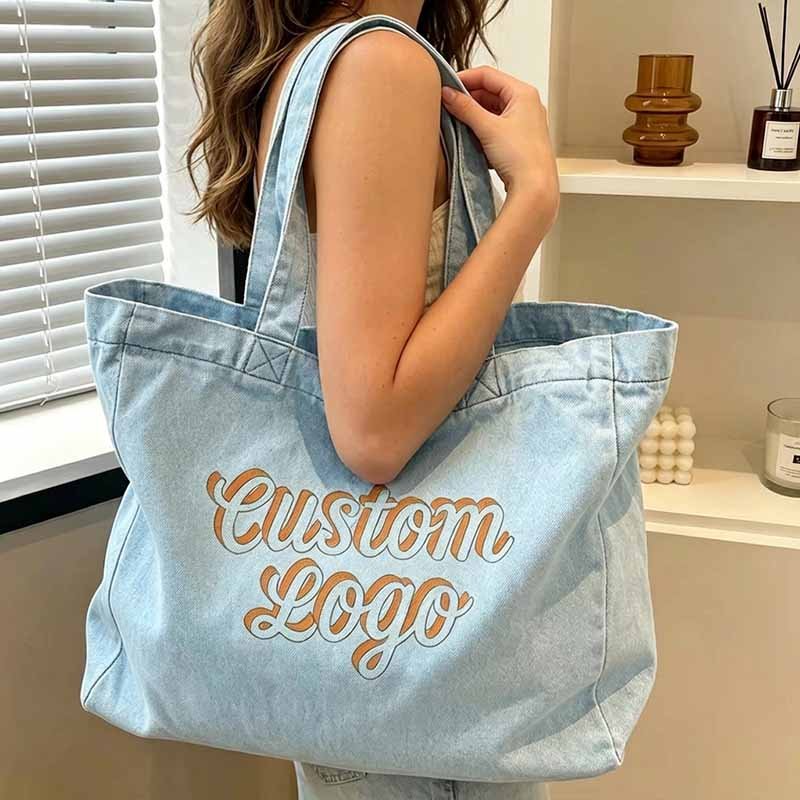
A bag manufacturer is a production-based partner that turns bag ideas, drawings, samples, or tech packs into finished products. It usually controls sampling, material sourcing, pattern development, cutting, sewing, logo application, inspection, packing, and export coordination. For custom bag buyers, the biggest value is not just price—it is production control, technical feedback, and repeatable quality from sample to bulk order.
A real bag manufacturer is close to the workshop, not just close to the catalog. When a buyer asks for a custom tote bag, backpack, cosmetic bag, cooler bag, leather pouch, neoprene sleeve, or travel organizer, the manufacturer needs to understand how that product will actually be built. That includes the outer material, lining, interlining, zipper, webbing, binding, reinforcement, logo method, stitching density, packaging, and carton arrangement.
In the bag industry, many quality problems come from small technical details. A handle may look strong in photos but fail because the inner reinforcement is too thin. A cosmetic bag may look premium but collapse because the material has poor body. A cooler bag may look acceptable but perform poorly because the insulation layer, lining, and sewing method do not match the use case. A manufacturer is expected to review these risks before bulk production.
For B2B buyers, especially brands and importers, factory-based production means clearer responsibility. If the sample needs adjustment, the manufacturer can usually talk directly with the sample room. If the bulk order has a sewing issue, the QC team can trace it back to cutting, stitching, material, or operator process. This reduces guesswork and protects the buyer from repeated delays.
Factory-Based Production
Factory-based production means the supplier has real responsibility for how the bag is made. It does not always mean every single process is done inside one building. In the sewn goods industry, it is common for mature manufacturers to use a controlled production network for different product categories or capacity peaks. The key difference is whether the main partner controls the approved sample, material standards, sewing instructions, QC checkpoints, packing requirements, and delivery coordination.
This matters because bags are multi-component products. A simple tote may include fabric, thread, handle webbing, logo printing, inner seams, hangtags, polybags, and carton marks. A structured backpack may include foam, lining, zippers, sliders, buckles, mesh, reinforcement panels, laptop sleeves, bartack stitching, and ergonomic details. Without direct production knowledge, it is easy to miss details that affect durability and customer experience.
Sampling and Pattern Work
Sampling is one of the clearest differences between a real manufacturer and a simple supplier. A manufacturer does not only copy a bag. It studies the structure and turns the idea into a workable pattern. If the buyer provides a sketch, tech pack, reference sample, or product photo, the sample team needs to decide panel shape, seam allowance, zipper opening, gusset width, handle position, reinforcement points, and lining construction.
A practical sampling process usually includes product review, material confirmation, first sample making, internal checking, buyer feedback, revision, and final approval. For many custom sewn bags, sample development may take around 5–15 business days depending on complexity, material availability, logo method, and revision requirements. A basic canvas tote may be much faster than a structured backpack or a multi-compartment cosmetic bag.
Material and Accessory Control
A bag manufacturer must understand materials because bags are performance products, not just fashion items. Polyester, nylon, Oxford, canvas, cotton, neoprene, PU leather, genuine leather, PVC, TPU, mesh, and RPET all behave differently during cutting, sewing, printing, packing, and daily use. Even the same fabric name can have many versions. For example, 600D Oxford can vary in coating, hand feel, thickness, color fastness, tear strength, and price.
Accessories matter just as much. Zippers, sliders, buckles, D-rings, snap hooks, magnetic buttons, Velcro, elastic bands, foam, PE board, binding tape, and thread all influence durability. A manufacturer should help buyers choose parts that match the product’s use. A lightweight promotional pouch does not need the same zipper as a heavy-duty tool bag. A premium makeup bag may require smoother zippers, better lining, cleaner edge finishing, and more stable shape.
Bulk Production Responsibility
Bulk production is where many hidden problems appear. A single sample can look excellent, but 5,000 pieces require stable cutting, sewing, inspection, and packing. A manufacturer needs to manage production instructions, worker training, in-line inspection, semi-finished checking, final inspection, and defect sorting. Without this system, the final order may slowly drift away from the approved sample.
For common custom bag orders, bulk production often takes around 20–45 days after sample approval and material confirmation, depending on quantity, structure, logo process, factory schedule, and packaging. Larger or more technical orders may require longer planning, especially when custom hardware, special fabric, molded parts, or retail packaging is involved. A reliable manufacturer should explain realistic timelines instead of simply promising the fastest delivery to win the order.
What Is a Bag Supplier?
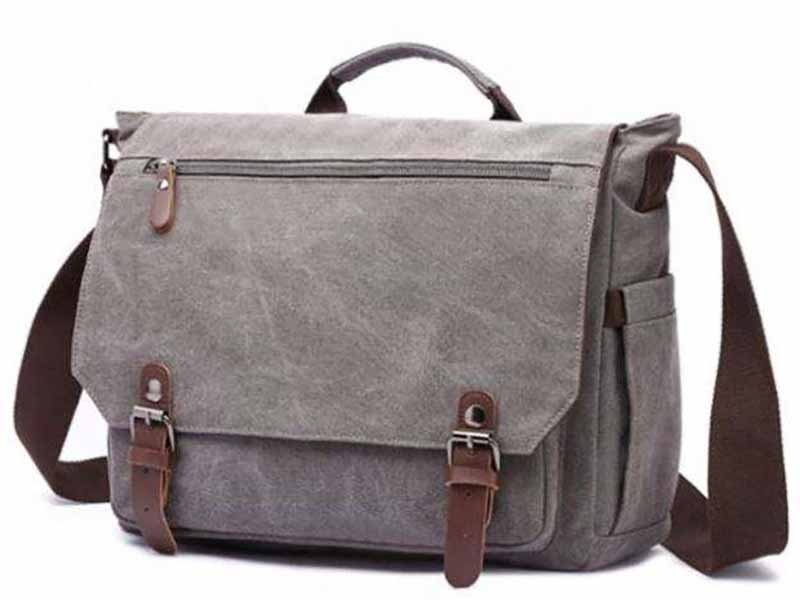
A bag supplier is a company that provides bags to buyers, but it may or may not produce them directly. Some suppliers own factories, while others source from different manufacturers, trading networks, or stock channels. A supplier can be useful for speed and product variety, but buyers must understand whether the supplier actually controls production, quality, and customization.
The word supplier is broader than manufacturer. A supplier may be a factory, a trading company, a sourcing agent, a stock distributor, or a hybrid partner with its own workshop plus partner factories. None of these models is automatically bad. The real issue is transparency. If a buyer understands the supplier’s role, it is easier to judge price, quality control, timeline, and responsibility.
For simple products, suppliers can be very efficient. They may help buyers find ready-made tote bags, drawstring bags, promotional pouches, shopping bags, or semi-custom products quickly. For buyers managing many product categories, a supplier with strong sourcing ability can save time by collecting options from different factories.
The risk appears when a supplier presents itself as a manufacturer but does not control sampling, material confirmation, bulk production, or final inspection. In that case, the buyer may think they are working factory-direct, while the real production decisions happen somewhere else. That can lead to delayed answers, inconsistent samples, hidden markups, and weak accountability when problems occur.
Product Access
A bag supplier’s main value is access. It may help buyers find ready-made bags, semi-custom bags, stock products, promotional items, or factories that can produce a requested design. For buyers who need several product types quickly, a supplier can save time by collecting options from different sources.
This is helpful when the project is simple. If a buyer needs a basic cotton tote with a one-color logo, a standard drawstring backpack, or a ready-stock pouch for a short campaign, a supplier may provide a faster route than developing everything from zero. The buyer can choose from existing materials, existing sizes, and existing production capacity. However, product access is not the same as product control.
Sourcing Model
Many bag suppliers work by matching buyer requests with available factories. They may compare prices, MOQ, lead time, material options, and production capacity from several sources. This model can be efficient when the buyer does not know the local supply chain or wants to compare options quickly.
A good sourcing supplier can bring real value. It may know which factory is better for backpacks, which one is better for cosmetic bags, which one has better neoprene production, or which one can handle leather accessories. It may also help with communication, sample follow-up, packing, shipping, and order consolidation. But if the supplier does not manage the factory closely, quality responsibility can become unclear.
Supplier Types
Not all suppliers are the same. Some are excellent project managers with strong factory resources. Some are trading companies with limited technical knowledge. Some own a small workshop but outsource larger orders. Some mainly sell stock products. This is why buyers should not judge only by the words supplier, factory, or manufacturer on a website.
| Supplier Type | What They Usually Do | Best Fit | Main Buyer Risk |
|---|---|---|---|
| Factory supplier | Produces bags directly or controls production closely | Custom bags, repeat orders, OEM/ODM | May have limited product range |
| Trading supplier | Sources products from different factories | Multi-category sourcing, price comparison | Less direct control over production |
| Stock supplier | Sells ready-made bags from inventory | Fast promotional orders, simple logo jobs | Limited customization and batch control |
| Sourcing agent | Finds and coordinates factories for buyers | Buyers needing local sourcing support | Responsibility may be unclear |
| Hybrid partner | Combines own production with managed partner factories | Multi-SKU custom programs | Must prove process control |
The best supplier is not always the one with the lowest quote. It is the one that makes the supply chain clearer, not more confusing. A buyer should always ask: who controls the sample, who confirms the materials, who inspects the bulk order, and who takes responsibility if the final product does not match the approved standard?
Where Suppliers Help
Suppliers are useful when buyers need flexibility. A brand may want to test several bag categories before choosing one product line. A promotional company may need quick options for different campaigns. A retailer may want several ready-made structures with minor branding changes. A supplier with broad sourcing channels can provide speed and variety.
Suppliers can also help smaller buyers who are not ready for deep product development. If the order is low complexity and the buyer does not require special construction, it may not make sense to start from full OEM development. Still, buyers should not ignore quality checks. Even stock bags can have issues such as weak stitching, color variation, thin material, poor printing adhesion, zipper failure, or bad packing.
Which One Fits Your Bag Project?
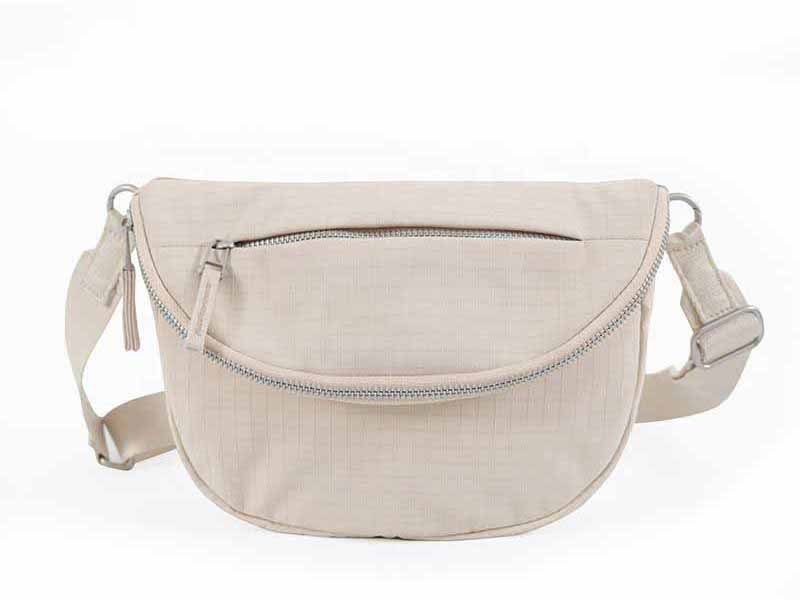
A manufacturer fits custom, technical, brand-sensitive, or repeat-order bag projects. A supplier fits simple sourcing, stock bags, basic private label work, or fast product comparison. The right choice depends on how much customization, quality control, timeline management, and long-term consistency the buyer needs.
There is no universal answer because best depends on your business model. A brand preparing a long-term retail program has different needs from a company ordering simple event giveaways. A buyer developing a structured travel bag has different risks from a buyer adding a logo to a ready-made cotton tote. The right partner is the one whose process matches the project’s complexity.
If the bag is simple, available, and not deeply tied to your brand experience, a supplier may work well. If the bag needs development, testing, material decisions, structure improvement, repeat quality, or careful packing, a manufacturer is usually safer. The more your business depends on the product experience, the more production control matters.
Custom OEM Projects
For OEM custom bags, a manufacturer is usually the stronger choice. OEM projects often begin with the buyer’s own design, reference sample, tech pack, artwork, or target function. The product may require a specific size, fabric, lining, logo method, compartment layout, hardware finish, packaging, and performance requirement.
In this situation, the partner must do more than find a similar bag. It needs to turn the buyer’s idea into a production-ready item. This means reviewing whether the shape can be sewn efficiently, whether the material matches the function, whether the logo method is suitable, and whether the final product can be repeated in bulk. For a laptop backpack, this includes shoulder strap strength, foam thickness, laptop sleeve size, zipper smoothness, back panel comfort, handle reinforcement, and weight distribution.
Stock and Promotional Bags
A supplier can be the better choice when the project is simple and speed matters more than deep customization. Stock cotton totes, drawstring bags, non-woven shopping bags, basic pouches, and simple promotional bags often do not require full development. Buyers may only need available colors, logo printing, fast delivery, and basic packing.
However, simple does not mean risk-free. Promotional buyers often face tight event deadlines, so late delivery can be more damaging than a small price difference. Stock product quality can also vary between batches. A bag shown in a catalog may not match the actual bulk batch in fabric thickness, handle length, color, or stitching quality. Buyers should request a current-stock sample before confirming the full order.
Private Label Bags
Private label projects sit between stock supply and full OEM manufacturing. If the buyer only wants to add a logo, hangtag, woven label, or simple packaging to an existing bag, a supplier may work well. The process is faster and usually requires less development cost.
But private label becomes more demanding when the product represents the brand’s long-term identity. If the buyer wants custom material, specific color matching, upgraded hardware, internal compartments, custom zipper pullers, retail packaging, or repeat production, a manufacturer becomes more suitable. The reason is consistency. Customers judge by feel, durability, appearance, and whether the product matches the brand promise.
Long-Term Buying
For long-term orders, production stability matters more than one-time convenience. A buyer who plans seasonal launches, repeat SKUs, retail programs, Amazon listings, or wholesale distribution needs a partner who can maintain material records, sample standards, QC checkpoints, and reorder consistency.
| Project Type | Better Fit | Typical Quantity Situation | Key Reason |
|---|---|---|---|
| Basic stock tote bags | Supplier | Small to medium urgent orders | Fast access to existing inventory |
| Simple logo pouches | Supplier or manufacturer | Flexible, depends on material and logo | Both models can work if QC is clear |
| Custom cosmetic bags | Manufacturer | Medium to large repeat orders | Structure, lining, zipper, and logo control |
| Functional cooler bags | Manufacturer | Medium to large performance-driven orders | Insulation and construction need technical review |
| Backpacks and travel bags | Manufacturer | Medium to large more complex orders | Load-bearing and structure control are important |
| Multi-category sourcing | Hybrid partner | Multiple SKUs with mixed complexity | Needs both sourcing range and production management |
| Long-term brand program | Manufacturer | Repeat orders and seasonal updates | Better consistency and project records |
Long-term buyers should avoid choosing a partner only because the first quotation is attractive. A stable partner should help reduce reorder problems, material changes, communication delays, and inspection disputes. Over time, fewer mistakes can be more valuable than a slightly lower unit price.
How Do They Differ in Customization?
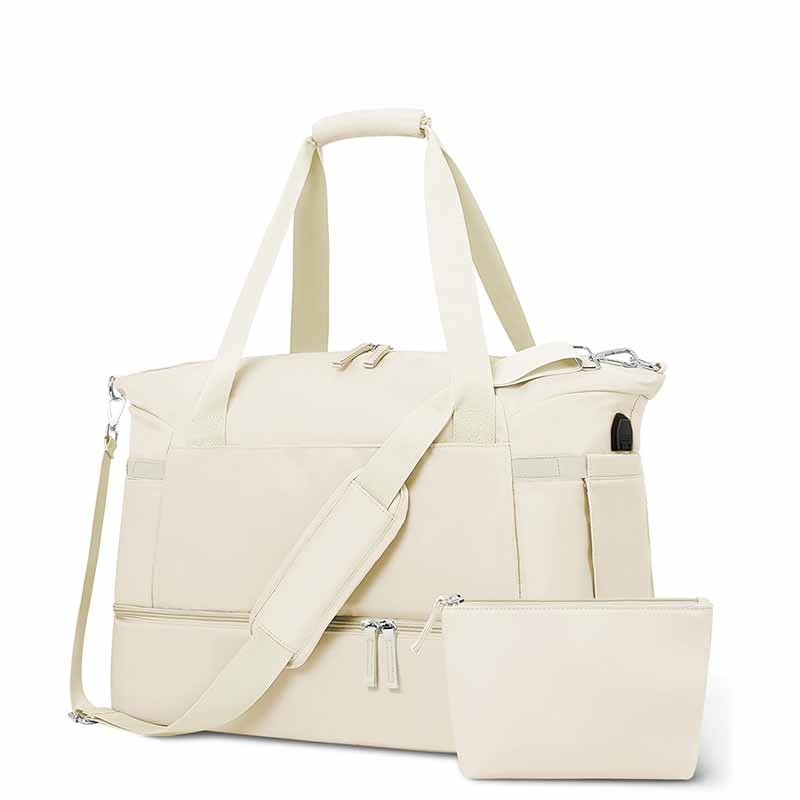
Manufacturers usually offer deeper customization because they control sampling, pattern making, materials, sewing construction, logo methods, packaging, and production standards. Suppliers may also offer customization, but it is often limited to existing products, available materials, or factory resources they do not directly manage.
Customization is where the difference becomes very visible. On the surface, both manufacturers and suppliers may say custom logo, custom material, OEM service, or private label service. But customization depth is not the same. Simple customization means printing a logo on an existing bag. Deeper customization means changing the structure, dimensions, internal layout, material combination, reinforcement, zipper direction, handle design, lining, compartments, and packaging.
For example, a cosmetic bag can be customized through outer fabric, lining, zipper, puller, handle, internal divider, brush slot, logo method, shape support, and packaging. A cooler bag can involve outer fabric, insulation thickness, PEVA lining, seam method, zipper type, handle reinforcement, capacity, folding structure, and carton volume. These decisions require manufacturing knowledge, not just access to a product catalog.
Material Choices
Customization starts with material, but material should never be chosen by appearance alone. A buyer may like the look of canvas, nylon, Oxford, neoprene, PU leather, mesh, or RPET, but each material has different strengths, weaknesses, and cost behavior. A good manufacturer helps buyers match the material to the product’s use.
Canvas works well for casual totes and lifestyle bags, but it may not be ideal for water-resistant outdoor products unless treated or combined with other materials. Nylon can be lightweight and strong, but coating and denier matter. Neoprene gives softness, stretch, and cushioning, making it suitable for sleeves, bottle holders, lunch bags, and sports-related products. PU leather can create a premium look, but buyers must consider surface durability, smell control, edge finishing, and packing protection.
Logo Options
Logo customization looks simple, but it often causes problems when the method does not match the material. Common logo methods include silk screen printing, heat transfer, embroidery, woven labels, rubber patches, leather patches, debossing, embossing, metal plates, zipper pull branding, and custom packaging.
Each method has a best-use scenario. Embroidery can look premium on canvas or thicker fabrics, but it may distort thin material. Heat transfer can be clean and colorful, but adhesion must be tested on coated fabrics. Debossing works well on certain PU or leather surfaces, but not every material holds the impression clearly. A metal logo plate can upgrade the product image, but it adds cost, weight, and assembly steps.
Structure Details
Structure customization is where manufacturing experience becomes very important. A bag is not only a shape. It is a system of panels, seams, reinforcement, openings, linings, handles, pockets, and stress points. If one area is poorly designed, the whole product may feel cheap or fail in use.
| Custom Area | Common Options | Practical Impact |
|---|---|---|
| Outer material | Oxford, canvas, nylon, neoprene, PU, leather, RPET | Affects cost, weight, hand feel, durability, and brand perception |
| Lining | Polyester, nylon, PEVA, mesh, velvet, non-woven | Affects interior feel, cleaning, function, and perceived quality |
| Zipper | No.3, No.5, No.8, coil, metal, molded, water-resistant styles | Affects smoothness, strength, appearance, and price |
| Reinforcement | Webbing, bartack, foam, PE board, extra stitching | Improves load-bearing, shape stability, and lifespan |
| Logo | Print, embroidery, patch, deboss, metal plate | Affects brand image, MOQ, setup cost, and production process |
| Packaging | Polybag, dust bag, color box, carton labeling | Affects retail presentation, shipping protection, and warehouse handling |
A manufacturer can help buyers improve these details without overcomplicating the product. Adding a small reinforcement patch at the handle joint may prevent tearing. Changing a zipper size may improve durability. Adjusting a gusset may improve capacity. Removing an unnecessary seam may reduce labor cost and defect risk. This type of advice comes from production experience, not catalog selling.
Packaging Needs
Packaging is part of customization, especially for brands selling through retail, e-commerce, Amazon, distributors, or gift channels. A supplier may treat packaging as a final add-on, but a manufacturer should consider it earlier because packaging affects cost, shipping volume, product protection, and customer experience.
Basic packaging may only require one polybag per piece and export cartons. Retail packaging may include hangtags, barcode labels, insert cards, dust bags, color boxes, display boxes, or custom carton marks. E-commerce packaging may need stronger protection to reduce compression, scratches, deformation, or returns. Packaging can also affect freight cost because structured bags and thick insulation products often increase volumetric weight.
How Do They Affect Cost and Risk?
Manufacturers and suppliers affect cost and risk in different ways. A manufacturer may offer stronger production control and clearer technical feedback, while a supplier may offer sourcing convenience and product variety. The real cost is not only unit price—it also includes sample accuracy, defect rate, delays, communication layers, and reorder consistency.
Many buyers compare cost only by unit price. That is a mistake. In custom bag sourcing, real cost includes sample fees, material changes, logo setup, mold or plate charges, packaging, defect rate, delay risk, inspection, shipping volume, after-sales claims, and reorder consistency. A quote that looks cheaper can become more expensive if the bag fails inspection, misses the launch date, or receives bad customer reviews.
The same applies to risk. Risk is not only whether the factory ships the goods. It includes material substitution, wrong dimensions, weak stitching, color difference, poor logo placement, late sample revision, unclear carton labels, missed warehouse requirements, and inconsistent repeat orders. A manufacturer with a clear process can reduce many of these risks. A supplier can also reduce risk if it has strong management, but buyers must verify this rather than assume it.
Price Structure
A custom bag price is built from many parts: material, lining, zipper, hardware, webbing, foam, reinforcement, logo process, labor, packaging, order quantity, waste rate, inspection, and shipping requirements. Buyers sometimes focus only on the unit price, but this can hide the real cost of the project.
For example, a lower material cost may save money at first but increase complaints if the bag feels too thin or loses shape. A cheaper zipper may reduce the quote but create returns if it jams or breaks. A lower sewing cost may mean fewer reinforcement steps, which can hurt durability. For custom bags, every cost decision should be connected to the product’s use.
Hidden Markups
Suppliers often add markup because they provide sourcing, communication, order management, export support, or consolidation. This is normal business. The issue is whether the markup adds real value. If a supplier finds the right factory, manages samples, checks quality, and solves problems, the service may be worth the cost.
Hidden markup becomes a problem when the supplier adds a layer without improving control. If the supplier cannot explain materials, cannot verify production, cannot inspect goods properly, and cannot communicate technical changes quickly, the buyer is paying more while still carrying the risk. Manufacturers also include profit margins, but the buyer is usually paying closer to the production process, which can make cost drivers more transparent.
Quality Risk
Quality risk often comes from unclear standards. If the buyer and supplier do not define the approved sample, material, color, dimensions, logo position, stitching quality, packing method, and defect tolerance, the final result becomes open to interpretation. What looks acceptable to one workshop may not be acceptable to a brand buyer.
| Risk Area | Common Problem | Possible Business Impact | How to Reduce It |
|---|---|---|---|
| Material | Wrong fabric weight, color variation, weak coating | Poor feel, complaints, reorder inconsistency | Confirm material swatch and keep material records |
| Stitching | Loose threads, uneven seams, weak stress points | Returns, bad reviews, failed inspection | Use in-line and final sewing inspection |
| Logo | Wrong position, color mismatch, poor adhesion | Brand image damage | Approve logo sample before bulk production |
| Size | Finished size outside tolerance | Product does not fit intended use | Confirm measurement tolerance before production |
| Zipper/hardware | Jammed zipper, weak buckle, poor finish | Functional failure | Test accessories before bulk order |
| Packing | Deformation, scratches, wrong labels | Retail or warehouse issues | Confirm packing method and carton marks |
A manufacturer with a clear QC process can reduce many of these risks before shipment. A supplier can also manage quality well, but only if they inspect goods properly and take responsibility for the production standard. For buyers, the key is not the title of the partner, but the inspection system behind the order.
Communication Cost
Communication cost is one of the most underestimated costs in custom bag sourcing. It may not appear on the invoice, but it affects time, accuracy, and stress. Every extra layer between the buyer and the workshop increases the chance of misunderstanding.
A buyer may request reinforced handles, but the supplier may simply tell the factory strong handles. The factory may add extra stitching but not the inner reinforcement the buyer expected. A buyer may request matte black hardware, but the factory may use glossy black because it is available. Direct technical communication helps prevent this. A strong manufacturer or factory-based partner can answer material, structure, sewing, logo, packing, and QC questions faster because the project team is closer to production.
How Can Buyers Verify a Real Manufacturer?
Buyers can verify a real manufacturer by checking production evidence, sampling ability, material knowledge, similar product experience, QC process, capacity, transparency, and communication quality. A serious manufacturer should be able to explain how your bag will be developed, produced, inspected, packed, and shipped—not just provide a low quotation.
Verification should not feel awkward. Serious manufacturers expect serious buyers to ask serious questions. If a supplier says they are a manufacturer but avoids showing production areas, cannot explain sample development, refuses to discuss QC, or gives vague answers about materials, that is a signal to slow down. The goal is not to accuse anyone. The goal is to protect your brand, budget, timeline, and customers.
A good verification process should be practical. You do not need to fly to China for every order. Start with clear questions, request relevant proof, review sample quality, ask for video factory review, and evaluate how the team communicates. The way a partner handles your first inquiry often predicts how they will handle problems during production. If they are clear, structured, and honest before payment, that is a good sign.
Factory Evidence
The first step is to ask for evidence that connects to real production. This may include factory photos, sample room videos, sewing workshop videos, material area photos, cutting tables, QC area, packing area, and similar product cases. However, buyers should not rely only on polished images. A serious partner should be able to explain what happens in each area and how it relates to your order.
Video meetings are especially useful. During a live call, buyers can ask to see material swatches, similar samples, stitching details, zipper options, reinforcement methods, or packing examples. This is much harder to fake than a brochure. It also shows whether the team understands production or only sales language. If a company claims to be a manufacturer but avoids showing any production-related process, buyers should be careful.
Sample Review
A sample is one of the strongest verification tools. Buyers should look beyond whether the sample looks nice. Check whether the material matches the requirement, whether the size is accurate, whether the zipper runs smoothly, whether the seams are even, whether the handle feels strong, whether the logo is clean, and whether the bag stands, folds, opens, or carries as expected.
The sample also reveals the partner’s attitude. A reliable manufacturer will usually explain what was changed, what still needs confirmation, and what may affect bulk price or production timing. Buyers should also ask whether the bulk order will follow the approved sample exactly, and what records will be kept. The best practice is to confirm a golden sample, material swatches, logo artwork, measurement tolerance, packing method, and QC standard before bulk production starts.
QC Questions
Quality control should be discussed before deposit, not after problems happen. Buyers should ask what the partner checks during material arrival, cutting, sewing, logo processing, semi-finished production, final inspection, and packing. If the answer is only “we check quality,” that is too vague.
- Can you make a sample from our tech pack, photo, or reference bag?
- What material options do you recommend for our use case?
- Who controls cutting, sewing, and bulk order follow-up?
- What inspection steps happen before shipment?
- Have you made bags like this before?
- Can you handle our quantity and timeline realistically?
- Can we arrange a video factory or sample room review?
Good QC questions protect both sides. The buyer gets clearer expectations, and the manufacturer gets clearer standards. When both sides define quality early, there is less room for disagreement later.
Final Decision
Choosing between a bag manufacturer and a bag supplier is not about picking the more impressive word. It is about matching the partner to the project. If your order is simple, urgent, and based on existing products, a capable supplier may be enough. If your order requires custom development, brand consistency, technical structure, repeat production, or stronger QC, a manufacturer is usually the safer choice.
Before making a decision, buyers should compare more than price. Review the partner’s ability to sample, source materials, explain construction, control production, inspect quality, manage packaging, and communicate clearly. A low quotation is attractive, but a stable product is what protects your brand.
For custom bag projects, the best partner is the one who can turn your idea into a repeatable product with fewer surprises. That means understanding your market, asking the right technical questions, warning you about risks, and building a clear path from sample to shipment. A reliable manufacturer does not just sell bags. It helps buyers make better bag decisions.
Start a Custom Bag Project with Szoneier
If your project needs custom materials, logo development, sample refinement, stable bulk production, packaging, QC, and export delivery, Szoneier can help you review the details and build a practical manufacturing plan. Send your bag concept, reference photos, tech pack, quantity, target market, packaging requirement, and delivery country. The team can help evaluate material feasibility, sampling direction, MOQ factors, cost drivers, production difficulty, quality risks, and shipping options before you commit to bulk production.
A good custom bag project starts with clear information. Share what you want the bag to do, who will use it, how it will be sold, and what quality level your market expects. From there, a manufacturing partner can help turn the idea into a sample, and the sample into a repeatable product your customers can trust.