...

A Trusted China Manufacturer Since 2007!

Luxury Bag Line Development | Custom Premium Bag Manufacturer

From concept sketches and reference samples to premium bag collections, Szoneier helps brands develop samples, materials, structures, packaging, QC plans, and bulk production.
  • 18+ years in custom bags and sewn soft goods manufacturing.
  • MOQ from 200 pcs for selected standard bag projects, with 500 pcs+ recommended for serious multi-SKU line launches.
  • Simple samples may take 3-7 days, standard samples 7-12 days, and complex custom bags 12-20 days or more.
  • Bulk production is planned around SKU count, material readiness, logo process, packaging, and delivery schedule.
  • Support for leather, PU, canvas, nylon, polyester, neoprene, mixed materials, hardware, lining, dust bags, retail packaging, FBA, DDP, and global shipment.
1.luxury bag

Built For Premium Bag Lines With Real Development Needs

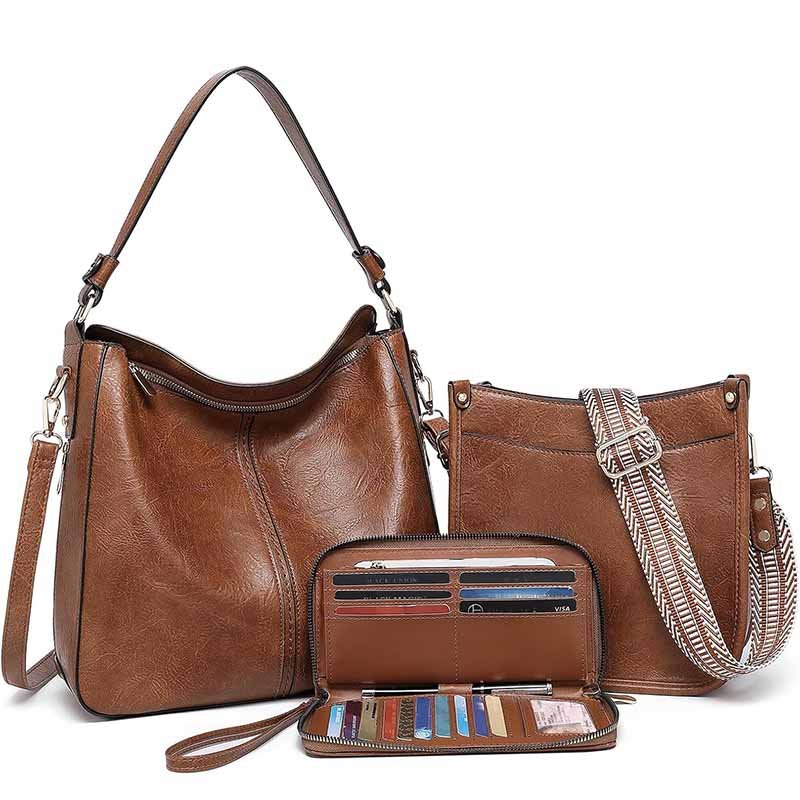
Premium bag development needs more than a factory quote. Szoneier supports brand teams that need materials, structure, sampling, packaging, and repeatable production.

Fashion Brand Teams

Fashion teams planning a new handbag capsule often need a clear route from mood board to sample approval. Szoneier can review sketches, reference samples, desired price range, material direction, color ideas, logo placement, lining requirements, and packaging goals before sampling begins. The goal is to keep design language consistent across tote, shoulder bag, crossbody, pouch, and wallet styles without losing production feasibility.

Retail Private Labels

Retail private label programs need product lines that look consistent on shelf, ship safely, and pass internal quality review. Szoneier can support SKU planning, material selection, barcode-ready packaging, carton marks, quality checkpoints, and shipment documents. For programs with several bag types, the team can organize shared materials, shared hardware finishes, unified logo methods, and clear sample approval records before bulk production.

Lifestyle Product Teams

Lifestyle brands often extend from apparel, beauty, travel, wellness, or accessories into premium bag sets. Szoneier can help turn brand direction into soft goods, including travel pouches, cosmetic bags, gift bags, dust bags, organizer pouches, and crossbody bags. Development can start from an existing hero product color, packaging concept, or seasonal theme, then move into material boards, sample making, and production planning.

E-commerce Operators

Online operators need photo-ready samples, packaging that survives parcel delivery, and repeat orders with controlled variation. Szoneier can develop samples suitable for product photography, social content, bundle offers, and replenishment. The team can also support carton labels, FBA preparation, DDP review, and multi-address shipment planning when the sales model needs direct delivery to warehouses or fulfillment centers.

Development Risks That Damage Premium Bag Programs

A premium bag line can fail when design, material, structure, and production files are not controlled before bulk production starts.

Beautiful But Weak

A sample may look attractive in photos but still fail in daily use. Weak bottom panels, soft handles, poor strap attachment, narrow openings, and unbalanced gussets can make a bag feel cheaper than the design intended. Szoneier reviews shape, handle drop, strap stress, pocket layout, lining assembly, and reinforcement before production so the final bag supports both appearance and function.

Sample-Bulk Gap

One good sample does not guarantee stable bulk production. Variation may appear in grain direction, color tone, zipper smoothness, logo position, stitch tension, edge alignment, or lining fit. Szoneier uses approved samples, material records, BOM files, pre-production samples, inline inspection, and packaging checks to reduce avoidable differences between sample approval and finished cartons.

Material Mismatch

Luxury perception depends on the right material, not the most expensive material. A PU may look premium but crack when folded; a leather may feel rich but exceed the target price; a canvas may fit the brand story but need better lining. Szoneier compares hand feel, thickness, structure support, color stability, MOQ, lead time, logo fit, and cost impact before sampling.

Unclear Cost Drivers

Bag line cost is shaped by more than material and labor. Hardware molds, custom zipper pullers, logo plates, lining print, special stitching, reinforced panels, dust bags, gift boxes, carton volume, and delivery method all affect unit cost. Szoneier separates cost drivers during development so the line can keep premium details where they matter and remove waste where it does not improve the product.

What Luxury Bag Line Development Includes

A premium bag line is a coordinated product system, not several random bags placed under one logo.

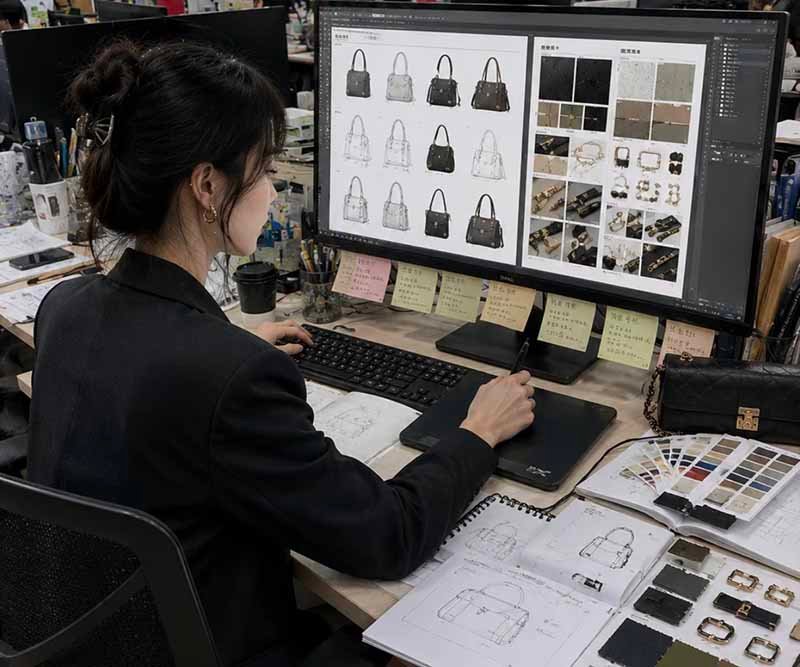
Luxury bag line development covers concept review, product architecture, material selection, pattern making, prototype sampling, logo process, hardware choice, lining design, packaging, production planning, quality control, and delivery. A strong line has shared design language across shape, color, material, texture, hardware finish, stitch style, logo position, lining feel, packaging, and price level.

Szoneier helps brands move from idea to manufacturable product files. The team can work with sketches, tech packs, physical samples, competitor references, mood boards, target dimensions, target materials, logo artwork, packaging direction, and launch schedules. During development, each style is checked not only for appearance, but also for structural balance, sewing feasibility, material waste, packaging volume, and repeat order stability.

A first premium bag line usually works better when built around a focused product architecture: one hero style, one commercial daily style, one compact style, and one add-on soft goods item. After sample approval and sales validation, more colors, materials, sizes, and seasonal packaging versions can be added without rebuilding the whole supply chain.
2. what luxury bag line development includes

From Concept Review To Bulk Delivery

Szoneier turns design input into a production-ready program through staged review, sampling, revision, QC, packaging, and shipment planning.

Concept Input

Development can begin from sketches, product photos, a physical reference sample, a mood board, a competitor link, or a rough size target. Szoneier reviews the intended use, visual level, material direction, target quantity, logo needs, packaging goal, destination country, and launch date before recommending a sample path.

Material Review

Before pattern work begins, material options are compared by hand feel, thickness, surface finish, support, logo compatibility, MOQ, cost range, and lead time. For leather or PU projects, grain, backing, folding areas, batch consistency, color tone, and edge response need to be reviewed before sample cutting.

Pattern Development

The pattern stage converts design direction into panels, gussets, seam allowance, pocket layout, lining shape, handle placement, strap length, and reinforcement points. A good paper pattern reduces sample revisions, fabric waste, sewing errors, and shape distortion during bulk production.

Prototype Sample

Sample making verifies the real shape, size, material behavior, hardware position, logo effect, zipper function, lining assembly, and hand feel. Szoneier can share photos or videos before shipment, allowing the brand team to comment on visible details before the physical sample is dispatched.

Sample Revision

Most premium bag lines need one or more sample adjustments. Common revisions include handle drop, strap width, pocket depth, zipper opening, logo position, lining color, bottom support, material thickness, hardware finish, or packaging fit. Szoneier documents revision points so the approved version can be used for production.

Production File

Before bulk production, Szoneier organizes key files such as approved sample notes, material record, BOM, logo artwork, pattern version, packaging file, carton requirement, QC checklist, and shipping plan. These records help reduce repeated communication when the same style moves into replenishment.

Bulk Production

Bulk production begins after material readiness, production scheduling, pre-production sample approval, and packaging confirmation. Production time depends on quantity, SKU count, material sourcing, custom logo process, hardware, packaging complexity, and seasonal factory load.

Final Shipment

Before shipment, finished goods go through appearance checks, measurement checks, logo and hardware checks, packaging checks, carton label checks, and document preparation. Szoneier can coordinate express, air freight, sea freight, DDP review, FBA delivery, or multi-address shipment based on destination and urgency.

Product Matrix For Premium Bag Line Development

A line can combine hero handbags, daily bags, add-on pouches, and packaging accessories under one design system.

Product TypeCommon Size RangeBest Role In A LineMaterial DirectionDevelopment Notes
Tote Bag30-45 cm widthHero SKU or work bagLeather, PU, canvas, nylonNeeds handle strength, bottom support, and lining balance
Shoulder Bag22-35 cm widthDaily commercial stylePU, leather, mixed fabricsStrap drop, opening width, and hardware feel matter
Crossbody Bag18-28 cm widthHigh-frequency stylePU, leather, nylonAdjustable strap and pocket layout need early review
Mini Bag12-20 cm widthSeasonal color storyPU, leather, satin, specialty fabricShape control and logo scale must stay balanced
Clutch Bag18-30 cm widthEvening or gift SKUPU, leather, velvet, satinClosure, lining, and hand feel define perceived value
Cosmetic Bag15-28 cm widthAdd-on or beauty setPU, PVC, nylon, canvasInterior lining and zipper smoothness drive use experience
Travel Pouch18-35 cm widthBundle or travel lineNylon, polyester, neopreneLightweight structure and packing volume matter
Wallet / Card Holder8-20 cm widthAccessory extensionLeather, PU, microfiberEdge finish, pocket accuracy, and logo position are critical


Collection Planning Before Sampling Starts

A clear product architecture helps control sample cost, SKU complexity, material usage, and launch timing.

Hero Style

The hero style carries the strongest brand signal. It may be a tote, shoulder bag, crossbody, or structured pouch with the most recognizable silhouette, material, hardware finish, and logo placement. Szoneier recommends locking the hero style first because material, lining, hardware, and packaging choices often influence the rest of the line. One strong hero style can set the tone for later color and size extensions.

Commercial Style

The commercial style should be easier to wear, easier to price, and easier to replenish. It does not need the most complex structure, but it must keep the same design language as the hero item. Szoneier can help simplify non-critical details, use shared hardware, and select durable lining so the product remains premium while staying more suitable for repeat production.

Add-On Style

Add-on styles such as pouches, cosmetic bags, wallets, card holders, dust bags, and small organizers help extend average order value and create gift sets. These items can use the same color system, lining, logo, or packaging as the main bags. Szoneier can develop them with controlled material consumption, making the collection feel complete without adding unnecessary production complexity.

Seasonal Style

Seasonal styles may use new colors, limited packaging, quilted details, contrast lining, special zipper pullers, or material variations. These items should not disrupt the approved base pattern unless a new fit or structure is planned. Szoneier can help preserve the core production file while changing visible seasonal elements for launch calendars, holiday programs, or retail windows.

Materials For Premium Bag Lines

Material choice affects hand feel, structure, price level, logo process, packaging volume, and repeat order stability.

MaterialPremium UseStrengthMain RiskSzoneier Recommendation
Genuine LeatherLuxury handbags, wallets, strapsNatural grain and rich hand feelGrain variation and higher costConfirm thickness, grain, finish, cutting direction, and acceptable variation
PU LeatherHandbags, pouches, cosmetic bagsPremium look with flexible costSurface cracking or batch color differenceCheck folding areas, backing, recovery, smell, and logo test before bulk
Vegan LeatherLifestyle and conscious collectionsAnimal-free positioningQuality range varies widelyReview coating, texture, and durability instead of relying on label wording
CanvasResort, lifestyle, tote, travelNatural texture and strong structureShrinkage, color staining, heavier weightMatch canvas weight with lining, handle strength, and packaging volume
Nylon / PolyesterLightweight premium functional bagsLower weight and stable color optionsCan look too sporty if trim is weakUpgrade zipper, lining, hardware, and finish for a premium result
NeopreneTravel, wellness, soft accessoriesSoft, cushioned, modern lookThickness affects sewing and packingConfirm thickness, edge finish, stitch method, and compression recovery
Mixed MaterialsFashion-forward capsulesStrong visual contrastHarder production controlKeep connection points, seam thickness, and color harmony under review

Hardware, Trims And Interior Details

Premium feel often comes from small components: zipper movement, metal weight, lining touch, label finish, and trim alignment.
1. zippers and pullers

Zippers And Pullers

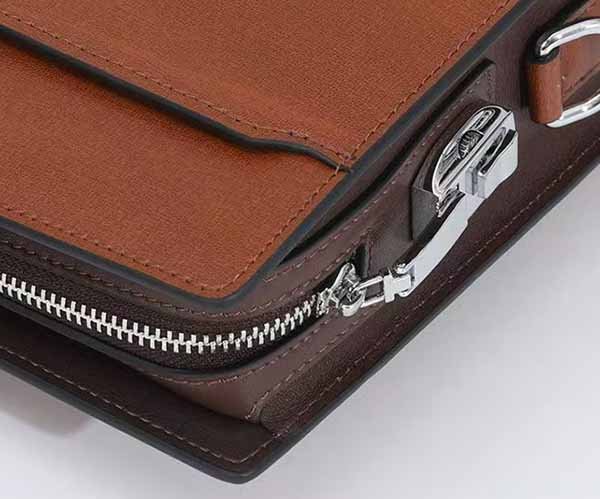
A premium bag line needs zippers that open smoothly, hold tension, and match the visual level of the material. Szoneier reviews zipper tape color, teeth finish, puller size, slider smoothness, logo puller options, and opening length. A small zipper cost saving can damage the full product experience when the bag is handled daily.
2. buckles and rings

Buckles And Rings

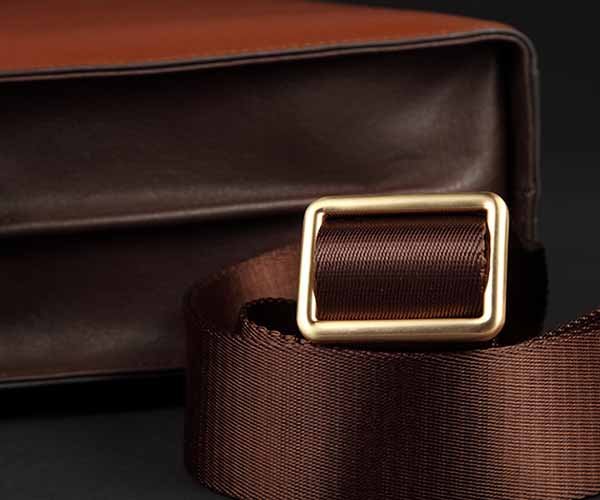
D-rings, strap adjusters, hooks, and buckles carry both function and visual value. Szoneier checks metal thickness, plating color, edge smoothness, weight, corrosion risk, and compatibility with strap width. For shoulder and crossbody bags, hardware must look refined while holding load during repeated use.
3. magnetic closures

Magnetic Closures

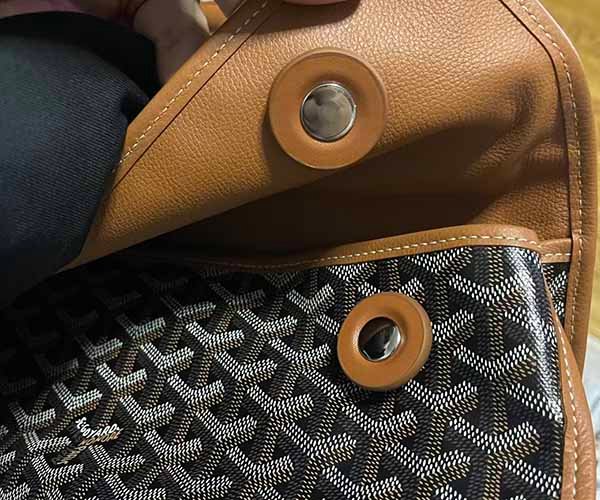
Magnetic snaps, hidden magnets, and metal closures need correct placement and reinforcement. Weak backing can pull fabric out of shape; oversized hardware can make a compact bag feel heavy. Szoneier reviews the panel structure, lining position, hand access, and closing force before confirming closure type.
4. lining materials

Lining Materials

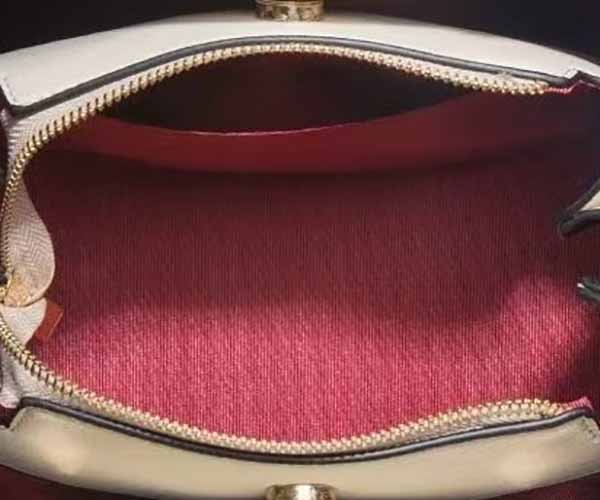
Lining affects the daily experience of a premium bag. Szoneier can review polyester lining, nylon lining, microfiber touch, branded lining print, anti-stain lining, quilted lining, or contrast lining. Lining choice should match outer material thickness, pocket design, zipper structure, and cleaning expectations.
5. labels and tags

Labels And Tags

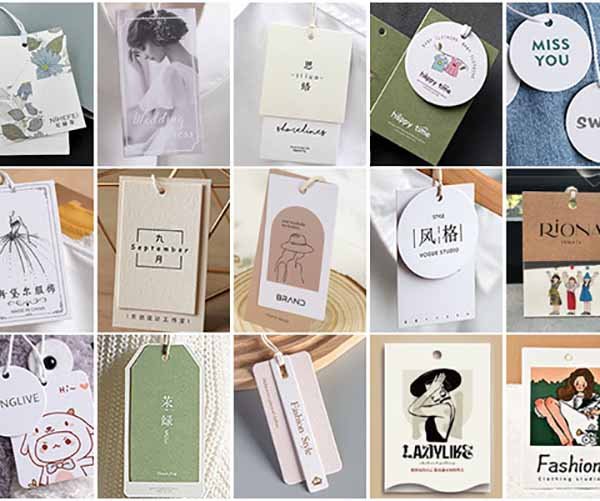
Brand labels can be woven, printed, leather, metal, silicone, rubber, or heat transfer depending on product positioning. Szoneier reviews label size, sewing position, edge feel, color contrast, washing or rubbing risk, and packaging consistency. Small labels must be legible without making the product look crowded.
6. dust bags

Dust Bags

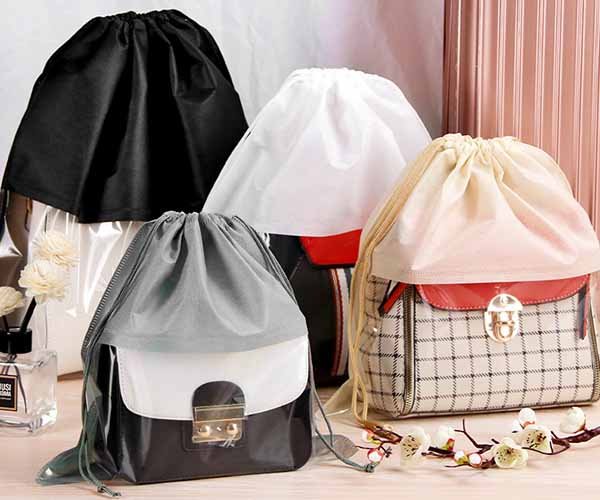
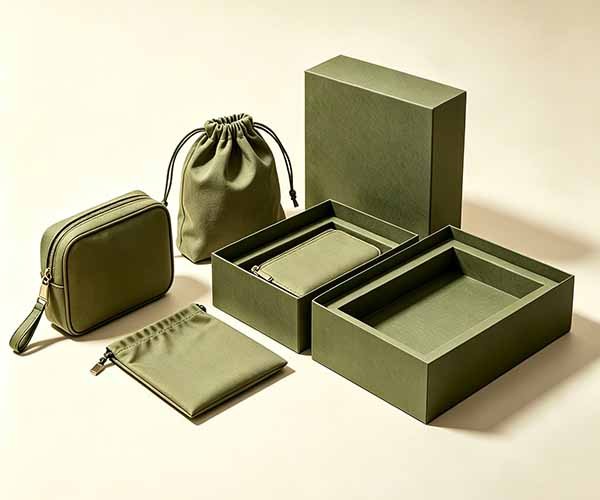
Dust bags protect premium bags during storage and improve unboxing value. Szoneier can develop cotton, nonwoven, satin-feel, microfiber, or printed dust bags depending on product level. Size, drawstring, logo print, fabric thickness, and folding method should be planned together with the outer packaging and shipping carton.

Structure And Pattern Development Details

A refined silhouette depends on engineering choices hidden inside the bag: panels, gussets, reinforcement, lining, and seam planning.

Shape Control

Shape control starts with panel geometry, seam placement, stiffener choice, lining fit, and material thickness. A tote, shoulder bag, or mini bag may lose its intended silhouette if the bottom panel is too soft or the side gusset is not balanced. Szoneier checks panel proportion, folding points, and support layers before sample sewing.

Handle And Strap

Handle drop, strap width, edge treatment, stitch line, hardware position, and reinforcement patch must match the intended carrying style. For premium bags, straps should feel secure without looking bulky. Szoneier reviews strap length, load areas, stitch density, backing layers, and connection points before confirming the pattern.

Interior Layout

Interior pockets, zipper compartments, card slots, bottle pockets, cosmetic dividers, and laptop sleeves need clear dimensions. Szoneier checks opening width, hand access, pocket depth, lining tolerance, zipper clearance, and interior stitch position. A premium exterior loses value if daily use inside the bag feels awkward.

Bottom Support

Bottom support influences shape, durability, and shelf appearance. Depending on the product, Szoneier can review foam, board, fabric lamination, stitched base panels, bag feet, or removable inserts. Support must be strong enough for the intended load while keeping weight, cost, and shipping volume under control.

Opening Design

Opening design decides how easily the bag can be used. Zipper openings, magnetic flaps, drawstring closures, snap buttons, and open-top structures each create different risks. Szoneier reviews reach-in width, zipper end treatment, lining tension, corner turning, and closure position during sample development.

Seam Planning

Seam planning affects appearance, strength, and production repeatability. Premium bags need clean corners, straight topstitching, controlled seam allowance, and consistent edge alignment. Szoneier reviews thick material joins, curved seams, handle attachment zones, and lining assembly steps before bulk production starts.

Sewing Craftsmanship For Premium Visual Consistency

A luxury-inspired bag line needs controlled stitch appearance, clean assembly order, and reliable stress-point reinforcement.

Stitch Density

Stitch density should match the material, bag shape, and desired visual level. Too few stitches can look rough and weaken the seam; too many stitches may perforate PU or leather and reduce durability. Szoneier reviews stitch length, thread thickness, needle choice, and test sewing before confirming production standards.

Thread Matching

Thread color can blend with the material or create intentional contrast. Premium lines usually need clean thread matching unless contrast stitching is part of the design. Szoneier checks color under normal light, stitch visibility, thread strength, and compatibility with leather, PU, canvas, nylon, or neoprene surfaces.

Stress Reinforcement

Handles, strap anchors, zipper ends, side seams, and bottom corners take repeated stress. Szoneier can apply bar tacks, back stitching, reinforcement patches, inner backing, double stitch lines, or stronger thread where needed. Reinforcement should be strong without making the product look heavy or industrial.

Edge Alignment

Edges show the discipline of a bag factory. Misaligned edges, twisted binding, uneven piping, or bulky corners quickly reduce perceived value. Szoneier controls edge alignment through pattern accuracy, cutting control, sewing sequence, material thickness review, and inspection during semi-finished stages.

Lining Assembly

Lining is often overlooked until the finished bag is opened. A loose lining, twisted pocket, uneven label, or tight zipper end can affect user confidence. Szoneier reviews lining pattern, pocket sewing, opening allowance, label position, corner turning, and final fit before packing.

Finishing Check

Final finishing includes thread trimming, surface cleaning, shape adjustment, zipper testing, hardware checking, logo checking, and packaging preparation. Szoneier does not treat finishing as a minor step because visible defects often appear after assembly, not during cutting or sewing.

Logo Methods And Brand Identity Options

Logo execution should fit material, product position, quantity, cost target, and expected durability.

Logo MethodSuitable MaterialBest ForSetup NotesRisk To Review
Embossed LogoLeather, PUQuiet premium lookTooling may be neededDepth and surface recovery
Debossed LogoLeather, PUSubtle brand markingWorks best on stable surfacesWeak visibility on soft material
Metal Logo PlatePU, leather, canvasHigh-value handbagsMold or plate setup may applyWeight, plating, and attachment strength
Woven LabelCanvas, nylon, liningSoft goods and interiorsFlexible for many stylesEdge feel and sewing position
Screen PrintCanvas, polyester, dust bagsLarger logo areasLower setup barrierRubbing and color matching
Heat TransferNylon, polyester, PUClean modern marksNeeds surface testingPeel risk on unsuitable coatings
Rubber / Silicone PatchNylon, neoprene, outdoor stylesSport-lifestyle linesMold may be neededThickness and edge bonding

Prototype And Sample Development Support

Sampling turns design language into something the team can hold, test, photograph, revise, and approve.

Files To Send

A strong sample discussion can begin with sketches, photos, tech packs, physical samples, target dimensions, material references, color chips, Pantone codes, logo files, packaging drawings, and target quantity. Full technical files are helpful, but early ideas can still be reviewed when the brand team can explain function, style direction, launch timing, and price range.

Sample Making

Szoneier’s sample work can include material preparation, pattern making, cutting, sewing, logo trial, hardware placement, lining assembly, internal checking, photo review, and shipment preparation. Simple samples may take about 3-7 days, standard samples about 7-12 days, and complex custom bags about 12-20 days or more depending on structure, material, logo, and packaging.

Revision Control

Sample revision should be controlled, not emotional. Szoneier records revision points such as size change, pocket adjustment, handle drop, strap width, material change, zipper direction, logo location, lining color, bottom support, and packaging fit. When the approved sample is confirmed, the same record supports pre-production review and repeat order consistency.

MOQ, Budget And Development Boundaries

Premium projects need clear quantity planning because material, hardware, logo, packaging, and SKU count all affect feasibility.

Starting Quantity

MOQ starts from 200 pcs for selected standard custom bag and soft goods projects, especially when materials are available, structure is mature, logo process is simple, and packaging is regular. For premium bag line development, 500 pcs+ per style is often a stronger starting point when the project involves custom hardware, multiple colors, lined interiors, dust bags, or retail packaging.

Cost Drivers

Unit cost is shaped by material grade, leather or PU thickness, lining, foam, reinforcement, zipper quality, metal hardware, logo tooling, custom pullers, edge finishing, packaging, carton size, shipment method, and order timing. Szoneier helps separate must-have premium details from optional decorative details so the line keeps value without carrying unnecessary production cost.

Shared Components

Multi-SKU lines can control cost better when products share selected materials, lining color, hardware finish, zipper puller, woven label, dust bag, or retail packaging. Shared components simplify procurement, reduce mismatch risk, and help repeat orders run more smoothly. Szoneier can review which details should stay shared and which can vary by style.

Higher MOQ Cases

Special leather, custom-dyed PU, molded metal plates, custom zipper pullers, silicone patches, jacquard webbing, exclusive lining print, rigid gift boxes, and functional materials may require higher MOQ or longer preparation time. Szoneier will explain these boundaries before sampling so the brand team can decide whether to adjust material, quantity, or launch schedule.

Quality Control For Premium Bag Lines

Quality control must cover materials, cutting, sewing, logo, hardware, structure, packaging, and carton preparation.

Material Inspection

Material inspection checks color, surface finish, thickness, grain direction, backing, smell, coating, lining, webbing, zipper tape, hardware finish, and packaging materials before production moves forward. For leather and PU projects, Szoneier reviews batch consistency, cutting direction, folding points, and acceptable natural variation before sample and bulk production.

Pre-Production Sample

The pre-production sample is the bridge between approved prototype and bulk production. It confirms material, color, lining, logo, hardware, dimensions, stitch details, packaging, and carton requirements. Szoneier uses the approved pre-production sample as a working reference for production teams and quality inspection.

Cutting Review

Cutting affects size accuracy, grain direction, panel symmetry, and material consumption. Szoneier checks panel quantity, pattern version, cutting direction, visible surface defects, and major size points. Good cutting control reduces shape distortion, uneven panels, and unnecessary material waste during sewing.

Sewing Inspection

Inline sewing inspection checks stitch tension, seam allowance, handle attachment, zipper placement, lining assembly, reinforcement, corner turning, edge alignment, and semi-finished shape. Issues found during sewing can still be corrected more efficiently than defects found after final packing.

Final Inspection

Final inspection reviews appearance, measurement, logo position, zipper movement, hardware attachment, lining cleanliness, thread trimming, smell, surface marks, packaging accessories, and carton labels. For retail or warehouse delivery, barcode labels, carton marks, packing list, and packaging count must match the shipment plan.

Shipment Check

Before dispatch, Szoneier checks packaging method, carton strength, carton size, gross weight, destination labels, document requirements, and shipment route. Premium products may also need shape protection, dust bags, tissue paper, inner supports, or carton layout review to reduce deformation during transportation.

Packaging And Retail Presentation Planning
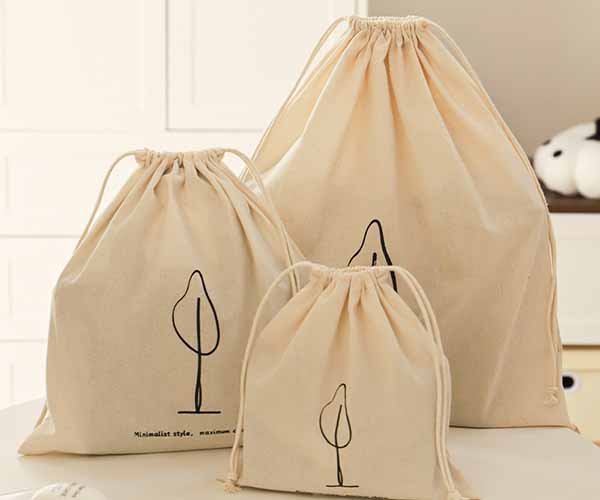
Packaging protects the product, controls shipping cost, and strengthens the brand experience from warehouse to unboxing.
1. dust bag

Dust Bag

Dust bags are widely used for premium handbags and leather goods because they protect surfaces and improve presentation. Szoneier can review cotton, nonwoven, satin-feel, microfiber, or printed dust bag options. Size, drawstring, logo method, fabric thickness, and folding method should match both the bag and the final carton plan.
2. retail box

Retail Box

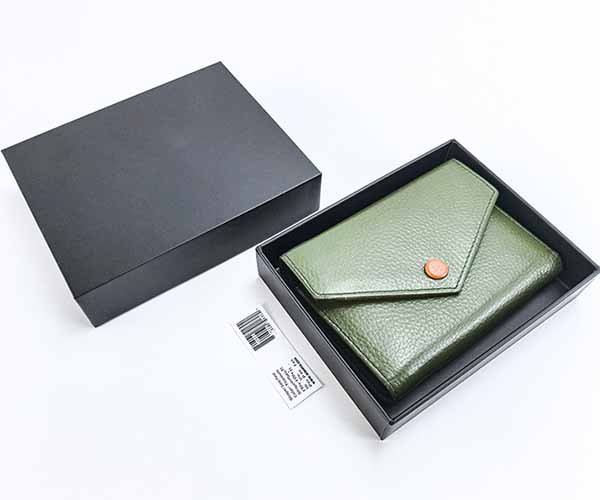
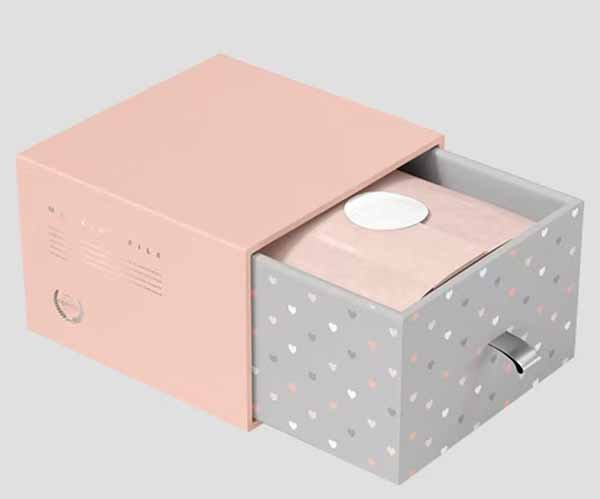
Retail boxes can create stronger shelf and gift value, but they also increase material cost, storage volume, and shipping charge. Szoneier reviews box size, insert structure, sleeve, drawer style, magnetic closure, logo method, barcode placement, and carton packing count before recommending a packaging direction.
3. dtc mailer

DTC Mailer

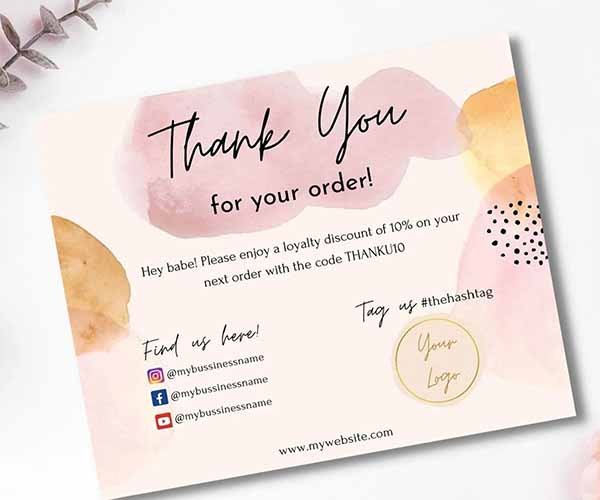
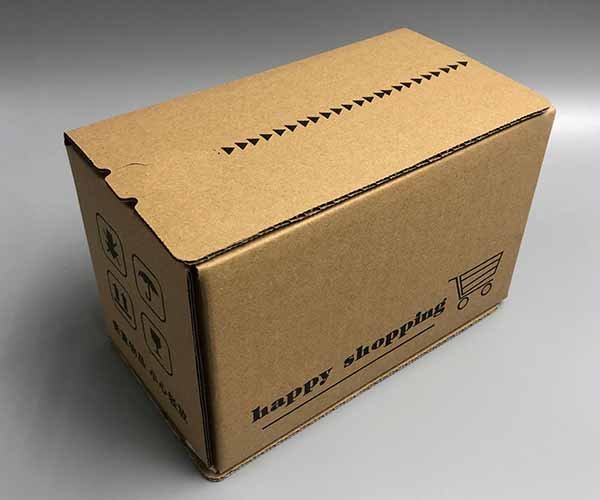
Mailer packaging needs good appearance and parcel durability. Szoneier can support mailer box, kraft box, sticker, tissue paper, thank-you card, care card, and protective inner packing. The package should survive handling without adding too much volume weight, especially for international parcel shipment.
4. care card

Care Card

Care cards help explain material care, storage, cleaning, and usage tips. Leather, PU, canvas, nylon, and neoprene may need different care language. Szoneier can prepare card size, paper choice, print method, and placement inside the product package according to the brand packaging file.
5. fba and labels

FBA And Labels

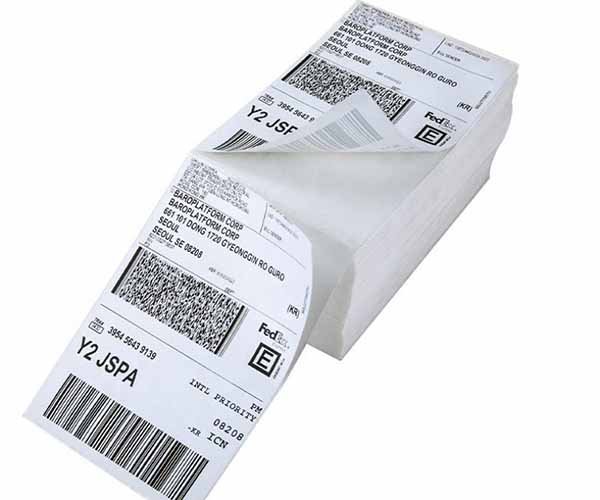
For Amazon or warehouse programs, packaging may need barcode labels, FNSKU, polybag warning, carton label, SKU list, and carton marks. Szoneier can coordinate label placement and packing methods according to provided files, shipment plan, and destination requirements.
6. carton protection

Carton Protection

Carton planning affects final product condition after shipping. Szoneier reviews carton size, packing quantity, inner protection, deformation risk, gross weight, carton marks, and shipping route. Premium structured bags may need shape fillers, separators, or lower carton stacking pressure.

Multi-SKU Production Management

A premium bag line needs file discipline so every style, color, material, logo, and package can be repeated.

SKU Records

Szoneier can organize SKU lists by style, color, size, material, lining, hardware finish, logo process, packaging type, barcode, carton requirement, and shipment destination. Clear SKU records help prevent color mix-ups, wrong labels, missing accessories, and repeated clarification during replenishment.

BOM Control

A BOM record links every visible and hidden component: outer material, lining, zipper, puller, hardware, webbing, thread, foam, board, label, packaging material, dust bag, hangtag, and carton. A clean BOM makes price review, sample revision, production handoff, and repeat order control more reliable.

Pattern Version

Pattern files must be controlled by version. A small handle change, pocket change, strap adjustment, or corner radius update can affect production. Szoneier can record approved pattern versions after sample revision so bulk production does not accidentally return to an earlier draft.

Approved Samples

Approved samples guide production and QC. Szoneier keeps sample notes for material, color, dimensions, logo placement, stitch details, lining, packaging, and final comments. For multi-SKU lines, each approved sample should have clear identity, not only a product photo.

Packaging Files

Packaging files may include dust bag artwork, box dieline, barcode label, FNSKU, carton mark, hangtag, care card, and packing method. Szoneier reviews these files before bulk packing to reduce rework, wrong label placement, and shipment delay.

Reorder Records

Repeat orders should not restart from zero. Szoneier can retain material records, pattern versions, logo files, packaging files, QC standards, and prior production notes. When a brand adds new colors or increases quantity, the saved record helps speed up review and reduce variation.

Factory-Based Production System In Shenzhen

Szoneier combines in-house sampling, sewing production coordination, supply chain resources, QC, packaging, and export support.

In-House Sampling

Szoneier is not positioned as a trading office passing files between unknown factories. The team supports sample development, material confirmation, pattern making, sample sewing, logo coordination, internal checking, and pre-shipment review. Direct control over early sampling helps reduce information loss before bulk production.

Supply Chain Access

Shenzhen and the South China supply chain give Szoneier access to materials, trims, hardware, packaging, printing, embroidery, and export logistics. This matters for premium bag lines because development often requires several material alternatives, matching trims, packaging samples, and fast communication between suppliers.

Sewing Coordination

Szoneier coordinates sewing production according to product type, structure, material, quantity, and delivery plan. The production system covers many sewn soft goods categories, including tote bags, backpacks, makeup bags, travel bags, leather bags, neoprene bags, storage pouches, and soft goods accessories.

Satellite Factories

For peak season, special categories, and multi-SKU programs, Szoneier also works with 10+ screened satellite partner factories under project management. These partners support capacity and category flexibility while Szoneier controls communication, sample standards, material requirements, QC standards, packaging rules, and delivery responsibility.

QC And Packing

Quality inspection and packaging management are integrated into the project flow rather than added at the end. Szoneier reviews materials, accessories, pre-production samples, sewing, semi-finished goods, final appearance, labels, packing method, carton marks, and shipment documents according to the product plan.

Export Support

Szoneier supports global export delivery for brands shipping to the United States, Canada, Europe, the United Kingdom, Australia, the Middle East, and Asia. Delivery planning can include express samples, air freight, sea freight, DDP review, FBA preparation, overseas warehouse delivery, and multi-address shipment.

Global Delivery For U.S. Brand Programs

Delivery planning should be discussed during development, not after cartons are finished.

Sample Shipping

Samples can be shipped by express after internal review, photo or video confirmation, and packing check. For urgent launch calendars, sample timing should account for material preparation, logo trial, sample sewing, internal check, revision, and international transit. Szoneier can coordinate with the nominated courier or suggest common express options.

Bulk Shipment

Bulk shipment can be reviewed by express, air freight, sea freight, or combined plan depending on quantity, launch date, carton volume, destination, and budget. Structured premium bags, retail boxes, and gift packaging may increase volume weight, so carton planning should be checked before final price and shipment method are confirmed.

DDP Review

DDP delivery may be available for selected destinations and product types after quantity, carton size, weight, material, declared value, and destination address are reviewed. Szoneier can coordinate DDP discussions when a brand prefers door-to-door delivery, but customs rules, product category, and shipment route must be checked case by case.

FBA Support

For Amazon programs, Szoneier can support FNSKU labels, carton labels, SKU separation, polybag requirements, packing lists, shipping plan coordination, and delivery to Amazon-related warehouses or forwarders. The brand team needs to provide label files, SKU list, destination information, and packing rules before final packing.

Project Cases For Premium Bag Development
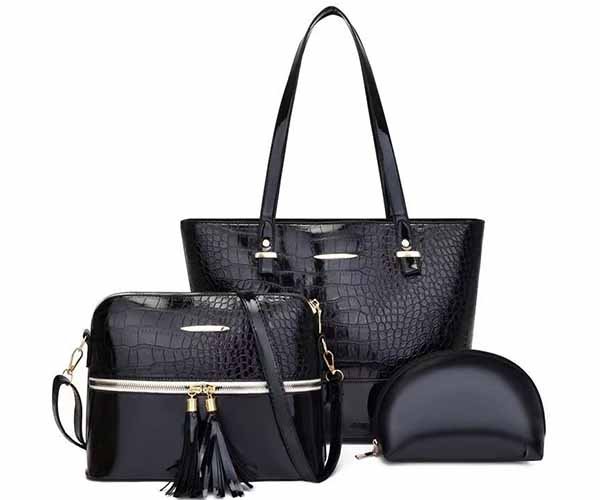
Selected anonymized examples show how Szoneier supports product line planning, sample revision, QC, packaging, and delivery.
1. u.s. premium capsule

U.S. Premium Capsule

A U.S. fashion accessories team developed a 3-style premium capsule: tote bag, crossbody bag, and small pouch. Initial trial order quantity was 1,200 pcs across 3 styles and 2 colors. The project used soft PU leather, custom lining, metal logo plate, dust bag, and care card. The challenge was keeping one visual language while each style had different structure. Szoneier aligned hardware finish, lining color, logo scale, and packaging format, then completed standard sample review in 11 days. Bulk production was planned in 38 days after final sample approval, with inline sewing inspection and final packaging check before air and sea split shipment.
2. retail private label

Retail Private Label

A North American retail program needed 5 SKUs: shoulder bag, tote, cosmetic pouch, travel pouch, and wallet. Order quantity was 3,500 pcs, using PU leather, woven labels, branded hangtags, and barcode-ready packaging. The project risk came from SKU complexity and label accuracy. Szoneier prepared a SKU sheet, BOM, material record, packaging file, carton mark plan, and QC checklist before production. Standard samples were confirmed in 12 days, bulk production took 45 days after material and packaging approval, and shipment was arranged by sea freight with retail carton labels.
3. lifestyle gift set

Lifestyle Gift Set

A lifestyle brand developed a gift-ready soft goods set including cosmetic bag, travel pouch, dust bag, and drawstring gift pouch. Order quantity was 2,000 sets. Materials included nylon twill, PU trim, branded lining, metal zipper pullers, and printed gift boxes. The challenge was presentation: all pieces had to feel like one collection without using heavy structures. Szoneier adjusted lining color, zipper tape, logo placement, and box insert size during sample revision. Complex sample development took 16 days because packaging and product fit were reviewed together. Bulk production was completed in 42 days, followed by carton drop review and DDP shipment discussion.

Why Choose Szoneier For Bag Line Development

Szoneier fits brands that need product development depth, not only a simple unit price.

Beyond Trading

A trading office may offer a quick quote, but complex bag line development needs pattern work, material comparison, sample revision, logo testing, packaging review, production coordination, and QC records. Szoneier supports projects through a factory-based system with in-house sampling, sewing coordination, material sourcing, packaging management, and export delivery support.

Beyond Simple Sewing

A small sewing workshop may handle a basic tote or pouch, but premium lines often need multiple materials, trims, hardware, lining, packaging, and SKU versions. Szoneier is better suited for projects that need structure review, multi-style organization, production files, and repeat order documentation instead of one-time sample stitching.

Beyond Large MOQ

Some large factories prefer standardized high-volume programs and may be slow with sample revisions or mixed-SKU trial production. Szoneier can review selected projects from MOQ 200 pcs for standard styles, while serious premium lines can start with 500 pcs+ per style or a planned multi-SKU order based on material sharing and production feasibility.

Beyond Platform Quotes

Platform sourcing can work for simple ready designs, but a premium bag line needs deeper communication. Szoneier can review sketches, reference samples, material goals, logo files, packaging direction, quality requirements, FBA or DDP needs, and repeat order plans before recommending a workable development path.

Frequently Asked Questions About Luxury Bag Line Development
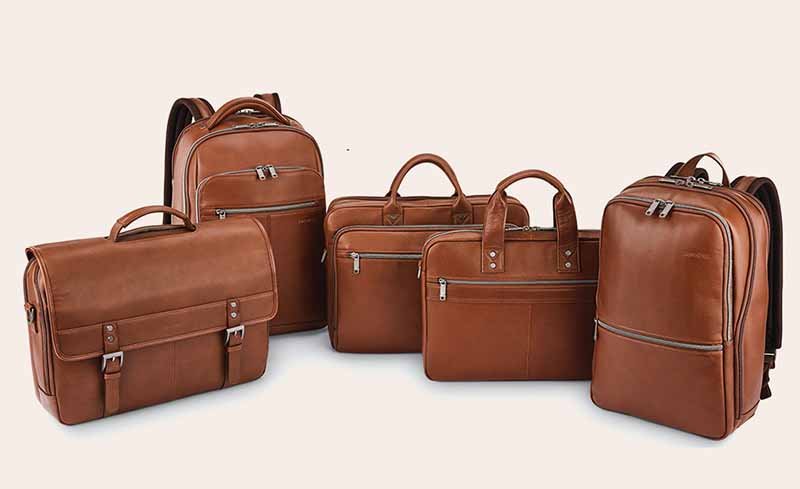
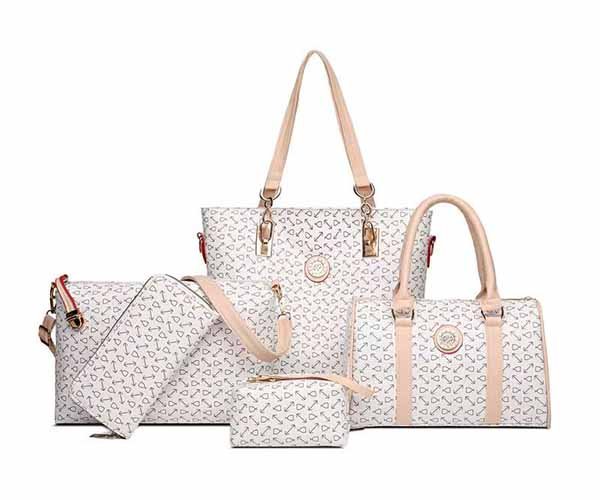
Yes. Szoneier can support multi-style development such as tote bags, shoulder bags, crossbody bags, cosmetic bags, travel pouches, wallets, and dust bags. A clear style plan, material direction, logo file, target quantity, and launch timing will make the review more accurate.
Useful files include sketches, photos, tech packs, physical sample images, mood boards, target sizes, Pantone colors, logo artwork, material references, packaging files, quantity plan, and destination country. A complete tech pack is helpful, but early-stage references can also be reviewed.
MOQ starts from 200 pcs for selected standard custom bag projects. Premium bag lines involving custom material, hardware, molded logo, special lining, gift boxes, or several colors may require higher quantity. For serious multi-SKU launches, 500 pcs+ per style is often easier to plan.
Simple samples may take about 3-7 days, standard samples about 7-12 days, and complex custom bags about 12-20 days or more. Timing depends on material sourcing, pattern difficulty, logo trial, hardware, packaging, and revision needs.
Yes. Szoneier can review genuine leather, PU leather, vegan leather, canvas, nylon, polyester, neoprene, PVC, TPU, EVA, mesh, RPET, lining materials, webbing, zippers, hardware, and packaging materials. Material choice should be checked by hand feel, cost, MOQ, durability, and logo compatibility.
Custom metal plates, pullers, buckles, rubber patches, silicone patches, and special trims can be reviewed. Some hardware requires tooling, higher MOQ, longer lead time, or plating approval. Szoneier will explain these requirements before sampling.
Yes. Szoneier can support dust bags, tissue paper, care cards, hangtags, retail boxes, mailer boxes, barcode labels, carton labels, FNSKU labels, and gift packaging. Packaging should be reviewed early because it affects presentation, packing volume, shipping cost, and delivery method.
Szoneier uses approved samples, material records, BOM, pattern versions, pre-production samples, inline inspection, final inspection, and packaging checks. For repeat orders, saved files help reduce variation when the same style is reordered or expanded into new colors.
Yes. Szoneier can coordinate sample express shipping, air freight, sea freight, DDP review, FBA preparation, and warehouse delivery discussion for U.S. programs. Exact method depends on quantity, carton data, destination, time schedule, and product type.
Yes. For qualified projects, Szoneier can arrange video meetings or video factory review covering sample room, materials, sewing production, QC process, packaging, and shipment preparation. The team can also discuss sample plan, cost factors, and production schedule online.

Start Your Luxury Bag Line Development With Szoneier

Send Szoneier your product direction, target line structure, and launch requirements. Nancy and the project team will review your materials, structure, sampling path, MOQ, packaging, QC plan, and delivery route before preparing a workable development proposal. For a faster review, please share:
  • Product types and planned SKU count
  • Reference photos, sketches, sample photos, or tech pack
  • Target sizes, colors, materials, and lining direction
  • Logo artwork and preferred logo method
  • Packaging idea, dust bag, box, barcode, or FBA files
  • Quantity per style and target launch date
  • Destination country, warehouse type, and shipping preference
  • Any testing, audit, or internal quality requirements
leather bag

Ask For A Quick Quote

We will contact you within 24 Hours, please pay attention to the email with the suffix“@szoneier.com”

For all inquiries, please feel free to reach out at:

Ask For A Quick Quote

We will contact you within 24 Hours, please pay attention to the email with the suffix“@szoneier.com”

Contact Us

Send us a message if you have any questions or request a quote. We will be back to you ASAP!

For all inquiries, please feel free to reach out at:

Contact Us

Send us a message if you have any questions or request a quote. We will be back to you ASAP!

Exclusive Offer for First-Time Customers

For first-time customers, we will send you a free color card for you to choose.Once you have confirmed the fabric and color, our factory will make a free sample proofing for you.

For customers who frequently cooperate with us, we will send new color charts free of charge several times a year.

For all inquiries, please feel free to reach out at: