Skip to content
Choosing a bag manufacturer sounds simple until your brand has real money, real timelines, and real customers waiting for the final product. A low quote may look attractive at first, but one weak zipper, one delayed shipment, one wrong fabric, or one bulk order that does not match the approved sample can quickly cost more than the savings you expected. For brand owners, retailers, importers, Amazon sellers, Shopify teams, promotional buyers, and product managers, the manufacturer you choose becomes part of your product quality, your customer experience, and your brand reputation.
A reliable bag manufacturer should have proven product experience, clear OEM/ODM capability, strong material knowledge, structured sample development, stable bulk production, documented quality control, transparent pricing, realistic MOQ, packaging support, and export delivery experience. The best partner should help your brand reduce development risk, keep approved samples consistent with bulk production, and support long-term product growth.
Many sourcing mistakes do not happen because buyers contact too few suppliers. They happen because buyers ask the wrong questions. One factory may show beautiful product photos but fail on structure. Another may reply fast but never explain material risk. Another may make a good sample but lose control when the order moves into bulk production. This guide helps you look beyond the quotation sheet and judge whether a bag manufacturer can truly support your brand from first sample to repeat orders.
What Makes a Bag Manufacturer Reliable?
A reliable bag manufacturer is one that can turn your design, reference sample, or product idea into consistent bulk production with controlled materials, stable stitching, clear communication, realistic timelines, and accountable quality checks. Reliability is not proven by the lowest price or a beautiful catalog. It is proven by repeatable execution from sample development to final shipment.
Factory Control
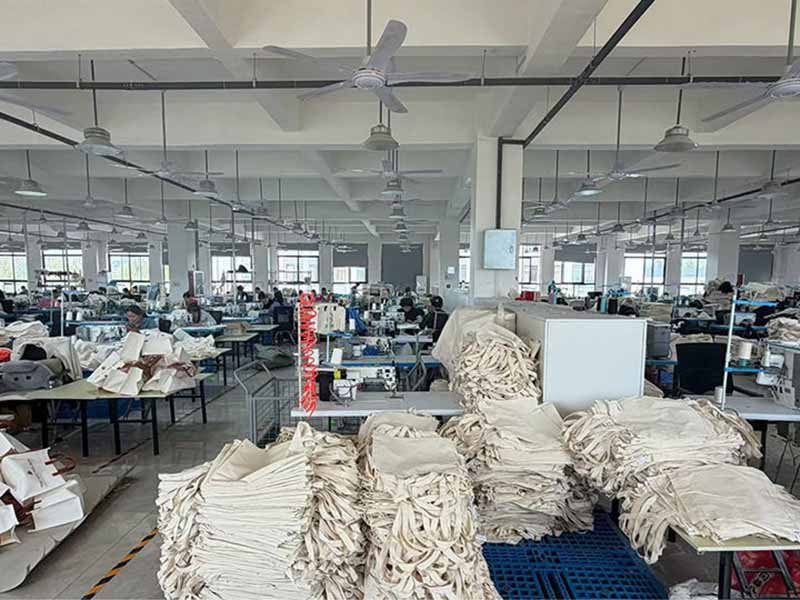
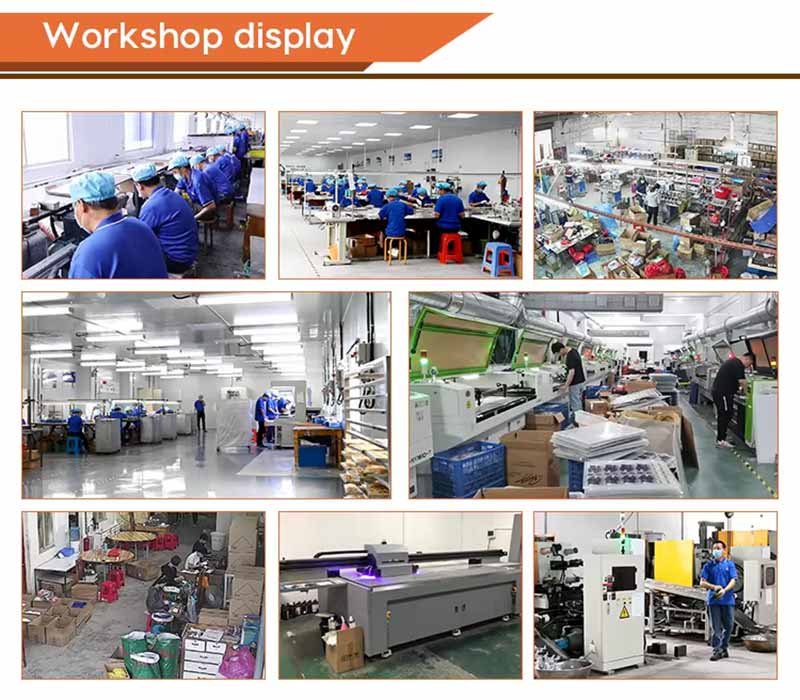
The first sign of reliability is control. A manufacturer should be involved in the actual manufacturing process, not only forwarding your inquiry to another workshop. For custom bag projects, too many communication layers can create mistakes in material selection, sizing, logo placement, packaging, and production timing.
A factory-based partner can usually explain what happens at each stage: requirement review, material sourcing, pattern making, sample production, sample revision, cutting, sewing, inline inspection, final inspection, packing, and export preparation. If a supplier can only show product photos but cannot explain how those products are made, the risk is higher.
Reliable manufacturers also know their limits. They should tell you when a fabric is not suitable, when a structure may be too weak, when a logo method may not last, or when a target price may require design adjustment. A supplier who says “yes” to everything may sound easy to work with, but serious buyers should value technical honesty more than fast agreement.
For a brand project, the question is not only “Can you make this bag?” The better question is “Can you control this bag from sample to bulk production?” A reliable manufacturer should be able to control the full chain: materials, structure, sewing, logo process, inspection, packaging, and export shipment.
Product Experience
Bag manufacturing is not one single skill. A tote bag, cooler bag, backpack, cosmetic pouch, travel bag, leather tote, neoprene lunch bag, and waterproof dry bag all have different risk points. A reliable manufacturer should have experience with your specific product type or with a closely related structure.
For example, backpacks need load-bearing shoulder straps, stable zippers, reinforced seams, balanced compartments, and comfortable back panels. Cooler bags need insulation, lining selection, seam control, and shape stability. Cosmetic bags need clean stitching, smooth zippers, compact structure, and good lining finish. Leather goods require material grading, edge finishing, hardware matching, and careful workmanship.
Ask for similar product examples, not just general factory photos. A manufacturer that has handled similar materials, shapes, closures, pockets, and packaging is more likely to understand what can go wrong before it happens.
| Reliability Area | What to Check | Why It Matters |
|---|---|---|
| Product category | Similar tote, backpack, pouch, cooler, leather, or travel bag experience | Reduces design and production risk |
| Material knowledge | Fabric, lining, zipper, webbing, hardware, foam, coating options | Prevents wrong material choices |
| Sampling process | Pattern making, sample revision, final approval | Improves sample-to-bulk consistency |
| QC system | Material check, inline check, final inspection | Catches defects before shipment |
| Export support | Carton marks, packing list, labels, shipping coordination | Helps avoid delivery and warehouse issues |
| Communication | Clear timelines, written confirmations, issue updates | Reduces misunderstanding across time zones |
Consistency Over Time
One successful sample does not automatically mean a manufacturer is reliable. The real test is whether the approved sample can be repeated across 300, 1,000, 5,000, or more units with stable quality. This is where many sourcing problems appear.
Reliable manufacturers use the approved sample as the production benchmark. They confirm fabric, lining, zipper, hardware, logo, stitching, packaging, and tolerance before bulk production starts. They also control changes carefully. If a zipper supplier changes, if fabric color varies, or if packaging size changes, buyers should be informed before production continues.
For brand owners, consistency affects customer reviews, retail buyer confidence, and repeat sales. If one batch feels premium and the next batch feels cheaper, the brand absorbs the damage. A reliable manufacturer protects consistency by treating every production detail as part of the product standard.
Professional Communication
Communication is not just speed. A fast reply with vague answers does not help your project. Good communication means the supplier understands your question, gives specific answers, confirms important details in writing, and updates you when something changes.
For custom bag projects, professional communication should include questions about product size, material, color, logo method, order quantity, packaging, destination country, target use, and timeline. If a supplier quotes without asking these basics, the quote may not be reliable.
A strong manufacturer will also explain trade-offs. For example, a heavier fabric may improve durability but increase cost and shipping weight. A custom zipper puller may improve branding but require a higher MOQ. A gift box may improve retail presentation but increase carton volume. This kind of practical communication helps buyers make better decisions instead of guessing.
Which Capabilities Should You Check First?
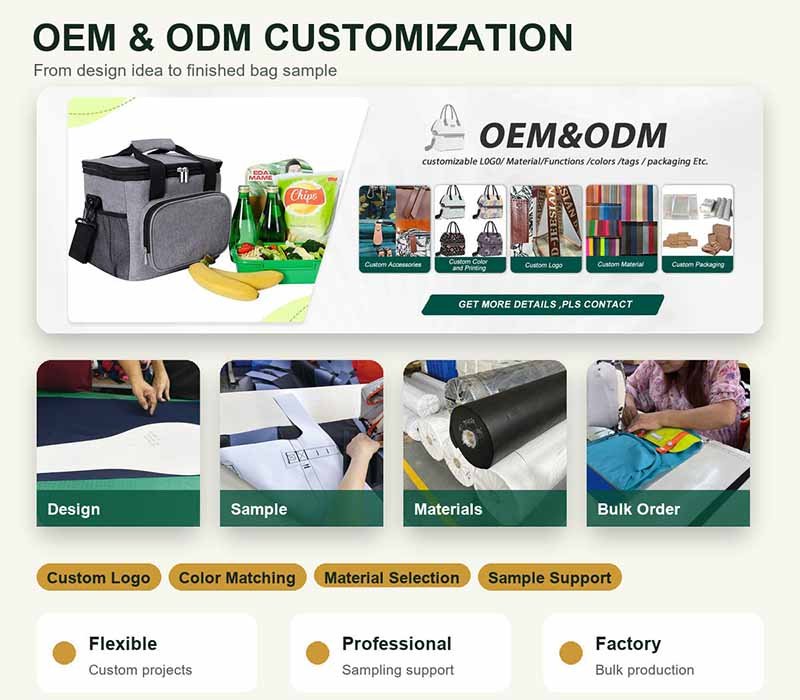
Before comparing prices, check whether the manufacturer can actually support your product category, materials, customization needs, sampling process, QC standards, packaging, and export delivery. A cheap quote from the wrong factory can create expensive problems later. Capability should always be evaluated before cost, especially for branded or repeat-order projects.
Product Range
Start by checking whether the manufacturer’s product range matches your project. A supplier that specializes only in simple promotional bags may not be suitable for structured backpacks, insulated cooler bags, waterproof dry bags, leather goods, or technical soft goods.
A professional bag manufacturer should be able to explain which bag categories they make often and which ones require special review. Product range is important because each category has different construction logic. A drawstring bag may need simple fabric and cord control, while a travel bag may need strong webbing, reinforced handles, lining, zippers, and load-bearing seams.
Do not ask only, “Can you make this?” Ask, “Have you made something similar in size, material, structure, and use case?” Similar experience is more useful than broad promises.
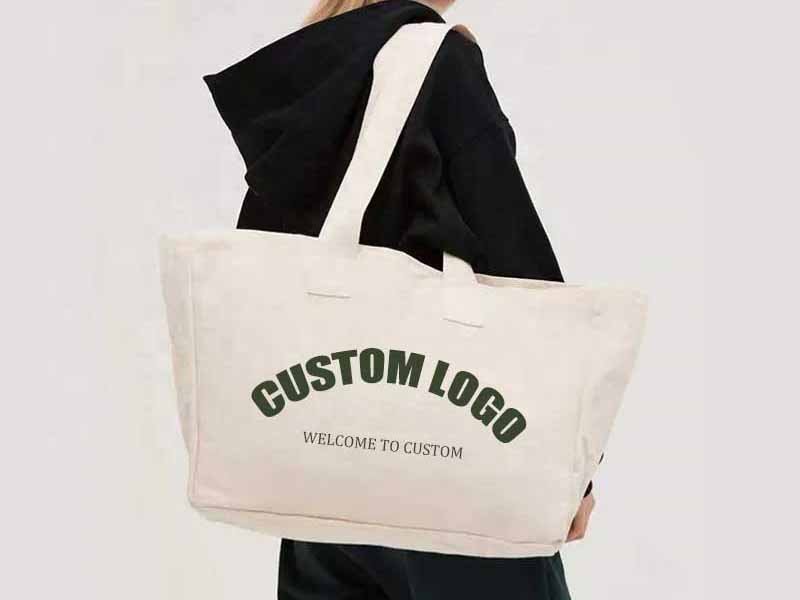
For example, if you are developing a custom tote bag, the manufacturer should understand fabric GSM, handle reinforcement, bottom structure, logo area, and folding method. If you are developing a cooler bag, the manufacturer should know insulation thickness, lining selection, seam leakage risk, and carton volume. A factory that understands the product type can help prevent mistakes before they become expensive.
Material Knowledge
Material selection affects appearance, cost, strength, durability, water resistance, hand feel, packaging size, and customer satisfaction. A reliable manufacturer should understand common bag materials such as polyester, nylon, Oxford fabric, canvas, cotton, non-woven fabric, PU, leather, PVC, TPU, neoprene, EVA, mesh, lining fabrics, webbing, zippers, and hardware.
The right material depends on the product’s real use. A lightweight promotional tote does not need the same material as a reusable grocery tote. A cosmetic pouch does not need the same zipper as a large duffle bag. A cooler bag needs lining and insulation considerations that a normal tote bag does not.
Good manufacturers do not simply recommend the cheapest material. They help buyers balance brand positioning, target price, function, durability, and market expectations.
| Bag Type | Common Material Options | Practical Selection Focus |
|---|---|---|
| Tote bag | Canvas, cotton, polyester, RPET, non-woven | Fabric weight, handle strength, logo clarity |
| Backpack | Polyester, nylon, Oxford, mesh, foam | Load-bearing, zipper quality, comfort, compartments |
| Cooler bag | Oxford, polyester, PEVA, aluminum foil lining, foam | Insulation, leakage risk, shape retention |
| Cosmetic bag | PU, polyester, nylon, PVC, lining fabric | Clean finish, zipper smoothness, easy cleaning |
| Travel bag | Polyester, nylon, canvas, webbing, hardware | Capacity, abrasion resistance, reinforced stress points |
| Leather goods | Genuine leather, PU, microfiber leather | Hand feel, edge finish, structure, hardware matching |
| Neoprene bag | Neoprene sheets, laminated fabric | Thickness, elasticity, printing, seam control |
OEM and ODM Support
A capable manufacturer should support both OEM and ODM projects. OEM is suitable when your brand already has a tech pack, physical sample, drawings, exact dimensions, material requirements, logo files, and packaging standards. The manufacturer’s job is to reproduce your specifications accurately and consistently.
ODM is useful when you have an idea, product reference, target market, usage scenario, or rough concept but need help turning it into a workable bag. In ODM projects, the manufacturer may suggest materials, dimensions, structure, pockets, closures, reinforcement, logo placement, and cost-saving adjustments.
Many growing brands need both. You may have a clear design but still need advice on whether the material is suitable for bulk production. Or you may have a market idea and need a manufacturer to help create the first sample. A capable partner should not only sew what you send. They should help you make the product more practical, stable, and production-ready.
A good OEM/ODM manufacturer should also understand production feasibility. A design may look beautiful on screen but be difficult to sew in bulk. A pocket may be too small for practical use. A logo may be placed on an area that bends, wrinkles, or stretches. A good partner will point out these risks early.
Branding and Packaging
For brand buyers, customization does not stop at putting a logo on a bag. Logo method, label position, zipper puller, lining color, hangtag, barcode, carton mark, retail packaging, and folding method can all affect the customer experience.
A reliable manufacturer should be able to discuss logo options such as screen printing, heat transfer, embroidery, woven labels, leather patches, rubber patches, debossing, metal badges, and custom zipper pullers. Each method has different cost, MOQ, durability, and material compatibility.
Packaging also matters. Amazon sellers may need FBA labels and carton rules. Retail brands may need hangtags, insert cards, or shelf-ready packing. Promotional buyers may prefer bulk packing to reduce cost. DTC brands may care about the unboxing experience. A capable manufacturer should help buyers match packaging to the sales channel, not use the same packing method for every project.
How Do You Verify Sampling Strength?
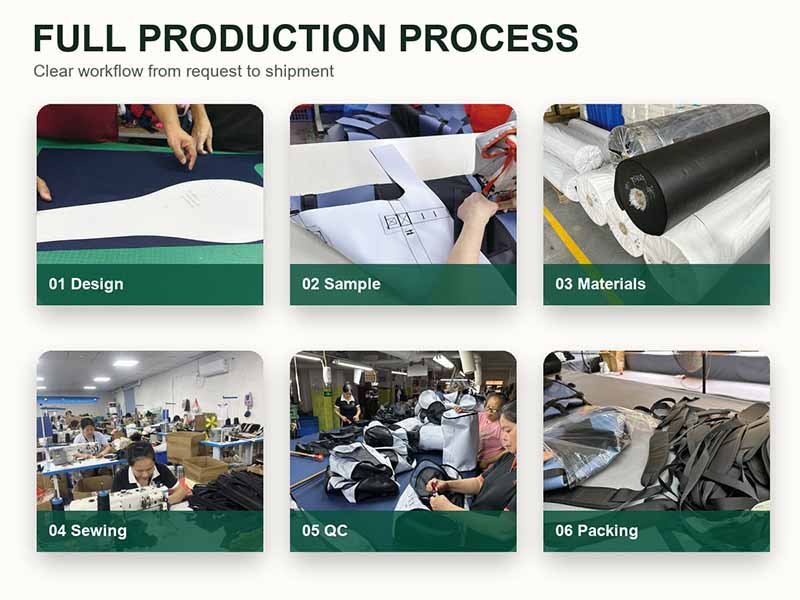
You verify sampling strength by checking how the manufacturer turns your idea, drawing, reference sample, or tech pack into a production-ready prototype. A strong sample process confirms material, size, structure, logo, stitching, function, packaging, and bulk feasibility. The goal is not only to make a good-looking sample, but to prepare for stable mass production.
Sample Workflow
Sampling should follow a clear process. A serious manufacturer will first review your requirements before making the sample. They should ask about size, fabric, color, logo, lining, zipper, hardware, structure, order quantity, packaging, and delivery market.
A practical custom bag sample process often starts with product information review. Then the manufacturer confirms material options, prepares the pattern, sources or matches accessories, makes the first sample, checks the sample internally, and sends photos or videos before shipping. After the buyer reviews the sample, revisions may be needed.
The first sample is rarely perfect for a custom product. That is normal. What matters is whether the manufacturer can identify the issue, explain the cause, and adjust the sample in a controlled way. Good sampling is not just sewing. It is product development.
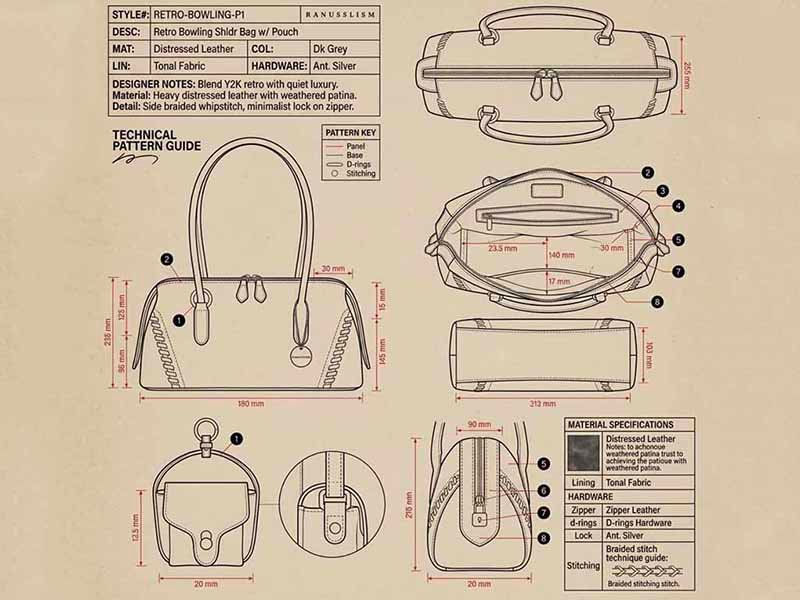
If your brand has a physical sample, the manufacturer should measure and study it carefully. If you only have a sketch or reference image, the manufacturer should help translate the idea into a workable pattern. If you have a tech pack, the manufacturer should check whether the specifications are clear enough for production.
What to Confirm
Sample approval should be detailed. Many buyers make the mistake of approving a sample only based on appearance. A bag may look good in photos but still have weak handles, wrong lining, rough stitching, poor zipper quality, unsuitable fabric weight, or packaging problems.
Before approving a sample, check the product in real use. Fill the bag with the expected weight. Open and close the zipper multiple times. Check handle comfort. Review pocket position. Compare dimensions with your target spec. Look at the inside finish, not only the outside. If the bag is for retail or e-commerce, check how it folds and packs.
| Sample Checkpoint | What Buyers Should Review | Common Risk If Ignored |
|---|---|---|
| Dimensions | Length, height, width, gusset, strap length | Bulk goods may not fit use case |
| Material | Fabric type, weight, coating, hand feel | Product may look cheaper or fail faster |
| Logo | Position, size, color, method, durability | Branding may look inconsistent |
| Stitching | Needle spacing, seam strength, line neatness | Weak seams or poor appearance |
| Zipper and hardware | Smoothness, strength, finish, alignment | Returns, complaints, poor user experience |
| Structure | Pockets, bottom, lining, opening, support | Bag may not function as intended |
| Packaging | Folding, label, carton quantity, barcode | Warehouse or retail problems |
Revision Control
Revisions should be managed carefully. A small-looking change can affect cost, MOQ, timeline, or production difficulty. For example, changing a fabric from light polyester to heavy canvas may require different stitching tension, stronger needles, different folding, and higher shipping weight. Adding an inner pocket increases sewing time. Changing from printed logo to rubber patch may require patch MOQ and extra production days.
A professional manufacturer should record revision details clearly. Buyers should also confirm changes in writing. This reduces confusion when moving from sample to bulk production.
Useful revision questions include: What exactly changed? Does it affect price? Does it affect MOQ? Does it affect sample time? Does it affect bulk lead time? Does it affect packaging? Does it affect product strength or appearance?
Clear revision control protects both sides. It prevents the common problem where the buyer thinks one version is approved, while the factory produces based on another version.
Bulk Readiness
The final sample should be bulk-ready. This means the materials are available, the structure can be sewn consistently, the logo method is stable, packaging is confirmed, and the production team can repeat the sample within acceptable tolerance.
A handmade sample that looks impressive but is too complicated for bulk production may create problems later. For example, a curved seam may be beautiful but slow and inconsistent in mass sewing. A special fabric may be available for one sample but not for 2,000 units. A custom accessory may require more time than the buyer expected.
Before bulk production, buyers should confirm the approved sample, material specification, color standard, logo artwork, packaging method, tolerance range, order quantity, and delivery schedule. The manufacturer should keep one approved sample as the production reference. This sample becomes the standard for QC and final inspection.
How Is Quality Controlled Before Shipment?
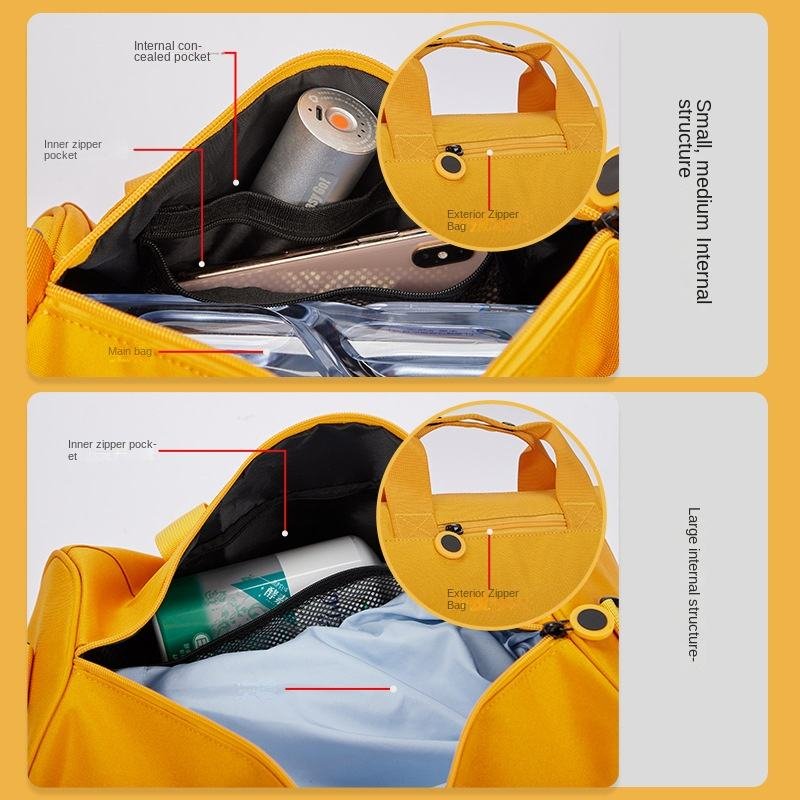
Quality control should happen before, during, and after production, not only when the goods are finished. A reliable manufacturer checks incoming materials, pre-production samples, cutting accuracy, stitching quality, logo application, semi-finished goods, final products, packaging, carton labels, and shipment details. Strong QC reduces defects and protects brand reputation.
Incoming Materials
Many quality problems begin before sewing starts. If the fabric color is wrong, the lining is too thin, the zipper is weak, or the webbing does not match the approved sample, the finished bag will not meet expectations no matter how good the stitching is.
Incoming material inspection should include fabric color, thickness, hand feel, coating, surface defects, lining quality, zipper smoothness, hardware finish, webbing width, foam thickness, and logo materials. For brand projects, material consistency is especially important because customers notice changes between batches.
Material checks also help avoid production delays. If a problem is found before cutting, it can often be corrected. If it is found after sewing, the cost and timeline impact becomes much larger.
A reliable manufacturer should also understand which materials need special attention. For example, PU leather may need surface checking, coating review, and color matching. Neoprene may require thickness and elasticity checks. Cooler bag lining should be checked for surface quality and suitability. Zippers should be tested for smoothness before being sewn into the product.
Inline Inspection
Inline inspection happens during production. This is important because many bag defects can be corrected early if they are found before the full batch is completed. Inline QC should check cutting size, sewing alignment, seam strength, pocket position, zipper installation, handle reinforcement, logo placement, and overall shape.
For example, if handle reinforcement is wrong on a tote bag, the issue should be corrected before hundreds or thousands of units are sewn. If zipper alignment is poor on a cosmetic bag, the production team should adjust quickly. If a backpack shoulder strap is not reinforced correctly, the defect may create serious user complaints later.
Inline inspection is not only about finding defects. It is about keeping production consistent while the order is still in progress. This is especially important for multi-SKU orders, repeat orders, or projects with strict brand standards.
Final Inspection
Final inspection confirms whether the finished goods match the approved sample and order requirements. It should check appearance, size, stitching, logo, function, accessories, cleanliness, packaging, quantity, carton labels, and shipping marks.
For export orders, final inspection should also include packing accuracy. Wrong carton quantity, missing barcode labels, weak cartons, incorrect shipping marks, or poor folding can create receiving problems for warehouses, retailers, or Amazon FBA.
Final inspection does not mean every single unit must go through the same deep inspection in all cases, but the inspection method should match order size, buyer requirements, and product risk. Higher-value, functional, or brand-sensitive products usually need stricter control.
| QC Stage | Main Checks | Practical Notes |
|---|---|---|
| Material inspection | Fabric, lining, zipper, webbing, hardware, color | Best done before cutting starts |
| Pre-production check | Approved sample, logo, size, packaging | Confirms production standard |
| Inline inspection | Stitching, structure, reinforcement, zipper | Helps fix problems early |
| Final inspection | Appearance, size, function, cleanliness, quantity | Protects buyer before shipment |
| Packaging inspection | Polybag, labels, carton marks, carton strength | Important for retail, FBA, and export orders |
Risk Points by Bag Type
Each bag type has different quality risks. A professional manufacturer should inspect based on product structure, not use the same checklist for every item.
Tote bags often fail at handles, bottom seams, or logo printing. Backpacks often fail at zippers, shoulder straps, stress points, and pocket stitching. Cooler bags may have lining leakage, weak insulation, or poor shape retention. Cosmetic bags may have zipper roughness, lining defects, or uneven seams. Leather goods may show edge finishing problems, scratches, or hardware mismatch.
The buyer should ask, “What are the main risk points for this product?” A reliable manufacturer should be able to answer clearly. When a supplier understands the failure points of your bag category, QC becomes much more useful.
Which Commercial Terms Matter Most?
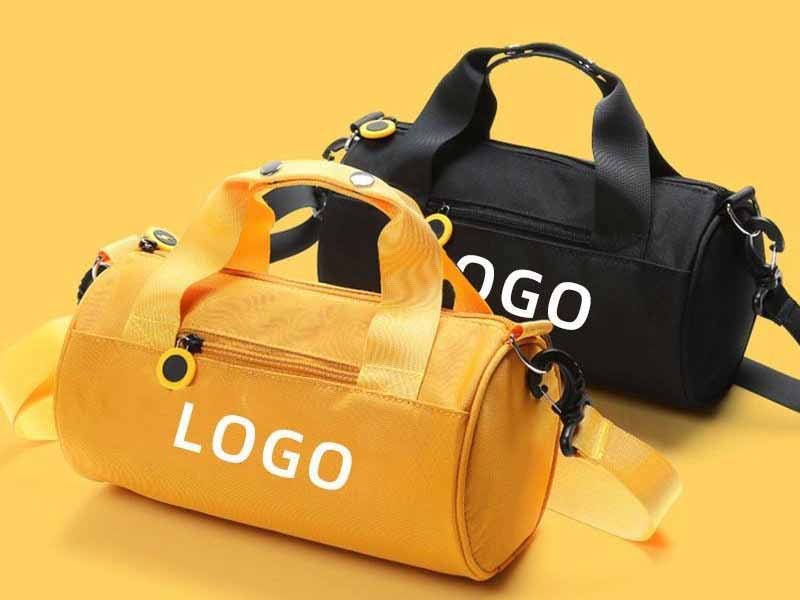
The most important commercial terms are MOQ, sample cost, bulk price, lead time, payment terms, packaging requirements, shipping method, and quality responsibility. A reliable manufacturer explains how material, structure, logo process, order quantity, packaging, and testing affect cost and schedule. Transparent terms help buyers avoid hidden costs and unrealistic expectations.
MOQ and Order Size
MOQ is one of the first questions buyers ask, but it is often misunderstood. MOQ is not just the factory’s preference. It is influenced by material availability, fabric color, accessory MOQ, logo method, packaging requirements, production setup, and labor efficiency.
For simple bags using available materials, a lower MOQ may be realistic. For custom-colored fabric, special hardware, molded accessories, custom zipper pullers, retail packaging, or complex structures, MOQ is usually higher. Buyers should be careful when a supplier offers an unusually low MOQ for a highly customized product. It may mean the customization is limited, the material is not stable, or the price will increase later.
The better question is not only, “What is your MOQ?” It is, “What affects the MOQ for this specific design?” A professional answer will help you understand whether your project is ready for a small trial order or needs adjustment.
A practical MOQ discussion should include material, color, size, logo method, packaging, target market, and future reorder plan. If you expect repeat orders, tell the manufacturer early. This may help them suggest better material sourcing and production planning.
Cost Drivers
Bag pricing depends on many small decisions. Two products with similar dimensions may have very different costs because of fabric choice, lining, zipper grade, webbing, hardware, foam, pockets, logo process, packaging, sewing difficulty, and inspection requirements.
A reliable manufacturer should explain the major cost drivers. They may not share every internal cost, but they should help buyers understand what makes the product more expensive or more economical.
For example, simplifying an inner pocket may reduce sewing time. Choosing a stock fabric color may reduce MOQ. Using a woven label instead of custom metal hardware may reduce accessory cost. Upgrading the zipper may increase unit price but reduce after-sales risk. Smart cost control means choosing where to spend and where to simplify.
| Cost Factor | Lower-Cost Option | Higher-Cost Option | Buyer Decision Point |
|---|---|---|---|
| Fabric | Stock polyester, non-woven, basic canvas | Custom nylon, heavy canvas, leather, TPU | Match material to brand and use |
| Logo | Simple print, woven label | Embroidery, rubber patch, metal badge | Balance branding and MOQ |
| Structure | Simple open tote, few pockets | Multi-pocket backpack, insulated bag | Consider labor and QC complexity |
| Hardware | Standard zipper, plastic buckle | Branded puller, metal hardware | Improve feel but check MOQ |
| Packaging | Bulk pack, standard polybag | Retail box, insert card, barcode system | Match sales channel needs |
| Shipping | Sea freight for bulk orders | Express or air for urgent orders | Balance speed and cost |
Lead Time
Lead time should be discussed in stages. A custom bag project may include requirement review, quotation, material sourcing, sampling, revision, pre-production confirmation, bulk production, inspection, packaging, and shipping. If the supplier gives one simple timeline without explaining the stages, the estimate may be too optimistic.
A simple product using available materials can usually move faster than a complex bag with special fabric, multiple pockets, custom hardware, retail packaging, and several sample revisions. Peak season, material shortages, logo tooling, and buyer approval delays can also affect timing.
Buyers should ask for sample lead time and bulk lead time separately. They should also ask what conditions may change the schedule. This makes planning more realistic and reduces pressure later.
A reliable manufacturer will not promise an unrealistic timeline just to win the order. Instead, they will explain which steps can move quickly and which steps require confirmation. That honesty is valuable because production delays can affect launches, retail delivery windows, Amazon inventory planning, and promotional campaigns.
Shipping and Packaging
Commercial terms should include packaging and shipping, not only product price. Packaging affects unit cost, carton size, shipping volume, warehouse receiving, retail display, and customer experience.
For e-commerce sellers, packaging may need barcodes, FBA labels, suffocation warnings, individual polybags, or carton rules. For retail buyers, hangtags, insert cards, display packaging, and clean folding may matter more. For promotional buyers, efficient bulk packing may be the priority.
Shipping terms should also be clear. Express is faster but expensive for bulky bags. Air freight can work for urgent mid-size shipments. Sea freight is usually better for larger orders. DDP or door-to-door service may be useful for buyers who want simpler import handling. A reliable manufacturer should help buyers compare options based on volume, timeline, and destination.
How Do You Choose a Long-Term Partner?
Choose a long-term bag manufacturing partner by evaluating communication, transparency, sampling discipline, QC structure, production stability, export experience, and ability to support repeat orders and new SKUs. The best partner helps your brand improve products, reduce sourcing risk, maintain consistency, and build a more stable supply chain over time.
Communication Quality
Good communication is one of the strongest signs of a good long-term partner. In international manufacturing, misunderstandings can cost time, money, and trust. A reliable manufacturer should ask specific questions, confirm important details, provide progress updates, and explain problems early.
Good communication should be practical. Buyers need clear answers on material options, sample timing, cost changes, MOQ, logo methods, packaging, production status, QC issues, and shipping plans. If a supplier avoids details or keeps saying “don’t worry,” that is not enough.
A long-term partner should also understand time zones and different communication habits. Email may be better for formal documents, while WhatsApp or online meetings may be better for urgent sample or production questions. What matters most is that communication stays organized and traceable.
Transparency and Trust
Trust is built when the manufacturer is transparent about what can be done, what needs confirmation, and what may create risk. A trustworthy supplier does not hide behind vague promises. They explain limitations, trade-offs, and practical solutions.
For example, if your target price is too low for the requested material, a good manufacturer may suggest a different fabric, simpler structure, adjusted packaging, or revised order quantity. If your timeline is too tight, they should explain which steps can be shortened and which steps should not be skipped.
Transparency is especially important when issues appear. Even good factories can face material delays, sample revisions, production defects, or shipping changes. A reliable partner reports problems early and helps solve them. A weak supplier hides problems until the buyer has no good options left.
Repeat Orders
Repeat orders are where a long-term partner becomes valuable. The first project always requires more communication because the supplier is learning your brand standards. By the second or third order, the process should become smoother.
A strong manufacturing partner should keep records of approved materials, logo specifications, packaging details, carton standards, and past production notes. This helps future orders stay consistent. It also makes it easier to develop new colors, sizes, or related SKUs.
For growing brands, repeat order support can reduce sourcing workload. Instead of finding a new supplier for each new bag, the brand can build a product line with a partner who already understands its quality expectations, target market, and packaging style.
A good long-term manufacturer can also support product expansion. A brand may start with one tote bag, then add cosmetic pouches, drawstring bags, cooler bags, travel organizers, leather accessories, or neoprene products. When the same partner understands your material system, logo style, packaging expectations, and quality standard, new product development becomes more efficient.
Sourcing Risk Control
The best long-term partner helps reduce risk before production begins. They ask better questions, identify weak points, recommend suitable materials, manage samples carefully, control production details, inspect goods, and prepare shipping properly.
A practical sourcing risk review should include product risk, material risk, supplier risk, cost risk, timing risk, quality risk, and delivery risk. If a supplier can discuss these points clearly, they are more likely to protect your project.
The right partner should feel like an extension of your product team, not just a factory waiting for instructions. They should help you avoid preventable mistakes, improve product practicality, and make bulk production more predictable. For brands, that kind of reliability is what turns a supplier into a real manufacturing partner.
Final Thoughts
Choosing a reliable bag manufacturer is not about finding the supplier with the biggest catalog or the lowest first quote. It is about finding the partner that can help your brand move from idea to sample, from sample to bulk production, and from first order to repeatable supply.
The right manufacturer should understand your product category, ask serious questions, recommend suitable materials, develop workable samples, control stitching and structure, inspect quality before shipment, explain MOQ and cost clearly, and support packaging and global delivery. Most importantly, they should help you avoid the hidden risks that only appear after production begins.
For brand owners, the real question is not “Can this factory make a bag?” The better question is: “Can this factory help us build a product our customers will trust, buy again, and recommend?”
Szoneier is a Shenzhen-based custom bags and soft goods OEM/ODM manufacturer serving global brands, retailers, importers, Amazon sellers, Shopify/DTC brands, promotional companies, and B2B buyers. With 18+ years of custom bag and soft goods manufacturing experience, Szoneier supports product development, material sourcing, sample making, sample revision, sewing production coordination, quality inspection, packaging, and export delivery.
If your brand is developing tote bags, backpacks, cosmetic bags, cooler bags, travel bags, leather goods, neoprene products, functional bags, or other custom soft goods, Szoneier can help review your project from a manufacturing perspective.
Send your product photo, sketch, tech pack, logo file, target quantity, material idea, packaging requirement, and delivery country to Szoneier. The team can help you evaluate material options, sample direction, MOQ, production feasibility, quality risks, packaging needs, and shipping plans before you move into bulk production.
Start your custom bag project with Szoneier and build a manufacturing process that protects your brand from the first sample to long-term repeat orders.