Sports Equipment Bag Manufacturer | Custom Bags Factory China
- Equipment-specific compartments, wide openings, ventilation, reinforced bases, wheels, and padded carrying systems
- Polyester, nylon, Oxford, mesh, RPET, PVC, TPU, and mixed-material construction
- In-house pattern development, sampling, sewing, quality inspection, packaging, and export coordination
- MOQ from 200 pieces for selected structures and available materials
Manufacturing Resources Behind Every Equipment Bag Program
18+ Years Experience
20,000+㎡ Factory System
180+ Team Members
160+ Production Equipment
8 Sewing Lines
120,000–200,000 PCS
Regular monthly capacity ranges from approximately 120,000 to 200,000 pieces across suitable bag and soft-goods categories. Production planning can coordinate 20–35 orders in parallel, subject to product complexity, material readiness, packaging, quality requirements, and confirmed delivery schedules.
Sports Equipment Bag Programs Built for Serious Markets
Global Sports Brands
- Multi-style collection development
- Brand color and trim control
- Pre-production approval
- Third-party inspection support
- Repeat-order version management
Sporting Goods Companies
- Sport-specific compartment planning
- Shared material libraries across a collection
- Coordinated logo systems
- Multi-SKU production
- Retail packaging support
Teamwear Suppliers
- Team colors and club logos
- Player name or number options
- Pack-by-team or pack-by-player
- Carton and distribution labeling
- Reorder support for future seasons
Retailers and Importers
- Retail-ready hangtags
- Barcode and SKU labels
- Carton mark control
- AQL inspection coordination
- Commercial documentation support
Amazon and Online Brands
- Trial-order assessment
- Review-risk reduction
- Photo-ready samples
- FBA-ready packing
- Air and sea replenishment options
Clubs and Institutions
- Department or team identification
- Equipment-specific sizing
- Institutional logo application
- Group packing
- Multi-address delivery coordination
Control the Risks Behind Sports Equipment Bag Production
Equipment Does Not Fit
- Confirm equipment dimensions
- Review the largest item first
- Plan access and loading direction
- Build allowance around rigid gear
- Verify capacity during sampling
Handles or Bottom Fail
- Extend webbing into body panels
- Add bartacks or X-box stitching
- Reinforce stress points internally
- Match hardware to expected load
- Inspect loaded shape before approval
Moisture and Odor Build Up
- Separate wet and dry items
- Add ventilation mesh or eyelets
- Select wipe-clean lining
- Reduce hidden dirt traps
- Consider drainage where appropriate
Bulk Differs from Sample
- Lock approved BOM details
- Keep material swatches
- Confirm a pre-production sample
- Check first production pieces
- Record revisions by version
Price Changes Repeatedly
- Confirm product dimensions
- Separate optional features
- Define material specifications
- Clarify packaging scope
- Quote by confirmed quantity tiers
Delivery Errors Occur
- Build a packing instruction file
- Separate SKUs before packing
- Verify labels against order data
- Check carton counts and weights
- Approve final packing photos
Custom Sports Equipment Bags for Multiple Athletic Categories
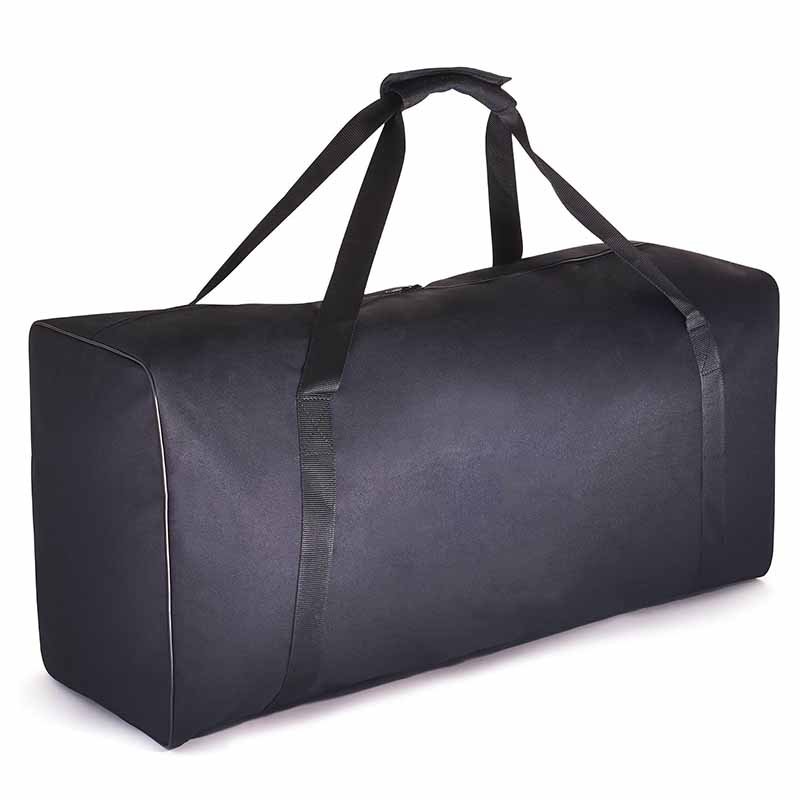
Team Equipment Bags
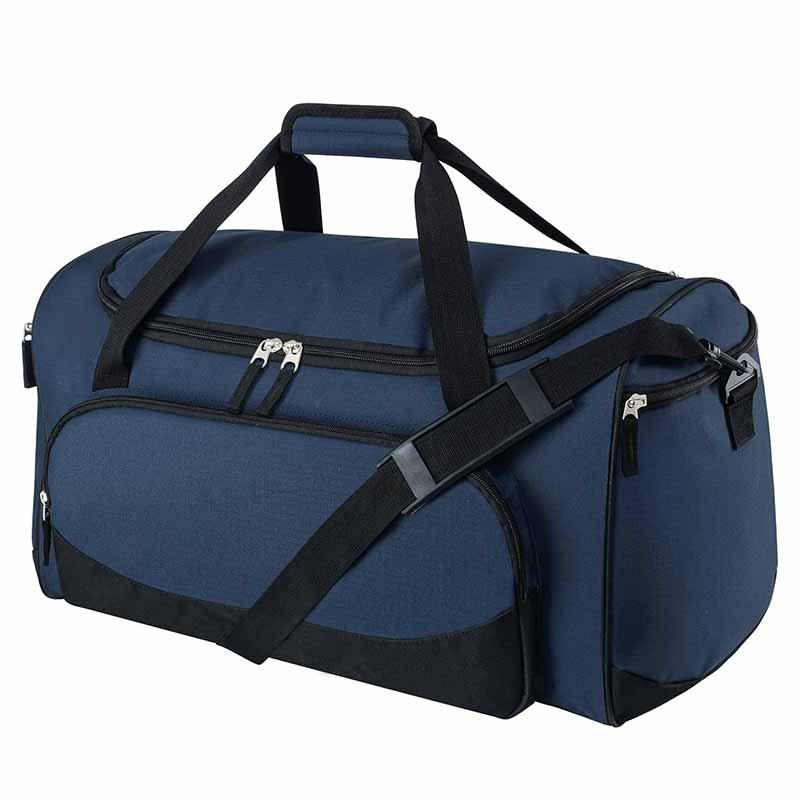
Sports Duffel Bags
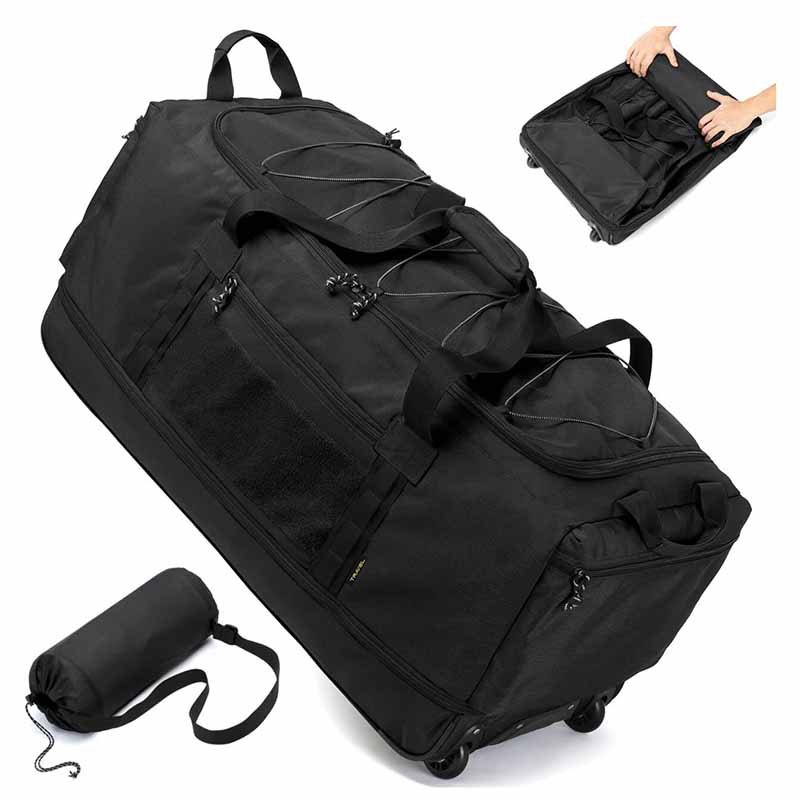
Rolling Equipment Bags
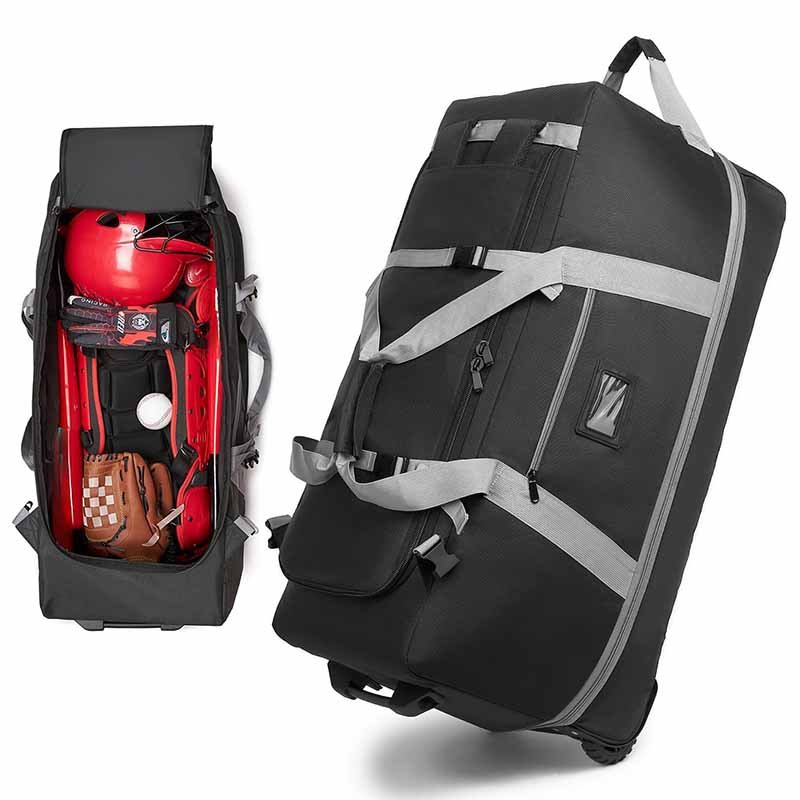
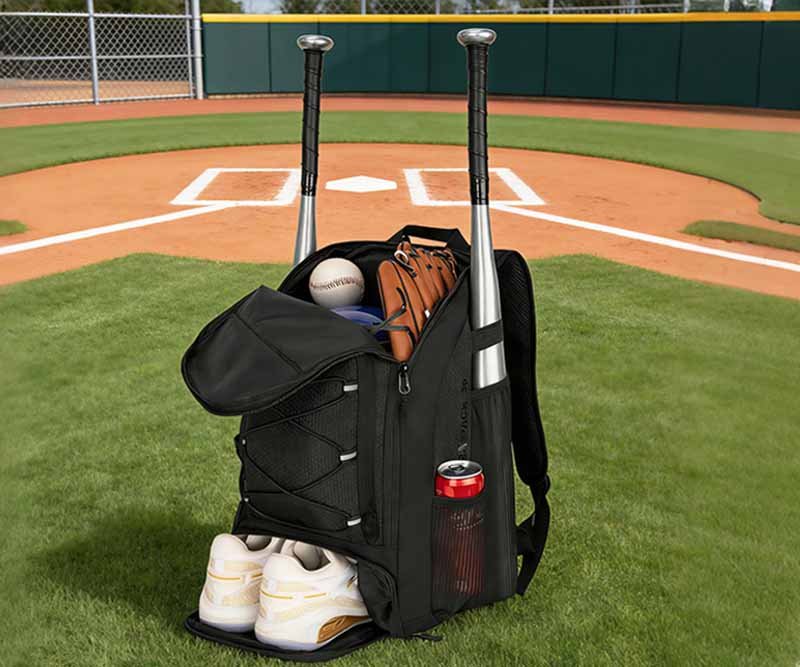
Baseball Bat Bags
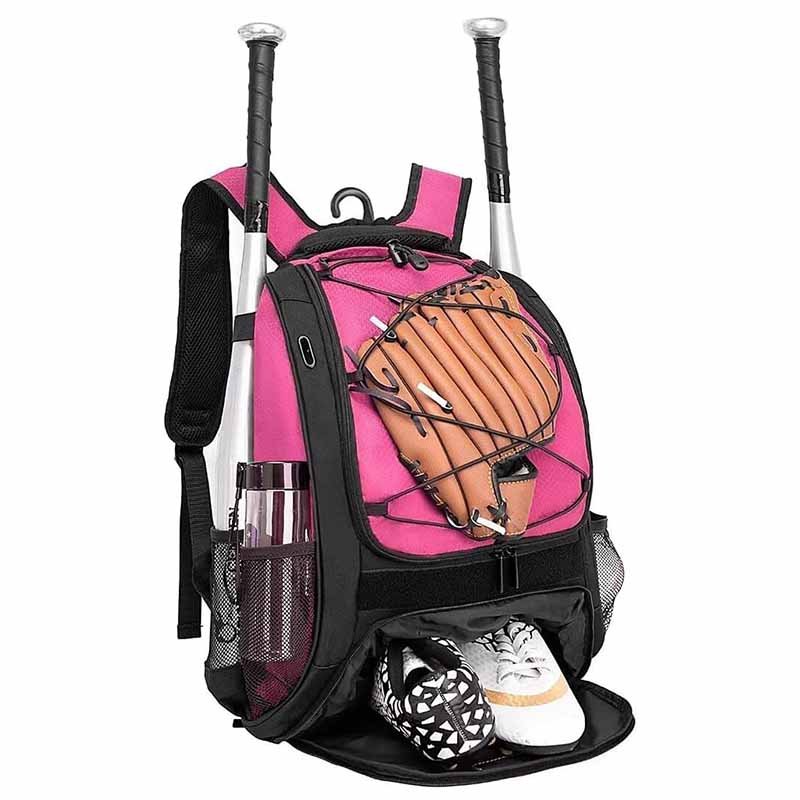
Softball Gear Bags
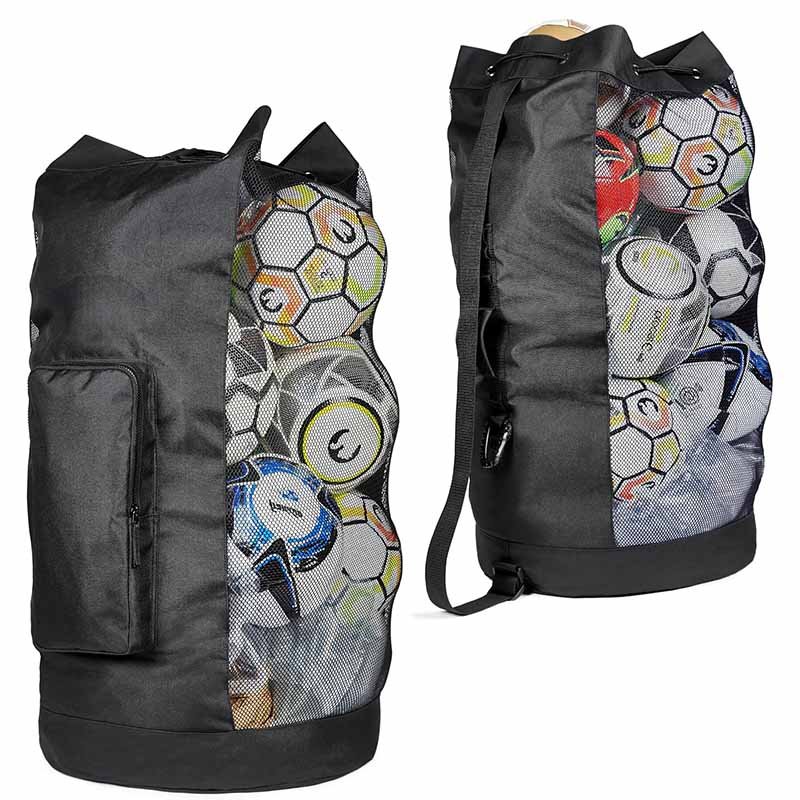
Soccer Ball Bags
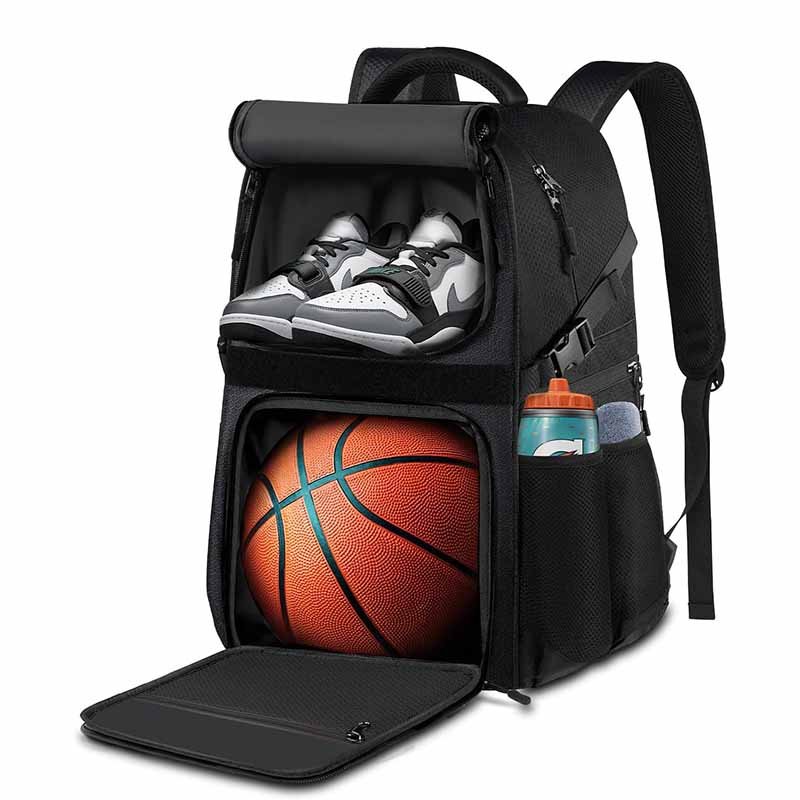
Basketball Ball Bags
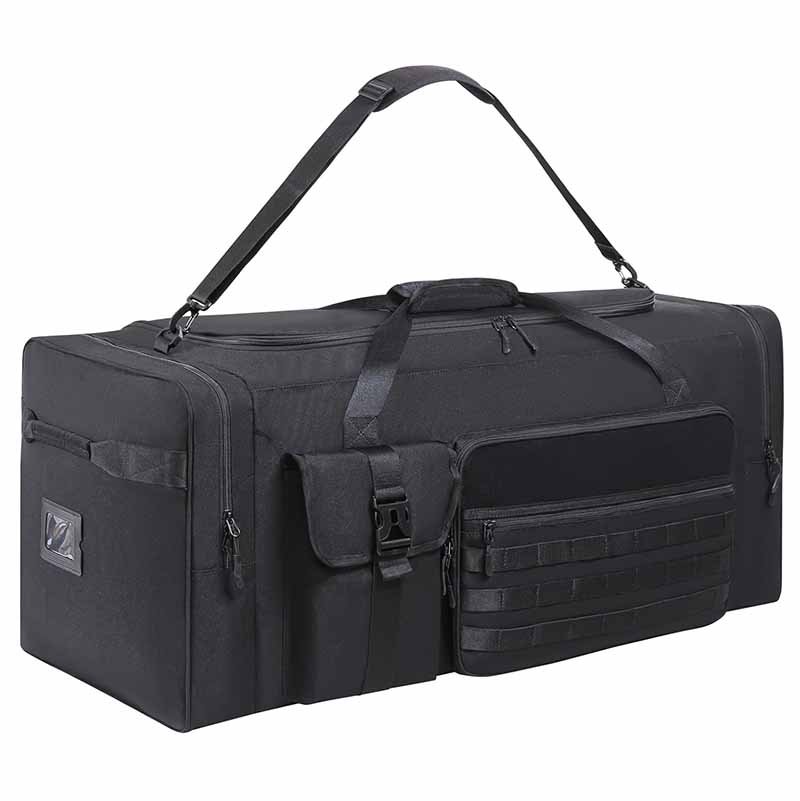
Hockey Gear Bags
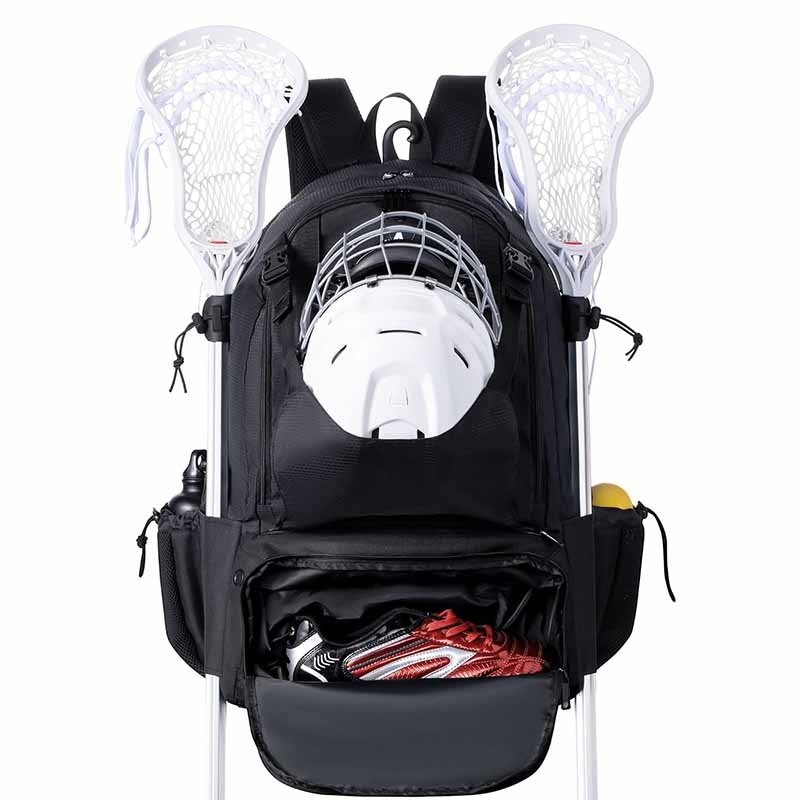
Lacrosse Equipment Bags
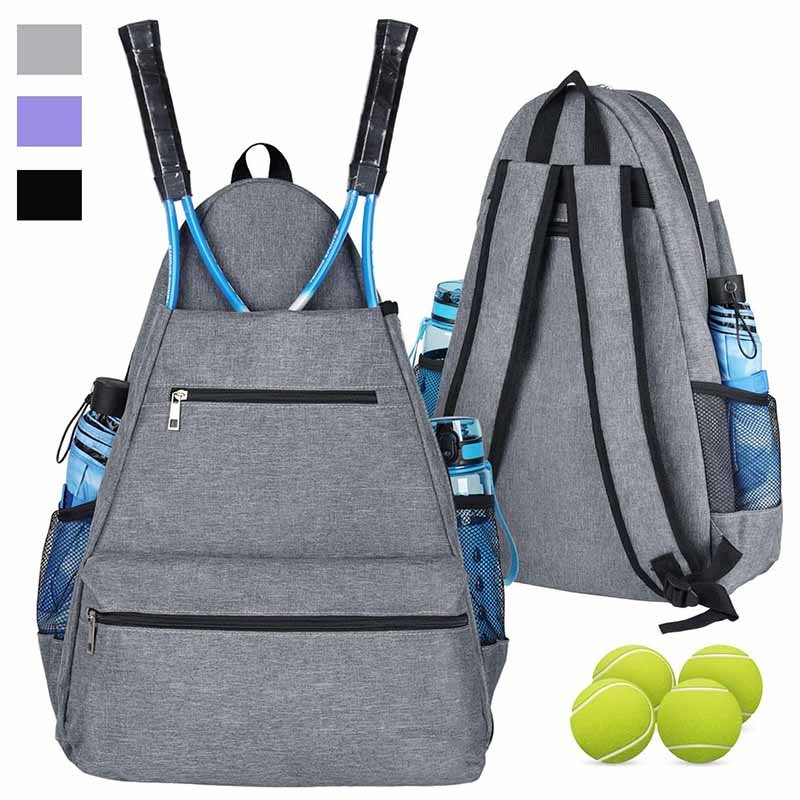
Tennis Racket Bags
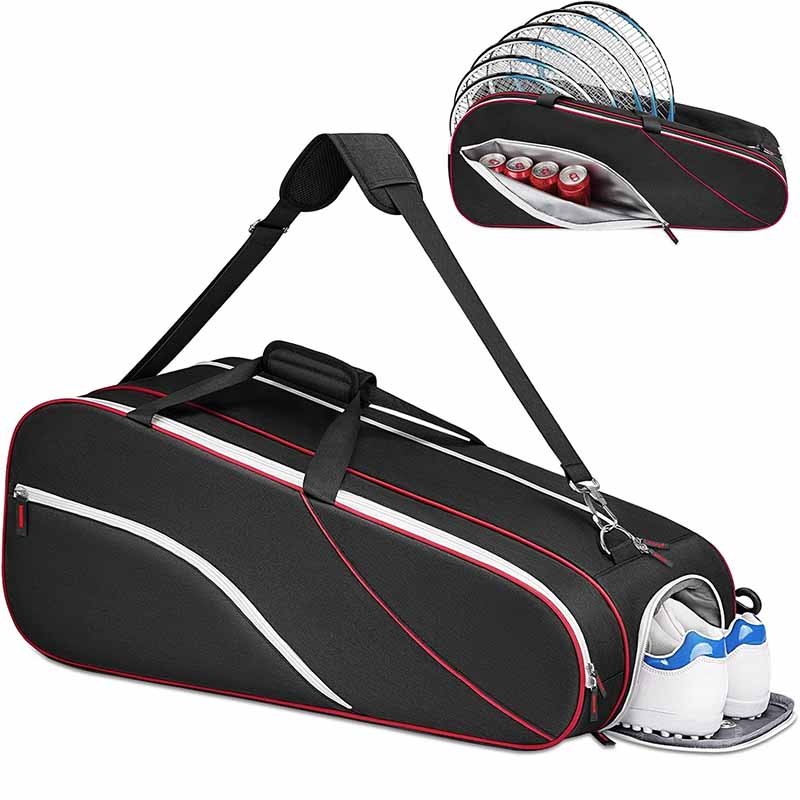
Badminton Bags
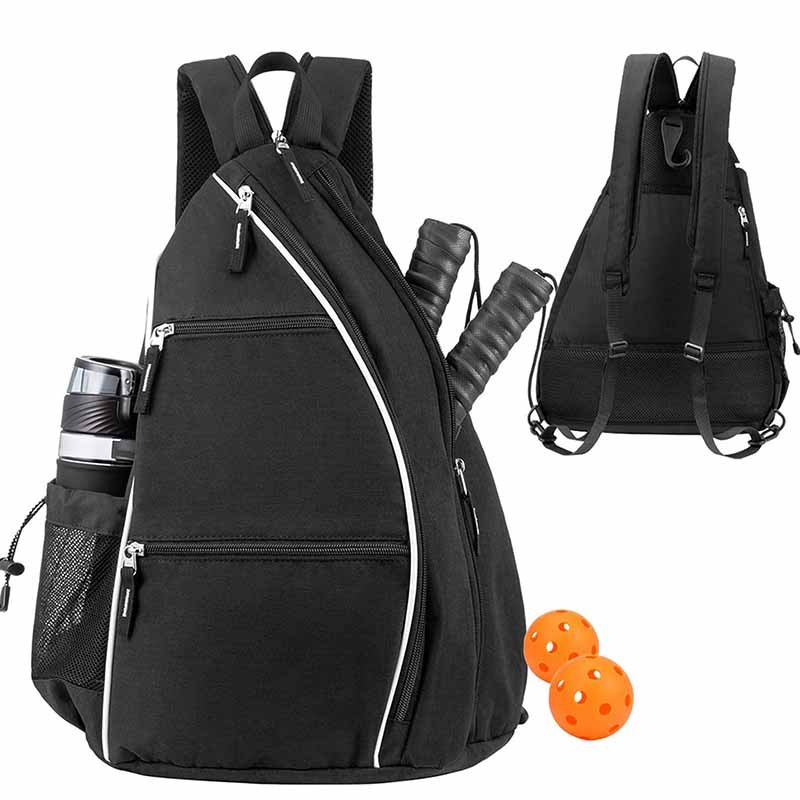
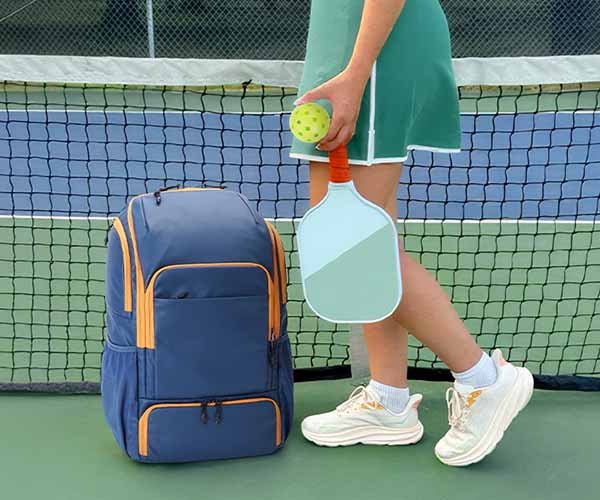
Pickleball Bags
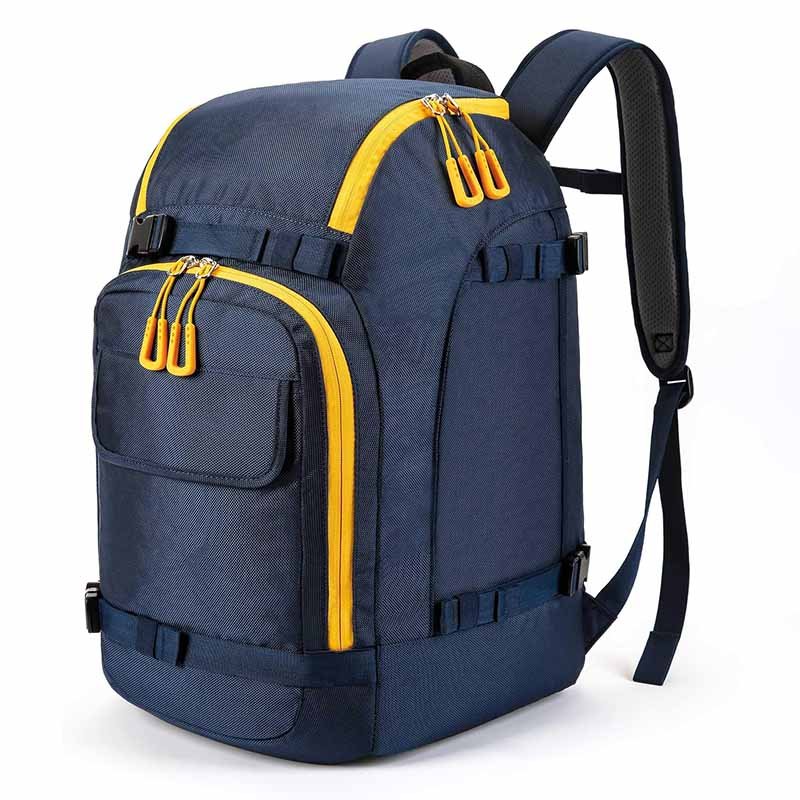
Ski Boot Bags
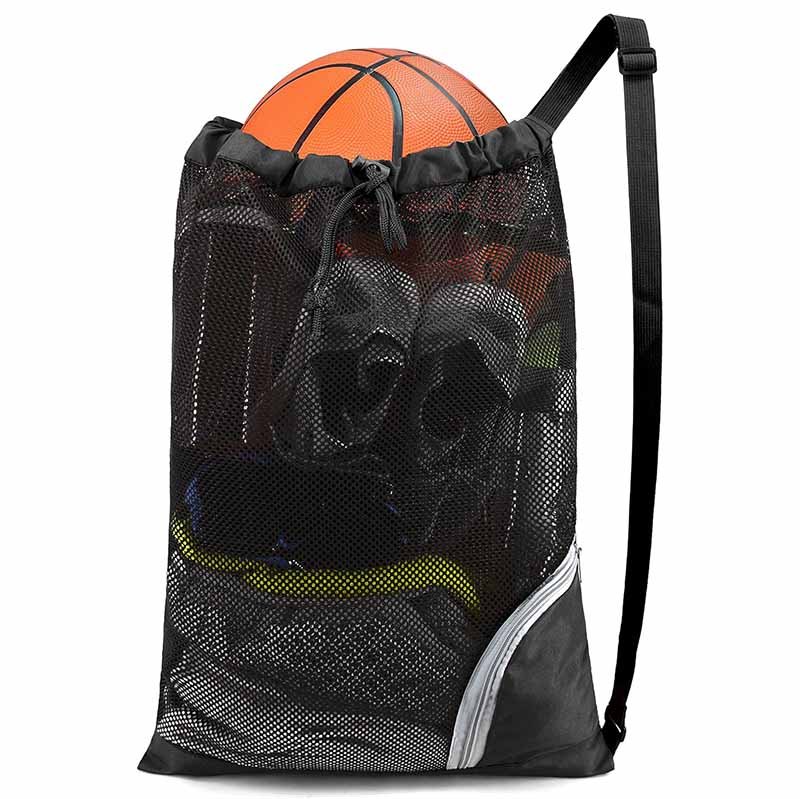
Mesh Equipment Bags
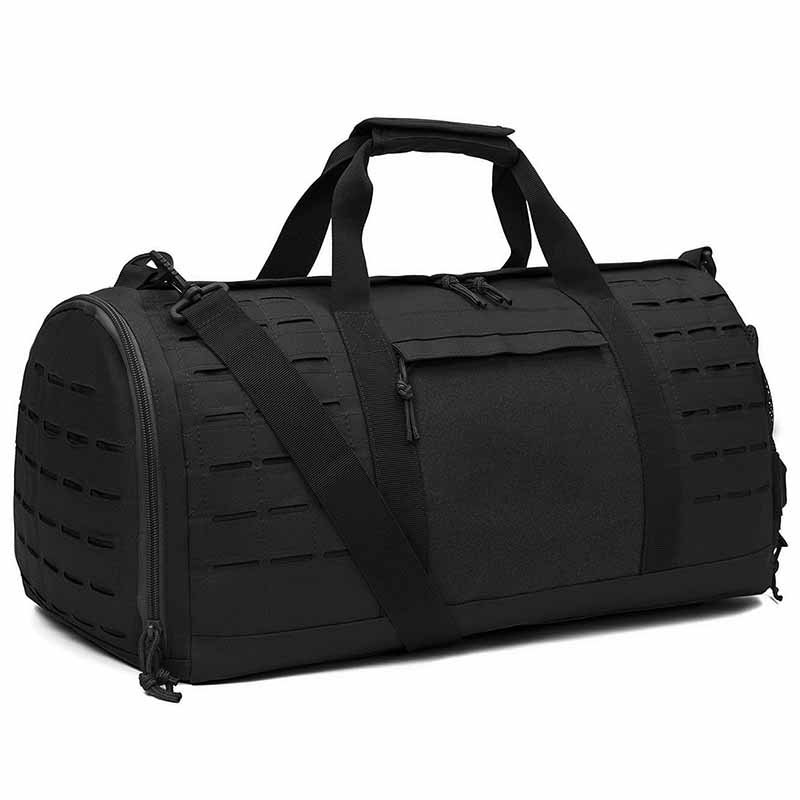
Training Accessory Bags
Match Bag Construction to the Equipment Being Carried
Bag dimensions, opening design, load path, ventilation, and carrying system should be selected around the sport rather than copied from a generic duffel.
| Sport or Program | Equipment Commonly Carried | Recommended Bag Format | Important Construction Points |
|---|---|---|---|
| Baseball | Bats, gloves, helmet, cleats, balls, uniform | Bat backpack, long bat bag, rolling team bag | Bat sleeves, helmet clearance, fence hook, ventilated cleat pocket, strong base |
| Softball | Bats, glove, helmet, shoes, balls, apparel | Vertical bat bag, wheeled player bag, team duffel | Player ID, reinforced bat storage, large opening, team color control |
| Soccer | Balls, boots, cones, bibs, pump, uniforms | Mesh ball bag, coach bag, team duffel | Ventilation, dirt release, shoe separation, ball capacity, easy cleaning |
| Basketball | Balls, shoes, towels, clothing, bottles | Ball carrier, team duffel, sports backpack | Wide access, tall shoe space, bottle pockets, stable bottom |
| Hockey | Helmet, skates, pads, gloves, uniform | Oversized duffel, rolling gear bag | Large opening, heavy zipper, ventilation, abrasion-resistant base, strong handles |
| Lacrosse | Sticks, helmet, pads, gloves, balls, cleats | Long equipment bag, stick backpack, wheeled bag | Stick retention, helmet space, balanced carrying, vented gear chamber |
| Tennis | Rackets, shoes, balls, towels, clothing | Racket cover, backpack, multi-racket bag | Foam protection, full racket clearance, shoe compartment, balanced straps |
| Badminton | Rackets, shuttlecocks, shoes, clothing | Slim racket bag, backpack, club duffel | Lightweight panels, full-length zipper, racket protection, shoulder comfort |
| Pickleball | Paddles, balls, bottle, shoes, accessories | Sling bag, paddle backpack, compact duffel | Paddle sleeves, fence hook, compact organization, lifestyle appearance |
| Skiing | Boots, helmet, goggles, gloves, clothing | Ski boot backpack, structured boot bag | Waterproof base, boot separation, drainage, ventilation, padded carry |
| Swimming | Wet apparel, towels, goggles, footwear | Mesh deck bag, wet/dry backpack | Drainage, quick drying, corrosion-resistant trims, wet isolation |
| Team Training | Cones, bands, markers, bibs, ladders | Coach equipment bag, rolling trunk, large duffel | Internal straps, label window, wide access, reinforced base, equipment visibility |
Engineering the Bag Around Real Sports Equipment
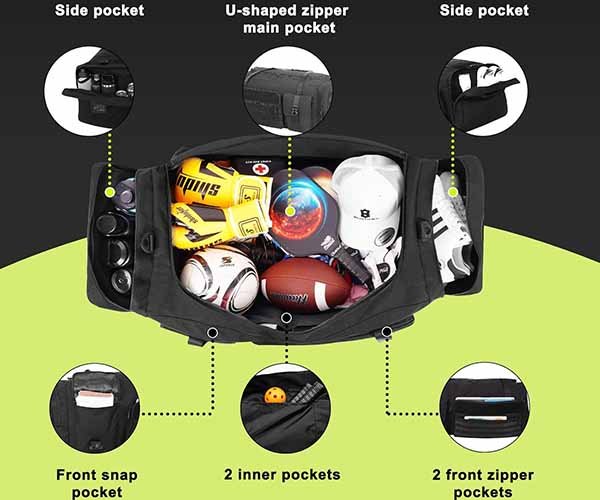
Equipment Layout
- Confirm maximum gear dimensions
- Review loading sequence
- Protect rigid or delicate items
- Avoid unusable corner space
- Validate with a physical sample
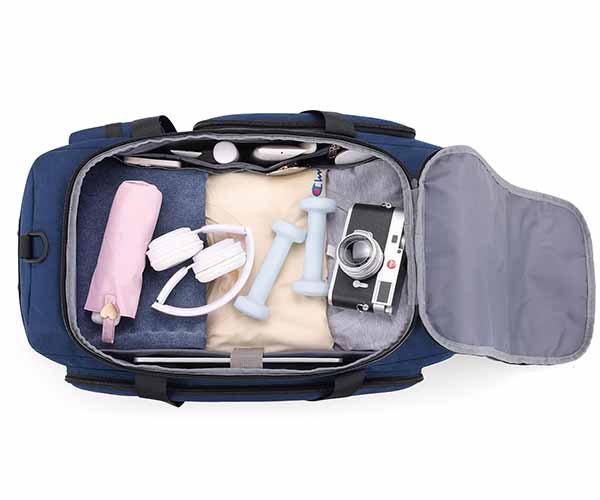
Wide Opening Design
- Allow gear to enter without force
- Reduce zipper stress
- Improve visibility
- Support quick team use
- Keep opening stable when loaded
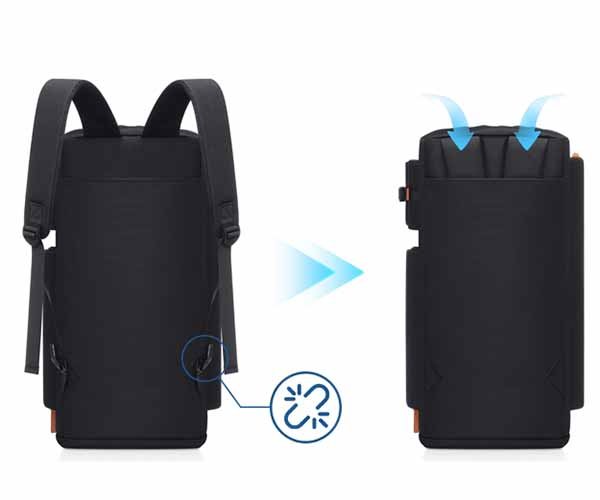
Load Distribution
- Extend webbing beyond surface decoration
- Spread force across panel areas
- Reinforce hardware anchor points
- Prevent fabric tearing around bartacks
- Review loaded balance
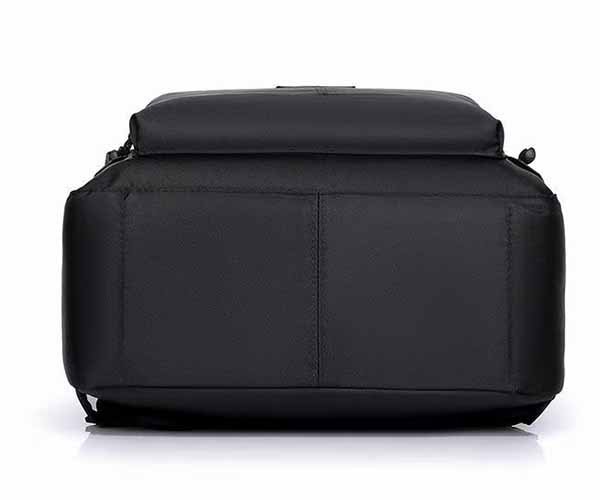
Reinforced Bottom
- Increase abrasion resistance
- Control sagging
- Protect equipment
- Improve loaded stability
- Match stiffness to folding needs
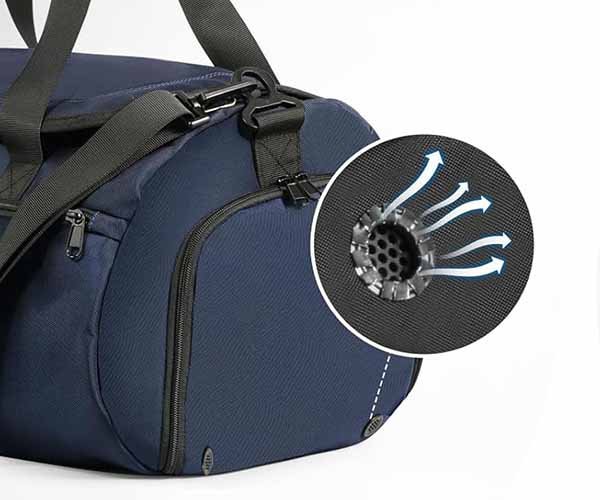
Ventilation Zones
- Release trapped moisture
- Reduce odor build-up
- Support faster drying
- Protect wet equipment zones
- Keep structural panels strong
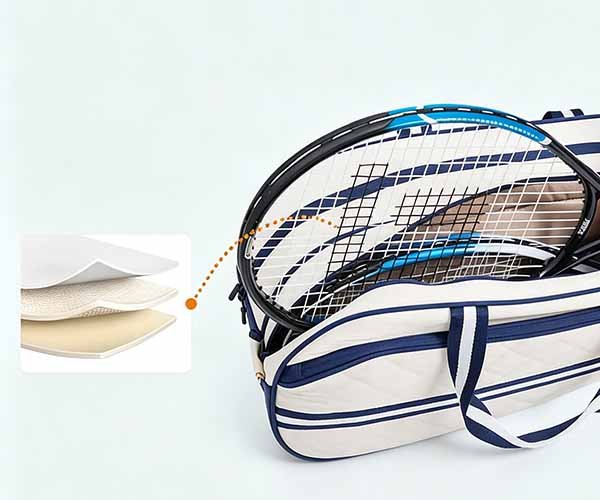
Protective Padding
- Select suitable foam density
- Protect impact areas
- Prevent edge collapse
- Maintain usable internal space
- Confirm finished appearance
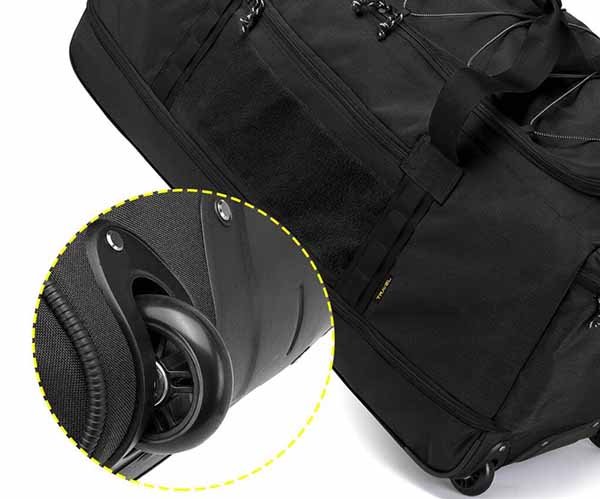
Rolling System
- Check wheel alignment
- Reinforce housing areas
- Protect corners and base
- Test loaded pulling angle
- Control tipping during movement
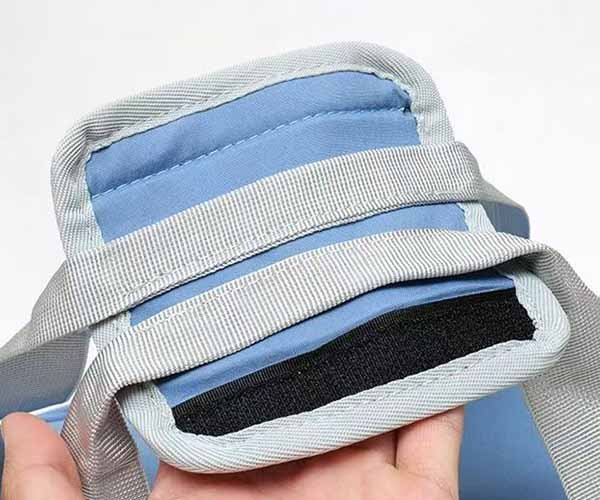
Carrying Comfort
- Match strap width to load
- Position handles around balance points
- Avoid hardware pressure
- Add breathable padding where needed
- Verify comfort with loaded samples
Select Materials by Load, Abrasion, Moisture, Weight, and Cost
No single fabric works for every sports equipment bag. Material selection should match use frequency, expected load, cleaning needs, retail level, and delivery budget.
| Material | Common Specification | Main Performance | Suitable Products | Important Control Points |
|---|---|---|---|---|
| Polyester | 300D, 600D, 900D | Stable cost, broad colors, printable, easy sourcing | Team duffels, training bags, promotional sports bags | Coating quality, tear strength, color difference, abrasion level |
| Oxford Polyester | 600D, 900D, 1680D | Structured appearance, abrasion resistance, strong hand feel | Rolling bags, hockey bags, heavy team bags | Fabric weight, backing, seam bulk, finished product weight |
| Nylon | 210D, 420D, 500D, 1000D | Strong-to-weight ratio, premium feel, good abrasion performance | Sports backpacks, racket bags, premium duffels | Coating consistency, dye-lot color, fraying, cost |
| Ripstop Nylon | 210D–420D | Lightweight, tear-control grid, packable | Outdoor gear bags, accessory sacks, travel sports bags | Grid appearance, coating, seam strength, limited rigidity |
| Polyester Mesh | Multiple aperture sizes | Ventilation, low weight, equipment visibility | Ball bags, swimming bags, wet gear bags | Hole size, yarn strength, snagging, seam reinforcement |
| Spacer Mesh | 3D air mesh | Cushioning, airflow, comfort | Shoulder straps, back panels, ventilation areas | Compression recovery, edge finishing, thickness |
| PVC Tarpaulin | Laminated construction | Easy cleaning, strong water resistance, structured surface | Wet gear bags, water-sport bags, durable bases | Odor, cold cracking, fold marks, seam method |
| TPU Fabric | Laminated nylon or polyester | Lighter premium waterproof construction, lower-plastic feel | Premium wet bags, outdoor equipment bags | Welding compatibility, coating quality, higher cost |
| RPET Polyester | Recycled yarn options | Recycled content, familiar polyester processing | Retail collections, team bags, brand programs | Certification chain, color availability, MOQ |
| Neoprene | 2–5 mm common ranges | Cushioning, stretch, water resistance, soft protection | Small equipment sleeves, bottle carriers, protective accessories | Thickness tolerance, odor, lamination, edge finishing |
Material Selection Notes
- 600D polyester suits cost-controlled team and retail programs.
- 1680D Oxford gives heavy-duty appearance but adds weight and sewing bulk.
- Nylon suits lighter, premium, or technical collections.
- Mesh improves ventilation but needs reinforcement around load-bearing seams.
- PVC or TPU fabrics work well for wet environments, yet construction and seam methods must be reviewed early.
- RPET options require confirmation of available colors, coating, certification documents, and order quantity.
Reinforcement Must Follow the Complete Load Path
Handle and Webbing Construction
For medium and heavy equipment products, Szoneier can review:
- Webbing width and thickness
- Surface weave and edge quality
- Handle length and grip position
- Internal reinforcement patches
- Bartack count and location
- X-box sewing dimensions
- Seam allowance around anchor points
- Compatibility with buckles, hooks, and D-rings
Bottom and Sidewall Reinforcement
Loaded Sample Review
Load claims should be connected to a defined test method. Product teams should provide target equipment weight, carrying duration, use frequency, and expected handling conditions. A bag intended to carry six inflated balls requires different validation from a wheeled hockey bag carrying dense protective gear.
Internal review can include:
- Loading the approved equipment or equivalent weight
- Lifting from each designated handle
- Carrying or hanging for an agreed duration
- Checking strap elongation and seam movement
- Inspecting bartacks, fabric holes, hardware, and bottom shape
- Operating zippers while the bag remains loaded
- Recording visible deformation before approval
Third-party testing can be arranged when a brand specification or market requirement calls for a formal test report.
Manage Wet Gear Without Weakening the Bag Structure
Wet and Dry Separation
- Separate contaminated items
- Use wipe-clean lining
- Position seams away from pooled water
- Add access without blocking the main chamber
- Confirm cleaning during sampling
Ventilation Panels
- Shoe compartments
- Helmet chambers
- Hockey or lacrosse gear areas
- Ball carriers
- Swimming and water-sport bags
Drainage and Drying
- Water-sport equipment
- Swim gear
- Beach training products
- Ball bags used on wet fields
- Washable team storage
Easy-Clean Interiors
Light-colored lining improves visibility, while dark wipe-clean lining can hide staining. Smooth coated fabrics reduce dirt retention, but seam shape, pocket depth, binding, and exposed foam also affect cleaning.
- Minimize inaccessible corners
- Reduce unnecessary fabric folds
- Select suitable lining coatings
- Protect raw material edges
- Review odor and material compatibility
Components Selected for Load, Frequency, Environment, and Position
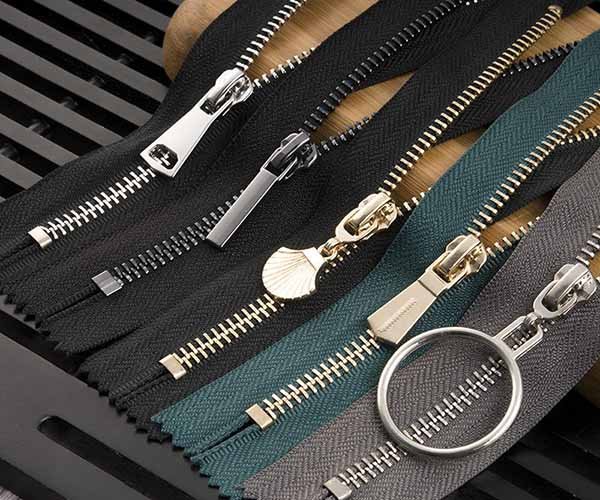
Zipper Size
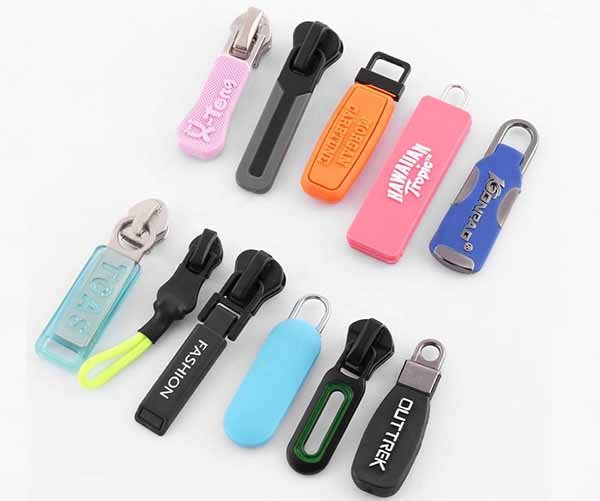
Zipper Pullers
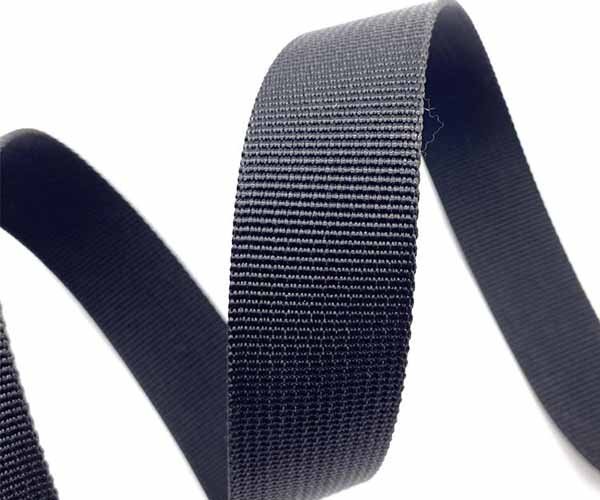
Webbing
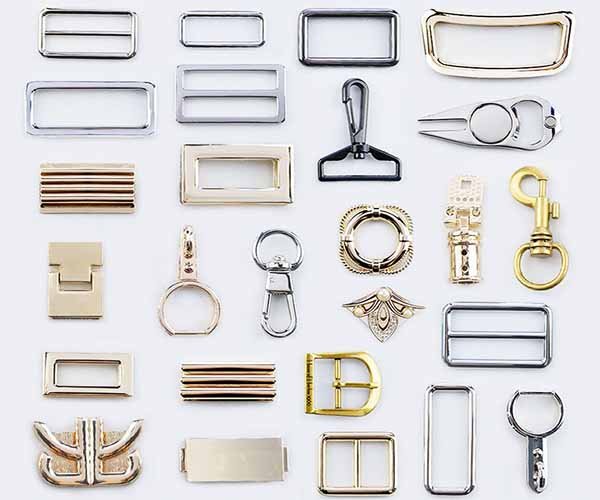
Buckles and Hooks
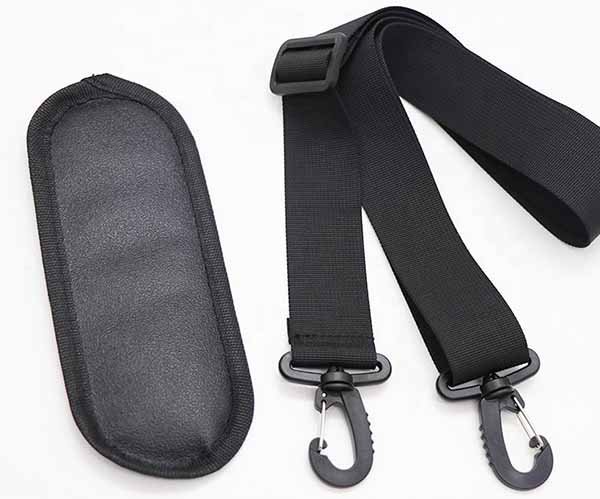
Shoulder Padding
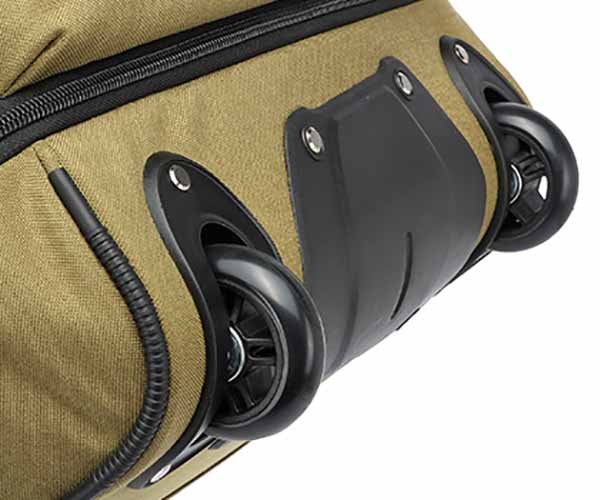
Wheels and Axles
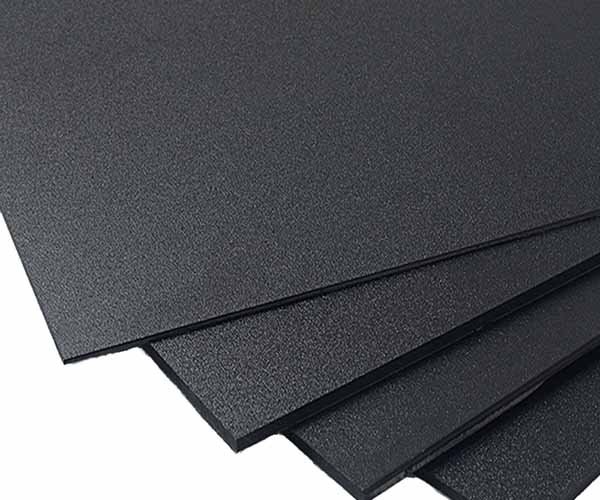
Bottom Boards
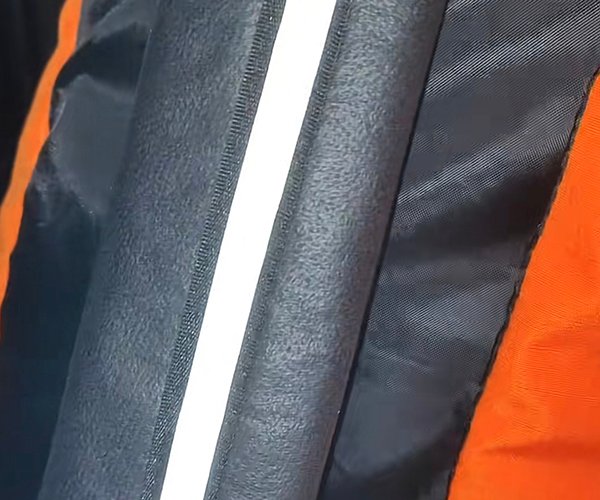
Reflective Details
Reflective tape, piping, heat-transfer graphics, printed elements, and logo films can improve visibility in low-light environments. A specific safety claim requires defined testing and applicable standards; reflective decoration alone should not be marketed as certified protective equipment.
Logo Methods Chosen for Fabric, Wear, Detail, and Brand Position
Branding should remain readable after sewing, loading, folding, abrasion, cleaning, and repeated use. Logo position and technique are reviewed together.
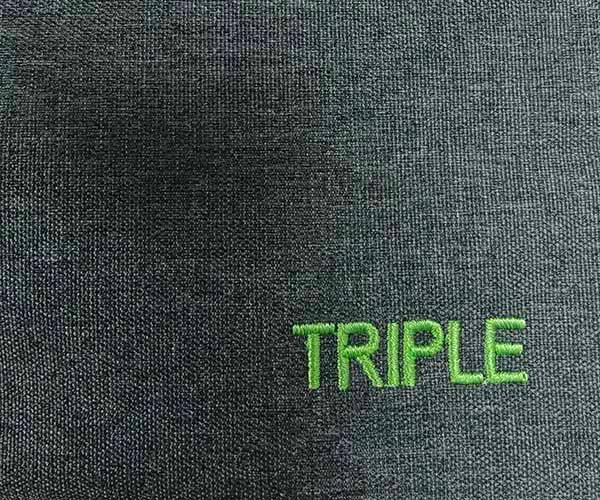
Embroidery
- Strong premium appearance
- Suitable for team crests
- Works well for names and numbers
- Small text needs size review
- Dense embroidery may distort light fabric
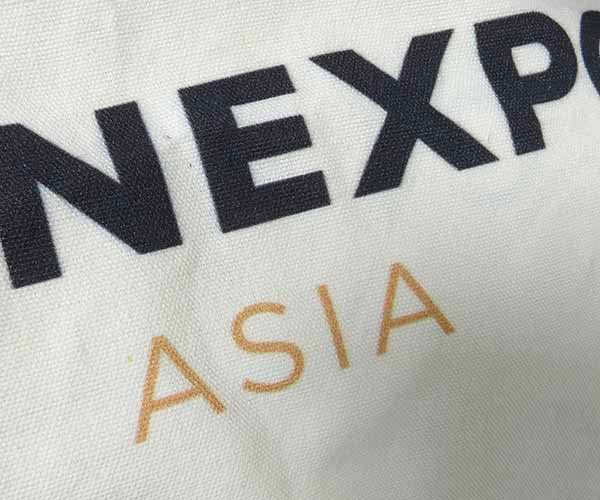
Screen Printing
- Cost-efficient for clear designs
- Good for one or several solid colors
- Test adhesion on coated fabric
- Avoid placing over heavy seams
- Color registration needs control

Heat Transfer
- Sharp visual detail
- Suitable for player identification
- Supports multi-color graphics
- Flexible placement
- Abrasion and wash expectations require testing

Sublimation Printing
- Full-panel and all-over graphics
- Gradient and photo-style artwork
- Strong color range
- Pattern alignment needs sample approval
- Not suitable for direct printing on dark fabric
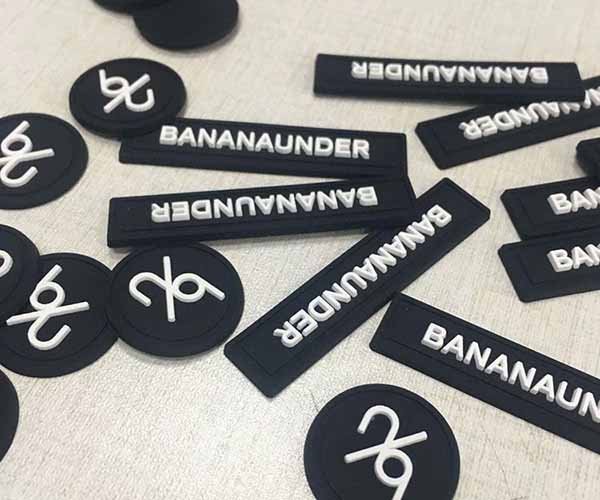
Rubber Patch
- Strong dimensional effect
- Suitable for outdoor and sports products
- Easy visual consistency
- Custom mold normally required
- Sharp small details may need adjustment
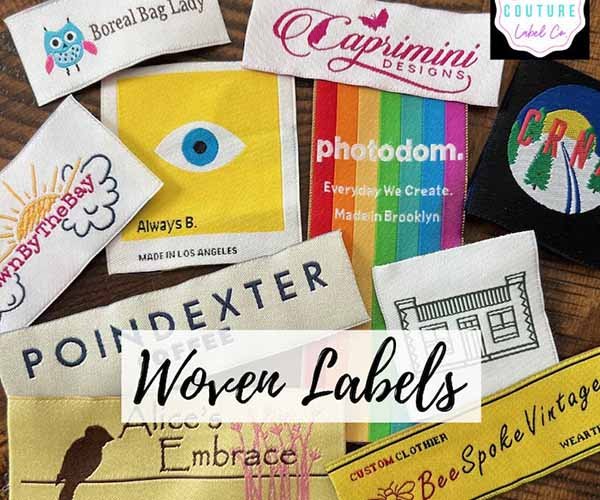
Woven Label
- Clean repeatable branding
- Suitable for small detail
- Low added bulk
- Works across multiple SKUs
- Internal care and composition labels also available
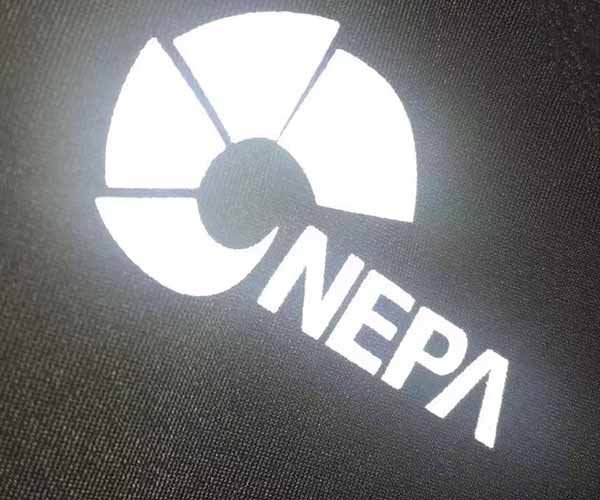
Reflective Logo
- Useful for running or outdoor collections
- Strong night-time visual effect
- Placement should avoid excessive folding
- Heat application requires fabric review
- Safety certification must be separately confirmed
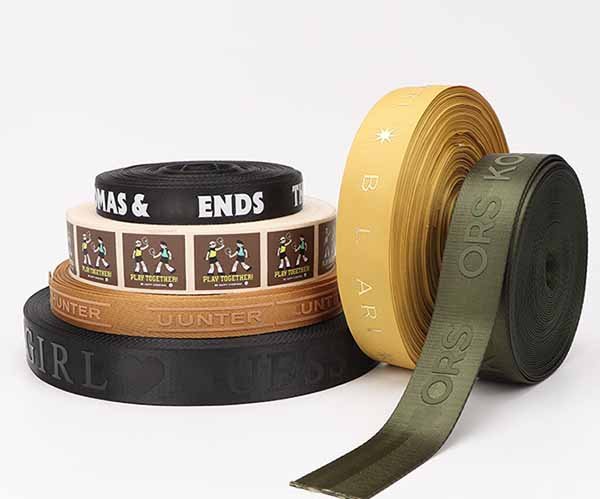
Jacquard Webbing
- High brand recognition
- Durable integrated appearance
- Width and repeat length require confirmation
- Yarn colors affect visual accuracy
- MOQ is normally higher than standard webbing
Send the Right Details for a More Accurate Proposal
Reference Files
- AI, EPS, SVG, or editable PDF
- Dimensioned drawings
- Reference photos
- Existing sample comments
- Required design changes
Equipment Dimensions
- Length, width, and height
- Number of items
- Equipment shape
- Required orientation
- Clearance allowance
Target Load
- Average loaded weight
- Maximum loaded weight
- Carrying distance
- Frequency of use
- User age group
Quantity and SKUs
- Total quantity
- Quantity by color
- Quantity by size
- Number of artwork versions
- Repeat-order forecast
Packaging Requirements
- Polybag or recycled bag
- Hangtag or header card
- Barcode and FNSKU
- Gift box or mailer
- Carton limits
Market and Schedule
Share the destination country, sales channel, target launch date, target retail level, and preferred delivery method. A clear deadline allows the team to plan sampling, material procurement, production, inspection, and shipping backward from arrival.
- Destination
- Launch date
- Delivery address type
- Required testing
- Target cost range
From Equipment Requirements to an Approved Production Sample
Sampling confirms fit, handling, construction, branding, and appearance before bulk materials and production capacity are committed.
Requirement Review
- Identify missing information
- Review feasibility
- Separate required and optional features
- Highlight technical risks
- Establish a development direction
Material Matching
- Outer fabric options
- Lining and mesh
- Foam and boards
- Webbing and hardware
- Zipper specifications
Structure Proposal
- Equipment position
- Main access
- Load path
- Wet storage
- Branding locations
Pattern Making
- Panel dimensions
- Shape control
- Seam construction
- Material direction
- Assembly sequence
First Sample
- Build actual volume
- Check equipment fit
- Review handling
- Confirm appearance
- Identify assembly issues
Internal Checking
- Dimension check
- Function check
- Loaded shape
- Zipper operation
- Workmanship review
Photo and Video Review
- Overall appearance
- Internal layout
- Loading demonstration
- Logo detail
- Revision discussion
Sample Revision
- Track every change
- Separate visual and structural revisions
- Update dimensions
- Confirm replacement materials
- Maintain version control
Final Approval
- Sign off product details
- Lock critical dimensions
- Save approved materials
- Confirm packing
- Prepare production controls
Convert the Approved Sample into a Repeatable Production Standard
BOM Control
- Outer fabric code, denier, coating, color, and supplier
- Lining, mesh, foam, and reinforcement layers
- Webbing width, material, color, and length
- Zipper type, size, tape color, slider, and puller
- Buckles, hooks, rings, rivets, eyelets, and wheel components
- Thread color and critical stitching instructions
- Logo method, size, color, and position
- Labels, hangtags, barcodes, bags, cartons, and inserts
Approved Sample Reference
- Finished dimensions
- Compartment capacity
- Opening shape
- Handle and strap position
- Reinforcement construction
- Logo alignment
- Hardware finish
- Loaded appearance
- Packaging method
Pre-Production Sample
First-Article Confirmation
Early pieces from production are checked against the approved standard. Any issue involving dimensions, stitch density, reinforcement, color, logo, zipper behavior, or assembly is corrected before output increases.
Production Control from Incoming Materials to Packed Cartons
Material Sourcing
- Match approved codes
- Confirm color lots
- Review supplier lead time
- Track custom components
- Protect delivery schedule
Incoming Inspection
- Fabric color and surface
- Coating and width
- Zipper operation
- Hardware finish
- Logo and label accuracy
Cutting Preparation
- Verify pattern version
- Control panel dimensions
- Pair matching pieces
- Check printed orientation
- Separate SKUs
Logo Processing
- Confirm artwork version
- Check position templates
- Review color
- Inspect adhesion or stitching
- Prevent wrong-SKU mixing
Sewing Production
- Use suitable machines
- Control seam allowances
- Reinforce stress points
- Maintain shape
- Separate complex operations
In-Line Inspection
- Dimensions at critical stages
- Stitch quality
- Handle attachment
- Zipper alignment
- Component accuracy
Final Assembly
- Operate all functions
- Confirm detachable parts
- Clean surfaces
- Check symmetry
- Prepare for final inspection
Packing and Release
Approved products are packed according to SKU, barcode, player name, team, carton ratio, shipping mark, and delivery instructions.
- Verify labels
- Count quantities
- Check carton condition
- Record weight and dimensions
- Release only after inspection
Quality Checks Focused on Real Equipment-Bag Failure Points
Material Inspection
- Color lot
- Surface defects
- Width and weight where required
- Coating condition
- Material identification
Dimension Check
- Length, width, and height
- Pocket dimensions
- Strap length
- Opening size
- Tolerance control
Seam and Bartack Check
- Handle roots
- Strap anchors
- Pocket corners
- Zipper ends
- Bottom seams
Handle Load Check
- Defined test weight
- Defined duration
- Multiple carrying points
- Post-test inspection
- Record findings
Zipper Operation
- Smooth travel
- Correct zipper size
- Secure stops
- No lining capture
- Matching color and orientation
Hardware Pull Check
- Correct hardware
- Secure attachment
- Coating condition
- No sharp edges
- Proper webbing fit
Abrasion and Surface Check
- Outer panels
- Base
- Binding
- Printed areas
- High-contact surfaces
Water-Resistance Review
- Fabric resistance
- Zipper exposure
- Seam construction
- Opening design
- Test method when required
Packaging Inspection
Packing is inspected for product folding, moisture protection, hangtags, barcodes, FNSKU, name labels, color ratios, carton quantity, carton marks, gross weight, and destination requirements.
- Correct SKU
- Correct quantity
- Correct labels
- Suitable carton strength
- Clean presentation
Commercial Planning Based on Structure and Order Complexity
| Project Item | Common Planning Range | Main Factors Affecting the Range |
|---|---|---|
| MOQ | From 200 pcs for selected regular structures and available materials | Fabric stock, colors, custom dyeing, printing, wheels, molded parts, custom hardware, packaging |
| Typical Brand Orders | 500 pcs and above | Product category, SKU split, launch scale, retail program, repeat forecast |
| Standard Sample | About 5–7 working days | Available materials, regular construction, standard logo, confirmed information |
| Complex Sample | About 10–15 working days | Rolling system, multiple compartments, special fabric, custom hardware, full print, structural revision |
| Standard Bulk Production | About 20–45 days | Quantity, material lead time, logo, sewing difficulty, packaging |
| Complex Bulk Production | About 35–60 days | Multi-SKU order, custom components, rolling structure, testing, retail packaging |
| Quotation Basis | Confirmed product specification | Size, material, lining, foam, board, pockets, zipper, hardware, logo, packaging, quantity |
| Quantity Breaks | Commonly quoted by order tier | 500 pcs, 1,000 pcs, 3,000 pcs, 5,000 pcs, or project-specific levels |
| Sample Shipping | Usually express courier | Destination, parcel size, declared value, courier account |
| Bulk Shipping | Express, air, sea, DAP, or DDP assessment | Destination, cartons, gross weight, volume, deadline, customs route |
Delivery Preparation for Retail, Team, E-Commerce, and Warehouse Programs
Individual Packing
- Protect fabric and logos
- Control folded dimensions
- Prevent hardware scratching
- Add warning labels where required
- Match brand packaging standards
Retail Packaging
- Brand artwork control
- Product information
- Barcode accuracy
- Retail presentation
- Carton ratio planning
Team and Player Packing
- Individual identification
- Name and number labels
- Team carton separation
- Distribution lists
- Multi-location planning
Amazon and E-Commerce
- Label matching
- Pack quantity
- Carton-size review
- FBA or warehouse destination
- Replenishment planning
Carton Optimization
- Reduce empty space
- Protect wheel systems
- Avoid permanent deformation
- Control gross weight
- Improve landed-cost visibility
Global Shipping
Shipment options include express courier, air freight, sea freight, FOB, DAP, and DDP assessment according to route availability.
- Samples by courier
- Urgent lots by air
- Bulk orders by sea
- Split shipments
- FBA or warehouse delivery
A Factory-Based System from Product Idea to Export Delivery
Development Resources
- 4 product managers
- 6 bag designers
- 5 pattern makers with an average of more than 10 years of experience
- 8 sample technicians
- 12 dedicated sample workstations
- 500+㎡ sample room
- 300+㎡ pattern and development area
Production and Coordination
- 8 sewing production lines
- 160+ sewing and supporting machines
- 120+ production-related staff
- 10+ controlled satellite partner factories
- Regular monthly capacity of approximately 120,000–200,000 pieces
- Capacity to coordinate approximately 20–35 active orders in parallel
Quality and Delivery Team
Project support includes:
- 12 international sales coordinators
- 6 purchasing team members
- 12 quality control team members
- 5 logistics coordinators
A qualified project can be reviewed through an online meeting, video factory tour, material discussion, sample review, or scheduled factory visit.
Build a Sports Bag Collection Without Losing Version Control
Multi-Sport Collections
- Shared material library
- Coordinated branding
- Product-specific engineering
- Collection-level costing
- Seasonal launch planning
Color and Size SKUs
- Color-by-quantity matrix
- Size identification
- Artwork version control
- Separate production records
- Carton-level traceability
Version Records
- Avoid outdated artwork
- Prevent incorrect dimensions
- Track approved changes
- Support internal review
- Improve repeat accuracy
Repeat Production
Repeat orders are compared with the approved reference and previous production records. Material availability, supplier changes, color lots, updated packaging, and revised regulations are reviewed before scheduling.
- Confirm previous standard
- Check material continuity
- Review new quantity
- Reapprove changed components
- Plan replenishment timing
Manufacturing Cases Covering Team, Rolling, and Mesh Equipment Bags
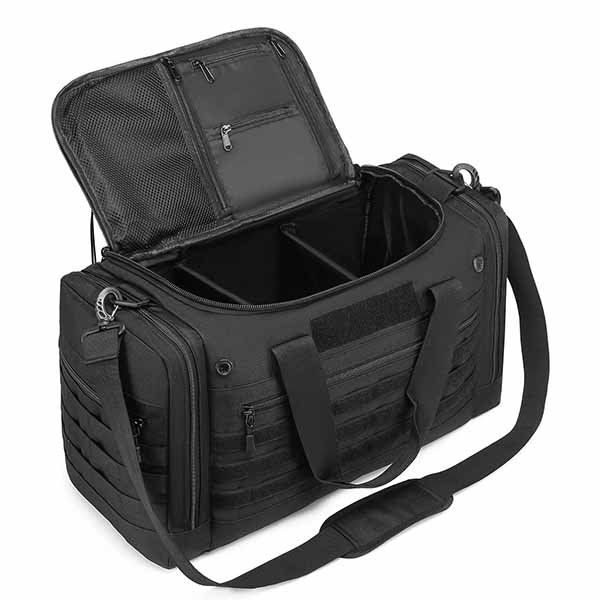
United States Team Duffel Program
- Quantity: 1,200 pcs
- SKUs: 3 team colors
- Size: 64 × 33 × 32 cm
- Outer: 600D polyester with coated base
- Lining: 210D polyester
- Logo: Embroidered team mark
- Packaging: Individual bag, barcode, team carton separation
- Sample time: 7 working days for first sample
- Revision time: 5 working days
- Bulk production: 34 days
- Helmet-loading review
- Handle load check
- Main zipper operation
- Embroidery alignment
- Color and SKU separation
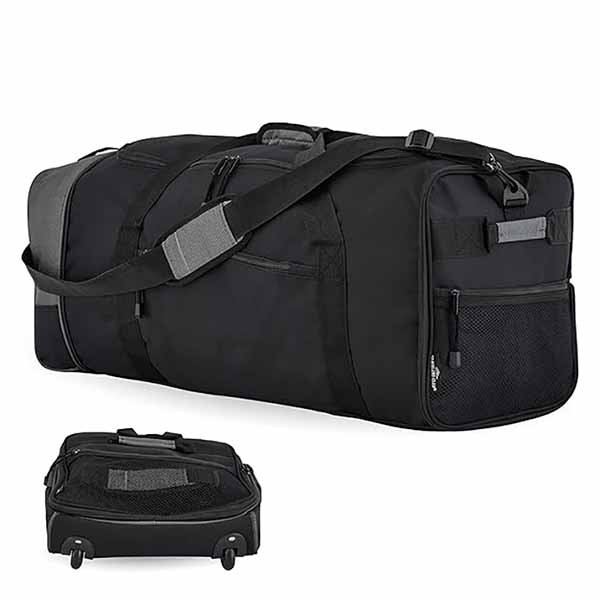
European Rolling Equipment Program
- Quantity: 2,400 pcs
- SKUs: 2 colors
- Size: 82 × 38 × 40 cm
- Outer: 1680D Oxford with reinforced tarpaulin base
- Structure: PE board, foam side support, corner wheels
- Main zipper: #10 heavy-duty coil zipper
- Logo: Rubber patch and woven side label
- Packaging: Folded body with protected wheel housing
- Sample time: 14 working days
- Bulk production: 48 days
- Loaded pulling review
- Wheel alignment
- Drag-handle attachment
- Base abrasion areas
- Zipper operation under load
- Carton protection around wheels
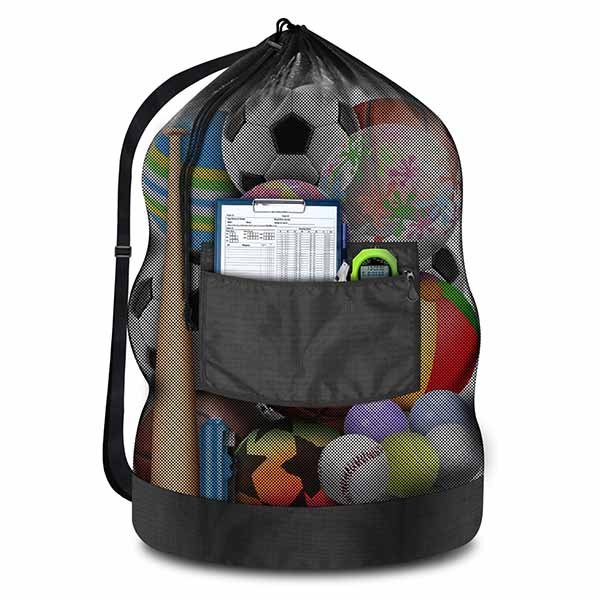
Australian Mesh Ball Bag Program
A sporting-goods distributor required a breathable ball bag for schools, coaching companies, and club training. The original sample used weak mesh and a drawcord channel prone to tearing. Order Profile
- Quantity: 3,600 pcs
- SKUs: 4 colors
- Capacity: Up to 12 inflated soccer balls, depending on ball size
- Material: Reinforced polyester mesh
- Solid panels: 600D polyester
- Closure: Heavy drawcord with cord lock
- Logo: Screen print on solid front panel
- Packaging: 10 pcs per inner bundle, bulk export cartons
- Sample time: 6 working days
- Bulk production: 29 days
Engineering Work The upper drawcord area was changed from folded mesh to a solid reinforced channel. Side seams received binding and additional reinforcement, while the bottom used a high-abrasion solid panel to reduce wear on fields and storage floors. Quality Focus
- Mesh pull review
- Drawcord channel strength
- Ball-capacity confirmation
- Screen-print adhesion
- Color separation
- Carton count
The same material system was later adapted for smaller training-cone and wet-equipment bags.
Flexible Development with Factory-Level Production Control
Equipment-Led Development
- Better usable capacity
- Fewer access problems
- Stronger load paths
- More relevant samples
- Lower revision risk
In-House Sampling
- 5 pattern makers
- 8 sample technicians
- 12 sample workstations
- Photo and video review
- Controlled revision records
Flexible Entry Quantity
- Trial-order assessment
- SKU planning
- Quantity-tier quotation
- Scaling support
- Repeat-order preparation
Production Scalability
- Small development runs
- Medium-volume programs
- Large repeat orders
- Multiple SKUs
- Peak-season coordination
Quality by Process
- Fewer late-stage surprises
- Clear product standard
- Product-specific checks
- Packing accuracy
- Documented approvals
Export and Delivery Support
Packaging, carton planning, barcodes, FNSKU, packing lists, commercial invoices, freight coordination, and DDP assessment can be arranged according to the destination and project.
- Express samples
- Air freight
- Sea freight
- Split shipments
- Warehouse or FBA delivery
Sports Equipment Bag Manufacturer Frequently Asked Questions
Start Your Custom Sports Equipment Bag Project
- Product photo, sketch, tech pack, or physical sample information
- Equipment name, dimensions, quantity, and estimated packed weight
- Required bag size or preferred carrying format
- Expected order quantity and number of SKUs
- Preferred fabric, color, coating, and lining
- Logo file and preferred branding method
- Packaging, barcode, FNSKU, or team-label requirements
- Destination country and delivery address type
- Target sample date and bulk-delivery date
- Testing, inspection, audit, or compliance requirements