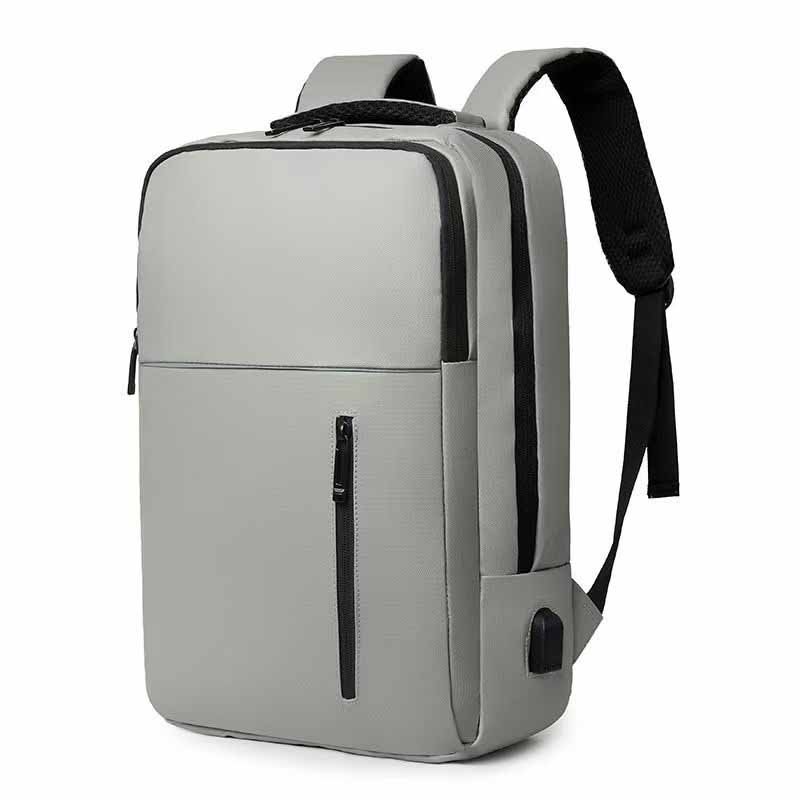
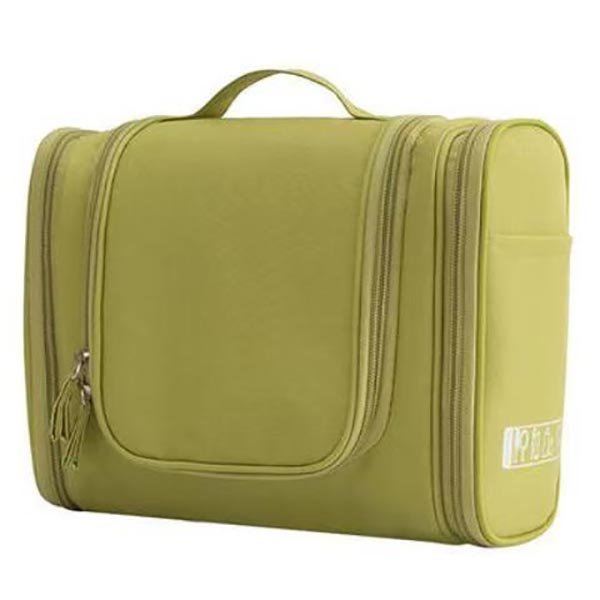
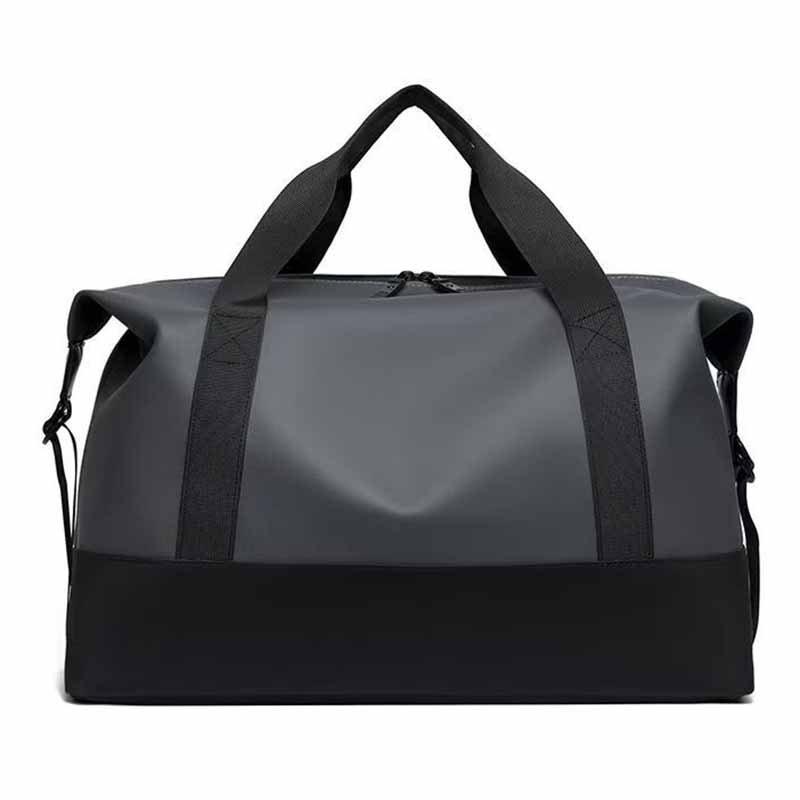
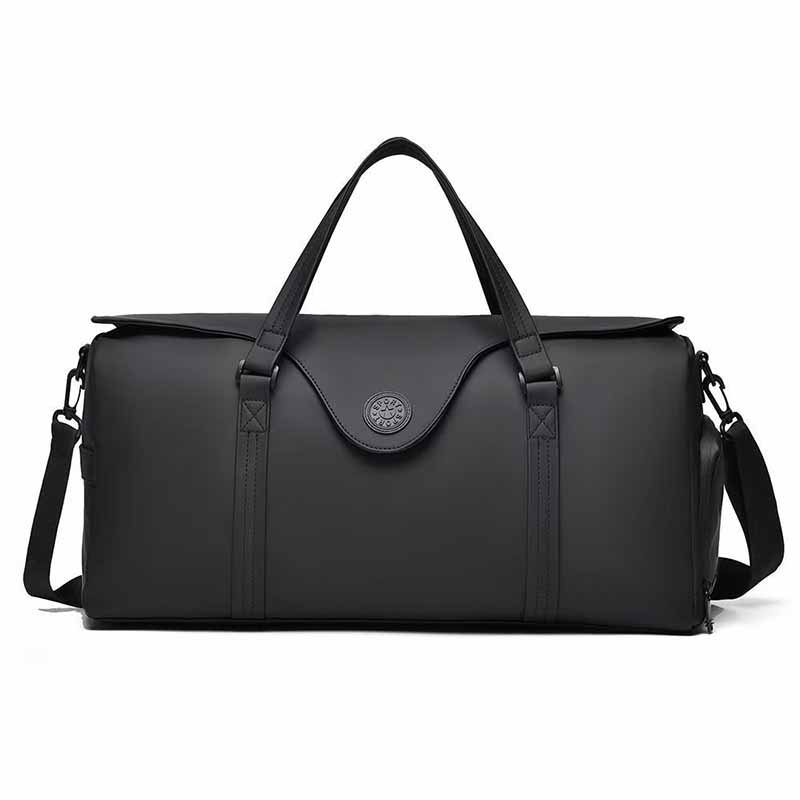
A Trusted China Manufacturer Since 2007!

China Bag Factory for Japan | Custom OEM/ODM Bags

Custom bag manufacturing for Japanese brands, importers, retailers, e-commerce collections, and global companies preparing products for sale in Japan. Szoneier develops and manufactures custom bags and sewn soft goods from initial design through final shipment.
  • Selected projects start from 200 pcs
  • Simple, standard, and complex sample development
  • Custom fabrics, structures, colors, logos, and packaging
  • Production records for stable sample-to-bulk execution
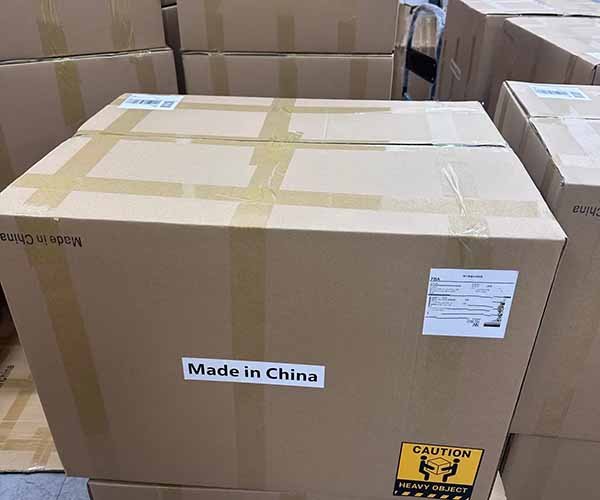
  • Inspection, carton preparation, and delivery coordination for Japan
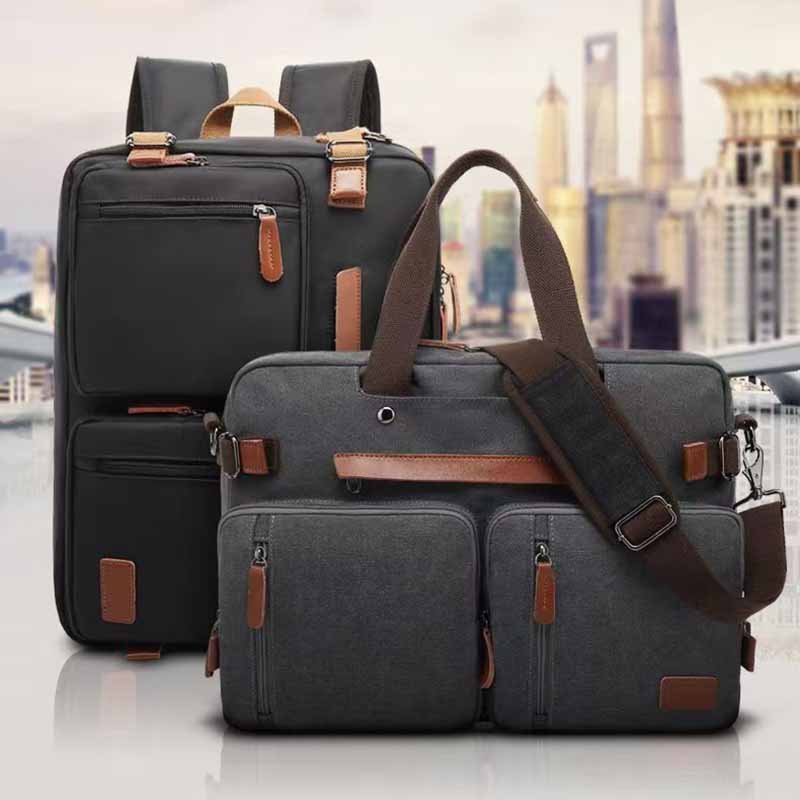
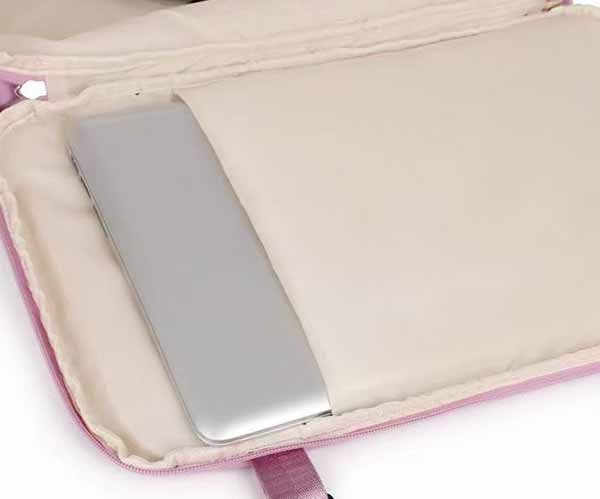
laptop bag

Manufacturing Capacity for Japan-Bound Bag Programs

A flexible factory system supports small development runs, multi-SKU collections, regular wholesale production, seasonal launches, and repeat orders for international markets.

18+ Years Experience

More than 18 years of manufacturing work covers product analysis, material sourcing, pattern development, sample sewing, bulk production, inspection, packaging, and export coordination. Experience extends across fabric bags, leather goods, neoprene products, protective cases, and functional sewn items.

20,000+㎡ Factory System

The factory system includes office, material storage, pattern and sample areas, cutting, sewing, quality inspection, packaging, warehousing, and shipment preparation. Separate operating areas help project teams control materials, work-in-progress goods, finished units, and packed cartons.

160+ Production Machines

Production equipment covers flat sewing, walking-foot sewing, double-needle sewing, binding, bartacking, thick-material handling, webbing cutting, heat cutting, positioning, pressing, packing, and inspection support. Equipment selection depends on fabric thickness, structure, reinforcement, and finishing requirements.

120,000–200,000 Monthly Capacity

Regular monthly capacity ranges from approximately 120,000 to 200,000 pieces, depending on bag type, material availability, construction, logo process, packing method, and production schedule. Eight sewing lines and controlled partner factories provide added flexibility during larger programs. 

Bag Manufacturing Support for Japan Market Projects

Different sales channels require different product structures, packaging formats, quality records, order quantities, and delivery arrangements. Szoneier builds each program around its commercial use.

Global Brand Teams

Global brands often require a Japan-specific product version while maintaining international brand rules. Szoneier can work from global specifications, regional packaging files, Pantone references, approved hardware, logo standards, and target launch dates.
  • Multi-SKU development
  • Brand guideline control
  • Packaging version management
  • Repeat production documentation

Japanese Importers

Importers need clear specifications, production records, carton details, and reliable communication before goods leave China. Szoneier can coordinate materials, sampling, production, inspection, packing lists, carton marks, and delivery options according to the approved project file.
  • Clear quotation structure
  • Sample approval checkpoints
  • Shipping document coordination
  • Order and carton records

Retail Chains

Retail programs depend on consistent appearance, correct quantities, readable barcodes, SKU separation, clean packaging, and shipment timing. Szoneier can prepare production around retail launch schedules and organize inspection records before final packing.
  • Barcode and hangtag application
  • Multi-store or warehouse packing
  • Carton quantity control
  • Third-party inspection coordination

Trading Companies

Trading companies serving Japanese accounts need factories capable of understanding detailed specifications without creating repeated communication layers. Szoneier can review drawings, physical samples, product photos, cost targets, packaging files, and inspection standards under confidential project management.
  • Multiple product categories
  • Confidential project handling
  • Development and quotation support
  • Consolidated shipment planning

E-commerce Brands

Online products need visual appeal, reliable function, efficient packing dimensions, and stable replenishment. Szoneier can help develop photo-ready samples, branded packaging, product color series, compact cartons, and smaller initial runs before larger repeat orders.
  • Trial production options
  • Photo sample preparation
  • Product differentiation
  • Replenishment planning

Corporate Programs

Corporate gifts, employee kits, event bags, hotel programs, and promotional projects often operate under fixed delivery dates. Szoneier can coordinate logo placement, color matching, individual packing, carton allocation, and split deliveries according to the event plan.
  • Event-date production planning
  • Logo approval
  • Individual or kit packing
  • Multi-address delivery review

What Japan-Bound Bag Projects Need from a Factory

Products prepared for Japanese retail, e-commerce, corporate, and wholesale channels often require tighter documentation and closer attention to finishing details.

Accurate Specifications

Dimensions, pocket positions, handle drops, strap lengths, zipper openings, gusset widths, and logo locations should be recorded rather than discussed only through messages. Szoneier converts approved requirements into pattern data, measurement sheets, and inspection points.
  • Finished dimensions
  • Agreed tolerances
  • Component positions
  • Functional measurements

Stable Material Batches

Color, surface texture, fabric weight, coating, leather grain, foam density, and lining quality can vary between batches. Approved swatches and material references help reduce unwanted differences between sample production, bulk production, and later replenishment.
  • Batch identification
  • Color reference control
  • Material approval samples
  • Reorder risk review

Clean Sewing Details

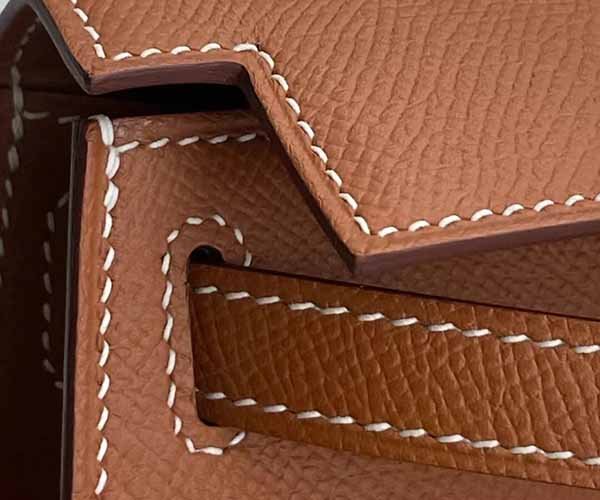
Loose threads, uneven binding, twisted webbing, irregular topstitching, missed bartacks, and poorly finished corners affect perceived value. Sewing standards should match the bag structure, material thickness, expected load, and visible surface requirements.
  • Stitch-line inspection
  • Binding and edge checks
  • Reinforcement review
  • Thread cleaning

Consistent Brand Elements

Logo size, color, position, surface finish, label direction, metal plating, and patch attachment must remain consistent across units. Logo trials are checked before bulk production, especially for small text, detailed artwork, metallic finishes, and molded components.
  • Pantone references
  • Approved logo samples
  • Position measurements
  • Surface-finish checks

Correct Packing Information

Japanese text, barcodes, care information, importer details, carton marks, product codes, and retailer instructions need approval before printing. Szoneier follows approved artwork and packing files and checks their application during final packing.
  • SKU matching
  • Barcode placement
  • Carton mark checking
  • Approved text execution

Controlled Delivery Schedule

Material preparation, sample approval, testing, packaging production, bulk sewing, inspection, and transport all affect the final arrival date. A workable schedule separates factory completion from departure, transit, customs, and final warehouse delivery.
  • Production milestone planning
  • Packing deadline
  • Freight booking
  • Delivery buffer

How Szoneier Supports Bags Developed for Japan

Szoneier converts commercial requirements into measurable production instructions, giving brand and procurement teams clearer control from quotation through delivery.

Specification Translation

A project may begin with a tech pack, reference bag, hand sketch, product link, photo set, target price, or early concept. The development team reviews product dimensions, intended use, material direction, internal structure, logo, packaging, quantity, and sales channel.
  • Requirements become measurable specifications
  • Missing information is identified early
  • Structure risks are discussed before sampling
  • Cost-sensitive alternatives can be reviewed

Sample-Based Approval

Materials, structure, hardware, color, logo, and packing are confirmed through samples rather than assumptions. Photo and video reviews can be arranged before physical samples are shipped, allowing early corrections to shape, proportion, stitching, and branding.
  • Material and trim confirmation
  • Logo trials
  • Physical approval sample
  • Revision records

Production Documentation

Bulk consistency depends on clear records. Szoneier can maintain approved patterns, BOM details, material references, hardware specifications, logo files, packing instructions, carton quantities, and quality notes for each confirmed program.
  • Pattern archive
  • Bill of materials
  • Packing specification
  • Inspection checkpoints

Japan Delivery Planning

Delivery planning starts with quantity, carton dimensions, gross weight, launch schedule, destination, and import arrangement. Express, air, sea, FOB, CIF, DAP, and DDP routes can be evaluated according to project conditions.

  • Sample courier service
  • Bulk air or sea options
  • Split shipment review
  • Warehouse delivery coordination


Inside Szoneier’s Bag Manufacturing System

A custom bag program requires more than sewing capacity. Material, pattern, sample, production, inspection, packaging, and logistics teams must work from one approved project record.

In-House Pattern and Sample Development

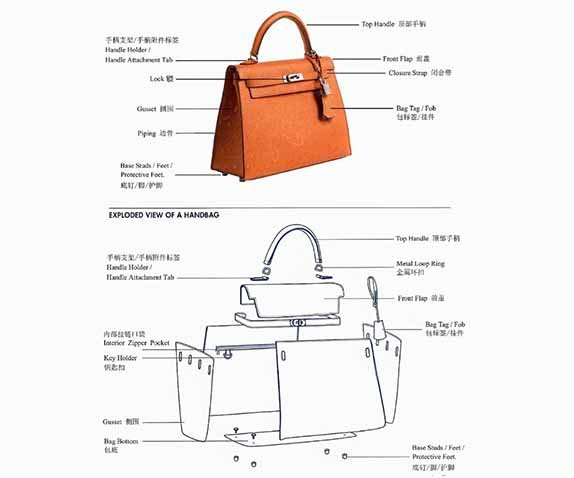
Szoneier operates a dedicated pattern and sampling system supported by product managers, designers, experienced pattern makers, sampling staff, material sourcing personnel, and sample sewing stations.
A sample begins only after core requirements are reviewed:
  • Finished size and capacity
  • Main fabric, lining, foam, and reinforcement
  • Pocket quantity and location
  • Zipper path and opening direction
  • Handle, strap, webbing, and buckle selection
  • Logo size, location, and process
  • Intended packing method
  • Target production quantity and launch date

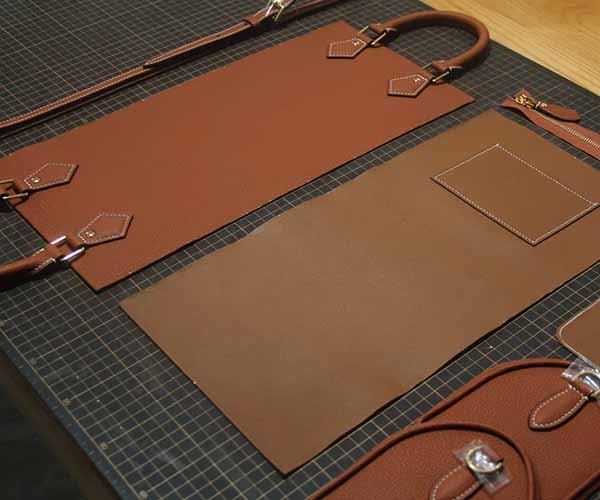
Pattern makers translate the approved structure into cutting patterns. Sample technicians then test the interaction between material thickness, seam allowance, binding, foam, lining, hardware, and reinforcement.
Internal checking covers proportion, finished size, bag shape, sewing feasibility, component alignment, and visible finishing. Photos or short videos can be shared before shipment when early remote review will save time.
A dedicated sampling system is valuable for Japan-bound projects because small differences in size, symmetry, edge finishing, label direction, or hardware position may affect retail acceptance and brand presentation.

Sewing Production and Equipment Allocation

Szoneier operates eight sewing lines with more than 120 production-related staff and over 160 production and auxiliary machines. Equipment is assigned according to material thickness, construction method, seam position, and reinforcement needs.
Typical equipment includes:
  • Flat sewing machines
  • Walking-foot machines
  • Double-needle machines
  • Binding machines
  • Bartacking machines
  • Thick-material sewing machines
  • Computer-controlled sewing machines
  • Webbing and tape cutting equipment
  • Heat-cutting equipment
  • Pressing and positioning tools

A lightweight polyester drawstring bag does not require the same setup as a structured backpack, insulated cooler, leather tote, EVA case, or reinforced tool bag. Production engineering therefore considers stitch type, needle selection, thread, seam allowance, edge treatment, reinforcement, foam compression, and hardware installation.
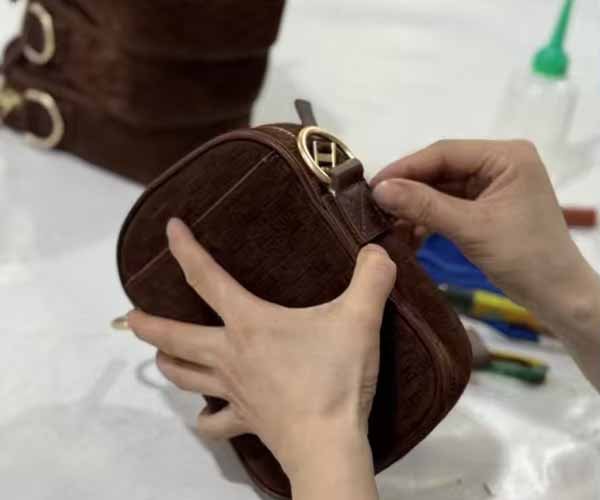
Pilot sewing and pre-production samples are used when construction has several layers, molded components, unusual openings, high-load attachment points, or strict appearance requirements.

Material, Inspection, and Packing Areas

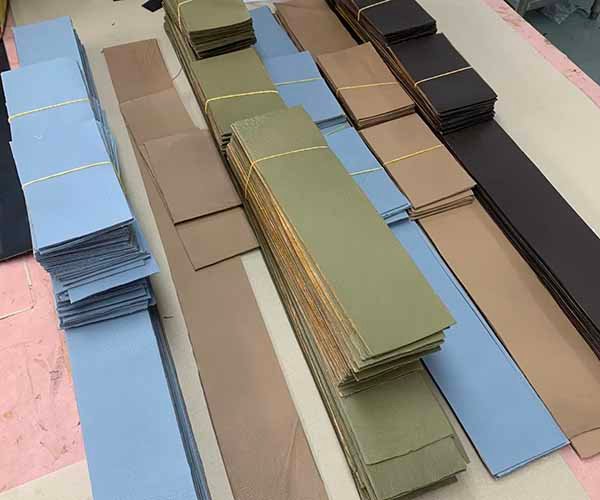
Materials are organized by category, color, batch, and order. Fabrics, linings, zippers, hardware, webbing, labels, foam, packaging materials, and functional components are separated to reduce mixing between programs.
Incoming checks can cover:
  • Material identity
  • Color and surface condition
  • Width and usable area
  • Coating appearance
  • Zipper and hardware finish
  • Webbing width and thickness
  • Label content
  • Packaging print files

Finished units move through inspection before packing. Product-specific checks may include zipper operation, pocket access, handle attachment, strap adjustment, shape, symmetry, surface cleanliness, logo accuracy, and packing configuration.
The packaging area handles individual bags, dust bags, paper sleeves, gift packaging, barcodes, carton labels, packing lists, and export cartons. SKU separation becomes especially important for color collections, multi-style programs, and retailer-specific packing.

Project Management and Factory Verification

A project can involve international sales, product managers, designers, pattern makers, sample technicians, procurement, production coordinators, QC staff, packaging staff, and logistics personnel.
Szoneier can manage approximately 20–35 custom production orders in parallel, depending on complexity, material readiness, SKU quantity, packing requirements, and delivery schedule. A controlled network of more than 10 long-term partner factories adds capacity and category flexibility under Szoneier’s project management.
Qualified companies may arrange:

  • Online product meetings
  • Video factory reviews
  • Sample room presentations
  • Material and process discussions
  • Production progress updates
  • Scheduled factory visits


Custom Bag Categories Manufactured for Japan Programs

Product development covers everyday retail bags, travel goods, promotional products, branded accessories, protective products, and functional sewn equipment. 
1. tote bags

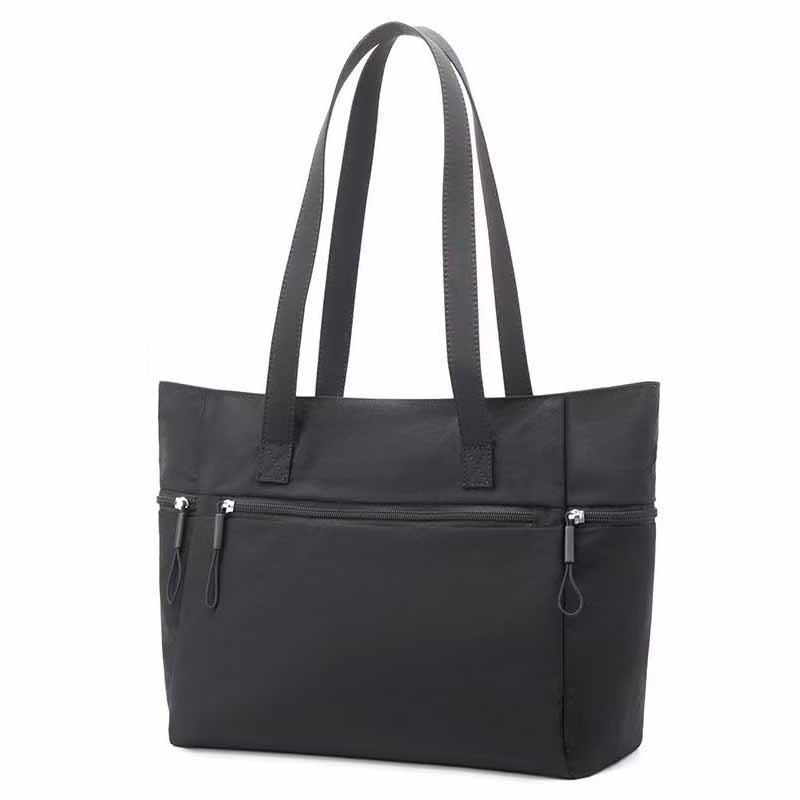
Tote Bags

Canvas, cotton, polyester, nylon, jute, RPET, PU, and leather tote bags can be developed for retail, events, corporate programs, fashion collections, and reusable shopping. Structures range from flat promotional totes to lined, zippered, pocketed, and reinforced branded designs.
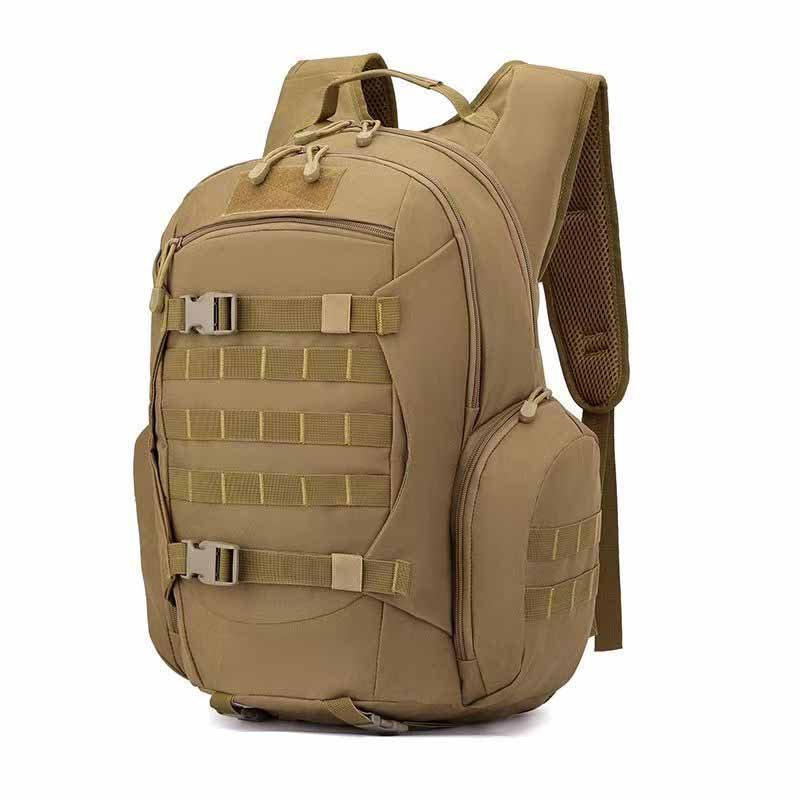
2. backpacks

Backpacks

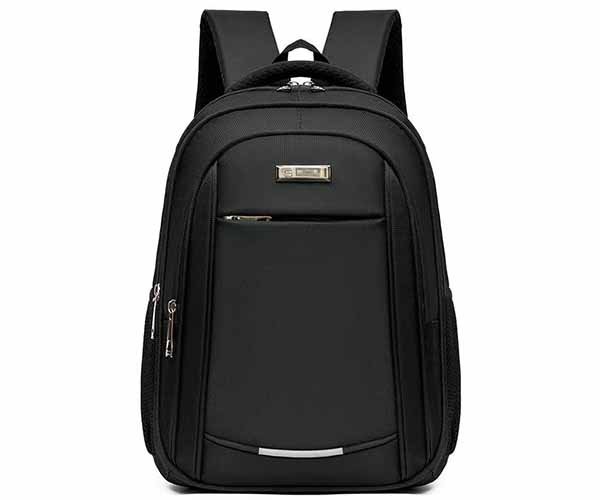
Custom backpacks include everyday, school, laptop, travel, sports, outdoor, promotional, and specialty structures. Development may cover padded compartments, ergonomic straps, reinforced bottoms, hidden pockets, mesh panels, waterproof materials, hardware selection, and retail-ready packaging.
3. cosmetic bags

Cosmetic Bags

Cosmetic bags can use polyester, nylon, canvas, PU, PVC, TPU, leather, or recycled fabrics. Options include box shapes, flat pouches, transparent panels, internal pockets, brush compartments, waterproof linings, double zippers, logo plates, and gift-set packaging.
4. travel bags

Travel Bags

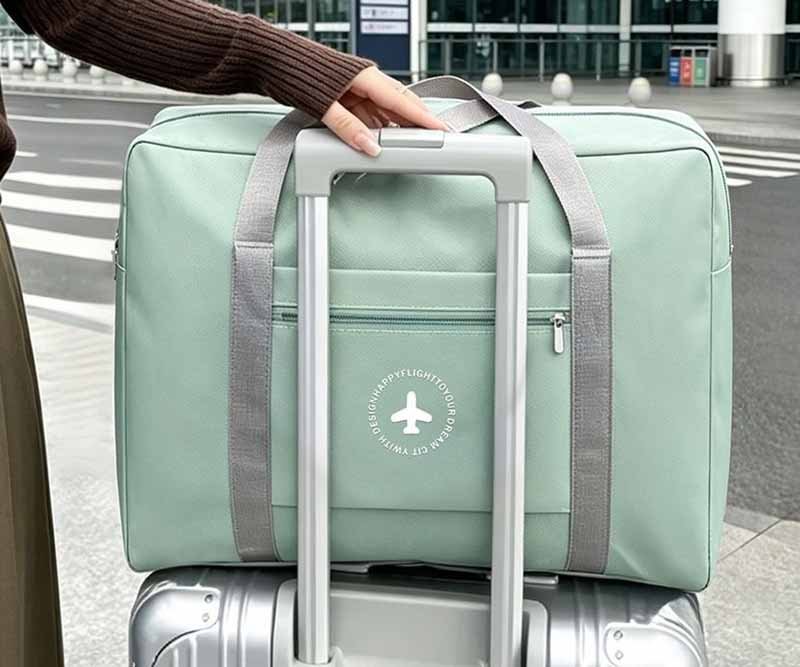
Travel products include weekender bags, carry bags, packing organizers, garment bags, passport pouches, toiletry bags, and foldable luggage. Development focuses on capacity, carrying comfort, packing efficiency, durable zippers, internal organization, and compact transport cartons.
5. duffle bags

Duffle Bags

Duffle bags can be designed for travel, sports, gyms, schools, corporate programs, and outdoor use. Options include shoe compartments, wet pockets, detachable straps, reinforced handles, end pockets, trolley sleeves, internal boards, and structured bottom support.
6. cooler bags

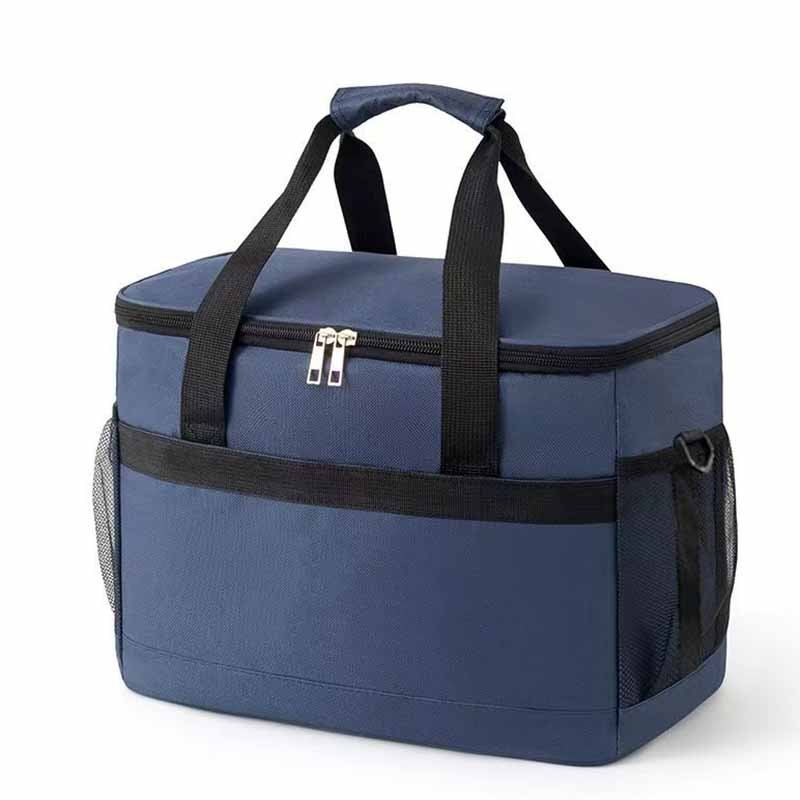
Cooler Bags

Cooler and lunch bags combine outer fabric, insulation foam, lining, closure, handles, and optional leak-resistant construction. Material thickness, insulation time, lining type, seam method, zipper path, cleaning, and carton volume should be evaluated during development.
7. drawstring bags

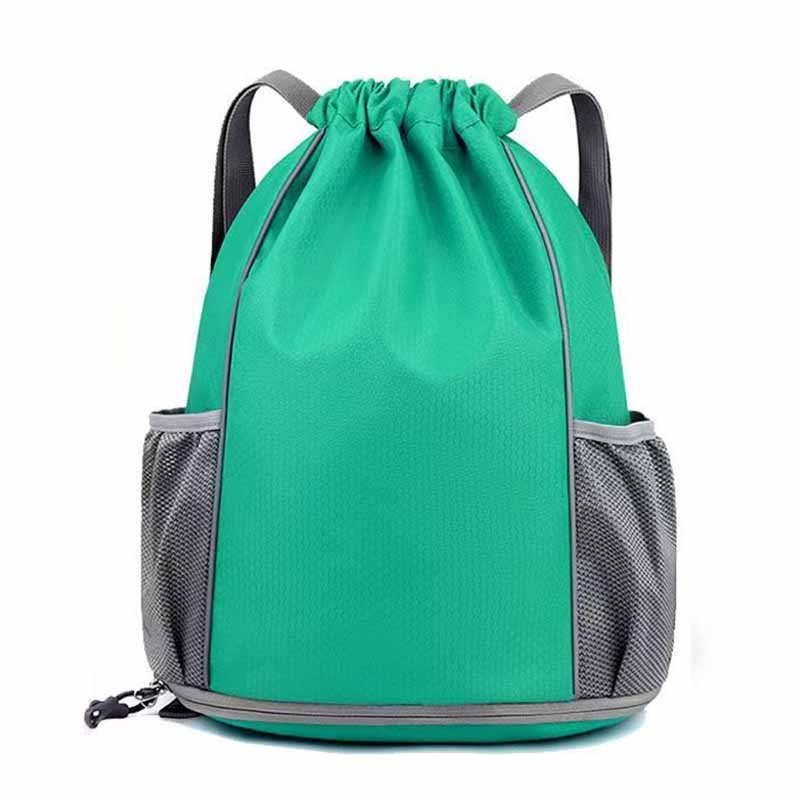
Drawstring Bags

Drawstring bags suit sports, schools, events, gifts, retail packaging, and promotional campaigns. Options include 210D or 300D polyester, nylon, canvas, mesh, front pockets, zipper pockets, reinforced corners, thicker cords, full-surface printing, and compact bulk packing.
8. leather bags

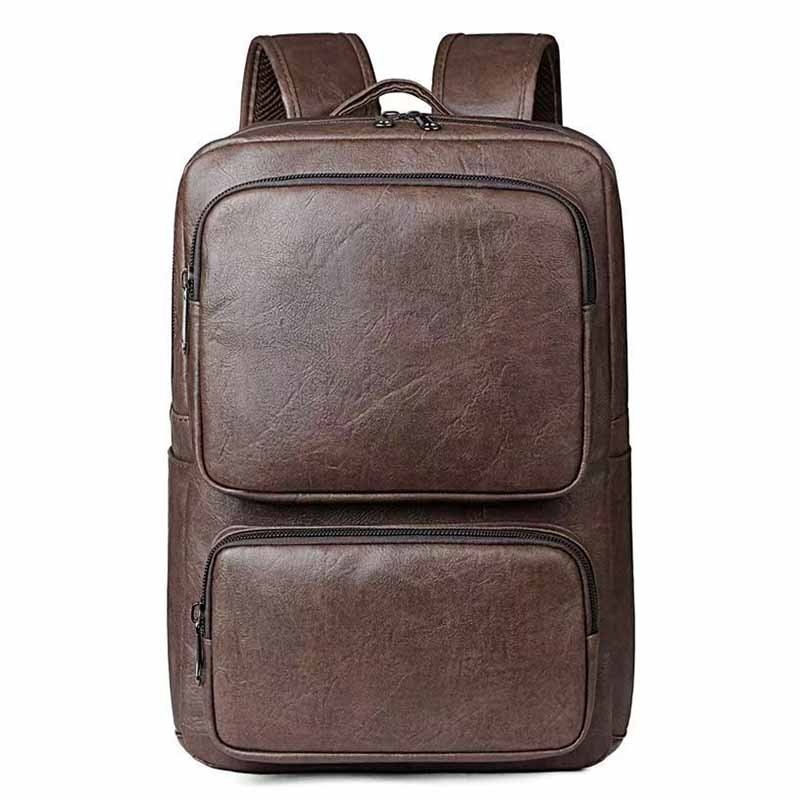
Leather Bags

Leather goods include totes, handbags, shoulder bags, crossbody bags, briefcases, wallets, straps, and accessories. Development covers leather type, grain, thickness, edge paint, lining, hardware plating, reinforcement, logo embossing, stitching, shape retention, and protective packing.
9. neoprene bags

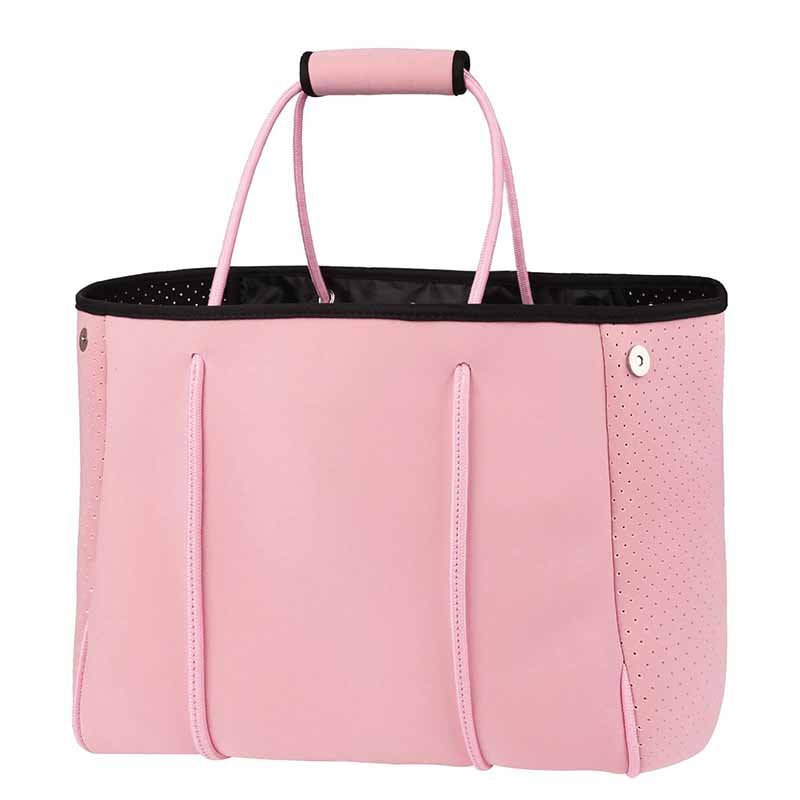
Neoprene Bags

Neoprene can be used for bottle carriers, lunch bags, laptop sleeves, cosmetic pouches, beach bags, sports accessories, and protective covers. Common options include 2 mm, 3 mm, 4 mm, or 5 mm thickness, sublimation printing, binding, and reinforced stitching.
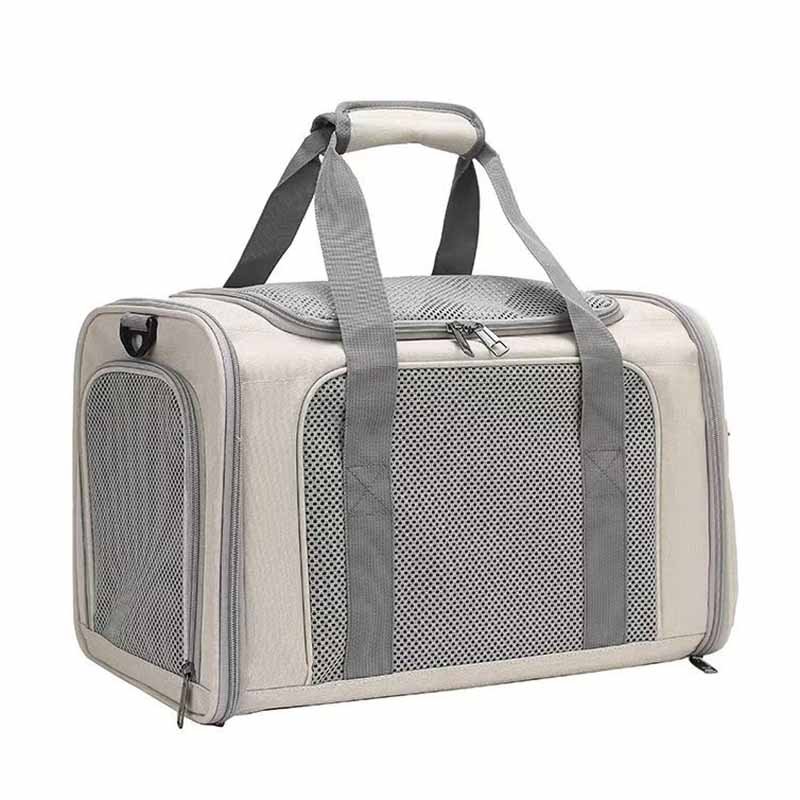
10. pet bags

Pet Bags

Pet products include carriers, travel bags, treat pouches, walking kits, storage bags, and accessory organizers. Important details include ventilation, safety attachments, base support, washable components, zipper security, load distribution, comfort, and product-specific performance checks.
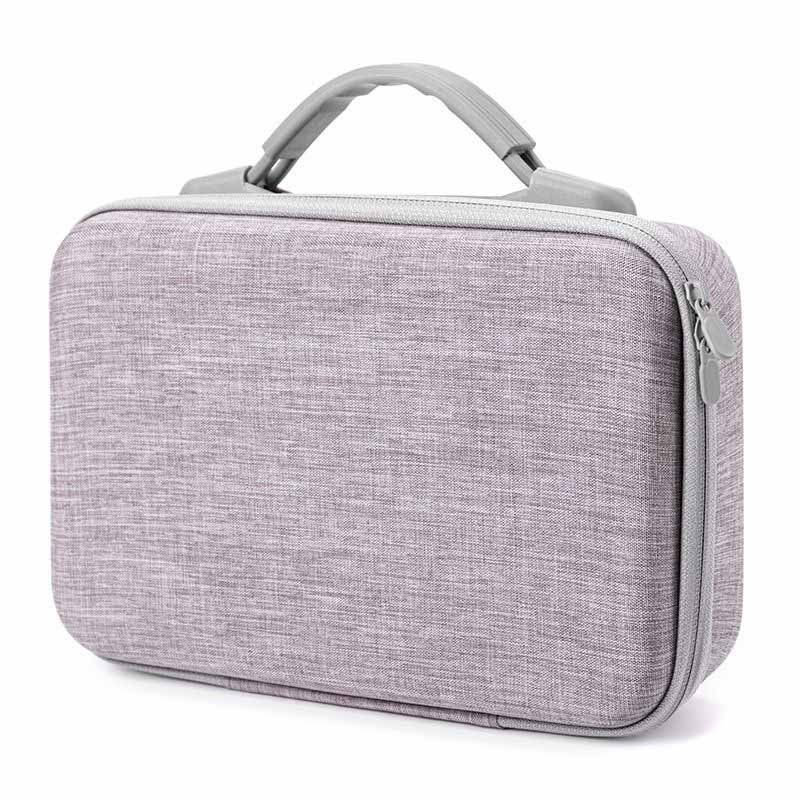
11. protective cases

Protective Cases

EVA cases and padded fabric cases protect electronics, tools, medical devices, cosmetics, cameras, and accessories. Development may require molded shells, foam inserts, internal dividers, mesh pockets, zipper selection, carry handles, outer textures, and longer tooling schedules.
12. functional bags

Functional Bags

Functional products include tool bags, medical bags, tactical bags, hunting bags, waterproof bags, fire-resistant material projects, equipment carriers, and industrial sewn products. Materials and performance claims must be matched with suitable construction and agreed testing methods.

Materials for Japan Market Bag Collections

Material selection affects appearance, hand feel, shape, durability, unit cost, MOQ, packing volume, transport weight, care instructions, and product positioning. 
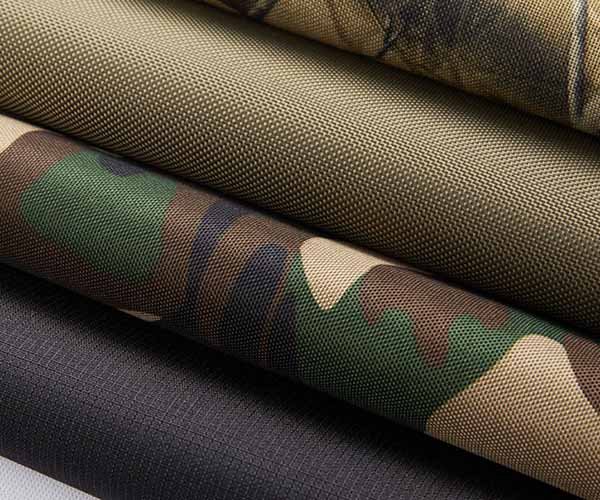
1. polyester 1

Polyester

Polyester offers wide color availability, efficient cost, low weight, printable surfaces, and several denier options. It works well for promotional bags, drawstring bags, backpacks, cosmetic bags, cooler bags, and travel products.
  • Common options: 210D, 300D, 600D, 900D
  • Finish options: plain, ripstop, coated, printed
  • Main risk: thin grades may lack structure or abrasion resistance
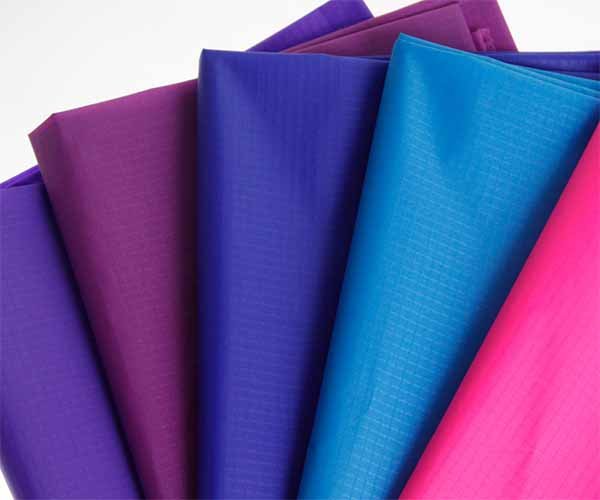
2. nylon 1

Nylon

Nylon provides a smoother hand feel, good tensile performance, and a more technical appearance. It is suitable for travel bags, lightweight backpacks, fashion totes, pouches, outdoor products, and premium everyday accessories.
  • Common options: 210D, 420D, 500D, 1000D
  • Finish options: crinkle, ripstop, coated
  • Main risk: color and coating may vary by source and batch
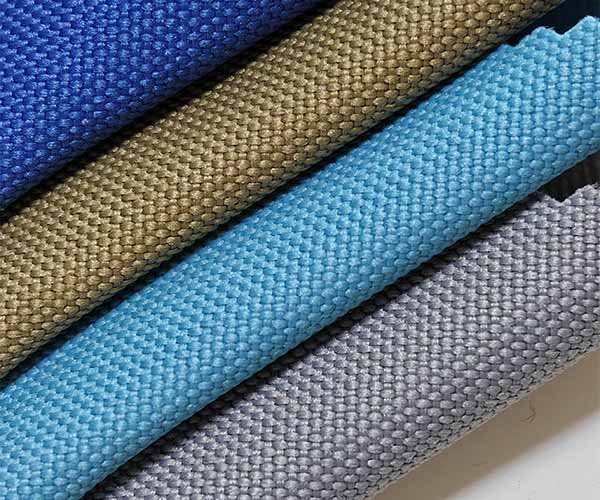
3. oxford fabric 2

Oxford Fabric

Oxford fabric is widely used where structure, durability, and cost control need balance. It supports backpacks, school bags, luggage, tool bags, cooler bags, and promotional products.
  • Common options: polyester or nylon Oxford
  • Surface options: PVC, PU, or other coatings
  • Main risk: coating thickness and odor require early confirmation
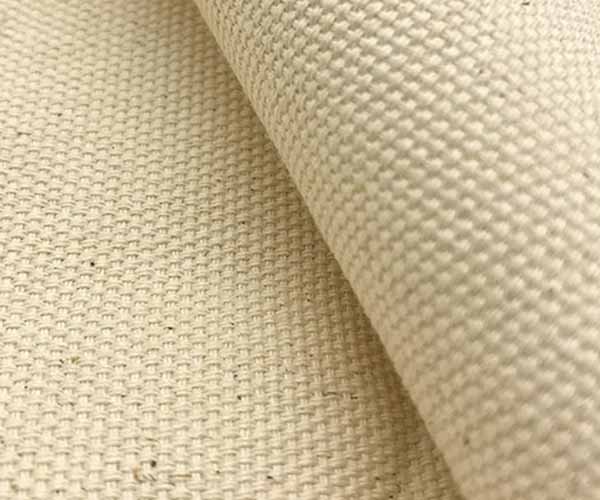
4. canvas and cotton 1

Canvas and Cotton

Canvas and cotton provide a natural surface and suit lifestyle retail, gift programs, fashion totes, aprons, storage, and premium promotional products. Weight and weave strongly affect shape and price.
  • Common references: 6 oz to 24 oz ranges
  • Options: washed, dyed, printed, laminated
  • Main risk: shrinkage, color variation, and natural-fiber marks
5. pu and leather 2

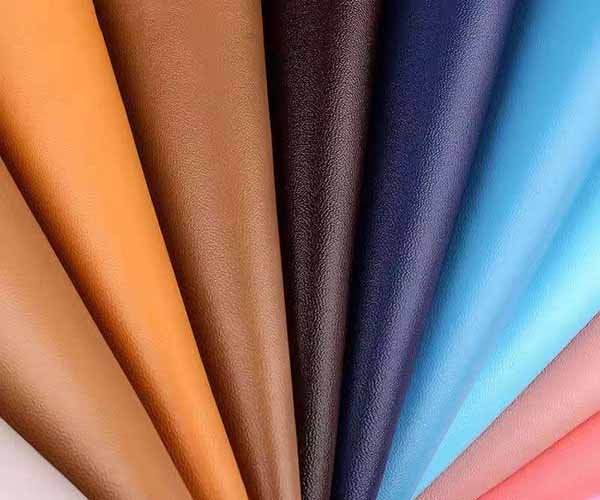
PU Leather

PU offers controlled color, consistent surface patterns, easier maintenance, and a broad cost range. It suits handbags, cosmetic bags, fashion totes, gift products, and trim applications.
  • Options: smooth, pebbled, saffiano, metallic, recycled-content grades
  • Suitable logos: embossing, foil, metal plate
  • Main risk: hydrolysis, odor, edge cracking, or low-temperature performance
5. genuine leather 2

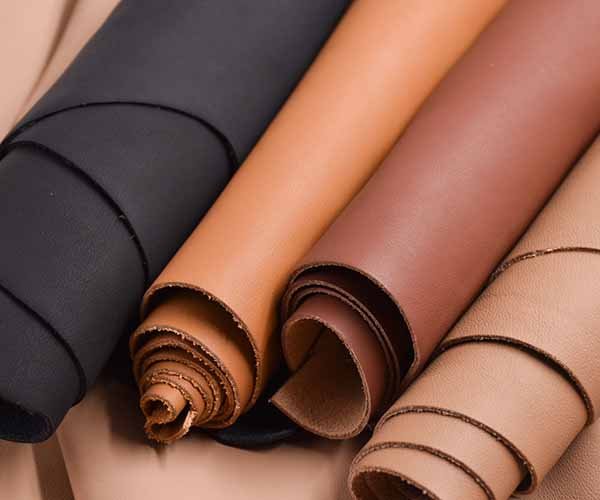
Genuine Leather

Genuine leather provides natural grain, premium hand feel, and long product life when the correct grade and construction are used. It suits handbags, business bags, straps, wallets, and high-value accessories.
  • Options: full-grain, top-grain, split, suede
  • Important controls: thickness, grain, color, scars
  • Main risk: natural variation between hides and batches
6. neoprene 2

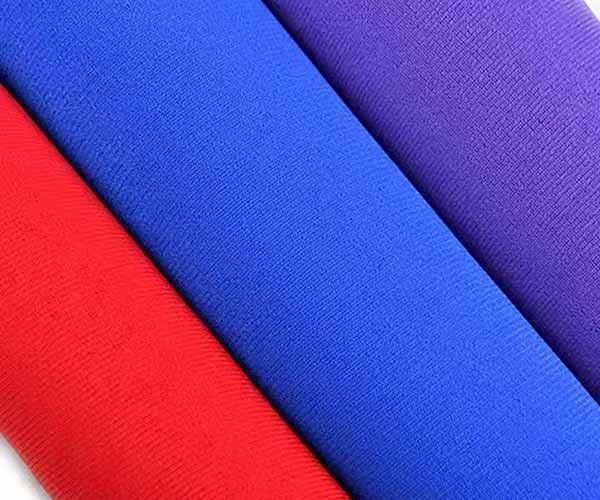
Neoprene

Neoprene combines cushioning, flexibility, thermal insulation, and a smooth printable surface. It is often selected for bottle sleeves, lunch bags, laptop sleeves, sports accessories, and protective covers.
  • Common thickness: 2 mm to 5 mm
  • Options: nylon-facing, polyester-facing, sublimation
  • Main risk: odor, compression, edge finishing, and thickness tolerance
7. pvc and tpu 2

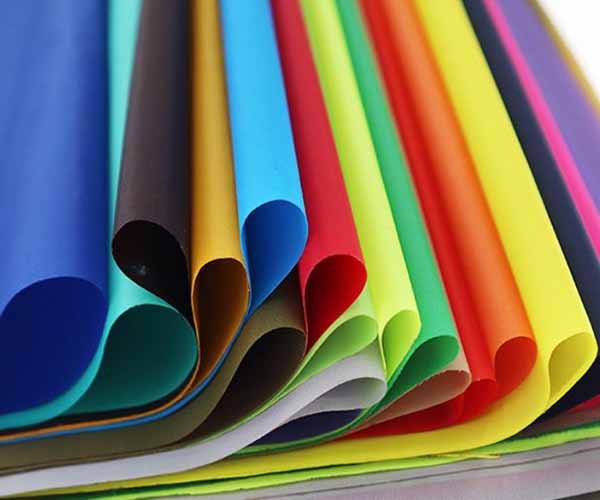
PVC, TPU, and EVA

PVC supports transparent panels and waterproof-style products. TPU offers softer, lower-temperature flexibility and can suit premium waterproof constructions. EVA provides semi-rigid protection for molded cases.
  • Applications: clear bags, waterproof pouches, protective cases
  • Important controls: thickness, clarity, welding, molding
  • Main risk: scratches, odor, tooling cost, and longer development time
1. recycled polyester (rpet) fabrics

RPET and Recycled Fabrics

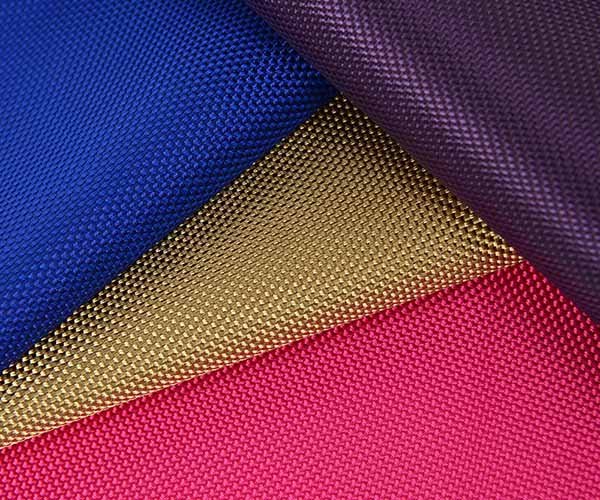
Recycled-content materials can support sustainability-focused collections when valid supplier documents and traceability are required. RPET polyester is available in several weaves, deniers, and surface finishes.
  • Applications: totes, backpacks, pouches, travel goods
  • Documentation: confirm certification scope before claims
  • Main risk: availability, color MOQ, and price differences

Bag Details Controlled Before Production Starts
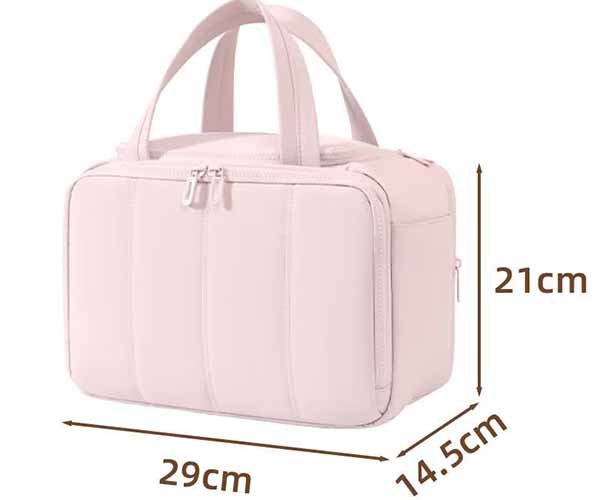
Small construction decisions affect appearance, comfort, capacity, durability, packing efficiency, and the difference between an acceptable sample and stable bulk production.
1. size and tolerance

Size and Tolerance

Finished size should be measured at agreed points under the same bag condition. Soft goods may change slightly according to fabric tension, foam, filling, binding, and seam construction.
  • Record length, height, depth, openings, and strap measurements
  • Define acceptable tolerances by product type
  • Confirm whether measurements are internal or external
  • Check capacity against intended contents
2. seams and reinforcement

Seams and Reinforcement

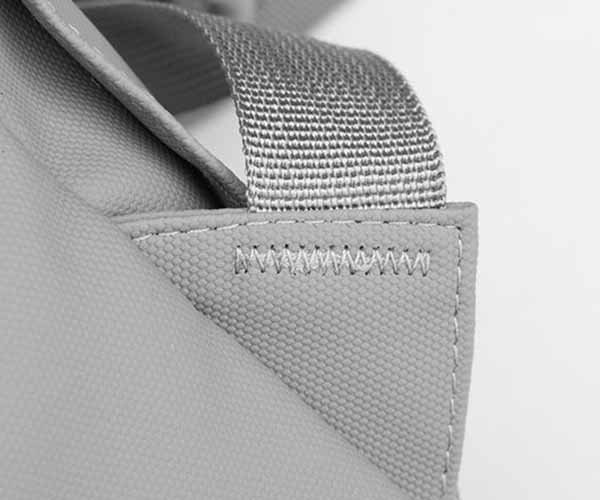
Load-bearing points require more than decorative stitching. Handle roots, shoulder straps, D-rings, bottom panels, zipper ends, and webbing anchors may need bartacks, box stitching, internal patches, or layered reinforcement.
  • Match reinforcement with expected load
  • Avoid excessive bulk at seam intersections
  • Check thread and needle selection
  • Review visible and hidden construction
3. zippers and hardware

Zippers and Hardware

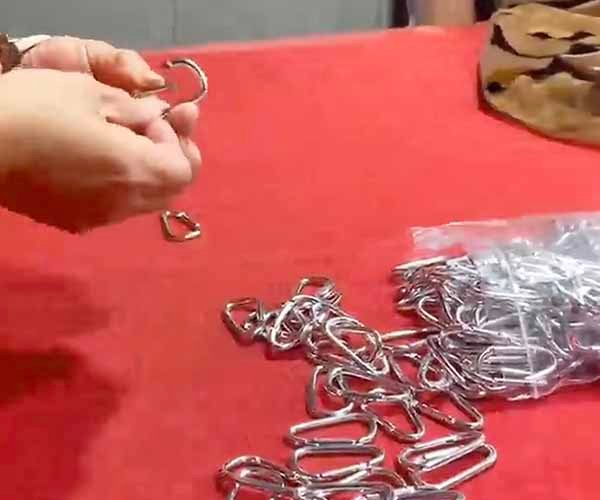
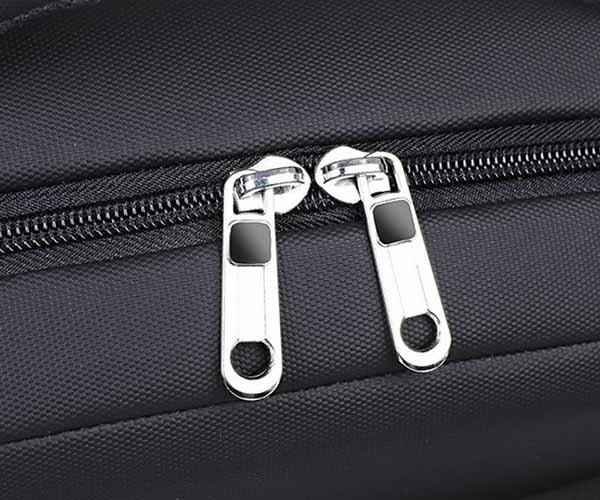
Zipper gauge, slider type, puller, tape color, opening length, and installation direction affect function and appearance. Buckles, hooks, rings, rivets, and metal plates require finish and strength review.
  • Confirm size and supplier grade
  • Approve plating or molded color
  • Test opening and closing
  • Protect metal surfaces during packing
4. color and surface finish

Color and Surface Finish

Pantone references alone may not represent the final appearance across woven fabric, coated fabric, PU, leather, webbing, zipper tape, thread, and metal. Physical swatches provide better alignment.
  • Review color under controlled lighting
  • Approve material-specific references
  • Record acceptable shade variation
  • Keep batch samples for repeat orders
5. lining and binding

Lining and Binding

Lining construction affects cleanliness, pocket stability, ease of cleaning, and perceived value. Binding can cover raw edges but must remain flat around curves, corners, and thick seam intersections.
  • Select lining weight for product use
  • Confirm pocket attachment before assembly
  • Check exposed raw edges
  • Keep binding width consistent
6. shape and symmetry

Shape and Symmetry

Bag shape comes from pattern proportion, fabric stiffness, foam, internal boards, seam allowance, and assembly sequence. Structured products need stronger pattern and material control than flat bags.

  • Compare left and right sides
  • Check zipper and pocket alignment
  • Confirm standing shape
  • Review logo placement against center lines

From Japan Market Brief to Production-Ready Bag

Each stage has defined inputs, factory actions, and approval points, reducing surprises during sample development and bulk production.

Project Brief

Send product photos, sketches, tech packs, reference samples, dimensions, quantity, material preference, target price, logo files, packaging needs, sales channel, destination, and launch schedule.
  • Incomplete files can still be reviewed
  • Missing specifications will be listed
  • Confidential files remain project-controlled

Requirement Review

The product team studies use, construction, material, size, capacity, reinforcement, branding, packing, and delivery conditions. Potential risks are raised before pricing or sampling.
  • Structural feasibility
  • Material availability
  • MOQ restrictions
  • Testing requirements

Material Plan

Suitable fabrics, linings, foam, zippers, webbing, hardware, thread, labels, and packaging are proposed. Alternative grades may be presented when cost, MOQ, weight, or lead time needs adjustment.
  • Premium option
  • Balanced option
  • Cost-controlled option
  • Available-stock option

Project Quotation

Quotation is prepared after enough details are confirmed. Size, material, thickness, pocket count, hardware, logo, packing, quantity, testing, and delivery terms affect price.
  • Unit price
  • Sample cost
  • Tooling or setup fees
  • Estimated schedule

Pattern and Sample

Pattern makers build the product geometry. Sample technicians cut, sew, assemble, finish, and internally inspect the first development unit.
  • Pattern preparation
  • Logo trial
  • Construction check
  • Photo or video review

Revision and Approval

Feedback is converted into measurable changes. Revised items can include dimensions, materials, bag shape, pockets, handles, straps, zipper path, logo position, hardware, and packing.
  • Revision list
  • Updated photos
  • Final physical sample
  • Written approval

Bulk Production

Approved patterns, BOM records, material references, logo files, packing instructions, and QC notes are released to production. A pre-production sample may be prepared for complex or high-volume programs.
  • Material receiving
  • Cutting
  • Logo processing
  • Sewing and assembly

Inspection and Shipment

Finished goods undergo product-specific inspection before packing. Carton quantity, labels, packing lists, and shipping documents are checked before delivery arrangements begin.

  • Final inspection
  • Packing inspection
  • Shipment photos
  • Logistics coordination

Sample Development Before Japan Market Production

Sampling confirms far more than appearance. It proves material compatibility, dimensions, sewing sequence, structure, logo execution, packing method, and production feasibility.

Starting from a Tech Pack, Sample, Photo, or Concept

A complete tech pack helps development move faster, but a project can also begin from a reference product, sketch, photo set, competitor link, specification list, or product idea.
The initial review should establish:
  • Product use and sales channel
  • Finished dimensions
  • Capacity or contents
  • Main material and lining
  • Desired shape and stiffness
  • Pocket and compartment layout
  • Handle and strap arrangement
  • Logo process and artwork
  • Packing method
  • Order quantity
  • Delivery destination
  • Target launch date
Reference photos should include front, back, sides, bottom, interior, closure, handles, pockets, labels, and key dimensions whenever possible.
When only a concept is available, Szoneier can help organize a development brief before paper patterns begin. Clear early decisions reduce unnecessary sample rounds and prevent pricing based on an incomplete structure.

Pattern Making and Material Trials

Pattern making converts a three-dimensional bag into individual cut panels with seam allowances, fold lines, reinforcement areas, zipper paths, and assembly marks.
Material choice changes the pattern result. A thin polyester bag, heavy canvas tote, padded backpack, neoprene sleeve, PU handbag, and molded EVA case behave differently during cutting and sewing.
Material trials may evaluate:
  • Fabric stiffness and drape
  • Coating and backing
  • Lining weight
  • Foam thickness
  • Board or insert thickness
  • Zipper flexibility
  • Binding compatibility
  • Hardware weight
  • Logo surface performance
Patterns may need adjustment after the first sewing trial because seam compression, foam, binding, and material stretch change the final dimensions.
Sample timing commonly falls into three ranges:
  • Simple samples: approximately 3–7 days
  • Standard custom bags: approximately 7–12 days
  • Complex structures: approximately 12–20 days or longer
Material sourcing, custom colors, molded logos, special hardware, testing, and custom packaging can extend development.

Revision, Approval, and Final Sample Records

A useful revision process identifies why a sample differs from the intended result. Changes should be recorded instead of communicated through vague comments such as “make it better” or “make it more premium.”
Revision items may include:
  • Finished size
  • Gusset width
  • Body proportion
  • Opening size
  • Pocket position
  • Strap length
  • Handle drop
  • Material thickness
  • Foam density
  • Hardware finish
  • Logo size or position
  • Lining construction
  • Packing method
Factory-caused deviations are handled differently from new design changes. A new pocket, material upgrade, custom mold, packaging change, or additional accessory may affect cost and schedule.
The approved sample becomes a manufacturing reference together with pattern files, BOM records, material samples, logo files, and packing specifications. Photos alone are not sufficient for complex products because lighting and camera angle may hide differences in texture, thickness, or shape.

Pre-Production Confirmation for Larger Programs

A pre-production sample is valuable when the first order includes several colors, several SKUs, high quantities, custom hardware, special packaging, or strict launch dates.
Pre-production confirmation can verify:

  • Bulk material batch
  • Final zipper and hardware
  • Correct thread color
  • Final logo execution
  • Approved dimensions
  • Production sewing sequence
  • Retail packaging
  • Barcode and label application
  • Carton configuration

Simple products may enter bulk production directly from the approved development sample. Complex products, large retail orders, or newly sourced materials benefit from an additional pre-production checkpoint.
Sampling should end with a clear release decision: approved, approved with written conditions, or revision required. Production should not rely on scattered message history.

MOQ and Lead-Time Planning for Japan Orders

Order quantity and schedule depend on material supply, product structure, color count, logo process, packaging, testing, and seasonal production conditions.

Project TypeCommon Starting SituationMOQ GuidanceSample ReferenceBulk Production Reference
Simple Tote or Drawstring BagReady fabric, regular color, simple printFrom 200 pcs for selected programs3–7 daysAbout 20–35 days
Cosmetic or Storage PouchStandard zipper, lining, regular logoFrom 200 pcs depending on configuration7–12 daysAbout 20–35 days
Backpack or Duffle BagMultiple panels, pockets, foam, hardwareEvaluated by style and material7–15 daysAbout 30–45 days
Cooler or Lunch BagOuter fabric, foam, lining, insulated structureEvaluated by material and lining7–15 daysAbout 30–45 days
Leather or Structured Fashion BagLeather or PU, edge work, hardware, shape controlMaterial-dependent10–20 daysAbout 35–60 days
EVA or Complex Functional CaseMold, shell, insert, special constructionProject-based15–30 days or longerAbout 40–60 days
Multi-SKU Retail ProgramSeveral styles, colors, labels, packing formatsReviewed through material sharingBased on SKU countBased on total program plan

MOQ from 200 pcs applies mainly to selected projects using available materials, regular colors, mature structures, standard hardware, simple branding, and efficient packaging.

Higher MOQ may apply when a program requires:

  • Custom-dyed fabric
  • Special recycled material
  • Custom webbing or zipper tape
  • Molded metal, rubber, or silicone parts
  • Custom hardware
  • Large-area printing
  • Special testing
  • Complex gift packaging
  • Several colors with low quantity per color

Bulk production references begin after final approval and material readiness. Transport time is separate from production time.

Logo Options for Japanese Brand Bag Collections

Logo selection should balance surface compatibility, visual effect, durability, quantity, setup cost, artwork detail, and final brand position.
1. screen printing (2)

Screen Printing

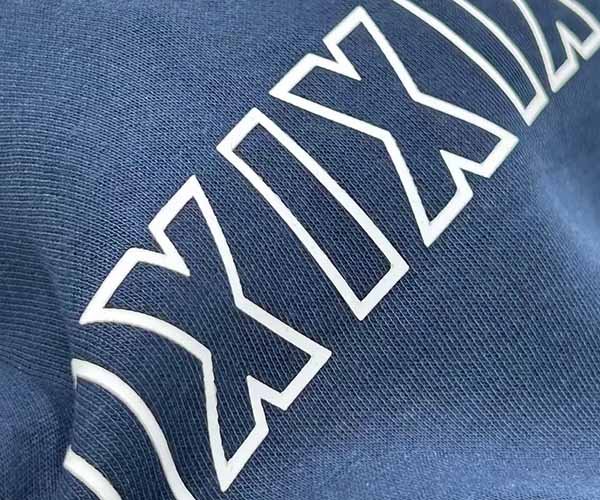
Screen printing suits canvas, cotton, polyester, nylon, and many flat fabric panels. It works well for simple artwork, larger logos, promotional bags, and controlled color applications.
  • Good for solid colors
  • Setup depends on color count
  • Best confirmed on actual fabric
  • Fine lines require artwork review
5. embroidery (3)

Embroidery

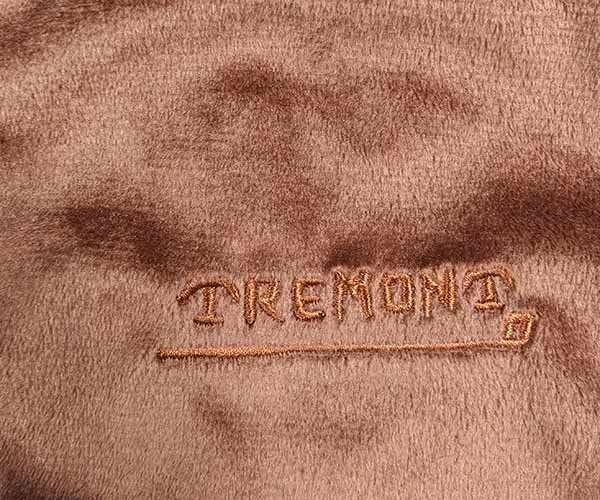
Embroidery provides texture and strong durability on canvas, cotton, polyester, felt, denim, and selected PU panels. Stitch density, backing, small text, thread color, and fabric distortion require sample approval.
  • Premium textile effect
  • Suitable for repeated use
  • May stiffen thin fabric
  • Cost depends on stitch count
2. heat transfer (1)

Heat Transfer

Heat transfer supports detailed artwork, gradients, and smaller initial quantities on compatible fabrics. Temperature, pressure, coating, stretch, and abrasion affect performance.
  • Useful for multicolor graphics
  • Good detail reproduction
  • Surface compatibility must be tested
  • Edge lifting should be checked
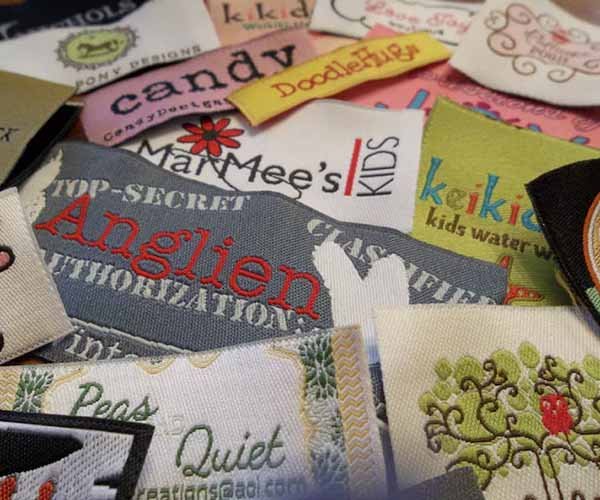
6. woven labels 2

Woven Labels

Woven labels suit interiors, side seams, exterior brand tabs, and product identification. Fold type, edge finish, yarn color, direction, and attachment position should be specified.
  • Clean brand presentation
  • Useful across product families
  • Requires label-production MOQ
  • Small text needs readability review
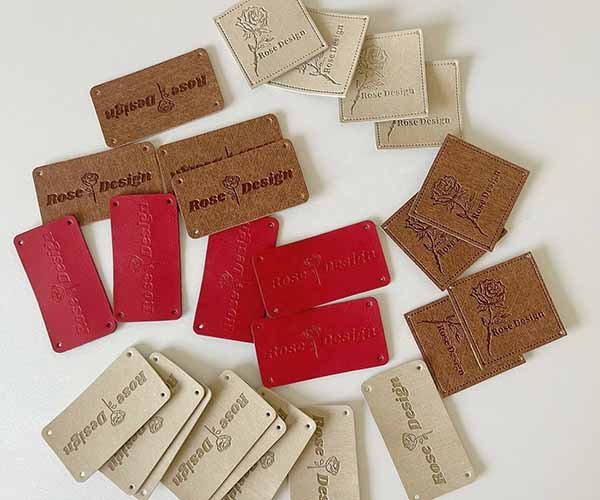
7. leather patches 2

Leather Patches

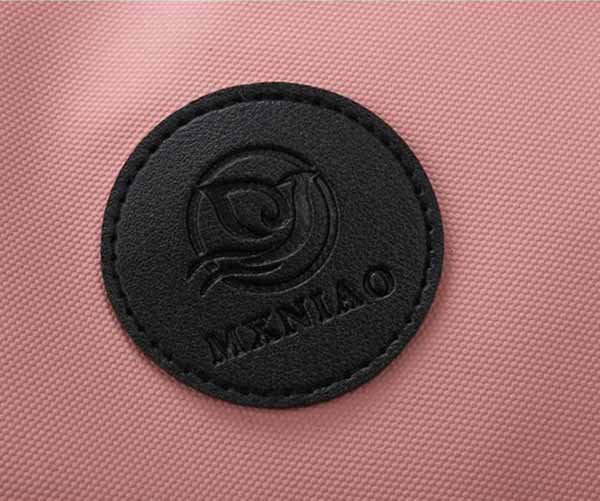
Leather or PU patches create a strong lifestyle or outdoor appearance. Logos can be embossed, debossed, printed, or foil-stamped before the patch is sewn or riveted to the bag.
  • Premium tactile finish
  • Suitable for canvas and outdoor bags
  • Edge and thickness require approval
  • Natural leather may show variation
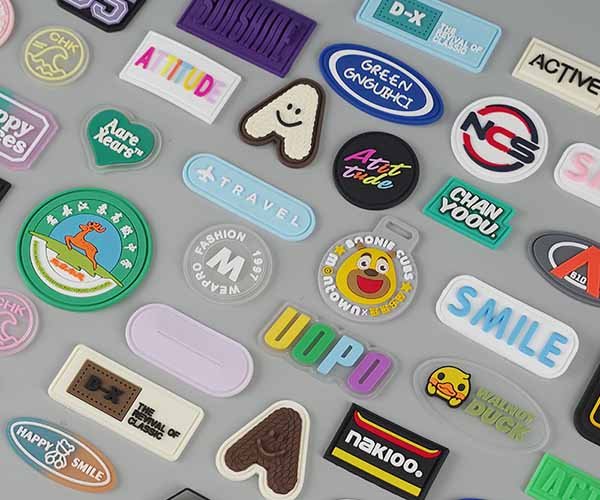
5. rubber and silicone patches

Rubber or Silicone Patches

Rubber and silicone patches support raised, recessed, or multicolor molded artwork. They work well for sports, outdoor, travel, pet, and technical products.
  • Durable and dimensional
  • Custom mold usually required
  • Small details need mold review
  • Color and thickness affect cost
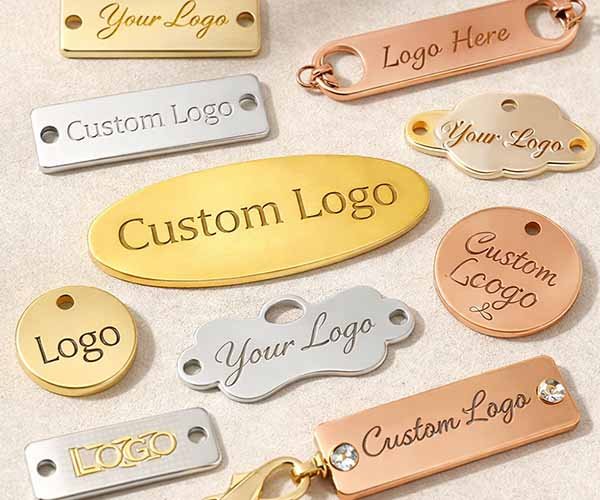
8. metal logo plates 2

Metal Logo Plates

Metal plates create a premium finish for handbags, travel bags, cosmetic cases, and leather goods. Plating, shape, thickness, fixing method, protective film, and scratch prevention require control.
  • Premium visual effect
  • Custom tooling may apply
  • Plating samples should be approved
  • Packing must protect the surface
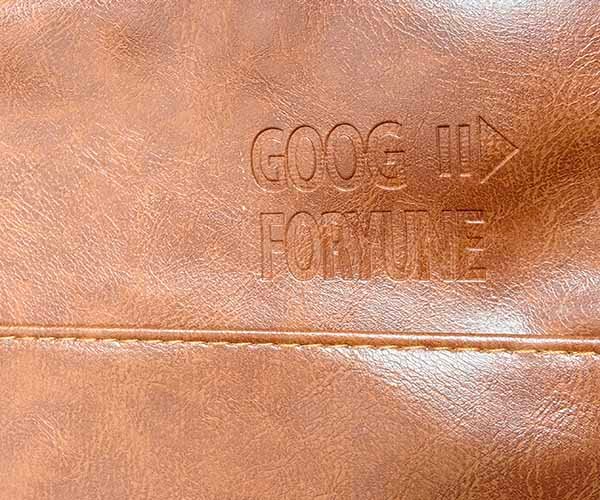
9. embossing

Embossing and Foil

Embossing, debossing, and foil stamping suit leather, PU, paper packaging, patches, and selected coated materials. Heat, pressure, die depth, foil color, and material reaction affect the result.

  • Subtle or premium appearance
  • Custom die may be needed
  • Works best on suitable flat surfaces
  • Bulk pressure and position need control

Packaging and Label Support for Japan Delivery

Packaging must protect the product, match the sales channel, carry approved information, and avoid unnecessary carton volume or freight cost. Japanese wording, care statements, importer information, barcode data, and market claims should be supplied or approved by the responsible brand, importer, or Japan-based compliance team. Szoneier executes production according to approved files. 

Individual Polybags

Individual polybags protect products from dust, handling marks, and moisture during storage and transport. Bag size, thickness, adhesive closure, ventilation, warning text, and barcode position depend on the product and channel.
  • Standard or recycled-content options
  • Printed or applied labels
  • Folded product dimensions
  • Carton-fit review

Dust Bags

Cotton, nonwoven, polyester, satin, or RPET dust bags support premium handbags, leather goods, gift products, and long-term storage. Size, drawcord, logo, color, and fabric weight should suit the packed product.
  • Premium unpacking experience
  • Surface protection
  • Reusable brand asset
  • Added packing volume

Hangtags and Barcodes

Hangtags can present branding, product information, care instructions, collection details, and retail pricing. Barcode files, SKU codes, placement, string type, and attachment position must follow approved records.
  • Japanese copy supplied or approved by the brand
  • Barcode readability checks
  • SKU-to-product matching
  • Retailer-specific placement

Paper Sleeves

Paper sleeves suit folded totes, pouches, travel organizers, and compact retail products. They offer more branding surface than a basic polybag while using less volume than a full box.
  • Compact retail presentation
  • Material and print finish options
  • Die-line approval
  • Fold and product-fit testing

Retail Boxes

Retail boxes support cosmetic bags, leather goods, gift sets, protective cases, and higher-value collections. Board thickness, insert, opening method, printing, coating, product fit, and transport protection affect total cost.
  • Strong shelf presentation
  • Product protection
  • Higher tooling and freight impact
  • Carton optimization required

Gift Packaging

Gift packaging may combine tissue paper, ribbon, cards, dust bags, sleeves, boxes, and product kits. Final pack-out should be tested before mass production to confirm appearance, labor time, weight, and carton efficiency.
  • Corporate and seasonal programs
  • Multi-product kits
  • Personalized inserts
  • Split packing by destination

Bulk Production Control for Japan Market Programs

Bulk production begins with approved records, not only an approved appearance sample. Materials, patterns, components, workmanship, packing, and inspection requirements need a controlled release.

BOM and Material Release Before Cutting

The bill of materials records the components used for production. A complete bag BOM may include:
  • Outer fabric and color
  • Lining
  • Foam or padding
  • Reinforcement board
  • Zippers and sliders
  • Webbing
  • Buckles, hooks, rings, and rivets
  • Thread
  • Labels
  • Logo components
  • Packaging
  • Carton requirements
Material receiving checks compare delivered components against approved records. Relevant items may include color, width, thickness, surface condition, coating, hardware finish, zipper operation, webbing dimensions, and printed content. Materials are separated by order and batch before cutting. High-visibility items such as main fabric, metal parts, PU surfaces, and branded components receive closer comparison against approved references. Changes caused by supply availability should be reported before substitution. A similar-looking zipper, lining, or webbing may perform differently or change the final appearance.

Cutting, Logo Processing, and Pilot Assembly

Cutting accuracy affects every later production stage. Incorrect panel dimensions create distorted shapes, uneven openings, mismatched pockets, twisted zippers, and size inconsistency. Production control can include:
  • Marker or cutting layout review
  • Panel quantity checking
  • Direction and grain control
  • Paired-part identification
  • Printed or embroidered panel positioning
  • Logo orientation
  • Reinforcement placement
  • Bundling by color or SKU
Logo processing often occurs before full assembly. Printed panels, embroidered panels, patches, labels, and metal plates should be checked before sewing because corrections become more difficult after the bag is assembled. Pilot assembly helps confirm seam order, binding, foam compression, hardware installation, and operator instructions. Complex structures may use a pre-production sample or first-piece review before line production expands.

Sewing-Line and Work-in-Progress Control

Line control focuses on problems while correction is still possible. Waiting until final inspection may leave hundreds of units with the same hidden construction error. Important in-process points include:
  • Stitch-line position
  • Thread tension
  • Seam allowance
  • Binding width
  • Zipper alignment
  • Pocket position
  • Handle and strap reinforcement
  • Hardware installation
  • Lining attachment
  • Foam placement
  • Left-right symmetry
  • Product measurements
QC staff and production supervisors review work-in-progress units according to the structure and risk level. High-load products, structured bags, insulated products, and multi-layer cases require additional attention around stress points and seam intersections. Operators should work from approved components and line instructions rather than memory from an earlier style.

Multi-SKU Packing and Shipment Preparation

Multi-SKU programs create risks beyond sewing. Colors, sizes, labels, hangtags, barcodes, inserts, polybags, carton quantities, and destination marks must correspond. A packing control file may include:

  • Product code
  • Style name
  • Color
  • Size
  • Barcode
  • Individual packing
  • Inner carton quantity
  • Master carton quantity
  • Carton dimensions
  • Gross and net weight
  • Carton mark
  • Destination

Finished products are counted and separated before packing. Barcode and label checks compare physical goods with the SKU file. Carton photos, packed product photos, label photos, or short videos may be shared before shipment. For seasonal launches, a split shipment can send urgent units by air while the balance moves by sea, subject to cost and schedule review. 

Quality Control for Japan-Bound Custom Bags
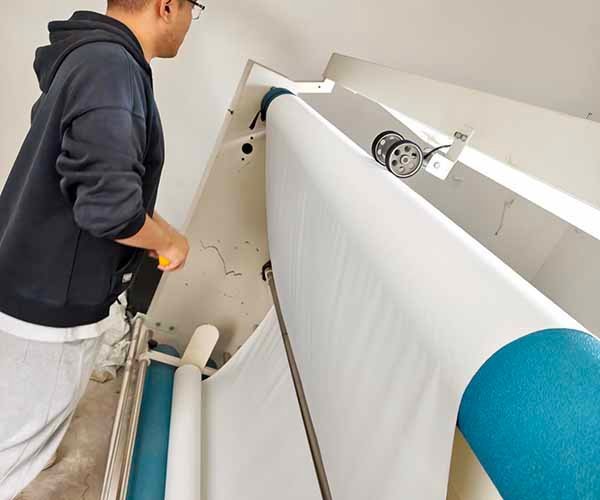
Inspection follows product risk, approved specifications, workmanship standards, packaging instructions, and agreed performance requirements.
1. material inspection

Material Inspection

Main fabric, lining, leather, PU, neoprene, mesh, foam, and coated materials are checked against approved references before production.
  • Color and surface condition
  • Width, thickness, or weight
  • Coating appearance
  • Odor where relevant
  • Batch consistency
1. material inspection

Accessory Inspection

Zippers, sliders, webbing, buckles, hooks, rings, rivets, labels, threads, boards, and molded parts affect product function and appearance.
  • Size and color
  • Surface finish
  • Zipper movement
  • Hardware defects
  • Quantity and model
3. pre production sample

Pre-Production Sample

A pre-production sample can confirm final bulk materials, logo, hardware, structure, workmanship, and packing before full line release.
  • Approved components
  • Final measurements
  • Production sewing sequence
  • Packing setup
  • QC reference points
4. cutting inspection

Cutting Inspection

Cutting control checks panel size, direction, quantity, printed placement, paired parts, reinforcement positions, and batch separation.
  • Pattern matching
  • Panel orientation
  • Component bundling
  • Damage removal
  • SKU separation
5. logo inspection

Logo Inspection

Logo checks cover artwork, size, color, position, orientation, clarity, attachment, and surface condition.
  • Pantone or approved color
  • Center-line measurement
  • Small-text clarity
  • Patch or plate fixing
  • Print or embroidery finish
6. sewing inspection

Sewing Inspection

Sewing inspection addresses construction while units remain in production.
  • Stitching and thread tension
  • Seam allowance
  • Binding
  • Zipper alignment
  • Reinforcement
  • Pocket position
7. semi finished check

Semi-Finished Check

Semi-finished units reveal structural issues before lining closure, final binding, or complete assembly.
  • Internal reinforcement
  • Foam and board placement
  • Pocket construction
  • Hardware fixing
  • Shape development
8. final product check

Final Product Check

Finished units are checked against approved samples and specifications.
  • Dimensions and appearance
  • Shape and symmetry
  • Zipper and closure function
  • Strap adjustment
  • Surface cleanliness
  • Product-specific features
9. packing and outgoing check

Packing and Outgoing Check

Packing inspection confirms individual packaging, labels, barcode, quantity, carton configuration, carton marks, and shipment readiness.

  • SKU and barcode matching
  • Carton quantity
  • Export carton condition
  • Packing list alignment
  • Shipment photos


Testing and Inspection Support for Japan Projects

Testing should match product material, intended use, age group, sales channel, marketing claims, and requirements supplied by the responsible importing company. Szoneier does not describe every product as automatically compliant with all Japanese requirements. Testing scope and legal obligations must be confirmed for the exact product and sales channel. 

Material Testing

Chemical and material tests may be arranged when required by the program. Scope depends on fabric, coating, ink, hardware, product category, and intended market claim.
  • Restricted substances
  • Heavy metals
  • Azo dyes
  • Colorfastness
  • Material composition

Physical Performance

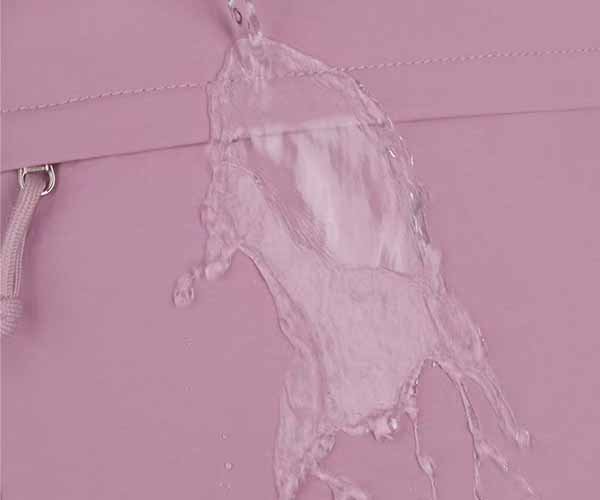
Performance claims should use an agreed method instead of unsupported descriptions. Relevant tests may cover strength, abrasion, load, zipper operation, water resistance, insulation, or seam performance.
  • Test method agreed first
  • Sample quantity confirmed
  • Pass criteria recorded
  • Results linked to exact material and construction

Brand Inspection Protocols

Large brands, retailers, and importers may provide their own inspection manual, defect classification, AQL level, packaging checklist, or laboratory requirements.
  • Protocol review before production
  • Golden sample alignment
  • Inspection booking support
  • Corrective action records

Third-Party Inspection

SGS, Intertek, Bureau Veritas, TüV, or another nominated agency can be coordinated when independent inspection or testing is requested.
  • Inspection scope agreed in advance
  • Cost and timing confirmed
  • Goods prepared for inspection
  • Reports retained with project records

Shipping Custom Bags from China to Japan

Freight planning should consider launch timing, quantity, carton volume, weight, destination type, customs arrangement, and warehouse receiving conditions. 

Sample Express

DHL, UPS, FedEx, and similar couriers are commonly used for material samples, logo trials, development samples, approval samples, and urgent documents.
  • Fast international movement
  • Tracking available
  • Suitable for low shipment weight
  • Import charges depend on arrangement

Air Freight

Air freight helps when bulk goods must arrive faster than sea transport but are too large for economical courier shipment.
  • Suitable for launch stock
  • Airport or door options
  • Higher cost than sea
  • Volumetric weight affects quotation

Sea Freight

Sea freight suits larger orders, regular replenishment, retail programs, and products with greater carton volume.
  • Better cost for larger shipments
  • Longer planning period
  • Port and customs time required
  • Early booking recommended during peak seasons

FOB and CIF

FOB suits companies managing their own freight from the agreed China port. CIF includes main transport to the destination port but normally does not include Japanese import clearance, local port charges, or final delivery.
  • Commercial invoice
  • Packing list
  • Export coordination
  • Bill of lading support

DAP and DDP

DAP can arrange delivery toward an agreed address while import clearance and duties generally remain with the recipient. DDP may be evaluated through logistics partners where a workable route is available.
  • Full address required
  • Product and carton data required
  • Import arrangement confirmed
  • Availability reviewed by shipment

Split Shipments

Programs with fixed launch dates can be divided by transport method, SKU, color, warehouse, or channel.
  • Urgent quantity by air
  • Balance quantity by sea
  • Separate retailer allocations
  • Multiple destination review

Representative Bag Projects for Japan Sales Channels

The follow cases show realistic project structures, quantities, development timing, production control, and delivery arrangements used for Japan-facing programs.

Lifestyle Retail Tote

Client Profile: International lifestyle brand preparing a Japan retail launch
Product: Structured canvas tote with internal pocket and zipper closure
Order Quantity: 2,400 pcs across three colors
Material: 16 oz cotton canvas with cotton lining
Logo: Embroidered front logo and woven internal label
Packaging: Individual recycled polybag, hangtag, barcode, 24 pcs per carton
The original design used heavy canvas but lacked enough bottom stability. The first sample also showed puckering around the zipper and slight distortion around the embroidered logo.
Szoneier adjusted the bottom panel, added a lightweight internal board, modified zipper seam allowance, and changed the embroidery backing. The second sample retained the desired natural appearance while standing more evenly.
  • Sample development: 11 days
  • Revision and approval: 8 additional days
  • Bulk production: 34 days
  • QC focus: dimensions, zipper alignment, logo position, bag symmetry, barcode matching
  • Delivery: sea freight to a Japanese distribution partner
The launch order passed final inspection without a major rework request. A later replenishment increased to 4,800 pcs with two additional seasonal colors.

Beauty Pouch Collection

Client Profile: United States skincare brand expanding into Japanese e-commerce and selected retail stores
Product: Three-piece cosmetic pouch collection
Order Quantity: 3,600 sets
Material: Water-resistant nylon outer, polyester lining, light foam
Logo: Small metal plate with protective film
Packaging: Paper belly band, barcode sticker, master carton separated by color
The challenge involved three sizes using the same brand proportions. Early artwork positioned the metal plate too close to the zipper seam, creating installation risk and visual imbalance on the smallest pouch.
Szoneier prepared size-specific logo placement drawings and recommended one smaller plate size for the smallest pouch. Zipper tape, lining, and thread colors were matched to approved physical swatches rather than digital screen colors.
  • Sample development: 12 days
  • Final approval: after two sample rounds
  • Bulk production: 38 days
  • QC focus: nested sizing, logo plate alignment, zipper operation, surface marks, set completeness
  • Delivery: first 600 sets by air, remaining 3,000 sets by sea
The split shipment supported the launch date while keeping the main freight cost under control. The brand later reordered 5,400 sets with updated seasonal colors.

Travel Organizer Program

Client Profile: Japanese importer supplying online and specialty travel stores
Product: Compression packing cube and travel pouch set
Order Quantity: 1,800 complete sets
Material: Ripstop nylon, mesh panels, polyester binding
Logo: Heat-transfer logo and woven size labels
Packaging: Five-piece set packed in a branded storage pouch
The initial specification used lightweight mesh around a compression zipper. Szoneier identified a tearing risk at the corner seam during the sample review. A denser mesh and wider reinforcement tape were proposed while keeping the target packed weight close to the original brief.
The storage pouch also required a clearer barcode position because the original location became hidden after folding.

  • Sample development: 14 days
  • Performance review: zipper cycle and filled compression trial
  • Bulk production: 41 days
  • QC focus: mesh seams, compression zipper, set quantity, size labels, barcode visibility
  • Delivery: FOB China port under the importer’s freight account

Final packing was completed by SKU and carton sequence. The following order increased to 3,200 sets and added a new shoe pouch.

How to Compare China Bag Factories for Japan

A suitable manufacturing partner should be evaluated through development capability, documentation, production control, packaging support, and long-term consistency—not unit price alone.

Evaluation PointTrading CompanySmall Sewing WorkshopLarge Volume FactorySzoneier Manufacturing Model
Product DevelopmentDepends on outsourced factoriesLimited technical staffStrong for established constructionsProduct management, design, pattern, sampling, and material support
MOQ FlexibilityVaries by hidden factoryOften flexible for simple workUsually prefers larger ordersFrom 200 pcs for selected materials and structures
Product RangeDepends on supplier networkUsually narrowOften category-specificFabric bags, leather goods, neoprene, EVA, and functional soft goods
Sample RevisionExtra communication layersLimited revision resourcesSlower for small programsStructured feedback, pattern adjustment, material trials, and approval records
Material AdviceOften quotation-ledBased on available local stockEfficient for standard materialsMaterial comparison by use, cost, MOQ, appearance, and performance
Production RecordsVariesOften informalUsually systematicPatterns, BOM, material references, logo files, packing files, and QC notes
Multi-SKU ProgramsCoordination riskCapacity limitationsWorks best at high volumeSKU mapping, packing instructions, carton separation, and parallel order management
Packaging SupportOften outsourcedBasic polybag and cartonStandardized high-volume packingRetail, e-commerce, gift, barcode, hangtag, and multi-address options
QC ControlDepends on supplier accessMainly final visual checksStrong formal systemsMaterial, accessory, cutting, sewing, final, and packing inspection
Repeat ProductionSupplier may changeRecords depend on individualsStrong for stable large ordersApproved samples, material references, packaging files, and QC records retained

Stable Reorders for Long-Term Japan Market Programs

Repeat production becomes more efficient when approved technical, material, branding, packing, and quality information remains organized after the first shipment. Material batches, supplier availability, regulations, and packaging files may change over time. Every reorder receives a change review before production begins. 

Pattern Archive

Approved patterns and revision records reduce the risk of rebuilding a style from old photos or informal instructions. Pattern files can be updated when sizes, pockets, straps, or hardware change.
  • Approved pattern version
  • Measurement records
  • Revision history
  • Related sample reference

BOM Records

BOM records preserve the relationship between fabrics, linings, zippers, hardware, webbing, foam, thread, labels, logo parts, packaging, and cartons.
  • Component names
  • Supplier references
  • Colors and specifications
  • Approved alternatives

Packaging Files

Repeat orders require the correct version of hangtags, barcodes, polybags, sleeves, boxes, carton marks, and packing instructions. Old artwork should not be reused without confirmation.
  • SKU mapping
  • Artwork version
  • Pack-out method
  • Carton quantity

Reorder QC Standards

Previous inspection findings, approved tolerances, common defect risks, and corrective actions can guide later production.
  • Approved sample comparison
  • Material batch review
  • High-risk inspection points
  • Previous order feedback

China Bag Factory for Japan Frequently Asked Questions
Yes. Szoneier is a Shenzhen-based custom bags and soft goods manufacturer with factory-based sampling, pattern development, sewing production, inspection, packaging, and export coordination. Qualified companies may request a video factory review, online project meeting, or scheduled factory visit.
Yes. Szoneier can manufacture custom bags for Japanese importers, retailers, brands, e-commerce programs, and global companies launching products in Japan. Product specifications, packaging files, testing requirements, and delivery arrangements must be confirmed for the exact program.
MOQ starts from 200 pcs for selected products using available materials, regular colors, mature structures, simple logo methods, and standard packaging. Custom colors, special hardware, molded logos, complex construction, testing, or premium packaging may require higher quantities.
Simple samples may take approximately 3–7 days, standard custom bags around 7–12 days, and complex structures around 12–20 days or longer. Timing begins after materials, dimensions, structure, logo, and sample payment are confirmed.
Yes. Development can begin from a tech pack, physical sample, drawing, product photo, specification sheet, design concept, or product link. Better reference information produces more accurate patterns, quotations, material recommendations, and sample results.
Approved patterns, BOM records, material references, logo files, packing instructions, pre-production samples, in-process checks, final inspection, and packing inspection are used according to project requirements. Material changes or unavoidable batch differences are reviewed before substitution.
Yes. Szoneier can produce and apply hangtags, barcodes, stickers, woven labels, printed labels, sleeves, boxes, and carton marks according to approved artwork. Japanese text and market statements should be supplied or finally approved by the responsible brand or importer.
Testing support is available according to product material, use, age group, sales channel, and requirements supplied by the importing company. Szoneier can coordinate material tests, physical performance tests, third-party inspection, and nominated laboratories when required.
Yes. Express, air freight, sea freight, FOB, CIF, DAP, and selected DDP routes can be reviewed. Freight advice requires product quantity, carton size, gross weight, delivery address, desired arrival date, and import arrangement.
Yes. Multi-SKU orders can be organized through product codes, color records, barcode files, packing instructions, carton separation, and shipment schedules. Repeat orders benefit from retained patterns, BOM records, approved samples, logo files, packaging files, and QC notes.

Start Your Japan Market Bag Project

Send your product concept, reference photos, physical sample details, tech pack, or existing specification to Szoneier. Our project team will review materials, construction, MOQ, logo method, packaging, sampling, production, inspection, and delivery options before preparing a project-based quotation. For a faster and more accurate evaluation, include:
  • Product type and intended use
  • Target quantity and number of SKUs
  • Finished size or capacity
  • Preferred material and color
  • Logo artwork and desired process
  • Packaging and barcode requirements
  • Target price or product position
  • Required testing or inspection
  • Delivery address in Japan
  • Target launch or arrival date
  • Sample deadline
  • Preferred shipping terms
travel bag

Ask For A Quick Quote

We will contact you within 24 Hours, please pay attention to the email with the suffix“@szoneier.com”

For all inquiries, please feel free to reach out at:

Ask For A Quick Quote

We will contact you within 24 Hours, please pay attention to the email with the suffix“@szoneier.com”

Contact Us

Send us a message if you have any questions or request a quote. We will be back to you ASAP!

For all inquiries, please feel free to reach out at:

Contact Us

Send us a message if you have any questions or request a quote. We will be back to you ASAP!

Exclusive Offer for First-Time Customers

For first-time customers, we will send you a free color card for you to choose.Once you have confirmed the fabric and color, our factory will make a free sample proofing for you.

For customers who frequently cooperate with us, we will send new color charts free of charge several times a year.

For all inquiries, please feel free to reach out at: