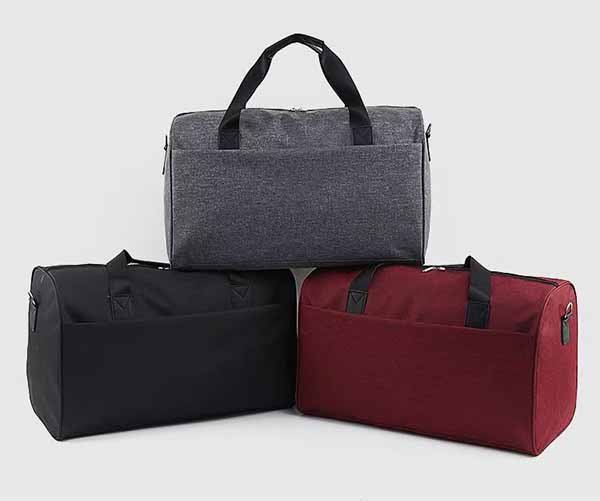
China Bag Supplier for Australia | Custom OEM OEM Bags
- MOQ from 200 pcs for selected materials and structures
- Product development from photos, sketches, samples or tech packs
- Material, structure, logo and branded packaging support
- Multi-stage inspection from incoming materials to packed cartons
- Express, air, sea, DDP and Australia-bound shipment coordination
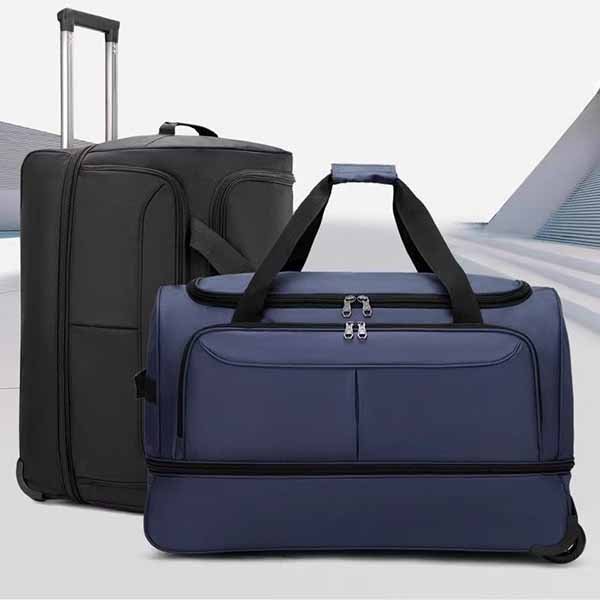
Factory Capacity Supporting Australian Bag Programs
A factory-based production system gives brands clearer control over samples, materials, manufacturing schedules, inspection records, packaging and repeat-order consistency.
18+ Years Experience
20,000+㎡ Factory System
180+ Team Members
160+ Machines
8 Sewing Lines
120,000–200,000 Pcs Monthly
Custom Bag Manufacturing for Australian Sales Channels
Established Australian Brands
- Product files can include patterns, BOM records and approved samples.
- Multi-color and multi-SKU ranges can be scheduled together.
- New designs can be developed alongside repeat production.
- Inspection criteria can be recorded for later replenishment orders.
Retailers and Importers
- SKU separation and carton identification
- Barcode, hangtag and packaging file control
- Bulk consistency across colors and sizes
- Packing-list and commercial-invoice support
- Delivery planning for warehouses and distribution centres
Amazon Australia Sellers
- FNSKU application and checking
- Polybag warning labels when required
- SKU separation and carton labels
- Carton weight and dimension control
- Air, sea or DDP replenishment planning
Shopify and DTC Brands
- Photo-ready development samples
- Seasonal color and material combinations
- Custom cards, dust bags, mailers and boxes
- Smaller initial production for market validation
- Repeat runs after sales results become clear
Promotional Companies
- Screen printing, embroidery, patches and labels
- Multiple logos or department variations
- Individual packing and event kits
- Carton identification by destination
- Production and shipping schedules built backward from the event
Outdoor Lifestyle Brands
- Abrasion-resistant fabrics
- Reinforced handles and shoulder straps
- Insulated or padded structures
- Water-resistant or waterproof options
- Product-specific load and function checks
Reduce Common Risks When Sourcing Bags from China
Unverified Factory Capacity
- Szoneier can arrange video factory reviews for qualified projects.
- The review may cover the sample room, materials, cutting, sewing, QC and packing.
- Workshop photographs and project-specific videos can support internal supplier assessment.
- Factory visits can be scheduled for serious sourcing programs.
Incomplete Initial Quotations
- Outer and lining materials
- Product dimensions and internal construction
- Logo method and artwork requirements
- Hardware, webbing, foam and accessories
- Packing format, quantity and delivery destination
Sample-Bulk Differences
- Final approved sample retained as the reference
- BOM and accessory lists updated after revisions
- Logo and packing files stored with the order
- Pre-production sample checked before full sewing
- Process and final inspections linked to approved standards
Hidden MOQ Restrictions
- Ready-color fabrics suit lower opening quantities.
- Custom dyeing usually requires higher volume.
- Molded hardware and zipper pullers have tooling requirements.
- Jacquard webbing and custom boxes need separate MOQ review.
- Mixed colors depend on shared materials and production efficiency.
Freight Cost Surprises
- Review whether the product can ship flat or folded
- Select carton sizes around actual packed dimensions
- Reduce unnecessary air space inside master cartons
- Protect hardware and structured bags without excessive materials
- Compare air and sea options using final carton data
Missed Launch Dates
Sampling, revision, material sourcing, production, inspection and international freight form one connected schedule. A delay at the development stage reduces the available shipping window.
- Work backward from the Australian arrival date
- Confirm packaging and label files early
- Reserve extra time for custom materials or molds
- Approve samples before peak production periods
- Consider split shipping when part of the order is urgent
When China Sourcing Fits Australian Bag Programs
Develop More Than an Existing Stock Bag
- Product definition: A clear project brief should identify product use, target price, sales channel, estimated quantity, delivery location and required launch date. These factors influence fabric, construction, packaging and freight.
- Material choice: Polyester, Oxford, nylon, canvas, cotton, neoprene, PU, leather, PVC and TPU behave differently during cutting, sewing, printing and transport. The lowest-cost material is not always economical when it produces weak structure, coating failure or poor presentation.
- Construction review: Pocket placement, zipper direction, strap width, handle length, padding and reinforcement should be built around use. A laptop backpack, wine carrier, beach tote and medical bag need very different engineering.
- Brand execution: Logo appearance depends on artwork detail, fabric texture, color count and location. Packaging also affects perceived value after the product reaches retail shelves or an online order recipient.
Coordinate Multi-SKU Product Collections
- Shared material planning: Tote bags, pouches, cooler bags and travel accessories may use matching outer colors, linings, labels or packaging. Shared materials can improve consistency and sometimes support more efficient minimum quantities.
- Color control: One Pantone reference can appear different on polyester, zipper tape, PU, webbing, metal hardware and printed boxes. Physical samples and material swatches help establish acceptable visual matching.
- SKU management: Separate model numbers, colors, barcodes, packing quantities and carton marks should be confirmed before production. Clear SKU files reduce mixing during packing and warehouse receiving.
- Production scheduling: Different products do not always finish on the same date. Material availability, logo processes and sewing complexity affect completion. A coordinated shipment plan can consolidate products after each batch passes inspection.
- Range expansion: Strong sellers can be replenished while new colors or related products move through sampling. Existing product files reduce the need to restart every detail.
Start with Controlled Volume
An opening order should validate both the product and the manufacturing relationship. Szoneier supports MOQ from 200 pieces for selected products using ready materials, mature structures, simple logo methods and regular packaging.
- Product validation: A trial run allows a brand to examine real material feel, shape, packing efficiency and market response before committing to substantial inventory.
- Supplier validation: Procurement teams can assess communication, sample accuracy, production updates, inspection records, packing quality and shipment coordination through a manageable opening order.
- Commercial boundaries: Lower MOQ does not apply automatically to custom-dyed fabrics, molded parts, proprietary hardware, jacquard webbing, elaborate gift boxes or complex waterproof constructions. Material and accessory minimums must be reviewed first.
- Scaling path: A successful first order can move into larger replenishment, additional colors, upgraded packaging and related SKUs. Approved patterns, BOM files, logo artwork and inspection records make later production more controlled.
A controlled opening volume is not intended for one-piece personal orders. It serves brands and procurement teams with a real sales plan, defined branding requirements and potential for repeat manufacturing.
Custom Bag Categories for Australian Markets
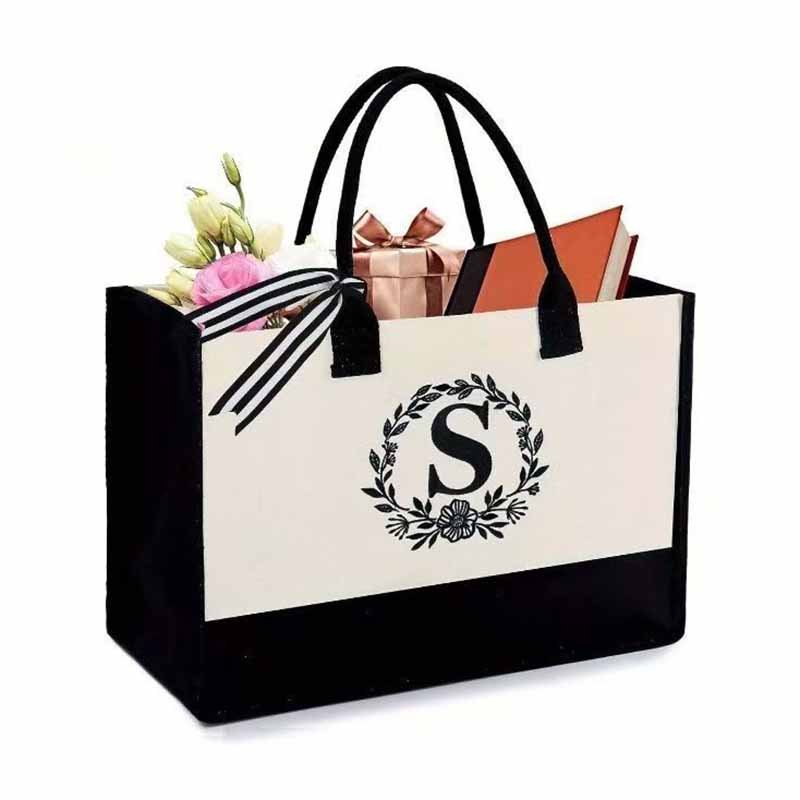
Tote and Shopping Bags
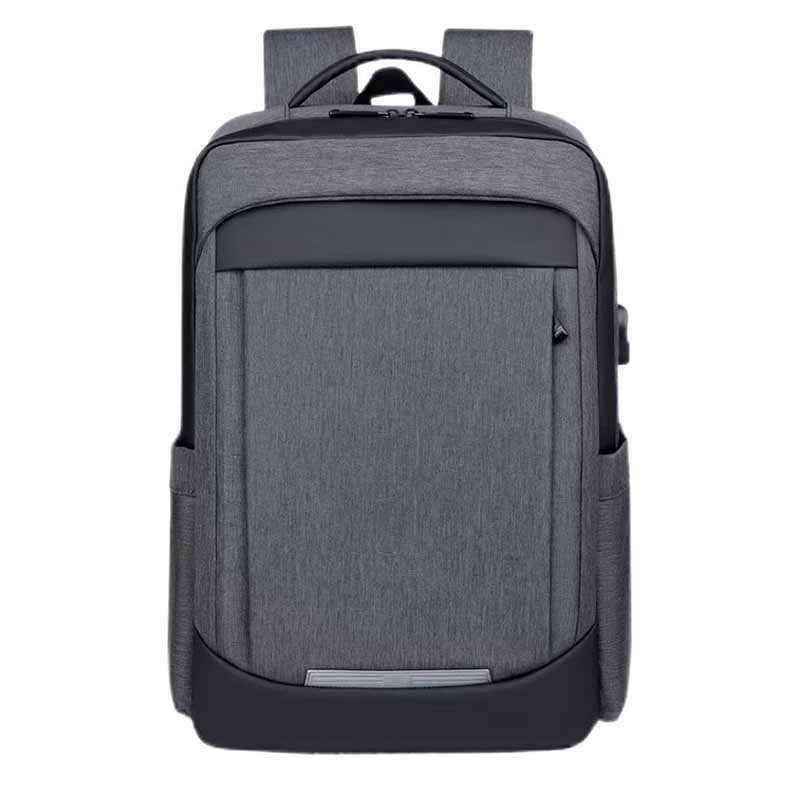
Custom Backpacks
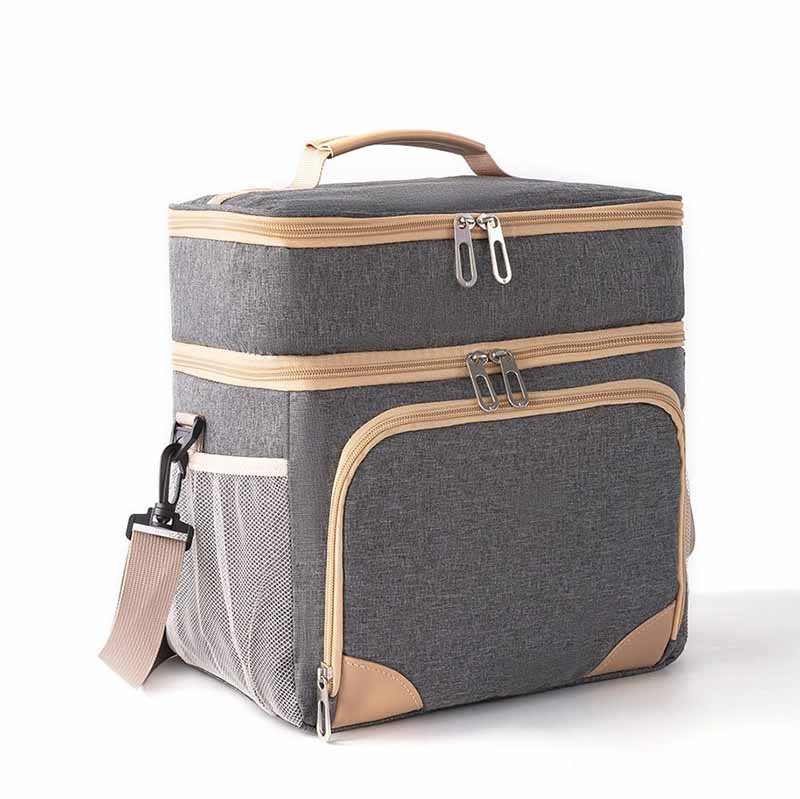
Cooler and Lunch Bags
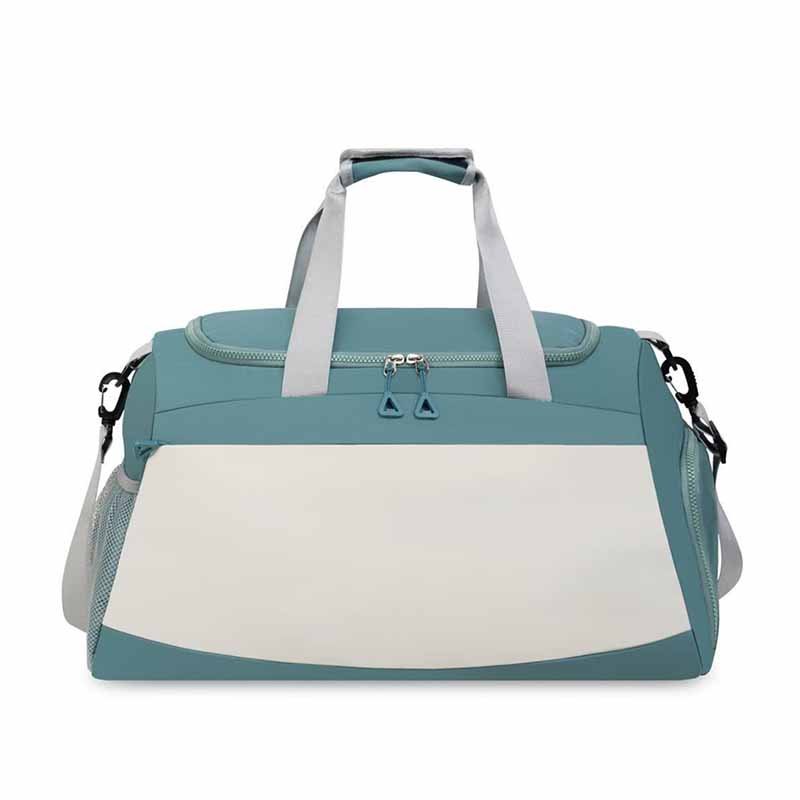
Travel and Duffle Bags
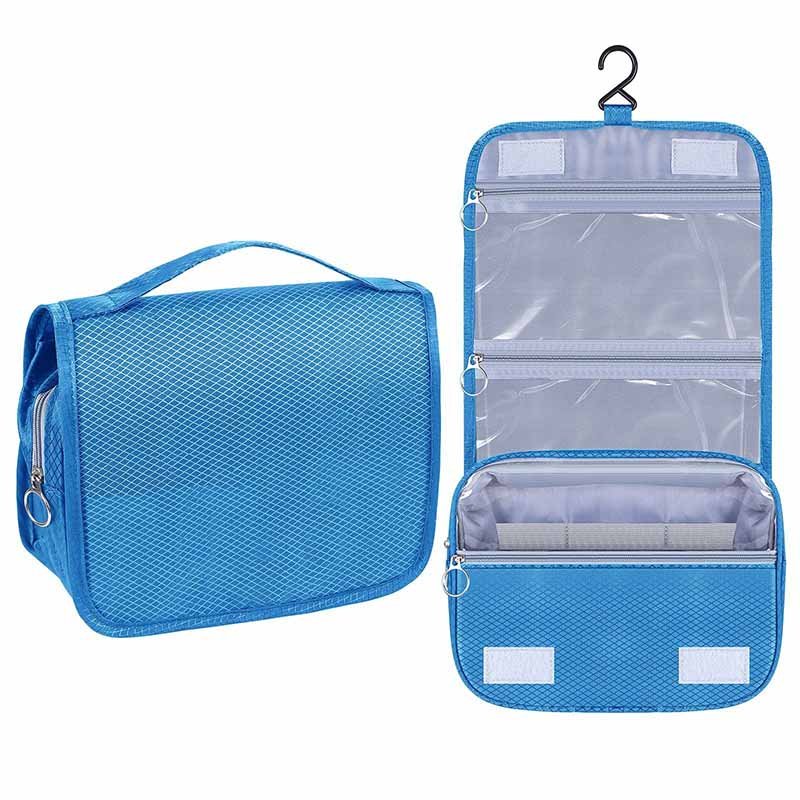
Cosmetic and Toiletry Bags
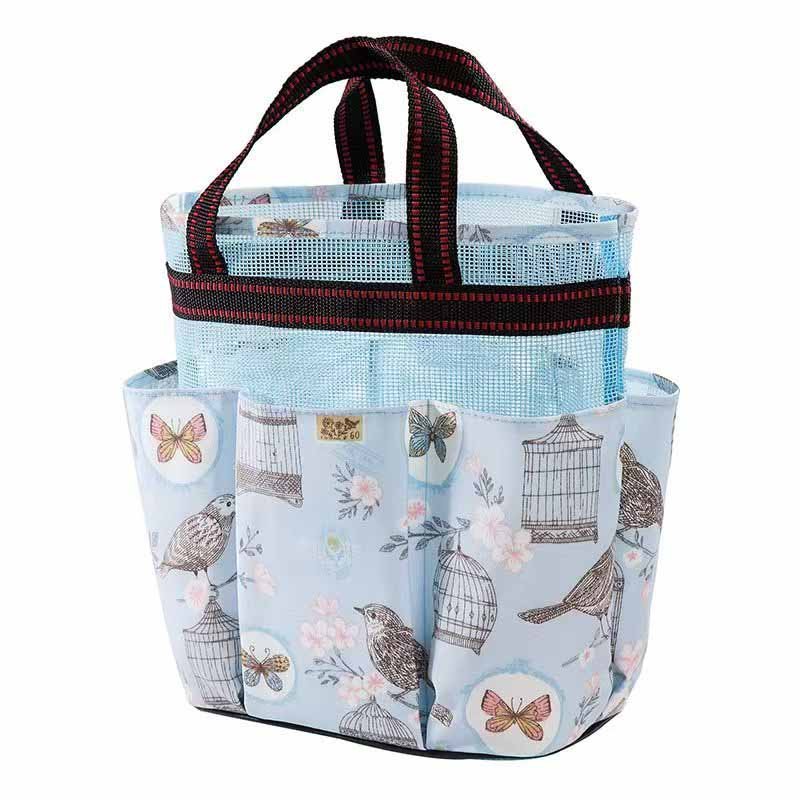
Beach and Outdoor Bags
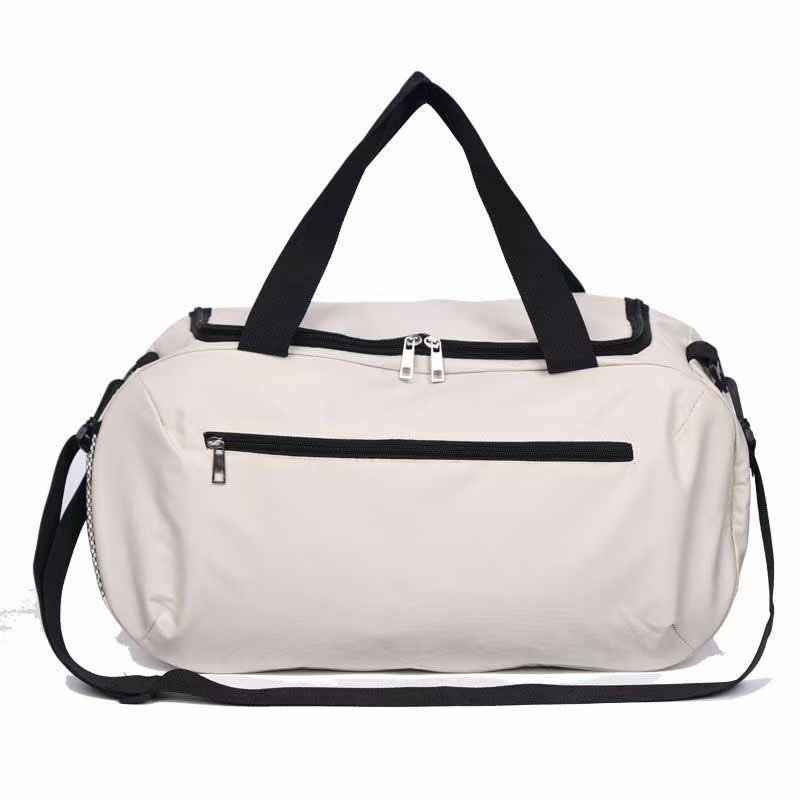
Gym and Sports Bags
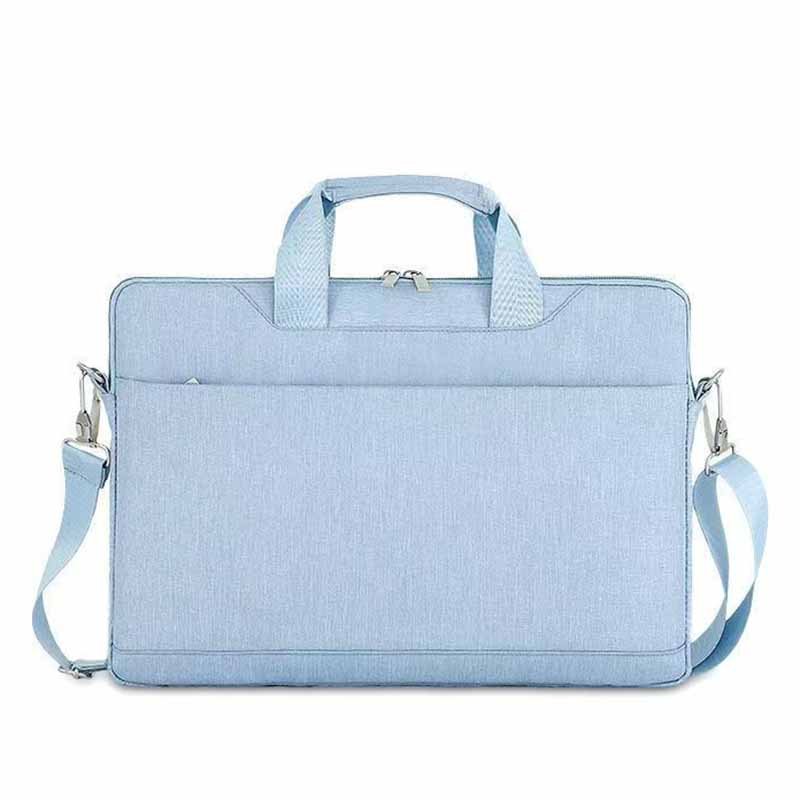
Laptop and Business Bags
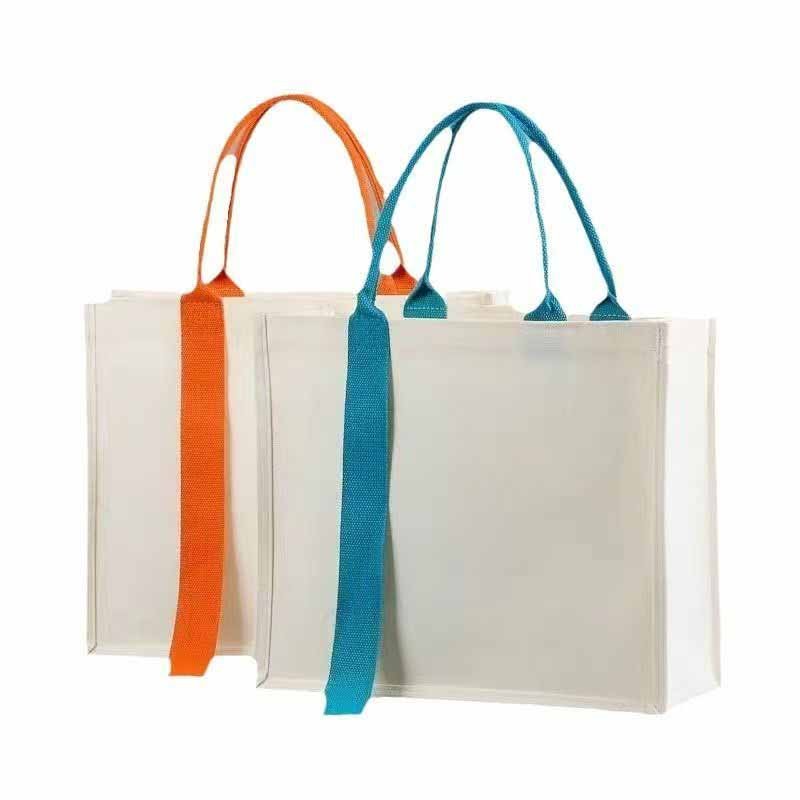
Promotional and Gift Bags
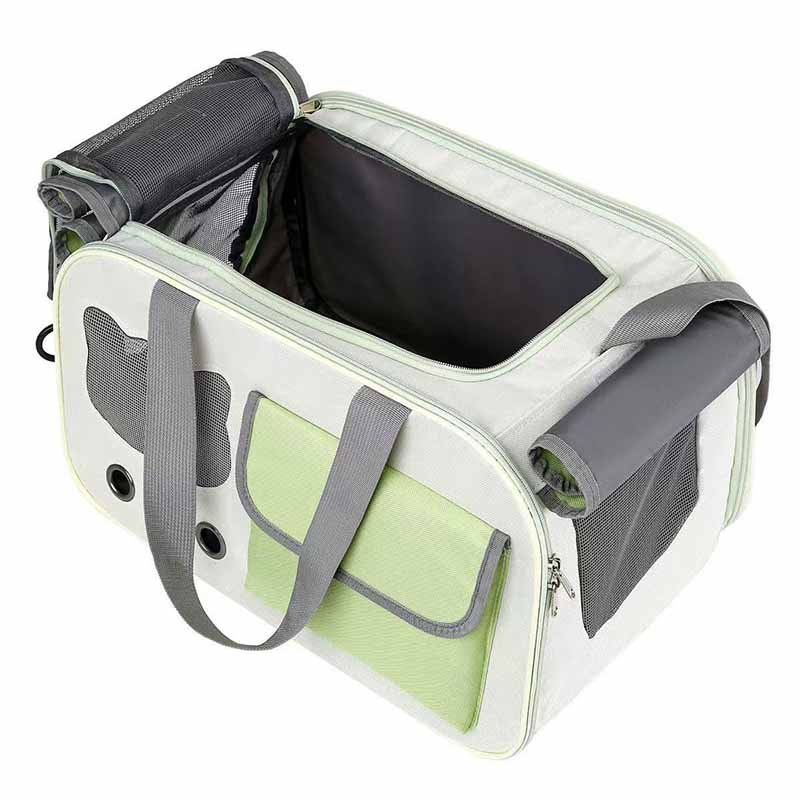
Pet and Baby Bags
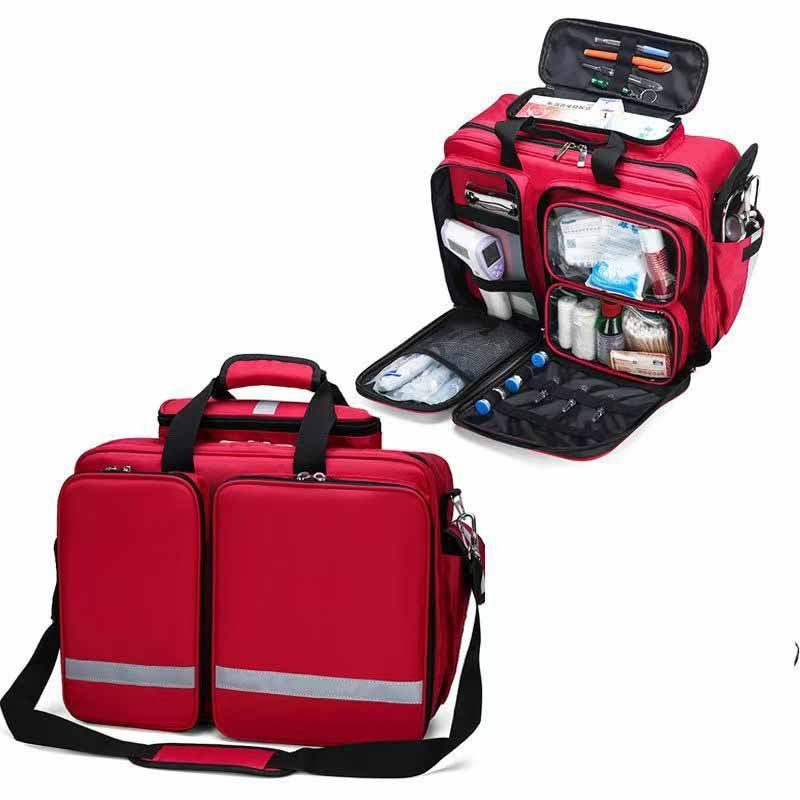
Tool and Medical Bags
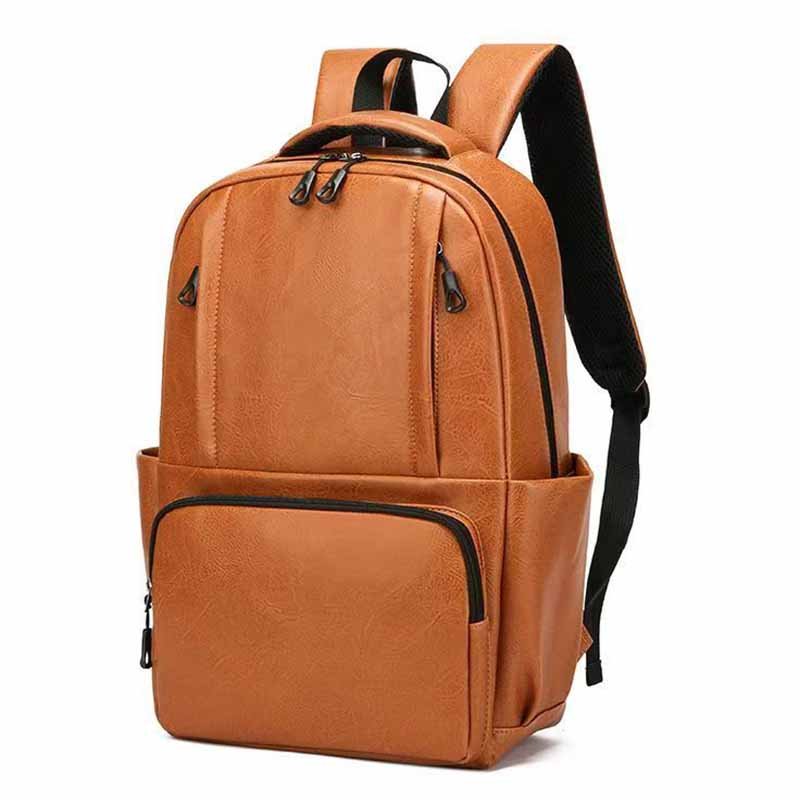
Leather and Specialty Goods
Szoneier supports genuine leather, PU, microfiber leather, neoprene, EVA, PVC, TPU and other specialty materials. Products include fashion bags, wallets, equipment cases, bottle sleeves, protective pouches and molded cases. Material stability, surface protection and finishing standards are reviewed individually.
Compare Bag Materials Before Sampling and Production
Material selection changes cost, hand feel, durability, structure, print quality, packed weight and long-term product performance. Review the trade-offs before approving a sample.
| Material Group | Suitable Products | Main Advantages | Main Risks | Szoneier Recommendation |
|---|---|---|---|---|
| Polyester / Oxford | Backpacks, travel bags, promotional bags, cooler bags | Wide color availability, cost control, coating options and stable production | Low grades may feel thin; coating quality and denier vary widely | Confirm denier, weight, weave, coating and hand feel rather than selecting by fabric name alone |
| Nylon | Outdoor, travel, premium lightweight bags | Strong weight-to-durability ratio, smooth hand feel and lightweight construction | Higher grades cost more; some surfaces show wrinkles or abrasion marks | Select nylon grade around expected load, finish, coating and target retail position |
| Canvas / Cotton | Tote bags, pouches, lifestyle and gift products | Natural appearance, strong printing compatibility and varied fabric weights | Shrinkage, dye-lot variation and creasing need control | Confirm fabric weight, washing treatment, color method and handle reinforcement |
| RPET | Retail, travel, promotional and sustainability-focused ranges | Recycled-content positioning and broad product compatibility | Certification scope and material traceability must be verified | Request certification requirements before material booking and production |
| Neoprene | Bottle sleeves, coolers, protective pouches and sport items | Cushioning, flexible construction, insulation support and full-print potential | Odor, thickness variation and weak lamination can affect quality | Confirm thickness, surface fabric, lamination, print method and edge finishing |
| PU / Genuine Leather | Fashion bags, gifts, small leather goods and premium accessories | Strong visual impact, structured appearance and high-end logo options | PU may hydrolyse; genuine leather has natural variation; surfaces can scratch | Match material grade to retail price, climate exposure, packaging and acceptable variation |
| PVC / TPU | Transparent pouches, waterproof items, beach products and clear bags | Easy-clean surfaces, transparent effects and heat-welded construction options | Scratching, odor, pressure marks and low-temperature stiffness may occur | Test thickness, flexibility, transparency, folding method and packing protection |
| Mesh / EVA / Functional Fabrics | Sport bags, protective cases, outdoor and specialist products | Ventilation, shape retention, impact protection and specialised performance | Mold, lamination or supplier MOQ may increase development cost | Review required function, construction process, testing method and production volume early |
Engineer Bag Structures Around Real Product Use
A successful bag needs more than attractive fabric. Carrying load, access, organisation, cleaning, storage and transport all influence the final construction. Szoneier reviews reinforcement placement during pattern and sample development instead of adding random stitching after a problem appears.
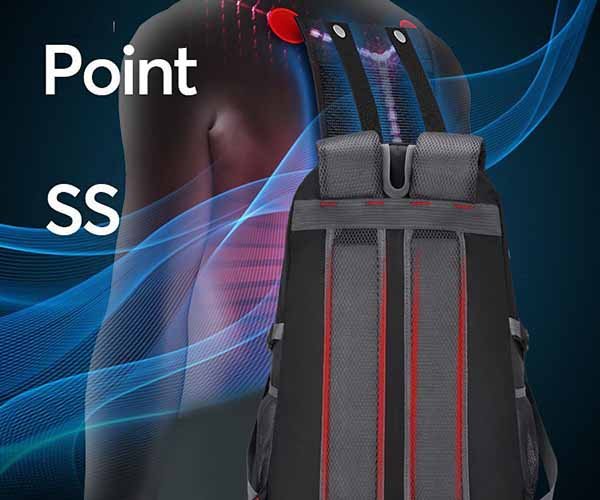
Carrying System
- Tote handles can be short, shoulder length or adjustable.
- Heavy bags need reinforced webbing paths and secure attachment zones.
- Backpack straps require suitable spacing, angle and foam density.
- Load-bearing seams may use bartacks or box-and-cross stitching.
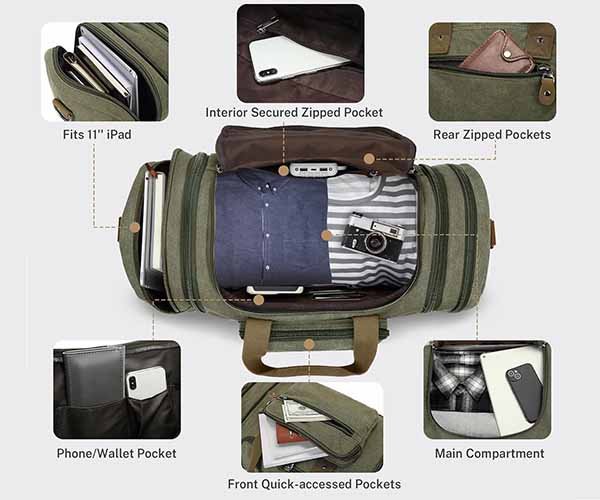
Internal Organization
- Laptop sections require accurate device dimensions and padding.
- Cosmetic bags may use brush loops and wipe-clean dividers.
- Tool bags need visible access and secure item retention.
- Cooler bags require lining geometry that is easy to clean.
- Travel bags may separate shoes, wet items and documents.
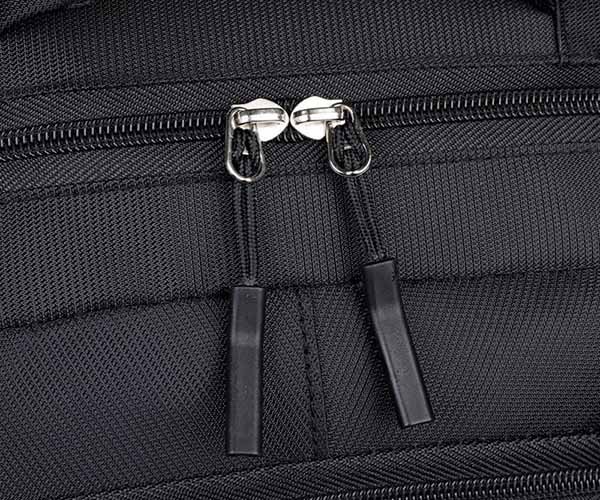
Closure Design
- Zipper gauge should match product size and load.
- Double sliders improve wide-opening access.
- Roll-top closures support selected waterproof constructions.
- Hook-and-loop closures offer quick access but require durability review.
- Magnetic closures need suitable reinforcement and product compatibility.
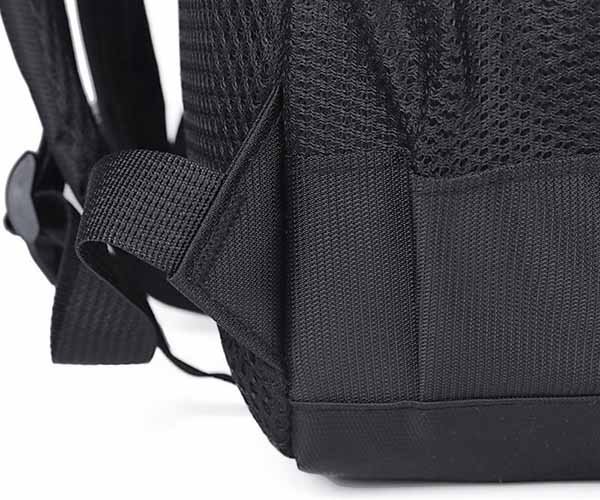
Reinforcement Points
- Handle roots
- Shoulder-strap attachments
- Bottom corners
- Zipper ends
- D-ring and buckle connections
- Heavy internal divider seams
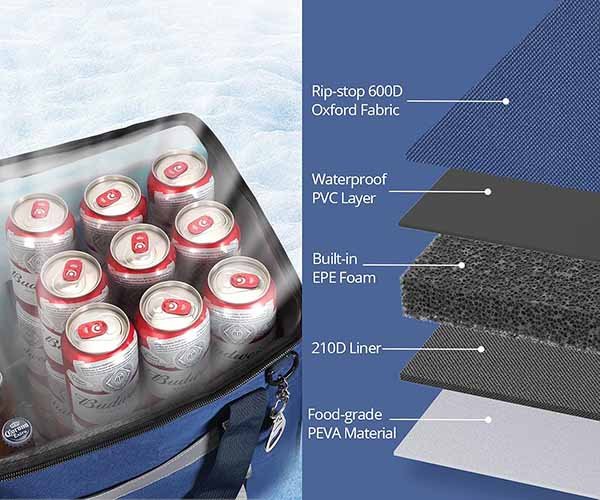
Insulation and Protection
- Laptop products need impact protection without excessive bulk.
- Cooler products require balanced foam thickness and lining structure.
- Equipment cases may need dense EVA or molded components.
- Fashion products may use lighter stabilisers to improve shape.
- Protection levels should be confirmed through sample testing.
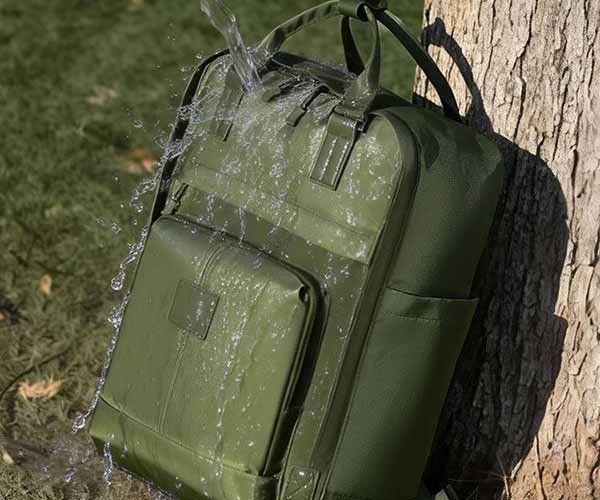
Water Management
- Water-resistant bags may use coated fabric and covered zippers.
- Waterproof products may require TPU or PVC, welded seams and roll-top closures.
- Needle holes can allow water entry in sewn constructions.
- Test methods should match real use, such as rain exposure, splashing or temporary immersion.
- Claims must reflect the agreed construction and test result.
Build Consistent Branding Across Every Bag Detail

Screen Printing

Heat Transfer

Embroidery
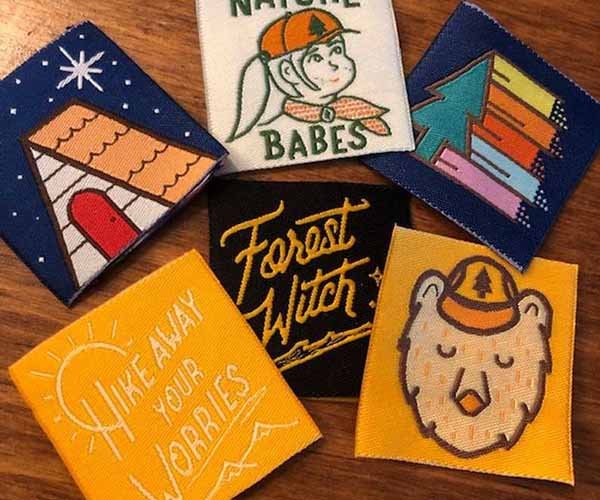
Woven Labels
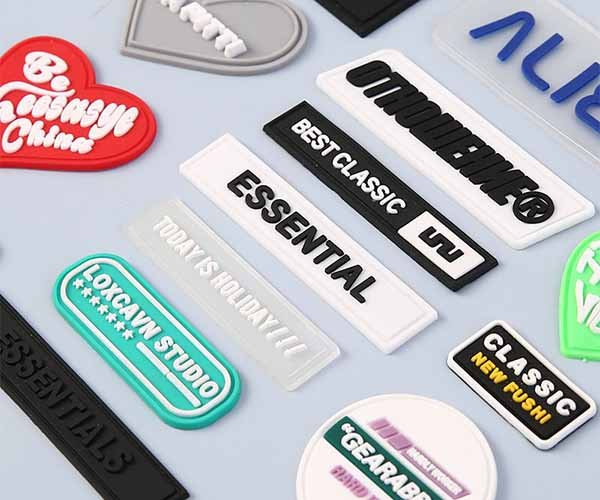
Rubber Patches
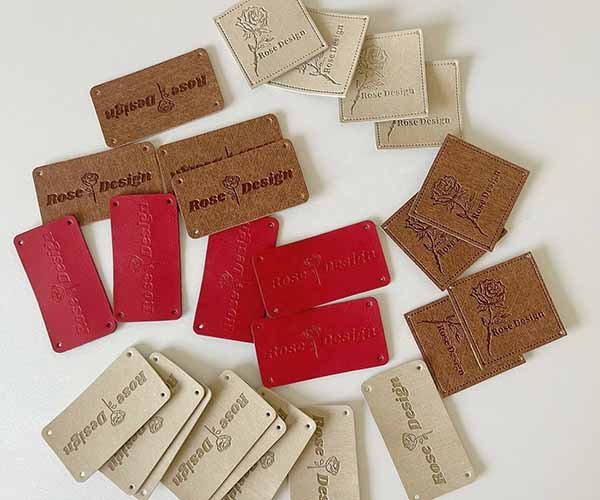
Leather Patches
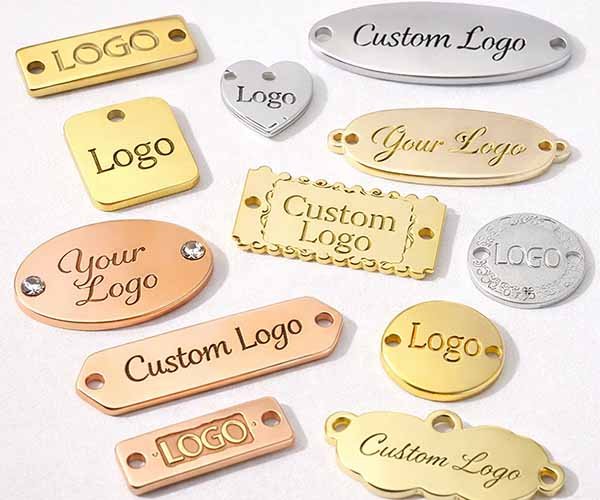
Metal Logo Plates
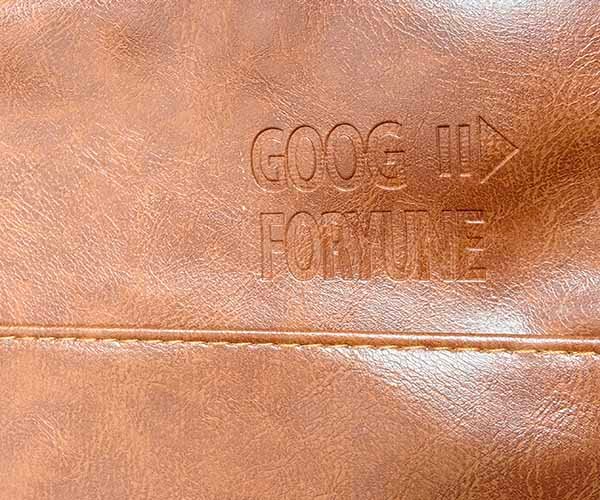
Embossed Branding
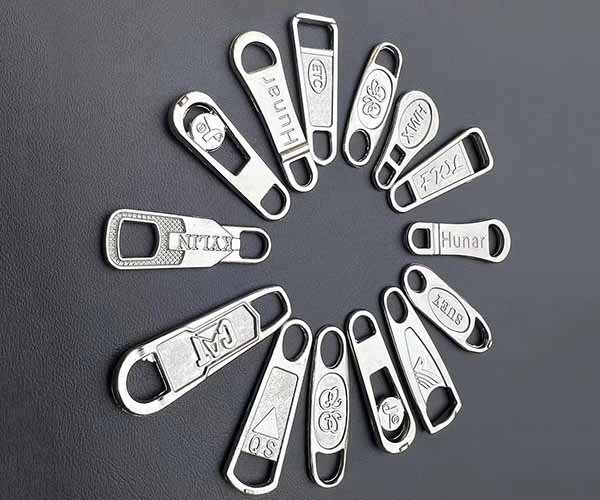
Custom Zipper Pullers
A branded zipper puller can create recognition without dominating the product. Options include metal, rubber, silicone, cord and molded plastic. Tooling, puller weight, zipper compatibility, finish durability and attachment strength should be evaluated. Custom pullers usually suit repeat ranges better than one-time small runs.
Information Needed for an Accurate Custom Bag Quotation
Product Size
- State whether dimensions are finished external measurements.
- Include target capacity or product contents.
- Identify tolerance-sensitive areas.
- Add strap and handle lengths.
- Share device, bottle or equipment sizes when relevant.
Material Specification
- Outer fabric and lining
- Fabric weight or denier
- Coating or lamination
- Foam or stabilising layers
- Desired hand feel and structure
- Sustainability or test requirements
Logo Artwork
- Logo dimensions and position
- Pantone or color reference
- Printing, embroidery or patch preference
- Small text and fine-line details
- External and internal branding locations
Accessories and Hardware
- Standard or branded hardware
- Metal or plastic components
- Zipper size and finish
- Webbing width and weave
- Custom molds or existing components
- Required load or durability level
Quantity and Colors
- Quantity per SKU
- Number of colors
- Size variations
- First order and forecast volume
- Launch or event date
- Expected replenishment frequency
Packing and Destination
Packaging and Australian delivery details influence both unit cost and landed cost.
- Individual bag, dust bag or box
- Barcode and hangtag requirements
- FNSKU or retail labels
- Units per master carton
- Delivery postcode, port or warehouse
- FOB, DAP or DDP quotation requirement
From Product Idea to an Approved Production Sample
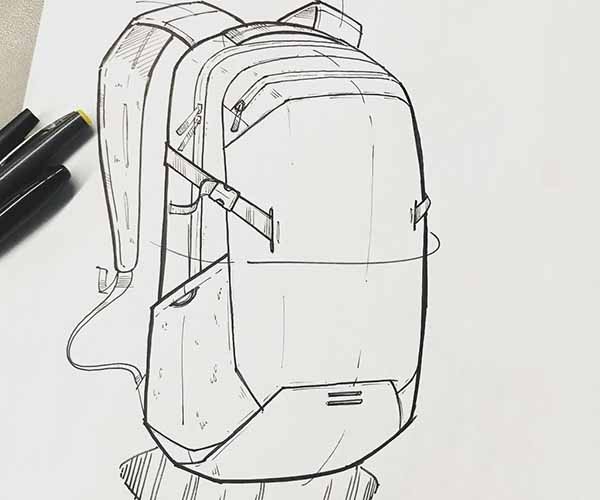
Project Review Before Pattern Development
- Product purpose: The team reviews what the bag will carry, where it will be used, how it will be sold and the expected price position. A beach bag, laptop backpack and corporate gift tote require different construction priorities.
- Dimensions: External measurements, internal space, pocket dimensions, handle drop and strap length are confirmed. When the bag carries a defined item, the item dimensions should be supplied.
- Material direction: Existing materials can be matched where available, or alternatives can be recommended around appearance, durability, order volume and target cost.
- Structural risk: The team reviews opening size, zipper paths, seams, attachment points, corner shapes, internal access, carrying balance and packing method.
- Brand details: Logo artwork, color references, labels, hardware finishes and packaging expectations are recorded before the first sample.
- Commercial review: MOQ, material minimums, tooling, expected sample time and likely bulk schedule are discussed before unnecessary development cost is created.
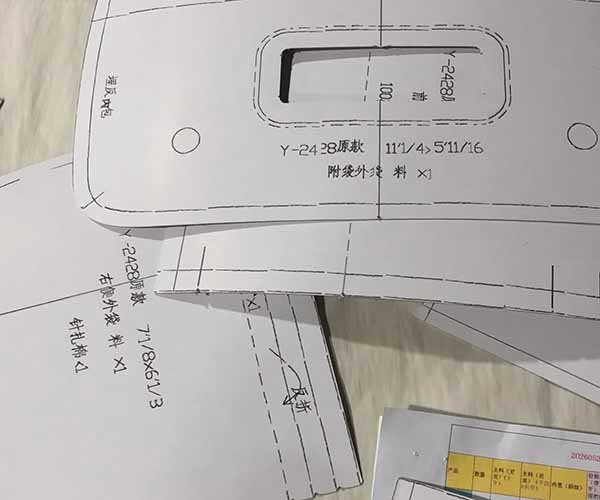
Material Confirmation and Pattern Making
- Material swatches: Outer fabric, lining, webbing, zippers, foam, hardware and labels can be photographed or shipped for confirmation when visual selection is not sufficient.
- Pattern development: Pattern makers convert dimensions and construction notes into cut components. Curves, gussets, seam allowances, zipper lengths and reinforcement locations are built into the pattern.
- Construction planning: The sample team determines sewing order, binding method, turning points, reinforcement and how internal parts connect to the outer shell.
- Logo test: Printing, embroidery, patches or hardware may be tested separately before applying them to the complete sample. Separate testing is useful when artwork contains fine detail or the material is heat-sensitive.
- Shape evaluation: Structured bags may require foam, PE board, EVA or other stabilisers. Foldable bags need a different pattern and material balance.
- Packing consideration: Product folding and protection can be evaluated early because bag shape affects carton volume and landed cost.
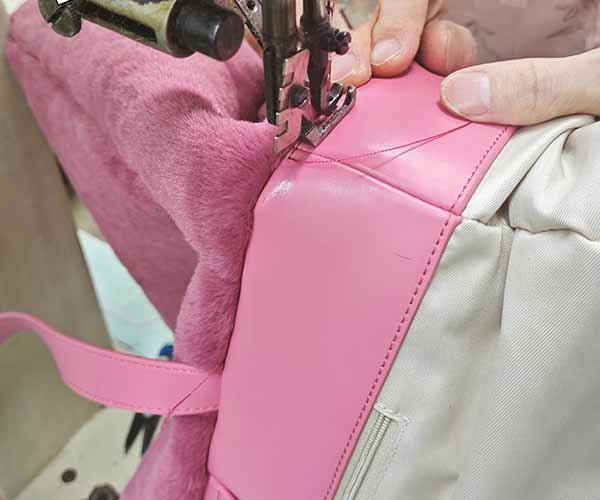
Sample Sewing and Internal Inspection
- Cutting check: Cut pieces are checked against the latest pattern version, material direction and component count.
- Sewing sequence: The technician assembles internal sections, zippers, panels, handles, lining and reinforcements according to the planned construction.
- Dimensional check: Finished length, width, height, pocket dimensions, strap length and logo position are measured. Sewn materials can create small dimensional changes, so tolerances need to reflect product construction.
- Function review: Zippers, closures, pockets, straps, opening access, balance and intended contents are reviewed. Specialist products may require a load, fit, insulation or water-management check.
- Appearance review: Shape, symmetry, wrinkles, stitch quality, edge finishing, color coordination and branding are examined.
- Photo and video review: Images and videos can be provided before sample shipment, allowing obvious issues to be discussed without waiting for international delivery.
MOQ and Lead-Time Planning for Australian Orders
Order quantity and timing depend on material availability, construction, logo method, packaging, testing and production scheduling. The ranges below support early project planning.
| Project Level | Typical Conditions | MOQ Direction | Sample Planning | Bulk Production Planning |
|---|---|---|---|---|
| Standard Entry Project | Ready-color material, mature structure, simple logo, regular packaging | From 200 pcs for selected products | Around 5–7 working days | Commonly 20–45 days after final approvals |
| Regular Custom Project | Modified dimensions, custom lining, several accessories or structured construction | Reviewed by product and color | Around 7–12 working days | Commonly 25–45 days after material readiness |
| Complex Functional Project | Multiple layers, reinforced load points, insulation, specialist compartments or testing | Project-specific | Around 10–15 working days or longer | Commonly 35–60 days depending on complexity |
| Custom Material Program | Custom dyeing, special coating, exclusive print or certified material | Governed partly by fabric-mill minimums | Material development added to sampling | Material production added before bag manufacturing |
| Molded or Branded Hardware | Custom zipper pullers, metal plates, rubber patches or EVA tooling | Governed partly by tooling and component minimums | Tooling and approval added | Component production must finish before assembly |
| Multi-SKU Collection | Shared or different materials across styles, colors and channels | Reviewed by SKU and shared components | Samples scheduled by development priority | Production can be staged and consolidated for shipment |
Planning Note: Production timing starts after the final sample, price, material, logo, packaging and order terms have been approved. Shipping time is planned separately around the selected route and Australian destination.
A Multi-Department Team Behind Every Custom Bag Order
International Sales
Product Management
Bag Design
Pattern Making
Sampling Department
Procurement Team
Sewing Production
Quality Department
Logistics Coordination
Five logistics coordinators support sample delivery, export packing information, freight selection, FBA preparation, DDP evaluation, split shipments and delivery to warehouses or appointed forwarders.
Control Every Stage from Materials to Packed Cartons
Final Sample Approval
BOM and Files
Material Purchasing
Incoming Inspection
Pre-Production Sample
Cutting Preparation
Sewing and Reinforcement
Finishing Inspection
Packing Release
Packing begins only after approved products have passed the required inspection stage. Polybags, hangtags, barcodes, FNSKU labels, retail packaging, carton marks and quantities are checked. Shipment records are prepared from actual packed carton information.
Multi-Stage Quality Control Before Australia Delivery
Incoming Material Control
- Color and batch consistency
- Weight, thickness and surface finish
- Coating, lamination and visible defects
- Accessory dimensions and function
- Quantity against purchasing records
- Isolation of unacceptable materials
Pre-Production Control
- Approved sample comparison
- Current pattern version
- BOM and accessory list
- Logo artwork and position
- Packaging and label files
- Key dimensions and tolerances
- Product-specific inspection points
Sewing Process Control
- Seam alignment and stitch quality
- Zipper installation and opening function
- Handle and shoulder-strap attachment
- Binding, piping and edge construction
- Pocket and divider positioning
- Reinforcement at concentrated load areas
Final Product Inspection
- Dimensions and overall shape
- Color and material consistency
- Logo clarity and placement
- Zippers, buckles and closures
- Internal components and accessories
- Cleanliness, surface marks and loose threads
- Agreed function checks
Packing Inspection
- Unit quantity and packing method
- Barcode, FNSKU and hangtag verification
- SKU and color separation
- Carton quantity and marks
- Gross weight and dimensions
- Packing-list consistency
- Protection for hardware and surfaces
Project-Specific Testing
Tests are selected according to product use and agreed requirements rather than applied as generic claims.
- Handle or shoulder-strap load
- Seam and zipper performance
- Abrasion or colorfastness
- Water resistance or leakage
- Insulation comparison
- Hardware and plating checks
- Third-party laboratory testing where required
Support Factory Reviews, Inspections and Order Documentation
Factory Verification
- Sample room and material areas
- Pattern and cutting operations
- Sewing production
- Quality-inspection zones
- Packing and warehousing
- Similar product references where confidentiality permits
Third-Party Inspection
- Inspection timing agreed before shipment
- Product and packing standards shared in advance
- Carton access prepared for inspection
- Nonconformities reviewed and corrected where required
- Final release linked to agreed order terms
Material and Test Records
- Material specifications
- Available supplier certificates
- Test reports linked to actual materials
- GRS or recycled-content records where applicable
- Product-specific laboratory testing
- Transaction documentation when required
Shipment Documentation
Export and receiving teams may need coordinated commercial and packing information.
- Commercial Invoice
- Packing List
- Carton quantity and measurements
- Gross and net weight
- SKU and color breakdown
- Shipping marks
- Freight and consignee information
- Additional documents agreed before dispatch
Prepare Packaging for Australian Sales and Fulfilment Channels
Packing should protect the bag, communicate the brand and move efficiently through the selected retail, e-commerce or warehouse system.
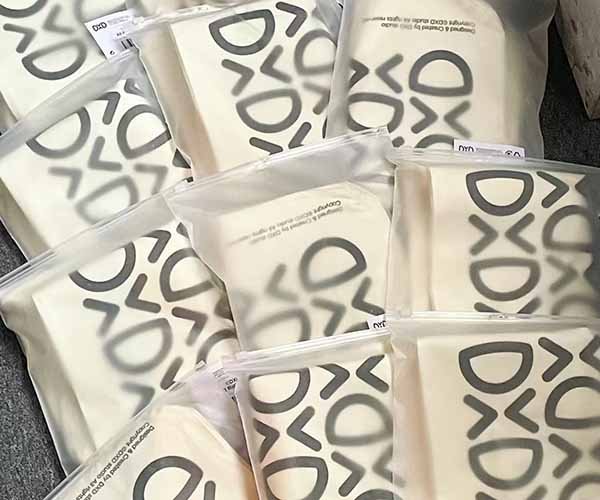
Retail Packaging
- Barcode files should be linked to the correct SKU.
- Hangtag placement must avoid damaging the product.
- Retail boxes need enough strength for transport and handling.
- Carton marks should match warehouse receiving requirements.
- Multiple colors require clear separation during packing.
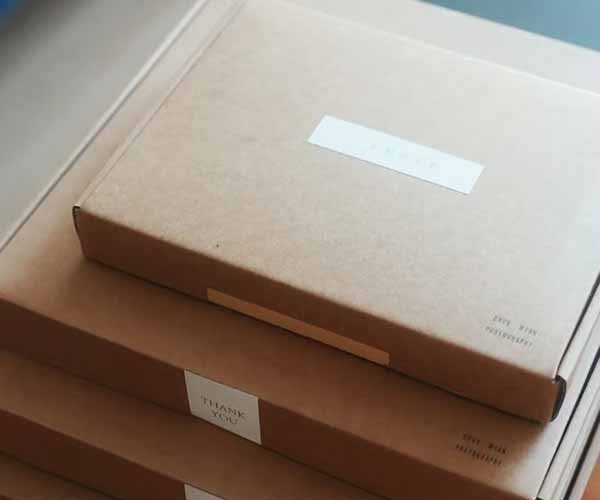
Amazon Australia
- FNSKU labels matched to the correct item
- Polybag warnings where required
- FBA carton labels applied to the correct cartons
- Carton size and gross-weight review
- Multi-SKU separation
- Packing-list and shipping-plan coordination
- Air, sea or DDP first-leg options
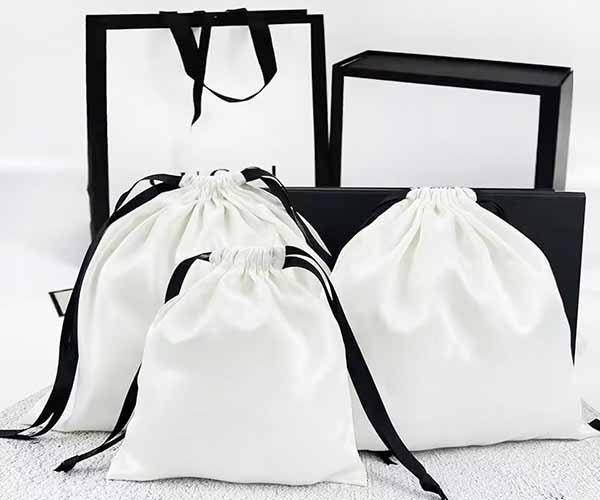
DTC Packaging
- Packaging must match the product’s price position.
- Oversized boxes increase fulfilment and freight cost.
- Printed colors should be checked against brand references.
- Inserts should fit without bending or marking the bag.
- Photography samples can be packed for content production.
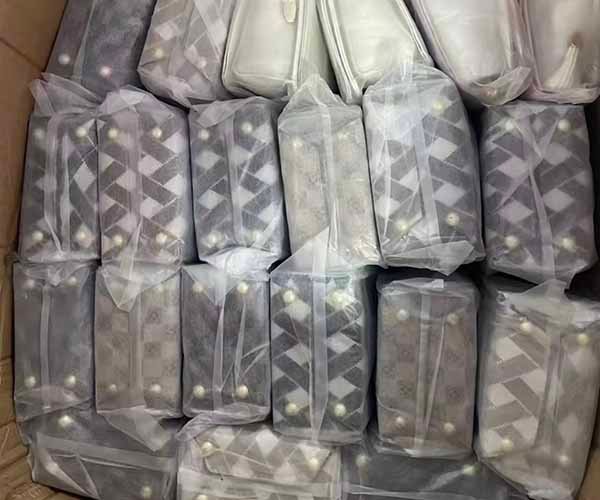
Promotional Programs
- Individual bag packing
- Department or event labels
- Multiple logo versions
- Inserts or gift items
- Destination-based carton marks
- Packing by event location
- Delivery planning around a fixed date
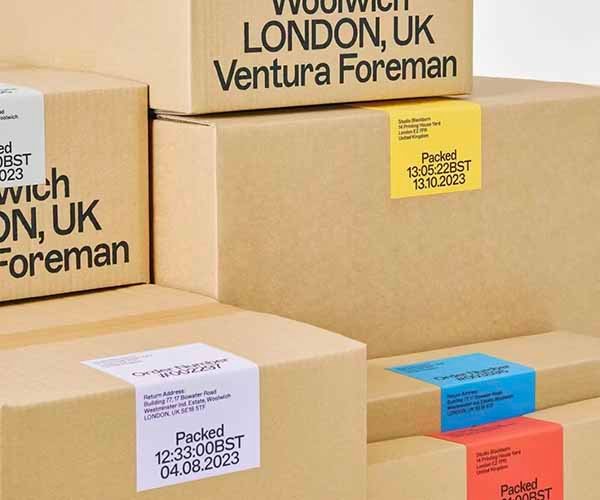
Carton Optimization
- Determine whether bags can be shipped flat or folded.
- Avoid excessive empty space.
- Balance carton volume with safe lifting weight.
- Reduce permanent creasing on structured products.
- Protect handles and hardware without unnecessary materials.
- Confirm actual packed dimensions before freight quotation.
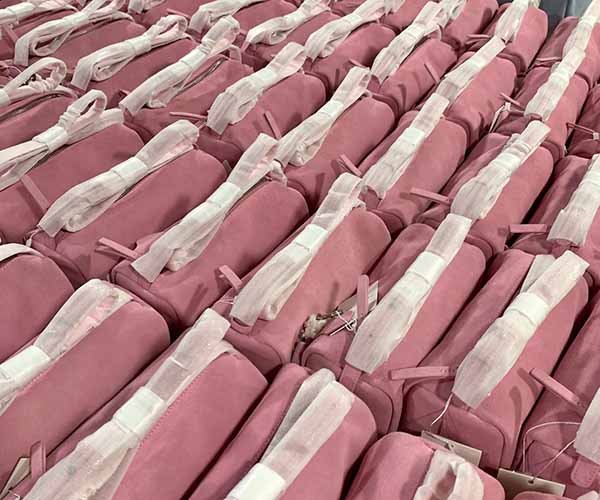
Protective Packing
- Metal hardware may need film or tissue wrapping.
- PU and leather surfaces need scratch and pressure protection.
- Transparent PVC and TPU can show carton pressure marks.
- Structured bags may need internal filling.
- EVA cases require surface and shape protection.
- Light colors need clean handling and sealed packing.
Ship Custom Bags from China to Australia
Sample Express
- Suitable for one or several samples
- Door-to-door tracking
- Faster approval cycles
- Higher cost per kilogram
- Import charges depend on shipment terms and destination
- Final sample packing should prevent shape damage
Air Freight
- Faster than standard sea transport
- Charged partly by dimensional weight
- Suitable for higher-value or lower-volume products
- Carton optimization remains important
- Airport delivery or door service can be evaluated
- Customs and local delivery time must be allowed
Sea Freight LCL
- Suitable for bulky bags and regular replenishment
- Freight is consolidated with other cargo
- Additional handling should be considered
- Export cartons need suitable strength
- Destination charges vary by term
- Earlier planning is required than for air freight
Sea Freight FCL
- Better control over consolidated cargo
- Efficient for high-volume and bulky products
- 20-foot or 40-foot loading depends on carton data
- Container planning should use final packed measurements
- Port schedules and peak seasons require allowance
- Factory and freight timelines must be linked
DDP Delivery
- Quotation requires destination postcode
- Product type and HS classification must be reviewed
- Carton quantity, size, weight and volume are required
- Duties, taxes and service scope should be stated clearly
- Not every product or route suits the same DDP solution
- Terms must be confirmed for each shipment
Split and Multi-Address Delivery
Some programs need part of the order urgently while the remaining quantity moves by sea, or stock must be divided between different channels.
- Air and sea split shipments
- Warehouse and Amazon allocation
- Multiple state or distributor addresses
- Separate carton marks and packing lists
- SKU allocation by destination
- Freight quotations based on each delivery leg
Custom Bag Projects for Australian Markets
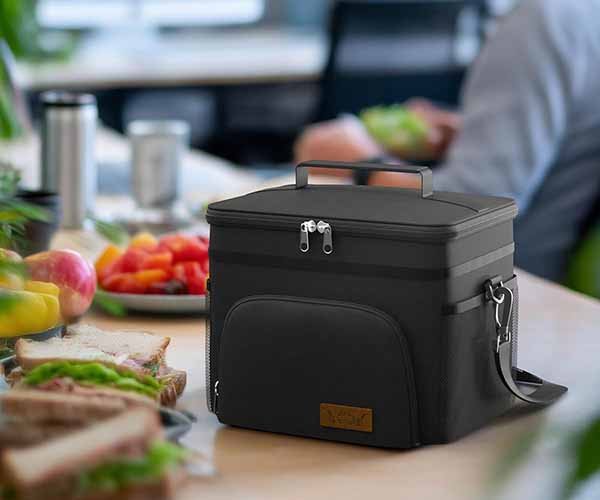
Insulated Beverage Carrier for an Australian Lifestyle Brand
- Project profile: An Australian beverage and outdoor lifestyle brand required two insulated carrier sizes for retail promotions and direct online sales. The first production order contained 3,600 pieces across two capacities and three exterior colors.
- Main requirements: The carriers needed a wide opening, insulated side flap, three-sided zipper access, reinforced webbing extending toward the base and a clean exterior without side pockets. The brand also requested strong water resistance, maximum achievable insulation and an opening positioned near the upper short side.
- Development work: Szoneier reviewed bottle dimensions, carrying load and access sequence before preparing patterns. Several construction concepts were considered, including foldable and rigid-sided options. The selected structure used an abrasion-resistant outer fabric, foam insulation, wipe-clean lining and continuous webbing reinforcement. The handle location was adjusted to distribute weight and keep the side panels flat.
- Sampling: The first sample required nine working days. A second version was completed after the opening position, flap stiffness and base reinforcement were adjusted. Photo and video checks were completed before sample shipment.
- Production control: Bulk materials were checked for color, coating, foam thickness and lining quality. The team inspected zipper alignment, flap closure, webbing attachment and internal cleaning access during production. Packed products were compressed only within a limit that would not create permanent insulation deformation.
- Delivery result: Bulk production was completed in 38 days after final approval. The order was split between air freight for launch stock and sea freight for regular inventory. Carton dimensions were reduced by adjusting the folded packing position without altering product shape.
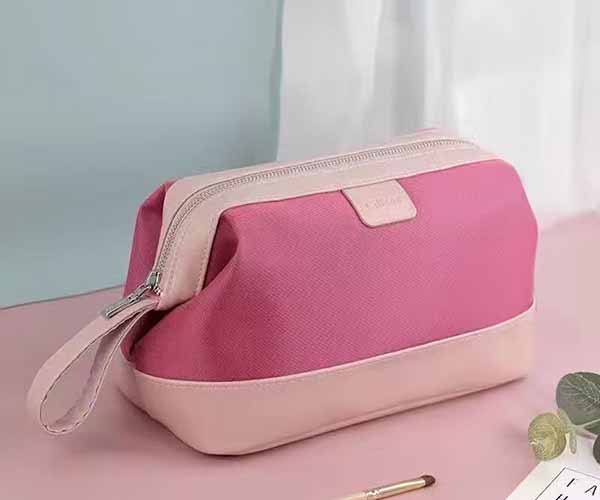
Multi-SKU Beauty Pouch Program for Australian Retail
- Project profile: A skincare and beauty company developed four pouch styles for gift sets, in-store promotions and online bundles. The opening order totalled 5,200 pieces, divided across four styles and six color combinations.
- Main requirements: The collection needed consistent brand colors across polyester, PU panels, zipper tape and printed packaging. Each style used a different internal layout, but the logo position, zipper-puller finish and overall presentation had to remain visually connected.
- Development work: Szoneier prepared material boards showing outer fabric, PU grain, lining, zipper and metal finishes. Because the same Pantone reference appeared differently on fabric, PU and metal, physical comparison samples were used instead of relying on digital artwork alone.
- Sampling: Four first-round samples were completed within 7–11 working days according to structure. Two styles required minor dimensional corrections, while one PU pouch required a softer backing to improve opening and reduce surface creasing.
- Production control: A separate BOM and packing file was created for each SKU. Incoming inspection focused on PU grain, zipper color, lining shade and metal finish. During sewing, QC checked logo placement, zipper curvature, internal divider dimensions and edge cleanliness. Barcode and gift-set allocation were verified before carton sealing.
- Delivery result: Bulk production finished in 42 days. Products were packed by retail set and SKU, with carton marks prepared for two Australian distribution locations. The range later moved into a replenishment run using archived patterns, BOM records and packing files.
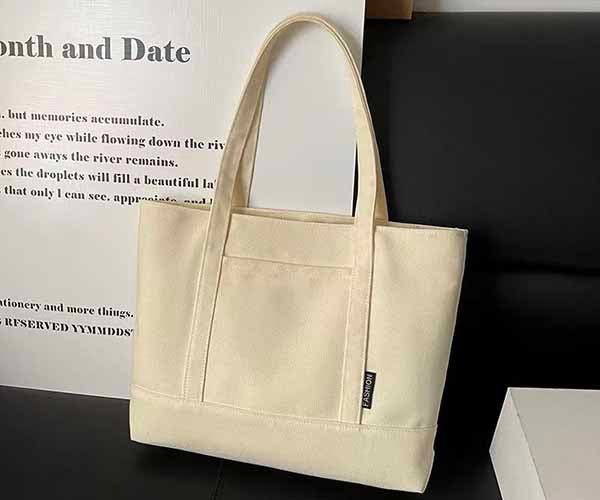
Corporate Tote Program with Fixed Event Dates
- Project profile: A promotional sourcing company required 8,500 reinforced tote bags for a national corporate program. The order included three logo versions and deliveries allocated across Sydney, Melbourne and Brisbane.
- Main requirements: The product needed a stronger appearance than a basic giveaway tote while remaining cost-controlled. The selected structure used heavyweight cotton canvas, a bottom gusset, internal pocket, reinforced handle connections and screen-printed branding.
- Development work: Two canvas weights were sampled to compare structure, print coverage and packed freight volume. A heavier option looked more premium but increased carton weight and cost. The final specification used a balanced fabric weight with reinforced handle areas, delivering adequate structure without unnecessary shipping expense.
- Sampling: The approval sample was completed in six working days. Print position and handle length were adjusted after the first review. Packing samples were also prepared to confirm units per carton and acceptable folding.
- Production control: Fabric shade, print color and handle webbing were checked before cutting. Production inspection focused on print alignment, gusset dimensions, handle attachment and pocket position. Finished bags were separated by logo version and destination.
- Delivery result: Production was completed in 31 days. Part of the Sydney allocation moved by air to protect the earliest event date, while remaining cartons moved by sea. Carton labels and packing lists were prepared by destination, reducing sorting work after arrival.
Choose the Right Manufacturing Model for Your Program
Different supplier structures suit different sourcing requirements. Selection should consider development depth, order volume, risk control and long-term product planning.
| Supplier Model | Main Strength | Common Limitation | Best Fit |
|---|---|---|---|
| Trading Company | Broad sourcing access and quick availability of existing products | Sampling and production may be handled by unrelated factories; technical control can vary | Straightforward sourcing of mature stock designs |
| Small Single-Category Factory | Focused experience in one product family and potentially direct pricing | Limited material range, design resources, export support or multi-SKU coordination | One stable product with simple requirements |
| Large Manufacturing Group | Strong systems, audits, capacity and global supply-chain management | Higher entry thresholds, less flexibility and slower treatment of small development programs | High-volume annual contracts and standardised programs |
| Online Platform Supplier | Easy discovery, fast comparison and many quotation options | Supplier identity, project depth, BOM control and repeat support vary substantially | Early market research and basic products |
| Szoneier | Factory-based sampling, multi-category production, materials, logo, QC, packaging, logistics and repeat-order files | Not suitable for one-piece personal orders, counterfeit branding or undefined projects | Brands needing development, flexible entry volume, multi-SKU production and long-term cooperation |
Keep Repeat Orders Consistent Across Production Batches
Product File Archiving
- Current pattern version
- External and internal dimensions
- Fabric and lining specifications
- Zipper, webbing, foam and hardware records
- Approved sample reference
- Production notes from previous orders
Brand File Control
- Logo artwork and application size
- Pantone and color references
- Woven labels and internal marks
- Barcode and FNSKU files
- Hangtags, inserts and packaging artwork
- Hardware and plating finishes
Repeat Quality Standards
- Agreed dimensional tolerances
- Critical appearance points
- Reinforcement requirements
- Known material risks
- Packaging and label checks
- Corrective actions from earlier production
- Third-party inspection requirements
Replenishment Planning
Restocking can be scheduled around sales data, material lead times and freight options.
- Repeat the strongest colors first
- Add new colors without changing the core construction
- Combine replenishment with new SKU development
- Reserve materials for scheduled programs where commercially suitable
- Use air freight for urgent stock and sea freight for planned inventory
- Review annual volume for more stable production planning
Frequently Asked Questions for Australian Bag Orders
Start Your Australia-Bound Custom Bag Project
- Product type and intended use
- External dimensions or required capacity
- Estimated order quantity and number of colors
- Preferred material or target hand feel
- Logo artwork and application preference
- Internal compartments, straps, closures and special functions
- Individual packing, barcode, FNSKU or retail requirements
- Target price range where available
- Required arrival date
- Australian delivery postcode, port, warehouse or FBA destination
- Sample requirements and planned repeat-order volume