Skip to content
China Bag Supplier for Spain | Custom OEM/ODM Bags
- Selected projects from 200 pcs
- Standard samples in 5–7 working days
- Custom materials, structures, logos and packaging
- Multi-stage production and quality control
- Express, air and sea delivery coordination
Custom Bag Manufacturing for the Spanish Market
China-Based Manufacturing
Spain Market Programs
Full Project Support
A dedicated project team can review product structure, material grade, size, logo method, accessories, packaging, sample schedule and bulk requirements. Procurement teams receive one communication channel while product managers, designers, pattern makers, sample technicians, sourcing staff, production coordinators, QC inspectors and logistics staff handle their respective stages. Complex requirements are clarified before samples or bulk materials are released.
Bag Programs for Spain-Based Sales Channels
Different sales channels require different product structures, packaging systems, quantities and replenishment schedules. Szoneier reviews the commercial route before recommending a manufacturing configuration.
Spanish Bag Brands
- Development from original artwork or reference samples
- Seasonal color and material collections
- Custom labels, pullers, patches and packaging
- Approved sample records for repeat orders
Retailers and Importers
- Multi-SKU order coordination
- Retail hangtags and barcode execution
- Assorted-color carton planning
- Third-party inspection cooperation
Amazon.es Sellers
- FNSKU and SKU matching support
- Unit packaging and warning label execution
- Carton label and packing-list coordination
- Split replenishment planning
Shopify and DTC Brands
- Photo-ready sample development
- Branded mailers, dust bags and cards
- Coordinated product color series
- Repeat production after market validation
Promotional Companies
- Tote bags, drawstring bags and cooler bags
- Screen print, transfer, embroidery and labels
- Individual or grouped gift packing
- Production planning from the event date
Global Brands Entering Spain
- Factory and project review meetings
- Testing and documentation coordination
- Multi-country packaging and carton planning
- Annual volume and repeat-order management
Control Common Risks in China Bag Sourcing
Sample-Bulk Differences
- Approved sample retention
- Bill of materials
- Material and accessory records
- Pre-production sample confirmation
- In-line comparison against approved standards
Unclear Cost Structure
- Material grade and consumption
- Construction and sewing time
- Logo and tooling requirements
- Packaging specifications
- Quantity, SKU count and destination
Packaging Errors
- Approved packaging sample
- SKU and color matching sheet
- Barcode or label file confirmation
- Carton quantity and mark approval
- Final packing inspection
Schedule Uncertainty
Late material confirmation, repeated sample changes and delayed packaging artwork can push production beyond a planned launch date. Freight cannot recover every development delay.
Szoneier builds a working timeline around:
- Sample approval
- Material booking
- Packaging artwork release
- Bulk production
- Inspection
- Shipping preparation
Seasonal launches should be planned backward from the required arrival date in Spain.
How to Evaluate a China Bag Supplier
A reliable manufacturing partner should explain how product standards are created, recorded, inspected and reproduced—not only provide a unit price.
| Evaluation Area | Questions to Ask | Main Project Risk | Szoneier Control |
|---|---|---|---|
| Factory Identity | Who develops samples and manages production? | Uncontrolled subcontracting and lost information | Factory-based development with one project team |
| Sample Control | How is the approved sample transferred into production? | Different materials, dimensions or workmanship | Approved sample, BOM and pre-production review |
| Material Control | Can materials or accessories change without approval? | Shade, hand-feel and performance variation | Material, color and accessory confirmation records |
| Quality Process | Which stages are inspected? | Defects discovered only after completion | Material, cutting, sewing, final and packing checks |
| Packaging | Who checks labels, SKUs and carton marks? | Retail, warehouse or fulfilment errors | Packaging specification and packing inspection |
| Delivery | Who coordinates carton data and shipping files? | Unexpected cost or missed arrival schedule | Logistics coordination after final carton confirmation |
| Repeat Orders | Are patterns and specifications retained? | Every reorder starts from zero | Pattern, BOM, logo and packing file retention |
Custom Bags Manufactured for Spain
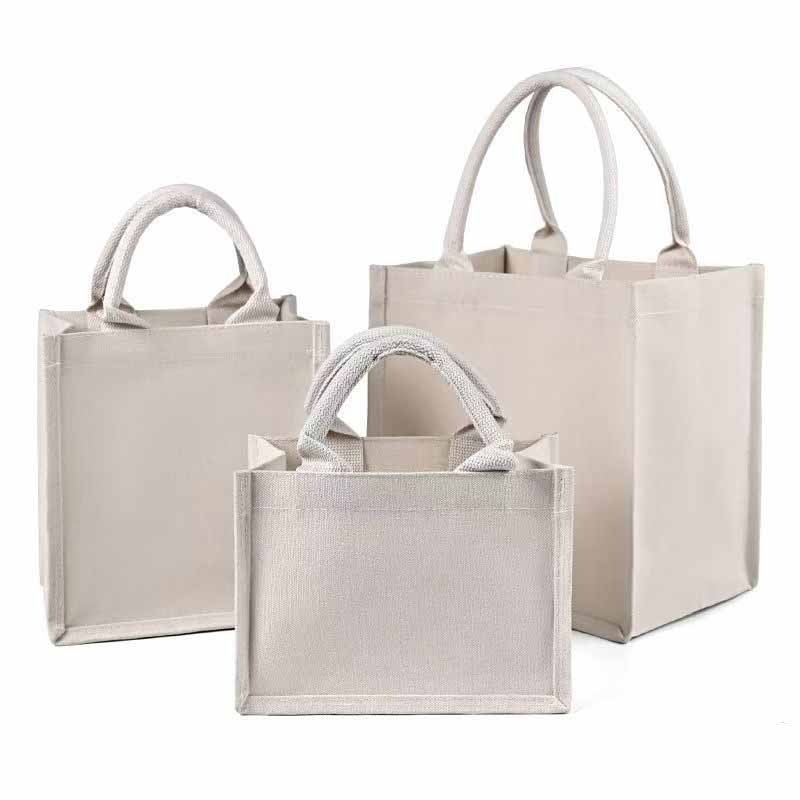
Tote and Shopping Bags
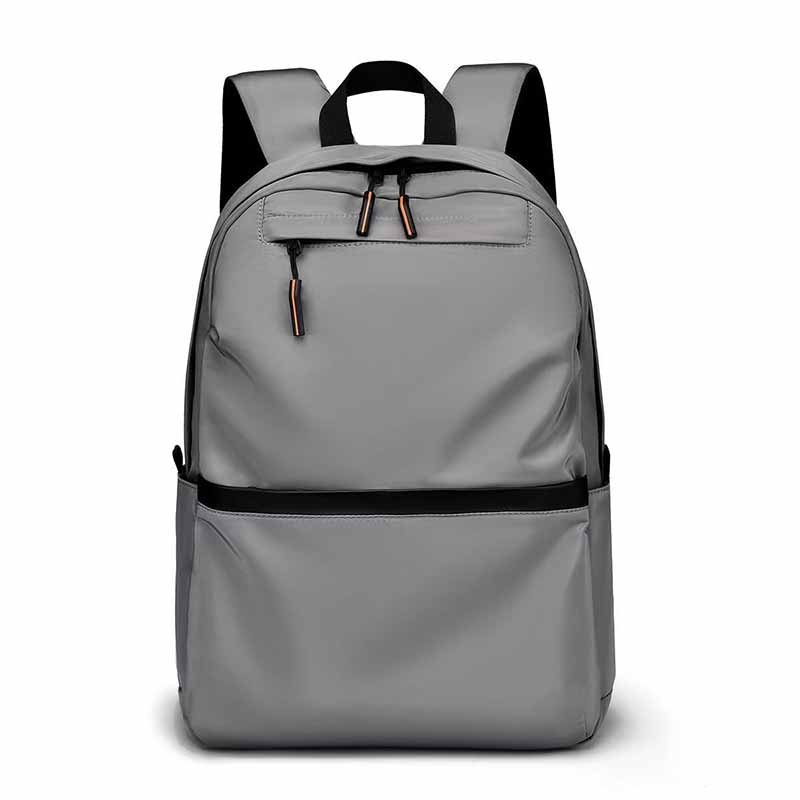
Custom Backpacks
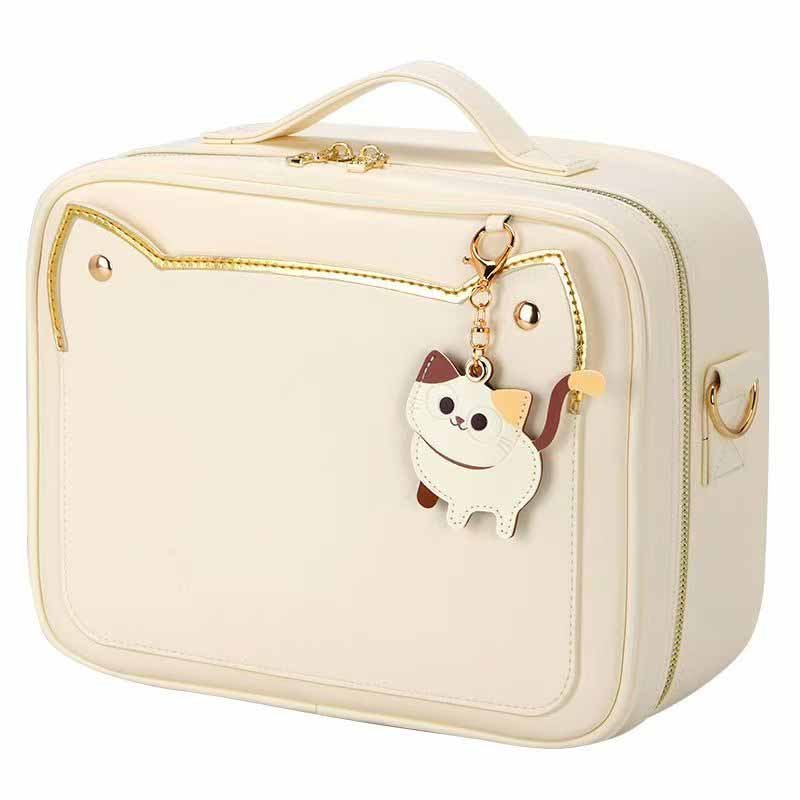
Cosmetic Bags
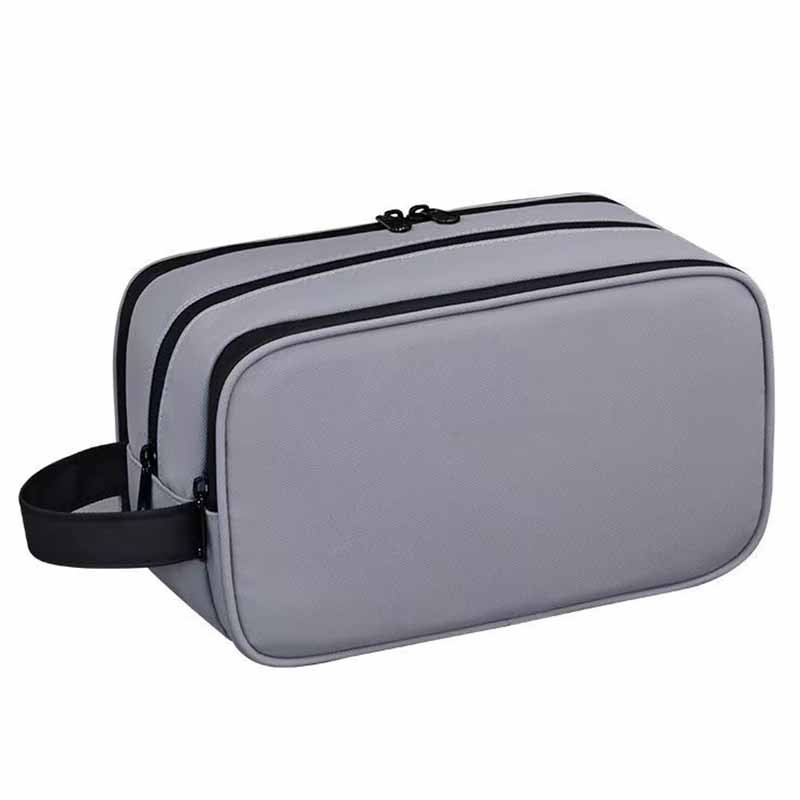
Toiletry Bags
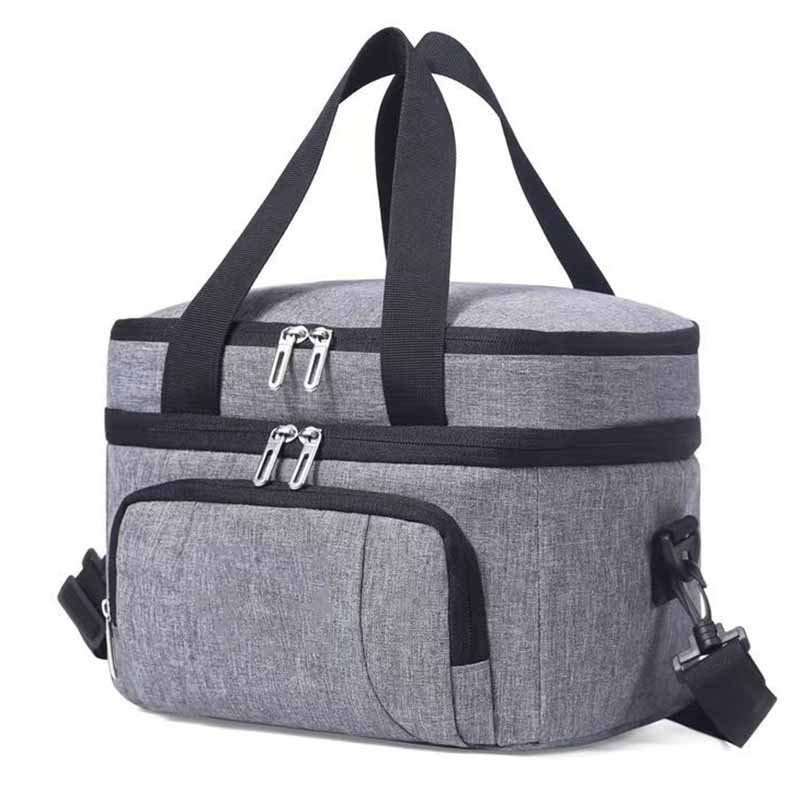
Cooler and Lunch Bags
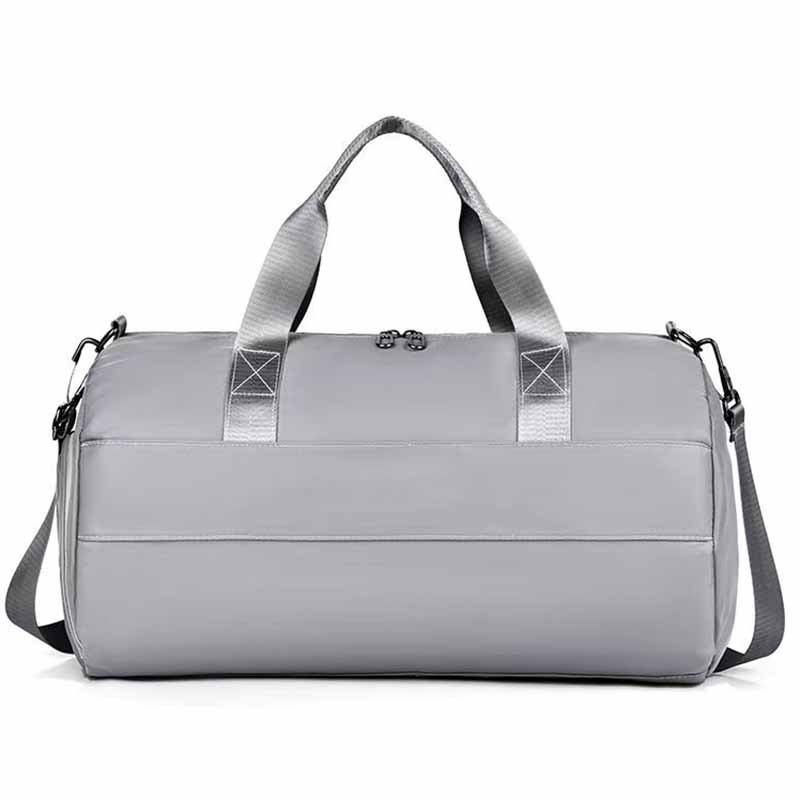
Travel and Duffle Bags
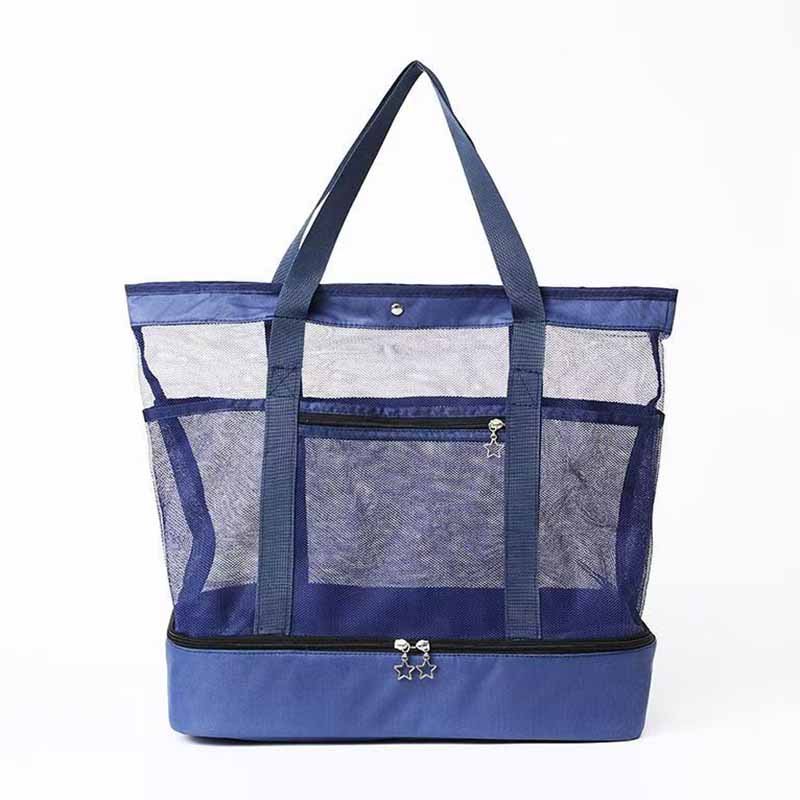
Beach Bags
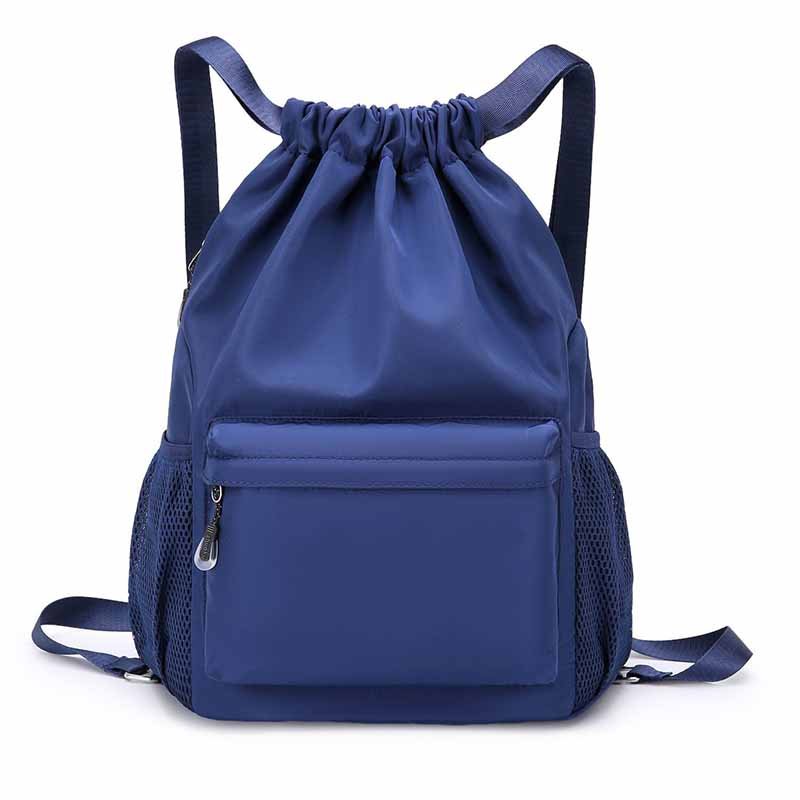
Drawstring and Gift Bags
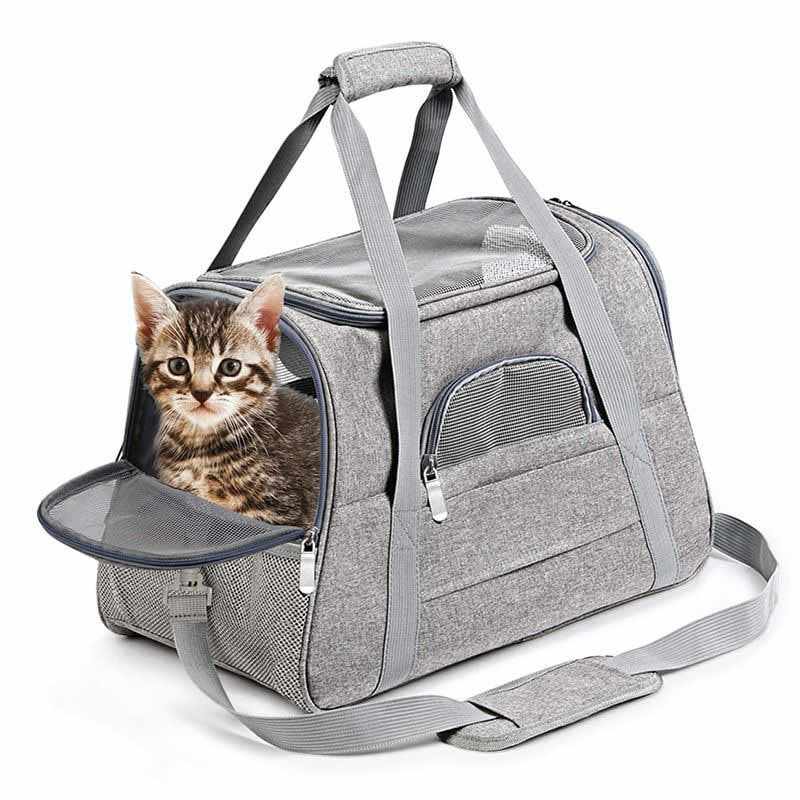
Pet Bags
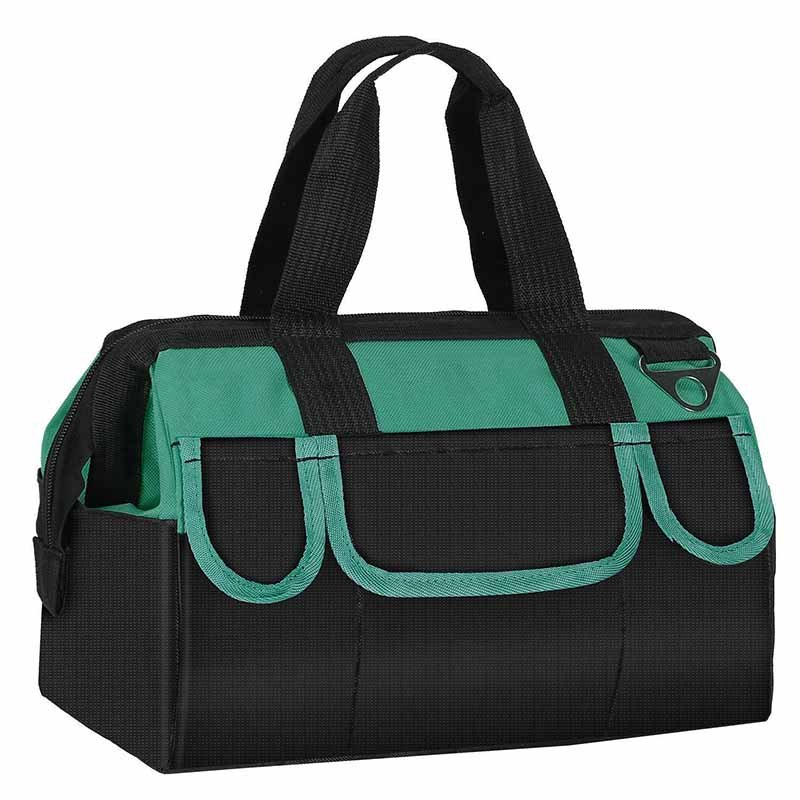
Tool and Medical Bags
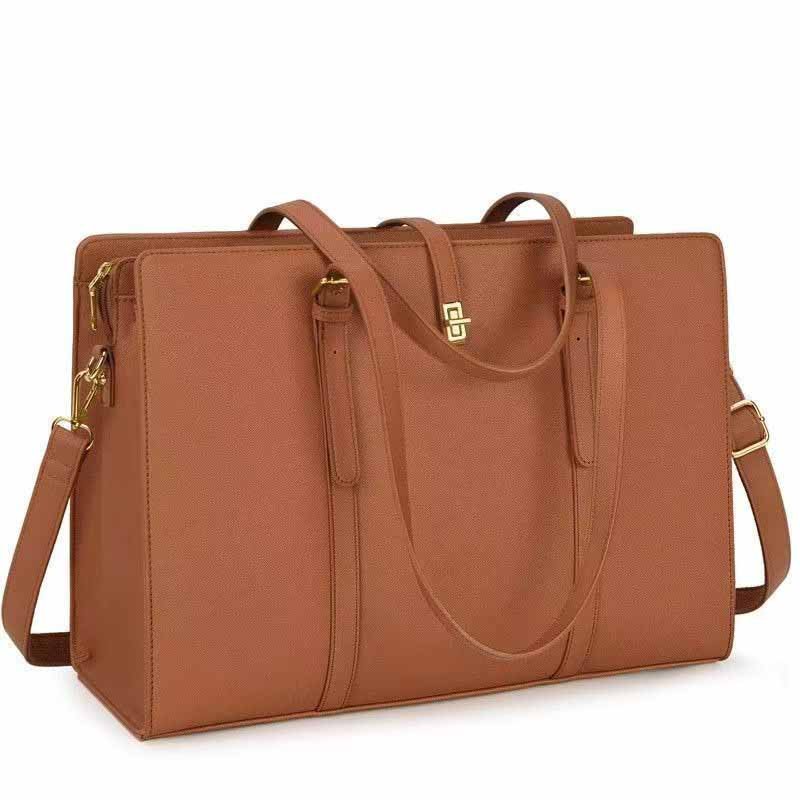
Leather and PU Bags
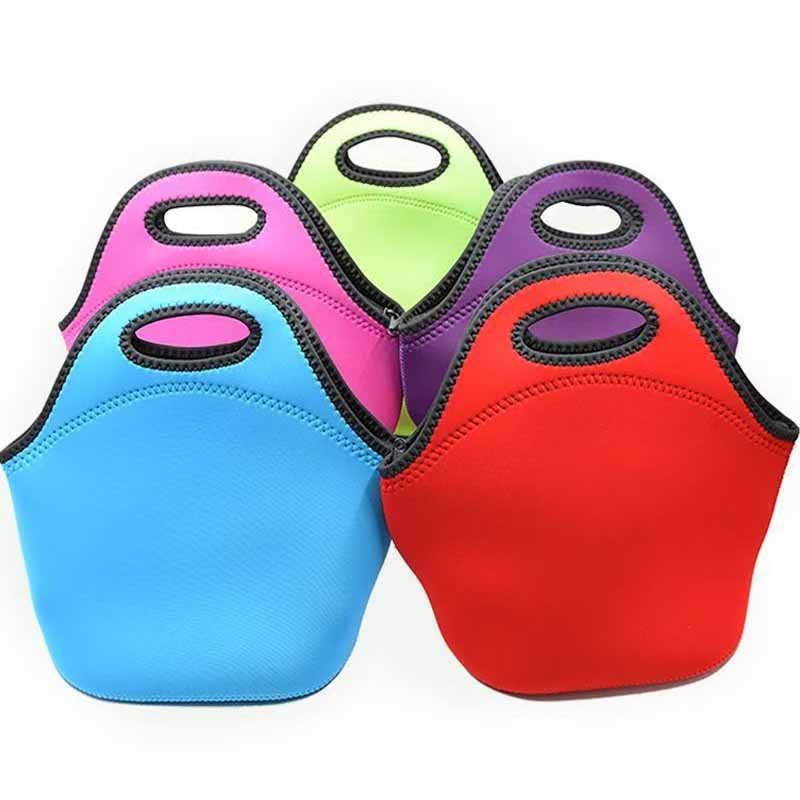
Neoprene Soft Goods
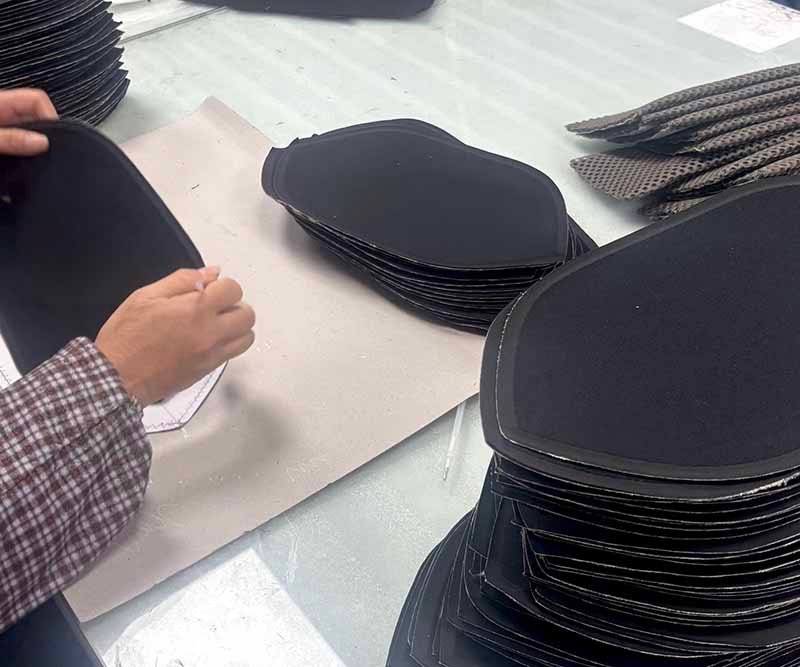
Neoprene bags, sleeves, bottle holders, lunch bags and soft covers can use 2 mm, 3 mm, 4 mm or 5 mm material depending on protection, flexibility and cost. Sublimation printing, binding and panel lamination are common. Thickness tolerance, odor, recovery, print color and edge sewing require sample verification.
Select Bags by Sales Channel
A suitable product configuration begins with where the item will be sold, stored, displayed and replenished.
| Spain Sales Channel | Suitable Products | Development Priorities | Packaging Direction |
|---|---|---|---|
| Fashion Retail | Handbags, totes, cosmetic bags | Material feel, color, hardware, shape retention | Hangtag, barcode, dust bag or retail carton |
| Amazon.es | Backpacks, travel organizers, pouches | Product differentiation, carton size, SKU accuracy | FNSKU, polybag and FBA carton preparation |
| Independent Online Store | Lifestyle bags, beauty bags, travel goods | Photo-ready sample, brand details, color range | Branded mailer, tissue, card or gift box |
| Corporate Gifts | Tote, drawstring, cooler and travel bags | Logo area, event timing, unit cost | Individual bag, gift set or grouped carton |
| Outdoor and Travel Retail | Backpacks, cooler bags, duffles | Durability, load points, protection, cleanability | Transport-efficient protective packing |
| Beauty and Hospitality | Cosmetic, toiletry and gift bags | Surface finish, lining, hygiene and brand image | Retail-ready or gift-ready packaging |
Materials and Construction Built Around Product Use
Select Material by Use, Structure and Target Cost
Polyester is widely used for promotional bags, backpacks and travel products because many weights, weaves and coatings are available. Nylon generally offers a smooth hand feel and strong abrasion performance at a higher material cost. Oxford fabric creates a firm, durable surface for backpacks, tool bags and functional products. Canvas and cotton provide a natural presentation for lifestyle, retail and gift programs, while fabric weight and shrinkage must be controlled.
Neoprene adds flexibility, cushioning and limited thermal performance. PU and microfiber leather support fashion-oriented shapes and detailed surface finishes. Genuine leather brings natural grain and premium positioning but requires agreed variation limits. PVC and TPU can create clear panels or water-resistant constructions, although folding behavior and temperature sensitivity need evaluation. Mesh improves ventilation but must be matched with the correct binding and seam design.
Material review should cover:
- Fabric weight and thickness: Heavier material may improve structure but increases sewing difficulty and shipping weight.
- Surface treatment: Coatings can add water resistance, but poor coating selection may crack or peel at repeated fold areas.
- Color control: Pantone references guide development, while material chemistry and surface texture influence the final shade.
- Cleaning method: Beauty, food, pet and outdoor products may need wipe-clean surfaces or removable components.
- Logo compatibility: Printing, embroidery, patches and embossing each require a suitable surface.
A physical material sample and finished product sample provide stronger decisions than digital color references alone.
Engineer the Inside, Not Only the Outer Shape
Backpacks may require foam in shoulder straps, back panels and laptop compartments. Duffle bags need balanced handle positions and reinforcement extending beyond the visible attachment area. Tool bags need heavier base materials, divider support and bar-tack reinforcement around handles and pockets. Cooler bags need an outer layer, insulation, inner lining and joining method selected as one system. Cosmetic bags depend on clean lining installation, zipper curvature and stable edge construction.
Important structural decisions include:
- Foam density and thickness: Changes protection, body shape and folded carton volume.
- Base support: PP board, PE board, foam or laminated fabric can improve shape and load distribution.
- Webbing width: Must match the expected load, buckle size and visual proportion.
- Zipper specification: Coil size, tape, puller, finish and opening path affect use and production.
- Stress-point reinforcement: Bar tacks, box stitching, backing pieces and double stitching should follow the load path.
- Compartment layout: Pocket depth, opening angle and access should reflect the items stored inside.
Balance Quality, Price and Shipping Efficiency
The cheapest material does not always create the lowest landed cost. Weak fabric can increase returns, while a very heavy fabric can raise air or sea freight charges and create unnecessary sewing complexity. A premium zipper may be justified on the main opening but unnecessary for a small internal pocket. Gift boxes can improve presentation yet increase carton volume significantly.
Szoneier reviews the product as a cost system:
- Outer material and consumption
- Lining and foam layers
- Zippers, webbings and hardware
- Sewing operations and reinforcement
- Logo method and tooling
- Unit packaging and master cartons
- Order quantity and color allocation
- Final carton dimensions and weight
For a lower-cost launch, a mature structure, ready material, standard colors, regular accessories and a simple logo can reduce MOQ and development risk. A premium program may use custom-dyed fabric, plated hardware, jacquard webbing, moulded patches and branded packaging, but every upgrade should support the intended retail position.
A balanced specification protects important quality points while avoiding features that add cost without improving use, appearance or brand value.
Private Label and Logo Options
Logo selection depends on material, artwork detail, color count, quantity, durability, brand position and tooling budget. Sampling confirms appearance before bulk production.
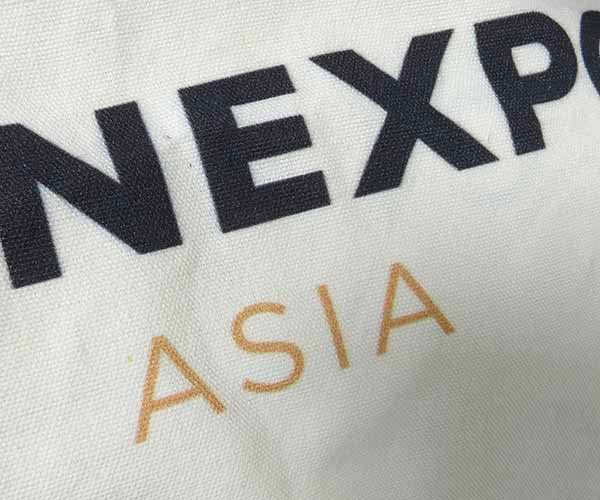
Screen Printing
- Best for bold artwork
- Suitable for promotional and retail bags
- Less suitable for fine gradients
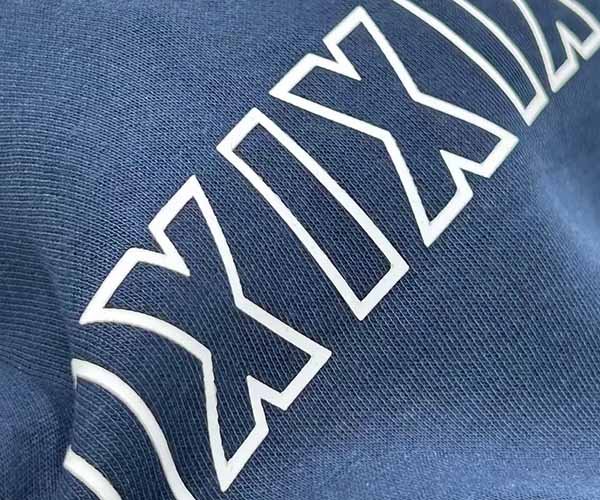
Heat Transfer
- Good color detail
- Flexible artwork quantity
- Requires material testing
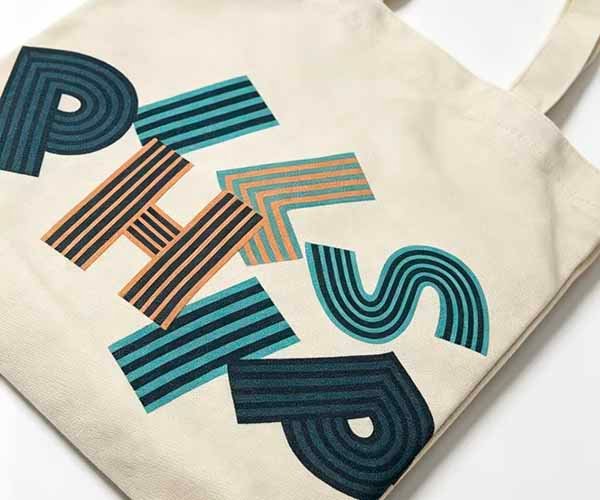
Digital Printing
- Suitable for detailed graphics
- Supports small color-series launches
- Physical color approval recommended

Sublimation Printing
- Strong all-over color
- Ideal for polyester surfaces
- Not suitable for every natural fabric
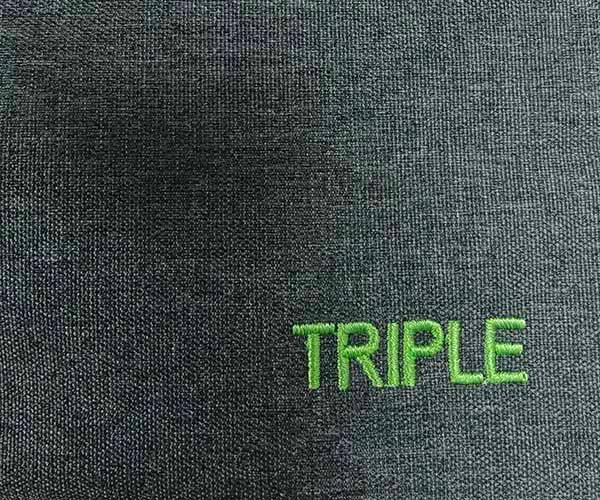
Embroidery
- Premium textile appearance
- Strong wear resistance
- Best after stitch-file approval
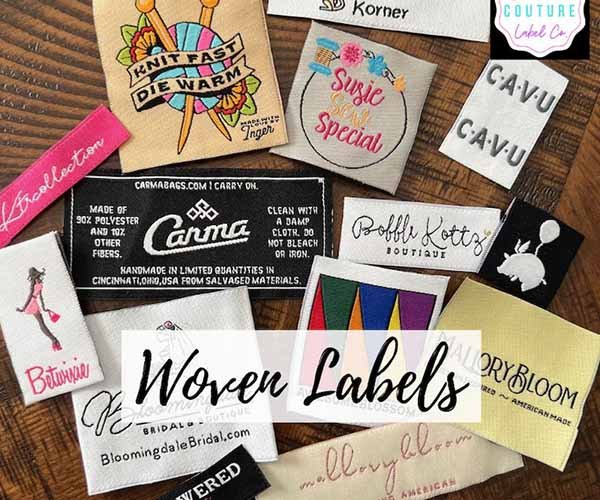
Woven Labels
- Suitable for repeat product lines
- Consistent across different materials
- Supports internal information labels
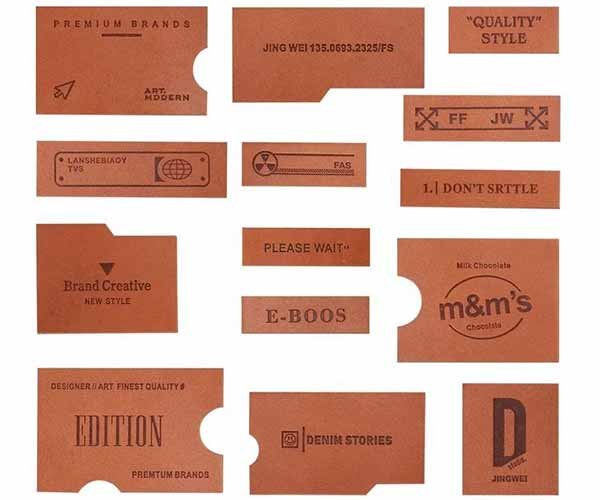
Leather or Rubber Patches
- Strong brand recognition
- Useful on backpacks and travel goods
- Moulded versions may raise MOQ
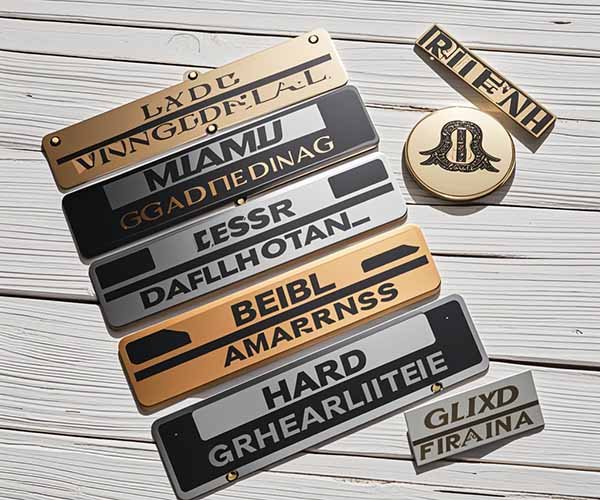
Metal Logo Plates
- Premium fashion presentation
- Custom finish options
- Requires tooling evaluation
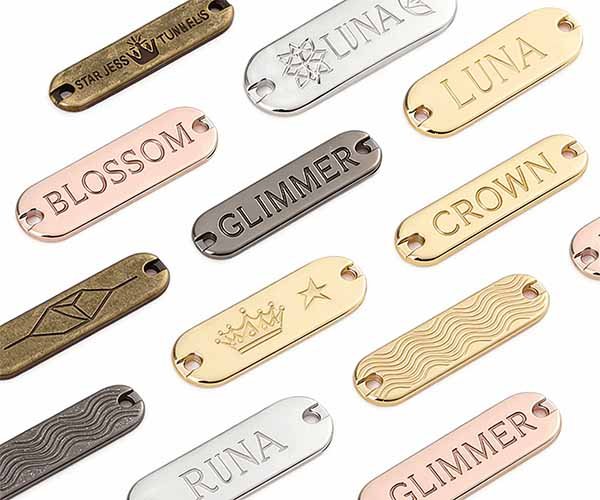
Embossing and Hardware
- Integrated brand detailing
- Strong for long-term collections
- Tooling and supplier MOQ apply
Packaging Prepared for Spanish Sales Channels
Basic Export Packing
- Cost-controlled solution
- Suitable for wholesale and repacking
- Carton quantity based on finished dimensions
Retail-Ready Packaging
- Hangtag and barcode execution
- Color and SKU identification
- Retail carton mark control
E-Commerce Packaging
- Compact folded packing
- SKU label support
- Suitable for direct-to-consumer fulfilment
Branded Gift Packaging
- Suitable for premium and seasonal programs
- Multiple branding surfaces
- Requires early artwork release
Barcode and SKU Labels
- SKU-color mapping
- Label placement confirmation
- Packing-stage verification
Master Carton Planning
Carton size affects protection, storage, pallet use and freight cost. Foldable bags may allow efficient packing, while structured leather bags, gift boxes or cooler bags need more space. Carton quantity, dimensions, gross weight, net weight, marks and destination instructions are confirmed after the packing method is tested.
- Carton-volume optimization
- Export mark coordination
- Multi-destination separation available
From Product Idea to Approved Production Sample
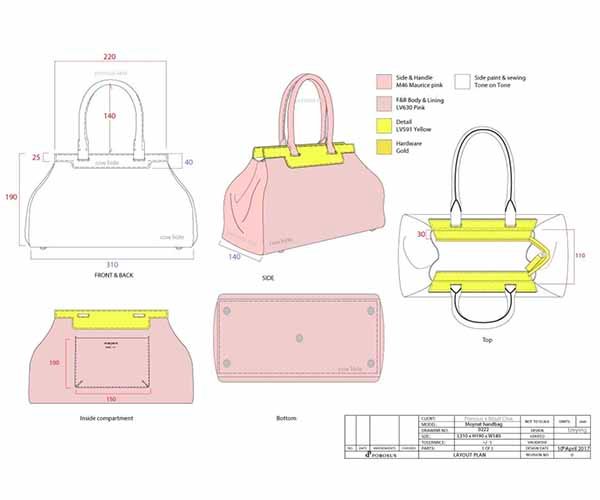
Start with Available Product Information
Useful starting information includes:
- Intended product type and use
- Target size or approximate capacity
- Estimated order quantity
- Preferred material and color
- Logo artwork
- Required pockets and compartments
- Packaging direction
- Target market and sales channel
- Target delivery date
- Destination in Spain
- Target price range, when available
For a mature tech pack, the team reviews dimensions, material references, Pantone colors, sewing details, hardware, labels, packing and testing notes. Potential conflicts are raised before pattern work begins. A material that looks suitable in a drawing may be too stiff for the required fold, while a zipper path may need adjustment for production or easier use.
For an early concept, Szoneier can recommend a mature base construction, available material and standard accessory set. Starting with fewer custom components often reduces sampling time and MOQ while leaving room for distinctive color, logo and pocket details.
A project review normally ends with a clear list of information to confirm, sample cost factors, expected development schedule and available material routes.
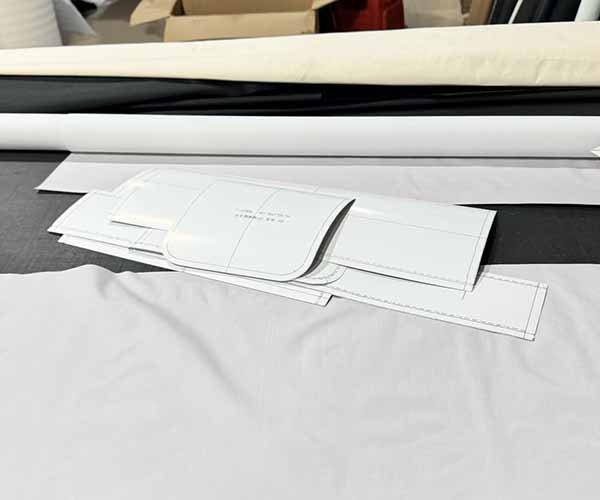
Pattern Making and Sample Construction
Sample preparation can include:
- Material swatch approval
- Accessory and hardware selection
- Paper pattern development
- Cutting and sample sewing
- Logo application
- Internal measurement
- Basic function review
- Photographs or video
- Sample shipment
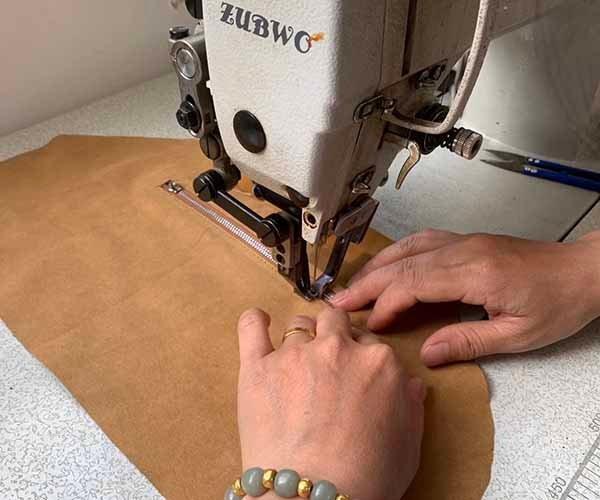
Standard samples commonly require 5–7 working days after materials and specifications are ready. Complex products may require 10–15 working days because of custom molds, special materials, multiple structures or additional testing. Selected urgent samples may be evaluated for a 3–5 working day schedule when the structure is mature and materials are immediately available.
The first sample is checked for overall shape, key dimensions, pocket access, zipper operation, logo position, material appearance and sewing quality. Load or fit checks can be added according to product type. A physical sample shipped to the brand remains the strongest approval method because hand feel, stiffness, capacity and use cannot be fully judged from images.
Revision, Approval and Production Transfer
Sample revision should follow a controlled feedback process rather than scattered comments across different messages. Marked photographs, dimension tables and numbered change lists reduce misunderstanding. Szoneier reviews each requested change and identifies whether the cause comes from pattern, material, sewing, hardware or artwork.
The revision workflow normally includes:
- Consolidated brand feedback
- Technical cause review
- Change feasibility confirmation
- Cost and schedule impact
- Revised pattern or material
- Updated sample
- Final sample approval
- Production standard release
Small changes such as pocket position or label placement may be corrected quickly. Major changes to size, structure, material or custom hardware can require a new sample cycle. Final approval should cover the physical sample, dimensions, materials, colors, logo, accessories and packaging direction.
The approved sample is supported by a BOM and production notes. A pre-production sample may be prepared when bulk materials, printed components or custom hardware need a final check. Production teams and QC inspectors then use the approved standard for cutting, sewing, finishing and final inspection.
Sampling cost protects a larger investment. It allows material, construction and visual problems to be corrected before hundreds or thousands of pieces enter production.
MOQ, Sampling and Production Planning
Reference ranges help early planning. Final quantities and schedules depend on materials, structure, colors, logo, packaging and production load.
| Project Area | Szoneier Reference | Main Variables |
|---|---|---|
| Selected Standard Projects | MOQ from 200 pcs | Ready materials, standard colors, mature construction and simple logo |
| Standard Samples | 5–7 working days | Material and accessory availability |
| Complex Samples | 10–15 working days | Molds, custom materials, functional structure and multiple processes |
| Selected Urgent Samples | 3–5 working days after review | Mature pattern and immediately available materials |
| Standard Bulk Production | Approximately 20–45 days | Quantity, SKU count, logo and packaging |
| Complex Bulk Production | Approximately 35–60 days | Specialized materials, molds and multi-layer construction |
What Affects the Final Price?
Custom bag pricing is built from the complete product specification:
- Product dimensions and material consumption
- Fabric type, weight, thickness and coating
- Lining, foam, boards and internal structure
- Number of cut pieces, pockets and zippers
- Webbing, buckles, hooks and other hardware
- Reinforcement and sewing operations
- Logo process and tooling
- Unit packaging and master cartons
- Quantity per color and number of SKUs
- Testing or inspection requirements
- Production schedule and urgent handling
- Shipping method and final carton volume
MOQ from 200 pcs applies to many standard sewn products, especially when ready materials, standard colors, regular accessories and basic packaging are used. Custom-dyed fabric, moulded badges, metal tooling, jacquard webbing, special zippers, retail boxes or functional testing can require higher quantities.
Factory Capacity for Growing Bag Programs
Factory-Based Development
Sampling, pattern making, material review, sewing coordination, quality inspection and packaging management are organized within one manufacturing system.
- 18+ years of industry experience
- In-house pattern and sample resources
- Product management and sourcing support
- Direct production and QC coordination
Brands can arrange an online meeting, video factory review or qualified factory visit before formal cooperation.
Production Resources
The factory system covers more than 20,000 square meters and supports both development work and bulk sewing programs.
- 180+ employees
- 120+ production-related staff
- 160+ production and supporting machines
- 8 sewing production lines
- Regular monthly capacity of 120,000–200,000 pcs
Actual capacity allocation depends on bag category, construction and season.
Controlled Partner Network
More than 10 long-term satellite partner factories support category specialization, seasonal demand and larger multi-SKU programs. Production is not released as unmanaged low-cost subcontracting.
Szoneier controls:
- Approved sample standards
- Materials and accessories
- Production timing
- Quality requirements
- Packaging instructions
- Final delivery responsibility
Communication remains under the Szoneier project team.
Parallel Project Management
Szoneier can coordinate approximately 20–35 active orders in parallel through a structured team.
- 12 international sales staff
- 4 product managers
- 6 bag designers
- 5 pattern makers
- 8 sampling staff
- 6 sourcing staff
- 12 QC inspectors
- 5 logistics coordinators
Dedicated responsibilities reduce information loss between quotation, sample, production and shipment.
Bulk Production Controlled by Approved Standards
Prepare Materials and Standards Before Cutting
Pre-production preparation can include:
- Purchase order and quantity review
- SKU and color allocation
- Approved sample availability
- BOM and material records
- Bulk fabric shade check
- Zipper, webbing and hardware check
- Logo or print approval
- Packaging file release
- Pre-production sample
- Production and inspection schedule
Cutting markers and patterns are checked against the approved dimensions. High-risk pieces—such as curved zipper panels, reinforced handle bases or patterned front panels—receive additional attention. Once pieces are cut in large volume, pattern or artwork errors become expensive to correct.
A clear material-release process prevents unapproved substitutes from entering production. When an original component becomes unavailable, an alternative should be reviewed and approved before use.
Control Sewing at the Point of Production
Production control can cover:
- First-piece confirmation
- Stitch density and seam allowance
- Panel alignment
- Pocket and label position
- Zipper operation
- Handle and strap reinforcement
- Binding and edge quality
- Lining installation
- Hardware attachment
- Semi-finished dimensions
QC personnel and line supervisors compare production pieces with the approved standard. Defects are classified, corrected and reviewed before the same operation continues at scale. Repeated issues may require machine adjustment, operator retraining, pattern correction or material handling changes.
Progress updates can be supplied at agreed milestones for larger or time-sensitive programs. Updates should focus on meaningful stages such as material arrival, cutting completion, sewing progress, final inspection and packing—not random photographs without production context.
Verify Finished Products and Packing Accuracy
Finished goods inspection confirms appearance, dimensions, function, logo, accessories and workmanship before products enter final packing. Packing then receives a separate verification because a well-made bag can still reach the wrong warehouse with an incorrect label or SKU.
Final production control may include:
- Overall shape and surface appearance
- Key dimension measurement
- Stitching and loose-thread review
- Zipper and hardware function
- Logo position and appearance
- Pocket and compartment check
- Basic load or use check
- Cleaning and finishing
- Unit packaging
- SKU and barcode verification
- Carton quantity and marks
- Pre-shipment photographs
Nonconforming goods are separated for repair, replacement or further evaluation. Final decisions depend on defect type, agreed quality standard and inspection plan.
Packing follows the approved method. Structured products may need stuffing or support. Metal hardware may need wrapping. Foldable bags should use a controlled fold line to avoid permanent creases. Multi-SKU orders require a matching sheet between product color, label, unit package and carton.
Shipment release occurs after the required inspection and packing checks are complete.
Quality Checks from Material to Shipment
A 12-person QC team follows material, production, finished-product and packing checkpoints. Inspection details are adjusted to product structure and risk.
Material Inspection
- Fabric shade and surface
- Thickness or weight where required
- Coating condition
- Print or pattern direction
- Visible contamination or damage
Accessory Inspection
- Color and finish
- Size and specification
- Zipper movement
- Hardware attachment method
- Logo or engraving accuracy
Pre-Production Sample
- Final material combination
- Logo placement
- Key dimensions
- Construction method
- Packaging fit
In-Line Sewing Checks
- Seam allowance and stitch quality
- Panel alignment
- Pocket position
- Handle reinforcement
- Zipper installation
- Lining and binding
Final Product Inspection
- Product shape and cleanliness
- Key dimensions
- Logo and color
- Zippers and hardware
- Compartments and attachments
- Product-specific control points
Packing and Shipment Checks
- SKU and color matching
- Barcode or label placement
- Packing quantity
- Carton marks
- Carton condition
- Shipment document consistency
Project-Based Testing and Documentation Support
Define Tests from the Finished Product Specification
- Restricted substances
- AZO dyes
- Heavy metals
- Color fastness
- Fabric strength
- Seam or handle strength
- Zipper durability
- Abrasion
- Water resistance
- Flammability
- Food-contact-facing materials
- Product-specific performance
Coordinate Approved Laboratories and Inspection Parties
- Preparing test samples
- Confirming component or finished-product testing
- Sending samples to the laboratory
- Sharing material information
- Following testing progress
- Reviewing failed items with the project team
- Preparing revised samples where required
Separate Factory Support from Market Responsibility
Szoneier can manufacture according to approved specifications, execute approved artwork, arrange requested testing and provide available production or shipment records. Final legal, market and product claims remain connected to the finished product configuration and the responsible selling or importing entity. A clear responsibility file should identify:
- Final product specification
- Materials and suppliers where required
- Approved logo and packaging artwork
- Product and batch identification
- Requested warning or instruction text
- Test reports
- Inspection records
- Commercial invoice and packing list
- Responsible market contact information supplied by the brand
- Changes made after approval
Spanish-language text, product claims, legal addresses and channel-specific wording should be supplied or approved by the responsible brand, importer or compliance team. Szoneier can place the approved information on labels, inserts, packaging or cartons. Clear document ownership prevents the factory from guessing legal wording and prevents production from using unapproved files.
Shipping Custom Bags from China to Spain
Samples and Time-Sensitive Shipments
- Small urgent production orders
- Launch-date recovery
- Initial inventory before sea cargo arrives
- High-value, lower-volume products
- Seasonal replenishment
- Destination address or airport
- Delivery type
- Carton quantity
- Carton dimensions
- Gross weight
- Required arrival date
- Product description
- Shipping terms
Sea Freight for Larger Production Orders
- Port or door delivery
- Less-than-container or full-container loading
- Carton dimensions and total volume
- Pallet or loose-carton requirements
- Commercial invoice and packing list
- Booking date and cargo-ready date
- Customs and destination handling arrangement
- Final delivery to a warehouse or distribution center
Delivery Terms and Spain Destinations
Szoneier can coordinate EXW, FOB, DAP and evaluated DDP solutions according to the project. A client-appointed forwarder can also collect cargo from the factory or nominated port. DDP availability and cost depend on destination, product, shipment value, route and current logistics conditions; it should be confirmed for each order. Destinations may include:
- Brand warehouse
- Importer facility
- Retail distribution center
- Third-party logistics warehouse
- E-commerce fulfilment center
- Amazon-related warehouse
- Multiple European addresses
For multi-destination orders, carton separation and marks should be built into the packing plan before production completion. Amazon or fulfilment programs may need unit labels, carton labels, SKU separation and a current shipping plan supplied by the account owner. The most reliable arrival schedule combines sample approval, material procurement, production, inspection, booking and final delivery. Freight should not be selected only after production finishes. Early logistics planning protects launch dates and landed cost.
Built for Multi-SKU and Repeat Orders
Multi-Color Collections
- Pantone or physical color reference
- Quantity by color
- Logo-color combination
- Label and barcode mapping
- Carton assortment
Multi-Style Programs
- Common branding standards
- Shared material planning
- SKU-level BOM records
- Coordinated sample review
- Unified packing instructions
Seasonal Launches
- Design and artwork release
- Sample and revision
- Material booking
- Bulk production
- Inspection
- Freight booking
- Final warehouse delivery
Repeat Replenishment
Szoneier can retain approved patterns, BOMs, logo files, packaging instructions, carton details and QC references for future orders.
- Lower communication workload
- Faster specification review
- Better batch comparison
- Controlled material substitutions
- Easier new-color development
Repeat orders are reconfirmed because material batches, pricing and capacity can change over time.
Representative European Market Projects
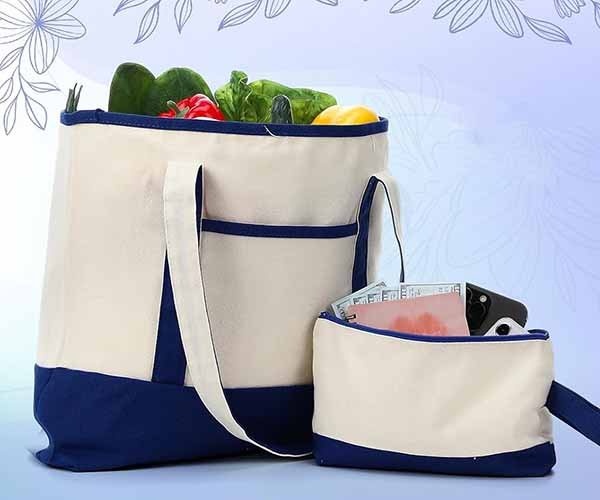
Spain Lifestyle Collection
- Project: Canvas tote and cosmetic pouch collection
- Order Quantity: 3,600 pcs across 6 SKUs
- Materials: 12 oz cotton canvas, polyester lining and woven labels
- Packaging: Barcode hangtags, recycled-look paper sleeves and assorted master cartons
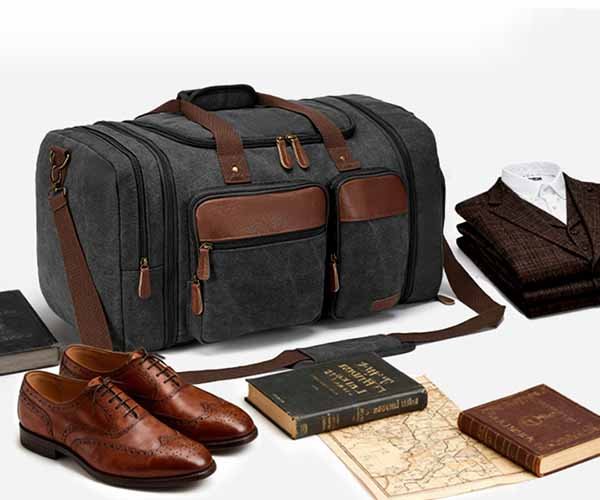
Amazon.es Travel Organizer
- Project: Multi-compartment travel organizer
- Order Quantity: 2,800 pcs in 4 colors
- Materials: 300D polyester, mesh, webbing and coated lining
- Packaging: Individual polybags, FNSKU labels and FBA carton labels
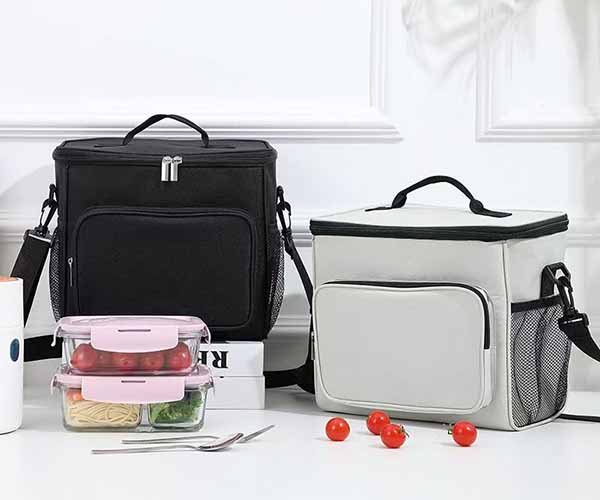
Corporate Cooler Program
- Project: Branded insulated lunch bag
- Order Quantity: 7,500 pcs
- Materials: 600D polyester, foam insulation and PEVA lining
- Logo: Two-color screen print
- Packaging: Individual bags with event inserts and export cartons
Frequently Asked Questions
Get a Custom Bag Quote for Spain
- Product type and intended use
- Estimated quantity and number of SKUs
- Dimensions or required capacity
- Preferred material and color
- Logo artwork and branding method
- Pocket, zipper and hardware requirements
- Unit packaging and carton requirements
- Sales channel in Spain
- Sample requirement
- Target delivery date
- Destination address or warehouse type
- Testing or inspection requirements
- Target price range, when available