A Trusted China Manufacturer Since 2007!

Your Trusted China Bag Supplier for Italy

Factory-based custom bag development, OEM/ODM production, private labeling, quality control, packaging, and delivery support for Italian sales programs.
Szoneier helps Italian brands, importers, retailers, distributors, and international companies develop custom bags in China and prepare them for sale or distribution in Italy.
  • MOQ from 200 pcs for selected projects
  • Samples from images, drawings, tech packs, or physical references
  • Materials, structures, colors, Logo processes, and packaging developed under one project team
  • Bulk production supported by multi-stage inspection and approved sample records
  • Express, air, sea, DAP, and DDP routes evaluated according to destination
18+ Years | 20,000+㎡ Factory System | 8 Sewing Lines | 12 QC Staff | 120,000–200,000 Pcs Monthly Capacity
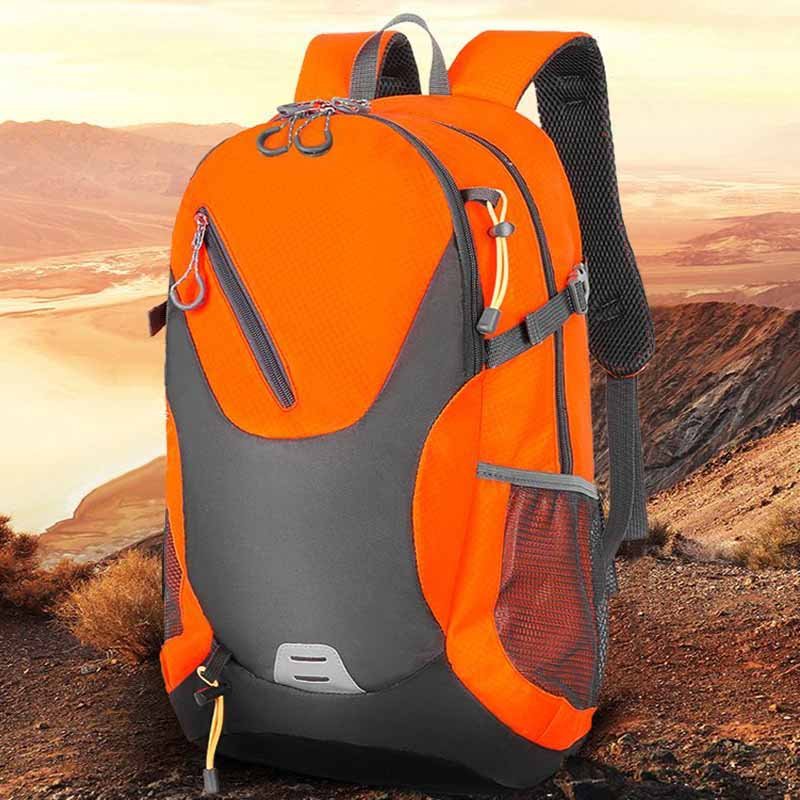
hiking backpack

What China Bag Supplier for Italy Means

A reliable supply arrangement combines Chinese manufacturing resources with product development, documentation, packaging, and delivery planning suited to Italian sales channels.

Manufactured in China Under Controlled Specifications

“China bag supplier for Italy” should not mean selecting generic stock products and adding a label before shipment. A serious program starts with clearly defined product specifications and ends with goods prepared for the intended retail, wholesale, e-commerce, promotional, or distribution channel. Szoneier manages the manufacturing side from Shenzhen and the South China supply chain. Project work can cover:
  • Product requirement review
  • Material and accessory sourcing
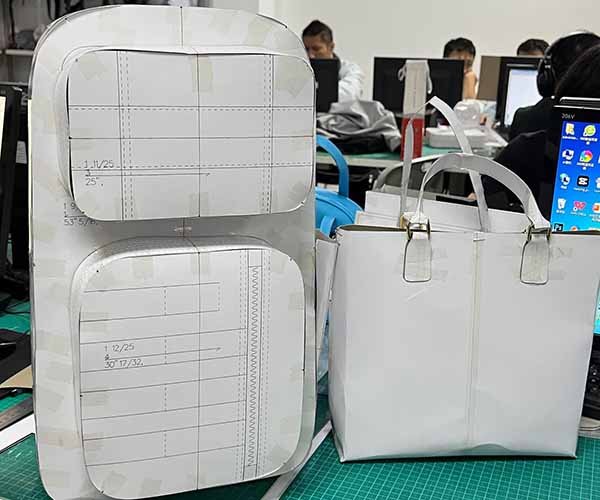
  • Pattern development
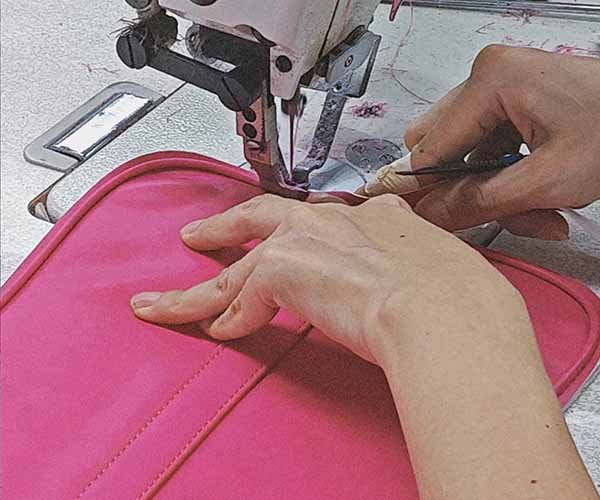
  • Prototype sewing
  • Sample revisions
  • Pantone and color confirmation
  • Logo process trials
  • Pre-production sample approval
  • Bulk sewing production
  • In-process inspection
  • Finished product inspection
  • Retail or e-commerce packaging
  • Carton preparation
  • Export document coordination
  • International freight arrangement
The manufacturing location remains China. Products should not be described as “Made in Italy” unless production legally qualifies for such an origin claim. Szoneier also does not manufacture unauthorized logos, counterfeit trademarks, or protected designs without proper authorization. A brand may send a complete tech pack, but complete technical drawings are not compulsory at the first discussion. Product photos, sketches, reference links, physical samples, target dimensions, target pricing, sales channels, and expected order quantities can provide a workable starting point. Development begins with an internal assessment involving sales, product management, pattern, sampling, procurement, and production personnel. Structural problems, material availability, accessory MOQ, Logo limitations, packaging volume, and production risks are reviewed before a quotation or prototype plan is finalized.

Prepared for Italian Sales and Distribution

Preparation for Italy extends beyond arranging transportation. Packaging, product identification, materials, documentation, and warehouse requirements need consideration during development rather than after bulk production. Szoneier can coordinate manufacturing information for:

  • Italian retail chains
  • Independent boutiques
  • Importers and distributors
  • Corporate gift programs
  • Amazon.it inventory
  • Shopify and direct-to-consumer orders
  • European warehouses
  • Trade show programs
  • International brands launching Italian SKUs

Product preparation may include retail hangtags, barcodes, care labels, FNSKU labels, SKU separation, polybag warnings, carton labels, packing lists, product descriptions, material information, carton dimensions, gross weight, and shipment records. Chemical testing, physical testing, traceability information, packaging declarations, warning text, and language requirements vary by product, material, use, and sales channel. Szoneier can coordinate supplier documents and third-party testing according to an agreed checklist. The importer, brand owner, laboratory, or appointed compliance adviser should confirm final market requirements before production. Shipping can be arranged to an Italian business address, warehouse, distribution center, freight terminal, Amazon facility, or appointed forwarder. The most suitable route depends on order quantity, carton volume, shipment urgency, destination postcode, import arrangement, and desired trade terms. 

Who We Manufacture Custom Bags For

Different sales models require different product structures, quantities, packaging methods, quality documents, and replenishment plans.

Italian Bag Brands

Fashion and lifestyle brands often require controlled materials, accurate proportions, refined Logo details, reliable color matching, and repeatable bulk production. Szoneier supports individual products and coordinated collections involving multiple shapes, sizes, colors, and packaging formats.
  • Product collection development
  • Confidential drawings and samples
  • Material and hardware coordination
  • Photo-ready prototypes
  • Multi-SKU production records
  • Repeat order support

Retailers and Store Groups

Retail programs depend on consistent dimensions, stable appearance, barcode accuracy, retail-ready packaging, and arrival before fixed selling periods. Szoneier coordinates product files, carton marks, quantity breakdowns, inspection points, and shipment preparation for store or warehouse distribution.
  • Retail hangtags and barcodes
  • Color and size assortments
  • Carton quantity control
  • Third-party inspection support
  • Warehouse labeling
  • Seasonal delivery planning

Importers and Distributors

Importers commonly need a broad category range, clear quotations, dependable production schedules, consolidated shipments, and documentation for customs clearance. Szoneier can manage multiple bag types and work with appointed freight forwarders or evaluated door-to-door routes.
  • Multiple bag categories
  • Combined production planning
  • Product and material descriptions
  • Commercial invoice support
  • Packing list preparation
  • Long-term replenishment records

Amazon.it Sellers

Amazon programs require attention to unit dimensions, packaging weight, FNSKU placement, polybag warnings, carton labels, SKU separation, and replenishment timing. Product design also needs enough differentiation to avoid direct price competition.
  • FNSKU application
  • FBA carton labels
  • Polybag warnings
  • Carton size control
  • Multi-SKU separation
  • FBA first-leg delivery evaluation

Shopify and DTC Brands

Direct-to-consumer brands focus on visual identity, unboxing experience, photography, color collections, small-batch launches, and frequent product updates. Szoneier supports branded packaging, development samples, gift sets, and coordinated product families.
  • Photo-ready samples
  • Dust bags and mailer boxes
  • Thank-you cards
  • Seasonal color collections
  • Influencer gift kits
  • Repeat inventory planning

Global Brands Entering Italy

International brands may use China for an Italian-specific collection, a European product launch, or a cost-optimized extension of an existing range. Szoneier can review established brand standards and adapt material, labeling, packaging, and delivery plans for the intended destination.

  • Brand standard review
  • Existing sample analysis
  • European SKU development
  • Confidential product files
  • Multi-market packaging
  • Controlled repeat production


Common Risks When Sourcing Bags from China

Clear control points reduce development delays, unexpected costs, quality variation, packaging mistakes, and missed launch dates.

Sample and Bulk Differences

A prototype may look correct while bulk goods change in fabric weight, lining, color, hardware, dimensions, or Logo position. Szoneier uses the final approved sample, paper pattern, BOM, material records, accessory specifications, Logo files, packaging files, and production notes as bulk references.
  • Final sample sealing
  • Pre-production sample
  • Material batch records
  • Documented change approval
  • In-line comparisons
  • Final inspection checkpoints

Incomplete Specifications

A short product description rarely contains enough information for accurate manufacturing. Missing dimensions, seam details, pocket construction, foam thickness, Logo size, packaging, or intended load can create quotation changes and sample failures. Szoneier reviews:
  • Finished dimensions
  • Panel and pocket structure
  • Material thickness
  • Zipper and hardware specifications
  • Reinforcement points
  • Packaging and carton requirements

Weak Premium Appearance

Poor pattern proportions, unsuitable material stiffness, thin lining, low-grade hardware, uneven edge finishing, or inadequate internal support can make a finished bag look cheaper than expected. Appearance is developed through:
  • Pattern proportion
  • Side panel width
  • Bottom construction
  • Foam or reinforcement layers
  • Hardware finish
  • Controlled stitching and edge treatment

Unsupported Compliance Claims

A general statement such as “EU compliant” does not prove suitability for every product. Material composition, coating, printing ink, glue, leather treatment, metal plating, intended use, and age group may create different testing needs. Szoneier can coordinate:
  • Supplier material documents
  • Project-specific testing lists
  • Third-party laboratory submissions
  • Product information records
  • Packaging information
  • Traceability support

Packaging and Label Errors

Incorrect barcodes, FNSKU labels, carton marks, SKU quantities, warning text, or warehouse labels can delay receiving and increase rework costs. Packaging files should be confirmed before bulk packing starts. Control points include:
  • Artwork approval
  • First packed unit check
  • SKU separation list
  • Carton label confirmation
  • Packing quantity verification
  • Pre-shipment carton photos

Unplanned Delivery Timing

Production completion is not the same as arrival in Italy. Freight booking, export handling, transit, customs processing, final delivery, warehouse appointments, and peak-season congestion all affect arrival dates. Szoneier helps plan:

  • Required arrival date
  • Production completion target
  • Packaging confirmation deadline
  • Freight method
  • Split air and sea shipments
  • Time allowance for destination delivery


Factory Capacity Behind Your Bag Program

Real production resources support sample development, parallel orders, quality checks, packaging, and long-term replenishment.

18+ Years Experience

Szoneier has more than 18 years of experience across custom bags, sewn soft goods, materials, pattern making, sampling, Logo processes, packaging, inspection, and international delivery. The experience covers both simple promotional items and structurally complex functional bags.

20,000+㎡ Factory System

The manufacturing system covers more than 20,000 square meters and includes sampling, pattern development, material handling, cutting, sewing, inspection, packing, warehousing, and production coordination areas. Qualified companies can request a video factory review or arrange a scheduled visit.

180+ Team Members

More than 180 people support sales communication, product assessment, design, pattern development, sampling, procurement, sewing production, quality inspection, packing, and shipment coordination. Over 120 personnel are connected directly with production activities.

160+ Machines

More than 160 production and supporting machines are used for cutting, sewing, binding, reinforcement, Logo application, inspection, and finishing. Equipment selection depends on the fabric, seam structure, product thickness, and required construction.

Eight Sewing Lines

Eight sewing production lines provide capacity for different products and order schedules. Line planning considers product complexity, materials, assembly sequence, operator skills, quality checkpoints, and required shipment date rather than assigning every bag to the same workflow.

Ten Partner Factories

More than ten controlled satellite partner factories support category specialization, seasonal capacity, multi-SKU programs, and repeat production. Szoneier manages communication, samples, material standards, quality expectations, packing requirements, and delivery responsibility across the network.

120,000–200,000 Pcs Monthly

Regular monthly capacity ranges from approximately 120,000 to 200,000 pieces across suitable product categories and order combinations. Exact output depends on bag structure, sewing time, order size, material preparation, Logo processes, and packaging.

20–35 Parallel Orders

The project system can coordinate approximately 20 to 35 orders in parallel. Scheduling covers sampling, material procurement, Logo production, cutting, sewing, inspection, packaging, and shipment preparation, helping established brands manage multiple developments and replenishment orders. 

One Project Team from Design to Delivery

Specialized personnel review product details instead of relying on a single salesperson to interpret every technical requirement. 

International Sales Team

A 12-person international sales team handles initial enquiries, requirement collection, quotations, sample coordination, order communication, and progress updates. Nancy serves as a central contact for global custom bag projects.
The team requests core information early:
  • Product photos or drawings
  • Dimensions
  • Quantity
  • Materials
  • Logo files
  • Packaging and destination

Product and Design Team

Four product managers and six bag designers review product positioning, intended use, structure, appearance, material combinations, retail level, and development risks. Their role is not limited to visual design; manufacturability and cost also guide each recommendation.
The team can review:
  • Product proportions
  • Pocket layout
  • Openings and closures
  • Carrying comfort
  • Material suitability
  • Series development

Pattern Development Team

Five pattern makers, averaging more than ten years of experience, convert drawings, samples, photos, and dimensions into production patterns. Pattern work determines final shape, volume, seam allowance, panel connection, opening size, bottom stability, and assembly accuracy.
Pattern analysis covers:
  • Panel structure
  • Seam construction
  • Reinforcement
  • Lining
  • Foam
  • Packaging fold method

Sampling Team

An eight-person sampling team with twelve dedicated sample sewing positions develops prototypes, Logo trials, structural revisions, and approval samples. Samples undergo internal review before photos, videos, or physical units are sent for evaluation.
Sampling support includes:
  • Material preparation
  • Pattern cutting
  • Sample sewing
  • Logo trial
  • Internal checking
  • Revision records

Procurement and QC

Six procurement specialists coordinate fabrics, linings, zippers, hardware, webbing, labels, packaging, and custom accessories. Twelve QC personnel inspect materials, production processes, finished goods, and packing.
Their coordination helps prevent:
  • Unapproved substitutions
  • Wrong material batches
  • Accessory mismatch
  • Packaging errors
  • Undocumented bulk changes
  • Shipment quantity problems

Logistics Coordination

Five logistics coordinators support sample dispatch, carton information, shipping documents, freight enquiries, FBA preparation, warehouse delivery, and multi-address shipments. Shipping recommendations are based on destination, volume, weight, urgency, and import arrangement.
Available evaluations include:
  • Express
  • Air freight
  • Sea freight
  • DAP
  • DDP
  • Appointed forwarders

Custom Bag Categories for Italian Sales Channels
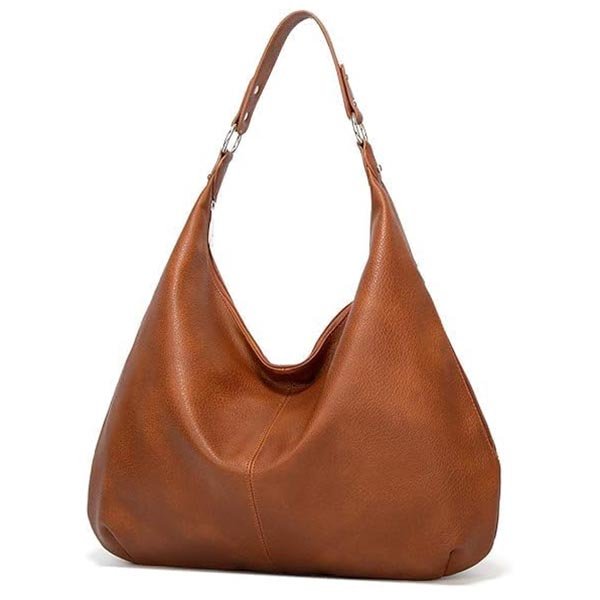
Each category can be developed around brand positioning, intended use, target price, material performance, packaging, and order quantity.
1. leather and pu bags

Fashion Handbags

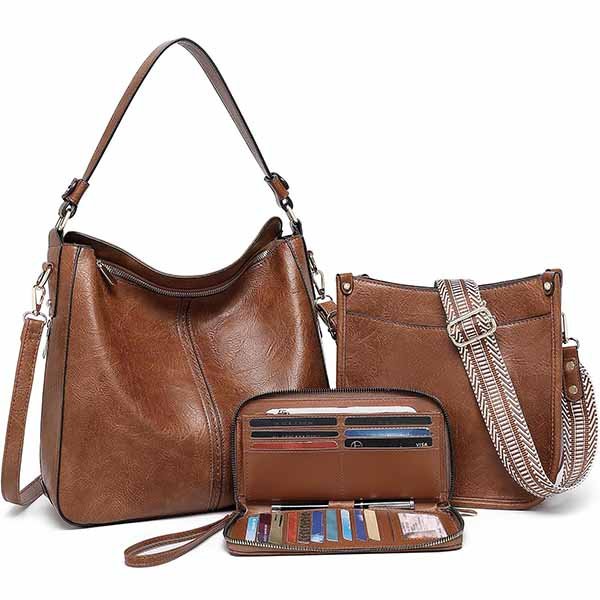
Custom fashion handbags include crossbody bags, shoulder bags, clutches, bucket bags, mini bags, and structured handbags. Common widths range from approximately 18 to 40 cm. Development covers silhouette, lining, closures, handles, straps, metal hardware, internal pockets, Logo details, and protective packaging.
2. leather and pu bags

Leather and PU Bags

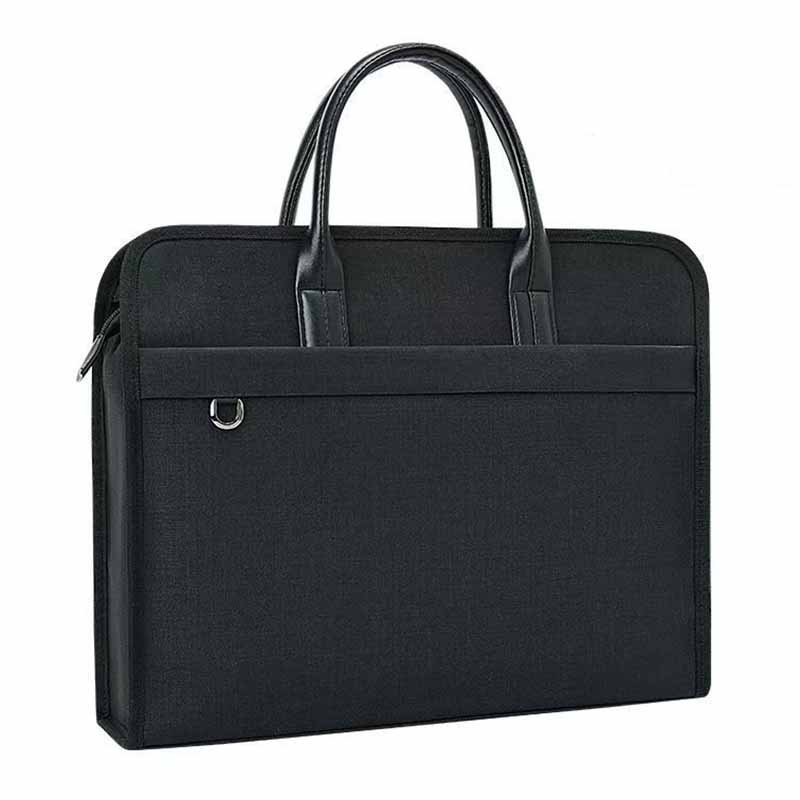
Leather and PU programs include totes, handbags, briefcases, wallets, card holders, straps, and small accessories. Material thickness, backing, edge finishing, reinforcement, hardware finish, and surface durability require confirmation during sampling. Natural leather variation should be defined before bulk cutting.
3. tote and canvas bags

Tote and Canvas Bags

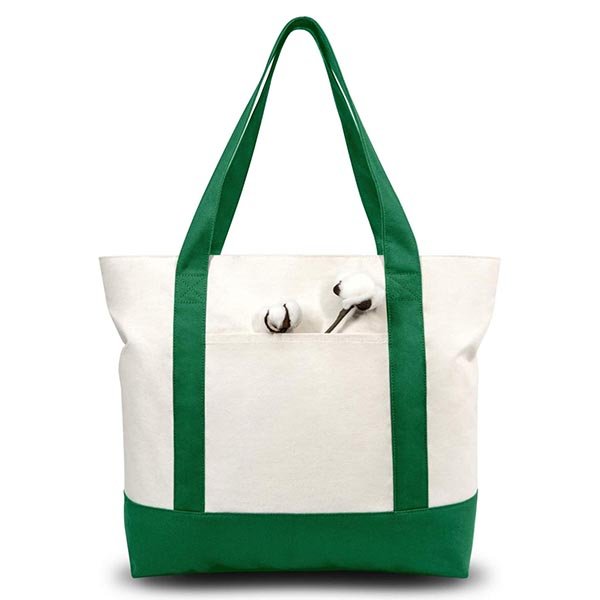
Tote bags can range from approximately 30 × 35 cm promotional formats to 45 × 40 cm retail or lifestyle sizes. Options include cotton, canvas, recycled polyester, Oxford, jute, lining, zipper closure, internal pockets, reinforced handles, bottom gussets, and branded packaging.
4. backpacks and laptop bags

Backpacks and Laptop Bags

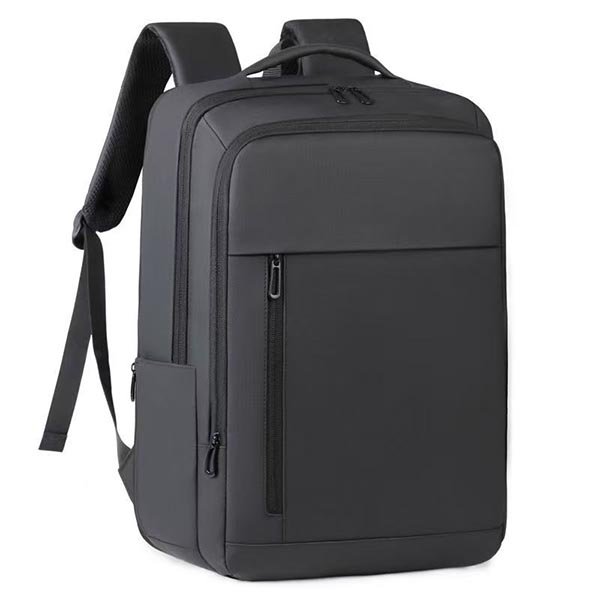
Backpacks commonly range from 12 to 35 liters, while travel or outdoor models may be larger. Development can include laptop compartments, foam panels, breathable mesh, padded straps, sternum straps, bottle pockets, trolley sleeves, anti-theft pockets, compression systems, and reinforced stress points.
5. travel and duffle bags

Travel and Duffle Bags

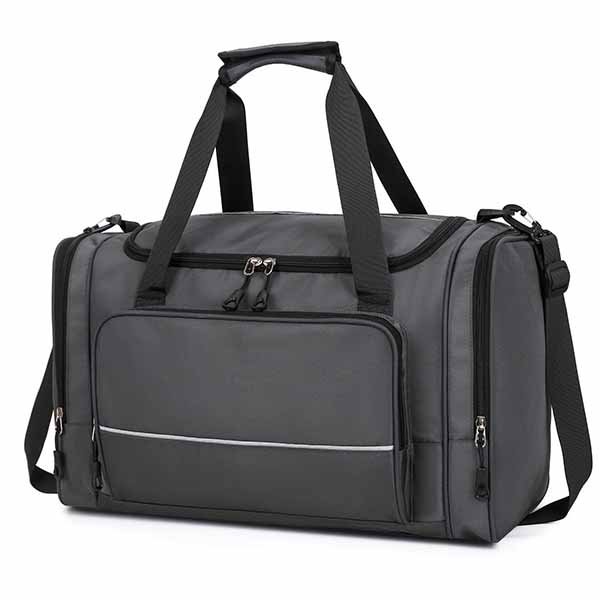
Travel bags, weekender bags, duffle bags, garment bags, packing cubes, and organizers can be developed from approximately 20 to 70 liters. Product planning considers carrying comfort, weight distribution, luggage sleeves, shoe compartments, wet pockets, reinforcement, collapsibility, and transport volume.
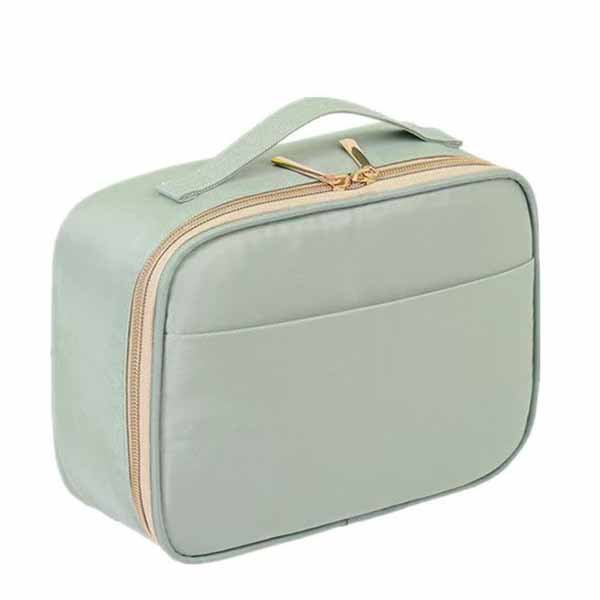
6. cosmetic and toiletry bags

Cosmetic and Toiletry Bags

Common widths range from approximately 15 to 30 cm, from small pouches to structured vanity cases. Materials include polyester, nylon, PU, PVC, TPU, canvas, recycled fabrics, and washable linings. Options include brush slots, transparent pockets, dividers, handles, mirrors, and gift packaging.
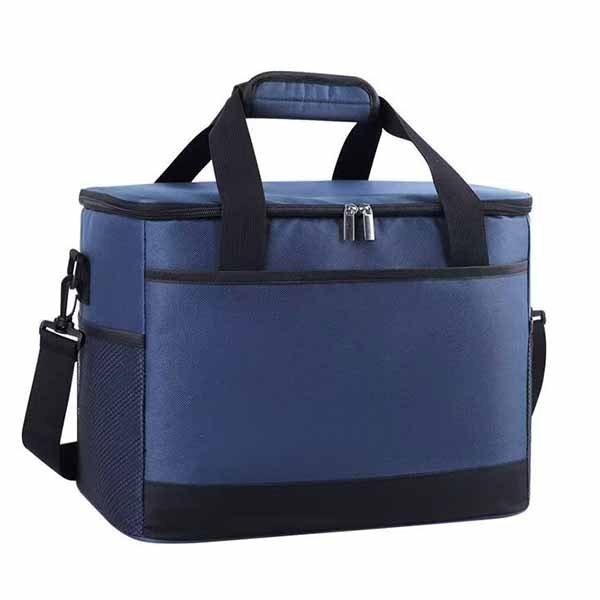
7. cooler and lunch bags

Cooler and Lunch Bags

Cooler and lunch bags can range from approximately 5 to 40 liters. Construction combines outer fabric, insulation foam, lining, zippers, webbing, and optional rigid support. Important development points include insulation thickness, leakage control, odor, seam structure, cleaning, food-contact lining requirements, and carrying strength.
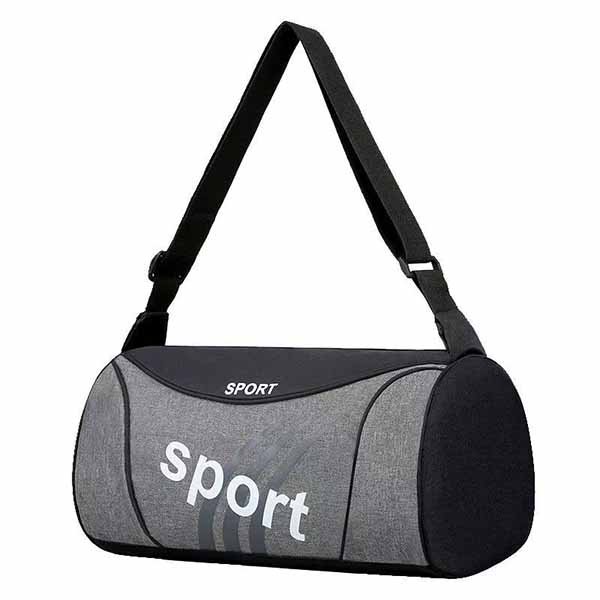
8. sports and gym bags

Sports and Gym Bags

Gym bags include duffles, drawstring bags, shoe bags, yoga mat carriers, racket bags, and fitness organizers. Common capacities range from 15 to 50 liters. Ventilation, wet compartments, abrasion resistance, strap comfort, bar-tack reinforcement, easy-clean linings, and repeated loading are frequent priorities.
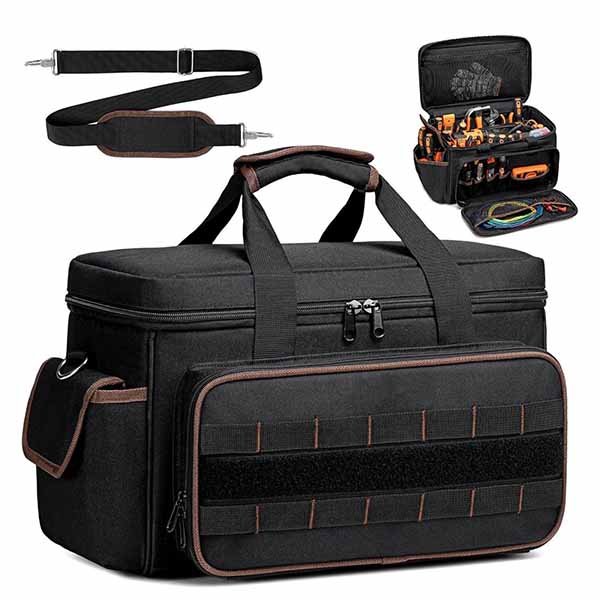
9. outdoor and tool bags

Outdoor and Tool Bags

Tool bags, hunting bags, tactical bags, equipment cases, and outdoor organizers require durable fabrics, reinforced bottoms, load-bearing handles, strong webbing, stable zippers, organized pockets, and reliable hardware. Static load, pull strength, abrasion, and access during use should be evaluated during development.
10. pet and baby bags

Pet and Baby Bags

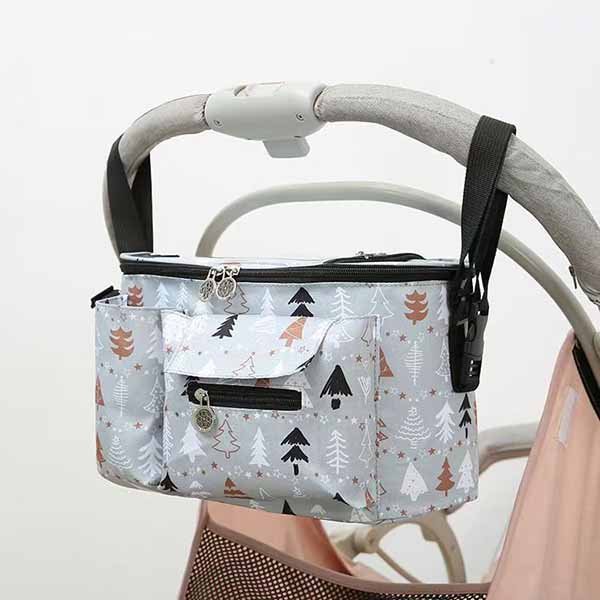
Pet carriers, pet accessory bags, diaper bags, stroller organizers, and baby travel pouches require careful structural planning. Pet products may need ventilation, safety clips, removable pads, stable bottoms, and load checks. Baby products often require organized compartments, easy-clean materials, bottle pockets, and stroller attachments.
11. corporate gift bags

Corporate Gift Bags

Corporate gift programs include tote bags, drawstring bags, document bags, cooler bags, laptop sleeves, travel pouches, and event kits. Development balances Logo visibility, quantity, budget, event date, packaging labor, carton configuration, and multi-address delivery. Most active brand orders begin above 500 pieces.
12. neoprene and functional goods

Neoprene and Functional Goods

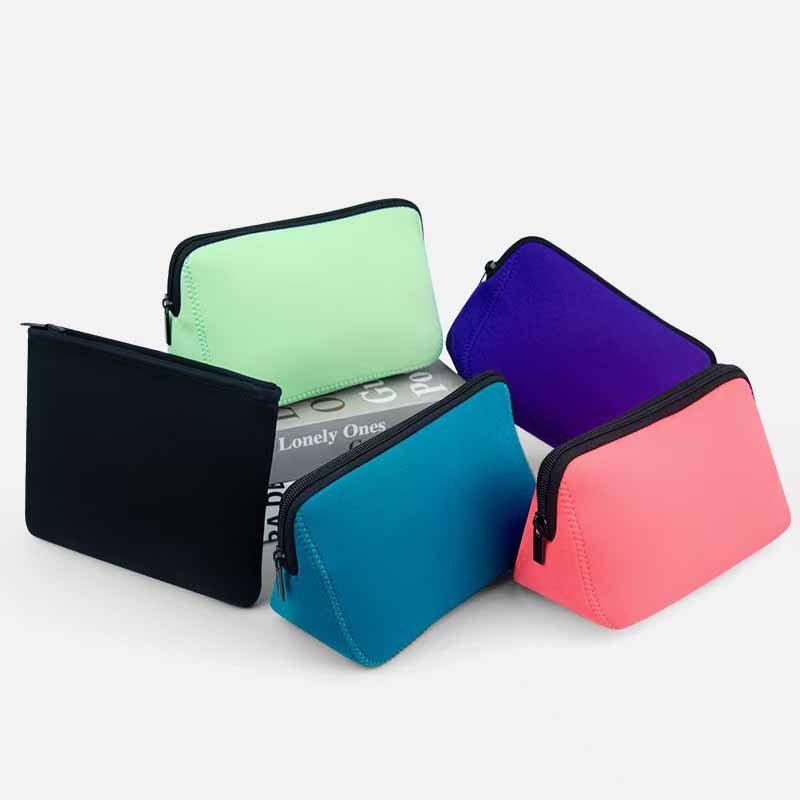
Neoprene sleeves, bottle bags, lunch carriers, sports supports, pouches, and protective covers use approximately 2–5 mm materials depending on function. PVC, TPU, mesh, EVA, RFID-blocking linings, and fire-resistant materials may also be evaluated for suitable specialized products.

Compare Materials by Feel, Cost and Performance

Material choice affects appearance, structure, durability, product weight, MOQ, production method, retail positioning, and freight cost.

MaterialCommon SpecificationsMain StrengthsSuitable ProductsLimitations and Control PointsPositioning
Polyester210D, 300D, 420D, 600D, 900DCost control, broad colors, stable supply, printablePromotional bags, backpacks, sports bags, travel bagsHand feel and abrasion vary by denier, yarn, density, and coatingEconomy to mid-range
Nylon210D, 420D, 500D, 1000DLighter hand, abrasion resistance, premium appearanceBackpacks, travel bags, outdoor bags, pouchesHigher cost; coating and color batch require confirmationMid-range to premium
Oxford300D, 600D, 900D, 1680DStructure, durability, broad functional useTool bags, backpacks, equipment bags, coolersSurface texture can look technical; coating affects stiffnessFunctional
Canvas and Cotton8 oz, 10 oz, 12 oz, 16 oz and custom weightsNatural texture, strong lifestyle identity, good printingTote bags, gift bags, travel goods, lifestyle productsShrinkage, color variation, rubbing, and washing need evaluationNatural to premium
PU LeatherMultiple grains, thicknesses, backings, and finishesFashion appearance, color flexibility, consistent surfaceHandbags, cosmetic bags, accessories, gift productsHydrolysis, abrasion, cracking, and low-temperature behavior varyMid-range to premium
Genuine LeatherCowhide, split leather, corrected grain, selected finishesNatural touch, aging character, premium valueHandbags, briefcases, wallets, strapsNatural scars, shade variation, cutting yield, and higher costPremium
RPET and Recycled FabricsRecycled polyester and nylon optionsSupports recycled material programs and sustainability claimsTotes, cosmetics, backpacks, retail collectionsCertification scope and transaction documents must match the orderMid-range to premium
PVC, TPU and NeopreneClear PVC, laminated TPU, 2–5 mm neopreneWaterproofing potential, transparency, cushioning, stretchClear bags, dry bags, sleeves, bottle carriers, functional goodsOdor, welding, seam design, yellowing, thickness, and testing require reviewFunctional or fashion-led

Material Selection Notes:

  • Higher denier does not automatically mean better fabric. Yarn quality, weave density, coating, finishing, and application matter.
  • Water-resistant fabric is not equal to a fully waterproof finished bag. Seams, zippers, openings, and construction determine final performance.
  • One Pantone code can look different on fabric, PU, zipper tape, webbing, metal, print, and paper packaging.
  • Heavier fabric may improve structure but also increases sewing difficulty, unit weight, carton weight, and freight cost.
  • Recycled claims should be supported by documents applicable to the selected supplier, material, and production batch.

Develop Bags for Italian Brand Positioning

Strong product development connects visual identity with material behavior, production stability, comfort, protection, retail price, and shipping efficiency.

Shape, Proportion and Structural Stability

A three-dimensional bag does not achieve its shape only through sewing. Final appearance results from pattern proportion, side-panel width, bottom geometry, seam allowance, fabric stiffness, lining, foam, reinforcement, piping, binding, edge finishing, and packing method.
Szoneier reviews key structural questions before or during sampling:
  • Opening and access: An attractive silhouette can fail in use when the zipper opening is too narrow, the flap blocks access, or internal pockets reduce usable capacity. Opening dimensions are evaluated against the items expected to enter the bag.
  • Volume and finished size: External dimensions do not always represent usable internal volume. Foam, lining, curved panels, seams, internal dividers, and reinforced walls reduce internal space. Capacity should be checked using actual intended contents when possible.
  • Bottom construction: Flat, gusseted, reinforced, padded, or rigid bottoms create different appearance and loading behavior. A fashion tote may require hidden support to stand correctly, while a travel bag may need a foldable structure to reduce carton volume.
  • Stress points: Handles, shoulder straps, D-rings, buckles, zipper ends, webbing connections, and bottom corners concentrate force. Reinforcement patches, box stitching, bar tacks, wider seam allowances, stronger webbing, or internal boards may be required.
  • Shape after packing: Premium handbags can develop creases or hardware marks when packed too tightly. Protective paper, foam, shaped inserts, dust bags, hardware wrapping, and stronger cartons may be needed. Packaging development should therefore begin before bulk production ends.
  • Manufacturability: A visually complex design can contain too many panels, narrow sewing spaces, incompatible thicknesses, or inaccessible seam paths. Pattern and sample teams review assembly order and recommend revisions when necessary.

Materials, Colors, Hardware and Finish

Brand perception often depends on small details rather than the total number of features. Material texture, zipper quality, edge treatment, hardware finish, stitch density, lining color, handle shape, Logo placement, and packaging should work as one system.
  • Material combinations: Outer fabric, lining, webbing, zipper tape, piping, binding, foam, reinforcement, and labels need compatible thickness and flexibility. A soft outer fabric combined with overly rigid reinforcement may create visible ridges. Thin lining can expose internal seam allowances or glue marks.
  • Color coordination: The same digital color value produces different visual results across woven fabric, coated PU, zipper tape, webbing, embroidery thread, printed Logo, metal plating, and paper packaging. Physical swatches or production samples provide more reliable confirmation than screen images.
  • Hardware specification: Hardware should be selected by appearance and load. Decorative rings and hooks may suit small handbags but fail on travel or tool bags. Finish options such as nickel, gunmetal, antique brass, matte black, gold, or custom plating need sample approval.
  • Stitching and edge finish: Thread color, stitch length, seam alignment, backstitching, binding, piping, folded edges, painted edges, or turned construction change the visual level. Genuine leather and PU products may require repeated edge coating and drying, while fabric bags depend more on clean binding and seam control.
  • Surface protection: Printed surfaces, metal plates, polished hardware, transparent PVC, coated fabrics, and light-colored PU can be scratched during sewing, packing, or transport. Protective films and individual wrapping should be planned when the surface is sensitive.

Commercial Design Review Before Sampling

Product development should protect both brand identity and commercial viability. Szoneier evaluates more than whether a design can be sewn once.
A commercial review may identify:

  • Custom fabric with an uneconomical mill MOQ
  • Custom metal hardware requiring high tooling cost
  • Too many color combinations for the order size
  • Excessive pockets increasing labor without clear use value
  • A large gift box creating avoidable freight volume
  • Thin handles that do not match the intended load
  • A waterproof claim unsupported by the construction
  • A rigid bag likely to deform during low-cost packing
  • A zipper path difficult to operate after loading
  • A design difficult to reproduce consistently in bulk

The review does not remove brand features without approval. Instead, Szoneier can present alternatives such as using available material colors, changing a custom metal part to a branded leather patch, sharing hardware across SKUs, simplifying hidden seams, optimizing pocket layouts, or changing packaging dimensions.
Target retail price should also guide development. A promotional tote, boutique handbag, Amazon travel organizer, outdoor equipment bag, and premium leather accessory require different cost structures. Material quality and visible details should receive priority according to how the product is sold and used.

From Your Design to an Approved Sample
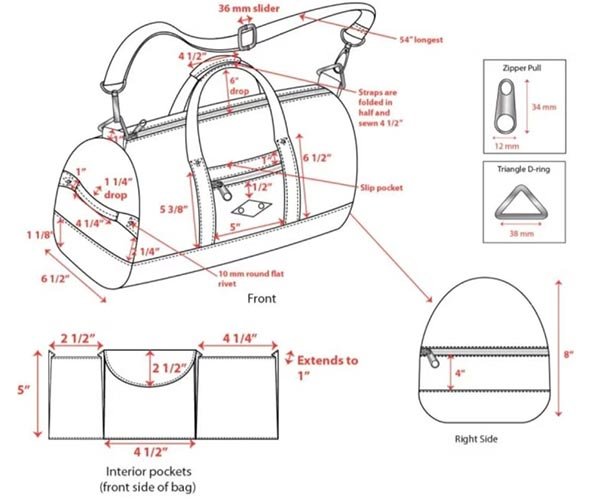
Sampling converts drawings, photos, reference products, materials, dimensions, Logo files, and packaging ideas into a production-ready standard.
1. project brief review

Project Brief Review

The project begins with product type, dimensions, intended use, quantity, sales channel, target market, materials, Logo, packaging, and required arrival date. A tech pack is useful, although photos, sketches, reference links, or physical samples can also start development.
  • Clarify finished size
  • Confirm order quantity
  • Identify priority features
  • Record target delivery
  • Review target pricing
  • Flag missing information
2. material selection

Material Selection

Outer fabric, lining, foam, webbing, zippers, hardware, reinforcement, labels, and packaging materials are reviewed together. Available colors, custom dyeing requirements, material MOQ, coating, thickness, texture, cost, and documentation affect the final plan.
  • Select physical swatches
  • Compare hand feel
  • Check structure
  • Confirm color source
  • Review accessory compatibility
  • Estimate sourcing time
3. pattern development

Pattern Development

Pattern makers translate the approved concept into panels, seams, allowances, curves, openings, gussets, pockets, straps, reinforcement areas, and assembly details. Physical samples may be analyzed internally to understand hidden construction rather than copying surface appearance only.
  • Define panel geometry
  • Check finished dimensions
  • Build seam allowance
  • Plan reinforcement
  • Review sewing access
  • Estimate material usage
4. sample sewing

Sample Sewing

The sampling team cuts materials, prepares Logo components, assembles the product, adds lining and reinforcement, installs zippers and hardware, and tests basic use. Complex structures may require partial mock-ups before a complete prototype is made.
  • Prepare cutting pieces
  • Apply Logo trial
  • Assemble main body
  • Install accessories
  • Add lining and support
  • Finish and clean sample
5. internal inspection

Internal Inspection

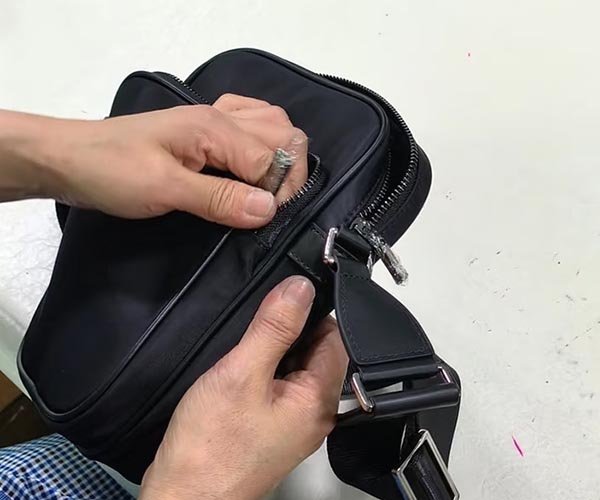
Before photos or shipping, the sample is checked against the development file. Dimensions, shape, Logo position, zipper operation, hardware, pockets, straps, stitching, symmetry, function, and packaging compatibility are reviewed.
  • Measure finished dimensions
  • Compare material
  • Check appearance
  • Operate closures
  • Inspect stress points
  • Record adjustments
6. photo and video review

Photo and Video Review

Photos and videos can be shared before physical dispatch to confirm visible details and reduce unnecessary courier cycles. Close-up images should cover Logo, zippers, hardware, seams, internal compartments, lining, handles, bottom structure, and packaging.
  • Front and back views
  • Side and bottom views
  • Interior images
  • Detail close-ups
  • Measurement photos
  • Functional video
7. sample revision

Sample Revision

Revision comments should be specific and consolidated. Szoneier records required changes involving size, shape, material, color, Logo, pockets, zippers, hardware, reinforcement, comfort, or packaging. Major structural changes may require a new pattern rather than a small alteration.
  • Record every revision
  • Confirm unchanged details
  • Update pattern
  • Replace materials when needed
  • Repeat internal review
  • Resend visual confirmation
8. approval and sealing

Approval and Sealing

After approval, the final sample, pattern, BOM, material information, accessory details, Logo files, packaging files, and production notes become bulk references. A pre-production sample may be prepared before full sewing begins.
Sample Lead-Time Reference:

  • Simple tote or drawstring bag: approximately 3–7 days
  • Standard pouch, cosmetic bag, or regular fabric bag: approximately 7–12 days
  • Complex backpack, tool bag, pet carrier, EVA case, or structured bag: approximately 12–20 days or longer

Material sourcing, custom molds, Logo tooling, multiple revisions, testing, and packaging development can extend the schedule.

Logo Options for Different Bag Materials

Logo selection should match the outer material, brand position, expected wear, artwork detail, order quantity, tooling budget, and visual target.

Screen Printing

Screen printing works well on canvas, cotton, polyester, Oxford, drawstring bags, and promotional totes. It offers strong cost control for simple artwork and larger quantities. Fine lines, gradients, surface coatings, ink adhesion, and color count should be evaluated before bulk printing.

Embroidery

Embroidery provides texture and durability on canvas, cotton, polyester, nylon, hats, backpacks, totes, and lifestyle products. Stitch density, thread color, backing, small text, fabric distortion, and needle marks affect the result. Thick embroidery can make light fabric pucker.

Heat Transfer

Heat transfer supports detailed artwork, gradients, photographic effects, and multicolor graphics. It suits many polyester and selected fabric surfaces. Temperature, pressure, coating, edge adhesion, wash resistance, and material sensitivity require sample trials before mass application.

Woven Label

Woven labels provide consistent fine detail and work on most fabric bags. They can be sewn into seams, attached to external panels, or used internally. Label size, fold type, edge finish, sewing position, color count, and yarn density influence appearance.

Leather Patch

Leather or PU patches fit canvas, backpacks, travel goods, outdoor products, and lifestyle collections. Options include embossing, debossing, printing, laser marking, stitching, rivets, and shaped cutting. Patch thickness and edge treatment should match the product construction.

Embossed Logo

Embossing or debossing works on genuine leather, PU, selected coated materials, zipper pullers, and patches. It creates a restrained premium appearance without added print color. Material memory, grain, temperature, pressure, mold depth, and artwork size determine clarity.

Metal Logo Plate

Metal plates suit handbags, cosmetic bags, premium gift products, and leather accessories. Shape, plating, mounting method, Logo depth, edge finish, scratch resistance, color consistency, mold cost, and minimum production quantity require early confirmation.

Custom Zipper Puller

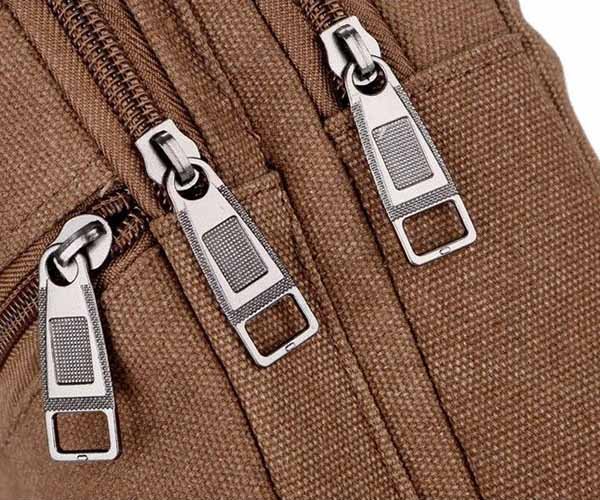
Custom zipper pullers can create subtle brand recognition across a product family. Options include metal, rubber, silicone, leather, PU, woven cord, and molded designs. Pull strength, size, plating, attachment method, mold ownership, and replacement availability need review. 

MOQ and Cost Planning for Italy Orders

MOQ starts from 200 pieces for selected projects, while brand programs commonly begin above 500 pieces per order or SKU group.

Project ConfigurationTypical MOQ DirectionCost EffectLead-Time EffectSuitable UseSzoneier Recommendation
Stock fabric, regular color, simple LogoFrom 200 pcs for selected productsLower setup costShorter sourcingTrial launch, promotional order, simple tote or pouchUse existing material and common accessories
One material, several colorsDepends on color split and stockModerateModerateSeasonal colors, small collectionsShare lining, zipper, hardware, and packaging where possible
Custom-dyed fabricUsually higherDyeing and lab-dip costAdds color approval and mill timeBrand standard colorConfirm mill MOQ before sample approval
Custom metal hardwareUsually higherMold, plating, and setup costAdds tooling and production timeLong-term premium collectionShare hardware across several SKUs
Custom packagingPackaging MOQ applies separatelyIncreases unit and freight costAdds artwork and packing preparationRetail, DTC, gift setsCompare brand value against carton volume
Complex backpack or functional bagEvaluated by structureHigher sewing and QC costLonger sample and bulk scheduleOutdoor, travel, tool, pet, medical useApprove a complete functional sample first
Multi-SKU program above 500 pcsCan share selected materialsBetter cost allocationRequires coordinated schedulingEstablished brands and retailersStandardize common fabrics, colors, and components
Repeat productionBased on stored materials and componentsMore stable over timeFaster when materials remain availableReplenishment and core productsMaintain pattern, BOM, Logo, packaging, and QC records

Main Pricing Factors

Size

Larger products consume more outer fabric, lining, foam, zippers, webbing, reinforcement, packaging, and carton space.

Material

Polyester, nylon, canvas, neoprene, PU, leather, PVC, TPU, RPET, and functional materials have different prices, processing methods, and sourcing requirements.

Structure

A flat pouch costs less than a backpack with ten pockets, padded shoulder straps, a laptop compartment, breathable back panels, and multiple zippers.

Logo

Printing, embroidery, labels, patches, embossing, metal plates, custom webbing, and zipper pullers create different setup and unit costs.

Hardware

Premium plated hardware, custom molds, load-bearing hooks, branded buckles, and waterproof zippers cost more than standard accessories.

Packaging

A basic polybag, FBA package, retail hangtag, dust bag, mailer box, or magnetic gift box creates very different labor, material, and freight costs.

Quantity

Larger orders spread pattern, sourcing, tooling, line setup, inspection, and management costs across more units.

How We Control Your Bulk Production

Bulk production begins only after commercial details, materials, samples, Logo, packaging, quantities, and delivery expectations are sufficiently clear.

Production Preparation and Document Control

A stable order requires more than a purchase order showing a product name and quantity. Szoneier prepares or reviews a group of production references before the main sewing stage. Commercial confirmation: The product name, SKU, color, order quantity, unit packing, carton quantity, price, trade term, and delivery requirement should match the approved quotation or proforma invoice. Final approved sample: The physical approval sample serves as an appearance and construction reference. Any accepted deviations should be recorded rather than left as verbal comments. Pre-production sample: A pre-production sample may be produced using intended bulk materials, accessories, Logo, and packaging. It provides a final check before full line production. BOM and material records: The bill of materials identifies outer fabric, lining, foam, reinforcement, zippers, webbing, hardware, labels, Logo method, and packaging. Supplier, color, thickness, width, or model information can be recorded where relevant. Artwork and positioning: Logo artwork, print colors, embroidery size, label placement, barcode files, FNSKU labels, carton marks, and retail graphics should have approved versions. Production schedule: Material arrival, Logo completion, cutting, sewing, inspection, packing, freight booking, and required shipment date are arranged in sequence. Delayed artwork or packaging confirmation can affect the entire schedule.

Material Preparation and Cutting Control

Bulk quality begins before sewing. Material and accessory issues discovered after cutting are more difficult and costly to correct. Incoming material review: Materials can be checked for color, texture, width, thickness, coating, surface defects, odor, shade variation, and consistency with the approved sample. Accessory confirmation: Zippers, sliders, pullers, buckles, D-rings, hooks, magnets, snaps, webbing, elastic, labels, and reinforcement pieces should match confirmed models and finishes. Batch management: Large orders may contain multiple fabric or PU batches. Cutting plans should avoid uncontrolled shade mixing within one finished unit or retail set. Pattern and marker preparation: Final patterns are used to prepare cutting markers. Directional prints, grain, stripes, checks, textures, and Logo positions require additional attention. Cutting inspection: Cut panels are checked for size, direction, quantity, defects, print placement, and notches before bundling. Bundle identification: Color, SKU, size, production line, and quantity should remain identifiable through the sewing process to reduce mixing errors.

Sewing, Assembly and Process Management

A complex bag can involve dozens of cut panels and many separate sewing operations. Process planning affects quality and output. Operation breakdown: Sewing steps are arranged in a workable order, such as preparing pockets, installing zippers, assembling panels, adding reinforcement, joining lining, attaching handles, closing the body, and finishing edges. First-piece confirmation: Initial completed or partially completed units are checked before the line continues at full speed. Early review helps identify incorrect seam allowance, Logo position, pocket alignment, hardware, or assembly sequence. Stress-point reinforcement: Handle roots, shoulder straps, webbing anchors, buckles, D-rings, zipper ends, and bottom corners may require bar tacks, box stitching, hidden patches, or added layers. In-process inspection: QC personnel monitor dimensions, stitching, symmetry, appearance, accessories, and assembly during production. Problems can be isolated before they affect the full quantity. Progress communication: Production photos, videos, quantity updates, or inspection records can be shared at agreed milestones for important projects. Change control: Materials or construction should not be changed after approval without recorded review. When a supply problem requires an alternative, approval should occur before use.

Packing and Shipment Preparation

Finished bags need protection, correct identification, accurate quantity, and suitable cartons. Packing preparation can include:
  • Thread trimming and surface cleaning
  • Shape correction
  • Hardware protection
  • Stuffing paper or internal supports
  • Dust bags
  • Polybags
  • Warning labels
  • Barcodes or FNSKU
  • Hangtags
  • Product cards
  • SKU separation
  • Carton marks
  • Carton quantity checks
  • Gross and net weight records
  • Carton dimension records
A packed sample or first packed unit should be reviewed before full packing. Carton structure must match product shape and transport conditions. Oversized cartons increase volume weight, while overly tight cartons may deform products.

Bulk Lead-Time Reference

  • Simple tote and drawstring bags: approximately 20–30 days
  • Pouches and cosmetic bags: approximately 25–35 days
  • Cooler and lunch bags: approximately 30–40 days
  • Backpacks and duffle bags: approximately 35–45 days
  • Tool, pet, and medical bags: approximately 40–55 days
  • EVA cases, rolling bags, and complex functional products: approximately 45–60 days or longer

Final timing depends on quantity, materials, Logo, packaging, production schedule, revisions, testing, and season.
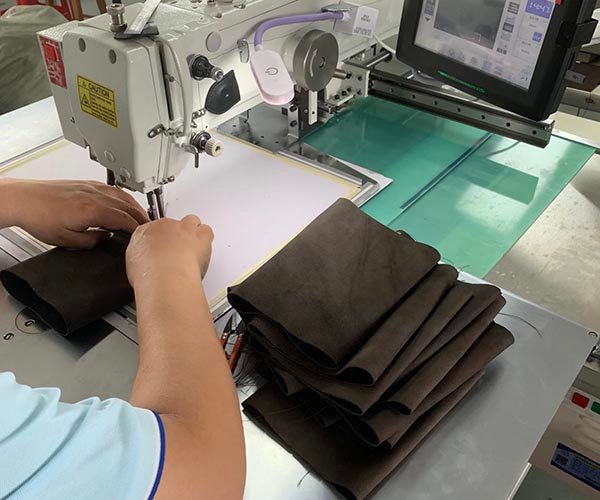
2. how we control your bulk production

Quality Control from Material to Final Packing

Quality checks follow the order from incoming materials through packing, with inspection priorities adjusted for each product category. Third-party inspections and laboratory tests can be coordinated when specified before production. 

Material Inspection

Outer fabric, lining, PU, leather, neoprene, PVC, TPU, mesh, foam, reinforcement, and packaging materials are compared with approved references. Checks may cover:
  • Color and shade
  • Surface defects
  • Thickness and weight
  • Coating and finish
  • Width and usable quantity
  • Odor and contamination

Accessory Inspection

Zippers, sliders, buckles, hooks, D-rings, magnets, snaps, webbing, elastic, labels, and Logo components are checked before use. Inspection points include:
  • Model and size
  • Finish and plating
  • Operation
  • Color consistency
  • Surface scratches
  • Connection strength

Pre-production Sample

A pre-production sample helps verify intended bulk materials, construction, Logo, and packaging before full sewing. The sample can confirm:
  • Finished measurements
  • Panel construction
  • Material combination
  • Hardware
  • Logo position
  • Packing method

Cutting Inspection

Cut panels influence final dimensions, symmetry, alignment, and appearance. QC attention includes:
  • Pattern accuracy
  • Cut direction
  • Defect removal
  • Print placement
  • Color batch separation
  • Quantity identification

Sewing Process Inspection

Inspection during sewing detects issues before large quantities are completed. Typical points include:
  • Seam allowance
  • Stitch alignment
  • Thread tension
  • Pocket position
  • Handle attachment
  • Reinforcement
  • Zipper installation
  • Product symmetry

Semi-finished Inspection

Partly assembled units are checked before closing operations hide internal construction. Semi-finished checks can review:
  • Reinforcement patches
  • Foam placement
  • Lining construction
  • Internal pocket position
  • Hidden seams
  • Hardware attachment
  • Strap roots
  • Bottom support

Final Product Inspection

Finished units are evaluated for appearance, measurements, function, workmanship, cleanliness, and comparison with approved samples. Inspection may cover:
  • Dimensions within agreed tolerance
  • Logo appearance
  • Zipper operation
  • Hardware and closures
  • Stitching and shape
  • Internal structure
  • Load-related points
  • Overall presentation

Packing and OQC

Packing inspection confirms the correct product enters the correct package and carton. OQC checks include:
  • SKU and color
  • Unit quantity
  • Labels and barcodes
  • FNSKU where required
  • Polybag warnings
  • Protective materials
  • Carton marks
  • Carton quantity
  • Gross weight
  • Shipment documents

Compliance Support for Bags Entering Italy

Manufacturing documents, material information, product identification, testing, and packaging details should match the actual product and distribution method.

Product Traceability

Product identification can include model numbers, SKU codes, batch references, barcodes, production records, or other agreed tracking information. The chosen system should allow a product to be connected with manufacturing and order records. Szoneier can support:
  • SKU records
  • Production batch references
  • Carton identification
  • Packing lists
  • Order files
  • Retained sample information

Manufacturer Information

Product or packaging information may require the legal manufacturer name, address, contact details, product description, model, or other identification. Szoneier can provide manufacturing entity details and cooperate with the brand’s labeling format. Required placement may vary between:
  • Product label
  • Hangtag
  • Packaging
  • Instruction sheet
  • Online product listing
  • Commercial documentation

EU Responsible Party Coordination

A brand or importer selling in Italy may need a designated economic operator or responsible party located in the European Union, depending on the product and sales arrangement. Szoneier can add approved information supplied by the importer or brand to:
  • Product labels
  • Packaging labels
  • Inserts
  • Retail boxes
  • Technical files
  • Shipping records

Material and Chemical Testing

Testing requirements should be established by product, material, age group, claims, and use. A general certificate from another product may not be sufficient for a new order. Testing can involve:
  • Textile materials
  • PU or leather
  • Coatings
  • Printing ink
  • Glue
  • Metal hardware
  • Plastic parts
  • Packaging

Instructions and Warnings

Some products need care information, usage instructions, load limitations, age-related warnings, suffocation warnings, or other safety text. Italian-language information may be required depending on the product and distribution method. The brand should approve final wording. Szoneier can support:
  • Label printing
  • Insert printing
  • Warning application
  • Artwork checking
  • Placement confirmation
  • Packing inspection

Packaging Documentation

Retailers, importers, e-commerce platforms, or sustainability programs may request packaging material details, dimensions, weight, supplier information, or recycled-content documents. Szoneier can record:
  • Polybag type
  • Paper packaging
  • Carton structure
  • Packaging weight
  • Recycled content claims
  • Supplier certificates when applicable

Packaging for Italian Retail and E-commerce

Packaging should protect the bag, identify the SKU, support the sales channel, and avoid unnecessary freight volume.

Retail Packaging

Retail presentation can include branded hangtags, barcode stickers, care labels, paper sleeves, belly bands, dust bags, retail boxes, and display-ready cartons. Artwork, barcode data, label position, carton quantity, and store distribution requirements should be confirmed before production.
  • Hangtags and barcodes
  • Care and material labels
  • Retail sleeves or boxes
  • Price label space
  • Size and color identification
  • Store-ready carton marks

Amazon.it Packaging

Amazon preparation may involve FNSKU labels, polybags, warning text, carton labels, SKU separation, carton size limits, gross weight control, and a packing list. The seller should provide final FNSKU files, shipment plans, warehouse labels, and current platform instructions.
  • FNSKU placement
  • Polybag warnings
  • Multi-SKU separation
  • Carton label application
  • Carton measurement
  • FBA first-leg preparation

DTC Brand Packaging

Direct-to-consumer brands often require a coordinated unboxing experience. Options include dust bags, tissue paper, thank-you cards, brand cards, sticker seals, mailer boxes, gift boxes, and protective inserts. A premium package should also be evaluated for:
  • Material cost
  • Packaging MOQ
  • Packing labor
  • Volume weight
  • Transit protection
  • Recycling and disposal

Protective Packing

Fashion handbags, leather goods, clear PVC, metal hardware, molded products, and structured bags may need additional protection. Options include:
  • Hardware wrapping
  • Protective films
  • Tissue stuffing
  • Foam sheets
  • Shape inserts
  • Dust bags
  • Silica gel where appropriate
  • Stronger export cartons

Multi-SKU Packing

Color, size, style, barcode, and warehouse destination should remain identifiable from unit packing through final cartons. Controls include:
  • SKU packing list
  • Color-coded labels
  • Separate carton marks
  • Mixed-carton rules
  • Quantity verification
  • Pallet or warehouse sorting

Export Cartons

Carton design influences protection, volume weight, handling, and shipping cost. Szoneier reviews product dimensions, unit packing, units per carton, gross weight, compression risk, and transport method before finalizing carton configuration. Carton data can include:

  • Length, width, and height
  • Net and gross weight
  • Units per carton
  • Carton number
  • SKU and color
  • Shipping marks

Shipping Custom Bags from China to Italy

Freight selection should protect the required arrival date, landed cost, product condition, inventory plan, and destination receiving requirements.

Shipping MethodSuitable ShipmentPlanning Transit ReferenceCost DirectionMain ConsiderationsCommon Use
DHL, UPS or FedExSamples, approval units, urgent small quantitiesApproximately 3–7 business days after dispatchHighest per kgVolumetric weight, remote area, import tax, product restrictionsSamples and urgent replacements
Air FreightMedium quantities and urgent launchesApproximately 7–15 days depending on route and delivery typeHigher than seaChargeable weight, airport handling, customs, final deliverySeasonal stock and urgent replenishment
Rail to EuropeSuitable routes and selected cargoApproximately 18–30 daysMid-rangeRoute availability, terminal transfer, customs, final truckingPlanned European inventory
Sea LCLMedium-volume orders below a full containerApproximately 30–45 days or longerEconomical for suitable volumeConsolidation time, port handling, customs, destination chargesRegular brand orders
Sea FCLLarge-volume shipmentsApproximately 28–40 days or longerStrong economy at scaleContainer utilization, port schedule, unloading, warehouse bookingLarge retail and distributor orders
DAP or DDP EvaluationDoor-to-door delivery to eligible addressesRoute-specificQuoted by destination and cargoHS code, tax arrangement, postcode, carton data, import conditionsWarehouses, businesses, FBA, e-commerce stock

Shipping Information Required & Documents Coordination

Accurate freight evaluation requires related information and we can coordinate required documents.

Shipping Information Required

Accurate freight evaluation requires:
  • Delivery city and postcode in Italy
  • Business, warehouse, residential, FBA, or terminal destination
  • Product type and materials
  • Order quantity
  • Number of SKUs
  • Carton dimensions
  • Gross weight
  • Total volume
  • Required arrival date
  • Preferred trade term

Documents Szoneier Can Coordinate

  • Commercial invoice
  • Packing list
  • Product description
  • Material information
  • Carton quantities
  • Gross and net weight
  • Volume data
  • HS code coordination
  • Certificate of origin support when required
  • Export declaration information
  • Freight forwarder packing requirements

Built for Repeat Orders and Product Expansion

Organized records help established brands replenish core products, add colors, launch related SKUs, and reduce repeated development work.

Pattern Records

Approved paper patterns record the geometry of panels, pockets, straps, gussets, linings, reinforcements, and other components. Pattern control supports dimensional consistency and faster repeat sampling when no structural change is required. Records may include:
  • Pattern version
  • Finished dimensions
  • Seam allowance
  • Revision date
  • Product code
  • Related approval sample

BOM Records

A bill of materials lists the main components used in production. Maintaining an accurate BOM reduces the risk of unapproved substitutions and supports repeat quotation. BOM information can cover:
  • Outer fabric
  • Lining
  • Foam
  • Reinforcement
  • Zippers
  • Hardware
  • Labels
  • Packaging

Material and Color Records

Material references help reproduce hand feel, structure, coating, texture, and appearance. Color records reduce avoidable variation, although future batches may still require confirmation due to supplier or dye-lot differences. Useful records include:
  • Supplier and item code
  • Material construction
  • Color code
  • Physical swatch
  • Production batch
  • Approved alternatives

Logo and Artwork Files

Approved Logo size, method, placement, color, mold, stitch file, printing file, label artwork, and packaging graphics should remain linked with the correct SKU. Control helps prevent:
  • Wrong Logo version
  • Incorrect size
  • Outdated artwork
  • Placement changes
  • Color mismatch
  • Missing tooling information

Packaging and Carton Files

Repeat orders often fail at the final stage when packaging details are not stored. Szoneier can maintain unit packing, barcode, FNSKU, carton quantity, carton size, carton marks, and SKU separation records. Stored files support:
  • Faster packing confirmation
  • Consistent warehouse labels
  • Replenishment planning
  • Multi-address delivery
  • Fewer packing revisions
  • More accurate freight estimates

QC and Revision Records

Inspection findings, production notes, approved tolerances, previous issues, corrective actions, and special checking points should guide future production. A repeat-order review may cover:

  • Previous defects
  • Approved concessions
  • Improved reinforcement
  • Updated material
  • Packaging damage history
  • New inspection priorities

Custom Bag Projects for European Sales Programs
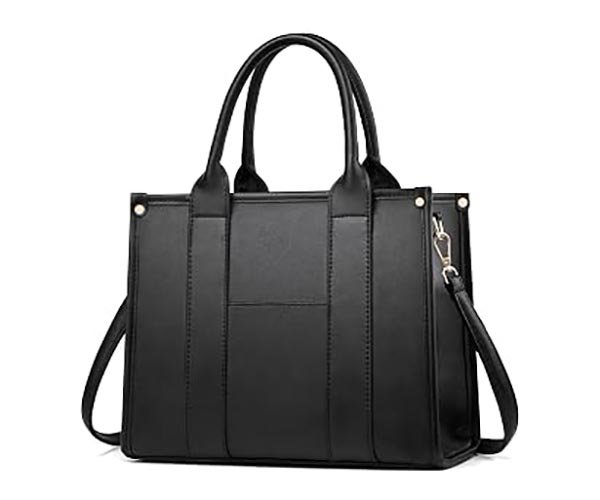
The following anonymized projects show representative order structures, development decisions, production controls, and delivery planning for established commercial programs.
1. tote bag

European Fashion Collection

A European lifestyle company developed a four-SKU handbag collection for retail and online distribution, including sales in Italy. The order included 3,200 pieces: two crossbody designs and two structured totes, with 800 pieces per SKU. Project Configuration:
  • Quantity: 3,200 pcs
  • SKUs: 4
  • Colors: 2 coordinated neutral colors
  • Materials: textured PU, polyester lining, plated metal hardware
  • Logo: debossed patch plus custom metal puller
  • Packaging: dust bag, tissue shaping, individual polybag, retail carton labels
  • Sample schedule: 16 days including one structural revision
  • Bulk production: 42 days
  • Shipping: sea freight to a European distribution warehouse
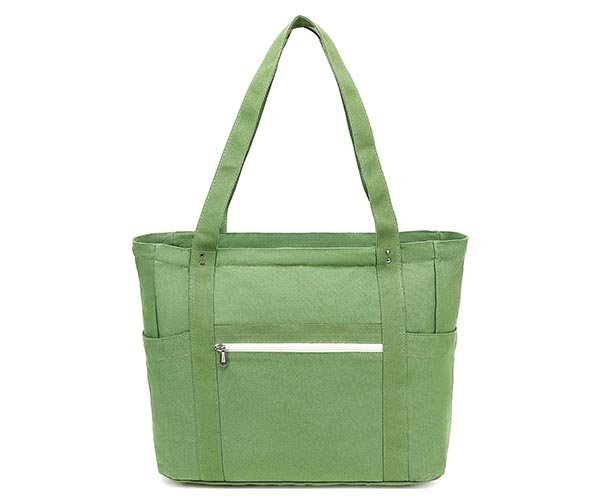
Main Challenge: The original design used thin side panels and a wide opening, creating collapse around the zipper. The selected hardware also appeared too heavy for the bag size. Szoneier Solution: Pattern makers revised side-panel proportions, added lightweight hidden reinforcement, adjusted zipper curvature, reduced metal weight, and changed the lining attachment to improve shape. Physical color matching was completed across PU, zipper tape, lining, thread, and metal. Production Control: A pre-production sample, BOM, hardware board, color swatches, Logo files, and packing sample were approved before cutting. QC focused on shape, symmetry, edge finish, hardware scratches, zipper function, Logo alignment, and protective packing. Result: The full quantity was packed by SKU and color. The company later requested a related wallet and mini-bag development using the same material and hardware family.
2. zippered tote bag

Corporate Gift Tote Program

An international corporate gift company ordered 8,000 branded tote bags for a European event and partner distribution program. Project Configuration:
  • Quantity: 8,000 pcs
  • Product: zippered tote bag
  • Finished size: 42 × 35 × 12 cm
  • Material: 12 oz cotton canvas
  • Handles: 3 cm cotton webbing with reinforced attachment
  • Logo: two-color screen print
  • Interior: one zip pocket and bottle sleeve
  • Packaging: 20 pcs inner bundle, 80 pcs per export carton
  • Sample schedule: 7 days
  • Bulk production: 29 days
  • Shipping: first 800 pcs by air, balance by sea
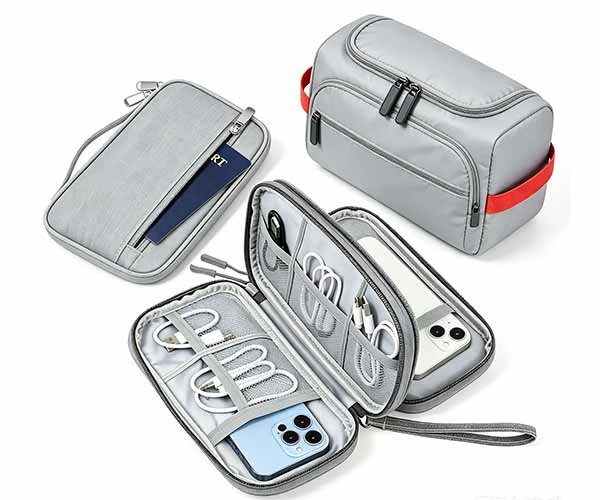
Main Challenge: The event date allowed little recovery time. The original print size crossed a seam and created inconsistent ink coverage. The first handle construction also allowed visible pulling around the attachment points. Szoneier Solution: The Logo was repositioned within a flat print area. Hidden reinforcement patches and box stitching were added behind the handles. The production schedule separated Logo printing, pocket preparation, main assembly, and packing into controlled milestones. Production Control: Canvas weight, shrinkage, print color, print placement, handle length, zipper operation, pocket position, and carton quantity were checked. Finished bags were pressed and packed flat to reduce carton volume. Result: An air shipment protected the first event requirement, while sea freight controlled the overall landed cost. The next program increased the order to 12,000 pieces and added a recycled polyester option.
3. travel organizer set

E-commerce Travel Organizer Set

A growing travel-accessory company ordered a three-SKU organizer collection for European e-commerce and warehouse replenishment. Project Configuration:

  • Quantity: 2,400 pcs
  • SKUs: 3, with 800 pcs per SKU
  • Products: toiletry bag, cable organizer, document pouch
  • Material: 420D nylon with polyester lining
  • Logo: woven label and branded zipper pull
  • Packaging: individual polybag, barcode, SKU label, carton label
  • Sample schedule: 12 days
  • Bulk production: 36 days
  • Delivery: evaluated door-to-door route to a European warehouse

Main Challenge: The three products needed a shared visual identity while maintaining different internal structures. Original packaging created excessive empty space and increased chargeable freight volume. Szoneier Solution: The same nylon, lining color, zipper tape, woven label, and puller were shared across all SKUs. Internal pockets were redesigned according to actual travel items. Packaging dimensions were reduced by changing the folding direction and removing unnecessary inserts. Production Control: QC checked dimensions, pocket layout, zipper movement, label position, color consistency, folded size, barcode placement, SKU separation, and carton data. Result: The collection launched as one coordinated set. Packaging optimization reduced carton volume, and stored patterns and BOM records supported a later replenishment order with an additional color. 

How to Evaluate a China Bag Supplier

A strong factory assessment should verify product knowledge, sample development, production control, inspection, documentation, packaging, and delivery capability.

Factory Identity

Ask for a video review covering the sample room, pattern area, material area, cutting, sewing, QC, packing, and warehouse. A registration certificate alone does not show whether the company can manage the required product.
Check:
  • Factory location
  • Production areas
  • Relevant equipment
  • Current similar samples
  • Employee structure
  • Visit availability

Relevant Product Experience

A factory producing simple promotional totes may not be suitable for structured handbags, pet carriers, cooler bags, tool bags, or EVA cases. Review examples with comparable materials, structure, sewing difficulty, hardware, and packaging.
Ask for:
  • Similar product photos
  • Construction explanations
  • Material recommendations
  • Common failure points
  • Sample plans
  • QC priorities

Material Knowledge

A capable supplier should explain differences in denier, weight, weave, coating, hand feel, structure, abrasion, water resistance, PU durability, leather variation, foam, lining, webbing, zippers, and hardware.
Avoid relying only on:
  • Generic color cards
  • Unverified eco claims
  • “Waterproof” without construction details
  • One certificate for unrelated materials
  • Photos without specifications
  • Lowest-cost material recommendations

Sample Development

Review how the factory handles drawings, physical references, paper patterns, revisions, Logo trials, measurements, internal inspection, photos, videos, and sample sealing.
A reliable sample process should show:
  • Requirement records
  • Material confirmation
  • Pattern responsibility
  • Revision tracking
  • Internal checking
  • Final approval standards

Bulk Control System

Ask how the factory converts the approved sample into production instructions. Important tools include the BOM, pre-production sample, material records, pattern version, Logo files, packaging files, color swatches, and production notes.
Warning signs include:
  • Verbal instructions only
  • Unapproved substitutions
  • No pre-production review
  • No retained sample
  • No change records
  • No line inspection

Quality Inspection

Quality inspection should occur before, during, and after sewing rather than only after completion. Inspection priorities should change by product.
Ask about:
  • Incoming material checks
  • Accessory checks
  • Cutting inspection
  • In-process inspection
  • Finished inspection
  • Packing inspection
  • Product-specific tests
  • Third-party inspection access

Compliance Coordination

A manufacturer does not replace the importer’s compliance responsibility, but should understand material documents, product identification, test sample preparation, Logo authorization, packaging labels, and traceability records.
Verify:
  • Legal manufacturing entity
  • Material supplier records
  • Applicable certificates
  • Laboratory coordination
  • Product information support
  • Document validity and scope

Packaging and Delivery

A bag can pass product inspection and still fail commercially because of wrong barcodes, damaged hardware, oversized cartons, incorrect warehouse labels, or missed arrival dates.
Evaluate:
  • Packing sample approval
  • Barcode and FNSKU control
  • Carton configuration
  • Export documents
  • Freight options
  • Split shipment capability
  • Warehouse delivery experience
  • Replenishment planning

China Bag Supplier Frequently Asked Questions
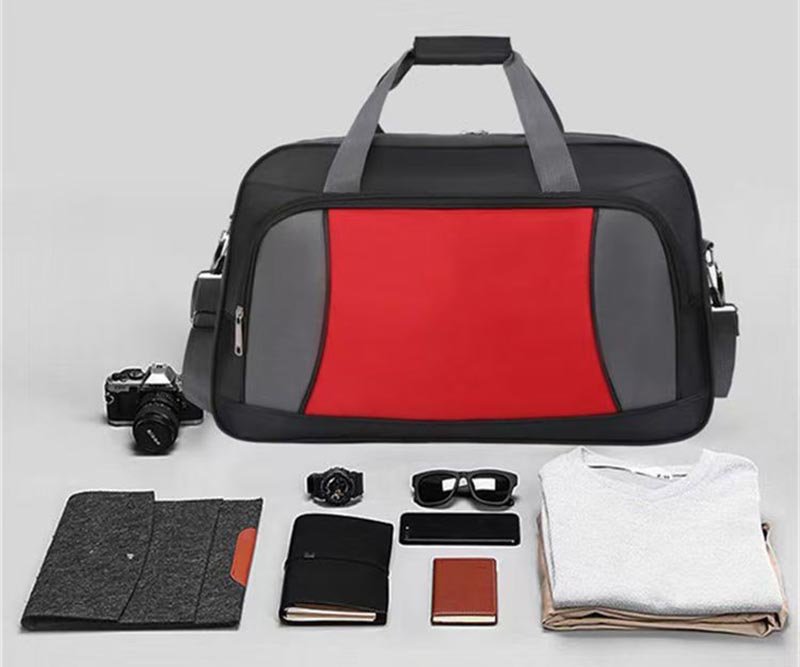
Szoneier is a factory-based custom bags and soft goods manufacturer in Shenzhen, China. Operations include product review, material sourcing, pattern development, sampling, sewing production management, quality inspection, packing, and shipment coordination. More than ten controlled partner factories support specialized categories and seasonal capacity under Szoneier project management.
Available categories include handbags, leather and PU bags, tote bags, backpacks, laptop bags, travel bags, duffle bags, cosmetic bags, cooler bags, gym bags, gift bags, pet bags, baby bags, tool bags, medical organizers, neoprene goods, EVA cases, waterproof products, and other sewn soft goods.
MOQ starts from 200 pieces for selected products using available materials, regular colors, mature structures, and standard accessories. Custom-dyed fabrics, special hardware, molded parts, complex structures, multiple color splits, or custom packaging may require higher quantities. Many established brand orders begin at 500 pieces or more.
Yes. Szoneier can review a tech pack, drawing, product photo, sketch, reference link, or physical sample. The pattern and sampling teams analyze dimensions, panels, lining, reinforcement, pockets, zippers, hardware, straps, sewing sequence, and packing before producing a prototype.
Simple tote or drawstring samples may take about 3–7 days. Standard pouches, cosmetic bags, and regular fabric products may take 7–12 days. Complex backpacks, tool bags, pet carriers, EVA cases, or structured products may require 12–20 days or longer.
Szoneier can coordinate material supplier documents, product information, traceability details, test samples, packaging records, and third-party testing according to an agreed checklist. Final legal requirements should be confirmed by the brand, importer, laboratory, marketplace, retailer, or professional adviser.
Bulk consistency is managed through the approved sample, pre-production sample, pattern, BOM, material records, accessory specifications, color references, Logo files, packaging files, production notes, in-process inspections, final inspections, and documented approval for any necessary change.
Yes. Packaging can include hangtags, barcodes, care labels, Italian-language inserts supplied or approved by the brand, dust bags, polybags, retail boxes, gift boxes, SKU labels, carton marks, and protective materials. Packaging MOQ and freight volume should be evaluated during development.
Szoneier can evaluate express, air, rail, sea, DAP, DDP, appointed forwarder, warehouse, and door-to-door arrangements. The recommended route depends on product type, HS code, quantity, carton dimensions, weight, destination postcode, urgency, and import arrangement.
Simple bags may require approximately 20–30 days. Standard pouches may require 25–35 days. Backpacks, duffles, cooler bags, tool bags, pet carriers, and complex functional goods may require 35–60 days or longer. Quantity, materials, Logo, packaging, testing, and season affect the final schedule.

Start Your Custom Bag Project for Italy

Send your product information to Nancy and the Szoneier project team for an initial manufacturing review. A clear request allows our team to evaluate materials, structure, MOQ, sample cost, bulk pricing, packaging, production timing, and delivery options with fewer assumptions. Please provide as many details as available:
  • Product photo, drawing, tech pack, or reference link
  • Finished dimensions or required capacity
  • Preferred outer material and lining
  • Quantity for each SKU and color
  • Logo artwork and preferred Logo method
  • Zippers, hardware, pockets, handles, and special functions
  • Retail, Amazon, DTC, promotional, or distribution channel
  • Unit packaging and carton requirements
  • Delivery city, postcode, warehouse, or Amazon destination in Italy
  • Required arrival date
  • Testing or document checklist
  • Target price when available
Simple projects can start from a photo and quantity. Complex brand programs should include drawings, material notes, artwork files, packaging specifications, quality expectations, and shipment plans.
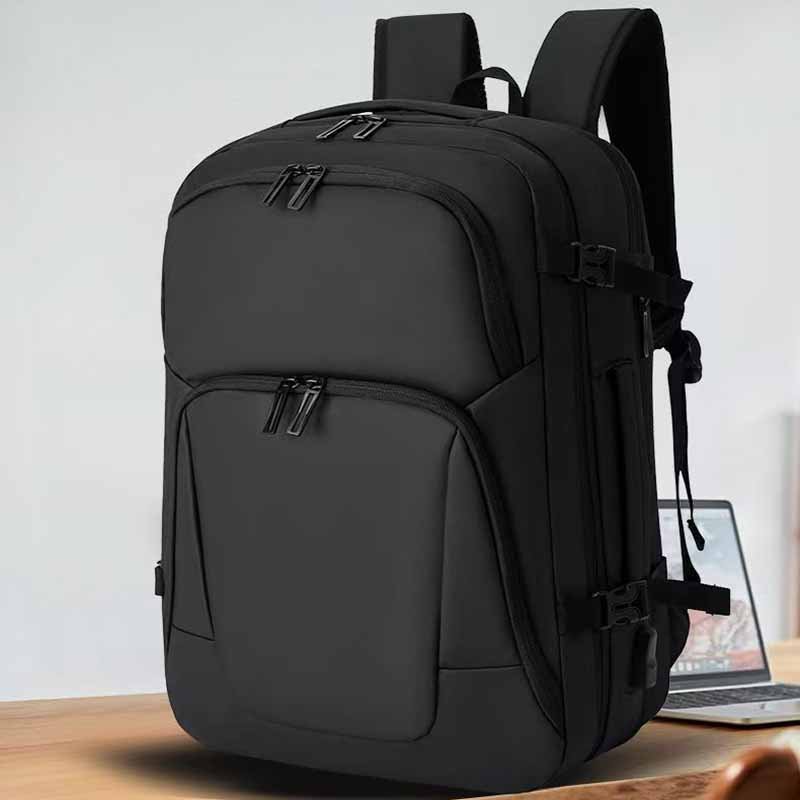
backpack

Ask For A Quick Quote

We will contact you within 24 Hours, please pay attention to the email with the suffix“@szoneier.com”

For all inquiries, please feel free to reach out at:

Ask For A Quick Quote

We will contact you within 24 Hours, please pay attention to the email with the suffix“@szoneier.com”

Contact Us

Send us a message if you have any questions or request a quote. We will be back to you ASAP!

For all inquiries, please feel free to reach out at:

Contact Us

Send us a message if you have any questions or request a quote. We will be back to you ASAP!

Exclusive Offer for First-Time Customers

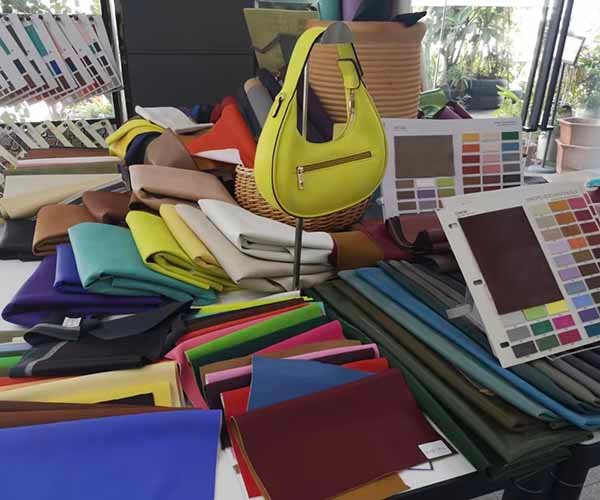
For first-time customers, we will send you a free color card for you to choose.Once you have confirmed the fabric and color, our factory will make a free sample proofing for you.

For customers who frequently cooperate with us, we will send new color charts free of charge several times a year.

For all inquiries, please feel free to reach out at: