Skip to content
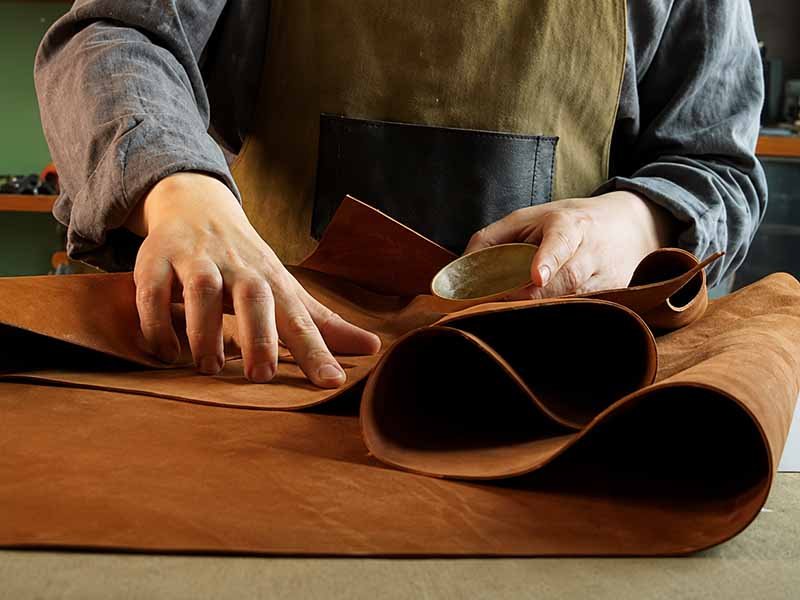
Vegetable-tanned leather is often chosen because it does something many coated or synthetic materials cannot do: it records use. Sunlight deepens its color. Handling gradually polishes the surface. Oils from the hands create darker tones around corners, handles, folds, and closures. A newly finished wallet may look clean and pale, while the same wallet can develop a warm brown surface after months of daily use.
That visual character attracts leather brands, bag companies, gift suppliers, fashion labels, corporate merchandise companies, and product developers. However, appearance is only one part of the decision. The leather must also cut cleanly, accept stitches without tearing, hold hardware securely, maintain color consistency, survive repeated bending, and work with the chosen edge treatment.
Vegetable-tanned leather manufacturing is the controlled conversion of prepared animal hides into stable leather through plant-derived tannins, followed by drying, conditioning, thickness adjustment, dyeing, surface finishing, grading, cutting, skiving, sewing, edge treatment, hardware assembly, logo application, inspection, and packaging.
The manufacturing process can produce very different results. One leather may be dense enough for a belt but too stiff for a folded wallet. Another may work well for a soft tote but stretch around rivets. A natural surface may develop a beautiful patina, but it may also show water marks more easily than a protected finish.
A leather sample can look impressive on a desk and still create trouble on a production line. The real test begins when the material must pass through cutting machines, skiving machines, sewing stations, edge-painting processes, logo presses, hardware assembly, packing, shipping, and daily customer use.
What Is Vegetable-Tanned Leather?
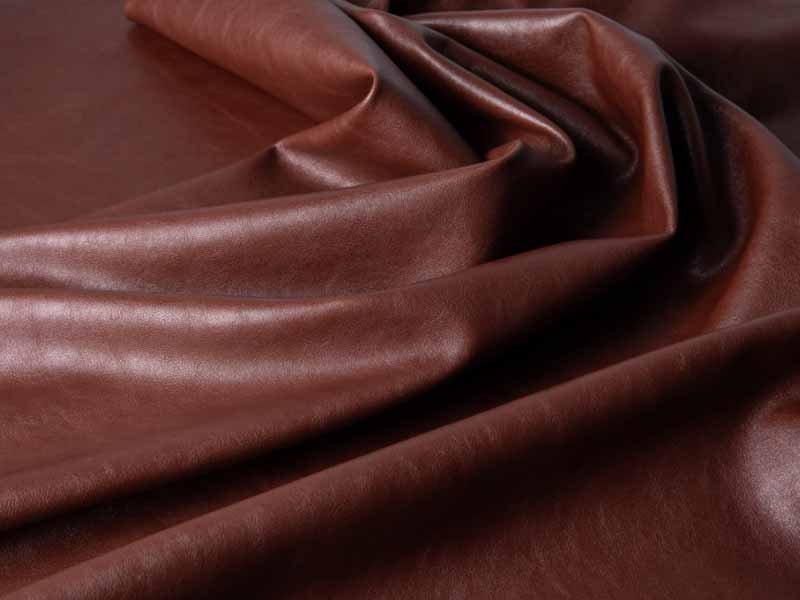
Vegetable-tanned leather is animal hide stabilized with tannins obtained from plant sources such as tree bark, wood, leaves, fruits, and seed pods. The tannins bond with the hide’s collagen structure, improving resistance to decay while creating the firmness, natural grain, tooling response, edge quality, and aging behavior associated with veg-tan leather.
The word “vegetable” refers to the tanning chemistry. It does not mean that the leather is made from vegetables, nor does it mean that the material is vegan.
For product companies, the term must also be treated as a starting point rather than a complete material specification. Two hides may both be described as vegetable-tanned cowhide while differing significantly in:
- Fiber density
- Surface finish
- Thickness
- Firmness
- Color penetration
- Water resistance
- Scratch visibility
- Stretch behavior
- Cutting yield
- Edge-burnishing performance
- Logo clarity
- Long-term color change
A customer ordering custom leather goods should therefore avoid approving material only through a supplier description. The physical leather, finished sample, production process, and testing requirements must all be reviewed together.
Vegetable-Tanned Leather Basics
Animal hide contains a network of collagen fibers. In its untreated state, this structure is vulnerable to moisture, bacteria, heat, and biological breakdown. Tanning stabilizes the fiber network so that the hide can be dried, stored, cut, folded, sewn, and used as a durable material.
Vegetable tanning uses plant-based polyphenolic compounds to interact with the collagen. These compounds fill and stabilize the fiber structure, giving the leather its recognizable body and firmness.
Vegetable-tanned leather often has several practical characteristics:
- It can hold a defined shape.
This makes it useful for structured bags, briefcases, belts, cases, straps, saddlery, wallets, watch straps, key holders, and shaped accessories.
- It can accept embossing and tooling.
Firm veg-tan leather responds well to debossed logos, carved patterns, stamped textures, molded shapes, and decorative tooling. Logo clarity depends on surface finish, temperature, pressure, dwell time, leather moisture, and grain firmness.
- It can develop a visible patina.
Natural and lightly protected finishes react to light, friction, moisture, skin oils, and handling. The color often becomes darker and richer over time.
- It can produce clean edges.
Dense vegetable-tanned leather can be sanded, polished, waxed, burnished, folded, or edge-painted. This makes it suitable for products where the edge is an important visual feature.
- It may require more careful moisture protection.
An open or lightly finished surface can absorb water quickly. Water may leave dark spots, rings, or temporary swelling. A protective finish can improve resistance, but it may also reduce the raw natural appearance.
- It may feel firmer at first.
The initial hand feel can be rigid compared with soft chrome-tanned garment leather. Flexibility can be adjusted through leather selection, milling, oiling, thickness reduction, skiving, and product construction.
The table below shows how material character changes product suitability.
| Leather Character | Product Advantage | Possible Risk |
|---|---|---|
| Firm temper | Holds shape and supports embossing | May crack at tight folds if too dry |
| Soft temper | Comfortable handling and flexible construction | May stretch around hardware |
| Open natural surface | Strong patina and natural appearance | Water and scratch sensitivity |
| Protected surface | Better stain and rub resistance | Less natural aging |
| Thick leather | Strength and structure | Heavy weight and bulky seams |
| Thin leather | Lower weight and easier folding | May need reinforcement |
| Dense fiber | Clean edges and strong stitch holding | Harder to turn or fold |
| Loose fiber | Softer hand feel | Lower edge quality and shape control |
For custom product development, the leather must be considered together with the design.
A 2.8 mm leather may be suitable for a single-layer belt but unsuitable for a multi-pocket wallet. A 1.2 mm leather may work well for a tote body but require reinforcement in the handles. A 0.8 mm leather may be suitable for card slots but too weak for an unsupported shoulder strap.
The product drawing, intended use, load, folding radius, hardware, lining, logo method, stitching, and packaging must all be considered before the leather is approved.
Vegetable-Tanned Leather Tannins
Plant tannins are not one single ingredient. Different tannin sources produce different effects on color, firmness, penetration, fiber filling, light resistance, aging, and surface character.
Common tannin sources include:
- Quebracho wood
- Mimosa bark
- Chestnut wood
- Tara pods
- Myrobalan fruit
- Sumac leaves
- Oak bark
- Valonia cups
- Gambier leaves
Tannin materials are often divided into two broad chemical groups:
- Hydrolysable tannins
- Condensed tannins
Hydrolysable tannins can support lighter shades, smooth grain, and controlled color development. Condensed tannins are often associated with stronger filling, firmer handle, and darker or warmer tones. Tanneries may combine several extracts to balance penetration, color, fullness, flexibility, and cost.
The tannin source influences the leather, but it does not determine the final result on its own. Performance also depends on:
- Tannin concentration
If the concentration is too strong at an early stage, the outer layers may tan faster than the center. This can reduce penetration uniformity.
- Tanning time
Thicker hides require sufficient time for the tannin liquor to move through the fiber structure. Short processing may create uneven internal tanning.
- pH control
pH affects tannin movement, fixation, grain condition, color, and fiber response. Sudden changes can produce surface tightening or uneven results.
- Temperature
Excessive temperature can change reaction speed, color, and hide structure. Stable control is necessary for repeatable production.
- Mechanical action
Drum rotation or hide movement affects penetration. Too little movement may reduce uniformity. Excessive action may damage grain or create unwanted softness.
- Hide thickness
A belt leather and a wallet leather do not require the same penetration strategy. Heavy hides need more time and careful concentration control.
- Lubrication
After tanning, oils are introduced to reduce fiber friction. Insufficient lubrication may cause dry cracking. Excessive oil can interfere with gluing, edge paint, foil stamping, and lining attachment.
- Drying method
Vacuum drying, toggling, hanging, air drying, and mechanical softening produce different levels of flatness, firmness, area, and grain character.
For customers ordering private-label leather goods, the tannin recipe is less useful than the resulting performance. A factory should translate the leather characteristics into product-related answers:
- Will the leather crack when folded around a 4 mm edge?
- Will the color transfer onto a light cotton lining?
- Can the material hold a deep debossed logo?
- Will edge paint bond to the cut surface?
- Can two large bag panels be color matched?
- Will a 20 mm strap stretch after repeated loading?
- Can the leather pass a dry and wet rubbing test?
- Does the finish change under heat during foil stamping?
- Will the surface show permanent water rings?
- Is the leather suitable for metal rivets or should reinforcement be added?
These questions have a greater effect on product success than simply knowing the botanical source of the tannin.
Vegetable-Tanned Leather Types
Vegetable-tanned leather can be classified by animal source, grain treatment, thickness, temper, color method, surface finish, and intended product.
The most common classifications include the following.
- Full-grain vegetable-tanned leather
The original grain surface remains largely intact. Natural pores, fine wrinkles, healed scars, insect marks, and tonal variation may remain visible.
Full-grain leather is valued for natural character and long-term aging. It also requires careful panel selection. Large bag panels may show more natural variation than small wallet parts.
- Corrected-grain vegetable-tanned leather
The surface is lightly or heavily buffed to reduce visible marks. A finish, print, or coating may then be applied.
Corrected leather can provide higher visual consistency and improve cutting yield. It may be more suitable for commercial orders requiring uniform color and texture.
- Split vegetable-tanned leather
The lower fibrous layer is separated from the grain layer. Split leather can be used for internal parts, reinforcements, linings, labels, or lower-cost products.
Because split leather does not have the original grain surface, it may require coating, embossing, or backing to achieve the required appearance and performance.
- Natural vegetable-tanned leather
Natural veg-tan leather is often pale beige, cream, or light tan. It is commonly used for hand dyeing, laser engraving, tooling, molding, crafts, and products designed to darken through use.
Natural leather shows dirt, water, oil, and handling marks quickly. Packaging and operator cleanliness are important during production.
- Drum-dyed vegetable-tanned leather
The leather is dyed in a rotating drum so that color can penetrate deeper into the structure.
Deeper penetration reduces the visibility of pale cores at cut edges and stitch holes. Penetration may still vary according to leather thickness, dye process, and color.
- Surface-dyed leather
Color is concentrated near the surface. This method can provide strong appearance control but may reveal a lighter center after cutting or skiving.
Surface-dyed leather should be checked carefully when the design uses raw edges, punched holes, engraved logos, or exposed cuts.
- Oiled or waxed vegetable-tanned leather
Oils and waxes are added to create a richer touch, darker tone, pull-up effect, or improved flexibility.
These finishes can create attractive products, but they may complicate adhesive bonding, logo foiling, edge painting, and lining attachment.
- Milled vegetable-tanned leather
The leather is mechanically tumbled to soften the structure and create a more relaxed grain.
Milled leather is useful for soft bags and casual accessories. Excessive milling may reduce shape retention and make logo impressions less sharp.
- Pigmented vegetable-tanned leather
A more protective surface layer is applied to improve color consistency, stain resistance, and scratch resistance.
Pigmented finishes can support larger production runs where consistent appearance is more important than strong patina development.
The following specification range can help product teams start a material discussion. Final thickness should be confirmed through sampling.
| Product Application | Suggested Thickness Range | Recommended Character |
|---|---|---|
| Card slots | 0.5–0.8 mm | Fine grain, controlled stretch |
| Wallet outer panel | 1.0–1.5 mm | Medium firmness, clean fold |
| Passport holder | 1.0–1.6 mm | Stable, smooth, easy to skive |
| Tote body | 1.2–2.0 mm | Medium temper, panel stability |
| Structured briefcase | 1.5–2.2 mm | Firm with reinforcement support |
| Shoulder strap | 1.8–3.0 mm | Dense fiber and strong stitch holding |
| Single-layer belt | 3.0–4.5 mm | Firm bend or shoulder leather |
| Lined belt | 1.8–2.8 mm per layer | Stable and bondable |
| Keychain | 1.5–3.0 mm | Clean edge and logo response |
| Watch strap | 0.8–1.5 mm per layer | Flexible, dense, skin-contact suitable |
Thickness alone cannot guarantee performance. Two 1.5 mm leathers may behave differently because of fiber density, moisture, oil content, grain treatment, and hide position.
For this reason, Szoneier evaluates the selected leather through finished-product sampling rather than relying only on the tannery data sheet. The material is checked during cutting, skiving, folding, stitching, edge treatment, logo application, and hardware assembly.
How Is Vegetable-Tanned Leather Made?
Vegetable-tanned leather is made through a sequence that includes hide sorting, soaking, hair removal, fleshing, fiber preparation, plant-tannin penetration, drying, thickness control, lubrication, dyeing, surface treatment, grading, and final inspection. After tanning, a product factory converts the leather into finished goods through cutting, skiving, sewing, edge finishing, hardware installation, logo application, and packaging.
It is important to separate the tannery stage from the finished-product stage.
The tannery produces leather sheets or hides.
The product manufacturer converts those hides into bags, wallets, belts, straps, cases, and accessories.
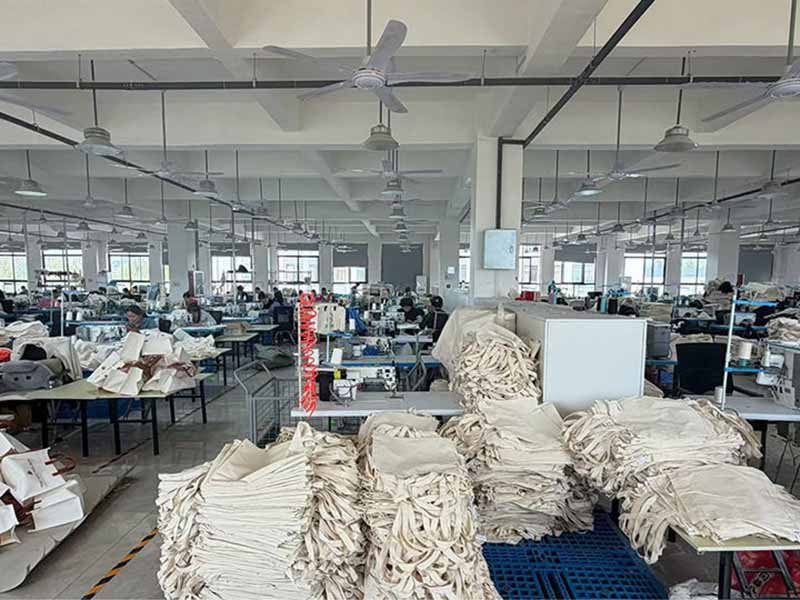
Szoneier focuses on finished-product development and manufacturing. The team works with leather material suppliers and tanning partners, then manages product design, material selection, pattern development, sampling, cutting, skiving, sewing, edge work, hardware, logo application, quality inspection, and packaging.
This distinction matters because a leather can meet tannery specifications and still be unsuitable for a specific product.
For example:
- The leather may pass tensile testing but crack around a tight wallet fold.
- The color may look correct on a hide but transfer onto a cream lining.
- The surface may accept embossing but reject foil.
- The thickness may be within tolerance but vary too much across large bag panels.
- The edge may look clean when cut but absorb edge paint unevenly.
- The hide may be strong in the center and loose in the belly area.
- The oil content may make the leather soft but reduce adhesive performance.
The complete process must therefore connect material production with product construction.
Vegetable-Tanned Leather Preparation
Hide preparation begins before the plant tannins are introduced. The raw material must be cleaned, opened, leveled, and prepared so that the tanning liquor can penetrate evenly.
The main preparation stages include:
- Hide selection
Hides are inspected for size, preservation, scars, insect damage, holes, brands, wrinkles, thin areas, fat content, and surface condition.
Poor hide selection cannot be fully corrected later. A heavy scar may remain visible after finishing. Loose belly fibers may continue to stretch. Preservation damage can create weakness, staining, odor, or grain separation.
- Soaking
Preserved hides are washed and rehydrated. Salt, dirt, blood, and storage residues are removed.
Water temperature, soaking time, chemical assistance, and mechanical action must be controlled. Incomplete soaking can produce uneven chemical penetration in later stages.
- Liming and hair removal
The hide is treated to loosen hair and open the collagen structure. This step also removes certain natural substances that would interfere with tanning.
Overprocessing can damage the grain and weaken the fiber structure. Underprocessing can leave hair roots, uneven opening, and inconsistent surface quality.
- Fleshing
Remaining flesh, fat, and tissue are mechanically removed from the flesh side.
Poor fleshing can create uneven thickness and greasy areas. These areas may later absorb tannins, dyes, adhesives, or finishing materials differently.
- Splitting
Thick hides may be split into a grain layer and a lower split layer.
Splitting improves thickness control, but the leather usually requires further shaving after tanning. The target thickness depends on the final product and the number of layers in the construction.
- Deliming
Alkaline chemicals from liming are reduced and removed. The pH is adjusted in preparation for later processing.
Uneven deliming can create differences in softness, color, and tannin penetration.
- Bating
Enzymes may be used to remove unwanted proteins and refine the grain structure.
The degree of bating affects softness, grain smoothness, and fullness. Leather intended for a firm belt will not require the same handling as leather intended for a soft bag.
Preparation quality affects several finished-product results:
| Preparation Problem | Leather Result | Product-Level Effect |
|---|---|---|
| Uneven soaking | Inconsistent chemical penetration | Color and firmness variation |
| Excessive liming | Grain damage | Surface cracking or weak finish |
| Poor fleshing | Greasy or thick areas | Gluing and skiving problems |
| Uneven splitting | Thickness variation | Bulky seams and uneven panels |
| Poor deliming | pH imbalance | Dye and tannin inconsistency |
| Excessive bating | Loose structure | Stretch around handles and hardware |
| Insufficient bating | Harsh grain | Poor folding and surface feel |
A customer may never see these preparation stages, but their effects appear clearly in the finished product.
A bag panel that wrinkles around a rivet, a belt that stretches near the buckle, or a wallet that cracks at the fold may be linked to hide structure and early processing rather than final sewing alone.
Vegetable-Tanned Leather Tanning
After preparation, the hide is exposed to plant tannin liquors. The objective is to move tannins through the collagen structure and stabilize the hide evenly.
The process can use pits, vats, drums, paddles, or combined systems. The method depends on leather thickness, tannin formula, production scale, required firmness, and tannery equipment.
A gradual process is important. If a thick hide is placed directly into a very strong tanning solution, the outer area may react too quickly. This can restrict further penetration and leave the center less evenly tanned.
The tanning process is controlled through several variables.
- Tannin strength
The concentration is adjusted through the tanning stages. Lower concentrations support penetration, while stronger concentrations build fullness and fixation.
- Tanning duration
Thin leather may process faster than heavy belt or saddlery leather. Time must be sufficient for the tannins to reach the internal fiber structure.
- pH
pH influences penetration, reaction speed, surface condition, and color. Stable adjustment reduces the risk of uneven tanning.
- Temperature
Temperature affects chemical activity and tannin movement. High temperatures may increase reaction speed but can also create darker color or structural problems.
- Drum speed
Mechanical movement improves liquor contact. Excessive movement can damage grain or create an unwanted soft handle.
- Float ratio
The relationship between hide weight and water volume influences chemical distribution, movement, concentration, and process efficiency.
- Hide thickness
Thicker leather needs more careful penetration control. Uneven thickness across the hide can create variation even within one piece.
- Tannin blend
Different plant extracts may be combined to control firmness, color, grain, fullness, and aging.
After tanning, the leather may be inspected by cutting a cross-section to check penetration. A poorly penetrated center may show a different color or structural response.
For product companies, the more important question is how tanning quality appears during manufacturing.
The factory should check whether:
- The leather bends evenly without grain cracking.
- The center color is acceptable after cutting.
- The surface does not separate during folding.
- The material holds stitches near the edge.
- Rivet holes do not enlarge under pressure.
- The grain remains stable around curved corners.
- Edge paint adheres without oil contamination.
- Embossing remains clear after handling.
- Large panels maintain consistent firmness.
- The leather does not release a strong chemical odor.
The same leather should also be evaluated in different hide areas. Shoulder, bend, side, neck, and belly sections can show different fiber behavior.
A production sample made from the strongest central section may look excellent, while bulk production may include looser areas unless the cutting standard is defined.
Szoneier can establish visible-part and hidden-part cutting rules. Front panels, wallet faces, belt surfaces, and logo areas can be assigned stricter leather zones. Internal reinforcement pieces and hidden components can use areas with minor acceptable marks when strength remains sufficient.
This approach improves material use while protecting the appearance of the finished product.
Vegetable-Tanned Leather Finishing
Tanning stabilizes the hide, but it does not create the final commercial leather on its own. The material must still be dried, lubricated, leveled, dyed, softened, polished, coated, waxed, or otherwise finished.
The finishing sequence can include:
- Pressing excess water from the hide
- Splitting or shaving to target thickness
- Dyeing
- Fatliquoring
- Setting out
- Vacuum drying
- Toggling
- Conditioning
- Staking
- Milling
- Buffing
- Polishing
- Waxing
- Oiling
- Rolling
- Plating
- Embossing
- Surface coating
- Protective top coating
Each stage changes how the material behaves during finished-product manufacturing.
Fatliquoring controls internal lubrication. The oils allow fibers to move without excessive abrasion.
Too little oil may lead to:
- Dry hand feel
- Poor folding
- Grain cracking
- Weak flex performance
- Rough cutting
- Brittle edges
Too much oil may lead to:
- Dark patches
- Surface migration
- Poor adhesive bonding
- Edge-paint failure
- Foil-stamping failure
- Lining contamination
- Packaging stains
Drying affects firmness, flatness, area, and surface character.
Vacuum drying can create a flatter and firmer leather. Toggling stretches the hide on a frame and supports dimensional control. Milling softens the leather but may make the grain more pronounced. Mechanical staking increases flexibility by working the fiber structure.
Surface finishing controls the balance between natural appearance and protection.
| Finish Type | Main Appearance | Main Advantage | Main Concern |
|---|---|---|---|
| Natural unfinished | Open, raw, light-colored surface | Strong patina and tooling response | High water and stain sensitivity |
| Aniline | Transparent color with visible grain | Natural depth and premium appearance | Surface variation remains visible |
| Semi-aniline | Light protective layer | Better balance of character and protection | Moderate variation |
| Pigmented | More uniform and covered | Better stain and color consistency | Reduced natural depth |
| Waxed | Rich, warm, polished surface | Attractive aging and touch | Wax movement under heat |
| Oiled | Darker, flexible, sometimes pull-up | Soft feel and visual character | Adhesive and edge-paint challenges |
| Milled | Soft with visible grain texture | Suitable for casual bags | Lower shape retention |
| Embossed | Repeated artificial texture | Improved visual consistency | Less natural grain identity |
The required finish should be decided according to the product’s sales environment and use.
A natural desk accessory may be acceptable with visible water marks because aging is part of the design. A cream handbag sold through fashion retail may need stronger stain and rub protection. A corporate gift program may require consistent logo placement and color across thousands of pieces. A tool roll may require abrasion resistance and oil tolerance.
Finishing must also match the logo process.
Deep debossing works best when the leather has enough body and surface stability. Foil stamping requires controlled heat resistance and suitable surface chemistry. Screen printing needs adequate ink adhesion. Metal logo plates require reinforcement behind the attachment points. Laser engraving can darken natural leather but may create smoke residue or inconsistent color on heavily finished surfaces.
Before bulk production, Szoneier can evaluate the selected logo method on the production leather rather than approving it on a different sample material.
The evaluation should include:
- Logo depth
- Edge sharpness
- Color
- Foil coverage
- Heat marks
- Surface cracking
- Adhesion
- Alignment
- Rubbing resistance
- Appearance after bending
Finishing approval should also include full product handling. A leather that looks attractive when flat may change after it is folded, stitched, turned, edge-painted, packed, and transported.
For custom leather products, the approved reference should include the finished sample, material swatch, thickness range, color standard, surface tolerance, logo standard, edge standard, hardware standard, stitching standard, packaging method, and inspection criteria.
Is Vegetable-Tanned Leather High Quality?
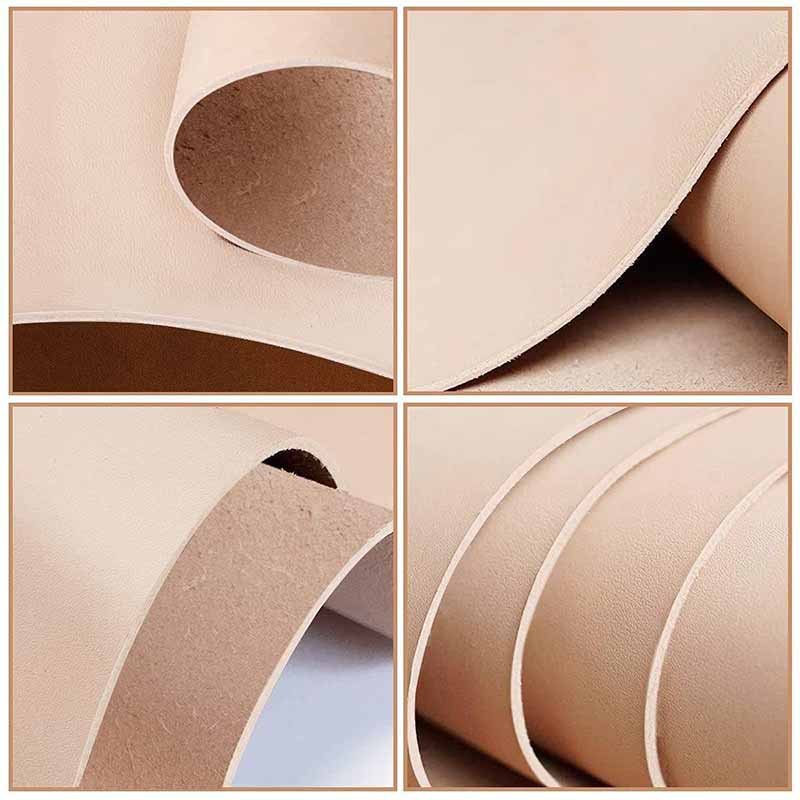
Vegetable-tanned leather can deliver excellent durability, structure, edge quality, and long-term appearance, but the tanning method alone does not prove that the leather is high quality. Quality depends on hide selection, fiber density, grain condition, tannin penetration, thickness control, dye consistency, finishing stability, cutting position, and compatibility with the intended product.
A clean-looking swatch can still perform poorly during manufacturing. It may crack when folded, stretch around hardware, absorb edge paint unevenly, release color onto a lining, or show large shade differences across a finished bag.
The most reliable evaluation combines four levels of control:
- Full-hide inspection
- Measured material testing
- Finished-product sampling
- Pilot-order production
Each level reveals a different type of risk. Full-hide inspection shows natural defects and color distribution. Laboratory or workshop testing reveals strength and surface stability. Product sampling shows whether the leather works with the selected construction. Pilot production exposes yield, consistency, and operator-related problems before a larger order begins.
Vegetable-Tanned Leather Grades
Leather grading should describe usable quality rather than rely on vague terms such as premium, top grade, export grade, or Grade A.
These labels may mean different things to different suppliers. A customer should ask for a written grading standard that explains:
- Which natural marks are accepted
- Which defects are rejected
- Where accepted marks may appear
- How much shade variation is allowed
- Which hide areas may be used for visible panels
- Which hide areas may be used for hidden parts
- How thickness is measured
- How usable area is calculated
- How many defects are allowed per hide
- How replacement leather is handled
A full hide does not have the same quality across every area.
The central bend area usually has denser and more stable fibers. Shoulder areas can provide good firmness but may show wrinkles. Neck areas often have visible growth lines. Belly areas may be softer, looser, and more prone to stretch.
The factory should assign each product component to the most suitable cutting area.
| Hide Area | Common Character | Suitable Components | Main Risk |
|---|---|---|---|
| Bend | Dense and stable | Belt body, bag panels, straps | Higher material cost |
| Shoulder | Firm with natural wrinkles | Wallets, cases, medium panels | Visible neck or shoulder lines |
| Side | Mixed density | Small panels, gussets, accessories | Uneven stretch |
| Belly | Soft and loose | Hidden parts, small low-load pieces | Stretch and weak edge quality |
| Neck | Firm but wrinkled | Rustic designs, small components | Uneven grain appearance |
Visible components should receive stricter material standards than internal or hidden parts.
A structured handbag may use the cleanest sections for:
- Front panel
- Back panel
- Flap
- Handle surface
- Logo area
- Exterior pocket
Minor natural marks may be accepted on:
- Internal pocket backing
- Hidden reinforcement
- Bottom reinforcement
- Strap underside
- Covered seam allowances
- Small internal tabs
This zoning method protects visual quality while improving material yield.
It also prevents unnecessary waste. Rejecting every natural mark can increase leather usage sharply, especially on light-colored full-grain leather. However, accepting too many visible marks can make the finished order appear inconsistent.
The customer and manufacturer should agree on the visual character before production begins.
A rustic leather collection may intentionally accept:
- Healed scars
- Fine wrinkles
- Minor color movement
- Small insect marks
- Natural grain variation
A cleaner fashion collection may require:
- Tighter color matching
- Limited visible scars
- Smooth grain
- Controlled texture
- More consistent sheen
- Stricter panel pairing
The approved sample should show the realistic appearance range rather than one unusually perfect piece.
Large production orders should also use a defect reference board. The board can include physical leather pieces or clear photographs marked as:
- Accepted
- Accepted only on hidden parts
- Rejected on visible parts
- Fully rejected
This gives inspectors, cutters, production supervisors, and customers the same standard.
Vegetable-Tanned Leather Defects
Leather defects can come from the animal hide, preservation, tanning, drying, dyeing, finishing, storage, transportation, or product manufacturing.
Not every visible mark is a defect. Natural grain variation is expected in genuine leather. The key question is whether the feature affects strength, appearance, consistency, or the agreed product standard.
Common natural characteristics include:
- Fine wrinkles
- Pores
- Healed scars
- Vein marks
- Growth lines
- Small tonal changes
- Light insect marks
Common manufacturing defects include:
- Loose grain
- Grain cracking
- Uneven dye penetration
- Surface peeling
- Color transfer
- Oil migration
- Water rings
- Hard spots
- Soft spots
- Thickness variation
- Poor finish adhesion
- Uneven embossing
- Strong chemical odor
- Mold
- Surface bloom
- Excessive stretch
- Delamination between layers
Loose grain is especially important for bags and belts.
When the leather is bent, the grain may form large, raised wrinkles that do not recover. This often becomes visible around:
- Bag corners
- Handle bases
- Belt holes
- Folded wallet edges
- Zipper curves
- Rivet areas
- Rolled handles
Loose grain can also cause surface finishes to crack or appear uneven.
Grain cracking is more serious. Fine surface lines may become visible when the leather is sharply folded or stretched. This can result from dryness, poor lubrication, excessive coating, weak grain structure, or an unsuitable folding radius.
The factory should test critical folds before confirming production.
For example:
- Wallet fold lines
- Flap hinges
- Strap loops
- Belt keeper loops
- Rolled handle bends
- Wrapped hardware tabs
- Piping folds
The leather should be folded to the same radius used in the actual product. A simple hand bend on a flat swatch may not reveal the real problem.
Color variation must also be managed carefully.
Vegetable-tanned leather often shows more shade movement than heavily pigmented leather. Variation may appear:
- Between hides
- Within one hide
- Between the center and edges
- After skiving
- After edge sanding
- After heat pressing
- After oiling
- After protective coating
- After exposure to light
Large bag panels make color differences more obvious than small wallet pieces. Panel pairing is therefore important.
For a handbag, the front and back panels should usually be cut from the same hide or closely matched hides. Handle pairs should also be matched for shade, grain, and thickness.
Surface bloom is another issue that can worry customers.
Wax or oil may migrate to the surface during storage, especially under temperature changes. It may appear as a pale or cloudy layer. In some cases, light buffing removes it. In other cases, it indicates unstable finishing or excessive oil movement.
Mold must not be confused with wax bloom. Mold may have an irregular appearance, unpleasant odor, or return after cleaning. Storage humidity, packaging moisture, and container conditions should be controlled to reduce this risk.
A leather defect inspection should include:
- Flat visual inspection
Check shade, grain, scars, coating, stains, and surface consistency under controlled lighting.
- Bend inspection
Fold the leather in multiple directions to reveal cracking, loose grain, or finish separation.
- Scratch response
Use a controlled fingernail or blunt-object test to compare scratch visibility and recovery.
- Dry cloth rubbing
Rub the surface with white cotton to check color transfer.
- Damp cloth rubbing
Repeat with controlled moisture to evaluate wet transfer risk.
- Adhesive trial
Test the production glue on skived and unskived areas.
- Edge trial
Sand, prime, paint, burnish, or wax the cut edge according to the intended construction.
- Heat trial
Apply the planned debossing or foil-stamping temperature and pressure.
- Hardware trial
Punch holes, install rivets, and apply pulling force around the attachment area.
- Packing trial
Store the finished sample in its intended packaging to check oil transfer, surface marking, and moisture accumulation.
Vegetable-Tanned Leather Testing
Testing should reflect how the finished product will be used. A belt, wallet, bag, watch strap, luggage tag, and tool roll do not experience the same stresses.
The factory should first identify the critical failure points.
For a shoulder bag, these may include:
- Handle attachment
- Strap anchor
- Zipper ends
- Bottom corners
- Hardware tabs
- Edge-painted openings
- Logo area
- Lining contact
For a wallet, critical areas may include:
- Center fold
- Card-slot openings
- Pocket corners
- Skived edges
- Stitch lines
- Painted edges
- Snap attachments
For a belt, important areas may include:
- Buckle fold
- Belt holes
- Keeper loop
- Stitch line
- Edge coating
- Length stability
The following tests are useful during development and production.
| Test | What It Checks | Product Risk |
|---|---|---|
| Thickness measurement | Material consistency | Bulky seams and uneven panels |
| Tensile test | Resistance to pulling | Strap or panel breakage |
| Tear test | Resistance from a cut or hole | Failure around rivets and hardware |
| Stitch-tear test | Strength near sewn areas | Seam pull-out |
| Flex test | Repeated bending performance | Cracking at folds |
| Dry rub test | Surface color transfer | Staining clothes or packaging |
| Wet rub test | Color stability with moisture | Transfer in humid conditions |
| Water-drop test | Spotting and absorption | Rings and stains |
| Adhesion test | Finish or coating stability | Peeling and flaking |
| Edge-paint test | Layer bonding and flexibility | Cracking or separation |
| Hardware pull test | Attachment strength | Handle or strap failure |
| Logo durability test | Embossing or print stability | Fading and poor appearance |
Thickness should be measured at several points rather than only once.
A hide may be:
- 1.6 mm in the center
- 1.4 mm near the shoulder
- 1.1 mm near the belly
This variation can affect sewing, folding, edge treatment, and finished dimensions.
For many leather goods, a practical thickness tolerance may be set around ±0.1 mm or ±0.2 mm, depending on the material and construction. Very tight tolerance usually requires splitting or shaving and may increase material cost.
Stitch-tear strength is important because leather may not fail through the main panel. It often fails where a row of needle holes creates a weakened line.
Risk increases when:
- Stitch length is too short
- Needle size is too large
- Stitching is too close to the edge
- Leather is too thin
- Fiber density is low
- Thread tension is excessive
- Hardware load is transferred into one small area
The sewing specification should therefore define:
- Stitch length
- Thread size
- Needle type
- Edge distance
- Number of stitch rows
- Backstitch length
- Reinforcement method
- Seam allowance
Hardware pull testing should reproduce actual use.
A handle should not only be pulled once. Repeated loading can reveal gradual stretching, stitch movement, rivet loosening, or leather deformation.
A basic internal development test may include:
- Static loading
- Repeated lifting
- Sudden pull
- Side pull
- Twisting
- Visual inspection after rest
The load level should match the product.
A small evening bag may carry less than a travel tote. A camera bag or tool bag requires higher reinforcement. The leather thickness alone should not be used as the safety factor. Internal tapes, boards, washers, extra leather layers, rivets, and stitch patterns may all be required.
Color rubbing should be checked against the materials that will touch the leather.
Useful test fabrics include:
- White cotton
- White polyester
- Cream lining
- Light denim
- Packaging tissue
- Dust-bag fabric
Dark leather can transfer color under friction, moisture, or heat. Oiled leather may also transfer oil onto lining or packaging.
Water resistance should be discussed honestly.
Natural vegetable-tanned leather is not automatically waterproof. A small water drop may darken the surface immediately. Some marks become lighter after drying, while others remain visible.
A protective finish can improve resistance, but every treatment changes the leather’s appearance and aging behavior.
The customer should decide which priority is more important:
- Natural patina
- Water resistance
- Stain resistance
- Scratch recovery
- Color consistency
- Soft hand feel
- Logo clarity
One finish rarely maximizes all of these at the same time.
Which Products Use Vegetable-Tanned Leather?
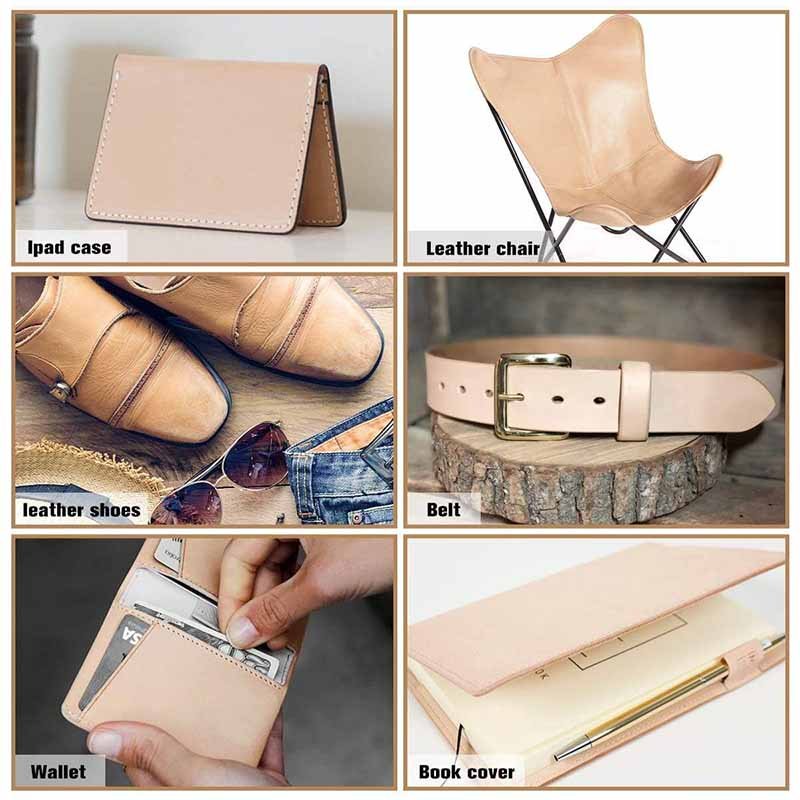
Vegetable-tanned leather is suitable for products that benefit from structure, clean edges, embossing, molding, strength, and natural aging. Common applications include bags, wallets, belts, straps, cases, covers, keychains, pet accessories, packaging, luggage tags, watch straps, tool rolls, and desk accessories.
The correct leather depends on the product’s shape, load, folding method, thickness, hardware, and expected appearance after use.
The design should not be forced onto a leather simply because the material looks attractive. The leather and structure should be developed together.
A structured briefcase requires different material behavior from a soft shoulder bag. A belt requires different fiber density from a card holder. A natural leather notebook cover may accept scratches as part of its character, while a light-colored handbag may require stronger protection.
Vegetable-Tanned Leather Bags
Vegetable-tanned leather is widely used for:
- Tote bags
- Briefcases
- Satchels
- Crossbody bags
- Backpacks
- Camera bags
- Messenger bags
- Handbags
- Tool rolls
- Travel cases
- Laptop sleeves
- Document holders
- Cosmetic cases
- Small pouches
The first decision is whether the bag should be structured, semi-structured, or soft.
A structured bag needs:
- Stable body panels
- Controlled stretch
- Clean corner formation
- Reinforced handles
- Firm bottom construction
- Reliable hardware attachment
- Consistent panel thickness
A soft bag needs:
- Flexible leather
- Comfortable drape
- Good fold recovery
- Controlled grain break
- Lower weight
- Softer seam construction
The same veg-tan leather is rarely ideal for both.
For structured bags, common leather thickness may range from approximately 1.4 mm to 2.2 mm, depending on the reinforcement and panel size.
For softer bags, leather may range from approximately 0.9 mm to 1.6 mm.
These figures are starting points rather than fixed rules. A 1.2 mm dense leather can feel firmer than a 1.8 mm loose leather.
Weight is a major concern.
Leather is heavier than many textiles. A bag made entirely from thick vegetable-tanned leather may become uncomfortable before any belongings are added.
The product team can reduce weight through:
- Selective skiving
- Thinner gussets
- Lighter internal leather
- Textile lining
- Hollow or reinforced handles
- Local reinforcement instead of full-panel reinforcement
- Smaller hardware
- Reduced edge overlap
- Mixed-material construction
Handle attachment is one of the highest-risk areas.
A handle may fail because of:
- Weak belly leather
- Insufficient reinforcement
- Rivets without washers
- Stitching too close to the edge
- Small attachment tabs
- Excessive skiving
- Sharp hardware edges
- Uneven load distribution
A stronger construction can use:
- Internal reinforcement tape
- Additional leather backing
- Reinforcement board
- Metal washers
- Multiple rivets
- Box stitching
- Cross stitching
- Wider attachment tabs
- Hidden support plates
The most suitable method depends on the expected load and bag style.
Bag corners also need careful engineering.
Thick veg-tan leather may resist tight turning. If the design requires sharp corners, the factory may need to:
- Skive the seam allowance
- Cut relief notches
- Reduce reinforcement thickness
- Adjust seam construction
- Use piping
- Increase the corner radius
- Split leather layers
- Pre-form the material
A sample should be opened and inspected internally after assembly. This reveals whether the seam allowance is compressed, cracked, twisted, or excessively thick.
Edge construction is another major decision.
Possible methods include:
- Raw cut edge
- Burnished edge
- Waxed edge
- Edge-painted edge
- Folded edge
- Piped edge
- Bound edge
Raw and burnished edges work well on dense leather. Loose or heavily coated leather may not burnish cleanly.
Edge paint usually requires several steps:
- Edge sanding
- Dust removal
- Base coat or primer
- Drying
- Additional sanding
- Color coat
- Repeated coating
- Final polishing or top coat
The number of coats depends on the leather, paint system, edge thickness, color, and required finish.
Dark edge paint on light leather may cover quickly. Light edge paint on dark leather may require more coats. Thick multi-layer edges may need additional filling and sanding.
Vegetable-Tanned Leather Wallets
Wallets and card holders require precise thickness control because many leather layers are stacked in a small area.
A basic bifold wallet may contain:
- Outer shell
- Inner lining
- Card slots
- Hidden pocket layers
- Bill compartment
- Center reinforcement
- Edge finish
- Stitching
Without controlled splitting and skiving, the wallet can become bulky, difficult to close, and uncomfortable in a pocket.
The outer shell may use leather around 1.0 mm to 1.5 mm. Internal card slots may be reduced to approximately 0.5 mm to 0.8 mm. Fold areas may be skived further.
The exact thickness depends on:
- Number of card slots
- Folded or raw edges
- Lining material
- Stitch position
- Leather firmness
- Reinforcement
- Finished size
The center fold is a critical area.
If the leather is too firm, the wallet may spring open. If it is too thin, it may lose shape. If the fold is skived unevenly, the wallet may twist or show a visible ridge.
The factory should test:
- Empty closure
- Closure with cards
- Repeated opening
- Fold cracking
- Stitch tension
- Card-slot stretch
- Edge stability
Card slots need enough tension to hold cards securely without making insertion difficult.
Tension is affected by:
- Slot width
- Leather stretch
- Skiving thickness
- Pocket depth
- Stitch position
- Number of layers
- Adhesive use
- Edge folding
A slot that feels correct in the first sample may loosen after repeated use. A repeated insertion test is therefore useful during development.
For premium wallets, pocket edges must be consistent. Uneven skiving creates visible waves and different pocket heights.
The logo position should also be tested on the actual finished panel.
A deep logo near a fold may distort. Foil may crack where the wallet bends. A logo placed too close to the stitch line may look crowded or reduce material strength.
Vegetable-Tanned Leather Belts
Belts require stable length, dense fibers, strong hole areas, and reliable buckle attachment.
Common belt constructions include:
- Single-layer leather belt
- Double-layer stitched belt
- Leather belt with reinforcement
- Reversible belt
- Braided leather belt
- Dress belt
- Casual belt
- Work belt
- Bag strap belt
- Pet collar
Single-layer belts often use leather around 3.0 mm to 4.5 mm thick. Double-layer belts may use thinner layers bonded and stitched together.
The bend or shoulder area of the hide is often preferred because loose belly leather may stretch in length.
Length stability matters because even small elongation becomes noticeable after repeated wear.
Stretch risk increases when:
- Leather is cut from the belly
- Fiber structure is loose
- Leather is heavily milled
- Belt is narrow
- User load is high
- Holes are placed close to the edge
- Buckle fold is overly skived
- Moisture exposure is frequent
The buckle end should be reinforced according to the construction.
Possible methods include:
- Folded leather with stitching
- Rivets
- Chicago screws
- Snap fasteners
- Hidden metal plate
- Reinforcement layer
- Combination of stitching and hardware
Chicago screws allow buckle replacement but may loosen without thread-locking or correct tightening. Rivets are efficient but less repairable. Stitching offers a clean appearance but requires sufficient material around the seam.
Belt holes should be punched cleanly.
Poor hole quality can create:
- Rough edges
- Surface cracking
- Oval deformation
- Tear propagation
- Finish separation
- Uneven spacing
The hole diameter must match the buckle pin. Holes that are too small are difficult to use. Oversized holes reduce security and can elongate faster.
The belt edge may be burnished, painted, folded, or stitched.
Burnished edges suit dense natural leather. Edge paint creates stronger color control but must survive repeated flexing. Thick paint may crack if the leather bends sharply.
For private-label belts, the customer should confirm:
- Total length
- Width
- Thickness
- Hole count
- Hole spacing
- Distance from tip to first hole
- Distance from buckle fold to center hole
- Buckle material
- Buckle finish
- Keeper-loop size
- Logo position
- Edge method
- Backside finish
- Packaging method
A measurement diagram should be approved before sampling. Belt sizing systems differ across markets, and unclear measurement points can create large fit problems even when the manufacturing quality is good.
Is Vegetable-Tanned Leather Sustainable?
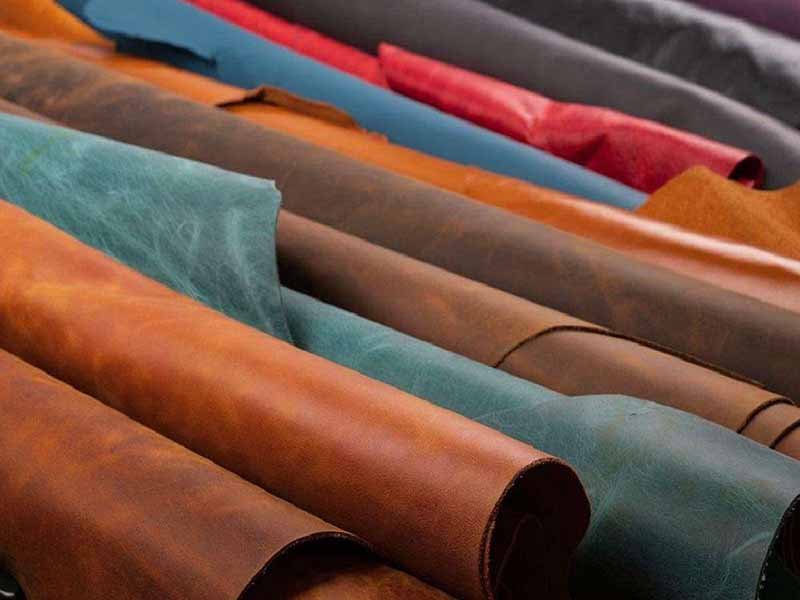
Vegetable-tanned leather can support a more responsible product program when hides are traceable, tannins are responsibly sourced, water and energy are controlled, wastewater is treated, and finished products are designed for long service. However, plant-based tanning agents alone do not make leather environmentally harmless. The tannery, finishing chemistry, product lifespan, material yield, packaging, and end-of-life handling all matter.
The environmental discussion should therefore move beyond a simple comparison between vegetable tanning and chrome tanning.
A more useful assessment considers:
- Where the hides come from
- Whether the hides are traceable
- How tannins are produced
- How much water and energy are used
- How wastewater is treated
- Which dyes, oils, coatings, and adhesives are added
- How much material is lost during cutting
- How long the finished product remains usable
- Whether components can be repaired or replaced
- Whether environmental claims are supported by records
A durable leather bag used for ten years may create better long-term value than a poorly constructed product replaced every year. At the same time, durability cannot excuse weak chemical control or untreated wastewater. Responsible leather manufacturing requires both product longevity and controlled production.
Vegetable-Tanned Leather Materials
Vegetable-tanned leather uses animal hides and tannins extracted from plant sources. The environmental profile therefore begins with both the hide supply chain and the tannin supply chain.
Hides are commonly connected to meat production. However, describing leather only as a waste material can oversimplify the supply chain. Hide value, cattle sourcing, land use, slaughterhouse traceability, and regional farming practices still deserve attention.
Customers developing leather products should ask material suppliers for available information on:
- Animal species
- Country or region of hide origin
- Slaughterhouse traceability
- Tannery location
- Leather article number
- Production batch
- Tanning chemistry
- Dyeing method
- Surface finish
- Restricted-substance records
- Environmental audit status
Traceability may stop at different stages depending on the supplier. One tannery may trace leather back to a slaughterhouse, while another may only identify the hide trader or country of origin. The available level should be documented clearly rather than overstated.
Plant tannins also vary in origin and processing.
Common sources include:
- Chestnut
- Quebracho
- Mimosa
- Tara
- Myrobalan
- Sumac
- Oak
- Valonia
- Gambier
Plant-based does not automatically mean low impact. Tannin extraction requires raw materials, water, energy, transport, concentration, storage, and quality control.
A responsible tannin supply chain should consider:
- Legal harvesting
- Managed forestry or agricultural sourcing
- Processing efficiency
- Extract concentration
- Transport distance
- Packaging
- Waste from extraction
- Consistency between batches
Finishing chemistry must also be reviewed.
A leather may be vegetable tanned and later receive:
- Synthetic dyes
- Pigments
- Acrylic coatings
- Polyurethane finishes
- Waxes
- Oils
- Water repellents
- Adhesion promoters
- Foil-stamping chemicals
- Edge paint
- Solvent-based products
The final material may therefore contain more than plant tannins and animal hide.
Customers seeking a natural visual effect may choose an aniline or lightly protected finish. Customers requiring stronger resistance to stains, color transfer, and water may choose a more protective coating.
The decision involves a practical trade-off.
| Product Requirement | More Natural Finish | More Protective Finish |
|---|---|---|
| Visible grain | Strong | More controlled |
| Patina development | Faster | Slower |
| Water spotting | More likely | Reduced |
| Scratch visibility | Higher | Lower |
| Color consistency | Lower | Higher |
| Surface protection | Limited | Stronger |
| Repair potential | Often easier | Depends on coating |
| Natural touch | More pronounced | More uniform |
No finish is automatically superior. The right choice depends on product positioning, use conditions, destination market, expected service life, and customer care habits.
A natural document case used indoors can accept surface changes. A pale handbag sold for daily city use may need stronger protection. A work belt may prioritize abrasion and sweat resistance. A gift item may require stable color and clean logo reproduction.
Material decisions should reflect use rather than marketing language.
Vegetable-Tanned Leather Waste
Waste is created at both the tannery and the finished-product factory.
Tannery waste may include:
- Salt
- Hair
- Fleshings
- Fat
- Protein residues
- Sludge
- Trimmings
- Spent tanning liquor
- Dye residues
- Finishing overspray
- Packaging materials
- Wastewater with suspended and dissolved solids
Vegetable tanning avoids chromium salts in the main tanning stage, but the wastewater may still contain a high organic load, dark color, salts, tannin residues, and other chemicals.
A responsible tannery needs more than a vegetable-tanning claim. It needs a functioning environmental management system.
Important controls include:
- Water measurement
Water should be monitored by production stage rather than only through a total monthly utility bill. Stage-level measurement helps identify excessive consumption in soaking, washing, tanning, dyeing, and cleaning.
- Chemical dosing
Automated or documented dosing reduces overuse and improves repeatability. Excess chemicals increase cost and wastewater load.
- Tannin uptake
Higher process efficiency allows more tanning material to remain in the leather rather than being discharged.
- Wastewater separation
Different waste streams may require different treatment. High-strength streams should not always be mixed blindly with lower-strength water.
- Sludge management
Treatment sludge must be stored, tested, transported, and disposed of through suitable channels.
- Energy control
Drums, dryers, boilers, vacuum dryers, finishing lines, ventilation, and wastewater systems consume energy. Maintenance and production planning influence efficiency.
- Chemical storage
Liquids, powders, dyes, oils, and finishing products should have labels, secondary containment, handling procedures, and emergency controls.
Waste continues after leather reaches the finished-product factory.
Leather cutting often produces irregular offcuts because hides have natural shapes and defects. Material yield may vary widely according to:
- Hide shape
- Panel size
- Defect limits
- Color variation
- Grain direction
- Product dimensions
- Cutting method
- Pattern nesting
- Hide area restrictions
A wallet program made from small parts may achieve better material use than a briefcase program requiring large, clean panels.
A large front bag panel cannot include a scar or strong grain variation if the approved appearance requires a smooth surface. The surrounding leather may remain usable for card pockets, tabs, zipper pulls, labels, or internal reinforcement.
Szoneier can improve leather utilization through component zoning.
High-visibility parts may use the cleanest areas:
- Front panels
- Flaps
- Exterior pockets
- Logo panels
- Handle tops
- Belt surfaces
Lower-visibility parts may use areas with acceptable natural marks:
- Strap undersides
- Hidden tabs
- Internal supports
- Pocket backing
- Small loops
- Covered seam parts
Offcuts may also be converted into:
- Keychains
- Logo patches
- Zipper pulls
- Cable holders
- Luggage tags
- Coasters
- Sample cards
- Reinforcement pieces
- Small promotional accessories
Using offcuts does not always reduce cost. Sorting, storing, matching, and cutting small pieces requires labor. Offcut reuse should therefore be planned during product development rather than added after production has started.
Packaging waste also deserves attention.
Leather goods often use:
- Tissue paper
- Foam sheets
- Plastic bags
- Dust bags
- Gift boxes
- Paper sleeves
- Silica gel
- Cartons
- Protective film
- Metal-hardware covers
Packaging should protect the product without trapping moisture or transferring color. Natural and oiled leather may need breathable protection. Metal hardware may require separate wrapping to prevent pressure marks.
Reducing packaging weight is useful only when product protection remains adequate. A damaged bag creates more waste than a well-designed protective package.
Vegetable-Tanned Leather Certifications
Certifications and audits can support supplier evaluation, but no certificate should be accepted without checking its scope.
A certificate may apply to:
- One factory location
- One production process
- One product category
- One audit period
- One environmental management system
- One social compliance system
- One testing sample
It may not cover every leather article sold by the supplier.
Common documents that may be requested include:
- Leather Working Group audit information
- ISO 9001 quality management certification
- ISO 14001 environmental management certification
- Social compliance audit records
- Restricted-substance test reports
- Safety data sheets
- Chemical declarations
- Batch traceability records
- Origin statements
- Wastewater monitoring records
- Finished-leather test reports
The document package should match the destination market and product use.
A leather keychain, handbag, child-related accessory, watch strap, pet collar, and medical-support component may require different levels of testing.
Skin-contact products deserve closer attention to:
- Color transfer
- Odor
- Sensitizing substances
- Surface coatings
- Metal hardware
- Adhesive residues
- Moisture response
Child-related products may require additional controls for small parts, sharp points, heavy metals, coatings, and mechanical safety.
A certificate review should cover the following points:
- Company name
The name on the certificate should match the factory or tannery supplying the material.
- Facility address
A trading office certificate should not be treated as proof for an unrelated production site.
- Validity period
Expired records should not be accepted without an updated audit or confirmation.
- Scope
The scope should cover leather manufacturing, finished-product production, environmental management, or the stated activity.
- Leather article connection
Whenever possible, the material code, color, batch, or supplier reference should connect the document to the leather used in production.
- Test method
A report should show the test method, sample description, date, result, and testing laboratory.
- Production relevance
A laboratory result from black leather cannot automatically support cream leather if dyes and finishes differ.
- Batch relevance
A test completed several years earlier may not represent a newly reformulated finish.
A strong compliance file is organized by product and batch rather than stored as a folder of unrelated certificates.
For a custom leather order, the final file may include:
- Approved material specification
- Leather supplier details
- Color reference
- Thickness range
- Finished sample approval
- Hardware specification
- Logo specification
- Packaging instructions
- Inspection standard
- Test reports
- Production batch records
- Final inspection report
Documentation becomes especially important for repeat orders. Without clear version control, a later order may use a similar leather that differs in color, finish, oil level, or thickness.
How Do You Source Vegetable-Tanned Leather?
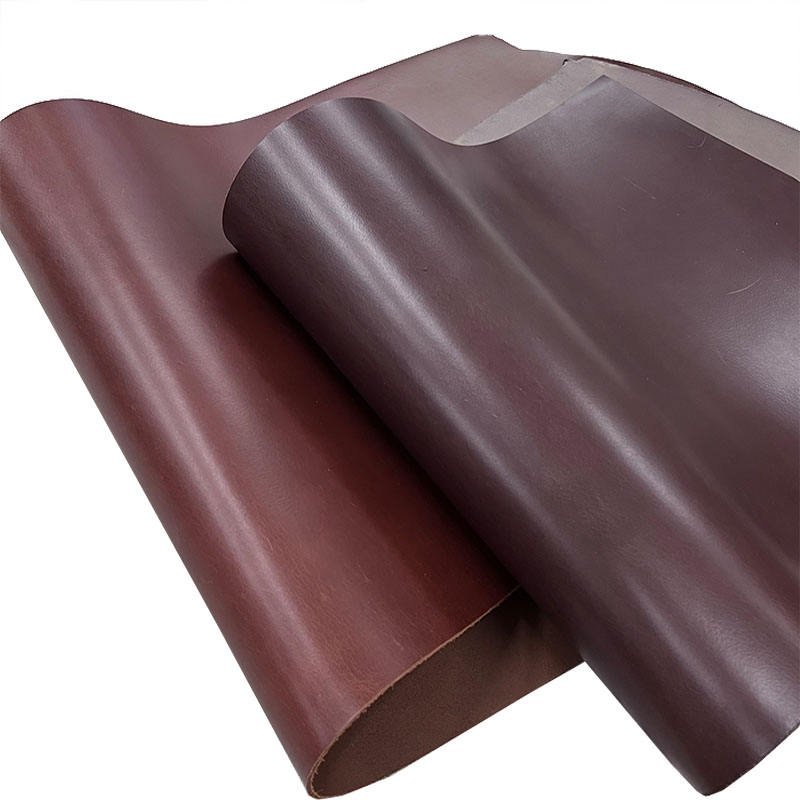
Vegetable-tanned leather should be sourced by starting with the finished product and converting its use into measurable material requirements. The sourcing process should cover leather structure, appearance, thickness, temper, finish, performance, compliance, sample behavior, material yield, order volume, and repeat-order consistency.
Selecting leather from color alone creates unnecessary risk.
A complete specification should answer:
- What product is being made?
- Which components use leather?
- How much load will the product carry?
- Which areas will bend?
- Which edges remain visible?
- Which logo method will be used?
- Will the surface contact light clothing?
- Will the product be exposed to moisture?
- Should patina develop quickly or slowly?
- How much natural variation is acceptable?
- Which compliance documents are required?
- How should leather be matched across panels?
A strong sourcing process links the tannery, material supplier, product manufacturer, and customer through one approved standard.
Vegetable-Tanned Leather Suppliers
A capable leather supplier should provide more than a swatch book and price list.
The supplier should be able to explain:
- Animal type
- Hide origin
- Tannery
- Tanning method
- Whether the leather is fully vegetable tanned
- Grain condition
- Surface finish
- Dyeing method
- Thickness range
- Temper
- Average hide size
- Color tolerance
- Minimum order
- Production lead time
- Available stock
- Repeat-order consistency
- Compliance records
- Traceability level
The phrase “vegetable-tanned leather” should be confirmed carefully.
Possible material descriptions include:
- Fully vegetable-tanned leather
- Vegetable-retanned leather
- Combination-tanned leather
- Chrome-free leather
- Metal-free leather
- Synthetic-tanned leather
- Vegetable-tanned split leather
These materials may differ in processing and performance.
A supplier should state the tanning system clearly rather than relying on a broad sales description.
Full-hide inspection is more useful than a small sample card.
A swatch may hide:
- Shade variation
- Loose belly areas
- Scar distribution
- Neck wrinkles
- Uneven grain
- Edge shape
- Thickness movement
- Surface bloom
- Large-area finish inconsistency
For programs using large panels, customers should review several full hides from the proposed leather article.
The review should record:
- Overall color
- Center-to-edge color movement
- Surface gloss
- Grain size
- Scar level
- Wrinkle level
- Loose areas
- Average usable area
- Thickness range
- Odor
- Backside condition
- Edge quality
- Lot consistency
Supplier selection should also consider repeatability.
A leather may perform well during the first order but become difficult to match six months later because:
- Raw hides come from a different region
- Tannin blend changes
- Dye source changes
- Finishing chemicals change
- Drying conditions change
- Leather thickness shifts
- Color matching is done visually
- Production moves to another tannery
Repeat orders should reference the original leather article, color code, approved swatch, finished sample, and performance requirements.
For important programs, a new material lot should be checked before cutting the full order.
The finished-product manufacturer plays a central role. Szoneier can test whether the proposed leather works with the actual bag, wallet, belt, strap, case, or accessory construction.
Material evaluation may cover:
- Cutting cleanliness
- Die-cutting behavior
- Skiving consistency
- Needle penetration
- Stitch appearance
- Adhesive bonding
- Folding behavior
- Edge burnishing
- Edge-paint absorption
- Debossing clarity
- Foil adhesion
- Rivet holding
- Panel matching
- Packing response
A leather supplier may consider the material acceptable while the product factory finds manufacturing problems. Product-level evaluation closes that gap.
Vegetable-Tanned Leather Samples
Sampling should move through several stages rather than relying on one prototype.
A practical development process may include:
- Material swatch review
Several leather options are compared for color, grain, thickness, firmness, finish, scratch response, and price.
- Logo test
Debossing, foil stamping, printing, laser marking, or metal logo installation is tested on the actual leather.
- Construction trial
Critical details are tested before making the complete product.
Examples include:
- Wallet fold
- Bag handle attachment
- Belt hole
- Painted edge
- Rolled handle
- Reinforced rivet
- Zipper corner
- Folded seam
- First complete sample
The product is assembled to evaluate shape, dimensions, material behavior, hardware, lining, stitching, edges, logo, and appearance.
- Sample correction
Dimensions, construction, leather thickness, reinforcement, or workmanship are adjusted.
- Pre-production sample
The approved materials, hardware, logo, construction, and packaging are used to represent bulk production.
- Pilot production
A limited quantity is produced under production-line conditions to identify consistency and efficiency issues.
- Sealed approval sample
The final approved unit is signed, dated, labeled, and stored as the reference for inspection.
The first sample should not be judged only by appearance.
The review should include:
- Product dimensions
- Empty weight
- Loaded shape
- Handle comfort
- Strap length
- Opening size
- Pocket access
- Hardware movement
- Closure alignment
- Stitch consistency
- Edge smoothness
- Leather matching
- Surface marking
- Logo position
- Packaging fit
A leather product should also be handled over several days.
Useful checks include:
- Repeated opening and closing
- Strap loading
- Wallet card insertion
- Belt bending
- Zipper movement
- Surface rubbing
- Light water exposure
- Packing and unpacking
- Exposure to normal room heat
- Observation of color and oil movement
The approval file should include measurable requirements.
| Approval Item | Required Record |
|---|---|
| Leather | Supplier, article, color, thickness, finish |
| Product size | Measurement chart with tolerances |
| Construction | Drawings, seam type, reinforcement |
| Stitching | Thread, stitch length, edge distance |
| Edge | Paint, burnish, fold, or raw-edge standard |
| Hardware | Material, size, finish, logo |
| Branding | Position, dimensions, pressure, color |
| Lining | Material, color, weight |
| Packaging | Dust bag, tissue, polybag, carton |
| Inspection | Defect levels and test requirements |
Color approval needs special care.
Leather color may look different under:
- Daylight
- Warm indoor light
- Cool white light
- Phone-camera processing
- Computer screens
- Different viewing angles
Physical color standards are more reliable than digital images.
The approved leather sample should also show the acceptable range. One tiny perfect piece may create unrealistic expectations for a natural material.
For full-grain veg-tan leather, customers should define whether the order should appear:
- Clean and uniform
- Naturally varied
- Rustic
- Lightly marked
- Strongly patinated
- Matte
- Semi-gloss
- Waxed
- Oiled
- Milled
Clear language reduces disagreement during final inspection.
Vegetable-Tanned Leather Pricing
Leather product pricing depends on far more than the leather price per square foot.
The finished cost includes:
- Leather cost
- Material yield
- Cutting labor
- Splitting
- Skiving
- Reinforcement
- Lining
- Thread
- Adhesive
- Edge materials
- Hardware
- Logo processing
- Sewing labor
- Assembly labor
- Inspection
- Packaging
- Testing
- Tooling
- Development
- Freight
- Order quantity
Leather yield is one of the most important cost factors.
A lower-priced hide may create a higher finished-product cost when:
- Defect rates are high
- Shade variation is wide
- Large clean panels are required
- Belly areas cannot be used
- Thickness is inconsistent
- Surface damage increases rejection
- Edge quality requires more labor
- More hides are needed to complete the order
The cost effect can be understood through a simple example.
Assume two leather options are available:
| Cost Factor | Leather A | Leather B |
|---|---|---|
| Leather price | Lower | Higher |
| Usable yield | 58% | 76% |
| Color consistency | Moderate | Strong |
| Cutting rejection | Higher | Lower |
| Edge labor | Higher | Lower |
| Finished cost risk | Higher | More controlled |
Leather A may appear cheaper on the material quotation but become more expensive after cutting loss and rework.
Panel size also changes yield.
A wallet uses many small pieces that can be nested around defects. A briefcase front panel may require one large, clean section. Light colors also make scars, veins, stains, and shade movement more visible.
Construction affects labor significantly.
Higher labor may result from:
- Hand cutting
- Many small components
- Complex skiving
- Folded edges
- Multiple edge-paint coats
- Hand polishing
- Rolled handles
- Box stitching
- Hidden seams
- Layered pockets
- Customized hardware
- Individual serial numbers
- Protective packing
Edge painting deserves separate cost attention.
A clean painted edge may require:
- Initial sanding
- Primer
- Drying
- Resanding
- First color coat
- Drying
- Second color coat
- Drying
- Surface correction
- Final coat
- Polishing
- Inspection
Complex shapes and light colors require additional labor.
Logo cost depends on:
- Debossing die
- Foil die
- Foil material
- Screen setup
- Metal mold
- Laser time
- Logo size
- Logo position
- Number of colors
- Order quantity
Hardware cost varies according to:
- Zinc alloy
- Brass
- Stainless steel
- Aluminum
- Iron
- Plating
- Lacquer
- Engraving
- Custom mold
- Salt-spray performance
- Packaging protection
Accurate quotations require detailed project information.
Customers should provide:
- Product drawings
- Dimensions
- Reference images
- Target leather character
- Preferred thickness
- Color
- Logo file
- Hardware requirements
- Lining
- Estimated quantity
- Packaging
- Destination country
- Testing needs
- Target delivery schedule
A quotation based only on one product photo will contain assumptions. Those assumptions may change after sampling.
A transparent quotation should separate major cost areas whenever the project requires cost optimization.
Possible cost-reduction methods include:
- Adjusting panel dimensions
- Reducing unnecessary leather layers
- Using leather only on visible areas
- Using textile or microfiber lining
- Simplifying edge construction
- Standardizing hardware
- Reducing logo complexity
- Improving pattern nesting
- Using a controlled corrected-grain finish
- Combining leather with neoprene, canvas, nylon, or polyester
Cost reduction should not remove reinforcement from high-load areas or reduce leather thickness without testing.
The lowest quotation is not always the safest choice. A failed handle, cracked fold, peeling edge, or mismatched batch can create returns, rework, delayed launches, and reputation damage.
Custom Vegetable-Tanned Leather Products
Vegetable-tanned leather performs best when material selection, product design, cutting, construction, finishing, and inspection are developed as one connected process.
Szoneier supports custom product development for leather bags, wallets, belts, straps, cases, covers, keychains, tags, pouches, accessories, and mixed-material products.
The factory is not presented as the tannery producing raw leather. Szoneier works at the finished-product manufacturing stage and coordinates suitable leather through material suppliers and tanning partners.
A successful vegetable-tanned leather product should not only look good when it leaves the factory. It should fold cleanly, carry weight safely, hold its hardware, protect its contents, age in a controlled way, and remain consistent across production.
Send your drawings, product references, dimensions, logo files, and estimated quantity to Szoneier to begin a custom, private-label, OEM, or ODM vegetable-tanned leather product project.