A Trusted China Manufacturer Since 2007!

Bag Prototyping for Startups | Samples to Production

Turn sketches, reference products, and early concepts into testable bag prototypes prepared for commercial manufacturing and future production growth.
  • Start with an idea, hand sketch, product photo, reference sample, competitor link, or completed tech pack.
  • Develop materials, measurements, compartments, straps, closures, branding, packaging, and production specifications with one factory-based team.
  • Review photos and videos before international sample delivery.
  • Move from prototype approval into trial production, quality inspection, branded packaging, and global shipping.
tote bag (1)

Prototype Development Backed by Manufacturing Capacity

Szoneier combines product development, sampling, sewing production, inspection, packaging, and export delivery within a controlled custom soft-goods manufacturing system.

18+ Years Experience

More than 18 years of custom bag and sewn soft-goods experience covers material sourcing, pattern development, prototype sewing, sample revision, bulk production, inspection, branded packaging, and international delivery.

3–20+ Day Sampling

Simple prototypes commonly require 3–7 days. Standard bags often require 7–12 days. Complex structures, special materials, molds, functional components, or advanced branding may require 12–20 days or longer.

MOQ From 200 Pieces

Selected projects can begin from 200 pieces when using available materials, established structures, standard components, straightforward branding, and basic packaging. Custom-dyed fabric, molded parts, and specialized components may require higher quantities.

8 Production Lines

Eight production lines support prototypes, trial orders, regular production, multi-SKU programs, and repeat replenishment. Production allocation depends on product structure, material readiness, packaging work, and delivery schedule.

160+ Production Devices

More than 160 production devices support cutting, stitching, binding, reinforcement, edge finishing, logo application, assembly, inspection, and packaging across fabric bags, leather goods, neoprene products, and functional soft goods.

120,000–200,000 Pieces Monthly

Regular monthly capacity ranges from approximately 120,000 to 200,000 pieces across different categories. Capacity changes according to bag complexity, material, logo method, order volume, packing work, and active production schedules. 

Who Our Bag Prototyping Service Supports

Prototype development is suitable for early-stage founders, growing brands, internal product teams, and established companies launching new bag programs.

First-Time Founders

A founder may begin with a rough sketch, a list of functions, several inspiration photos, or an existing product requiring improvement. Szoneier helps organize measurements, materials, compartments, handles, closures, and branding into a workable development brief.
  • Early design review
  • Material recommendations
  • Structure discussion
  • Sample cost planning
  • Trial-order preparation

Growing Bag Brands

A growing brand often needs more than one isolated sample. New colorways, matching accessories, improved materials, packaging upgrades, and repeatable specifications must work together across a developing product line.
  • New SKU development
  • Color-series planning
  • Existing product upgrades
  • Packaging coordination
  • Replenishment records

Corporate Innovation Teams

Established companies frequently test new carrying solutions, equipment cases, employee kits, travel products, medical bags, promotional programs, or industry-specific soft goods. Project teams may require confidentiality, structured approval, formal specifications, and multi-department review.
  • Technical project review
  • Controlled sample versions
  • Internal approval support
  • Documented material records
  • Production-scale evaluation

Crowdfunding Teams

Crowdfunding projects require prototypes suitable for demonstration, photography, video, user testing, costing, and production planning. An attractive display sample alone is insufficient when the final design cannot be sourced or reproduced at scale.

  • Functional demonstration
  • Photo-ready appearance
  • Cost review
  • Production feasibility
  • Launch quantity planning

Common Risks Before Making Your First Prototype

Early product concepts often fail through missing specifications, unsuitable materials, uncontrolled revisions, or no clear route from sample approval into production. 

No Complete Tech Pack

A complete technical pack is helpful, but early review can begin with fewer materials.
  • Product sketch or photo
  • Approximate dimensions
  • Intended contents
  • Main functions
  • Target quantity
  • Sales market
Szoneier identifies missing details before pattern work begins and creates a confirmation list for the next development stage.

Unclear Material Choice

Choosing fabric by appearance alone can create problems with shape, durability, weight, cost, printing, water resistance, or sewing performance.
  • Compare hand feel
  • Review thickness
  • Check coating
  • Assess abrasion needs
  • Match target price
Material swatches or available reference options can be reviewed before prototype sewing.

Unproven Bag Structure

A concept may look attractive on screen but become difficult to open, uncomfortable to carry, inefficient to sew, or expensive to reproduce.
  • Opening accessibility
  • Pocket placement
  • Load distribution
  • Bottom support
  • Sewing sequence
  • Component installation
Pattern development converts visual ideas into producible parts.

Unclear Development Cost

Prototype pricing includes more than fabric and labor. Pattern making, material preparation, logo testing, accessory sourcing, sewing, internal checking, version management, packaging, and sample shipment may all affect cost. A written development scope helps separate sample cost, tooling, special components, packaging samples, and international freight.

Endless Revisions

Unstructured feedback creates repeated work and inconsistent instructions. A controlled revision list groups changes into clear categories:
  • Measurements
  • Materials
  • Structure
  • Hardware
  • Branding
  • Packaging
Each version receives an updated record before the next sample begins.

No Production Handoff

Some samples are made only for appearance and lack the records needed for repeat production. A production-ready approval sample should connect with:
  • Final pattern
  • Bill of materials
  • Component details
  • Logo standard
  • Packaging file
  • Inspection points
The final approved version becomes the reference for trial and bulk production.

Start With the Information You Already Have

A first review can begin from several forms of product information. More complete details lead to faster evaluation and more accurate development planning.

Product Idea

Describe the intended user, carrying purpose, contents, preferred style, sales channel, target quantity, and desired launch date. Szoneier can convert the brief into a list of measurements, materials, structural questions, and development priorities before sample work begins.

Hand Sketch

A hand sketch can show overall shape, pocket locations, strap positions, closures, and approximate proportions. Add basic measurements and notes beside the drawing whenever possible. Pattern makers can review construction feasibility and identify areas requiring clarification.

Reference Photos

Front, back, side, top, bottom, interior, and detail images provide more useful information than one front image. Mark the features to keep, remove, or modify. Photos help communicate design direction but do not replace dimensions or material specifications.

Competitor Link

A product listing can communicate market position, visual style, approximate capacity, functions, and target retail level. Szoneier can study visible construction and suggest an original manufacturing direction without copying protected logos or unauthorized branded details.

Technical Pack

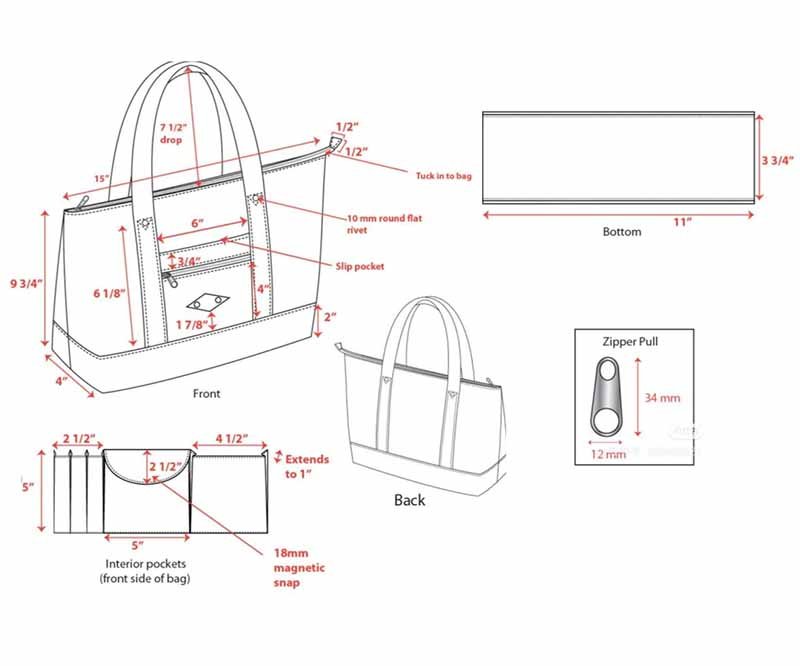
A technical pack may include measurements, callouts, materials, color codes, stitching details, artwork, labels, packaging, and testing requirements. Szoneier reviews production feasibility, identifies missing information, and prepares clarification points before sampling.

Physical Reference

A physical sample allows direct inspection of size, construction, seams, material thickness, hardware, padding, and internal organization. Desired changes should be listed clearly. Reference products are used for development analysis, not unauthorized brand reproduction.

What Your Bag Prototype Should Validate

A useful prototype confirms appearance, function, cost direction, and manufacturing feasibility before materials and labor are committed to a larger order.

Form and Size

The prototype confirms whether length, width, height, depth, curves, gussets, and overall proportion match the intended use. Measurements should be assessed with the bag empty and loaded because soft materials change shape during use.

Capacity and Access

Real contents should fit without creating difficult loading, zipper stress, or wasted internal space. Openings, lids, flaps, zippers, and pocket angles must allow convenient access during normal use.

Function and Structure

Compartments, padding, reinforcement, ventilation, insulation, waterproof layers, removable inserts, and attachment systems must perform as intended. Functional evaluation should use realistic contents rather than visual inspection alone.

Material and Hand Feel

Material weight, thickness, coating, stiffness, surface texture, color, lining, foam, and backing affect the finished result. A material can look suitable as a flat swatch but behave differently after folding and sewing.

Branding and Appearance

Logo size, placement, contrast, texture, thread color, plating, and attachment method should be reviewed on the actual material. Branding approval on screen cannot fully represent embroidery height, metal reflection, embossing depth, or patch thickness.

Production Feasibility

The prototype should reveal difficult seams, unnecessary layers, high-waste pattern areas, fragile components, and expensive construction steps. Design changes made before bulk production can improve repeatability, cost control, and delivery reliability. 

Bag Categories We Can Prototype
Szoneier develops fashion, lifestyle, travel, outdoor, protective, promotional, and specialist soft-goods products across multiple materials and construction levels. Select Your Category
1. backpacks

Backpacks

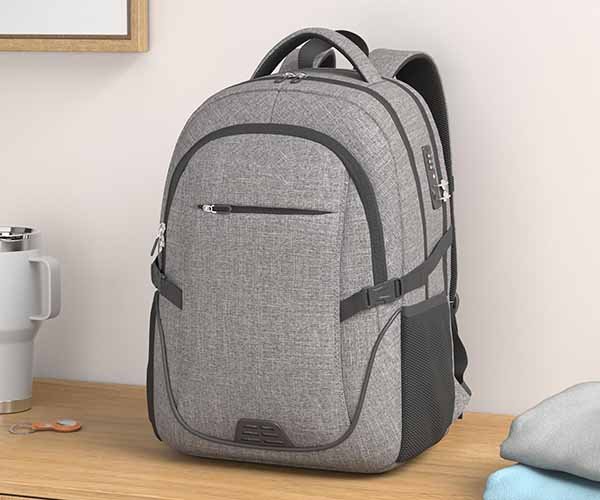
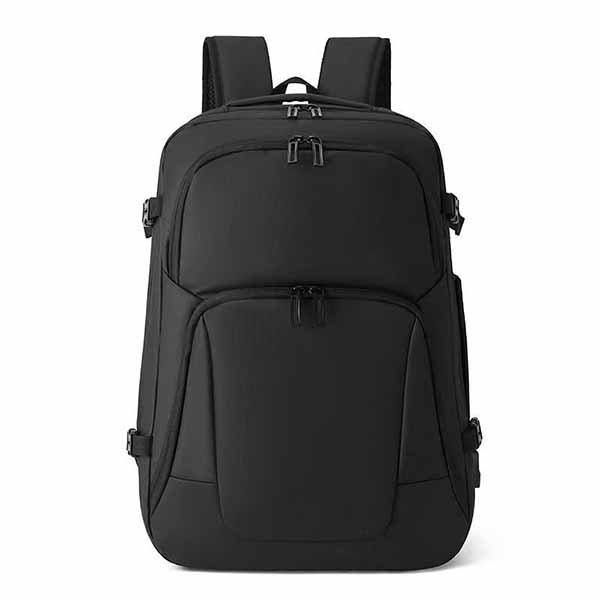
Common prototype heights range from approximately 38 to 50 cm for daypacks, commuter backpacks, school bags, and travel models. Development priorities include back-panel shape, shoulder-strap width, foam density, laptop protection, load points, zipper paths, and standing structure.
2. handbags and totes

Handbags and Totes

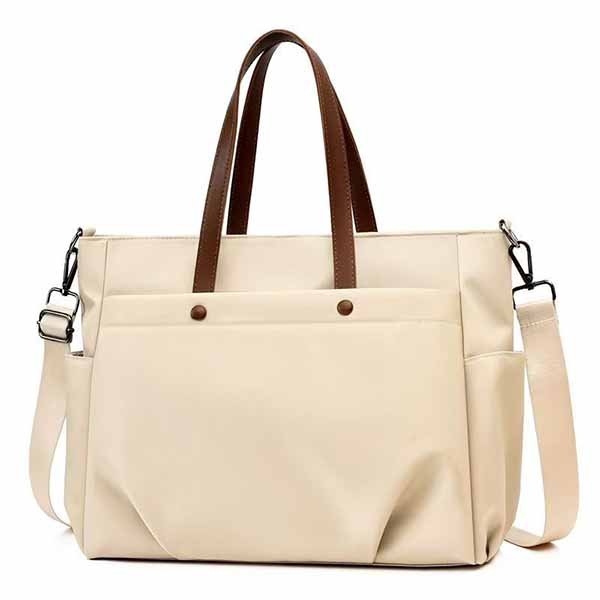
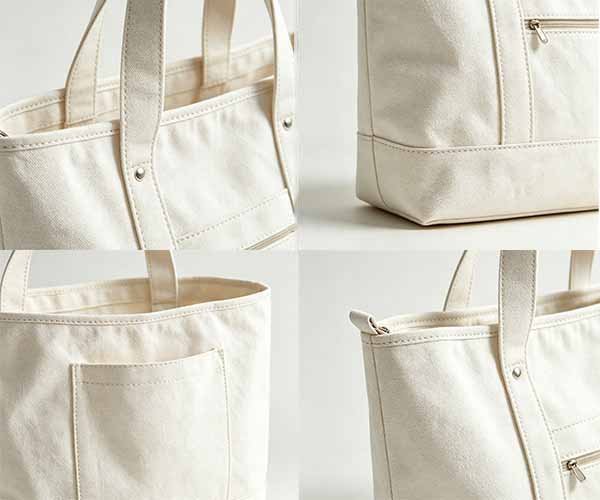
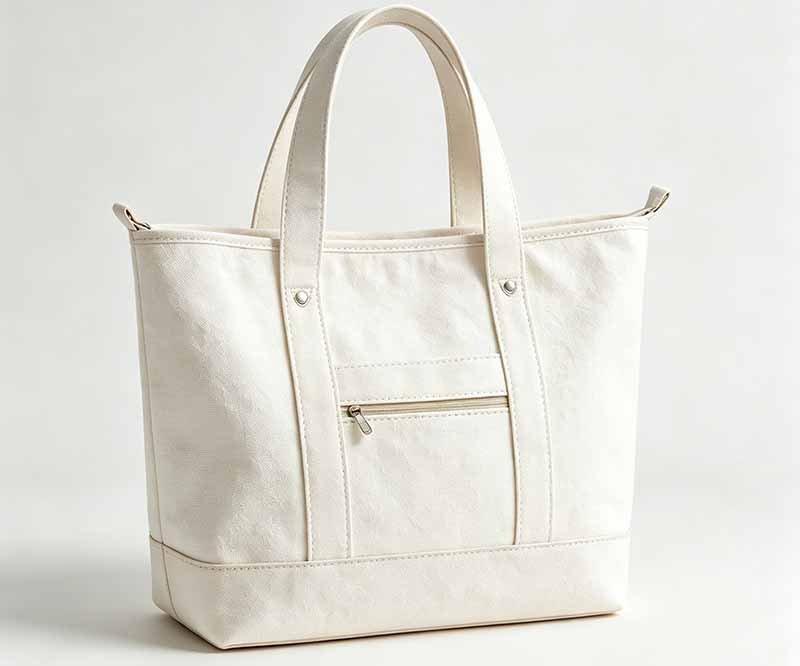
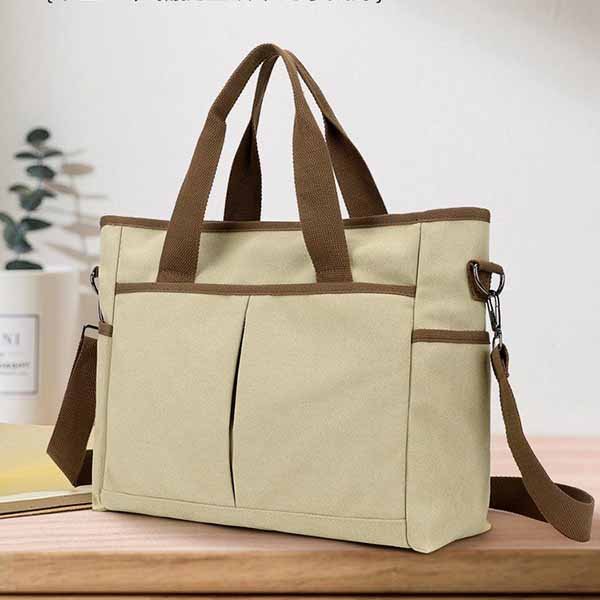
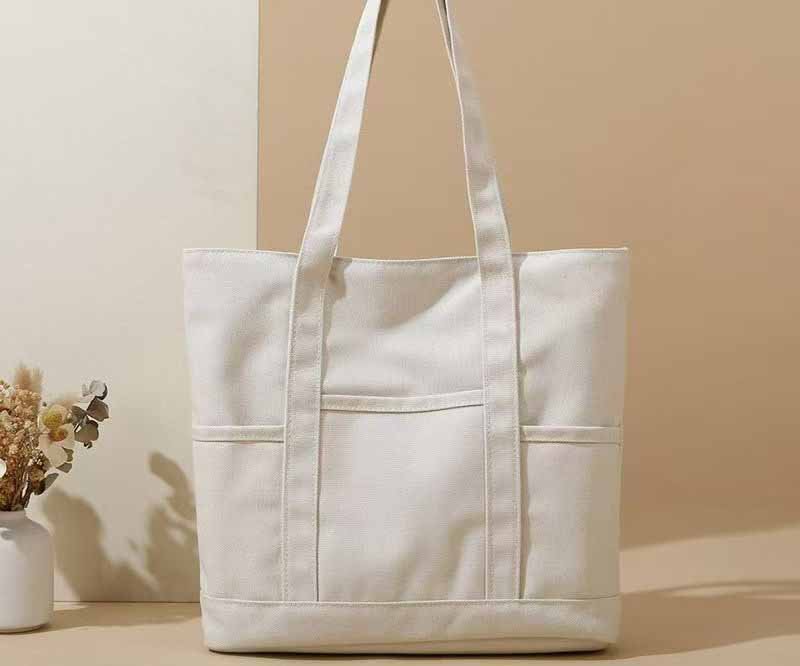
Common widths range from approximately 30 to 45 cm, depending on intended capacity. Prototype review covers handle drop, opening width, base shape, lining attachment, internal organization, edge finishing, hardware balance, and whether the bag keeps its intended silhouette.
3. travel and duffle bags

Travel and Duffle Bags

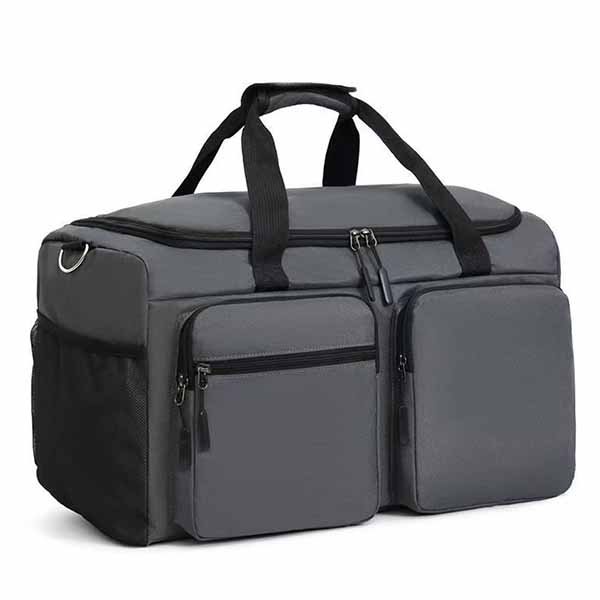
Typical widths range from approximately 45 to 65 cm. Product development may involve shoe sections, wet compartments, removable straps, luggage sleeves, reinforced handles, folded packing size, bottom boards, and weight distribution under full load.
4. cosmetic bags and pouches

Cosmetic Bags and Pouches

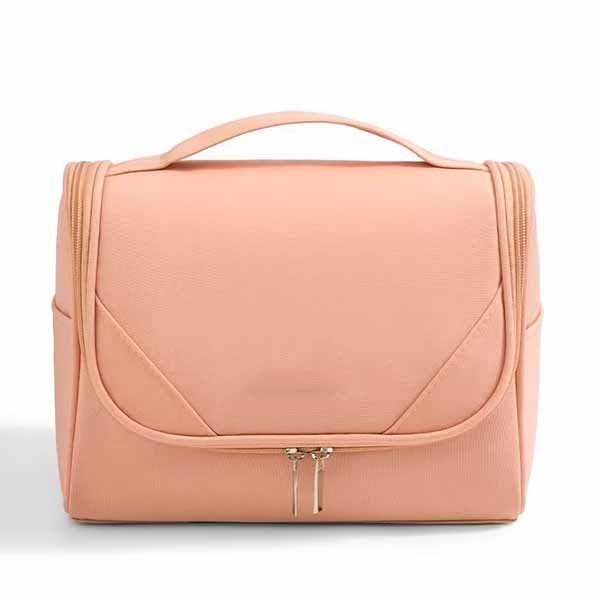
Common widths range from approximately 15 to 30 cm. Important points include opening access, zipper curvature, wipe-clean lining, pocket layout, shape retention, leak-risk management, print placement, metal details, and retail-ready appearance.
5. cooler and lunch bags

Cooler and Lunch Bags

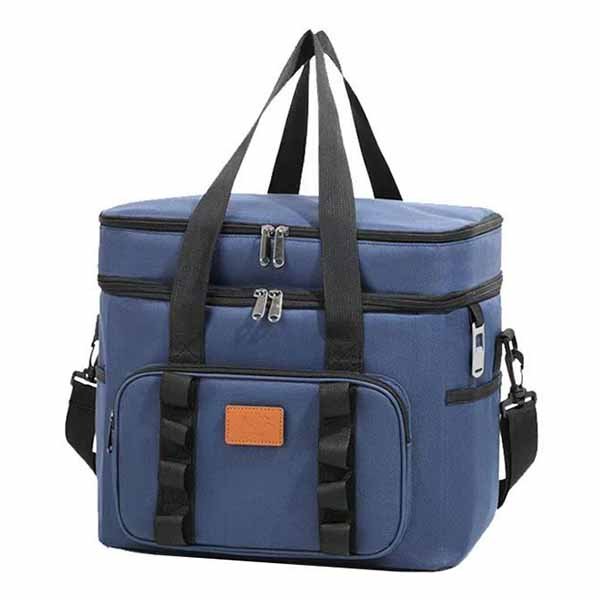
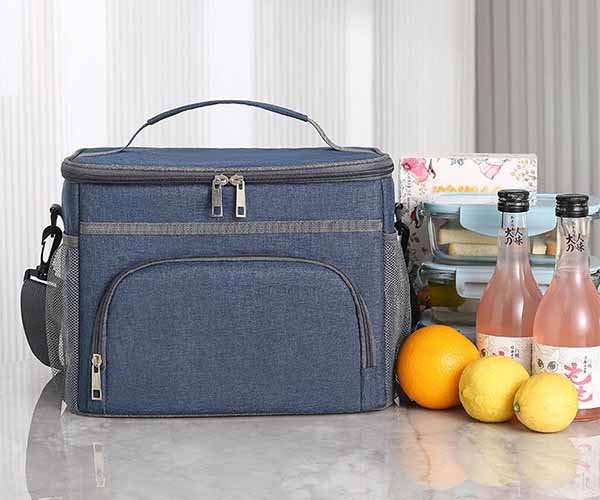
Common widths range from approximately 20 to 40 cm. Prototype construction may include outer fabric, foam insulation, reflective or PEVA lining, binding, zipper closure, reinforced handles, removable dividers, and cleaning-access evaluation.
6. pet and baby bags

Pet and Baby Bags

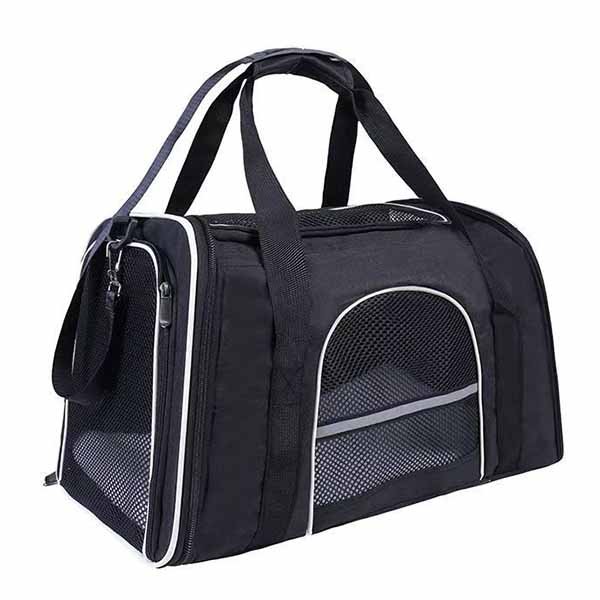
Pet carriers and baby organizers require more structural review than ordinary pouches. Development may cover ventilation mesh, safety clips, removable boards, washable surfaces, bottle holders, diaper sections, stroller straps, balanced carrying, and secure closure systems.
7. tool and medical bags

Tool and Medical Bags

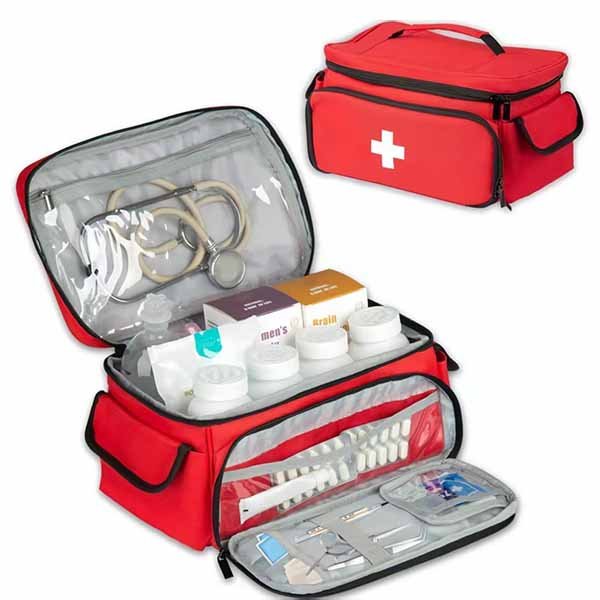
Common widths range from approximately 30 to 55 cm, depending on equipment. Prototype work focuses on reinforced bottoms, heavy contents, compartment identification, quick access, webbing strength, handle attachment, protective foam, visibility, and organized storage.
8. neoprene and eva goods

Neoprene and EVA Goods

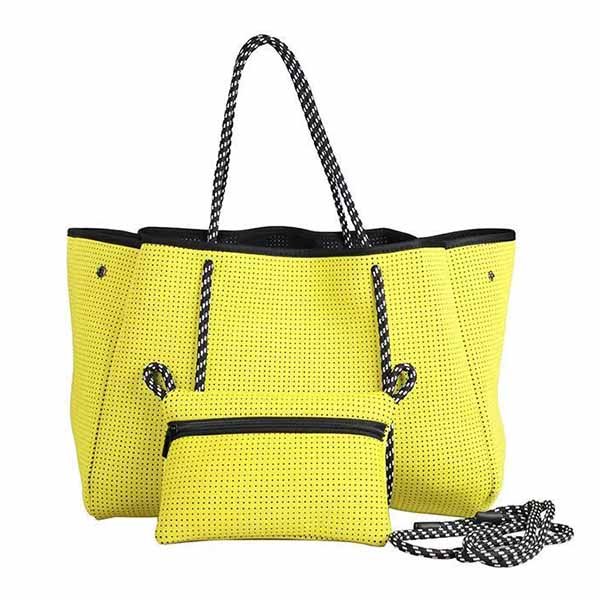
Neoprene supports soft protection, insulation, elasticity, and close-fitting sleeves. EVA supports semi-rigid protection and molded shapes. Final dimensions are usually developed around bottles, electronics, tools, medical devices, sports equipment, or other physical contents.

Choose the Right Prototype Stage

Different samples answer different development questions. Selecting the correct stage avoids paying for excessive detail before the underlying structure has been confirmed.

Prototype StageMain PurposeTypical Completion LevelBest Use
Concept MockupCheck general scale, volume, and proportionBasic construction with simplified materials or detailsInternal concept review and early dimensional discussion
Appearance SampleReview color, shape, fabric, logo, and visual presentationMedium completion with selected exterior detailsPhotography planning, presentation, design review, and visual approval
Functional PrototypeTest openings, compartments, carrying, padding, and intended functionsMedium to high completion with operational componentsUser testing, product demonstrations, and structure evaluation
Approval SampleConfirm final dimensions, construction, materials, branding, and accessoriesHigh completion using confirmed specificationsFormal product approval before production preparation
Pre-Production SampleLock production standards using final materials, components, logo, and packagingHighest completion before bulk cuttingFinal production release and quality reference

From Product Idea to Approved Bag Sample
A controlled development process turns early information into an approved sample with clearer production specifications, costs, quality points, and delivery planning.
1. project review

Project Review

The team reviews product type, intended use, available drawings, desired quantity, target market, expected price level, delivery destination, and preferred launch schedule. Missing information is listed before quotation or pattern work.
2. requirement confirmation

Requirement Confirmation

Measurements, capacity, materials, colors, pockets, straps, closures, hardware, branding, packaging, and testing expectations are organized into a development checklist. Conflicting instructions are resolved before cutting begins.
3. material matching

Material Matching

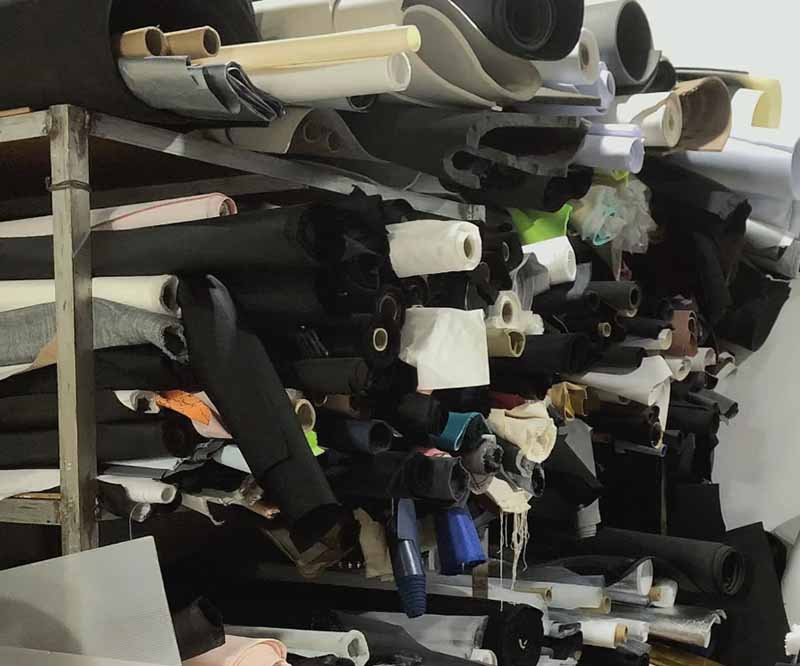
Available fabric, lining, foam, webbing, zipper, buckle, mesh, hardware, and label options are compared against appearance, function, MOQ, cost, and production availability. Custom development is evaluated separately where required.
4. pattern development

Pattern Development

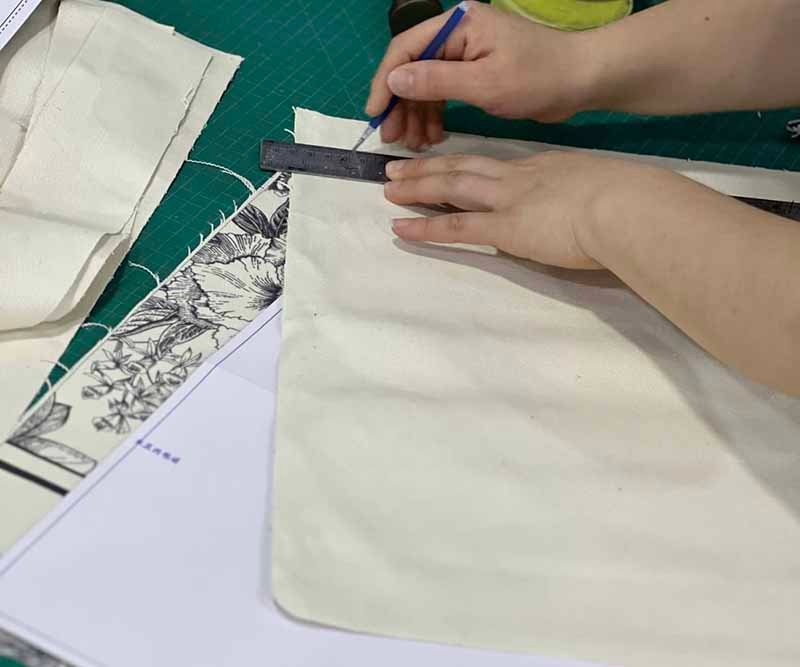
Pattern makers convert the confirmed shape and dimensions into individual cutting pieces. Seam allowance, folds, curves, binding, reinforcement, assembly order, and material behavior are considered during pattern creation.
5. cutting and sewing

Cutting and Sewing

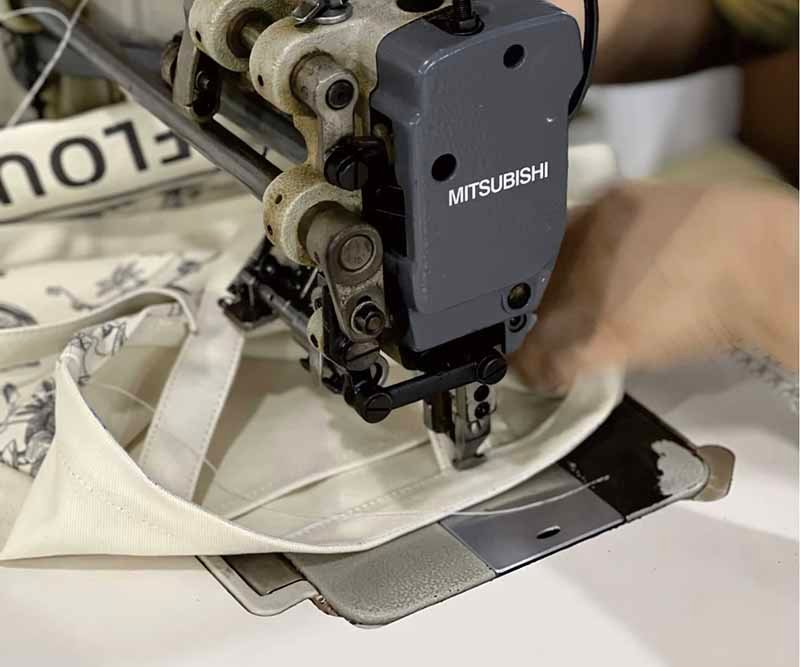
Prototype materials are cut, marked, prepared, and assembled using suitable sewing and finishing processes. Logo trials, reinforcement, padding, zipper installation, lining, hardware, and special components are added according to the development record.
6. internal sample check

Internal Sample Check

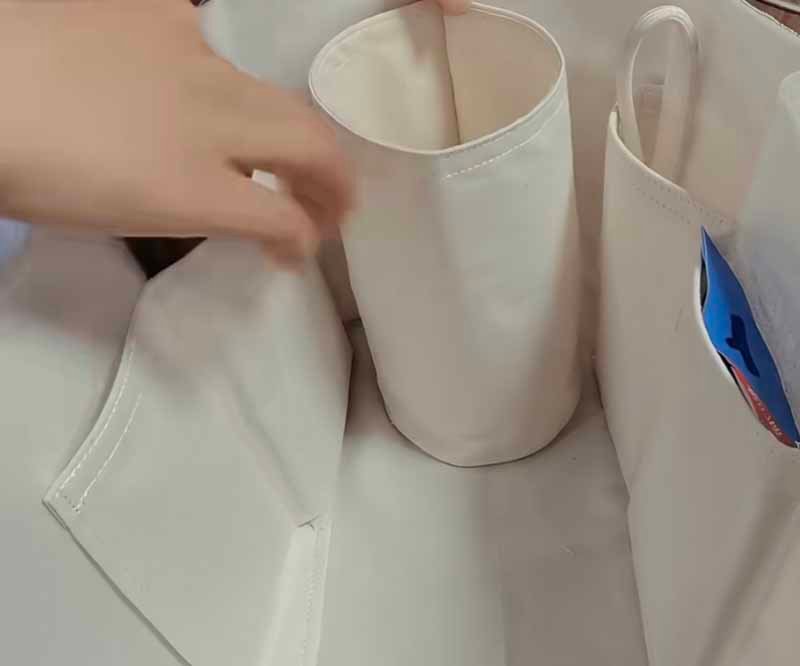
Before external review, Szoneier checks measurements, construction, appearance, function, material use, logo placement, hardware operation, loose threads, shape, and major specification points. Visible issues are corrected where possible before shipment.
7. sample delivery and testing

Photo and Video Review

Photos and videos can show front, back, side, interior, measurements, opening, pockets, straps, hardware, logo, and loading demonstrations. Remote review may identify simple changes before international courier delivery.
8. photo and video review

Sample Delivery and Testing

Approved-to-ship samples are protected and sent by courier. The receiving team can test capacity, comfort, access, strength, product fit, appearance, and intended functions under real use conditions.
9. revision and approval

Revision and Approval

Feedback is organized into one revision list. Changes are evaluated for cost, time, and production impact. The approved version can then be recorded through final pattern, material specifications, branding files, and production notes. 

Engineering a Prototype That Can Be Manufactured

Good structure balances user experience, material behavior, production repeatability, visual design, and target cost rather than maximizing features without control.

Capacity Planning

Capacity begins with the objects the bag must carry, not only external dimensions.
  • Identify the largest object
  • Confirm item orientation
  • Add required clearance
  • Account for lining and padding
  • Review usable pocket depth
Excess volume can increase fabric consumption, shipping size, and poor internal organization. Insufficient clearance can create zipper pressure and difficult access.

Opening and Access

Opening geometry affects convenience and production complexity.
  • Straight zipper
  • Curved zipper
  • U-shaped opening
  • Roll-top closure
  • Drawstring closure
  • Flap construction
Curved openings may improve visibility but require more careful sewing. Wide openings can weaken shape without suitable reinforcement. The prototype should be loaded and used repeatedly.

Compartment Layout

Every divider adds cutting pieces, stitching, binding, material, and inspection points. Internal organization should match real contents and frequency of access.
  • Laptop sleeves need bottom clearance
  • Bottle pockets need suitable stretch
  • Tool loops require spacing
  • Cosmetic sections need cleanable materials
  • Medical compartments need clear identification

Load-Bearing Points

Handles, shoulder straps, D-rings, buckles, and webbing connections must transfer force into the bag body.
  • Box stitching
  • Cross stitching
  • Bar tacks
  • Reinforcement patches
  • Wider seam allowance
  • Internal backing
A strong strap can still fail when the attachment area is poorly engineered.

Comfort and Ergonomics

Comfort depends on strap width, foam thickness, edge softness, angle, spacing, adjustment range, and load position. Backpack straps should be reviewed with realistic weight. Carry handles should not pinch the hand or collapse under load.

Manufacturability and Cost

A detail may be technically possible but inefficient for the intended order size.

  • Excessive curved seams
  • Too many hidden layers
  • Difficult hardware installation
  • Unstable edge finishing
  • High material waste
  • Unnecessary custom molds

Szoneier reviews lower-risk alternatives while keeping the product’s main selling points.

Materials for Bag Prototype Development

Material selection affects shape, weight, durability, water resistance, hand feel, printing, sewing, cost, packing volume, and the final brand position.

MaterialMain CharacteristicsSuitable Prototype UsesCost LevelLow-MOQ Suitability
PolyesterVersatile, printable, available in many weights and coatingsPromotional bags, backpacks, pouches, sports bags, travel productsLow to mediumStrong when stock colors are available
NylonSmooth, lightweight, durable, suitable for higher-performance productsOutdoor bags, travel bags, premium backpacks, technical pouchesMedium to highDepends on denier, coating, and color availability
Oxford FabricStructured weave, durable surface, broad range of weightsBackpacks, cooler bags, tool bags, pet products, travel bagsLow to mediumStrong for standard stock specifications
Canvas and CottonNatural hand feel, strong lifestyle appearance, printable surfaceTotes, casual bags, gift bags, organizers, fashion productsLow to mediumStrong for common weights and natural colors
NeopreneElastic, soft, insulating, shock-absorbing, close-fittingBottle sleeves, lunch bags, laptop sleeves, sports accessoriesMediumOften suitable from moderate quantities; thickness and lamination affect MOQ
PU and LeatherPremium appearance, structured surface, multiple finishing optionsHandbags, cosmetic bags, accessories, gift products, casesMedium to highPU is generally easier for smaller runs; leather requires grade and color review
PVC and TPUTransparent or coated appearance, water-resistant constructions availableClear bags, cosmetic pouches, waterproof-style products, windowsMediumMaterial thickness, welding, odor, and compliance requirements require review
EVA and Functional MaterialsSemi-rigid protection, molded shapes, insulation, fire-resistant or specialist performanceElectronics cases, medical cases, tool cases, protective productsMedium to highTooling, molding, testing, and special sourcing may raise MOQ

Component Selection Notes

  • Lining: Polyester, nylon, cotton, PEVA, mesh, microfiber, and wipe-clean materials are selected according to use and appearance.
  • Foam: PE foam, EVA foam, sponge, EPE, and other padding materials affect shape, protection, insulation, and packing volume.
  • Zippers: Coil, molded, metal, reverse, waterproof-style, and branded puller options vary in cost, appearance, and durability.
  • Webbing: Width, thickness, weave, color, strength, edge feel, and custom jacquard requirements affect both comfort and MOQ.
  • Hardware: Buckles, hooks, D-rings, rivets, magnetic closures, frames, and metal fittings require finish, load, corrosion, and attachment review.

Prototype Your Logo Before Bulk Production
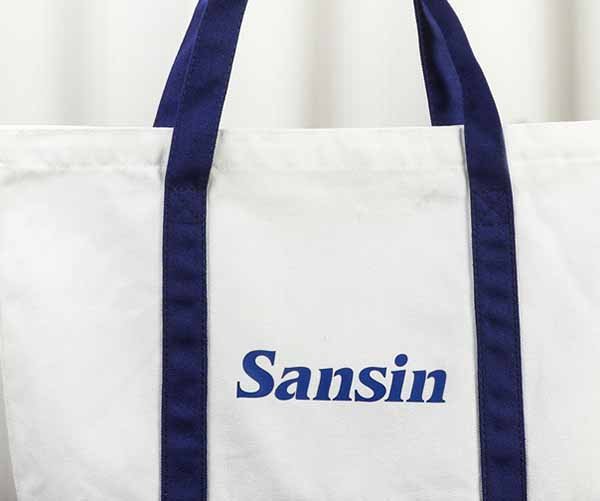
Logo trials confirm material compatibility, size, placement, color, durability, tooling requirements, and visual quality before branding is repeated across a larger order.
1. screen printing

Screen Printing

Screen printing suits canvas, cotton, polyester, Oxford, and many promotional products. It works well for bold logos and controlled color counts. Review points include ink coverage, fine-line limits, material texture, Pantone matching, print position, curing, and whether seams interrupt the artwork.
2. heat transfer

Heat Transfer

Heat transfer supports detailed graphics, smaller color areas, and many lifestyle or e-commerce products. The final result depends on film type, temperature, pressure, fabric coating, and surface texture. A prototype should confirm edge quality, adhesion, flexibility, color, and resistance to normal handling.
3. embroidery

Embroidery

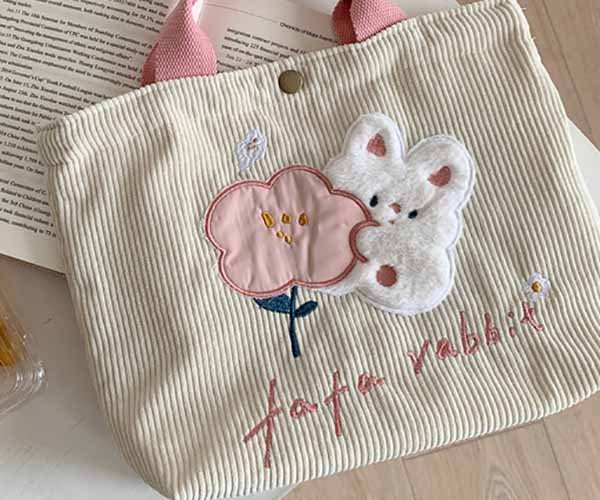
Embroidery creates a textured, durable appearance for backpacks, totes, travel bags, outdoor products, and lifestyle collections. Stitch density, backing, thread color, logo size, fabric distortion, and small-letter clarity require testing. Heavy embroidery can make lightweight fabric pucker or become overly stiff.
4. woven and leather labels

Woven and Leather Labels

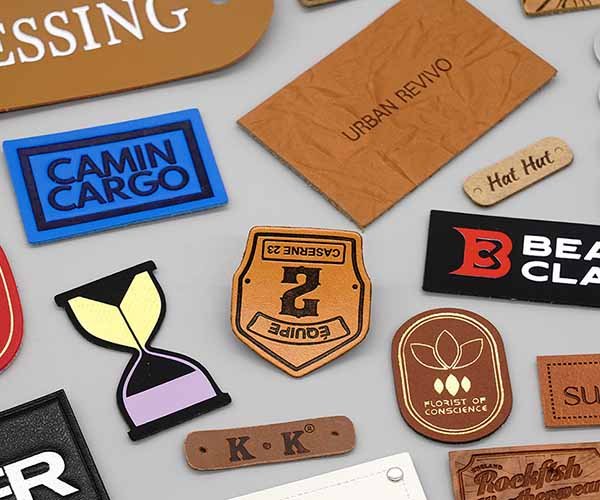
Woven labels provide fine detail and controlled brand colors. Leather or PU patches offer a more structured lifestyle or premium finish. Review label size, edge finishing, fold style, stitch position, embossing clarity, material thickness, and whether the attachment area supports clean sewing.
5. rubber and silicone patches

Rubber and Silicone Patches

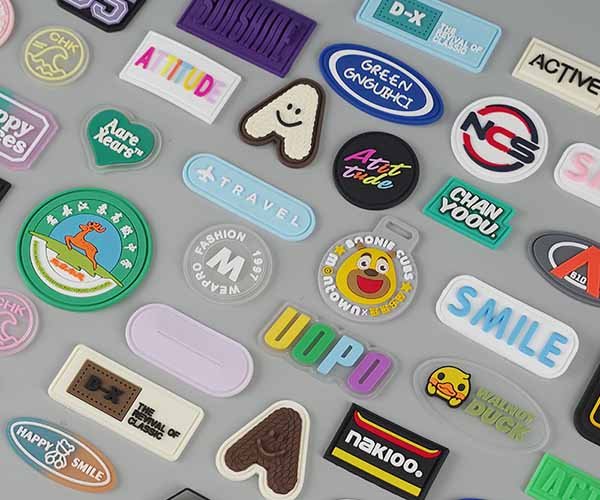
Rubber, silicone, and TPU patches work well for outdoor, sport, youth, and modern lifestyle products. They can create raised shapes and multiple colors. Mold cost, line thickness, color count, patch flexibility, attachment method, MOQ, and sampling time should be confirmed before development.
6. metal and embossed logos

Metal and Embossed Logos

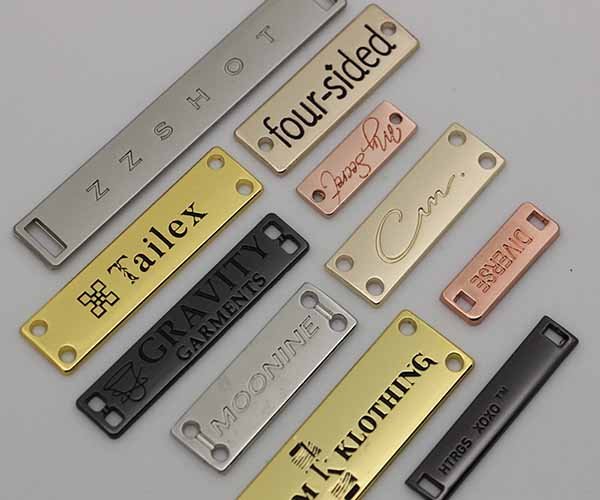
Metal plates, custom pullers, laser engraving, debossing, embossing, foil stamping, and branded hardware support premium collections. Important checks include mold cost, plating color, scratch protection, oxidation risk, attachment security, embossing depth, material grain, and packaging protection. 

Lorem ipsum dolor sit amet, consectetur adipiscing elit. Ut elit tellus, luctus nec ullamcorper mattis, pulvinar dapibus leo.

A Controlled Prototype Revision Process

Sample revision works best when changes are documented, grouped, evaluated, and approved as one coordinated version rather than scattered across separate messages.

Size and Proportion

Measurements may be changed after fitting real contents or reviewing overall appearance.
  • Length, width, height
  • Gusset depth
  • Opening size
  • Handle drop
  • Strap length
  • Pocket dimensions
Changes affecting one area may alter pattern balance, capacity, material usage, and carton size.

Material and Color

A different material can change stiffness, weight, seam behavior, logo appearance, cost, and MOQ. Color changes may require new stock review, custom dyeing, fresh logo trials, or updated lining and component matching.

Pocket and Layout

Internal and external pocket revisions should consider accessibility, item size, zipper length, sewing order, lining attachment, and visible bulk. Adding pockets late in development may require a new pattern rather than a minor sewing adjustment.

Strap and Handle

Carry systems may need changes after load testing.
  • Strap width
  • Foam thickness
  • Attachment angle
  • Adjustment range
  • Handle length
  • Reinforcement size
Comfort improvements should be evaluated with realistic weight rather than empty-bag handling.

Logo and Hardware

Logo size, patch thickness, plating, puller shape, buckle color, and hardware weight can affect appearance and assembly. Molded parts may need additional development time and usually cannot be treated as a quick artwork change.

Packaging and Details

Final revisions may include labels, hangtags, care instructions, polybags, inserts, dust bags, cartons, or retail boxes. Packaging size should be checked against product shape, transport protection, storage, and shipping volume.

Revision Workflow

  1. Submit one marked revision list.
  2. Review cost and production impact.
  3. Confirm updated schedule.
  4. Assign a new version number.
  5. Produce or update the sample.
  6. Freeze the approved specification.

Prototype Timing and Development Cost

Sample cost and lead time depend on structure, material sourcing, component availability, logo method, tooling, packaging, testing, revision scope, and urgency.

Prototype TypeReference Lead TimeTypical Sample CostMain Cost Drivers
Simple Tote or Drawstring Bag3–7 daysUSD 50–120Basic pattern, stock fabric, straightforward sewing, simple logo
Pouch or Cosmetic Bag7–12 daysUSD 80–180Lining, zipper shape, internal pockets, logo finishing
Lunch or Cooler Bag7–15 daysUSD 100–250Insulation, lining, binding, reinforcement, leak-risk details
Backpack or Duffle Bag10–20 daysUSD 150–350Multiple panels, padding, straps, compartments, hardware
Tool, Pet, or Medical Bag12–20+ daysUSD 180–400Load-bearing structure, safety details, special compartments, functional materials
Camera Bag or EVA Case15–25+ daysUSD 250–600+Protective foam, molded parts, equipment fit, tooling, complex structure
Rolling or Highly Structured BagProject EvaluationUSD 400–800+Frame, wheels, handle system, molded parts, specialized hardware


What the Sample Fee Covers

Sample charges may include:

  • Requirement review
  • Material preparation
  • Pattern development
  • Cutting
  • Prototype sewing
  • Logo trial
  • Accessory sourcing
  • Internal inspection
  • Sample version management
  • Packing before courier dispatch

Custom molds, branded metal parts, rubber patches, silicone patches, special zipper pullers, custom-dyed material, retail packaging samples, testing, and international courier charges may be quoted separately.

Sample-fee deduction from a confirmed production order is evaluated according to project scope, tooling, material investment, and future order value.

Test the Prototype Before Final Approval

Approval should be based on measurement, function, materials, components, workmanship, branding, packaging, and intended use rather than appearance alone. Third-party testing can be coordinated according to product, material, destination market, and required standard. Testing scope must be confirmed before claims are made.

Dimensions and Capacity

Key dimensions are checked against the approved specification. The bag should also be loaded with intended contents to confirm usable space, opening clearance, pocket depth, shape, and whether padding reduces internal volume.

Zippers and Hardware

Zippers should open smoothly along straight and curved paths. Buckles, hooks, magnetic closures, snaps, D-rings, pullers, and fasteners are reviewed for operation, alignment, plating appearance, installation security, and suitability for expected use.

Straps and Handles

Handle and strap attachment points receive close inspection because failure often begins where webbing meets the bag body. Prototype review may include static loading, repeated lifting, stitch examination, adjustment testing, and comfort evaluation.

Material and Workmanship

Fabric defects, coating damage, color variation, grain direction, scratches, glue marks, edge paint, loose threads, skipped stitches, seam alignment, binding, lining fit, and visible distortion are checked before approval.

Functional Performance

Evaluation depends on product type:
  • Cooler bags: lining, closure, insulation structure, and cleaning access
  • Pet carriers: ventilation, base support, safety clips, and secure openings
  • Tool bags: load distribution, reinforced bottom, and handle attachment
  • Backpacks: comfort, compartments, laptop fit, and strap adjustment
  • EVA cases: equipment fit, protection, zipper path, and molded shape

Packaging and Transport

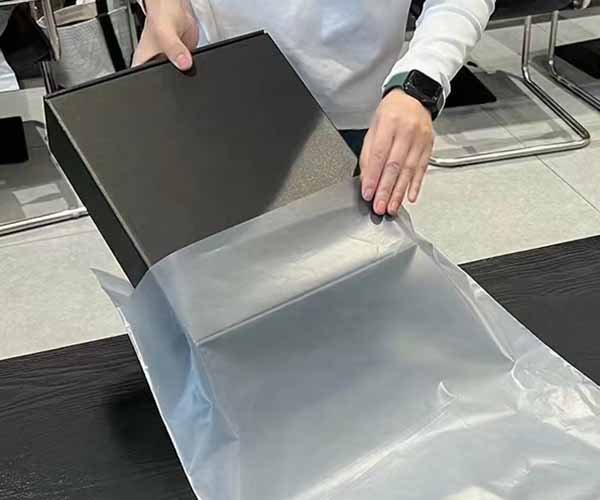
The prototype is packed using the proposed method to assess folding, shape recovery, abrasion, logo protection, hardware contact, polybag size, box fit, and transport volume. Premium hardware or structured products may require extra protective layers.

Protecting Your Prototype and Design Files

Early product information may contain original structures, unreleased branding, launch plans, technical details, and commercial specifications requiring controlled handling.

Project Confidentiality

Files and samples are reviewed for the stated development project. Sensitive design details, launch timing, target price, and internal specifications should be identified before development begins. An NDA can be discussed when formal confidentiality terms are required.

Controlled File Access

Artwork, technical packs, pattern records, branding files, and packaging instructions should be shared only with personnel involved in quotation, development, sourcing, production, inspection, or delivery. File names and version numbers help prevent outdated instructions from returning to production.

Authorized Branding Only

Szoneier does not support counterfeit logos or unauthorized reproduction of protected brands. Reference products may be used to explain materials, construction, dimensions, or desired improvements without copying protected identity elements.

Development Records

Approved patterns, bills of materials, color references, logo files, packaging documents, inspection points, and revision notes can be archived for repeat production. Ownership, transfer, and permitted use of specialized development files should be agreed before project launch. 

Start Small and Scale After Validation

A staged manufacturing plan allows a brand to confirm design, launch with controlled inventory, monitor sales, and expand after reliable market feedback.

Stage 1: Prototype

One or more development samples confirm structure, materials, function, logo, packaging direction, and estimated production cost. The goal is to resolve technical questions before larger material purchasing begins.

Stage 2: Trial Production

Selected projects can start from 200 pieces using available materials, established structures, regular components, straightforward branding, and basic packaging. Trial production helps confirm operations, photography, launch response, and fulfillment processes.

Stage 3: Market Launch

Orders of 500–1,000 pieces can support stronger material purchasing, divided color quantities, branded packaging, retail preparation, Amazon inventory, or a broader launch program. Exact configuration depends on product and component MOQ.

Stage 4: Repeat Growth

After sales data becomes available, repeat orders may expand quantity, colors, sizes, accessories, packaging, and related SKUs. Archived patterns, BOM records, logo files, packaging files, and inspection standards reduce repeated development work.

Controlling Production After Prototype Approval

An approved prototype becomes valuable only when materials, specifications, production steps, quality checks, packaging, and delivery remain controlled during manufacturing.

Order Standard Lock

Production begins after confirming style, quantity, colors, SKU allocation, materials, components, logo, packaging, delivery requirements, and shipping terms.
  • Final approval sample
  • Confirmed quotation
  • Product specification
  • Color and SKU list
  • Packaging files
  • Target delivery plan

Pre-Production Review

Project, sourcing, production, inspection, and packaging requirements are reviewed before material cutting. Special risks such as patterned fabric alignment, custom hardware, load-bearing seams, retail labels, or multi-SKU packing are highlighted.
  • Technical risk points
  • Quality checkpoints
  • Packaging sequence
  • Approval responsibilities
  • Production schedule

Material Inspection

Incoming fabric, lining, foam, webbing, zippers, buckles, metal parts, labels, and packaging materials are checked before use.
  • Material type
  • Color and surface
  • Thickness or weight
  • Defects and contamination
  • Quantity
  • Required documentation

Pre-Production Sample

A pre-production sample uses confirmed materials, components, logo, construction, and packaging details. It provides a final reference before broad cutting and sewing begin.
  • Dimensions
  • Material combination
  • Color
  • Branding
  • Hardware
  • Packing method

Cutting Control

Cutting accuracy affects finished dimensions, shape, seam alignment, print direction, material use, and visual consistency.
  • Pattern version
  • Grain direction
  • Print orientation
  • Matching panels
  • Defect avoidance
  • Bundle identification

Logo and Component Control

Branding and specialized components are checked before full assembly.
  • Logo position
  • Artwork version
  • Color
  • Embroidery density
  • Patch attachment
  • Plating appearance
  • Zipper and buckle model
Approved samples are retained for comparison.

Sewing Process Inspection

Production inspection focuses on construction points where defects are easier to correct before full assembly.
  • Stitch quality
  • Seam allowance
  • Reinforcement
  • Zipper installation
  • Strap attachment
  • Lining fit
  • Shape symmetry
Issues are corrected before the same problem spreads across a larger quantity.

Finished and Packing Inspection

Finished bags are checked for appearance, function, measurements, workmanship, cleanliness, logo, components, and packaging.
  • Product-specific checks
  • Final quantity
  • SKU matching
  • Barcode or FNSKU
  • Polybag or box
  • Carton marks
  • Packing count
Third-party inspection can be coordinated when required.

Shipment Preparation

Carton quantity, dimensions, gross weight, labels, packing list, commercial invoice, shipping marks, destination, and selected transport method are confirmed before release.

  • Express for samples
  • Air freight for urgent launch quantities
  • Sea freight for regular larger orders
  • DDP or FBA delivery subject to route evaluation
  • Split shipment for staged replenishment

Prepare the Product for Its Sales Channel

A prototype should be reviewed together with packaging, identification, fulfillment, presentation, and replenishment requirements for the intended route to market. 

Amazon Programs

  • Amazon projects may require FNSKU matching, polybag warnings, SKU separation, carton labels, carton-size control, gross-weight review, packing lists, first-leg shipping, and replenishment planning.
  • Product structure should also reduce predictable return and review risks.

Shopify and DTC

  • Direct-to-consumer launches often require photo-ready samples, branded inserts, dust bags, tissue paper, thank-you cards, mailer boxes, gift packaging, coordinated colors, and unboxing details.
  • Packing volume should be balanced against presentation value.

Retail Programs

  • Retail preparation may involve barcode labels, hangtags, care labels, retail boxes, master-carton marks, assortment packing, store distribution, inspection requirements, and fixed delivery windows.
  • Packaging should protect the bag without creating unnecessary shelf or transport volume.

Crowdfunding Launches

  • Crowdfunding samples need strong visual presentation and honest functional demonstration.
  • Development should also confirm production materials, cost, MOQ, manufacturing schedule, packaging, freight, and achievable delivery timing before campaign promises are finalized.

Bag Prototype Development Case Studies
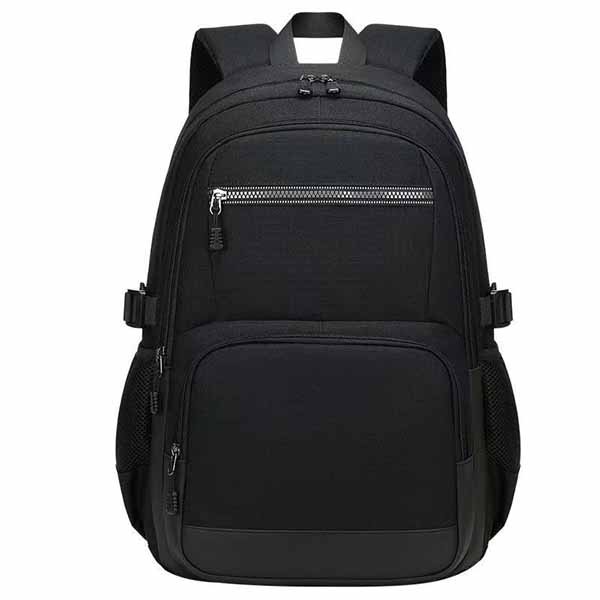
The following anonymous project profiles show realistic development paths from early product information to production orders above 500 pieces.
1. commuter backpack

U.S. Commuter Backpack Launch

Project Profile
  • Market: United States
  • Product: Urban commuter backpack
  • Final size: 46 × 30 × 16 cm
  • First production order: 1,200 pieces
  • Colors: Black and navy, 600 pieces each
  • Main material: 600D recycled polyester
  • Lining: 210D polyester
  • Logo: Molded rubber patch
  • Packaging: Individual polybag with branded hangtag
  • Delivery: DDP to California
Development Challenge

The founder supplied a front sketch, several reference links, laptop dimensions, and a list of functions. No complete technical pack was available. The original concept included eleven pockets, a narrow top opening, an unsupported laptop base, and shoulder straps positioned too close together.

Szoneier Development Work

The first review reduced unnecessary pockets, widened the top zipper path, added bottom clearance under the laptop sleeve, adjusted strap spacing, and introduced an internal reinforcement panel behind both shoulder-strap attachments.

The first prototype required 12 days. Load testing revealed pressure at the upper strap connection and limited access to the front organizer. A second sample was completed in 8 days after enlarging the organizer opening and extending the internal reinforcement area.

Production Control
  • Final pattern and BOM frozen after sample approval
  • Pre-production sample made with confirmed rubber patch
  • First-piece review before regular sewing
  • Strap connections checked during production
  • Finished bags checked for laptop fit, zipper operation, symmetry, and packaging

Bulk production required 32 days after material readiness. The initial 1,200-piece launch moved into a planned follow-up color review after the first sales period.
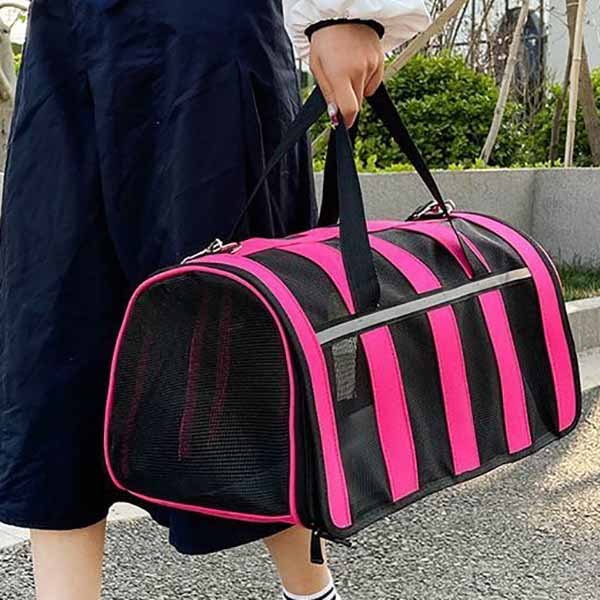
2. pet carrier brand

U.K. Pet Carrier Brand

Project Profile
  • Market: United Kingdom
  • Product: Soft-sided pet carrier
  • Final size: 47 × 30 × 31 cm
  • First production order: 900 pieces
  • Colors: Three colors, 300 pieces each
  • Main material: 600D Oxford fabric
  • Ventilation: Reinforced mesh panels
  • Base: Removable board with washable cover
  • Logo: Woven label
  • Packaging: Folded polybag and master carton
  • Delivery: Sea freight to a U.K. warehouse
Development Challenge

The brand provided a basic technical drawing and dimensions but had not resolved mesh strength, top collapse, base stability, safety-clip position, or the opening sequence. The first structure also created difficult sewing around the upper mesh corners.

Szoneier Development Work

Pattern engineers adjusted the top frame construction, divided the mesh into sewable sections, changed the base-board pocket, relocated the safety clip, and increased the zipper opening for easier pet access.

The first prototype required 18 days because several mesh, board, and zipper options were evaluated. A 9-day revision followed user testing with weighted contents and a pet model.

Production Control
  • Mesh and Oxford fabric inspected before cutting
  • Zipper and safety clip checked by component lot
  • Pre-production sample used as sewing reference
  • Base-board fit checked during assembly
  • Finished carriers checked for ventilation panels, closure operation, shape, and removable-base insertion

Bulk production required 38 days. Three colors were packed separately with clear carton identification to simplify warehouse receiving.
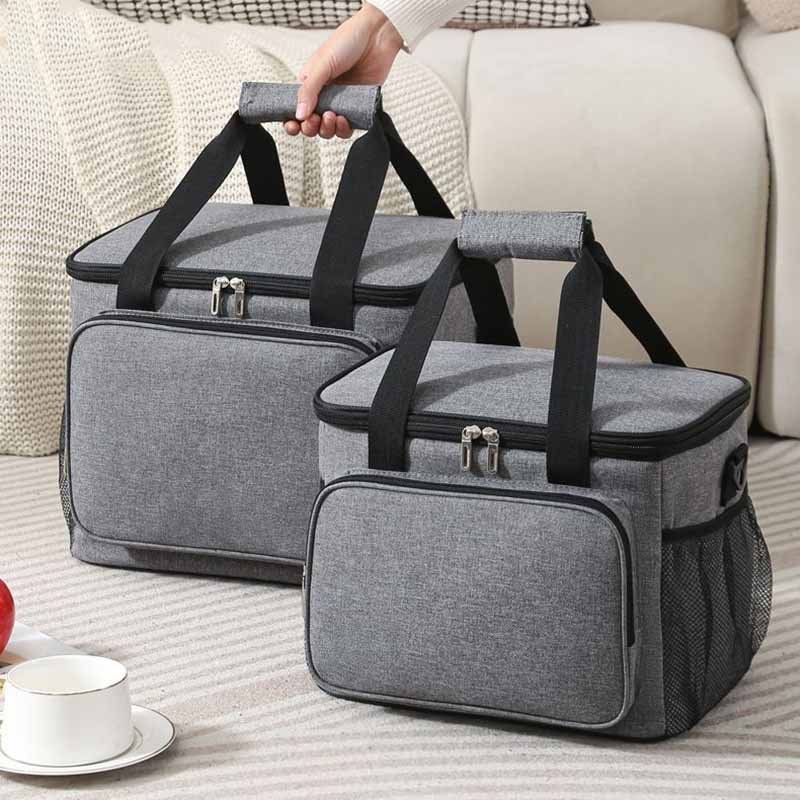
3. outdoor cooler

Australian Outdoor Cooler Program

Project Profile

  • Market: Australia
  • Product: Structured outdoor cooler bag
  • Final size: 33 × 22 × 27 cm
  • First production order: 2,400 pieces
  • Colors: Four colors, 600 pieces each
  • Outer material: 600D Oxford
  • Insulation: PE foam
  • Lining: Heat-cleanable PEVA
  • Logo: Screen-printed front panel
  • Packaging: Individual polybag, barcode label, export carton
  • Delivery: FOB sea shipment

Development Challenge

An established outdoor brand wanted a new cooler model with a wide opening, removable shoulder strap, upright shape, reinforced hand straps, and lower carton volume than an earlier product.

The initial reference bag used thick foam across every panel, creating excessive folded volume and high freight cost.

Szoneier Development Work

The development team redistributed foam thickness according to panel function, changed the side structure, reinforced the handle path, modified the lid zipper, and designed a flatter packing method without permanently deforming the base.

The first prototype required 14 days. A second sample was completed in 7 days after the brand requested a wider shoulder pad and revised front-logo position.

Production Control

  • Foam thickness and PEVA lining checked before assembly
  • Screen-print color approved before the full logo batch
  • Handle reinforcement reviewed during sewing
  • Finished bags checked for zipper movement, shape recovery, lining cleanliness, strap attachment, and barcode placement
  • Carton packing trial completed before final packing

Bulk production required 30 days after all materials were ready. The revised packing configuration reduced unused carton space and supported a more efficient sea shipment.


Bag Prototyping Frequently Asked Questions
Yes. Initial review can begin from a sketch, reference photo, product link, physical sample, dimensions, or written concept. A complete technical pack is not always required for first contact. More detailed information will still be needed before pattern development and accurate quotation.
Simple bags commonly take 3–7 days. Standard pouches, cosmetic bags, lunch bags, and basic backpacks often take 7–12 days. Complex products, custom materials, molded components, special hardware, detailed logos, or advanced packaging may require 12–20 days or longer.
Cost depends on product structure, material, pattern work, logo process, accessories, packaging, tooling, urgency, and courier delivery. Reference ranges begin near USD 50 for simple products and may exceed USD 600 for molded, protective, rolling, or highly structured designs.
Revision scope depends on the project. Measurement, material, pocket, strap, logo, hardware, and packaging changes can be evaluated after the first sample. Every revision should be grouped into one clear list so cost, timing, and pattern changes can be reviewed before work begins.
A reference product can be used to explain dimensions, construction, materials, functions, and desired improvements. Szoneier does not support unauthorized logos, counterfeit branding, or protected design reproduction. Original details should be developed for the new product.
Ownership and permitted use should be confirmed before development. Project-specific patterns, BOM records, artwork, molds, and specialized files may involve development charges or separate agreements. Szoneier can discuss file control and transfer requirements during project review.
Yes. A production-ready approval sample can move into material preparation, pre-production review, pre-production sampling, cutting, logo processing, sewing, inspection, packaging, and shipment. Final production still depends on confirmed quantity, materials, price, and schedule.
MOQ starts from 200 pieces for selected projects using available materials, established structures, regular components, simple branding, and basic packaging. Custom colors, printed fabrics, molded logos, custom hardware, EVA tooling, and specialized packaging may require higher quantities.
NDA requirements can be discussed before sensitive files are shared. The agreement should define confidential information, permitted use, involved entities, project duration, file handling, sample handling, and any exceptions required for sourcing or production.
Yes. Samples can be sent by international courier with tracking. Final cost and transit time depend on package dimensions, weight, destination, customs requirements, and courier service. Photos and videos can be reviewed before dispatch to reduce unnecessary shipment and revision costs.

Start Your Bag Prototype With Szoneier

A useful quotation begins with clear product direction. Send the files and information already available, even when the project is not fully documented. Szoneier will review the concept, identify missing specifications, evaluate material and construction options, and suggest a suitable route from prototype development into production.

For a faster project review, include:
  • Product type and intended use
  • Sketches, photos, links, or technical pack
  • Approximate length, width, height, and capacity
  • Items the bag must carry
  • Preferred material, color, and hand feel
  • Pocket, strap, closure, and hardware requirements
  • Logo artwork and preferred branding method
  • Expected first production quantity
  • Target price range
  • Packaging and sales channel
  • Required sample date
  • Final delivery country
backpack (2)

Ask For A Quick Quote

We will contact you within 24 Hours, please pay attention to the email with the suffix“@szoneier.com”

For all inquiries, please feel free to reach out at:

Ask For A Quick Quote

We will contact you within 24 Hours, please pay attention to the email with the suffix“@szoneier.com”

Contact Us

Send us a message if you have any questions or request a quote. We will be back to you ASAP!

For all inquiries, please feel free to reach out at:

Contact Us

Send us a message if you have any questions or request a quote. We will be back to you ASAP!

Exclusive Offer for First-Time Customers

For first-time customers, we will send you a free color card for you to choose.Once you have confirmed the fabric and color, our factory will make a free sample proofing for you.

For customers who frequently cooperate with us, we will send new color charts free of charge several times a year.

For all inquiries, please feel free to reach out at: