Skip to content
Low Risk Bag Manufacturing Solutions
- Factory-based product review, pattern development, sampling, and sewing production
- MOQ from 200 pieces for selected materials, structures, and branding methods
- Approved samples, BOM records, pre-production checks, and multi-stage quality control
- Retail, Amazon FBA, overseas warehouse, DDP, and multi-address delivery support
Manufacturing Control Backed by Real Capacity
18+ Years Experience
20,000+ m2 Factory System
180+ Team Members
8 Sewing Lines
160+ Production Machines
10+ Controlled Partners
Szoneier works with more than 10 approved satellite manufacturing partners for capacity support and specialized product categories. When a partner factory is used, product files, approved samples, materials, production instructions, quality requirements, packaging standards, communication, and delivery responsibility remain under Szoneier’s project management.
What Low Risk Bag Manufacturing Really Means
Risk Is Controlled Before Major Spending Begins
- Can the proposed structure be sewn consistently?
- Does the material suit the intended load, shape, and selling price?
- Are custom components likely to create higher MOQ or longer lead time?
- Does the logo method suit the material surface?
- Will the packing method protect the shape during international transport?
- Are function claims supported by materials, construction, and testing?
- Is the target delivery date compatible with sampling, purchasing, production, inspection, and freight?
Every Production Stage Requires a Clear Release Point
Risk grows when a project moves forward without a defined approval standard. Szoneier therefore divides development and production into controlled stages rather than treating the order as one continuous activity. A typical release sequence includes:
- Product information review
- Material and accessory direction
- Pattern and prototype development
- Sample inspection
- Brand approval
- BOM and specification confirmation
- Pre-production sample or first-piece verification
- In-process production inspection
- Final product and packing inspection
- Shipment release
Each stage answers a different question. A sample confirms appearance and structure. A BOM confirms what materials and components should be used. A pre-production sample confirms that bulk materials and production methods match the approved direction. In-process checks identify sewing or assembly problems before the entire quantity is completed. Packing inspection confirms SKU, labels, quantities, carton marks, and shipment preparation. A controlled release system makes the project easier to measure, explain, correct, and repeat.
Manufacturing Support for Serious Product Programs
Established Brands
- Multi-SKU development and production
- Material, color, and branding consistency
- Retail, e-commerce, and wholesale packaging
- Quarterly and seasonal replenishment planning
Retailers and Importers
- SKU and barcode control
- Carton marks and packing lists
- Third-party inspection coordination
- Multi-store or distribution-center delivery planning
Amazon Brands
- FNSKU matching
- SKU-separated packing
- FBA carton labels
- Air, sea, DDP, and split replenishment options
Shopify and DTC Brands
- Photo-ready approval samples
- Branded tissue, cards, dust bags, and mailers
- Small-batch launch planning
- Color and product-line expansion
Functional Product Brands
- Structural review before sampling
- Product-specific materials and reinforcements
- Functional inspection points
- Field-use and packaging considerations
Product Development Teams
Design and sourcing teams may begin with a concept drawing, reference sample, incomplete tech pack, or target-price direction. Szoneier helps convert the available information into a sample and production plan while identifying missing specifications.
- Manufacturability review
- Material and construction alternatives
- Pattern development and sample revision
- Cost, MOQ, timing, and production planning
Eight Risks Behind Custom Bag Manufacturing
Product Definition Risk
- Unclear internal dimensions
- Missing tolerance requirements
- Capacity not verified
- Use conditions not translated into structure
Material Risk
- Wrong fabric grade
- Batch color variation
- Coating or odor issues
- Material MOQ not evaluated
Sample Risk
- Sample made from substitute material
- Pattern version not frozen
- Logo trial not recorded
- Packing not evaluated
Cost Risk
- Development fees not separated
- Packaging excluded from early estimates
- Low-volume accessory surcharges
- Landed cost calculated too late
Production Risk
- Cutting variation
- Incorrect seam construction
- Uncontrolled substitutions
- Weak first-piece confirmation
Quality Risk
- Defects hidden inside assembly
- Load points not reinforced
- Zippers or hardware not checked
- Packing errors mixed into finished goods
Delivery Risk
- Freight selected after production
- No time allowed for inspection
- Carton data unavailable
- Warehouse requirements confirmed late
Repeat-Order Risk
A second order may drift from the first when patterns, materials, logo files, packaging, and quality standards are not archived. Replenishment should use controlled records instead of memory.
- Approved materials unavailable
- Old files replaced without review
- Packaging revisions missed
- SKU history not maintained
Risk Control from Idea to Final Delivery
Each stage has a specific purpose. Projects move forward after the relevant product, commercial, and production details are reviewed.
Project Intake
Feasibility Review
Material Planning
Sample Development
Approval and Revision
Specification Lock
Bulk Production
Quality and Packing
Shipment Planning
Review the Project Before Making the Sample
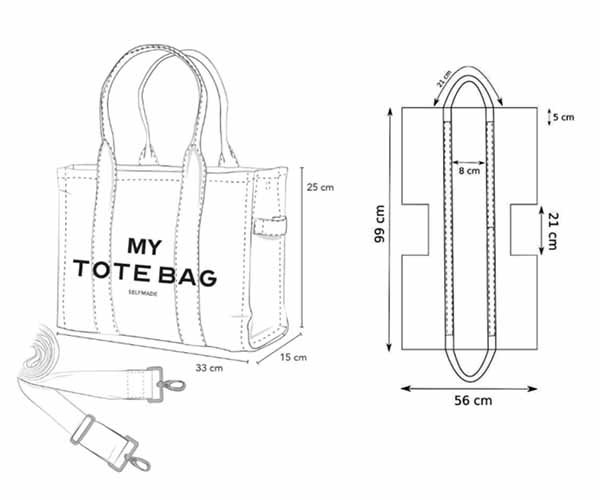
Inputs Accepted by the Development Team
- Front, back, side, interior, and detail views
- Overall and internal dimensions
- Target capacity or device dimensions
- Material preference or hand-feel reference
- Pocket and compartment requirements
- Closure type and access direction
- Handle, strap, or backpack requirements
- Logo artwork and preferred branding method
- Intended order quantity
- Selling channel and destination country
- Target price level
- Packaging and delivery requirements
Manufacturability Review
- Are the sewing curves and panel shapes suitable for stable assembly?
- Can the chosen material hold the required structure?
- Are load-bearing points supported by webbing, reinforcement, or suitable seam construction?
- Does the zipper opening allow the product to function as intended?
- Are pockets large enough for the target items?
- Will the logo remain visible and durable on the chosen surface?
- Are customized components compatible with the order quantity?
- Will packing pressure damage the product shape?
- Does the product require testing before a performance claim is used?
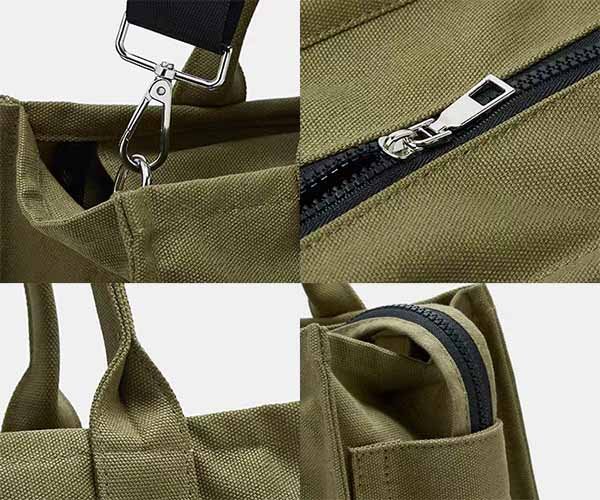
Commercial and Timing Review
A technically possible product may still create commercial risk when the material MOQ, accessory tooling, sample cost, unit cost, packing volume, or delivery timing does not fit the launch plan. Szoneier reviews the relationship among:
- Product configuration
- Order quantity
- Material availability
- Customized color requirements
- Logo tooling
- Packaging design
- Testing requirements
- Production schedule
- Inspection timing
- Freight method
- Target arrival date
A 200-piece trial order may be realistic for a bag using available materials, a mature structure, and a standard logo method. The same quantity may not be realistic when the design requires custom-dyed fabric, molded hardware, jacquard webbing, a complex gift box, and several colors. Early commercial review helps the brand decide whether to simplify the first order, increase quantity, select available materials, or revise the launch schedule.
Risk-Controlled Solutions Across Bag Categories
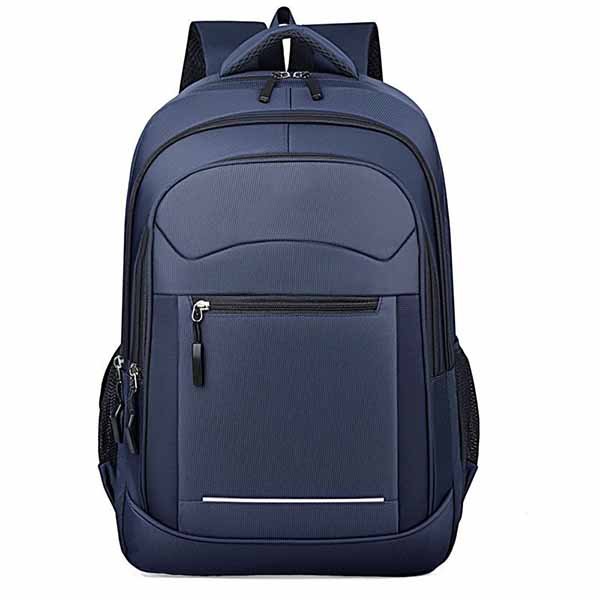
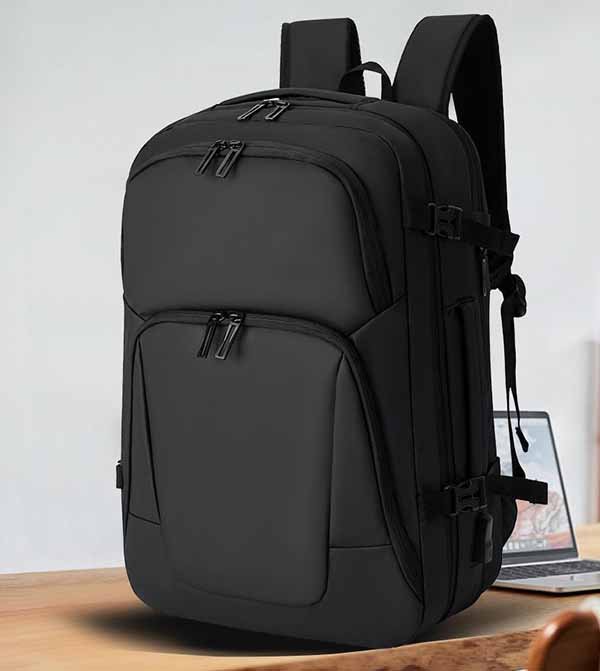
Custom Backpacks
- Reinforced shoulder-strap attachment
- Back-panel and foam evaluation
- Device fit and pocket measurements
- Load-point inspection before packing
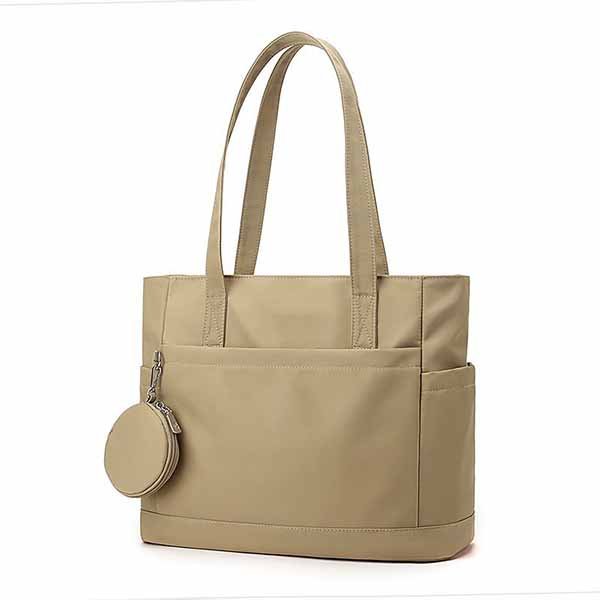
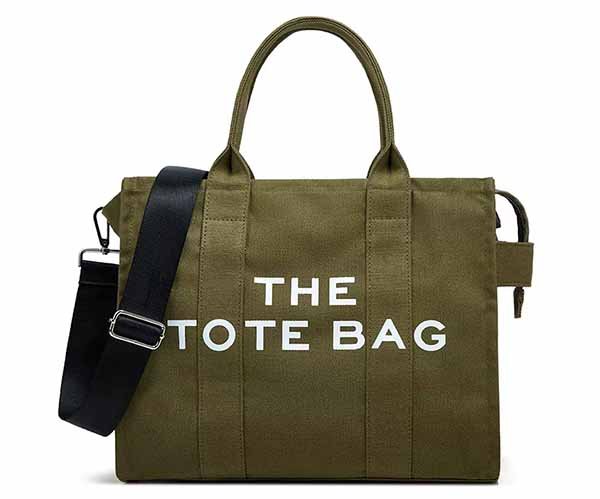
Tote and Shopping Bags
- Fabric weight and shrinkage review
- Handle drop and load direction
- Print placement tolerance
- Bottom and side-seam control
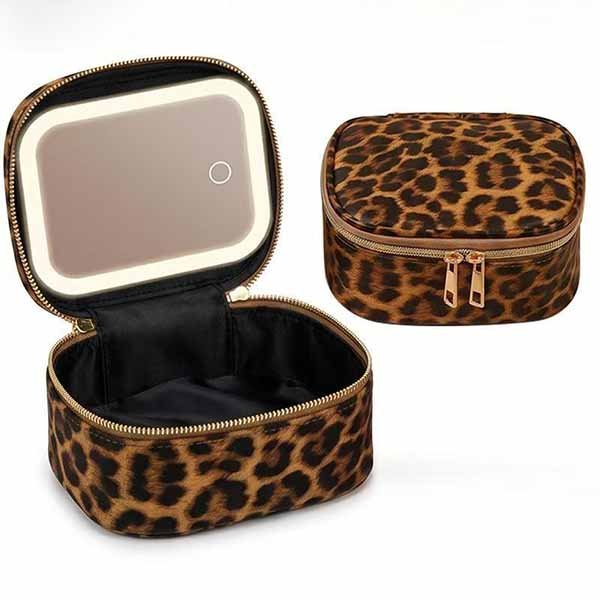
Cosmetic and Makeup Bags
- PU, nylon, canvas, PVC, or velvet options
- Lining and binding control
- Zipper curve and opening checks
- Retail and gift packaging support
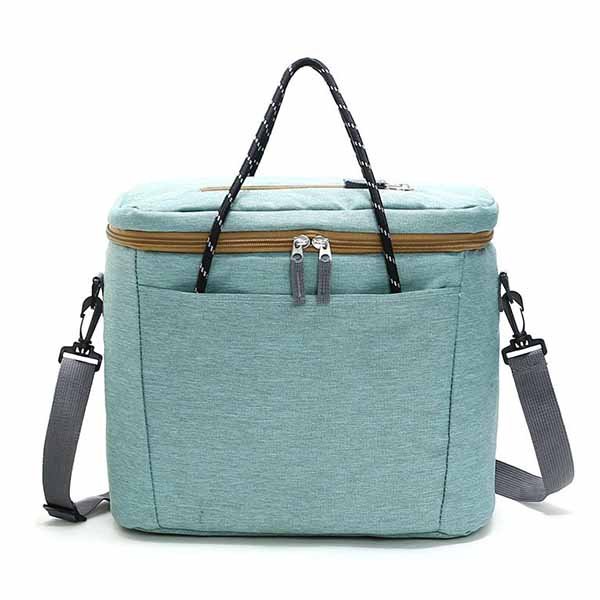
Cooler and Lunch Bags
- Insulation-layer selection
- Lining odor and cleanability review
- Seam, binding, and zipper inspection
- Packing methods that protect shape
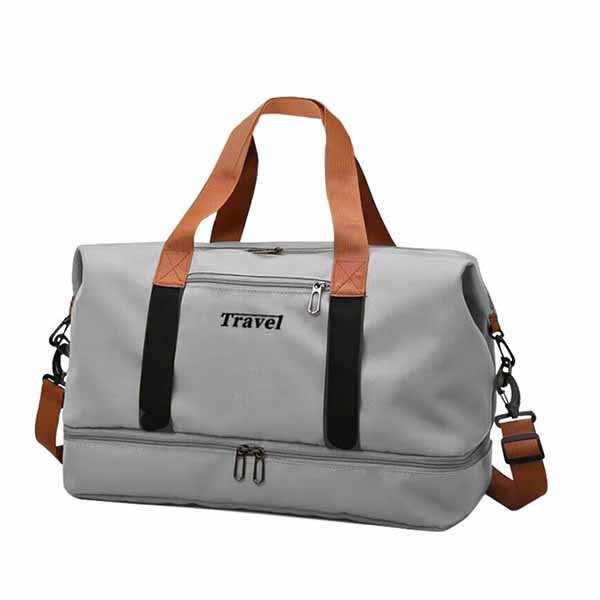
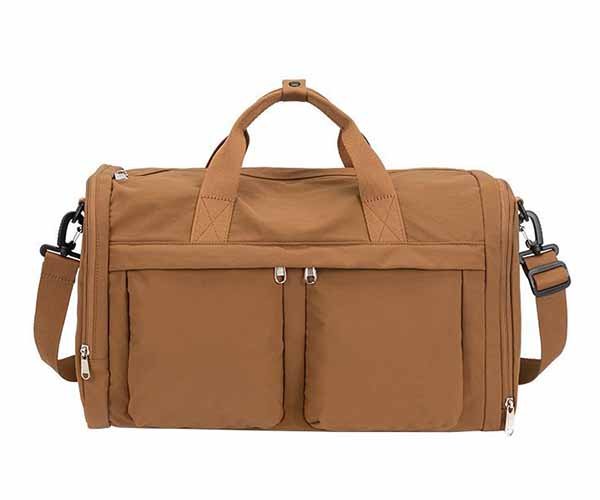
Travel and Duffle Bags
- Webbing path and handle reinforcement
- Shoulder-strap hardware review
- Base-panel support
- Carton-volume planning
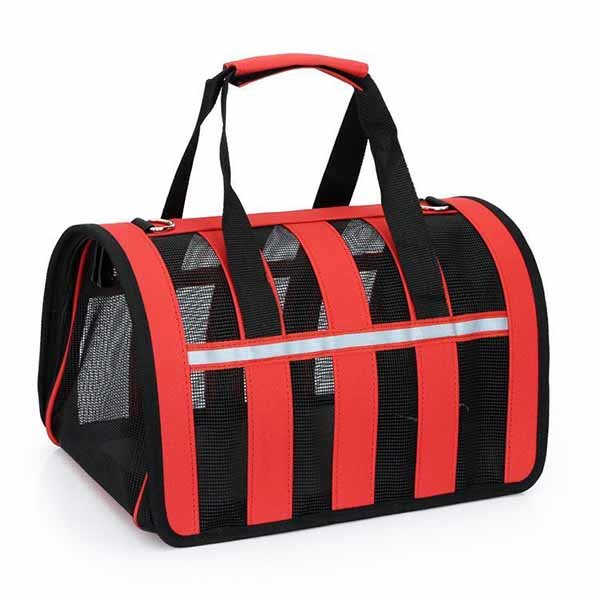
Pet Carrier Bags
- Mesh strength and ventilation
- Bottom-board stiffness
- Safety hardware confirmation
- Deformation control during shipping
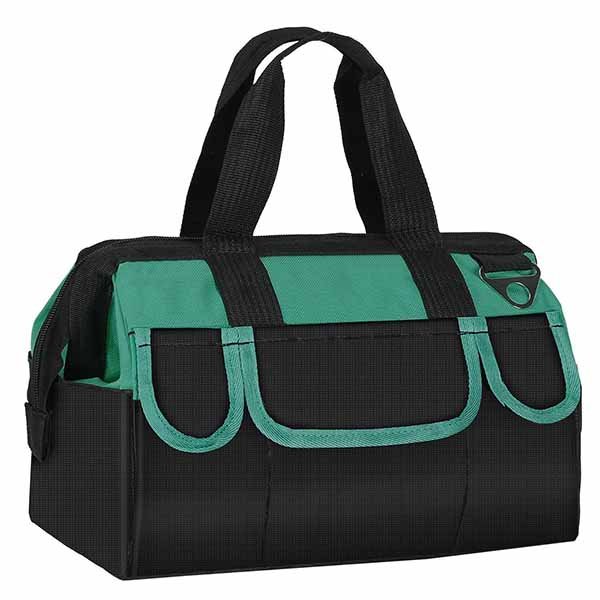
Tool and Medical Bags
- Pocket-size and access verification
- Reinforced load areas
- Divider and insert stability
- Product-specific inspection plans
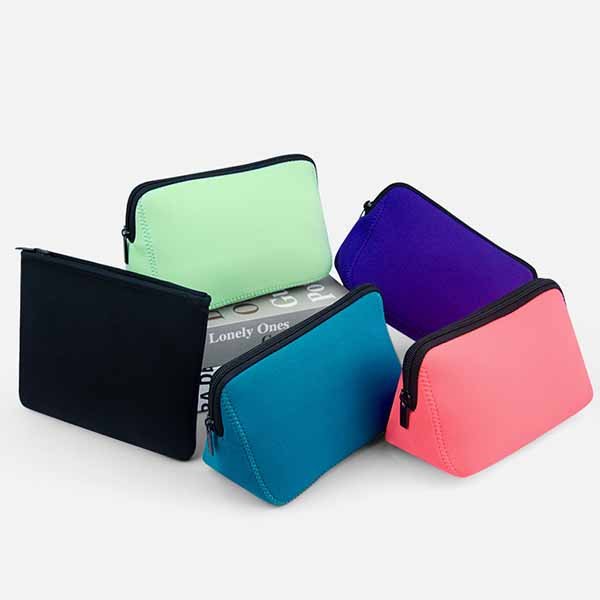
Neoprene Products
- Bottle holders and koozies
- Laptop and device sleeves
- Lunch bags and soft covers
- Sublimation, binding, and seam control
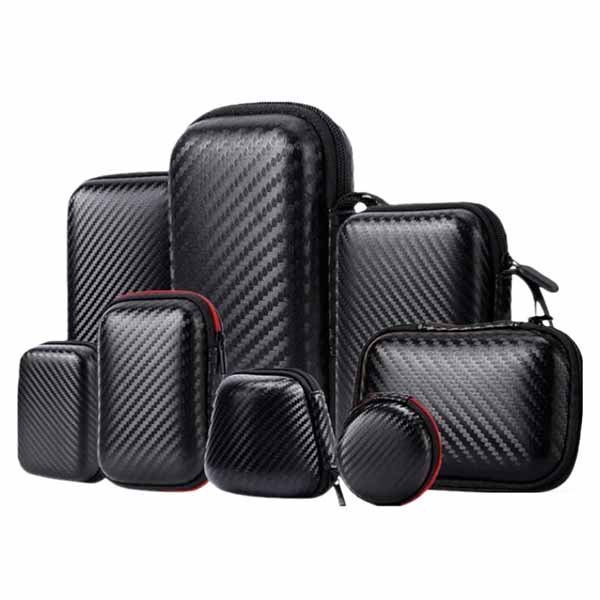
EVA Protective Cases
- Mold and tooling evaluation
- Product-to-case fit verification
- Shell and edge consistency
- Internal insert and zipper control
Common Planning Ranges by Product Type
The following ranges support early planning. Final dimensions, sample time, MOQ, and production schedule depend on materials, structure, branding, packing, and order quantity.
| Product Category | Common Size or Capacity Range | Typical Sample Time | Typical Bulk Lead Time | Main Risk Checks |
|---|---|---|---|---|
| Tote / Drawstring Bag | 30 × 35 cm to 45 × 40 cm | 3–7 days | 20–35 days | Fabric weight, handle position, printing, seams |
| Pouch / Cosmetic Bag | 18 × 10 × 8 cm to 28 × 18 × 12 cm | 7–12 days | 25–40 days | Shape, zipper, lining, surface finish, logo |
| Cooler / Lunch Bag | 6–30 L | 7–15 days | 30–45 days | Foam, lining, odor, seams, insulation structure |
| Backpack / Duffle Bag | 18–60 L | 12–20 days | 35–50 days | Straps, load points, compartments, hardware |
| Pet / Tool / Medical Bag | Custom by use | 12–20+ days | 40–60 days | Safety, reinforcement, access, functional layout |
| EVA / Molded Case | Custom to device | 15–25+ days | 45–60+ days | Mold accuracy, hardness, fit, zipper, inserts |
Planning Note:
Simple samples may take approximately 3–7 days, standard samples approximately 7–12 days, and complex structures approximately 12–20 days or more. New molds, special materials, custom-dyed fabrics, complex branding, or packaging development may extend the schedule.
Materials Selected for Function, Cost, and Stability
Material selection affects appearance, hand feel, structure, abrasion resistance, water behavior, sewing difficulty, shipping weight, MOQ, and long-term product performance.
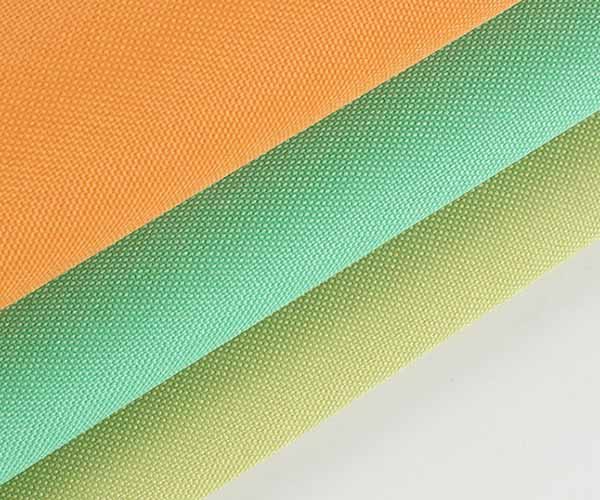
Polyester
- Broad sourcing availability
- Good printing flexibility
- Suitable for many price levels
- Coating and hand feel require approval
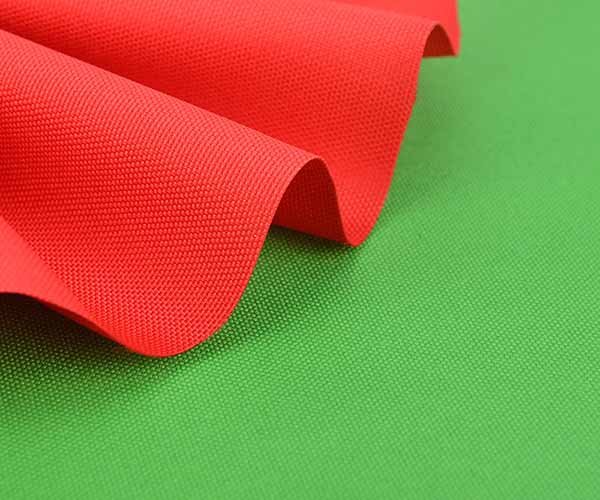
Nylon
- Lightweight and strong
- Suitable for premium technical designs
- Available in several deniers
- Heat and coating behavior must be controlled
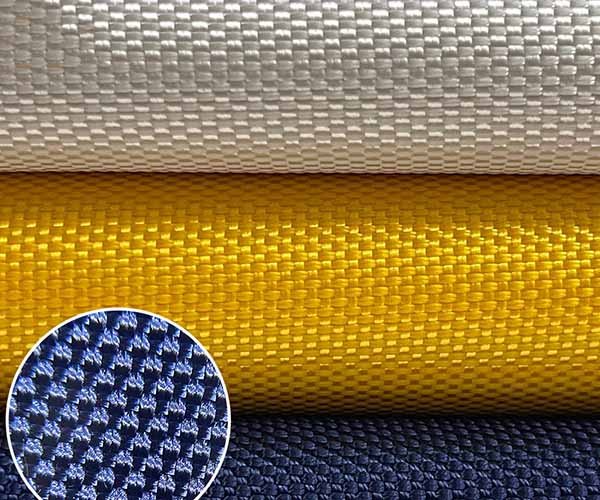
Oxford Fabric
- Stable structural appearance
- Good balance of cost and durability
- Suitable for coating and lamination
- Exact specification must be confirmed
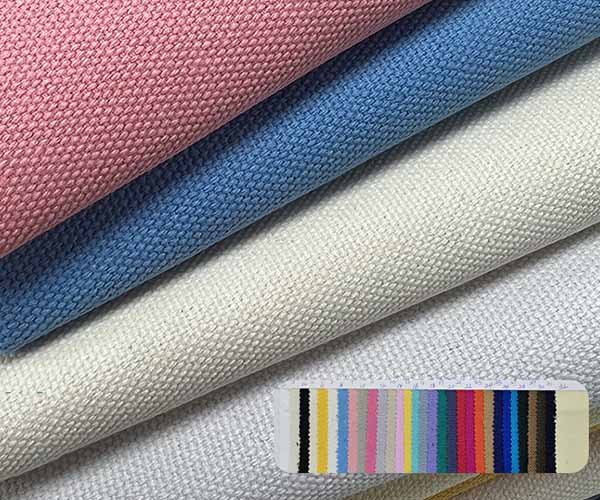
Canvas
- Natural visual character
- Suitable for embroidery and patches
- Several weight levels available
- Shrinkage and dye variation require review
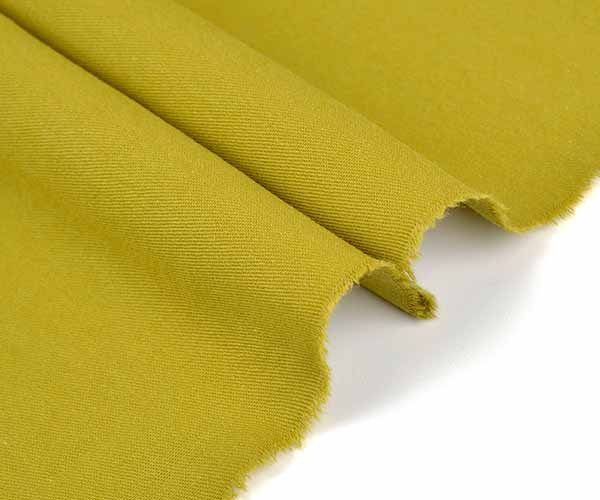
Cotton
- Soft natural surface
- Good for printing and woven labels
- Suitable for retail and promotional programs
- Washing and shrinkage must be considered
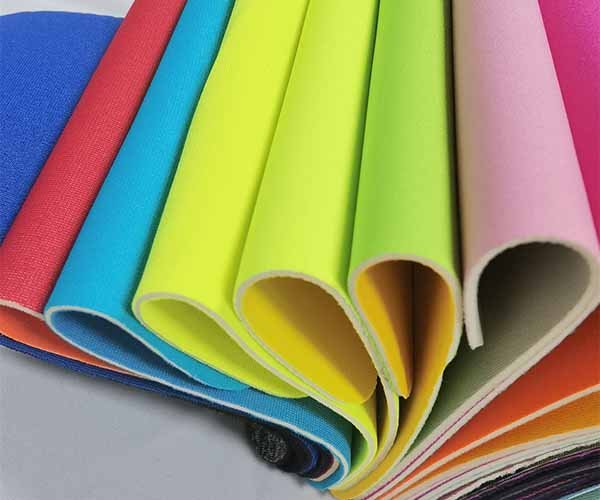
Neoprene
- Soft impact protection
- Supports sublimation printing
- Thickness affects structure and cost
- Lamination, smell, cutting, and binding need control
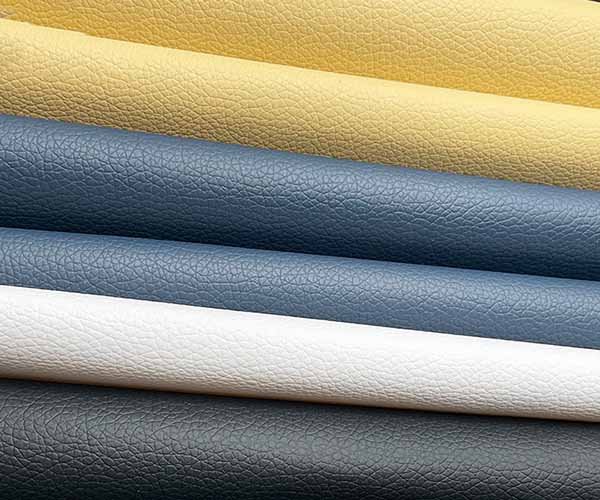
PU Leather
- Consistent visual appearance
- Broad color and texture options
- Suitable for embossing and metal logos
- Grade selection affects durability
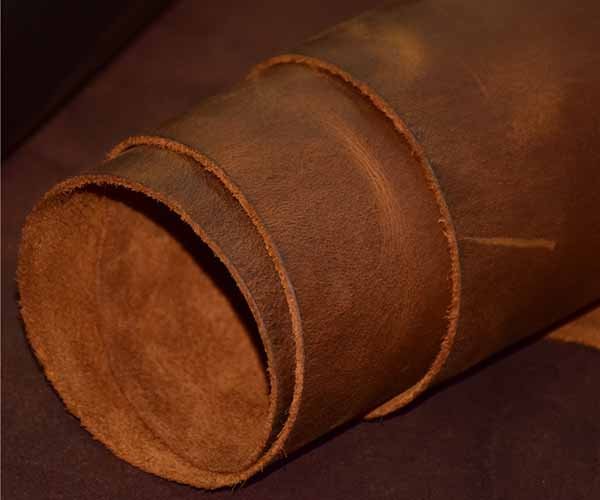
Genuine Leather
- Premium brand positioning
- Suitable for embossing and foil stamping
- Natural variation adds character
- Hide selection and cutting yield affect cost

PVC
- Transparent and wipe-clean options
- Suitable for color and print effects
- Thickness affects structure
- Temperature and surface marks require review
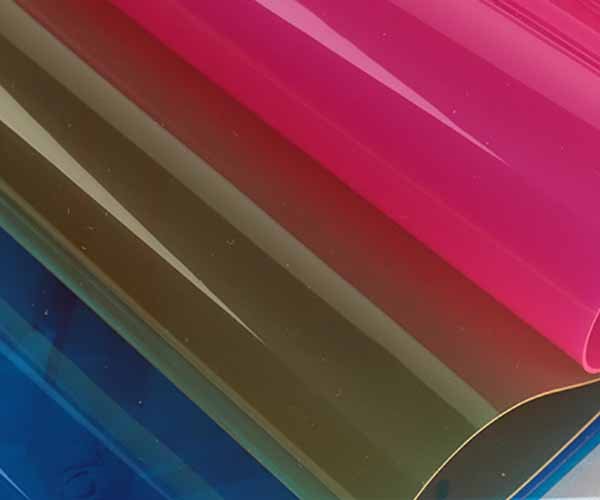
TPU
- Soft and flexible appearance
- Suitable for premium transparent products
- Better low-temperature flexibility than basic PVC
- Processing method requires early confirmation
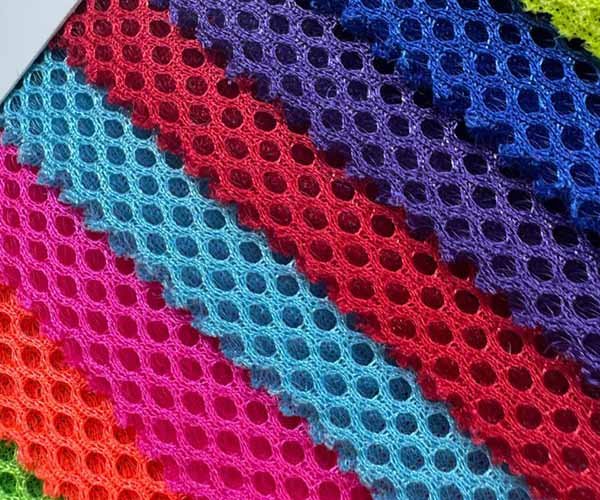
Mesh
- Ventilation and visibility
- Lightweight structure
- Several strength levels available
- Edges and load points need reinforcement
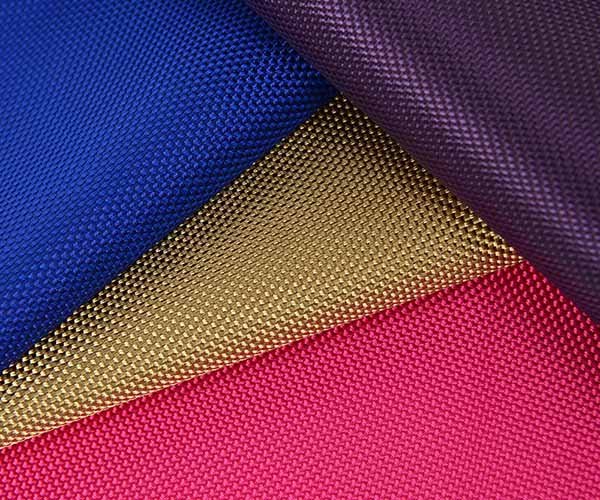
RPET and Specialty Fabrics
- Supports defined market requirements
- Documentation depends on supplier and batch
- MOQ may be higher than standard fabrics
- Claims must match material and finished-product testing
Control Materials Before They Enter Production
Turn General Material Names into Measurable Specifications
Depending on the product, the material record may include:
- Fiber or material type
- Denier or yarn specification
- Fabric weight
- Weave or knitted construction
- Surface texture
- Coating or lamination
- Thickness
- Color reference
- Water-repellent treatment
- Backing material
- Supplier reference
- Approved hand feel
- Testing or documentation requirements
Szoneier uses swatches, supplier specifications, sample testing, and approved physical references to convert general descriptions into a usable production direction.
Build the Complete Material System
A structured backpack may use:
- Nylon or polyester outer fabric
- Polyester lining
- PE foam or EVA foam
- Webbing reinforcement
- Mesh back-panel material
- Zippers and pullers
- Buckles and adjusters
- Plastic or PE board support
- Binding tape
- Woven labels
- Protective packing inserts
Material planning therefore considers the complete construction rather than selecting each component independently.
Incoming Material and Batch Control
Materials are checked before cutting according to the requirements of the order. Inspection scope may include:
- Material name and supplier reference
- Color comparison
- Width, weight, or thickness
- Surface defects
- Coating or backing
- Hand feel and stiffness
- Odor
- Print or pattern direction
- Batch consistency
- Zipper, hardware, and webbing specifications
- Relevant supplier documents
Material problems discovered after cutting can affect the entire production schedule. Incoming inspection creates an earlier correction point.
For repeat orders, archived material information helps identify whether the original specification remains available or whether a proposed replacement requires new approval. Any replacement affecting appearance, cost, performance, or production should be confirmed before use.
Validate the Product Before Committing to Bulk
Requirement Review
- Confirm intended use
- Confirm required views and measurements
- List missing specifications
- Define first-sample objectives
Material Confirmation
- Compare color and hand feel
- Review cost and MOQ
- Confirm temporary sample materials
- Record final material requirements
Pattern Making
- Establish panel dimensions
- Plan seam construction
- Confirm assembly order
- Identify difficult sewing areas
Sample Cutting
- Check pattern version
- Mark orientation and matching points
- Prepare reinforcement pieces
- Separate sample components
Sample Sewing
- Verify assembly sequence
- Evaluate seam accessibility
- Check machine suitability
- Record production concerns
Internal Inspection
- Measurement check
- Visual and workmanship review
- Function check
- Issue list and correction decision
Photo and Video Review
- Exterior and interior views
- Detail close-ups
- Opening and function video
- Measurement reference images
Sample Shipping
- Confirm recipient information
- Prepare packing protection
- Share tracking details
- Record shipped sample version
Revision and Approval
Revision comments are organized by material, dimensions, structure, logo, hardware, workmanship, and packaging. Changes affecting price, MOQ, tooling, or schedule are reviewed before the next version is made.
- Maintain revision history
- Confirm changed measurements
- Recheck material implications
- Approve final reference sample
Lock the Standard Before Bulk Production
Approved Sample and Pattern Version
- Overall dimensions
- Pocket position
- Zipper length
- Gusset width
- Handle placement
- Strap angle
- Seam allowance
- Product capacity
- Final shape
BOM and Production Records
- Outer fabric and color
- Lining
- Foam and reinforcement
- Webbing and binding
- Zipper tape, slider, and puller
- Buckles, hooks, rings, and adjusters
- Thread
- Labels and branding components
- Bottom board or inserts
- Packaging materials
- Carton requirements
- Key dimensions and tolerances
- Pattern version
- Logo artwork and position
- Packaging artwork
- Barcode or FNSKU information
- SKU table
- Inspection checkpoints
- Special sewing instructions
Change Control and Pre-Production Confirmation
Changes after sample approval are evaluated before implementation. A change in fabric, color, zipper, hardware, logo, size, pocket layout, packing, or quantity can affect cost, MOQ, tooling, timing, quality, and freight. Every proposed change should answer:
- What is changing?
- Why is the change required?
- Does the price change?
- Does MOQ change?
- Does the schedule change?
- Is a new sample required?
- Does testing need to be repeated?
- Which files must be updated?
For suitable projects, a pre-production sample or first-piece confirmation is made using bulk materials. It verifies material batch, color, accessories, logo, dimensions, construction, and packaging before full production proceeds.
Branding Methods Matched to Materials and Channels
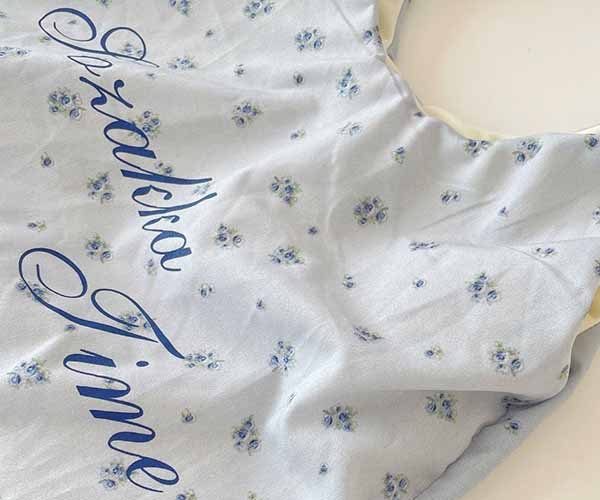
Screen Printing
- Suitable for simple solid-color artwork
- Cost-efficient at suitable quantities
- Requires color and adhesion approval
- Fine details depend on fabric surface
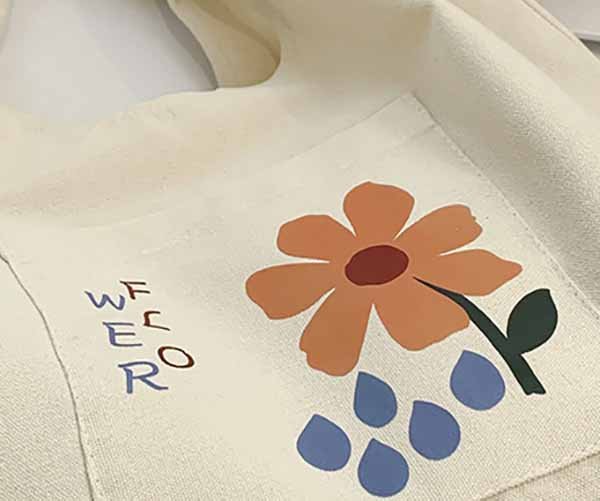
Heat Transfer
- Good detail and color range
- Useful for smaller logo quantities
- Surface and heat compatibility required
- Edges and adhesion should be checked
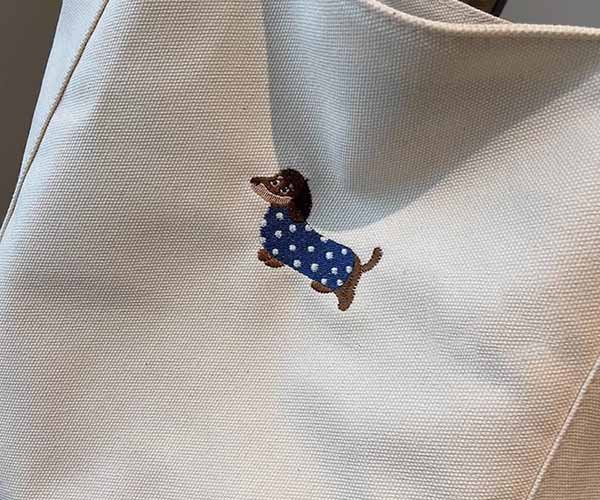
Embroidery
- Strong visual texture
- Suitable for lifestyle and premium programs
- Small text may require artwork adjustment
- Thin materials may need backing
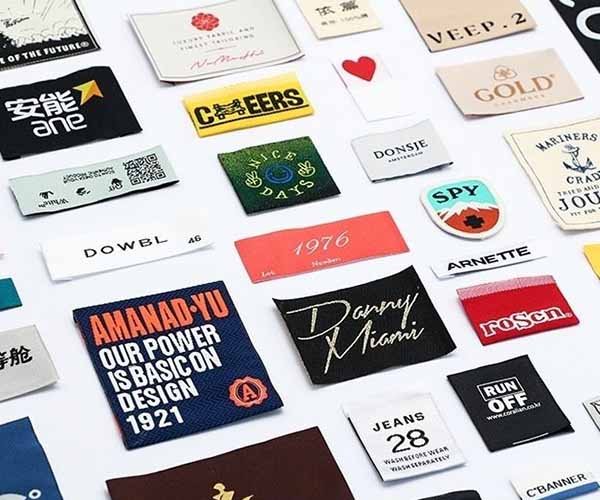
Woven Labels
- Suitable for most bag materials
- Good repeat-order consistency
- Supports small text better than embroidery
- Label size and fold style require approval
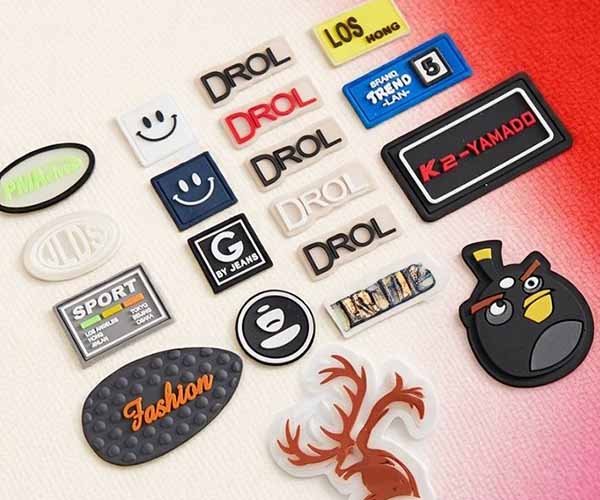
Rubber or Silicone Patches
- Strong technical appearance
- Several shapes and colors available
- Mold or setup cost may apply
- Attachment method must suit the product
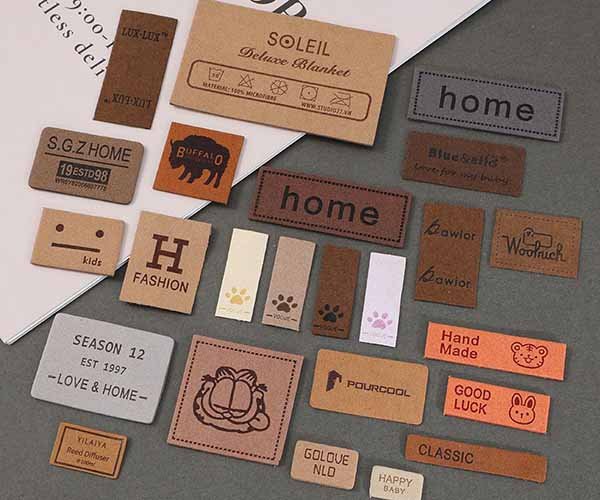
Leather Patches
- Natural or premium visual effect
- Suitable for understated branding
- Material thickness affects sewing
- Color and grain require approval
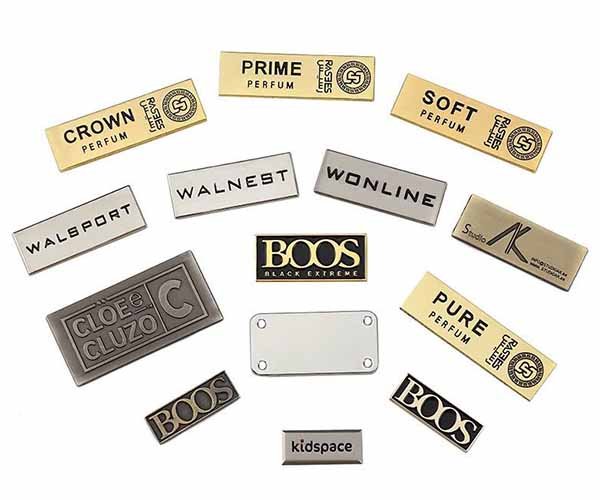
Metal Logo Plates
- Premium brand presentation
- Several plating finishes available
- Mold and minimum quantity may apply
- Attachment points need reinforcement
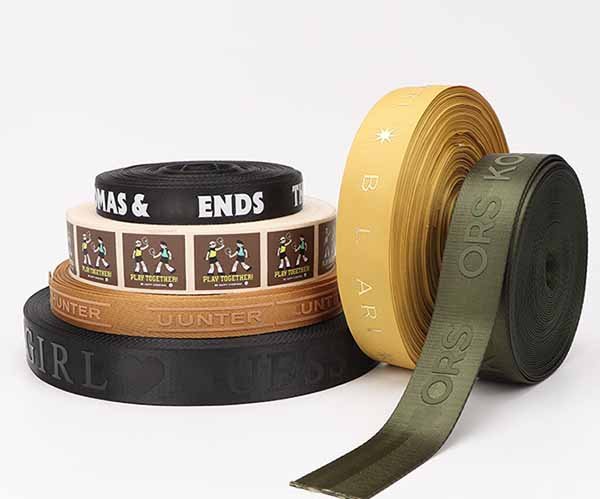
Jacquard Logo Webbing
- Repeating brand visibility
- Durable woven construction
- Width and yarn colors must be confirmed
- Material MOQ can affect first orders
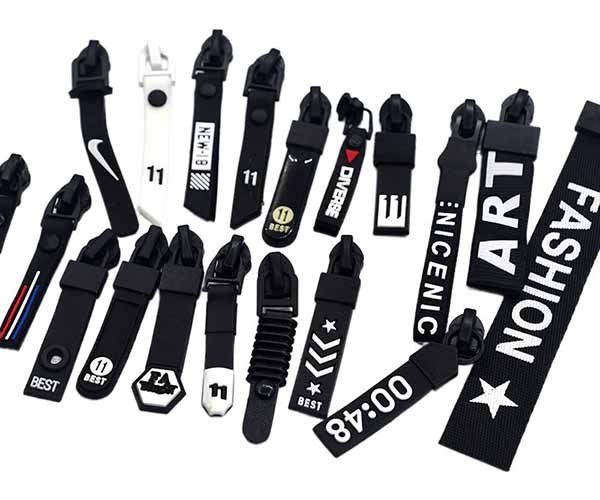
Custom Zipper Pullers
Custom zipper pullers add branding to a functional component. Options include molded rubber, silicone, metal, leather, fabric, or cord pullers.
- Branding remains visible during use
- Suitable for product-line consistency
- Mold or tooling may be required
- Weight and size must match the zipper
Select Branding by Material and Positioning
Logo methods should be compared by surface compatibility, visual effect, durability, setup requirements, and production stability.
| Branding Method | Suitable Materials | Best Use | Main Strength | Risk to Confirm |
|---|---|---|---|---|
| Screen Printing | Cotton, canvas, polyester, nonwoven | Promotional and retail bags | Cost-efficient solid graphics | Ink adhesion, fine detail, curing |
| Heat Transfer | Polyester, nylon, canvas | Detailed multi-color artwork | Strong color and detail | Heat compatibility and edge adhesion |
| Embroidery | Canvas, cotton, polyester, nylon | Lifestyle and premium collections | Durable dimensional finish | Stitch count and fabric distortion |
| Woven Label | Most sewn materials | Internal or external branding | Stable repeat production | Label size, fold, sewing position |
| Rubber / Silicone Patch | Polyester, nylon, TPU-style products | Outdoor and sports products | Technical appearance | Mold cost and attachment |
| Leather Patch | Canvas, cotton, leather, PU | Lifestyle and premium products | Natural branded finish | Thickness, color, edge treatment |
| Metal Plate | PU, leather, cosmetic and fashion bags | Premium presentation | High-end visual effect | Plating, attachment, corrosion |
| Jacquard Webbing | Handles, straps, trims | Sports, travel, fashion | Repeated visible branding | Material MOQ and yarn colors |
| Custom Puller | Most zipper bags | Product-line branding | Functional brand detail | Tooling, weight, zipper compatibility |
Start Smaller Without Ignoring Production Reality
Selected projects can begin at 200 pieces, allowing a brand to verify the product, supply relationship, packaging, and market response before expanding the program.
Validate the Sample
- Review physical appearance and function
- Confirm the approved sample
- Record revisions and specifications
- Identify bulk-production checkpoints
Plan a 200-Piece Trial
- Suitable for selected standard products
- Useful for one-SKU launch tests
- Lower initial inventory exposure
- Exact MOQ confirmed after specification review
Test the Sales Channel
- Amazon listing and review feedback
- Shopify unboxing experience
- Retail display and barcode checks
- Real freight and landed-cost data
Scale with Records
- Repeat production without restarting development
- Add colors or related SKUs
- Plan larger material purchases
- Improve cost and production efficiency
Know What Changes the Cost Before Sampling
A reliable quotation explains the variables behind the amount. Product price, development cost, packaging, inspection, and freight should not be mixed into an unclear single figure.
| Cost Factor | What It Changes | Common Risk | Confirmation Method |
| Size and Capacity | Fabric use, zipper length, foam, webbing, carton volume | Price estimated from appearance alone | Dimensioned drawing or sample |
| Material Grade | Hand feel, structure, durability, weight, unit price | General material name hides quality differences | Swatch and specification approval |
| Product Structure | Cutting pieces, sewing time, machines, inspection points | Complex design quoted as a simple bag | Pattern and construction review |
| Pockets and Compartments | Materials, zippers, binding, labor, assembly | Internal complexity omitted from early quote | Interior views and pocket measurements |
| Zippers and Hardware | Appearance, function, load, tooling, lead time | Custom parts added after quotation | BOM and supplier confirmation |
| Logo Method | Setup, mold, stitch count, printing, unit cost | Artwork not evaluated for selected material | Logo trial and artwork review |
| Packaging | Polybag, hangtag, barcode, mailer, dust bag, gift box | Landed cost and carton volume calculated late | Packaging specification |
| Quantity and MOQ | Material purchasing, setup allocation, production efficiency | Trial-order price compared with bulk price | Quantity-tier quotation |
| Testing and Inspection | Laboratory fees, sample quantities, third-party inspection | Compliance budget omitted | Market and test-scope review |
| Freight and Delivery | Express, air, sea, DDP, FBA, multi-address delivery | Unit price considered without landed cost | Carton estimate and destination details |
Bulk Production Follows a Controlled Release Process
Order Confirmation
- Confirm order quantities
- Confirm SKU and color split
- Confirm commercial terms
- Confirm required delivery date
Pre-Production Meeting
- Align departments before production
- Highlight high-risk operations
- Confirm special tools or machines
- Record production instructions
Material Purchasing
- Match approved specification
- Track expected arrival date
- Confirm supplier batch
- Escalate material delays early
Incoming Inspection
- Prevent incorrect material use
- Identify batch differences
- Separate nonconforming items
- Record approved substitutions
Cutting Control
- Confirm correct pattern version
- Reduce dimensional variation
- Avoid reversed material direction
- Control cut-piece quantities
Logo Processing
- Compare against approved artwork
- Check logo position
- Verify color and finish
- Separate rejected pieces
Sewing and Assembly
- Confirm machine and seam type
- Check load-bearing construction
- Monitor shape and dimensions
- Correct process issues early
Final Inspection
- Final appearance review
- Function and component checks
- Quantity and SKU verification
- Defect classification and disposition
Packing and Shipment Release
Individual packing, labels, barcodes, FNSKU, hangtags, SKU separation, carton quantity, carton marks, gross weight, and shipping documents are reviewed before release.
- Prevent label and SKU errors
- Confirm carton information
- Protect product shape
- Release only after packing review
Production Control Beyond a Final Inspection
Pre-Production Alignment
- Approved sample identification
- Pattern version
- BOM and material references
- Key measurements and tolerances
- Logo artwork and position
- Zipper, webbing, hardware, and reinforcement
- Special sewing methods
- Workmanship priorities
- Packaging and labeling
- SKU and carton requirements
- Required tests or inspection standards
- Target production and inspection dates
First-Piece and In-Process Control
- Dimensions
- Panel alignment
- Seam allowance
- Stitching and reinforcement
- Zipper installation
- Handle and strap position
- Pocket and divider placement
- Logo position
- Product shape
- Assembly efficiency
Exception Reporting and Corrective Action
Manufacturing problems should be reported with enough information for a decision. A useful exception report explains:
- What happened
- Which SKU or quantity is affected
- Where the issue was found
- Whether production has stopped
- Likely cause
- Proposed correction
- Effect on cost or schedule
- Whether brand approval is required
Examples include material color difference, delayed customized hardware, logo-position error, seam puckering, zipper compatibility, packaging artwork delay, or an inspection result outside the agreed tolerance. Szoneier avoids hiding a known issue until shipment. The preferred sequence is to identify, contain, analyze, correct, verify, and update the production record.
Clear Milestones Reduce Communication Risk
Quotation Milestone
- Clear product basis
- Separate development charges
- Quantity and MOQ conditions
- Validity and exclusions
Sample Milestone
- Current sample status
- Pending brand decisions
- Revised completion estimate
- Physical sample version
Material Milestone
- Main fabric status
- Customized accessory status
- Packaging-material status
- Production-impact assessment
Production Milestone
- Current production stage
- Quantity completed
- Issues under control
- Next scheduled stage
Inspection Milestone
- Internal or third-party inspection
- Defect summary
- Rework and recheck
- Shipment-release status
Shipment Milestone
Shipment updates cover cartons, final measurements, gross weight, booking, loading, shipping documents, tracking, customs information, and estimated delivery.
- Confirmed freight method
- Departure and arrival information
- Warehouse or FBA reference
- Delivery tracking
Quality Checks Before Problems Reach the Warehouse
Szoneier’s 12-person quality team covers incoming, in-process, final, and outgoing inspection stages. Inspection details are adjusted around product risk.
Material Inspection
- Color and surface
- Thickness, weight, or size
- Supplier and batch
- Visible defects and odor
Accessory Inspection
- Operation and matching
- Plating or surface quality
- Logo and mold detail
- Quantity and specification
Pre-Production Check
- Confirm bulk material batch
- Confirm production construction
- Confirm logo result
- Confirm packing direction
Cutting Inspection
- Pattern accuracy
- Material direction
- Layer and cut quality
- Piece identification
Sewing Inspection
- Stitching and seam construction
- Load-bearing areas
- Shape and alignment
- Workmanship correction
Semi-Finished Inspection
- Hidden construction
- Internal reinforcement
- Component placement
- Assembly sequence
Final Product Inspection
- Measurement and tolerance
- Visual defects
- Function and fit
- Logo and component accuracy
Packing Inspection
- Label matching
- Product protection
- SKU and quantity
- Packing appearance
Outgoing Inspection
- Carton identity
- Shipment quantity
- Document consistency
- Release authorization
Testing Must Match the Product’s Real Use
A general inspection cannot verify every functional claim. Testing scope should reflect the material, structure, expected load, environment, target market, and product statement.
Load and Handle Checks
- Static or repeated-load direction
- Attachment-point inspection
- Webbing and seam review
- Deformation or failure observation
Zipper and Hardware Checks
- Smooth opening and closing
- Correct component size
- Attachment security
- Surface and finish quality
Seam and Strap Checks
- Seam integrity
- Reinforcement placement
- Strap-length consistency
- Edge and binding finish
Water-Resistance Checks
- Material surface behavior
- Zipper and opening exposure
- Seam construction
- Product-level claim review
Insulation and Lining Checks
- Foam type and thickness
- Lining material
- Seam and closure design
- Use-condition definition
Product-Specific Validation
- Mesh and safety clips for pet carriers
- Divider and access checks for medical bags
- Load and abrasion checks for tool bags
- Fit and protection checks for equipment cases
Packaging Is Part of Manufacturing Control
Packing protects the product, carries brand information, controls warehouse handling, and affects landed cost. Packaging decisions should begin before production finishes.
Individual Packing
- Protect against dust and abrasion
- Control folded shape
- Confirm warning requirements
- Reduce unnecessary volume
Retail Presentation
- Match shelf or display method
- Confirm barcode placement
- Protect logo and surface
- Review packing labor and cost
Amazon Preparation
- Match FNSKU to SKU
- Check label scan quality
- Separate colors and sizes
- Confirm carton information
DTC Brand Packaging
- Support branded unboxing
- Protect product during parcel delivery
- Control parcel dimensions
- Create repeatable packing instructions
Carton Control
- Prevent under- or over-packing
- Protect product structure
- Improve freight estimation
- Support warehouse receiving
Split and Multi-Address Delivery
- Separate packing lists
- Address-specific labels
- Carton allocation records
- Coordinated release schedule
See the Manufacturing System Behind the Process
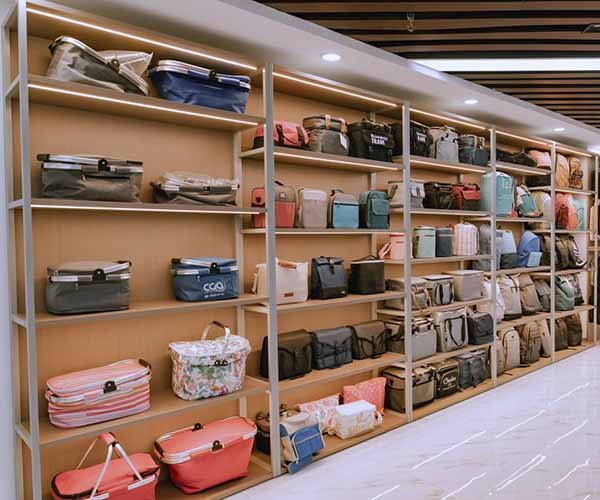
Sample Room
- Early-stage development
- Material and component review
- Sample-version management
- Photo and video confirmation
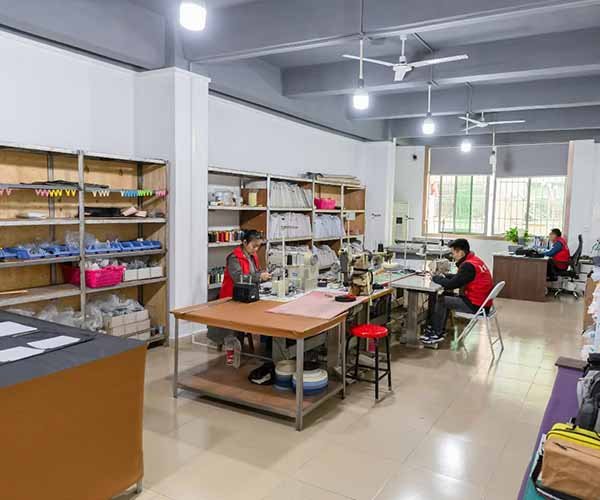
Pattern Workshop
- Pattern creation and adjustment
- Prototype sewing
- Construction review
- Approved-sample preparation
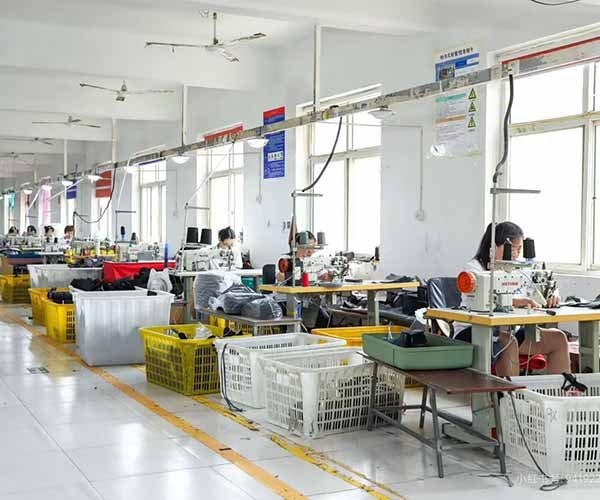
Cutting and Sewing
- Multi-product scheduling
- Thick and standard material handling
- Reinforcement and binding
- Bulk-production execution
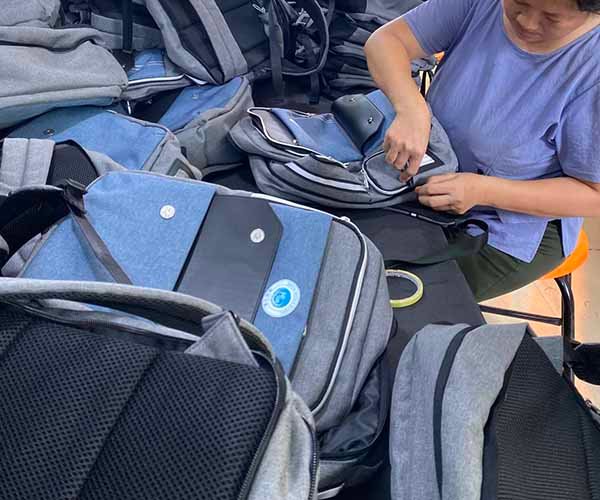
Quality Inspection
- IQC material inspection
- IPQC process inspection
- FQC finished-product inspection
- OQC packing inspection
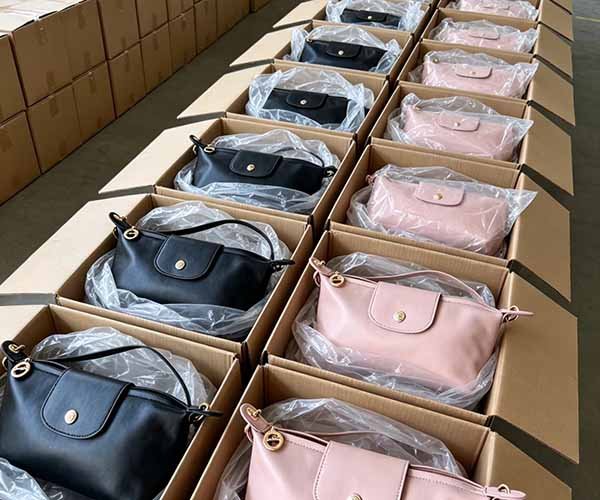
Packing and Warehousing
- SKU and label control
- Carton and packing-list review
- Finished-goods storage
- Shipment preparation
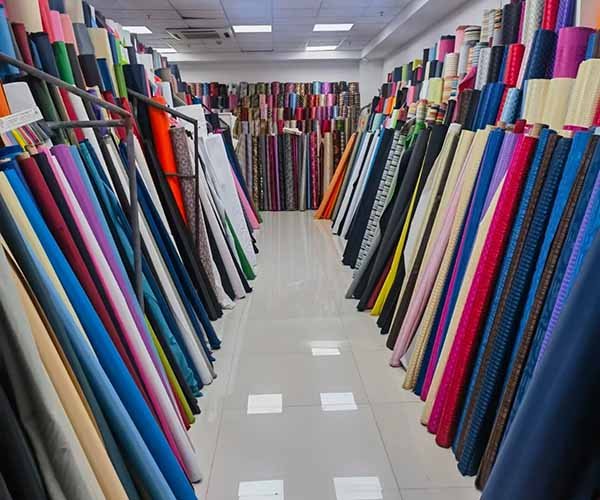
Managed Partner Capacity
More than 10 approved satellite partners provide additional capacity and specialized category support. Szoneier controls project communication, approved references, material requirements, production instructions, inspection, packing, and delivery responsibility.
- Capacity flexibility
- Specialized product support
- Unified project standards
- Centralized communication
Verification Beyond Internal Factory Checks
Material Documentation
- Document availability varies by material
- Supplier and batch scope should be checked
- Expiration and issuing party matter
- Documentation should match the finished product
Market-Specific Testing
- Test scope defined before production
- Laboratory samples planned early
- Finished-product and material testing distinguished
- Claims aligned with available evidence
Third-Party Inspection
- Pre-production or final inspection
- Brand-defined inspection checklist
- AQL-based sampling where agreed
- Reinspection after corrective work
Brand Inspection Standards
- Standards reviewed before quotation
- High-risk requirements highlighted
- Inspection records aligned with the program
- Deviations require approval
Factory Review
- Video review
- On-site visit
- Production-area walkthrough
- Project-team meeting
Confidentiality and Records
Product files, artwork, packaging information, samples, and project records should be managed within agreed confidentiality boundaries. NDA arrangements can be reviewed for serious development programs.
- Controlled file access
- Approved public-image scope
- Confidential case-study boundaries
- Archived repeat-order records
How Manufacturing Risks Were Identified and Controlled
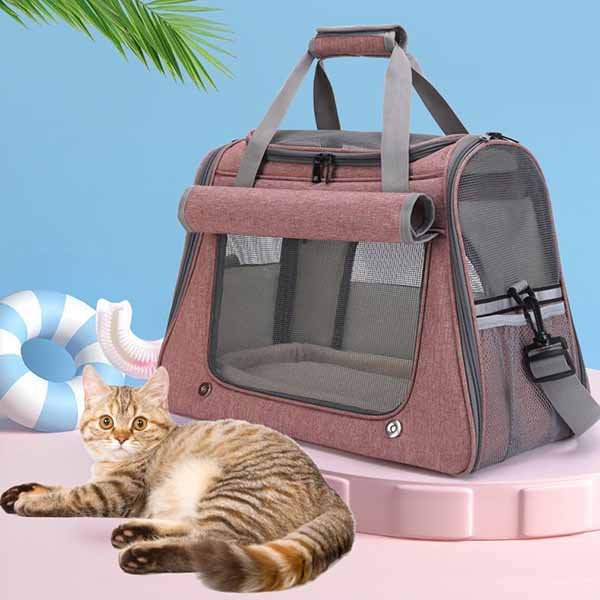
U.S. Pet Brand
- Mesh and seam inspection
- Safety-leash clip confirmation
- Zipper-security check
- Bottom-board fit
- Shoulder-strap attachment
- FNSKU and carton-label matching

European Beauty Retail Program
- Product code
- Exterior color
- Interior layout
- Metal logo finish
- Barcode
- Individual packing
- Carton quantity
- Carton mark
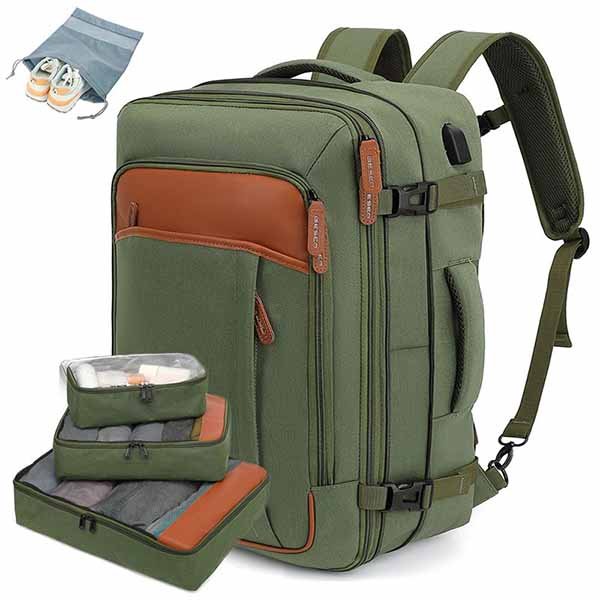
North American Outdoor Brand
Products: Technical backpacks and matching duffle bags
First Order: 5,400 pieces
Repeat Program: 8,200 pieces across additional colors
Materials: Nylon, polyester lining, foam, technical webbing, and branded pullers
First Sample Cycle: 20 days
First Bulk Production: 55 days
The brand needed a stable supplier for repeated seasonal production. The main concerns were shoulder-strap consistency, branded zipper-puller supply, foam thickness, color variation, and maintaining the first-order standard during future replenishment.
Szoneier archived:
- Approved patterns
- BOM records
- Material references
- Logo and puller files
- Key measurements
- Reinforcement instructions
- Packing files
- Carton data
- Quality checkpoints
Before the repeat order, available materials were compared with the archived references. New colors were sampled, while unchanged structures used the approved production files. The repeat program expanded without rebuilding the entire product from the beginning.
Low Risk Manufacturing Frequently Asked Questions
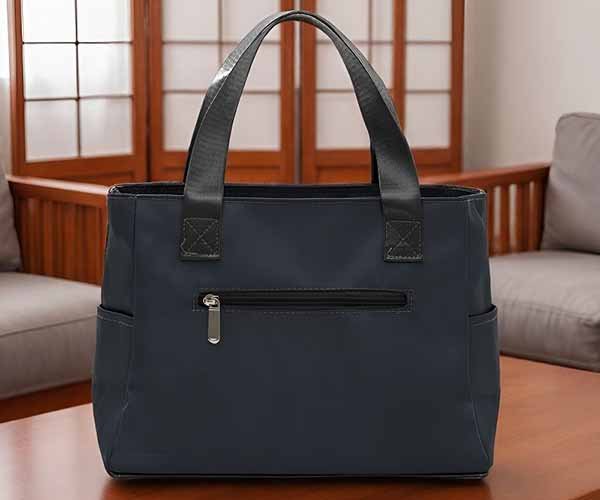
Review Your Bag Project Before You Scale
- Product photograph, drawing, tech pack, or reference sample
- Target dimensions, capacity, pockets, and functional requirements
- Preferred fabric, lining, foam, zipper, hardware, or material direction
- Logo artwork and preferred branding method
- Estimated order quantity and SKU breakdown
- Packaging, barcode, FNSKU, retail, or warehouse requirements
- Destination country and required arrival date
- Target price level or existing manufacturing challenge